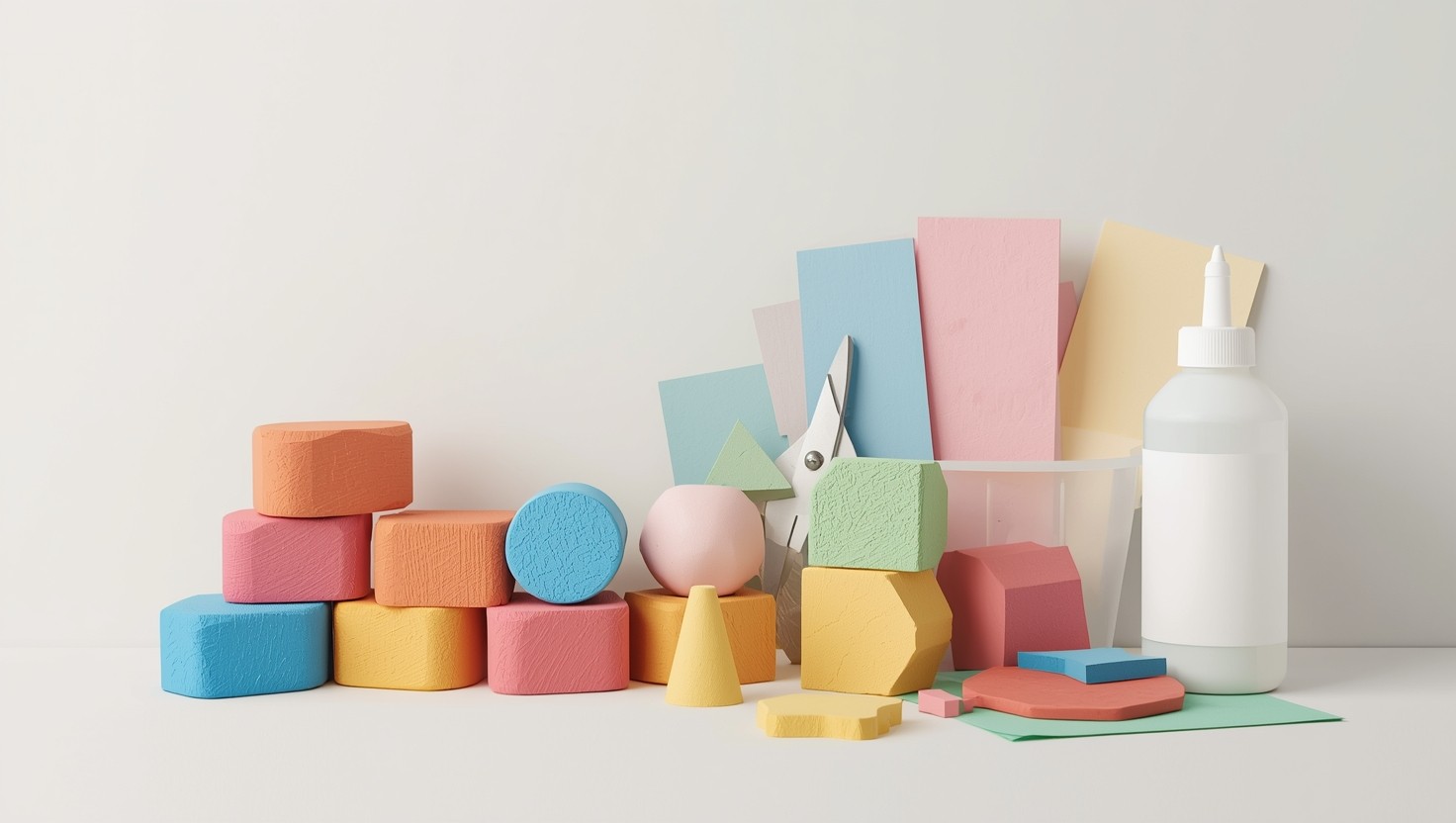
15 Learning Shapes Activities for Pre-K and Kindergarten
15 Learning Shapes Activities for Pre-K and Kindergarten

Article by
Milo
ESL Content Coordinator & Educator
ESL Content Coordinator & Educator
All Posts
It's October in your Pre-K classroom. You're watching a four-year-old struggle to draw a triangle for the third time, their crayon stabbing the paper while the rest of the class lines up for recess — and you realize they still can't tell the difference between a square and a rectangle no matter how many times you've pointed to the poster.
Learning shapes isn't just about memorizing circles and triangles. It's the foundation of early math skills and spatial reasoning. When kids can't distinguish between 2D shapes and 3D shapes, every math lesson that follows becomes an uphill battle. You need activities that build real understanding without eating your entire planning period or requiring specialty supplies you don't have in your cabinet.
This post covers fifteen strategies that actually work in busy classrooms. You'll get hands-on tools for teaching geometric shapes, shape games that keep preschoolers engaged without chaos, printable pre-writing exercises for fine motor development, movement-based activities for wiggly bodies, and art projects that make shape recognition stick. These aren't Pinterest-perfect crafts that waste an afternoon on setup and glitter cleanup. They're tested approaches from veteran teachers who know you have fifteen minutes between snack time and specials to make math concepts land with twenty-four different little learners.
Still grading everything by hand?
EMStudio is a free teaching management app — manage your classes, students, lessons, and more!
Learn More

Still grading everything by hand?
EMStudio is a free teaching management app — manage your classes, students, lessons, and more!
Learn More
Table of Contents
What Are the Best Hands-On Tools for Learning Shapes in Pre-K?
The best hands-on tools for learning shapes in Pre-K include geometric sorting boards (Melissa & Doug $24.99), magnetic tile sets (Magna-Tiles 100-piece $120), and 3D geometric solids kits (Learning Resources 14-piece $19.99). These manipulatives accommodate 4-6 students per station and target 2D/3D discrimination skills important for geometry readiness.
Geometric sorting boards like the Melissa & Doug Classic ($24.99, 5.5 inch wood) work best for ages 2-4 with groups of 4-6 students, offering high durability and targeting attribute discrimination. Magnetic tile sets including Magna-Tiles 100-piece ($119.99) or the PicassoTiles alternative ($59.99) suit ages 3-5, serve 4 students well, provide medium durability, and focus on spatial construction.
3D geometric solids from Learning Resources (14-piece, $19.99, 1.5-3 inch height) fit ages 3-5, work for 4-6 students, have high durability, and teach attribute discrimination. Sorting boards need 2x3 ft table space. Magnetic tiles require metal trays to prevent frustration from sliding. 3D solids need labeled bins with silhouette matching to prevent loss.
When students sort by color instead of shape, implement blindfolded touch sorting with 3D solids to force attribute focus. If students mouth pieces, transition immediately to larger 6-inch cardboard cutouts until safety protocols are established. Budget tier ($20-40) uses cardboard sorting boxes and foam blocks. Premium tier ($100-150) uses Magna-Tiles and wood sorters. Select shapes for pre k based on durability, not premium features, especially for 3-year-olds.
Geometric Sorting Boards and Three-Part Shape Sorters
The Montessori three-part method progresses from shape matching using inset boards, to shape recognition with cards, to shape naming. Use the Melissa & Doug Shape Sorting Clock ($14.99) for ages 3+ with 12 removable pieces. For ages 4+, the Junior Learning GeoStix ($24.99) builds early math skills through complex construction.
Start with three shapes for two weeks before introducing rectangles and ovals. Use errorless teaching by initially placing only the correct hole options to reduce frustration for 3-year-olds. Tactile learning tools for young children work best when you limit choices initially.
Magnetic Tiles and Pattern Block Sets
Magna-Tiles connect via magnets on all edges, creating stronger 3D structures than traditional pattern blocks. Learning Resources pattern blocks ($21.99) work better for 2D shapes and tessellation activities. A 100-piece magnetic set serves four students adequately at one station.
Use magnetic tiles to demonstrate how two right triangles compose a square, or six equilateral triangles make a hexagon. This concrete preparation builds part-whole relationships important for teaching shapes in elementary grades. These hands-on learning strategies make spatial reasoning visible.
Three-Dimensional Geometric Solids and Real-World Object Sets
The 14 essential solids include spheres, cubes, cones, cylinders, pyramids, and rectangular prisms. Pair these with real-world object sets like dice, cans, and balls for attribute mapping activities. This connects geometric shapes to everyday objects.
Place solids in an opaque cloth bag. Students identify shapes for pre k by touch only, describing edges, vertices, and faces to build mathematical vocabulary. For mixed-age classrooms, note that 1-inch plastic pattern blocks present choking hazards for under-3s; specify 3-inch foam alternatives instead.
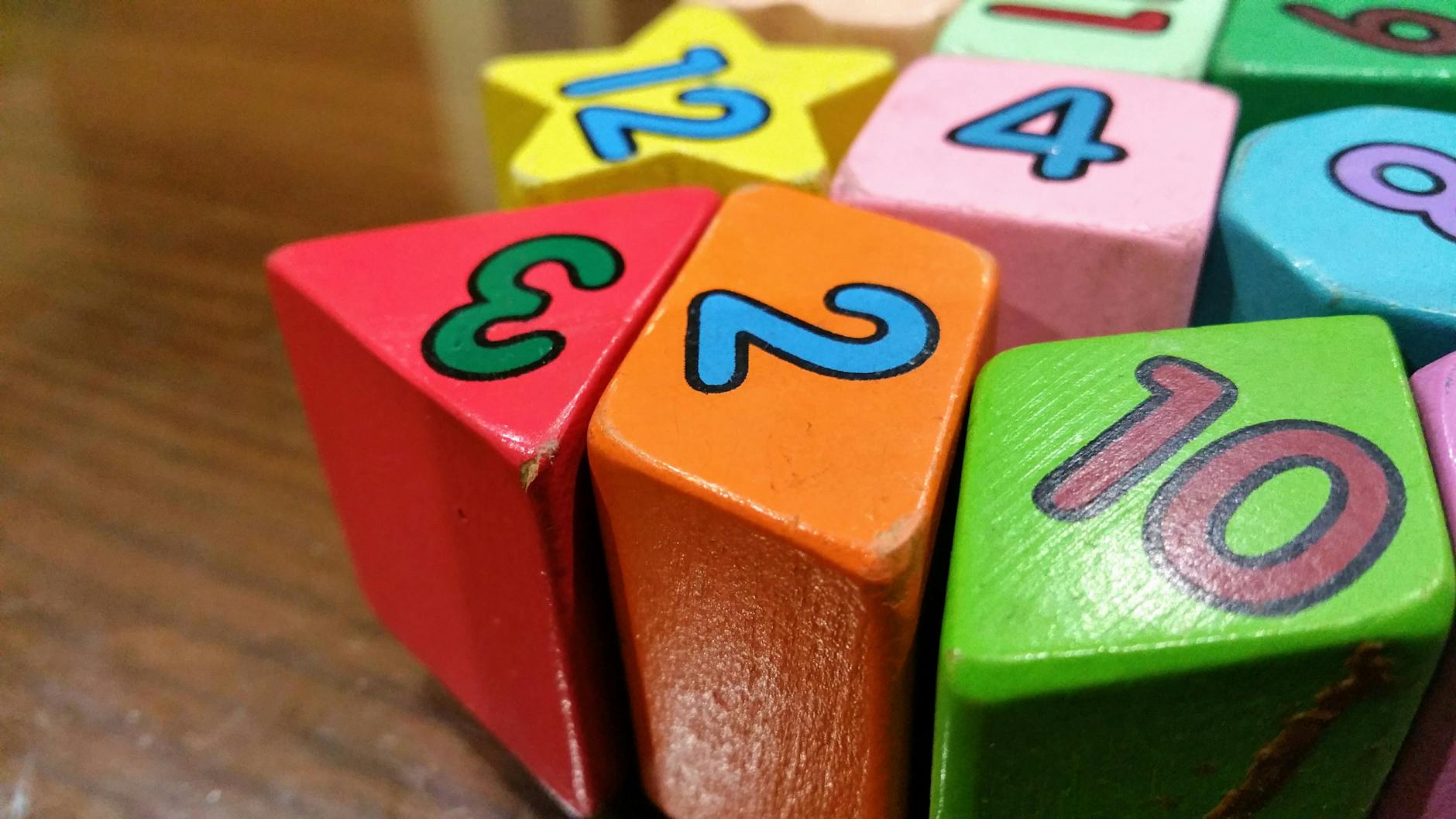
Which Shape Games for Preschoolers and Kindergarteners Work Best?
The best shape games for preschoolers and kindergarteners include interactive whiteboard activities like Shapes Bingo (ABCya), digital tracing apps (Otsimo School $9.99/month), and classic memory matching games. These accommodate whole-group instruction for 20+ students or individual practice, effectively bridging concrete manipulation to abstract shape recognition.
Digital games work when they match your tech reality. You don't need a one-to-one iPad cart to make learning shapes stick. Sometimes one tablet and a good rotation chart beats twenty devices with dead batteries.
You have three realistic setups for shape games for kindergarten and pre-k. Option A: zero devices. Print QR codes linking to audio shape songs from YouTube. Students scan with your phone during center time. Option B: one to five tablets. Run Otsimo School ($9.99 monthly, IEP-aligned) in rotations. Option C: SmartBoard or interactive whiteboard. Use ABCya! Shape Patterns free in the browser for the whole class.
Khan Academy Kids offers fifteen-plus free shape activities. Busy Shapes costs $2.99 once with a clean interface that prevents distraction. Toy Theater Shape Memory requires no login. All three need iOS 12 or newer, or Android 8 and up. Check your district's hand-me-down tablets before you buy.
Cap whole-group whiteboard sessions at twelve minutes for four-year-olds. Their eyes glaze over after that. Run tablet rotations in eight-minute blocks to prevent eye strain. Require volume-limiting headphones capped at eighty-five decibels. Trust me on this. Twenty kids tapping sound effects without headphones will end you.
Skip apps that shower kids with coins and dancing characters after every correct answer. The reward animation overshadows the geometric shapes themselves. Clean interfaces keep the focus on the learning objective. Extraneous noise reduces retention in preschoolers.
Interactive Whiteboard Shape Activities for Whole Groups
Shape Shoot on Math Playground has students tap flying geometric shapes as they move across the screen. Twinkl's 2D Shape Sorting lets kids drag shapes into Venn diagrams. The Math Learning Center's Virtual Pattern Blocks function like digital tiles. Calibrate your projector for four-foot touch accuracy or you'll fight the board all morning.
Divide the class into teams of five for classroom games that improve learning like Shape Jeopardy. Rotate teams every three minutes. In a twenty-student classroom, that gives everyone a turn before attention collapses. Use interactive whiteboard techniques to keep the flow moving between turns.
Tablet Apps for Shape Recognition and Digital Tracing
Writing Wizard costs $7.99 and offers five difficulty levels with customizable shape fonts. Otsimo School provides error correction for students with fine motor delays. Both support left-handed mode and work with an Apple Pencil or twelve-dollar generic stylus. You don't need fancy equipment to build spatial reasoning.
Screenshot completed tracing sessions for digital portfolios. Store them in a folder labeled with the date. Aim for ten traces per shape during each session. Run three sessions weekly to see measurable improvements in pencil control and early math skills. The data proves growth to parents.
Online Shape Matching and Memory Games
Starfall offers shape books on their free tier with audio support. CoolMath4Kids runs Shape Matcher directly in the browser with no ads. PBS Kids Shape Quest works on Chromebooks and fourth-generation iPads or newer. These require no downloads and cover both 2D shapes and 3D shapes effectively.
When Wi-Fi fails, pull out printed memory cards from the Super Simple website. Laminate them at the district office for fifty cents per sheet. They last three years without tearing. This backup saves your lesson when the internet dies during shape recognition practice.

Printable Pre-Writing Shapes Activities for Fine Motor Practice
You need three printables for teaching shapes to preschoolers. Tracing worksheets using Handwriting Without Tears-style gray blocks with one-inch cap height. Cut-and-paste sorts on 11x17 paper with eight-shape mats; the size accommodates Fiskars five-inch blunt-tip scissors. Shape Bingo using four-by-four grids for sixteen-shape variety, though start three-year-olds on three-by-three.
Begin at the vertical surface. Tape paper to the wall at thirty-six inches high for shoulder stability. Use broken crayons—one-inch pieces—to promote tripod grasp. Schedule ten-minute sessions three times weekly.
Use thirty-two-pound paper minimum for repeated erasing. Laminate high-use templates for forty cents per page at office supply stores. Use Crayola Ultra-Clean Washable markers.
Three-year-olds trace single-shape outlines. Four-year-olds connect dots to form 2D shapes. Five-year-olds copy three-shape patterns like circle-square-triangle repeats.
Shape Tracing Worksheets for Pencil Control Development
Run a three-stage progression for pre writing shapes. First, trace inside wide paths—half-inch channels that forgive wobbly hands. Next, dotted lines that demand precision. Finally, independent drawing on blank paper. For students with visual processing delays, use raised-line paper for tactile feedback. Make it with Puff Paint or buy packs from MaxiAids for twelve dollars.
Use Shape Mazes to build endurance. Students trace a continuous path through a circular maze without lifting the pencil. Track their progress. Most increase drawing endurance from thirty seconds to three minutes over six weeks of consistent practice.
Cut-and-Paste Shape Sorting Printables
Print two-inch geometric shapes on sixty-five-pound cardstock. The heavier weight prevents flopping while cutting. Students cut these out and sort them into envelopes labeled with shape silhouettes. This combines bilateral coordination with categorization. You hit both motor and academic goals in one activity.
Differentiate based on scissor ability. Provide pre-cut shapes for students still at the snipping stage who cannot yet follow lines. For advanced five-year-olds, offer complex irregular shapes requiring them to turn the paper with their helper hand. These ready-to-use worksheet templates save you the setup time.
Shape Bingo and Matching Card Games
Create Shape Lotto using four-by-four grids. Use real photographs instead of clip art—think clocks for circles, books for rectangles, slices of pizza for triangles. This bridges the gap between symbolic drawings and real-world shape recognition. It cements learning shapes in meaningful context.
Limit groups to four players. Any larger and the wait time destroys their attention spans. Use transparent bingo chips so cleanup takes seconds and you can verify winning cards quickly. Keep games to eight or ten minutes. That aligns with preschool endurance and leaves them wanting more.

Movement-Based Learning Shapes Activities for Active Classrooms
Learning shapes happens faster when bodies move. Research on embodied cognition shows kinesthetic instruction can boost retention by 15-20% over seated work for preschoolers and kindergarteners. These psychomotor learning activities require minimal setup but demand specific safety protocols to keep shape games for kindergarten both active and injury-free.
Indoor Shape Scavenger Hunts and Hide-and-Seek Games
Hide twelve laminated shape cards—4x6 inch prints—at three height levels throughout your classroom or gym. Place some at ground level (0-12 inches) for crawling, others at waist height (12-24 inches) and shoulder height (24-36 inches) to prompt bending and reaching. Maintain six-foot radius clear zones around each search area and limit stations to eight students with visual stop markers to prevent collisions during these shape games for preschoolers.
Hand each child a paper lunch sack and a picture checklist showing five target geometric shapes or 3D shapes. Set clear boundaries within a 20x20 foot area so students know the hunt zone. For mixed abilities, pair students as shape buddies where one reads the shape name while the other searches, switching roles halfway through to build both shape recognition and early math skills.
Floor Tape Shapes for Hopscotch and Pathway Challenges
Create hopscotch boards indoors using two-inch gaffer tape—about eight dollars per roll—or painter's tape for easy removal, forming three-foot diameter circles and squares on carpet. Design Shape Pathways where students hop between circles with feet together then step on rectangles with alternating feet. Add narrative play with blue tape for water they must jump over and green for safe grass zones.
Maintain six-foot radius clear zones for hopping activities to prevent collisions. Use non-slip rug pads under tape on tile floors. For students with physical disabilities, widen tape paths to twelve inches and allow walking instead of hopping while maintaining the shape naming component. For outdoor play, draw shapes with sidewalk chalk using six-inch thick lines; apply sunscreen with SPF 15 minimum during peak hours.
Body Shapes and Geometry Yoga Poses
Lead Geometry Yoga by holding triangle pose for ten seconds while students name three sides and three angles. Move through a sequence: curl tight into child's pose for Circle, hold three-legged dog for Triangle, maintain plank for Rectangle, and stand in jumping jack position for Star. Hold each for five to ten seconds while counting sides aloud to reinforce 2D shapes attributes and spatial reasoning.
Incorporate deep breathing while curled in Circle pose to help students regulate arousal levels before returning to seated learning. These active classroom engagement strategies build body awareness without worksheets. Track shape identification accuracy through pre and post assessments to measure the impact of movement on learning shapes and geometric concepts.

Creative Art Projects for Teaching Shapes to Preschoolers
Set up three 20-minute art stations for shapes for pre k with five-minute cleanup buffers. For collage, stock Tru-Ray 76 lb construction paper ($5/500 sheets) pre-cut into 3-inch to 6-inch shapes plus Elmer's washable glue sticks. The clay station needs Crayola Air-Dry Clay ($2.99/lb) and geometric cookie cutters. Nature art requires five items per child—sticks, stones, leaves. Organize materials in labeled "shape buckets" displaying both word and geometric figure.
During transitions, lead shape walks where students point out attributes in artwork before placing pieces in drying racks. Ask "How many sides does your triangle have?" Focus on mathematical vocabulary over aesthetic judgment.
Collage Art Using Cut Paper Shapes and Recycled Materials
Collect cereal boxes and cardboard tubes to pre-cut into geometric components. Students assemble 3D sculptures—cylinder plus cone equals rocket—to explore how 2D shapes compose 3D forms. Use glue sticks for flat collages. Switch to masking tape for 3D construction; small hands manage tape better than liquid glue.
When a child insists their triangle is "a pizza" or "a sun," redirect with attribute blocks or shape stencils. Have them trace the edges and count sides aloud. Skip representational stories. Focus on mathematical properties to reinforce shape recognition and spatial reasoning.
Clay and Playdough Geometric Modeling Stations
Demonstrate the "coil and stack" method for building 3D cylinders versus "pinch and flatten" for circles. Provide plastic knives for slicing clay into square and rectangular prisms. This builds early math skills through tactile exploration of geometric shapes.
Air-dry clay needs 48 hours to set completely. Create labeled drying trays using egg cartons to protect small sculptures from damage. Keep these separate from active work areas to prevent accidental crushing during the learning shapes process.
Nature Art Projects with Found Shapes in the Environment
Adapt to seasons: fall leaves for ovals, spring petals for organic shapes, winter snowballs for spheres. Create temporary shape mandalas on contact paper—sticky side up—using found items. No glue required for these geometric compositions.
Inspect natural materials for insects or sharp edges before bringing indoors. Avoid berries and toxic plants entirely. This connects teaching shapes to the play-based learning guide principles by using real-world geometric finds rather than synthetic materials.
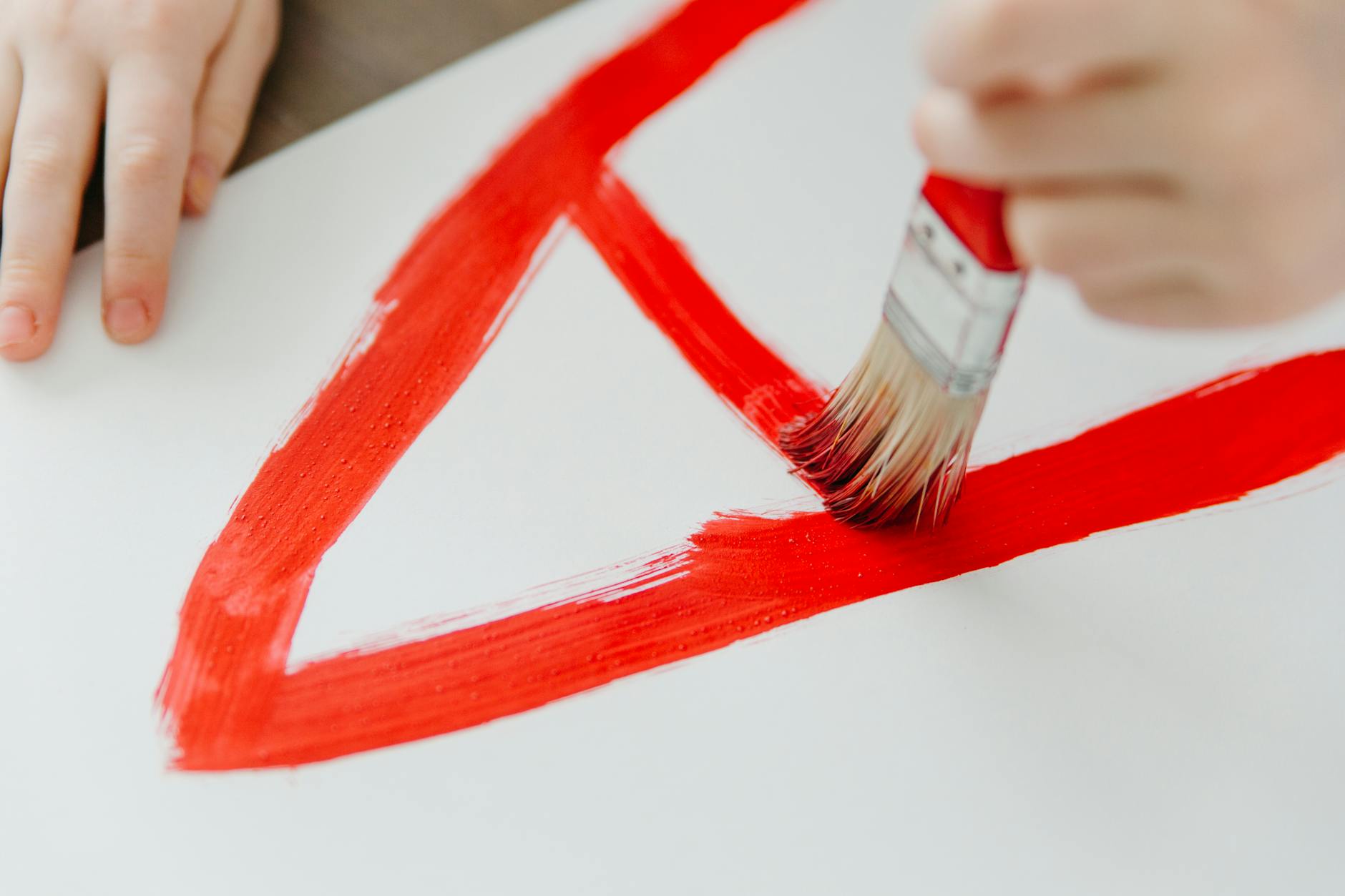
How Do You Differentiate Shape Activities for Mixed Age Groups?
Differentiate shape activities by modifying cognitive complexity and fine motor demands. For 3-year-olds, use three basic geometric shapes with large 4-inch manipulatives. For 5-year-olds, introduce hexagons, trapezoids, and composite shape building to advance their shape recognition.
Establish three tiers. Tier 1 gives ages 3-4 circles, squares, triangles, and rectangles with 4-inch foam pieces and errorless trays that guarantee success. They learn through pure exploration without penalty. Tier 2 adds ovals, diamonds, hearts, and 3D shapes for ages 4-5, requiring them to sort by attributes like curved versus straight sides.
Tier 3 challenges ages 5-6 with hexagons, trapezoids, and composite building. They merge two triangles into a square or rectangle.
Create a modification matrix for diverse learners. Students with fine motor delays need sand trays or shaving cream for finger tracing, skipping pencils entirely. Gifted students need tangram puzzles with seven pieces and strict constraints to build composite animals. Same material, different cognitive demand.
Watch for the common failure of one-size-fits-all instruction. When 5-year-olds dominate discussions, 3-year-olds disengage from early math skills practice quickly. Implement parallel play stations where all ages manipulate geometric shapes simultaneously but follow different task cards. One child matches circles to a template while another combines triangles and rhombuses to build complex patterns.
Differentiate your assessment methods to match development. Use photo documentation portfolios for non-writers showing physical manipulation of 2D shapes. Record dictated verbal responses on tablets for students with dysgraphia. Reserve standard worksheets only for students with mature pencil grips, typically age five and up. This captures true understanding without handwriting barriers.
John Hattie's Visible Learning research supports this tiered approach to teaching shapes to preschoolers. Direct instruction with clear success criteria shows an effect size of 0.59. Peer tutoring adds 0.55. Combine both in your differentiated instruction strategies for learning shapes to maximize spatial reasoning and early geometry gains across mixed ages.

Putting It All Together: Your 4-Week Shape Curriculum Implementation Plan
Week 1 targets 2D shapes. Circle, square, triangle, rectangle. Kids touch the edges, trace with fingers, chant the names. You want automatic recognition before moving on. Focus on teaching shapes through direct naming and repeated exposure.
Week 2 shifts to 2D advanced. Oval, diamond, heart, star. Now they count sides and corners. A heart has no corners. A diamond has four. They start noticing attributes, not just names. Shape recognition moves beyond simple matching to property analysis.
Week 3 introduces 3D shapes. Sphere, cube, cylinder, cone. Bring in a soup can, a dice, a party hat. They roll the sphere across the table. It doesn't stack. Real-world connections cement the vocabulary. Handling physical 3D solids builds early math skills faster than flat images.
Week 4 focuses on composition. Pattern blocks, tangrams, collage work. Two triangles make a square. Spatial reasoning develops when they decompose and recombine geometric shapes. Challenge them to create a house or boat using only the pieces provided.
Your daily block runs 40 minutes. Start with 15 minutes whole-group explicit instruction using anchor charts. Show the shape, say the name, trace it in the air.
Then 20 minutes centers. Two rotations, ten minutes each. One sensory bin with hidden foam shapes in rice. One cognitive station with sorting boards. Movement keeps them engaged. These shape games for kindergarten require minimal setup but maximize hands-on practice.
Close with five minutes in a circle. One student describes a shape they worked with using three clues. "It has three sides." "It's a triangle!" This total aligns with NAEYC recommendations for early math instruction.
Prep your materials by week:
Week 1 needs geometric sorting boards and shape books from your library.
Week 2 requires magnetic tiles and stencils for tracing.
Week 3 needs 3D solids and environmental print like cereal boxes.
Week 4 needs composition puzzles and glue for collages.
Total budget runs $50-75 if buying new. Use cardboard tubes and cutouts from old boxes and you hit zero dollars.
Assess at Week 2. Can they name eight out of eight basic shapes? Check again at Week 4. Can they sort 3D from 2D with ninety percent accuracy? Can they combine two smaller shapes to make a new one? These checkpoints track genuine understanding, not just memorization.
Students below seventy percent mastery get a five-minute daily small-group intervention. Use sand trays, clay, or body movements. Multi-sensory methods reteach faster than worksheets.
Send home weekly Shape Hunt homework. Ask families to photograph three target shapes found in their kitchen or bedroom. Accept submissions in English, Spanish, or Mandarin. Clear instructions in home languages increase participation rates significantly.
Compile the photos into a class slideshow. Kids see their couch cushions and tortilla presses validated as mathematical tools. This builds cultural responsiveness while reinforcing learning shapes outside school walls.
For more help sequencing your lessons, check out our step-by-step unit planning guide.

Quick-Start Guide for Learning Shapes
You do not need every manipulative on this list to teach geometric shapes well. Pick two hands-on tools, one movement game, and one art project. Rotate them across four weeks. Students need to touch, see, and build 2D shapes and 3D shapes daily. That repetition cements shape recognition better than any worksheet.
Watch which activities make your students light up when they spot a hexagon in the block corner or a cylinder at snack time. Build your next week around those wins. Start small, stay consistent, and let geometric shapes come alive through play, not isolated lessons.
You already have the materials you need. The 4-week plan works whether you teach straight Pre-K or a mixed-age group. Trust the process, adjust as you go, and celebrate when a four-year-old correctly names a trapezoid without prompting.
Audit your supply closet tonight for blocks, geoboards, or clay.
Choose one low-prep shape game from the list above for tomorrow morning.
Print one pre-writing shapes activity for your small-group table.
Block 20 minutes Friday for a movement-based shapes hunt in the hallway.

What Are the Best Hands-On Tools for Learning Shapes in Pre-K?
The best hands-on tools for learning shapes in Pre-K include geometric sorting boards (Melissa & Doug $24.99), magnetic tile sets (Magna-Tiles 100-piece $120), and 3D geometric solids kits (Learning Resources 14-piece $19.99). These manipulatives accommodate 4-6 students per station and target 2D/3D discrimination skills important for geometry readiness.
Geometric sorting boards like the Melissa & Doug Classic ($24.99, 5.5 inch wood) work best for ages 2-4 with groups of 4-6 students, offering high durability and targeting attribute discrimination. Magnetic tile sets including Magna-Tiles 100-piece ($119.99) or the PicassoTiles alternative ($59.99) suit ages 3-5, serve 4 students well, provide medium durability, and focus on spatial construction.
3D geometric solids from Learning Resources (14-piece, $19.99, 1.5-3 inch height) fit ages 3-5, work for 4-6 students, have high durability, and teach attribute discrimination. Sorting boards need 2x3 ft table space. Magnetic tiles require metal trays to prevent frustration from sliding. 3D solids need labeled bins with silhouette matching to prevent loss.
When students sort by color instead of shape, implement blindfolded touch sorting with 3D solids to force attribute focus. If students mouth pieces, transition immediately to larger 6-inch cardboard cutouts until safety protocols are established. Budget tier ($20-40) uses cardboard sorting boxes and foam blocks. Premium tier ($100-150) uses Magna-Tiles and wood sorters. Select shapes for pre k based on durability, not premium features, especially for 3-year-olds.
Geometric Sorting Boards and Three-Part Shape Sorters
The Montessori three-part method progresses from shape matching using inset boards, to shape recognition with cards, to shape naming. Use the Melissa & Doug Shape Sorting Clock ($14.99) for ages 3+ with 12 removable pieces. For ages 4+, the Junior Learning GeoStix ($24.99) builds early math skills through complex construction.
Start with three shapes for two weeks before introducing rectangles and ovals. Use errorless teaching by initially placing only the correct hole options to reduce frustration for 3-year-olds. Tactile learning tools for young children work best when you limit choices initially.
Magnetic Tiles and Pattern Block Sets
Magna-Tiles connect via magnets on all edges, creating stronger 3D structures than traditional pattern blocks. Learning Resources pattern blocks ($21.99) work better for 2D shapes and tessellation activities. A 100-piece magnetic set serves four students adequately at one station.
Use magnetic tiles to demonstrate how two right triangles compose a square, or six equilateral triangles make a hexagon. This concrete preparation builds part-whole relationships important for teaching shapes in elementary grades. These hands-on learning strategies make spatial reasoning visible.
Three-Dimensional Geometric Solids and Real-World Object Sets
The 14 essential solids include spheres, cubes, cones, cylinders, pyramids, and rectangular prisms. Pair these with real-world object sets like dice, cans, and balls for attribute mapping activities. This connects geometric shapes to everyday objects.
Place solids in an opaque cloth bag. Students identify shapes for pre k by touch only, describing edges, vertices, and faces to build mathematical vocabulary. For mixed-age classrooms, note that 1-inch plastic pattern blocks present choking hazards for under-3s; specify 3-inch foam alternatives instead.
Which Shape Games for Preschoolers and Kindergarteners Work Best?
The best shape games for preschoolers and kindergarteners include interactive whiteboard activities like Shapes Bingo (ABCya), digital tracing apps (Otsimo School $9.99/month), and classic memory matching games. These accommodate whole-group instruction for 20+ students or individual practice, effectively bridging concrete manipulation to abstract shape recognition.
Digital games work when they match your tech reality. You don't need a one-to-one iPad cart to make learning shapes stick. Sometimes one tablet and a good rotation chart beats twenty devices with dead batteries.
You have three realistic setups for shape games for kindergarten and pre-k. Option A: zero devices. Print QR codes linking to audio shape songs from YouTube. Students scan with your phone during center time. Option B: one to five tablets. Run Otsimo School ($9.99 monthly, IEP-aligned) in rotations. Option C: SmartBoard or interactive whiteboard. Use ABCya! Shape Patterns free in the browser for the whole class.
Khan Academy Kids offers fifteen-plus free shape activities. Busy Shapes costs $2.99 once with a clean interface that prevents distraction. Toy Theater Shape Memory requires no login. All three need iOS 12 or newer, or Android 8 and up. Check your district's hand-me-down tablets before you buy.
Cap whole-group whiteboard sessions at twelve minutes for four-year-olds. Their eyes glaze over after that. Run tablet rotations in eight-minute blocks to prevent eye strain. Require volume-limiting headphones capped at eighty-five decibels. Trust me on this. Twenty kids tapping sound effects without headphones will end you.
Skip apps that shower kids with coins and dancing characters after every correct answer. The reward animation overshadows the geometric shapes themselves. Clean interfaces keep the focus on the learning objective. Extraneous noise reduces retention in preschoolers.
Interactive Whiteboard Shape Activities for Whole Groups
Shape Shoot on Math Playground has students tap flying geometric shapes as they move across the screen. Twinkl's 2D Shape Sorting lets kids drag shapes into Venn diagrams. The Math Learning Center's Virtual Pattern Blocks function like digital tiles. Calibrate your projector for four-foot touch accuracy or you'll fight the board all morning.
Divide the class into teams of five for classroom games that improve learning like Shape Jeopardy. Rotate teams every three minutes. In a twenty-student classroom, that gives everyone a turn before attention collapses. Use interactive whiteboard techniques to keep the flow moving between turns.
Tablet Apps for Shape Recognition and Digital Tracing
Writing Wizard costs $7.99 and offers five difficulty levels with customizable shape fonts. Otsimo School provides error correction for students with fine motor delays. Both support left-handed mode and work with an Apple Pencil or twelve-dollar generic stylus. You don't need fancy equipment to build spatial reasoning.
Screenshot completed tracing sessions for digital portfolios. Store them in a folder labeled with the date. Aim for ten traces per shape during each session. Run three sessions weekly to see measurable improvements in pencil control and early math skills. The data proves growth to parents.
Online Shape Matching and Memory Games
Starfall offers shape books on their free tier with audio support. CoolMath4Kids runs Shape Matcher directly in the browser with no ads. PBS Kids Shape Quest works on Chromebooks and fourth-generation iPads or newer. These require no downloads and cover both 2D shapes and 3D shapes effectively.
When Wi-Fi fails, pull out printed memory cards from the Super Simple website. Laminate them at the district office for fifty cents per sheet. They last three years without tearing. This backup saves your lesson when the internet dies during shape recognition practice.
Printable Pre-Writing Shapes Activities for Fine Motor Practice
You need three printables for teaching shapes to preschoolers. Tracing worksheets using Handwriting Without Tears-style gray blocks with one-inch cap height. Cut-and-paste sorts on 11x17 paper with eight-shape mats; the size accommodates Fiskars five-inch blunt-tip scissors. Shape Bingo using four-by-four grids for sixteen-shape variety, though start three-year-olds on three-by-three.
Begin at the vertical surface. Tape paper to the wall at thirty-six inches high for shoulder stability. Use broken crayons—one-inch pieces—to promote tripod grasp. Schedule ten-minute sessions three times weekly.
Use thirty-two-pound paper minimum for repeated erasing. Laminate high-use templates for forty cents per page at office supply stores. Use Crayola Ultra-Clean Washable markers.
Three-year-olds trace single-shape outlines. Four-year-olds connect dots to form 2D shapes. Five-year-olds copy three-shape patterns like circle-square-triangle repeats.
Shape Tracing Worksheets for Pencil Control Development
Run a three-stage progression for pre writing shapes. First, trace inside wide paths—half-inch channels that forgive wobbly hands. Next, dotted lines that demand precision. Finally, independent drawing on blank paper. For students with visual processing delays, use raised-line paper for tactile feedback. Make it with Puff Paint or buy packs from MaxiAids for twelve dollars.
Use Shape Mazes to build endurance. Students trace a continuous path through a circular maze without lifting the pencil. Track their progress. Most increase drawing endurance from thirty seconds to three minutes over six weeks of consistent practice.
Cut-and-Paste Shape Sorting Printables
Print two-inch geometric shapes on sixty-five-pound cardstock. The heavier weight prevents flopping while cutting. Students cut these out and sort them into envelopes labeled with shape silhouettes. This combines bilateral coordination with categorization. You hit both motor and academic goals in one activity.
Differentiate based on scissor ability. Provide pre-cut shapes for students still at the snipping stage who cannot yet follow lines. For advanced five-year-olds, offer complex irregular shapes requiring them to turn the paper with their helper hand. These ready-to-use worksheet templates save you the setup time.
Shape Bingo and Matching Card Games
Create Shape Lotto using four-by-four grids. Use real photographs instead of clip art—think clocks for circles, books for rectangles, slices of pizza for triangles. This bridges the gap between symbolic drawings and real-world shape recognition. It cements learning shapes in meaningful context.
Limit groups to four players. Any larger and the wait time destroys their attention spans. Use transparent bingo chips so cleanup takes seconds and you can verify winning cards quickly. Keep games to eight or ten minutes. That aligns with preschool endurance and leaves them wanting more.
Movement-Based Learning Shapes Activities for Active Classrooms
Learning shapes happens faster when bodies move. Research on embodied cognition shows kinesthetic instruction can boost retention by 15-20% over seated work for preschoolers and kindergarteners. These psychomotor learning activities require minimal setup but demand specific safety protocols to keep shape games for kindergarten both active and injury-free.
Indoor Shape Scavenger Hunts and Hide-and-Seek Games
Hide twelve laminated shape cards—4x6 inch prints—at three height levels throughout your classroom or gym. Place some at ground level (0-12 inches) for crawling, others at waist height (12-24 inches) and shoulder height (24-36 inches) to prompt bending and reaching. Maintain six-foot radius clear zones around each search area and limit stations to eight students with visual stop markers to prevent collisions during these shape games for preschoolers.
Hand each child a paper lunch sack and a picture checklist showing five target geometric shapes or 3D shapes. Set clear boundaries within a 20x20 foot area so students know the hunt zone. For mixed abilities, pair students as shape buddies where one reads the shape name while the other searches, switching roles halfway through to build both shape recognition and early math skills.
Floor Tape Shapes for Hopscotch and Pathway Challenges
Create hopscotch boards indoors using two-inch gaffer tape—about eight dollars per roll—or painter's tape for easy removal, forming three-foot diameter circles and squares on carpet. Design Shape Pathways where students hop between circles with feet together then step on rectangles with alternating feet. Add narrative play with blue tape for water they must jump over and green for safe grass zones.
Maintain six-foot radius clear zones for hopping activities to prevent collisions. Use non-slip rug pads under tape on tile floors. For students with physical disabilities, widen tape paths to twelve inches and allow walking instead of hopping while maintaining the shape naming component. For outdoor play, draw shapes with sidewalk chalk using six-inch thick lines; apply sunscreen with SPF 15 minimum during peak hours.
Body Shapes and Geometry Yoga Poses
Lead Geometry Yoga by holding triangle pose for ten seconds while students name three sides and three angles. Move through a sequence: curl tight into child's pose for Circle, hold three-legged dog for Triangle, maintain plank for Rectangle, and stand in jumping jack position for Star. Hold each for five to ten seconds while counting sides aloud to reinforce 2D shapes attributes and spatial reasoning.
Incorporate deep breathing while curled in Circle pose to help students regulate arousal levels before returning to seated learning. These active classroom engagement strategies build body awareness without worksheets. Track shape identification accuracy through pre and post assessments to measure the impact of movement on learning shapes and geometric concepts.
Creative Art Projects for Teaching Shapes to Preschoolers
Set up three 20-minute art stations for shapes for pre k with five-minute cleanup buffers. For collage, stock Tru-Ray 76 lb construction paper ($5/500 sheets) pre-cut into 3-inch to 6-inch shapes plus Elmer's washable glue sticks. The clay station needs Crayola Air-Dry Clay ($2.99/lb) and geometric cookie cutters. Nature art requires five items per child—sticks, stones, leaves. Organize materials in labeled "shape buckets" displaying both word and geometric figure.
During transitions, lead shape walks where students point out attributes in artwork before placing pieces in drying racks. Ask "How many sides does your triangle have?" Focus on mathematical vocabulary over aesthetic judgment.
Collage Art Using Cut Paper Shapes and Recycled Materials
Collect cereal boxes and cardboard tubes to pre-cut into geometric components. Students assemble 3D sculptures—cylinder plus cone equals rocket—to explore how 2D shapes compose 3D forms. Use glue sticks for flat collages. Switch to masking tape for 3D construction; small hands manage tape better than liquid glue.
When a child insists their triangle is "a pizza" or "a sun," redirect with attribute blocks or shape stencils. Have them trace the edges and count sides aloud. Skip representational stories. Focus on mathematical properties to reinforce shape recognition and spatial reasoning.
Clay and Playdough Geometric Modeling Stations
Demonstrate the "coil and stack" method for building 3D cylinders versus "pinch and flatten" for circles. Provide plastic knives for slicing clay into square and rectangular prisms. This builds early math skills through tactile exploration of geometric shapes.
Air-dry clay needs 48 hours to set completely. Create labeled drying trays using egg cartons to protect small sculptures from damage. Keep these separate from active work areas to prevent accidental crushing during the learning shapes process.
Nature Art Projects with Found Shapes in the Environment
Adapt to seasons: fall leaves for ovals, spring petals for organic shapes, winter snowballs for spheres. Create temporary shape mandalas on contact paper—sticky side up—using found items. No glue required for these geometric compositions.
Inspect natural materials for insects or sharp edges before bringing indoors. Avoid berries and toxic plants entirely. This connects teaching shapes to the play-based learning guide principles by using real-world geometric finds rather than synthetic materials.
How Do You Differentiate Shape Activities for Mixed Age Groups?
Differentiate shape activities by modifying cognitive complexity and fine motor demands. For 3-year-olds, use three basic geometric shapes with large 4-inch manipulatives. For 5-year-olds, introduce hexagons, trapezoids, and composite shape building to advance their shape recognition.
Establish three tiers. Tier 1 gives ages 3-4 circles, squares, triangles, and rectangles with 4-inch foam pieces and errorless trays that guarantee success. They learn through pure exploration without penalty. Tier 2 adds ovals, diamonds, hearts, and 3D shapes for ages 4-5, requiring them to sort by attributes like curved versus straight sides.
Tier 3 challenges ages 5-6 with hexagons, trapezoids, and composite building. They merge two triangles into a square or rectangle.
Create a modification matrix for diverse learners. Students with fine motor delays need sand trays or shaving cream for finger tracing, skipping pencils entirely. Gifted students need tangram puzzles with seven pieces and strict constraints to build composite animals. Same material, different cognitive demand.
Watch for the common failure of one-size-fits-all instruction. When 5-year-olds dominate discussions, 3-year-olds disengage from early math skills practice quickly. Implement parallel play stations where all ages manipulate geometric shapes simultaneously but follow different task cards. One child matches circles to a template while another combines triangles and rhombuses to build complex patterns.
Differentiate your assessment methods to match development. Use photo documentation portfolios for non-writers showing physical manipulation of 2D shapes. Record dictated verbal responses on tablets for students with dysgraphia. Reserve standard worksheets only for students with mature pencil grips, typically age five and up. This captures true understanding without handwriting barriers.
John Hattie's Visible Learning research supports this tiered approach to teaching shapes to preschoolers. Direct instruction with clear success criteria shows an effect size of 0.59. Peer tutoring adds 0.55. Combine both in your differentiated instruction strategies for learning shapes to maximize spatial reasoning and early geometry gains across mixed ages.
Putting It All Together: Your 4-Week Shape Curriculum Implementation Plan
Week 1 targets 2D shapes. Circle, square, triangle, rectangle. Kids touch the edges, trace with fingers, chant the names. You want automatic recognition before moving on. Focus on teaching shapes through direct naming and repeated exposure.
Week 2 shifts to 2D advanced. Oval, diamond, heart, star. Now they count sides and corners. A heart has no corners. A diamond has four. They start noticing attributes, not just names. Shape recognition moves beyond simple matching to property analysis.
Week 3 introduces 3D shapes. Sphere, cube, cylinder, cone. Bring in a soup can, a dice, a party hat. They roll the sphere across the table. It doesn't stack. Real-world connections cement the vocabulary. Handling physical 3D solids builds early math skills faster than flat images.
Week 4 focuses on composition. Pattern blocks, tangrams, collage work. Two triangles make a square. Spatial reasoning develops when they decompose and recombine geometric shapes. Challenge them to create a house or boat using only the pieces provided.
Your daily block runs 40 minutes. Start with 15 minutes whole-group explicit instruction using anchor charts. Show the shape, say the name, trace it in the air.
Then 20 minutes centers. Two rotations, ten minutes each. One sensory bin with hidden foam shapes in rice. One cognitive station with sorting boards. Movement keeps them engaged. These shape games for kindergarten require minimal setup but maximize hands-on practice.
Close with five minutes in a circle. One student describes a shape they worked with using three clues. "It has three sides." "It's a triangle!" This total aligns with NAEYC recommendations for early math instruction.
Prep your materials by week:
Week 1 needs geometric sorting boards and shape books from your library.
Week 2 requires magnetic tiles and stencils for tracing.
Week 3 needs 3D solids and environmental print like cereal boxes.
Week 4 needs composition puzzles and glue for collages.
Total budget runs $50-75 if buying new. Use cardboard tubes and cutouts from old boxes and you hit zero dollars.
Assess at Week 2. Can they name eight out of eight basic shapes? Check again at Week 4. Can they sort 3D from 2D with ninety percent accuracy? Can they combine two smaller shapes to make a new one? These checkpoints track genuine understanding, not just memorization.
Students below seventy percent mastery get a five-minute daily small-group intervention. Use sand trays, clay, or body movements. Multi-sensory methods reteach faster than worksheets.
Send home weekly Shape Hunt homework. Ask families to photograph three target shapes found in their kitchen or bedroom. Accept submissions in English, Spanish, or Mandarin. Clear instructions in home languages increase participation rates significantly.
Compile the photos into a class slideshow. Kids see their couch cushions and tortilla presses validated as mathematical tools. This builds cultural responsiveness while reinforcing learning shapes outside school walls.
For more help sequencing your lessons, check out our step-by-step unit planning guide.
Quick-Start Guide for Learning Shapes
You do not need every manipulative on this list to teach geometric shapes well. Pick two hands-on tools, one movement game, and one art project. Rotate them across four weeks. Students need to touch, see, and build 2D shapes and 3D shapes daily. That repetition cements shape recognition better than any worksheet.
Watch which activities make your students light up when they spot a hexagon in the block corner or a cylinder at snack time. Build your next week around those wins. Start small, stay consistent, and let geometric shapes come alive through play, not isolated lessons.
You already have the materials you need. The 4-week plan works whether you teach straight Pre-K or a mixed-age group. Trust the process, adjust as you go, and celebrate when a four-year-old correctly names a trapezoid without prompting.
Audit your supply closet tonight for blocks, geoboards, or clay.
Choose one low-prep shape game from the list above for tomorrow morning.
Print one pre-writing shapes activity for your small-group table.
Block 20 minutes Friday for a movement-based shapes hunt in the hallway.
Still grading everything by hand?
EMStudio is a free teaching management app — manage your classes, students, lessons, and more!
Learn More
Still grading everything by hand?
EMStudio is a free teaching management app — manage your classes, students, lessons, and more!
Learn More






Notion4Teachers
Notion templates to simplify administrative tasks and enhance your teaching experience.



2026 Notion4Teachers. All Rights Reserved.
Notion4Teachers
Notion templates to simplify administrative tasks and enhance your teaching experience.
2026 Notion4Teachers. All Rights Reserved.
Notion4Teachers
Notion templates to simplify administrative tasks and enhance your teaching experience.
2026 Notion4Teachers. All Rights Reserved.