
Reading Aloud: Complete Guide for K-12 Educators
Reading Aloud: Complete Guide for K-12 Educators

Article by
Milo
ESL Content Coordinator & Educator
ESL Content Coordinator & Educator
All Posts
When do you stop reading aloud to your students? If you're waiting for them to decode independently, you've already waited too long. Reading aloud isn't a bridge to real reading. It's the foundation that holds everything else up. Your 8th graders still need to hear what complex syntax sounds like before they can unpack it themselves.
I used to think seventh graders were too old for picture books. Then I watched a room full of 12-year-olds lean in during The Arrival by Shaun Tan. They tracked wordless pages with sharper focus than they'd given any textbook all year. That's when I understood: reading aloud builds listening comprehension at every grade level. It exposes kids to text complexity they can't yet handle alone. It models the think aloud strategy you want them to internalize when they read silently. And it creates the shared context that makes academic conversations possible.
This guide covers what actually works. You'll learn how to choose books that drive vocabulary acquisition, run an interactive read aloud without losing control of your class, and use this time to boost oral language development across K-12. Whether you teach kindergarten or AP Literature, these are the strategies that create readers who actually understand what they read. No prep-heavy packets required. No fluff. Just practical moves you can use tomorrow.
Still grading everything by hand?
EMStudio is a free teaching management app — manage your classes, students, lessons, and more!
Learn More

Still grading everything by hand?
EMStudio is a free teaching management app — manage your classes, students, lessons, and more!
Learn More
Table of Contents
What Is Reading Aloud?
Reading aloud is the instructional practice where teachers orally deliver text to students who listen and comprehend, typically lasting 10-20 minutes daily. It differs from silent reading by targeting listening comprehension, vocabulary acquisition, and oral language development while modeling fluent reading and thinking strategies.
You read. They listen. That simple arrangement powers reading aloud, freeing students to focus on meaning while you handle the heavy lifting of decoding.
Traditional read aloud means you perform the text while students absorb it auditorily, eyes on you or resting, building mental images from your voice alone. Interactive read aloud interrupts this flow deliberately—you stop at page three to model a think aloud strategy, revealing how skilled readers predict, question, or infer before continuing. I once paused during The Wild Robot to say, "I wonder why Roz built that shelter so carefully," and watched my third graders lean forward, suddenly aware that reading involves active construction of meaning, not just word calling. The text becomes a shared puzzle rather than a performance test.
Shared reading adds visual access, projecting text via document camera or using big books so kids track print while you voice it. They see the punctuation that creates your pauses, notice repeated phrases on the page, and match spoken words to written ones. This visibility matters for emergent readers who need to see that print carries consistent meaning.
Round-robin reading, where students take turns stumbling through paragraphs, is not reading aloud; it sacrifices comprehension for decoding practice and raises anxiety for struggling readers who count paragraphs ahead, terrified of their turn. Silent reading puts the burden entirely on the child to construct meaning from print alone. Reading aloud removes that barrier entirely.
The research is striking and consistent. Until middle school, a child's listening comprehension typically runs two to three grade levels ahead of their independent reading ability. This means your fifth graders can understand seventh-grade text complexity when you read it aloud, even if they struggle with grade-level chapter books on their own. You bridge the gap between what they can decode and what they can comprehend, flooding them with sophisticated vocabulary and syntax they would otherwise miss entirely. That gap is opportunity—the space where you introduce subordinate clauses, figurative language, and complex plot structures their eyes cannot yet unlock independently.
Ten to twenty minutes daily is the sweet spot for K-12 classrooms. Less than ten feels like a tease; more than twenty and primary kids start fidgeting while older ones check the clock. I do mine right after lunch while they settle—the room calms, voices drop, and we travel somewhere together through the text.
This daily dose builds oral language development and vocabulary acquisition more efficiently than isolated word lists ever could because students encounter new words in rich contexts, hearing how academic language actually sounds in complex sentences. They learn that "sauntered" implies a different gait than "walked" because they hear the rhythm and see the context simultaneously.
Unlike independent reading time where students select their own levels, reading aloud exposes everyone to grade-level or above-grade-level material simultaneously. The child reading at a first-grade level and the child reading at a fourth-grade level both access the same sixth-grade text when you voice it. Equity lives in that moment. You democratize access to complex ideas, making sure that decoding deficits do not become comprehension deficits or, worse, confidence deficits. When you read complex texts aloud, you prove to every student that rich literature belongs to them, not just to the strong readers in the room.
The practice requires no special materials beyond a good book and your voice. You do not need worksheets, comprehension packets, or post-reading essays to justify the time. The learning lives in the listening, the shared experience of story, and the invisible accumulation of language patterns that students will later recognize in their own independent reading. That is the quiet power of reading aloud. It is the most efficient literacy instruction you can offer.

Why Does Reading Aloud Matter for Student Success?
Reading aloud matters because students' listening comprehension typically exceeds their reading comprehension by two to three grade levels until middle school, allowing access to complex texts. Research indicates it bridges the vocabulary gap, with students acquiring 7-12 new words weekly from read alouds alone.
You cannot afford to skip this. The importance of reading aloud daily determines whether your students build the academic language they need or fall further behind.
Students acquire 2,000 to 3,000 new words annually through oral language development, while independent reading contributes only 100 to 300 words. That tenfold difference makes reading aloud the primary vehicle for sophisticated vocabulary growth. You cannot wait for students to read their way to academic language proficiency.
These sessions deliver Tier 2 words—the high-utility academic vocabulary that changes meaning across contexts. Words like "assume," "benefit," or "complex" appear rarely in early decodable texts but frequently in the chapter books you read aloud. Students need repeated exposure to these words in meaningful contexts before they can use them independently.
Beck and McKeown's research on text talk demonstrates that explicit discussion of word meanings during read alouds yields the strongest retention. When you briefly explain that "reluctant" means unwilling or hesitant, then encounter the word again in subsequent readings, students internalize it. This intentional vocabulary acquisition happens most efficiently through interactive read aloud sessions, not worksheets.
The listening comprehension advantage stems from working memory limitations. When third graders struggle to sound out "frontier," they have no cognitive resources left to picture the sod house or understand the isolation. You remove that decoding burden, and suddenly they can analyze theme, predict outcomes, and discuss character motivation.
This gap persists until students achieve automaticity in word recognition, typically by fourth to sixth grade. Until then, their ears understand what their eyes cannot. This developmental reality explains why restricting students to "just right" books limits their intellectual growth while reading aloud accelerates it.
fMRI studies show that listening to stories activates the same brain regions as reading, but without the exhaustion that decoding causes for emerging readers. This neurological reality supports evidence-based instruction through the science of reading. Your struggling readers in fifth grade might still be conquering automaticity, while their classmates moved on years ago. Reading aloud levels the playing field by allowing everyone to grapple with complex ideas simultaneously, regardless of their word recognition skills.
Last year my third graders listened to Sarah, Plain and Tall. None knew about 19th-century prairie life or the economic desperation that led to mail-order marriages. These concepts never appear in the Level M readers they can decode independently, yet they are important for understanding American history.
When we later studied westward expansion, those students already possessed schema for the Homestead Act and frontier isolation. They connected primary source documents to Anna's fear of the endless sky. That depth of understanding came from the importance of reading complex texts aloud, not from leveled readers.
The text complexity accessible through listening includes syntactic structures that appear in written language but rarely in speech. Complex sentences with multiple clauses, passive voice, or literary metaphors remain comprehensible auditorily long before students can parse them on the page. This exposure builds the linguistic templates they need for their own writing.
The disparity starts early. Kindergarteners listen to texts 400 Lexiles above their independent decoding ability. By high school, that gap remains significant even for proficient readers.
Consider the Lexile ranges that illustrate this consistent differential:
Grade Band | Independent Reading Level (Lexile) | Listening Comprehension Level (Lexile) |
|---|---|---|
K-2 | BR-200L | 300-500L |
3-5 | 400-700L | 700-1000L |
6-8 | 600-900L | 900-1200L |
9-12 | 800-1100L | 1100-1400L |
Notice how the gap widens in middle school. Your sixth graders might read at 800L independently, but they can comprehend The Giver at 1100L when you read it aloud. This access to grade-level content prevents the background knowledge deficit that plagues students who only read simplified texts.
Use the think aloud strategy to make the invisible visible. Pause when the protagonist makes a questionable decision and ask yourself aloud, "Why would she do that?" Model rereading a confusing sentence or using context clues to determine meaning. When you verbalize these metacognitive moves, you demonstrate that reading requires active thinking, not just word recognition. Students learn that comprehension is constructed, not given, and they begin applying these strategies during their own independent reading.
These advantages—massive vocabulary growth, reduced cognitive load, and background knowledge accumulation—translate directly into measurable literacy gains. The next section examines exactly how reading aloud builds the specific skills your students need for comprehension and analysis.
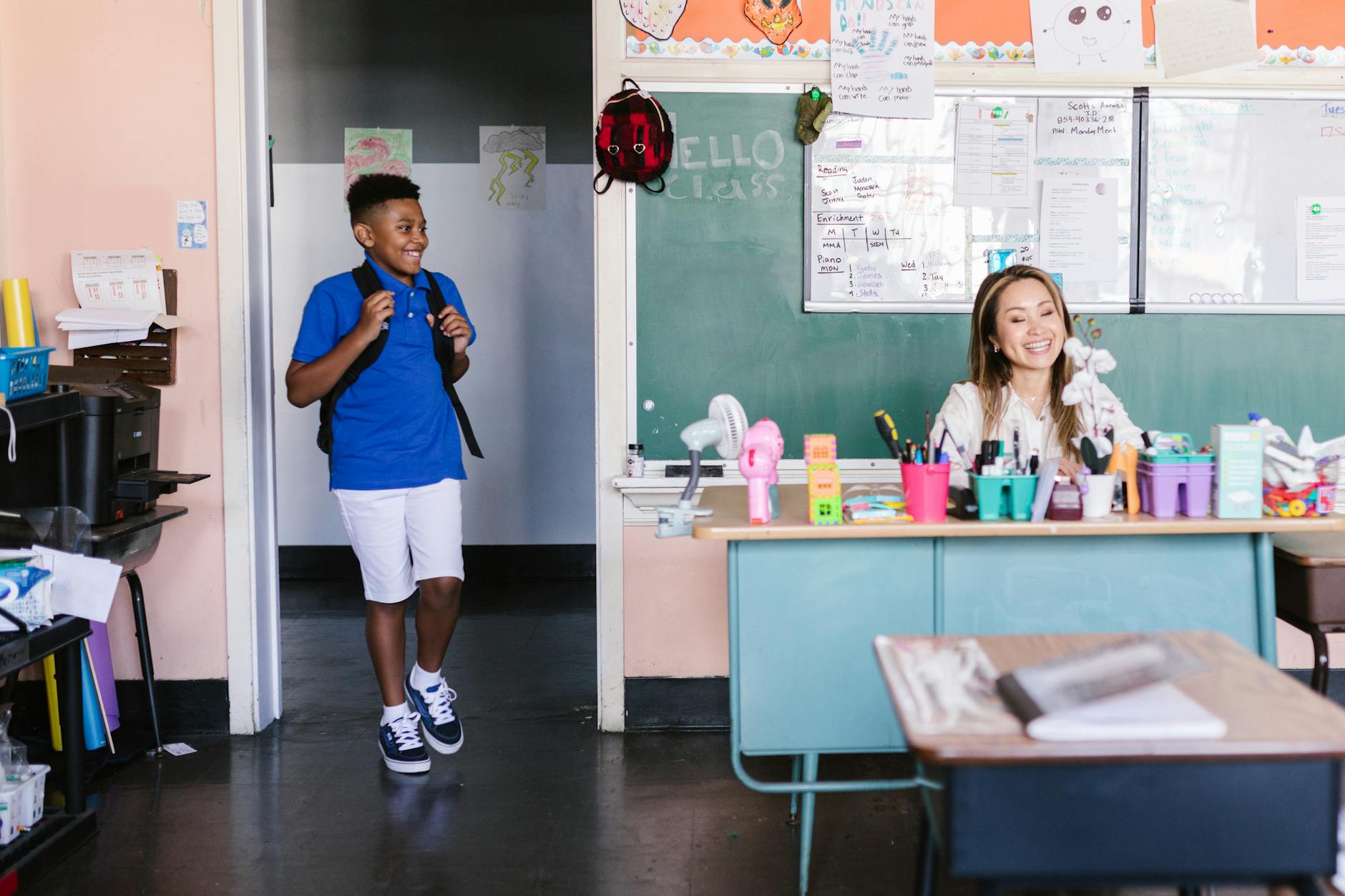
How Reading Aloud Builds Literacy and Comprehension
Reading aloud isn't a time-filler. It's the mechanism that drives oral language development and builds the architecture for independent reading success. You model what expert reading sounds like while exposing students to text complexity they can't yet handle alone.
Four pillars make this work. First, vocabulary acquisition happens naturally when you pause on Tier 2 words like "reluctant" or "squalor." You discuss them in context. Students hear these words used correctly before they meet them in their own books. They absorb syntax through your pacing.
Second, you demonstrate fluency through prosody. Your voice rises, falls, and stresses the right syllables. Students internalize how sentences should sound when read with understanding. Third, you build background knowledge. That Civil War picture book you read in November fills gaps for kids who've never visited a battlefield. It gives them cultural literacy they can't get from textbooks alone.
Fourth, you demonstrate comprehension strategies through think aloud strategy. You stop and say, "That confuses me," or "I predict the dog will return." This makes invisible thinking visible. Students see that expert readers question, predict, and visualize constantly.
Here's what this sounds like with The Tiger Rising. You're reading the part where Rob finds the locked suitcase. You stop and say, "Why did Kate DiCamillo describe this suitcase as brown and locked? Why mention the lock specifically? I think something dangerous is inside. Maybe it holds secrets about his mother that Rob isn't ready to face."
You continue: "I picture the metal clasp digging into Rob's palm. I smell the damp Kentucky woods and feel the weight of the leather handle." Then you predict: "I bet he opens it by chapter three, but I don't think he's prepared for what's waiting inside. The locked suitcase is a metaphor for his own grief."
This exchange hits three strategies in two minutes. You questioned the author's craft choices. You made a prediction based on textual evidence. You visualized sensory details to anchor the scene in your mind. Your fourth graders hear how a reader interacts with text rather than just decoding words.
The listening comprehension gap closes when you use interactive read aloud techniques like these. You're not performing for entertainment; you're teaching specific cognitive moves. Every pause and question builds neural pathways for understanding.
5 Literacy Standards Supported by Read Alouds:
CCSS.ELA-LITERACY.SL.3.2: Students determine main ideas of a text read aloud or information presented in diverse media.
CCSS.ELA-LITERACY.RL.4.6: Students compare and contrast the point of view from which different stories are narrated.
CCSS.ELA-LITERACY.SL.4.1.C: Students pose and respond to specific questions to clarify or follow up on information.
CCSS.ELA-LITERACY.RL.5.4: Students determine the meaning of words and phrases as they are used in a text.
CCSS.ELA-LITERACY.SL.5.2: Students summarize a written text read aloud or information presented in diverse media and formats.
Notice how these hit Speaking and Listening standards? Your literacy block probably spends hours on reading and writing but neglects these anchor standards. Yet proven comprehension strategies to teach reading skills depend on students processing complex language auditorily first.
There's hard science behind why this works. When you vary pitch, stress, and intonation during reading aloud, you activate the phonological loop in working memory. This is the brain's temporary audio recorder. Prosodic elements help students hold entire sentence structures in mind, supporting syntactic awareness. They hear where phrases end and clauses begin without conscious effort.
You can implement these techniques using effective literacy instruction frameworks that prioritize oral language alongside decoding. Start tomorrow. Pick one comprehension strategy to model. Watch how quickly students adopt it as their own.

Practical Applications Across Grade Levels
Your reading aloud strategy must evolve. What works for kindergarteners bores tenth graders. The text selection changes. The time allocation shifts. So does your purpose.
Grade Band | Text Type | Duration | Instructional Focus |
|---|---|---|---|
K-2 | Picture books with predictable patterns | 10-15 minutes | Print concepts and phonological awareness |
3-5 | Chapter books and novels | 15-20 minutes | Vocabulary and plot structure |
6-8 | Complex novels and primary sources | 10-15 minutes | Analysis and argumentation |
9-12 | Satire, rhetoric, and poetry | 10 minutes | Interpretation and craft study |
Older students need less time because their listening comprehension operates at a higher bandwidth. However, they require more sophisticated text complexity. You are no longer teaching them how books work. You are demonstrating how sophisticated syntax and academic vocabulary function when the text is too dense for independent decoding.
In the primary grades, apply Laminack's Rule. Choose texts with rhythmic repetition that invite choral participation. Books like Brown Bear, Brown Bear or Chicka Chicka Boom Boom function as linguistic training wheels.
When thirty first graders chant "Chicka chicka boom boom, will there be enough room?" together, they internalize syllable stress and onset-rime patterns. This interactive read aloud technique builds oral language development faster than isolated phonics drills. You establish foundational literacy in elementary education while keeping bodies still and minds active.
In grades 3-5, stretch their stamina with serialized chapter books. Fifteen minutes of Frindle or The One and Only Ivan builds sustained attention. Stop at the cliffhanger. Let the vocabulary acquisition happen in context. Skip the worksheets. You are teaching them to hold complex characters and multiple plot threads in working memory while they predict and infer.
Middle school needs the Close Reading Aloud protocol. Select a primary source like the Declaration of Independence. Read it three times with distinct purposes.
First reading: establish gist. Second: circle unfamiliar vocabulary like "usurpations" and define it through context clues. Third: identify rhetorical devices and track how Jefferson builds his argument against the Crown. Students maintain T-charts listing "Claim" and "Evidence" while you employ the think aloud strategy to model your own confusion.
They cannot decode eighteenth-century syntax independently. Their eyes trip over "unalienable." But their ears catch the parallel structure and the insult buried in the grievances. This bridges the gap between their current reading level and the grade-level complexity they must face on state assessments.
Somewhere between third and fourth grade, most teachers kill the read aloud. They blame standardized testing schedules and district pacing guides. They claim older students should read silently to prepare for college. Administrators stop defending the practice during observations.
This is the Drop-Off Phenomenon, and it is pedagogical malpractice masquerading as rigor. The practice disappears precisely when text complexity spikes and students need vocal modeling most. You would not hand a student a violin and expect them to play without first hearing the song. The ear must precede the eye.
High schoolers still lack the background knowledge to parse Swift's irony or Dickinson's slant rhyme without support. When you read A Modest Proposal aloud, your voice delivers the deadpan horror that silent reading obscures. When you perform "Because I could not stop for Death," the meter carries them through cognitive gaps. They notice the caesura and enjambment because your breath shows them where the lines break. You are modeling how an expert reader sounds when confronting ambiguity.
Continue through twelfth grade. Ten minutes daily exposes students to syntax and vocabulary two years above their independent level. That gap is where growth happens. It builds the linguistic database required for AP English and college seminars.
Do not abandon them to silence just when the language gets interesting.

How to Select High-Impact Read Aloud Books?
Select read aloud books that are two to three years above students' independent reading level to target their listening comprehension zone. Prioritize texts with rich vocabulary, diverse perspectives, and strong narrative arcs that align with curriculum standards while finishing within 5-10 class sessions.
The wrong book puts them to sleep. The right one rewires their brains for oral language development. You need a systematic filter, not just grabbing what's on the library cart.
Start with listening comprehension, not independent reading. Most kids understand texts two to three years above their grade level when reading aloud happens live. Check Lexile oral listening measures or running records to find that sweet spot. Ignore the Five Finger Rule. That tool measures decoding struggle, not auditory understanding. A book with five unknown words per page might be perfect for your voice but impossible for their silent eyes.
Last year I tested The One and Only Ivan with my fourth graders. Their independent level hovered around grade 4, but the Lexile of 570 hit their listening zone perfectly. They grasped themes that would have frustrated them in silent reading.
Audit every selection through Rudine Sims Bishop's Windows and Mirrors framework. Your read aloud books should let kids see themselves and glimpse others' lives. Aim for half your selections featuring protagonists from diverse racial, cultural, or socioeconomic backgrounds. This holds whether you teach in a homogeneous wealthy suburb or a heterogeneous urban mix. Representation isn't extra credit. It's the foundation of vocabulary acquisition through relevant context. When my third graders heard The Year of the Dog, the Taiwanese-American protagonist sparked connections I couldn't have manufactured. They used words like "heritage" naturally because the story demanded it.
Check for text complexity that works orally. Hunt for dialogue-heavy scenes, rhythmic prose, and cliffhanger chapter endings. These has keep them hanging on your breath. For fourth grade and up, skip picture books that transform classroom libraries unless you're analyzing illustration as text. Older kids need to visualize from your words, not stare at images. Picture books work for interactive read aloud lessons on craft, but sustained novels build the stamina they need for middle school.
For kindergarten and first grade, big books for elementary reading programs let you model print concepts while keeping text large enough for twenty pairs of eyes. Pair these with interactive read-alouds for classrooms that invite noise and participation. The best early selections build listening comprehension through call-and-response patterns. Mo Willems delivers exactly this rhythm. Kids shout the words before you turn the page, which proves they're tracking syntax.
Map your choice to curriculum units. During a fifth-grade Westward Expansion unit, I read The Great Trouble about cholera in Victorian London. The parallel scientific method and public health themes reinforced our standards while the historical distance made the heavy content manageable. This alignment turns interactive read aloud time into doubled instructional minutes without doubling your prep. You hit social studies and literacy simultaneously. The kids didn't realize they were learning about germ theory because they were too busy yelling at the pump-handle deniers in the story.
Pilot before you commit. Use the First Chapter Friday protocol: read only chapter one, then watch their faces. Do they beg for more? Check resources like School Library Journal, We Need Diverse Books curated lists, and The Nerdy Book Club recommendations. These filters save you from dragging through a 300-page dud that kills your think aloud strategy momentum. If chapter one doesn't land, swap it. Your time is too valuable for forced enthusiasm. Last semester I abandoned three books after the pilot. The fourth one stuck, and we rode that engagement through June.
Keep the arc tight. Novels that finish in five to ten class sessions maintain momentum without dragging into next quarter. Longer epics work for advanced fifth graders or middle school, but younger kids need the satisfaction of completion before they forget the beginning.
High-impact selection means balancing challenge with joy. When you match text complexity to their listening level, ensure diverse representation, and test for engagement first, reading aloud becomes your most effective teaching tool. The right book does the heavy lifting for vocabulary acquisition and critical thinking. You just provide the voice and the pause at the right moment.

Implementation Strategies for Busy Classrooms
You don't need a 45-minute block. You need five minutes that actually work.
The bell rings. Kids stream in from recess, still arguing about who was "it" in tag. You could pass out a worksheet. Or you could open to page 47 where the blue bookmark waits. Start reading mid-sentence. Don't wait for perfect silence. The room settles because brains crave stories more than they crave "sit down and be quiet." I learned this after watching a fourth-grade class walk in from lunch.
Within ninety seconds, twenty-eight kids were seated, listening, and breathing slower. The chaos didn't stop instantly, but the momentum shifted. This is one of those time-saving classroom hacks that buys you sanity while building oral language development.
Place the bookmark the night before. Right in the crack where you stopped. When students enter, pick up the book immediately. No preamble. No "settle down so we can start." Just begin. "The dragon landed on the roof..." Voices drop. Bodies find seats. You've transformed a management nightmare into a listening comprehension exercise. Third graders in October need this calm entry more than they need another math fact drill.
Subs can't do your interactive read aloud the way you do. So don't make them try. Record yourself reading chapter three using Loom. The free teacher account gives you unlimited recording time. Upload it to Google Classroom with a simple prompt: "Write one question you wish you could ask the character." When kids return from sick days, they don't miss the thread.
For the occasional absence, Epic!'s "Read to Me" feature works if you attach an accountability sheet. Three boxes: What happened? What confused you? What do you predict? It takes seven minutes for them to complete. You check it during lunch. Continuity maintained without you losing your prep period to reteach the whole plot.
The beauty here is consistency. Your voice builds familiarity. Even through a Chromebook speaker, students hear your inflections, your pauses, your emphasis. When the sub presses play, the class knows this matters because you took the time to record it. Absent students get the same benefit. They hear the text complexity modeled correctly instead of struggling through decoding when they're already behind.
Worksheets kill the mood. They just do. Instead, place three orange sticky notes in the book before you start. When you hit the first one, stop. "Turn and tell your partner why the character lied." Thirty seconds. That's it. No pencils. No paper. Just talk. Research backs this—oral processing cements understanding faster than silent bubble-filling. For tracking completion, try the "Signing Off" method. When you finish the book, students line up and sign their names on the endpapers. Fifth graders love seeing their signature next to the title. You see who was present without a single gradebook entry.
The sticky notes save you from "what should I ask now" panic. Predetermine the stops during your weekly planning. Page 12, page 24, page 36. The first stop checks literal understanding. The second probes inference. The third connects to their lives. This structure keeps your vocabulary acquisition on track without turning the experience into an assessment.
Stop treating read alouds as "extra." Your science unit on elements? Open The Disappearing Spoon to the chapter on mercury. Read six paragraphs about mad hatters while they eat snack. When you hit Jamestown in history, Blood on the River becomes your textbook. Read the first chapter during the ten minutes after the fire drill when nobody can focus on worksheets. Even math teachers can join. The Grapes of Math trains pattern recognition better than drill sheets. This think aloud strategy works across subjects because complex texts build background knowledge that transfers.
Cross-content integration solves the "I don't have time" problem. You're not adding reading aloud to your schedule. You're replacing a lecture with a story. Sixth graders studying ancient Egypt remember more from The Golden Goblet than from the textbook summary. The listening comprehension practice happens while you teach content. You're supporting auditory learning styles while hitting standards.
Don't prep daily. Prep once on Sunday. Grab your five picture books for the week. Flag three spots in each with Post-its. Yellow means stop and define a word. Pink means ask a comprehension question. Green means make a connection to their lives. That's it. No scripts. When you sit down to read Tuesday morning, the book opens to the yellow flag. You know exactly where to pause. This takes twelve minutes on Sunday instead of scrambling during your conference period.
The color system trains your eye. Yellow flash? Vocabulary moment. Pink? Check for understanding. Green? Bridge to their world. Students learn the code too. They watch for the flags, anticipating the pause. This builds metacognitive awareness. They start predicting when you'll stop based on narrative structure. Your weekly investment pays off in smoother transitions and deeper discussions.
Reading aloud isn't another thing on your plate. It is the plate. These strategies slide into the cracks of your existing schedule. The transition moments. The sub days. The cross-curricular connections you're already supposed to make. Start with one. Maybe the bookmark waiting by the door tomorrow.
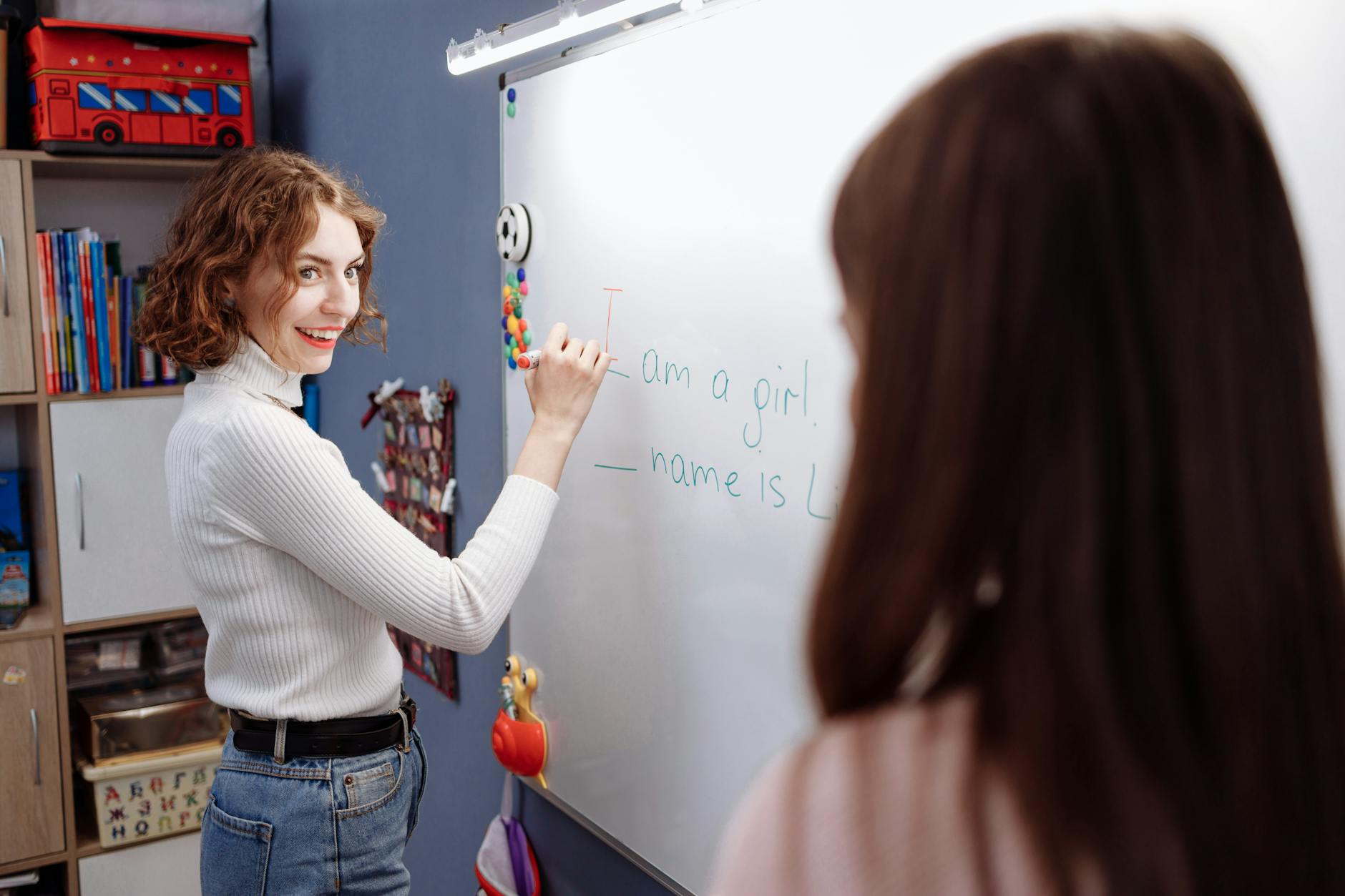
What Are the Most Common Mistakes Teachers Make?
Common mistakes include matching books to independent reading levels, not listening comprehension levels, interrupting narrative flow with excessive questions, and treating read alouds as disposable time. Teachers also fail to preview texts, losing fluency and teachable moments.
Your interactive read aloud block deserves better than these shortcuts.
You reach for Frindle because it's at 830L, perfect for your fifth graders' independent reading. That's the Level Matching Error. Kids actually comprehend texts two grade levels above their independent level when listening. By choosing "safe" books, you're stunting their oral language development with vocabulary they already know. Check Lexile oral listening levels or simply use the grade-level-plus-two rule. Last month I read The Wild Robot—1200L—to my struggling decoders. They understood every word about Roz's survival.
Stop interrogating the text every single page. "Who can recall what color the cat was?" kills narrative immersion and ruins vocabulary acquisition by ripping kids from the story world. This is Comprehension Overdrive. Try the Three Stop Rule instead. Pause once at the beginning to set purpose, once in the middle for a deep inference question, and once at the end for theme. Ask one question about character motivation, not surface details. Let the story breathe so kids can lose themselves in it. Trust that they're thinking even when silent.
Never open a book cold. When you stumble over character names or miss a dramatic pause, you lose credibility and text complexity becomes confusion. That's Cold Reading. Spend ten minutes with a yellow highlighter and mark every dialogue tag. Note proper nouns that trip you up. I mark my copy with "slow down" at emotional beats. That prep time pays off when you nail the villain's voice and thirty kids gasp simultaneously. You can't model fluent reading while squinting at the page.
Demanding rigid stillness for twenty minutes turns reading aloud into punishment. Kids aren't disrespectful when they fidget; they're processing. This is the Passive Auditorium mistake. Offer Active Listening positions—kneeling, sitting crisscross, or holding quiet fidget tools. Try response protocols like thumbs up when you visualize a scene. I let my third graders draw while they listen. Movement often increases listening comprehension, not decreases it. The kid building with LEGOs can still tell you exactly why the protagonist lied.
When you're behind on pacing, don't sacrifice the read aloud. This is the Sacrificial First Cut. That twenty minutes is your think aloud strategy time, your community building, your explicit comprehension modeling for complex text. Treat it as non-negotiable sacred time, equivalent to math instruction. Skip the grammar worksheet, keep the story. You can't afford to lose the one part of the day where every student accesses grade-level text together, regardless of decoding ability. Guard it like fire drill time.
Some students with severe auditory processing disorders genuinely need visual text support during shared reading, not pure listening. And never use round-robin reading—calling on individuals to read aloud increases anxiety and destroys comprehension for everyone listening. If you're serious about transforming literacy instruction, drop that practice immediately. Your fluent readers gain nothing, and your struggling readers freeze while waiting for their turn. The research against it has been clear for decades.

What Is Reading Aloud?
Reading aloud is the instructional practice where teachers orally deliver text to students who listen and comprehend, typically lasting 10-20 minutes daily. It differs from silent reading by targeting listening comprehension, vocabulary acquisition, and oral language development while modeling fluent reading and thinking strategies.
You read. They listen. That simple arrangement powers reading aloud, freeing students to focus on meaning while you handle the heavy lifting of decoding.
Traditional read aloud means you perform the text while students absorb it auditorily, eyes on you or resting, building mental images from your voice alone. Interactive read aloud interrupts this flow deliberately—you stop at page three to model a think aloud strategy, revealing how skilled readers predict, question, or infer before continuing. I once paused during The Wild Robot to say, "I wonder why Roz built that shelter so carefully," and watched my third graders lean forward, suddenly aware that reading involves active construction of meaning, not just word calling. The text becomes a shared puzzle rather than a performance test.
Shared reading adds visual access, projecting text via document camera or using big books so kids track print while you voice it. They see the punctuation that creates your pauses, notice repeated phrases on the page, and match spoken words to written ones. This visibility matters for emergent readers who need to see that print carries consistent meaning.
Round-robin reading, where students take turns stumbling through paragraphs, is not reading aloud; it sacrifices comprehension for decoding practice and raises anxiety for struggling readers who count paragraphs ahead, terrified of their turn. Silent reading puts the burden entirely on the child to construct meaning from print alone. Reading aloud removes that barrier entirely.
The research is striking and consistent. Until middle school, a child's listening comprehension typically runs two to three grade levels ahead of their independent reading ability. This means your fifth graders can understand seventh-grade text complexity when you read it aloud, even if they struggle with grade-level chapter books on their own. You bridge the gap between what they can decode and what they can comprehend, flooding them with sophisticated vocabulary and syntax they would otherwise miss entirely. That gap is opportunity—the space where you introduce subordinate clauses, figurative language, and complex plot structures their eyes cannot yet unlock independently.
Ten to twenty minutes daily is the sweet spot for K-12 classrooms. Less than ten feels like a tease; more than twenty and primary kids start fidgeting while older ones check the clock. I do mine right after lunch while they settle—the room calms, voices drop, and we travel somewhere together through the text.
This daily dose builds oral language development and vocabulary acquisition more efficiently than isolated word lists ever could because students encounter new words in rich contexts, hearing how academic language actually sounds in complex sentences. They learn that "sauntered" implies a different gait than "walked" because they hear the rhythm and see the context simultaneously.
Unlike independent reading time where students select their own levels, reading aloud exposes everyone to grade-level or above-grade-level material simultaneously. The child reading at a first-grade level and the child reading at a fourth-grade level both access the same sixth-grade text when you voice it. Equity lives in that moment. You democratize access to complex ideas, making sure that decoding deficits do not become comprehension deficits or, worse, confidence deficits. When you read complex texts aloud, you prove to every student that rich literature belongs to them, not just to the strong readers in the room.
The practice requires no special materials beyond a good book and your voice. You do not need worksheets, comprehension packets, or post-reading essays to justify the time. The learning lives in the listening, the shared experience of story, and the invisible accumulation of language patterns that students will later recognize in their own independent reading. That is the quiet power of reading aloud. It is the most efficient literacy instruction you can offer.
Why Does Reading Aloud Matter for Student Success?
Reading aloud matters because students' listening comprehension typically exceeds their reading comprehension by two to three grade levels until middle school, allowing access to complex texts. Research indicates it bridges the vocabulary gap, with students acquiring 7-12 new words weekly from read alouds alone.
You cannot afford to skip this. The importance of reading aloud daily determines whether your students build the academic language they need or fall further behind.
Students acquire 2,000 to 3,000 new words annually through oral language development, while independent reading contributes only 100 to 300 words. That tenfold difference makes reading aloud the primary vehicle for sophisticated vocabulary growth. You cannot wait for students to read their way to academic language proficiency.
These sessions deliver Tier 2 words—the high-utility academic vocabulary that changes meaning across contexts. Words like "assume," "benefit," or "complex" appear rarely in early decodable texts but frequently in the chapter books you read aloud. Students need repeated exposure to these words in meaningful contexts before they can use them independently.
Beck and McKeown's research on text talk demonstrates that explicit discussion of word meanings during read alouds yields the strongest retention. When you briefly explain that "reluctant" means unwilling or hesitant, then encounter the word again in subsequent readings, students internalize it. This intentional vocabulary acquisition happens most efficiently through interactive read aloud sessions, not worksheets.
The listening comprehension advantage stems from working memory limitations. When third graders struggle to sound out "frontier," they have no cognitive resources left to picture the sod house or understand the isolation. You remove that decoding burden, and suddenly they can analyze theme, predict outcomes, and discuss character motivation.
This gap persists until students achieve automaticity in word recognition, typically by fourth to sixth grade. Until then, their ears understand what their eyes cannot. This developmental reality explains why restricting students to "just right" books limits their intellectual growth while reading aloud accelerates it.
fMRI studies show that listening to stories activates the same brain regions as reading, but without the exhaustion that decoding causes for emerging readers. This neurological reality supports evidence-based instruction through the science of reading. Your struggling readers in fifth grade might still be conquering automaticity, while their classmates moved on years ago. Reading aloud levels the playing field by allowing everyone to grapple with complex ideas simultaneously, regardless of their word recognition skills.
Last year my third graders listened to Sarah, Plain and Tall. None knew about 19th-century prairie life or the economic desperation that led to mail-order marriages. These concepts never appear in the Level M readers they can decode independently, yet they are important for understanding American history.
When we later studied westward expansion, those students already possessed schema for the Homestead Act and frontier isolation. They connected primary source documents to Anna's fear of the endless sky. That depth of understanding came from the importance of reading complex texts aloud, not from leveled readers.
The text complexity accessible through listening includes syntactic structures that appear in written language but rarely in speech. Complex sentences with multiple clauses, passive voice, or literary metaphors remain comprehensible auditorily long before students can parse them on the page. This exposure builds the linguistic templates they need for their own writing.
The disparity starts early. Kindergarteners listen to texts 400 Lexiles above their independent decoding ability. By high school, that gap remains significant even for proficient readers.
Consider the Lexile ranges that illustrate this consistent differential:
Grade Band | Independent Reading Level (Lexile) | Listening Comprehension Level (Lexile) |
|---|---|---|
K-2 | BR-200L | 300-500L |
3-5 | 400-700L | 700-1000L |
6-8 | 600-900L | 900-1200L |
9-12 | 800-1100L | 1100-1400L |
Notice how the gap widens in middle school. Your sixth graders might read at 800L independently, but they can comprehend The Giver at 1100L when you read it aloud. This access to grade-level content prevents the background knowledge deficit that plagues students who only read simplified texts.
Use the think aloud strategy to make the invisible visible. Pause when the protagonist makes a questionable decision and ask yourself aloud, "Why would she do that?" Model rereading a confusing sentence or using context clues to determine meaning. When you verbalize these metacognitive moves, you demonstrate that reading requires active thinking, not just word recognition. Students learn that comprehension is constructed, not given, and they begin applying these strategies during their own independent reading.
These advantages—massive vocabulary growth, reduced cognitive load, and background knowledge accumulation—translate directly into measurable literacy gains. The next section examines exactly how reading aloud builds the specific skills your students need for comprehension and analysis.
How Reading Aloud Builds Literacy and Comprehension
Reading aloud isn't a time-filler. It's the mechanism that drives oral language development and builds the architecture for independent reading success. You model what expert reading sounds like while exposing students to text complexity they can't yet handle alone.
Four pillars make this work. First, vocabulary acquisition happens naturally when you pause on Tier 2 words like "reluctant" or "squalor." You discuss them in context. Students hear these words used correctly before they meet them in their own books. They absorb syntax through your pacing.
Second, you demonstrate fluency through prosody. Your voice rises, falls, and stresses the right syllables. Students internalize how sentences should sound when read with understanding. Third, you build background knowledge. That Civil War picture book you read in November fills gaps for kids who've never visited a battlefield. It gives them cultural literacy they can't get from textbooks alone.
Fourth, you demonstrate comprehension strategies through think aloud strategy. You stop and say, "That confuses me," or "I predict the dog will return." This makes invisible thinking visible. Students see that expert readers question, predict, and visualize constantly.
Here's what this sounds like with The Tiger Rising. You're reading the part where Rob finds the locked suitcase. You stop and say, "Why did Kate DiCamillo describe this suitcase as brown and locked? Why mention the lock specifically? I think something dangerous is inside. Maybe it holds secrets about his mother that Rob isn't ready to face."
You continue: "I picture the metal clasp digging into Rob's palm. I smell the damp Kentucky woods and feel the weight of the leather handle." Then you predict: "I bet he opens it by chapter three, but I don't think he's prepared for what's waiting inside. The locked suitcase is a metaphor for his own grief."
This exchange hits three strategies in two minutes. You questioned the author's craft choices. You made a prediction based on textual evidence. You visualized sensory details to anchor the scene in your mind. Your fourth graders hear how a reader interacts with text rather than just decoding words.
The listening comprehension gap closes when you use interactive read aloud techniques like these. You're not performing for entertainment; you're teaching specific cognitive moves. Every pause and question builds neural pathways for understanding.
5 Literacy Standards Supported by Read Alouds:
CCSS.ELA-LITERACY.SL.3.2: Students determine main ideas of a text read aloud or information presented in diverse media.
CCSS.ELA-LITERACY.RL.4.6: Students compare and contrast the point of view from which different stories are narrated.
CCSS.ELA-LITERACY.SL.4.1.C: Students pose and respond to specific questions to clarify or follow up on information.
CCSS.ELA-LITERACY.RL.5.4: Students determine the meaning of words and phrases as they are used in a text.
CCSS.ELA-LITERACY.SL.5.2: Students summarize a written text read aloud or information presented in diverse media and formats.
Notice how these hit Speaking and Listening standards? Your literacy block probably spends hours on reading and writing but neglects these anchor standards. Yet proven comprehension strategies to teach reading skills depend on students processing complex language auditorily first.
There's hard science behind why this works. When you vary pitch, stress, and intonation during reading aloud, you activate the phonological loop in working memory. This is the brain's temporary audio recorder. Prosodic elements help students hold entire sentence structures in mind, supporting syntactic awareness. They hear where phrases end and clauses begin without conscious effort.
You can implement these techniques using effective literacy instruction frameworks that prioritize oral language alongside decoding. Start tomorrow. Pick one comprehension strategy to model. Watch how quickly students adopt it as their own.
Practical Applications Across Grade Levels
Your reading aloud strategy must evolve. What works for kindergarteners bores tenth graders. The text selection changes. The time allocation shifts. So does your purpose.
Grade Band | Text Type | Duration | Instructional Focus |
|---|---|---|---|
K-2 | Picture books with predictable patterns | 10-15 minutes | Print concepts and phonological awareness |
3-5 | Chapter books and novels | 15-20 minutes | Vocabulary and plot structure |
6-8 | Complex novels and primary sources | 10-15 minutes | Analysis and argumentation |
9-12 | Satire, rhetoric, and poetry | 10 minutes | Interpretation and craft study |
Older students need less time because their listening comprehension operates at a higher bandwidth. However, they require more sophisticated text complexity. You are no longer teaching them how books work. You are demonstrating how sophisticated syntax and academic vocabulary function when the text is too dense for independent decoding.
In the primary grades, apply Laminack's Rule. Choose texts with rhythmic repetition that invite choral participation. Books like Brown Bear, Brown Bear or Chicka Chicka Boom Boom function as linguistic training wheels.
When thirty first graders chant "Chicka chicka boom boom, will there be enough room?" together, they internalize syllable stress and onset-rime patterns. This interactive read aloud technique builds oral language development faster than isolated phonics drills. You establish foundational literacy in elementary education while keeping bodies still and minds active.
In grades 3-5, stretch their stamina with serialized chapter books. Fifteen minutes of Frindle or The One and Only Ivan builds sustained attention. Stop at the cliffhanger. Let the vocabulary acquisition happen in context. Skip the worksheets. You are teaching them to hold complex characters and multiple plot threads in working memory while they predict and infer.
Middle school needs the Close Reading Aloud protocol. Select a primary source like the Declaration of Independence. Read it three times with distinct purposes.
First reading: establish gist. Second: circle unfamiliar vocabulary like "usurpations" and define it through context clues. Third: identify rhetorical devices and track how Jefferson builds his argument against the Crown. Students maintain T-charts listing "Claim" and "Evidence" while you employ the think aloud strategy to model your own confusion.
They cannot decode eighteenth-century syntax independently. Their eyes trip over "unalienable." But their ears catch the parallel structure and the insult buried in the grievances. This bridges the gap between their current reading level and the grade-level complexity they must face on state assessments.
Somewhere between third and fourth grade, most teachers kill the read aloud. They blame standardized testing schedules and district pacing guides. They claim older students should read silently to prepare for college. Administrators stop defending the practice during observations.
This is the Drop-Off Phenomenon, and it is pedagogical malpractice masquerading as rigor. The practice disappears precisely when text complexity spikes and students need vocal modeling most. You would not hand a student a violin and expect them to play without first hearing the song. The ear must precede the eye.
High schoolers still lack the background knowledge to parse Swift's irony or Dickinson's slant rhyme without support. When you read A Modest Proposal aloud, your voice delivers the deadpan horror that silent reading obscures. When you perform "Because I could not stop for Death," the meter carries them through cognitive gaps. They notice the caesura and enjambment because your breath shows them where the lines break. You are modeling how an expert reader sounds when confronting ambiguity.
Continue through twelfth grade. Ten minutes daily exposes students to syntax and vocabulary two years above their independent level. That gap is where growth happens. It builds the linguistic database required for AP English and college seminars.
Do not abandon them to silence just when the language gets interesting.
How to Select High-Impact Read Aloud Books?
Select read aloud books that are two to three years above students' independent reading level to target their listening comprehension zone. Prioritize texts with rich vocabulary, diverse perspectives, and strong narrative arcs that align with curriculum standards while finishing within 5-10 class sessions.
The wrong book puts them to sleep. The right one rewires their brains for oral language development. You need a systematic filter, not just grabbing what's on the library cart.
Start with listening comprehension, not independent reading. Most kids understand texts two to three years above their grade level when reading aloud happens live. Check Lexile oral listening measures or running records to find that sweet spot. Ignore the Five Finger Rule. That tool measures decoding struggle, not auditory understanding. A book with five unknown words per page might be perfect for your voice but impossible for their silent eyes.
Last year I tested The One and Only Ivan with my fourth graders. Their independent level hovered around grade 4, but the Lexile of 570 hit their listening zone perfectly. They grasped themes that would have frustrated them in silent reading.
Audit every selection through Rudine Sims Bishop's Windows and Mirrors framework. Your read aloud books should let kids see themselves and glimpse others' lives. Aim for half your selections featuring protagonists from diverse racial, cultural, or socioeconomic backgrounds. This holds whether you teach in a homogeneous wealthy suburb or a heterogeneous urban mix. Representation isn't extra credit. It's the foundation of vocabulary acquisition through relevant context. When my third graders heard The Year of the Dog, the Taiwanese-American protagonist sparked connections I couldn't have manufactured. They used words like "heritage" naturally because the story demanded it.
Check for text complexity that works orally. Hunt for dialogue-heavy scenes, rhythmic prose, and cliffhanger chapter endings. These has keep them hanging on your breath. For fourth grade and up, skip picture books that transform classroom libraries unless you're analyzing illustration as text. Older kids need to visualize from your words, not stare at images. Picture books work for interactive read aloud lessons on craft, but sustained novels build the stamina they need for middle school.
For kindergarten and first grade, big books for elementary reading programs let you model print concepts while keeping text large enough for twenty pairs of eyes. Pair these with interactive read-alouds for classrooms that invite noise and participation. The best early selections build listening comprehension through call-and-response patterns. Mo Willems delivers exactly this rhythm. Kids shout the words before you turn the page, which proves they're tracking syntax.
Map your choice to curriculum units. During a fifth-grade Westward Expansion unit, I read The Great Trouble about cholera in Victorian London. The parallel scientific method and public health themes reinforced our standards while the historical distance made the heavy content manageable. This alignment turns interactive read aloud time into doubled instructional minutes without doubling your prep. You hit social studies and literacy simultaneously. The kids didn't realize they were learning about germ theory because they were too busy yelling at the pump-handle deniers in the story.
Pilot before you commit. Use the First Chapter Friday protocol: read only chapter one, then watch their faces. Do they beg for more? Check resources like School Library Journal, We Need Diverse Books curated lists, and The Nerdy Book Club recommendations. These filters save you from dragging through a 300-page dud that kills your think aloud strategy momentum. If chapter one doesn't land, swap it. Your time is too valuable for forced enthusiasm. Last semester I abandoned three books after the pilot. The fourth one stuck, and we rode that engagement through June.
Keep the arc tight. Novels that finish in five to ten class sessions maintain momentum without dragging into next quarter. Longer epics work for advanced fifth graders or middle school, but younger kids need the satisfaction of completion before they forget the beginning.
High-impact selection means balancing challenge with joy. When you match text complexity to their listening level, ensure diverse representation, and test for engagement first, reading aloud becomes your most effective teaching tool. The right book does the heavy lifting for vocabulary acquisition and critical thinking. You just provide the voice and the pause at the right moment.
Implementation Strategies for Busy Classrooms
You don't need a 45-minute block. You need five minutes that actually work.
The bell rings. Kids stream in from recess, still arguing about who was "it" in tag. You could pass out a worksheet. Or you could open to page 47 where the blue bookmark waits. Start reading mid-sentence. Don't wait for perfect silence. The room settles because brains crave stories more than they crave "sit down and be quiet." I learned this after watching a fourth-grade class walk in from lunch.
Within ninety seconds, twenty-eight kids were seated, listening, and breathing slower. The chaos didn't stop instantly, but the momentum shifted. This is one of those time-saving classroom hacks that buys you sanity while building oral language development.
Place the bookmark the night before. Right in the crack where you stopped. When students enter, pick up the book immediately. No preamble. No "settle down so we can start." Just begin. "The dragon landed on the roof..." Voices drop. Bodies find seats. You've transformed a management nightmare into a listening comprehension exercise. Third graders in October need this calm entry more than they need another math fact drill.
Subs can't do your interactive read aloud the way you do. So don't make them try. Record yourself reading chapter three using Loom. The free teacher account gives you unlimited recording time. Upload it to Google Classroom with a simple prompt: "Write one question you wish you could ask the character." When kids return from sick days, they don't miss the thread.
For the occasional absence, Epic!'s "Read to Me" feature works if you attach an accountability sheet. Three boxes: What happened? What confused you? What do you predict? It takes seven minutes for them to complete. You check it during lunch. Continuity maintained without you losing your prep period to reteach the whole plot.
The beauty here is consistency. Your voice builds familiarity. Even through a Chromebook speaker, students hear your inflections, your pauses, your emphasis. When the sub presses play, the class knows this matters because you took the time to record it. Absent students get the same benefit. They hear the text complexity modeled correctly instead of struggling through decoding when they're already behind.
Worksheets kill the mood. They just do. Instead, place three orange sticky notes in the book before you start. When you hit the first one, stop. "Turn and tell your partner why the character lied." Thirty seconds. That's it. No pencils. No paper. Just talk. Research backs this—oral processing cements understanding faster than silent bubble-filling. For tracking completion, try the "Signing Off" method. When you finish the book, students line up and sign their names on the endpapers. Fifth graders love seeing their signature next to the title. You see who was present without a single gradebook entry.
The sticky notes save you from "what should I ask now" panic. Predetermine the stops during your weekly planning. Page 12, page 24, page 36. The first stop checks literal understanding. The second probes inference. The third connects to their lives. This structure keeps your vocabulary acquisition on track without turning the experience into an assessment.
Stop treating read alouds as "extra." Your science unit on elements? Open The Disappearing Spoon to the chapter on mercury. Read six paragraphs about mad hatters while they eat snack. When you hit Jamestown in history, Blood on the River becomes your textbook. Read the first chapter during the ten minutes after the fire drill when nobody can focus on worksheets. Even math teachers can join. The Grapes of Math trains pattern recognition better than drill sheets. This think aloud strategy works across subjects because complex texts build background knowledge that transfers.
Cross-content integration solves the "I don't have time" problem. You're not adding reading aloud to your schedule. You're replacing a lecture with a story. Sixth graders studying ancient Egypt remember more from The Golden Goblet than from the textbook summary. The listening comprehension practice happens while you teach content. You're supporting auditory learning styles while hitting standards.
Don't prep daily. Prep once on Sunday. Grab your five picture books for the week. Flag three spots in each with Post-its. Yellow means stop and define a word. Pink means ask a comprehension question. Green means make a connection to their lives. That's it. No scripts. When you sit down to read Tuesday morning, the book opens to the yellow flag. You know exactly where to pause. This takes twelve minutes on Sunday instead of scrambling during your conference period.
The color system trains your eye. Yellow flash? Vocabulary moment. Pink? Check for understanding. Green? Bridge to their world. Students learn the code too. They watch for the flags, anticipating the pause. This builds metacognitive awareness. They start predicting when you'll stop based on narrative structure. Your weekly investment pays off in smoother transitions and deeper discussions.
Reading aloud isn't another thing on your plate. It is the plate. These strategies slide into the cracks of your existing schedule. The transition moments. The sub days. The cross-curricular connections you're already supposed to make. Start with one. Maybe the bookmark waiting by the door tomorrow.
What Are the Most Common Mistakes Teachers Make?
Common mistakes include matching books to independent reading levels, not listening comprehension levels, interrupting narrative flow with excessive questions, and treating read alouds as disposable time. Teachers also fail to preview texts, losing fluency and teachable moments.
Your interactive read aloud block deserves better than these shortcuts.
You reach for Frindle because it's at 830L, perfect for your fifth graders' independent reading. That's the Level Matching Error. Kids actually comprehend texts two grade levels above their independent level when listening. By choosing "safe" books, you're stunting their oral language development with vocabulary they already know. Check Lexile oral listening levels or simply use the grade-level-plus-two rule. Last month I read The Wild Robot—1200L—to my struggling decoders. They understood every word about Roz's survival.
Stop interrogating the text every single page. "Who can recall what color the cat was?" kills narrative immersion and ruins vocabulary acquisition by ripping kids from the story world. This is Comprehension Overdrive. Try the Three Stop Rule instead. Pause once at the beginning to set purpose, once in the middle for a deep inference question, and once at the end for theme. Ask one question about character motivation, not surface details. Let the story breathe so kids can lose themselves in it. Trust that they're thinking even when silent.
Never open a book cold. When you stumble over character names or miss a dramatic pause, you lose credibility and text complexity becomes confusion. That's Cold Reading. Spend ten minutes with a yellow highlighter and mark every dialogue tag. Note proper nouns that trip you up. I mark my copy with "slow down" at emotional beats. That prep time pays off when you nail the villain's voice and thirty kids gasp simultaneously. You can't model fluent reading while squinting at the page.
Demanding rigid stillness for twenty minutes turns reading aloud into punishment. Kids aren't disrespectful when they fidget; they're processing. This is the Passive Auditorium mistake. Offer Active Listening positions—kneeling, sitting crisscross, or holding quiet fidget tools. Try response protocols like thumbs up when you visualize a scene. I let my third graders draw while they listen. Movement often increases listening comprehension, not decreases it. The kid building with LEGOs can still tell you exactly why the protagonist lied.
When you're behind on pacing, don't sacrifice the read aloud. This is the Sacrificial First Cut. That twenty minutes is your think aloud strategy time, your community building, your explicit comprehension modeling for complex text. Treat it as non-negotiable sacred time, equivalent to math instruction. Skip the grammar worksheet, keep the story. You can't afford to lose the one part of the day where every student accesses grade-level text together, regardless of decoding ability. Guard it like fire drill time.
Some students with severe auditory processing disorders genuinely need visual text support during shared reading, not pure listening. And never use round-robin reading—calling on individuals to read aloud increases anxiety and destroys comprehension for everyone listening. If you're serious about transforming literacy instruction, drop that practice immediately. Your fluent readers gain nothing, and your struggling readers freeze while waiting for their turn. The research against it has been clear for decades.
Still grading everything by hand?
EMStudio is a free teaching management app — manage your classes, students, lessons, and more!
Learn More
Still grading everything by hand?
EMStudio is a free teaching management app — manage your classes, students, lessons, and more!
Learn More






Notion4Teachers
Notion templates to simplify administrative tasks and enhance your teaching experience.



2026 Notion4Teachers. All Rights Reserved.
Notion4Teachers
Notion templates to simplify administrative tasks and enhance your teaching experience.
2026 Notion4Teachers. All Rights Reserved.
Notion4Teachers
Notion templates to simplify administrative tasks and enhance your teaching experience.
2026 Notion4Teachers. All Rights Reserved.