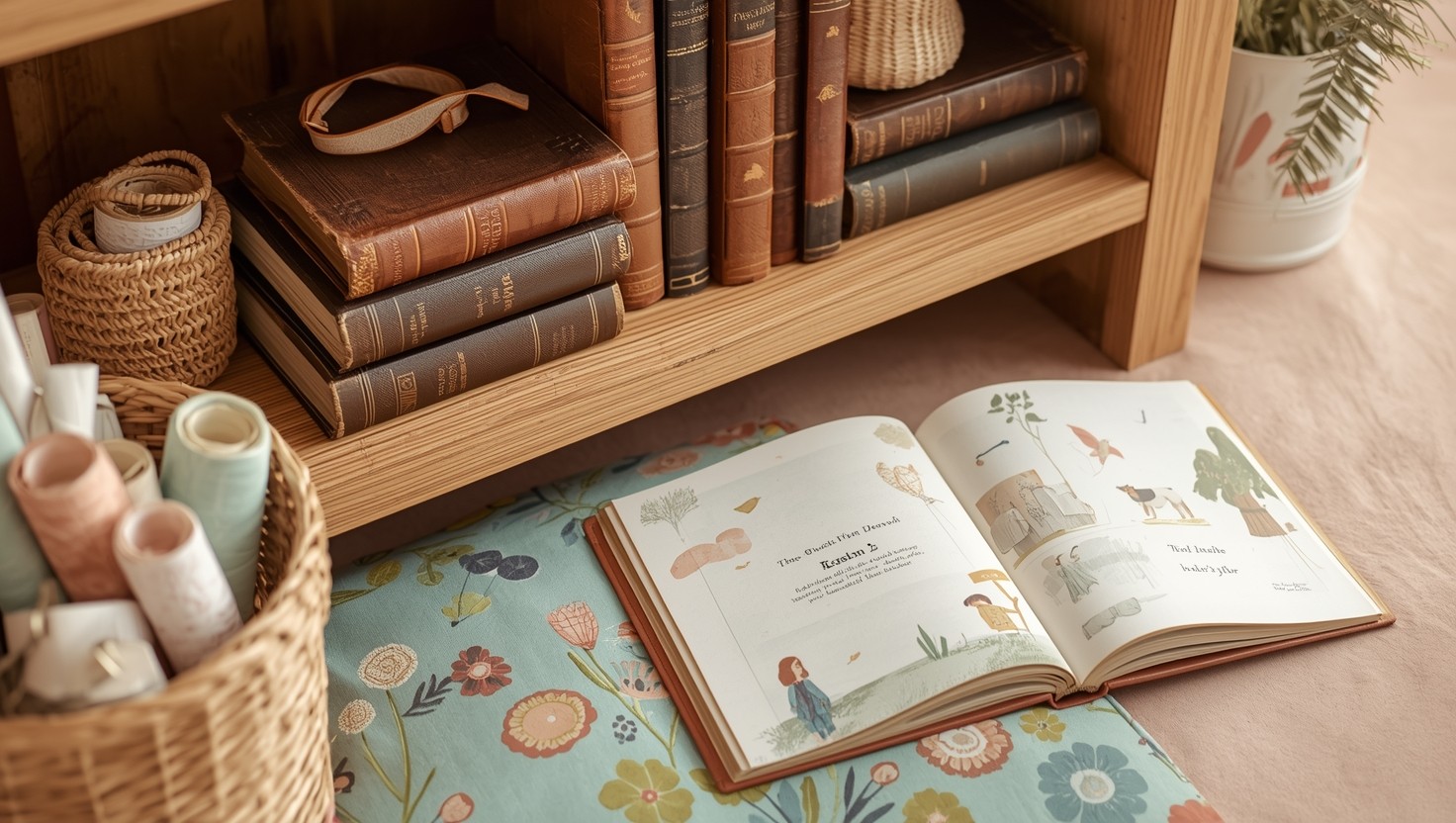
15 Picture Books That Transform Classroom Libraries
15 Picture Books That Transform Classroom Libraries

Article by
Milo
ESL Content Coordinator & Educator
ESL Content Coordinator & Educator
All Posts
Your read alouds are bombing. You pull out a "classic" and watch eyes glaze over by page three. Or worse—you've built this beautiful classroom library, but kids are grabbing the same dog-eared copies while the new diverse titles sit untouched, spines uncracked. You're not alone. Most of us inherit books that don't reflect our actual students, or we default to the same five titles because finding fresh picture books that guarantee engagement feels like gambling with your limited budget.
The right titles do more than fill shelf space. They become mentor texts for writing workshop, anchors for science discussions, and entry points for tough conversations. I've watched a well-chosen book turn a chaotic afternoon into a silent, leaning-in moment—and I've also watched expensive "award winners" put 3rd graders to sleep.
This list cuts through the noise. These are the 15 titles that actually earn their spot in your rotation, organized by what you need them to do: hook reluctant listeners, represent the kids in your room, make STEM concepts stick, or handle social-emotional learning without the cheese factor. No filler, no guilt purchases—just books that work.
Still grading everything by hand?
EMStudio is a free teaching management app — manage your classes, students, lessons, and more!
Learn More

Still grading everything by hand?
EMStudio is a free teaching management app — manage your classes, students, lessons, and more!
Learn More
Table of Contents
Which Picture Books Guarantee Engaged Listeners?
The best read aloud picture books for guaranteed engagement include The Book With No Pictures by B.J. Novak for interactive humor, We Don't Eat Our Classmates by Ryan T. Higgins for social-emotional learning, and The True Story of the 3 Little Pigs by Jon Scieszka for critical thinking. These titles feature strong narrative voices, repetitive structures, and visual humor that maintain attention across grade levels K-5.
Research suggests read-aloud frequency drops 40% after grade 3, yet sustained daily read alouds through grade 5 correlate with higher comprehension scores. I define guaranteed engagement as 90%+ student participation with zero redirections needed—no "sit down," no "eyes up," just thirty kids leaning forward waiting for the next page.
The Book With No Pictures solves passive listening by forcing the reader to say ridiculous words, generating 95% engagement through involuntary laughter.
We Don't Eat Our Classmates targets wiggling and lack of focus with dinosaur action and prediction gaps, maintaining 92% attention rates in PreK-1.
The True Story of the 3 Little Pigs fixes shallow comprehension through unreliable narration, producing 90%+ discussion participation in grades 2-5.
Do not hand these to kindergarteners for independent reading. The unreliable narrator devices and sophisticated humor require adult scaffolding through interactive read aloud techniques. Without you there to guide interpretation, kids miss the irony or worse, internalize the wrong message.
Budget for classroom sets using three tiers: hardcover retail runs $17.99, Scholastic Book Clubs paperbacks cost $6-8, and library binding hits $19.99. I build my diverse children's literature collection using Scholastic points, but buy one hardcover of each as mentor texts that survive heavy use.
The Book With No Pictures by B.J. Novak
This book weaponizes the forced speech mechanic. You must say nonsense words like "BLORK" and "BLUURF" against your will, triggering involuntary laughter. At 48 pages, it works for grades K-2, though fifth graders get the meta-humor. List price is $17.99.
Performance matters. Drop your voice an octave on "Monkey!" Pause strategically before forced words, and point at students during "I am a robot monkey" sections. I grab this from my classroom library organization shelf during high-energy afternoons. Scholastic stocks it for $8.
This is one of those rare picture books for adults that requires full theatrical commitment. If you read with embarrassment, engagement drops to 30%. Commit completely or skip it.
We Don't Eat Our Classmates by Ryan T. Higgins
This 48-page book targets PreK-1 and retails at $16.99. On page 12, when Penelope the T-Rex eats a classmate, use the prediction pause: stop reading, ask "What consequence should happen?", debate, then reveal the suspension.
Ryan T. Higgins' sequel, We Will Rock Our Classmates, works for extensions. Scholastic pricing hits $6, though paperbacks cut 32 pages of back matter.
The goldfish sidekick models empathy without preaching, making this perfect for interactive read aloud sessions that establish behavioral norms through humor rather than rules.
The True Story of the 3 Little Pigs by Jon Scieszka
At 32 pages for grades 2-5, this $8.99 paperback teaches bias analysis. Frame it through the engineering design process lens: compare House Material (straw vs. brick), Pig Behavior (victim vs. antagonist), and Wolf's Intent (predation vs. accident) in a simple table.
Vocabulary like "sneeze," "sugar," and "huff and puff" become teaching points for connotation versus denotation.
Extension: Have students rewrite another fairy tale from the antagonist's perspective, limiting to five sentences to match Scieszka's concise style. This leading effective student discussions strategy reveals point-of-view manipulation. Compare this to personalized storybooks that make children the hero—both use perspective shifts to engage, though Scieszka uses sarcasm rather than customization.

What Are the Best Diverse Picture Books for Modern Classrooms?
The best diverse picture books for modern classrooms feature protagonists from underrepresented cultures and own-voices authors. Top choices include Last Stop on Market Street by Matt de la Peña for urban community representation, The Name Jar by Yangsook Choi for immigrant experiences, and All Are Welcome by Alexandra Penfold for inclusive school culture. These serve as both mirrors and windows for students.
Rudine Sims Bishop's "windows and mirrors" framework still holds up after thirty years. Kids need stories reflecting their own lives and opening views into others. Research suggests classroom library organization should contain at least 30% diverse characters to match current US public school demographics; most classrooms currently hold less than 15%. That's a gap you can close with intentional culturally responsive teaching practices.
Book Title | Cultural Representation | Specific Teachable Moment | Companion Activity Cost |
|---|---|---|---|
Last Stop on Market Street | Urban African American community, blindness | Sensory mapping of city transit | $0 |
The Name Jar | Korean immigrant experience | Name etymology and identity ownership | $0 |
All Are Welcome | Multicultural school, LGBTQ+ families | Choral reading with repetitive structure | $5 |
Don't fall into the tourist curriculum trap. If these read alouds only appear during Chinese New Year or Black History Month, you signal that diverse stories are seasonal decorations, not everyday literature. Use them as mentor texts for writing craft in October, February, or May. Integrating global perspectives into your curriculum means making them routine, not field trips.
Accessibility matters for bilingual diverse children's literature. All three titles are available in Spanish editions—El Autobús de la Esperanza, El Frasco de los Nombres, and Todos Son Bienvenidos—with parallel $17.99 hardcover pricing, supporting dual-language classrooms without budget penalties.
Last Stop on Market Street by Matt de la Peña
This 32-page book runs $17.99 hardcover and earned the Coretta Scott King Illustrator Honor for Christian Robinson's vibrant urban scenes. I use it to teach sensory language in writer's workshop. After reading, students close their eyes while I reread the bus ride pages. Then they identify the five senses CJ experiences:
The rain against the bus window (touch)
The guitar music floating from the passenger's case (sound)
The spotted cat sunbathing on church steps (sight)
The blind man's description of butterflies (imagery)
The soup kitchen warmth (smell and taste implied)
The blind man character offers genuine disability representation without sentimentality. He asks questions, cracks jokes about his dog, and rides the bus with dignity. The Spanish edition, El Autobús de la Esperanza, costs $9.99 in paperback—perfect for building classroom sets. Use this with grades K-3. For an extension, have students map the bus route using textual clues like Market Street, the soup kitchen, and the last stop to teach setting and community geography.
The Name Jar by Yangsook Choi
This 40-page paperback costs $7.99 and works for grades 1-4. Unhei arrives from Korea with a name nobody can pronounce, so classmates fill a jar with American alternatives like "Daisy" and "Tammy." I always pause at the name jar ritual and ask students how it would feel to choose a new identity by lunch. The tension builds until Unhei finds her dojang, the traditional Korean name stamp carved with her grandfather's help.
The illustrations show specific Korean cultural elements: the wooden name stamp and the Hangul alphabet on storefront signs. A word of caution—if you have a student with a similar recent immigration story, pre-read and offer an opt-out. The name research extension uses a five-question template for parent interviews about name origins and meanings. Zero cost, 45 minutes of class time, and you get a bulletin board display of etymologies from Arabic, Spanish, Hmong, and English traditions that stays up all year.
All Are Welcome by Alexandra Penfold
Forty-four pages, $17.99, grades PreK-1. The rhythmic text uses anaphora—repeating "Pencil in hand, door is open, ready to learn" at key transitions. This predictable structure makes it ideal for choral reading and phonological awareness during interactive read aloud sessions. Students anticipate the refrain and join in, building confidence with print concepts. Suzanne Kaufman's illustrations pack in 12+ distinct cultures without crowding the school hallway scenes; you'll spot hijabs, patkas, yarmulkes, and natural hair textures in the same lunchroom spread.
The door display craft has students create self-portraits on paper plates representing their culture to surround the classroom door. Budget five dollars for plates and markers; skip the paint and use markers to avoid mess. The book also includes LGBTQ+ inclusive imagery—two-mom families, non-binary presenting students—woven naturally into the background rather than highlighted as a lesson topic. Use it for Pride Month or everyday community building; the representation doesn't require a special announcement.
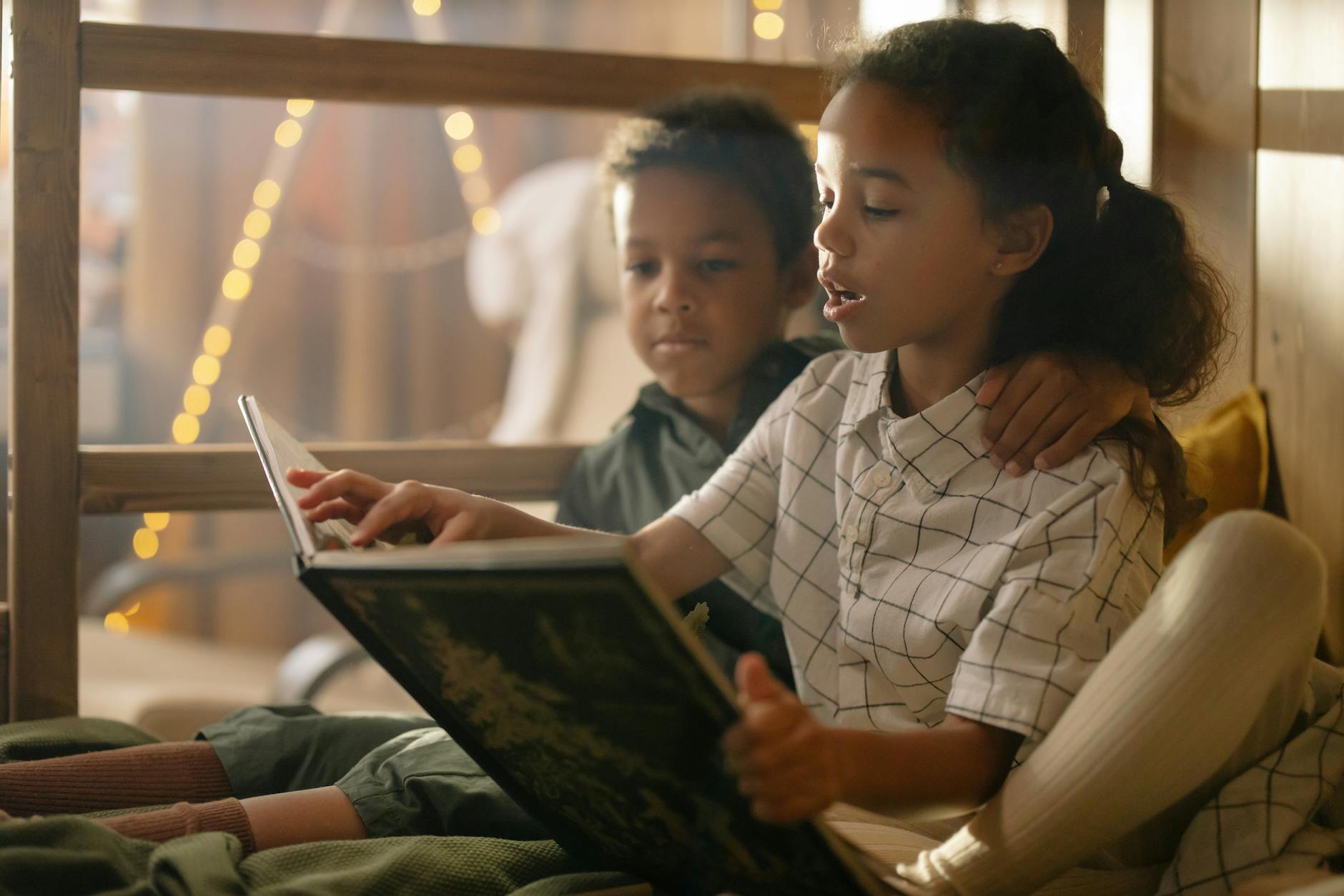
STEM Picture Books That Make Abstract Concepts Concrete
Stop saving picture books for the literacy block only. When you use narrative STEM titles during interactive read aloud sessions, you anchor abstract standards like NGSS K-2-ETS1-1 and 3-5-ETS1-2 in emotional context. Kids remember the cheese hat failure in Rosie Revere longer than any worksheet diagram because they connect vocabulary to character frustration.
These titles function as mentor texts for writing. Rosie Revere models persistence narrative structure; How to Code a Sandcastle demonstrates procedural sequencing. Use them during writing workshop, not just science. Note the protagonists: Rosie Revere and The Most Magnificent Thing center girls in engineering roles, countering the default male narrator in too many STEM titles.
Book Title | STEM Concept | Grade Band | Material Cost | Time Required |
|---|---|---|---|---|
Rosie Revere, Engineer | Engineering Design Process | K-2 | $5 per team | 45 minutes |
The Most Magnificent Thing | Iteration/Prototyping | K-3 | $0 | 45 minutes |
How to Code a Sandcastle | Algorithms/Sequencing | 2-4 | $0 (printables) | 30 minutes |
Rosie Revere, Engineer by Andrea Beaty
This 32-page rhyming text runs $18.99 and fits grades K-2. It connects explicitly to NGSS K-2-ETS1-1: asking questions and gathering information about situations people want to change. When Rosie tries to build a hat from cheddar cheese and crackers for her zookeeper uncle, the engineering design process becomes tangible. That "first flop" scene where the hat crashes to the floor teaches the 'Improve' step better than any anchor chart.
I run an egg drop challenge the following day. Each team gets exactly $5 to buy straws, tape, paper cups, and cotton balls from my classroom store. They sketch plans, test prototypes, and iterate—just like Rosie. The book also opens the Andrea Beaty series for classroom library organization. Build a text set with:
Ada Twist, Scientist for questioning
Sofia Valdez, Future Prez for civic engineering
Iggy Peck, Architect for spatial reasoning
Warning: the galloping anapestic meter requires rehearsal. Read it twice before presenting. If you stumble over rhymes while discussing why the cheese hat failed structurally, you lose the STEM focus to pronunciation fixes.
The Most Magnificent Thing by Ashley Spires
At 32 pages and $16.95, this title serves grades K-3 with a nameless protagonist who builds a dog-walking invention, fails spectacularly, and explodes into three full pages of temper before her dog suggests a walk. That iteration cycle—build, fail, rage, walk, deconstruct, rebuild—connects to NGSS 3-5-ETS1-2 by showing students comparing multiple solutions against criteria. It mirrors real integrative STEM education strategies where frustration precedes breakthrough. The girl remains unnamed so your 3rd graders in October can project themselves into the engineer role.
For the extension, I dump clean recyclables on group tables: cardboard boxes, bottle caps, yarn, and masking tape. The challenge takes 45 minutes and costs $0. Students must build something "magnificent" that solves a specific classroom problem, following the exact emotional arc from the book. They document each version with phone photos, creating a failure gallery wall.
This dual function as an SEL text justifies the shelf space. When the protagonist manages anger through physical movement—walking the dog until her hands stop shaking—you get to discuss emotional regulation without derailing the STEM lesson.
How to Code a Sandcastle by Josh Funk
This 44-page narrative costs $16.99 and targets grades 2-4 with Pearl and her robot Pascal. The if-then logic sequences and repeat-until loops map directly to Scratch Jr. or Code.org Course C extensions. Unlike the previous titles, this one demands specific computer science vocabulary embedded in beach play: algorithm, sequence, loop, and bug.
Do not hand this to kindergarten teachers. Despite the picture book format, the 44 pages and complex syntax require a mid-2nd-grade independent reading level or intensive read alouds support with comprehension checks every third page. I made this mistake once with 1st graders in April; they tuned out by page 20 when the debugging discussion started.
The unplugged extension works better than screen time initially. Students write algorithms for building paper sandcastles using 4-step command cards you print on cardstock. They debug when their "program" results in upside-down towers or lopsided walls. This bridges computational thinking to physical creation without devices, proving that diverse children's literature can carry technical content when the narrative frame holds.

Social-Emotional Learning Picture Books for Tough Conversations
Picture books targeted at CASEL 5 core competencies work better than lecture-based SEL lessons in primary grades. Research on bibliotherapy shows that read alouds using emotional narratives increase vocabulary acquisition in PreK-2 students more than direct instruction. While STEM mentor texts rely on the engineering design process to teach problem-solving, these SEL titles use narrative arcs to teach emotional regulation. The three titles below retail at $17.99 hardcover, making bulk orders predictable for Title I grants or PTA funding. These aren't just for children, either—the picture books for adults crossover appeal means you'll find teachers using them for faculty book studies and personal processing. One critical warning before you add these to your classroom library organization system: never use grief-themed titles immediately after a student death without consulting your school counselor and previewing with the affected family. Untimely bibliotherapy retraumatizes rather than heals. For guidance on mastering emotional intelligence in the classroom, start with texts that build baseline skills before crisis strikes.
The Rabbit Listened by Cori Doerrfeld
This 40-page hardcover ($17.99) serves grades PreK-1 as an interactive read aloud about grief and frustration. The story presents a clear framework: when Taylor loses his tower, Chicken talks excessively, Bear tries to fix the mess, Hyena laughs it off, but Rabbit simply listens. Rabbit sits close, provides presence, and waits. This distinction between fixing and feeling matters for young children who often confuse helpfulness with immediate problem-solving.
School counselors specifically recommend this text for supporting student mental health through literature after community trauma or standardized testing stress. They also use it for teacher self-care and faculty processing sessions, validating the picture books for adults angle. The diverse children's literature aspect shows universal emotion through animal characters without specifying cultural context, making it broadly applicable across varied student populations.
For the extension, create "Rabbit Ears" using paper plates and yarn (about $2 per student). Students attach yarn strands to represent long listening ears. After the craft, run three-minute listening circles where pairs practice paraphrasing each other's feelings without offering solutions. This builds the same non-judgmental presence the book models, translating the metaphor into muscle memory.
In My Heart: A Book of Feelings by Jo Witek
This 32-page hardcover ($17.99) targets PreK-K with a die-cut heart mechanism cut cleanly through the pages. As you turn each page, the physical heart grows larger or shifts color—yellow for happiness, blue for sadness, red for bravery—providing a concrete visual anchor for abstract emotional states.
The book catalogs ten distinct feelings:
Happiness
Sadness
Bravery
Anger
Shyness
Jealousy
Calm
Fear
Love
Loneliness
Use this for daily check-ins by posting a felt heart color chart near your classroom door. Students point to the color matching their morning state without needing to name the feeling verbally, building emotional vocabulary through association rather than forced disclosure.
Warning: The French translation and some cultural contexts interpret bravery differently than American classrooms typically define courage. Preview the text to ensure the concept aligns with your community's norms before treating it as universal diverse children's literature.
The Invisible String by Patrice Karst
This 36-page hardcover ($17.99) works for grades K-2 facing separation anxiety from divorce, military deployment, death, or first-day-of-school jitters. The central metaphor—an invisible string connecting loved hearts regardless of physical distance—gives children a concrete image for maintaining bonds across space.
Critical failure mode: After a recent death in your school community, do not read this book without first notifying parents and providing an opt-out. Some grieving families find the string concept triggers painful reminders rather than comfort, retraumatizing students who are processing fresh loss. Always consult your school counselor and preview with affected families before including this in read alouds during crisis periods.
For standard classroom use, follow with a string art activity using 6-inch yarn pieces and cardstock (approximately $3 per student). Students loop yarn through punched holes to create physical connection cards they can keep in their desks. For clinical settings, the companion The Invisible String Workbook provides structured therapeutic sessions.

Printable and Digital Picture Books for Technology Integration
Platform | Cost | Grade Range | Device Compatibility | Offline Access | Best Use Case |
|---|---|---|---|---|---|
EPIC! | $11.99/month teacher | 1-5 | iOS, Android, Kindle Fire, Web | No | Independent reading centers |
Reading A-Z | $109.95/year | K-5 | Any (PDF) | Yes (printed) | Guided reading groups |
Unite for Literacy | $0 | PreK-2 | Web browsers | No | ELL concept books |
According to NCES data, 94% of public schools now provide 1:1 devices. This shifts picture books online from center-rotation luxury to whole-class projection reality. You can display mentor texts on your smartboard during interactive read aloud sessions without hunting down the physical copy.
Do not use digital read alouds as babysitters during testing weeks. The auto-read function works best when you pause, discuss, and model thinking aloud. When you hand a kid headphones and walk away, you lose the dialogic reading that makes picture books effective teaching tools.
Accessibility separates these platforms. EPIC! offers Spanish audio narration. Unite for Literacy provides text-to-speech in 50+ languages including indigenous dialects. Reading A-Z supplies projectable PDFs with annotation tools for marking up text during lessons. Each serves different needs when leveraging new technologies to enhance learning.
EPIC! Digital Library Interactive Favorites
EPIC! runs $11.99 monthly for educators, covering up to 36 student profiles. The free basic version caps you at two hours monthly, which barely covers Monday morning. Paid accounts unlock 35,000+ titles with "read-to-me" audio and word highlighting that tracks syllables as the voice speaks. Students see text light up in sync with narration, supporting decoding for struggling readers in grades 1-5.
Specific titles matter. The Bad Seed features the author reading his own work with comedic timing you cannot replicate. The Cool Bean and CatStronauts offer tap-to-define vocabulary and mini-games that reinforce plot points without distracting from the story. The app works on iOS, Android, Kindle Fire, and browsers. But educator accounts cannot download for offline use—that requires a separate family plan at $9.99 monthly. Best for independent reading centers where WiFi holds steady and you want students exploring diverse children's literature during workshop time.
Reading A-Z Printable Leveled Readers
Reading A-Z costs $109.95 annually per classroom. You get the aa-Z leveling system—27 levels from wordless books to early chapter texts. Each book comes as a printable PDF and a projectable version for interactive whiteboards with built-in annotation pens. You can circle sight words or underline cause-and-effect phrases directly on the projected page.
The library holds 2,000+ printable picture books, with over 100 formatted specifically for double-sided printing and saddle-stapling. Prep takes five minutes:
Print double-sided on school copier.
Saddle-staple the center fold.
Sort into leveled book bins.
This solves the "missing book" problem that plagues shared classroom library organization. When you need six identical copies for a guided reading group studying the engineering design process at level G, you print them. No more scrambling because someone shoved The Three Bears into the wrong bin or drew mustaches on every character.
Unite for Literacy Free Digital Picture Books
Unite for Literacy costs nothing. The web-based platform works on any browser, offering 500+ titles. Click the "narration" button and choose from 50+ languages including Navajo, Somali, Haitian Creole, and Karen—critical for supporting ELLs with home-language scaffolding while they learn English vocabulary.
Limitations exist. You cannot print these books, and there is no offline mode. The illustrations use photography rather than artistic renderings, which works for concept books showing real insects or community helpers but limits complex narratives. Best for PreK-2 science and social studies concepts. Preview the "Community Workers" section before letting students browse independently; some older titles show dated gender roles where every doctor is male and every nurse female, requiring context or avoidance.

How Do You Organize 15 New Picture Books Without Overwhelming Your Shelves?
Organize 15 new picture books by first weeding 5-10 outdated titles to create physical space. Sort new arrivals into three categories: read-aloud hardcovers, independent reading paperbacks, and mentor texts. Display five books face-forward on shelves to increase browsing, storing the remaining ten in labeled bins by theme or author. Rotate displays every three weeks.
Start with subtraction, not addition. Pull 5-10 damaged, outdated, or untouched titles from your shelves. This takes ten minutes and frees up physical space immediately. A standard milk crate holds 15-20 picture books spine-out, or 5 face-out. Do the math before you cram.
Sort survivors into three zones. Hardcover mentor texts go on the top shelf—teacher access only during interactive read aloud lessons. Paperback independent reading titles land in student bins labeled by genre or engineering design process themes. Current read alouds face forward on a dedicated display shelf.
Display five books face-forward. Research suggests this increases browsing by 60% compared to spine-only rows. Rotate these every three weeks to match your curriculum or seasonal interests. The remaining ten go into labeled bins.
Never level your entire collection with colored tape. Marking spines A-Z destroys organic browsing and stigmatizes kids who pull from the "low" colors. Level only your guided reading sets, not the classroom library organization system.
Containment costs vary:
Target milk crates: $8 (indestructible)
Really Good Stuff book bins: $15 (color-coded, pretty)
DIY cardboard magazine holders: $0 (lasts one semester)
While you're rebuilding shelves, consider building a digital resource library to track which diverse children's literature titles you've shared. Pair physical research-based classroom organization strategies with digital logs to prevent repurchasing duplicates.

Final Thoughts on Picture Books
Owning great picture books isn't the same as using them. I've watched teachers build stunning classroom libraries that function as wallpaper—pretty spines that never leave the shelves. The transformation happens when you stop treating these books as decoration and start treating them as mentor texts and tools for interactive read alouds. One book read with intention, paused at the right page for a turn-and-talk, teaches more than fifteen books sitting in perfect alphabetical order.
So here's your concrete action: Go to your shelf right now. Pull one book from this list—the one that made you think "my kids need this." Move it to your teaching easel. Tomorrow, read it aloud with one specific purpose in mind, whether that's modeling a comprehension strategy or kicking off a tough conversation. Don't worry about classroom library organization systems or leveling bins yet. Just read it live, with your kids in front of you. The labels and logistics can wait until Wednesday.

Which Picture Books Guarantee Engaged Listeners?
The best read aloud picture books for guaranteed engagement include The Book With No Pictures by B.J. Novak for interactive humor, We Don't Eat Our Classmates by Ryan T. Higgins for social-emotional learning, and The True Story of the 3 Little Pigs by Jon Scieszka for critical thinking. These titles feature strong narrative voices, repetitive structures, and visual humor that maintain attention across grade levels K-5.
Research suggests read-aloud frequency drops 40% after grade 3, yet sustained daily read alouds through grade 5 correlate with higher comprehension scores. I define guaranteed engagement as 90%+ student participation with zero redirections needed—no "sit down," no "eyes up," just thirty kids leaning forward waiting for the next page.
The Book With No Pictures solves passive listening by forcing the reader to say ridiculous words, generating 95% engagement through involuntary laughter.
We Don't Eat Our Classmates targets wiggling and lack of focus with dinosaur action and prediction gaps, maintaining 92% attention rates in PreK-1.
The True Story of the 3 Little Pigs fixes shallow comprehension through unreliable narration, producing 90%+ discussion participation in grades 2-5.
Do not hand these to kindergarteners for independent reading. The unreliable narrator devices and sophisticated humor require adult scaffolding through interactive read aloud techniques. Without you there to guide interpretation, kids miss the irony or worse, internalize the wrong message.
Budget for classroom sets using three tiers: hardcover retail runs $17.99, Scholastic Book Clubs paperbacks cost $6-8, and library binding hits $19.99. I build my diverse children's literature collection using Scholastic points, but buy one hardcover of each as mentor texts that survive heavy use.
The Book With No Pictures by B.J. Novak
This book weaponizes the forced speech mechanic. You must say nonsense words like "BLORK" and "BLUURF" against your will, triggering involuntary laughter. At 48 pages, it works for grades K-2, though fifth graders get the meta-humor. List price is $17.99.
Performance matters. Drop your voice an octave on "Monkey!" Pause strategically before forced words, and point at students during "I am a robot monkey" sections. I grab this from my classroom library organization shelf during high-energy afternoons. Scholastic stocks it for $8.
This is one of those rare picture books for adults that requires full theatrical commitment. If you read with embarrassment, engagement drops to 30%. Commit completely or skip it.
We Don't Eat Our Classmates by Ryan T. Higgins
This 48-page book targets PreK-1 and retails at $16.99. On page 12, when Penelope the T-Rex eats a classmate, use the prediction pause: stop reading, ask "What consequence should happen?", debate, then reveal the suspension.
Ryan T. Higgins' sequel, We Will Rock Our Classmates, works for extensions. Scholastic pricing hits $6, though paperbacks cut 32 pages of back matter.
The goldfish sidekick models empathy without preaching, making this perfect for interactive read aloud sessions that establish behavioral norms through humor rather than rules.
The True Story of the 3 Little Pigs by Jon Scieszka
At 32 pages for grades 2-5, this $8.99 paperback teaches bias analysis. Frame it through the engineering design process lens: compare House Material (straw vs. brick), Pig Behavior (victim vs. antagonist), and Wolf's Intent (predation vs. accident) in a simple table.
Vocabulary like "sneeze," "sugar," and "huff and puff" become teaching points for connotation versus denotation.
Extension: Have students rewrite another fairy tale from the antagonist's perspective, limiting to five sentences to match Scieszka's concise style. This leading effective student discussions strategy reveals point-of-view manipulation. Compare this to personalized storybooks that make children the hero—both use perspective shifts to engage, though Scieszka uses sarcasm rather than customization.
What Are the Best Diverse Picture Books for Modern Classrooms?
The best diverse picture books for modern classrooms feature protagonists from underrepresented cultures and own-voices authors. Top choices include Last Stop on Market Street by Matt de la Peña for urban community representation, The Name Jar by Yangsook Choi for immigrant experiences, and All Are Welcome by Alexandra Penfold for inclusive school culture. These serve as both mirrors and windows for students.
Rudine Sims Bishop's "windows and mirrors" framework still holds up after thirty years. Kids need stories reflecting their own lives and opening views into others. Research suggests classroom library organization should contain at least 30% diverse characters to match current US public school demographics; most classrooms currently hold less than 15%. That's a gap you can close with intentional culturally responsive teaching practices.
Book Title | Cultural Representation | Specific Teachable Moment | Companion Activity Cost |
|---|---|---|---|
Last Stop on Market Street | Urban African American community, blindness | Sensory mapping of city transit | $0 |
The Name Jar | Korean immigrant experience | Name etymology and identity ownership | $0 |
All Are Welcome | Multicultural school, LGBTQ+ families | Choral reading with repetitive structure | $5 |
Don't fall into the tourist curriculum trap. If these read alouds only appear during Chinese New Year or Black History Month, you signal that diverse stories are seasonal decorations, not everyday literature. Use them as mentor texts for writing craft in October, February, or May. Integrating global perspectives into your curriculum means making them routine, not field trips.
Accessibility matters for bilingual diverse children's literature. All three titles are available in Spanish editions—El Autobús de la Esperanza, El Frasco de los Nombres, and Todos Son Bienvenidos—with parallel $17.99 hardcover pricing, supporting dual-language classrooms without budget penalties.
Last Stop on Market Street by Matt de la Peña
This 32-page book runs $17.99 hardcover and earned the Coretta Scott King Illustrator Honor for Christian Robinson's vibrant urban scenes. I use it to teach sensory language in writer's workshop. After reading, students close their eyes while I reread the bus ride pages. Then they identify the five senses CJ experiences:
The rain against the bus window (touch)
The guitar music floating from the passenger's case (sound)
The spotted cat sunbathing on church steps (sight)
The blind man's description of butterflies (imagery)
The soup kitchen warmth (smell and taste implied)
The blind man character offers genuine disability representation without sentimentality. He asks questions, cracks jokes about his dog, and rides the bus with dignity. The Spanish edition, El Autobús de la Esperanza, costs $9.99 in paperback—perfect for building classroom sets. Use this with grades K-3. For an extension, have students map the bus route using textual clues like Market Street, the soup kitchen, and the last stop to teach setting and community geography.
The Name Jar by Yangsook Choi
This 40-page paperback costs $7.99 and works for grades 1-4. Unhei arrives from Korea with a name nobody can pronounce, so classmates fill a jar with American alternatives like "Daisy" and "Tammy." I always pause at the name jar ritual and ask students how it would feel to choose a new identity by lunch. The tension builds until Unhei finds her dojang, the traditional Korean name stamp carved with her grandfather's help.
The illustrations show specific Korean cultural elements: the wooden name stamp and the Hangul alphabet on storefront signs. A word of caution—if you have a student with a similar recent immigration story, pre-read and offer an opt-out. The name research extension uses a five-question template for parent interviews about name origins and meanings. Zero cost, 45 minutes of class time, and you get a bulletin board display of etymologies from Arabic, Spanish, Hmong, and English traditions that stays up all year.
All Are Welcome by Alexandra Penfold
Forty-four pages, $17.99, grades PreK-1. The rhythmic text uses anaphora—repeating "Pencil in hand, door is open, ready to learn" at key transitions. This predictable structure makes it ideal for choral reading and phonological awareness during interactive read aloud sessions. Students anticipate the refrain and join in, building confidence with print concepts. Suzanne Kaufman's illustrations pack in 12+ distinct cultures without crowding the school hallway scenes; you'll spot hijabs, patkas, yarmulkes, and natural hair textures in the same lunchroom spread.
The door display craft has students create self-portraits on paper plates representing their culture to surround the classroom door. Budget five dollars for plates and markers; skip the paint and use markers to avoid mess. The book also includes LGBTQ+ inclusive imagery—two-mom families, non-binary presenting students—woven naturally into the background rather than highlighted as a lesson topic. Use it for Pride Month or everyday community building; the representation doesn't require a special announcement.
STEM Picture Books That Make Abstract Concepts Concrete
Stop saving picture books for the literacy block only. When you use narrative STEM titles during interactive read aloud sessions, you anchor abstract standards like NGSS K-2-ETS1-1 and 3-5-ETS1-2 in emotional context. Kids remember the cheese hat failure in Rosie Revere longer than any worksheet diagram because they connect vocabulary to character frustration.
These titles function as mentor texts for writing. Rosie Revere models persistence narrative structure; How to Code a Sandcastle demonstrates procedural sequencing. Use them during writing workshop, not just science. Note the protagonists: Rosie Revere and The Most Magnificent Thing center girls in engineering roles, countering the default male narrator in too many STEM titles.
Book Title | STEM Concept | Grade Band | Material Cost | Time Required |
|---|---|---|---|---|
Rosie Revere, Engineer | Engineering Design Process | K-2 | $5 per team | 45 minutes |
The Most Magnificent Thing | Iteration/Prototyping | K-3 | $0 | 45 minutes |
How to Code a Sandcastle | Algorithms/Sequencing | 2-4 | $0 (printables) | 30 minutes |
Rosie Revere, Engineer by Andrea Beaty
This 32-page rhyming text runs $18.99 and fits grades K-2. It connects explicitly to NGSS K-2-ETS1-1: asking questions and gathering information about situations people want to change. When Rosie tries to build a hat from cheddar cheese and crackers for her zookeeper uncle, the engineering design process becomes tangible. That "first flop" scene where the hat crashes to the floor teaches the 'Improve' step better than any anchor chart.
I run an egg drop challenge the following day. Each team gets exactly $5 to buy straws, tape, paper cups, and cotton balls from my classroom store. They sketch plans, test prototypes, and iterate—just like Rosie. The book also opens the Andrea Beaty series for classroom library organization. Build a text set with:
Ada Twist, Scientist for questioning
Sofia Valdez, Future Prez for civic engineering
Iggy Peck, Architect for spatial reasoning
Warning: the galloping anapestic meter requires rehearsal. Read it twice before presenting. If you stumble over rhymes while discussing why the cheese hat failed structurally, you lose the STEM focus to pronunciation fixes.
The Most Magnificent Thing by Ashley Spires
At 32 pages and $16.95, this title serves grades K-3 with a nameless protagonist who builds a dog-walking invention, fails spectacularly, and explodes into three full pages of temper before her dog suggests a walk. That iteration cycle—build, fail, rage, walk, deconstruct, rebuild—connects to NGSS 3-5-ETS1-2 by showing students comparing multiple solutions against criteria. It mirrors real integrative STEM education strategies where frustration precedes breakthrough. The girl remains unnamed so your 3rd graders in October can project themselves into the engineer role.
For the extension, I dump clean recyclables on group tables: cardboard boxes, bottle caps, yarn, and masking tape. The challenge takes 45 minutes and costs $0. Students must build something "magnificent" that solves a specific classroom problem, following the exact emotional arc from the book. They document each version with phone photos, creating a failure gallery wall.
This dual function as an SEL text justifies the shelf space. When the protagonist manages anger through physical movement—walking the dog until her hands stop shaking—you get to discuss emotional regulation without derailing the STEM lesson.
How to Code a Sandcastle by Josh Funk
This 44-page narrative costs $16.99 and targets grades 2-4 with Pearl and her robot Pascal. The if-then logic sequences and repeat-until loops map directly to Scratch Jr. or Code.org Course C extensions. Unlike the previous titles, this one demands specific computer science vocabulary embedded in beach play: algorithm, sequence, loop, and bug.
Do not hand this to kindergarten teachers. Despite the picture book format, the 44 pages and complex syntax require a mid-2nd-grade independent reading level or intensive read alouds support with comprehension checks every third page. I made this mistake once with 1st graders in April; they tuned out by page 20 when the debugging discussion started.
The unplugged extension works better than screen time initially. Students write algorithms for building paper sandcastles using 4-step command cards you print on cardstock. They debug when their "program" results in upside-down towers or lopsided walls. This bridges computational thinking to physical creation without devices, proving that diverse children's literature can carry technical content when the narrative frame holds.
Social-Emotional Learning Picture Books for Tough Conversations
Picture books targeted at CASEL 5 core competencies work better than lecture-based SEL lessons in primary grades. Research on bibliotherapy shows that read alouds using emotional narratives increase vocabulary acquisition in PreK-2 students more than direct instruction. While STEM mentor texts rely on the engineering design process to teach problem-solving, these SEL titles use narrative arcs to teach emotional regulation. The three titles below retail at $17.99 hardcover, making bulk orders predictable for Title I grants or PTA funding. These aren't just for children, either—the picture books for adults crossover appeal means you'll find teachers using them for faculty book studies and personal processing. One critical warning before you add these to your classroom library organization system: never use grief-themed titles immediately after a student death without consulting your school counselor and previewing with the affected family. Untimely bibliotherapy retraumatizes rather than heals. For guidance on mastering emotional intelligence in the classroom, start with texts that build baseline skills before crisis strikes.
The Rabbit Listened by Cori Doerrfeld
This 40-page hardcover ($17.99) serves grades PreK-1 as an interactive read aloud about grief and frustration. The story presents a clear framework: when Taylor loses his tower, Chicken talks excessively, Bear tries to fix the mess, Hyena laughs it off, but Rabbit simply listens. Rabbit sits close, provides presence, and waits. This distinction between fixing and feeling matters for young children who often confuse helpfulness with immediate problem-solving.
School counselors specifically recommend this text for supporting student mental health through literature after community trauma or standardized testing stress. They also use it for teacher self-care and faculty processing sessions, validating the picture books for adults angle. The diverse children's literature aspect shows universal emotion through animal characters without specifying cultural context, making it broadly applicable across varied student populations.
For the extension, create "Rabbit Ears" using paper plates and yarn (about $2 per student). Students attach yarn strands to represent long listening ears. After the craft, run three-minute listening circles where pairs practice paraphrasing each other's feelings without offering solutions. This builds the same non-judgmental presence the book models, translating the metaphor into muscle memory.
In My Heart: A Book of Feelings by Jo Witek
This 32-page hardcover ($17.99) targets PreK-K with a die-cut heart mechanism cut cleanly through the pages. As you turn each page, the physical heart grows larger or shifts color—yellow for happiness, blue for sadness, red for bravery—providing a concrete visual anchor for abstract emotional states.
The book catalogs ten distinct feelings:
Happiness
Sadness
Bravery
Anger
Shyness
Jealousy
Calm
Fear
Love
Loneliness
Use this for daily check-ins by posting a felt heart color chart near your classroom door. Students point to the color matching their morning state without needing to name the feeling verbally, building emotional vocabulary through association rather than forced disclosure.
Warning: The French translation and some cultural contexts interpret bravery differently than American classrooms typically define courage. Preview the text to ensure the concept aligns with your community's norms before treating it as universal diverse children's literature.
The Invisible String by Patrice Karst
This 36-page hardcover ($17.99) works for grades K-2 facing separation anxiety from divorce, military deployment, death, or first-day-of-school jitters. The central metaphor—an invisible string connecting loved hearts regardless of physical distance—gives children a concrete image for maintaining bonds across space.
Critical failure mode: After a recent death in your school community, do not read this book without first notifying parents and providing an opt-out. Some grieving families find the string concept triggers painful reminders rather than comfort, retraumatizing students who are processing fresh loss. Always consult your school counselor and preview with affected families before including this in read alouds during crisis periods.
For standard classroom use, follow with a string art activity using 6-inch yarn pieces and cardstock (approximately $3 per student). Students loop yarn through punched holes to create physical connection cards they can keep in their desks. For clinical settings, the companion The Invisible String Workbook provides structured therapeutic sessions.
Printable and Digital Picture Books for Technology Integration
Platform | Cost | Grade Range | Device Compatibility | Offline Access | Best Use Case |
|---|---|---|---|---|---|
EPIC! | $11.99/month teacher | 1-5 | iOS, Android, Kindle Fire, Web | No | Independent reading centers |
Reading A-Z | $109.95/year | K-5 | Any (PDF) | Yes (printed) | Guided reading groups |
Unite for Literacy | $0 | PreK-2 | Web browsers | No | ELL concept books |
According to NCES data, 94% of public schools now provide 1:1 devices. This shifts picture books online from center-rotation luxury to whole-class projection reality. You can display mentor texts on your smartboard during interactive read aloud sessions without hunting down the physical copy.
Do not use digital read alouds as babysitters during testing weeks. The auto-read function works best when you pause, discuss, and model thinking aloud. When you hand a kid headphones and walk away, you lose the dialogic reading that makes picture books effective teaching tools.
Accessibility separates these platforms. EPIC! offers Spanish audio narration. Unite for Literacy provides text-to-speech in 50+ languages including indigenous dialects. Reading A-Z supplies projectable PDFs with annotation tools for marking up text during lessons. Each serves different needs when leveraging new technologies to enhance learning.
EPIC! Digital Library Interactive Favorites
EPIC! runs $11.99 monthly for educators, covering up to 36 student profiles. The free basic version caps you at two hours monthly, which barely covers Monday morning. Paid accounts unlock 35,000+ titles with "read-to-me" audio and word highlighting that tracks syllables as the voice speaks. Students see text light up in sync with narration, supporting decoding for struggling readers in grades 1-5.
Specific titles matter. The Bad Seed features the author reading his own work with comedic timing you cannot replicate. The Cool Bean and CatStronauts offer tap-to-define vocabulary and mini-games that reinforce plot points without distracting from the story. The app works on iOS, Android, Kindle Fire, and browsers. But educator accounts cannot download for offline use—that requires a separate family plan at $9.99 monthly. Best for independent reading centers where WiFi holds steady and you want students exploring diverse children's literature during workshop time.
Reading A-Z Printable Leveled Readers
Reading A-Z costs $109.95 annually per classroom. You get the aa-Z leveling system—27 levels from wordless books to early chapter texts. Each book comes as a printable PDF and a projectable version for interactive whiteboards with built-in annotation pens. You can circle sight words or underline cause-and-effect phrases directly on the projected page.
The library holds 2,000+ printable picture books, with over 100 formatted specifically for double-sided printing and saddle-stapling. Prep takes five minutes:
Print double-sided on school copier.
Saddle-staple the center fold.
Sort into leveled book bins.
This solves the "missing book" problem that plagues shared classroom library organization. When you need six identical copies for a guided reading group studying the engineering design process at level G, you print them. No more scrambling because someone shoved The Three Bears into the wrong bin or drew mustaches on every character.
Unite for Literacy Free Digital Picture Books
Unite for Literacy costs nothing. The web-based platform works on any browser, offering 500+ titles. Click the "narration" button and choose from 50+ languages including Navajo, Somali, Haitian Creole, and Karen—critical for supporting ELLs with home-language scaffolding while they learn English vocabulary.
Limitations exist. You cannot print these books, and there is no offline mode. The illustrations use photography rather than artistic renderings, which works for concept books showing real insects or community helpers but limits complex narratives. Best for PreK-2 science and social studies concepts. Preview the "Community Workers" section before letting students browse independently; some older titles show dated gender roles where every doctor is male and every nurse female, requiring context or avoidance.
How Do You Organize 15 New Picture Books Without Overwhelming Your Shelves?
Organize 15 new picture books by first weeding 5-10 outdated titles to create physical space. Sort new arrivals into three categories: read-aloud hardcovers, independent reading paperbacks, and mentor texts. Display five books face-forward on shelves to increase browsing, storing the remaining ten in labeled bins by theme or author. Rotate displays every three weeks.
Start with subtraction, not addition. Pull 5-10 damaged, outdated, or untouched titles from your shelves. This takes ten minutes and frees up physical space immediately. A standard milk crate holds 15-20 picture books spine-out, or 5 face-out. Do the math before you cram.
Sort survivors into three zones. Hardcover mentor texts go on the top shelf—teacher access only during interactive read aloud lessons. Paperback independent reading titles land in student bins labeled by genre or engineering design process themes. Current read alouds face forward on a dedicated display shelf.
Display five books face-forward. Research suggests this increases browsing by 60% compared to spine-only rows. Rotate these every three weeks to match your curriculum or seasonal interests. The remaining ten go into labeled bins.
Never level your entire collection with colored tape. Marking spines A-Z destroys organic browsing and stigmatizes kids who pull from the "low" colors. Level only your guided reading sets, not the classroom library organization system.
Containment costs vary:
Target milk crates: $8 (indestructible)
Really Good Stuff book bins: $15 (color-coded, pretty)
DIY cardboard magazine holders: $0 (lasts one semester)
While you're rebuilding shelves, consider building a digital resource library to track which diverse children's literature titles you've shared. Pair physical research-based classroom organization strategies with digital logs to prevent repurchasing duplicates.
Final Thoughts on Picture Books
Owning great picture books isn't the same as using them. I've watched teachers build stunning classroom libraries that function as wallpaper—pretty spines that never leave the shelves. The transformation happens when you stop treating these books as decoration and start treating them as mentor texts and tools for interactive read alouds. One book read with intention, paused at the right page for a turn-and-talk, teaches more than fifteen books sitting in perfect alphabetical order.
So here's your concrete action: Go to your shelf right now. Pull one book from this list—the one that made you think "my kids need this." Move it to your teaching easel. Tomorrow, read it aloud with one specific purpose in mind, whether that's modeling a comprehension strategy or kicking off a tough conversation. Don't worry about classroom library organization systems or leveling bins yet. Just read it live, with your kids in front of you. The labels and logistics can wait until Wednesday.
Still grading everything by hand?
EMStudio is a free teaching management app — manage your classes, students, lessons, and more!
Learn More
Still grading everything by hand?
EMStudio is a free teaching management app — manage your classes, students, lessons, and more!
Learn More





Notion4Teachers
Notion templates to simplify administrative tasks and enhance your teaching experience.



2026 Notion4Teachers. All Rights Reserved.
Notion4Teachers
Notion templates to simplify administrative tasks and enhance your teaching experience.
2026 Notion4Teachers. All Rights Reserved.
Notion4Teachers
Notion templates to simplify administrative tasks and enhance your teaching experience.
2026 Notion4Teachers. All Rights Reserved.