
15 Preschool Books Every Classroom Library Needs
15 Preschool Books Every Classroom Library Needs

Article by
Milo
ESL Content Coordinator & Educator
ESL Content Coordinator & Educator
All Posts
The American Academy of Pediatrics recommends that parents and caregivers begin reading to children from birth. That recommendation isn't just for home. In early childhood education, your classroom library does the heavy lifting for language development, especially when some kids enter your room having heard thousands fewer words than their peers. Your shelves can close that gap. The right books build the foundation for reading before kids ever sound out a letter.
Curating the right preschool books matters more than stuffing shelves with colorful covers that look good in photos. I've watched three-year-olds sit absolutely still for picture books with the right rhythm and repetition, then melt down during overly wordy "classics" that bored me too. You need stories that work for read aloud sessions at circle time when you have fifteen minutes to fill. You need sturdy board books that survive being chewed on during center time. And you need books that build empathy, not just vocabulary. Kids can smell a fake moral from three tables away.
These fifteen titles anchor a classroom library that actually gets used, not just dusted during inspections. They cover social-emotional growth, interactive elements that keep wiggly bodies engaged, diverse characters that reflect your students, and STEM concepts taught through stories, not worksheets. Some are old favorites you probably remember. Others are newer discoveries that hold up to repeat readings without making you want to hide them behind the shelf. Pick three to start. Rotate them in. Watch which ones get grabbed during choice time. That tells you everything about what they need.
Still grading everything by hand?
EMStudio is a free teaching management app — manage your classes, students, lessons, and more!
Learn More
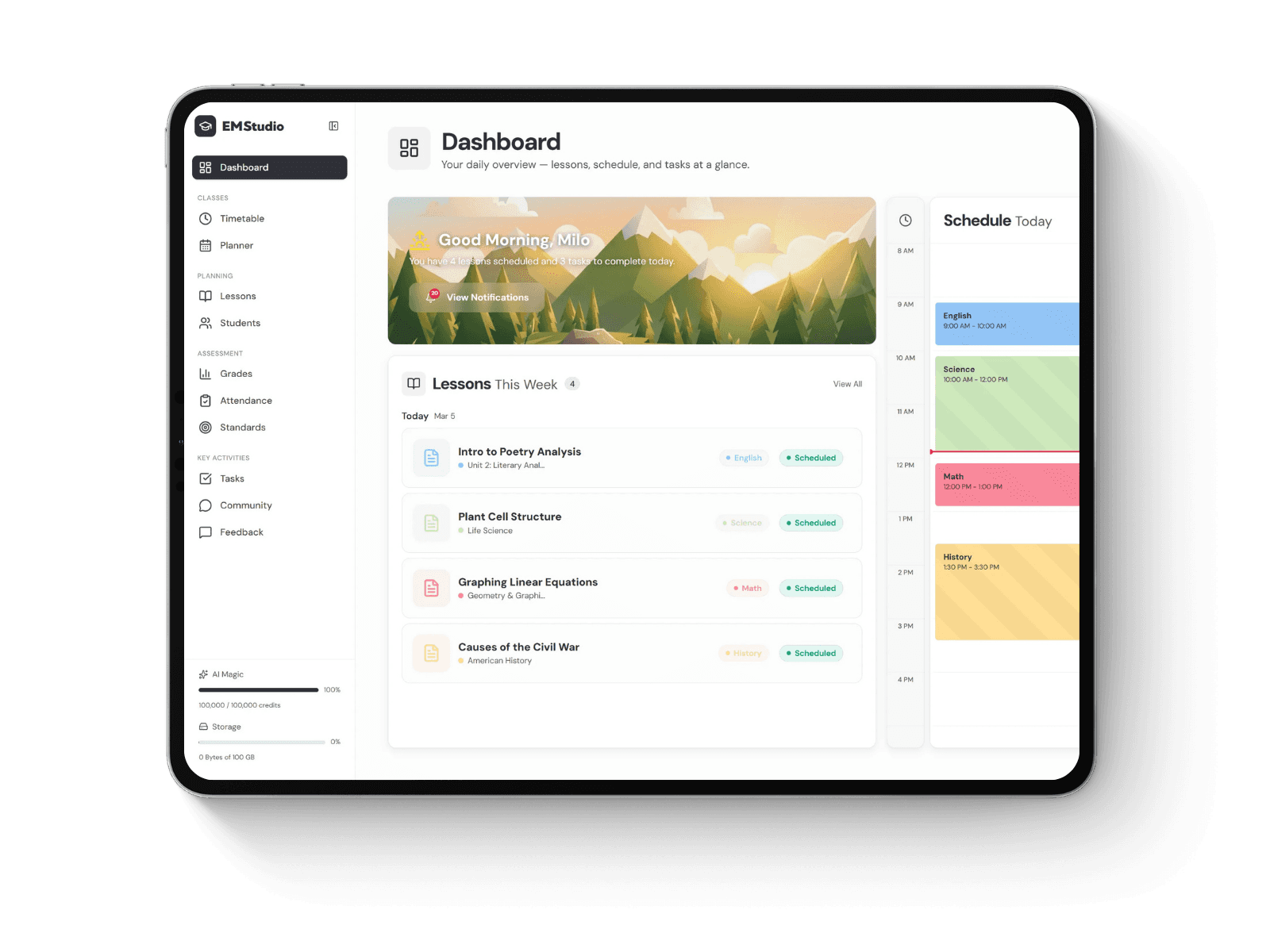
Still grading everything by hand?
EMStudio is a free teaching management app — manage your classes, students, lessons, and more!
Learn More
Table of Contents
Classic Picture Books That Anchor Any Preschool Library
Eric Carle titles have sold over 100 million copies combined. That makes them the most requested preschool books in library systems nationwide. You probably have The Very Hungry Caterpillar, Brown Bear, and Goodnight Moon in your classroom library already. If you don't, grab them first.
These three anchor texts do specific work. The Very Hungry Caterpillar teaches days of the week and counting one to ten. Brown Bear locks in color identification through a predictive rhythm kids can chant. Goodnight Moon builds bedtime routine vocabulary and reinforces object permanence when the red balloon disappears from view.
These pre k books retail between $7.99 and $17.99 depending on format. Board books cost more upfront but survive the chewing and bending that comes with kids under four. Hardcovers look nice, but I've watched a three-year-old destroy a dust jacket in five minutes. Buy board books for classrooms with toddlers. They withstand fifty-plus circulations per year.
Rotate these classics every three weeks. You might love reading Brown Bear for the hundredth time, but your students checked out after week four. I learned this the hard way in a three-year-old room in September. By week four, half the kids were playing with shoelaces. Fresh titles keep engagement high, even with beloved picture books that transform classroom libraries.
The Very Hungry Caterpillar by Eric Carle
The die-cut pages make this book tactile. Kids poke their fingers through the holes where the caterpillar ate. You count one apple, two pears, three plums, four strawberries, and five oranges before hitting the junk food on Saturday. The story takes seven to ten minutes if you let them count along.
This works for ages two through five. The lifecycle sequence shows metamorphosis better than most science videos. It also sneaks in the Saturday and Sunday weekend concept. Kids practice one-to-one correspondence when they touch each food item while counting aloud.
Unlike flashcards, this read aloud lets children predict what comes next. They know the stomachache is coming after the Saturday binge. That prediction builds narrative skills essential for early literacy. Keep this one in your circle time basket, not just the science center.
The paper collage art style gives you a built-in Friday art project. Kids tear tissue paper to make their own hungry caterpillars.
Brown Bear, Brown Bear, What Do You See? by Bill Martin Jr.
The cumulative structure creates instant participation. By the second reading, three-year-olds are chanting the rhythm before you turn the page. I've had classes adapt this into "Teacher, teacher, what do you see?" during morning meeting. It scales perfectly for groups of fifteen to twenty.
The vocabulary set is specific and high-frequency: brown bear, red bird, yellow duck, blue horse, green frog, purple cat, white dog, black sheep, and goldfish. These nine animals cover the color spectrum without overwhelming working memory. The predictive pattern lets reluctant speakers join in because they know exactly what word comes next.
This is your September anchor text for early childhood education classrooms. It establishes the call-and-response culture you need for the rest of the year. Unlike personalized storybooks making kids the hero, this one builds community through shared repetition.
Create a classroom version with student photos. "Jamal, Jamal, what do you see?"
Goodnight Moon by Margaret Wise Brown
The great green room sets a cozy boundary. Margaret Wise Brown structures the text as a sixty-to-seventy-five word bedtime ritual. You read it slowly. The rhythm drops blood pressure. I use this for pre-nap transitions in the afternoon when the energy spikes need calming.
The hidden mouse appears on every color spread. Kids scan the illustrations to find it tucked behind the clock or near the red balloon. This visual scanning task gives them a job during repeated readings. They notice new details—the telephone, the balloon, the two little kittens—each time.
Don't rush the goodnights. Each object gets a moment of acknowledgment before lights out. This pattern mirrors the routine you want children to follow at home. Keep this picture book in your calming corner, not the active library center. It works best when voices are already dropping to a whisper.
The alternating color and black-and-white pages teach visual contrast. Kids learn to expect the rhythm.
What Are the Best Pre K Books for Social-Emotional Learning?
The best pre-k books for social-emotional learning include The Color Monster for emotion categorization, Hands Are Not for Hitting for teaching replacement behaviors, and The Feelings Book for validating diverse emotional experiences. These titles target ages 3-5 with concrete visuals and actionable language.
SEL picture books work when they give kids concrete tools. You need titles that name the feeling, show what it looks like, and offer a way through it.
Strong pre k books target three specific outcomes. First, emotion identification: naming six basic feelings including happy, sad, angry, scared, surprised, and disgusted. Second, self-regulation: practicing three to five techniques like deep breathing, counting to four, or asking for help. Third, empathy development: understanding how someone else might feel in a specific scenario.
Think of these preschool books as a comparison matrix. The Color Monster focuses on sorting and organization for ages 3-5. Hands Are Not for Hitting targets aggressive behaviors with replacement actions, ideal for 4-5 year olds. The Feelings Book covers validation and normalization across the full early childhood range.
Read these during morning meetings or keep them in cool down corners. Research links consistent SEL read alouds to improved emotional regulation in early childhood settings. Extend these lessons with social emotional learning activities or work on mastering emotional skills yourself while teaching them.
The Color Monster by Anna Llenas
Anna Llenas pairs six specific colors with six foundational feelings. Yellow means happy, blue means sad, red equals angry, black shows fear, green signals calm, and pink represents love. The 3D pop-up elements let kids physically touch and manipulate the emotions as they sort them into jars on the page.
I used this with my 4-year-olds during arrival time. One child would pick a pom-pom color from our Feelings Jar and tell the group if they felt "yellow" or "blue" that morning. It took ninety seconds and gave us shared language for the day. When Marcus showed up grumpy, he'd announce "I'm red today" and we'd know he needed space before circle time.
Extend the reading with empty mason jars and colored pom-poms from the craft closet. Kids physically sort the fuzzy balls into containers labeled with the monster's colors. This connects the literacy experience to kinesthetic learning and creates a social emotional learning activity you can reuse during transitions all year.
Hands Are Not for Hitting by Martine Agassi
This board book gives ten concrete alternatives to aggression. Hands are for saying hello, drawing, building, helping, hugging, playing, waving, cooking, shaking, and loving. It targets the hitting phase that peaks in 4-5 year olds when frustration outpaces language skills.
The format matters as much as the message. Board books survive biting, bending, and throwing while concepts scale up to kindergarten conflict resolution. When my 3-year-old class had a rough recess, we'd page through and pick one "hand job" to practice together. Usually we chose high-fives or building blocks. The physical act of flipping thick pages also calms dysregulated nervous systems.
The direct language works for early childhood special education settings. You read the negative behavior once on the first page, then spend ten pages reinforcing positive replacement behaviors. Kids need that ten-to-one ratio of positive to negative prompts. Keep this in your classroom library near the blocks where conflicts usually erupt.
The Feelings Book by Todd Parr
Todd Parr uses bold primary colors and deliberately inclusive characters to cover fifteen distinct emotions. He includes confused, lonely, frustrated, and silly scenarios like "wanting to be a dog" or "feeling like eating ice cream for breakfast." This validates the weird, specific feelings pre k books often skip in favor of basic happy and sad.
Every page repeats the reassurance mantra: "It's okay to feel [emotion]." That repetition supports trauma-informed classroom strategies where kids internalize permission to feel angry or scared without shame. The bold, thick-lined illustrations work for children with visual processing differences who might miss subtle facial expressions in more realistic picture books.
Keep this in your calm corner for individual browsing. When a child retreats to reset alone, they can page through and find their exact feeling validated by Parr's accepting tone. It works without you hovering or interrogating them about their mood. The early literacy experience becomes a private emotional regulation tool they control.
Which Interactive Preschool Books to Read Keep Kids Engaged?
Press Here, Mix It Up!, and Don't Push the Button! top the list of interactive preschool books that hold attention. These titles require kids to tap, shake, and resist buttons rather than just listen. They work best with small groups of 8-12 children so everyone sees the "magic" happen.
Passive read alouds lose them after four minutes. These demand physical participation, extending engagement significantly.
Interactive preschool books to read turn listeners into participants. Kids tap dots or tilt pages instead of sitting still. Research shows this physical manipulation triggers longer attention spans than traditional stories. When a child shakes a book and sees dots "move," they invest in the outcome.
The mechanics vary. Press Here builds executive function through commands. Mix It Up! simulates color mixing. Don't Push the Button! creates tension around impulse control. Each keeps hands busy so minds stay focused using innovative tools to engage and inspire.
Size your group smaller than standard circle time. Eight to twelve children gathered close ensures every student sees the page transformation. Larger groups mean kids in the back miss the effect and start wiggling. I learned this with sixteen Pre-K students—half lost interest because they couldn't see the dot change color.
Press Here by Hervé Tullet
The command sequence builds cause-and-effect understanding step by step. You instruct students to press the yellow dot five times, tilt the book left, shake vigorously, and clap once. Each action triggers a visual "change" on the following page—dots multiply or scatter. Three-year-olds lean in with wide eyes, learning to wait for your direction before turning pages.
Despite the hardcover format, the spine weakens with repeated shaking. After three months of daily use, the binding loosens. I recommend library binding or keeping two copies in your classroom library to rotate. The gutter gives out quickly under enthusiastic shaking from four-year-olds.
Mix It Up! by Hervé Tullet
This title teaches color theory through finger simulation. Children press red then yellow dots to mix orange, yellow and blue to make green, or red and blue to create purple. The picture book mimics paint mixing without mess, covering primary and secondary relationships in ten minutes. Close with "The colors are all yours," then transition immediately to open-ended art stations with tempera paints.
Preschoolers trace fingers along printed smudges, convinced they created the new hue. This bridges abstract color names and physical mixing better than any poster in your early childhood education classroom. Keep the book accessible in your art center after the read aloud ends for reference.
Don't Push the Button! by Bill Cotter
The narrative centers on a red button that "shouldn't" be pushed. Each time someone gives in, dots multiply or change colors across the spread. This generates fifteen to twenty minutes of natural discussion about rules and consequences with three-year-olds. The "uh-oh" repetition pattern allows for choral response. Use these moments to teach self-control vocabulary like "stop" and "wait."
Ham up the hesitation during your read aloud. Shake your head, wring your hands, and ask, "Should we turn the page?" This delayed gratification builds suspense while modeling the behavior you're teaching. Unlike passive board books, this one requires breaking the fourth wall and pleading with the characters, which keeps even the wiggliest children locked in until the final button push.
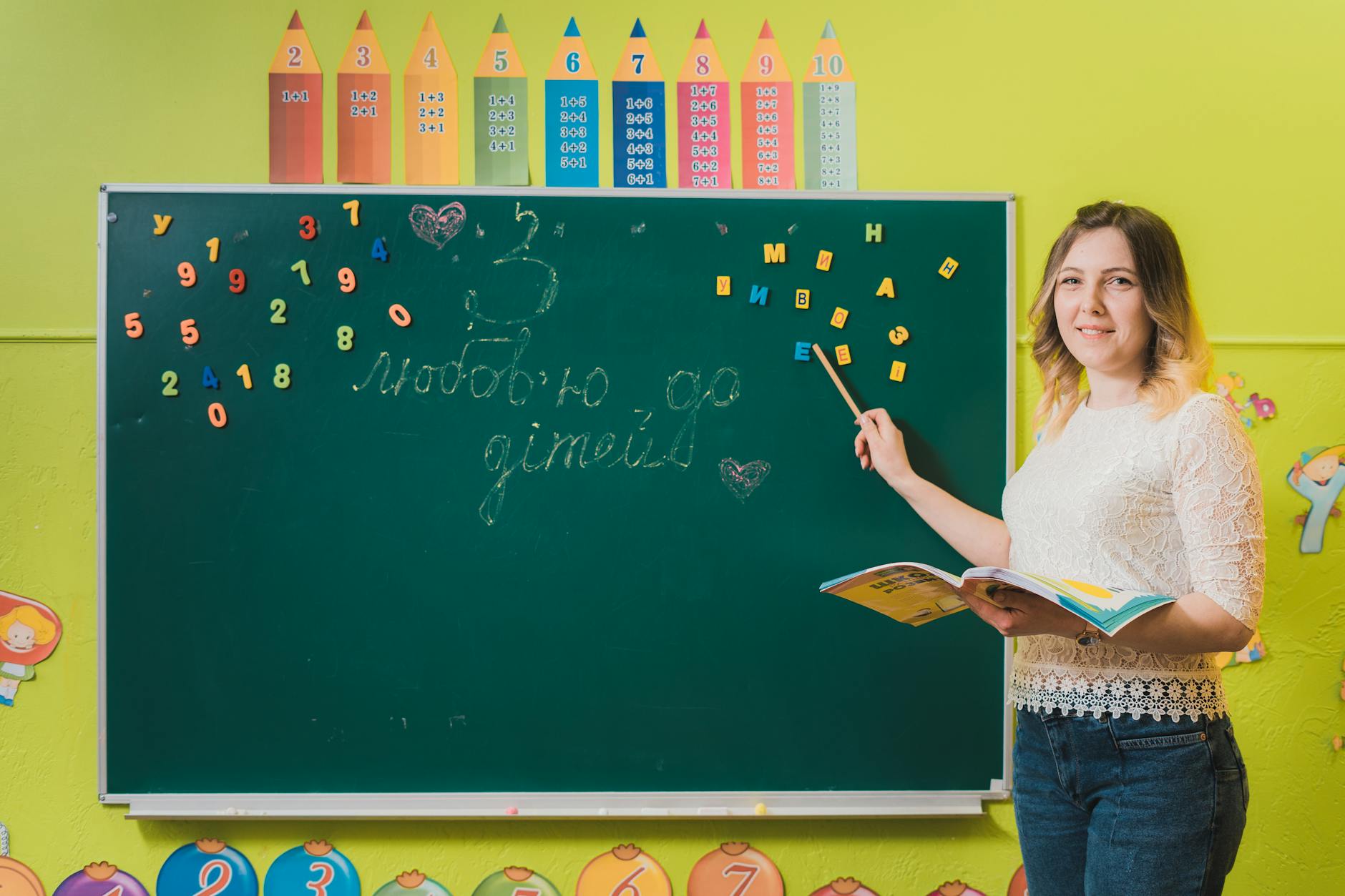
Diverse and Inclusive Stories for Every Child
CCBC data shows diverse representation in children's literature has grown, but most classroom libraries still don't match student demographics. Aim for half your preschool books to feature BIPOC protagonists or non-traditional families. Reading Last Stop on Market Street only during Black History Month is tokenism. These nursery books belong in your regular read aloud rotation year-round.
I learned this in my kindergarten classroom. I used to box up my "diverse books" after February. One student asked why we never saw families like his after "the special weeks" ended. That question changed how I build my classroom library.
Last Stop on Market Street by Matt de la Peña
CJ rides the bus with his grandmother in this picture book that reframes poverty through community abundance. He asks why they don't have a car. His grandmother shifts his focus from what they lack to what they share.
The book introduces service learning and gratitude for ages 4-6 without preaching. Children grasp CJ's questions about material wealth immediately.
Notice the caregiver is Grandma, not Mom or Dad. This validates skip-generation families and kinship care arrangements common in many communities.
Julian Is a Mermaid by Jessica Love
After seeing women dressed as mermaids on the subway, Julian transforms himself using ferns, flowers, and his grandmother's curtains. The wordless sequence lets children read his imagination directly.
This picture book validates gender creativity for ages 3-5 through pure play. Julian isn't labeled or explained.
The grandmother's reaction models adult allyship. She hands him a necklace and takes him to join the real mermaids. Use this to discuss unconditional support with your teaching staff.
The Family Book by Todd Parr
Todd Parr depicts adoptive families, step families, single parents, two moms, two dads, large clans, and small ones. Some are messy. Some are clean. The catalog feels playful. It never reads like a checklist.
This board book normalizes diversity without didacticism and supports early literacy. No family structure is presented as unusual.
The repeated phrase "All families are different, but they all like to hug" creates an inclusive classroom mantra. It anchors culturally responsive teaching principles in something concrete.
STEM-Focused Nursery Books That Build Critical Thinking
STEM nursery books must do more than display planets or dinosaurs. Quality titles introduce 5-10 new scientific terms, demonstrate the inquiry process, or model the engineering design cycle. They show science as an active process rather than static facts to memorize before kindergarten.
Avoid encyclopedia-style picture books that simply label flower parts or list dinosaur names. Young children need stories that embrace failure, iteration, and curiosity. The following titles progress from engineering design to biological change to spatial reasoning. Each demonstrates integrative STEM education for future innovators through narrative, not lecture.
Rosie Revere, Engineer by Andrea Beaty
Rosie follows the complete engineering design cycle: question, imagine, plan, create, improve. She constructs a flying machine from repurposed cheese spray cans and helium pants. The specific materials matter. When children see familiar objects used unconventionally, they understand that engineering requires creative repurposing rather than expensive specialized kits.
The first flight crashes into the cheese hoop. Hard. But great-great-aunt Rose celebrates the attempt, not the outcome. This distinction is crucial for 4-6 year olds who often equate failure with personal inadequacy. The book explicitly teaches that first attempts provide data for second iterations.
I watched a kindergartener sketch her own "flying machine" after this read aloud, then list three ways it might fail before building. That's the growth mindset these preschool books cultivate.
The Very Impatient Caterpillar by Ross Burach
This caterpillar differs sharply from Eric Carle's gentle protagonist. He does not know he must wait fourteen days inside a chrysalis to become a butterfly. He shouts, "Am I a butterfly yet?" through speech bubbles that vary dramatically in text size.
You read large bubbles in a loud, frustrated voice and tiny bubbles in a whisper. This format builds phonological awareness while teaching biological timelines. The story introduces metamorphosis, chrysalis, and delayed gratification without moralizing.
Children learn that transformation follows a specific biological timeline, not just magic. The humor sustains attention through multiple readings, which early childhood education research confirms is necessary for vocabulary retention in durable board books.
Shape by Shape by Suse MacDonald
Black die-cut pages reveal geometric shapes sequentially: triangle, semi-circle, diamond. Children predict what these shapes might form as each page turns, building anticipation through partial information. This builds both shape vocabulary and spatial reasoning through physical interaction with the cutout page.
The final spread reveals a Tyrannosaurus Rex constructed from all previous shapes combined. It demonstrates part-to-whole relationships viscerally. Students see that complex forms comprise simple geometric components arranged strategically to create recognizable creatures.
I keep this title in my classroom library for geometry units. The early literacy value lies in teaching prediction and visual analysis skills. The tactile pages work for small hands, but the content challenges 4-5 year olds to recognize composite shapes in their immediate environment.

How Do You Select High-Quality Preschool Learning Books?
Select high-quality preschool learning books by evaluating developmental appropriateness: ages 0-2 need board books with 1-3 words per page, ages 3-4 handle 2-4 sentences, and ages 5-6 manage simple narratives. Verify durability through 10pt cardboard construction and reinforced bindings.
Don't waste money on pretty books that fall apart. Your classroom library needs titles that survive sticky fingers and match cognitive development strategies by grade.
Page durability: 10pt C1S cardboard minimum for board books.
Word count per page: max 75 words for 3-year-olds.
Concept complexity: match to developmental milestones.
Representation quality: varied skin tones, no gender stereotypes.
Curriculum alignment: supports early literacy goals.
Skip paper pages for under-3s; they tear 60% of the time. Avoid fonts under 18pt or stories needing heavy cultural explanation. Budget $12-18 for classroom-quality hardcovers, $7-10 for board books, and aim for cost-per-use under $0.50 across three years.
Evaluate Developmental Appropriateness and Milestones
Use the adapted Five Finger Rule for picture books. If a child misses more than two vocabulary words per page, the book is too hard. Target 90% known words for independent browsing and 70% for read aloud sessions where you can explain new terms.
Check text placement for pre-readers: left-to-right orientation, minimum 18pt font, and no more than 1-2 sentences per page for 3-year-olds. Last year, my 4-year-olds ignored books with dense text blocks but fought over spreads with simple 75-word limits and clear visuals.
Match concept complexity to early childhood education milestones. Abstract themes like "sharing" need concrete examples. Three-year-olds handle concrete concepts; five-year-olds manage simple cause-and-effect narratives.
Check for Durable Board Book Construction
Classroom board books need 10pt C1S cardboard coated on one side and 2mm thickness to survive bending and biting. Look for library binding with reinforced spines, not standard glue binding. The extra $3-5 upfront beats replacing torn books monthly.
Perform the tug test before purchasing. Grab a page corner and pull gently. If the paper separates from the board with minimal force, the construction fails classroom standards. Cheap bindings cost more long-term.
Calculate cost-per-use. A $9 board book read 50 times costs $0.18 per use. Paper pages for under-3s fail 60% of the time, making them budget drains. Target under $0.50 per use over three years.
Balance Entertainment Value with Educational Goals
Apply the 40/60 Rule: 40% whimsical elements like humor or silly sounds, 60% educational value like vocabulary building. Purely didactic texts bore kids. They want dragons that teach counting, not dry textbooks with flat characters.
Check illustration representation. Look for varied skin tones and avoid gender stereotypes like only girls cooking or only boys building. If the pictures reinforce outdated roles, skip it.
Use the repeat request test. Quality preschool books generate spontaneous demands for re-reading. If no child asks for a second reading within a week, remove it. Also avoid stories requiring extensive cultural context not provided in the text.
How to Rotate Your Collection for Continuous Engagement
Create Thematic Monthly Displays
Think of your classroom library as a year-long story. January brings snow and hibernation tales. February shifts to feelings and diversity. March means seeds and growth, April brings rain and environmental science, May buzzes with insects, and June dives into oceans and summer fun. This rhythm keeps your preschool books matching what kids see outside your window. When three-year-olds see snow falling, they want stories about bears sleeping in caves. The connection makes early literacy feel immediate and real.
Your display shelf is prime real estate. Most preschool classrooms can show 20 to 25 books face-out. Rotate these weekly. Keep another 50 to 75 in browse bins for kids to dig through. The 3-Week Rule matters here. Research shows novelty drops after 21 days of exposure. Swap out 30 to 40 percent of your displayed titles each month to keep those little hands grabbing. I rotate every Monday during prep time. It takes five minutes if your storage bins are labeled by month.
Skip the holiday traps. Connect March titles to seed planting and biology. Use October for harvest and community helpers. December works better with light and darkness themes than with specific holidays. This alignment means your read aloud reinforces what you are already teaching during circle time. Thematic alignment helps English learners build vocabulary through repeated concepts across the day. It also satisfies state standards for integrated curriculum without extra work.
Store Out-of-Season Titles for Freshness
You need a system to track what is out and when it comes back. I use colored dot stickers on spines. Red means fall. Green means spring. Blue means winter. Yellow means summer. One glance tells me if I am overusing favorites or ignoring great picture books that have been shelved too long. It takes ten minutes to code your entire classroom library this way. The dots save you from displaying the same Easter book three Aprils in a row while better titles collect dust.
Storage matters for board books and paperbacks. Buy archival plastic bins, 18-gallon with tight lids. They stop moisture from warping pages. Label each bin with the month and theme. Store them at 65 to 70 degrees. Heat degrades spine glue fast. Check your closet thermometer before you stash September titles in July. A stable environment preserves your investment for the next group of four-year-olds. Clear bins let you see contents without opening the lid.
Keep a master spreadsheet using book tracker and reading list templates. Log ISBN, purchase date, and condition rating. Use a 1 to 5 scale. Retire anything below a 3. This prevents you from reading a torn book to a group and looking unprofessional. It also justifies new purchases to your director when you show the wear data. Documentation makes your early childhood education program look organized and intentional.
Track Classroom Favorites to Guide Purchases
Data drives smart buying. Stick a small sticky note inside the front cover of each book. Add a tally mark every time you read it aloud. When a title hits 20 marks in one month, it has high-demand status. Buy a duplicate. Kids destroy beloved preschool books to read through sheer love. Having a backup saves your sanity during April when the first copy is in the hospital bin. You will spot ignored titles too and retire them guilt-free.
Use this data to split your budget. Spend 60 percent on proven winners. Buy sequels, other titles by the same author, or companion books. Spend the remaining 40 percent on new diverse titles to expand your early literacy offerings. This balance keeps your collection both stable and fresh. It prevents wasted money on trendy books that sit untouched. Your classroom library should feel familiar yet surprising.
I use a digital resource library for your classroom to track these patterns across years. You will notice that certain themes resonate with specific groups. Last year my pre-K class could not get enough construction vehicle stories in May. I rotated those titles longer than usual because the engagement was so high. Follow the kids lead, not just the calendar. Sometimes the best rotation plan bends to genuine curiosity.

Should You Try Preschool Books?
You already know the answer. If you've got three-year-olds building block towers while you're scrambling to fill a rainy Friday afternoon, you need these books. A solid library isn't decoration—it's your co-teacher during transitions, your backup when the schedule implodes, and the only thing that reliably brings chaos to a halt for read aloud time. Good preschool books buy you breathing room.
Rotate them weekly. Put the STEM-focused nursery books near the blocks and the social-emotional titles in your calm-down corner. Watch which covers get grabbed during free choice. That data beats any curriculum map for telling you what your specific group needs right now. If nobody touches the dinosaur books, swap them out. Simple.
Don't wait for a district purchase order or a pristine set of hardcovers. Look around your room right now. Which shelf is currently gathering dust, and what single story could you place there tomorrow morning to completely change the energy of your classroom before snack time?
Classic Picture Books That Anchor Any Preschool Library
Eric Carle titles have sold over 100 million copies combined. That makes them the most requested preschool books in library systems nationwide. You probably have The Very Hungry Caterpillar, Brown Bear, and Goodnight Moon in your classroom library already. If you don't, grab them first.
These three anchor texts do specific work. The Very Hungry Caterpillar teaches days of the week and counting one to ten. Brown Bear locks in color identification through a predictive rhythm kids can chant. Goodnight Moon builds bedtime routine vocabulary and reinforces object permanence when the red balloon disappears from view.
These pre k books retail between $7.99 and $17.99 depending on format. Board books cost more upfront but survive the chewing and bending that comes with kids under four. Hardcovers look nice, but I've watched a three-year-old destroy a dust jacket in five minutes. Buy board books for classrooms with toddlers. They withstand fifty-plus circulations per year.
Rotate these classics every three weeks. You might love reading Brown Bear for the hundredth time, but your students checked out after week four. I learned this the hard way in a three-year-old room in September. By week four, half the kids were playing with shoelaces. Fresh titles keep engagement high, even with beloved picture books that transform classroom libraries.
The Very Hungry Caterpillar by Eric Carle
The die-cut pages make this book tactile. Kids poke their fingers through the holes where the caterpillar ate. You count one apple, two pears, three plums, four strawberries, and five oranges before hitting the junk food on Saturday. The story takes seven to ten minutes if you let them count along.
This works for ages two through five. The lifecycle sequence shows metamorphosis better than most science videos. It also sneaks in the Saturday and Sunday weekend concept. Kids practice one-to-one correspondence when they touch each food item while counting aloud.
Unlike flashcards, this read aloud lets children predict what comes next. They know the stomachache is coming after the Saturday binge. That prediction builds narrative skills essential for early literacy. Keep this one in your circle time basket, not just the science center.
The paper collage art style gives you a built-in Friday art project. Kids tear tissue paper to make their own hungry caterpillars.
Brown Bear, Brown Bear, What Do You See? by Bill Martin Jr.
The cumulative structure creates instant participation. By the second reading, three-year-olds are chanting the rhythm before you turn the page. I've had classes adapt this into "Teacher, teacher, what do you see?" during morning meeting. It scales perfectly for groups of fifteen to twenty.
The vocabulary set is specific and high-frequency: brown bear, red bird, yellow duck, blue horse, green frog, purple cat, white dog, black sheep, and goldfish. These nine animals cover the color spectrum without overwhelming working memory. The predictive pattern lets reluctant speakers join in because they know exactly what word comes next.
This is your September anchor text for early childhood education classrooms. It establishes the call-and-response culture you need for the rest of the year. Unlike personalized storybooks making kids the hero, this one builds community through shared repetition.
Create a classroom version with student photos. "Jamal, Jamal, what do you see?"
Goodnight Moon by Margaret Wise Brown
The great green room sets a cozy boundary. Margaret Wise Brown structures the text as a sixty-to-seventy-five word bedtime ritual. You read it slowly. The rhythm drops blood pressure. I use this for pre-nap transitions in the afternoon when the energy spikes need calming.
The hidden mouse appears on every color spread. Kids scan the illustrations to find it tucked behind the clock or near the red balloon. This visual scanning task gives them a job during repeated readings. They notice new details—the telephone, the balloon, the two little kittens—each time.
Don't rush the goodnights. Each object gets a moment of acknowledgment before lights out. This pattern mirrors the routine you want children to follow at home. Keep this picture book in your calming corner, not the active library center. It works best when voices are already dropping to a whisper.
The alternating color and black-and-white pages teach visual contrast. Kids learn to expect the rhythm.
What Are the Best Pre K Books for Social-Emotional Learning?
The best pre-k books for social-emotional learning include The Color Monster for emotion categorization, Hands Are Not for Hitting for teaching replacement behaviors, and The Feelings Book for validating diverse emotional experiences. These titles target ages 3-5 with concrete visuals and actionable language.
SEL picture books work when they give kids concrete tools. You need titles that name the feeling, show what it looks like, and offer a way through it.
Strong pre k books target three specific outcomes. First, emotion identification: naming six basic feelings including happy, sad, angry, scared, surprised, and disgusted. Second, self-regulation: practicing three to five techniques like deep breathing, counting to four, or asking for help. Third, empathy development: understanding how someone else might feel in a specific scenario.
Think of these preschool books as a comparison matrix. The Color Monster focuses on sorting and organization for ages 3-5. Hands Are Not for Hitting targets aggressive behaviors with replacement actions, ideal for 4-5 year olds. The Feelings Book covers validation and normalization across the full early childhood range.
Read these during morning meetings or keep them in cool down corners. Research links consistent SEL read alouds to improved emotional regulation in early childhood settings. Extend these lessons with social emotional learning activities or work on mastering emotional skills yourself while teaching them.
The Color Monster by Anna Llenas
Anna Llenas pairs six specific colors with six foundational feelings. Yellow means happy, blue means sad, red equals angry, black shows fear, green signals calm, and pink represents love. The 3D pop-up elements let kids physically touch and manipulate the emotions as they sort them into jars on the page.
I used this with my 4-year-olds during arrival time. One child would pick a pom-pom color from our Feelings Jar and tell the group if they felt "yellow" or "blue" that morning. It took ninety seconds and gave us shared language for the day. When Marcus showed up grumpy, he'd announce "I'm red today" and we'd know he needed space before circle time.
Extend the reading with empty mason jars and colored pom-poms from the craft closet. Kids physically sort the fuzzy balls into containers labeled with the monster's colors. This connects the literacy experience to kinesthetic learning and creates a social emotional learning activity you can reuse during transitions all year.
Hands Are Not for Hitting by Martine Agassi
This board book gives ten concrete alternatives to aggression. Hands are for saying hello, drawing, building, helping, hugging, playing, waving, cooking, shaking, and loving. It targets the hitting phase that peaks in 4-5 year olds when frustration outpaces language skills.
The format matters as much as the message. Board books survive biting, bending, and throwing while concepts scale up to kindergarten conflict resolution. When my 3-year-old class had a rough recess, we'd page through and pick one "hand job" to practice together. Usually we chose high-fives or building blocks. The physical act of flipping thick pages also calms dysregulated nervous systems.
The direct language works for early childhood special education settings. You read the negative behavior once on the first page, then spend ten pages reinforcing positive replacement behaviors. Kids need that ten-to-one ratio of positive to negative prompts. Keep this in your classroom library near the blocks where conflicts usually erupt.
The Feelings Book by Todd Parr
Todd Parr uses bold primary colors and deliberately inclusive characters to cover fifteen distinct emotions. He includes confused, lonely, frustrated, and silly scenarios like "wanting to be a dog" or "feeling like eating ice cream for breakfast." This validates the weird, specific feelings pre k books often skip in favor of basic happy and sad.
Every page repeats the reassurance mantra: "It's okay to feel [emotion]." That repetition supports trauma-informed classroom strategies where kids internalize permission to feel angry or scared without shame. The bold, thick-lined illustrations work for children with visual processing differences who might miss subtle facial expressions in more realistic picture books.
Keep this in your calm corner for individual browsing. When a child retreats to reset alone, they can page through and find their exact feeling validated by Parr's accepting tone. It works without you hovering or interrogating them about their mood. The early literacy experience becomes a private emotional regulation tool they control.
Which Interactive Preschool Books to Read Keep Kids Engaged?
Press Here, Mix It Up!, and Don't Push the Button! top the list of interactive preschool books that hold attention. These titles require kids to tap, shake, and resist buttons rather than just listen. They work best with small groups of 8-12 children so everyone sees the "magic" happen.
Passive read alouds lose them after four minutes. These demand physical participation, extending engagement significantly.
Interactive preschool books to read turn listeners into participants. Kids tap dots or tilt pages instead of sitting still. Research shows this physical manipulation triggers longer attention spans than traditional stories. When a child shakes a book and sees dots "move," they invest in the outcome.
The mechanics vary. Press Here builds executive function through commands. Mix It Up! simulates color mixing. Don't Push the Button! creates tension around impulse control. Each keeps hands busy so minds stay focused using innovative tools to engage and inspire.
Size your group smaller than standard circle time. Eight to twelve children gathered close ensures every student sees the page transformation. Larger groups mean kids in the back miss the effect and start wiggling. I learned this with sixteen Pre-K students—half lost interest because they couldn't see the dot change color.
Press Here by Hervé Tullet
The command sequence builds cause-and-effect understanding step by step. You instruct students to press the yellow dot five times, tilt the book left, shake vigorously, and clap once. Each action triggers a visual "change" on the following page—dots multiply or scatter. Three-year-olds lean in with wide eyes, learning to wait for your direction before turning pages.
Despite the hardcover format, the spine weakens with repeated shaking. After three months of daily use, the binding loosens. I recommend library binding or keeping two copies in your classroom library to rotate. The gutter gives out quickly under enthusiastic shaking from four-year-olds.
Mix It Up! by Hervé Tullet
This title teaches color theory through finger simulation. Children press red then yellow dots to mix orange, yellow and blue to make green, or red and blue to create purple. The picture book mimics paint mixing without mess, covering primary and secondary relationships in ten minutes. Close with "The colors are all yours," then transition immediately to open-ended art stations with tempera paints.
Preschoolers trace fingers along printed smudges, convinced they created the new hue. This bridges abstract color names and physical mixing better than any poster in your early childhood education classroom. Keep the book accessible in your art center after the read aloud ends for reference.
Don't Push the Button! by Bill Cotter
The narrative centers on a red button that "shouldn't" be pushed. Each time someone gives in, dots multiply or change colors across the spread. This generates fifteen to twenty minutes of natural discussion about rules and consequences with three-year-olds. The "uh-oh" repetition pattern allows for choral response. Use these moments to teach self-control vocabulary like "stop" and "wait."
Ham up the hesitation during your read aloud. Shake your head, wring your hands, and ask, "Should we turn the page?" This delayed gratification builds suspense while modeling the behavior you're teaching. Unlike passive board books, this one requires breaking the fourth wall and pleading with the characters, which keeps even the wiggliest children locked in until the final button push.
Diverse and Inclusive Stories for Every Child
CCBC data shows diverse representation in children's literature has grown, but most classroom libraries still don't match student demographics. Aim for half your preschool books to feature BIPOC protagonists or non-traditional families. Reading Last Stop on Market Street only during Black History Month is tokenism. These nursery books belong in your regular read aloud rotation year-round.
I learned this in my kindergarten classroom. I used to box up my "diverse books" after February. One student asked why we never saw families like his after "the special weeks" ended. That question changed how I build my classroom library.
Last Stop on Market Street by Matt de la Peña
CJ rides the bus with his grandmother in this picture book that reframes poverty through community abundance. He asks why they don't have a car. His grandmother shifts his focus from what they lack to what they share.
The book introduces service learning and gratitude for ages 4-6 without preaching. Children grasp CJ's questions about material wealth immediately.
Notice the caregiver is Grandma, not Mom or Dad. This validates skip-generation families and kinship care arrangements common in many communities.
Julian Is a Mermaid by Jessica Love
After seeing women dressed as mermaids on the subway, Julian transforms himself using ferns, flowers, and his grandmother's curtains. The wordless sequence lets children read his imagination directly.
This picture book validates gender creativity for ages 3-5 through pure play. Julian isn't labeled or explained.
The grandmother's reaction models adult allyship. She hands him a necklace and takes him to join the real mermaids. Use this to discuss unconditional support with your teaching staff.
The Family Book by Todd Parr
Todd Parr depicts adoptive families, step families, single parents, two moms, two dads, large clans, and small ones. Some are messy. Some are clean. The catalog feels playful. It never reads like a checklist.
This board book normalizes diversity without didacticism and supports early literacy. No family structure is presented as unusual.
The repeated phrase "All families are different, but they all like to hug" creates an inclusive classroom mantra. It anchors culturally responsive teaching principles in something concrete.
STEM-Focused Nursery Books That Build Critical Thinking
STEM nursery books must do more than display planets or dinosaurs. Quality titles introduce 5-10 new scientific terms, demonstrate the inquiry process, or model the engineering design cycle. They show science as an active process rather than static facts to memorize before kindergarten.
Avoid encyclopedia-style picture books that simply label flower parts or list dinosaur names. Young children need stories that embrace failure, iteration, and curiosity. The following titles progress from engineering design to biological change to spatial reasoning. Each demonstrates integrative STEM education for future innovators through narrative, not lecture.
Rosie Revere, Engineer by Andrea Beaty
Rosie follows the complete engineering design cycle: question, imagine, plan, create, improve. She constructs a flying machine from repurposed cheese spray cans and helium pants. The specific materials matter. When children see familiar objects used unconventionally, they understand that engineering requires creative repurposing rather than expensive specialized kits.
The first flight crashes into the cheese hoop. Hard. But great-great-aunt Rose celebrates the attempt, not the outcome. This distinction is crucial for 4-6 year olds who often equate failure with personal inadequacy. The book explicitly teaches that first attempts provide data for second iterations.
I watched a kindergartener sketch her own "flying machine" after this read aloud, then list three ways it might fail before building. That's the growth mindset these preschool books cultivate.
The Very Impatient Caterpillar by Ross Burach
This caterpillar differs sharply from Eric Carle's gentle protagonist. He does not know he must wait fourteen days inside a chrysalis to become a butterfly. He shouts, "Am I a butterfly yet?" through speech bubbles that vary dramatically in text size.
You read large bubbles in a loud, frustrated voice and tiny bubbles in a whisper. This format builds phonological awareness while teaching biological timelines. The story introduces metamorphosis, chrysalis, and delayed gratification without moralizing.
Children learn that transformation follows a specific biological timeline, not just magic. The humor sustains attention through multiple readings, which early childhood education research confirms is necessary for vocabulary retention in durable board books.
Shape by Shape by Suse MacDonald
Black die-cut pages reveal geometric shapes sequentially: triangle, semi-circle, diamond. Children predict what these shapes might form as each page turns, building anticipation through partial information. This builds both shape vocabulary and spatial reasoning through physical interaction with the cutout page.
The final spread reveals a Tyrannosaurus Rex constructed from all previous shapes combined. It demonstrates part-to-whole relationships viscerally. Students see that complex forms comprise simple geometric components arranged strategically to create recognizable creatures.
I keep this title in my classroom library for geometry units. The early literacy value lies in teaching prediction and visual analysis skills. The tactile pages work for small hands, but the content challenges 4-5 year olds to recognize composite shapes in their immediate environment.
How Do You Select High-Quality Preschool Learning Books?
Select high-quality preschool learning books by evaluating developmental appropriateness: ages 0-2 need board books with 1-3 words per page, ages 3-4 handle 2-4 sentences, and ages 5-6 manage simple narratives. Verify durability through 10pt cardboard construction and reinforced bindings.
Don't waste money on pretty books that fall apart. Your classroom library needs titles that survive sticky fingers and match cognitive development strategies by grade.
Page durability: 10pt C1S cardboard minimum for board books.
Word count per page: max 75 words for 3-year-olds.
Concept complexity: match to developmental milestones.
Representation quality: varied skin tones, no gender stereotypes.
Curriculum alignment: supports early literacy goals.
Skip paper pages for under-3s; they tear 60% of the time. Avoid fonts under 18pt or stories needing heavy cultural explanation. Budget $12-18 for classroom-quality hardcovers, $7-10 for board books, and aim for cost-per-use under $0.50 across three years.
Evaluate Developmental Appropriateness and Milestones
Use the adapted Five Finger Rule for picture books. If a child misses more than two vocabulary words per page, the book is too hard. Target 90% known words for independent browsing and 70% for read aloud sessions where you can explain new terms.
Check text placement for pre-readers: left-to-right orientation, minimum 18pt font, and no more than 1-2 sentences per page for 3-year-olds. Last year, my 4-year-olds ignored books with dense text blocks but fought over spreads with simple 75-word limits and clear visuals.
Match concept complexity to early childhood education milestones. Abstract themes like "sharing" need concrete examples. Three-year-olds handle concrete concepts; five-year-olds manage simple cause-and-effect narratives.
Check for Durable Board Book Construction
Classroom board books need 10pt C1S cardboard coated on one side and 2mm thickness to survive bending and biting. Look for library binding with reinforced spines, not standard glue binding. The extra $3-5 upfront beats replacing torn books monthly.
Perform the tug test before purchasing. Grab a page corner and pull gently. If the paper separates from the board with minimal force, the construction fails classroom standards. Cheap bindings cost more long-term.
Calculate cost-per-use. A $9 board book read 50 times costs $0.18 per use. Paper pages for under-3s fail 60% of the time, making them budget drains. Target under $0.50 per use over three years.
Balance Entertainment Value with Educational Goals
Apply the 40/60 Rule: 40% whimsical elements like humor or silly sounds, 60% educational value like vocabulary building. Purely didactic texts bore kids. They want dragons that teach counting, not dry textbooks with flat characters.
Check illustration representation. Look for varied skin tones and avoid gender stereotypes like only girls cooking or only boys building. If the pictures reinforce outdated roles, skip it.
Use the repeat request test. Quality preschool books generate spontaneous demands for re-reading. If no child asks for a second reading within a week, remove it. Also avoid stories requiring extensive cultural context not provided in the text.
How to Rotate Your Collection for Continuous Engagement
Create Thematic Monthly Displays
Think of your classroom library as a year-long story. January brings snow and hibernation tales. February shifts to feelings and diversity. March means seeds and growth, April brings rain and environmental science, May buzzes with insects, and June dives into oceans and summer fun. This rhythm keeps your preschool books matching what kids see outside your window. When three-year-olds see snow falling, they want stories about bears sleeping in caves. The connection makes early literacy feel immediate and real.
Your display shelf is prime real estate. Most preschool classrooms can show 20 to 25 books face-out. Rotate these weekly. Keep another 50 to 75 in browse bins for kids to dig through. The 3-Week Rule matters here. Research shows novelty drops after 21 days of exposure. Swap out 30 to 40 percent of your displayed titles each month to keep those little hands grabbing. I rotate every Monday during prep time. It takes five minutes if your storage bins are labeled by month.
Skip the holiday traps. Connect March titles to seed planting and biology. Use October for harvest and community helpers. December works better with light and darkness themes than with specific holidays. This alignment means your read aloud reinforces what you are already teaching during circle time. Thematic alignment helps English learners build vocabulary through repeated concepts across the day. It also satisfies state standards for integrated curriculum without extra work.
Store Out-of-Season Titles for Freshness
You need a system to track what is out and when it comes back. I use colored dot stickers on spines. Red means fall. Green means spring. Blue means winter. Yellow means summer. One glance tells me if I am overusing favorites or ignoring great picture books that have been shelved too long. It takes ten minutes to code your entire classroom library this way. The dots save you from displaying the same Easter book three Aprils in a row while better titles collect dust.
Storage matters for board books and paperbacks. Buy archival plastic bins, 18-gallon with tight lids. They stop moisture from warping pages. Label each bin with the month and theme. Store them at 65 to 70 degrees. Heat degrades spine glue fast. Check your closet thermometer before you stash September titles in July. A stable environment preserves your investment for the next group of four-year-olds. Clear bins let you see contents without opening the lid.
Keep a master spreadsheet using book tracker and reading list templates. Log ISBN, purchase date, and condition rating. Use a 1 to 5 scale. Retire anything below a 3. This prevents you from reading a torn book to a group and looking unprofessional. It also justifies new purchases to your director when you show the wear data. Documentation makes your early childhood education program look organized and intentional.
Track Classroom Favorites to Guide Purchases
Data drives smart buying. Stick a small sticky note inside the front cover of each book. Add a tally mark every time you read it aloud. When a title hits 20 marks in one month, it has high-demand status. Buy a duplicate. Kids destroy beloved preschool books to read through sheer love. Having a backup saves your sanity during April when the first copy is in the hospital bin. You will spot ignored titles too and retire them guilt-free.
Use this data to split your budget. Spend 60 percent on proven winners. Buy sequels, other titles by the same author, or companion books. Spend the remaining 40 percent on new diverse titles to expand your early literacy offerings. This balance keeps your collection both stable and fresh. It prevents wasted money on trendy books that sit untouched. Your classroom library should feel familiar yet surprising.
I use a digital resource library for your classroom to track these patterns across years. You will notice that certain themes resonate with specific groups. Last year my pre-K class could not get enough construction vehicle stories in May. I rotated those titles longer than usual because the engagement was so high. Follow the kids lead, not just the calendar. Sometimes the best rotation plan bends to genuine curiosity.
Should You Try Preschool Books?
You already know the answer. If you've got three-year-olds building block towers while you're scrambling to fill a rainy Friday afternoon, you need these books. A solid library isn't decoration—it's your co-teacher during transitions, your backup when the schedule implodes, and the only thing that reliably brings chaos to a halt for read aloud time. Good preschool books buy you breathing room.
Rotate them weekly. Put the STEM-focused nursery books near the blocks and the social-emotional titles in your calm-down corner. Watch which covers get grabbed during free choice. That data beats any curriculum map for telling you what your specific group needs right now. If nobody touches the dinosaur books, swap them out. Simple.
Don't wait for a district purchase order or a pristine set of hardcovers. Look around your room right now. Which shelf is currently gathering dust, and what single story could you place there tomorrow morning to completely change the energy of your classroom before snack time?
Still grading everything by hand?
EMStudio is a free teaching management app — manage your classes, students, lessons, and more!
Learn More
Still grading everything by hand?
EMStudio is a free teaching management app — manage your classes, students, lessons, and more!
Learn More



Notion4Teachers
Notion templates to simplify administrative tasks and enhance your teaching experience.



2026 Notion4Teachers. All Rights Reserved.
Notion4Teachers
Notion templates to simplify administrative tasks and enhance your teaching experience.
2026 Notion4Teachers. All Rights Reserved.
Notion4Teachers
Notion templates to simplify administrative tasks and enhance your teaching experience.
2026 Notion4Teachers. All Rights Reserved.