
Restorative Practices in Schools: Complete Implementation Guide
Restorative Practices in Schools: Complete Implementation Guide

Article by
Milo
ESL Content Coordinator & Educator
ESL Content Coordinator & Educator
All Posts
It's October in a 7th grade classroom. Two students who used to be friends are refusing to work together after a hallway fight last week, and the rest of the class is choosing sides. The old playbook says send them to the office and separate them for the semester. But we know that doesn't fix anything. It just pushes the conflict underground.
Restorative practices in schools give us a different path. I've used these methods for eight years, from responsive circles after conflicts to daily community building that prevents problems before they start. This isn't soft discipline or letting kids off the hook. It's real accountability that actually changes behavior. In this guide, I'll show you how restorative justice works step by step, what it looks like in classrooms with specific affective statements, and how to transition your school without chaos. We'll cover the difference between traditional discipline and social-emotional learning approaches that improve school climate. No theory. Just what works.
Still grading everything by hand?
EMStudio is a free teaching management app — manage your classes, students, lessons, and more!
Learn More

Still grading everything by hand?
EMStudio is a free teaching management app — manage your classes, students, lessons, and more!
Learn More
Table of Contents
What Are Restorative Practices in Schools?
Restorative practices in schools repair harm and rebuild community through structured dialogue. They skip punishment and focus on fixing what broke between people. Based on the International Institute for Restorative Practices framework—the 5 Rs of relationship, respect, responsibility, repair, and reintegration—these methods reduce exclusionary discipline.
They shift the question from "Who did it and what do they deserve?" to "What happened and how do we make it right?" This changes everything about how your classroom feels when things go wrong.
The restorative practices definition comes from the International Institute for Restorative Practices (IIRP). Their framework centers on five interlocking components:
Relationship: Build trust before crisis hits. Teachers use morning circles where students share personal updates to establish human connections before academic demands.
Respect: Honor every voice without interruption. Classrooms use talking pieces—physical objects that grant speaking rights—to prevent dominant voices from controlling the dialogue.
Responsibility: Own actions without shame. Students admit specific behaviors and their impacts rather than offering excuses or deflecting blame onto others.
Repair: Fix what you broke. A student who damages property or relationships takes concrete steps to restore what they harmed through service or apology.
Reintegration: Welcome back to community. Students returning from absence or exclusion participate in reset conversations before rejoining regular classroom activities.
The IIRP framework turned abstract theory into daily moves in my 7th grade classroom. Morning circles where students shared roses and thorns built trust that carried us through later conflicts. When Jamal tipped his desk weeks later, he admitted he was hungry and embarrassed, not defiant. We already knew each other as humans, not just disruptions.
This approach stands in direct opposition to zero-tolerance discipline. Large-scale studies show that suspension does not reduce future misbehavior. In fact, removing students from class correlates strongly with academic disengagement, lower test scores, and higher dropout rates. When you suspend a kid for tardiness, you guarantee they miss more instruction while teaching them nothing about punctuality.
Consider a 9th grader rolling in late every morning for two weeks. The punitive approach assigns detention. He misses the bus again because he's watching his little sister, racks up more tardies, and starts skipping entirely to avoid the shame of walking in late. The restorative approach pulls him into a 20-minute barrier conversation. "What's actually making you late?" Turns out his mom's car broke down and the city bus route changed last month. We connect him with the social worker who gets him a transit pass. Problem solved, relationship intact.
Restorative practices in education operate on two distinct tiers that require different commitments. Community building circles are proactive, taking 15 to 20 minutes at the start of each day or class period. Homeroom teachers or advisors facilitate these, checking in with prompts like "Name one thing you're carrying today that might affect your learning." These circles build social-emotional learning competencies and improve school climate. This foundational work requires 12 to 16 hours of initial training in affective statements and basic circle facilitation.
The second tier involves responsive circles and formal harm repair conferences. These intensive sessions run 45 to 90 minutes and address specific incidents like fights, theft, or harassment between specific parties. Trained coordinators, counselors, or administrators lead these sessions, often following a formal script that ensures victim voice and offender accountability. Staff need 40-plus hours of intensive training including role-play, script practice, and shadowing experienced facilitators before handling high-stakes harm repair alone. This tier aligns closely with restorative justice principles used in criminal justice settings, adapted for school contexts.
When you're implementing restorative practices for a positive school culture, you invest upfront time in these relationships. The payoff arrives weeks later when you don't have to write that office referral because the kid trusts you enough to talk first.
Why Do Restorative Practices Matter More Than Traditional Discipline?
Restorative practices matter because research consistently shows that traditional suspension increases recidivism and academic disengagement. Unlike exclusionary discipline, restorative approaches address root causes, strengthen teacher-student relationships, and reduce repeat offenses. Studies indicate schools see significant reductions in suspension rates while improving school climate and academic outcomes when implemented with fidelity.
Traditional discipline removes the problem temporarily. Restorative practices fix the problem permanently. The difference shows up in your daily attendance numbers and your stress levels by March.
Suspension culture creates a revolving door. Kids miss instruction, fall behind academically, then act out more because they're frustrated. You spend more time monitoring the same students, writing more referrals, attending more meetings. It's exhausting and ineffective.
When you suspend a student, you teach them that removal is the solution to conflict. They don't learn to repair harm or manage emotions. They learn to avoid getting caught next time.
I learned this the hard way in my seventh-grade classroom. I once sent a kid to the office for talking back. He returned two days later with a longer rap sheet and zero remorse. The conflict didn't resolve; it mutated. That's when I realized restorative classroom management isn't soft—it's strategic.
The table below breaks down what you'll actually experience. Traditional methods trade immediate compliance for long-term headaches. Restorative methods require front-loaded effort that pays off in May when you're not dealing with the same disruptive patterns.
Look at the recidivism column. Traditional discipline trains repeat offenders. Each suspension makes the next one more likely because the underlying need—attention, frustration, trauma—goes unaddressed. Restorative practices starve that cycle by meeting the need directly.
Dimension | Traditional Discipline | Restorative Practices |
|---|---|---|
Recidivism Impact | Increases repeat offenses by 30-50% within 90 days | Reduces repeat incidents by addressing root causes |
Time to Resolution | Immediate removal (10 minutes), long-term fallout (weeks) | Initial investment (30-45 minutes), lasting resolution |
Teacher-Student Relationships | Erodes trust; students avoid admitting fault | Builds connection through structured dialogue |
Administrative Paperwork | Incident reports, suspension documentation, re-entry meetings | Circle preparation notes, agreement tracking |
John Hattie's Visible Learning research explains why restorative practices in schools boost academics. Collective teacher efficacy has an effect size of 1.57—the highest factor influencing student achievement. Teacher-student relationships score 0.48, above the hinge point of 0.40. Restorative approaches directly develop both. When you sit in responsive circles with students, you're not just solving conflicts. You're demonstrating that you believe in their capacity to change. That belief shifts how you teach every lesson, which raises your collective efficacy and their test scores simultaneously.
Let's talk money. Each suspension costs $300-$500 when you factor in administrative processing time, lost Average Daily Attendance funding, and the personnel hours for re-entry meetings. Training thirty staff in restorative methods runs $3,000-$8,000 upfront. The math is simple. Prevent ten suspensions, and you've broken even. Prevent fifteen, and your district is saving money while improving school climate. I've seen sites recover their investment within the first semester by keeping kids in seats and skipping the paperwork. The ROI improves every year as staff skills compound.
Critics argue restorative justice doesn't work for severe behaviors. They're right—partially. Weapons, sexual assault, and substantial physical injury require immediate exclusionary discipline per most district policies. But these represent less than 5% of incidents. The other 95%—classroom conflict, disrespect, minor vandalism, social media drama—respond beautifully to affective statements and mediation. You wouldn't use a circle for a weapon, but you'd be foolish to suspend a kid for a shouting match when community building could resolve it in twenty minutes. Knowing the difference protects your credibility with staff and students.
Implementing these strategies requires shifting from punitive to proactive modern classroom behavior management strategies. The shift isn't immediate. Your first circle might feel awkward. Students might test boundaries. Some teachers will resist, claiming it takes too much time. But the data doesn't lie. Schools with high fidelity implementation see suspension rates drop by 40-60% within two years. Your classroom becomes a place where social-emotional learning happens naturally, not just during Tuesday's thirty-minute SEL lesson. The investment pays dividends in April when you're still teaching instead of writing discipline referrals.

How Do Restorative Practices Work Step by Step?
Restorative practices in schools work through four distinct phases. First, you separate the parties and wait 24 to 48 hours for emotions to cool. Then you hold separate pre-conferences using four specific questions. Next comes the facilitated circle with a talking piece. Finally, you monitor the agreement for 30 days with scheduled check-ins.
This isn't a conversation in the hallway. It is a structured protocol that protects both the harmed party and the person responsible. Skip any step and the process collapses. The structure ensures safety for everyone involved, including you as the facilitator.
Traditional discipline asks who broke the rule and what punishment they deserve. Restorative practices in schools ask who was harmed and what is needed to make things right. That shift changes everything. It moves us from power-over to power-with, though it demands more time and emotional honesty than writing a detention slip.
Use the 24 to 48 hour cooling period to gather facts, not to force immediate apologies. Contact families and explain the process. Prepare them for the uncomfortable truth that their child caused harm or was harmed. Transparency builds trust in the protocol before the circle ever convenes.
Safety assessment comes first. You cannot use restorative practices in conflict where there is a severe power imbalance or an ongoing safety threat. I learned this with a 7th grade conflict that escalated when I rushed the process. Wait the mandatory 24 to 48 hour cooling period. Emotions run hot immediately after an incident; this pause prevents retraumatization.
Next, hold separate pre-conferences with each student. Ask the four restorative practices questions: What happened? Who was affected? What do you need to feel whole? What are you prepared to do? Write their answers on a standard preparation form. Check for genuine willingness. If either party is coerced or terrified, stop the process. Consent matters more than convenience.
During pre-conferences, teach students to use affective statements. These are "I feel... when you... because..." sentences that own emotions without attacking character. They prepare students for honest dialogue. This skill builds community building capacity long after the specific conflict resolves.
The facilitated conference requires specific physical setup. Arrange chairs in a circle with no tables blocking sightlines. Use a talking piece to control dialogue flow; only the holder speaks. Follow a strict script: welcome, ground rules, harm description, impact exploration, then agreement creation. Block 45 to 90 minutes. This is not a 5-minute detention; it is restorative justice that honors the complexity of harm.
For smaller daily issues, use responsive circles rather than full conferences. These take 15 minutes during advisory. They address low-level harm before it festers into violence. The same four questions apply, but the format is lighter and keeps your school climate healthy without pulling students from class for 90 minutes. Use them weekly to maintain norms.
The facilitator cannot take sides. Your role is to hold space, not to lecture. When I facilitated my first circle, I wanted to scold the responsible party mid-process. I stopped myself. The harmed student needed to voice her own impact, not hear me perform outrage for her. Stay neutral.
Finally, create a 30-day check-in schedule with specific dates written on the agreement. State graduated consequences upfront: if terms break, you return to conference or revert to traditional discipline. Success means both parties complete their terms. Document everything. This monitoring phase reinforces social-emotional learning and repairs school climate over time, showing that accountability extends beyond a single meeting.
The written agreement must be specific. "Be nicer" fails. "Sit three seats apart during group work for two weeks" works. Include exact behaviors, timelines, and who checks in. Both parties sign. This clarity prevents the vague promises that doom restorative practices in conflict to failure before they start.
These protocols require practice. If you are new to this work, start with navigating classroom conflicts for harmony to build your foundational skills. The formal conference is not your first step; it is the culmination of consistent community building and trust established through daily classroom interactions.

What Do Restorative Practices Look Like in Real Classrooms?
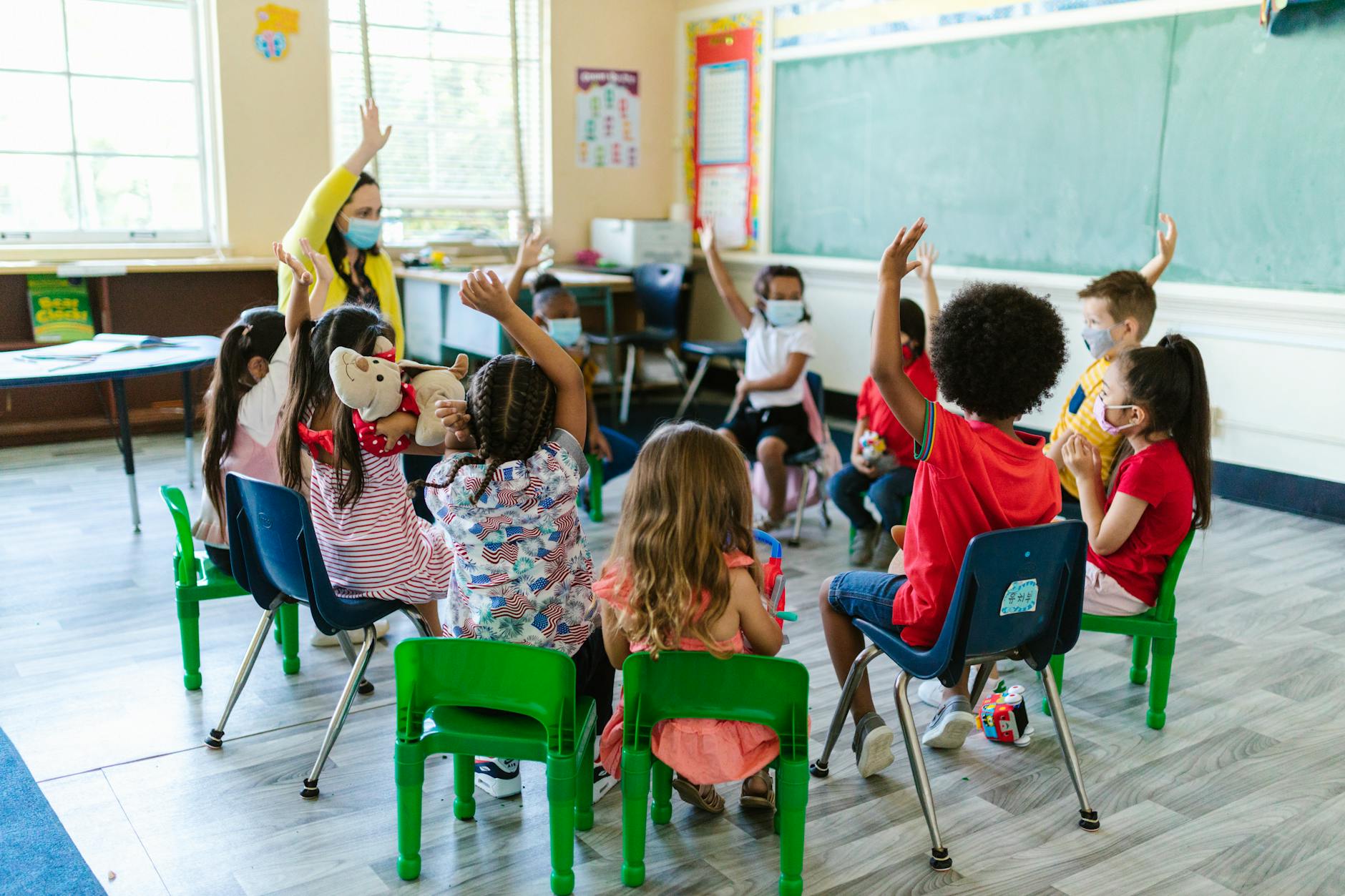
In real classrooms, restorative practices appear as morning community circles in elementary schools using rose and thorn check-ins, restorative chats in middle school hallways using five-step conversation guides, and formal conferences in high schools that include harmed parties and parents. Teachers use affective statements like 'I feel concerned when...' to model emotional literacy during instruction.
This isn't theory. I've watched a sixth grader de-escalate a fight using a laminated card in the hallway. Marcus and Devin were chest-to-chest over a stepped-on shoe in 7th grade. Marcus pulled out the five-step card from his binder, took a breath, and said "I need to listen first." They walked to the counselor's office together, not the principal's office. These tools work when you commit to them daily, not just when the fire alarm goes off.
Elementary (K-2): Morning circles use "rose and thorn" check-ins, a staple of the responsive classroom framework. Ten minutes daily, students share one good and one hard thing while passing a talking piece.
Middle (6-8): Hallway conflicts get restorative chats using a five-step guide: stop, breathe, listen, apologize, plan. Kids carry laminated cards in their binders and pull them out before throwing a punch.
High (9-12): A formal conference addresses $200 in locker room vandalism. The custodian sits at the table as a stakeholder, not just a witness.
Whole school: After a recess fight, students complete a restoration within 24 hours. They meet in the library during lunch before suspension paperwork gets filed.
These restorative practices in the classroom look different by age, but the structure stays constant. Someone was harmed. Someone takes responsibility. They figure out the fix together. That's the core of restorative justice.
Affective statements teach emotional literacy without shame. I use them when a student interrupts instruction but hasn't caused harm requiring a full circle. They take thirty seconds.
"I feel frustrated when you call out during the lesson because I lose my train of thought and the class misses information."
"I feel concerned when you slam your desk because it signals something is wrong and I want to help."
"I feel hopeful when you raise your hand because it shows you're practicing self-control."
Drop the affective statement right when the disruption happens. Don't wait until after class. The immediacy teaches cause and effect better than a delayed detention ever could. Escalate to a responsive circle only if the behavior continues or if another student is harmed. The line is simple: one voice affects the lesson, but harm affects the community.
The four essential questions guide every formal conference. Mastering leading effective student discussions helps teachers stay neutral while asking them. These questions build social-emotional learning muscles.
What happened? A fourth grader says, "I pushed him because he cut in line at lunch." An eighth grader admits, "I posted the photo to get laughs during study hall." An eleventh grader explains, "I wrote the slur on the bathroom wall after getting a bad grade."
Who was affected? The fourth grader names the victim and the lunch monitor. The eighth grader lists the photographed student, her parents, and the teacher who had to stop instruction. The eleventh grader includes the custodian who cleaned it and younger students who saw it.
What needs to happen to make things right? Grade four: "I should apologize and let him go first tomorrow." Grade eight: "I delete the post and explain to the class why it hurt." Grade eleven: "I clean the stall myself and write an apology to the custodial staff."
How can we prevent this? The fourth grader suggests a line leader rotation chart. The eighth grader proposes a digital citizenship refresher for the whole grade. The eleventh grader recommends stress management resources during finals week.
These restorative practices in schools improve school climate because they treat students as capable of repair, not just capable of compliance. The community building happens in the process, not after the punishment. Students learn that mistakes are fixable, which changes how they act when nobody's watching.

How Can Schools Transition to Restorative Practices Without Chaos?
Schools transition successfully by phasing implementation over one full academic year: semester one focuses on proactive community-building circles with volunteer teachers, semester two introduces responsive practices with trained facilitators. Budget $3,000-$8,000 for initial training, start with pilot cohorts of 6-10 teachers, and avoid using restorative approaches for violent incidents until full infrastructure exists.
Skip the whole-school launch. I have watched too many administrators announce "we're doing restorative justice now" on a Monday and wonder why Friday's staff meeting turned hostile.
Phase 1 runs months one through three and targets genuine staff buy-in, not just signatures on a page. Recruit six to ten volunteer teachers from different departments—English, math, electives—who want to try community building circles first without the pressure of fixing major conflicts. Require a four-hour introductory training so everyone understands the philosophy before touching scripts. Aim for eighty percent voluntary participation in your initial school climate survey; if fewer than four in five staff respond positively, pause and address the skepticism before buying circle supplies.
Months four through six stay strictly proactive, with no exceptions. Teachers run daily or weekly circles focusing on affective statements and genuine connection, but administrators must explicitly prohibit responsive circles during this phase to prevent premature disasters. Your pilot teachers need muscle memory for the format before they handle real conflict. Download the free restorative practices in schools pdf guides from IIRP or CASEL for ready-made scripts so teachers aren't writing questions while eating lunch in their cars.
Phase 3 opens responsive practices in months seven through nine, but only with ironclad guardrails. Send two or three staff members through twelve-plus hour certification to become lead facilitators who can handle the emotional intensity. Case selection criteria should be narrow: first-time offenses, mutual consent, strictly non-violent incidents with no power imbalances. Spend the $3,000-$8,000 for an external trainer; internal "experts" who watched a webinar will sink your credibility when a conference goes sideways and everyone ends up crying.
By months ten through twelve, evaluate hard metrics before expanding to the full faculty. Track suspension reduction percentages, repeat climate survey data, and teacher retention rates to measure real social-emotional learning impact rather than warm feelings. Address resistance by allowing traditional teachers to opt out of facilitation while maintaining consistent school-wide behavioral expectations for all students. Use a digital behavior tracking sheet to log circle outcomes alongside traditional discipline data so you can compare apples to apples during budget reviews.
When I taught seventh grade, I volunteered for our pilot cohort during my prep period. My first circle felt painfully awkward—thirty thirteen-year-olds staring silently at a talking piece I bought at a thrift store—but by week six, students were redirecting their own peers using "I feel" statements without me prompting. That muscle memory is the foundation you need before handling a stolen phone or a hallway fight where emotions actually run hot.
Implementing educational change effectively means respecting teacher readiness. Restorative practices in schools fail when rushed, but thrive when phased deliberately over twelve months.
What Are the Most Common Restorative Practices Mistakes to Avoid?
Common mistakes include using restorative practices for violent safety violations without risk assessment, forcing participation before readiness, skipping follow-up monitoring, and replacing all consequences with conversations. Other failures include insufficient training—fewer than 12 hours leaves teachers unprepared—and applying practices inconsistently across classrooms.
Restorative practices fail when schools treat them as a magic wand rather than a system. I've watched well-meaning teachers create chaos by skipping the safety checks or forcing kids to hug it out before they're ready.
Restorative practices belong in the toolbox, not the operating room. When a student brings a weapon or commits sexual assault, you need immediate removal and law enforcement, not a circle. The same goes for severe bullying with a clear power imbalance that threatens physical safety. Create a simple flowchart titled "When NOT to Use Restorative Practices" and post it in every office. If the incident involves weapons, sexual violence, or predatory behavior, skip the conference and follow district safety protocols. Safety comes before reconciliation every single time.
Forced conferences backfire. I once pushed a 7th grader into a responsive circle before he was ready; he sat arms crossed, glaring, while the victim cried. Nothing healed. Watch for warning signs: the student shuts down, parents refuse to participate, or there's zero genuine remorse. If you see these red flags, pivot back to traditional discipline pathways immediately. Readiness isn't optional—it's the foundation of actual repair.
Skipping follow-up monitoring turns conferences into hollow theater. You can't hold one circle and dust off your hands. Schedule check-ins at three days, one week, and one month to verify the restitution happened and relationships healed. Without this timeline, you're performing restorative practices examples instead of living the philosophy.
The permissiveness trap kills restorative justice credibility. Some teachers replace every consequence with a conversation, creating a free-for-all. Compare the three approaches: Punitive hands out suspension without reflection; Permissive offers only conversation with zero accountability; Truly Restorative combines dialogue with restitution and monitoring. Without that third column—making the kid fix what they broke—you're not building social-emotional learning; you're teaching that words substitute for action. Kids need to feel the weight of repair.
Training matters more than enthusiasm. Districts that offer fewer than 12 hours of professional development see staff burnout and abandoned implementation within months. You need a minimum viable dose: two days of initial training plus monthly one-hour coaching sessions. Anything less leaves teachers fumbling through affective statements and botching community building circles, which damages school climate worse than doing nothing. Untrained staff revert to old habits within weeks.
The "pocket of excellence" problem destroys trust. When one teacher runs tight restorative practices in the classroom while the neighbor sends every kid to the office, students game the system. This isn't optional methodology for discipline—it's a school-wide cultural shift. Administrators must mandate participation with support structures, not suggest it as a nice-to-have. Otherwise, you're just collecting restorative practices examples that work for Ms. Johnson but fail for everyone else. Consistency across the building matters more than one perfect circle.
Avoiding these pitfalls requires the same intentionality you bring to common classroom management mistakes. Restorative practices in schools work only when we match the tool to the injury, respect readiness, maintain accountability, train thoroughly, and implement universally. Get these wrong, and you'll blame the philosophy when it was the execution that failed. Safety comes first, then build with training, and follow through with consistency.

What Are Restorative Practices in Schools?
Restorative practices in schools repair harm and rebuild community through structured dialogue. They skip punishment and focus on fixing what broke between people. Based on the International Institute for Restorative Practices framework—the 5 Rs of relationship, respect, responsibility, repair, and reintegration—these methods reduce exclusionary discipline.
They shift the question from "Who did it and what do they deserve?" to "What happened and how do we make it right?" This changes everything about how your classroom feels when things go wrong.
The restorative practices definition comes from the International Institute for Restorative Practices (IIRP). Their framework centers on five interlocking components:
Relationship: Build trust before crisis hits. Teachers use morning circles where students share personal updates to establish human connections before academic demands.
Respect: Honor every voice without interruption. Classrooms use talking pieces—physical objects that grant speaking rights—to prevent dominant voices from controlling the dialogue.
Responsibility: Own actions without shame. Students admit specific behaviors and their impacts rather than offering excuses or deflecting blame onto others.
Repair: Fix what you broke. A student who damages property or relationships takes concrete steps to restore what they harmed through service or apology.
Reintegration: Welcome back to community. Students returning from absence or exclusion participate in reset conversations before rejoining regular classroom activities.
The IIRP framework turned abstract theory into daily moves in my 7th grade classroom. Morning circles where students shared roses and thorns built trust that carried us through later conflicts. When Jamal tipped his desk weeks later, he admitted he was hungry and embarrassed, not defiant. We already knew each other as humans, not just disruptions.
This approach stands in direct opposition to zero-tolerance discipline. Large-scale studies show that suspension does not reduce future misbehavior. In fact, removing students from class correlates strongly with academic disengagement, lower test scores, and higher dropout rates. When you suspend a kid for tardiness, you guarantee they miss more instruction while teaching them nothing about punctuality.
Consider a 9th grader rolling in late every morning for two weeks. The punitive approach assigns detention. He misses the bus again because he's watching his little sister, racks up more tardies, and starts skipping entirely to avoid the shame of walking in late. The restorative approach pulls him into a 20-minute barrier conversation. "What's actually making you late?" Turns out his mom's car broke down and the city bus route changed last month. We connect him with the social worker who gets him a transit pass. Problem solved, relationship intact.
Restorative practices in education operate on two distinct tiers that require different commitments. Community building circles are proactive, taking 15 to 20 minutes at the start of each day or class period. Homeroom teachers or advisors facilitate these, checking in with prompts like "Name one thing you're carrying today that might affect your learning." These circles build social-emotional learning competencies and improve school climate. This foundational work requires 12 to 16 hours of initial training in affective statements and basic circle facilitation.
The second tier involves responsive circles and formal harm repair conferences. These intensive sessions run 45 to 90 minutes and address specific incidents like fights, theft, or harassment between specific parties. Trained coordinators, counselors, or administrators lead these sessions, often following a formal script that ensures victim voice and offender accountability. Staff need 40-plus hours of intensive training including role-play, script practice, and shadowing experienced facilitators before handling high-stakes harm repair alone. This tier aligns closely with restorative justice principles used in criminal justice settings, adapted for school contexts.
When you're implementing restorative practices for a positive school culture, you invest upfront time in these relationships. The payoff arrives weeks later when you don't have to write that office referral because the kid trusts you enough to talk first.
Why Do Restorative Practices Matter More Than Traditional Discipline?
Restorative practices matter because research consistently shows that traditional suspension increases recidivism and academic disengagement. Unlike exclusionary discipline, restorative approaches address root causes, strengthen teacher-student relationships, and reduce repeat offenses. Studies indicate schools see significant reductions in suspension rates while improving school climate and academic outcomes when implemented with fidelity.
Traditional discipline removes the problem temporarily. Restorative practices fix the problem permanently. The difference shows up in your daily attendance numbers and your stress levels by March.
Suspension culture creates a revolving door. Kids miss instruction, fall behind academically, then act out more because they're frustrated. You spend more time monitoring the same students, writing more referrals, attending more meetings. It's exhausting and ineffective.
When you suspend a student, you teach them that removal is the solution to conflict. They don't learn to repair harm or manage emotions. They learn to avoid getting caught next time.
I learned this the hard way in my seventh-grade classroom. I once sent a kid to the office for talking back. He returned two days later with a longer rap sheet and zero remorse. The conflict didn't resolve; it mutated. That's when I realized restorative classroom management isn't soft—it's strategic.
The table below breaks down what you'll actually experience. Traditional methods trade immediate compliance for long-term headaches. Restorative methods require front-loaded effort that pays off in May when you're not dealing with the same disruptive patterns.
Look at the recidivism column. Traditional discipline trains repeat offenders. Each suspension makes the next one more likely because the underlying need—attention, frustration, trauma—goes unaddressed. Restorative practices starve that cycle by meeting the need directly.
Dimension | Traditional Discipline | Restorative Practices |
|---|---|---|
Recidivism Impact | Increases repeat offenses by 30-50% within 90 days | Reduces repeat incidents by addressing root causes |
Time to Resolution | Immediate removal (10 minutes), long-term fallout (weeks) | Initial investment (30-45 minutes), lasting resolution |
Teacher-Student Relationships | Erodes trust; students avoid admitting fault | Builds connection through structured dialogue |
Administrative Paperwork | Incident reports, suspension documentation, re-entry meetings | Circle preparation notes, agreement tracking |
John Hattie's Visible Learning research explains why restorative practices in schools boost academics. Collective teacher efficacy has an effect size of 1.57—the highest factor influencing student achievement. Teacher-student relationships score 0.48, above the hinge point of 0.40. Restorative approaches directly develop both. When you sit in responsive circles with students, you're not just solving conflicts. You're demonstrating that you believe in their capacity to change. That belief shifts how you teach every lesson, which raises your collective efficacy and their test scores simultaneously.
Let's talk money. Each suspension costs $300-$500 when you factor in administrative processing time, lost Average Daily Attendance funding, and the personnel hours for re-entry meetings. Training thirty staff in restorative methods runs $3,000-$8,000 upfront. The math is simple. Prevent ten suspensions, and you've broken even. Prevent fifteen, and your district is saving money while improving school climate. I've seen sites recover their investment within the first semester by keeping kids in seats and skipping the paperwork. The ROI improves every year as staff skills compound.
Critics argue restorative justice doesn't work for severe behaviors. They're right—partially. Weapons, sexual assault, and substantial physical injury require immediate exclusionary discipline per most district policies. But these represent less than 5% of incidents. The other 95%—classroom conflict, disrespect, minor vandalism, social media drama—respond beautifully to affective statements and mediation. You wouldn't use a circle for a weapon, but you'd be foolish to suspend a kid for a shouting match when community building could resolve it in twenty minutes. Knowing the difference protects your credibility with staff and students.
Implementing these strategies requires shifting from punitive to proactive modern classroom behavior management strategies. The shift isn't immediate. Your first circle might feel awkward. Students might test boundaries. Some teachers will resist, claiming it takes too much time. But the data doesn't lie. Schools with high fidelity implementation see suspension rates drop by 40-60% within two years. Your classroom becomes a place where social-emotional learning happens naturally, not just during Tuesday's thirty-minute SEL lesson. The investment pays dividends in April when you're still teaching instead of writing discipline referrals.
How Do Restorative Practices Work Step by Step?
Restorative practices in schools work through four distinct phases. First, you separate the parties and wait 24 to 48 hours for emotions to cool. Then you hold separate pre-conferences using four specific questions. Next comes the facilitated circle with a talking piece. Finally, you monitor the agreement for 30 days with scheduled check-ins.
This isn't a conversation in the hallway. It is a structured protocol that protects both the harmed party and the person responsible. Skip any step and the process collapses. The structure ensures safety for everyone involved, including you as the facilitator.
Traditional discipline asks who broke the rule and what punishment they deserve. Restorative practices in schools ask who was harmed and what is needed to make things right. That shift changes everything. It moves us from power-over to power-with, though it demands more time and emotional honesty than writing a detention slip.
Use the 24 to 48 hour cooling period to gather facts, not to force immediate apologies. Contact families and explain the process. Prepare them for the uncomfortable truth that their child caused harm or was harmed. Transparency builds trust in the protocol before the circle ever convenes.
Safety assessment comes first. You cannot use restorative practices in conflict where there is a severe power imbalance or an ongoing safety threat. I learned this with a 7th grade conflict that escalated when I rushed the process. Wait the mandatory 24 to 48 hour cooling period. Emotions run hot immediately after an incident; this pause prevents retraumatization.
Next, hold separate pre-conferences with each student. Ask the four restorative practices questions: What happened? Who was affected? What do you need to feel whole? What are you prepared to do? Write their answers on a standard preparation form. Check for genuine willingness. If either party is coerced or terrified, stop the process. Consent matters more than convenience.
During pre-conferences, teach students to use affective statements. These are "I feel... when you... because..." sentences that own emotions without attacking character. They prepare students for honest dialogue. This skill builds community building capacity long after the specific conflict resolves.
The facilitated conference requires specific physical setup. Arrange chairs in a circle with no tables blocking sightlines. Use a talking piece to control dialogue flow; only the holder speaks. Follow a strict script: welcome, ground rules, harm description, impact exploration, then agreement creation. Block 45 to 90 minutes. This is not a 5-minute detention; it is restorative justice that honors the complexity of harm.
For smaller daily issues, use responsive circles rather than full conferences. These take 15 minutes during advisory. They address low-level harm before it festers into violence. The same four questions apply, but the format is lighter and keeps your school climate healthy without pulling students from class for 90 minutes. Use them weekly to maintain norms.
The facilitator cannot take sides. Your role is to hold space, not to lecture. When I facilitated my first circle, I wanted to scold the responsible party mid-process. I stopped myself. The harmed student needed to voice her own impact, not hear me perform outrage for her. Stay neutral.
Finally, create a 30-day check-in schedule with specific dates written on the agreement. State graduated consequences upfront: if terms break, you return to conference or revert to traditional discipline. Success means both parties complete their terms. Document everything. This monitoring phase reinforces social-emotional learning and repairs school climate over time, showing that accountability extends beyond a single meeting.
The written agreement must be specific. "Be nicer" fails. "Sit three seats apart during group work for two weeks" works. Include exact behaviors, timelines, and who checks in. Both parties sign. This clarity prevents the vague promises that doom restorative practices in conflict to failure before they start.
These protocols require practice. If you are new to this work, start with navigating classroom conflicts for harmony to build your foundational skills. The formal conference is not your first step; it is the culmination of consistent community building and trust established through daily classroom interactions.
What Do Restorative Practices Look Like in Real Classrooms?
In real classrooms, restorative practices appear as morning community circles in elementary schools using rose and thorn check-ins, restorative chats in middle school hallways using five-step conversation guides, and formal conferences in high schools that include harmed parties and parents. Teachers use affective statements like 'I feel concerned when...' to model emotional literacy during instruction.
This isn't theory. I've watched a sixth grader de-escalate a fight using a laminated card in the hallway. Marcus and Devin were chest-to-chest over a stepped-on shoe in 7th grade. Marcus pulled out the five-step card from his binder, took a breath, and said "I need to listen first." They walked to the counselor's office together, not the principal's office. These tools work when you commit to them daily, not just when the fire alarm goes off.
Elementary (K-2): Morning circles use "rose and thorn" check-ins, a staple of the responsive classroom framework. Ten minutes daily, students share one good and one hard thing while passing a talking piece.
Middle (6-8): Hallway conflicts get restorative chats using a five-step guide: stop, breathe, listen, apologize, plan. Kids carry laminated cards in their binders and pull them out before throwing a punch.
High (9-12): A formal conference addresses $200 in locker room vandalism. The custodian sits at the table as a stakeholder, not just a witness.
Whole school: After a recess fight, students complete a restoration within 24 hours. They meet in the library during lunch before suspension paperwork gets filed.
These restorative practices in the classroom look different by age, but the structure stays constant. Someone was harmed. Someone takes responsibility. They figure out the fix together. That's the core of restorative justice.
Affective statements teach emotional literacy without shame. I use them when a student interrupts instruction but hasn't caused harm requiring a full circle. They take thirty seconds.
"I feel frustrated when you call out during the lesson because I lose my train of thought and the class misses information."
"I feel concerned when you slam your desk because it signals something is wrong and I want to help."
"I feel hopeful when you raise your hand because it shows you're practicing self-control."
Drop the affective statement right when the disruption happens. Don't wait until after class. The immediacy teaches cause and effect better than a delayed detention ever could. Escalate to a responsive circle only if the behavior continues or if another student is harmed. The line is simple: one voice affects the lesson, but harm affects the community.
The four essential questions guide every formal conference. Mastering leading effective student discussions helps teachers stay neutral while asking them. These questions build social-emotional learning muscles.
What happened? A fourth grader says, "I pushed him because he cut in line at lunch." An eighth grader admits, "I posted the photo to get laughs during study hall." An eleventh grader explains, "I wrote the slur on the bathroom wall after getting a bad grade."
Who was affected? The fourth grader names the victim and the lunch monitor. The eighth grader lists the photographed student, her parents, and the teacher who had to stop instruction. The eleventh grader includes the custodian who cleaned it and younger students who saw it.
What needs to happen to make things right? Grade four: "I should apologize and let him go first tomorrow." Grade eight: "I delete the post and explain to the class why it hurt." Grade eleven: "I clean the stall myself and write an apology to the custodial staff."
How can we prevent this? The fourth grader suggests a line leader rotation chart. The eighth grader proposes a digital citizenship refresher for the whole grade. The eleventh grader recommends stress management resources during finals week.
These restorative practices in schools improve school climate because they treat students as capable of repair, not just capable of compliance. The community building happens in the process, not after the punishment. Students learn that mistakes are fixable, which changes how they act when nobody's watching.
How Can Schools Transition to Restorative Practices Without Chaos?
Schools transition successfully by phasing implementation over one full academic year: semester one focuses on proactive community-building circles with volunteer teachers, semester two introduces responsive practices with trained facilitators. Budget $3,000-$8,000 for initial training, start with pilot cohorts of 6-10 teachers, and avoid using restorative approaches for violent incidents until full infrastructure exists.
Skip the whole-school launch. I have watched too many administrators announce "we're doing restorative justice now" on a Monday and wonder why Friday's staff meeting turned hostile.
Phase 1 runs months one through three and targets genuine staff buy-in, not just signatures on a page. Recruit six to ten volunteer teachers from different departments—English, math, electives—who want to try community building circles first without the pressure of fixing major conflicts. Require a four-hour introductory training so everyone understands the philosophy before touching scripts. Aim for eighty percent voluntary participation in your initial school climate survey; if fewer than four in five staff respond positively, pause and address the skepticism before buying circle supplies.
Months four through six stay strictly proactive, with no exceptions. Teachers run daily or weekly circles focusing on affective statements and genuine connection, but administrators must explicitly prohibit responsive circles during this phase to prevent premature disasters. Your pilot teachers need muscle memory for the format before they handle real conflict. Download the free restorative practices in schools pdf guides from IIRP or CASEL for ready-made scripts so teachers aren't writing questions while eating lunch in their cars.
Phase 3 opens responsive practices in months seven through nine, but only with ironclad guardrails. Send two or three staff members through twelve-plus hour certification to become lead facilitators who can handle the emotional intensity. Case selection criteria should be narrow: first-time offenses, mutual consent, strictly non-violent incidents with no power imbalances. Spend the $3,000-$8,000 for an external trainer; internal "experts" who watched a webinar will sink your credibility when a conference goes sideways and everyone ends up crying.
By months ten through twelve, evaluate hard metrics before expanding to the full faculty. Track suspension reduction percentages, repeat climate survey data, and teacher retention rates to measure real social-emotional learning impact rather than warm feelings. Address resistance by allowing traditional teachers to opt out of facilitation while maintaining consistent school-wide behavioral expectations for all students. Use a digital behavior tracking sheet to log circle outcomes alongside traditional discipline data so you can compare apples to apples during budget reviews.
When I taught seventh grade, I volunteered for our pilot cohort during my prep period. My first circle felt painfully awkward—thirty thirteen-year-olds staring silently at a talking piece I bought at a thrift store—but by week six, students were redirecting their own peers using "I feel" statements without me prompting. That muscle memory is the foundation you need before handling a stolen phone or a hallway fight where emotions actually run hot.
Implementing educational change effectively means respecting teacher readiness. Restorative practices in schools fail when rushed, but thrive when phased deliberately over twelve months.
What Are the Most Common Restorative Practices Mistakes to Avoid?
Common mistakes include using restorative practices for violent safety violations without risk assessment, forcing participation before readiness, skipping follow-up monitoring, and replacing all consequences with conversations. Other failures include insufficient training—fewer than 12 hours leaves teachers unprepared—and applying practices inconsistently across classrooms.
Restorative practices fail when schools treat them as a magic wand rather than a system. I've watched well-meaning teachers create chaos by skipping the safety checks or forcing kids to hug it out before they're ready.
Restorative practices belong in the toolbox, not the operating room. When a student brings a weapon or commits sexual assault, you need immediate removal and law enforcement, not a circle. The same goes for severe bullying with a clear power imbalance that threatens physical safety. Create a simple flowchart titled "When NOT to Use Restorative Practices" and post it in every office. If the incident involves weapons, sexual violence, or predatory behavior, skip the conference and follow district safety protocols. Safety comes before reconciliation every single time.
Forced conferences backfire. I once pushed a 7th grader into a responsive circle before he was ready; he sat arms crossed, glaring, while the victim cried. Nothing healed. Watch for warning signs: the student shuts down, parents refuse to participate, or there's zero genuine remorse. If you see these red flags, pivot back to traditional discipline pathways immediately. Readiness isn't optional—it's the foundation of actual repair.
Skipping follow-up monitoring turns conferences into hollow theater. You can't hold one circle and dust off your hands. Schedule check-ins at three days, one week, and one month to verify the restitution happened and relationships healed. Without this timeline, you're performing restorative practices examples instead of living the philosophy.
The permissiveness trap kills restorative justice credibility. Some teachers replace every consequence with a conversation, creating a free-for-all. Compare the three approaches: Punitive hands out suspension without reflection; Permissive offers only conversation with zero accountability; Truly Restorative combines dialogue with restitution and monitoring. Without that third column—making the kid fix what they broke—you're not building social-emotional learning; you're teaching that words substitute for action. Kids need to feel the weight of repair.
Training matters more than enthusiasm. Districts that offer fewer than 12 hours of professional development see staff burnout and abandoned implementation within months. You need a minimum viable dose: two days of initial training plus monthly one-hour coaching sessions. Anything less leaves teachers fumbling through affective statements and botching community building circles, which damages school climate worse than doing nothing. Untrained staff revert to old habits within weeks.
The "pocket of excellence" problem destroys trust. When one teacher runs tight restorative practices in the classroom while the neighbor sends every kid to the office, students game the system. This isn't optional methodology for discipline—it's a school-wide cultural shift. Administrators must mandate participation with support structures, not suggest it as a nice-to-have. Otherwise, you're just collecting restorative practices examples that work for Ms. Johnson but fail for everyone else. Consistency across the building matters more than one perfect circle.
Avoiding these pitfalls requires the same intentionality you bring to common classroom management mistakes. Restorative practices in schools work only when we match the tool to the injury, respect readiness, maintain accountability, train thoroughly, and implement universally. Get these wrong, and you'll blame the philosophy when it was the execution that failed. Safety comes first, then build with training, and follow through with consistency.
Still grading everything by hand?
EMStudio is a free teaching management app — manage your classes, students, lessons, and more!
Learn More
Still grading everything by hand?
EMStudio is a free teaching management app — manage your classes, students, lessons, and more!
Learn More





Notion4Teachers
Notion templates to simplify administrative tasks and enhance your teaching experience.



2026 Notion4Teachers. All Rights Reserved.
Notion4Teachers
Notion templates to simplify administrative tasks and enhance your teaching experience.
2026 Notion4Teachers. All Rights Reserved.
Notion4Teachers
Notion templates to simplify administrative tasks and enhance your teaching experience.
2026 Notion4Teachers. All Rights Reserved.