Responsive Classroom: Complete Guide for K-12 Teachers
Responsive Classroom: Complete Guide for K-12 Teachers

Article by
Milo
ESL Content Coordinator & Educator
ESL Content Coordinator & Educator
All Posts
You've tried the clip chart. You've tried the treasure box. And still, your transitions take ten minutes and someone is always crying in the corner during independent work. You're looking for a way to build a classroom where kids actually care about how they treat each other—without adding another twenty minutes of paperwork to your day.
That's the promise of responsive classroom. It's not a curriculum you buy or a script you read. It's a set of practices—morning meeting, interactive modeling, and positive teacher language—that build social-emotional learning into the day without extra worksheets. This guide covers what it actually looks like in a real K-12 room: how to use logical consequences instead of punishment, how to manage noise and transitions, and what the CARES competencies look like when you're not reading from a slide deck.
Still grading everything by hand?
EMStudio is a free teaching management app — manage your classes, students, lessons, and more!
Learn More

Still grading everything by hand?
EMStudio is a free teaching management app — manage your classes, students, lessons, and more!
Learn More
Table of Contents
What Is Responsive Classroom?
Responsive Classroom is an evidence-based teaching approach developed by the Northeast Foundation for Children in the 1980s. It emphasizes social-emotional learning through practices like Morning Meeting and Interactive Modeling. It creates K-8 classrooms where academic rigor and positive community grow together through explicit teaching of cooperation and self-regulation.
The responsive classroom approach began in 1981. Ruth Charney founded it in Greenfield, Massachusetts. She started with a simple premise: you cannot separate academic learning from the social and emotional conditions that make it possible. The Center for Responsive Schools now leads this work, training teachers in methods originally designed for elementary grades but adapted for middle school use. It is not a curriculum you purchase or a script you follow. It is a way of being with children that reshapes how you speak, arrange space, and handle the inevitable conflicts that arise when humans spend seven hours together.
The approach centers on six Teaching Practices:
Morning Meeting builds community and reinforces academic skills through a daily 20-30 minute gathering of greeting, sharing, activity, and news.
Rules and Logical Consequences establish clear expectations through student-generated rules and consequences that teach rather than punish.
Interactive Modeling shows students exactly how to do everything from lining up to disagreeing respectfully, using explicit demonstration and immediate practice.
Positive Teacher Language shifts from generic praise to specific feedback that names what students are doing right.
Academic Choice gives students structured autonomy in how they demonstrate learning, supporting intrinsic motivation.
Classroom Organization creates a physical environment and schedule that promotes independence and reduces chaos.
Unlike traditional behaviorist management that relies on stickers, clip charts, and external rewards, this approach aims for internal motivation. You are not training compliance; you are building competence. The work targets three psychological needs: autonomy (choice in learning), competence (the feeling that "I can do this"), and relatedness (genuine connection to teacher and peers). When you replace "be quiet" with "voice level zero helps everyone focus," you are not just managing behavior. You are teaching self-regulation.
While originally designed for K-5, specific adaptations exist for grades 5-8. Middle school teachers use Responsive Advisory Meeting instead of Morning Meeting. They adjust the structure for adolescent developmental needs. The core purpose stays the same: building a framework for community building in education that makes academic risk-taking possible.
The Origins and Educational Philosophy
Ruth Charney founded the approach in 1981 in Greenfield, Massachusetts, working with the Northeast Foundation for Children—now called the Center for Responsive Schools. She watched teachers struggle with discipline systems. Those systems created obedient but anxious children. She wanted something different. Charney built this work not from trendy tricks but from established learning theory.
The framework draws heavily on Bandura's social learning theory: children learn by watching and doing, not just hearing. When you use interactive modeling to demonstrate how to push in a chair, you are applying Bandura. The approach also grounds itself in Vygotsky's zone of proximal development. Children learn social skills just as they learn math—through scaffolded support just beyond their current ability. You do not expect a second grader to resolve conflict independently on day one; you model, practice, and gradually release responsibility.
Most importantly, the work reflects Deci and Ryan's self-determination theory. Every practice targets autonomy, competence, or relatedness. Academic Choice feeds autonomy. Positive Teacher Language builds competence by naming exactly what the child did well. Morning Meeting creates relatedness. You are not managing a crowd. You are growing humans who can manage themselves.
Core Principles and Guiding Practices
At the heart of the approach sit the CARES competencies: Cooperation, Assertion, Responsibility, Empathy, and Self-control. You teach these explicitly, just as you teach phonics or fractions. A kindergartner learns cooperation through interactive modeling of turn-taking. A seventh grader practices assertion during Responsive Advisory Meeting by respectfully disagreeing with a peer's book review. These are not innate traits; they are skills built through repetition and feedback.
The time commitment is real. Morning Meeting requires 20-30 minutes daily. In a six-hour school day, that is roughly 15% of your instructional time. You cannot squeeze it between a pull-out speech session and a fire drill. Administrators must protect this block, understanding that this social-emotional learning time pays dividends during math and reading. When students feel safe and connected, they work harder. Skip the meeting to gain twenty minutes of worksheet time. You will often lose thirty minutes later managing conflicts that the meeting would have prevented.
The approach asks you to examine every system: how you line up, how you hand out papers, how you respond to a crying child. Logical consequences replace arbitrary punishments. Classroom Organization puts materials where students can reach them. This eliminates the power struggle of "may I sharpen my pencil." You are building an environment where students can practice the CARES competencies daily, not just hear about them in October during Bullying Prevention Week.
Why Does the Responsive Classroom Approach Improve Student Outcomes?
Research indicates Responsive Classroom improves outcomes by strengthening teacher-student relationships and integrating social-emotional learning directly into academic instruction. Studies suggest students demonstrate improved prosocial behavior and academic engagement when teachers implement the approach with fidelity, particularly through the Morning Meeting structure and explicit teaching of CARES skills.
John Hattie's Visible Learning meta-analysis puts teacher-student relationships at an effect size of 0.48 on achievement, with classroom cohesion at 0.44. These aren't abstract statistics—they represent the exact foundation of responsive classroom practice. The approach also satisfies Deci and Ryan's three basic psychological needs: autonomy (student choice in learning), competence (explicit skill teaching), and belonging (community building). When kids feel they belong and have agency, they engage more deeply with fractions and phonics than when they sit in rows waiting for permission to speak.
But here's the catch: implementation without fidelity shows no significant improvement over control groups. Skip Morning Meeting three days a week because you "don't have time," or replace logical consequences with clip charts and punishment, and you've wasted your effort. Partial implementation is like taking half an antibiotic prescription—you don't get better, but you've still done the work. The research is clear: you need the full responsive classroom behavior management system, not just the parts that seem easy.
Social-Emotional Learning Integration
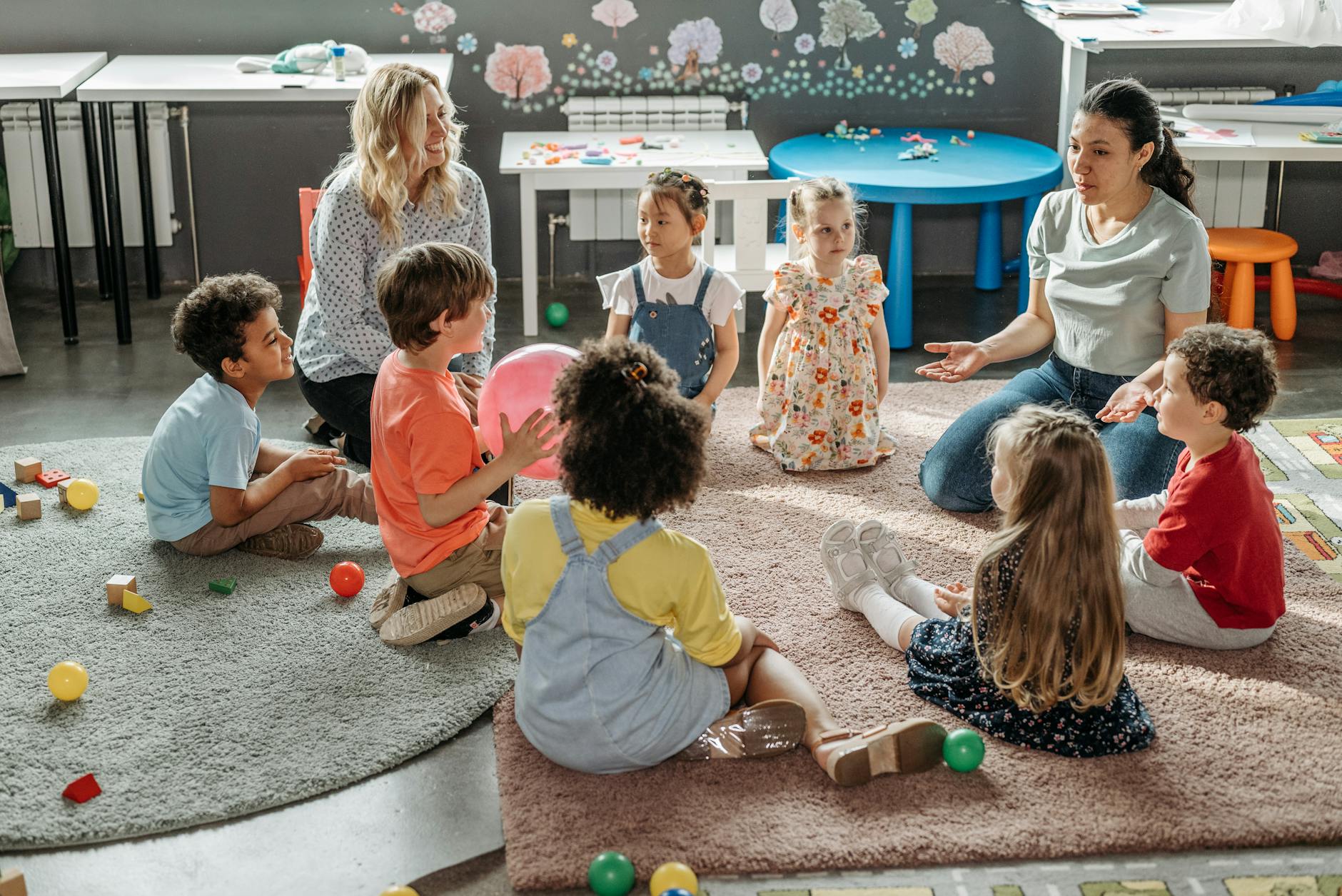
CARES competencies—Cooperation, Assertion, Responsibility, Empathy, Self-control—live inside your academic content rather than existing as separate SEL lessons. Last October, my 4th graders practiced Assertion during literature circle debates. Instead of me lecturing about "speaking up," students used sentence stems to disagree with a character analysis while maintaining eye contact. The skill stuck because they needed it to participate in the book discussion, not because they sat through a PowerPoint about confidence.
Morning Meeting serves as the daily 30-minute laboratory where you explicitly teach these skills. The structure includes four distinct components:
Greeting: Students learn to acknowledge each other by name with eye contact.
Sharing: Students practice Assertion and Empathy by telling stories and asking questions.
Group Activity: Students build Cooperation through inclusive games and challenges.
Morning Message: Students read and respond to a written message, practicing Responsibility and Self-control during transitions.
This repeated practice in mastering emotional skills happens within a predictable structure. When a shy 2nd grader learns to say "good morning" while looking at a classmate's eyes during the greeting, they're building the exact neural pathways they'll use later when asking for help on a math problem.
Research on Academic Achievement and Behavior
The 2011 randomized controlled trial by Rimm-Kaufman and colleagues at the University of Virginia tracked 3rd-grade classrooms over three years. Schools implementing the responsive classroom approach with fidelity saw greater gains in math achievement on state standardized tests compared to control schools. The gains were particularly pronounced for students from high-poverty backgrounds—precisely the kids who often miss out on relationship-rich instruction because we're too busy managing behavior to teach it.
Behavior outcomes matched the academic results. Teachers reported significant reductions in student aggression and marked increases in prosocial behavior over the same three-year period. These weren't surface-level changes. When you watch a 3rd grader stop themselves from shoving a line-cutter and instead use an "I message" they've practiced during Morning Meeting, you're seeing the visible result of interactive modeling and positive teacher language. The time you invest in teaching social skills with rigor pays dividends during independent work when you can't hover over every desk.
How Does Responsive Classroom Management Work in Practice?
Responsive Classroom management works through explicit teaching of procedures using Interactive Modeling, reinforcing behavior with descriptive teacher language, and applying logical consequences that preserve student dignity. Unlike punitive systems, it prevents misbehavior by building autonomy and belonging while addressing issues through problem-solving rather than shame-based discipline methods. These three pillars—explicit instruction, intentional language, and respectful consequences—form the backbone of responsive classroom classroom management. Skip any leg, and the stool falls.
Interactive Modeling for Teaching Procedures
You don't just tell kids what to do. You show them, explicitly. Interactive Modeling takes ten to fifteen minutes upfront and saves you hours of correction later. I learned this the hard way with a third-grade class who lined up like wildfire ants until I actually taught the procedure.
Here's how it looks with first graders learning to line up. Step one: you model while thinking aloud. You push in your chair and say, "I'm noticing I need to leave space for the person behind me." Step two, you name the precise steps: "First, I push in my chair. Second, I walk calmly to the door." Step three, you pick a volunteer who models it correctly while you narrate what you see. Step four, everyone practices while you watch and catch them doing it right. Skip the practice, and you skip the learning.
Notice what you're modeling. It's not just the motions. You demonstrate the voice level—silent, perhaps—and the body posture, hands at sides not touching walls. If you skip the voice and posture, you'll get kids who line up technically correct but sound like a herd of elephants. This builds the CARES competencies of cooperation and self-control through demonstration, not demand.
Positive Teacher Language Strategies
Your words shape the room. Positive teacher language breaks into three types: Reinforcing Language notices what worked, Reminding Language cues before transitions, and Redirecting Language stops off-track behavior quickly.
Reinforcing Language sounds specific. Instead of "Good job," you say, "You put your math folder in the bin right away so you were ready for the next direction." Instead of "Be nice," try "I heard you use a respectful tone when you asked Maya to return your pencil." Reminding Language sounds like, "In three minutes, we'll line up. Remember to push in your chair first." Use classroom management strategies for success that build self-awareness through this kind of explicit noticing.
Watch out for mixing in praise. Saying "I love how smart you are" undermines the whole system. It shifts focus from effort to character evaluation. Keep it about the process, not the person. This distinction matters because responsive classroom approaches aim for intrinsic motivation, not compliance for gold stars.
Logical Consequences vs. Traditional Punishment
When behavior slips, logical consequences keep dignity intact. They follow three criteria: related to the behavior, respectful to the child, and reasonable in scale.
Logical Consequences | Traditional Punishment |
Related to the behavior | Unrelated to the behavior |
Respectful to the child | Arbitrary or shaming |
Reasonable in scale | Excessive or demeaning |
There are three types:
Loss of Privilege: The student loses access to a specific tool or activity related to the misbehavior.
Break It/Fix It: The student takes responsibility for repairing harm or fixing damaged materials.
Take a Break: The student uses a designated classroom space to self-regulate for three to five minutes, distinct from punitive time-outs.
Picture Jamie, a fifth grader who throws a pencil in frustration. The logical consequence is Loss of Privilege—Jamie can't use the community pencil cup for the day and must use a personal pencil. That's it. No writing lines, no public apology. The consequence relates directly to the tool misused. The social-emotional learning happens when Jamie recognizes the link between the action and the result.
Don't use responsive classroom discipline if your administration demands immediate compliance without teaching time, if you won't commit to twenty to thirty minutes of Morning Meeting daily, or if you want zero-tolerance exclusion. Half-measures create confusion. Kids sense when the community building is fake, and behavior gets worse, not better.

Responsive Classroom Techniques for Noise Level Control and Transitions
You know the sinking feeling. You're trying to get 28 fifth graders to line up, your voice creeps louder, and suddenly you're shouting over the noise. That yell doesn't solve anything. It just teaches kids that you don't mean business until you're red in the face. Responsive classroom approaches stop this cycle by front-loading expectations and giving you effective classroom control and management that actually preserves your vocal cords.
Start by teaching decibel levels like you teach math facts. Hold up a sound meter app on your phone. Inside Voice sits at 45-50 dB—roughly the volume of a dinner table conversation where you can hear the person next to you without leaning in. Partner Voice is a whisper that only your elbow partner catches. Silent means 0 dB. Post a visual chart with these numbers. When the meter creeps to 60 dB during independent work, point to the chart. No lecture needed.
Pick one attention signal and stick with it for three weeks before introducing alternatives. Here is how three common options compare:
Signal Name | Teacher Action | Expected Student Response | Best Use Case | Transition Speed |
|---|---|---|---|---|
The Chime | Ring once, place hand on heart, take 3 breaths | Stop activity, place hand on heart, return gaze to teacher | Deep focus work, writing workshop | 8-10 seconds |
Raise Hand with 5-Second Wait | Raise hand, hold for 5 silent seconds | Raise hand, track teacher, close mouth | Quick mid-lesson redirections | 5 seconds |
Class, Class (Whisper) | Say "Class, class" in varied tones | Whisper back "Yes, yes" and freeze | High-energy moments, outdoor lines | 3-4 seconds |
If you find yourself raising your voice to get attention, your signal system has failed. Yelling over students trains them to ignore quiet signals entirely. Stop. Breathe. Use Interactive Modeling to re-teach the procedure tomorrow morning. Do not plow through. A failed signal is a broken tool, not a character flaw in your kids.
Attention Signals That Work Without Yelling
The Chime protocol requires discipline on your part, not just theirs. Ring the bar chime once. Immediately place your hand on your heart. Take three deep, audible breaths. Do not speak. Do not shush. Wait for 100% silence. In September, this takes 20 seconds. By October, your 3rd graders meet the 10-second target because they want you to start talking. The breaths model the calm you expect them to mirror. If you ring twice or talk over stragglers, you undo the training.
When you need faster redirects, use dignity-preserving call-and-response. Avoid babyish chants with older kids. Try these:
"Hocus Pocus" / "Everybody Focus" — Pair with a hand frame gesture like you're taking a photo.
"Waterfall" / "Shhh" — Hands start high and cascade down while volume drops.
"Macaroni and Cheese" / "Everybody Freeze" — Works like magic for K-2; retire it by 4th grade unless you're being ironic.
Managing High-Energy Moments and Movement
Energizers are not recess. They are 2-3 minute structured movement breaks you schedule proactively, not reactively. Before a math test or writing workshop block, when you know bodies will wiggle, stop the lesson. Try the Mirror game: you lead slow, deliberate movements for 90 seconds while 3rd graders mirror every action. Or use "Brain Breaks" from the Responsive Classroom book. The key is physiological arousal management—you burn off the cortisol before it becomes chaos.
Schedule these like you schedule math. 10:00 AM every day. Not when you "see they need it." Reactive energizers feel like punishment or reward. Scheduled ones feel like routine. This prevents the escalation that leaves you yelling across desks.
Quiet Time and Independent Work Structures
Quiet Time is not Silent Reading SSR. It is 10-15 minutes daily where students choose independent, silent activities from an approved menu: drawing, reading, puzzles, or journaling. You dim the lights. You play soft instrumental music at 30-40 dB—quiet enough that you can whisper to a student without raising your voice. You confer individually or simply observe. The room exhales.
Structure matters. Students must choose their activity before the music starts. You end with the gentle chime, not a harsh bell. Contrast this with "heads down" punishment naps, which breed resentment. Quiet Time builds the CARES competencies— Cooperation, Assertion, Responsibility, Empathy, and Self-control—by giving students autonomy within boundaries. It teaches social-emotional learning through practice, not posters.

Responsive Classroom Discipline Strategies for Challenging Behaviors
When a student acts out, follow this decision tree:
Minor disruption? Use Reminding Language—a quick, neutral cue like "Check your seat."
Continues? Shift to Redirecting Language: "Show me what finishing looks like."
Pattern continues? Apply a Logical Consequence connected to the behavior.
Chronic or severe? Schedule a Problem-Solving Conference or Take a Break.
The core principle of responsive classroom discipline is simple: We fix the problem, not the child. Consequences restore community and repair harm. They don't make kids feel bad as a teaching strategy.
The Responsive Classroom Approach to Discipline
The Problem-Solving Conference is a 15-minute private meeting using this format:
State observation without judgment: "I noticed you crumpled your paper when I asked for revisions."
Student states their perspective.
Identify lagging skill vs. willful defiance—maybe they don't know how to handle criticism.
Co-create a solution plan: "Let's try a draft checklist before the final copy."
Set a check-in schedule, perhaps Friday at lunch.
Document it on a simple three-column sheet: Date, Behavior Observed, Plan. Keep it private. Public behavior charts humiliate; this sheet supports.
Watch for the most common mistake: disguising punishment as logic. If you say, "You didn't finish your math, so you miss recess," that's unrelated and arbitrary. The work has nothing to do with running on asphalt. Instead, connect the consequence to the disruption: "You were chatting during work time, so you'll finish this during quiet choice time while others play." The task gets done; the community trust stays intact.
Reinforcing Positive Behavior Without External Rewards
Ditch the sticker charts, prize boxes, and pizza parties for expected behavior. Responsive classroom behavior management relies on intrinsic motivation, not bribery. When you hand out tokens for sitting quietly, you signal that compliance is extraordinary rather than baseline. Instead, use reinforcing language that names the intrinsic value of the action. Notice the specific behavior and its effect: "When you cleaned up quietly, everyone could hear the directions and start quickly." Or, "You put your phone away without a reminder, which showed respect for our discussion." The student sees the natural result of their choice, not a transaction.
This isn't just feel-good philosophy. Research on self-determination theory by Deci and Ryan demonstrates that extrinsic rewards undermine intrinsic motivation for tasks already requiring cognitive engagement. When you pay kids to read, they read less for pleasure later. When you celebrate the behavior itself—specifically and authentically—you build the CARES competencies of cooperation, assertion, responsibility, empathy, and self-control without creating reward junkies who need a constant external hit to behave.
Responsive Classroom Behavior Management for Specific Situations
For defiance, stay calm and offer two acceptable choices: "You can start the assignment at your desk or at the side table." Both lead to the work getting done. Allow the "take a break" option before the escalation builds. Never wrestle for control in front of an audience; step into the hallway or kneel beside the desk to reduce the power differential. If they refuse both choices, say, "I'll check back in two minutes," and give the class a distraction so the student can comply without losing face.
For physical aggression, follow this protocol:
Immediate safety separation: "Walk with me."
No forced apology during heightened emotion.
Schedule restoration conversation after 20-30 minute cool-down for elementary students.
This aligns with implementing restorative practices by focusing on repairing harm rather than distributing pain.
For chronic disruption, conduct weekly 15-minute Problem-Solving Conferences to uncover lagging skills—often it's anxiety, not attitude. Track patterns in your three-column log. These protocols, embedded in broader positive behavior support systems, preserve dignity while actually solving the problem.
How Can Teachers Access Responsive Classroom Training and Resources?
Teachers access Responsive Classroom training through the Center for Responsive Schools' website, which offers 4-day elementary courses ($1,100-$1,300), middle school workshops, and online options. Essential books include Ruth Charney's 'The Responsive Classroom' and 'The Morning Meeting Book' by Roxann Kriete, available through the publisher or major education distributors. These resources form the backbone of effective responsive classroom implementation, whether you're starting solo or convincing your principal to fund site-based training.
Essential Responsive Classroom Books for Beginners
Start with The Morning Meeting Book (Kriete & Bechtel, 2014, ~$28). It gives you exact scripts for those first awkward weeks when you're staring at 25 kids at 8:30 AM with no idea what to say. The 3rd edition includes greeting variations for shy students and activities that build CARES competencies without feeling forced. Keep it on your desk during the first quarter.
Essential responsive classroom books for your shelf:
The Responsive Classroom 3rd ed. (Charney, 2012, ~$32) — The philosophy behind logical consequences and community building
Responsive School Discipline (Wood, 2011, ~$28) — Practical frameworks for school-wide implementation
The Joyful Classroom (Clayton & Brackett, 2016, ~$30) — Maintaining energy and engagement through the year
The Power of Our Words (Denton, ~$25) — Refining positive teacher language for specific situations
Don't buy everything at once. ResponsiveClassroom.org offers free articles, archived webinars, and downloadable "Getting Started" guides organized by grade level. I printed their Kindergarten-specific checklist and taped it inside my plan book for the first month.
Professional Development and Certification Programs
The 4-day Elementary Core Course runs 8:30 AM to 3:30 PM daily with a one-hour lunch break. Each day builds on the last:
Day 1: Morning meeting structure and greetings
Day 2: Creating rules and logical consequences
Day 3: Academic Choice and engaging instruction
Day 4: Integration and sustaining practices
The $1,100-$1,300 price tag includes a hefty binder of resources you'll actually reference.
Districts often skip the per-person fees and negotiate site-based responsive classroom training at $3,500-$5,000 per day for up to 30 teachers. Split that cost across your grade level and it becomes reasonable. If you're not ready for the full commitment, one-day introductory workshops run $250-$300, while the 2-day Middle School Course costs $600. Online options range from $150-$400 depending on the module length.
The Responsive Classroom Certified Teacher pathway requires completing both the Elementary Core Course and the 2-day Advanced Course (total 6 days), plus one full year of implementation. You'll submit a portfolio with video evidence of interactive modeling and reflective essays on your social-emotional learning practice. Budget approximately $2,000-$2,500 total including materials and fees.
Digital Tools and Curriculum Materials
If you're a specialist seeing 500 students weekly, you can't run traditional morning meetings. Grab Responsive Classroom for Music, Art, PE, and Other Special Areas (Wood, 2011, $30)—the only responsive classroom book that adapts these strategies for 45-minute blocks with rotating groups. It includes modified interactive modeling scripts for teaching instrument care or gym safety when you see kids twice a week, plus troubleshooting for managing behavior without a homeroom's relationship capital.
The Center for Responsive Schools offers a digital membership site ($75/year) with video examples of interactive modeling across grade levels. Watch a 2nd grade teacher demonstrate pencil sharpening or a 7th grade science teacher introduce lab protocols. These clips show the pacing and positive teacher language that printed text can't capture. Consider this alongside other professional growth programs for teachers when planning your annual development budget. The videos are particularly useful when you're trying to convince reluctant colleagues that this isn't just "touchy-feely stuff"—it's explicit skill instruction.

Implementation Roadmap: Your First 30 Days
Starting responsive classroom management doesn't mean overhauling everything overnight. Here's how to build it without burning out.
Week 1: Procedures Only
Spend days 1-5 on community building and rules and procedures that transform behavior. Pick the ones that kill momentum when broken:
Entering the room
Morning routine
Lining up
Pencil sharpening
Use Interactive Modeling for each. Show exactly what it looks like, have students practice, observe, and give feedback using positive teacher language. Do not touch academic content yet. Your goal is 100% compliance on these specific moves.
Week 2: Morning Meeting Launch
Days 6-10 introduce the Morning Meeting structure. Keep it to 20 minutes. Teach one component daily: Greeting, Sharing, Activity, Message. Launch your first academic subject using Academic Choice, but limit it to two options initially. Binary choices prevent decision paralysis while still building autonomy.
Week 3: Consequences and Conferences
Days 11-15 add Quiet Time and establish Logical Consequences for broken rules. Conduct your first Problem-Solving Conference with a willing student while the class observes. This models the process without putting anyone on the spot.
Week 4: Full Integration
By days 16-20, run a full academic schedule with all structures active. Use the "How's Your Morning Meeting Working?" checklist for your first self-reflection. If the meeting feels chaotic, don't cancel it. Return to Interactive Modeling for specific behaviors—like how to sit during sharing or voice level during greeting.
Month 2-3: Deepening Practice
Expand Academic Choice to three or four options. Introduce more complex Energizers. Start tracking CARES competencies—cooperation, assertiveness, responsibility, empathy, self-control—using anecdotal notes during independent work.
The Week 3 Trap
Most teachers abandon this approach in week three when district pacing guides start screaming. Don't. Maintaining Morning Meeting during high-stakes testing periods isn't extra—it's when the routine matters most for anxiety reduction. These survival strategies for new teachers work because they prioritize social-emotional learning before curriculum panic sets in.

The Future of Responsive Classroom in the Classroom
The responsive classroom approach isn't about buying the perfect poster set or scripting the ideal morning meeting. It's about showing up tomorrow with the same calm tone, the same clear expectations, and the same belief that your students can solve problems. Consistency beats perfection every time. When you respond to a misstep with a logical consequence instead of a lecture—every single time—kids stop testing the boundary. They feel safe because the environment is predictable, even when the math lesson gets hard.
Start tomorrow. Pick one routine that currently makes you crazy—lining up, passing papers, turning in devices—and teach it using interactive modeling. Don't explain. Show them. Have three students demonstrate the wrong way, then the right way. Time it. You don't need to overhaul your entire classroom management system by Friday. You just need to prove to your students that you mean what you say. Do that, and the social-emotional learning will follow.
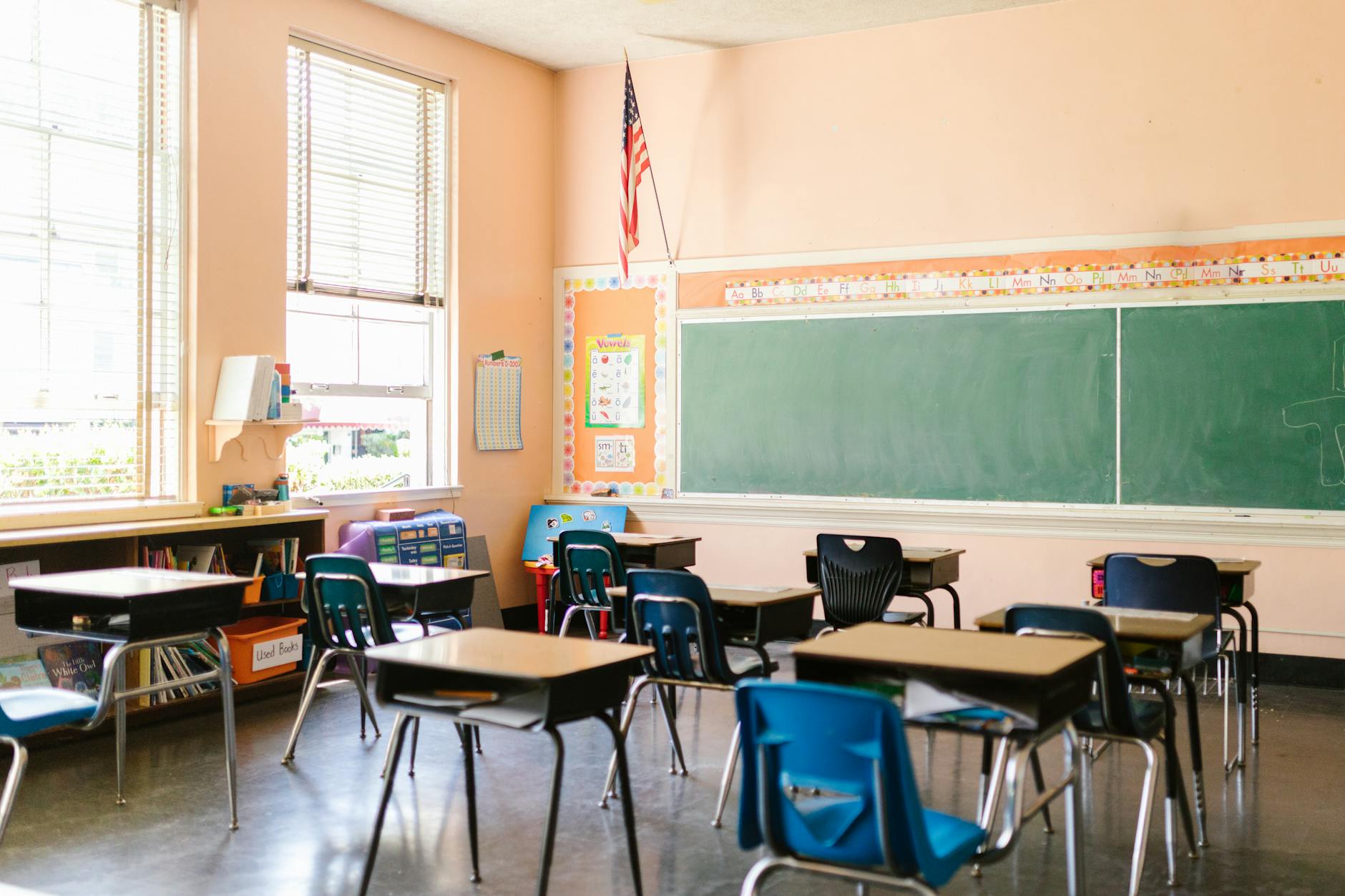
What Is Responsive Classroom?
Responsive Classroom is an evidence-based teaching approach developed by the Northeast Foundation for Children in the 1980s. It emphasizes social-emotional learning through practices like Morning Meeting and Interactive Modeling. It creates K-8 classrooms where academic rigor and positive community grow together through explicit teaching of cooperation and self-regulation.
The responsive classroom approach began in 1981. Ruth Charney founded it in Greenfield, Massachusetts. She started with a simple premise: you cannot separate academic learning from the social and emotional conditions that make it possible. The Center for Responsive Schools now leads this work, training teachers in methods originally designed for elementary grades but adapted for middle school use. It is not a curriculum you purchase or a script you follow. It is a way of being with children that reshapes how you speak, arrange space, and handle the inevitable conflicts that arise when humans spend seven hours together.
The approach centers on six Teaching Practices:
Morning Meeting builds community and reinforces academic skills through a daily 20-30 minute gathering of greeting, sharing, activity, and news.
Rules and Logical Consequences establish clear expectations through student-generated rules and consequences that teach rather than punish.
Interactive Modeling shows students exactly how to do everything from lining up to disagreeing respectfully, using explicit demonstration and immediate practice.
Positive Teacher Language shifts from generic praise to specific feedback that names what students are doing right.
Academic Choice gives students structured autonomy in how they demonstrate learning, supporting intrinsic motivation.
Classroom Organization creates a physical environment and schedule that promotes independence and reduces chaos.
Unlike traditional behaviorist management that relies on stickers, clip charts, and external rewards, this approach aims for internal motivation. You are not training compliance; you are building competence. The work targets three psychological needs: autonomy (choice in learning), competence (the feeling that "I can do this"), and relatedness (genuine connection to teacher and peers). When you replace "be quiet" with "voice level zero helps everyone focus," you are not just managing behavior. You are teaching self-regulation.
While originally designed for K-5, specific adaptations exist for grades 5-8. Middle school teachers use Responsive Advisory Meeting instead of Morning Meeting. They adjust the structure for adolescent developmental needs. The core purpose stays the same: building a framework for community building in education that makes academic risk-taking possible.
The Origins and Educational Philosophy
Ruth Charney founded the approach in 1981 in Greenfield, Massachusetts, working with the Northeast Foundation for Children—now called the Center for Responsive Schools. She watched teachers struggle with discipline systems. Those systems created obedient but anxious children. She wanted something different. Charney built this work not from trendy tricks but from established learning theory.
The framework draws heavily on Bandura's social learning theory: children learn by watching and doing, not just hearing. When you use interactive modeling to demonstrate how to push in a chair, you are applying Bandura. The approach also grounds itself in Vygotsky's zone of proximal development. Children learn social skills just as they learn math—through scaffolded support just beyond their current ability. You do not expect a second grader to resolve conflict independently on day one; you model, practice, and gradually release responsibility.
Most importantly, the work reflects Deci and Ryan's self-determination theory. Every practice targets autonomy, competence, or relatedness. Academic Choice feeds autonomy. Positive Teacher Language builds competence by naming exactly what the child did well. Morning Meeting creates relatedness. You are not managing a crowd. You are growing humans who can manage themselves.
Core Principles and Guiding Practices
At the heart of the approach sit the CARES competencies: Cooperation, Assertion, Responsibility, Empathy, and Self-control. You teach these explicitly, just as you teach phonics or fractions. A kindergartner learns cooperation through interactive modeling of turn-taking. A seventh grader practices assertion during Responsive Advisory Meeting by respectfully disagreeing with a peer's book review. These are not innate traits; they are skills built through repetition and feedback.
The time commitment is real. Morning Meeting requires 20-30 minutes daily. In a six-hour school day, that is roughly 15% of your instructional time. You cannot squeeze it between a pull-out speech session and a fire drill. Administrators must protect this block, understanding that this social-emotional learning time pays dividends during math and reading. When students feel safe and connected, they work harder. Skip the meeting to gain twenty minutes of worksheet time. You will often lose thirty minutes later managing conflicts that the meeting would have prevented.
The approach asks you to examine every system: how you line up, how you hand out papers, how you respond to a crying child. Logical consequences replace arbitrary punishments. Classroom Organization puts materials where students can reach them. This eliminates the power struggle of "may I sharpen my pencil." You are building an environment where students can practice the CARES competencies daily, not just hear about them in October during Bullying Prevention Week.
Why Does the Responsive Classroom Approach Improve Student Outcomes?
Research indicates Responsive Classroom improves outcomes by strengthening teacher-student relationships and integrating social-emotional learning directly into academic instruction. Studies suggest students demonstrate improved prosocial behavior and academic engagement when teachers implement the approach with fidelity, particularly through the Morning Meeting structure and explicit teaching of CARES skills.
John Hattie's Visible Learning meta-analysis puts teacher-student relationships at an effect size of 0.48 on achievement, with classroom cohesion at 0.44. These aren't abstract statistics—they represent the exact foundation of responsive classroom practice. The approach also satisfies Deci and Ryan's three basic psychological needs: autonomy (student choice in learning), competence (explicit skill teaching), and belonging (community building). When kids feel they belong and have agency, they engage more deeply with fractions and phonics than when they sit in rows waiting for permission to speak.
But here's the catch: implementation without fidelity shows no significant improvement over control groups. Skip Morning Meeting three days a week because you "don't have time," or replace logical consequences with clip charts and punishment, and you've wasted your effort. Partial implementation is like taking half an antibiotic prescription—you don't get better, but you've still done the work. The research is clear: you need the full responsive classroom behavior management system, not just the parts that seem easy.
Social-Emotional Learning Integration
CARES competencies—Cooperation, Assertion, Responsibility, Empathy, Self-control—live inside your academic content rather than existing as separate SEL lessons. Last October, my 4th graders practiced Assertion during literature circle debates. Instead of me lecturing about "speaking up," students used sentence stems to disagree with a character analysis while maintaining eye contact. The skill stuck because they needed it to participate in the book discussion, not because they sat through a PowerPoint about confidence.
Morning Meeting serves as the daily 30-minute laboratory where you explicitly teach these skills. The structure includes four distinct components:
Greeting: Students learn to acknowledge each other by name with eye contact.
Sharing: Students practice Assertion and Empathy by telling stories and asking questions.
Group Activity: Students build Cooperation through inclusive games and challenges.
Morning Message: Students read and respond to a written message, practicing Responsibility and Self-control during transitions.
This repeated practice in mastering emotional skills happens within a predictable structure. When a shy 2nd grader learns to say "good morning" while looking at a classmate's eyes during the greeting, they're building the exact neural pathways they'll use later when asking for help on a math problem.
Research on Academic Achievement and Behavior
The 2011 randomized controlled trial by Rimm-Kaufman and colleagues at the University of Virginia tracked 3rd-grade classrooms over three years. Schools implementing the responsive classroom approach with fidelity saw greater gains in math achievement on state standardized tests compared to control schools. The gains were particularly pronounced for students from high-poverty backgrounds—precisely the kids who often miss out on relationship-rich instruction because we're too busy managing behavior to teach it.
Behavior outcomes matched the academic results. Teachers reported significant reductions in student aggression and marked increases in prosocial behavior over the same three-year period. These weren't surface-level changes. When you watch a 3rd grader stop themselves from shoving a line-cutter and instead use an "I message" they've practiced during Morning Meeting, you're seeing the visible result of interactive modeling and positive teacher language. The time you invest in teaching social skills with rigor pays dividends during independent work when you can't hover over every desk.
How Does Responsive Classroom Management Work in Practice?
Responsive Classroom management works through explicit teaching of procedures using Interactive Modeling, reinforcing behavior with descriptive teacher language, and applying logical consequences that preserve student dignity. Unlike punitive systems, it prevents misbehavior by building autonomy and belonging while addressing issues through problem-solving rather than shame-based discipline methods. These three pillars—explicit instruction, intentional language, and respectful consequences—form the backbone of responsive classroom classroom management. Skip any leg, and the stool falls.
Interactive Modeling for Teaching Procedures
You don't just tell kids what to do. You show them, explicitly. Interactive Modeling takes ten to fifteen minutes upfront and saves you hours of correction later. I learned this the hard way with a third-grade class who lined up like wildfire ants until I actually taught the procedure.
Here's how it looks with first graders learning to line up. Step one: you model while thinking aloud. You push in your chair and say, "I'm noticing I need to leave space for the person behind me." Step two, you name the precise steps: "First, I push in my chair. Second, I walk calmly to the door." Step three, you pick a volunteer who models it correctly while you narrate what you see. Step four, everyone practices while you watch and catch them doing it right. Skip the practice, and you skip the learning.
Notice what you're modeling. It's not just the motions. You demonstrate the voice level—silent, perhaps—and the body posture, hands at sides not touching walls. If you skip the voice and posture, you'll get kids who line up technically correct but sound like a herd of elephants. This builds the CARES competencies of cooperation and self-control through demonstration, not demand.
Positive Teacher Language Strategies
Your words shape the room. Positive teacher language breaks into three types: Reinforcing Language notices what worked, Reminding Language cues before transitions, and Redirecting Language stops off-track behavior quickly.
Reinforcing Language sounds specific. Instead of "Good job," you say, "You put your math folder in the bin right away so you were ready for the next direction." Instead of "Be nice," try "I heard you use a respectful tone when you asked Maya to return your pencil." Reminding Language sounds like, "In three minutes, we'll line up. Remember to push in your chair first." Use classroom management strategies for success that build self-awareness through this kind of explicit noticing.
Watch out for mixing in praise. Saying "I love how smart you are" undermines the whole system. It shifts focus from effort to character evaluation. Keep it about the process, not the person. This distinction matters because responsive classroom approaches aim for intrinsic motivation, not compliance for gold stars.
Logical Consequences vs. Traditional Punishment
When behavior slips, logical consequences keep dignity intact. They follow three criteria: related to the behavior, respectful to the child, and reasonable in scale.
Logical Consequences | Traditional Punishment |
Related to the behavior | Unrelated to the behavior |
Respectful to the child | Arbitrary or shaming |
Reasonable in scale | Excessive or demeaning |
There are three types:
Loss of Privilege: The student loses access to a specific tool or activity related to the misbehavior.
Break It/Fix It: The student takes responsibility for repairing harm or fixing damaged materials.
Take a Break: The student uses a designated classroom space to self-regulate for three to five minutes, distinct from punitive time-outs.
Picture Jamie, a fifth grader who throws a pencil in frustration. The logical consequence is Loss of Privilege—Jamie can't use the community pencil cup for the day and must use a personal pencil. That's it. No writing lines, no public apology. The consequence relates directly to the tool misused. The social-emotional learning happens when Jamie recognizes the link between the action and the result.
Don't use responsive classroom discipline if your administration demands immediate compliance without teaching time, if you won't commit to twenty to thirty minutes of Morning Meeting daily, or if you want zero-tolerance exclusion. Half-measures create confusion. Kids sense when the community building is fake, and behavior gets worse, not better.
Responsive Classroom Techniques for Noise Level Control and Transitions
You know the sinking feeling. You're trying to get 28 fifth graders to line up, your voice creeps louder, and suddenly you're shouting over the noise. That yell doesn't solve anything. It just teaches kids that you don't mean business until you're red in the face. Responsive classroom approaches stop this cycle by front-loading expectations and giving you effective classroom control and management that actually preserves your vocal cords.
Start by teaching decibel levels like you teach math facts. Hold up a sound meter app on your phone. Inside Voice sits at 45-50 dB—roughly the volume of a dinner table conversation where you can hear the person next to you without leaning in. Partner Voice is a whisper that only your elbow partner catches. Silent means 0 dB. Post a visual chart with these numbers. When the meter creeps to 60 dB during independent work, point to the chart. No lecture needed.
Pick one attention signal and stick with it for three weeks before introducing alternatives. Here is how three common options compare:
Signal Name | Teacher Action | Expected Student Response | Best Use Case | Transition Speed |
|---|---|---|---|---|
The Chime | Ring once, place hand on heart, take 3 breaths | Stop activity, place hand on heart, return gaze to teacher | Deep focus work, writing workshop | 8-10 seconds |
Raise Hand with 5-Second Wait | Raise hand, hold for 5 silent seconds | Raise hand, track teacher, close mouth | Quick mid-lesson redirections | 5 seconds |
Class, Class (Whisper) | Say "Class, class" in varied tones | Whisper back "Yes, yes" and freeze | High-energy moments, outdoor lines | 3-4 seconds |
If you find yourself raising your voice to get attention, your signal system has failed. Yelling over students trains them to ignore quiet signals entirely. Stop. Breathe. Use Interactive Modeling to re-teach the procedure tomorrow morning. Do not plow through. A failed signal is a broken tool, not a character flaw in your kids.
Attention Signals That Work Without Yelling
The Chime protocol requires discipline on your part, not just theirs. Ring the bar chime once. Immediately place your hand on your heart. Take three deep, audible breaths. Do not speak. Do not shush. Wait for 100% silence. In September, this takes 20 seconds. By October, your 3rd graders meet the 10-second target because they want you to start talking. The breaths model the calm you expect them to mirror. If you ring twice or talk over stragglers, you undo the training.
When you need faster redirects, use dignity-preserving call-and-response. Avoid babyish chants with older kids. Try these:
"Hocus Pocus" / "Everybody Focus" — Pair with a hand frame gesture like you're taking a photo.
"Waterfall" / "Shhh" — Hands start high and cascade down while volume drops.
"Macaroni and Cheese" / "Everybody Freeze" — Works like magic for K-2; retire it by 4th grade unless you're being ironic.
Managing High-Energy Moments and Movement
Energizers are not recess. They are 2-3 minute structured movement breaks you schedule proactively, not reactively. Before a math test or writing workshop block, when you know bodies will wiggle, stop the lesson. Try the Mirror game: you lead slow, deliberate movements for 90 seconds while 3rd graders mirror every action. Or use "Brain Breaks" from the Responsive Classroom book. The key is physiological arousal management—you burn off the cortisol before it becomes chaos.
Schedule these like you schedule math. 10:00 AM every day. Not when you "see they need it." Reactive energizers feel like punishment or reward. Scheduled ones feel like routine. This prevents the escalation that leaves you yelling across desks.
Quiet Time and Independent Work Structures
Quiet Time is not Silent Reading SSR. It is 10-15 minutes daily where students choose independent, silent activities from an approved menu: drawing, reading, puzzles, or journaling. You dim the lights. You play soft instrumental music at 30-40 dB—quiet enough that you can whisper to a student without raising your voice. You confer individually or simply observe. The room exhales.
Structure matters. Students must choose their activity before the music starts. You end with the gentle chime, not a harsh bell. Contrast this with "heads down" punishment naps, which breed resentment. Quiet Time builds the CARES competencies— Cooperation, Assertion, Responsibility, Empathy, and Self-control—by giving students autonomy within boundaries. It teaches social-emotional learning through practice, not posters.
Responsive Classroom Discipline Strategies for Challenging Behaviors
When a student acts out, follow this decision tree:
Minor disruption? Use Reminding Language—a quick, neutral cue like "Check your seat."
Continues? Shift to Redirecting Language: "Show me what finishing looks like."
Pattern continues? Apply a Logical Consequence connected to the behavior.
Chronic or severe? Schedule a Problem-Solving Conference or Take a Break.
The core principle of responsive classroom discipline is simple: We fix the problem, not the child. Consequences restore community and repair harm. They don't make kids feel bad as a teaching strategy.
The Responsive Classroom Approach to Discipline
The Problem-Solving Conference is a 15-minute private meeting using this format:
State observation without judgment: "I noticed you crumpled your paper when I asked for revisions."
Student states their perspective.
Identify lagging skill vs. willful defiance—maybe they don't know how to handle criticism.
Co-create a solution plan: "Let's try a draft checklist before the final copy."
Set a check-in schedule, perhaps Friday at lunch.
Document it on a simple three-column sheet: Date, Behavior Observed, Plan. Keep it private. Public behavior charts humiliate; this sheet supports.
Watch for the most common mistake: disguising punishment as logic. If you say, "You didn't finish your math, so you miss recess," that's unrelated and arbitrary. The work has nothing to do with running on asphalt. Instead, connect the consequence to the disruption: "You were chatting during work time, so you'll finish this during quiet choice time while others play." The task gets done; the community trust stays intact.
Reinforcing Positive Behavior Without External Rewards
Ditch the sticker charts, prize boxes, and pizza parties for expected behavior. Responsive classroom behavior management relies on intrinsic motivation, not bribery. When you hand out tokens for sitting quietly, you signal that compliance is extraordinary rather than baseline. Instead, use reinforcing language that names the intrinsic value of the action. Notice the specific behavior and its effect: "When you cleaned up quietly, everyone could hear the directions and start quickly." Or, "You put your phone away without a reminder, which showed respect for our discussion." The student sees the natural result of their choice, not a transaction.
This isn't just feel-good philosophy. Research on self-determination theory by Deci and Ryan demonstrates that extrinsic rewards undermine intrinsic motivation for tasks already requiring cognitive engagement. When you pay kids to read, they read less for pleasure later. When you celebrate the behavior itself—specifically and authentically—you build the CARES competencies of cooperation, assertion, responsibility, empathy, and self-control without creating reward junkies who need a constant external hit to behave.
Responsive Classroom Behavior Management for Specific Situations
For defiance, stay calm and offer two acceptable choices: "You can start the assignment at your desk or at the side table." Both lead to the work getting done. Allow the "take a break" option before the escalation builds. Never wrestle for control in front of an audience; step into the hallway or kneel beside the desk to reduce the power differential. If they refuse both choices, say, "I'll check back in two minutes," and give the class a distraction so the student can comply without losing face.
For physical aggression, follow this protocol:
Immediate safety separation: "Walk with me."
No forced apology during heightened emotion.
Schedule restoration conversation after 20-30 minute cool-down for elementary students.
This aligns with implementing restorative practices by focusing on repairing harm rather than distributing pain.
For chronic disruption, conduct weekly 15-minute Problem-Solving Conferences to uncover lagging skills—often it's anxiety, not attitude. Track patterns in your three-column log. These protocols, embedded in broader positive behavior support systems, preserve dignity while actually solving the problem.
How Can Teachers Access Responsive Classroom Training and Resources?
Teachers access Responsive Classroom training through the Center for Responsive Schools' website, which offers 4-day elementary courses ($1,100-$1,300), middle school workshops, and online options. Essential books include Ruth Charney's 'The Responsive Classroom' and 'The Morning Meeting Book' by Roxann Kriete, available through the publisher or major education distributors. These resources form the backbone of effective responsive classroom implementation, whether you're starting solo or convincing your principal to fund site-based training.
Essential Responsive Classroom Books for Beginners
Start with The Morning Meeting Book (Kriete & Bechtel, 2014, ~$28). It gives you exact scripts for those first awkward weeks when you're staring at 25 kids at 8:30 AM with no idea what to say. The 3rd edition includes greeting variations for shy students and activities that build CARES competencies without feeling forced. Keep it on your desk during the first quarter.
Essential responsive classroom books for your shelf:
The Responsive Classroom 3rd ed. (Charney, 2012, ~$32) — The philosophy behind logical consequences and community building
Responsive School Discipline (Wood, 2011, ~$28) — Practical frameworks for school-wide implementation
The Joyful Classroom (Clayton & Brackett, 2016, ~$30) — Maintaining energy and engagement through the year
The Power of Our Words (Denton, ~$25) — Refining positive teacher language for specific situations
Don't buy everything at once. ResponsiveClassroom.org offers free articles, archived webinars, and downloadable "Getting Started" guides organized by grade level. I printed their Kindergarten-specific checklist and taped it inside my plan book for the first month.
Professional Development and Certification Programs
The 4-day Elementary Core Course runs 8:30 AM to 3:30 PM daily with a one-hour lunch break. Each day builds on the last:
Day 1: Morning meeting structure and greetings
Day 2: Creating rules and logical consequences
Day 3: Academic Choice and engaging instruction
Day 4: Integration and sustaining practices
The $1,100-$1,300 price tag includes a hefty binder of resources you'll actually reference.
Districts often skip the per-person fees and negotiate site-based responsive classroom training at $3,500-$5,000 per day for up to 30 teachers. Split that cost across your grade level and it becomes reasonable. If you're not ready for the full commitment, one-day introductory workshops run $250-$300, while the 2-day Middle School Course costs $600. Online options range from $150-$400 depending on the module length.
The Responsive Classroom Certified Teacher pathway requires completing both the Elementary Core Course and the 2-day Advanced Course (total 6 days), plus one full year of implementation. You'll submit a portfolio with video evidence of interactive modeling and reflective essays on your social-emotional learning practice. Budget approximately $2,000-$2,500 total including materials and fees.
Digital Tools and Curriculum Materials
If you're a specialist seeing 500 students weekly, you can't run traditional morning meetings. Grab Responsive Classroom for Music, Art, PE, and Other Special Areas (Wood, 2011, $30)—the only responsive classroom book that adapts these strategies for 45-minute blocks with rotating groups. It includes modified interactive modeling scripts for teaching instrument care or gym safety when you see kids twice a week, plus troubleshooting for managing behavior without a homeroom's relationship capital.
The Center for Responsive Schools offers a digital membership site ($75/year) with video examples of interactive modeling across grade levels. Watch a 2nd grade teacher demonstrate pencil sharpening or a 7th grade science teacher introduce lab protocols. These clips show the pacing and positive teacher language that printed text can't capture. Consider this alongside other professional growth programs for teachers when planning your annual development budget. The videos are particularly useful when you're trying to convince reluctant colleagues that this isn't just "touchy-feely stuff"—it's explicit skill instruction.
Implementation Roadmap: Your First 30 Days
Starting responsive classroom management doesn't mean overhauling everything overnight. Here's how to build it without burning out.
Week 1: Procedures Only
Spend days 1-5 on community building and rules and procedures that transform behavior. Pick the ones that kill momentum when broken:
Entering the room
Morning routine
Lining up
Pencil sharpening
Use Interactive Modeling for each. Show exactly what it looks like, have students practice, observe, and give feedback using positive teacher language. Do not touch academic content yet. Your goal is 100% compliance on these specific moves.
Week 2: Morning Meeting Launch
Days 6-10 introduce the Morning Meeting structure. Keep it to 20 minutes. Teach one component daily: Greeting, Sharing, Activity, Message. Launch your first academic subject using Academic Choice, but limit it to two options initially. Binary choices prevent decision paralysis while still building autonomy.
Week 3: Consequences and Conferences
Days 11-15 add Quiet Time and establish Logical Consequences for broken rules. Conduct your first Problem-Solving Conference with a willing student while the class observes. This models the process without putting anyone on the spot.
Week 4: Full Integration
By days 16-20, run a full academic schedule with all structures active. Use the "How's Your Morning Meeting Working?" checklist for your first self-reflection. If the meeting feels chaotic, don't cancel it. Return to Interactive Modeling for specific behaviors—like how to sit during sharing or voice level during greeting.
Month 2-3: Deepening Practice
Expand Academic Choice to three or four options. Introduce more complex Energizers. Start tracking CARES competencies—cooperation, assertiveness, responsibility, empathy, self-control—using anecdotal notes during independent work.
The Week 3 Trap
Most teachers abandon this approach in week three when district pacing guides start screaming. Don't. Maintaining Morning Meeting during high-stakes testing periods isn't extra—it's when the routine matters most for anxiety reduction. These survival strategies for new teachers work because they prioritize social-emotional learning before curriculum panic sets in.
The Future of Responsive Classroom in the Classroom
The responsive classroom approach isn't about buying the perfect poster set or scripting the ideal morning meeting. It's about showing up tomorrow with the same calm tone, the same clear expectations, and the same belief that your students can solve problems. Consistency beats perfection every time. When you respond to a misstep with a logical consequence instead of a lecture—every single time—kids stop testing the boundary. They feel safe because the environment is predictable, even when the math lesson gets hard.
Start tomorrow. Pick one routine that currently makes you crazy—lining up, passing papers, turning in devices—and teach it using interactive modeling. Don't explain. Show them. Have three students demonstrate the wrong way, then the right way. Time it. You don't need to overhaul your entire classroom management system by Friday. You just need to prove to your students that you mean what you say. Do that, and the social-emotional learning will follow.
Still grading everything by hand?
EMStudio is a free teaching management app — manage your classes, students, lessons, and more!
Learn More
Still grading everything by hand?
EMStudio is a free teaching management app — manage your classes, students, lessons, and more!
Learn More





Notion4Teachers
Notion templates to simplify administrative tasks and enhance your teaching experience.



2026 Notion4Teachers. All Rights Reserved.
Notion4Teachers
Notion templates to simplify administrative tasks and enhance your teaching experience.
2026 Notion4Teachers. All Rights Reserved.
Notion4Teachers
Notion templates to simplify administrative tasks and enhance your teaching experience.
2026 Notion4Teachers. All Rights Reserved.