15 Social Emotional Learning Activities for Elementary Classrooms
15 Social Emotional Learning Activities for Elementary Classrooms

Article by
Milo
ESL Content Coordinator & Educator
ESL Content Coordinator & Educator
All Posts
You got the email last week: "Please incorporate SEL into your daily routine." Now you're staring at your lesson plans wondering when exactly you're supposed to teach self-regulation strategies between the math test and the fire drill. The curriculum mentions "emotional intelligence exercises" but doesn't give you the actual social emotional learning activities to make it happen. So you tried that feelings wheel from Pinterest. It took twenty minutes to cut out, and three kids cried because they couldn't find the exact shade of "frustrated" they needed.
You need things that work without a craft store run. You need activities that fit into the cracks of your already-packed day—morning meeting starters that actually support classroom community building, writing prompts that make kids reflect without sounding like therapy, and cooperative learning structures that don't dissolve into chaos the second you turn your back. The fifteen ideas below are the ones I've actually used in 2nd, 4th, and 5th grade classrooms. Some take two minutes. Some take twenty. All of them help kids recognize what they're feeling and choose what to do about it.
Still grading everything by hand?
EMStudio is a free teaching management app — manage your classes, students, lessons, and more!
Learn More
Still grading everything by hand?
EMStudio is a free teaching management app — manage your classes, students, lessons, and more!
Learn More
Table of Contents
What Are the Best Quick-Win SEL Activities for Morning Meetings?
The best quick-win SEL activities for morning meetings include Emoji Check-Ins using the Yale Mood Meter framework for emotional vocabulary building, Two-Minute Breathing Buddies with stuffed animals for physiological regulation, and Rose and Thorn protocols for reflective sharing. These require zero preparation, work for grades K-5, take under 5 minutes, and establish predictable routines that increase student readiness for academic instruction. Research consistently shows that consistent morning meeting routines correlate with increased academic engagement and classroom cohesion.
Activity | Time | Materials | CASEL Competency | Grade Modifications |
|---|---|---|---|---|
Emoji Check-In | 3 minutes | Mood Meter chart with emoji icons | Self-Awareness | K-1: Point to facial expressions; 2-3: Name colors; 4-5: Use quadrant vocabulary |
Breathing Buddies | 2 minutes | Stuffed animal, bean bag, or ball | Self-Management | K-1: Place bear on belly; 2-3: Watch ball rise/fall; 4-5: Full 4-4-4 technique |
Rose and Thorn | 4-5 minutes | Talking object (optional) | Social Awareness | K-1: Share roses only; 2-3: Add thorns; 4-5: Include buds |
Emoji Check-In Circles for Daily Emotional Awareness
I post the Yale Center for Emotional Intelligence Mood Meter by my carpet every morning. The four-color quadrants give kids concrete language for their internal states:
Red: high energy and unpleasant feelings like anger or anxiety
Yellow: high energy and pleasant feelings like joy or excitement
Green: low energy and pleasant feelings like peace or calm
Blue: low energy and unpleasant feelings like sadness or fatigue
I use large concrete facial expression icons for each quadrant so my non-readers can participate without shame. This emotional intelligence exercise takes exactly three minutes with 25 students. I say, "Show me with your thumb where you are on the meter. If you're in the yellow, turn to a neighbor and share one word why. If you're in the blue, take a deep breath with me." This cooperative learning structure builds emotional literacy activities into your routine without eating your reading block. For digital mood tracking tools that extend this practice, check out our templates.
Two-Minute Breathing Buddies for Self-Regulation
When the energy is chaotic, I pull out the breathing buddies. Each student grabs a small stuffed animal, bean bag, or even a crumpled paper ball and lies on their back with the object resting on their belly. This is Buddy Breathing: they watch the object rise as they inhale for four counts, hold for four, and exhale for four. This diaphragmatic pattern activates the parasympathetic nervous system, shifting bodies out of fight-or-flight mode into a state where learning can happen.
I use a visible two-minute sand timer placed where everyone can see it. At 1:45, I ring a chime to signal the last breath cycle. At 2:00, students sit up slowly to avoid dizziness before returning to desks. This mindfulness for children technique works because it's concrete—kids can see their breathing. My 4th graders use the full 4-4-4 pattern, while my 1st graders simply focus on the rise and fall without the hold. These self-regulation strategies require no curriculum purchase.
Rose and Thorn Reflective Sharing Protocols
The Rose and Thorn protocol builds classroom community through structured vulnerability. The rose is the best moment or success, the thorn is a challenge or frustration, and the bud is something they're looking forward to. Students use sentence stems—"My rose today was..."—while holding a talking object like a stone or stuffed animal. I enforce a strict 30-second limit per student to keep us moving.
Here is the critical warning: never force emotional sharing. I always offer a "right to pass" and maintain a private journaling alternative for students with trauma histories who may not feel safe with public vulnerability. These social emotional learning activities only work when trust is present. For K-1, stick to roses only; add thorns in 2-3; introduce buds for 4-5.
SEL Writing Prompts That Build Self-Awareness
Writing pulls thoughts out of heads and onto paper. These social emotional learning activities take 10-15 minutes and hit CASEL Self-Awareness standards without feeling like therapy homework. I use three protocols depending on grade level: K-1 draws with labels, 2-3 uses sentence frames, and 4-5 writes paragraph reflections. Differentiate by need: emerging writers get word banks and drawing options, fluent writers must use metaphors or similes, and students with dysgraphia use voice-to-text or typing.
The Emotion Color Wheel Journal Entry
Print an 8.5x11 template divided into eight colored sections based on the Plutchik wheel adapted for elementary use: red for angry, orange for optimistic, yellow for happy, green for peaceful, blue for sad, purple for worried, pink for loving, and brown for bored. Research on emotional granularity shows that naming specific feelings improves regulation, so this emotional literacy activity gives kids a concrete map rather than vague labels.
Students color in the section showing their current feeling intensity, then write three sentences about what triggered it and where they feel it in their body. K-1 students draw instead, adding labels if they can. You'll need a few materials:
Printed wheel templates
Crayons or colored pencils
10-minute timer
Guiding question poster: "What color is your feeling? How strong is it (1-5)?"
This builds self-regulation strategies through body awareness and honest naming.
Perspective-Taking Letter Writing Exchanges
I borrowed this from Harvard's Project Zero Step Inside routine. Students write letters from the perspective of a book character or historical figure experiencing a specific emotion—Ruby Bridges facing her first day of school, or the Big Bad Wolf after the brick house incident. This is one of my favorite sel writing prompts because it sneaks empathy practice into the writing block.
The frame stays consistent: "Dear [Name], I noticed you felt [emotion] when [event]. I think you might have been thinking... If I were you, I would..." After 10 minutes of writing, students swap letters with a partner who chose a different character. They read and respond with advice or validation, taking 5 more minutes. This cooperative learning structure supports classroom community building and gets kids reading each other's work without the usual dread. The exchange forces them to consider someone else's emotional landscape. It pairs well with creative writing tools you already have.
Future Self Interviews for Goal Setting
For this sel activity, students interview their future selves. K-4 writes to their "end of 5th grade" self; actual 5th graders write to their "middle school" self. They draft both questions and answers using specific stems:
What are you most proud of?
What was harder than you expected?
What advice do you have for me right now?
This creates emotional intelligence exercises that connect present choices to future outcomes. The time delay creates perspective that no immediate worksheet can match. I have kids seal their interviews in envelopes or stash them in shoebox time capsules in the classroom closet. We open them the last week of school to measure growth. Kids forget what they wrote, so the reveal is genuine. This mindfulness for children practice builds long-term self-awareness. If you want to go deeper into mastering emotional skills, this protocol shows you exactly where students see themselves heading and what they value.

Which Social Emotional Learning Games Strengthen Peer Relationships?
Cooperative games like silent puzzle challenges, Trust Web circle activities, and Appreciation Circle card games strengthen peer relationships by requiring interdependence rather than competition. These social emotional learning games target the CASEL competency of relationship skills, typically require 15-20 minutes, and work best with groups of 4-6 students in grades 2-5, creating psychological safety through shared goals.
Competitive games create winners and losers. Cooperative sel games build the skills you actually want.
Competitive games: Target self-regulation strategies through managing disappointment, but often trigger shame cycles and isolate struggling students. Good for individual emotional intelligence exercises, risky for peer bonding.
Cooperative games: Require Social Awareness and Relationship Skills from the start. Everyone wins together or troubleshoots together. No one leaves the room feeling singled out.
You'll need 24-48 piece puzzles for groups of 4, a ball of yarn for class circles of 15-25, and index cards for Appreciation groups of 6. Budget 15-20 minutes per activity.
Skip the silent activities if you have students with selective mutism or high social anxiety—the pressure to communicate nonverbally can backfire. Avoid Trust Web if your class has physical safety concerns or high conflict; yarn pulling can trigger trauma responses when tension is already high. These aren't universal fixes.
Cooperative Puzzle Challenges Without Talking
Use 24-piece wooden puzzles for grades K-2 and 48-100 piece puzzles for grades 3-5. Groups of exactly 4 students per puzzle works best—odd numbers leave someone watching, and larger groups let some students hide while others dominate.
The rule is simple: no talking. Students use hand gestures and facial expressions only. You'll see them point, nod, and furrow brows within thirty seconds. Some groups tap the table to signal placement; others develop elaborate pointing systems. The corner pieces usually disappear first, then the panic sets in around minute eight when they realize they need to share. After 15 minutes, debrief for 5 minutes. Ask "What was frustrating?" and "How did you communicate without words?" They'll notice who took charge and who waited, which opens discussion about cooperative learning structures without accusation.
Trust Web Team-Building Activities
Grab a ball of knitting worsted weight yarn, about 100 yards. You hold the start. This differs from typical classroom management games because it builds physical connection without actual contact.
A student holds the yarn, states a specific appreciation for someone across the circle, then tosses the ball while keeping hold of the end. The web grows with each toss, connecting everyone visually. Explicitly ban jerking the yarn—some middle schoolers will test this immediately. If the web breaks, stop and discuss repair versus blame. This models how classroom community building works when conflict inevitably happens. The visual tangle usually surprises them; it shows how interconnected they actually are.
Appreciation Circle Card Games
Hand out index cards or printable templates with this sentence frame: "I appreciate [name] for [specific action] because [impact on me]." Structure it so each student writes one card, drops it in a central basket, then draws one to read aloud. This keeps it anonymous if needed, or they can deliver directly for a peer-to-peer recognition culture.
Specificity matters. "I appreciate Marcus for sharing his markers yesterday when mine dried out during art, so I could finish my project" teaches emotional literacy activities better than generic compliments. These social emotional learning activities work best in groups of 6, taking about 15 minutes once students know the routine. The first time, budget 20 minutes for explaining the frame and correcting vague attempts like "I appreciate her for being nice."
Hands-On Social Emotional Learning Activities for Active Learners
Kids need to move. When you get them out of their seats for social emotional learning activities, you tap into how their bodies actually process feelings. Research on sensory processing indicates that proprioceptive input—resistance and weight-bearing work like pushing or pulling—and vestibular movement, such as spinning or balancing, directly support the nervous system's ability to regulate emotions and reduce stress responses. Plain talk: physical activity lowers cortisol and helps kids reset from fight-or-flight mode.
You don't need a gym. Clear a 6x6 foot area per student for yoga flows, or secure wall space for vertical murals. Each session runs 15-20 minutes—long enough to shift their physiology, short enough to fit between math and reading. No gym access? Push desks aside for chair yoga—seated mountain poses and forward folds work fine. For hallway movement protocols, lay painter's tape in straight lines for "balance beam" walking. Kids walk heel-to-toe while practicing deep breathing, engaging core muscles for that regulatory input. It takes two minutes to set up and zero equipment.
Mindful Movement and Yoga Flow Sequences
Run this ten-minute sequence: Mountain Pose for five breaths, Forward Fold for three, Warrior II for three breaths each side, Tree Pose for thirty seconds per foot, then two minutes in Resting Pose. Narrate it like Cosmic Kids or Breathe for Change: "Imagine you are a strong mountain, roots growing down through your feet into the earth." The story keeps third graders engaged longer than counting seconds, and gives their minds somewhere to land while their bodies work.
You'll need non-slip mats or carpet squares. Each kid needs that six-by-six footprint to spread arms without hitting neighbors. For students with physical disabilities, chair modifications work—feet flat on floor, hands on thighs, same breathing counts. These mindfulness for children techniques pair well with other mindfulness practices in the classroom you might already use.
Emotion Charades and Physical Expression Games
Build a deck of twenty emotion cards using vocabulary from the Yale Mood Meter or Second Step: ecstatic, furious, anxious, disappointed, surprised, embarrassed. The actor uses only their body—no sounds, no words. After the class guesses correctly, the actor shares one time they felt this way and what they did about it. This builds emotional literacy activities into kinetic learning and serves as practical emotional intelligence exercises that stick better than worksheets.
For third through fifth graders, try "Emotion Statues." Play music; students move freely. When the music stops, they freeze in a pose showing the feeling you called out. Start the music again to release the pose, then discuss what that emotion feels like in their muscles. It's one of the most effective self-regulation strategies for kids who process feelings physically rather than verbally.
Collaborative Mural Projects for Community Building
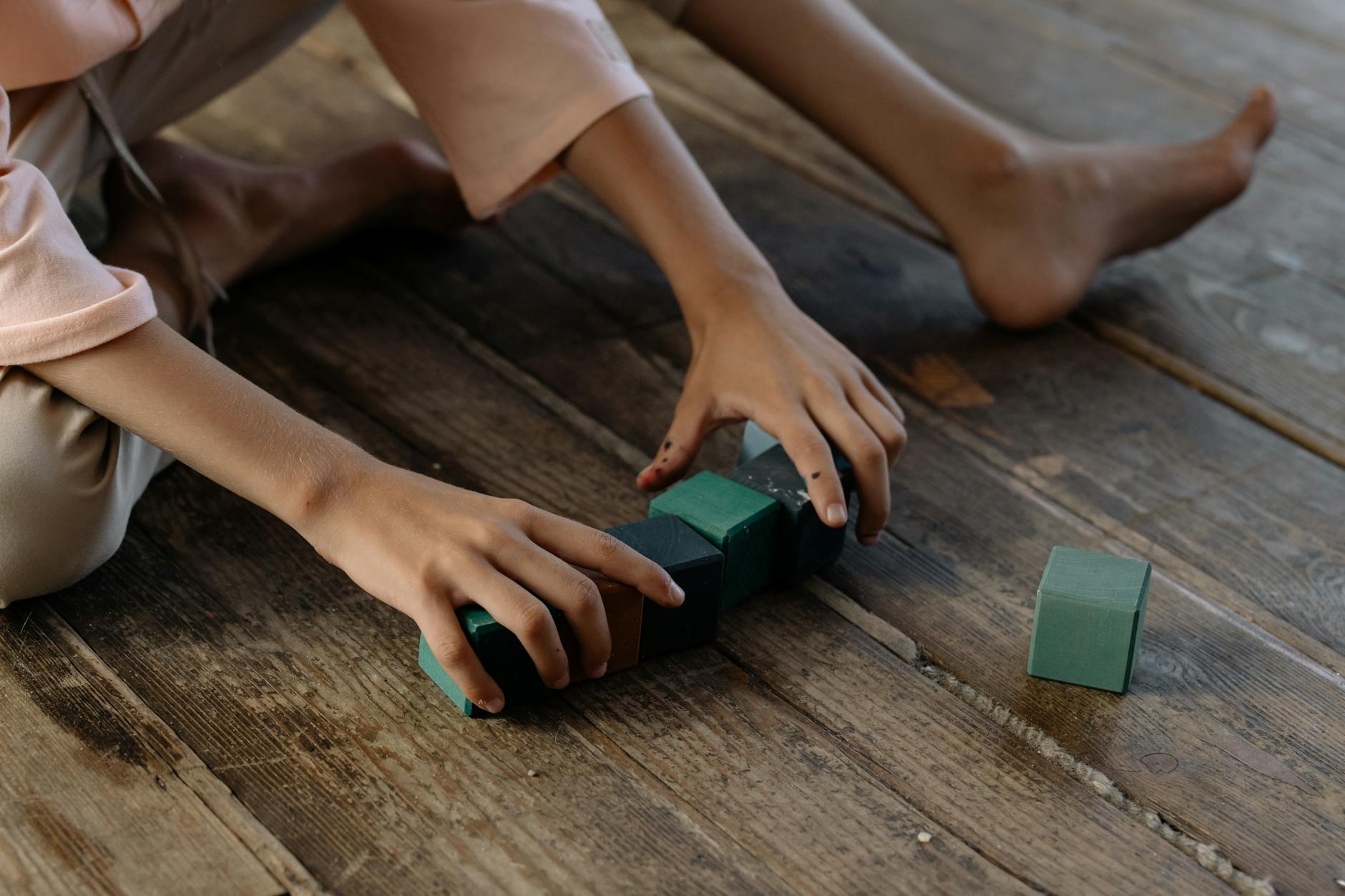
Roll out butcher paper—three feet by six feet per group of six students. Set out tempera paint or oil pastels. Divide the paper into sections equal to your group size. Each student starts in one section with a personal color. Set a rotation timer for three minutes. When it beeps, students move clockwise to the next section, adding to their neighbor's work. Continue until everyone has worked on every section. Use the final five minutes to connect lines between sections, unifying the piece into one cohesive image.
Theme prompts drive the classroom community building:
Our Classroom Community
The Bridge to Middle School
Feelings in Color
These cooperative learning structures and social and emotional learning activities force communication about shared space while creating artifacts kids actually care about. The physical act of reaching, crouching, and stretching to fill large vertical spaces adds that proprioceptive input that calms anxious bodies while they work.
Advanced SEL Activities for 5th Graders and Upper Elementary
Fifth graders occupy a unique limbo. They are physically still in elementary school but psychologically preparing for the autonomy of middle school hallways. Their social worlds have grown complex—friendships fracture over group chat subtleties, and they are beginning to wrestle with abstract moral questions about fairness and loyalty. These sel activities for 5th graders must match that sophistication, moving beyond simple feeling charts into genuine skill-building for conflict mediation and digital citizenship. John Hattie's Visible Learning research puts feedback at an effect size of 0.59—nearly double the impact of generic praise. For these advanced skills, you need to give specific, timely observations ("You paraphrased her concern before responding") rather than hollow compliments ("Good job").
Conflict Resolution Role-Play Scenarios
Real conflicts make the best rehearsals. Set up triads where students rotate through three roles: disputant A, disputant B, and a mediator equipped with an active listening script. Run five-minute role-plays followed by two-minute debriefs, then rotate so every child practices all positions over fifteen minutes. This cooperative learning structure forces them to see the dispute from multiple angles.
Use scenarios they actually encounter:
A science group project where one member carries the research while others plan the presentation
Playground exclusion where bystanders freeze rather than intervene
A text message misread in a group chat about weekend plans
Teach the I-Message format explicitly: "I feel [emotion] when you [action] because [consequence]. I need [request]." When you debrief, reference specific moments you observed rather than generalizing. This connects to navigating classroom conflicts with precision rather than platitudes.
Student-Led Goal-Setting Vision Boards
Eleven-year-olds can handle abstraction, but they need concrete timelines. Introduce the SMART framework adapted for fifth grade. Provide these materials:
Half-size poster board
Old magazines for collage
Glue sticks and markers
Each student creates a visual representing one academic goal and one social goal—perhaps maintaining a B average in math alongside inviting someone new to lunch twice a month.
During the two-minute gallery walk, students use the sentence stem: "I will know I achieved this when..." This forces them to define success metrics upfront. These self-regulation strategies work because students articulate their own benchmarks rather than receiving teacher-imposed targets. The physical act of cutting and arranging images adds mindfulness for children through focused, creative work.
Mindful Media Literacy and Digital Citizenship Discussions
Digital communication strips away tone and body language, creating perfect conditions for misunderstanding. Use Common Sense Media frameworks on "Chatting with Friends Online" or "Gaming Communities," but add the See-Think-Wonder routine with scenario cards:
See: What do you notice in the text thread?
Think: What do you think is happening between these friends?
Wonder: What does this make you wonder about their feelings?
Teach the 24-hour rule for heated responses and the distinction between reporting safety concerns (immediate) versus reacting emotionally (pause first). These emotional intelligence exercises and emotional literacy activities help students recognize that digital spaces require the same empathy as face-to-face interactions, even when the emotional cues are invisible. This extends classroom community building beyond school walls into their online lives.

How to Choose and Adapt SEL Activities for Your Specific Grade Level?
Choose SEL activities by assessing developmental readiness using CASEL's grade-level benchmarks and Piaget's stages of cognitive development. For K-1, use concrete props and 5-minute durations; for grades 4-5, introduce abstract concepts and 20-minute sessions. Adapt for learning needs by providing visual supports, reducing linguistic demands, or adding movement components. Maintain the core SEL objective and measure progress with tools like the DESSA screener.
Start with a simple flowchart. Identify your CASEL competency gap—whether it's Self-Awareness, Self-Management, or Social Awareness. Match that skill to the child's developmental stage. Preoperational thinkers in K-1 need concrete props, while concrete operational 2nd through 5th graders can handle rules and perspectives. Modify for IEP and 504 needs before you schedule. Decide between micro-moments embedded in transitions or a dedicated block, but don't do both at first.
Assessing Developmental Readiness and Skill Levels
Use the Devereux Student Strengths Assessment (DESSA) mini-screener or a teacher observation checklist covering the four main SEL domains to pinpoint specific gaps. I keep a clipboard with student names and check off emotion identification or conflict resolution skills as I see them during recess. Piaget's stages matter here:
Preoperational K-1: Needs picture cues and physical props for emotional literacy activities
Concrete operational 2-5: Handles perspective-taking and rule-based cooperative learning structures
Formal operational (advanced 5th): Discusses abstract ethics and long-term planning for classroom community building
Check one specific readiness indicator before choosing complex sel activities: Can the student name three emotions and point to where they feel them in their body? If they stare blankly when you ask "how do you feel," stick to basic feeling identification with mirror faces or emotion cards. Skip the complex role-play scenarios until they can label their own frustration without melting down.
Modifying Activities for Different Learning Needs
Adapt the same base activity across grade levels rather than creating three separate lessons. Take the Emoji Check-In: K-2 students point to a picture; grades 3-4 name the emotion word and rate intensity; 5th graders describe the feeling metaphorically ("like a shaken soda can" or "heavy like wet socks").
Grade Band | Emoji Check-In Adaptation |
K-2 | Point to picture on feeling chart |
3-4 | Name emotion word and intensity (1-5) |
5th | Describe using metaphor or body sensation |
For ADHD, add movement breaks every five minutes, allow fidgets during mindfulness for children exercises, and shrink group sizes from six to three to minimize distractions. For autism spectrum needs, provide a visual schedule of activity steps, offer a break card option, and use concrete emotion meters instead of abstract questions. For ELL students:
Provide bilingual emotion word banks
Allow drawing or native language responses
Use Total Physical Response with gestures
Extend wait time to five full seconds
See specific SEL strategies for students with special needs for more modifications.
Scheduling SEL Without Sacrificing Core Instruction Time
Avoid SEL implementation burnout. I've watched teachers crash when they introduce five new social emotional learning activities simultaneously during week one. Pick one anchor routine—maybe a morning greeting—and run it daily for a month until students execute it without your direction. Add new self-regulation strategies monthly, not weekly.
Use micro-moments. Embed two-to-three-minute practices during existing transitions like lining up or entering the classroom. These routines piggyback on time you already spend. For a weekly template:
Monday/Wednesday/Friday: 10-minute morning meeting
Tuesday/Thursday: 5-minute closing circle
Daily read-aloud: Discuss character emotions
Total: 40 minutes weekly without a separate SEL block
Integrate emotional intelligence exercises into your existing literacy block rather than carving out new time that displaces math or science.

Building Your SEL Routine: Implementation Strategies That Stick
New habits die in complexity. You know this from every abandoned resolution. BJ Fogg's Behavior Model explains why: behavior happens only when motivation, ability, and a prompt converge. When ability drops, motivation crumbles. If your SEL plan takes ten minutes you don't have, it dies. The fix? Anchor these social emotional learning activities to existing routines so they run on autopilot. But first, the hard truth: neural pathways need six to eight weeks of daily practice before skills become automatic. Quitting at week three because "the kids aren't using it yet" is like stopping antibiotics early. The pattern hasn't set. Give it the full cycle.
Starting Small With Micro-Moments
Fogg's Tiny Habits method respects your time constraints. You pick an existing anchor—like finishing attendance—and attach a behavior so small it feels ridiculous to skip. Three deep breaths. Twenty seconds. That's it. Your script looks like this: "After I finish taking attendance, I will lead one Box Breathing cycle (4-4-4-4 count) before starting the math lesson." Then celebrate immediately: smile, thumbs up to yourself, or whisper "nice." That completion feeling wires the habit to stick.
Keep it under thirty seconds. Complexity kills compliance. If your mindfulness for children routine requires props, music, and rearranging desks, you'll abandon it by October. One breath. One check-in. One emotional literacy activity anchored to your bell-ringer or line-up routine. When I started, I attached a "feelings temperature" thumb check to our exit ticket collection. Ten seconds. We still do it daily in April because it never became a burden.
The beauty of this approach? It survives bad days. When your principal drops a surprise observation or a fire drill eats your morning, you can still manage three breaths. You're not building a curriculum; you're installing a reflex. And when you model that celebration—the small, private acknowledgment that you did what you intended—you teach students that emotional regulation isn't a performance. It's an internal practice.
Tracking Progress and Celebrating Growth
Ditch the public clip charts. They shame more than they shape intrinsic skill. Instead, try two tracking tools that work within cooperative learning structures:
Mood Meter Calendar: A large quadrant chart on the wall where students place colored sticky dots (red/blue/green/yellow) during the last two minutes of the day. Friday afternoons, scan the patterns. You'll spot triggers immediately—Mondays cluster in blue, pre-test days bleed red. This visual data drives your classroom community building conversations better than any lecture.
SEL Portfolios: Individual digital collections in ClassDojo or Seesaw. Students upload weekly photos of journal entries, vision boards, or conflict resolution reflections. They rate themselves on a 1-4 scale for specific self-regulation strategies: "I paused before reacting during group work."
You add private comments naming exactly what you noticed: "I saw you use the breathing strategy when frustrated with the fraction problem." This specificity matters. Generic praise floats away; process-oriented feedback sticks. This documentation aligns with the responsive classroom framework and supports community building in education without the performative pressure of public charts. Skip token economies for emotional intelligence exercises. Intrinsic motivation dies when you externalize it. The portfolio becomes proof of growth they can see, not a behavior chart they can fall off.
What to Remember About Social Emotional Learning Activities
The best social emotional learning activities won't work if you treat them like boxes to check. Kids spot performative kindness from a mile away. What actually shifts your classroom culture is showing up consistently with one or two practices that feel authentic to you, not forcing every strategy on this list because some PD told you to.
Pick the single activity that made you think, "I could actually do that." Maybe it's the morning meeting check-in or the cooperative drawing. Schedule it for tomorrow. Don't wait until you have the perfect script or bulletin board. When you model genuine curiosity about your students' emotions—especially on the messy days when you're short on patience—you teach the only lesson that really matters: that feelings are safe here.

What Are the Best Quick-Win SEL Activities for Morning Meetings?
The best quick-win SEL activities for morning meetings include Emoji Check-Ins using the Yale Mood Meter framework for emotional vocabulary building, Two-Minute Breathing Buddies with stuffed animals for physiological regulation, and Rose and Thorn protocols for reflective sharing. These require zero preparation, work for grades K-5, take under 5 minutes, and establish predictable routines that increase student readiness for academic instruction. Research consistently shows that consistent morning meeting routines correlate with increased academic engagement and classroom cohesion.
Activity | Time | Materials | CASEL Competency | Grade Modifications |
|---|---|---|---|---|
Emoji Check-In | 3 minutes | Mood Meter chart with emoji icons | Self-Awareness | K-1: Point to facial expressions; 2-3: Name colors; 4-5: Use quadrant vocabulary |
Breathing Buddies | 2 minutes | Stuffed animal, bean bag, or ball | Self-Management | K-1: Place bear on belly; 2-3: Watch ball rise/fall; 4-5: Full 4-4-4 technique |
Rose and Thorn | 4-5 minutes | Talking object (optional) | Social Awareness | K-1: Share roses only; 2-3: Add thorns; 4-5: Include buds |
Emoji Check-In Circles for Daily Emotional Awareness
I post the Yale Center for Emotional Intelligence Mood Meter by my carpet every morning. The four-color quadrants give kids concrete language for their internal states:
Red: high energy and unpleasant feelings like anger or anxiety
Yellow: high energy and pleasant feelings like joy or excitement
Green: low energy and pleasant feelings like peace or calm
Blue: low energy and unpleasant feelings like sadness or fatigue
I use large concrete facial expression icons for each quadrant so my non-readers can participate without shame. This emotional intelligence exercise takes exactly three minutes with 25 students. I say, "Show me with your thumb where you are on the meter. If you're in the yellow, turn to a neighbor and share one word why. If you're in the blue, take a deep breath with me." This cooperative learning structure builds emotional literacy activities into your routine without eating your reading block. For digital mood tracking tools that extend this practice, check out our templates.
Two-Minute Breathing Buddies for Self-Regulation
When the energy is chaotic, I pull out the breathing buddies. Each student grabs a small stuffed animal, bean bag, or even a crumpled paper ball and lies on their back with the object resting on their belly. This is Buddy Breathing: they watch the object rise as they inhale for four counts, hold for four, and exhale for four. This diaphragmatic pattern activates the parasympathetic nervous system, shifting bodies out of fight-or-flight mode into a state where learning can happen.
I use a visible two-minute sand timer placed where everyone can see it. At 1:45, I ring a chime to signal the last breath cycle. At 2:00, students sit up slowly to avoid dizziness before returning to desks. This mindfulness for children technique works because it's concrete—kids can see their breathing. My 4th graders use the full 4-4-4 pattern, while my 1st graders simply focus on the rise and fall without the hold. These self-regulation strategies require no curriculum purchase.
Rose and Thorn Reflective Sharing Protocols
The Rose and Thorn protocol builds classroom community through structured vulnerability. The rose is the best moment or success, the thorn is a challenge or frustration, and the bud is something they're looking forward to. Students use sentence stems—"My rose today was..."—while holding a talking object like a stone or stuffed animal. I enforce a strict 30-second limit per student to keep us moving.
Here is the critical warning: never force emotional sharing. I always offer a "right to pass" and maintain a private journaling alternative for students with trauma histories who may not feel safe with public vulnerability. These social emotional learning activities only work when trust is present. For K-1, stick to roses only; add thorns in 2-3; introduce buds for 4-5.
SEL Writing Prompts That Build Self-Awareness
Writing pulls thoughts out of heads and onto paper. These social emotional learning activities take 10-15 minutes and hit CASEL Self-Awareness standards without feeling like therapy homework. I use three protocols depending on grade level: K-1 draws with labels, 2-3 uses sentence frames, and 4-5 writes paragraph reflections. Differentiate by need: emerging writers get word banks and drawing options, fluent writers must use metaphors or similes, and students with dysgraphia use voice-to-text or typing.
The Emotion Color Wheel Journal Entry
Print an 8.5x11 template divided into eight colored sections based on the Plutchik wheel adapted for elementary use: red for angry, orange for optimistic, yellow for happy, green for peaceful, blue for sad, purple for worried, pink for loving, and brown for bored. Research on emotional granularity shows that naming specific feelings improves regulation, so this emotional literacy activity gives kids a concrete map rather than vague labels.
Students color in the section showing their current feeling intensity, then write three sentences about what triggered it and where they feel it in their body. K-1 students draw instead, adding labels if they can. You'll need a few materials:
Printed wheel templates
Crayons or colored pencils
10-minute timer
Guiding question poster: "What color is your feeling? How strong is it (1-5)?"
This builds self-regulation strategies through body awareness and honest naming.
Perspective-Taking Letter Writing Exchanges
I borrowed this from Harvard's Project Zero Step Inside routine. Students write letters from the perspective of a book character or historical figure experiencing a specific emotion—Ruby Bridges facing her first day of school, or the Big Bad Wolf after the brick house incident. This is one of my favorite sel writing prompts because it sneaks empathy practice into the writing block.
The frame stays consistent: "Dear [Name], I noticed you felt [emotion] when [event]. I think you might have been thinking... If I were you, I would..." After 10 minutes of writing, students swap letters with a partner who chose a different character. They read and respond with advice or validation, taking 5 more minutes. This cooperative learning structure supports classroom community building and gets kids reading each other's work without the usual dread. The exchange forces them to consider someone else's emotional landscape. It pairs well with creative writing tools you already have.
Future Self Interviews for Goal Setting
For this sel activity, students interview their future selves. K-4 writes to their "end of 5th grade" self; actual 5th graders write to their "middle school" self. They draft both questions and answers using specific stems:
What are you most proud of?
What was harder than you expected?
What advice do you have for me right now?
This creates emotional intelligence exercises that connect present choices to future outcomes. The time delay creates perspective that no immediate worksheet can match. I have kids seal their interviews in envelopes or stash them in shoebox time capsules in the classroom closet. We open them the last week of school to measure growth. Kids forget what they wrote, so the reveal is genuine. This mindfulness for children practice builds long-term self-awareness. If you want to go deeper into mastering emotional skills, this protocol shows you exactly where students see themselves heading and what they value.
Which Social Emotional Learning Games Strengthen Peer Relationships?
Cooperative games like silent puzzle challenges, Trust Web circle activities, and Appreciation Circle card games strengthen peer relationships by requiring interdependence rather than competition. These social emotional learning games target the CASEL competency of relationship skills, typically require 15-20 minutes, and work best with groups of 4-6 students in grades 2-5, creating psychological safety through shared goals.
Competitive games create winners and losers. Cooperative sel games build the skills you actually want.
Competitive games: Target self-regulation strategies through managing disappointment, but often trigger shame cycles and isolate struggling students. Good for individual emotional intelligence exercises, risky for peer bonding.
Cooperative games: Require Social Awareness and Relationship Skills from the start. Everyone wins together or troubleshoots together. No one leaves the room feeling singled out.
You'll need 24-48 piece puzzles for groups of 4, a ball of yarn for class circles of 15-25, and index cards for Appreciation groups of 6. Budget 15-20 minutes per activity.
Skip the silent activities if you have students with selective mutism or high social anxiety—the pressure to communicate nonverbally can backfire. Avoid Trust Web if your class has physical safety concerns or high conflict; yarn pulling can trigger trauma responses when tension is already high. These aren't universal fixes.
Cooperative Puzzle Challenges Without Talking
Use 24-piece wooden puzzles for grades K-2 and 48-100 piece puzzles for grades 3-5. Groups of exactly 4 students per puzzle works best—odd numbers leave someone watching, and larger groups let some students hide while others dominate.
The rule is simple: no talking. Students use hand gestures and facial expressions only. You'll see them point, nod, and furrow brows within thirty seconds. Some groups tap the table to signal placement; others develop elaborate pointing systems. The corner pieces usually disappear first, then the panic sets in around minute eight when they realize they need to share. After 15 minutes, debrief for 5 minutes. Ask "What was frustrating?" and "How did you communicate without words?" They'll notice who took charge and who waited, which opens discussion about cooperative learning structures without accusation.
Trust Web Team-Building Activities
Grab a ball of knitting worsted weight yarn, about 100 yards. You hold the start. This differs from typical classroom management games because it builds physical connection without actual contact.
A student holds the yarn, states a specific appreciation for someone across the circle, then tosses the ball while keeping hold of the end. The web grows with each toss, connecting everyone visually. Explicitly ban jerking the yarn—some middle schoolers will test this immediately. If the web breaks, stop and discuss repair versus blame. This models how classroom community building works when conflict inevitably happens. The visual tangle usually surprises them; it shows how interconnected they actually are.
Appreciation Circle Card Games
Hand out index cards or printable templates with this sentence frame: "I appreciate [name] for [specific action] because [impact on me]." Structure it so each student writes one card, drops it in a central basket, then draws one to read aloud. This keeps it anonymous if needed, or they can deliver directly for a peer-to-peer recognition culture.
Specificity matters. "I appreciate Marcus for sharing his markers yesterday when mine dried out during art, so I could finish my project" teaches emotional literacy activities better than generic compliments. These social emotional learning activities work best in groups of 6, taking about 15 minutes once students know the routine. The first time, budget 20 minutes for explaining the frame and correcting vague attempts like "I appreciate her for being nice."
Hands-On Social Emotional Learning Activities for Active Learners
Kids need to move. When you get them out of their seats for social emotional learning activities, you tap into how their bodies actually process feelings. Research on sensory processing indicates that proprioceptive input—resistance and weight-bearing work like pushing or pulling—and vestibular movement, such as spinning or balancing, directly support the nervous system's ability to regulate emotions and reduce stress responses. Plain talk: physical activity lowers cortisol and helps kids reset from fight-or-flight mode.
You don't need a gym. Clear a 6x6 foot area per student for yoga flows, or secure wall space for vertical murals. Each session runs 15-20 minutes—long enough to shift their physiology, short enough to fit between math and reading. No gym access? Push desks aside for chair yoga—seated mountain poses and forward folds work fine. For hallway movement protocols, lay painter's tape in straight lines for "balance beam" walking. Kids walk heel-to-toe while practicing deep breathing, engaging core muscles for that regulatory input. It takes two minutes to set up and zero equipment.
Mindful Movement and Yoga Flow Sequences
Run this ten-minute sequence: Mountain Pose for five breaths, Forward Fold for three, Warrior II for three breaths each side, Tree Pose for thirty seconds per foot, then two minutes in Resting Pose. Narrate it like Cosmic Kids or Breathe for Change: "Imagine you are a strong mountain, roots growing down through your feet into the earth." The story keeps third graders engaged longer than counting seconds, and gives their minds somewhere to land while their bodies work.
You'll need non-slip mats or carpet squares. Each kid needs that six-by-six footprint to spread arms without hitting neighbors. For students with physical disabilities, chair modifications work—feet flat on floor, hands on thighs, same breathing counts. These mindfulness for children techniques pair well with other mindfulness practices in the classroom you might already use.
Emotion Charades and Physical Expression Games
Build a deck of twenty emotion cards using vocabulary from the Yale Mood Meter or Second Step: ecstatic, furious, anxious, disappointed, surprised, embarrassed. The actor uses only their body—no sounds, no words. After the class guesses correctly, the actor shares one time they felt this way and what they did about it. This builds emotional literacy activities into kinetic learning and serves as practical emotional intelligence exercises that stick better than worksheets.
For third through fifth graders, try "Emotion Statues." Play music; students move freely. When the music stops, they freeze in a pose showing the feeling you called out. Start the music again to release the pose, then discuss what that emotion feels like in their muscles. It's one of the most effective self-regulation strategies for kids who process feelings physically rather than verbally.
Collaborative Mural Projects for Community Building
Roll out butcher paper—three feet by six feet per group of six students. Set out tempera paint or oil pastels. Divide the paper into sections equal to your group size. Each student starts in one section with a personal color. Set a rotation timer for three minutes. When it beeps, students move clockwise to the next section, adding to their neighbor's work. Continue until everyone has worked on every section. Use the final five minutes to connect lines between sections, unifying the piece into one cohesive image.
Theme prompts drive the classroom community building:
Our Classroom Community
The Bridge to Middle School
Feelings in Color
These cooperative learning structures and social and emotional learning activities force communication about shared space while creating artifacts kids actually care about. The physical act of reaching, crouching, and stretching to fill large vertical spaces adds that proprioceptive input that calms anxious bodies while they work.
Advanced SEL Activities for 5th Graders and Upper Elementary
Fifth graders occupy a unique limbo. They are physically still in elementary school but psychologically preparing for the autonomy of middle school hallways. Their social worlds have grown complex—friendships fracture over group chat subtleties, and they are beginning to wrestle with abstract moral questions about fairness and loyalty. These sel activities for 5th graders must match that sophistication, moving beyond simple feeling charts into genuine skill-building for conflict mediation and digital citizenship. John Hattie's Visible Learning research puts feedback at an effect size of 0.59—nearly double the impact of generic praise. For these advanced skills, you need to give specific, timely observations ("You paraphrased her concern before responding") rather than hollow compliments ("Good job").
Conflict Resolution Role-Play Scenarios
Real conflicts make the best rehearsals. Set up triads where students rotate through three roles: disputant A, disputant B, and a mediator equipped with an active listening script. Run five-minute role-plays followed by two-minute debriefs, then rotate so every child practices all positions over fifteen minutes. This cooperative learning structure forces them to see the dispute from multiple angles.
Use scenarios they actually encounter:
A science group project where one member carries the research while others plan the presentation
Playground exclusion where bystanders freeze rather than intervene
A text message misread in a group chat about weekend plans
Teach the I-Message format explicitly: "I feel [emotion] when you [action] because [consequence]. I need [request]." When you debrief, reference specific moments you observed rather than generalizing. This connects to navigating classroom conflicts with precision rather than platitudes.
Student-Led Goal-Setting Vision Boards
Eleven-year-olds can handle abstraction, but they need concrete timelines. Introduce the SMART framework adapted for fifth grade. Provide these materials:
Half-size poster board
Old magazines for collage
Glue sticks and markers
Each student creates a visual representing one academic goal and one social goal—perhaps maintaining a B average in math alongside inviting someone new to lunch twice a month.
During the two-minute gallery walk, students use the sentence stem: "I will know I achieved this when..." This forces them to define success metrics upfront. These self-regulation strategies work because students articulate their own benchmarks rather than receiving teacher-imposed targets. The physical act of cutting and arranging images adds mindfulness for children through focused, creative work.
Mindful Media Literacy and Digital Citizenship Discussions
Digital communication strips away tone and body language, creating perfect conditions for misunderstanding. Use Common Sense Media frameworks on "Chatting with Friends Online" or "Gaming Communities," but add the See-Think-Wonder routine with scenario cards:
See: What do you notice in the text thread?
Think: What do you think is happening between these friends?
Wonder: What does this make you wonder about their feelings?
Teach the 24-hour rule for heated responses and the distinction between reporting safety concerns (immediate) versus reacting emotionally (pause first). These emotional intelligence exercises and emotional literacy activities help students recognize that digital spaces require the same empathy as face-to-face interactions, even when the emotional cues are invisible. This extends classroom community building beyond school walls into their online lives.
How to Choose and Adapt SEL Activities for Your Specific Grade Level?
Choose SEL activities by assessing developmental readiness using CASEL's grade-level benchmarks and Piaget's stages of cognitive development. For K-1, use concrete props and 5-minute durations; for grades 4-5, introduce abstract concepts and 20-minute sessions. Adapt for learning needs by providing visual supports, reducing linguistic demands, or adding movement components. Maintain the core SEL objective and measure progress with tools like the DESSA screener.
Start with a simple flowchart. Identify your CASEL competency gap—whether it's Self-Awareness, Self-Management, or Social Awareness. Match that skill to the child's developmental stage. Preoperational thinkers in K-1 need concrete props, while concrete operational 2nd through 5th graders can handle rules and perspectives. Modify for IEP and 504 needs before you schedule. Decide between micro-moments embedded in transitions or a dedicated block, but don't do both at first.
Assessing Developmental Readiness and Skill Levels
Use the Devereux Student Strengths Assessment (DESSA) mini-screener or a teacher observation checklist covering the four main SEL domains to pinpoint specific gaps. I keep a clipboard with student names and check off emotion identification or conflict resolution skills as I see them during recess. Piaget's stages matter here:
Preoperational K-1: Needs picture cues and physical props for emotional literacy activities
Concrete operational 2-5: Handles perspective-taking and rule-based cooperative learning structures
Formal operational (advanced 5th): Discusses abstract ethics and long-term planning for classroom community building
Check one specific readiness indicator before choosing complex sel activities: Can the student name three emotions and point to where they feel them in their body? If they stare blankly when you ask "how do you feel," stick to basic feeling identification with mirror faces or emotion cards. Skip the complex role-play scenarios until they can label their own frustration without melting down.
Modifying Activities for Different Learning Needs
Adapt the same base activity across grade levels rather than creating three separate lessons. Take the Emoji Check-In: K-2 students point to a picture; grades 3-4 name the emotion word and rate intensity; 5th graders describe the feeling metaphorically ("like a shaken soda can" or "heavy like wet socks").
Grade Band | Emoji Check-In Adaptation |
K-2 | Point to picture on feeling chart |
3-4 | Name emotion word and intensity (1-5) |
5th | Describe using metaphor or body sensation |
For ADHD, add movement breaks every five minutes, allow fidgets during mindfulness for children exercises, and shrink group sizes from six to three to minimize distractions. For autism spectrum needs, provide a visual schedule of activity steps, offer a break card option, and use concrete emotion meters instead of abstract questions. For ELL students:
Provide bilingual emotion word banks
Allow drawing or native language responses
Use Total Physical Response with gestures
Extend wait time to five full seconds
See specific SEL strategies for students with special needs for more modifications.
Scheduling SEL Without Sacrificing Core Instruction Time
Avoid SEL implementation burnout. I've watched teachers crash when they introduce five new social emotional learning activities simultaneously during week one. Pick one anchor routine—maybe a morning greeting—and run it daily for a month until students execute it without your direction. Add new self-regulation strategies monthly, not weekly.
Use micro-moments. Embed two-to-three-minute practices during existing transitions like lining up or entering the classroom. These routines piggyback on time you already spend. For a weekly template:
Monday/Wednesday/Friday: 10-minute morning meeting
Tuesday/Thursday: 5-minute closing circle
Daily read-aloud: Discuss character emotions
Total: 40 minutes weekly without a separate SEL block
Integrate emotional intelligence exercises into your existing literacy block rather than carving out new time that displaces math or science.
Building Your SEL Routine: Implementation Strategies That Stick
New habits die in complexity. You know this from every abandoned resolution. BJ Fogg's Behavior Model explains why: behavior happens only when motivation, ability, and a prompt converge. When ability drops, motivation crumbles. If your SEL plan takes ten minutes you don't have, it dies. The fix? Anchor these social emotional learning activities to existing routines so they run on autopilot. But first, the hard truth: neural pathways need six to eight weeks of daily practice before skills become automatic. Quitting at week three because "the kids aren't using it yet" is like stopping antibiotics early. The pattern hasn't set. Give it the full cycle.
Starting Small With Micro-Moments
Fogg's Tiny Habits method respects your time constraints. You pick an existing anchor—like finishing attendance—and attach a behavior so small it feels ridiculous to skip. Three deep breaths. Twenty seconds. That's it. Your script looks like this: "After I finish taking attendance, I will lead one Box Breathing cycle (4-4-4-4 count) before starting the math lesson." Then celebrate immediately: smile, thumbs up to yourself, or whisper "nice." That completion feeling wires the habit to stick.
Keep it under thirty seconds. Complexity kills compliance. If your mindfulness for children routine requires props, music, and rearranging desks, you'll abandon it by October. One breath. One check-in. One emotional literacy activity anchored to your bell-ringer or line-up routine. When I started, I attached a "feelings temperature" thumb check to our exit ticket collection. Ten seconds. We still do it daily in April because it never became a burden.
The beauty of this approach? It survives bad days. When your principal drops a surprise observation or a fire drill eats your morning, you can still manage three breaths. You're not building a curriculum; you're installing a reflex. And when you model that celebration—the small, private acknowledgment that you did what you intended—you teach students that emotional regulation isn't a performance. It's an internal practice.
Tracking Progress and Celebrating Growth
Ditch the public clip charts. They shame more than they shape intrinsic skill. Instead, try two tracking tools that work within cooperative learning structures:
Mood Meter Calendar: A large quadrant chart on the wall where students place colored sticky dots (red/blue/green/yellow) during the last two minutes of the day. Friday afternoons, scan the patterns. You'll spot triggers immediately—Mondays cluster in blue, pre-test days bleed red. This visual data drives your classroom community building conversations better than any lecture.
SEL Portfolios: Individual digital collections in ClassDojo or Seesaw. Students upload weekly photos of journal entries, vision boards, or conflict resolution reflections. They rate themselves on a 1-4 scale for specific self-regulation strategies: "I paused before reacting during group work."
You add private comments naming exactly what you noticed: "I saw you use the breathing strategy when frustrated with the fraction problem." This specificity matters. Generic praise floats away; process-oriented feedback sticks. This documentation aligns with the responsive classroom framework and supports community building in education without the performative pressure of public charts. Skip token economies for emotional intelligence exercises. Intrinsic motivation dies when you externalize it. The portfolio becomes proof of growth they can see, not a behavior chart they can fall off.
What to Remember About Social Emotional Learning Activities
The best social emotional learning activities won't work if you treat them like boxes to check. Kids spot performative kindness from a mile away. What actually shifts your classroom culture is showing up consistently with one or two practices that feel authentic to you, not forcing every strategy on this list because some PD told you to.
Pick the single activity that made you think, "I could actually do that." Maybe it's the morning meeting check-in or the cooperative drawing. Schedule it for tomorrow. Don't wait until you have the perfect script or bulletin board. When you model genuine curiosity about your students' emotions—especially on the messy days when you're short on patience—you teach the only lesson that really matters: that feelings are safe here.
Still grading everything by hand?
EMStudio is a free teaching management app — manage your classes, students, lessons, and more!
Learn More
Still grading everything by hand?
EMStudio is a free teaching management app — manage your classes, students, lessons, and more!
Learn More




Notion4Teachers
Notion templates to simplify administrative tasks and enhance your teaching experience.



2026 Notion4Teachers. All Rights Reserved.
Notion4Teachers
Notion templates to simplify administrative tasks and enhance your teaching experience.
2026 Notion4Teachers. All Rights Reserved.
Notion4Teachers
Notion templates to simplify administrative tasks and enhance your teaching experience.
2026 Notion4Teachers. All Rights Reserved.