12 Letter Recognition Games for Preschool to Second Grade
12 Letter Recognition Games for Preschool to Second Grade

Article by
Milo
ESL Content Coordinator & Educator
ESL Content Coordinator & Educator
All Posts
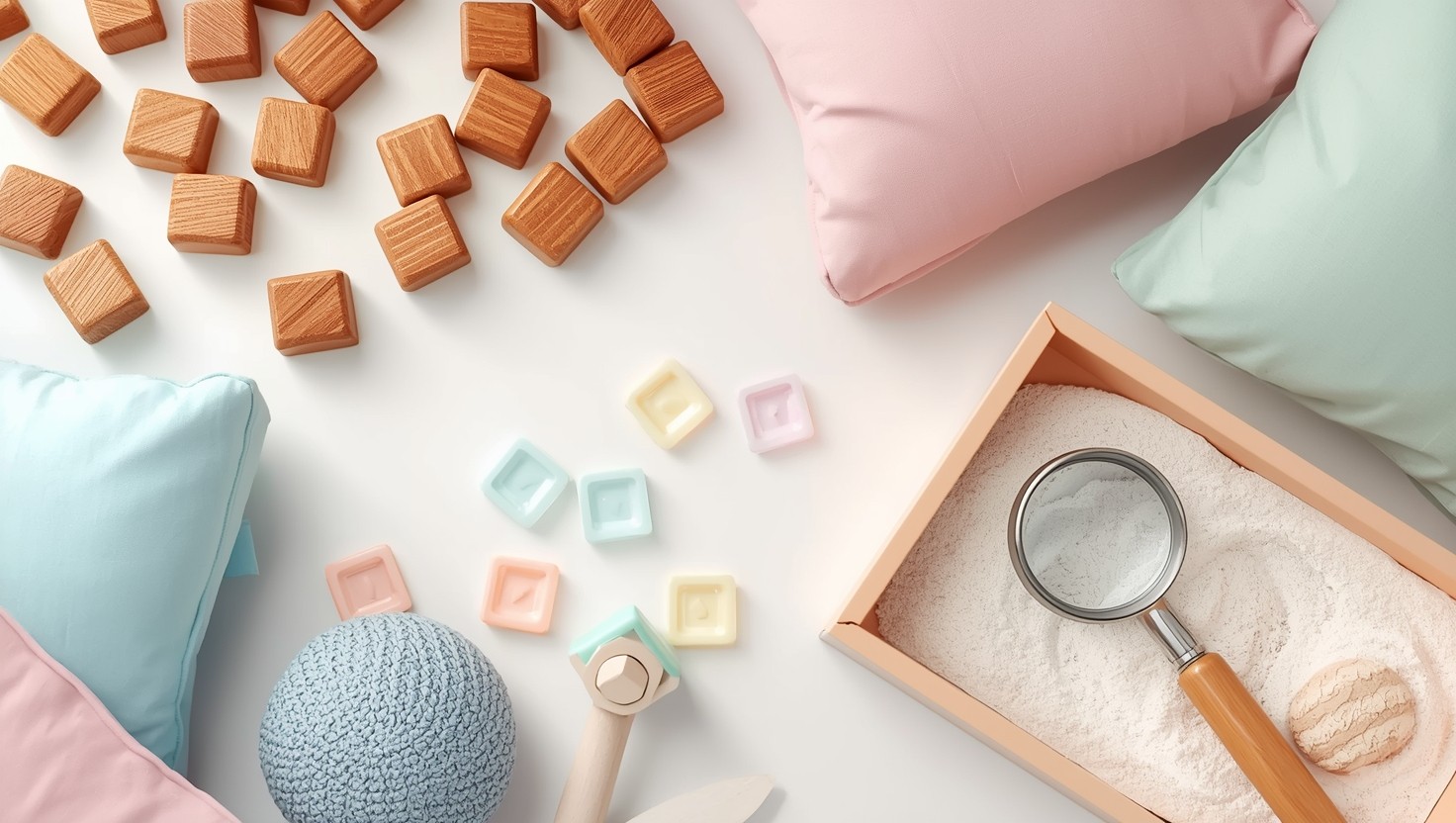
Are your students still mixing up 'b' and 'd' halfway through the year? Letter recognition games fix that faster than worksheets ever will. I've watched 5-year-olds who couldn't identify three letters play a simple matching game for ten minutes and suddenly spot the 'm' in their name. These aren't time-fillers. They're the heavy lifters of early literacy, especially when you need to build alphabet knowledge without sitting kids at desks for another block. When you choose the right game, you target the exact gap—whether it's letter naming, sound matching, or visual discrimination—without boring the kids who already know the alphabet.
But not all games work for every age. Preschoolers need multisensory activities—think sand trays and letter hunts—while first graders need games that connect letter identification to phonemic awareness. The mistake most teachers make is pulling a game from Pinterest that looks cute but doesn't target the specific skill gap they're seeing. I'll show you exactly which activities match which grade level, from pre-K through second grade, and how to fit them into your existing phonics instruction without sacrificing your schedule. You won't need special materials or extra prep time. Just strategies that work.
Still grading everything by hand?
EMStudio is a free teaching management app — manage your classes, students, lessons, and more!
Learn More

Still grading everything by hand?
EMStudio is a free teaching management app — manage your classes, students, lessons, and more!
Learn More
Table of Contents
What Are the Best Letter Recognition Games for Preschoolers?
The best letter recognition games for preschoolers combine tactile, visual, and auditory elements. Top choices include Magnetic Letter Fishing for fine motor skills, Alphabet Sensory Bins for exploration, Playdough Stamping for muscle memory, and Picture-Supported Bingo for group play. These multisensory approaches align with how 3-4 year olds naturally learn through play.
Three-year-olds don't learn letters by staring at flashcards. They need to feel, hear, and see the alphabet in action. When you combine multisensory learning with short bursts of play, you build the neural pathways that actually stick.
Research on emergent readers shows that activating multiple neural pathways strengthens retention. When a child traces a letter in sand while saying its sound, they're firing visual, tactile, and auditory circuits simultaneously. This is why effective letter recognition games for this age group always engage more than one sense. You aren't just teaching the alphabet; you're wiring the brain for reading before formal instruction begins.
Game | Prep Time | Best Group Size | Material Cost | Primary Skill Target |
|---|---|---|---|---|
Magnetic Letter Fishing | 10 minutes | 2-4 students | $15-$20 | Uppercase discrimination |
Alphabet Sensory Bin Explorations | 15 minutes | 2-3 students | $10-$25 | Uppercase identification |
Playdough Letter Stamping | 5 minutes | 1-4 students | $20-$25 | Uppercase formation |
Alphabet Bingo with Picture Support | 15 minutes | 2-12 students | $5-$10 | Uppercase discrimination |
Watch the choking hazards. Do not use small loose parts like beans, rice, or magnet pieces with children under 3 or any child who still mouths objects. I learned this the hard way when I had to sweep a bin of rice off the floor after a student dumped it to eat the pasta shapes. Also avoid competitive elimination formats where kids sit out after missing a letter; this creates anxiety in shy learners and defeats the purpose of play-based learning for early childhood.
Keep sessions short. Ten to twelve minutes is the maximum for three and four-year-olds before their attention evaporates. Focus on either uppercase OR lowercase letters during a single session, never both. Mixing cases initially confuses emergent readers who are still building alphabet knowledge. You can alternate days or weeks, but keep the target consistent within each game.
Magnetic Letter Fishing
You need three things: magnetic wands, foam letters with paper clips, and a basin lined with blue felt. The Learning Resources Primary Science wands survive being dropped on tile. The paper clips attach to the foam letters so the wand can grab them.
Learning Resources Primary Science wands (durable for drops)
Foam magnetic letters with paper clips attached
Plastic basin lined with blue felt to simulate water
Student uses the wand to "catch" a letter, names it aloud, and produces the sound. Correct answers stay; incorrect ones return to the pond. This creates natural repetition without shame.
Differentiate by shrinking the pond. For beginners, use only five target letters—start with the letters in the child's name. For advanced learners, require them to generate a word starting with that letter. I had a student who could name every letter but froze when asked for a word; this revealed the gap in his phonemic awareness immediately.
Alphabet Sensory Bin Explorations
Grab a 28-quart Sterilite bin and fill it with four pounds of dried material. Bury plastic uppercase letters inside. Add tools and a salt tray for tracing.
4 pounds dried rice or beans (or large pasta for mouthing risks)
Buried plastic uppercase letters
Wooden tongs or scoops (no hands allowed initially)
Adjacent salt tray for letter tracing
Student finds a letter using the tools, names it, and matches it to an alphabet chart at eye level. Then they trace that letter in the salt. The combination builds the pincer grip they'll need for pencils.
Safety warning: This requires close supervision. If a child puts objects in their mouth, skip the rice. Use large pasta shapes instead. I once called a parent because a student stuffed dried beans up his nose during independent center time. Now I only run this during small group with an adult at the bin.
Playdough Letter Stamping
You need playdough and stamps. Play-Doh holds shape better than homemade, and the Melissa & Doug Wooden Alphabet Stamp Set lasts for years. Add laminated letter formation mats showing proper stroke sequence.
Playdough (homemade or Play-Doh)
Melissa & Doug Wooden Alphabet Stamp Set
Laminated letter formation mats
Child rolls the dough flat, stamps the letter while saying the name and sound, then reforms the dough into the letter shape without the stamp. This second step builds proprioceptive memory—feeling the curves in three dimensions.
The resistive force develops hand strength for pencil grip. After six weeks of dough work during early literacy centers, my students' grip improved significantly. This is pre-writing occupational therapy disguised as fun.
Alphabet Bingo with Picture Support
Create 4x4 bingo grids with uppercase letters. You'll need picture calling cards and transparent chips. Make six unique boards to prevent simultaneous wins.
4x4 bingo grids with uppercase letters (6 unique boards)
Picture calling cards showing image with letter (A with apple)
Transparent bingo chips (100-pack)
Reveal a picture card. Students identify the initial sound and letter, then cover the match. First horizontal row wins. The picture support bridges the gap for kids who know sounds but forget shapes.
This works for 2 to 12 students. For larger classes, run multiple games with parent volunteers. I pair this with engaging preschool books for your classroom library time, matching the bingo letters to alphabet-themed stories. It keeps groups engaged while I assess who confuses B and D.
Which Alphabet Recognition Games Work Best for Kindergarten?
Kindergarten letter recognition games should bridge identification to phonemic awareness. Effective options include Letter Sound Matching Puzzles, Classroom Scavenger Hunts for kinesthetic learners, Interactive Whiteboard Tracing with immediate feedback, and Alphabet Relay Races. Research indicates immediate feedback during letter practice significantly accelerates mastery.
By age five, your students need more than alphabet knowledge. They need to hear the sounds. Games at this level must target CCSS RF.K.1d: recognizing and naming all upper- and lowercase letters. But they also need to push toward letter-sound correspondence. You are building the bridge to reading, not just naming flashcards. That distinction matters for early literacy outcomes.
Technology Integration: You need both low-tech and high-tech options.
Low-tech: Relay races and scavenger hunts embed multisensory learning through movement and spatial memory.
High-tech: Interactive whiteboards provide immediate feedback. Hattie's research shows an effect size of 0.73 for instant correction during letter identification drills.
Use high-tech for precise sound mapping and low-tech for phonics instruction reinforcement.
Stop using these as Friday rewards. When games with letters become dessert for finishing "real work," you waste their power. Integrate them as daily formative assessment. You need 80% of your class hitting accurate letter identification by year-end. That requires weekly data, not a fun Friday. Schedule them like you schedule math blocks.
Letter Sound Matching Puzzles
Use Lakeshore Learning Self-Checking Alphabet Puzzles or make your own with index cards cut into pairs. One piece shows the letter; the other shows a matching picture. Setup takes five minutes. Store pieces in labeled baggies for easy distribution.
Run this as an independent center for 10-12 minutes. The student completes the puzzle, says "B is for ball," and verifies the fit using the self-checking mechanism. It works for individuals or pairs. You will hear the room buzz with quiet letter chatter.
This targets both letter names and sounds. Track accuracy on a simple checklist: mastered, emerging, or not yet. Use that data to form your small groups for Monday. Kids love the tactile snap of a correct match.
The self-checking notch prevents arguments about correctness. You are free to pull small groups while this center runs itself.
Classroom Alphabet Scavenger Hunts
Post 26 uppercase or lowercase letter cards at eye level around the perimeter. Hide some in cubbies or bookshelves. Setup takes 10 minutes. Use colored cardstock to distinguish upper and lowercase sets.
Students carry clipboards with recording sheets showing an alphabet grid. They find each letter, check it off, and write or trace the letter in the corresponding box. This takes 15-20 minutes for the full alphabet. Struggling learners get modified 10-letter hunts focusing on this week's phonics targets. They still get the movement without the overwhelm.
This is pure kinesthetic learning. It targets letter identification and formation. Run it with the whole class or split into small groups of four.
The clipboard makes it feel official. Change the hiding spots weekly to keep the novelty alive. Kids will rush to see if the 'Q' moved to the window sill.
Interactive Whiteboard Letter Tracing
Use integrating interactive whiteboards in the classroom with SMART Notebook, Promethean ActivInspire, or ABCya.com's Alphabetical Order game. You need an interactive display or tablet. Setup is instant once the software loads. Bookmark the site for quick access.
Students trace letter paths with a stylus or finger. Correct strokes trigger auditory feedback stating the letter name and sound. Errors produce visual cues immediately. This targets letter names, sounds, and formation simultaneously. The instant response keeps them from practicing mistakes.
Station two to three students at the board while the rest practice on individual dry-erase boards at their desks. This maximizes active engagement time.
Rotate every five minutes to give everyone a turn at the screen. The stylus grip reinforces fine motor skills better than a finger alone. Offer stylus choice to increase buy-in.
Alphabet Relay Races
Divide the class into two teams. Place two sets of mixed laminated alphabet cards at the far end of a 20-foot cleared path. Setup takes seven minutes. Lamination ensures these last all year.
First student runs, grabs one letter, returns, tags the next teammate, and places the letter in alphabetical sequence on a floor mat. Continue until A-Z is complete. The winning team finishes first with the correct sequence. This takes 15 minutes. Watch them coach each other on letter order.
This is high-energy play-based learning ideas for kindergarten. It targets letter names and alphabetical order. Use with the whole class split into teams.
Safety first: Establish a "walking back" lane to prevent collisions. Require rubber-soled shoes. Use carpeted areas if possible. No running with objects in hands. I learned the shoe rule the hard way last October.
Debrief afterward by having each team read their sequence aloud. This adds auditory reinforcement to the physical activity.
What Letter Games Target First and Second Grade Skills?
For first and second graders, letter games should target advanced skills like prefixes, suffixes, and fluency. Effective choices include Prefix Hopscotch for morphology, Human Letter Formation for spelling words, Letter Basketball for rapid naming, and Musical Letters for automaticity. These support the shift from letter learning to word construction.
By first grade, the game changes. Students need speed and word parts, not basic alphabet songs.
Games for first graders and games for 2nd graders must build phonemic awareness into morphology and rapid automatized naming (RAN). If a child cannot identify letters automatically by October of first grade, stop. They need remediation using the kindergarten letter recognition games from Sections 1 and 2 first. Pushing prefixes on a student still mixing up b and d wastes everyone's time. Master letter identification before attempting these advanced activities.
Every game here uses materials already in your supply closet or costs less than $15 to implement. You need sidewalk chalk, masking tape, a Nerf hoop or laundry basket, and laminated letter cards. For high-poverty schools, this matters. Early literacy support shouldn't require a DonorsChoose grant or district approval for expensive kits.
Two of these four activities qualify as high-movement alternatives to desk work. Human Letter Formation and Prefix Hopscotch require full-body engagement. For students with ADHD or sensory processing needs, these provide the proprioceptive and vestibular input necessary for sustained attention. You get the phonics instruction done while they burn energy.
Grade-Level Adaptation Chart
1st Grade Modifications: Target CVC words and initial blends (bl, st, tr). Use single letters and short vowels. Require rapid naming and letter-sound correspondence only. Keep movement simple and predictable.
2nd Grade Modifications: Add prefixes (un-, re-, pre-) and suffixes (-ing, -ed). Target multisyllabic word construction. Require sentence-level application of blended words. Increase physical complexity of formations.
Prefix and Suffix Hopscotch
This prefix game transforms your sidewalk or carpet into a morphology lab. Draw or tape a hopscotch grid with four prefix squares (un-, re-, pre-, dis-) in the first row and four root word squares (lock, read, pay, agree) in the second. Students hop to a prefix, hop to a root, and immediately blend them aloud.
If they land on "re-" then "read," they must say "re-read" and use it in a sentence. Stumble on the blend? Start over. This mirrors the CCSS RF.1.3f (decode words with inflectional endings) and RF.2.3d (decode words with common prefixes and suffixes) standards without worksheet drudgery.
The hopping sequence builds multisensory learning through heavy gross motor engagement. Kids with ADHD or sensory needs get the proprioceptive input they crave while processing word parts. You will need outdoor space or a gymnasium for the full grid. Indoor classroom versions work with masking tape, but clear the desks first.
Human Letter Formation
This activity requires groups of 8-10 students to form one capital letter using their bodies lying on the floor or standing with arms extended. I photograph the results for digital portfolios or parent newsletters. It creates instant buy-in during phonics instruction.
Groups then form sequential letters to spell weekly spelling words or content vocabulary. During our states of matter unit, one group spelled "WATER" while another formed "SOLID." The physical negotiation of who represents which stroke forces students to analyze letter features deeply. Check phonics resources for elementary grades for word lists that pair well with this activity.
You need a gymnasium, multipurpose room, or outdoor grassy area minimum 20x20 feet. Standard classrooms cannot accommodate this unless you completely remove furniture. Schedule this during PE time or outdoor recess rotations. The space requirement is non-negotiable; cramped formations create safety hazards and frustration.
Letter Basketball Shoot
Set up a trash can, Nerf hoop, or laundry basket at a six-foot distance. Place foam alphabet letters or laminated letter cards in a draw bag behind a taped shooting line. Students draw a card, rapidly name the letter and produce its sound within three seconds, then attempt the shot.
Award points for both the academic response and the basket. The three-second countdown builds automaticity pressure without anxiety. For 2nd grade enrichment, replace single letters with digraph cards (sh, th, ch, wh) or inflectional ending cards (-ed, -ing, -s). This shifts the task from alphabet knowledge to advanced phonics patterns while maintaining the kinesthetic hook.
The setup costs nothing if you own a trash can and tape. Foam letters run about $12 on Amazon if your district didn't provide them. Use crumpled paper balls if you lack Nerf balls. This is the perfect indoor rainy-day activity that burns energy while drilling RAN skills.
Musical Letters Challenge
Place one laminated letter card per student in a circle on the floor. When the music plays, students walk around the perimeter. Stop the music randomly. Each student grabs the nearest card, names the letter, and generates a word beginning with that sound within a three-second countdown.
If they fail to name the letter or produce a word, they return the card to the circle and sit out one round. This creates natural peer tutoring; eliminated students watch others model correct responses. The elimination mechanic builds urgency without public humiliation, as rounds reset quickly.
This targets fluency and letter identification speed essential for early literacy development. The walking component provides vestibular stimulation that helps kinesthetic learners focus. Unlike seated flashcard drills, this keeps bodies in motion. Use tactile learning strategies for young students like carpet squares to define spaces and prevent collisions.

How Do You Implement These Games Without Losing Instructional Time?
Implement letter recognition games without losing instructional time by integrating them into transitions, center rotations, and existing routines. Schedule 10-15 minute sessions during literacy blocks, use games as formative assessment tools rather than rewards, and align activities with specific standards like CCSS RF.K.1d. Avoid using games purely as entertainment without learning targets.
Find the Time You Already Have
Step 1: Audit your schedule for transition dead time. Look at lining up, early finishers, or pre-lunch gaps. Step 2: Insert 5-7 minute micro-games during these moments. You are not adding time. You are replacing dead minutes with phonemic awareness and alphabet knowledge practice. This approach embodies time-saving classroom hacks that respect early literacy instruction. Last year, I kept a basket of letter cards by the door. We played "Quick Draw" for two minutes before walking to specials. Those minutes added up to serious gains without touching my reading block.
Prep matters. Keep game materials in five gallon buckets by your door. When you spot three minutes of dead time, grab a bucket, not your lesson plan book. Classroom management games that work rely on accessibility, not elaborate setup.
Who Gets Which Game?
Differentiation matters. You would not give the same book to every reader. Apply that logic to letter identification practice. Use this flowchart to match the activity to the student:
If students fall below the 50th percentile in letter ID, use Section 1 games daily for intensive intervention.
If students meet benchmark, use Section 3 games for enrichment and extension.
If your class size exceeds 25, avoid games requiring individual turns. Whole-group or pair formats keep everyone engaged.
If you have para support, station them at the letter game rotation to ensure fidelity.
This prevents forcing advanced students through redundant drills while struggling kids get stuck with busywork. Match the game to the need.
Don't Use Games as Candy
Never use these games with letters as rewards for completing worksheets. That undermines their instructional value and wastes phonics instruction time. Instead, collect data from letter recognition games and look for 80% accuracy. Use these results to drive small group rotations. When you treat multisensory learning as assessment rather than entertainment, you respect both the tool and your students' time. I learned this the hard way when I realized my "fun Friday" letter bingo was not helping my bottom group master sounds. Now I track responses on a clipboard during the game. That data shapes my Monday reteach groups.
Budget Your Minutes
Cap daily game time at 10-12 minutes for preschool and kindergarten, and 15 minutes for first and second grade. Schedule these during literacy centers using four 15-minute rotations. Assign kindergarten letter recognition games to one rotation station while you conduct guided reading with another group. This method supports integrating educational tools seamlessly into lesson plans without disrupting core instruction. Keep timers visible. When the sand runs out, the game ends. This prevents letter practice from bleeding into math time. Consistency beats intensity. Ten minutes daily beats a thirty-minute session once a week.
Your Next Move with Letter Recognition Games
You do not need every game on this list. Pick one that matches where your students struggle right now. If your preschoolers need help with letter identification and cannot tell b from d, start with a visual discrimination game. If your second graders are guessing at sight words, try the spelling pattern games. Match the tool to the gap in their alphabet knowledge.
Stop planning and start playing. Pull one game from this list and schedule it for tomorrow's small group. Set a timer for ten minutes. Watch which kids light up and which ones still mix up their letters. That data tells you exactly where to focus next.
Your first step today? Open your plan book and block out ten minutes for a letter recognition game tomorrow. Pick the game now while it is fresh. Write the materials you need on a sticky note. Early literacy grows one letter at a time, and tomorrow morning starts with that single decision.
What Are the Best Letter Recognition Games for Preschoolers?
The best letter recognition games for preschoolers combine tactile, visual, and auditory elements. Top choices include Magnetic Letter Fishing for fine motor skills, Alphabet Sensory Bins for exploration, Playdough Stamping for muscle memory, and Picture-Supported Bingo for group play. These multisensory approaches align with how 3-4 year olds naturally learn through play.
Three-year-olds don't learn letters by staring at flashcards. They need to feel, hear, and see the alphabet in action. When you combine multisensory learning with short bursts of play, you build the neural pathways that actually stick.
Research on emergent readers shows that activating multiple neural pathways strengthens retention. When a child traces a letter in sand while saying its sound, they're firing visual, tactile, and auditory circuits simultaneously. This is why effective letter recognition games for this age group always engage more than one sense. You aren't just teaching the alphabet; you're wiring the brain for reading before formal instruction begins.
Game | Prep Time | Best Group Size | Material Cost | Primary Skill Target |
|---|---|---|---|---|
Magnetic Letter Fishing | 10 minutes | 2-4 students | $15-$20 | Uppercase discrimination |
Alphabet Sensory Bin Explorations | 15 minutes | 2-3 students | $10-$25 | Uppercase identification |
Playdough Letter Stamping | 5 minutes | 1-4 students | $20-$25 | Uppercase formation |
Alphabet Bingo with Picture Support | 15 minutes | 2-12 students | $5-$10 | Uppercase discrimination |
Watch the choking hazards. Do not use small loose parts like beans, rice, or magnet pieces with children under 3 or any child who still mouths objects. I learned this the hard way when I had to sweep a bin of rice off the floor after a student dumped it to eat the pasta shapes. Also avoid competitive elimination formats where kids sit out after missing a letter; this creates anxiety in shy learners and defeats the purpose of play-based learning for early childhood.
Keep sessions short. Ten to twelve minutes is the maximum for three and four-year-olds before their attention evaporates. Focus on either uppercase OR lowercase letters during a single session, never both. Mixing cases initially confuses emergent readers who are still building alphabet knowledge. You can alternate days or weeks, but keep the target consistent within each game.
Magnetic Letter Fishing
You need three things: magnetic wands, foam letters with paper clips, and a basin lined with blue felt. The Learning Resources Primary Science wands survive being dropped on tile. The paper clips attach to the foam letters so the wand can grab them.
Learning Resources Primary Science wands (durable for drops)
Foam magnetic letters with paper clips attached
Plastic basin lined with blue felt to simulate water
Student uses the wand to "catch" a letter, names it aloud, and produces the sound. Correct answers stay; incorrect ones return to the pond. This creates natural repetition without shame.
Differentiate by shrinking the pond. For beginners, use only five target letters—start with the letters in the child's name. For advanced learners, require them to generate a word starting with that letter. I had a student who could name every letter but froze when asked for a word; this revealed the gap in his phonemic awareness immediately.
Alphabet Sensory Bin Explorations
Grab a 28-quart Sterilite bin and fill it with four pounds of dried material. Bury plastic uppercase letters inside. Add tools and a salt tray for tracing.
4 pounds dried rice or beans (or large pasta for mouthing risks)
Buried plastic uppercase letters
Wooden tongs or scoops (no hands allowed initially)
Adjacent salt tray for letter tracing
Student finds a letter using the tools, names it, and matches it to an alphabet chart at eye level. Then they trace that letter in the salt. The combination builds the pincer grip they'll need for pencils.
Safety warning: This requires close supervision. If a child puts objects in their mouth, skip the rice. Use large pasta shapes instead. I once called a parent because a student stuffed dried beans up his nose during independent center time. Now I only run this during small group with an adult at the bin.
Playdough Letter Stamping
You need playdough and stamps. Play-Doh holds shape better than homemade, and the Melissa & Doug Wooden Alphabet Stamp Set lasts for years. Add laminated letter formation mats showing proper stroke sequence.
Playdough (homemade or Play-Doh)
Melissa & Doug Wooden Alphabet Stamp Set
Laminated letter formation mats
Child rolls the dough flat, stamps the letter while saying the name and sound, then reforms the dough into the letter shape without the stamp. This second step builds proprioceptive memory—feeling the curves in three dimensions.
The resistive force develops hand strength for pencil grip. After six weeks of dough work during early literacy centers, my students' grip improved significantly. This is pre-writing occupational therapy disguised as fun.
Alphabet Bingo with Picture Support
Create 4x4 bingo grids with uppercase letters. You'll need picture calling cards and transparent chips. Make six unique boards to prevent simultaneous wins.
4x4 bingo grids with uppercase letters (6 unique boards)
Picture calling cards showing image with letter (A with apple)
Transparent bingo chips (100-pack)
Reveal a picture card. Students identify the initial sound and letter, then cover the match. First horizontal row wins. The picture support bridges the gap for kids who know sounds but forget shapes.
This works for 2 to 12 students. For larger classes, run multiple games with parent volunteers. I pair this with engaging preschool books for your classroom library time, matching the bingo letters to alphabet-themed stories. It keeps groups engaged while I assess who confuses B and D.
Which Alphabet Recognition Games Work Best for Kindergarten?
Kindergarten letter recognition games should bridge identification to phonemic awareness. Effective options include Letter Sound Matching Puzzles, Classroom Scavenger Hunts for kinesthetic learners, Interactive Whiteboard Tracing with immediate feedback, and Alphabet Relay Races. Research indicates immediate feedback during letter practice significantly accelerates mastery.
By age five, your students need more than alphabet knowledge. They need to hear the sounds. Games at this level must target CCSS RF.K.1d: recognizing and naming all upper- and lowercase letters. But they also need to push toward letter-sound correspondence. You are building the bridge to reading, not just naming flashcards. That distinction matters for early literacy outcomes.
Technology Integration: You need both low-tech and high-tech options.
Low-tech: Relay races and scavenger hunts embed multisensory learning through movement and spatial memory.
High-tech: Interactive whiteboards provide immediate feedback. Hattie's research shows an effect size of 0.73 for instant correction during letter identification drills.
Use high-tech for precise sound mapping and low-tech for phonics instruction reinforcement.
Stop using these as Friday rewards. When games with letters become dessert for finishing "real work," you waste their power. Integrate them as daily formative assessment. You need 80% of your class hitting accurate letter identification by year-end. That requires weekly data, not a fun Friday. Schedule them like you schedule math blocks.
Letter Sound Matching Puzzles
Use Lakeshore Learning Self-Checking Alphabet Puzzles or make your own with index cards cut into pairs. One piece shows the letter; the other shows a matching picture. Setup takes five minutes. Store pieces in labeled baggies for easy distribution.
Run this as an independent center for 10-12 minutes. The student completes the puzzle, says "B is for ball," and verifies the fit using the self-checking mechanism. It works for individuals or pairs. You will hear the room buzz with quiet letter chatter.
This targets both letter names and sounds. Track accuracy on a simple checklist: mastered, emerging, or not yet. Use that data to form your small groups for Monday. Kids love the tactile snap of a correct match.
The self-checking notch prevents arguments about correctness. You are free to pull small groups while this center runs itself.
Classroom Alphabet Scavenger Hunts
Post 26 uppercase or lowercase letter cards at eye level around the perimeter. Hide some in cubbies or bookshelves. Setup takes 10 minutes. Use colored cardstock to distinguish upper and lowercase sets.
Students carry clipboards with recording sheets showing an alphabet grid. They find each letter, check it off, and write or trace the letter in the corresponding box. This takes 15-20 minutes for the full alphabet. Struggling learners get modified 10-letter hunts focusing on this week's phonics targets. They still get the movement without the overwhelm.
This is pure kinesthetic learning. It targets letter identification and formation. Run it with the whole class or split into small groups of four.
The clipboard makes it feel official. Change the hiding spots weekly to keep the novelty alive. Kids will rush to see if the 'Q' moved to the window sill.
Interactive Whiteboard Letter Tracing
Use integrating interactive whiteboards in the classroom with SMART Notebook, Promethean ActivInspire, or ABCya.com's Alphabetical Order game. You need an interactive display or tablet. Setup is instant once the software loads. Bookmark the site for quick access.
Students trace letter paths with a stylus or finger. Correct strokes trigger auditory feedback stating the letter name and sound. Errors produce visual cues immediately. This targets letter names, sounds, and formation simultaneously. The instant response keeps them from practicing mistakes.
Station two to three students at the board while the rest practice on individual dry-erase boards at their desks. This maximizes active engagement time.
Rotate every five minutes to give everyone a turn at the screen. The stylus grip reinforces fine motor skills better than a finger alone. Offer stylus choice to increase buy-in.
Alphabet Relay Races
Divide the class into two teams. Place two sets of mixed laminated alphabet cards at the far end of a 20-foot cleared path. Setup takes seven minutes. Lamination ensures these last all year.
First student runs, grabs one letter, returns, tags the next teammate, and places the letter in alphabetical sequence on a floor mat. Continue until A-Z is complete. The winning team finishes first with the correct sequence. This takes 15 minutes. Watch them coach each other on letter order.
This is high-energy play-based learning ideas for kindergarten. It targets letter names and alphabetical order. Use with the whole class split into teams.
Safety first: Establish a "walking back" lane to prevent collisions. Require rubber-soled shoes. Use carpeted areas if possible. No running with objects in hands. I learned the shoe rule the hard way last October.
Debrief afterward by having each team read their sequence aloud. This adds auditory reinforcement to the physical activity.
What Letter Games Target First and Second Grade Skills?
For first and second graders, letter games should target advanced skills like prefixes, suffixes, and fluency. Effective choices include Prefix Hopscotch for morphology, Human Letter Formation for spelling words, Letter Basketball for rapid naming, and Musical Letters for automaticity. These support the shift from letter learning to word construction.
By first grade, the game changes. Students need speed and word parts, not basic alphabet songs.
Games for first graders and games for 2nd graders must build phonemic awareness into morphology and rapid automatized naming (RAN). If a child cannot identify letters automatically by October of first grade, stop. They need remediation using the kindergarten letter recognition games from Sections 1 and 2 first. Pushing prefixes on a student still mixing up b and d wastes everyone's time. Master letter identification before attempting these advanced activities.
Every game here uses materials already in your supply closet or costs less than $15 to implement. You need sidewalk chalk, masking tape, a Nerf hoop or laundry basket, and laminated letter cards. For high-poverty schools, this matters. Early literacy support shouldn't require a DonorsChoose grant or district approval for expensive kits.
Two of these four activities qualify as high-movement alternatives to desk work. Human Letter Formation and Prefix Hopscotch require full-body engagement. For students with ADHD or sensory processing needs, these provide the proprioceptive and vestibular input necessary for sustained attention. You get the phonics instruction done while they burn energy.
Grade-Level Adaptation Chart
1st Grade Modifications: Target CVC words and initial blends (bl, st, tr). Use single letters and short vowels. Require rapid naming and letter-sound correspondence only. Keep movement simple and predictable.
2nd Grade Modifications: Add prefixes (un-, re-, pre-) and suffixes (-ing, -ed). Target multisyllabic word construction. Require sentence-level application of blended words. Increase physical complexity of formations.
Prefix and Suffix Hopscotch
This prefix game transforms your sidewalk or carpet into a morphology lab. Draw or tape a hopscotch grid with four prefix squares (un-, re-, pre-, dis-) in the first row and four root word squares (lock, read, pay, agree) in the second. Students hop to a prefix, hop to a root, and immediately blend them aloud.
If they land on "re-" then "read," they must say "re-read" and use it in a sentence. Stumble on the blend? Start over. This mirrors the CCSS RF.1.3f (decode words with inflectional endings) and RF.2.3d (decode words with common prefixes and suffixes) standards without worksheet drudgery.
The hopping sequence builds multisensory learning through heavy gross motor engagement. Kids with ADHD or sensory needs get the proprioceptive input they crave while processing word parts. You will need outdoor space or a gymnasium for the full grid. Indoor classroom versions work with masking tape, but clear the desks first.
Human Letter Formation
This activity requires groups of 8-10 students to form one capital letter using their bodies lying on the floor or standing with arms extended. I photograph the results for digital portfolios or parent newsletters. It creates instant buy-in during phonics instruction.
Groups then form sequential letters to spell weekly spelling words or content vocabulary. During our states of matter unit, one group spelled "WATER" while another formed "SOLID." The physical negotiation of who represents which stroke forces students to analyze letter features deeply. Check phonics resources for elementary grades for word lists that pair well with this activity.
You need a gymnasium, multipurpose room, or outdoor grassy area minimum 20x20 feet. Standard classrooms cannot accommodate this unless you completely remove furniture. Schedule this during PE time or outdoor recess rotations. The space requirement is non-negotiable; cramped formations create safety hazards and frustration.
Letter Basketball Shoot
Set up a trash can, Nerf hoop, or laundry basket at a six-foot distance. Place foam alphabet letters or laminated letter cards in a draw bag behind a taped shooting line. Students draw a card, rapidly name the letter and produce its sound within three seconds, then attempt the shot.
Award points for both the academic response and the basket. The three-second countdown builds automaticity pressure without anxiety. For 2nd grade enrichment, replace single letters with digraph cards (sh, th, ch, wh) or inflectional ending cards (-ed, -ing, -s). This shifts the task from alphabet knowledge to advanced phonics patterns while maintaining the kinesthetic hook.
The setup costs nothing if you own a trash can and tape. Foam letters run about $12 on Amazon if your district didn't provide them. Use crumpled paper balls if you lack Nerf balls. This is the perfect indoor rainy-day activity that burns energy while drilling RAN skills.
Musical Letters Challenge
Place one laminated letter card per student in a circle on the floor. When the music plays, students walk around the perimeter. Stop the music randomly. Each student grabs the nearest card, names the letter, and generates a word beginning with that sound within a three-second countdown.
If they fail to name the letter or produce a word, they return the card to the circle and sit out one round. This creates natural peer tutoring; eliminated students watch others model correct responses. The elimination mechanic builds urgency without public humiliation, as rounds reset quickly.
This targets fluency and letter identification speed essential for early literacy development. The walking component provides vestibular stimulation that helps kinesthetic learners focus. Unlike seated flashcard drills, this keeps bodies in motion. Use tactile learning strategies for young students like carpet squares to define spaces and prevent collisions.
How Do You Implement These Games Without Losing Instructional Time?
Implement letter recognition games without losing instructional time by integrating them into transitions, center rotations, and existing routines. Schedule 10-15 minute sessions during literacy blocks, use games as formative assessment tools rather than rewards, and align activities with specific standards like CCSS RF.K.1d. Avoid using games purely as entertainment without learning targets.
Find the Time You Already Have
Step 1: Audit your schedule for transition dead time. Look at lining up, early finishers, or pre-lunch gaps. Step 2: Insert 5-7 minute micro-games during these moments. You are not adding time. You are replacing dead minutes with phonemic awareness and alphabet knowledge practice. This approach embodies time-saving classroom hacks that respect early literacy instruction. Last year, I kept a basket of letter cards by the door. We played "Quick Draw" for two minutes before walking to specials. Those minutes added up to serious gains without touching my reading block.
Prep matters. Keep game materials in five gallon buckets by your door. When you spot three minutes of dead time, grab a bucket, not your lesson plan book. Classroom management games that work rely on accessibility, not elaborate setup.
Who Gets Which Game?
Differentiation matters. You would not give the same book to every reader. Apply that logic to letter identification practice. Use this flowchart to match the activity to the student:
If students fall below the 50th percentile in letter ID, use Section 1 games daily for intensive intervention.
If students meet benchmark, use Section 3 games for enrichment and extension.
If your class size exceeds 25, avoid games requiring individual turns. Whole-group or pair formats keep everyone engaged.
If you have para support, station them at the letter game rotation to ensure fidelity.
This prevents forcing advanced students through redundant drills while struggling kids get stuck with busywork. Match the game to the need.
Don't Use Games as Candy
Never use these games with letters as rewards for completing worksheets. That undermines their instructional value and wastes phonics instruction time. Instead, collect data from letter recognition games and look for 80% accuracy. Use these results to drive small group rotations. When you treat multisensory learning as assessment rather than entertainment, you respect both the tool and your students' time. I learned this the hard way when I realized my "fun Friday" letter bingo was not helping my bottom group master sounds. Now I track responses on a clipboard during the game. That data shapes my Monday reteach groups.
Budget Your Minutes
Cap daily game time at 10-12 minutes for preschool and kindergarten, and 15 minutes for first and second grade. Schedule these during literacy centers using four 15-minute rotations. Assign kindergarten letter recognition games to one rotation station while you conduct guided reading with another group. This method supports integrating educational tools seamlessly into lesson plans without disrupting core instruction. Keep timers visible. When the sand runs out, the game ends. This prevents letter practice from bleeding into math time. Consistency beats intensity. Ten minutes daily beats a thirty-minute session once a week.
Your Next Move with Letter Recognition Games
You do not need every game on this list. Pick one that matches where your students struggle right now. If your preschoolers need help with letter identification and cannot tell b from d, start with a visual discrimination game. If your second graders are guessing at sight words, try the spelling pattern games. Match the tool to the gap in their alphabet knowledge.
Stop planning and start playing. Pull one game from this list and schedule it for tomorrow's small group. Set a timer for ten minutes. Watch which kids light up and which ones still mix up their letters. That data tells you exactly where to focus next.
Your first step today? Open your plan book and block out ten minutes for a letter recognition game tomorrow. Pick the game now while it is fresh. Write the materials you need on a sticky note. Early literacy grows one letter at a time, and tomorrow morning starts with that single decision.
Still grading everything by hand?
EMStudio is a free teaching management app — manage your classes, students, lessons, and more!
Learn More
Still grading everything by hand?
EMStudio is a free teaching management app — manage your classes, students, lessons, and more!
Learn More



Notion4Teachers
Notion templates to simplify administrative tasks and enhance your teaching experience.



2026 Notion4Teachers. All Rights Reserved.
Notion4Teachers
Notion templates to simplify administrative tasks and enhance your teaching experience.
2026 Notion4Teachers. All Rights Reserved.
Notion4Teachers
Notion templates to simplify administrative tasks and enhance your teaching experience.
2026 Notion4Teachers. All Rights Reserved.