15 Phonics Books for Every Elementary Grade
15 Phonics Books for Every Elementary Grade

Article by
Milo
ESL Content Coordinator & Educator
ESL Content Coordinator & Educator
All Posts
You don't need a classroom library the size of a bookstore to teach kids to read. You need the right phonics books, and about twenty decodable readers will do more good than two hundred random titles collecting dust on your shelves. After fifteen years in elementary classrooms, I've watched systematic phonics instruction transform struggling readers into confident ones while leveled libraries just sit there looking pretty. The difference isn't the quantity on your shelves. It's whether those books actually match the sounds your kids are learning that week.
The market is flooded with options claiming to build phonemic awareness or follow Orton-Gillingham principles. Most waste your time and district money. This list cuts through the noise. I've personally used these books with 5-year-olds just learning CVC words, 2nd graders tackling consonant blends, and 4th graders who still need structured phonics support because they never got it the first time around.
You'll find specific recommendations for every elementary grade. I cover the best phonics books for kindergarten, top picks for 1st grade reading fluency, free options that actually work for 2nd and 3rd graders, and essential titles for 4th graders who need more than just "read more" advice. These are the books that sit in my actual classroom right now, not theoretical suggestions from a curriculum catalog.
Still grading everything by hand?
EMStudio is a free teaching management app — manage your classes, students, lessons, and more!
Learn More

Still grading everything by hand?
EMStudio is a free teaching management app — manage your classes, students, lessons, and more!
Learn More
Table of Contents
What Are the Best Phonics Books for 5 Year Olds?
The best phonics books for 5 year olds include Bob Books Set 1 for CVC pattern mastery, Hooked on Phonics Pre-K for systematic letter-sound introduction, and the I Can Read Phonics Box Set featuring Pete the Cat for engaging short vowel practice. These focus on consonant-vowel-consonant words using cumulative, explicit instruction methods.
Five-year-olds need decodable readers that match their developmental stage. You want books that build confidence, not frustration. Start with titles that isolate specific sound patterns.
Before you buy, check your child's readiness. Most 5-year-olds should master 20 or more letter sounds before opening systematic phonics books for 5 year olds. If they struggle to identify "b" from "d," step back to evidence-based instruction through the science of reading focused on phonemic awareness first.
Bob Books Set 1 ($16.99): Cumulative sequence introducing letters gradually, starting with "Mat"
Hooked on Phonics Pre-K ($49.99): Explicit systematic approach with multimedia components
I Can Read Phonics Box ($11.99): Character-driven stories featuring Pete the Cat for motivation
All three target CVC words exclusively. They stop at short vowels and simple consonants. You won't find vowel teams like "ai" or "oa" here. These are starter sets, not comprehensive programs. Use them for the first six months of reading instruction.
Bob Books: Sight Words for Kindergarten
Set 1 contains 12 slim paperbacks progressing from "Mat" to complex CVC words. Book 1 introduces only eight letters: m, a, t, s, c, d, r, h. The 4.5 x 5.5-inch format fits small hands, and the black-and-white line drawings eliminate visual clutter that competes with text.
Your child needs at least ten letter sounds to start. The books cover short vowels a, e, i, o, u with consonants like m, s, and t. I keep these in my kindergarten classroom library for independent reading practice during center time. The sequence follows Orton-Gillingham principles of isolating and mastering specific phonemes before advancing.
Hooked on Phonics Learn to Read: Pre-K Edition
The Pre-K box includes 28 lesson cards, two workbooks, two storybooks, a DVD, stickers, and an app access code. It teaches uppercase letter recognition and corresponding sounds only. Blending instruction waits until the Kindergarten level.
At $49.99 retail (often $35 on Amazon), it lasts three to six months with daily 15-minute lessons. This is hooked on phonics reading at its most structured. The scripted lessons help if you're not sure how to teach letter sounds systematically.
I Can Read! Phonics Box Set: Short Vowels
The "Pete the Cat 12-Book Phonics Fun!" set covers short a (cat), short e (pet), short i (pig), short o (dog), short u (bug), plus beginning blends like bl-, cr-, and st-. These i can read phonics books work best for ages 4-6 who know the alphabet but freeze when blending sounds into words.
The character hook matters. Kids who resist traditional texts or personalized storybooks that make kids the hero often engage with Pete's repetitive patterns. Each book reinforces one vowel sound with simple consonant blends to build reading fluency.
Top Phonics Reading Books for 1st Grade
First graders need to hit 60 words correct per minute by June. That's the benchmark that predicts long-term success. John Hattie's research backs this up: systematic phonics instruction shows an effect size of 0.60, which puts it in the "high impact" zone for early reading achievement. But here's where it gets tricky. You can't just drill CVC words forever.
These kids need to master consonant blends—the jump from "cat" to "lamp" and "crash"—without skipping steps. The best phonics books for this age handle that transition explicitly. When selecting phonics reading books, you have three solid approaches: workbooks that build stamina, decodable readers that build reading fluency, and scripted lessons for parents or paras. Transform your literacy instruction by matching the tool to your context.
Explode the Code 1: Essential Lessons for Beginners
Explode the Code 1 gives you 106 lessons in a consumable workbook format. Each page is split in half—short exercises on one side, manuscript handwriting practice on the other. Kids trace letters while saying sounds, which locks in phonemic awareness through muscle memory.
The retail price sits around $10.50 per book. That's cheap enough to buy a set for your pull-out intervention group of 4-6 students and let them write directly in the pages. No prep, no copies, no fuss. I keep a stack in my intervention cart and replace them every spring.
It starts cold with consonant sounds—b, f, m, k, p, s. No prior phonics knowledge required. I've used this with 1st graders who were still guessing at words in October. By lesson 30, they were isolating initial sounds automatically. The Orton-Gillingham sequence is baked in, but invisible to the kids.
Primary Phonics Storybooks Set 1: Consonant Sounds
Primary Phonics Storybooks Set 1 gives you 10 books with 16 pages each. The text is locked down tight—only short vowels and single consonants like "sat," "fan," and "hop." No sight words slipped in to trip up your struggling decoders.
Published by EPS (School Specialty), these follow Orton-Gillingham principles strictly. The full set runs about $28, which works out to less than $3 per book. I keep a set in my reading corner for students who need decodable readers that actually look like real books, not worksheets. They hold up surprisingly well if you tape the spines.
Here's the differentiator: unlike Bob Books' abstract line drawings, these have narrative illustrations that help 6-year-olds follow the plot. When Jam trips on the mat, kids see the expression on his face. That visual context supports proven comprehension strategies even while they're sounding out every word.
The Reading Lesson: Teach Your Child to Read in 20 Easy Lessons
The Reading Lesson: Teach Your Child to Read in 20 Easy Lessons breaks the process into 20 sessions that take 15-20 minutes each. It's scripted for parents or paraprofessionals—perfect for sending home with a family who wants to help but doesn't know how.
The method is controversial. It teaches whole words alongside phonics using an embedded phonics approach. Purists hate it, but I've seen it work for visual learners who stall out on pure segmentation drills. The book costs $14.95 and it's non-consumable, so have kids write answers on separate paper or a whiteboard to preserve it for the next child.
Use this when you need consistency between home and school. The script removes guesswork—everyone says the same prompts, every time. That's gold for maintaining fidelity when you're not the one delivering the lesson. I've sent this home with paraprofessionals running before-school tutoring, and the results matched what I got in my own small groups.
Which Free Books Work Best for 2nd Graders?
The best free books for 2nd graders include Starfall's Learn to Read Digital Library for interactive phonics games, Reading A-Z's decodable readers available through 14-day free trials, and Project Gutenberg's McGuffey Readers for public domain remedial texts. These provide systematic phonics practice without subscription costs while targeting consonant blends and long vowel patterns.
Be honest about "free" tiers. Starfall limits you to sample content. Reading A-Z requires that trial sign-up. Only Project Gutenberg offers unlimited public domain access. At this age, focus on blends like "tr-" and "spl-," plus vowel teams including "ea" and silent-e patterns.
Avoid apps masquerading as free books for 2nd graders that interrupt every page with in-app purchase prompts. These breaks destroy reading fluency and train students to click "buy" instead of sounding out words.
Starfall: Instant browser access but limited to 6-8 books; ideal for quick literacy centers.
Reading A-Z: Full systematic scope for 14 days only; requires printing and prep time.
Project Gutenberg: Completely free forever; text-only format suits remedial older students best.
Starfall Learn to Read Digital Library
The free tier gives you access to six or eight phonics books from their "Learn to Read" series and matching games. That's the limit. To unlock the full library with all the decodable readers, you're looking at $35 per teacher per year.
It runs on HTML5 in any browser. No app installation required means it works flawlessly on district Chromebooks and those old Android tablets collecting dust in the back of your closet. Students simply click, drag, and sort without waiting for downloads.
I use this during 15-minute literacy center rotations while I pull small groups. The short and long vowel sorting games reinforce phonemic awareness without demanding constant teacher supervision. Students stay engaged while you focus on intensive Orton-Gillingham interventions with struggling readers.
Reading A-Z Decodable Book Collection
The 14-day free trial unlocks every level from aa to Z. You get 100-plus decodable readers and complete phonics lesson sequences. Download everything immediately before the trial expires.
These aren't meant for screens alone. Each book downloads as a PDF designed for printing, folding, and stapling into take-home books. I send them home weekly so parents see exactly what CVC words and consonant blends we're practicing in class.
The books follow Reading A-Z's exact scope and sequence. When your lessons hit r-controlled vowels or multisyllabic words, the matching books appear in your account instantly. This alignment beats hunting through random free books for 2nd graders that never match your weekly target skills.
Project Gutenberg: Early Reader Classics
This is the only truly free option with no strings attached. Download the McGuffey Eclectic Primer from 1879, Free and Treadwell Primers, and other public domain texts immediately. No trials, no memberships, no expiration dates.
The format is bare bones. You get plain text or basic PDFs without colorful illustrations or modern characters. These won't replace big books for elementary reading programs, but they serve a specific remedial purpose.
Use these with older struggling readers in grades 3-5 who need simple texts without the "baby book" stigma. A fifth grader reading the McGuffey Primer avoids the embarrassment of holding a colorful phonics book meant for kindergarteners. The vintage language actually feels grown-up to them while building reading fluency.
Best Free Online Books for 3rd Graders
By third grade, your students need to clear the 90 WCPM benchmark. That is the hard line between learning to read and reading to learn. If they are stumbling over decodable readers with consonant blends, they will miss the science content waiting in those same textbooks.
This is the year of multisyllabic decoding. Your kids need exposure to 2-3 syllable words using all six syllable types. The platforms below handle this scale differently:
Epic School: 40,000 books, free teacher access, robust filtering for phonics.
Oxford Owl: 250 curated titles, requires registration, classic Orton-Gillingham sequences.
Storyline Online: Video format, zero login friction, best used for fluency modeling.
Access varies widely. Epic School is free for educators but locks parents out without an $11.99 monthly fee. Oxford Owl demands a valid school email and verification. Storyline Online requires no credentials whatsoever.
Epic! Phonics and Decodable Books Collection
Epic School remains the heavyweight for free online books for 3rd graders. You get 40,000 titles, but the real value is the filter for phonics books and "Decodable" tags. That narrows it to 500+ titles that actually build phonemic awareness rather than just entertaining.
The Read-to-Me audio support helps when you are pulling small groups. Kids hear fluent pronunciation while following text, and the built-in dictionary keeps them from guessing wildly. Reading logs track minutes and pages automatically.
Here is the catch: home access requires an $11.99 monthly parent subscription unless you assign "Epic Free," which caps kids at two hours per week. For your striving readers, that limit hits fast.
Oxford Owl Free Ebook Library
Oxford Owl offers only 250+ free online books for 3rd graders, but they are the Biff, Chip and Kipper Oxford Reading Tree series. These follow a systematic progression through multisyllabic words that mirrors your phonics scope and sequence.
You will need a valid school email to register. Parents can verify accounts, but the process is clunky. Once inside, the interface mimics physical page-turning, which helps kids who get disoriented by infinite scroll.
The platform recently transitioned from Flash to HTML5. It runs smoother on tablets than desktops, so perfect for your Chromebook cart.
Storyline Online: Phonics-Focused Read-Alouds
Storyline Online is different. These are video read-alouds by SAG-AFTRA actors like Betty White and James Earl Jones. Your students are not reading independently here. They are watching pros model reading fluency while they follow along with printed copies.
Use "The Rainbow Fish" for repetitive pattern recognition. Use "The Polar Express" for rich vocabulary exposure. Both work well when you want to isolate CVC words or complex consonant blends without the decoding fatigue.
No login required. No registration. Just click and play. For a quick look at leveled alternatives, check our Accelerated Reader (AR) books guide.
Essential Phonics Books for 4th Graders
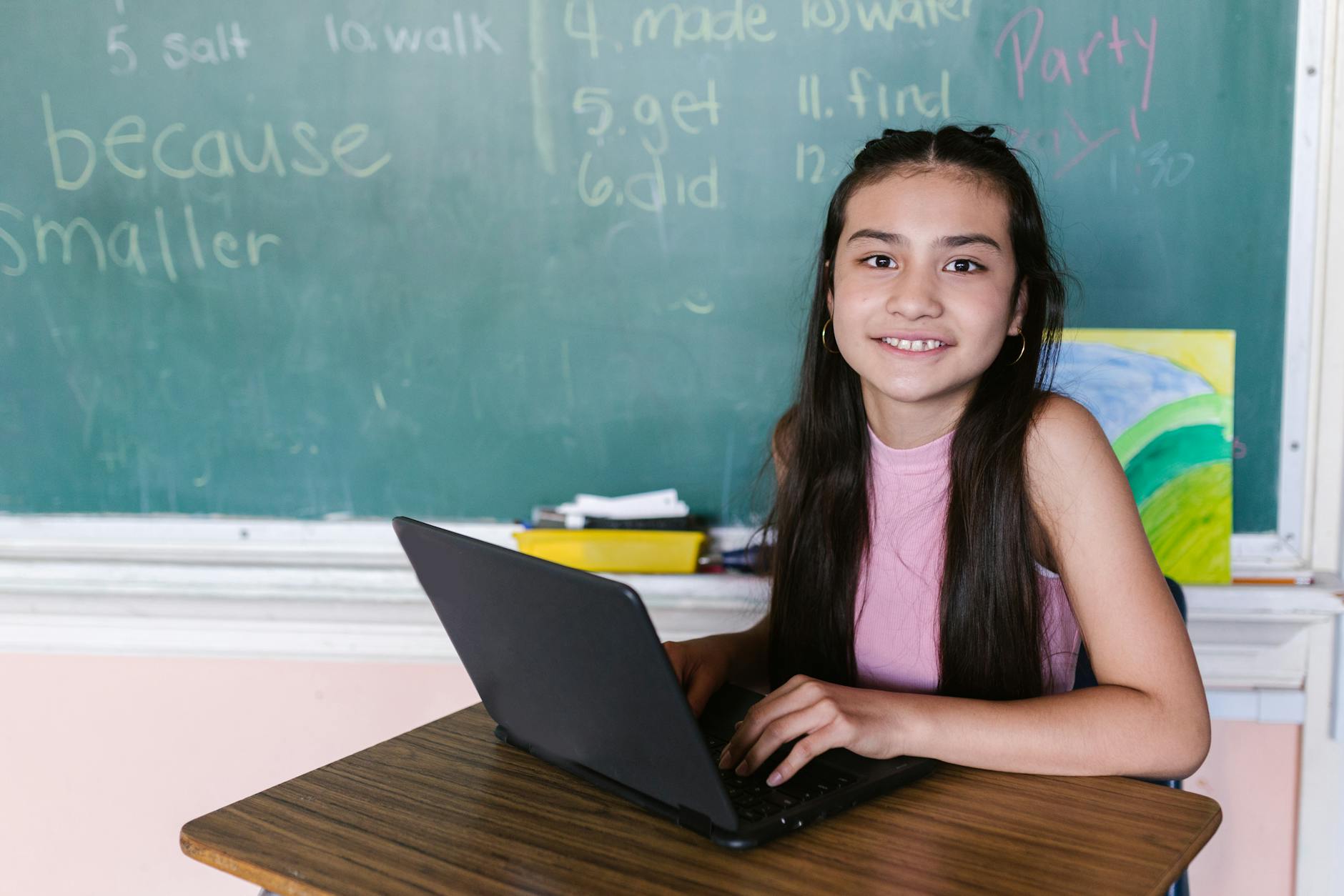
NAEP data shows 65% of 4th graders read below proficient level. Many need systematic phonics intervention. But hand a ten-year-old a picture book with bunnies and balloons, and you've lost them. The shame is instant. Phonics books for this age must look mature.
You need materials that teach the six syllable types—closed, open, vowel-consonant-e, r-controlled, vowel teams, and consonant-le—without insulting your students. Skip primary-grade illustrations. Look for sparse designs, serif fonts, and content that respects their age. I've watched 4th graders shut down when handed decodable readers meant for kindergarteners. These best phonics books build reading fluency and phonemic awareness while looking like real academic work. For effective strategies for students with learning disabilities, age-appropriate materials are non-negotiable.
Megawords: Multisyllabic Words for Older Readers
Megawords understands that 4th graders practicing CVC words don't want babyish cartoons. The series spans eight books total.
Most 4th graders land in Book 1 for short vowels and consonant blends or Book 2 for long vowels, depending on your diagnostic.
Pages are 8.5 by 11 inches with sparse line drawings and a mature serif font. At $12.95 per book, it's non-consumable.
Each lesson integrates spelling patterns and word analysis strategies.
I've used this with struggling 4th graders who finally stopped hiding their books under the desk. The format respects their age while fixing the gaps.
Phonics Pathways: Clear Steps to Reading Success
Phonics Pathways uses a spelling patterns approach that works for ten-year-olds and adults alike. Spend ten to fifteen minutes daily. The single 240-page volume moves from basic phonics through advanced morphology. No gaps. No jumping between workbooks.
The $32.95 one-time purchase beats buying new consumables every semester. It's reusable for years. I've kept the same copy on my shelf for three different intervention groups. The lessons build systematically, covering everything from simple Orton-Gillingham principles to complex word structures. One student last year finally cracked r-controlled vowels using the pattern drills in chapter four. You see real progress without the recurring costs that drain department budgets.
The Ordinary Parent's Guide to Teaching Reading
The Ordinary Parent's Guide to Teaching Reading offers 231 lessons that take students through 4th-grade reading level. The left page holds your script. The right page shows the student words and sentences. Zero prep time. The appendix includes phonogram flashcards you can copy and cut.
Each lesson runs ten to twenty minutes. The scope and sequence is systematic with no gaps. I've used this during pull-out sessions when I needed structure without spending my Sunday planning. Unlike hunting for free books for 4th graders online that might skip crucial steps, this gives you a complete roadmap through all six syllable types. The script keeps you on track without sounding robotic.

How to Choose Phonics Books for Your Classroom?
Choose phonics books by first assessing reading levels using DRA or QRI-5 assessments, then selecting texts with 90-95% accuracy rates. Balance 80% decodable books for skill building with 20% high-interest trade books for motivation, ensuring content matches students' developmental stages rather than arbitrary grade-level labels.
Stop guessing. Match books to the reader in front of you, not the grade level on the spine. I’ve watched 4th graders shut down when handed "4th grade" books they can’t decode, while the right decodable readers have them reading confidently within weeks.
Assessing Student Reading Levels Before Purchasing
You wouldn't prescribe glasses without an eye exam. Don't buy phonics books without data.
Free assessment tools: Start with the CORE Phonics Survey—it takes 10 minutes and pinpoints gaps in phonemic awareness or consonant blends. The San Diego Quick Assessment and Words Their Way Spelling Inventory cost only printer ink.
Commercial options: If your district covers it, the DRA or QRI-5 give granular detail on how students attack unknown words. Running Records work too, but require training to code errors accurately.
Decision rule: 95%+ accuracy is independent level, 90-95% is instructional, below 90% is frustration level. Follow this flowchart: administer diagnostic, analyze error patterns for CVC words, select 90-95% accuracy texts, reassess in 6-8 weeks.
I once watched a 3rd grader fake reading for three months because his "grade-level" books were actually two years too hard. Never buy grade-level again. Buy reader-level.
Balancing Decodable Texts with High-Interest Trade Books
Struggling readers need decodable readers to build reading fluency, but they also need to love books. The decodable texts provide your phonics lesson plans in action, while trade books remind kids why reading matters.
The 80/20 rule: Use 80% decodable texts for skill acquisition and 20% high-interest trade books for motivation. On-level readers can handle a 50/50 split, but kids with gaps need that heavy decodable dose to build automaticity.
Concrete pairing: When my 2nd graders mastered CVC words, I gave them Primary Phonics Set 4 for morning work and Fly Guy for afternoon choice reading. One builds the skill, the other builds the will. Check out picture books that transform classroom libraries for high-interest options.
Gradual release: As students hit 98% accuracy on grade-level text, shift the ratio to 60/40. They’re ready for more challenge and less scaffolding.
Budget-Friendly Strategies for School Libraries
Stocking a classroom library runs $250-500 for a solid start-up, while intervention sets cost $15-30 per student. You can hit these numbers without draining your paycheck.
DonorsChoose strategy: The average funded phonics project is $400. List specific titles like Bob Books Complete Set or Orton-Gillingham card decks—concrete requests get funded faster.
Scholastic Book Clubs: Dollar deals offer $1-2 decodable books during September and January sales. I’ve built classroom libraries for under $100 this way. You can also build a digital resource library for your classroom using free decodable PDFs.
Used curriculum markets: The Facebook group 'Homeschool Curriculum Marketplace' offers 40-60% savings on Explode the Code and Megawords. I stockpiled six levels last summer for under $100. Track everything with digital book trackers and reading lists so you know what each student has mastered.
What Are the Best Phonics Books for 5 Year Olds?
The best phonics books for 5 year olds include Bob Books Set 1 for CVC pattern mastery, Hooked on Phonics Pre-K for systematic letter-sound introduction, and the I Can Read Phonics Box Set featuring Pete the Cat for engaging short vowel practice. These focus on consonant-vowel-consonant words using cumulative, explicit instruction methods.
Five-year-olds need decodable readers that match their developmental stage. You want books that build confidence, not frustration. Start with titles that isolate specific sound patterns.
Before you buy, check your child's readiness. Most 5-year-olds should master 20 or more letter sounds before opening systematic phonics books for 5 year olds. If they struggle to identify "b" from "d," step back to evidence-based instruction through the science of reading focused on phonemic awareness first.
Bob Books Set 1 ($16.99): Cumulative sequence introducing letters gradually, starting with "Mat"
Hooked on Phonics Pre-K ($49.99): Explicit systematic approach with multimedia components
I Can Read Phonics Box ($11.99): Character-driven stories featuring Pete the Cat for motivation
All three target CVC words exclusively. They stop at short vowels and simple consonants. You won't find vowel teams like "ai" or "oa" here. These are starter sets, not comprehensive programs. Use them for the first six months of reading instruction.
Bob Books: Sight Words for Kindergarten
Set 1 contains 12 slim paperbacks progressing from "Mat" to complex CVC words. Book 1 introduces only eight letters: m, a, t, s, c, d, r, h. The 4.5 x 5.5-inch format fits small hands, and the black-and-white line drawings eliminate visual clutter that competes with text.
Your child needs at least ten letter sounds to start. The books cover short vowels a, e, i, o, u with consonants like m, s, and t. I keep these in my kindergarten classroom library for independent reading practice during center time. The sequence follows Orton-Gillingham principles of isolating and mastering specific phonemes before advancing.
Hooked on Phonics Learn to Read: Pre-K Edition
The Pre-K box includes 28 lesson cards, two workbooks, two storybooks, a DVD, stickers, and an app access code. It teaches uppercase letter recognition and corresponding sounds only. Blending instruction waits until the Kindergarten level.
At $49.99 retail (often $35 on Amazon), it lasts three to six months with daily 15-minute lessons. This is hooked on phonics reading at its most structured. The scripted lessons help if you're not sure how to teach letter sounds systematically.
I Can Read! Phonics Box Set: Short Vowels
The "Pete the Cat 12-Book Phonics Fun!" set covers short a (cat), short e (pet), short i (pig), short o (dog), short u (bug), plus beginning blends like bl-, cr-, and st-. These i can read phonics books work best for ages 4-6 who know the alphabet but freeze when blending sounds into words.
The character hook matters. Kids who resist traditional texts or personalized storybooks that make kids the hero often engage with Pete's repetitive patterns. Each book reinforces one vowel sound with simple consonant blends to build reading fluency.
Top Phonics Reading Books for 1st Grade
First graders need to hit 60 words correct per minute by June. That's the benchmark that predicts long-term success. John Hattie's research backs this up: systematic phonics instruction shows an effect size of 0.60, which puts it in the "high impact" zone for early reading achievement. But here's where it gets tricky. You can't just drill CVC words forever.
These kids need to master consonant blends—the jump from "cat" to "lamp" and "crash"—without skipping steps. The best phonics books for this age handle that transition explicitly. When selecting phonics reading books, you have three solid approaches: workbooks that build stamina, decodable readers that build reading fluency, and scripted lessons for parents or paras. Transform your literacy instruction by matching the tool to your context.
Explode the Code 1: Essential Lessons for Beginners
Explode the Code 1 gives you 106 lessons in a consumable workbook format. Each page is split in half—short exercises on one side, manuscript handwriting practice on the other. Kids trace letters while saying sounds, which locks in phonemic awareness through muscle memory.
The retail price sits around $10.50 per book. That's cheap enough to buy a set for your pull-out intervention group of 4-6 students and let them write directly in the pages. No prep, no copies, no fuss. I keep a stack in my intervention cart and replace them every spring.
It starts cold with consonant sounds—b, f, m, k, p, s. No prior phonics knowledge required. I've used this with 1st graders who were still guessing at words in October. By lesson 30, they were isolating initial sounds automatically. The Orton-Gillingham sequence is baked in, but invisible to the kids.
Primary Phonics Storybooks Set 1: Consonant Sounds
Primary Phonics Storybooks Set 1 gives you 10 books with 16 pages each. The text is locked down tight—only short vowels and single consonants like "sat," "fan," and "hop." No sight words slipped in to trip up your struggling decoders.
Published by EPS (School Specialty), these follow Orton-Gillingham principles strictly. The full set runs about $28, which works out to less than $3 per book. I keep a set in my reading corner for students who need decodable readers that actually look like real books, not worksheets. They hold up surprisingly well if you tape the spines.
Here's the differentiator: unlike Bob Books' abstract line drawings, these have narrative illustrations that help 6-year-olds follow the plot. When Jam trips on the mat, kids see the expression on his face. That visual context supports proven comprehension strategies even while they're sounding out every word.
The Reading Lesson: Teach Your Child to Read in 20 Easy Lessons
The Reading Lesson: Teach Your Child to Read in 20 Easy Lessons breaks the process into 20 sessions that take 15-20 minutes each. It's scripted for parents or paraprofessionals—perfect for sending home with a family who wants to help but doesn't know how.
The method is controversial. It teaches whole words alongside phonics using an embedded phonics approach. Purists hate it, but I've seen it work for visual learners who stall out on pure segmentation drills. The book costs $14.95 and it's non-consumable, so have kids write answers on separate paper or a whiteboard to preserve it for the next child.
Use this when you need consistency between home and school. The script removes guesswork—everyone says the same prompts, every time. That's gold for maintaining fidelity when you're not the one delivering the lesson. I've sent this home with paraprofessionals running before-school tutoring, and the results matched what I got in my own small groups.
Which Free Books Work Best for 2nd Graders?
The best free books for 2nd graders include Starfall's Learn to Read Digital Library for interactive phonics games, Reading A-Z's decodable readers available through 14-day free trials, and Project Gutenberg's McGuffey Readers for public domain remedial texts. These provide systematic phonics practice without subscription costs while targeting consonant blends and long vowel patterns.
Be honest about "free" tiers. Starfall limits you to sample content. Reading A-Z requires that trial sign-up. Only Project Gutenberg offers unlimited public domain access. At this age, focus on blends like "tr-" and "spl-," plus vowel teams including "ea" and silent-e patterns.
Avoid apps masquerading as free books for 2nd graders that interrupt every page with in-app purchase prompts. These breaks destroy reading fluency and train students to click "buy" instead of sounding out words.
Starfall: Instant browser access but limited to 6-8 books; ideal for quick literacy centers.
Reading A-Z: Full systematic scope for 14 days only; requires printing and prep time.
Project Gutenberg: Completely free forever; text-only format suits remedial older students best.
Starfall Learn to Read Digital Library
The free tier gives you access to six or eight phonics books from their "Learn to Read" series and matching games. That's the limit. To unlock the full library with all the decodable readers, you're looking at $35 per teacher per year.
It runs on HTML5 in any browser. No app installation required means it works flawlessly on district Chromebooks and those old Android tablets collecting dust in the back of your closet. Students simply click, drag, and sort without waiting for downloads.
I use this during 15-minute literacy center rotations while I pull small groups. The short and long vowel sorting games reinforce phonemic awareness without demanding constant teacher supervision. Students stay engaged while you focus on intensive Orton-Gillingham interventions with struggling readers.
Reading A-Z Decodable Book Collection
The 14-day free trial unlocks every level from aa to Z. You get 100-plus decodable readers and complete phonics lesson sequences. Download everything immediately before the trial expires.
These aren't meant for screens alone. Each book downloads as a PDF designed for printing, folding, and stapling into take-home books. I send them home weekly so parents see exactly what CVC words and consonant blends we're practicing in class.
The books follow Reading A-Z's exact scope and sequence. When your lessons hit r-controlled vowels or multisyllabic words, the matching books appear in your account instantly. This alignment beats hunting through random free books for 2nd graders that never match your weekly target skills.
Project Gutenberg: Early Reader Classics
This is the only truly free option with no strings attached. Download the McGuffey Eclectic Primer from 1879, Free and Treadwell Primers, and other public domain texts immediately. No trials, no memberships, no expiration dates.
The format is bare bones. You get plain text or basic PDFs without colorful illustrations or modern characters. These won't replace big books for elementary reading programs, but they serve a specific remedial purpose.
Use these with older struggling readers in grades 3-5 who need simple texts without the "baby book" stigma. A fifth grader reading the McGuffey Primer avoids the embarrassment of holding a colorful phonics book meant for kindergarteners. The vintage language actually feels grown-up to them while building reading fluency.
Best Free Online Books for 3rd Graders
By third grade, your students need to clear the 90 WCPM benchmark. That is the hard line between learning to read and reading to learn. If they are stumbling over decodable readers with consonant blends, they will miss the science content waiting in those same textbooks.
This is the year of multisyllabic decoding. Your kids need exposure to 2-3 syllable words using all six syllable types. The platforms below handle this scale differently:
Epic School: 40,000 books, free teacher access, robust filtering for phonics.
Oxford Owl: 250 curated titles, requires registration, classic Orton-Gillingham sequences.
Storyline Online: Video format, zero login friction, best used for fluency modeling.
Access varies widely. Epic School is free for educators but locks parents out without an $11.99 monthly fee. Oxford Owl demands a valid school email and verification. Storyline Online requires no credentials whatsoever.
Epic! Phonics and Decodable Books Collection
Epic School remains the heavyweight for free online books for 3rd graders. You get 40,000 titles, but the real value is the filter for phonics books and "Decodable" tags. That narrows it to 500+ titles that actually build phonemic awareness rather than just entertaining.
The Read-to-Me audio support helps when you are pulling small groups. Kids hear fluent pronunciation while following text, and the built-in dictionary keeps them from guessing wildly. Reading logs track minutes and pages automatically.
Here is the catch: home access requires an $11.99 monthly parent subscription unless you assign "Epic Free," which caps kids at two hours per week. For your striving readers, that limit hits fast.
Oxford Owl Free Ebook Library
Oxford Owl offers only 250+ free online books for 3rd graders, but they are the Biff, Chip and Kipper Oxford Reading Tree series. These follow a systematic progression through multisyllabic words that mirrors your phonics scope and sequence.
You will need a valid school email to register. Parents can verify accounts, but the process is clunky. Once inside, the interface mimics physical page-turning, which helps kids who get disoriented by infinite scroll.
The platform recently transitioned from Flash to HTML5. It runs smoother on tablets than desktops, so perfect for your Chromebook cart.
Storyline Online: Phonics-Focused Read-Alouds
Storyline Online is different. These are video read-alouds by SAG-AFTRA actors like Betty White and James Earl Jones. Your students are not reading independently here. They are watching pros model reading fluency while they follow along with printed copies.
Use "The Rainbow Fish" for repetitive pattern recognition. Use "The Polar Express" for rich vocabulary exposure. Both work well when you want to isolate CVC words or complex consonant blends without the decoding fatigue.
No login required. No registration. Just click and play. For a quick look at leveled alternatives, check our Accelerated Reader (AR) books guide.
Essential Phonics Books for 4th Graders
NAEP data shows 65% of 4th graders read below proficient level. Many need systematic phonics intervention. But hand a ten-year-old a picture book with bunnies and balloons, and you've lost them. The shame is instant. Phonics books for this age must look mature.
You need materials that teach the six syllable types—closed, open, vowel-consonant-e, r-controlled, vowel teams, and consonant-le—without insulting your students. Skip primary-grade illustrations. Look for sparse designs, serif fonts, and content that respects their age. I've watched 4th graders shut down when handed decodable readers meant for kindergarteners. These best phonics books build reading fluency and phonemic awareness while looking like real academic work. For effective strategies for students with learning disabilities, age-appropriate materials are non-negotiable.
Megawords: Multisyllabic Words for Older Readers
Megawords understands that 4th graders practicing CVC words don't want babyish cartoons. The series spans eight books total.
Most 4th graders land in Book 1 for short vowels and consonant blends or Book 2 for long vowels, depending on your diagnostic.
Pages are 8.5 by 11 inches with sparse line drawings and a mature serif font. At $12.95 per book, it's non-consumable.
Each lesson integrates spelling patterns and word analysis strategies.
I've used this with struggling 4th graders who finally stopped hiding their books under the desk. The format respects their age while fixing the gaps.
Phonics Pathways: Clear Steps to Reading Success
Phonics Pathways uses a spelling patterns approach that works for ten-year-olds and adults alike. Spend ten to fifteen minutes daily. The single 240-page volume moves from basic phonics through advanced morphology. No gaps. No jumping between workbooks.
The $32.95 one-time purchase beats buying new consumables every semester. It's reusable for years. I've kept the same copy on my shelf for three different intervention groups. The lessons build systematically, covering everything from simple Orton-Gillingham principles to complex word structures. One student last year finally cracked r-controlled vowels using the pattern drills in chapter four. You see real progress without the recurring costs that drain department budgets.
The Ordinary Parent's Guide to Teaching Reading
The Ordinary Parent's Guide to Teaching Reading offers 231 lessons that take students through 4th-grade reading level. The left page holds your script. The right page shows the student words and sentences. Zero prep time. The appendix includes phonogram flashcards you can copy and cut.
Each lesson runs ten to twenty minutes. The scope and sequence is systematic with no gaps. I've used this during pull-out sessions when I needed structure without spending my Sunday planning. Unlike hunting for free books for 4th graders online that might skip crucial steps, this gives you a complete roadmap through all six syllable types. The script keeps you on track without sounding robotic.
How to Choose Phonics Books for Your Classroom?
Choose phonics books by first assessing reading levels using DRA or QRI-5 assessments, then selecting texts with 90-95% accuracy rates. Balance 80% decodable books for skill building with 20% high-interest trade books for motivation, ensuring content matches students' developmental stages rather than arbitrary grade-level labels.
Stop guessing. Match books to the reader in front of you, not the grade level on the spine. I’ve watched 4th graders shut down when handed "4th grade" books they can’t decode, while the right decodable readers have them reading confidently within weeks.
Assessing Student Reading Levels Before Purchasing
You wouldn't prescribe glasses without an eye exam. Don't buy phonics books without data.
Free assessment tools: Start with the CORE Phonics Survey—it takes 10 minutes and pinpoints gaps in phonemic awareness or consonant blends. The San Diego Quick Assessment and Words Their Way Spelling Inventory cost only printer ink.
Commercial options: If your district covers it, the DRA or QRI-5 give granular detail on how students attack unknown words. Running Records work too, but require training to code errors accurately.
Decision rule: 95%+ accuracy is independent level, 90-95% is instructional, below 90% is frustration level. Follow this flowchart: administer diagnostic, analyze error patterns for CVC words, select 90-95% accuracy texts, reassess in 6-8 weeks.
I once watched a 3rd grader fake reading for three months because his "grade-level" books were actually two years too hard. Never buy grade-level again. Buy reader-level.
Balancing Decodable Texts with High-Interest Trade Books
Struggling readers need decodable readers to build reading fluency, but they also need to love books. The decodable texts provide your phonics lesson plans in action, while trade books remind kids why reading matters.
The 80/20 rule: Use 80% decodable texts for skill acquisition and 20% high-interest trade books for motivation. On-level readers can handle a 50/50 split, but kids with gaps need that heavy decodable dose to build automaticity.
Concrete pairing: When my 2nd graders mastered CVC words, I gave them Primary Phonics Set 4 for morning work and Fly Guy for afternoon choice reading. One builds the skill, the other builds the will. Check out picture books that transform classroom libraries for high-interest options.
Gradual release: As students hit 98% accuracy on grade-level text, shift the ratio to 60/40. They’re ready for more challenge and less scaffolding.
Budget-Friendly Strategies for School Libraries
Stocking a classroom library runs $250-500 for a solid start-up, while intervention sets cost $15-30 per student. You can hit these numbers without draining your paycheck.
DonorsChoose strategy: The average funded phonics project is $400. List specific titles like Bob Books Complete Set or Orton-Gillingham card decks—concrete requests get funded faster.
Scholastic Book Clubs: Dollar deals offer $1-2 decodable books during September and January sales. I’ve built classroom libraries for under $100 this way. You can also build a digital resource library for your classroom using free decodable PDFs.
Used curriculum markets: The Facebook group 'Homeschool Curriculum Marketplace' offers 40-60% savings on Explode the Code and Megawords. I stockpiled six levels last summer for under $100. Track everything with digital book trackers and reading lists so you know what each student has mastered.
Still grading everything by hand?
EMStudio is a free teaching management app — manage your classes, students, lessons, and more!
Learn More
Still grading everything by hand?
EMStudio is a free teaching management app — manage your classes, students, lessons, and more!
Learn More



Notion4Teachers
Notion templates to simplify administrative tasks and enhance your teaching experience.



2026 Notion4Teachers. All Rights Reserved.
Notion4Teachers
Notion templates to simplify administrative tasks and enhance your teaching experience.
2026 Notion4Teachers. All Rights Reserved.
Notion4Teachers
Notion templates to simplify administrative tasks and enhance your teaching experience.
2026 Notion4Teachers. All Rights Reserved.