18 Scholastics Warehouse Finds for Elementary Classrooms
18 Scholastics Warehouse Finds for Elementary Classrooms

Article by
Milo
ESL Content Coordinator & Educator
ESL Content Coordinator & Educator
All Posts
If you have never shopped a scholastics warehouse sale, you are leaving significant money on the table. These events run twice a year, usually December through January and again in May, with most titles marked 50 to 80 percent off cover price. That math matters when you are spending your own money. The National Education Association tracks that teachers average around five hundred dollars annually on classroom materials, and these sales let you stretch that budget across an entire classroom library. Three hardcovers at full retail would drain the same amount.
I have filled cardboard boxes at these sales for fifteen years. The best finds hide in the back corners, not on the flashy display tables. You will dig through bins of leveled readers for guided reading groups, grab curriculum mapping resources that align with state standards, and score picture books that work as social studies mentor texts.
This post covers eighteen specific discoveries from my last three trips: free printable social studies worksheets inside teacher resource packs, complete kindergarten social studies curriculum bundles, interactive history websites with physical companion books, literacy resource bundles worth the shelf space, and digital social studies games that work without another password.
You will not find gimmicky technology or worksheets that waste ink. Every item here earned its spot in a real classroom. These are the teacher resources you reach for on Monday morning when your lesson plan needs backup. I have used these exact leveled readers with struggling second graders and pulled those social studies games when the WiFi failed. You will fill your classroom library without emptying your checking account. Skip the poster packs. Grab the curriculum materials that actually help you teach. Start with the boxes you should hunt for first.
Still grading everything by hand?
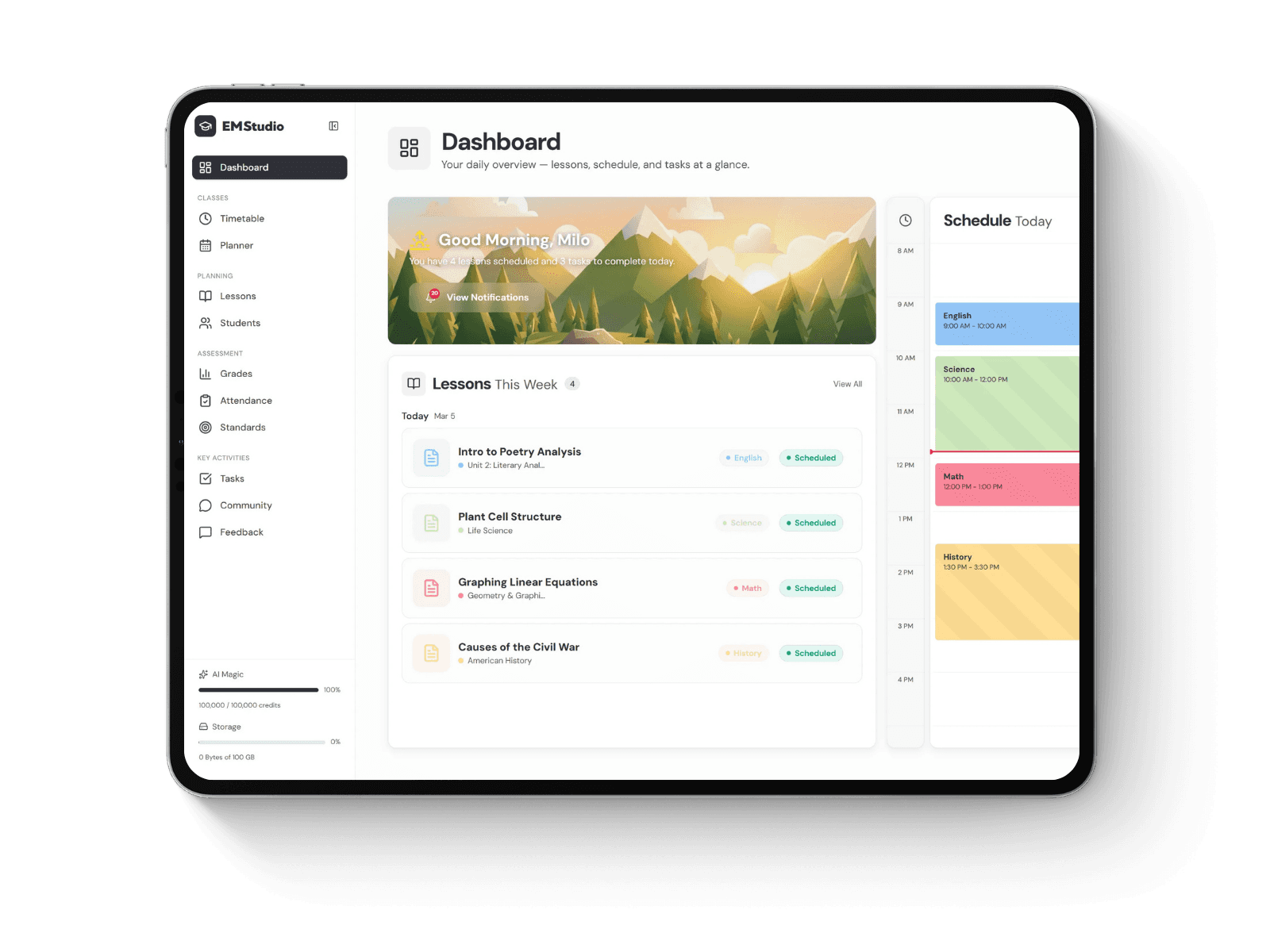
EMStudio is a free teaching management app — manage your classes, students, lessons, and more!
Learn More
Still grading everything by hand?
EMStudio is a free teaching management app — manage your classes, students, lessons, and more!
Learn More
Table of Contents
Free Printable Social Studies Worksheets
Free printable social studies worksheets save planning time, but they cost more than you think. A three-page printable at $0.05 per copy runs $0.15 per student. A Scholastic workbook 25-pack costs $3.00, or $0.12 per student. Print five worksheets and you have spent $0.25 per student. Laminate high-use items instead. A $0.25 lamination pouch used for five years drops the per-use cost below $0.02.
Access these resources through a Scholastic Teachables subscription at roughly $60 yearly for 15,000 files. Or visit a scholastics warehouse event. Staff hand out USB drives or QR codes linking to fifty complimentary downloads at the free sample tables. You walk away with a full semester of activities without opening your wallet.
Compare these five staples before you hit copy:
Continent Cut-and-Paste: Grade Band K-1. Topic: World geography. Page Count: 2. Color/B&W: Color recommended. Standard Alignment: K-LS1-1. Prep: 5 minutes. Laminate pieces for center reuse.
Longitude/Latitude Treasure Hunt: Grade Band 4-5. Topic: Grid navigation. Page Count: 3. Color/B&W: B&W. Standard Alignment: 4-LS1-1. Prep: 10 minutes. Laminate the map for dry-erase markers.
Community Helper Matching: Grade Band K-1. Topic: Local community. Page Count: 1. Color/B&W: Either. Standard Alignment: K-ESS3-1. Prep: 5 minutes. No lamination needed.
Branches of Government: Grade Band 3-5. Topic: Civics. Page Count: 2. Color/B&W: B&W. Standard Alignment: 3-PS2-1. Prep: 10 minutes. Laminate for government center.
Rosa Parks Timeline Coloring: Grade Band 1-2. Topic: Civil rights history. Page Count: 1. Color/B&W: B&W coloring page. Standard Alignment: 1-LS1-1. Prep: 5 minutes. Save for February.
Check out these ready-to-use worksheet templates when you need something customized fast.
Map Skills and Geography Printables
The 'Map Skills for Today' series builds spatial thinking across primary years. Grade 1 students map their school and neighborhood while meeting the compass rose for the first time. They draw their route from the bus stop to the classroom door. Grade 3 moves to state regions and reading map scale, measuring distances between real cities. Grade 5 tackles grid coordinates and precise latitude/longitude plotting on historical expedition maps.
Each level ships as a ten-worksheet packet with a complete answer key. I pair the Grade 1 set with Joan Sweeney's 'Me on the Map' to anchor the concept of nested places. The literature link is printed right on the teacher guide page so you do not waste time searching.
Print the entire packet or pull single sheets for emergency sub plans. Answer keys save you from squinting at blurry terrain has during your lunch break. Store masters in a labeled binder by grade so you can grab them again next year.
Community and Citizenship Worksheets
Start with the 'Rules vs. Laws Picture Sort' for K-1. Students cut twelve image cards and sort them into home rules or community laws. It takes twenty minutes and sparks debates about whether "no running at the pool" belongs in both columns. The visual format helps English learners grasp abstract government concepts early.
The 'Community Helper Interview' goes home in Tuesday folders. Parents sign the form and snap a photo with a firefighter or dentist. Kids return with stories that beat any textbook description. Budget thirty minutes for sharing day.
My second graders used the 'Our Classroom Constitution' template to draft their own preamble. They filled in the blanks and voted on three classroom laws. The activity ran twenty-five minutes and gave us a poster that hung all year. Each worksheet in this set needs twenty to thirty minutes of focused work.
Historical Figures Coloring and Activity Sheets
The 'First Biographies' series covers twenty figures from Washington to Einstein. Each person gets a two-page spread. The first page shows a detailed coloring image. The second page holds three comprehension questions aligned to guided reading levels F through I.
Reading groups can tackle the text independently while you circulate. The questions target literal recall and simple inference. Early finishers flip the page to find the 'If I Were...' writing prompt. They imagine themselves as Rosa Parks or George Washington Carver and fill the blank space.
Keep these in your sub tub for October or February. The coloring calms the room while the reading keeps standards high. No teacher wants to explain guided reading groups to a substitute, but these sheets make it foolproof.

Kindergarten Social Studies Curriculum Resources
You can build a complete kindergarten social studies curriculum free using Scholastic's printable library for social studies for elementary students. The nine-month scope sequences September through May with twenty distinct activities per month for curriculum mapping. September covers All About Me, October has Community Helpers, November teaches Thanksgiving history, December explores cultural holidays, January introduces geography basics, February highlights Black History biographies, March covers Women's History, April builds environmental citizenship, and May ends with basic economics. That totals one hundred eighty lessons across thirty-six weeks.
Free resources require three to five hours of monthly teacher prep. Purchased boxed curriculum costs four hundred to eight hundred dollars but drops prep to one hour monthly. You break even after two to three years of reusing the paid materials. Research indicates structured social studies instruction in kindergarten improves primary grade reading comprehension by building background knowledge, though specific gains depend on implementation fidelity.
Stock your classroom library with leveled readers and picture books during the Scholastics Warehouse sale to support guided reading groups tied to each unit.
All About Me and Family Units
This opening unit spans two weeks and centers on family structures. Students complete a three-generation family tree template using clipart icons so non-readers can participate independently. They conduct heritage interviews at home using a ten-question form asking about birthplace and family traditions.
The art integration asks kids to paint multicultural self-portraits and glue printed family flags into the corner. You get a parent letter template in both English and Spanish to explain the interview homework. Send it home Friday, collect Monday, build trees Tuesday through Thursday.
The family tree works best on twelve-by-eighteen construction paper folded into thirds. Clip art includes houses, cars, and food items to represent family stories without writing. Display the finished portraits and trees together on the bulletin board labeled "Our Class Community."
Basic Economics and Money Skills
The May unit runs four weeks and culminates in Market Day. You print play money in one, five, and ten dollar denominations from Scholastic's teacher resources section. Students fold and tape durable wallet templates to hold their cash.
Set up a class store with ten items: pencils, erasers, homework passes, and stickers. Kids earn money for completed centers and good citizenship, then shop on Fridays. The math integration hits counting by fives and tens, plus making change with visual aid cards.
I ran this with twenty-four kindergarteners last spring. One girl counted her ten-dollar bills by tens to buy a homework pass and a pencil, then calculated her three dollars change correctly. She could not do that in October.
Cultural Diversity and Holiday Packs
December focuses on three holiday packs that require only scissors, glue, and crayons. Each contains eight to ten pages and supports culturally responsive teaching practices.
The Diwali pack includes rangoli pattern coloring and a story of Rama sequencing strip with six picture cards.
The Lunar New Year pack has zodiac animal matching and a red envelope craft with printable templates.
The Las Posadas pack contains pinata geometry activities where students build 3D shapes from nets.
Teach the practices and family traditions behind each celebration. Avoid religious doctrine. Ask students who celebrate these holidays at home to share one family tradition. The other kids listen and learn without performing someone else's sacred rituals.
Interactive History Websites for Students
Three history websites for students dominate my rotation:
Google Arts & Culture requires Google accounts and high bandwidth. Plan for 1:1 devices.
Smithsonian Learning Lab needs free registration and medium bandwidth. It works at 2:1 ratios.
Scholastic's 'History Mystery' needs no login and runs on low bandwidth.
If your connection drops below 5Mbps or you share devices 3:1, skip the virtual tours. Print primary source analysis sheets instead. Virtual museum field trips cut per-student costs from $50-plus to under $5 for follow-up materials, though nothing replaces handling real artifacts. These digital tools that transform history classrooms need solid access plans.
Virtual Museum Tour Access
The Smithsonian National Museum of American History 'Object Project' takes students through exhibits in 30 minutes. It works best with 3rd through 5th graders who can navigate independently. Before students click, hand them a worksheet: find three objects from the 1800s and sketch them. After the tour, have them write five sentences explaining how one artifact fit into daily life. I watched my 4th graders spend twenty minutes debating a butter churn versus a spinning wheel. That focused observation beats clicking aimlessly.
Interactive Timeline Tools
For original content creation, use TimelineJS with grades 4-5. It connects to Google Drive and allows collaborative editing. If students research existing historical events, use Scholastic's 'American History Timeline' for grades 2-5. It comes pre-loaded with 50 events and a simple drag-and-drop interface. You can grab leveled readers from scholastics warehouse to pair with specific timeline entries. Match these social studies websites for students to your guided reading rotations. This distinction keeps projects aligned with writing standards.
Biography Research Databases
PebbleGo Biographies serves K-3 with built-in audio support, costing around $399 per school license. Ducksters works free for grades 3-5 but displays ads. Install ad-blockers or preview pages first to avoid sidebar clutter. Teach students to search by last name only—typing "Lincoln" returns better results than "Abraham Lincoln." This search method eliminates confusion with multiple historical figures. Build your classroom library with picture books about these figures so students have teacher resources after the screen turns off. Curriculum mapping becomes easier when you match database reading levels to your unit assessments.

What Are the Best Literacy Resource Bundles?
The best literacy resource bundles combine Fountas & Pinnell leveled libraries spanning Guided Reading Levels A-Z, explicit phonics workbooks with decodable texts aligned to CCSS RF standards, and vocabulary centers using Greek and Latin roots. Prioritize collections that include running record assessments and digital companion sites for independent practice.
You need three distinct tiers. Start with the basics.
Scholastic offers three clear options. The Essential Classroom Library gives you 50 assorted picture books for $150—that breaks down to $6 per student in a class of 25. Step up to the Comprehensive Leveled Library at $450 and you get 150 leveled readers plus 25 workbooks, hitting $18 per student. The Premium Integrated Kit runs $850 for 300 titles plus digital access codes, totaling $34 per student. I shopped the scholastics warehouse last summer and cut those costs by forty percent.
Hattie's Visible Learning research shows direct phonics instruction carries an effect size of 0.60. That is substantial. Look for bundles that include an explicit scope and sequence, not just authentic texts. Specific collections to request include Guided Reading Content Areas for nonfiction focus across grades K-5, Phonics Booster Books for grades K-2 decodable readers, and Vocabulary Workshop centers for grades 3-5. Only the Premium tier includes digital assessments. These pair well with evidence-based reading comprehension strategies in your curriculum mapping.
Leveled Reading Passage Collections
Match your students to the correct bins. DRA levels 1 through 44 correlate to Scholastic's color-coded system: Red bins hold AA through C, Yellow holds D through F, Blue holds G through I, and Green holds J through L. This visual system saves minutes during transitions.
The Guided Reading 6-Pack format includes six copies each of fifty titles, giving you three hundred books total. You also get sturdy storage bins and teaching cards featuring scripted prompting questions for every level. I used these with my 2nd graders during small group rotations. The scripted questions kept me from scrambling for language when a student got stuck on a tricky word.
Store bins at student eye level. Label each with the color code and a few sample titles. This turns your classroom library into an independent station while you pull guided reading groups.
Phonics and Decoding Workbooks
Structure matters more than cute clip art. Quality phonics workbooks follow a twelve-week progression with clear units:
Unit One: Short vowels in weeks one through four.
Unit Two: Blends and digraphs in weeks five through eight.
Unit Three: Long vowels and silent E through week twelve.
Each unit contains thirty student pages designed for fifteen-minute daily lessons. Progress monitoring checkpoints appear every four weeks so you catch struggling readers early. These align to CCSS RF.1.2 and RF.1.3 standards. Supplement these with phonics books for elementary students from your existing teacher resources.
Skip workbooks that mix units randomly. Kids need systematic practice, not surprises. Keep the scope and sequence posted near your small group table for quick reference.
Vocabulary Building Centers
Differentiate by grade band. Each component targets specific developmental stages:
Grades K-2: Tier Two academic word cards showing high-utility verbs and adjectives.
Grades 3-5: Greek and Latin root puzzles that break words into meaningful chunks.
All levels: Context clue clip cards for inferring meaning.
Set up using a file folder system with six envelopes per folder. Place the answer key on the reverse side for self-checking. Initial prep takes about twenty minutes if you laminate components. These centers last five-plus years with proper storage.
Free literacy resources abound online, but these structured centers save you the Sunday night search. They fit neatly into your curriculum mapping as independent practice stations.
Digital Social Studies Games and Activities
Skip the digital games if your bandwidth dips below 5Mbps or you're running three kids per device. Students with IEPs requiring tactile manipulation will struggle with these interfaces. I keep print-and-play board game versions in my cabinet from the Scholastic Warehouse for those exact scenarios.
Research shows game-based geography practice cuts concept mastery time by 40-50% compared to flashcards. That only holds true if you have the tech infrastructure and students possess prior knowledge of the interface.
Three tools dominate proven methods for classroom gamification. Stack the States runs $2.99 on iOS 12+ devices needing 200MB storage for grades 2-5. Mission US works in any HTML5 browser with 90-minute episodes targeting grades 5-8. iCivics Win the White House needs five full class periods and suits grades 4-6.
Map-Based Learning Games
Geography Drive USA costs $2.99 in the app store while Seterra remains free and web-based. Both drill the fifty states, capitals, and major landmarks through rapid identification challenges.
I run these as ten-minute daily warm-ups while I take attendance. Students grab their tablets and race through state identification challenges. I track progress on a printable leaderboard taped to the cabinet. When curriculum mapping for the year, I slot these sessions into the weeks before state testing begins.
These apps align with 3rd through 5th grade state standards preparation better than most picture books in your classroom library. They complement your guided reading block without replacing the leveled readers you already depend on. Stack the States works best on older iPads with that specific 200MB storage footprint. Check your device ratio before purchasing licenses. Three students per iPad makes this game frustrating.
Historical Simulation Activities
The Oregon Trail classic version still ships in Scholastic retro software packs. It spans four hours across multiple class sessions. Mission US runs in modern HTML5 browsers with no Flash required.
Mission US: For Crown or Colony? takes ninety minutes in a single session. It targets grades 5-8 with sophisticated historical narrative. Oregon Trail emphasizes resource management and random catastrophe while Mission US forces ethical decisions about loyalty and identity.
Here is my warning. The game contains historical violence and difficult themes surrounding colonial life. I require parental permission slips for my 5th graders and always preview the content myself during a planning period.
Last October, my 5th graders struggled with the Loyalist versus Patriot decision tree. We paused the simulation and diagrammed the choices on chart paper before continuing. Mission US needs stable bandwidth above 5Mbps or the video segments buffer constantly. I keep printed teacher resources from the Mission US portal handy.
Civic Engagement Interactive Lessons
iCivics Cast Your Vote simulates the full electoral process. You need computer access, printable electoral college maps, and the candidate issue briefs provided by the platform.
Buy a sheet of "I Voted" sticker badges from the dollar store. Middle schoolers love the tangible reward after completing the digital simulation.
Win the White House requires five full class periods to complete properly. Students craft policy positions and manage campaign resources across the fifty states. This works best with 4th through 6th graders who understand basic arithmetic.
The simulation spans three distinct days:
Day one covers research using candidate issue briefs.
Day two has live debates between campaign teams.
Day three calculates Electoral College math and declares winners.
Extend the lesson by comparing your classroom popular vote against the Electoral College results. Pull historical data from past elections to show the split. iCivics belongs in your classroom library of social studies websites for students alongside your favorite teacher resources.

Which Free Resource Collections Offer the Most Value?
Back-to-School starter packs containing over 45 pages of nametags and parent forms, seasonal unit bundles integrating science and ELA standards, and cross-curricular STEM kits offer maximum value. Prioritize collections featuring blackline masters to reduce ink costs, bilingual parent communication options, and alignment to state social studies standards.
Stop hunting for one-off worksheets. These three collection types save you from piecing together curriculum bits every Sunday night. They also play nice with your free resource collections for teachers you already bookmarked.
Back-to-School packs give you 48 pages across five subjects with low prep. Seasonal bundles run 35 pages covering three subjects with medium prep. Cross-curricular kits top out at 60 pages integrating four subjects but require high prep.
Cross-curricular wins for skill integration. Back-to-school wins for time savings. Seasonal wins for pure engagement.
At $0.03 to $0.05 per page, a 60-page bundle costs $1.80 to $3.00 per student. For a class of 25, that totals $45 to $75. Commercial workbooks run $15 per student. You are looking at 90% savings even after ink costs. That leaves room in the budget for actual books.
Select collections that meet these three criteria:
Blackline masters instead of color pages that drain your ink cartridge.
Bilingual parent communication forms for open house.
Alignment to state social studies standards for clean curriculum mapping.
Back-to-School Starter Packs
These packs contain 48 pages of practical teacher resources. Each includes:
Six durable nametag templates designed for cardstock.
Parent information forms in both English and Spanish.
First-week interest inventories differentiated for K-1, 2-3, and 4-5.
PBIS-aligned classroom rules posters.
Use the interest inventories to stock your classroom library with appropriate picture books before day one. Print the rules posters on bright Astrobrights paper, laminate them once, and they survive five years of use.
Seasonal Unit Study Bundles
The September Apple Harvest unit spans twelve centers over two weeks. It connects Johnny Appleseed history with apple life cycle science and taste-test graphing. These social studies resources for elementary students blend cleanly into your ELA block.
Pair it with The Apple Pie Tree and other leveled readers during guided reading. I set this up in my 3rd grade classroom last fall. The medium prep pays off when kids remember which apple won the vote in March.
Cross-Curricular Integration Kits
The Ancient Civilizations STEM Challenge runs four weeks using sugar cubes, clay, and household items. Students build Roman arches, try Egyptian multiplication, simulate Greek democracy, and write cuneiform on clay tablets.
This kit needs high prep but connects four subjects. Run it during your scholastics warehouse book fair week. Students will link the engineering challenges to the ancient history texts while parents browse.

How to Navigate Scholastics Warehouse for Maximum Savings?
Navigate Scholastic Warehouse sales by registering online for an Educator Shopping Pass, arriving during educator-only hours (typically first day 8-10 AM), bringing a rolling crate for heavy boxes, and prioritizing Guided Reading 6-packs ($12-$18) over individual titles. Check book spines for damage before purchase.
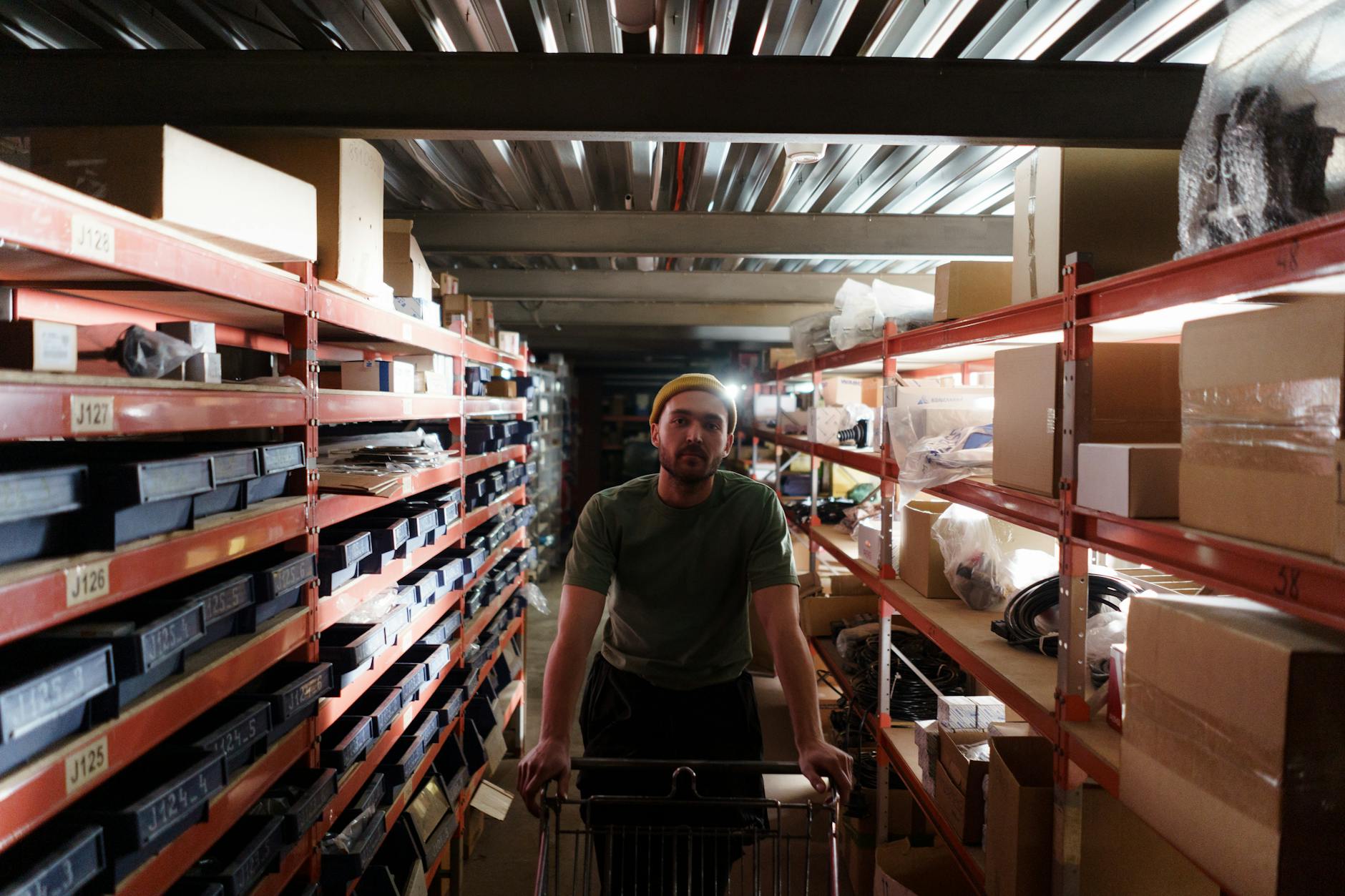
Scholastics warehouse sales are chaos. Boxes everywhere, lines wrapping around pallets, and teachers fighting over the last box of leveled readers. You need a plan before you walk through those doors.
The process is straightforward if you break it down:
Search Scholastic.com/warehouse by zip code to locate events within a 50-mile radius.
Download the Educator Shopping Pass, which requires a teacher ID, paystub, or homeschool affidavit.
Preview the PDF booklist 48 hours pre-sale to identify target titles and align them with your curriculum mapping.
Assemble Box Tops for Education for a 10 percent discount, or bring tax-exempt forms.
Shop hardcovers first due to limited stock, then paperbacks, and checkout before noon to avoid lines.
Use School Purchase Orders for $500-plus totals, credit or debit for smaller amounts.
Bring a collapsible wagon or rolling crate; the parking lot distance often exceeds 200 yards.
Arrive during educator-only hours, typically the first day from 8 to 10 AM. This window guarantees first pick of fresh inventory before the general public raids the stacks. Wear comfortable shoes and bring water; you will be browsing concrete floors for hours while balancing stacks of teacher resources.
Inspect every spine and corner before you buy. Warehouse conditions are not gentle, and a $2 book is no bargain if the binding cracks in three weeks. Flip through picture books to check for torn pages or crayon marks from preview copies.
Pricing is where the magic happens. Paperback chapter books range from $1.50 to $3.00, down from retail prices of $4.99 to $8.99. Picture books cost $3.00 to $5.00 instead of $17.99. The best value remains Guided Reading 6-packs at $12 to $18, compared to retail prices of $35 to $54. You will save 60 to 80 percent off list prices, which means you can stretch a $200 budget into $800 worth of books.
Watch for these common failure modes:
Buying books by cover appeal while ignoring Guided Reading level; bring your class roster with current levels.
Ignoring the Hurt Book cart, which offers an additional 50 percent off slightly damaged items.
Forgetting to check for missing CDs in audio book packs before purchase.
Shopping without an inventory list, resulting in duplicate purchases of titles already in your classroom library.
Last October, I filled three crates for my 3rd grade classroom library in under 90 minutes. I found enough leveled readers to replace my tattered old sets and still had budget left for picture books to support our free social studies worksheets unit on local government. I stuck to my list religiously. When you get home, build a digital resource library cataloging your new acquisitions so you never double-buy again.
What's Next for Scholastics Warehouse
The inventory shifts every season. One week you'll find stacks of leveled readers perfect for your guided reading groups. The next, those picture books vanish and digital resource bundles take their place. You can't predict exactly what hits the tables, but you can predict that the best stuff moves fast.
Check the site weekly. Sign up for the emails. When you see that $2 deal on classroom library sets, grab them. Don't wait for your planning period to think it over. The teachers who build the best collections treat warehouse visits like a habit, not a special event.
Your students need books and materials that match where they are right now. Stay nimble. Keep that list of gaps in your classroom library handy. The next time Scholastics Warehouse drops a fresh shipment, you'll be ready to fill them before someone else does.
Free Printable Social Studies Worksheets
Free printable social studies worksheets save planning time, but they cost more than you think. A three-page printable at $0.05 per copy runs $0.15 per student. A Scholastic workbook 25-pack costs $3.00, or $0.12 per student. Print five worksheets and you have spent $0.25 per student. Laminate high-use items instead. A $0.25 lamination pouch used for five years drops the per-use cost below $0.02.
Access these resources through a Scholastic Teachables subscription at roughly $60 yearly for 15,000 files. Or visit a scholastics warehouse event. Staff hand out USB drives or QR codes linking to fifty complimentary downloads at the free sample tables. You walk away with a full semester of activities without opening your wallet.
Compare these five staples before you hit copy:
Continent Cut-and-Paste: Grade Band K-1. Topic: World geography. Page Count: 2. Color/B&W: Color recommended. Standard Alignment: K-LS1-1. Prep: 5 minutes. Laminate pieces for center reuse.
Longitude/Latitude Treasure Hunt: Grade Band 4-5. Topic: Grid navigation. Page Count: 3. Color/B&W: B&W. Standard Alignment: 4-LS1-1. Prep: 10 minutes. Laminate the map for dry-erase markers.
Community Helper Matching: Grade Band K-1. Topic: Local community. Page Count: 1. Color/B&W: Either. Standard Alignment: K-ESS3-1. Prep: 5 minutes. No lamination needed.
Branches of Government: Grade Band 3-5. Topic: Civics. Page Count: 2. Color/B&W: B&W. Standard Alignment: 3-PS2-1. Prep: 10 minutes. Laminate for government center.
Rosa Parks Timeline Coloring: Grade Band 1-2. Topic: Civil rights history. Page Count: 1. Color/B&W: B&W coloring page. Standard Alignment: 1-LS1-1. Prep: 5 minutes. Save for February.
Check out these ready-to-use worksheet templates when you need something customized fast.
Map Skills and Geography Printables
The 'Map Skills for Today' series builds spatial thinking across primary years. Grade 1 students map their school and neighborhood while meeting the compass rose for the first time. They draw their route from the bus stop to the classroom door. Grade 3 moves to state regions and reading map scale, measuring distances between real cities. Grade 5 tackles grid coordinates and precise latitude/longitude plotting on historical expedition maps.
Each level ships as a ten-worksheet packet with a complete answer key. I pair the Grade 1 set with Joan Sweeney's 'Me on the Map' to anchor the concept of nested places. The literature link is printed right on the teacher guide page so you do not waste time searching.
Print the entire packet or pull single sheets for emergency sub plans. Answer keys save you from squinting at blurry terrain has during your lunch break. Store masters in a labeled binder by grade so you can grab them again next year.
Community and Citizenship Worksheets
Start with the 'Rules vs. Laws Picture Sort' for K-1. Students cut twelve image cards and sort them into home rules or community laws. It takes twenty minutes and sparks debates about whether "no running at the pool" belongs in both columns. The visual format helps English learners grasp abstract government concepts early.
The 'Community Helper Interview' goes home in Tuesday folders. Parents sign the form and snap a photo with a firefighter or dentist. Kids return with stories that beat any textbook description. Budget thirty minutes for sharing day.
My second graders used the 'Our Classroom Constitution' template to draft their own preamble. They filled in the blanks and voted on three classroom laws. The activity ran twenty-five minutes and gave us a poster that hung all year. Each worksheet in this set needs twenty to thirty minutes of focused work.
Historical Figures Coloring and Activity Sheets
The 'First Biographies' series covers twenty figures from Washington to Einstein. Each person gets a two-page spread. The first page shows a detailed coloring image. The second page holds three comprehension questions aligned to guided reading levels F through I.
Reading groups can tackle the text independently while you circulate. The questions target literal recall and simple inference. Early finishers flip the page to find the 'If I Were...' writing prompt. They imagine themselves as Rosa Parks or George Washington Carver and fill the blank space.
Keep these in your sub tub for October or February. The coloring calms the room while the reading keeps standards high. No teacher wants to explain guided reading groups to a substitute, but these sheets make it foolproof.
Kindergarten Social Studies Curriculum Resources
You can build a complete kindergarten social studies curriculum free using Scholastic's printable library for social studies for elementary students. The nine-month scope sequences September through May with twenty distinct activities per month for curriculum mapping. September covers All About Me, October has Community Helpers, November teaches Thanksgiving history, December explores cultural holidays, January introduces geography basics, February highlights Black History biographies, March covers Women's History, April builds environmental citizenship, and May ends with basic economics. That totals one hundred eighty lessons across thirty-six weeks.
Free resources require three to five hours of monthly teacher prep. Purchased boxed curriculum costs four hundred to eight hundred dollars but drops prep to one hour monthly. You break even after two to three years of reusing the paid materials. Research indicates structured social studies instruction in kindergarten improves primary grade reading comprehension by building background knowledge, though specific gains depend on implementation fidelity.
Stock your classroom library with leveled readers and picture books during the Scholastics Warehouse sale to support guided reading groups tied to each unit.
All About Me and Family Units
This opening unit spans two weeks and centers on family structures. Students complete a three-generation family tree template using clipart icons so non-readers can participate independently. They conduct heritage interviews at home using a ten-question form asking about birthplace and family traditions.
The art integration asks kids to paint multicultural self-portraits and glue printed family flags into the corner. You get a parent letter template in both English and Spanish to explain the interview homework. Send it home Friday, collect Monday, build trees Tuesday through Thursday.
The family tree works best on twelve-by-eighteen construction paper folded into thirds. Clip art includes houses, cars, and food items to represent family stories without writing. Display the finished portraits and trees together on the bulletin board labeled "Our Class Community."
Basic Economics and Money Skills
The May unit runs four weeks and culminates in Market Day. You print play money in one, five, and ten dollar denominations from Scholastic's teacher resources section. Students fold and tape durable wallet templates to hold their cash.
Set up a class store with ten items: pencils, erasers, homework passes, and stickers. Kids earn money for completed centers and good citizenship, then shop on Fridays. The math integration hits counting by fives and tens, plus making change with visual aid cards.
I ran this with twenty-four kindergarteners last spring. One girl counted her ten-dollar bills by tens to buy a homework pass and a pencil, then calculated her three dollars change correctly. She could not do that in October.
Cultural Diversity and Holiday Packs
December focuses on three holiday packs that require only scissors, glue, and crayons. Each contains eight to ten pages and supports culturally responsive teaching practices.
The Diwali pack includes rangoli pattern coloring and a story of Rama sequencing strip with six picture cards.
The Lunar New Year pack has zodiac animal matching and a red envelope craft with printable templates.
The Las Posadas pack contains pinata geometry activities where students build 3D shapes from nets.
Teach the practices and family traditions behind each celebration. Avoid religious doctrine. Ask students who celebrate these holidays at home to share one family tradition. The other kids listen and learn without performing someone else's sacred rituals.
Interactive History Websites for Students
Three history websites for students dominate my rotation:
Google Arts & Culture requires Google accounts and high bandwidth. Plan for 1:1 devices.
Smithsonian Learning Lab needs free registration and medium bandwidth. It works at 2:1 ratios.
Scholastic's 'History Mystery' needs no login and runs on low bandwidth.
If your connection drops below 5Mbps or you share devices 3:1, skip the virtual tours. Print primary source analysis sheets instead. Virtual museum field trips cut per-student costs from $50-plus to under $5 for follow-up materials, though nothing replaces handling real artifacts. These digital tools that transform history classrooms need solid access plans.
Virtual Museum Tour Access
The Smithsonian National Museum of American History 'Object Project' takes students through exhibits in 30 minutes. It works best with 3rd through 5th graders who can navigate independently. Before students click, hand them a worksheet: find three objects from the 1800s and sketch them. After the tour, have them write five sentences explaining how one artifact fit into daily life. I watched my 4th graders spend twenty minutes debating a butter churn versus a spinning wheel. That focused observation beats clicking aimlessly.
Interactive Timeline Tools
For original content creation, use TimelineJS with grades 4-5. It connects to Google Drive and allows collaborative editing. If students research existing historical events, use Scholastic's 'American History Timeline' for grades 2-5. It comes pre-loaded with 50 events and a simple drag-and-drop interface. You can grab leveled readers from scholastics warehouse to pair with specific timeline entries. Match these social studies websites for students to your guided reading rotations. This distinction keeps projects aligned with writing standards.
Biography Research Databases
PebbleGo Biographies serves K-3 with built-in audio support, costing around $399 per school license. Ducksters works free for grades 3-5 but displays ads. Install ad-blockers or preview pages first to avoid sidebar clutter. Teach students to search by last name only—typing "Lincoln" returns better results than "Abraham Lincoln." This search method eliminates confusion with multiple historical figures. Build your classroom library with picture books about these figures so students have teacher resources after the screen turns off. Curriculum mapping becomes easier when you match database reading levels to your unit assessments.
What Are the Best Literacy Resource Bundles?
The best literacy resource bundles combine Fountas & Pinnell leveled libraries spanning Guided Reading Levels A-Z, explicit phonics workbooks with decodable texts aligned to CCSS RF standards, and vocabulary centers using Greek and Latin roots. Prioritize collections that include running record assessments and digital companion sites for independent practice.
You need three distinct tiers. Start with the basics.
Scholastic offers three clear options. The Essential Classroom Library gives you 50 assorted picture books for $150—that breaks down to $6 per student in a class of 25. Step up to the Comprehensive Leveled Library at $450 and you get 150 leveled readers plus 25 workbooks, hitting $18 per student. The Premium Integrated Kit runs $850 for 300 titles plus digital access codes, totaling $34 per student. I shopped the scholastics warehouse last summer and cut those costs by forty percent.
Hattie's Visible Learning research shows direct phonics instruction carries an effect size of 0.60. That is substantial. Look for bundles that include an explicit scope and sequence, not just authentic texts. Specific collections to request include Guided Reading Content Areas for nonfiction focus across grades K-5, Phonics Booster Books for grades K-2 decodable readers, and Vocabulary Workshop centers for grades 3-5. Only the Premium tier includes digital assessments. These pair well with evidence-based reading comprehension strategies in your curriculum mapping.
Leveled Reading Passage Collections
Match your students to the correct bins. DRA levels 1 through 44 correlate to Scholastic's color-coded system: Red bins hold AA through C, Yellow holds D through F, Blue holds G through I, and Green holds J through L. This visual system saves minutes during transitions.
The Guided Reading 6-Pack format includes six copies each of fifty titles, giving you three hundred books total. You also get sturdy storage bins and teaching cards featuring scripted prompting questions for every level. I used these with my 2nd graders during small group rotations. The scripted questions kept me from scrambling for language when a student got stuck on a tricky word.
Store bins at student eye level. Label each with the color code and a few sample titles. This turns your classroom library into an independent station while you pull guided reading groups.
Phonics and Decoding Workbooks
Structure matters more than cute clip art. Quality phonics workbooks follow a twelve-week progression with clear units:
Unit One: Short vowels in weeks one through four.
Unit Two: Blends and digraphs in weeks five through eight.
Unit Three: Long vowels and silent E through week twelve.
Each unit contains thirty student pages designed for fifteen-minute daily lessons. Progress monitoring checkpoints appear every four weeks so you catch struggling readers early. These align to CCSS RF.1.2 and RF.1.3 standards. Supplement these with phonics books for elementary students from your existing teacher resources.
Skip workbooks that mix units randomly. Kids need systematic practice, not surprises. Keep the scope and sequence posted near your small group table for quick reference.
Vocabulary Building Centers
Differentiate by grade band. Each component targets specific developmental stages:
Grades K-2: Tier Two academic word cards showing high-utility verbs and adjectives.
Grades 3-5: Greek and Latin root puzzles that break words into meaningful chunks.
All levels: Context clue clip cards for inferring meaning.
Set up using a file folder system with six envelopes per folder. Place the answer key on the reverse side for self-checking. Initial prep takes about twenty minutes if you laminate components. These centers last five-plus years with proper storage.
Free literacy resources abound online, but these structured centers save you the Sunday night search. They fit neatly into your curriculum mapping as independent practice stations.
Digital Social Studies Games and Activities
Skip the digital games if your bandwidth dips below 5Mbps or you're running three kids per device. Students with IEPs requiring tactile manipulation will struggle with these interfaces. I keep print-and-play board game versions in my cabinet from the Scholastic Warehouse for those exact scenarios.
Research shows game-based geography practice cuts concept mastery time by 40-50% compared to flashcards. That only holds true if you have the tech infrastructure and students possess prior knowledge of the interface.
Three tools dominate proven methods for classroom gamification. Stack the States runs $2.99 on iOS 12+ devices needing 200MB storage for grades 2-5. Mission US works in any HTML5 browser with 90-minute episodes targeting grades 5-8. iCivics Win the White House needs five full class periods and suits grades 4-6.
Map-Based Learning Games
Geography Drive USA costs $2.99 in the app store while Seterra remains free and web-based. Both drill the fifty states, capitals, and major landmarks through rapid identification challenges.
I run these as ten-minute daily warm-ups while I take attendance. Students grab their tablets and race through state identification challenges. I track progress on a printable leaderboard taped to the cabinet. When curriculum mapping for the year, I slot these sessions into the weeks before state testing begins.
These apps align with 3rd through 5th grade state standards preparation better than most picture books in your classroom library. They complement your guided reading block without replacing the leveled readers you already depend on. Stack the States works best on older iPads with that specific 200MB storage footprint. Check your device ratio before purchasing licenses. Three students per iPad makes this game frustrating.
Historical Simulation Activities
The Oregon Trail classic version still ships in Scholastic retro software packs. It spans four hours across multiple class sessions. Mission US runs in modern HTML5 browsers with no Flash required.
Mission US: For Crown or Colony? takes ninety minutes in a single session. It targets grades 5-8 with sophisticated historical narrative. Oregon Trail emphasizes resource management and random catastrophe while Mission US forces ethical decisions about loyalty and identity.
Here is my warning. The game contains historical violence and difficult themes surrounding colonial life. I require parental permission slips for my 5th graders and always preview the content myself during a planning period.
Last October, my 5th graders struggled with the Loyalist versus Patriot decision tree. We paused the simulation and diagrammed the choices on chart paper before continuing. Mission US needs stable bandwidth above 5Mbps or the video segments buffer constantly. I keep printed teacher resources from the Mission US portal handy.
Civic Engagement Interactive Lessons
iCivics Cast Your Vote simulates the full electoral process. You need computer access, printable electoral college maps, and the candidate issue briefs provided by the platform.
Buy a sheet of "I Voted" sticker badges from the dollar store. Middle schoolers love the tangible reward after completing the digital simulation.
Win the White House requires five full class periods to complete properly. Students craft policy positions and manage campaign resources across the fifty states. This works best with 4th through 6th graders who understand basic arithmetic.
The simulation spans three distinct days:
Day one covers research using candidate issue briefs.
Day two has live debates between campaign teams.
Day three calculates Electoral College math and declares winners.
Extend the lesson by comparing your classroom popular vote against the Electoral College results. Pull historical data from past elections to show the split. iCivics belongs in your classroom library of social studies websites for students alongside your favorite teacher resources.
Which Free Resource Collections Offer the Most Value?
Back-to-School starter packs containing over 45 pages of nametags and parent forms, seasonal unit bundles integrating science and ELA standards, and cross-curricular STEM kits offer maximum value. Prioritize collections featuring blackline masters to reduce ink costs, bilingual parent communication options, and alignment to state social studies standards.
Stop hunting for one-off worksheets. These three collection types save you from piecing together curriculum bits every Sunday night. They also play nice with your free resource collections for teachers you already bookmarked.
Back-to-School packs give you 48 pages across five subjects with low prep. Seasonal bundles run 35 pages covering three subjects with medium prep. Cross-curricular kits top out at 60 pages integrating four subjects but require high prep.
Cross-curricular wins for skill integration. Back-to-school wins for time savings. Seasonal wins for pure engagement.
At $0.03 to $0.05 per page, a 60-page bundle costs $1.80 to $3.00 per student. For a class of 25, that totals $45 to $75. Commercial workbooks run $15 per student. You are looking at 90% savings even after ink costs. That leaves room in the budget for actual books.
Select collections that meet these three criteria:
Blackline masters instead of color pages that drain your ink cartridge.
Bilingual parent communication forms for open house.
Alignment to state social studies standards for clean curriculum mapping.
Back-to-School Starter Packs
These packs contain 48 pages of practical teacher resources. Each includes:
Six durable nametag templates designed for cardstock.
Parent information forms in both English and Spanish.
First-week interest inventories differentiated for K-1, 2-3, and 4-5.
PBIS-aligned classroom rules posters.
Use the interest inventories to stock your classroom library with appropriate picture books before day one. Print the rules posters on bright Astrobrights paper, laminate them once, and they survive five years of use.
Seasonal Unit Study Bundles
The September Apple Harvest unit spans twelve centers over two weeks. It connects Johnny Appleseed history with apple life cycle science and taste-test graphing. These social studies resources for elementary students blend cleanly into your ELA block.
Pair it with The Apple Pie Tree and other leveled readers during guided reading. I set this up in my 3rd grade classroom last fall. The medium prep pays off when kids remember which apple won the vote in March.
Cross-Curricular Integration Kits
The Ancient Civilizations STEM Challenge runs four weeks using sugar cubes, clay, and household items. Students build Roman arches, try Egyptian multiplication, simulate Greek democracy, and write cuneiform on clay tablets.
This kit needs high prep but connects four subjects. Run it during your scholastics warehouse book fair week. Students will link the engineering challenges to the ancient history texts while parents browse.
How to Navigate Scholastics Warehouse for Maximum Savings?
Navigate Scholastic Warehouse sales by registering online for an Educator Shopping Pass, arriving during educator-only hours (typically first day 8-10 AM), bringing a rolling crate for heavy boxes, and prioritizing Guided Reading 6-packs ($12-$18) over individual titles. Check book spines for damage before purchase.
Scholastics warehouse sales are chaos. Boxes everywhere, lines wrapping around pallets, and teachers fighting over the last box of leveled readers. You need a plan before you walk through those doors.
The process is straightforward if you break it down:
Search Scholastic.com/warehouse by zip code to locate events within a 50-mile radius.
Download the Educator Shopping Pass, which requires a teacher ID, paystub, or homeschool affidavit.
Preview the PDF booklist 48 hours pre-sale to identify target titles and align them with your curriculum mapping.
Assemble Box Tops for Education for a 10 percent discount, or bring tax-exempt forms.
Shop hardcovers first due to limited stock, then paperbacks, and checkout before noon to avoid lines.
Use School Purchase Orders for $500-plus totals, credit or debit for smaller amounts.
Bring a collapsible wagon or rolling crate; the parking lot distance often exceeds 200 yards.
Arrive during educator-only hours, typically the first day from 8 to 10 AM. This window guarantees first pick of fresh inventory before the general public raids the stacks. Wear comfortable shoes and bring water; you will be browsing concrete floors for hours while balancing stacks of teacher resources.
Inspect every spine and corner before you buy. Warehouse conditions are not gentle, and a $2 book is no bargain if the binding cracks in three weeks. Flip through picture books to check for torn pages or crayon marks from preview copies.
Pricing is where the magic happens. Paperback chapter books range from $1.50 to $3.00, down from retail prices of $4.99 to $8.99. Picture books cost $3.00 to $5.00 instead of $17.99. The best value remains Guided Reading 6-packs at $12 to $18, compared to retail prices of $35 to $54. You will save 60 to 80 percent off list prices, which means you can stretch a $200 budget into $800 worth of books.
Watch for these common failure modes:
Buying books by cover appeal while ignoring Guided Reading level; bring your class roster with current levels.
Ignoring the Hurt Book cart, which offers an additional 50 percent off slightly damaged items.
Forgetting to check for missing CDs in audio book packs before purchase.
Shopping without an inventory list, resulting in duplicate purchases of titles already in your classroom library.
Last October, I filled three crates for my 3rd grade classroom library in under 90 minutes. I found enough leveled readers to replace my tattered old sets and still had budget left for picture books to support our free social studies worksheets unit on local government. I stuck to my list religiously. When you get home, build a digital resource library cataloging your new acquisitions so you never double-buy again.
What's Next for Scholastics Warehouse
The inventory shifts every season. One week you'll find stacks of leveled readers perfect for your guided reading groups. The next, those picture books vanish and digital resource bundles take their place. You can't predict exactly what hits the tables, but you can predict that the best stuff moves fast.
Check the site weekly. Sign up for the emails. When you see that $2 deal on classroom library sets, grab them. Don't wait for your planning period to think it over. The teachers who build the best collections treat warehouse visits like a habit, not a special event.
Your students need books and materials that match where they are right now. Stay nimble. Keep that list of gaps in your classroom library handy. The next time Scholastics Warehouse drops a fresh shipment, you'll be ready to fill them before someone else does.
Still grading everything by hand?
EMStudio is a free teaching management app — manage your classes, students, lessons, and more!
Learn More
Still grading everything by hand?
EMStudio is a free teaching management app — manage your classes, students, lessons, and more!
Learn More



Notion4Teachers
Notion templates to simplify administrative tasks and enhance your teaching experience.



2026 Notion4Teachers. All Rights Reserved.
Notion4Teachers
Notion templates to simplify administrative tasks and enhance your teaching experience.
2026 Notion4Teachers. All Rights Reserved.
Notion4Teachers
Notion templates to simplify administrative tasks and enhance your teaching experience.
2026 Notion4Teachers. All Rights Reserved.