
12 Social Studies Tools That Transform History Classrooms
12 Social Studies Tools That Transform History Classrooms

Article by
Milo
ESL Content Coordinator & Educator
ESL Content Coordinator & Educator
All Posts
Your textbook chapter on the Civil Rights Movement has three paragraphs and one blurry photo. You need primary sources that will make your 8th graders actually care about Emmett Till without spending your weekend digging through Library of Congress archives. This is the social studies teacher's constant grind: finding materials that build historical thinking skills without burying you in prep work.
You've probably tried three different platforms this year alone. Some promised differentiated instruction but delivered worksheet PDFs. Others had great primary source analysis features but took twenty clicks to assign. The C3 Framework asks students to evaluate sources and argue from evidence, yet most assessment tools only measure whether they memorized the date of the Compromise of 1850.
The twelve tools below solve specific problems in actual classrooms. They handle document-based questions without the formatting headaches, automate the boring parts of civic education projects, and show you which students can actually analyze bias versus those who just copied Wikipedia. I have used these with real kids in real social studies classrooms—here's what works, what breaks, and where to start.
Still grading everything by hand?
EMStudio is a free teaching management app — manage your classes, students, lessons, and more!
Learn More

Still grading everything by hand?
EMStudio is a free teaching management app — manage your classes, students, lessons, and more!
Learn More
Table of Contents
Which Digital Platforms Transform Social Studies Instruction?
Digital platforms transform social studies instruction by making abstract concepts concrete: iCivics gamifies civic procedures through election simulations, Newsela differentiates current events across five Lexile levels, and Nearpod provides immersive VR field trips to historical sites. These tools support diverse learners while maintaining alignment to C3 Framework standards.
Static textbooks can't compete. The electoral college becomes an active campaign where students manage budgets and win swing states. Current events automatically adjust vocabulary so struggling readers and advanced students can discuss the same Supreme Court decision simultaneously. This shift from passive consumption to multimodal engagement is how modern social studies teachers reach every kid.
You don't need one-to-one devices to start. iCivics runs on any browser. Newsela requires only internet for Lexile adjustments. Nearpod VR works with smartphones in Google Cardboard viewers. All three offer free tiers sufficient for piloting with classes of 30-35 students.
iCivics: Gamifying Civic Education for Middle School
When your 7th graders ask why the electoral college exists, don't just show them a map. Let them run the system. iCivics turns dry procedural knowledge into competitive gameplay that sticks. I've watched reluctant learners transform into campaign managers who actually understand what it takes to reach 270 electoral votes.
Start with Win the White House. Students build a platform, select issues, and manage a campaign budget across 12 weeks of simulated time. The full simulation takes 20-25 minutes—perfect for a single class period. Then try Argument Wars, where pairs debate landmark Supreme Court cases using actual constitutional amendments as ammunition. The interface guides them through building legal arguments without you prepping case briefs.
The platform hits its sweet spot in grades 5-8, though I’ve used it for high school civics review when seniors need to prep for state assessments. The browser-based system means you can book the library computer lab and have 30 students playing simultaneously within ten minutes. No downloads, no compatibility headaches. Every game, lesson plan, and gamification method to boost student interest costs nothing. The Shaw Family Foundation has funded this since 2009, so you won't hit a paywall.
Newsela: Differentiated Current Events for Every Reading Level
Differentiated instruction in social studies often means creating three versions of the same reading packet. Newsela automates that work. The platform takes current events and primary source documents, then instantly generates five Lexile levels ranging from 580L (roughly 2nd grade) to 1310L (12th grade). Every student in your room reads the same story, but the vocabulary and sentence complexity match their ability.
Take the Civil Rights Movement text set. It contains five articles—perhaps covering Rosa Parks, the Montgomery Bus Boycott, and the 1964 Civil Rights Act. Each article automatically adjusts across five reading levels. Your English language learner accessing the 740L version and your honors student reading the 1210L version can both participate in the document-based questions you pose during discussion.
Newsela offers two distinct tiers:
Free: Five articles per day, sufficient for piloting with a single class of 35 students
Pro: Unlimited access requires a site license costing $4,000-$6,000 annually depending on school size
The Lexile adjustment happens server-side, so students need internet connectivity to toggle between levels. Once they've selected their preferred level, the platform remembers their choice for future assignments. You'll see who changed levels frequently—a useful data point for identifying students who might be overestimating their own reading stamina.
Nearpod: Virtual Reality Field Trips to Historical Sites
Standing in the Hiroshima Peace Memorial changes how students understand atomic diplomacy. So does walking through the slave quarters at Monticello. Nearpod makes these experiences possible without permission slips or bus rentals. The platform delivers immersive VR and AR learning environments directly to your classroom.
The historical VR library includes experiences that textbooks simply cannot replicate:
The Hiroshima Peace Memorial and its surrounding park
Monticello's slave quarters and plantation architecture
The Great Wall of China's mountain passes
The Ancient Rome Colosseum's underground chambers
Students look through Google Cardboard viewers—$8-15 per unit on Amazon—and suddenly they're examining architectural details that no photograph captures. For schools without VR hardware, the experiences still work on Chromebooks in standard 360-degree panorama mode.
I've found the Monticello slave quarters tour particularly effective for primary source analysis. Students notice details in the living spaces that spark questions about Jefferson's contradictions—questions that rarely surface when they're reading a sanitized textbook paragraph. The VR creates the emotional hook; your follow-up questions develop the historical thinking.
The free tier limits you to 100MB of storage and restricted slide counts. Gold runs $159 per teacher annually, while district licenses require custom quotes. Start with the free version; 30-35 students can experience two or three field trips before you decide whether to invest.

Where Can You Find Primary Sources That Actually Engage Students?
The Library of Congress provides 44 classroom-ready Primary Source Sets with Teacher's Guides, the National Archives offers DocsTeach with 12 interactive activity-creation tools, and Stanford History Education Group supplies 120+ Reading Like a Historian lessons. These repositories teach evidence evaluation rather than passive fact memorization. They align with the C3 Framework's Inquiry Arc—specifically Dimension 1 (Developing Questions) and Dimension 2 (Applying Disciplinary Concepts)—and follow Rosenshine's Principles by providing guided practice with complex texts before students work independently. This shift from passive reception to active investigation defines modern history education. Best part? All three are federally funded or grant-supported, costing you $0.
Library of Congress: Classroom-Ready Primary Source Sets
The Library of Congress hosts 44 Thematic Primary Source Sets covering everything from Japanese American Internment to Children's Lives at the Turn of the Century. Each set contains 10-15 items—photos, maps, newspaper clippings, or political cartoons—paired with a 5-page Teacher's Guide that includes background context and discussion prompts. You don't need to hunt down copyright-cleared images or write historical summaries. The guide includes suggested grade bands and standards connections, so you can justify the lesson during your next evaluation.
The site provides the Primary Source Analysis Tool built on an Observe-Reflect-Question protocol for structured primary source analysis. Students first record concrete details (observe), then connect to prior knowledge (reflect), then generate questions for further investigation. This structure supports teaching critical thinking through source analysis without requiring you to build graphic organizers from scratch. The sets work for quick 15-minute warm-ups or full document-based questions. I used the Immigration set with 8th graders last spring; the Ellis Island photos generated more discussion than the textbook chapter ever did.
National Archives: DocsTeach Interactive Activities
The National Archives runs DocsTeach, a platform with 12 activity-creation tools. You pull from a pool of 3,000+ digitized items—letters, photographs, government documents, even audio recordings—and drop them into interactive templates. Students drag and drop to sequence events or click hotspots to reveal document details.
Making Connections
Finding a Sequence
Focusing on Details
Mapping History
The activity builder allows true differentiated instruction. When you create a custom assignment, you can add hint boxes that appear when students click for help, scaffolding the reading without hovering over shoulders. This mirrors Rosenshine's emphasis on guided practice before independent work. The platform tracks responses in real time, letting you see who needs help before they raise their hand. Students effectively use evidence to back up historical arguments because the tools force them to manipulate the documents rather than just read them. I built a Focusing on Details activity for a 5th-grade Revolutionary War unit. The hint boxes kept my struggling readers moving while others analyzed independently.
Stanford History Education Group: Reading Like a Historian Lessons
Stanford History Education Group (SHEG) publishes the Reading Like a Historian curriculum, featuring 120+ free lessons covering U.S. History from the Civil War through Civil Rights, plus World History topics. Each lesson centers on a historical question—like "Who won the Cold War?"—and provides 2-3 primary documents with a sourcing heuristic analyzing context, purpose, and point of view. Students don't just summarize; they evaluate reliability. Each document comes with a brief headnote explaining provenance, so you aren't left explaining obscure references mid-lesson.
The lessons follow a consistent structure: establish background, present the question, read and annotate documents in groups, then debate the evidence. For assessment, SHEG offers Beyond the Bubble history assessments using Quiz Illustrations that measure historical thinking rather than trivia recall. This approach transforms social studies from memorization drills into genuine inquiry, matching the C3 Framework's vision for civic education. The Civil Rights lesson bundle saved me hours last February. My kids actually argued about the March on Washington using the sourcing heuristic instead of guessing what I wanted to hear.

What Curriculum Resources Eliminate Your Prep Time?
McGraw Hill Social Studies Networks provides district-level digital curriculum with embedded syncBlasts for current events, Students of History offers complete downloadable units created by a practicing teacher ($349 for full year), and Teachers Pay Teachers serves as a marketplace for vetted supplemental materials averaging $15-25 per unit. Each option trades money for time in different ratios. You need to know which procurement model actually fits your district's budget and your personal workflow.
Pre-made curriculum promises zero prep, but reality demands modification. Budget 3-4 hours adaptation time per unit because you'll need to adjust pacing guides, swap out local examples, and add your own differentiated instruction layers. That 20-30% modification rate applies whether you buy from a publisher or a peer marketplace.
Procurement Model | Cost Per Student | Prep Time Saved | Customization Level | Standards Verification |
|---|---|---|---|---|
Traditional Publisher (McGraw Hill) | $25-$45 annually | 40+ hours/unit | Low (platform-locked) | Publisher-certified C3 Framework |
Teacher-Creator Shop (Students of History) | ~$2 one-time | 25-30 hours/unit | Medium (editable files) | Creator-verified state tags |
Peer Marketplace (TpT) | $15-$45 per unit | 10-15 hours/unit | High (varies by shop) | Self-vetted via previews |
Curriculum quality varies significantly in open marketplaces. Always vet for C3 Framework alignment before purchasing—look for explicit mentions of inquiry arcs and primary source analysis in the preview images. A resource without documented standards alignment usually wastes more time than it saves.
McGraw Hill Social Studies Networks: Standards-Aligned Units
The mcgraw hill social studies Networks platform houses your textbook content plus tools that actually justify the price tag. You get interactive maps students can manipulate, inquiry journals that scaffold historical thinking, and Actively Learn embedded reading checks that force students to engage with the text before class. I used the syncBlasts feature last year for current events connections—students read the curated article, responded to the poll, and we discussed their answers during the bell ringer. It saved me from hunting down age-appropriate news sources every Monday morning.
District licenses run $25-$45 per student annually depending on your enrollment numbers, which adds up fast. The trade-off is explicit alignment to C3 Framework and state-specific standards like Texas TEKS and California HSS. You won't need to cross-reference standards yourself, but you will fight against the platform's rigid pacing if your district calendar differs from their default schedule. The content is thorough, but you can't extract the PDFs to streamline your curriculum development framework in your own system.
Students of History: Complete Lesson Plan Bundles
Students of History comes from Keith C., a high school history teacher with over a decade in the classroom. He built these units while teaching the same courses you're teaching now, so the sequencing reflects actual student attention spans and common misconceptions. You receive a Google Drive link containing PowerPoints, Cornell-style guided notes, interactive notebook templates, tests, and projects. Everything arrives editable, which means you can insert your own document-based questions or adjust the civic education examples to match your local context.
The Complete World History Curriculum includes 150+ individual items and costs $349 as a one-time purchase. Compare that to subscription models charging $50+ monthly, and you're looking at serious savings over a school year. I bought his Civil Rights unit two years ago and used the included video links and primary source galleries immediately. The guided notes kept my inclusion students on track without me creating separate handouts. This is the middle ground between building everything yourself and fighting district-mandated software.
Teachers Pay Teachers: Vetted Social Studies Curriculum Shops
Teachers Pay Teachers requires a specific search strategy to avoid garbage. Filter by "Highest Rated," narrow to "Social Studies - History," and only click resources displaying TEKS or CCSS standard tags in the preview thumbnails. Quality indicators separate usable resources from digital clutter:
4.0+ star ratings with 100+ reviews
Detailed preview images showing actual lesson structures
Editable file types (PowerPoint or Word, never PDF-only)
Social studies resources on TpT range from individual lessons at $3-$8 to full units at $15-$45. Budget $200-400 if you're supplementing an entire course.
The customization level here beats publishers because you're often buying from teachers who built materials for their own diverse classrooms. Look for shops mentioning differentiated instruction or offering multiple versions of activities. However, you must verify C3 Framework alignment yourself since anyone can upload. Check the hacks teachers rely on to save time by previewing the table of contents for inquiry-based sequencing before you buy. The 20-30% modification rule applies heavily here—plan to spend those 3-4 hours adapting these materials to your specific pacing guide.

Which Assessment Tools Measure Historical Thinking Skills?
Edpuzzle measures historical thinking by embedding questions directly into documentary timestamps, Kahoot! provides gamified review for factual recall, and Formative enables real-time checks for source analysis through drawing and short-answer tools. These shift assessment from memorization to evidence evaluation skills.
Most social studies tests measure declarative knowledge—names, dates, battles. But historical thinking is procedural knowledge. You need to see students sourcing documents, contextualizing evidence, and corroborating accounts. The comparison below separates fact recall from actual skill demonstration:
Grading automation: Edpuzzle auto-grades multiple choice but manually flags open responses. Kahoot! scores instantly yet only handles facts. Formative automates basic questions while queuing complex answers for review.
Historical thinking depth: Edpuzzle forces mid-video analysis. Kahoot! remains shallow unless you disable timers. Formative enables full document-based questions with annotation.
Setup time: Edpuzzle takes 20 minutes per video. Kahoot! builds in 10. Formative requires 15-25 depending on complexity.
Edpuzzle: Embedding Questions in Historical Video Content
You drop a question at minute 3:45 of a Civil War documentary. Students can't skip past it. They answer multiple choice or open response before the video resumes. You can even record voice comments explaining why a source matters. That's the technical capability—embedding assessment at the exact moment the content appears.
You aren't stuck making your own videos. Edpuzzle integrates with YouTube, Khan Academy, and CrashCourse History. Upload your own footage too, though the free tier limits you to 20 videos. For teaching history with primary source footage, this flexibility matters.
The analytics dashboard reveals who watched what. You see watch time percentages, response accuracy, and rewind patterns. When four kids pause at the same timestamp, you know exactly where the confusion happened.
Kahoot!: Gamified Review for Dates and Concepts
The game mechanics hook them. You build 2-40 multiple choice questions, launch the game, and watch the competitive leaderboard update live. 'Ghost Mode' lets students race their previous scores, perfect for re-teaching missed concepts. Use this for review days before summative assessments, vocabulary reinforcement, or chronology practice.
But watch the failure mode. Kahoot! defaults to 5-20 seconds per question. Speed-based scoring trains kids to click fast, not think deeply. When you ask students to read primary source excerpts, set the timer to 20 seconds minimum. Better yet, disable it entirely for analysis questions. Otherwise, you undermine the historical thinking you're trying to measure.
This tool works for facts. It fails for civic education discussions requiring nuance. Keep it in your back pocket for drill and kill, not for document-based questions.
Humy.ai: Assessing Inquiry Through Conversations with Historical Figures
Here's a different way to measure historical thinking: watch how students question the past instead of how they recall it. Humy.ai lets students hold text or voice conversations with 1,200+ AI historical figures—Lincoln, Douglass, Joan of Arc—and the quality of their questions becomes the assessment. A student who asks Frederick Douglass about the contradictions in the founding documents is demonstrating contextualization and perspective-taking. A student who asks "when were you born" is not. The transcripts show you the difference.
You assign a figure, set the learning goal, and monitor every student interaction from your dashboard. The platform generates assignments, quizzes, debates, and grading feedback in seconds, so you're not building rubrics from scratch or reading thirty chat logs on your own time. You can adjust each figure's reading level for differentiated instruction and align tasks to standards like Common Core and AP. I've found this pulls in the quiet kids who never raise a hand during a whole-class document-based questions discussion—they'll interrogate an AI George Washington for twenty minutes without realizing they're doing source analysis.
It's a supplement, not a primary-source repository, so keep your real archives in the rotation for corroboration work. Humy.ai offers a free trial, with classroom and school subscription tiers after that. Pilot it with one unit and read the transcripts—you'll spot who's actually thinking historically and who's still asking trivia questions.
Formative: Real-Time Checks for Source Analysis Skills
This is where you check for sourcing and contextualization in real time. Students use the draw tool to annotate political cartoons or mark up maps. They write short answers explaining a document's bias. You see every stroke and keystroke live on your dashboard.
John Hattie's Visible Learning research puts immediate feedback at an effect size of 0.70—nearly double the average classroom intervention. Formative delivers this. You watch a student misinterpret a source's date and intervene before they finish. No waiting until tomorrow to fix the misconception.
Tag each question to the C3 Framework or state standards to track mastery by dimension. For primary source analysis that requires differentiated instruction, this beats multiple choice. See our performance-based assessment guide for rubrics, or try these formative assessment examples for immediate use.

How Do You Choose the Right Tool for Your Teaching Context?
Select tools by matching complexity to grade-level standards (elementary games vs. high school primary source analysis), balancing budget constraints against functionality needs, and ensuring LMS compatibility through SSO integration. Pilot with free tiers before purchasing district licenses to verify alignment with your specific teaching context.
Start with your biggest pain point. Engagement crisis? Look for gamified civic education platforms. Assessment headaches? Hunt for document-based questions with built-in rubrics. Primary source gaps? You need repositories supporting authentic historical thinking.
Matching Complexity to Grade Level and Standards
Your tool must fit developmental readiness, not just content standards.
Elementary (K-5): Select tools with read-aloud features, visual supports, and gamification. iCivics Jr. and BrainPOP Jr. work here because they build vocabulary without requiring fluent reading. Your 5th graders need visual timelines, not raw archival databases.
Middle (6-8): Balance engagement with rigor. Look for differentiated instruction features like Newsela’s Lexile adjustment so the same article serves your struggling reader and your advanced student.
High School (9-12): Prioritize tools supporting primary source analysis and argumentation. Stanford SHEG’s Reading Like a Historian and DocsTeach offer messy sources—handwritten letters with spelling errors, conflicting accounts. That friction creates historians, not just content consumers.
Ensure your choice aligns with either social work pedagogy’s emphasis on civic action or traditional inquiry models following the C3 Framework.
Balancing District Budget Constraints with Functionality
Start at zero. iCivics, the Library of Congress, and Khan Academy deliver robust social studies content without subscription fees. Audit these thoroughly before opening the budget. Many premium features simply mirror what free federal resources already provide.
Free tier audit: iCivics, Library of Congress, and Khan Academy offer robust features at $0.
Hidden costs: Professional development substitute days ($120-150/day), device charging carts ($800-1200), headphones for VR.
Grant sources: NEH Summer Seminars ($1,300 stipend), local education foundations, DonorsChoose (average project funding $400-600).
Budget bands break down simply: $0 federal resources, $50-150 per teacher annually for freemium upgrades, or $2000+ per school for enterprise suites. Never buy district-wide licenses until you’ve piloted with free tiers. I’ve watched schools waste thousands on platforms that didn’t fit their educational technology integration strategies.
Ensuring LMS Integration and Single Sign-On Compatibility
Check the technical specs before you fall in love with the content. Verify LTI integration if you run Canvas or Schoology, or API connections for Google Classroom. If it doesn’t talk to your gradebook, you’ll spend Sundays manually transferring scores from CSV exports.
Compatibility checklist: Verify LTI integration for Canvas/Schoology or API for Google Classroom.
SSO requirements: Google OAuth, Clever, or ClassLink essential for under-13 COPPA compliance; never use platforms requiring email sign-up for elementary.
Grade passback: Determine if scores sync automatically to SIS gradebook or require manual CSV export.
Check IEP accommodation features during your pilot, not after purchase. Can the tool read text aloud? Adjust contrast? Extend time limits? If your social work pedagogy emphasizes inclusive civic action, your technology must remove barriers, not create them. Pilot with five students first. If they can’t log in without your help, the tool fails before instruction starts.
Your 30-Day Social Studies Tool Implementation Plan
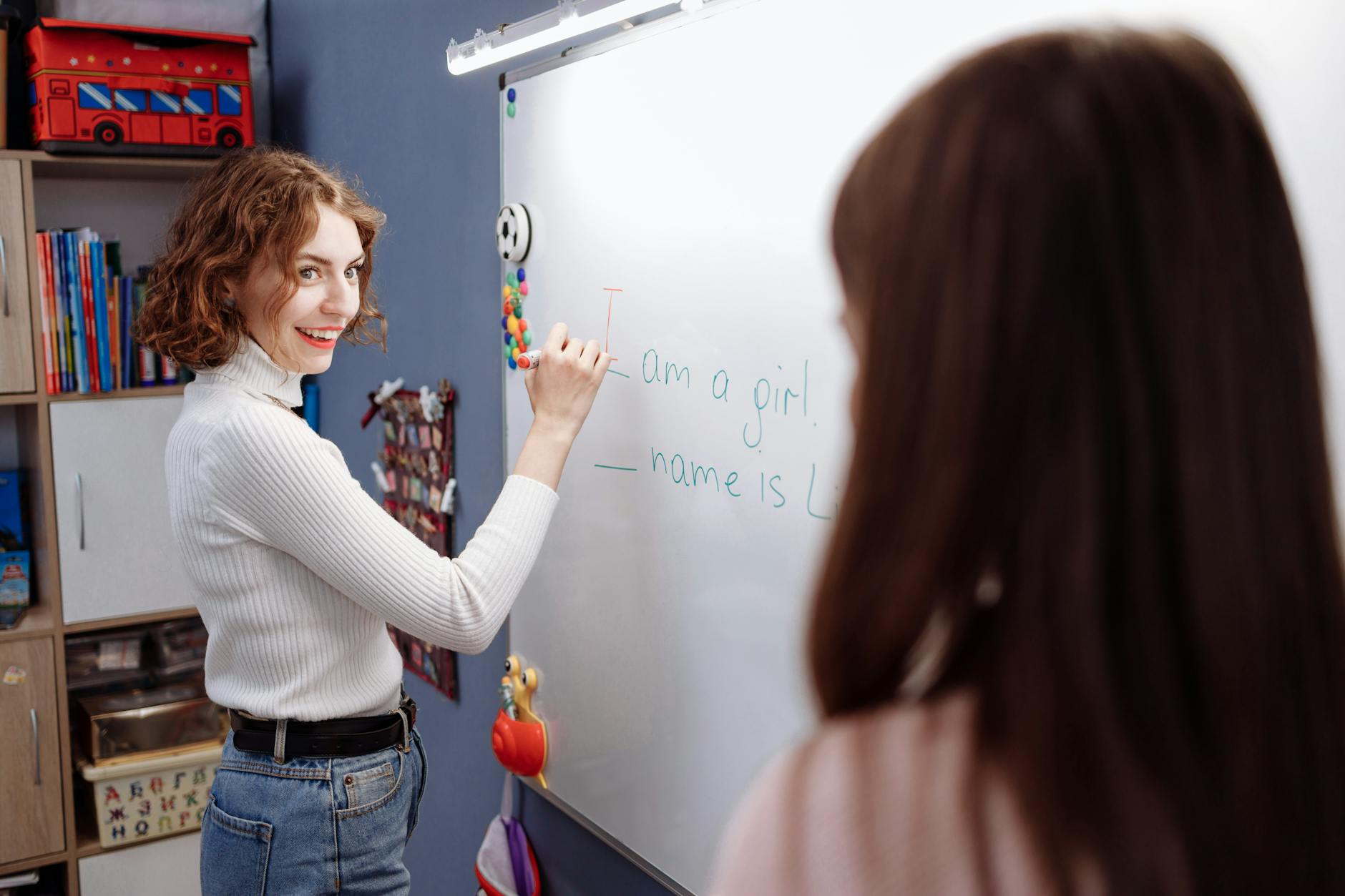
Implementation fails without guardrails. This four-week checklist keeps your social studies curriculum moving while you test new tools. Each Friday ends with a concrete deliverable and a paper backup plan.
Week 1: Audit Your Current Resource Gaps
Pull out your current unit plans. Rate each resource 1–4 on four criteria: Engagement, Differentiated Instruction, access to Primary Sources, and Assessment alignment with the C3 Framework. That 2003 textbook PDF gets a 1 for engagement. Your existing document-based questions might score high on sources but low on scaffolding for ELLs.
Friday Deliverable: A written list of three specific gaps. Not "need better stuff." Write: "No VR for ancient cultures" or "No primary source scaffolding for ELLs."
Time Investment: Two hours during a planning period.
If Tech Fails: Your analog backup is teaching the same lesson with current materials. You're auditing, not switching yet.
Week 2: Pilot One Platform with a Single Unit
Select your shortest unit—three to five class periods—with a low-stakes assessment. Test the activity on an actual student device 24 hours prior. Verify wifi capacity for thirty simultaneous connections. I learned this when twenty-five kids crashed the network trying to load a VR tour simultaneously.
Friday Deliverable: Completion report showing 75% of students finished without requiring your technical troubleshooting.
Success Metric: Seventy-five percent technical completion rate. If fewer hit this mark, the tool isn't ready.
If Tech Fails: Run your paper-based backup lesson. Keep those document-based questions printed and ready.
Week 3: Gather Student Feedback and Adjust
Deploy a five-question Google Form survey: three Likert scale items (engagement, ease of use, learning value) and two open-response fields (confusion points, suggestions). Students are brutally honest. Mine last year reported that the primary source analysis buttons were too small for Chromebook screens.
Friday Deliverable: Analysis showing 80% positive student feedback on engagement and specific modifications for Week 4.
Analysis Method: Look for patterns in three or more comments. If multiple students mention timer stress, extend limits. If they can't find the save button, screenshot the location.
If Tech Fails: Walk around with a clipboard during bellwork. Analog feedback still counts.
Week 4: Scale Successful Tools Across the Semester
Create a one-page "Tool Guide" with login info, activity examples, and troubleshooting tips for department sharing. Train one "teacher buddy" to handle basic resets. You cannot be the only expert when you're home sick. Map tool usage to your curriculum map for the entire semester—mark which units get VR, which Fridays use current events platforms, and where historical thinking skills get reinforced.
Friday Deliverable: Department one-pager distributed and one buddy teacher trained.
Sustainability Measure: Your buddy can run the tool without you.
Semester Integration: Map tool usage to your curriculum map for the entire term.
When you integrate edtech seamlessly into your lesson plans, you build civic education resources that outlast this semester.

Final Thoughts on Social Studies
You don't need all twelve tools. You need one that you'll actually use on Monday.
Pick the platform that solves your biggest pain point right now. If you're drowning in grading, choose the assessment tool. If your kids check out during textbook readings, grab those primary source archives. Stop researching and start teaching. Open the site, build one assignment using a single primary source, and assign it to one class. Watch what happens when students actually engage with historical thinking instead of filling out worksheets. You'll learn more from twenty minutes of real classroom feedback than you will from six more hours of tutorials or vendor demos.
Great civic education doesn't come from perfect software. It comes from students doing the messy work of analysis. Differentiated instruction starts when you know the tool well enough to adjust on the fly. Choose your platform before lunch. Prep the lesson this afternoon. Try it tomorrow.

Which Digital Platforms Transform Social Studies Instruction?
Digital platforms transform social studies instruction by making abstract concepts concrete: iCivics gamifies civic procedures through election simulations, Newsela differentiates current events across five Lexile levels, and Nearpod provides immersive VR field trips to historical sites. These tools support diverse learners while maintaining alignment to C3 Framework standards.
Static textbooks can't compete. The electoral college becomes an active campaign where students manage budgets and win swing states. Current events automatically adjust vocabulary so struggling readers and advanced students can discuss the same Supreme Court decision simultaneously. This shift from passive consumption to multimodal engagement is how modern social studies teachers reach every kid.
You don't need one-to-one devices to start. iCivics runs on any browser. Newsela requires only internet for Lexile adjustments. Nearpod VR works with smartphones in Google Cardboard viewers. All three offer free tiers sufficient for piloting with classes of 30-35 students.
iCivics: Gamifying Civic Education for Middle School
When your 7th graders ask why the electoral college exists, don't just show them a map. Let them run the system. iCivics turns dry procedural knowledge into competitive gameplay that sticks. I've watched reluctant learners transform into campaign managers who actually understand what it takes to reach 270 electoral votes.
Start with Win the White House. Students build a platform, select issues, and manage a campaign budget across 12 weeks of simulated time. The full simulation takes 20-25 minutes—perfect for a single class period. Then try Argument Wars, where pairs debate landmark Supreme Court cases using actual constitutional amendments as ammunition. The interface guides them through building legal arguments without you prepping case briefs.
The platform hits its sweet spot in grades 5-8, though I’ve used it for high school civics review when seniors need to prep for state assessments. The browser-based system means you can book the library computer lab and have 30 students playing simultaneously within ten minutes. No downloads, no compatibility headaches. Every game, lesson plan, and gamification method to boost student interest costs nothing. The Shaw Family Foundation has funded this since 2009, so you won't hit a paywall.
Newsela: Differentiated Current Events for Every Reading Level
Differentiated instruction in social studies often means creating three versions of the same reading packet. Newsela automates that work. The platform takes current events and primary source documents, then instantly generates five Lexile levels ranging from 580L (roughly 2nd grade) to 1310L (12th grade). Every student in your room reads the same story, but the vocabulary and sentence complexity match their ability.
Take the Civil Rights Movement text set. It contains five articles—perhaps covering Rosa Parks, the Montgomery Bus Boycott, and the 1964 Civil Rights Act. Each article automatically adjusts across five reading levels. Your English language learner accessing the 740L version and your honors student reading the 1210L version can both participate in the document-based questions you pose during discussion.
Newsela offers two distinct tiers:
Free: Five articles per day, sufficient for piloting with a single class of 35 students
Pro: Unlimited access requires a site license costing $4,000-$6,000 annually depending on school size
The Lexile adjustment happens server-side, so students need internet connectivity to toggle between levels. Once they've selected their preferred level, the platform remembers their choice for future assignments. You'll see who changed levels frequently—a useful data point for identifying students who might be overestimating their own reading stamina.
Nearpod: Virtual Reality Field Trips to Historical Sites
Standing in the Hiroshima Peace Memorial changes how students understand atomic diplomacy. So does walking through the slave quarters at Monticello. Nearpod makes these experiences possible without permission slips or bus rentals. The platform delivers immersive VR and AR learning environments directly to your classroom.
The historical VR library includes experiences that textbooks simply cannot replicate:
The Hiroshima Peace Memorial and its surrounding park
Monticello's slave quarters and plantation architecture
The Great Wall of China's mountain passes
The Ancient Rome Colosseum's underground chambers
Students look through Google Cardboard viewers—$8-15 per unit on Amazon—and suddenly they're examining architectural details that no photograph captures. For schools without VR hardware, the experiences still work on Chromebooks in standard 360-degree panorama mode.
I've found the Monticello slave quarters tour particularly effective for primary source analysis. Students notice details in the living spaces that spark questions about Jefferson's contradictions—questions that rarely surface when they're reading a sanitized textbook paragraph. The VR creates the emotional hook; your follow-up questions develop the historical thinking.
The free tier limits you to 100MB of storage and restricted slide counts. Gold runs $159 per teacher annually, while district licenses require custom quotes. Start with the free version; 30-35 students can experience two or three field trips before you decide whether to invest.
Where Can You Find Primary Sources That Actually Engage Students?
The Library of Congress provides 44 classroom-ready Primary Source Sets with Teacher's Guides, the National Archives offers DocsTeach with 12 interactive activity-creation tools, and Stanford History Education Group supplies 120+ Reading Like a Historian lessons. These repositories teach evidence evaluation rather than passive fact memorization. They align with the C3 Framework's Inquiry Arc—specifically Dimension 1 (Developing Questions) and Dimension 2 (Applying Disciplinary Concepts)—and follow Rosenshine's Principles by providing guided practice with complex texts before students work independently. This shift from passive reception to active investigation defines modern history education. Best part? All three are federally funded or grant-supported, costing you $0.
Library of Congress: Classroom-Ready Primary Source Sets
The Library of Congress hosts 44 Thematic Primary Source Sets covering everything from Japanese American Internment to Children's Lives at the Turn of the Century. Each set contains 10-15 items—photos, maps, newspaper clippings, or political cartoons—paired with a 5-page Teacher's Guide that includes background context and discussion prompts. You don't need to hunt down copyright-cleared images or write historical summaries. The guide includes suggested grade bands and standards connections, so you can justify the lesson during your next evaluation.
The site provides the Primary Source Analysis Tool built on an Observe-Reflect-Question protocol for structured primary source analysis. Students first record concrete details (observe), then connect to prior knowledge (reflect), then generate questions for further investigation. This structure supports teaching critical thinking through source analysis without requiring you to build graphic organizers from scratch. The sets work for quick 15-minute warm-ups or full document-based questions. I used the Immigration set with 8th graders last spring; the Ellis Island photos generated more discussion than the textbook chapter ever did.
National Archives: DocsTeach Interactive Activities
The National Archives runs DocsTeach, a platform with 12 activity-creation tools. You pull from a pool of 3,000+ digitized items—letters, photographs, government documents, even audio recordings—and drop them into interactive templates. Students drag and drop to sequence events or click hotspots to reveal document details.
Making Connections
Finding a Sequence
Focusing on Details
Mapping History
The activity builder allows true differentiated instruction. When you create a custom assignment, you can add hint boxes that appear when students click for help, scaffolding the reading without hovering over shoulders. This mirrors Rosenshine's emphasis on guided practice before independent work. The platform tracks responses in real time, letting you see who needs help before they raise their hand. Students effectively use evidence to back up historical arguments because the tools force them to manipulate the documents rather than just read them. I built a Focusing on Details activity for a 5th-grade Revolutionary War unit. The hint boxes kept my struggling readers moving while others analyzed independently.
Stanford History Education Group: Reading Like a Historian Lessons
Stanford History Education Group (SHEG) publishes the Reading Like a Historian curriculum, featuring 120+ free lessons covering U.S. History from the Civil War through Civil Rights, plus World History topics. Each lesson centers on a historical question—like "Who won the Cold War?"—and provides 2-3 primary documents with a sourcing heuristic analyzing context, purpose, and point of view. Students don't just summarize; they evaluate reliability. Each document comes with a brief headnote explaining provenance, so you aren't left explaining obscure references mid-lesson.
The lessons follow a consistent structure: establish background, present the question, read and annotate documents in groups, then debate the evidence. For assessment, SHEG offers Beyond the Bubble history assessments using Quiz Illustrations that measure historical thinking rather than trivia recall. This approach transforms social studies from memorization drills into genuine inquiry, matching the C3 Framework's vision for civic education. The Civil Rights lesson bundle saved me hours last February. My kids actually argued about the March on Washington using the sourcing heuristic instead of guessing what I wanted to hear.
What Curriculum Resources Eliminate Your Prep Time?
McGraw Hill Social Studies Networks provides district-level digital curriculum with embedded syncBlasts for current events, Students of History offers complete downloadable units created by a practicing teacher ($349 for full year), and Teachers Pay Teachers serves as a marketplace for vetted supplemental materials averaging $15-25 per unit. Each option trades money for time in different ratios. You need to know which procurement model actually fits your district's budget and your personal workflow.
Pre-made curriculum promises zero prep, but reality demands modification. Budget 3-4 hours adaptation time per unit because you'll need to adjust pacing guides, swap out local examples, and add your own differentiated instruction layers. That 20-30% modification rate applies whether you buy from a publisher or a peer marketplace.
Procurement Model | Cost Per Student | Prep Time Saved | Customization Level | Standards Verification |
|---|---|---|---|---|
Traditional Publisher (McGraw Hill) | $25-$45 annually | 40+ hours/unit | Low (platform-locked) | Publisher-certified C3 Framework |
Teacher-Creator Shop (Students of History) | ~$2 one-time | 25-30 hours/unit | Medium (editable files) | Creator-verified state tags |
Peer Marketplace (TpT) | $15-$45 per unit | 10-15 hours/unit | High (varies by shop) | Self-vetted via previews |
Curriculum quality varies significantly in open marketplaces. Always vet for C3 Framework alignment before purchasing—look for explicit mentions of inquiry arcs and primary source analysis in the preview images. A resource without documented standards alignment usually wastes more time than it saves.
McGraw Hill Social Studies Networks: Standards-Aligned Units
The mcgraw hill social studies Networks platform houses your textbook content plus tools that actually justify the price tag. You get interactive maps students can manipulate, inquiry journals that scaffold historical thinking, and Actively Learn embedded reading checks that force students to engage with the text before class. I used the syncBlasts feature last year for current events connections—students read the curated article, responded to the poll, and we discussed their answers during the bell ringer. It saved me from hunting down age-appropriate news sources every Monday morning.
District licenses run $25-$45 per student annually depending on your enrollment numbers, which adds up fast. The trade-off is explicit alignment to C3 Framework and state-specific standards like Texas TEKS and California HSS. You won't need to cross-reference standards yourself, but you will fight against the platform's rigid pacing if your district calendar differs from their default schedule. The content is thorough, but you can't extract the PDFs to streamline your curriculum development framework in your own system.
Students of History: Complete Lesson Plan Bundles
Students of History comes from Keith C., a high school history teacher with over a decade in the classroom. He built these units while teaching the same courses you're teaching now, so the sequencing reflects actual student attention spans and common misconceptions. You receive a Google Drive link containing PowerPoints, Cornell-style guided notes, interactive notebook templates, tests, and projects. Everything arrives editable, which means you can insert your own document-based questions or adjust the civic education examples to match your local context.
The Complete World History Curriculum includes 150+ individual items and costs $349 as a one-time purchase. Compare that to subscription models charging $50+ monthly, and you're looking at serious savings over a school year. I bought his Civil Rights unit two years ago and used the included video links and primary source galleries immediately. The guided notes kept my inclusion students on track without me creating separate handouts. This is the middle ground between building everything yourself and fighting district-mandated software.
Teachers Pay Teachers: Vetted Social Studies Curriculum Shops
Teachers Pay Teachers requires a specific search strategy to avoid garbage. Filter by "Highest Rated," narrow to "Social Studies - History," and only click resources displaying TEKS or CCSS standard tags in the preview thumbnails. Quality indicators separate usable resources from digital clutter:
4.0+ star ratings with 100+ reviews
Detailed preview images showing actual lesson structures
Editable file types (PowerPoint or Word, never PDF-only)
Social studies resources on TpT range from individual lessons at $3-$8 to full units at $15-$45. Budget $200-400 if you're supplementing an entire course.
The customization level here beats publishers because you're often buying from teachers who built materials for their own diverse classrooms. Look for shops mentioning differentiated instruction or offering multiple versions of activities. However, you must verify C3 Framework alignment yourself since anyone can upload. Check the hacks teachers rely on to save time by previewing the table of contents for inquiry-based sequencing before you buy. The 20-30% modification rule applies heavily here—plan to spend those 3-4 hours adapting these materials to your specific pacing guide.
Which Assessment Tools Measure Historical Thinking Skills?
Edpuzzle measures historical thinking by embedding questions directly into documentary timestamps, Kahoot! provides gamified review for factual recall, and Formative enables real-time checks for source analysis through drawing and short-answer tools. These shift assessment from memorization to evidence evaluation skills.
Most social studies tests measure declarative knowledge—names, dates, battles. But historical thinking is procedural knowledge. You need to see students sourcing documents, contextualizing evidence, and corroborating accounts. The comparison below separates fact recall from actual skill demonstration:
Grading automation: Edpuzzle auto-grades multiple choice but manually flags open responses. Kahoot! scores instantly yet only handles facts. Formative automates basic questions while queuing complex answers for review.
Historical thinking depth: Edpuzzle forces mid-video analysis. Kahoot! remains shallow unless you disable timers. Formative enables full document-based questions with annotation.
Setup time: Edpuzzle takes 20 minutes per video. Kahoot! builds in 10. Formative requires 15-25 depending on complexity.
Edpuzzle: Embedding Questions in Historical Video Content
You drop a question at minute 3:45 of a Civil War documentary. Students can't skip past it. They answer multiple choice or open response before the video resumes. You can even record voice comments explaining why a source matters. That's the technical capability—embedding assessment at the exact moment the content appears.
You aren't stuck making your own videos. Edpuzzle integrates with YouTube, Khan Academy, and CrashCourse History. Upload your own footage too, though the free tier limits you to 20 videos. For teaching history with primary source footage, this flexibility matters.
The analytics dashboard reveals who watched what. You see watch time percentages, response accuracy, and rewind patterns. When four kids pause at the same timestamp, you know exactly where the confusion happened.
Kahoot!: Gamified Review for Dates and Concepts
The game mechanics hook them. You build 2-40 multiple choice questions, launch the game, and watch the competitive leaderboard update live. 'Ghost Mode' lets students race their previous scores, perfect for re-teaching missed concepts. Use this for review days before summative assessments, vocabulary reinforcement, or chronology practice.
But watch the failure mode. Kahoot! defaults to 5-20 seconds per question. Speed-based scoring trains kids to click fast, not think deeply. When you ask students to read primary source excerpts, set the timer to 20 seconds minimum. Better yet, disable it entirely for analysis questions. Otherwise, you undermine the historical thinking you're trying to measure.
This tool works for facts. It fails for civic education discussions requiring nuance. Keep it in your back pocket for drill and kill, not for document-based questions.
Humy.ai: Assessing Inquiry Through Conversations with Historical Figures
Here's a different way to measure historical thinking: watch how students question the past instead of how they recall it. Humy.ai lets students hold text or voice conversations with 1,200+ AI historical figures—Lincoln, Douglass, Joan of Arc—and the quality of their questions becomes the assessment. A student who asks Frederick Douglass about the contradictions in the founding documents is demonstrating contextualization and perspective-taking. A student who asks "when were you born" is not. The transcripts show you the difference.
You assign a figure, set the learning goal, and monitor every student interaction from your dashboard. The platform generates assignments, quizzes, debates, and grading feedback in seconds, so you're not building rubrics from scratch or reading thirty chat logs on your own time. You can adjust each figure's reading level for differentiated instruction and align tasks to standards like Common Core and AP. I've found this pulls in the quiet kids who never raise a hand during a whole-class document-based questions discussion—they'll interrogate an AI George Washington for twenty minutes without realizing they're doing source analysis.
It's a supplement, not a primary-source repository, so keep your real archives in the rotation for corroboration work. Humy.ai offers a free trial, with classroom and school subscription tiers after that. Pilot it with one unit and read the transcripts—you'll spot who's actually thinking historically and who's still asking trivia questions.
Formative: Real-Time Checks for Source Analysis Skills
This is where you check for sourcing and contextualization in real time. Students use the draw tool to annotate political cartoons or mark up maps. They write short answers explaining a document's bias. You see every stroke and keystroke live on your dashboard.
John Hattie's Visible Learning research puts immediate feedback at an effect size of 0.70—nearly double the average classroom intervention. Formative delivers this. You watch a student misinterpret a source's date and intervene before they finish. No waiting until tomorrow to fix the misconception.
Tag each question to the C3 Framework or state standards to track mastery by dimension. For primary source analysis that requires differentiated instruction, this beats multiple choice. See our performance-based assessment guide for rubrics, or try these formative assessment examples for immediate use.
How Do You Choose the Right Tool for Your Teaching Context?
Select tools by matching complexity to grade-level standards (elementary games vs. high school primary source analysis), balancing budget constraints against functionality needs, and ensuring LMS compatibility through SSO integration. Pilot with free tiers before purchasing district licenses to verify alignment with your specific teaching context.
Start with your biggest pain point. Engagement crisis? Look for gamified civic education platforms. Assessment headaches? Hunt for document-based questions with built-in rubrics. Primary source gaps? You need repositories supporting authentic historical thinking.
Matching Complexity to Grade Level and Standards
Your tool must fit developmental readiness, not just content standards.
Elementary (K-5): Select tools with read-aloud features, visual supports, and gamification. iCivics Jr. and BrainPOP Jr. work here because they build vocabulary without requiring fluent reading. Your 5th graders need visual timelines, not raw archival databases.
Middle (6-8): Balance engagement with rigor. Look for differentiated instruction features like Newsela’s Lexile adjustment so the same article serves your struggling reader and your advanced student.
High School (9-12): Prioritize tools supporting primary source analysis and argumentation. Stanford SHEG’s Reading Like a Historian and DocsTeach offer messy sources—handwritten letters with spelling errors, conflicting accounts. That friction creates historians, not just content consumers.
Ensure your choice aligns with either social work pedagogy’s emphasis on civic action or traditional inquiry models following the C3 Framework.
Balancing District Budget Constraints with Functionality
Start at zero. iCivics, the Library of Congress, and Khan Academy deliver robust social studies content without subscription fees. Audit these thoroughly before opening the budget. Many premium features simply mirror what free federal resources already provide.
Free tier audit: iCivics, Library of Congress, and Khan Academy offer robust features at $0.
Hidden costs: Professional development substitute days ($120-150/day), device charging carts ($800-1200), headphones for VR.
Grant sources: NEH Summer Seminars ($1,300 stipend), local education foundations, DonorsChoose (average project funding $400-600).
Budget bands break down simply: $0 federal resources, $50-150 per teacher annually for freemium upgrades, or $2000+ per school for enterprise suites. Never buy district-wide licenses until you’ve piloted with free tiers. I’ve watched schools waste thousands on platforms that didn’t fit their educational technology integration strategies.
Ensuring LMS Integration and Single Sign-On Compatibility
Check the technical specs before you fall in love with the content. Verify LTI integration if you run Canvas or Schoology, or API connections for Google Classroom. If it doesn’t talk to your gradebook, you’ll spend Sundays manually transferring scores from CSV exports.
Compatibility checklist: Verify LTI integration for Canvas/Schoology or API for Google Classroom.
SSO requirements: Google OAuth, Clever, or ClassLink essential for under-13 COPPA compliance; never use platforms requiring email sign-up for elementary.
Grade passback: Determine if scores sync automatically to SIS gradebook or require manual CSV export.
Check IEP accommodation features during your pilot, not after purchase. Can the tool read text aloud? Adjust contrast? Extend time limits? If your social work pedagogy emphasizes inclusive civic action, your technology must remove barriers, not create them. Pilot with five students first. If they can’t log in without your help, the tool fails before instruction starts.
Your 30-Day Social Studies Tool Implementation Plan
Implementation fails without guardrails. This four-week checklist keeps your social studies curriculum moving while you test new tools. Each Friday ends with a concrete deliverable and a paper backup plan.
Week 1: Audit Your Current Resource Gaps
Pull out your current unit plans. Rate each resource 1–4 on four criteria: Engagement, Differentiated Instruction, access to Primary Sources, and Assessment alignment with the C3 Framework. That 2003 textbook PDF gets a 1 for engagement. Your existing document-based questions might score high on sources but low on scaffolding for ELLs.
Friday Deliverable: A written list of three specific gaps. Not "need better stuff." Write: "No VR for ancient cultures" or "No primary source scaffolding for ELLs."
Time Investment: Two hours during a planning period.
If Tech Fails: Your analog backup is teaching the same lesson with current materials. You're auditing, not switching yet.
Week 2: Pilot One Platform with a Single Unit
Select your shortest unit—three to five class periods—with a low-stakes assessment. Test the activity on an actual student device 24 hours prior. Verify wifi capacity for thirty simultaneous connections. I learned this when twenty-five kids crashed the network trying to load a VR tour simultaneously.
Friday Deliverable: Completion report showing 75% of students finished without requiring your technical troubleshooting.
Success Metric: Seventy-five percent technical completion rate. If fewer hit this mark, the tool isn't ready.
If Tech Fails: Run your paper-based backup lesson. Keep those document-based questions printed and ready.
Week 3: Gather Student Feedback and Adjust
Deploy a five-question Google Form survey: three Likert scale items (engagement, ease of use, learning value) and two open-response fields (confusion points, suggestions). Students are brutally honest. Mine last year reported that the primary source analysis buttons were too small for Chromebook screens.
Friday Deliverable: Analysis showing 80% positive student feedback on engagement and specific modifications for Week 4.
Analysis Method: Look for patterns in three or more comments. If multiple students mention timer stress, extend limits. If they can't find the save button, screenshot the location.
If Tech Fails: Walk around with a clipboard during bellwork. Analog feedback still counts.
Week 4: Scale Successful Tools Across the Semester
Create a one-page "Tool Guide" with login info, activity examples, and troubleshooting tips for department sharing. Train one "teacher buddy" to handle basic resets. You cannot be the only expert when you're home sick. Map tool usage to your curriculum map for the entire semester—mark which units get VR, which Fridays use current events platforms, and where historical thinking skills get reinforced.
Friday Deliverable: Department one-pager distributed and one buddy teacher trained.
Sustainability Measure: Your buddy can run the tool without you.
Semester Integration: Map tool usage to your curriculum map for the entire term.
When you integrate edtech seamlessly into your lesson plans, you build civic education resources that outlast this semester.
Final Thoughts on Social Studies
You don't need all twelve tools. You need one that you'll actually use on Monday.
Pick the platform that solves your biggest pain point right now. If you're drowning in grading, choose the assessment tool. If your kids check out during textbook readings, grab those primary source archives. Stop researching and start teaching. Open the site, build one assignment using a single primary source, and assign it to one class. Watch what happens when students actually engage with historical thinking instead of filling out worksheets. You'll learn more from twenty minutes of real classroom feedback than you will from six more hours of tutorials or vendor demos.
Great civic education doesn't come from perfect software. It comes from students doing the messy work of analysis. Differentiated instruction starts when you know the tool well enough to adjust on the fly. Choose your platform before lunch. Prep the lesson this afternoon. Try it tomorrow.
Still grading everything by hand?
EMStudio is a free teaching management app — manage your classes, students, lessons, and more!
Learn More
Still grading everything by hand?
EMStudio is a free teaching management app — manage your classes, students, lessons, and more!
Learn More




Notion4Teachers
Notion templates to simplify administrative tasks and enhance your teaching experience.



2026 Notion4Teachers. All Rights Reserved.
Notion4Teachers
Notion templates to simplify administrative tasks and enhance your teaching experience.
2026 Notion4Teachers. All Rights Reserved.
Notion4Teachers
Notion templates to simplify administrative tasks and enhance your teaching experience.
2026 Notion4Teachers. All Rights Reserved.