15 Numbers Counting Activities and Tools for Early Learners
15 Numbers Counting Activities and Tools for Early Learners

Article by
Milo
ESL Content Coordinator & Educator
ESL Content Coordinator & Educator
All Posts
You’ve got the class chanting numbers to twenty during morning meeting. But half your kids still miscount the same ten blocks during centers. That’s the frustrating gap between rote counting and genuine understanding. I’ve watched kindergarteners rattle off 1-30 like a party trick, then grab seven counters when I asked for five. Numbers counting fluency isn’t about how high they can go. It’s whether they trust that four always means four—whether it’s four dots on a die or four scattered bears.
I’ve spent years bouncing between Pinterest-perfect activities that took thirty minutes to prep and lasted ninety seconds in actual use with my first graders. The tools that actually stuck built one-to-one correspondence and subitizing without me hovering over every single child during centers. This post covers fifteen resources I actually use weekly: hands-on manipulatives that survive first graders, digital games and classroom activities that build automaticity, low-prep printables for morning work, and songs that help with cardinality. No fluff—just what works in real classrooms with real time constraints and limited prep periods.
Still grading everything by hand?
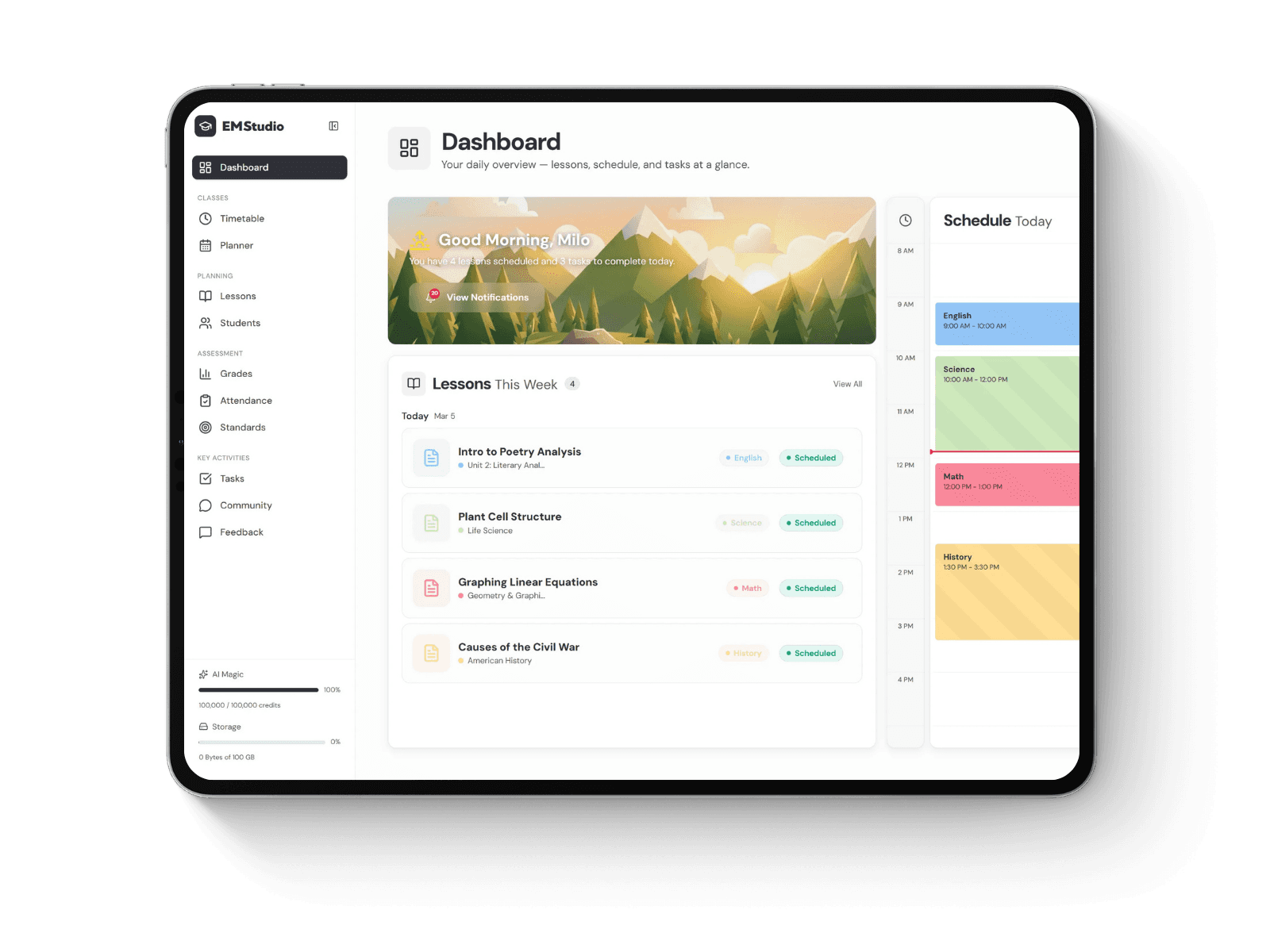
EMStudio is a free teaching management app — manage your classes, students, lessons, and more!
Learn More
Still grading everything by hand?
EMStudio is a free teaching management app — manage your classes, students, lessons, and more!
Learn More
Table of Contents
What Are the Best Hands-On Numbers Counting Manipulatives?
The best hands-on manipulatives include rekenrek counting frames for subitizing up to 20, Play-Doh number mats for tactile formation, and Rock N Learn colors shapes and counting kits for multi-sensory association. These tools target ages 3-6, cost $15-$40, require minimal setup, and support concrete-pictorial-abstract progression while building lasting number sense.
Manipulative | Price | Best Age | Storage | Focus |
|---|---|---|---|---|
Rekenrek frames | $12-25 | 4-6 yrs | Shoebox | Learning numbers 1 20 |
Base-ten blocks | $30-50 | 5-8 yrs | Large bin | Counting 1 to 5+ |
Two-color counters | $10 per 200 | 3-7 yrs | Baggie | Both ranges |
Magnetic ten frames | $20 for 4 | 4-6 yrs | File folder | Counting 1 to 5 |
Unifix cubes | $15 per 100 | 4-7 yrs | Bin | Learning numbers 1 20 |
The Squish Math protocol turns play doh numbers into deliberate practice. Students roll 6 oz cans of Play-Doh into snakes, then form digits 0-9 on 5-mil laminated mats. They press finger impressions to show cardinality while counting aloud. Setup takes 15 minutes for 25 mats. Cleanup means dumping cafeteria trays into bins. This anchors tactile learning experiences with clear boundaries.
The rock n learn colors shapes and counting kit pairs a 30-minute DVD with 36 double-sided flashcards. Twelve songs cover rote counting and one-to-one correspondence from counting 1 to 5 up through 1-20, aligned to Common Core K.CC.A.3. At $19.95, it targets ages 2-5. Run 2-3 minute clips during transitions. This supports hands-on learning strategies without replacing them.
Manipulatives fail without structured protocols. Watch for students building towers with unifix cubes instead of counting after three minutes. The fix is strict timing: I do, we do, you do phases lasting 90 seconds each. John Hattie’s research shows hands-on materials carry an effect size of 0.50 for mathematics achievement.
Rekenrek Counting Frames for Visual Number Sense
The Dutch rekenrek counting frame displays two rows of ten beads—five red, five white—mirroring the 5-and-10 structure of our number system. The color coding forces recognition of anchors of five and ten without conscious counting. Twenty-bead frames suit early subitizing and numbers counting fluency up to twenty, while 100-bead frames overwhelm most five-year-olds.
I watched my Kindergarteners freeze when I pulled out the 100-bead model last fall. The rows stretched too long; they lost track of the quantity. We switched to 20-bead student frames and suddenly they could "see" seven without counting individual beads.
Try the Show Me protocol. You call a number from 1-20. Students push beads left and verbalize their strategy: "I pushed five red and two white to make seven." Purchase from hand2mind ($18.50), ETA Cuisenaire, or build DIY versions using pipe cleaners and pony beads for roughly $3 per frame.
Play Doh Numbers and Squish Math Stations
The Squish Math technique follows a three-step rhythm: roll a ball to represent cardinality, form a snake into the digit shape, then squish dots while counting aloud. This multi-sensory path connects muscle memory with numeral recognition faster than tracing paper alone.
Management matters more than creativity. Assign one Play-Doh color per number to prevent the dreaded rainbow mixing that turns everything brown by October. Store mats and dough in labeled Ziploc bags with student names; this cuts distribution time to under two minutes.
For learners who confuse six and nine, run a textured rolling pin across the dough first. The pattern anchors correct formation for struggling learners without extra verbal instruction.
Rock N Learn Colors Shapes and Counting Kits
The rock n learn colors shapes and counting DVD breaks content into twelve discrete songs covering rote counting, one-to-one correspondence with animated objects, and numeral identification from 0-20. The accompanying 36 double-sided flashcards extend the visual input into physical handling.
Follow a Monday-Wednesday-Friday rhythm. Show a 3-minute segment on Monday. Use the flashcards for partner review on Wednesday. Assess Friday by having students sing while pointing to scrambled cards.
Never let the video replace concrete manipulation. Limit viewing to 10 minutes per session maximum. The DVD supports Common Core K.CC.A.3 for ages 2-5, but kids need to touch objects while the songs play or the learning stays trapped on the screen.
Which Digital Numbers Counting Games Work Best for Centers?
The best digital centers include interactive whiteboard activities for counting 1 to 5 using drag-and-drop manipulatives, tablet apps like Todo Math for learning numbers 1 10, and adaptive software such as IXL for learning numbers 1 20. These tools work best with 1:1 devices or centers of 4-6 students, limited to 15-minute sessions for ages 4-5 following AAP screen time guidelines.
Digital tools work when they match your hardware reality. You need options that survive weak WiFi and run without constant teacher supervision. I learned this the hard way when my kindergarteners sat staring at loading wheels during our first "tech center" attempt.
Compare three options before you commit. SMART Notebook Gallery activities come free with your whiteboard hardware and work offline, making them bulletproof for effective learning stations. Khan Academy Kids costs nothing and offers downloadable PreK-2 content that functions without internet. IXL Math runs $299 per classroom but tracks progress automatically. It adapts from learning numbers 1 10 up through learning numbers 1 20 based on student errors. SMART Notebook tracks nothing without manual checks; Khan Academy captures completion badges; IXL generates detailed reports on specific skills like one-to-one correspondence.
Set up your board for counting 1 to 5. Lock a ten-frame background image so tiny fingers cannot delete it. Enable "infinite clone" on bear counter images and activate "drag and copy" in your settings. Display a numeral card on the screen. The student drags the corresponding quantity onto the ten-frame while a peer checks the work using counters in a different color. This bridges concrete pictorial abstract stages without printing worksheets.
The American Academy of Pediatrics recommends high-quality screen time not exceed one hour daily for children ages 2 through 5. Keep digital centers to 10 or 15 minutes maximum. This prevents cognitive fatigue and preserves the physical activity balance young learners need. I set a visual timer visible from across the room so students know when to rotate.
Interactive Whiteboard Counting 1 to 5 Activities
You can run robust numbers counting activities using SMART Notebook, Promethean ActivInspire, or even Google Slides with locked background images. Each platform allows you to create infinite clone counters that students drag onto ten-frames without internet connectivity.
Try the "Build and Check" structure. One student drags virtual bears onto the whiteboard to match a displayed numeral card. Their partner simultaneously builds the same number using physical counters at a desk. The pair compares results before switching jobs, reinforcing one-to-one correspondence through immediate peer verification.
Cap each board at three students. Assign distinct roles: the dragger controls the screen, the counter audibly tracks cardinality, and the checker validates the total against the numeral card. With four or more children, someone inevitably disengages and starts tapping random icons.
Tablet Apps for Learning Numbers 1 10
For learning numbers 1 10, I rotate three reliable apps:
Todo Math offers curriculum-aligned paths for $69 yearly with built-in assessments.
Moose Math explores number relationships at no cost, focusing on cardinality through games.
Khan Academy Kids delivers comprehensive early math instruction without subscription fees or advertisements.
Enable Guided Access on iPads or Screen Pinning on Android devices before students arrive. These settings lock the interface to the math app, preventing accidental exits into camera rolls or settings menus. You cannot monitor six tablets while leading a guided reading group.
Use the screenshot function to capture completed levels for digital portfolios. Review these images weekly to distinguish between students struggling with rote counting and those lacking true number sense. Adjust your small groupings based on this visual evidence.
Adaptive Software for Learning Numbers 1 20
Adaptive platforms differentiate automatically. When a student commits three consecutive errors, the software typically retreats from learning numbers 1 20 back to counting 1 to 5. This error-rate trigger prevents frustration while maintaining the concrete pictorial abstract progression.
Consider DreamBox Math at $25 per student, IXL with its comprehensive reporting suite, or Prodigy Math for game-based engagement starting at grade 1. Each supports leveraging new technologies for true differentiation without constant teacher input.
Monitor the teacher dashboard for "time on task" versus accuracy percentages. Flag any learner spending more than five minutes per problem; this gap indicates a breakdown in subitizing or cardinality that requires immediate intervention. Hard data beats intuition when planning your next reteach.

Classroom Games That Build Automaticity
Games beat worksheets for building number sense. When kids move, talk, and compete without high stakes, they develop subitizing and cardinality faster than with rote counting alone. These classroom games that improve learning require minimal prep but deliver serious automaticity.
Number Recognition Games with Movement
Movement burns off the wiggles while cementing digit recognition. These number recognition games work best in the first six weeks when you are still assessing who knows which numbers.
Number Hopscotch needs six feet of floor space. Tape digits 0-9 in a line. You call "seven," and the child jumps to it. The pro is obvious: kinesthetic learners finally wake up and burn energy while learning. The con? You need a six-by-six-foot clear zone. Impossible in some classrooms with cramped layouts.
Musical Numbers works like freeze dance. Scatter number cards across the carpet. When the music stops, kids dash to the nearest card and yell the digit. Engagement hits one hundred percent. Noise level hits one hundred decibels. Plan this when the teacher next door has planning time.
Scoot builds academic rigor. Students rotate every ninety seconds to count objects at different desks. Strong for numbers counting practice and one-to-one correspondence. The downside: twenty-five first graders rotating every ninety seconds creates chaos unless you practice transitions until they are automatic.
Try Snowball Fight for total participation. Crumple twenty sheets labeled 1-20. Students throw for thirty seconds. Each child grabs one snowball, reads the number, and lines up in numerical order. Establish a "gentle toss" rule beforehand. Use yarn balls indoors to avoid paper cuts. For IEP students, hand them a number line card to match their snowball against before joining the line.
Counting Collections Partner Challenges
This protocol cements cardinality and moves students beyond subitizing into strategic counting. Partners get bags with fifteen to thirty objects—buttons, bears, or craft sticks. Partner A counts using one strategy, maybe lining them up in a row. Partner B verifies using a different strategy, like moving them to a ten-frame. They record the final quantity on a double ten-frame sheet.
The double ten-frame sheet serves as your formative assessment. You can glance across the room and see who is organizing objects into tens and who is still counting by ones. That data drives your small group instruction for the next day.
Adjust quantities by season. Fall semester: ten to fifteen objects. Spring: twenty to thirty. Advanced groups handle fifty or more. You will see them realize that forty-seven is four tens and seven ones without you saying a word. That moment sells the activity.
Use muffin tins or egg cartons as counting cups. Objects stop rolling across the floor. Teach accountable talk stems:
"I counted by ones."
"I grouped by twos."
"I made a ten and had ___ left over."
This pushes kids past the concrete pictorial abstract boundary into mathematical reasoning.
Counting War and Competitive Card Games
Traditional War creates math anxiety. When a struggling student loses their card to a peer, they shut down and stop participating. I switched to Peaceful War after watching a hesitant kindergartener cry over a lost ace. Both players reveal their cards, count their set aloud, and the higher number earns a point. No cards change hands. Play ten rounds. Most points wins. Everyone stays in the game until the end.
Prep decks by removing face cards. Use Aces as ones. For numbers up to twenty, grab Uno cards or make a custom 0-20 deck. For advanced learners, play Double War: draw two cards, count the total using objects, then compare sums.
Hand out ten-frame mats so students can place cards inside the frames. They see magnitude before declaring a winner. Keep score on a mini whiteboard. Students write tally marks or numerals to track their points. This adds another layer of number writing practice without them realizing they are doing extra work. This classroom gamification method keeps competition healthy while building visual number recognition skills.
Songs and Videos for Teaching Numbers to Preschoolers
Video can build number sense fast when you're teaching numbers to preschoolers. I keep five staples bookmarked: Jack Hartmann's "Count to 20 and Workout" (3:12) for gross motor breaks, Super Simple Songs' "Ten in the Bed" (2:24) to introduce subtraction concepts, Have Fun Teaching's "Counting by Ones" (2:00) for clear articulation practice, KidsTV123's "Numbers Song 1-20" (1:40) showing visual numeral correspondence, and Pancake Manor's "Number Friends" (2:15) for social-emotional connections. Each runtime fits between transitions.
But passive viewing creates zombies. When students stare without singing or moving, they cannot demonstrate one-to-one correspondence afterward. Watch for glazed eyes and aimless fidgeting. If you ask "What number just happened?" and get blank stares, you've lost them. Pause every 60 seconds. Have students show fingers or shout the number aloud before continuing.
Combine these with preschool play-based learning to anchor abstract concepts.
Counting Songs That Reinforce One-to-One Correspondence
The Ants Go Marching works better than passive screens. I pause after each verse. Students place that exact number of objects on their mat—five little ants means five counting bears. This builds cardinality through physical action.
Watch their hands, not just their mouths. If students touch each object while singing the number, they're building true one-to-one correspondence. If they just sing while staring into space, it's only rote counting without quantity meaning. I keep a clipboard nearby to note who needs small-group intervention.
Add the stomp. When the lyrics mention marching, students stomp their feet hard in rhythm. The vibration anchors the beat and reinforces pattern recognition. It also burns the wiggles that otherwise derail the lesson before you finish.
Movement Videos for Learning Numbers 1 20
Clear a 3-foot radius around each child before hitting play. I mark spots with painter's tape on the carpet. Arms swing wide during numbers counting workouts, and collisions derail focus instantly.
Select videos showing numerals on screen exactly when the singer speaks them. This concrete pictorial abstract link—seeing the digit 7 while hearing "seven"—creates dual coding that sticks better than audio alone. Avoid clips with distracting animations that delay the numeral reveal.
After the screen goes dark, hand out light scarves. Students draw the numerals in the air while singing the formation rhyme. This transfers visual memory to kinesthetic memory without the screen stealing attention. I watched a four-year-old finally distinguish between 2 and 5 while waving a blue scarf overhead last March.
Number Formation Rhymes and Chants
Chants turn pencil grip into muscle memory. We use five standards daily.
3: "Around the tree, around the tree, that's the way we make a 3" — draw overlapping circles in the air.
1: "Straight line down and then you're done, that's the way we make a 1" — sharp karate chop motion.
4: "Down and over and down some more, that's the way we make a 4."
5: "Straight line down, then around, hat on top, 5's a clown."
8: "Make an S, do not wait, go back up, close the gate."
Practice moves through three stages. First, sky writing with full arm extension builds large muscle memory. Next, finger tracing in a salt tray provides tactile resistance. Finally, pencil on paper refines fine motor control. This sequence respects developmental readiness.
Reversals haunt 3, 5, and 7. Place a green "start dot" sticker where the stroke begins. The visual anchor fixes directionality without nagging. Students self-correct by checking the dot before lifting their pencil.

Low-Prep Printable Resources for Daily Practice
You need resources that bridge concrete pictorial abstract instruction to independent practice without eating your entire weekend. I rotate three staples that target different stages of numbers counting development. Each has distinct prep requirements, durability ratings, and storage needs.
Dot-to-Dot: Prep is print-only. Targets sequence and rote counting. Free on Super Teacher Worksheets. Durability rating: single-use. File by number range.
Clip Cards: Prep requires 30 minutes to cut and laminate. Builds recognition plus fine motor control. Costs roughly $0.50 per set. Durability: 3+ years with 5-mil pouches. Store in photo-labeled pencil boxes.
Counting Journals: Prep means binding 20 pages per student. Develops multiple representations of number sense and cardinality. Runs $0.80 per student. Durability: semester-long. Keep in individual book bins.
Dot-to-Dot and Number Mazes
These work best when you match complexity to the child's subitizing level rather than their age. Grab Dinosaur Connect-the-Dots 1-20 from Teachers Pay Teachers—it's free—or find similar templates on Education.com if you maintain that subscription. The image matters less than the number sequence.
Start with 1-10 puzzles that create simple straight lines. This reinforces stable order without taxing working memory. Once students demonstrate consistent one-to-one correspondence, advance to 1-20 patterns that form complex pictures. Keep 1-30 mazes ready for advanced PreK groups who have mastered teen numbers. I watched a four-year-old who could rote count to 50 completely shut down when a zigzagging T-Rex pattern jumped past 15. Start low, build confidence.
For students with tracking difficulties, slide a transparent overlay on top or hand them a yellow highlighter to mark each numeral as they connect the line. This simple accommodation transforms a visual tracking nightmare into a manageable cardinality exercise. These sheets fit perfectly into independent rotation stations from your preschool lesson plans.
Clip Cards for Number Recognition Games
Build these once and they survive rough handling for years. Use 5x7 index cards as your base. Place dot stickers representing quantities 1-20 on the left side, or write numerals directly if you're targeting recognition rather than counting. Run them through a laminator with 5-mil pouches—anything thinner curls at the edges after two weeks of pinching. Add mini clothespins from the dollar store.
Teach the pinch and clip technique explicitly: thumb stays up, fingers press down, squeeze to open the clip. This motion strengthens the tripod grip needed for writing numerals later. Students clip the correct answer, then flip the card to check their work—the colored dot on the back corresponds to the correct choice. One 50-card set serves 25 students working in pairs, or you can make multiple sets for individual use.
Differentiate without remaking the entire deck. Use dot patterns for students still building subitizing skills, printed numerals for recognition practice, or written number words for advanced literacy integration. Store completed sets in pencil boxes labeled with student photos so kids grab their own kit during rotations. Clip a laminated answer key to a ring inside each box for true self-checking.
Counting Journals and Number Tracing Booklets
These booklets cement learning numbers through multiple representations that stick. Print the Number of the Day template on 24lb paper—standard 20lb bleeds through when kids use markers or paint daubers. Each page needs a ten-frame for stamping or drawing dots, a tally marks section, a number line with 'hop' arrows showing the jumps, and a blank space for illustrating the quantity with pictures.
Assemble using the booklet print setting in your PDF reader. Saddle staple along the left edge or comb bind if you want them to lay flat on desks. Let students glue their school photo on the cover page labeled My Numbers Book. Format each interior page with the large numeral on top half—include a green start dot and directional arrows—plus a 4x4 inch draw it box on the bottom half for their artwork.
Use these for assessment, not just practice. Date and initial each page when a student demonstrates mastery of that numeral. Wait for 80% accuracy across three consecutive days before moving to the next number. This prevents the common rush past number sense foundations that creates gaps in kindergarten. The physical book becomes a portfolio of growth.
How Do You Build a Year-Long Numbers Counting Curriculum?
Build a year-long curriculum by first assessing number sense baselines using subitizing interviews and counting assessments, then sequencing activities from concrete manipulatives to abstract numerals following the CPA approach, and finally rotating materials every 2-3 weeks to maintain novelty while ensuring mastery of counting 1 to 5, learning numbers 1 10, and learning numbers 1 20 by year-end.
You cannot teach blind. Know exactly where each child stands with numbers counting fluency before you write a single lesson.
Last year, I watched a kindergartener count to 29 perfectly but touch only 17 bears. She had rote counting down but zero one-to-one correspondence. Without that Week 1 data, I would have pushed her into the 10-20 group and crushed her confidence. Instead, we stayed at 1-5 until her fingers matched her voice.
Run three parallel groups. Group A stays at 0-5 with smaller quantities. Group B hits 5-10. Group C extends to 11-20. Everyone pulls from identical color-coded bins—red for 1-5, yellow for 6-10, green for 11-20—but the task cards inside differ. This keeps your mathematics implementation strategies manageable while meeting kids where they are.
Step 1 — Assess Current Number Sense Baselines
Administer the "How Many?" screening from Clements and Sarama in Week 1 and again in Week 18. Flash a 5-dot card, then an 8-dot card. Record instantly: does the child subitize or must they count one-by-one? Note the highest number counted correctly—this is their ceiling—and watch for stable order principle errors like skipping "15, 16."
Choose your assessment tool:
NSB (Number Sense Brief)
DIBELS Math early numeracy
DIY 1-minute oral count to 20
Create a class spreadsheet tracking rote counting ceiling, one-to-one correspondence mastery, subitizing range, and numeral ID. Watch for red flags: recounting the same object twice, skipping stable order, or failing to count backwards from five. These kids need immediate intervention, not just more time.
Step 2 — Sequence Activities from Concrete to Abstract
Follow the concrete pictorial abstract progression strictly. Weeks 1-8 stay concrete: physical objects only, no numerals visible. Hide those digit cards until Week 9 to prevent symbol confusion. Let students touch and move every counter to build cardinality understanding.
Weeks 9-20 shift to pictorial—students draw circles on whiteboards, then verify by placing physical counters atop their drawings to confirm one-to-one match. Weeks 21-36 introduce abstract numerals and equations. Advance only after 80% mastery on three consecutive probes. Move from counting 1 to 5, into learning numbers 1 10, then learning numbers 1 20. A child ready for abstract work can look at numeral 7 and instantly visualize a 5+2 configuration without counting dots.
Step 3 — Rotate Materials to Maintain Engagement
Implement 2-week rotation cycles to hit that 10-14 day novelty peak for early learners. Week 1-2 features rekenrek stations; Week 3-4 moves to Play Doh; Week 5-6 goes digital. Post a color-coded calendar chart so students check which bin to grab during math workshop—red for 1-5, yellow for 6-10, green for 11-20.
If on-task behavior drops below 50% before two weeks end, rotate early. Put photo directions on every bin lid showing setup and cleanup, and assign a "materials manager" student role to maintain organization. Map this all out in your scope and sequence planner to ensure you hit every benchmark without burning out your materials.
What This Means for Your Classroom
You don't need every tool on this list. Pick two manipulatives that fit in your closet. Add one digital game that loads fast and one counting song your kids actually request. That trio covers your bases without cluttering your shelves. Rotate them intentionally throughout the year instead of scrambling for new activities when you panic about covering numbers counting standards.
Map your progression deliberately. Start fall with heavy concrete work—cubes, bears, and one-to-one correspondence practice. Shift to subitizing and ten frames through winter. By spring, your games should build automaticity while you check cardinality. When you sequence it this way, you stop reacting to curriculum gaps and start closing them before they widen.
Trust your teacher sense on what actually works. If the Rekenreks sit untouched while kids fight over counting bears, follow the engagement. The best numbers counting curriculum is the one you can sustain without burning out. Keep it simple, keep it consistent, and adjust when the data—or the kids—tell you to.
What Are the Best Hands-On Numbers Counting Manipulatives?
The best hands-on manipulatives include rekenrek counting frames for subitizing up to 20, Play-Doh number mats for tactile formation, and Rock N Learn colors shapes and counting kits for multi-sensory association. These tools target ages 3-6, cost $15-$40, require minimal setup, and support concrete-pictorial-abstract progression while building lasting number sense.
Manipulative | Price | Best Age | Storage | Focus |
|---|---|---|---|---|
Rekenrek frames | $12-25 | 4-6 yrs | Shoebox | Learning numbers 1 20 |
Base-ten blocks | $30-50 | 5-8 yrs | Large bin | Counting 1 to 5+ |
Two-color counters | $10 per 200 | 3-7 yrs | Baggie | Both ranges |
Magnetic ten frames | $20 for 4 | 4-6 yrs | File folder | Counting 1 to 5 |
Unifix cubes | $15 per 100 | 4-7 yrs | Bin | Learning numbers 1 20 |
The Squish Math protocol turns play doh numbers into deliberate practice. Students roll 6 oz cans of Play-Doh into snakes, then form digits 0-9 on 5-mil laminated mats. They press finger impressions to show cardinality while counting aloud. Setup takes 15 minutes for 25 mats. Cleanup means dumping cafeteria trays into bins. This anchors tactile learning experiences with clear boundaries.
The rock n learn colors shapes and counting kit pairs a 30-minute DVD with 36 double-sided flashcards. Twelve songs cover rote counting and one-to-one correspondence from counting 1 to 5 up through 1-20, aligned to Common Core K.CC.A.3. At $19.95, it targets ages 2-5. Run 2-3 minute clips during transitions. This supports hands-on learning strategies without replacing them.
Manipulatives fail without structured protocols. Watch for students building towers with unifix cubes instead of counting after three minutes. The fix is strict timing: I do, we do, you do phases lasting 90 seconds each. John Hattie’s research shows hands-on materials carry an effect size of 0.50 for mathematics achievement.
Rekenrek Counting Frames for Visual Number Sense
The Dutch rekenrek counting frame displays two rows of ten beads—five red, five white—mirroring the 5-and-10 structure of our number system. The color coding forces recognition of anchors of five and ten without conscious counting. Twenty-bead frames suit early subitizing and numbers counting fluency up to twenty, while 100-bead frames overwhelm most five-year-olds.
I watched my Kindergarteners freeze when I pulled out the 100-bead model last fall. The rows stretched too long; they lost track of the quantity. We switched to 20-bead student frames and suddenly they could "see" seven without counting individual beads.
Try the Show Me protocol. You call a number from 1-20. Students push beads left and verbalize their strategy: "I pushed five red and two white to make seven." Purchase from hand2mind ($18.50), ETA Cuisenaire, or build DIY versions using pipe cleaners and pony beads for roughly $3 per frame.
Play Doh Numbers and Squish Math Stations
The Squish Math technique follows a three-step rhythm: roll a ball to represent cardinality, form a snake into the digit shape, then squish dots while counting aloud. This multi-sensory path connects muscle memory with numeral recognition faster than tracing paper alone.
Management matters more than creativity. Assign one Play-Doh color per number to prevent the dreaded rainbow mixing that turns everything brown by October. Store mats and dough in labeled Ziploc bags with student names; this cuts distribution time to under two minutes.
For learners who confuse six and nine, run a textured rolling pin across the dough first. The pattern anchors correct formation for struggling learners without extra verbal instruction.
Rock N Learn Colors Shapes and Counting Kits
The rock n learn colors shapes and counting DVD breaks content into twelve discrete songs covering rote counting, one-to-one correspondence with animated objects, and numeral identification from 0-20. The accompanying 36 double-sided flashcards extend the visual input into physical handling.
Follow a Monday-Wednesday-Friday rhythm. Show a 3-minute segment on Monday. Use the flashcards for partner review on Wednesday. Assess Friday by having students sing while pointing to scrambled cards.
Never let the video replace concrete manipulation. Limit viewing to 10 minutes per session maximum. The DVD supports Common Core K.CC.A.3 for ages 2-5, but kids need to touch objects while the songs play or the learning stays trapped on the screen.
Which Digital Numbers Counting Games Work Best for Centers?
The best digital centers include interactive whiteboard activities for counting 1 to 5 using drag-and-drop manipulatives, tablet apps like Todo Math for learning numbers 1 10, and adaptive software such as IXL for learning numbers 1 20. These tools work best with 1:1 devices or centers of 4-6 students, limited to 15-minute sessions for ages 4-5 following AAP screen time guidelines.
Digital tools work when they match your hardware reality. You need options that survive weak WiFi and run without constant teacher supervision. I learned this the hard way when my kindergarteners sat staring at loading wheels during our first "tech center" attempt.
Compare three options before you commit. SMART Notebook Gallery activities come free with your whiteboard hardware and work offline, making them bulletproof for effective learning stations. Khan Academy Kids costs nothing and offers downloadable PreK-2 content that functions without internet. IXL Math runs $299 per classroom but tracks progress automatically. It adapts from learning numbers 1 10 up through learning numbers 1 20 based on student errors. SMART Notebook tracks nothing without manual checks; Khan Academy captures completion badges; IXL generates detailed reports on specific skills like one-to-one correspondence.
Set up your board for counting 1 to 5. Lock a ten-frame background image so tiny fingers cannot delete it. Enable "infinite clone" on bear counter images and activate "drag and copy" in your settings. Display a numeral card on the screen. The student drags the corresponding quantity onto the ten-frame while a peer checks the work using counters in a different color. This bridges concrete pictorial abstract stages without printing worksheets.
The American Academy of Pediatrics recommends high-quality screen time not exceed one hour daily for children ages 2 through 5. Keep digital centers to 10 or 15 minutes maximum. This prevents cognitive fatigue and preserves the physical activity balance young learners need. I set a visual timer visible from across the room so students know when to rotate.
Interactive Whiteboard Counting 1 to 5 Activities
You can run robust numbers counting activities using SMART Notebook, Promethean ActivInspire, or even Google Slides with locked background images. Each platform allows you to create infinite clone counters that students drag onto ten-frames without internet connectivity.
Try the "Build and Check" structure. One student drags virtual bears onto the whiteboard to match a displayed numeral card. Their partner simultaneously builds the same number using physical counters at a desk. The pair compares results before switching jobs, reinforcing one-to-one correspondence through immediate peer verification.
Cap each board at three students. Assign distinct roles: the dragger controls the screen, the counter audibly tracks cardinality, and the checker validates the total against the numeral card. With four or more children, someone inevitably disengages and starts tapping random icons.
Tablet Apps for Learning Numbers 1 10
For learning numbers 1 10, I rotate three reliable apps:
Todo Math offers curriculum-aligned paths for $69 yearly with built-in assessments.
Moose Math explores number relationships at no cost, focusing on cardinality through games.
Khan Academy Kids delivers comprehensive early math instruction without subscription fees or advertisements.
Enable Guided Access on iPads or Screen Pinning on Android devices before students arrive. These settings lock the interface to the math app, preventing accidental exits into camera rolls or settings menus. You cannot monitor six tablets while leading a guided reading group.
Use the screenshot function to capture completed levels for digital portfolios. Review these images weekly to distinguish between students struggling with rote counting and those lacking true number sense. Adjust your small groupings based on this visual evidence.
Adaptive Software for Learning Numbers 1 20
Adaptive platforms differentiate automatically. When a student commits three consecutive errors, the software typically retreats from learning numbers 1 20 back to counting 1 to 5. This error-rate trigger prevents frustration while maintaining the concrete pictorial abstract progression.
Consider DreamBox Math at $25 per student, IXL with its comprehensive reporting suite, or Prodigy Math for game-based engagement starting at grade 1. Each supports leveraging new technologies for true differentiation without constant teacher input.
Monitor the teacher dashboard for "time on task" versus accuracy percentages. Flag any learner spending more than five minutes per problem; this gap indicates a breakdown in subitizing or cardinality that requires immediate intervention. Hard data beats intuition when planning your next reteach.
Classroom Games That Build Automaticity
Games beat worksheets for building number sense. When kids move, talk, and compete without high stakes, they develop subitizing and cardinality faster than with rote counting alone. These classroom games that improve learning require minimal prep but deliver serious automaticity.
Number Recognition Games with Movement
Movement burns off the wiggles while cementing digit recognition. These number recognition games work best in the first six weeks when you are still assessing who knows which numbers.
Number Hopscotch needs six feet of floor space. Tape digits 0-9 in a line. You call "seven," and the child jumps to it. The pro is obvious: kinesthetic learners finally wake up and burn energy while learning. The con? You need a six-by-six-foot clear zone. Impossible in some classrooms with cramped layouts.
Musical Numbers works like freeze dance. Scatter number cards across the carpet. When the music stops, kids dash to the nearest card and yell the digit. Engagement hits one hundred percent. Noise level hits one hundred decibels. Plan this when the teacher next door has planning time.
Scoot builds academic rigor. Students rotate every ninety seconds to count objects at different desks. Strong for numbers counting practice and one-to-one correspondence. The downside: twenty-five first graders rotating every ninety seconds creates chaos unless you practice transitions until they are automatic.
Try Snowball Fight for total participation. Crumple twenty sheets labeled 1-20. Students throw for thirty seconds. Each child grabs one snowball, reads the number, and lines up in numerical order. Establish a "gentle toss" rule beforehand. Use yarn balls indoors to avoid paper cuts. For IEP students, hand them a number line card to match their snowball against before joining the line.
Counting Collections Partner Challenges
This protocol cements cardinality and moves students beyond subitizing into strategic counting. Partners get bags with fifteen to thirty objects—buttons, bears, or craft sticks. Partner A counts using one strategy, maybe lining them up in a row. Partner B verifies using a different strategy, like moving them to a ten-frame. They record the final quantity on a double ten-frame sheet.
The double ten-frame sheet serves as your formative assessment. You can glance across the room and see who is organizing objects into tens and who is still counting by ones. That data drives your small group instruction for the next day.
Adjust quantities by season. Fall semester: ten to fifteen objects. Spring: twenty to thirty. Advanced groups handle fifty or more. You will see them realize that forty-seven is four tens and seven ones without you saying a word. That moment sells the activity.
Use muffin tins or egg cartons as counting cups. Objects stop rolling across the floor. Teach accountable talk stems:
"I counted by ones."
"I grouped by twos."
"I made a ten and had ___ left over."
This pushes kids past the concrete pictorial abstract boundary into mathematical reasoning.
Counting War and Competitive Card Games
Traditional War creates math anxiety. When a struggling student loses their card to a peer, they shut down and stop participating. I switched to Peaceful War after watching a hesitant kindergartener cry over a lost ace. Both players reveal their cards, count their set aloud, and the higher number earns a point. No cards change hands. Play ten rounds. Most points wins. Everyone stays in the game until the end.
Prep decks by removing face cards. Use Aces as ones. For numbers up to twenty, grab Uno cards or make a custom 0-20 deck. For advanced learners, play Double War: draw two cards, count the total using objects, then compare sums.
Hand out ten-frame mats so students can place cards inside the frames. They see magnitude before declaring a winner. Keep score on a mini whiteboard. Students write tally marks or numerals to track their points. This adds another layer of number writing practice without them realizing they are doing extra work. This classroom gamification method keeps competition healthy while building visual number recognition skills.
Songs and Videos for Teaching Numbers to Preschoolers
Video can build number sense fast when you're teaching numbers to preschoolers. I keep five staples bookmarked: Jack Hartmann's "Count to 20 and Workout" (3:12) for gross motor breaks, Super Simple Songs' "Ten in the Bed" (2:24) to introduce subtraction concepts, Have Fun Teaching's "Counting by Ones" (2:00) for clear articulation practice, KidsTV123's "Numbers Song 1-20" (1:40) showing visual numeral correspondence, and Pancake Manor's "Number Friends" (2:15) for social-emotional connections. Each runtime fits between transitions.
But passive viewing creates zombies. When students stare without singing or moving, they cannot demonstrate one-to-one correspondence afterward. Watch for glazed eyes and aimless fidgeting. If you ask "What number just happened?" and get blank stares, you've lost them. Pause every 60 seconds. Have students show fingers or shout the number aloud before continuing.
Combine these with preschool play-based learning to anchor abstract concepts.
Counting Songs That Reinforce One-to-One Correspondence
The Ants Go Marching works better than passive screens. I pause after each verse. Students place that exact number of objects on their mat—five little ants means five counting bears. This builds cardinality through physical action.
Watch their hands, not just their mouths. If students touch each object while singing the number, they're building true one-to-one correspondence. If they just sing while staring into space, it's only rote counting without quantity meaning. I keep a clipboard nearby to note who needs small-group intervention.
Add the stomp. When the lyrics mention marching, students stomp their feet hard in rhythm. The vibration anchors the beat and reinforces pattern recognition. It also burns the wiggles that otherwise derail the lesson before you finish.
Movement Videos for Learning Numbers 1 20
Clear a 3-foot radius around each child before hitting play. I mark spots with painter's tape on the carpet. Arms swing wide during numbers counting workouts, and collisions derail focus instantly.
Select videos showing numerals on screen exactly when the singer speaks them. This concrete pictorial abstract link—seeing the digit 7 while hearing "seven"—creates dual coding that sticks better than audio alone. Avoid clips with distracting animations that delay the numeral reveal.
After the screen goes dark, hand out light scarves. Students draw the numerals in the air while singing the formation rhyme. This transfers visual memory to kinesthetic memory without the screen stealing attention. I watched a four-year-old finally distinguish between 2 and 5 while waving a blue scarf overhead last March.
Number Formation Rhymes and Chants
Chants turn pencil grip into muscle memory. We use five standards daily.
3: "Around the tree, around the tree, that's the way we make a 3" — draw overlapping circles in the air.
1: "Straight line down and then you're done, that's the way we make a 1" — sharp karate chop motion.
4: "Down and over and down some more, that's the way we make a 4."
5: "Straight line down, then around, hat on top, 5's a clown."
8: "Make an S, do not wait, go back up, close the gate."
Practice moves through three stages. First, sky writing with full arm extension builds large muscle memory. Next, finger tracing in a salt tray provides tactile resistance. Finally, pencil on paper refines fine motor control. This sequence respects developmental readiness.
Reversals haunt 3, 5, and 7. Place a green "start dot" sticker where the stroke begins. The visual anchor fixes directionality without nagging. Students self-correct by checking the dot before lifting their pencil.
Low-Prep Printable Resources for Daily Practice
You need resources that bridge concrete pictorial abstract instruction to independent practice without eating your entire weekend. I rotate three staples that target different stages of numbers counting development. Each has distinct prep requirements, durability ratings, and storage needs.
Dot-to-Dot: Prep is print-only. Targets sequence and rote counting. Free on Super Teacher Worksheets. Durability rating: single-use. File by number range.
Clip Cards: Prep requires 30 minutes to cut and laminate. Builds recognition plus fine motor control. Costs roughly $0.50 per set. Durability: 3+ years with 5-mil pouches. Store in photo-labeled pencil boxes.
Counting Journals: Prep means binding 20 pages per student. Develops multiple representations of number sense and cardinality. Runs $0.80 per student. Durability: semester-long. Keep in individual book bins.
Dot-to-Dot and Number Mazes
These work best when you match complexity to the child's subitizing level rather than their age. Grab Dinosaur Connect-the-Dots 1-20 from Teachers Pay Teachers—it's free—or find similar templates on Education.com if you maintain that subscription. The image matters less than the number sequence.
Start with 1-10 puzzles that create simple straight lines. This reinforces stable order without taxing working memory. Once students demonstrate consistent one-to-one correspondence, advance to 1-20 patterns that form complex pictures. Keep 1-30 mazes ready for advanced PreK groups who have mastered teen numbers. I watched a four-year-old who could rote count to 50 completely shut down when a zigzagging T-Rex pattern jumped past 15. Start low, build confidence.
For students with tracking difficulties, slide a transparent overlay on top or hand them a yellow highlighter to mark each numeral as they connect the line. This simple accommodation transforms a visual tracking nightmare into a manageable cardinality exercise. These sheets fit perfectly into independent rotation stations from your preschool lesson plans.
Clip Cards for Number Recognition Games
Build these once and they survive rough handling for years. Use 5x7 index cards as your base. Place dot stickers representing quantities 1-20 on the left side, or write numerals directly if you're targeting recognition rather than counting. Run them through a laminator with 5-mil pouches—anything thinner curls at the edges after two weeks of pinching. Add mini clothespins from the dollar store.
Teach the pinch and clip technique explicitly: thumb stays up, fingers press down, squeeze to open the clip. This motion strengthens the tripod grip needed for writing numerals later. Students clip the correct answer, then flip the card to check their work—the colored dot on the back corresponds to the correct choice. One 50-card set serves 25 students working in pairs, or you can make multiple sets for individual use.
Differentiate without remaking the entire deck. Use dot patterns for students still building subitizing skills, printed numerals for recognition practice, or written number words for advanced literacy integration. Store completed sets in pencil boxes labeled with student photos so kids grab their own kit during rotations. Clip a laminated answer key to a ring inside each box for true self-checking.
Counting Journals and Number Tracing Booklets
These booklets cement learning numbers through multiple representations that stick. Print the Number of the Day template on 24lb paper—standard 20lb bleeds through when kids use markers or paint daubers. Each page needs a ten-frame for stamping or drawing dots, a tally marks section, a number line with 'hop' arrows showing the jumps, and a blank space for illustrating the quantity with pictures.
Assemble using the booklet print setting in your PDF reader. Saddle staple along the left edge or comb bind if you want them to lay flat on desks. Let students glue their school photo on the cover page labeled My Numbers Book. Format each interior page with the large numeral on top half—include a green start dot and directional arrows—plus a 4x4 inch draw it box on the bottom half for their artwork.
Use these for assessment, not just practice. Date and initial each page when a student demonstrates mastery of that numeral. Wait for 80% accuracy across three consecutive days before moving to the next number. This prevents the common rush past number sense foundations that creates gaps in kindergarten. The physical book becomes a portfolio of growth.
How Do You Build a Year-Long Numbers Counting Curriculum?
Build a year-long curriculum by first assessing number sense baselines using subitizing interviews and counting assessments, then sequencing activities from concrete manipulatives to abstract numerals following the CPA approach, and finally rotating materials every 2-3 weeks to maintain novelty while ensuring mastery of counting 1 to 5, learning numbers 1 10, and learning numbers 1 20 by year-end.
You cannot teach blind. Know exactly where each child stands with numbers counting fluency before you write a single lesson.
Last year, I watched a kindergartener count to 29 perfectly but touch only 17 bears. She had rote counting down but zero one-to-one correspondence. Without that Week 1 data, I would have pushed her into the 10-20 group and crushed her confidence. Instead, we stayed at 1-5 until her fingers matched her voice.
Run three parallel groups. Group A stays at 0-5 with smaller quantities. Group B hits 5-10. Group C extends to 11-20. Everyone pulls from identical color-coded bins—red for 1-5, yellow for 6-10, green for 11-20—but the task cards inside differ. This keeps your mathematics implementation strategies manageable while meeting kids where they are.
Step 1 — Assess Current Number Sense Baselines
Administer the "How Many?" screening from Clements and Sarama in Week 1 and again in Week 18. Flash a 5-dot card, then an 8-dot card. Record instantly: does the child subitize or must they count one-by-one? Note the highest number counted correctly—this is their ceiling—and watch for stable order principle errors like skipping "15, 16."
Choose your assessment tool:
NSB (Number Sense Brief)
DIBELS Math early numeracy
DIY 1-minute oral count to 20
Create a class spreadsheet tracking rote counting ceiling, one-to-one correspondence mastery, subitizing range, and numeral ID. Watch for red flags: recounting the same object twice, skipping stable order, or failing to count backwards from five. These kids need immediate intervention, not just more time.
Step 2 — Sequence Activities from Concrete to Abstract
Follow the concrete pictorial abstract progression strictly. Weeks 1-8 stay concrete: physical objects only, no numerals visible. Hide those digit cards until Week 9 to prevent symbol confusion. Let students touch and move every counter to build cardinality understanding.
Weeks 9-20 shift to pictorial—students draw circles on whiteboards, then verify by placing physical counters atop their drawings to confirm one-to-one match. Weeks 21-36 introduce abstract numerals and equations. Advance only after 80% mastery on three consecutive probes. Move from counting 1 to 5, into learning numbers 1 10, then learning numbers 1 20. A child ready for abstract work can look at numeral 7 and instantly visualize a 5+2 configuration without counting dots.
Step 3 — Rotate Materials to Maintain Engagement
Implement 2-week rotation cycles to hit that 10-14 day novelty peak for early learners. Week 1-2 features rekenrek stations; Week 3-4 moves to Play Doh; Week 5-6 goes digital. Post a color-coded calendar chart so students check which bin to grab during math workshop—red for 1-5, yellow for 6-10, green for 11-20.
If on-task behavior drops below 50% before two weeks end, rotate early. Put photo directions on every bin lid showing setup and cleanup, and assign a "materials manager" student role to maintain organization. Map this all out in your scope and sequence planner to ensure you hit every benchmark without burning out your materials.
What This Means for Your Classroom
You don't need every tool on this list. Pick two manipulatives that fit in your closet. Add one digital game that loads fast and one counting song your kids actually request. That trio covers your bases without cluttering your shelves. Rotate them intentionally throughout the year instead of scrambling for new activities when you panic about covering numbers counting standards.
Map your progression deliberately. Start fall with heavy concrete work—cubes, bears, and one-to-one correspondence practice. Shift to subitizing and ten frames through winter. By spring, your games should build automaticity while you check cardinality. When you sequence it this way, you stop reacting to curriculum gaps and start closing them before they widen.
Trust your teacher sense on what actually works. If the Rekenreks sit untouched while kids fight over counting bears, follow the engagement. The best numbers counting curriculum is the one you can sustain without burning out. Keep it simple, keep it consistent, and adjust when the data—or the kids—tell you to.
Still grading everything by hand?
EMStudio is a free teaching management app — manage your classes, students, lessons, and more!
Learn More
Still grading everything by hand?
EMStudio is a free teaching management app — manage your classes, students, lessons, and more!
Learn More





Notion4Teachers
Notion templates to simplify administrative tasks and enhance your teaching experience.



2026 Notion4Teachers. All Rights Reserved.
Notion4Teachers
Notion templates to simplify administrative tasks and enhance your teaching experience.
2026 Notion4Teachers. All Rights Reserved.
Notion4Teachers
Notion templates to simplify administrative tasks and enhance your teaching experience.
2026 Notion4Teachers. All Rights Reserved.