Classroom Center Types: 15 Learning Stations That Work
Classroom Center Types: 15 Learning Stations That Work

Article by
Milo
ESL Content Coordinator & Educator
ESL Content Coordinator & Educator
All Posts
You’ve got the rotation model mapped out. The center management system is taped to the wall. But now you’re staring at five empty tables wondering what actually goes on them. That’s the gap between “doing centers” and making them work. A classroom center isn’t just a place for kids to be busy while you pull small group instruction. It’s where differentiated instruction and hands-on learning happen—or where twenty minutes get burned on worksheets and plastic bins of junk that haven’t been sorted since October.
These 15 learning stations solve that. They’re specific, they build real skills, and they’ve survived actual classrooms with actual 3rd graders, preschoolers, and middle schoolers who still need foundational work. Whether you need literacy stations that actually improve fluency, math setups that build number sense without another app, or STEM challenges that don’t require a robotics budget, you’ll find options here that fit your blocks, your storage limits, and your actual curriculum goals—not just your Pinterest board.
Still grading everything by hand?
EMStudio is a free teaching management app — manage your classes, students, lessons, and more!
Learn More
Still grading everything by hand?
EMStudio is a free teaching management app — manage your classes, students, lessons, and more!
Learn More
Table of Contents
What Are the Best Literacy-Focused Classroom Centers?
The best literacy classroom centers combine interactive word walls with magnetic manipulatives for K-2 phonics, guided reading corners with Fountas & Pinnell leveled libraries (A-Z), and listening stations using Epic! or Learning Ally audiobooks. Each targets specific skills while accommodating 4 students for 15-minute rotations with minimal teacher oversight.
Developmental progressions matter when you set up these learning stations. Kindergarteners and first graders need Elkonin boxes for phonemic awareness—those segmented squares where they push chips for each sound. Second and third graders work on timed repeated readings, aiming for that 90 words per minute benchmark by mid-year. Fourth and fifth graders run literature circles with defined roles: the Connector finds text-to-self links, the Questioner raises discussion points, and the Illustrator visualizes key scenes. Your center management system stays simple. Each classroom center runs 15 minutes for primary grades, stretching to 20 for upper elementary. You cap groups at four students. Weekly maintenance takes 30 minutes—resetting materials, checking headphone batteries, and swapping out leveled texts based on running records you conducted six weeks ago.
Center Type | Best For Grade Band | Setup Cost | Teacher Prep Time | Noise Level | Group Size (4 students max) |
|---|---|---|---|---|---|
Interactive Word Wall | K-2 | $50-75 | 30 minutes/week | Medium | 4 students |
Guided Reading Corner | K-5 | $100-150 | 30 minutes/week | Low | 4 students |
Listening Center | K-5 | $75-125 | 30 minutes/week | Low | 4 students |
Interactive Word Wall and Vocabulary Stations
Three distinct activities rotate through this station depending on your week:
Magnetic poetry sentences: Students build sight words on $12 metal oil drip pans using color-coded magnetic letters—red for vowels, blue for consonants.
Greek/Latin root trees: Fourth and fifth graders map word families on chart paper branches.
Vocabulary Charades: Kinesthetic learners in grades 2-3 act out words like "trudge" while the group guesses.
Cap groups at four students. One manages the 15-minute sand timer, one serves as Word Collector checking off completed work on a laminated checklist, and two handle word building. You need these materials:
Velcro dots for moveable word walls
Expo markers for editing practice
Photo examples of completed Frayer Model templates for ELL support
This setup supports differentiated instruction—struggling readers manipulate physical letters while advanced students write compound sentences using wall words.
Guided Reading Corners with Leveled Libraries
This is where your small group instruction happens. Organize your Fountas & Pinnell library with color-coded bins—red for levels A-C, yellow for D-E, green for F-G—stocking 6-8 books per level. You pull running records every 6-8 weeks using the benchmark assessment kit to move kids between bins.
The kidney table seats six, but you only place four students here during rotations. You need specific furniture:
Whiteboard surface built into the table for word work
Individual book bins labeled with names for "just right" storage
Storage caddy with magnetic letters, whiteboards, and markers within arm reach
When you're curating diverse picture books for classroom libraries, place your interactive read-alouds here too. The front-facing display rack keeps new titles visible while the leveled bins sit behind for your guided groups. This maintains the intimacy of the rotation model while keeping materials organized.
Listening and Response Centers with Audiobooks
Epic! runs $4 per student annually with 40,000 titles, perfect for general education classrooms in grades K-5. Learning Ally costs $135 yearly but offers human-narrated audiobooks specifically designed for dyslexia support—worth the price if you have struggling readers who need that evidence-based instruction for literacy through ear-reading.
Hardware depends on your budget:
Califone 8-position jackbox ($25) prevents the "it's too quiet" complaint
Wireless headphones ($20 each) work only if you trust kids not to lose them
Accountability keeps this from becoming passive time. Students complete one of these before rotating:
Story maps with beginning-middle-end sections on 11x17 paper
Seesaw voice recording for oral retell
Written summary using sentence starters ("The problem was...") for grades 3+
Extend this hands-on learning station to 20 minutes to allow time for both listening and response. You maintain the same four-student cap, with one child designated as equipment manager who plugs in the jackbox and checks that headphones return to the hook.

Which Math Classroom Centers Build Number Sense?
Math centers that build number sense use concrete manipulatives like Unifix cubes (K-1) and base-ten blocks (2-4) rather than worksheets, paired with fact fluency games such as Multiplication War or Reflex Math, and 3-act task cards presenting real grocery store or sports scenarios for problem solving. The best learning centers in the classroom examples avoid the trap of busywork. John Hattie's Visible Learning research puts the effect size for direct instruction at 0.59 versus 0.31 for unguided inquiry. Centers that hand kids worksheets without concrete support land in that ineffective zone. You need the concrete-pictorial-abstract progression. Start with physical objects, move to drawings, then equations.
Match your manipulatives to your grade-level standards:
Unifix cubes (K-1, $30/class set of 500): Counting, sorting, one-to-one correspondence. Targets K.CC.A.1, K.CC.B.5.
Base-ten blocks (grades 2-4, $25): Place value, regrouping. Targets 2.NBT.A.1, 2.NBT.B.5.
Algebra tiles (grades 5-6, $35): Expressions, equations. Targets 5.OA.A.2, 6.EE.A.2.
Time your rotation model to attention spans. Kindergarteners lose focus after 12 minutes. Third graders can handle 20. Run your learning stations on these limits: 12-15 minutes for K-2, 15-20 for grades 3-5. Project a countdown on your board using ClassroomScreen or a PowerPoint timer. Make sure kids can see it from the floor and from standing height.
Hands-On Manipulative Bins for Concrete Learning
Set up three anchor bins for hands-on learning. Fill one with pattern blocks for fractions and symmetry (grades 1-3). Kids build composite shapes—a hexagon equals six triangles—and trace outlines to prove equivalence. Stock another with Rekenreks for subitizing and arithmetic (K-1). Students push five red beads and three white beads to visualize eight without counting individual units. The third holds fraction tiles for equivalency (grades 3-5). They line up two fourths beneath one half to see the match physically before drawing the abstract equation.
Each bin needs an "I Can" card with visual instructions showing the end product, not a paragraph of text. Add QR codes linking to 60-second tutorial videos—either yours or student-made examples from last semester—for when you're tied up with small group instruction. Storage makes or breaks your center management system. Grab Sterilite 16-quart bins at $4 each from big box stores. Laminate labels showing a photo of the contents arranged correctly, not just word lists. Clip an inventory checklist to the lid using a binder ring—students initial when they count pieces at cleanup. Tape a "Missing Pieces" envelope inside the lid for broken cubes or lost tiles so they don't end up in pockets or on the floor.
Math Fact Fluency Games and Timed Challenges
Digital tools like Reflex Math cost around $3,500 for a whole-school license and gamify fact practice with alien avatars. XtraMath is free but runs like flashcard drills—effective but dry. Physical games often work better for classroom center rotations because they create noise and movement, not screen glare. Try Multiplication War with a standard deck—players flip two cards, multiply, highest product takes the stack. Around the World works for verbal rapid-fire: two students stand, you call a fact, first to answer moves to challenge the next classmate. Beat the Calculator requires three students—two racing mental math against one with a calculator, proving brains beat buttons.
Set a 3-minute sprint limit using sand timers or digital displays. Kids need 80% accuracy for three consecutive days before they level up; miss it and they repeat the same fact family tomorrow. Track progress on ice cream cone sticker charts where each scoop represents facts 0-12 mastered. When the cone is full, they pick a prize from your bin. Keep pencil grips and slant boards nearby for OT needs; fine motor fatigue slows down fact recall more than lack of knowledge.
Problem-Solving Task Cards with Real-World Scenarios
Graham Fletcher's 3-act math tasks fit perfectly here because they mirror how actual problems unfold. Show a video hook in Act 1—maybe a person tapping a fast pattern—and ask what kids notice and wonder. Let them gather information in Act 2: "How many taps in 10 seconds?" They request the data rather than you providing it. Reveal the solution in Act 3 with the full video. "The Tapper" works for third-grade multiplication; "Knots" handles fifth-grade measurement with rope lengths. These create the benefits of math challenges for cognitive development you want in quality learning stations.
Build task cards on laminated cardstock with QR codes linking to answer check videos—yours explaining the reasoning, not just the number. Keep manipulatives available but optional; some kids will draw number lines instead. Include sentence starters like "I noticed..." and "I wonder..." for written justification. Color-code your differentiated instruction sets: green for approaching grade level, yellow for on-level, red for challenge. Store them on binder rings by the Chromebook station. These math teacher resources to transform your stations cut your prep time while hitting standards like 3.OA.A.3 or 5.MD.A.1.
What STEM Classroom Centers Spark Curiosity?
Effective STEM centers include engineering challenge stations with limited materials like 12 inches of tape and 18-minute timers. Add nature investigation labs with 30x hand lenses and butterfly pavilion kits ($25). Finish with simple experiment centers using prediction journals and 'If...then...because' sentence frames for grades K-5.
Before you rotate students through these learning stations, lock down your safety protocols.
Safety goggles ($2 each, ANSI Z87.1 rated) for any chemical station
Non-latex gloves for nature centers handling soil or compost
Three-student maximum at engineering stations to prevent tower collapse injuries
'Stop, Drop, and Tell' procedure for broken glass: freeze, let it fall, call you over
Your budget determines your materials tier:
Cost Level | Materials | Price Point |
|---|---|---|
Low | Recyclables, cardboard tubes | $0 |
Medium | Snap Circuits Jr., KEVA planks | $35–$50 |
High | LEGO Education Spike Prime, Vernier sensors | $329+ |
For assessment, use engineering design process journal pages that walk through Ask, Imagine, Plan, Create, Improve. Add a 4-point rubric checklist so students self-assess before moving to the next classroom center. This supports differentiated instruction in your rotation model.
Building and Engineering Challenge Stations
Brooke Brown's STEM Bins work because they force constraints. Fill bins with craft sticks, pipe cleaners, and masking tape—but limit the tape to 12 inches per challenge. Add wooden planks and task cards requiring specific builds: tallest tower in 18 minutes that holds a tennis ball, or a bridge spanning 30cm.
Material choice changes the thinking.
KEVA planks: $50 for 200, precision stacking, best for ages 8+
LEGO bricks: $30 for a classic set, interlocking, reusable indefinitely
Cardboard tubes: Free, single-use, crumple to teach failure points
These stations demand a tight center management system. The 18-minute timer keeps the small group instruction block moving. When the buzzer sounds, students photograph their builds for their journals, then reset for the next group.
Nature Observation and Investigation Labs
Set up observation labs with 30x magnification hand lenses ($8 each), outdoor thermometers, and cloud identification charts. Add phenology wheels so kids track seasonal changes. The "Adopt a Tree" activity works across grade levels: students take bark rubbings with crayons and measure circumference using string and a ruler.
Living materials drive engagement.
Insect Lore Butterfly Pavilion: $25 for 10 caterpillars and a 3-week lifecycle observation
Worm composting bin: $40 setup with Red Wigglers to show decomposition
Window bird feeders: Paired with species tally sheets for year-long data collection
These tools turn your hands-on learning station into an ongoing field study. The butterfly kits especially hook reluctant learners—you'll find them checking the chrysalides during indoor recess.
Simple Science Experiment and Prediction Centers
Match experiments to developmental stages.
K–1: Sink/float prediction station with 10 objects (ping pong ball, penny, wood block)
2–4: Magnet strength testing by chaining paper clips until the magnetic field breaks
5–6: pH testing using red cabbage juice indicator for acids and bases
Structure the thinking with laminated sentence frames reading "If...then...because..." taped to desks. Post graph paper for class prediction charts, and give each student a composition book for hypothesis and conclusion writing. Any liquid station requires those ANSI-rated goggles.
These integrative STEM education strategies turn your rotation into genuine inquiry. When students predict, test, and record in the same block, you see who understands variables and who needs reteaching before the unit ends.
What Learning Centers Work Best for Preschool Settings?
Preschool centers work best as circle time extensions with flannel board sets (Five Little Ducks runs about $18), sensory discovery tables using white rice ($5 for 10 pounds) or kinetic sand with fine motor tools, and dramatic play areas rotating every three weeks (vet clinic, post office) with 4-5 children maximum per station following ECERS-3 safety guidelines. Keep your ratios tight: one classroom center per four children maximum for ages 3-5, with one teacher supervising every ten children. Run a 60-minute center block maximum, rotating every 20 minutes to match attention span research, with a 2-minute warning chime and 10-minute cleanup using a transition song like Barney's "Clean Up." Watch your failure modes: nothing under 1.25 inches diameter for children under three, sanitize sensory bins with 1:10 bleach solution weekly, and keep everything 18 inches from the ceiling per fire marshal regs.
Circle Time Learning Center Extensions
I set up these learning stations right where carpet time ends. A good flannel board set hits ECERS-3 Subscale 5.2 for books and pictures while keeping kids engaged with familiar stories. The attendance chart with name pockets doubles as math integration—kids graph daily attendance without knowing they're doing data analysis. This bridges whole-group instruction into small group instruction seamlessly.
Extension materials: Flannel board sets (Five Little Ducks $18, Chicka Chicka Boom Boom letter set), attendance chart with name card pockets for daily counting/graphing (math integration), and weather bear with Velcro clothing.
Transition management: 'Center Tickets' system (4 clothespins per child clipped to ribbon), cleanup song with visual sequence cards (1. Put toys in bin, 2. Wipe table, 3. Push in chair), and 'Center Closed' tents for limiting access.
Managing the flow takes a center management system preschoolers can read independently. I clip four clothespins per child to a ribbon at eye level—when the clips are gone, the learning centers for preschool are full. Red "Center Closed" tents drape over shelves when an area hits capacity or needs sanitizing.
Sensory Bin Discovery and Fine Motor Tables
This is where hands-on learning gets messy, so plan for failure modes. Fillers range from cheap to pricey. White rice costs five dollars for ten pounds; kinetic sand runs fifteen dollars for three pounds but lasts years; water beads cost eight dollars per packet but require constant supervision for choking hazards under 1.25 inches. These tools build the grip strength kids need for writing later while meeting ECERS-3 Subscale 3.2 for fine motor development.
Filler cost comparison: White rice ($5/10lbs) vs Kinetic Sand ($15/3lbs) vs Water beads ($8/packet). Tools for fine motor: Plastic scoops, tweezers (pincer grip development), hidden alphabet objects (TOOB figurines), and measuring cups.
Management protocols: Plastic dollar-store tablecloth underneath for easy cleanup, 20-minute attention span limit (research-based), 'Sensory Rules' visual poster (tools stay in bin, no throwing, level 1 voice), and lid closure when not in use to prevent spillage.
Lay down that tablecloth. Trust me. Sanitize weekly with 1:10 bleach solution, especially if you have mouthing toddlers. Check out our sensory-friendly classroom setup guide for layout tips. Close lids when stations aren't in use to prevent the "rice tornado" I learned about the hard way.
Dramatic Play and Community Helper Role-Play Areas
Rotate these every three weeks or kids start using the vet stethoscope as a weapon. I run thematic units with print-rich elements—appointment books, prescription pads, menus with prices—to build literacy naturally without direct instruction. This rotation model keeps the differentiated instruction fresh without burning you out on prep.
Rotation schedule: Thematic units lasting 3 weeks (Vet Clinic with stethoscope $8, Post Office with mailbag and cancelled stamps, Construction with hard hats and blueprints). Print-rich elements: Appointment books, prescription pads, menus with prices.
Capacity limits: 4-5 children maximum per dramatic play center, name badges for role assignment (Doctor, Nurse, Patient, Receptionist), 'Open/Closed' sign for self-regulation of new entrants, and prop organization with photo labels on clear bins.
Cap these learning stations at four or five children maximum. Any more and you get WWE instead of hospital. Name badges assign roles—Doctor, Nurse, Patient, Receptionist—so everyone has a job. Hang an "Open/Closed" sign so kids self-regulate when new friends can enter. Remember the fire marshal: nothing hangs within 18 inches of the ceiling, not even the "Vet Clinic" banner you spent Sunday making.
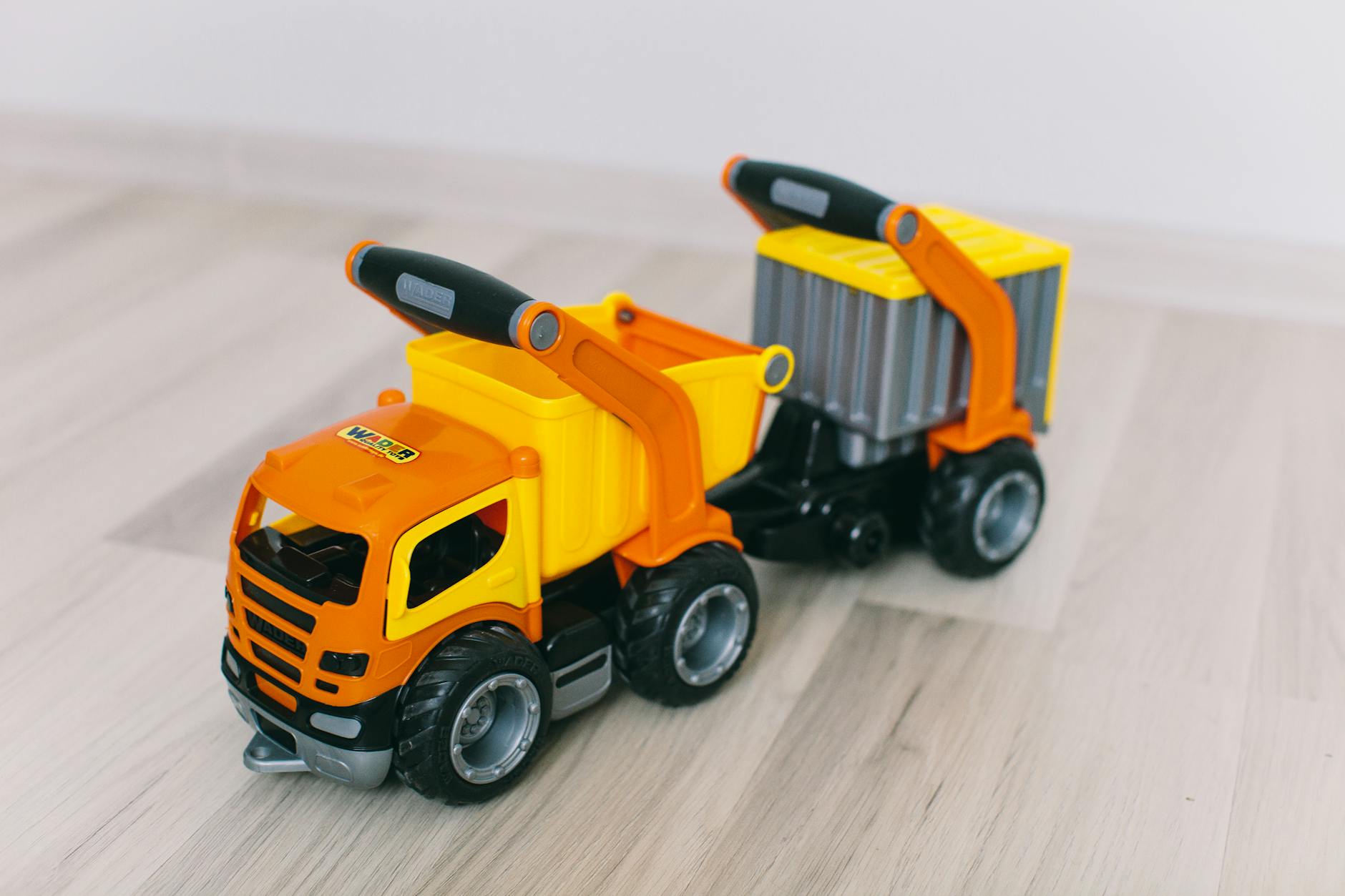
Creative Arts and Collaborative Classroom Centers
Process Art Stations with Mixed Media Materials
Process art is not craft time. You do not hang up a sample flower and ask 25 kids to copy it. That is product art, and it kills creativity. In a process art station, you follow the no exemplar rule—no samples to copy, just materials to explore. I learned the hard way that 20-minute craft stations create chaos—kids barely start before the timer beeps for cleanup. For real hands-on learning, you need 45-minute deep-dive blocks so they can layer paint, let it dry, and add collage on top without rushing.
Rotate materials weekly to manage supply costs:
Week 1: Tempera paint ($12/gallon, primary colors only so they mix their own oranges and greens)
Week 2: Collage bins (magazine and fabric scraps collected from parents)
Week 3: Sculpture (recyclables, masking tape, glue sticks)
Use Crayola washable paints and you can skip the paint shirts entirely. If you are worried about stains, old t-shirts from the lost-and-found basket work better than expensive smocks. You need a drying rack solution—stretch chicken wire across a $30 wooden frame and mount it on the wall, or buy a commercial rack. Set up a cleanup station with a 5-gallon bucket and sponges. Line tables with newspaper for quick bundling at the end. Add Artist Statement cards so students title their work and describe their choices. That shift from "what is it?" to "tell me about your process" changes the whole conversation about what art means in your classroom center.
Digital Creation and Stop-Motion Animation Labs
Stop Motion Studio Pro costs $4.99 and turns tablets into serious animation studios. You need iPad 6th generation or newer, or equivalent Android tablets with solid cameras. Store them in a locking storage cart for 5 tablets (budget around $150) with backup power strips inside—nothing kills momentum faster than dead batteries during the climax of a scene.
Technical specs matter for quality results:
Shoot at 12 frames per second for smooth motion (anything less looks jerky)
Tablet stands: $12 IKEA HAVREHOJ or sturdy homemade cardboard boxes
Backdrops: Tri-fold presentation boards block stray light and create instant sets
Materials: Plasticine clay morphs better than LEGO minifigures for fluid movement
Run projects across three distinct sessions. Session 1: Storyboard using a 6-box template to plan the narrative arc. Session 2: Shooting—students aim for 100 photos minimum to produce an 8-second clip, moving figures in tiny increments. Session 3: Voiceover recording and title cards to complete the film. If budgets are tight, iMotion works as a free alternative but limits export resolution and adds watermarks. This learning station teaches sequencing, patience, and storytelling better than any worksheet in your small group instruction rotation.
Peer Editing and Writing Workshop Conferencing Centers
Writing Workshop conferencing requires strict time management. You meet with 5 students daily for 5 minutes each—set a visual timer and stick to it, even if they are mid-sentence. Pull struggling writers first while the rotation model keeps the rest of the room moving through independent work. The center management system runs on a green/yellow/red cup system: green means working independently, yellow means I have a question, red means I am stuck and need help now.
Peer editing relies on the TAG feedback method laminated to desks: Tell what you see, Ask a question, Give praise. Use a 10-minute sand timer to keep conferences focused and fair. Organize the writing learning stations with clear visual supports:
Anchor papers showing exemplar vs. developing work levels
Conference sign-up clipboard with student photos for easy identification
"Must Do" activities (finish draft) vs "May Do" options (library books, spelling practice)
Teach the critical difference between revision (changing ideas, adding details, restructuring) and editing (fixing conventions, spelling, punctuation). Post a Revision vs Editing checklist so kids know which stage they are in and what tools to use. For students ready to expand beyond pencil and paper, explore digital tools to support creative writers. This structure provides differentiated instruction naturally—kids work at their level while you target small group instruction where it matters most.

How Do You Manage Multiple Classroom Centers at Once?
You build systems that run without you. I use the CHAMPs behavior framework and a tight rotation model. CHAMPs sets the rules: Conversation levels (0 is silent, 1 is whisper, 2 is partner talk, 3 is presentation voice), Help signals (raised hand or red cup), Activity (the exact task posted where they can see it), Movement (bathroom only with sign-out), and Participation (100% on-task or they redo it during recess). I group 25 kids into teams of 4-5, which means 5-6 learning stations running simultaneously. Each rotation lasts 15-20 minutes. I display the schedule on Google Slides with embedded timers, though the $15 pocket chart with student photos works just as well. I also post Must Do/May Do lists so early finishers don't wander and disrupt my small group instruction.
Setting Up the CHAMPs Framework
CHAMPs isn't a poster you hang once. It's a daily practice. I teach the five components explicitly:
Conversation: Level 0 means silent during independent work. Level 1 is whisper voice. Level 2 is normal voice for collaborative hands-on learning. Level 3 is presentation voice only when sharing with the class.
Help: Hand signal or cup system—green means good, red means stuck. No shouting my name across the room.
Activity: The exact task posted on the board or slide. "Write 3 sentences using vocabulary words." No ambiguity.
Movement: Restricted. Bathroom is sign-out only. No wandering between stations.
Participation: 100% on-task until the Must Do is finished. If I see kids off-task, I point to the chart and ask, "What's your participation level?" They self-correct or redo the work during free time.
Rotation Systems That Actually Work
The math matters. With 25 students, you need 5-6 centers max. Four to five kids per group is the sweet spot—big enough for peer support, small enough for differentiated instruction. I rotate every 15-20 minutes. Longer and they get bored; shorter and they can't finish.
You have two options for displaying rotations. Digital rotation boards using Google Slides let you embed timers and change groups instantly. I project it on the board. The physical pocket chart costs $15 at Target. I laminate student photos and move them manually. Both work. Choose based on your tech reliability. When setting up your space, use effective learning zones and classroom design to keep traffic flowing between stations.
The Mistakes That Kill Your Flow
I learned these the hard way. Don't introduce more than one new classroom center per day. I tried launching three new stations on a Monday once. By Wednesday, I was resetting behaviors in every corner. Introduce one center per day over two weeks. Let them master the routine before adding complexity.
Early finishers without tasks destroy rotations. Post a Must Do/May Do list at every station. Must Do: Finish the worksheet. May Do: Math puzzles, reading corner, or center management system checklists. No wandering.
Transitions need practice. Time them. Week 1 will take 5 minutes. Your goal is under 2 minutes by week 4. Use a stopwatch. Make it a game. If they beat their time, they earn two extra minutes of recess.
Emergency Protocols for When Things Fall Apart
Even with perfect planning, centers get messy. You need kill switches:
Stop and Listen: I use a chime. When they hear it, hands go up, mouths close. We practice until it's muscle memory.
Cleanup checklist: Photo cards for non-readers—picture of the bin, picture of the shelf, picture of the chair pushed in.
Red folder system: Incomplete work goes here. Students finish during free choice, not the next rotation.
Center Captain: One student per station troubleshoots "Where are the scissors?" so twenty kids don't interrupt my small group instruction.
Keep backup materials organized. I use tracking classroom materials and inventory so Center Captains can grab replacements without asking me. These protocols work best with solid research-based classroom organization strategies already in place.
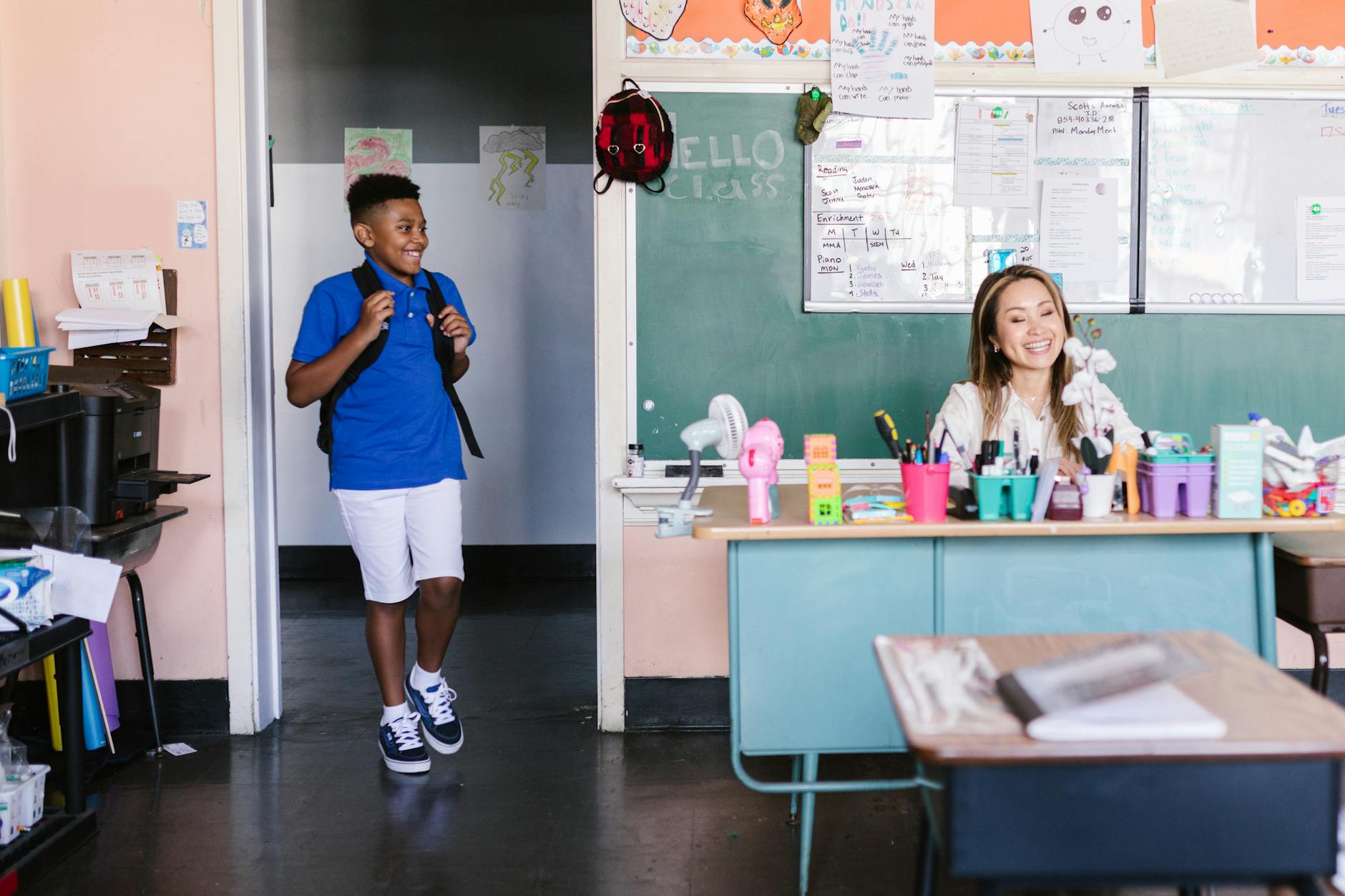
Final Thoughts on Classroom Center
You do not need fifteen centers running tomorrow. Pick one station that matches what you are teaching next week and build it out properly. A single literacy center with clear directions and materials that actually work beats a room full of unfinished Pinterest projects every time. Students need to know exactly where to sit, what to grab, and how to clean up before you add a second station. Master the rotation model with three kids before you try it with thirty.
Start Monday with that one center running while you pull small group instruction. Watch what breaks. Fix it Tuesday. Once that rotation runs itself, add another. The teachers who stick with centers are not the ones with the fanciest bins or the most differentiated instruction labels; they are the ones who built slowly enough that the routine became invisible. Your first center does not have to be perfect. It just has to run without you standing over it.
What Are the Best Literacy-Focused Classroom Centers?
The best literacy classroom centers combine interactive word walls with magnetic manipulatives for K-2 phonics, guided reading corners with Fountas & Pinnell leveled libraries (A-Z), and listening stations using Epic! or Learning Ally audiobooks. Each targets specific skills while accommodating 4 students for 15-minute rotations with minimal teacher oversight.
Developmental progressions matter when you set up these learning stations. Kindergarteners and first graders need Elkonin boxes for phonemic awareness—those segmented squares where they push chips for each sound. Second and third graders work on timed repeated readings, aiming for that 90 words per minute benchmark by mid-year. Fourth and fifth graders run literature circles with defined roles: the Connector finds text-to-self links, the Questioner raises discussion points, and the Illustrator visualizes key scenes. Your center management system stays simple. Each classroom center runs 15 minutes for primary grades, stretching to 20 for upper elementary. You cap groups at four students. Weekly maintenance takes 30 minutes—resetting materials, checking headphone batteries, and swapping out leveled texts based on running records you conducted six weeks ago.
Center Type | Best For Grade Band | Setup Cost | Teacher Prep Time | Noise Level | Group Size (4 students max) |
|---|---|---|---|---|---|
Interactive Word Wall | K-2 | $50-75 | 30 minutes/week | Medium | 4 students |
Guided Reading Corner | K-5 | $100-150 | 30 minutes/week | Low | 4 students |
Listening Center | K-5 | $75-125 | 30 minutes/week | Low | 4 students |
Interactive Word Wall and Vocabulary Stations
Three distinct activities rotate through this station depending on your week:
Magnetic poetry sentences: Students build sight words on $12 metal oil drip pans using color-coded magnetic letters—red for vowels, blue for consonants.
Greek/Latin root trees: Fourth and fifth graders map word families on chart paper branches.
Vocabulary Charades: Kinesthetic learners in grades 2-3 act out words like "trudge" while the group guesses.
Cap groups at four students. One manages the 15-minute sand timer, one serves as Word Collector checking off completed work on a laminated checklist, and two handle word building. You need these materials:
Velcro dots for moveable word walls
Expo markers for editing practice
Photo examples of completed Frayer Model templates for ELL support
This setup supports differentiated instruction—struggling readers manipulate physical letters while advanced students write compound sentences using wall words.
Guided Reading Corners with Leveled Libraries
This is where your small group instruction happens. Organize your Fountas & Pinnell library with color-coded bins—red for levels A-C, yellow for D-E, green for F-G—stocking 6-8 books per level. You pull running records every 6-8 weeks using the benchmark assessment kit to move kids between bins.
The kidney table seats six, but you only place four students here during rotations. You need specific furniture:
Whiteboard surface built into the table for word work
Individual book bins labeled with names for "just right" storage
Storage caddy with magnetic letters, whiteboards, and markers within arm reach
When you're curating diverse picture books for classroom libraries, place your interactive read-alouds here too. The front-facing display rack keeps new titles visible while the leveled bins sit behind for your guided groups. This maintains the intimacy of the rotation model while keeping materials organized.
Listening and Response Centers with Audiobooks
Epic! runs $4 per student annually with 40,000 titles, perfect for general education classrooms in grades K-5. Learning Ally costs $135 yearly but offers human-narrated audiobooks specifically designed for dyslexia support—worth the price if you have struggling readers who need that evidence-based instruction for literacy through ear-reading.
Hardware depends on your budget:
Califone 8-position jackbox ($25) prevents the "it's too quiet" complaint
Wireless headphones ($20 each) work only if you trust kids not to lose them
Accountability keeps this from becoming passive time. Students complete one of these before rotating:
Story maps with beginning-middle-end sections on 11x17 paper
Seesaw voice recording for oral retell
Written summary using sentence starters ("The problem was...") for grades 3+
Extend this hands-on learning station to 20 minutes to allow time for both listening and response. You maintain the same four-student cap, with one child designated as equipment manager who plugs in the jackbox and checks that headphones return to the hook.
Which Math Classroom Centers Build Number Sense?
Math centers that build number sense use concrete manipulatives like Unifix cubes (K-1) and base-ten blocks (2-4) rather than worksheets, paired with fact fluency games such as Multiplication War or Reflex Math, and 3-act task cards presenting real grocery store or sports scenarios for problem solving. The best learning centers in the classroom examples avoid the trap of busywork. John Hattie's Visible Learning research puts the effect size for direct instruction at 0.59 versus 0.31 for unguided inquiry. Centers that hand kids worksheets without concrete support land in that ineffective zone. You need the concrete-pictorial-abstract progression. Start with physical objects, move to drawings, then equations.
Match your manipulatives to your grade-level standards:
Unifix cubes (K-1, $30/class set of 500): Counting, sorting, one-to-one correspondence. Targets K.CC.A.1, K.CC.B.5.
Base-ten blocks (grades 2-4, $25): Place value, regrouping. Targets 2.NBT.A.1, 2.NBT.B.5.
Algebra tiles (grades 5-6, $35): Expressions, equations. Targets 5.OA.A.2, 6.EE.A.2.
Time your rotation model to attention spans. Kindergarteners lose focus after 12 minutes. Third graders can handle 20. Run your learning stations on these limits: 12-15 minutes for K-2, 15-20 for grades 3-5. Project a countdown on your board using ClassroomScreen or a PowerPoint timer. Make sure kids can see it from the floor and from standing height.
Hands-On Manipulative Bins for Concrete Learning
Set up three anchor bins for hands-on learning. Fill one with pattern blocks for fractions and symmetry (grades 1-3). Kids build composite shapes—a hexagon equals six triangles—and trace outlines to prove equivalence. Stock another with Rekenreks for subitizing and arithmetic (K-1). Students push five red beads and three white beads to visualize eight without counting individual units. The third holds fraction tiles for equivalency (grades 3-5). They line up two fourths beneath one half to see the match physically before drawing the abstract equation.
Each bin needs an "I Can" card with visual instructions showing the end product, not a paragraph of text. Add QR codes linking to 60-second tutorial videos—either yours or student-made examples from last semester—for when you're tied up with small group instruction. Storage makes or breaks your center management system. Grab Sterilite 16-quart bins at $4 each from big box stores. Laminate labels showing a photo of the contents arranged correctly, not just word lists. Clip an inventory checklist to the lid using a binder ring—students initial when they count pieces at cleanup. Tape a "Missing Pieces" envelope inside the lid for broken cubes or lost tiles so they don't end up in pockets or on the floor.
Math Fact Fluency Games and Timed Challenges
Digital tools like Reflex Math cost around $3,500 for a whole-school license and gamify fact practice with alien avatars. XtraMath is free but runs like flashcard drills—effective but dry. Physical games often work better for classroom center rotations because they create noise and movement, not screen glare. Try Multiplication War with a standard deck—players flip two cards, multiply, highest product takes the stack. Around the World works for verbal rapid-fire: two students stand, you call a fact, first to answer moves to challenge the next classmate. Beat the Calculator requires three students—two racing mental math against one with a calculator, proving brains beat buttons.
Set a 3-minute sprint limit using sand timers or digital displays. Kids need 80% accuracy for three consecutive days before they level up; miss it and they repeat the same fact family tomorrow. Track progress on ice cream cone sticker charts where each scoop represents facts 0-12 mastered. When the cone is full, they pick a prize from your bin. Keep pencil grips and slant boards nearby for OT needs; fine motor fatigue slows down fact recall more than lack of knowledge.
Problem-Solving Task Cards with Real-World Scenarios
Graham Fletcher's 3-act math tasks fit perfectly here because they mirror how actual problems unfold. Show a video hook in Act 1—maybe a person tapping a fast pattern—and ask what kids notice and wonder. Let them gather information in Act 2: "How many taps in 10 seconds?" They request the data rather than you providing it. Reveal the solution in Act 3 with the full video. "The Tapper" works for third-grade multiplication; "Knots" handles fifth-grade measurement with rope lengths. These create the benefits of math challenges for cognitive development you want in quality learning stations.
Build task cards on laminated cardstock with QR codes linking to answer check videos—yours explaining the reasoning, not just the number. Keep manipulatives available but optional; some kids will draw number lines instead. Include sentence starters like "I noticed..." and "I wonder..." for written justification. Color-code your differentiated instruction sets: green for approaching grade level, yellow for on-level, red for challenge. Store them on binder rings by the Chromebook station. These math teacher resources to transform your stations cut your prep time while hitting standards like 3.OA.A.3 or 5.MD.A.1.
What STEM Classroom Centers Spark Curiosity?
Effective STEM centers include engineering challenge stations with limited materials like 12 inches of tape and 18-minute timers. Add nature investigation labs with 30x hand lenses and butterfly pavilion kits ($25). Finish with simple experiment centers using prediction journals and 'If...then...because' sentence frames for grades K-5.
Before you rotate students through these learning stations, lock down your safety protocols.
Safety goggles ($2 each, ANSI Z87.1 rated) for any chemical station
Non-latex gloves for nature centers handling soil or compost
Three-student maximum at engineering stations to prevent tower collapse injuries
'Stop, Drop, and Tell' procedure for broken glass: freeze, let it fall, call you over
Your budget determines your materials tier:
Cost Level | Materials | Price Point |
|---|---|---|
Low | Recyclables, cardboard tubes | $0 |
Medium | Snap Circuits Jr., KEVA planks | $35–$50 |
High | LEGO Education Spike Prime, Vernier sensors | $329+ |
For assessment, use engineering design process journal pages that walk through Ask, Imagine, Plan, Create, Improve. Add a 4-point rubric checklist so students self-assess before moving to the next classroom center. This supports differentiated instruction in your rotation model.
Building and Engineering Challenge Stations
Brooke Brown's STEM Bins work because they force constraints. Fill bins with craft sticks, pipe cleaners, and masking tape—but limit the tape to 12 inches per challenge. Add wooden planks and task cards requiring specific builds: tallest tower in 18 minutes that holds a tennis ball, or a bridge spanning 30cm.
Material choice changes the thinking.
KEVA planks: $50 for 200, precision stacking, best for ages 8+
LEGO bricks: $30 for a classic set, interlocking, reusable indefinitely
Cardboard tubes: Free, single-use, crumple to teach failure points
These stations demand a tight center management system. The 18-minute timer keeps the small group instruction block moving. When the buzzer sounds, students photograph their builds for their journals, then reset for the next group.
Nature Observation and Investigation Labs
Set up observation labs with 30x magnification hand lenses ($8 each), outdoor thermometers, and cloud identification charts. Add phenology wheels so kids track seasonal changes. The "Adopt a Tree" activity works across grade levels: students take bark rubbings with crayons and measure circumference using string and a ruler.
Living materials drive engagement.
Insect Lore Butterfly Pavilion: $25 for 10 caterpillars and a 3-week lifecycle observation
Worm composting bin: $40 setup with Red Wigglers to show decomposition
Window bird feeders: Paired with species tally sheets for year-long data collection
These tools turn your hands-on learning station into an ongoing field study. The butterfly kits especially hook reluctant learners—you'll find them checking the chrysalides during indoor recess.
Simple Science Experiment and Prediction Centers
Match experiments to developmental stages.
K–1: Sink/float prediction station with 10 objects (ping pong ball, penny, wood block)
2–4: Magnet strength testing by chaining paper clips until the magnetic field breaks
5–6: pH testing using red cabbage juice indicator for acids and bases
Structure the thinking with laminated sentence frames reading "If...then...because..." taped to desks. Post graph paper for class prediction charts, and give each student a composition book for hypothesis and conclusion writing. Any liquid station requires those ANSI-rated goggles.
These integrative STEM education strategies turn your rotation into genuine inquiry. When students predict, test, and record in the same block, you see who understands variables and who needs reteaching before the unit ends.
What Learning Centers Work Best for Preschool Settings?
Preschool centers work best as circle time extensions with flannel board sets (Five Little Ducks runs about $18), sensory discovery tables using white rice ($5 for 10 pounds) or kinetic sand with fine motor tools, and dramatic play areas rotating every three weeks (vet clinic, post office) with 4-5 children maximum per station following ECERS-3 safety guidelines. Keep your ratios tight: one classroom center per four children maximum for ages 3-5, with one teacher supervising every ten children. Run a 60-minute center block maximum, rotating every 20 minutes to match attention span research, with a 2-minute warning chime and 10-minute cleanup using a transition song like Barney's "Clean Up." Watch your failure modes: nothing under 1.25 inches diameter for children under three, sanitize sensory bins with 1:10 bleach solution weekly, and keep everything 18 inches from the ceiling per fire marshal regs.
Circle Time Learning Center Extensions
I set up these learning stations right where carpet time ends. A good flannel board set hits ECERS-3 Subscale 5.2 for books and pictures while keeping kids engaged with familiar stories. The attendance chart with name pockets doubles as math integration—kids graph daily attendance without knowing they're doing data analysis. This bridges whole-group instruction into small group instruction seamlessly.
Extension materials: Flannel board sets (Five Little Ducks $18, Chicka Chicka Boom Boom letter set), attendance chart with name card pockets for daily counting/graphing (math integration), and weather bear with Velcro clothing.
Transition management: 'Center Tickets' system (4 clothespins per child clipped to ribbon), cleanup song with visual sequence cards (1. Put toys in bin, 2. Wipe table, 3. Push in chair), and 'Center Closed' tents for limiting access.
Managing the flow takes a center management system preschoolers can read independently. I clip four clothespins per child to a ribbon at eye level—when the clips are gone, the learning centers for preschool are full. Red "Center Closed" tents drape over shelves when an area hits capacity or needs sanitizing.
Sensory Bin Discovery and Fine Motor Tables
This is where hands-on learning gets messy, so plan for failure modes. Fillers range from cheap to pricey. White rice costs five dollars for ten pounds; kinetic sand runs fifteen dollars for three pounds but lasts years; water beads cost eight dollars per packet but require constant supervision for choking hazards under 1.25 inches. These tools build the grip strength kids need for writing later while meeting ECERS-3 Subscale 3.2 for fine motor development.
Filler cost comparison: White rice ($5/10lbs) vs Kinetic Sand ($15/3lbs) vs Water beads ($8/packet). Tools for fine motor: Plastic scoops, tweezers (pincer grip development), hidden alphabet objects (TOOB figurines), and measuring cups.
Management protocols: Plastic dollar-store tablecloth underneath for easy cleanup, 20-minute attention span limit (research-based), 'Sensory Rules' visual poster (tools stay in bin, no throwing, level 1 voice), and lid closure when not in use to prevent spillage.
Lay down that tablecloth. Trust me. Sanitize weekly with 1:10 bleach solution, especially if you have mouthing toddlers. Check out our sensory-friendly classroom setup guide for layout tips. Close lids when stations aren't in use to prevent the "rice tornado" I learned about the hard way.
Dramatic Play and Community Helper Role-Play Areas
Rotate these every three weeks or kids start using the vet stethoscope as a weapon. I run thematic units with print-rich elements—appointment books, prescription pads, menus with prices—to build literacy naturally without direct instruction. This rotation model keeps the differentiated instruction fresh without burning you out on prep.
Rotation schedule: Thematic units lasting 3 weeks (Vet Clinic with stethoscope $8, Post Office with mailbag and cancelled stamps, Construction with hard hats and blueprints). Print-rich elements: Appointment books, prescription pads, menus with prices.
Capacity limits: 4-5 children maximum per dramatic play center, name badges for role assignment (Doctor, Nurse, Patient, Receptionist), 'Open/Closed' sign for self-regulation of new entrants, and prop organization with photo labels on clear bins.
Cap these learning stations at four or five children maximum. Any more and you get WWE instead of hospital. Name badges assign roles—Doctor, Nurse, Patient, Receptionist—so everyone has a job. Hang an "Open/Closed" sign so kids self-regulate when new friends can enter. Remember the fire marshal: nothing hangs within 18 inches of the ceiling, not even the "Vet Clinic" banner you spent Sunday making.
Creative Arts and Collaborative Classroom Centers
Process Art Stations with Mixed Media Materials
Process art is not craft time. You do not hang up a sample flower and ask 25 kids to copy it. That is product art, and it kills creativity. In a process art station, you follow the no exemplar rule—no samples to copy, just materials to explore. I learned the hard way that 20-minute craft stations create chaos—kids barely start before the timer beeps for cleanup. For real hands-on learning, you need 45-minute deep-dive blocks so they can layer paint, let it dry, and add collage on top without rushing.
Rotate materials weekly to manage supply costs:
Week 1: Tempera paint ($12/gallon, primary colors only so they mix their own oranges and greens)
Week 2: Collage bins (magazine and fabric scraps collected from parents)
Week 3: Sculpture (recyclables, masking tape, glue sticks)
Use Crayola washable paints and you can skip the paint shirts entirely. If you are worried about stains, old t-shirts from the lost-and-found basket work better than expensive smocks. You need a drying rack solution—stretch chicken wire across a $30 wooden frame and mount it on the wall, or buy a commercial rack. Set up a cleanup station with a 5-gallon bucket and sponges. Line tables with newspaper for quick bundling at the end. Add Artist Statement cards so students title their work and describe their choices. That shift from "what is it?" to "tell me about your process" changes the whole conversation about what art means in your classroom center.
Digital Creation and Stop-Motion Animation Labs
Stop Motion Studio Pro costs $4.99 and turns tablets into serious animation studios. You need iPad 6th generation or newer, or equivalent Android tablets with solid cameras. Store them in a locking storage cart for 5 tablets (budget around $150) with backup power strips inside—nothing kills momentum faster than dead batteries during the climax of a scene.
Technical specs matter for quality results:
Shoot at 12 frames per second for smooth motion (anything less looks jerky)
Tablet stands: $12 IKEA HAVREHOJ or sturdy homemade cardboard boxes
Backdrops: Tri-fold presentation boards block stray light and create instant sets
Materials: Plasticine clay morphs better than LEGO minifigures for fluid movement
Run projects across three distinct sessions. Session 1: Storyboard using a 6-box template to plan the narrative arc. Session 2: Shooting—students aim for 100 photos minimum to produce an 8-second clip, moving figures in tiny increments. Session 3: Voiceover recording and title cards to complete the film. If budgets are tight, iMotion works as a free alternative but limits export resolution and adds watermarks. This learning station teaches sequencing, patience, and storytelling better than any worksheet in your small group instruction rotation.
Peer Editing and Writing Workshop Conferencing Centers
Writing Workshop conferencing requires strict time management. You meet with 5 students daily for 5 minutes each—set a visual timer and stick to it, even if they are mid-sentence. Pull struggling writers first while the rotation model keeps the rest of the room moving through independent work. The center management system runs on a green/yellow/red cup system: green means working independently, yellow means I have a question, red means I am stuck and need help now.
Peer editing relies on the TAG feedback method laminated to desks: Tell what you see, Ask a question, Give praise. Use a 10-minute sand timer to keep conferences focused and fair. Organize the writing learning stations with clear visual supports:
Anchor papers showing exemplar vs. developing work levels
Conference sign-up clipboard with student photos for easy identification
"Must Do" activities (finish draft) vs "May Do" options (library books, spelling practice)
Teach the critical difference between revision (changing ideas, adding details, restructuring) and editing (fixing conventions, spelling, punctuation). Post a Revision vs Editing checklist so kids know which stage they are in and what tools to use. For students ready to expand beyond pencil and paper, explore digital tools to support creative writers. This structure provides differentiated instruction naturally—kids work at their level while you target small group instruction where it matters most.
How Do You Manage Multiple Classroom Centers at Once?
You build systems that run without you. I use the CHAMPs behavior framework and a tight rotation model. CHAMPs sets the rules: Conversation levels (0 is silent, 1 is whisper, 2 is partner talk, 3 is presentation voice), Help signals (raised hand or red cup), Activity (the exact task posted where they can see it), Movement (bathroom only with sign-out), and Participation (100% on-task or they redo it during recess). I group 25 kids into teams of 4-5, which means 5-6 learning stations running simultaneously. Each rotation lasts 15-20 minutes. I display the schedule on Google Slides with embedded timers, though the $15 pocket chart with student photos works just as well. I also post Must Do/May Do lists so early finishers don't wander and disrupt my small group instruction.
Setting Up the CHAMPs Framework
CHAMPs isn't a poster you hang once. It's a daily practice. I teach the five components explicitly:
Conversation: Level 0 means silent during independent work. Level 1 is whisper voice. Level 2 is normal voice for collaborative hands-on learning. Level 3 is presentation voice only when sharing with the class.
Help: Hand signal or cup system—green means good, red means stuck. No shouting my name across the room.
Activity: The exact task posted on the board or slide. "Write 3 sentences using vocabulary words." No ambiguity.
Movement: Restricted. Bathroom is sign-out only. No wandering between stations.
Participation: 100% on-task until the Must Do is finished. If I see kids off-task, I point to the chart and ask, "What's your participation level?" They self-correct or redo the work during free time.
Rotation Systems That Actually Work
The math matters. With 25 students, you need 5-6 centers max. Four to five kids per group is the sweet spot—big enough for peer support, small enough for differentiated instruction. I rotate every 15-20 minutes. Longer and they get bored; shorter and they can't finish.
You have two options for displaying rotations. Digital rotation boards using Google Slides let you embed timers and change groups instantly. I project it on the board. The physical pocket chart costs $15 at Target. I laminate student photos and move them manually. Both work. Choose based on your tech reliability. When setting up your space, use effective learning zones and classroom design to keep traffic flowing between stations.
The Mistakes That Kill Your Flow
I learned these the hard way. Don't introduce more than one new classroom center per day. I tried launching three new stations on a Monday once. By Wednesday, I was resetting behaviors in every corner. Introduce one center per day over two weeks. Let them master the routine before adding complexity.
Early finishers without tasks destroy rotations. Post a Must Do/May Do list at every station. Must Do: Finish the worksheet. May Do: Math puzzles, reading corner, or center management system checklists. No wandering.
Transitions need practice. Time them. Week 1 will take 5 minutes. Your goal is under 2 minutes by week 4. Use a stopwatch. Make it a game. If they beat their time, they earn two extra minutes of recess.
Emergency Protocols for When Things Fall Apart
Even with perfect planning, centers get messy. You need kill switches:
Stop and Listen: I use a chime. When they hear it, hands go up, mouths close. We practice until it's muscle memory.
Cleanup checklist: Photo cards for non-readers—picture of the bin, picture of the shelf, picture of the chair pushed in.
Red folder system: Incomplete work goes here. Students finish during free choice, not the next rotation.
Center Captain: One student per station troubleshoots "Where are the scissors?" so twenty kids don't interrupt my small group instruction.
Keep backup materials organized. I use tracking classroom materials and inventory so Center Captains can grab replacements without asking me. These protocols work best with solid research-based classroom organization strategies already in place.
Final Thoughts on Classroom Center
You do not need fifteen centers running tomorrow. Pick one station that matches what you are teaching next week and build it out properly. A single literacy center with clear directions and materials that actually work beats a room full of unfinished Pinterest projects every time. Students need to know exactly where to sit, what to grab, and how to clean up before you add a second station. Master the rotation model with three kids before you try it with thirty.
Start Monday with that one center running while you pull small group instruction. Watch what breaks. Fix it Tuesday. Once that rotation runs itself, add another. The teachers who stick with centers are not the ones with the fanciest bins or the most differentiated instruction labels; they are the ones who built slowly enough that the routine became invisible. Your first center does not have to be perfect. It just has to run without you standing over it.
Still grading everything by hand?
EMStudio is a free teaching management app — manage your classes, students, lessons, and more!
Learn More
Still grading everything by hand?
EMStudio is a free teaching management app — manage your classes, students, lessons, and more!
Learn More

Notion4Teachers
Notion templates to simplify administrative tasks and enhance your teaching experience.



2026 Notion4Teachers. All Rights Reserved.
Notion4Teachers
Notion templates to simplify administrative tasks and enhance your teaching experience.
2026 Notion4Teachers. All Rights Reserved.
Notion4Teachers
Notion templates to simplify administrative tasks and enhance your teaching experience.
2026 Notion4Teachers. All Rights Reserved.