Real Good Stuff: 12 Classroom Essentials Worth the Investment
Real Good Stuff: 12 Classroom Essentials Worth the Investment

Article by
Milo
ESL Content Coordinator & Educator
ESL Content Coordinator & Educator
All Posts
You’ve got $200 left in your teacher budget planning spreadsheet and three weeks until students arrive. The Real Good Stuff catalog sits open on your desk, full of bright bins and book displays, but you’re hesitating. You’ve been burned before. Last year’s “heavy-duty” storage crates cracked by November. The reading corner pillows absorbed every mystery stain in the building. You need classroom organization systems that actually survive 32 third graders, not cute Instagram props that fall apart by Halloween. Your elementary classroom setup is too small for wasted space or broken zippers.
I’ve taught with these products for six years across second and fifth grade. Some items changed how my room functioned. Others gathered dust in the supply closet after October. This list covers the twelve worth your money—from flexible seating storage that holds up to daily abuse, to standards-aligned decorations that cut your prep time in half. We’ll walk through durable teaching materials that outlast the school year, space-saving tools for cramped classrooms, and exactly how to prioritize when you can’t buy it all. No affiliate fluff. Just what actually works once the first grading period hits.
Still grading everything by hand?
EMStudio is a free teaching management app — manage your classes, students, lessons, and more!
Learn More
Still grading everything by hand?
EMStudio is a free teaching management app — manage your classes, students, lessons, and more!
Learn More
Table of Contents
What Organizational Tools From Real Good Stuff Work Best for Small Spaces?
For classrooms under 900 square feet, Real Good Stuff's modular storage solutions maximize vertical space. Their Connect-and-Store bins, compact desktop organizers, and slim-profile mobile carts allow teachers to store 30+ student materials without sacrificing floor space for flexible seating arrangements, solving the storage crisis in compact portables and inclusion classrooms.
The average U.S. elementary classroom is 900 square feet yet houses 25-30 students. That's a 40% shortfall in recommended storage space per NCES facility statistics. You're working with less square footage per kid than architects planned for, especially in compact portables and inclusion classrooms where therapy equipment and para-educator stations eat up floor space.
Product | Dimensions | Price | Capacity | Setup | Cost/Student |
10-Drawer Mobile Organizer | 24"W x 12"D x 38"H | $89 | 30 book boxes | 15 min | $2.97 |
Stackable Clear Bins (6) | Fits 12" cubbies | $45 | 12 students | 5 min | $3.75 |
Over-the-Door Pocket Chart | 10" x 13" pockets | $22 | 30 students | 2 min | $0.73 |
Skip the Jumbo Reading Nook Ottoman if you're under 800 square feet. It eats 9 square feet of floor space and creates blind spots that violate sight-line principles. You can't monitor behavior when kids hide behind a giant ottoman.
Target high-impact polypropylene construction, not cardboard or fabric. Real Good Stuff uses durable teaching materials that withstand 180-day school year cycles for 5+ years without cracking. Cheap fabric bins sag by December; cardboard disintegrates by spring break.
Modular Storage Bins and Cubby Systems
The Group Materials Caddies run $89 for a set of six. Each measures 10.5 inches by 8 inches by 5 inches, built from high-impact plastic with antimicrobial coating. They hold 8.5 by 11 paper lying flat plus a dozen markers.
Integrated label holders snap securely and don't rip off when bumped. They fit standard 12-inch cubby shelving and stack three-high safely without tipping hazards.
I used four caddies for table groups of six in a 750-square-foot portable. We rotated materials every six weeks, saving fifteen minutes of transition time daily compared to individual cubby retrieval. For research-based classroom organization strategies, recovered time matters more than aesthetics.
Desktop Organizers for Teacher Workstations
The 12-Compartment Desktop Organizer costs $34, or $42 with the rotating base option. It measures 14 inches in diameter by 12 inches high, holds 200-plus pencils or 50 dry-erase boards, and includes non-slip feet.
This matters for traveling teachers who need portable systems between classrooms. You can lift the entire unit by the center handle and relocate without dumping supplies.
The 10-mil laminate finish resists coffee stains and marker bleed-through. This is critical when sharing a workstation in a multi-use room where three teachers touch the same surface before lunch.
Mobile Storage Carts for Flexible Seating
The 3-Tier Rolling Cart with Clear Drawers runs $79. It measures 24 inches wide by 12 inches deep by 38 inches high. The slim profile fits between desks, and lockable caster wheels prevent rolling during transitions.
It holds 30 individual student book boxes or math manipulative kits. You can see contents through the clear drawers without opening them, which cuts down on disruptions.
Cheaper wire alternatives sag under 40 pounds of textbooks. Real Good Stuff uses a welded steel frame supporting 75 pounds per tier. For implementing flexible seating in modern classrooms, you need storage that survives daily shuffling.
Curriculum Support Materials That Outlast the School Year
You already spend roughly $500 yearly on classroom basics. That number stings more when materials fall apart by December. Quality manipulatives survive three years of daily use by 25 students. Do the math: reusable tools cost about $0.07 per student daily, while consumables run $0.15. The really good stuff catalog focuses on this exact ROI.
Cost-Per-Use Analysis
Really Good Stuff Unifix Cubes: $67 for 500 cubes, 5-year lifespan = $0.04 per use.
Foam base-ten blocks: $35 initial cost, 1-year lifespan before compression = $0.19 per use.
Daily worksheet copies: $0.03 per page × 180 school days = $5.40 per student annually.
Spot durability before you buy. Look for 10-mil lamination on cards, welded seams on fabric bins (never glued), and plastics labeled "classroom grade" high-impact polypropylene. Home-use labels crack within months.
Hands-On Math Manipulatives for K-5
The Unifix Cubes Value Pack runs $67 for 500 cubes. These work for kindergarteners learning addition and fifth graders modeling fractions. Each cube measures three-quarters of an inch—too big for choking hazards but perfect for fine motor development. You can wipe them down with hospital-grade disinfectant without the colors fading.
A first-grade teacher I know uses these for daily "number bonds to 10" lessons. After three years with 90 students annually rotating through, the cubes show zero structural degradation. Foam alternatives compress and lose tactile value by spring. These are tactile learning tools for K-12 students that actually last.
Literacy Center Kits for Guided Reading
The Guided Reading Toolkit Levels A-J costs $145 and includes 120 books total—six copies each of twenty titles. Everything stores in six high-impact poly bins with locking lids. The comprehension cards come laminated to 10-mil thickness while standard classroom materials use flimsy 3-mil. These hold up during aggressive 90-minute literacy block rotations.
Books carry Fountas & Pinnell and Lexile leveling. About 80% of titles fall within Common Core complexity bands for grades K-2. You can run these through six groups daily without fraying edges. Organizing these into effective learning stations and centers keeps your small-group instruction flowing without constant material replacement.
Interactive Science Investigation Sets
The Physical Science Investigation Kit from Real Good Stuff runs $189 and supports thirty students working in pairs. It covers fifteen hands-on experiments exploring force, motion, and states of matter. You receive enough materials for immediate use, with a clear refillable consumables list. Restocking vinegar, baking soda, and food coloring runs about $15 yearly.
All plasticware uses borosilicate-grade shatter resistant material, not glass. This meets elementary safety standards while handling heat experiments up to 250°F. You get the rigor of glass beakers without the liability of shattered shards. The initial investment stings once; the $15 annual refill beats photocopying lab sheets for 180 days straight.
Which Decorative Items Create the Most Engaging Learning Environments?
Research-backed decorative items from Real Good Stuff balance visual stimulation with cognitive load. Their standards-aligned bulletin board sets, growth mindset poster collections with actionable sentence stems, and complete thematic kits with reusable components boost student ownership while avoiding the 'cluttered classroom' effect that harms working memory.
Your walls should teach, not shout. Research shows students focus best when decorations cover 20-50% of available space. Beyond that, working memory suffers and kids spend more time reading borders than solving problems.
Think of real good stuff as purposeful design, not decorative clutter. You want materials that align with your current unit and include interactive elements students actually reference during independent work.
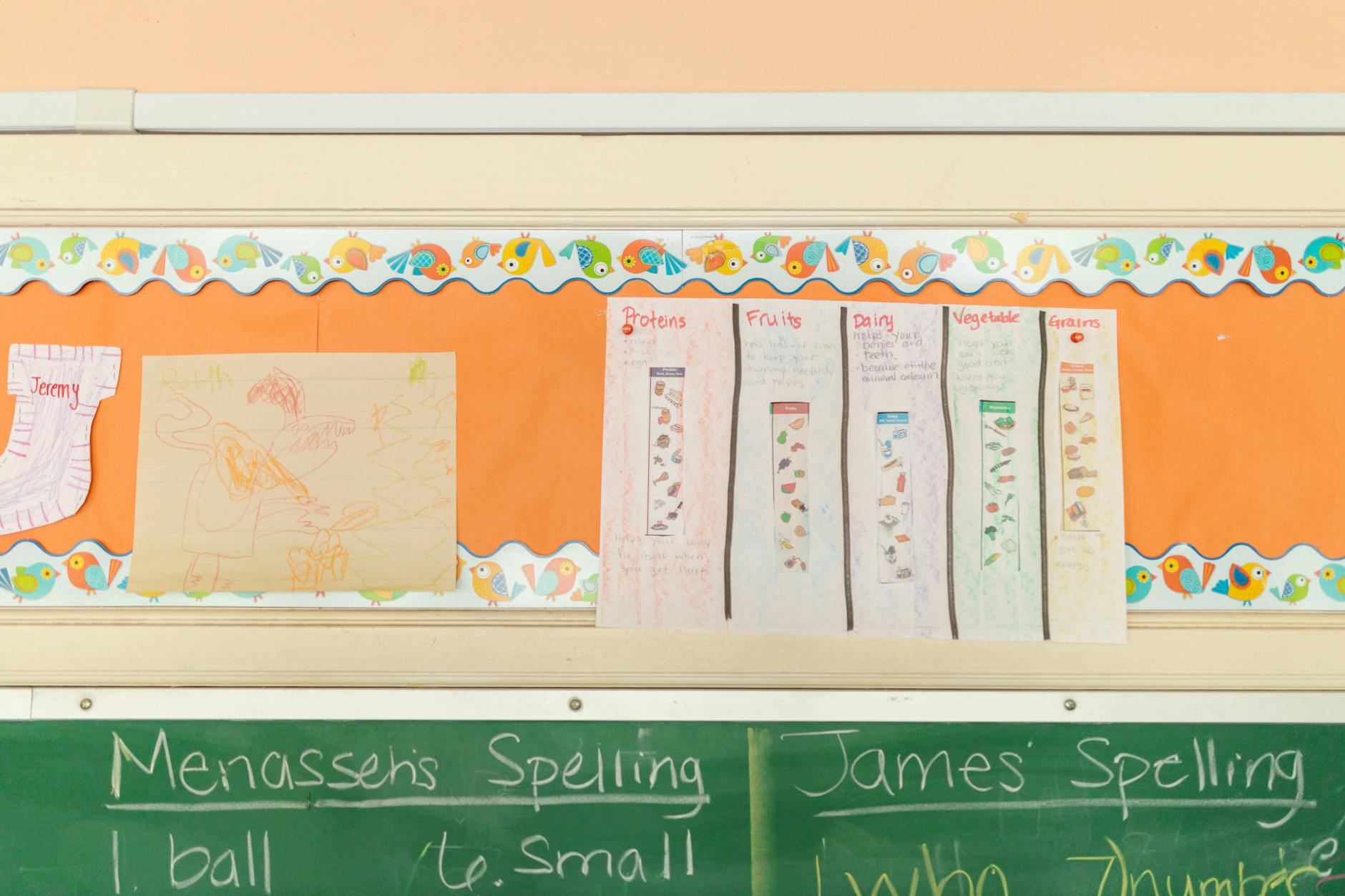
Age matters. K-2 students need alphabet lines and picture schedules with 70% images to support early literacy. Third through fifth graders benefit from growth mindset visuals with sentence stems they can copy into notebooks. Sixth through eighth graders need muted reference charts—minimal color, maximum content.
Watch out for the Complete Thematic Jungle Kit. At 80 linear feet, it overwhelms rooms under 1,000 square feet and triggers sensory overload for students with ADHD. Skip the full kit. Build a Focus Wall using three to four strategic pieces instead.
Bulletin Board Sets That Support Current Standards
The Math Practices Bulletin Board Set runs $24 and covers eight Common Core Standards for Mathematical Practice. Each of the eight pieces measures 24 by 18 inches and has dry-erase compatible surfaces. You can add student work examples directly to the posters.
Standards alignment shows in the details. Every poster includes student-friendly "I Can" statements and visual icons. One shows "Look for and make use of structure" paired with a puzzle graphic. This works for grades 3-5, bridging abstract standards and concrete practice.
Place these at eye level for 5th graders, not adults. If students can't reach the dry-erase surface to add their own work, you've turned an interactive tool into wallpaper. Position the set on a side wall where it supports your elementary classroom setup without dominating the front.
The $24 price point fits most teacher budget planning scenarios. You get professional lamination that survives marker smudges from enthusiastic 4th graders.
Growth Mindset and Motivational Poster Collections
The Growth Mindset Phrases Posters come as a set of six for $19. Each measures 13 by 19 inches on 100lb glossy stock with UV coating, so they won't fade near windows. The set includes "The Power of Yet" and specific stems like "I can't do this... yet. What strategy can I try?"
These target 4th through 8th grade. Don't hang these in K-1 classrooms. The abstract concepts require metacognitive development that six-year-olds haven't developed. For younger kids, stick to picture cues and behavior charts that show rather than tell.
These posters support building a positive classroom culture without empty platitudes. The stems give students specific language to use when frustration hits.
Hang these in your flexible seating storage area or near the small group table. The 13 by 19 inch size fits standard poster frames from Target, making them look intentional rather than like you printed them at 11 PM before school started.
Complete Thematic Classroom Decoration Kits
The Travel the World Complete Decor Kit costs $89 and includes 40 pieces—borders, continent cutouts, and reusable passport templates for tracking progress. Total coverage runs 45 linear feet, landing safely within recommended limits for standard classrooms. The kit lasts three to five years if you store pieces properly.
Integration sets this apart from dollar-store borders. QR codes link to National Geographic videos, turning your bulletin board into an interactive center. Students scan with tablets to see the animals or landmarks they're studying. This extends static decorations into effective classroom design and learning zones that support inquiry.
These qualify as durable teaching materials, not disposable decor. The passport templates let you track which students have "visited" each continent through your reading corner. That gamification turns your walls into a progress tracker, not just scenery.
Store unused pieces in labeled bins within your classroom organization systems to maximize their lifespan.
Daily Management Tools Every Teacher Needs From the Catalog
Your classroom organization systems need physical backups for when the Wi-Fi dies. The Really Good Stuff Deluxe Spiral Planner ($28) outperforms Google Classroom when your rural building's internet reliability drops below 95%. It stores sensitive IEP data in FERPA-compliant locked files. Traveling teachers juggling multiple classrooms without dedicated tablets need paper lesson sequences that survive the commute. Sometimes analog tools beat digital chaos.
Lesson Planners and Grade Books With Customization Options
The Deluxe Spiral Planner ships with an 8-period layout spanning 40 weeks of instruction. You get dedicated IEP tracking pages and parent contact logs built directly into the weekly spreads, eliminating sticky note chaos. Those 10-mil poly covers resist coffee spills from your travel mug during rushed mornings in the workroom. At $28, it costs less than three months of streaming services yet lasts the full academic year.
This planner beats generic bookstore versions with 15 specialized has designed for compliance documentation. You get 504 plan checkboxes, PD tracking columns, and pull-out pages for substitute notes. The real good stuff team built these pages for actual classroom workflows, not pretty Instagram spreads that ignore IEP meeting notes and parent call logs.
The spiral binding uses double-o wire, not cheap plastic coils that snag on fabric. After 10 months of daily shoving into your teacher bag, the pages stay securely attached. Generic plastic coils separate by Christmas break, dumping your semester records onto the parking lot asphalt. For help digitizing these records later, see our guide on choosing the right teacher planner.
Behavior Management Stamps and Sticker Systems
The Self-Inking Behavior Stamps cost $18 for a set of six with built-in ink pads that never dry out mid-year. Phrases include "Great Effort" and "Show Your Work" in crisp red and blue ink. Each mechanical stamp delivers 10,000+ impressions before needing re-inking. They work perfectly for fast feedback during guided math groups when you need to circulate through elementary classroom setup stations quickly.
These tools fail after 5th grade. Middle schoolers view public stamps as infantilizing and babyish, rejecting the visible marking system entirely. Grades 6-8 require private feedback systems or digital portfolios that respect their developing dignity and social awareness. The stamp system crashes with older kids because it violates their need for discretion during peer observation and collaborative group work.
Reserve these durable teaching materials strictly for K-3 where sticker mechanics actually motivate behavioral change and instant recognition. Pair them with engaging classroom management games for younger students. High schoolers need one-on-one conferencing or private digital comments, not visible ink marks on their homework that embarrass them in front of peers during paper pass-back.
Home-School Communication Folders and Organizers
The Take Home Folder Organizers come in packs of 24 for $22 from the really good stuff catalog. These two-pocket poly folders boast 150lb tear strength and reinforced edges with deep pockets for papers. They last the full 180-day year without fraying at the corners, even when crammed into flexible seating storage cubbies or shoved into overflowing backpacks daily by careless 3rd graders.
Paper folders die every three months in student backpacks, ripped by heavy lunchboxes and leaking water bottles. You'd buy four packs yearly at $8 each, totaling $32. The poly version costs $22. That's 31% cheaper long-term. Teachers using these structured systems report 30 minutes less weekly email time because parents see behavior charts daily. You save 18 hours annually. Use that time for standards-aligned decorations or sleep.
Paper folders die every three months in student backpacks, ripped by heavy lunchboxes and leaking water bottles. You'd buy four packs yearly at $8 each, totaling $32. The poly version costs $22. That's 31% cheaper long-term. Teachers using these structured systems report 30 minutes less weekly email time because parents see behavior charts daily. You save 18 hours annually. Use that time for standards-aligned decorations or sleep.
While two-pocket folders are excellent for daily communication, sometimes a simpler solution is needed for single-sheet handouts or portfolios. Even for these uses, durability and organization remain key considerations to minimize replacement costs and lost papers. Choosing a one pocket folder that can withstand frequent handling, especially when organizing individual student work or presenting project summaries, prevents the constant need for reordering and ensures important documents are protected effectively.
Each folder includes a built-in behavior chart insert for daily parent signatures and teacher notes. The clear-view front pocket holds student ID and transportation tags securely. During emergency drills, you grab the folder and see critical info instantly without flipping pages or searching desks. These durable teaching materials support teacher budget planning while keeping communication lines open between home and school.
Each folder includes a built-in behavior chart insert for daily parent signatures and teacher notes. The clear-view front pocket holds student ID and transportation tags securely. During emergency drills, you grab the folder and see critical info instantly without flipping pages or searching desks. These durable teaching materials support teacher budget planning while keeping communication lines open between home and school.
How to Prioritize Your Real Good Stuff Shopping List?
Prioritize Real Good Stuff purchases using the 'Survival-Enhancement-Enrichment' framework. First buy organizational tools that solve safety and access issues, then curriculum supports that replace consumable worksheets, finally decorative items. Allocate 60% of budget to reusable organizational and curriculum items, 40% to consumables and decor.
Stop buying decorations first. They won't matter when you can't find the math assessments or trip over backpacks during your elementary classroom setup. Build your classroom organization systems first. Add flexible seating storage if you're ditching desks. You can't teach in chaos.
The $300 New Teacher Priority Flow cuts decision fatigue. Do you have adequate storage? If no, grab the Group Materials Caddies ($89) and Desktop Organizer ($34). If yes, do you teach K-5? If yes, buy the Math Manipulatives ($67). If no, get the Teacher Planner ($28). Split remaining funds sixty-forty: durable teaching materials first, consumables second. That reusable fraction prevents the August panic when you realize you've burned through half your budget on name tags.
Your teacher budget planning changes with experience. New teachers with $300 should spend $90 on storage, $70 on manipulatives, $25 on folders, $50 on decor, $30 on a planner, and keep $35 for emergencies. Veterans replenishing with $150 need $60 for consumables, $40 for replacement parts, and $50 for fresh decor. Score a grant? That $500 budget adds the Elementary Science Kit ($189) to the new teacher baseline.
Calculate ROI before you checkout. The Behavior Stamp System costs $18 but saves you two hours weekly on grading documentation. That's seventy-two hours annually. You're paying a quarter per hour saved. It pays for itself in week one. Compare that to cheap stickers that run out by October.
Cross-check your cart against a digital teacher supply checklist before finalizing really good stuff teacher supplies. Hunt for standards-aligned decorations that reinforce your curriculum. And compare prices with top teacher store favorites for supplies to make sure you're getting the best deal on bulk items from the really good stuff catalog.
Where Does Real Good Stuff Fit in Your Practice?
Real Good Stuff isn't a brand you buy for the aesthetic. It's the stuff you reach for when the bell rings and you need things to work. The bins fit your cubbies. The chart paper doesn't bleed. The timers don't die by October.
You don't need the whole catalog. You need the two or three items that fix your specific daily friction. Maybe that's a paper organizer that keeps your copies straight for the week. Maybe it's the heavy-duty pocket chart that survives 3rd graders.
What's the one thing in your room that breaks your flow every single day? Buy that first.

What Organizational Tools From Real Good Stuff Work Best for Small Spaces?
For classrooms under 900 square feet, Real Good Stuff's modular storage solutions maximize vertical space. Their Connect-and-Store bins, compact desktop organizers, and slim-profile mobile carts allow teachers to store 30+ student materials without sacrificing floor space for flexible seating arrangements, solving the storage crisis in compact portables and inclusion classrooms.
The average U.S. elementary classroom is 900 square feet yet houses 25-30 students. That's a 40% shortfall in recommended storage space per NCES facility statistics. You're working with less square footage per kid than architects planned for, especially in compact portables and inclusion classrooms where therapy equipment and para-educator stations eat up floor space.
Product | Dimensions | Price | Capacity | Setup | Cost/Student |
10-Drawer Mobile Organizer | 24"W x 12"D x 38"H | $89 | 30 book boxes | 15 min | $2.97 |
Stackable Clear Bins (6) | Fits 12" cubbies | $45 | 12 students | 5 min | $3.75 |
Over-the-Door Pocket Chart | 10" x 13" pockets | $22 | 30 students | 2 min | $0.73 |
Skip the Jumbo Reading Nook Ottoman if you're under 800 square feet. It eats 9 square feet of floor space and creates blind spots that violate sight-line principles. You can't monitor behavior when kids hide behind a giant ottoman.
Target high-impact polypropylene construction, not cardboard or fabric. Real Good Stuff uses durable teaching materials that withstand 180-day school year cycles for 5+ years without cracking. Cheap fabric bins sag by December; cardboard disintegrates by spring break.
Modular Storage Bins and Cubby Systems
The Group Materials Caddies run $89 for a set of six. Each measures 10.5 inches by 8 inches by 5 inches, built from high-impact plastic with antimicrobial coating. They hold 8.5 by 11 paper lying flat plus a dozen markers.
Integrated label holders snap securely and don't rip off when bumped. They fit standard 12-inch cubby shelving and stack three-high safely without tipping hazards.
I used four caddies for table groups of six in a 750-square-foot portable. We rotated materials every six weeks, saving fifteen minutes of transition time daily compared to individual cubby retrieval. For research-based classroom organization strategies, recovered time matters more than aesthetics.
Desktop Organizers for Teacher Workstations
The 12-Compartment Desktop Organizer costs $34, or $42 with the rotating base option. It measures 14 inches in diameter by 12 inches high, holds 200-plus pencils or 50 dry-erase boards, and includes non-slip feet.
This matters for traveling teachers who need portable systems between classrooms. You can lift the entire unit by the center handle and relocate without dumping supplies.
The 10-mil laminate finish resists coffee stains and marker bleed-through. This is critical when sharing a workstation in a multi-use room where three teachers touch the same surface before lunch.
Mobile Storage Carts for Flexible Seating
The 3-Tier Rolling Cart with Clear Drawers runs $79. It measures 24 inches wide by 12 inches deep by 38 inches high. The slim profile fits between desks, and lockable caster wheels prevent rolling during transitions.
It holds 30 individual student book boxes or math manipulative kits. You can see contents through the clear drawers without opening them, which cuts down on disruptions.
Cheaper wire alternatives sag under 40 pounds of textbooks. Real Good Stuff uses a welded steel frame supporting 75 pounds per tier. For implementing flexible seating in modern classrooms, you need storage that survives daily shuffling.
Curriculum Support Materials That Outlast the School Year
You already spend roughly $500 yearly on classroom basics. That number stings more when materials fall apart by December. Quality manipulatives survive three years of daily use by 25 students. Do the math: reusable tools cost about $0.07 per student daily, while consumables run $0.15. The really good stuff catalog focuses on this exact ROI.
Cost-Per-Use Analysis
Really Good Stuff Unifix Cubes: $67 for 500 cubes, 5-year lifespan = $0.04 per use.
Foam base-ten blocks: $35 initial cost, 1-year lifespan before compression = $0.19 per use.
Daily worksheet copies: $0.03 per page × 180 school days = $5.40 per student annually.
Spot durability before you buy. Look for 10-mil lamination on cards, welded seams on fabric bins (never glued), and plastics labeled "classroom grade" high-impact polypropylene. Home-use labels crack within months.
Hands-On Math Manipulatives for K-5
The Unifix Cubes Value Pack runs $67 for 500 cubes. These work for kindergarteners learning addition and fifth graders modeling fractions. Each cube measures three-quarters of an inch—too big for choking hazards but perfect for fine motor development. You can wipe them down with hospital-grade disinfectant without the colors fading.
A first-grade teacher I know uses these for daily "number bonds to 10" lessons. After three years with 90 students annually rotating through, the cubes show zero structural degradation. Foam alternatives compress and lose tactile value by spring. These are tactile learning tools for K-12 students that actually last.
Literacy Center Kits for Guided Reading
The Guided Reading Toolkit Levels A-J costs $145 and includes 120 books total—six copies each of twenty titles. Everything stores in six high-impact poly bins with locking lids. The comprehension cards come laminated to 10-mil thickness while standard classroom materials use flimsy 3-mil. These hold up during aggressive 90-minute literacy block rotations.
Books carry Fountas & Pinnell and Lexile leveling. About 80% of titles fall within Common Core complexity bands for grades K-2. You can run these through six groups daily without fraying edges. Organizing these into effective learning stations and centers keeps your small-group instruction flowing without constant material replacement.
Interactive Science Investigation Sets
The Physical Science Investigation Kit from Real Good Stuff runs $189 and supports thirty students working in pairs. It covers fifteen hands-on experiments exploring force, motion, and states of matter. You receive enough materials for immediate use, with a clear refillable consumables list. Restocking vinegar, baking soda, and food coloring runs about $15 yearly.
All plasticware uses borosilicate-grade shatter resistant material, not glass. This meets elementary safety standards while handling heat experiments up to 250°F. You get the rigor of glass beakers without the liability of shattered shards. The initial investment stings once; the $15 annual refill beats photocopying lab sheets for 180 days straight.
Which Decorative Items Create the Most Engaging Learning Environments?
Research-backed decorative items from Real Good Stuff balance visual stimulation with cognitive load. Their standards-aligned bulletin board sets, growth mindset poster collections with actionable sentence stems, and complete thematic kits with reusable components boost student ownership while avoiding the 'cluttered classroom' effect that harms working memory.
Your walls should teach, not shout. Research shows students focus best when decorations cover 20-50% of available space. Beyond that, working memory suffers and kids spend more time reading borders than solving problems.
Think of real good stuff as purposeful design, not decorative clutter. You want materials that align with your current unit and include interactive elements students actually reference during independent work.
Age matters. K-2 students need alphabet lines and picture schedules with 70% images to support early literacy. Third through fifth graders benefit from growth mindset visuals with sentence stems they can copy into notebooks. Sixth through eighth graders need muted reference charts—minimal color, maximum content.
Watch out for the Complete Thematic Jungle Kit. At 80 linear feet, it overwhelms rooms under 1,000 square feet and triggers sensory overload for students with ADHD. Skip the full kit. Build a Focus Wall using three to four strategic pieces instead.
Bulletin Board Sets That Support Current Standards
The Math Practices Bulletin Board Set runs $24 and covers eight Common Core Standards for Mathematical Practice. Each of the eight pieces measures 24 by 18 inches and has dry-erase compatible surfaces. You can add student work examples directly to the posters.
Standards alignment shows in the details. Every poster includes student-friendly "I Can" statements and visual icons. One shows "Look for and make use of structure" paired with a puzzle graphic. This works for grades 3-5, bridging abstract standards and concrete practice.
Place these at eye level for 5th graders, not adults. If students can't reach the dry-erase surface to add their own work, you've turned an interactive tool into wallpaper. Position the set on a side wall where it supports your elementary classroom setup without dominating the front.
The $24 price point fits most teacher budget planning scenarios. You get professional lamination that survives marker smudges from enthusiastic 4th graders.
Growth Mindset and Motivational Poster Collections
The Growth Mindset Phrases Posters come as a set of six for $19. Each measures 13 by 19 inches on 100lb glossy stock with UV coating, so they won't fade near windows. The set includes "The Power of Yet" and specific stems like "I can't do this... yet. What strategy can I try?"
These target 4th through 8th grade. Don't hang these in K-1 classrooms. The abstract concepts require metacognitive development that six-year-olds haven't developed. For younger kids, stick to picture cues and behavior charts that show rather than tell.
These posters support building a positive classroom culture without empty platitudes. The stems give students specific language to use when frustration hits.
Hang these in your flexible seating storage area or near the small group table. The 13 by 19 inch size fits standard poster frames from Target, making them look intentional rather than like you printed them at 11 PM before school started.
Complete Thematic Classroom Decoration Kits
The Travel the World Complete Decor Kit costs $89 and includes 40 pieces—borders, continent cutouts, and reusable passport templates for tracking progress. Total coverage runs 45 linear feet, landing safely within recommended limits for standard classrooms. The kit lasts three to five years if you store pieces properly.
Integration sets this apart from dollar-store borders. QR codes link to National Geographic videos, turning your bulletin board into an interactive center. Students scan with tablets to see the animals or landmarks they're studying. This extends static decorations into effective classroom design and learning zones that support inquiry.
These qualify as durable teaching materials, not disposable decor. The passport templates let you track which students have "visited" each continent through your reading corner. That gamification turns your walls into a progress tracker, not just scenery.
Store unused pieces in labeled bins within your classroom organization systems to maximize their lifespan.
Daily Management Tools Every Teacher Needs From the Catalog
Your classroom organization systems need physical backups for when the Wi-Fi dies. The Really Good Stuff Deluxe Spiral Planner ($28) outperforms Google Classroom when your rural building's internet reliability drops below 95%. It stores sensitive IEP data in FERPA-compliant locked files. Traveling teachers juggling multiple classrooms without dedicated tablets need paper lesson sequences that survive the commute. Sometimes analog tools beat digital chaos.
Lesson Planners and Grade Books With Customization Options
The Deluxe Spiral Planner ships with an 8-period layout spanning 40 weeks of instruction. You get dedicated IEP tracking pages and parent contact logs built directly into the weekly spreads, eliminating sticky note chaos. Those 10-mil poly covers resist coffee spills from your travel mug during rushed mornings in the workroom. At $28, it costs less than three months of streaming services yet lasts the full academic year.
This planner beats generic bookstore versions with 15 specialized has designed for compliance documentation. You get 504 plan checkboxes, PD tracking columns, and pull-out pages for substitute notes. The real good stuff team built these pages for actual classroom workflows, not pretty Instagram spreads that ignore IEP meeting notes and parent call logs.
The spiral binding uses double-o wire, not cheap plastic coils that snag on fabric. After 10 months of daily shoving into your teacher bag, the pages stay securely attached. Generic plastic coils separate by Christmas break, dumping your semester records onto the parking lot asphalt. For help digitizing these records later, see our guide on choosing the right teacher planner.
Behavior Management Stamps and Sticker Systems
The Self-Inking Behavior Stamps cost $18 for a set of six with built-in ink pads that never dry out mid-year. Phrases include "Great Effort" and "Show Your Work" in crisp red and blue ink. Each mechanical stamp delivers 10,000+ impressions before needing re-inking. They work perfectly for fast feedback during guided math groups when you need to circulate through elementary classroom setup stations quickly.
These tools fail after 5th grade. Middle schoolers view public stamps as infantilizing and babyish, rejecting the visible marking system entirely. Grades 6-8 require private feedback systems or digital portfolios that respect their developing dignity and social awareness. The stamp system crashes with older kids because it violates their need for discretion during peer observation and collaborative group work.
Reserve these durable teaching materials strictly for K-3 where sticker mechanics actually motivate behavioral change and instant recognition. Pair them with engaging classroom management games for younger students. High schoolers need one-on-one conferencing or private digital comments, not visible ink marks on their homework that embarrass them in front of peers during paper pass-back.
Home-School Communication Folders and Organizers
The Take Home Folder Organizers come in packs of 24 for $22 from the really good stuff catalog. These two-pocket poly folders boast 150lb tear strength and reinforced edges with deep pockets for papers. They last the full 180-day year without fraying at the corners, even when crammed into flexible seating storage cubbies or shoved into overflowing backpacks daily by careless 3rd graders.
Paper folders die every three months in student backpacks, ripped by heavy lunchboxes and leaking water bottles. You'd buy four packs yearly at $8 each, totaling $32. The poly version costs $22. That's 31% cheaper long-term. Teachers using these structured systems report 30 minutes less weekly email time because parents see behavior charts daily. You save 18 hours annually. Use that time for standards-aligned decorations or sleep.
Paper folders die every three months in student backpacks, ripped by heavy lunchboxes and leaking water bottles. You'd buy four packs yearly at $8 each, totaling $32. The poly version costs $22. That's 31% cheaper long-term. Teachers using these structured systems report 30 minutes less weekly email time because parents see behavior charts daily. You save 18 hours annually. Use that time for standards-aligned decorations or sleep.
While two-pocket folders are excellent for daily communication, sometimes a simpler solution is needed for single-sheet handouts or portfolios. Even for these uses, durability and organization remain key considerations to minimize replacement costs and lost papers. Choosing a one pocket folder that can withstand frequent handling, especially when organizing individual student work or presenting project summaries, prevents the constant need for reordering and ensures important documents are protected effectively.
Each folder includes a built-in behavior chart insert for daily parent signatures and teacher notes. The clear-view front pocket holds student ID and transportation tags securely. During emergency drills, you grab the folder and see critical info instantly without flipping pages or searching desks. These durable teaching materials support teacher budget planning while keeping communication lines open between home and school.
Each folder includes a built-in behavior chart insert for daily parent signatures and teacher notes. The clear-view front pocket holds student ID and transportation tags securely. During emergency drills, you grab the folder and see critical info instantly without flipping pages or searching desks. These durable teaching materials support teacher budget planning while keeping communication lines open between home and school.
How to Prioritize Your Real Good Stuff Shopping List?
Prioritize Real Good Stuff purchases using the 'Survival-Enhancement-Enrichment' framework. First buy organizational tools that solve safety and access issues, then curriculum supports that replace consumable worksheets, finally decorative items. Allocate 60% of budget to reusable organizational and curriculum items, 40% to consumables and decor.
Stop buying decorations first. They won't matter when you can't find the math assessments or trip over backpacks during your elementary classroom setup. Build your classroom organization systems first. Add flexible seating storage if you're ditching desks. You can't teach in chaos.
The $300 New Teacher Priority Flow cuts decision fatigue. Do you have adequate storage? If no, grab the Group Materials Caddies ($89) and Desktop Organizer ($34). If yes, do you teach K-5? If yes, buy the Math Manipulatives ($67). If no, get the Teacher Planner ($28). Split remaining funds sixty-forty: durable teaching materials first, consumables second. That reusable fraction prevents the August panic when you realize you've burned through half your budget on name tags.
Your teacher budget planning changes with experience. New teachers with $300 should spend $90 on storage, $70 on manipulatives, $25 on folders, $50 on decor, $30 on a planner, and keep $35 for emergencies. Veterans replenishing with $150 need $60 for consumables, $40 for replacement parts, and $50 for fresh decor. Score a grant? That $500 budget adds the Elementary Science Kit ($189) to the new teacher baseline.
Calculate ROI before you checkout. The Behavior Stamp System costs $18 but saves you two hours weekly on grading documentation. That's seventy-two hours annually. You're paying a quarter per hour saved. It pays for itself in week one. Compare that to cheap stickers that run out by October.
Cross-check your cart against a digital teacher supply checklist before finalizing really good stuff teacher supplies. Hunt for standards-aligned decorations that reinforce your curriculum. And compare prices with top teacher store favorites for supplies to make sure you're getting the best deal on bulk items from the really good stuff catalog.
Where Does Real Good Stuff Fit in Your Practice?
Real Good Stuff isn't a brand you buy for the aesthetic. It's the stuff you reach for when the bell rings and you need things to work. The bins fit your cubbies. The chart paper doesn't bleed. The timers don't die by October.
You don't need the whole catalog. You need the two or three items that fix your specific daily friction. Maybe that's a paper organizer that keeps your copies straight for the week. Maybe it's the heavy-duty pocket chart that survives 3rd graders.
What's the one thing in your room that breaks your flow every single day? Buy that first.
Still grading everything by hand?
EMStudio is a free teaching management app — manage your classes, students, lessons, and more!
Learn More
Still grading everything by hand?
EMStudio is a free teaching management app — manage your classes, students, lessons, and more!
Learn More





Notion4Teachers
Notion templates to simplify administrative tasks and enhance your teaching experience.



2026 Notion4Teachers. All Rights Reserved.
Notion4Teachers
Notion templates to simplify administrative tasks and enhance your teaching experience.
2026 Notion4Teachers. All Rights Reserved.
Notion4Teachers
Notion templates to simplify administrative tasks and enhance your teaching experience.
2026 Notion4Teachers. All Rights Reserved.