
How Teachers Can Use Custom Patches to Build a Positive Classroom Culture
How Teachers Can Use Custom Patches to Build a Positive Classroom Culture

Article by
Milo
ESL Content Coordinator & Educator
ESL Content Coordinator & Educator
All Posts
How Teachers Can Use Custom Patches to Build a Positive Classroom Culture
Creating a positive classroom culture is one of the most important — and challenging — parts of teaching. Beyond lesson plans and assessments, teachers are constantly looking for simple ways to motivate students, recognize effort, and build a sense of belonging in the classroom.
While digital tools help teachers stay organized, physical recognition still plays a powerful role in how students feel about their learning environment. One simple and often overlooked tool is custom patches. When used thoughtfully, patches can support positive behavior, encourage participation, and help students feel proud of their progress.
This article explores beginner-friendly ways teachers can use custom patches to strengthen classroom culture without adding extra work or pressure.
Still grading everything by hand?
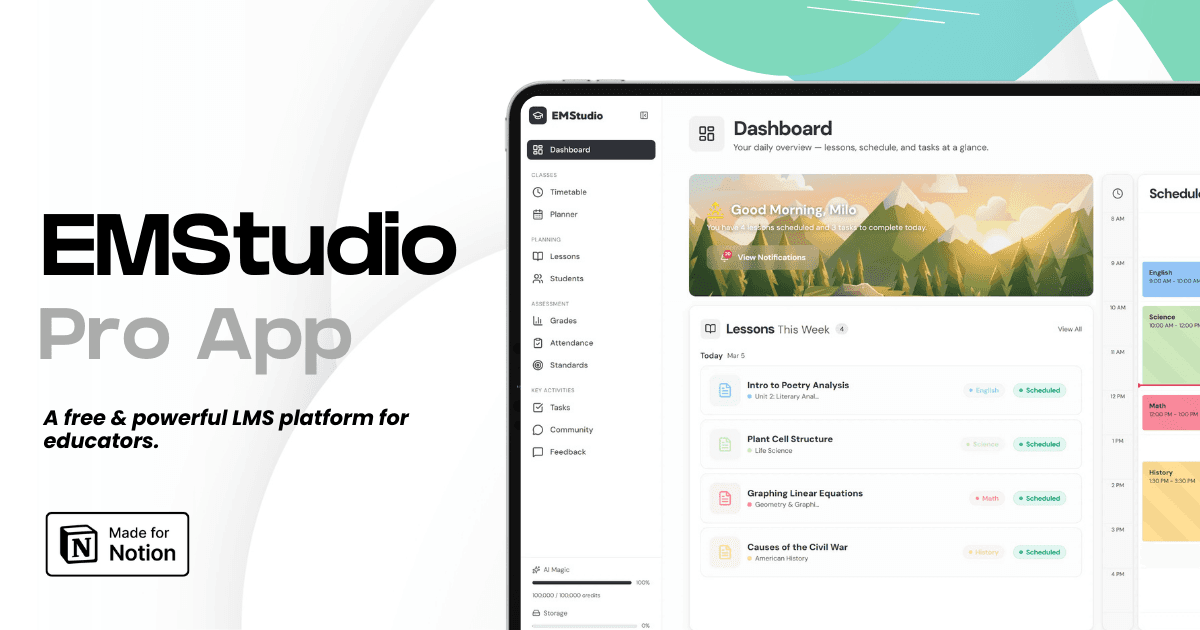
EMStudio is a free teaching management app — manage your classes, students, lessons, and more!
Learn More

Still grading everything by hand?
EMStudio is a free teaching management app — manage your classes, students, lessons, and more!
Learn More
Table of Contents
Why Classroom Culture Matters in Teaching
Classroom culture shapes how students behave, participate, and support one another. A positive culture helps students feel safe, valued, and motivated to learn. When students believe their efforts matter, they are more likely to stay engaged and take responsibility for their actions.
Small, consistent signals of recognition — such as praise, routines, and visual rewards — can make a big difference. Custom patches work well because they are tangible, easy to understand, and meaningful to students of all ages.
What Are Custom Patches in an Educational Setting
In schools, custom patches are small fabric or embroidered items that represent achievement, values, or participation. They can be attached to backpacks, pencil cases, classroom boards, or stored in personal student folders.
Unlike traditional prizes, patches are symbolic rather than competitive. They do not need to represent “winning.” Instead, they can highlight effort, improvement, teamwork, or positive behavior — which aligns well with modern teaching goals.
Simple Ways Teachers Can Use Custom Patches
Recognizing Effort, Not Just Results
Many students struggle academically but still work hard every day. Custom patches can reward effort, persistence, or improvement rather than high scores.
Examples include:
“Great Effort” patches for students who keep trying
“Improvement” patches for noticeable progress
“Never Gave Up” patches for resilience
This approach helps all students feel recognized, not just top performers.
Supporting Positive Classroom Behavior
Classroom management becomes easier when expectations are clear and recognition is consistent. Patches can reinforce behaviors teachers already value, such as:
Helping classmates
Following classroom routines
Showing respect during discussions
Instead of focusing on punishment, patches shift attention toward positive actions, which naturally encourages better behavior over time.
Encouraging Participation and Confidence
Some students are hesitant to speak up or participate in class activities. Offering a simple participation patch can help students feel more confident without pressure.
Patches can recognize:
Asking thoughtful questions
Participating in group work
Trying something new
Over time, students associate participation with encouragement rather than fear of making mistakes.
Building a Sense of Belonging
Custom patches can also support class identity. A shared classroom patch — such as one representing a class value or theme — helps students feel like they are part of a team.
When students feel they belong, they are more likely to respect the classroom environment and support one another.
Keeping It Simple for Teachers
For teachers new to using physical rewards, simplicity is key. Custom patches do not need to be complex or expensive. A small set of designs connected to classroom values is often enough.
Some educators choose to work with providers like vivipins to create patches that align with their classroom goals while keeping designs clear and student-friendly. The most important part is not the patch itself, but the meaning attached to it.
Tips for Using Patches Effectively
To keep patches meaningful and fair:
Be consistent with when and why patches are given
Explain the purpose clearly to students
Avoid turning patches into competition
Focus on growth, effort, and positive behavior
When students understand the purpose, patches become part of classroom culture rather than just a reward.
Using Custom Patches Alongside Digital Classroom Tools
Many teachers already use digital tools to plan lessons, track behavior, or organize classroom routines. Custom patches work best when they support these systems instead of replacing them.
For example, teachers can track positive behavior digitally and then use patches as a physical reminder of progress.
This connection between digital organization and real-world recognition helps students better understand expectations.
It also saves teachers time, since patches are given intentionally rather than randomly.
When digital planning and physical rewards work together, classroom routines feel clearer and more consistent.
Final Thoughts
Building a positive classroom culture does not require complex systems or constant incentives. Often, small and thoughtful tools have the greatest impact. Custom patches offer teachers a simple, beginner-friendly way to recognize effort, encourage positive behavior, and create a sense of belonging among students.
When used with clear intentions and consistency, patches support the values teachers already promote every day — respect, effort, and community. Over time, these small symbols help shape a classroom environment where students feel motivated, confident, and proud of their progress.
Why Classroom Culture Matters in Teaching
Classroom culture shapes how students behave, participate, and support one another. A positive culture helps students feel safe, valued, and motivated to learn. When students believe their efforts matter, they are more likely to stay engaged and take responsibility for their actions.
Small, consistent signals of recognition — such as praise, routines, and visual rewards — can make a big difference. Custom patches work well because they are tangible, easy to understand, and meaningful to students of all ages.
What Are Custom Patches in an Educational Setting
In schools, custom patches are small fabric or embroidered items that represent achievement, values, or participation. They can be attached to backpacks, pencil cases, classroom boards, or stored in personal student folders.
Unlike traditional prizes, patches are symbolic rather than competitive. They do not need to represent “winning.” Instead, they can highlight effort, improvement, teamwork, or positive behavior — which aligns well with modern teaching goals.
Simple Ways Teachers Can Use Custom Patches
Recognizing Effort, Not Just Results
Many students struggle academically but still work hard every day. Custom patches can reward effort, persistence, or improvement rather than high scores.
Examples include:
“Great Effort” patches for students who keep trying
“Improvement” patches for noticeable progress
“Never Gave Up” patches for resilience
This approach helps all students feel recognized, not just top performers.
Supporting Positive Classroom Behavior
Classroom management becomes easier when expectations are clear and recognition is consistent. Patches can reinforce behaviors teachers already value, such as:
Helping classmates
Following classroom routines
Showing respect during discussions
Instead of focusing on punishment, patches shift attention toward positive actions, which naturally encourages better behavior over time.
Encouraging Participation and Confidence
Some students are hesitant to speak up or participate in class activities. Offering a simple participation patch can help students feel more confident without pressure.
Patches can recognize:
Asking thoughtful questions
Participating in group work
Trying something new
Over time, students associate participation with encouragement rather than fear of making mistakes.
Building a Sense of Belonging
Custom patches can also support class identity. A shared classroom patch — such as one representing a class value or theme — helps students feel like they are part of a team.
When students feel they belong, they are more likely to respect the classroom environment and support one another.
Keeping It Simple for Teachers
For teachers new to using physical rewards, simplicity is key. Custom patches do not need to be complex or expensive. A small set of designs connected to classroom values is often enough.
Some educators choose to work with providers like vivipins to create patches that align with their classroom goals while keeping designs clear and student-friendly. The most important part is not the patch itself, but the meaning attached to it.
Tips for Using Patches Effectively
To keep patches meaningful and fair:
Be consistent with when and why patches are given
Explain the purpose clearly to students
Avoid turning patches into competition
Focus on growth, effort, and positive behavior
When students understand the purpose, patches become part of classroom culture rather than just a reward.
Using Custom Patches Alongside Digital Classroom Tools
Many teachers already use digital tools to plan lessons, track behavior, or organize classroom routines. Custom patches work best when they support these systems instead of replacing them.
For example, teachers can track positive behavior digitally and then use patches as a physical reminder of progress.
This connection between digital organization and real-world recognition helps students better understand expectations.
It also saves teachers time, since patches are given intentionally rather than randomly.
When digital planning and physical rewards work together, classroom routines feel clearer and more consistent.
Final Thoughts
Building a positive classroom culture does not require complex systems or constant incentives. Often, small and thoughtful tools have the greatest impact. Custom patches offer teachers a simple, beginner-friendly way to recognize effort, encourage positive behavior, and create a sense of belonging among students.
When used with clear intentions and consistency, patches support the values teachers already promote every day — respect, effort, and community. Over time, these small symbols help shape a classroom environment where students feel motivated, confident, and proud of their progress.
Still grading everything by hand?
EMStudio is a free teaching management app — manage your classes, students, lessons, and more!
Learn More
Still grading everything by hand?
EMStudio is a free teaching management app — manage your classes, students, lessons, and more!
Learn More





Notion4Teachers
Notion templates to simplify administrative tasks and enhance your teaching experience.



2026 Notion4Teachers. All Rights Reserved.
Notion4Teachers
Notion templates to simplify administrative tasks and enhance your teaching experience.
2026 Notion4Teachers. All Rights Reserved.
Notion4Teachers
Notion templates to simplify administrative tasks and enhance your teaching experience.
2026 Notion4Teachers. All Rights Reserved.