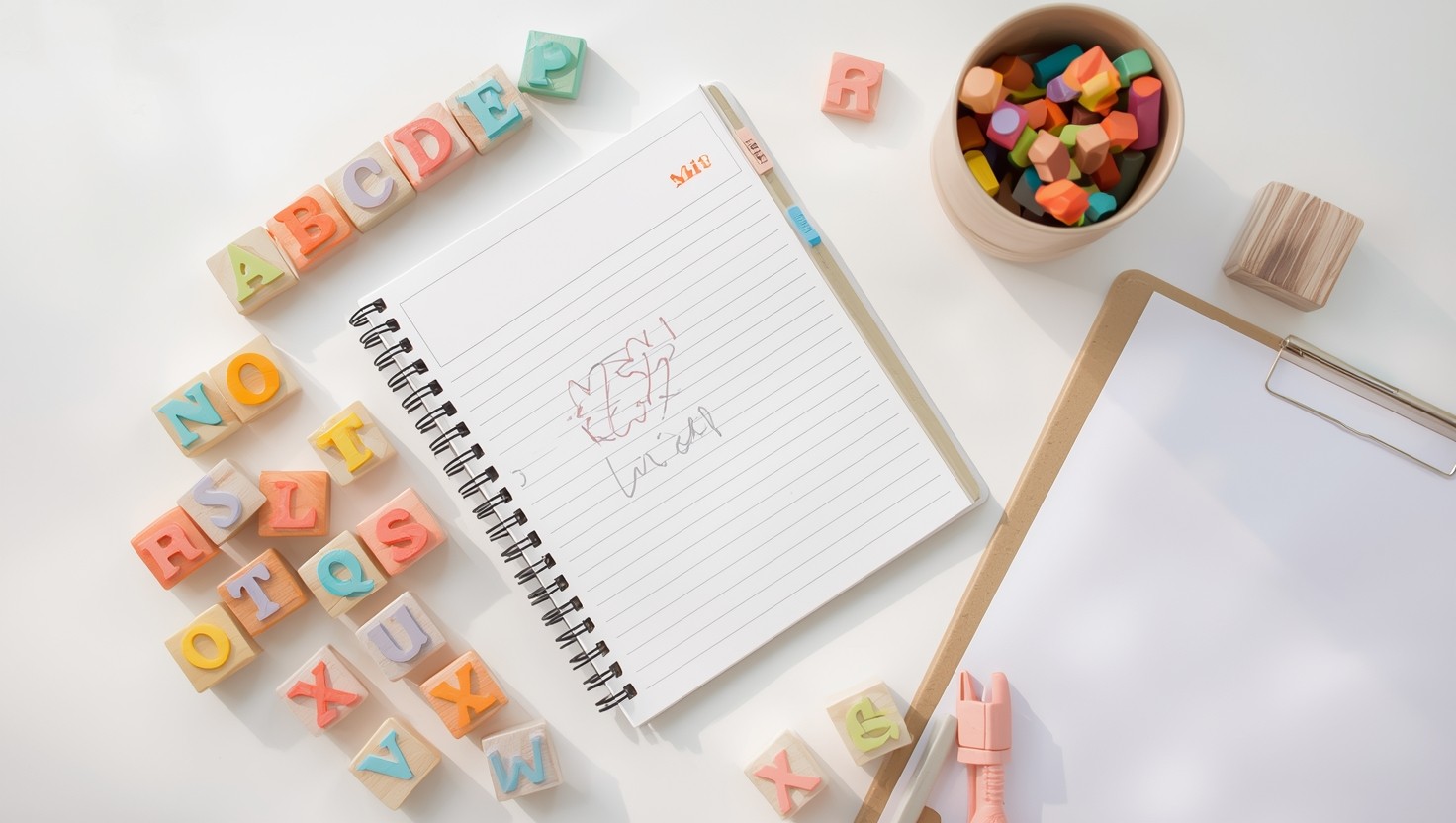
18 Kindergarten Lesson Plans for Stress-Free Planning
18 Kindergarten Lesson Plans for Stress-Free Planning

Article by
Milo
ESL Content Coordinator & Educator
ESL Content Coordinator & Educator
All Posts
"How do you teach the alphabet and keep twenty five-year-olds from climbing the walls at the same time?" That was my first October in kindergarten. I had stacks of standards and an empty planbook. What I needed wasn't more theory. I needed kindergarten lesson plans that matched how five-year-olds actually learn: short, hands-on, and rooted in play-based learning. Not worksheets. Not thirty-minute lectures. Just clear activities that hit phonemic awareness and number sense routines without draining my Sunday night.
This list gives you exactly that. I pulled together eighteen plans that work in real classrooms—emergent literacy lessons that use movement, math routines that build number sense from day one, and science units that embrace the mess. There's SEL for those morning meltdowns and creative arts for the afternoon wiggles. Everything here follows developmentally appropriate practice, but more importantly, it respects your prep time.
I've used these with kids who couldn't sit for circle time and with kids who already knew their sight words. They work because they're built for early childhood education, not mini first-graders. Pick one, adapt it for your crew, and reclaim your evening.
Still grading everything by hand?
EMStudio is a free teaching management app — manage your classes, students, lessons, and more!
Learn More

Still grading everything by hand?
EMStudio is a free teaching management app — manage your classes, students, lessons, and more!
Learn More
Table of Contents
What Are the Most Effective Literacy and Phonics Lesson Plans?
Effective kindergarten literacy plans combine 10-15 minutes of daily phonemic awareness drills (like Heggerty), interactive read-alouds with structured turn-and-talks, and emergent writing workshops using predictable charts. Research indicates systematic phonics instruction yields effect sizes of 0.57 (Hattie), particularly when delivered in small bursts throughout the day.
I structure my 60-90 minute block into three chunks: Heggerty drills for phonemic awareness, interactive read-alouds with Turn and Talk protocols, and emergent writing using predictable charts. My phonics sequence runs weeks 1-9 for letter-sounds, 10-20 for CVC words with magnetic letters, and 21-36 for digraphs using Elkonin boxes and decodable readers. I track progress on a kindergarten lesson plan template with time stamps and thumbs up/middle/down checkpoints.
Phonics-Based Morning Meeting Sequences
The Heggerty sequence takes 8-10 minutes daily using hand signals for phoneme segmentation. Lessons 1-35 focus on rhyme recognition and onset-rime blending, while 36-70 introduce phoneme manipulation. By mid-year, my students segment words automatically, fingers tapping out sounds during line transitions without prompting.
When students struggle with blending, I use the 'say it fast' game with picture cards. We stretch the word like a rubber band—/c/-/a/-/t/—then snap it together quickly. This kinesthetic approach helps the child who stares at letter tiles finally hear how the sounds connect. I keep these cards on a ring near my carpet.
Interactive Read-Aloud Lesson Sets
I follow the three-read protocol religiously. The first read is for pure enjoyment—no questions, just the story. The second read targets three Tier 2 words like 'gigantic' instead of 'big.' The third uses Think-Pair-Share with sentence stems for comprehension. This structure transforms passive listening into active thinking.
My go-to texts serve specific purposes: The Snowy Day for setting, Last Stop on Market Street for community, and Creepy Carrots for problem-solution. These anchor my kindergarten lesson plans with rich language. You can find more recommendations in my guide to phonics books for early readers and our resources on evidence-based literacy instruction.
Emergent Writing Workshop Frameworks
Predictable chart writing drives my emergent writing block. The class composes one sentence per day following a pattern like 'I like ___.' Students write their names and fill the blank at various levels—some draw pictures, some write initial sounds, others attempt full words. This method honors where each child is while building print concepts.
I differentiate with word banks for emerging writers, sight word rings on binder clips for developing writers, and extension lines for advanced writers adding details. Everyone participates in the same community text, but output matches their stage. This framework respects developmentally appropriate practice while building confidence for independent writing.
Math Lesson Plans That Build Number Sense From Day One
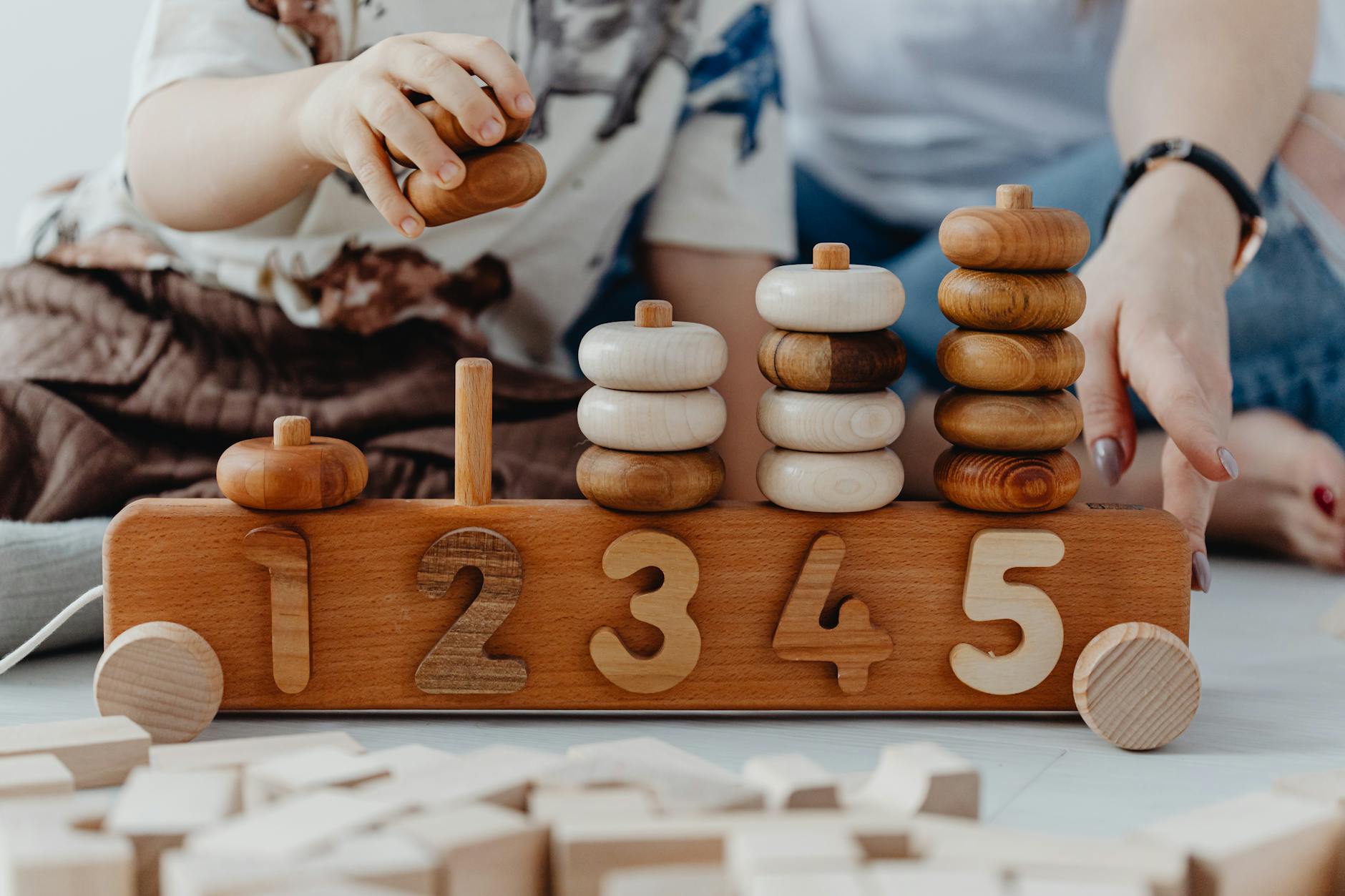
You don't need worksheets to build number sense in early childhood education. These kindergarten lesson plans focus on talking, moving, and manipulating objects. I've watched students who couldn't count to ten reliably suddenly understand that seven is five and two more just by changing how we started class.
Counting and Cardinality Daily Routines
Pick one routine to anchor your morning meeting. I rotate between these three depending on the skill I need to assess.
Routine | Time | Prep | Cost | Best Use Case |
|---|---|---|---|---|
Quick Images | 5 min | 10 min | $0 | Subitizing quantities to 5 |
Rekenrek | 10 min | Minimal | $12 | Addition strategies to 20 |
Ten-frame flash | 5 min | 5 min | $0 | Composing to 10 |
Number talks take five minutes but reveal how students think. I flash an image of five dots arranged like dice. I ask, "How many do you see and how do you see it?" John says he saw three and two. Maria saw four and one. I record both on chart paper. Then I connect them: both saw parts that make five. This effective mathematics strategy builds flexible thinking faster than any worksheet.
Counting Collections puts manipulatives in their hands. Students grab handfuls of buttons or dried macaroni. They estimate first, then count using grouping mats for 5s or 10s. I give them a recording sheet with ten-frames to show how they organized their count.
The Number of the Day anchor chart lives by my calendar. We pick seven and represent it seven ways: tally marks, dice patterns, fingers, ten-frame, word, equation like five plus two, and domino arrangements.
Shape Recognition and Spatial Reasoning Units
The Shape Museum unit starts with homework that parents actually enjoy. Each child brings three objects from home that match cylinders, spheres, cones, or cubes. We sort them using hula hoops as Venn diagrams on the carpet. Is this object round and flat? It goes in the overlap. Then we build structures with unit blocks to test which shapes stack and which roll away.
The conversations about stability matter more than the names. Last year, a student realized that cones tip over because they have a point, not because they're heavy. That's the kind of discovery you can't put on a worksheet.
For spatial reasoning, I use plastic tangrams costing fifteen dollars per set. Students start by filling outlined shapes on cards. By week three, they create their own designs and trace the outlines for classmates to solve. I watch them flip and rotate pieces, developing mental rotation skills that predict later math success. The progression from copying to creating shows real growth. When they design their own puzzles, they become the teacher.
Problem-Solving Through Play-Based Math Centers
I run engaging learning stations four days a week. I invested in three must-have tools:
Unifix cubes for patterning: $25 per class set.
Pattern blocks for shape composition: $30.
Counting bears for sorting: $20.
These aren't toys. They're the concrete tools that make abstract numbers real.
Four stations run simultaneously for twelve minutes each. A timer keeps us honest. When it chimes, students know they have two minutes to clean and rotate. Four students per center keeps the noise manageable.
I use a must do/may do board. The must do is my teacher table for targeted skill work. The may do includes four choices: geo-boards, number puzzles, counting games, or pattern blocks. Students finish the must do, then pick from the may do. This structure respects developmentally appropriate practice.
My favorite task is the Bunk Bed problem from Contexts for Learning. Partners use unifix cubes to show how six kids could sleep on two beds. They record combinations on chart paper, discovering that six can be split multiple ways.
Here's what doesn't work. I once gave below-grade-level students worksheet pages of addition facts. They memorized nothing. Now I use hopscotch numbers and number line walks. Movement cements the sequence.
Science and Discovery: What Hands-On Units Engage Curious Minds?
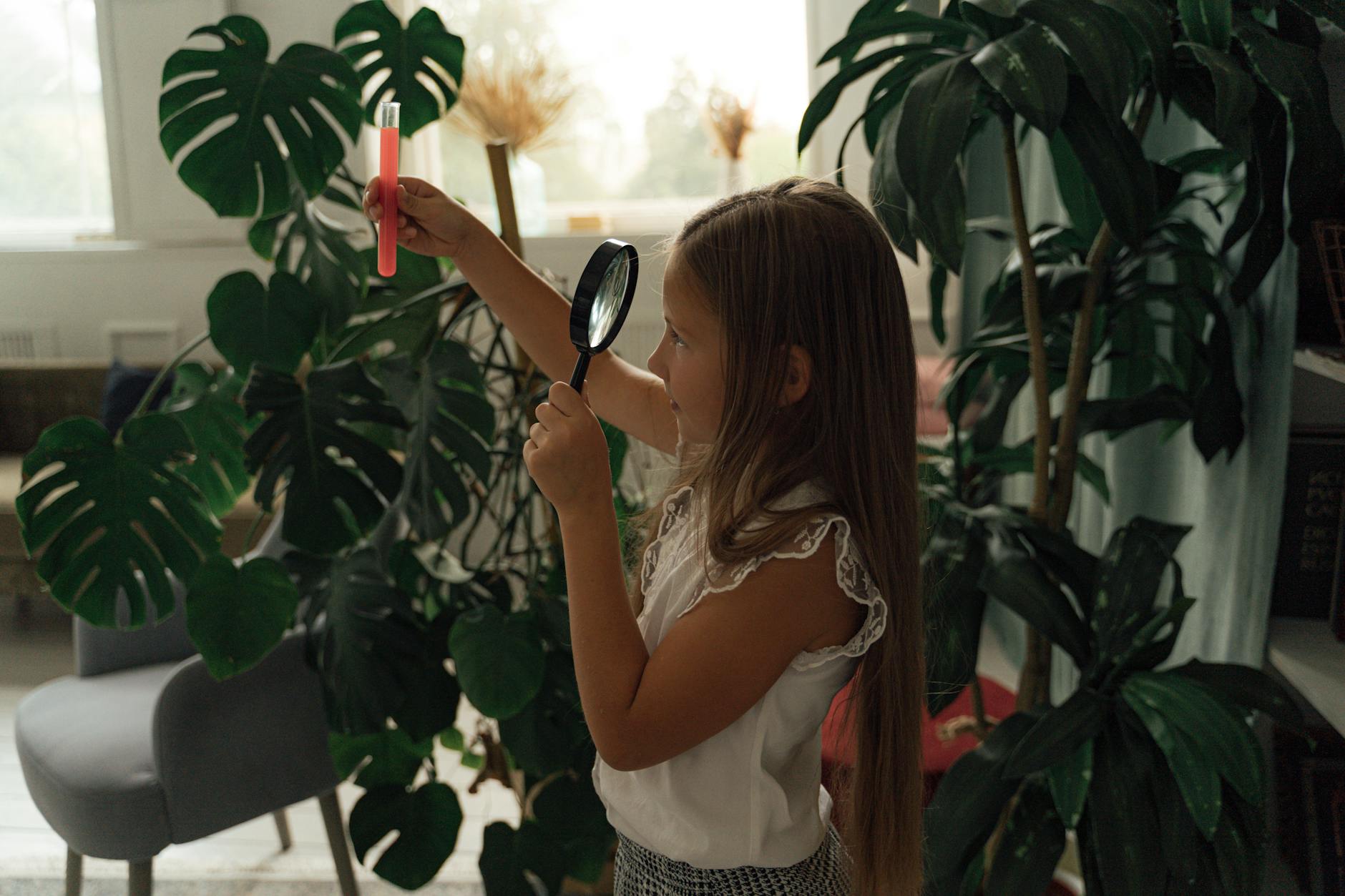
The most engaging kindergarten lesson plans for science follow the 5E model using seasonal nature studies, simple machines with LEGO Education sets ($150 kit), and plant observation journals with hand lenses. These approaches leverage children's natural curiosity while building vocabulary through direct experience.
The most effective kindergarten lesson plans map the Bean Plant Life Cycle across 21 days using the 5E framework. Engage with lima bean dissection. Explore with seeds in bags. Explain using root view boxes. Elaborate with hand lens observations. Evaluate with unifix cube measurements.
Lima beans ($3/lb), Ziploc bags, wet paper towels
Root view boxes ($15), hand lenses ($2 each)
Unifix cubes for non-standard measurement
Things go wrong. I keep backup sprouted beans in the windowsill because someone always overwaters. When plants die, and they will, I turn it into a "what went wrong" investigation rather than a rescue mission. If observations are vague, I offer sentence stems like "I noticed the root is growing ___" to focus their attention.
Research shows hands-on science inquiry improves vocabulary acquisition by providing authentic contexts for Tier 3 words like hypothesis, observation, and conclusion. Kids actually use these terms while investigating real problems. I budget $5-8 per student for plant supplies and $10-15 for simple machines if you split the LEGO Education Early Simple Machines Set #9656 ($150) among 12 students.
Seasonal Nature Study Cycles
Create a Phenology Wheel by dividing a paper plate into 12 sections. Visit the same tree monthly for photographs, leaf rubbings, and bark rubbings. Kids compare seasonal changes using adjective banks to avoid the generic "it looks different."
Track daily weather with color-coded beads on pipe cleaners. Blue beads mark below 32 degrees, yellow for 32-60, and red for above 60. By June, the pipe cleaners show temperature patterns clearly without a single worksheet.
Simple Machines and Building Challenges
The Ramp and Roll engineering challenge uses cove molding ($8 per 10 feet) as ramps. Kids test which objects roll versus slide, then measure distances using links or blocks. Cylinders travel far; cubes stop fast.
For lever exploration, use binder clips as fulcrums and rulers as beams. Kids experiment lifting small objects, discovering that moving the fulcrum closer to the load requires less force. They record findings in pictures since writing is still emerging.
Plant Growth and Observation Journals
Structure observation journals with drawing space on the left and labeled diagrams on the right. Hang an anchor chart reminding students: "Scientists Draw What They See, Not What They Think." This stops the sun-and-flower cartoons before they start.
Measure plant height every Monday and Thursday using unifix cubes. Graph class data on bulletin board chart paper so kids see variability. These hands-on learning experiences make abstract growth visible and countable.
Social-Emotional Learning Activities That Transform Classroom Culture
You can't teach phonemic awareness to a child who's furious about recess. That's why I build Responsive Classroom Morning Meetings into my kindergarten lesson plans—twenty minutes that prevent forty minutes of disruption.
John Hattie's research shows classroom management strategies hit an effect size of 0.65 when you combine clear expectations with relationship-building routines. Translation: greeting kids by name and teaching them to solve conflicts works better than any color chart.
The meeting follows a rigid structure: greeting, share, activity, message. Greeting takes two minutes. Share features two students answering a question with follow-ups. Activity means a cooperative game like Zoom or Statues. Morning Message is interactive writing on the board. The whole sequence runs fifteen to twenty minutes. Do it right, and you won't need to stop instruction for drama later.
Morning Greeting and Check-In Routines
The greeting isn't a time filler. It's neurological preparation. When Marcos looks me in the eye and says "Good morning," he's practicing social risk-taking in a safe container. I rotate five greetings to maintain novelty.
Ball Toss: Say the recipient's name, make eye contact, then toss.
Butterfly: Shake hands with thumbs up, wiggle fingers like wings.
Name Cheer: Spell the name aloud while clapping each letter.
Silent Greeting: Mirror a wave pattern without speaking.
Around the World: Pass a handshake around the circle in slow motion.
After greeting, the Feelings Check-in begins. Students place name tags on an emotions chart using the Zones of Regulation—blue for tired, green for ready, yellow for worried, red for angry. I scan the chart while they settle. If three kids land in yellow, I shorten the lesson and add movement. It's real-time data.
Conflict Resolution Role-Play Scripts
I don't solve playground disputes anymore. I teach the Peace Table protocol instead. Two students sit at a designated spot with the Solution Kit—eight laminated cards showing options: share, trade, take turns, apologize, get help, ignore, wait and cool off, talk it out. I facilitate with a simple script: "I see you both want the truck. What are your choices?"
They must use the I-message formula: "I feel frustrated when you grab because I was building." Then the listener repeats back: "I heard you say..." No resolution until both feel heard. The process takes five minutes initially, but by October, they do it independently.
Role-playing accelerates the learning. I use puppets to demonstrate non-examples—Puppet A cuts in line, Puppet B explodes—then correct examples using the script. We practice scenarios: knocking over block towers, excluding from play, cutting in line. By December, my social-emotional learning activities run on autopilot while I teach reading groups.
Mindfulness and Self-Regulation Breaks
Transitions destroy focus in early childhood education. I insert three-to-five minute mindfulness breaks directly after them. The Reset Spot sits in a cozy corner with a breathing ball ($12), a three-minute sand timer, and a feelings chart. When overwhelmed, a student requests a break, sets the timer, and selects a strategy card: wall push-ups, "smell the flower, blow out the candle" breathing, or drawing.
For whole-class resets, I use Cosmic Kids Yoga (free on YouTube) or MindUP brain breaks ($150). Between subjects, we run academic movement breaks: bear crawls while counting by tens, crab walks to spelling words, or Freeze Dance where they freeze and name a rhyming word. Mastering emotional intelligence in the classroom means spotting the overload before the tantrum.
Creative Arts and Movement: How Do You Keep Them Active and Expressive?
Keep kindergarten students active through process art stations using liquid watercolors and unconventional tools (toilet paper rolls, forks), rhythm pattern games with Boomwhackers or body percussion, and gross motor challenges including scooter board relays and animal walks. These activities develop fine and gross motor control while reinforcing academic concepts through kinesthetic learning.
Process Art Exploration Stations
I set up four process art stations and rotate kids every 10 minutes during our 45-minute block. Each table gets different materials:
Painting: Liquid watercolors ($12/set) with toilet paper rolls, forks, and sponges for texture exploration.
Collage: Scrap paper, glue sticks, and scissors for fine motor practice.
Clay: Rolling pins, cookie cutters, and 10 pounds of air-dry clay ($20) stored in airtight bags.
Drawing: Crayons, markers, and colored pencils for free exploration.
I never display sample artwork. That kills creativity immediately.
Coffee filter chromatography costs almost nothing and teaches science through art. Kids draw on filters with markers, then spray with water bottles. They watch the colors separate and blend in real time. The look of surprise never gets old.
We end with Art Talk. Three students stand up and use the sentence frame: "I used ___ to make ___." It takes five minutes while others clean up. This closing builds vocabulary and follows developmentally appropriate practice for five-year-olds.
Music and Rhythm Pattern Games
We do 15 minutes of music and movement every afternoon. I use Boomwhackers—color-coded tubes at $35 per classroom set. We cycle through these activities:
Rhythm patterns: Color sequences on the board that kids play back.
Body percussion: Clap-clap-stomp patterns they mirror until I add a trick change.
Scarf dancing: Moving high and low to Vivaldi's Four Seasons.
The Heartbeat method helps kids feel the steady beat. They tap their chests while singing, then transfer to rhythm sticks. I play three-note patterns and challenge them to name the tune.
I sneak in phonemic awareness during these games. We clap syllables in names. Then I bring out drums for sound segmentation. I say "cat" slowly, and they hit three times: /c/-/a/-/t/. It connects to our emergent literacy goals without feeling like a worksheet.
Gross Motor Coordination Challenges
Scooter boards build core strength fast. I have four at $25 each. We do relays pulling across carpet using only arms. Then I tape hopscotch grids with letters. They jump to the "b" sound, then "a," then blend them.
Animal Walk obstacle courses work for indoor recess:
Bear crawl under tables for shoulder stability.
Frog jump across a "river" of blue tape.
Crab walk around cones to build core control.
This is play-based learning at its best—burning energy while building muscle control for handwriting. I change the path weekly.
I created a Sensory Path in the hallway using colored tape. Heel-to-toe walking lines, hopscotch numbers, and "push the wall" resistance spots provide deep pressure. We also do Brain Gym daily: cross-crawls, lazy 8s in the air, and wall pushes. These kindergarten lesson plans keep bodies busy and brains ready.

Full-Year Curriculum Options: Which Comprehensive Plans Save the Most Time?
Comprehensive plans saving the most time include Creative Curriculum ($450, 38 objectives), free EngageNY modules (PDF downloadable), and Teachers Pay Teachers thematic monthly bundles ($25-40/month). Digital-first templates like Planbook.com or Google Sheets weekly layouts reduce prep time by 5-7 hours weekly compared to building units from scratch.
Creative Curriculum for Preschool runs $450 and tracks 38 objectives. The upfront investment is steep, but weekly prep drops to nothing once you're rolling. I used the K edition my second year and stopped writing Friday afternoon lesson plans.
EngageNY offers free PDF downloads with tight standards alignment, but you'll spend weekends adapting complex text for five-year-olds. Scholastic Literacy Place Plus costs $350 yearly. TPT Monthly Mega Bundles run $25-40 with variable quality.
Free options like EngageNY still cost $50-100 monthly in printing. Premium curricula average $400-600 initially but include every read-aloud list and parent template you need.
All-in-One Thematic Monthly Bundles
These bundles organize kindergarten lesson plans by month. September covers All About Me and Ocean themes. Each four-week unit includes cross-curricular activities, book lists, and craft templates ready to print.
Check quality before buying. Look for alignment to Common Core State Standards, differentiation options, and photos of finished work. I once bought a bundle with beautiful covers but no lesson scripts.
When they work, these bundles eliminate Sunday night planning. You get science experiments, math centers, and phonemic awareness games that connect to the same theme. Students make deeper connections when apple investigations flow from morning meeting to math block to art. The best bundles include number sense routines and play-based learning centers that support emergent literacy without worksheets.
Scope and Sequence Aligned to Standards
A solid scope and sequence document maps your entire year. Phonics progression moves from letter-of-the-week to speech-to-print. Math follows concrete-representational-abstract trajectory. Writing advances from drawings to sentences.
Standards mapping shows how thematic weeks hit multiple domains. During Apple Investigation week, students observe for science, graph favorites for math, read informational text, and create prints for art. One theme, four standards covered.
This alignment protects your time. When administrators ask how play-based learning connects to standards, you point to the scope document. Developmentally appropriate practice means hitting targets through sorting manipulatives or retelling stories with puppets.
Digital-First Weekly Planning Templates
Digital platforms beat paper planners for collaboration. Planbook.com costs $15 yearly with standards drop-down menus. Google Drive offers free collaborative editing for co-teaching teams. Canva templates look polished but require more setup.
Your weekly learning plan for kindergarten needs specific components. Include the objective, standard, materials list, and procedure broken into I do/We do/You do sections. I use weekly planning templates for teachers that auto-populate subject blocks, saving me from rewriting headers every Sunday.
The best templates link directly to curriculum files. Click the standard code, and the full text appears. Click the book title, and the read-aloud video loads. This integration cuts another hour from prep.
How Do You Adapt These Plans for Mixed-Ability Classrooms?
Adapt your kindergarten lesson plans by using the same core activity with tiered response expectations. Emerging learners draw responses with dictation captions, developing learners use sentence frames like "The ___ is ___," and advanced learners write 2-3 sentences. Pull homogeneous groups of 3-4 for 10-minute targeted interventions while keeping center groups mixed.
Differentiating Without Creating Separate Lessons
Stop making three versions of every activity. Use low-floor, high-ceiling tasks instead. Last year, I gave all students a counting collection of mixed buttons. Everyone counted them their way. Some matched one-to-one and drew the total. Others grouped by tens and recorded equations like 5+5=10. Same materials, different ceilings.
Visual supports work for everyone. Word walls with pictures, graphic organizers, and picture schedules aren't just for your IEP students. They anchor the room. When I added visual step cards to our block center, arguments dropped by half. Managing individual learning plans gets easier when the environment does the heavy lifting.
For writing, keep the prompt identical but change the tool. Emerging writers draw their story while you write dictated captions. Developing writers use frames like "The bear is brown." Advanced writers use invented spelling. Nobody feels singled out because everyone writes about the same read-aloud.
Modifying Output Expectations for Diverse Learners
Match the recording method to the developmental stage. During a plant observation, all students watched the lima bean sprout. But recording differed. One child placed a sticker on a growth chart. Another drew the plant with labels. My advanced group measured with Unifix cubes and wrote "7 cubes tall" with reversed numbers and all.
Know the writing stages. Drawing is pre-writing. Scribbling with letter-like forms shows emergent understanding. Strings of letters mean transitional spelling. Only a few in October use conventional spelling. Accept "BLL" for ball. The meaning is there.
Use assistive tech without shame. Seesaw voice recording lets kids explain thinking without the motor load. Adaptive grips and slant boards help with positioning. For English Language Learners, try the Three-Read strategy. First read in their home language, second with heavy visuals, third with simplified text.
Grouping Strategies for Center-Based Implementation
Mix ability levels for centers, split them for interventions. I group 4 heterogeneous kids at art and blocks so models help emergent learners through talk. But at the teacher table, I match specific skill deficits. Three kids working on /th/ sounds for ten minutes. Then they rejoin the mixed group.
Rotate skill groups every 4-6 weeks based on formative data. Never use permanent labels like "the red birds" that stick all year. Call them workshop groups. "Today the circle group works with me on number sense." Next week those kids might be in the square group. Fluidity prevents stigma.
Structure centers with must-do/may-do stations. This keeps everyone accountable while allowing choice.
Must-do: Teacher table and writing station.
May-do: Library, blocks, or art station based on interest.
Rotate every 12 minutes using a visual timer and clean-up song.

Kindergarten Lesson Plans: The 3-Step Kickoff
You've got the resources now—18 kindergarten lesson plans covering everything from phonemic awareness drills to number sense routines that actually stick. I learned early in my early childhood education career that the best plans aren't the prettiest; they're the ones you can teach Monday morning when three kids are absent and one is crying because someone touched their crayon. Whether you're weaving in play-based learning through science centers or adapting read-alouds for mixed abilities, the goal is the same: keep kids moving, talking, and connecting ideas with their hands.
Stop trying to perfect the whole year this weekend. Pick one area—maybe those SEL morning meetings or a hands-on math exploration—and test it Tuesday. You can layer in the creative arts and movement breaks once your feet are under you. The curriculum options will still be there next month; your sanity might not be if you overplan every subject before the kids even walk in.
Print one week of literacy and one math lesson right now. Tape them to your desk.
Gather materials for one play-based learning station. Use what you have—cups, blocks, nothing fancy.
Test one phonemic awareness routine and one number sense routine tomorrow. Time them. Five minutes each.
Note what flopped on a sticky tab. Adjust Wednesday morning.
What Are the Most Effective Literacy and Phonics Lesson Plans?
Effective kindergarten literacy plans combine 10-15 minutes of daily phonemic awareness drills (like Heggerty), interactive read-alouds with structured turn-and-talks, and emergent writing workshops using predictable charts. Research indicates systematic phonics instruction yields effect sizes of 0.57 (Hattie), particularly when delivered in small bursts throughout the day.
I structure my 60-90 minute block into three chunks: Heggerty drills for phonemic awareness, interactive read-alouds with Turn and Talk protocols, and emergent writing using predictable charts. My phonics sequence runs weeks 1-9 for letter-sounds, 10-20 for CVC words with magnetic letters, and 21-36 for digraphs using Elkonin boxes and decodable readers. I track progress on a kindergarten lesson plan template with time stamps and thumbs up/middle/down checkpoints.
Phonics-Based Morning Meeting Sequences
The Heggerty sequence takes 8-10 minutes daily using hand signals for phoneme segmentation. Lessons 1-35 focus on rhyme recognition and onset-rime blending, while 36-70 introduce phoneme manipulation. By mid-year, my students segment words automatically, fingers tapping out sounds during line transitions without prompting.
When students struggle with blending, I use the 'say it fast' game with picture cards. We stretch the word like a rubber band—/c/-/a/-/t/—then snap it together quickly. This kinesthetic approach helps the child who stares at letter tiles finally hear how the sounds connect. I keep these cards on a ring near my carpet.
Interactive Read-Aloud Lesson Sets
I follow the three-read protocol religiously. The first read is for pure enjoyment—no questions, just the story. The second read targets three Tier 2 words like 'gigantic' instead of 'big.' The third uses Think-Pair-Share with sentence stems for comprehension. This structure transforms passive listening into active thinking.
My go-to texts serve specific purposes: The Snowy Day for setting, Last Stop on Market Street for community, and Creepy Carrots for problem-solution. These anchor my kindergarten lesson plans with rich language. You can find more recommendations in my guide to phonics books for early readers and our resources on evidence-based literacy instruction.
Emergent Writing Workshop Frameworks
Predictable chart writing drives my emergent writing block. The class composes one sentence per day following a pattern like 'I like ___.' Students write their names and fill the blank at various levels—some draw pictures, some write initial sounds, others attempt full words. This method honors where each child is while building print concepts.
I differentiate with word banks for emerging writers, sight word rings on binder clips for developing writers, and extension lines for advanced writers adding details. Everyone participates in the same community text, but output matches their stage. This framework respects developmentally appropriate practice while building confidence for independent writing.
Math Lesson Plans That Build Number Sense From Day One
You don't need worksheets to build number sense in early childhood education. These kindergarten lesson plans focus on talking, moving, and manipulating objects. I've watched students who couldn't count to ten reliably suddenly understand that seven is five and two more just by changing how we started class.
Counting and Cardinality Daily Routines
Pick one routine to anchor your morning meeting. I rotate between these three depending on the skill I need to assess.
Routine | Time | Prep | Cost | Best Use Case |
|---|---|---|---|---|
Quick Images | 5 min | 10 min | $0 | Subitizing quantities to 5 |
Rekenrek | 10 min | Minimal | $12 | Addition strategies to 20 |
Ten-frame flash | 5 min | 5 min | $0 | Composing to 10 |
Number talks take five minutes but reveal how students think. I flash an image of five dots arranged like dice. I ask, "How many do you see and how do you see it?" John says he saw three and two. Maria saw four and one. I record both on chart paper. Then I connect them: both saw parts that make five. This effective mathematics strategy builds flexible thinking faster than any worksheet.
Counting Collections puts manipulatives in their hands. Students grab handfuls of buttons or dried macaroni. They estimate first, then count using grouping mats for 5s or 10s. I give them a recording sheet with ten-frames to show how they organized their count.
The Number of the Day anchor chart lives by my calendar. We pick seven and represent it seven ways: tally marks, dice patterns, fingers, ten-frame, word, equation like five plus two, and domino arrangements.
Shape Recognition and Spatial Reasoning Units
The Shape Museum unit starts with homework that parents actually enjoy. Each child brings three objects from home that match cylinders, spheres, cones, or cubes. We sort them using hula hoops as Venn diagrams on the carpet. Is this object round and flat? It goes in the overlap. Then we build structures with unit blocks to test which shapes stack and which roll away.
The conversations about stability matter more than the names. Last year, a student realized that cones tip over because they have a point, not because they're heavy. That's the kind of discovery you can't put on a worksheet.
For spatial reasoning, I use plastic tangrams costing fifteen dollars per set. Students start by filling outlined shapes on cards. By week three, they create their own designs and trace the outlines for classmates to solve. I watch them flip and rotate pieces, developing mental rotation skills that predict later math success. The progression from copying to creating shows real growth. When they design their own puzzles, they become the teacher.
Problem-Solving Through Play-Based Math Centers
I run engaging learning stations four days a week. I invested in three must-have tools:
Unifix cubes for patterning: $25 per class set.
Pattern blocks for shape composition: $30.
Counting bears for sorting: $20.
These aren't toys. They're the concrete tools that make abstract numbers real.
Four stations run simultaneously for twelve minutes each. A timer keeps us honest. When it chimes, students know they have two minutes to clean and rotate. Four students per center keeps the noise manageable.
I use a must do/may do board. The must do is my teacher table for targeted skill work. The may do includes four choices: geo-boards, number puzzles, counting games, or pattern blocks. Students finish the must do, then pick from the may do. This structure respects developmentally appropriate practice.
My favorite task is the Bunk Bed problem from Contexts for Learning. Partners use unifix cubes to show how six kids could sleep on two beds. They record combinations on chart paper, discovering that six can be split multiple ways.
Here's what doesn't work. I once gave below-grade-level students worksheet pages of addition facts. They memorized nothing. Now I use hopscotch numbers and number line walks. Movement cements the sequence.
Science and Discovery: What Hands-On Units Engage Curious Minds?
The most engaging kindergarten lesson plans for science follow the 5E model using seasonal nature studies, simple machines with LEGO Education sets ($150 kit), and plant observation journals with hand lenses. These approaches leverage children's natural curiosity while building vocabulary through direct experience.
The most effective kindergarten lesson plans map the Bean Plant Life Cycle across 21 days using the 5E framework. Engage with lima bean dissection. Explore with seeds in bags. Explain using root view boxes. Elaborate with hand lens observations. Evaluate with unifix cube measurements.
Lima beans ($3/lb), Ziploc bags, wet paper towels
Root view boxes ($15), hand lenses ($2 each)
Unifix cubes for non-standard measurement
Things go wrong. I keep backup sprouted beans in the windowsill because someone always overwaters. When plants die, and they will, I turn it into a "what went wrong" investigation rather than a rescue mission. If observations are vague, I offer sentence stems like "I noticed the root is growing ___" to focus their attention.
Research shows hands-on science inquiry improves vocabulary acquisition by providing authentic contexts for Tier 3 words like hypothesis, observation, and conclusion. Kids actually use these terms while investigating real problems. I budget $5-8 per student for plant supplies and $10-15 for simple machines if you split the LEGO Education Early Simple Machines Set #9656 ($150) among 12 students.
Seasonal Nature Study Cycles
Create a Phenology Wheel by dividing a paper plate into 12 sections. Visit the same tree monthly for photographs, leaf rubbings, and bark rubbings. Kids compare seasonal changes using adjective banks to avoid the generic "it looks different."
Track daily weather with color-coded beads on pipe cleaners. Blue beads mark below 32 degrees, yellow for 32-60, and red for above 60. By June, the pipe cleaners show temperature patterns clearly without a single worksheet.
Simple Machines and Building Challenges
The Ramp and Roll engineering challenge uses cove molding ($8 per 10 feet) as ramps. Kids test which objects roll versus slide, then measure distances using links or blocks. Cylinders travel far; cubes stop fast.
For lever exploration, use binder clips as fulcrums and rulers as beams. Kids experiment lifting small objects, discovering that moving the fulcrum closer to the load requires less force. They record findings in pictures since writing is still emerging.
Plant Growth and Observation Journals
Structure observation journals with drawing space on the left and labeled diagrams on the right. Hang an anchor chart reminding students: "Scientists Draw What They See, Not What They Think." This stops the sun-and-flower cartoons before they start.
Measure plant height every Monday and Thursday using unifix cubes. Graph class data on bulletin board chart paper so kids see variability. These hands-on learning experiences make abstract growth visible and countable.
Social-Emotional Learning Activities That Transform Classroom Culture
You can't teach phonemic awareness to a child who's furious about recess. That's why I build Responsive Classroom Morning Meetings into my kindergarten lesson plans—twenty minutes that prevent forty minutes of disruption.
John Hattie's research shows classroom management strategies hit an effect size of 0.65 when you combine clear expectations with relationship-building routines. Translation: greeting kids by name and teaching them to solve conflicts works better than any color chart.
The meeting follows a rigid structure: greeting, share, activity, message. Greeting takes two minutes. Share features two students answering a question with follow-ups. Activity means a cooperative game like Zoom or Statues. Morning Message is interactive writing on the board. The whole sequence runs fifteen to twenty minutes. Do it right, and you won't need to stop instruction for drama later.
Morning Greeting and Check-In Routines
The greeting isn't a time filler. It's neurological preparation. When Marcos looks me in the eye and says "Good morning," he's practicing social risk-taking in a safe container. I rotate five greetings to maintain novelty.
Ball Toss: Say the recipient's name, make eye contact, then toss.
Butterfly: Shake hands with thumbs up, wiggle fingers like wings.
Name Cheer: Spell the name aloud while clapping each letter.
Silent Greeting: Mirror a wave pattern without speaking.
Around the World: Pass a handshake around the circle in slow motion.
After greeting, the Feelings Check-in begins. Students place name tags on an emotions chart using the Zones of Regulation—blue for tired, green for ready, yellow for worried, red for angry. I scan the chart while they settle. If three kids land in yellow, I shorten the lesson and add movement. It's real-time data.
Conflict Resolution Role-Play Scripts
I don't solve playground disputes anymore. I teach the Peace Table protocol instead. Two students sit at a designated spot with the Solution Kit—eight laminated cards showing options: share, trade, take turns, apologize, get help, ignore, wait and cool off, talk it out. I facilitate with a simple script: "I see you both want the truck. What are your choices?"
They must use the I-message formula: "I feel frustrated when you grab because I was building." Then the listener repeats back: "I heard you say..." No resolution until both feel heard. The process takes five minutes initially, but by October, they do it independently.
Role-playing accelerates the learning. I use puppets to demonstrate non-examples—Puppet A cuts in line, Puppet B explodes—then correct examples using the script. We practice scenarios: knocking over block towers, excluding from play, cutting in line. By December, my social-emotional learning activities run on autopilot while I teach reading groups.
Mindfulness and Self-Regulation Breaks
Transitions destroy focus in early childhood education. I insert three-to-five minute mindfulness breaks directly after them. The Reset Spot sits in a cozy corner with a breathing ball ($12), a three-minute sand timer, and a feelings chart. When overwhelmed, a student requests a break, sets the timer, and selects a strategy card: wall push-ups, "smell the flower, blow out the candle" breathing, or drawing.
For whole-class resets, I use Cosmic Kids Yoga (free on YouTube) or MindUP brain breaks ($150). Between subjects, we run academic movement breaks: bear crawls while counting by tens, crab walks to spelling words, or Freeze Dance where they freeze and name a rhyming word. Mastering emotional intelligence in the classroom means spotting the overload before the tantrum.
Creative Arts and Movement: How Do You Keep Them Active and Expressive?
Keep kindergarten students active through process art stations using liquid watercolors and unconventional tools (toilet paper rolls, forks), rhythm pattern games with Boomwhackers or body percussion, and gross motor challenges including scooter board relays and animal walks. These activities develop fine and gross motor control while reinforcing academic concepts through kinesthetic learning.
Process Art Exploration Stations
I set up four process art stations and rotate kids every 10 minutes during our 45-minute block. Each table gets different materials:
Painting: Liquid watercolors ($12/set) with toilet paper rolls, forks, and sponges for texture exploration.
Collage: Scrap paper, glue sticks, and scissors for fine motor practice.
Clay: Rolling pins, cookie cutters, and 10 pounds of air-dry clay ($20) stored in airtight bags.
Drawing: Crayons, markers, and colored pencils for free exploration.
I never display sample artwork. That kills creativity immediately.
Coffee filter chromatography costs almost nothing and teaches science through art. Kids draw on filters with markers, then spray with water bottles. They watch the colors separate and blend in real time. The look of surprise never gets old.
We end with Art Talk. Three students stand up and use the sentence frame: "I used ___ to make ___." It takes five minutes while others clean up. This closing builds vocabulary and follows developmentally appropriate practice for five-year-olds.
Music and Rhythm Pattern Games
We do 15 minutes of music and movement every afternoon. I use Boomwhackers—color-coded tubes at $35 per classroom set. We cycle through these activities:
Rhythm patterns: Color sequences on the board that kids play back.
Body percussion: Clap-clap-stomp patterns they mirror until I add a trick change.
Scarf dancing: Moving high and low to Vivaldi's Four Seasons.
The Heartbeat method helps kids feel the steady beat. They tap their chests while singing, then transfer to rhythm sticks. I play three-note patterns and challenge them to name the tune.
I sneak in phonemic awareness during these games. We clap syllables in names. Then I bring out drums for sound segmentation. I say "cat" slowly, and they hit three times: /c/-/a/-/t/. It connects to our emergent literacy goals without feeling like a worksheet.
Gross Motor Coordination Challenges
Scooter boards build core strength fast. I have four at $25 each. We do relays pulling across carpet using only arms. Then I tape hopscotch grids with letters. They jump to the "b" sound, then "a," then blend them.
Animal Walk obstacle courses work for indoor recess:
Bear crawl under tables for shoulder stability.
Frog jump across a "river" of blue tape.
Crab walk around cones to build core control.
This is play-based learning at its best—burning energy while building muscle control for handwriting. I change the path weekly.
I created a Sensory Path in the hallway using colored tape. Heel-to-toe walking lines, hopscotch numbers, and "push the wall" resistance spots provide deep pressure. We also do Brain Gym daily: cross-crawls, lazy 8s in the air, and wall pushes. These kindergarten lesson plans keep bodies busy and brains ready.
Full-Year Curriculum Options: Which Comprehensive Plans Save the Most Time?
Comprehensive plans saving the most time include Creative Curriculum ($450, 38 objectives), free EngageNY modules (PDF downloadable), and Teachers Pay Teachers thematic monthly bundles ($25-40/month). Digital-first templates like Planbook.com or Google Sheets weekly layouts reduce prep time by 5-7 hours weekly compared to building units from scratch.
Creative Curriculum for Preschool runs $450 and tracks 38 objectives. The upfront investment is steep, but weekly prep drops to nothing once you're rolling. I used the K edition my second year and stopped writing Friday afternoon lesson plans.
EngageNY offers free PDF downloads with tight standards alignment, but you'll spend weekends adapting complex text for five-year-olds. Scholastic Literacy Place Plus costs $350 yearly. TPT Monthly Mega Bundles run $25-40 with variable quality.
Free options like EngageNY still cost $50-100 monthly in printing. Premium curricula average $400-600 initially but include every read-aloud list and parent template you need.
All-in-One Thematic Monthly Bundles
These bundles organize kindergarten lesson plans by month. September covers All About Me and Ocean themes. Each four-week unit includes cross-curricular activities, book lists, and craft templates ready to print.
Check quality before buying. Look for alignment to Common Core State Standards, differentiation options, and photos of finished work. I once bought a bundle with beautiful covers but no lesson scripts.
When they work, these bundles eliminate Sunday night planning. You get science experiments, math centers, and phonemic awareness games that connect to the same theme. Students make deeper connections when apple investigations flow from morning meeting to math block to art. The best bundles include number sense routines and play-based learning centers that support emergent literacy without worksheets.
Scope and Sequence Aligned to Standards
A solid scope and sequence document maps your entire year. Phonics progression moves from letter-of-the-week to speech-to-print. Math follows concrete-representational-abstract trajectory. Writing advances from drawings to sentences.
Standards mapping shows how thematic weeks hit multiple domains. During Apple Investigation week, students observe for science, graph favorites for math, read informational text, and create prints for art. One theme, four standards covered.
This alignment protects your time. When administrators ask how play-based learning connects to standards, you point to the scope document. Developmentally appropriate practice means hitting targets through sorting manipulatives or retelling stories with puppets.
Digital-First Weekly Planning Templates
Digital platforms beat paper planners for collaboration. Planbook.com costs $15 yearly with standards drop-down menus. Google Drive offers free collaborative editing for co-teaching teams. Canva templates look polished but require more setup.
Your weekly learning plan for kindergarten needs specific components. Include the objective, standard, materials list, and procedure broken into I do/We do/You do sections. I use weekly planning templates for teachers that auto-populate subject blocks, saving me from rewriting headers every Sunday.
The best templates link directly to curriculum files. Click the standard code, and the full text appears. Click the book title, and the read-aloud video loads. This integration cuts another hour from prep.
How Do You Adapt These Plans for Mixed-Ability Classrooms?
Adapt your kindergarten lesson plans by using the same core activity with tiered response expectations. Emerging learners draw responses with dictation captions, developing learners use sentence frames like "The ___ is ___," and advanced learners write 2-3 sentences. Pull homogeneous groups of 3-4 for 10-minute targeted interventions while keeping center groups mixed.
Differentiating Without Creating Separate Lessons
Stop making three versions of every activity. Use low-floor, high-ceiling tasks instead. Last year, I gave all students a counting collection of mixed buttons. Everyone counted them their way. Some matched one-to-one and drew the total. Others grouped by tens and recorded equations like 5+5=10. Same materials, different ceilings.
Visual supports work for everyone. Word walls with pictures, graphic organizers, and picture schedules aren't just for your IEP students. They anchor the room. When I added visual step cards to our block center, arguments dropped by half. Managing individual learning plans gets easier when the environment does the heavy lifting.
For writing, keep the prompt identical but change the tool. Emerging writers draw their story while you write dictated captions. Developing writers use frames like "The bear is brown." Advanced writers use invented spelling. Nobody feels singled out because everyone writes about the same read-aloud.
Modifying Output Expectations for Diverse Learners
Match the recording method to the developmental stage. During a plant observation, all students watched the lima bean sprout. But recording differed. One child placed a sticker on a growth chart. Another drew the plant with labels. My advanced group measured with Unifix cubes and wrote "7 cubes tall" with reversed numbers and all.
Know the writing stages. Drawing is pre-writing. Scribbling with letter-like forms shows emergent understanding. Strings of letters mean transitional spelling. Only a few in October use conventional spelling. Accept "BLL" for ball. The meaning is there.
Use assistive tech without shame. Seesaw voice recording lets kids explain thinking without the motor load. Adaptive grips and slant boards help with positioning. For English Language Learners, try the Three-Read strategy. First read in their home language, second with heavy visuals, third with simplified text.
Grouping Strategies for Center-Based Implementation
Mix ability levels for centers, split them for interventions. I group 4 heterogeneous kids at art and blocks so models help emergent learners through talk. But at the teacher table, I match specific skill deficits. Three kids working on /th/ sounds for ten minutes. Then they rejoin the mixed group.
Rotate skill groups every 4-6 weeks based on formative data. Never use permanent labels like "the red birds" that stick all year. Call them workshop groups. "Today the circle group works with me on number sense." Next week those kids might be in the square group. Fluidity prevents stigma.
Structure centers with must-do/may-do stations. This keeps everyone accountable while allowing choice.
Must-do: Teacher table and writing station.
May-do: Library, blocks, or art station based on interest.
Rotate every 12 minutes using a visual timer and clean-up song.
Kindergarten Lesson Plans: The 3-Step Kickoff
You've got the resources now—18 kindergarten lesson plans covering everything from phonemic awareness drills to number sense routines that actually stick. I learned early in my early childhood education career that the best plans aren't the prettiest; they're the ones you can teach Monday morning when three kids are absent and one is crying because someone touched their crayon. Whether you're weaving in play-based learning through science centers or adapting read-alouds for mixed abilities, the goal is the same: keep kids moving, talking, and connecting ideas with their hands.
Stop trying to perfect the whole year this weekend. Pick one area—maybe those SEL morning meetings or a hands-on math exploration—and test it Tuesday. You can layer in the creative arts and movement breaks once your feet are under you. The curriculum options will still be there next month; your sanity might not be if you overplan every subject before the kids even walk in.
Print one week of literacy and one math lesson right now. Tape them to your desk.
Gather materials for one play-based learning station. Use what you have—cups, blocks, nothing fancy.
Test one phonemic awareness routine and one number sense routine tomorrow. Time them. Five minutes each.
Note what flopped on a sticky tab. Adjust Wednesday morning.
Still grading everything by hand?
EMStudio is a free teaching management app — manage your classes, students, lessons, and more!
Learn More
Still grading everything by hand?
EMStudio is a free teaching management app — manage your classes, students, lessons, and more!
Learn More





Notion4Teachers
Notion templates to simplify administrative tasks and enhance your teaching experience.



2026 Notion4Teachers. All Rights Reserved.
Notion4Teachers
Notion templates to simplify administrative tasks and enhance your teaching experience.
2026 Notion4Teachers. All Rights Reserved.
Notion4Teachers
Notion templates to simplify administrative tasks and enhance your teaching experience.
2026 Notion4Teachers. All Rights Reserved.