
12 Scholastic Storybook Treasures for Classrooms
12 Scholastic Storybook Treasures for Classrooms

Article by
Milo
ESL Content Coordinator & Educator
ESL Content Coordinator & Educator
All Posts
I watched a 2nd grader named Marcus trace the spine of a worn paperback in our classroom library last October. He’d been stuck on the same guided reading level since September, but he pulled out a Scholastic Storybook Treasures edition of Where the Wild Things Are and read the whole thing aloud during choice time. The pictures filled in the gaps where his decoding lagged, and he finally understood that books could be fun, not just work. Those moments are why I keep ordering these collections even when the budget gets tight and admin questions why I need more "just picture books."
You’ve probably got a shelf of these already—the cheap paperbacks with the red logo that survive coffee spills and backpack abuse better than hardcovers three times the price. This post breaks down twelve specific collections worth your money, from leveled readers for early literacy groups to chapter book series that keep 4th graders turning pages during independent reading. We’ll look at which read aloud books build visual literacy, which classic literature sets work for modern classrooms, and exactly how to access these resources without blowing your supply budget or waiting six months for district approval.
Still grading everything by hand?
EMStudio is a free teaching management app — manage your classes, students, lessons, and more!
Learn More
Still grading everything by hand?
EMStudio is a free teaching management app — manage your classes, students, lessons, and more!
Learn More
Table of Contents
Classic Literature and Junior Classics
Scholastic Storybook Treasures differ from the trade paperbacks you grab at book fairs. These are library-bound editions built for heavy circulation. Reinforced spines. Stitched bindings, not glued. Priced between eight and fifteen dollars. The text is trimmed—usually twenty to thirty percent abridged—so third graders don't drown in Victorian prose while building early literacy skills.
The line breaks into three tiers: Junior Classics for accessible entry points, Literary Adaptations for supported complete texts, and Folklore for cultural foundations. All target grades two through six. Studies suggest that exposure to classic narrative structures improves inferential comprehension, even in shortened forms. These aren't dumbed-down versions. They're scaffolded entry points into children's literature that matters.
Title | Text Reduction | Guided Reading Level | Classroom Features |
|---|---|---|---|
Anne of Green Gables | ~30% (112 pages) | Level T | Vocabulary glossary, discussion questions |
The Secret Garden | ~25% (96 pages) | Level S | Comprehension prompts, period engravings |
Treasure Island | ~28% (120 pages) | Level U | Chapter-end questions, visual maps |
Scholastic Junior Classics Editions
The Scholastic Junior Classics editions shave roughly twenty-five to thirty percent off the original word count. Each includes chapter-end comprehension questions and vocabulary glossaries on the same page:
Anne of Green Gables: 112 pages, Level T, period engravings
The Secret Garden: 96 pages, Level S, modern watercolors
Treasure Island: 120 pages, Level U, nautical maps
Binding matters when you hand a book to twenty-eight third graders over six years. Stitched signatures survive backpack abuse better than glued spines. Look for specific ISBN prefixes when ordering. Free PDF teacher guides live on the Scholastic site, mapped to guided reading levels and leveled readers benchmarks.
The Little Prince and Literary Adaptations
The Little Prince Scholastic edition keeps the Katherine Woods translation. The language stays poetic and strange. Saint-Exupéry's original watercolors remain intact across ninety-six pages. Guided reading level W places it firmly in grades four through six.
Lesson plans practically write themselves:
The baobabs teach cause-and-effect relationships
The fox sequence sparks friendship discussions and SEL connections
The astronomy references tie into science standards
This sits in the Literary Adaptations tier—complete text with support has rather than abridgment. Add it to your digital reading lists and book trackers so you remember which upper-elementary kids need the symbolism support.
Fairy Tale and Folklore Collections
The Scholastic Treasury of World Tales packs twelve stories for grades K-2. Cinderella variants and Anansi stories represent multiple cultures. Cartoon-style illustrations read clearly from the back row during read aloud books.
Grimm's Complete Fairy Tales targets grades 3-5 with different strengths:
Fifty-plus stories with darker original text, not Disney-sanitized
Arthur Rackham-influenced artwork invites close analysis
Choose based on your classroom library needs. The Treasury builds early literacy foundations in world children's literature. Grimm's challenges older kids with complex narrative structures and moral ambiguity that sparks real debate.

Early Reader Collections and ELT Resources
These scholastic storybook treasures anchor your guided reading groups and intervention blocks. They move students from oral language to independent decoding through a specific pathway. Start with Scholastic ELT Readers for vocabulary acquisition. Then shift to Sight Word collections for high-frequency recognition. Finally, use Phonics sets for decoding automaticity.
If a student knows under 50 sight words, start with Sight Word Collections.
If they show phonemic awareness gaps, start with Decodable Sets.
Avoid using ELT readers below grade 7 with native speakers. The simplified plots cause boredom. Reserve these books for ELL students or remedial contexts where controlled vocabulary supports acquisition.
Scholastic ELT Readers for English Learners
Scholastic ELT Readers offer five levels. Starter uses 200 headwords at CEFR A1. Level 1 hits 300 headwords. Level 2 reaches 600. Level 3 climbs to 1000. Level 4 peaks at 1200 headwords, hitting CEFR B1.
Titles include Frozen: The Ice Games at Starter, Spider-Man: Homecoming at Level 2, and The Great Gatsby adaptation at Level 4. Each book includes audio CDs with separate American and British accent tracks. Comprehension activities run $6.50 to $7.95 per book. Pair these with technology tools for ESL instruction for maximum impact.
Leveled Sight Word Collections
Compare Scholastic Sight Word Readers to Bob Books before you buy. The Scholastic set covers 50 books teaching the first 100 Fry words for $89. That breaks down to $1.78 per book. Bob Books cost roughly $2.40 per title. Scholastic includes reproducible worksheets. Bob Books do not. Both correlate to DRA levels A through C.
These work for Pre-K through Grade 1. Each book runs 8 pages with predictable text structures. You will see sentence frames like "I see the ___" paired with photographic or line-art illustrations. The controlled vocabulary builds confidence for your earliest readers.
Phonics Decodable Book Sets
Scholastic Phonics Decodable Book Sets break into three stages. Set 1 covers short vowels and CVC patterns. Set 2 tackles blends and digraphs. Set 3 moves into long vowels and silent e. Each set contains 12 books with an 80% or higher decodability rating.
The teacher guides map directly to popular programs. You will find explicit correlations to Fundations Level 1 and Jolly Phonics Phase 3. Weekly scope-and-sequence alignment charts show exactly which book matches which lesson. Add these to your list of phonics books for elementary grades.
What Picture Book Treasures Build Visual Literacy?
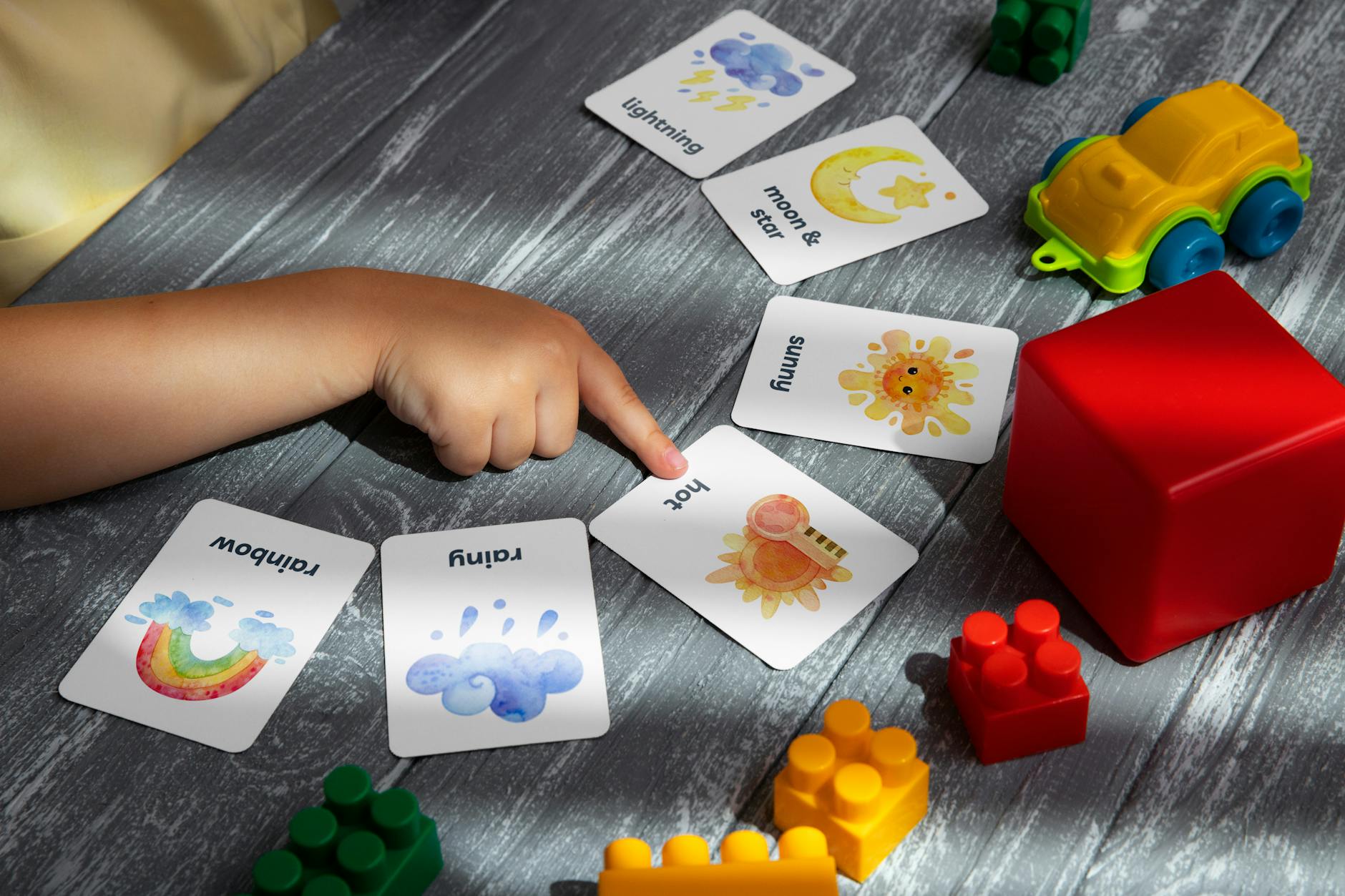
Scholastic Storybook Treasures with strong visual narratives teach students to read gutter breaks, color symbolism, and sequential art. Caldecott winners like The Snowy Day and wordless texts train kids to predict outcomes from visual foreshadowing and understand how image-text relationships convey meaning beyond the printed word.
Visual literacy means interpreting panel progression and frame breaks. These skills serve as the foundation for graphic novels and complex digital texts.
Sort your picture books that transform classroom libraries by award status, representation, and physical format. This system helps you match book specifications to storage bins while building diverse guided reading levels collections.
Award-Winning Illustrated Stories
Target these Caldecott winners available through Scholastic:
The Snowy Day (Ezra Jack Keats, 1963): Look for the aerial perspective shift when Peter appears from above.
Knight Owl (Christopher Denise, 2023 Honor): Study the frame breaks that build narrative tension.
Big (Vashti Harrison, 2024): Analyze the blue monochrome palette for emotional tone.
Use these for grades K-3. Find corresponding lesson plan codes on the scholastic website to target specific visual literacy standards.
Diverse Character Anthologies
Stock these own-voices titles in your classroom library:
Last Stop on Market Street (Matt de la Peña): Features economic diversity through urban settings.
Eyes That Kiss in the Corners (Joanna Ho): Centers Asian identity and family bonds.
Max and the Tag-Along Moon (Floyd Cooper): Celebrates Black family love with luminous art.
Add Aaron Slater, Illustrator for disability representation, Uncle Bobby's Wedding for LGBTQ+ families, and The People Shall Continue for indigenous voices. Discussion guides support grades 1-4.
Interactive Big Books for Classrooms
Specifications for early literacy instruction:
Dimensions: 16x20 inches with laminated pages for dry-erase marking during lessons.
Classic titles: Chicka Chicka Boom Boom and The Very Hungry Caterpillar work for shared reading.
Storage: Plan for 3-inch deep bins or easel displays; budget $25-35 per title.
These oversized texts make gutter breaks visible during big books for elementary reading programs and read aloud books sessions with 25+ students.
Which Chapter Book Series Engage Growing Readers?
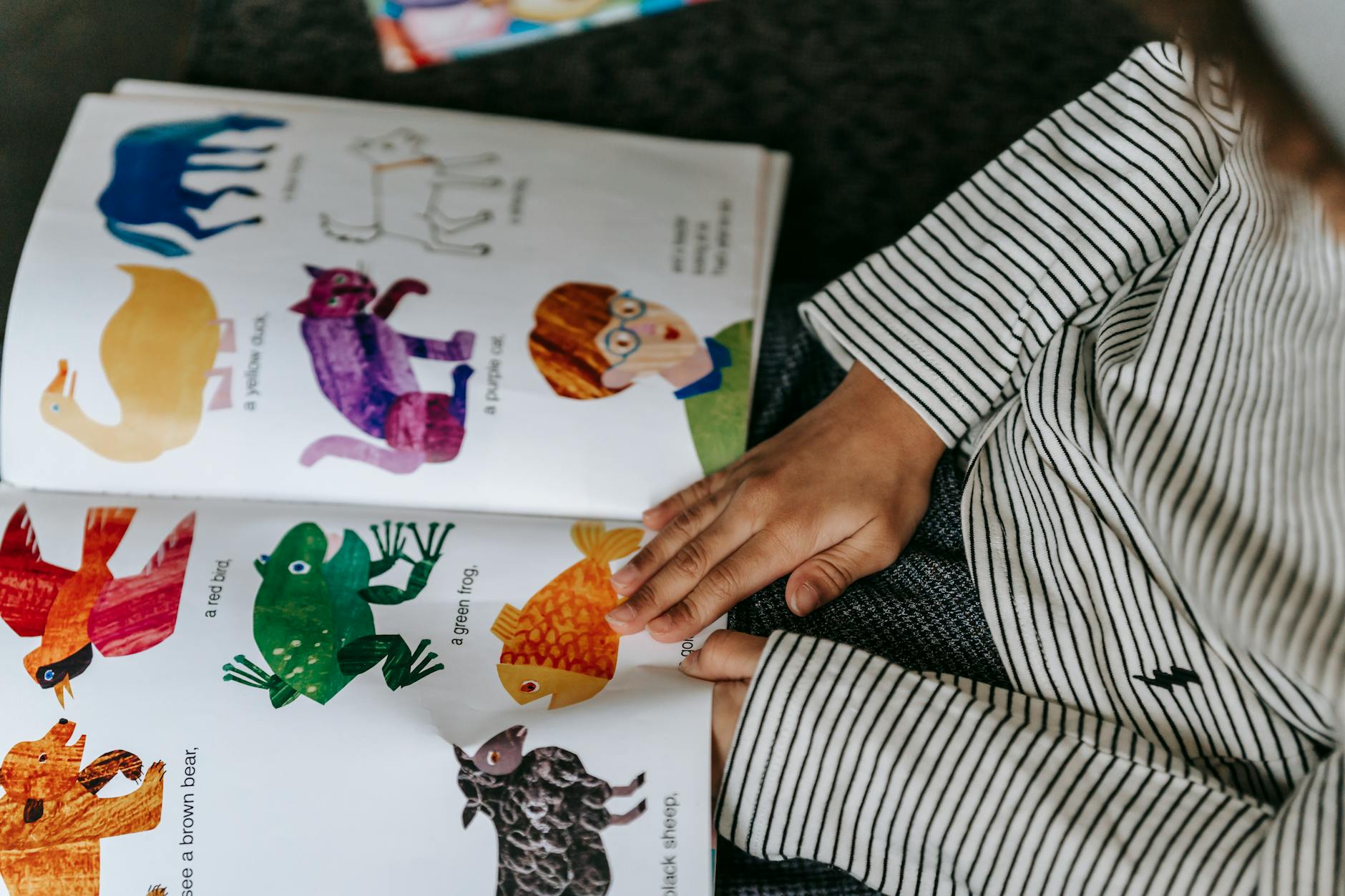
High-engagement series like Magic Tree House, I Survived, and The Bad Guys capture growing readers through consistent character arcs, controlled vocabulary measuring Lexile 400-600, and strategic cliffhanger chapter endings. These elements build reading stamina for 100+ page texts while maintaining predictable structures that support comprehension without sacrificing narrative complexity.
Series books bridge early literacy picture books and complex novels. They hook kids who need confidence with longer texts. You will find engaging chapter books for elementary students through your reading club orders.
Moving from 32-page picture books to 100-page chapter books requires stamina. Series help because the characters stay the same. Kids don't waste mental energy learning new names or settings. They focus on harder plots instead. I watched my 3rd graders tackle Magic Tree House books in October because Jack and Annie felt like friends by book three. The predictability lowers anxiety while the page count stretches their endurance.
Skip mystery series with red herrings until students hit Level M. Encyclopedia Brown frustrates readers who lack solid inferential skills. Save those for kids who can read between the lines.
Mystery and Adventure Chapter Books
Mystery series teach deductive reasoning but require different cognitive loads. Encyclopedia Brown serves grades 2-4 with 80 pages and 10 standalone cases per book. It needs heavy inference and deductive reasoning. Cam Jansen targets grades 2-3 with 58 pages and relies on picture clues and memory skills. A to Z Mysteries runs 26 books alphabetically for grades 3-4, averaging 84 pages with continuing characters.
Differentiation matters more than Lexile here. Match Encyclopedia Brown to students with strong inferential skills, not just decoding ability. Cam Jansen works for visual learners who need concrete evidence. Stock your classroom library with both to rotate through guided reading levels without repeating formats.
Realistic Fiction for Middle Grade
Realistic fiction builds empathy through recognizable conflicts. Wonder by R.J. Palacio suits grade 5 with 320 pages, exploring anti-bullying SEL themes through multiple narrators. Because of Winn-Dixie by Kate DiCamillo works for grade 3 with 182 pages, addressing grief and friendship. Fish in a Tree by Lynda Mullaly Hunt targets grade 4 with dyslexia representation and resilience themes.
These titles cover family structures, identity, and resilience. Caution: Wonder's shifting perspectives challenge tracking skills. Reserve it for mature grade 4+ readers or use as read aloud books to model voice differentiation. Add these to your scholastic storybook treasures collection for leveled readers who need emotional connection.
STEM and Nature Exploration Series
STEM series align with science standards while building literacy. Magic School Bus Science Chapter Books offer 20 titles aligning with NGSS 3-LS1-1 life cycles standards. Zoey and Sassafras by Asia Citro suits grades 1-3, blending scientific method with magical creatures. Who Was/What Was biographies target grades 3-5 with 112 pages, covering history and science crossovers.
These cover ecosystems, space, human body, and engineering design processes. Magic School Bus bridges guided reading to independent chapter book reading with visual supports every 3-4 pages. Browse www scholastic com reading club for these children's literature sets. Pair with tools to support creative writing after reading.
How Can Teachers Access Scholastic Storybook Treasures?
Teachers access Scholastic Storybook Treasures through three primary channels: the Scholastic Reading Club for physical books with bonus point rewards, the scholastic.com catalog for direct purchase with purchase order support, and Storia or Scholastic Digital Manager for instant ebook access across tablets, desktops, and interactive whiteboards.
You have three doors in. Use Reading Club when parents foot the bill for your classroom library. Hit the Scholastic website directly when you need specific leveled readers tomorrow and have a PO number. Go digital when every kid has a device in front of them.
Watch the traps. Reading Club orders cancel entirely if you miss the $25 minimum by even a penny. Digital licenses for Scholastic online reading often expire after 12 months, leaving you without that read aloud book mid-year. The Scholastic website defaults to 'All Grades' filters, so you'll see middle school titles mixed with early literacy books unless you manually adjust. Reading Club gives you bonus points—roughly one per dollar spent—but you'll wait two to three weeks. Direct orders ship in five to seven days at full price.
Navigating the Scholastic Website and Online Catalog
Start at the Scholastic website with your free teacher account. Use the left sidebar filters to narrow results:
Library Binding for durability. I learned this after paperbacks I bought last October didn't survive until winter break.
Guided Reading Level to match your small groups.
Price Under $10 when the budget is tight.
Your teacher account accepts purchase orders and lets you build a digital resource library wishlists. Parents must use separate accounts linked to your class code. When they accidentally order through the teacher section instead of the parent portal, you lose the bonus points. Post the exact link in your newsletter to avoid the mix-up.
Joining the Scholastic Reading Club
The Reading Club runs on monthly cycles. You choose between paper flyers to send home or digital-only campaigns. Every dollar spent earns roughly one bonus point you can redeem for free children's literature or supplies in their catalog. Watch the thresholds:
$25 minimum for physical book orders.
$10 minimum for digital downloads.
Submit orders ten days before the deadline. If you wait until the last minute and a parent's card declines, the whole order cancels. Keep a template letter ready that explains how online resources for educators like bonus points directly fund your classroom library.
Digital Access and Scholastic Online Reading Options
You have two digital paths for Scholastic storybook treasures. Storia works like a consumer app: you buy individual titles, they stay forever, and you manage them yourself. Scholastic Learning Zone requires a $200+ school subscription for institutional licensing that expires in 12 months.
Technical limitations matter:
EPUB3 format works on iOS 12+, Android 8+, and SmartBoards.
Offline download limit: three devices per license.
Skip for whole-class read alouds if your internet is unreliable.
Nothing kills early literacy momentum like a sync error freezing the screen while twenty kids wait to see what happens next.

The Bottom Line on Scholastic Storybook Treasures
Scholastic Storybook Treasures work because they match books to readers without the guesswork. You get leveled readers that actually align with guided reading levels, not vague "grade level" labels that leave you sorting piles at 3 PM. The picture books build visual literacy through deliberate illustration choices, while the chapter book series keep kids reading because the characters stick around for multiple adventures. Whether you're filling gaps in your classroom library or building sets for small group instruction, these collections put quality children's literature within reach without the full-price sticker shock.
You can access everything through Scholastic's usual channels—book clubs, book fairs, or direct classroom orders—so you don't need a special login or district approval. Start with the Early Reader Collections if your primary kids are struggling with decoding. Move to the Junior Classics for your advanced 4th graders who need substance without mature content. Rotate the sets every six weeks. That's it. No complicated tracking system required.

Classic Literature and Junior Classics
Scholastic Storybook Treasures differ from the trade paperbacks you grab at book fairs. These are library-bound editions built for heavy circulation. Reinforced spines. Stitched bindings, not glued. Priced between eight and fifteen dollars. The text is trimmed—usually twenty to thirty percent abridged—so third graders don't drown in Victorian prose while building early literacy skills.
The line breaks into three tiers: Junior Classics for accessible entry points, Literary Adaptations for supported complete texts, and Folklore for cultural foundations. All target grades two through six. Studies suggest that exposure to classic narrative structures improves inferential comprehension, even in shortened forms. These aren't dumbed-down versions. They're scaffolded entry points into children's literature that matters.
Title | Text Reduction | Guided Reading Level | Classroom Features |
|---|---|---|---|
Anne of Green Gables | ~30% (112 pages) | Level T | Vocabulary glossary, discussion questions |
The Secret Garden | ~25% (96 pages) | Level S | Comprehension prompts, period engravings |
Treasure Island | ~28% (120 pages) | Level U | Chapter-end questions, visual maps |
Scholastic Junior Classics Editions
The Scholastic Junior Classics editions shave roughly twenty-five to thirty percent off the original word count. Each includes chapter-end comprehension questions and vocabulary glossaries on the same page:
Anne of Green Gables: 112 pages, Level T, period engravings
The Secret Garden: 96 pages, Level S, modern watercolors
Treasure Island: 120 pages, Level U, nautical maps
Binding matters when you hand a book to twenty-eight third graders over six years. Stitched signatures survive backpack abuse better than glued spines. Look for specific ISBN prefixes when ordering. Free PDF teacher guides live on the Scholastic site, mapped to guided reading levels and leveled readers benchmarks.
The Little Prince and Literary Adaptations
The Little Prince Scholastic edition keeps the Katherine Woods translation. The language stays poetic and strange. Saint-Exupéry's original watercolors remain intact across ninety-six pages. Guided reading level W places it firmly in grades four through six.
Lesson plans practically write themselves:
The baobabs teach cause-and-effect relationships
The fox sequence sparks friendship discussions and SEL connections
The astronomy references tie into science standards
This sits in the Literary Adaptations tier—complete text with support has rather than abridgment. Add it to your digital reading lists and book trackers so you remember which upper-elementary kids need the symbolism support.
Fairy Tale and Folklore Collections
The Scholastic Treasury of World Tales packs twelve stories for grades K-2. Cinderella variants and Anansi stories represent multiple cultures. Cartoon-style illustrations read clearly from the back row during read aloud books.
Grimm's Complete Fairy Tales targets grades 3-5 with different strengths:
Fifty-plus stories with darker original text, not Disney-sanitized
Arthur Rackham-influenced artwork invites close analysis
Choose based on your classroom library needs. The Treasury builds early literacy foundations in world children's literature. Grimm's challenges older kids with complex narrative structures and moral ambiguity that sparks real debate.
Early Reader Collections and ELT Resources
These scholastic storybook treasures anchor your guided reading groups and intervention blocks. They move students from oral language to independent decoding through a specific pathway. Start with Scholastic ELT Readers for vocabulary acquisition. Then shift to Sight Word collections for high-frequency recognition. Finally, use Phonics sets for decoding automaticity.
If a student knows under 50 sight words, start with Sight Word Collections.
If they show phonemic awareness gaps, start with Decodable Sets.
Avoid using ELT readers below grade 7 with native speakers. The simplified plots cause boredom. Reserve these books for ELL students or remedial contexts where controlled vocabulary supports acquisition.
Scholastic ELT Readers for English Learners
Scholastic ELT Readers offer five levels. Starter uses 200 headwords at CEFR A1. Level 1 hits 300 headwords. Level 2 reaches 600. Level 3 climbs to 1000. Level 4 peaks at 1200 headwords, hitting CEFR B1.
Titles include Frozen: The Ice Games at Starter, Spider-Man: Homecoming at Level 2, and The Great Gatsby adaptation at Level 4. Each book includes audio CDs with separate American and British accent tracks. Comprehension activities run $6.50 to $7.95 per book. Pair these with technology tools for ESL instruction for maximum impact.
Leveled Sight Word Collections
Compare Scholastic Sight Word Readers to Bob Books before you buy. The Scholastic set covers 50 books teaching the first 100 Fry words for $89. That breaks down to $1.78 per book. Bob Books cost roughly $2.40 per title. Scholastic includes reproducible worksheets. Bob Books do not. Both correlate to DRA levels A through C.
These work for Pre-K through Grade 1. Each book runs 8 pages with predictable text structures. You will see sentence frames like "I see the ___" paired with photographic or line-art illustrations. The controlled vocabulary builds confidence for your earliest readers.
Phonics Decodable Book Sets
Scholastic Phonics Decodable Book Sets break into three stages. Set 1 covers short vowels and CVC patterns. Set 2 tackles blends and digraphs. Set 3 moves into long vowels and silent e. Each set contains 12 books with an 80% or higher decodability rating.
The teacher guides map directly to popular programs. You will find explicit correlations to Fundations Level 1 and Jolly Phonics Phase 3. Weekly scope-and-sequence alignment charts show exactly which book matches which lesson. Add these to your list of phonics books for elementary grades.
What Picture Book Treasures Build Visual Literacy?
Scholastic Storybook Treasures with strong visual narratives teach students to read gutter breaks, color symbolism, and sequential art. Caldecott winners like The Snowy Day and wordless texts train kids to predict outcomes from visual foreshadowing and understand how image-text relationships convey meaning beyond the printed word.
Visual literacy means interpreting panel progression and frame breaks. These skills serve as the foundation for graphic novels and complex digital texts.
Sort your picture books that transform classroom libraries by award status, representation, and physical format. This system helps you match book specifications to storage bins while building diverse guided reading levels collections.
Award-Winning Illustrated Stories
Target these Caldecott winners available through Scholastic:
The Snowy Day (Ezra Jack Keats, 1963): Look for the aerial perspective shift when Peter appears from above.
Knight Owl (Christopher Denise, 2023 Honor): Study the frame breaks that build narrative tension.
Big (Vashti Harrison, 2024): Analyze the blue monochrome palette for emotional tone.
Use these for grades K-3. Find corresponding lesson plan codes on the scholastic website to target specific visual literacy standards.
Diverse Character Anthologies
Stock these own-voices titles in your classroom library:
Last Stop on Market Street (Matt de la Peña): Features economic diversity through urban settings.
Eyes That Kiss in the Corners (Joanna Ho): Centers Asian identity and family bonds.
Max and the Tag-Along Moon (Floyd Cooper): Celebrates Black family love with luminous art.
Add Aaron Slater, Illustrator for disability representation, Uncle Bobby's Wedding for LGBTQ+ families, and The People Shall Continue for indigenous voices. Discussion guides support grades 1-4.
Interactive Big Books for Classrooms
Specifications for early literacy instruction:
Dimensions: 16x20 inches with laminated pages for dry-erase marking during lessons.
Classic titles: Chicka Chicka Boom Boom and The Very Hungry Caterpillar work for shared reading.
Storage: Plan for 3-inch deep bins or easel displays; budget $25-35 per title.
These oversized texts make gutter breaks visible during big books for elementary reading programs and read aloud books sessions with 25+ students.
Which Chapter Book Series Engage Growing Readers?
High-engagement series like Magic Tree House, I Survived, and The Bad Guys capture growing readers through consistent character arcs, controlled vocabulary measuring Lexile 400-600, and strategic cliffhanger chapter endings. These elements build reading stamina for 100+ page texts while maintaining predictable structures that support comprehension without sacrificing narrative complexity.
Series books bridge early literacy picture books and complex novels. They hook kids who need confidence with longer texts. You will find engaging chapter books for elementary students through your reading club orders.
Moving from 32-page picture books to 100-page chapter books requires stamina. Series help because the characters stay the same. Kids don't waste mental energy learning new names or settings. They focus on harder plots instead. I watched my 3rd graders tackle Magic Tree House books in October because Jack and Annie felt like friends by book three. The predictability lowers anxiety while the page count stretches their endurance.
Skip mystery series with red herrings until students hit Level M. Encyclopedia Brown frustrates readers who lack solid inferential skills. Save those for kids who can read between the lines.
Mystery and Adventure Chapter Books
Mystery series teach deductive reasoning but require different cognitive loads. Encyclopedia Brown serves grades 2-4 with 80 pages and 10 standalone cases per book. It needs heavy inference and deductive reasoning. Cam Jansen targets grades 2-3 with 58 pages and relies on picture clues and memory skills. A to Z Mysteries runs 26 books alphabetically for grades 3-4, averaging 84 pages with continuing characters.
Differentiation matters more than Lexile here. Match Encyclopedia Brown to students with strong inferential skills, not just decoding ability. Cam Jansen works for visual learners who need concrete evidence. Stock your classroom library with both to rotate through guided reading levels without repeating formats.
Realistic Fiction for Middle Grade
Realistic fiction builds empathy through recognizable conflicts. Wonder by R.J. Palacio suits grade 5 with 320 pages, exploring anti-bullying SEL themes through multiple narrators. Because of Winn-Dixie by Kate DiCamillo works for grade 3 with 182 pages, addressing grief and friendship. Fish in a Tree by Lynda Mullaly Hunt targets grade 4 with dyslexia representation and resilience themes.
These titles cover family structures, identity, and resilience. Caution: Wonder's shifting perspectives challenge tracking skills. Reserve it for mature grade 4+ readers or use as read aloud books to model voice differentiation. Add these to your scholastic storybook treasures collection for leveled readers who need emotional connection.
STEM and Nature Exploration Series
STEM series align with science standards while building literacy. Magic School Bus Science Chapter Books offer 20 titles aligning with NGSS 3-LS1-1 life cycles standards. Zoey and Sassafras by Asia Citro suits grades 1-3, blending scientific method with magical creatures. Who Was/What Was biographies target grades 3-5 with 112 pages, covering history and science crossovers.
These cover ecosystems, space, human body, and engineering design processes. Magic School Bus bridges guided reading to independent chapter book reading with visual supports every 3-4 pages. Browse www scholastic com reading club for these children's literature sets. Pair with tools to support creative writing after reading.
How Can Teachers Access Scholastic Storybook Treasures?
Teachers access Scholastic Storybook Treasures through three primary channels: the Scholastic Reading Club for physical books with bonus point rewards, the scholastic.com catalog for direct purchase with purchase order support, and Storia or Scholastic Digital Manager for instant ebook access across tablets, desktops, and interactive whiteboards.
You have three doors in. Use Reading Club when parents foot the bill for your classroom library. Hit the Scholastic website directly when you need specific leveled readers tomorrow and have a PO number. Go digital when every kid has a device in front of them.
Watch the traps. Reading Club orders cancel entirely if you miss the $25 minimum by even a penny. Digital licenses for Scholastic online reading often expire after 12 months, leaving you without that read aloud book mid-year. The Scholastic website defaults to 'All Grades' filters, so you'll see middle school titles mixed with early literacy books unless you manually adjust. Reading Club gives you bonus points—roughly one per dollar spent—but you'll wait two to three weeks. Direct orders ship in five to seven days at full price.
Navigating the Scholastic Website and Online Catalog
Start at the Scholastic website with your free teacher account. Use the left sidebar filters to narrow results:
Library Binding for durability. I learned this after paperbacks I bought last October didn't survive until winter break.
Guided Reading Level to match your small groups.
Price Under $10 when the budget is tight.
Your teacher account accepts purchase orders and lets you build a digital resource library wishlists. Parents must use separate accounts linked to your class code. When they accidentally order through the teacher section instead of the parent portal, you lose the bonus points. Post the exact link in your newsletter to avoid the mix-up.
Joining the Scholastic Reading Club
The Reading Club runs on monthly cycles. You choose between paper flyers to send home or digital-only campaigns. Every dollar spent earns roughly one bonus point you can redeem for free children's literature or supplies in their catalog. Watch the thresholds:
$25 minimum for physical book orders.
$10 minimum for digital downloads.
Submit orders ten days before the deadline. If you wait until the last minute and a parent's card declines, the whole order cancels. Keep a template letter ready that explains how online resources for educators like bonus points directly fund your classroom library.
Digital Access and Scholastic Online Reading Options
You have two digital paths for Scholastic storybook treasures. Storia works like a consumer app: you buy individual titles, they stay forever, and you manage them yourself. Scholastic Learning Zone requires a $200+ school subscription for institutional licensing that expires in 12 months.
Technical limitations matter:
EPUB3 format works on iOS 12+, Android 8+, and SmartBoards.
Offline download limit: three devices per license.
Skip for whole-class read alouds if your internet is unreliable.
Nothing kills early literacy momentum like a sync error freezing the screen while twenty kids wait to see what happens next.
The Bottom Line on Scholastic Storybook Treasures
Scholastic Storybook Treasures work because they match books to readers without the guesswork. You get leveled readers that actually align with guided reading levels, not vague "grade level" labels that leave you sorting piles at 3 PM. The picture books build visual literacy through deliberate illustration choices, while the chapter book series keep kids reading because the characters stick around for multiple adventures. Whether you're filling gaps in your classroom library or building sets for small group instruction, these collections put quality children's literature within reach without the full-price sticker shock.
You can access everything through Scholastic's usual channels—book clubs, book fairs, or direct classroom orders—so you don't need a special login or district approval. Start with the Early Reader Collections if your primary kids are struggling with decoding. Move to the Junior Classics for your advanced 4th graders who need substance without mature content. Rotate the sets every six weeks. That's it. No complicated tracking system required.
Still grading everything by hand?
EMStudio is a free teaching management app — manage your classes, students, lessons, and more!
Learn More
Still grading everything by hand?
EMStudio is a free teaching management app — manage your classes, students, lessons, and more!
Learn More



Notion4Teachers
Notion templates to simplify administrative tasks and enhance your teaching experience.



2026 Notion4Teachers. All Rights Reserved.
Notion4Teachers
Notion templates to simplify administrative tasks and enhance your teaching experience.
2026 Notion4Teachers. All Rights Reserved.
Notion4Teachers
Notion templates to simplify administrative tasks and enhance your teaching experience.
2026 Notion4Teachers. All Rights Reserved.