
Real Good Stuff: 15 Teacher Favorites Worth Ordering
Real Good Stuff: 15 Teacher Favorites Worth Ordering

Article by
Milo
ESL Content Coordinator & Educator
ESL Content Coordinator & Educator
All Posts
Last Tuesday, I watched a third-grader spend ten minutes digging through a broken pencil box just to find a red crayon. Her desk looked like a paper bomb went off inside it, and I realized most of our daily friction comes from having the wrong stuff — or no system to store it.
That's why I keep coming back to real good stuff that actually survives the school year. Not the dollar-store bins that crack by Halloween or the curriculum supplements that don't match your state tests. I mean the teacher resources and educational materials that solve real problems without creating new ones.
This post walks through fifteen favorites that work. We'll look at classroom organization systems that don't fall apart by October and curriculum resources that align with state standards without extra work on your end. I've also found the teacher supplies that give you the best bang for your buck and the bulletin board sets that still look fresh in May.
Everything here is sorted by grade level so you can find what you need fast. Every item supports hands-on learning and differentiated instruction without eating your planning time. These are the picks that keep your classroom management smooth and your sanity intact when the copy machine inevitably jams again.
Still grading everything by hand?
EMStudio is a free teaching management app — manage your classes, students, lessons, and more!
Learn More

Still grading everything by hand?
EMStudio is a free teaching management app — manage your classes, students, lessons, and more!
Learn More
Table of Contents
What Organization Systems Work Best for Busy Classrooms?
Stackable bins, chair pockets, and mobile carts solve different storage headaches. You need materials within arm's reach, not across the room. Teachers lose five to ten minutes every period hunting for supplies; smart classroom organization buys that time back.
Research from Johns Hopkins University shows teachers lose five to ten minutes per class period to material transitions. That is nearly a week of lost instruction each semester. Organization systems work as time-recovery tools, not just pretty Pinterest boards.
System | Cost per Student | Setup Time | Lifespan | Best for Class Size |
|---|---|---|---|---|
Stackable Bins | $5-6 | 30-45 min | 5 years | 20-30 students |
Chair Pockets | $5-6 | 15-20 min | 3-4 years | 20-35 students |
Mobile Carts | $7-8 | 12-15 min | 5+ years | 25-35 students |
Avoid systems needing daily maintenance over five minutes. Substitute teachers will not follow complex protocols. Your carefully labeled bins become chaos by 10 AM. Complex classroom management systems collapse during absences and erase your time savings.
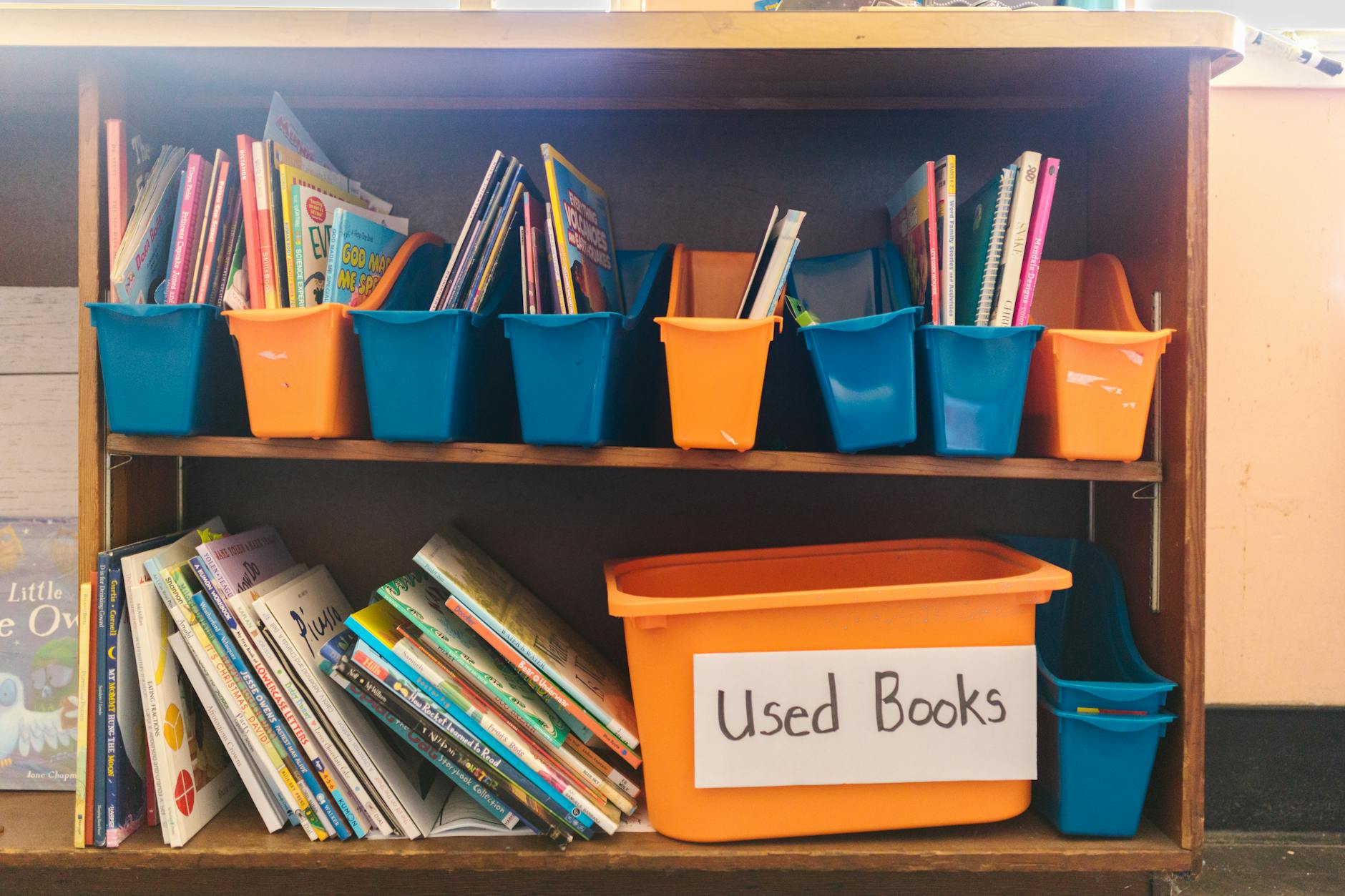
Stackable Storage Bins and Cubby Solutions
Store More Deep Storage Bins measure 10.5 inches long by 13 inches wide by 5 inches high. I have used these in K-5 for communal supply storage during hands-on learning activities.
Capacity: 25 to 30 picture books or one complete math manipulative set
Price: $24.99 for set of 5 (roughly $5 per student)
Stackable: 6 high without buckling
Colors: Multiple options for subject-area coding
You can stack them six high without buckling the bottom bin. Color-code them by subject area so students grab science materials without asking you where things live.
These bins fit standard cubby shelving and survive three years of rough handling by third graders. They work best for shared educational materials, not individual student storage. You will thank yourself during cleanup transitions.
Check out these research-based classroom organization strategies for layout ideas that maximize your space.
For differentiated instruction, label bins by reading level or math group. Students grab their color-coded folder and supplies in seconds. No more distributing papers during your mini-lesson.
Chair and Desk Pocket Organizers
Seat Sacks use 600D polyester fabric that survives third graders leaning back constantly. The standard 14-inch size fits primary chairs, while the 17-inch deluxe works for upper elementary.
Capacity: 3 chapter books plus pencil case without sagging
Price: $5.49 per student for class sets of 30 or more
Attachment: Elastic bands (quick install) or Velcro straps (secure)
Care: Machine wash cold water, dry overnight
Both attachment options work for differentiated instruction materials that students access during independent reading. The pockets suit 2nd through 5th grade best.
Machine wash cold when they get grimy from markers and snacks. They dry overnight on a rack. These keep individual educational materials off the floor and out of desk chaos.
Installation takes twenty minutes for a full class set. You will need to teach students not to store open glue sticks or bananas inside. One wet-wipe cleanup per week prevents permanent stickiness.
The 600D fabric resists tearing but fades in direct sunlight after two years. Rotate chair positions monthly to even out the wear. This extends your investment through five years.
Mobile Cart Systems for Flexible Seating
Really Good Stuff 3-Tier Utility Carts are real good stuff for flexible seating classrooms that change layout daily. Each shelf holds 20 pounds of supplies or devices.
Assembly: 12 minutes with included hex key, no power tools needed
Dimensions: 16"W x 26"L x 36"H, fits standard 32-inch doorways
Capacity: 20 pounds per shelf
Safety: Locking caster wheels prevent rolling when bumped
The steel frame feels solid. These carts fit through standard 32-inch doorways when moving between rooms for collaborative projects.
You can rotate 25 to 30 students through stations using three carts. Assign one cart per group for hands-on learning supplies. See this flexible seating implementation guide for rotation schedules that maximize your teacher resources.
Carts eliminate the "I can't find the scissors" interruptions during small group time. Students know their group cart contains everything needed for the science task. This classroom management strategy reduces your vocal strain from constant directions.
The powder-coated finish resists rust from wet paint cups. You will replace the labels more often than the cart itself.
Curriculum Resources That Align With State Standards
Differentiated Literacy Center Kits
Each kit lists specific CCSS, TEKS, or NGSS codes right on the product page. Check these against your district pacing guide before you buy. You don't want to drop $200 on a set that covers fractions in March when you teach them in October. Verification takes five minutes and saves you from expensive shelfware that gathers dust.
These kits include materials for Guided Reading Levels A-Z with 6 activity stations each. You get magnetic letter tiles (240 pieces), sight word rings (100 cards), and comprehension cubes. They're built for groups of 4-6 students in grades K-3, and the storage bins are actually included. The magnetic tiles alone justify the purchase.
I used a similar setup with my 2nd graders last year. The sight word rings alone saved me three hours of laminating. That's real good stuff when you're managing differentiated instruction daily. Kids rotated through stations while I pulled guided reading groups. My classroom management improved immediately because the activities were self-contained.
Hands-On Math Manipulative Sets
Pre-built kits run $150-300 with zero prep hours. Sourcing materials yourself costs $80-180 but eats 8-12 hours of your time. If you make more than $20 an hour, the kit pays for itself. Your time is worth more than the savings. Here's the breakdown:
Pre-built kits: $150-300, 0 prep hours, ready Monday morning.
DIY sourcing: $80-180, 8-12 prep hours, requires organizing and labeling.
Research shows hands-on learning with physical manipulatives beats worksheet-only instruction for concept retention. Kids need to touch the math to understand why regrouping works. This justification helps when you're requesting funds from administrators who only see the price tag.
These sets include Base Ten Blocks (1,000 units, 100 rods, 10 flats). You also get Place Value Disks (500 color-coded discs) and fraction tiles (51 pieces from 1/2 to 1/12). Storage bins are included. They align with CCSS 2.NBT.A.1 and 3.NF.A.1, cover grades 1-5, and serve 30 students. Check out these math teacher resources and manipulative sets for specific recommendations that fit your budget.
NGSS-Aligned Science Investigation Packs
These packs target specific Performance Expectations like 5-PS1-3 (conservation of matter) and MS-PS1-2 (substance analysis). Each investigation runs 60 minutes and includes materials for 30 students working in pairs. You won't need to raid the kitchen for supplies or send home supply requests.
The kits are reusable for 3+ academic years with proper storage. That's three years of not hunting down baking soda and vinegar at 9 PM on a Sunday. Your classroom organization stays intact, and the durable plastic withstands rough handling from 5th graders. Simply wash the beakers and store them in the provided bins.
When you're aligning curriculum with state standards, these codes verify your scope and sequence instantly. No guessing if that chemical reaction lab actually hits your state's 5th grade physical science requirements. The educational materials arrive labeled with the exact standard code, which simplifies your documentation for administrators who demand standard alignment proof.

Which Teacher Supplies Offer the Best Value?
Teacher supplies offering the best value include bulk dry erase marker class packs costing $0.35-0.50 per marker, reusable sticker systems at $0.02 per sticker, and multi-year assessment record books. The highest value comes from purchasing non-consumable organization systems over consumable supplies, with durable items typically returning investment within 18 months when serving classes of 25+ students.
Calculate cost-per-use before stocking up. A $0.40 marker lasting 3 weeks costs $0.13 weekly. A $0.85 premium marker lasting 10 weeks drops to $0.085 weekly. The expensive option wins over the academic year.
Use this framework:
Buy bulk consumables if your class exceeds 20 students and you use more than one item weekly.
Buy premium durable goods for tools spanning multiple years.
Track your teacher supply checklist to verify actual consumption rates before purchasing.
Avoid bulk stickers if your school bans PBIS extrinsic rewards. Skip paper gradebooks if your district requires digital compliance. Check your classroom management systems and procedures before loading up on behavior incentives.
Bulk Dry Erase Marker Class Packs
Expo Low-Odor Bulk Class Packs include 36 markers per tray for $14.99. That's $0.42 per marker versus $1.29 for singles. You get 12 each of black, blue, and red, or choose the 8-color assortment for differentiated instruction.
Chisel tips handle both broad strokes and detail work. The low-odor formula protects sensitive students during hands-on learning. The storage tray slides into desk drawers. These really good stuff teacher supplies last three months of daily use.
Non-toxic ink means safe classroom management during group work. One pack bought in August survives until winter break.
Reusable Classroom Management Sticker Systems
Multi-Pack Sticker Rolls provide 1,000 stickers for $19.99. That's $0.02 per sticker versus $0.10 for retail packs. Each roll contains 10 designs including stars, apples, and smileys. Acid-free construction keeps student portfolios clean.
Store unused portions in plastic sleeves for reuse across 500+ grading events. Perfect for quick positive reinforcement during transitions. These teacher resources support classroom organization without breaking your budget.
Skip these if your building restricts extrinsic rewards under PBIS guidelines. The assorted designs let you match stickers to student interests without buying separate themed packs.
Multi-Subject Assessment Record Books
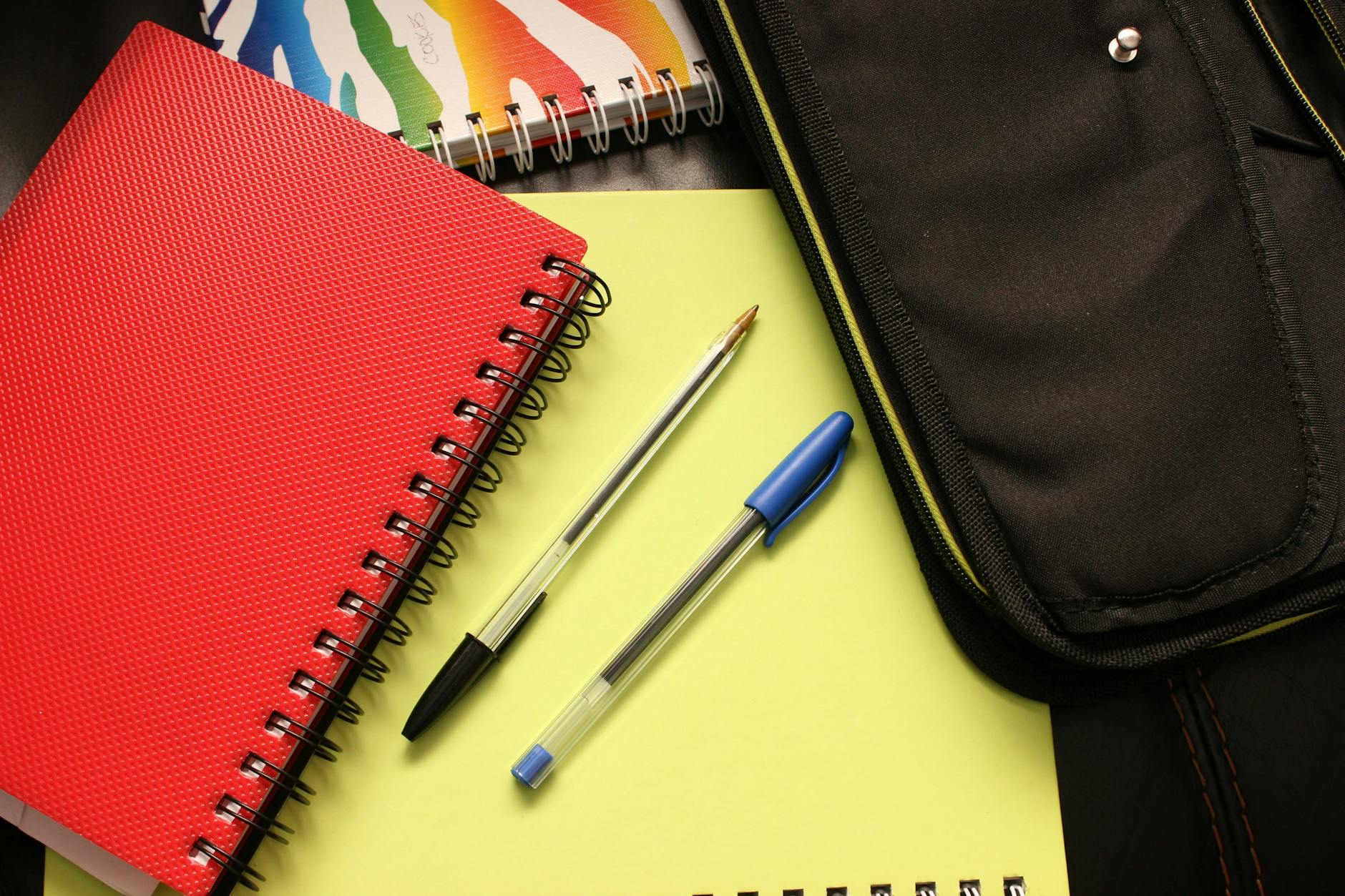
Multi-Subject Assessment Record Books track 40 students across 10 subjects on 96 pages for $12.99. The spiral binding lays flat during grading. Choose K-6 comprehensive or 3-5 intermediate versions based on your grade level.
These replace single-subject books costing $8.99 annually. The multi-subject format lasts 2-3 years, dropping annual costs to $4.33. Use them for educational materials tracking when digital systems fail.
The grid layout supports differentiated instruction documentation without Wi-Fi. I keep one as backup even when using online gradebooks. For real good stuff that survives coffee spills, these records are insurance against tech crashes.
Bulletin Board Sets and Decorative Themes
Seasonal Change-Out Decor Bundles
You need four transitions yearly. Swap décor in August for back-to-school, November for fall, January for winter, and March for spring. Store off-season materials in two 18-gallon plastic bins to keep your classroom organization tight. Label them "Fall/Spring" and "Winter/Summer" so you grab the right bin without digging through stacks of paper.
Each Seasonal Decor Bundle runs $34.99 and includes 12 border strips, 36 assorted cutouts, and 4-letter banners spelling seasonal words. You get 24 linear feet of coverage. Themes include Harvest (non-Halloween fall), Winter Wonderland (non-denominational), and Spring Growth. Everything comes laminated for 3+ year reuse. The non-holiday approach keeps you compliant with district policies while still marking the seasons.
That rotation keeps walls fresh without constant spending. Your teacher resources stay protected from dust and sunlight. When March rolls around, you unpack the spring box and reset the room in twenty minutes. No emergency trips to the school supply store required. The system prevents that cluttered closet full of crushed border rolls you have been avoiding.
Subject-Specific Bulletin Board Borders
Skip the paper borders that fade by December. Compare the long-term value:
Laminated bulletin board borders: $12-18 upfront, 5-year lifespan, wipeable surface. Five-year cost: $12.
Paper borders: $4-7 per year, 1-year lifespan, fade-prone. Five-year cost: $20.
Coverage calculations prevent under-buying. Standard border packs cover 24 linear feet, sufficient for an 8x10 foot bulletin board. Header sets span 36x12 inches. Measure twice before you order. Nothing wastes budget like buying three packs when two suffice.
Subject-specific borders target your curriculum. Math packs show geometric shapes and numbers. ELA displays book stacks and pencils. Science has microscopes and the solar system. Pick 3-inch standard or 6-inch jumbo heights. Choose straight edges for clean lines or scalloped for decorative pop. Each pack includes 35 feet, covering most classroom perimeters. $7.99 per pack buys you real good stuff that lasts the entire academic year without tearing or showing staple holes.
Growth Mindset and Motivational Display Kits
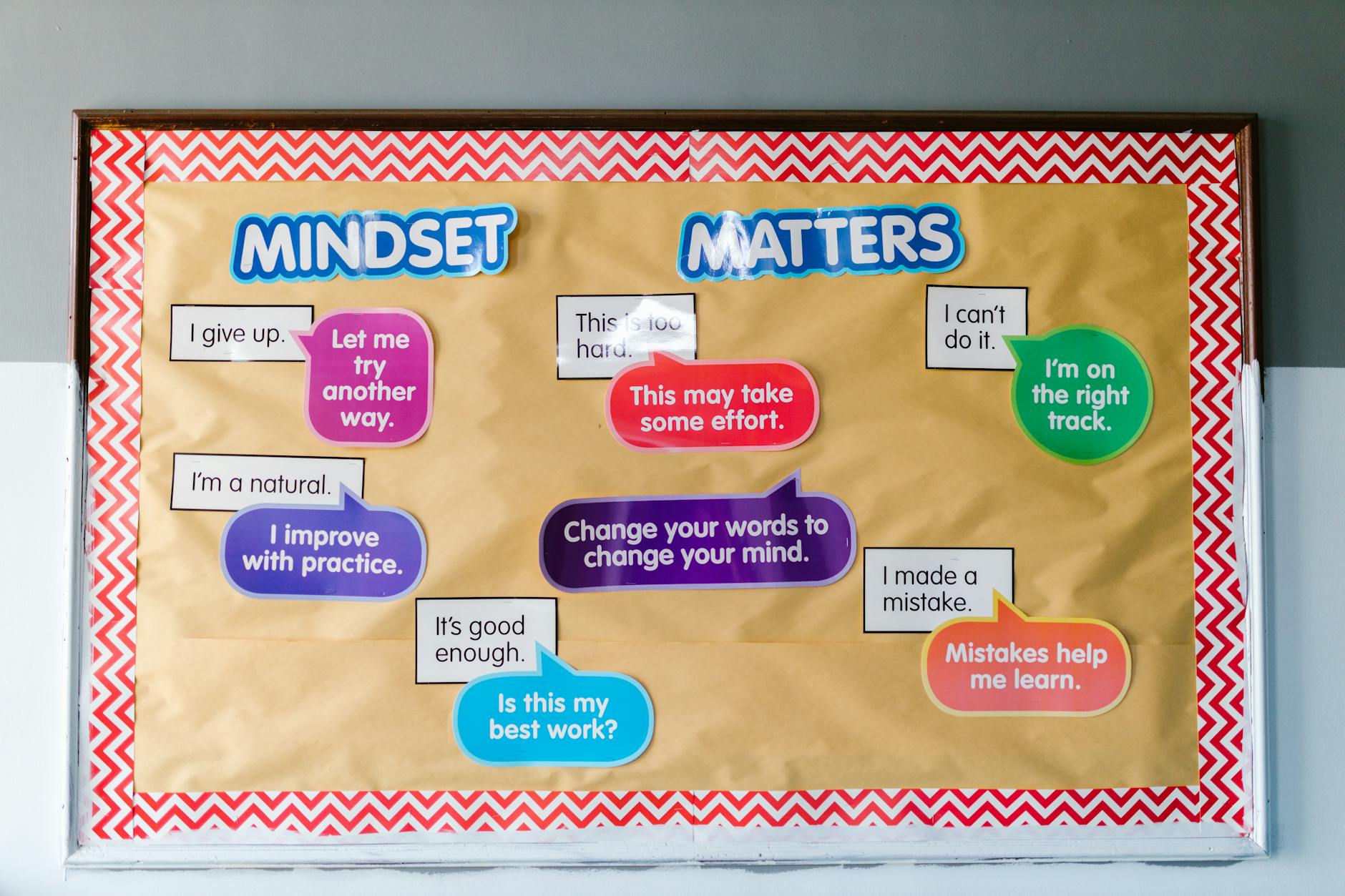
These kits support differentiated instruction through visual motivation. The Growth Mindset Display Kits feature a 24"x36" header and 12 student speech bubble cutouts for interactive writing activities. Kids add their own goals or responses directly to the board using dry-erase markers. You change the content weekly without changing the paper.
Quotes vary by reading level. Second graders see "Mistakes help me learn." Fifth graders get "Perseverance through challenge." Both use the Really Good Stuff calming color palette to avoid visual overwhelm. The blues and greens keep the room feeling safe, not chaotic like those primary-color explosion sets from the discount store. The colors match other Really Good Stuff products for a cohesive look.
At $29.99, this set covers your educational materials for hands-on learning and classroom management. The interactive elements mean students engage with the décor, not just look at it. You save time on classroom management because the board teaches growth mindset while you handle attendance. Students reference the quotes during tough math problems. You hear them whisper the phrases when they miss a question.
How to Navigate the Real Good Stuff Catalog by Grade Level?
Navigate the Real Good Stuff catalog by first selecting your grade level filter (Pre-K, Elementary K-5, or Middle School 6-8), then refining by subject area or state standards alignment. Use the "Shop by Grade" dropdown to access curated collections, check bundle pricing tiers at $250, $500, and $1000 thresholds, and verify standards alignment through the CCSS, TEKS, or NGSS filter options before adding items to your cart.
Stop scrolling through two thousand items. Filter first. The grade level dropdown cuts the noise immediately, showing only what matches your actual students.
Start with the grade level dropdown. Select Pre-K (ages 3-5), Elementary (K-2 or 3-5), or Middle School (6-8). This drops 2,000+ items to roughly 200-400 options.
Then apply these filters:
Standards alignment: Check CCSS, TEKS, or NGSS to ensure materials match your scope.
Price ranges: Set brackets for $0-25, $25-50, or $50+ to match budget reality.
Bundle thresholds: Watch for 5% off at $250, 10% at $500, and 15% at $1000.
Sometimes adding one $15 item pushes you into the next discount tier and saves $30 overall.
Early Childhood and Pre-K Essentials
Filter by ASTM F963 safety certification first. Pre-K materials must pass rigorous testing for small parts and toxicity. This checkbox eliminates unsafe items immediately.
Focus on fine motor and sensory materials. Look for Jumbo Tweezers (6 inches) for pincher grip practice and Kinetic Sand in 2.5 lb bags. These build hand strength for kindergarten writing. The tweezers specifically target the muscles needed for pencil grip.
Check essential versus enrichment tags. Essentials cover core developmental milestones; enrichment adds variety for early finishers. For a 20-student class, expect $250-400 for a complete starter set. Watch choking hazard warnings on items for under age 3. If it fits through a toilet paper tube, it doesn't belong in a toddler's center regardless of how educational it appears.
Elementary Grade Level Specific Kits
The really good stuff catalog splits elementary into two bands. K-2 covers foundational phonics and base-10 blocks. 3-5 shifts to fraction manipulatives and close reading passages. Don't mix them up. Third graders need protractors, not letter magnets.
Aim for the $500 bundle threshold to trigger 10% savings. Most elementary grade level specific resources come in classroom sets of 24, but check for differentiated instruction markers. Small group icons indicate materials designed for 6-8 students—perfect for guided reading rotations. These targeted sets save you from buying full quantities for every ability level. Every kit includes a teacher guide with standards alignment.
Middle School Resource Collections
Switch to department filters for ELA, Math, Science, or Social Studies. Middle school teachers need educational materials with complexity markers for grades 6-8. Skip primary colors and cartoon themes. Your tweens will reject the real good stuff immediately if it looks designed for five-year-olds.
Calculate cost-per-student before buying. With 120+ students cycling through, prioritize non-consumables over $3 workbooks that vanish in nine weeks. Those add up to $360 per class. Invest in durable hands-on learning tools like algebra tiles that survive five years of heavy use.
Plan for classroom organization and storage. Departments should share teacher resources through locking cabinets in prep rooms. Label shelves by standard. Nothing kills a lesson like hunting for density cylinders or context clue cards while students lose focus. Good classroom management depends on knowing exactly where materials live.

Hands-On Learning Materials for Active Engagement
Hands-on materials beat lectures every time. Research shows kids stay focused 40-60% longer when manipulating objects versus sitting through direct instruction. That's critical for the 15-30% of your class who are kinesthetic learners requiring differentiated instruction.
Before you buy, check safety specs. These aren't just teacher resources. Pre-K through 2nd grade items need ASTM F963 certification. Anything for under age 3 requires choking hazard warnings. Verify latex-free materials for allergy-sensitive rooms. Plan bleach-free sanitizing protocols for shared educational materials.
Match the group size to your activity:
Fine motor work: 2-3 students for close monitoring
Sensory stations: 4-5 kids for smooth rotation flow
Cooperative learning: 6 students max to keep everyone engaged
This balance maximizes focus while minimizing chaos and strengthening classroom management.
Fine Motor Skill Development Toolkits
Real Good Stuff offers fine motor toolkits built for 12-week intervention cycles. Each kit includes:
Triangular fat pencils cut to 3.5 inches—perfect for preschool grips
Crossover pencil grips in blue/red for instant visual coding
Therapy Putty ranging from xx-soft yellow to x-firm blue
Progress tracking sheets and 15-minute daily usage protocols
Storage for 25 individual kits so kids grab their own box
These hands-on learning materials for active engagement build handwriting stamina. Color-coded grips let kids self-correct. Putty gives you measurable milestones. Small groups mean you can watch pencil grip closely without running laps around the room.
Sensory Room and Calming Corner Supplies
Your sensory room supplies need specific weight and space calculations. Follow these specs:
Lap pads at 3-5 lbs using the 10% body weight rule
Noise reduction headphones rated 26dB for real sound blocking
Liquid motion bubblers at 6 inches for visual regulation
Bleach-free wipes for sanitizing between every use
36 square feet minimum per station, 4 students max per corner
This sensory-friendly classroom setup guide approach works for Pre-K through 8. Weighted pressure helps reset meltdowns. Position stations near your desk but facing away from the main traffic flow.
Cooperative Learning and Group Activity Sets
Cooperative learning sets cut down on "who does what" arguments with built-in role cards. Look for these features:
Roles: materials manager, timekeeper, recorder, facilitator
Challenges lasting 20-30 minutes for single period use
Durability for 50+ assembly cycles without breaking
Debriefing cards that prompt actual metacognitive reflection
Design for 4-6 students to minimize side conversations
These work best for grades 3-8. Use these cooperative learning and group activity strategies to replace lecture time. The structured accountability improves classroom organization while maximizing student voice.

What Organization Systems Work Best for Busy Classrooms?
Stackable bins, chair pockets, and mobile carts solve different storage headaches. You need materials within arm's reach, not across the room. Teachers lose five to ten minutes every period hunting for supplies; smart classroom organization buys that time back.
Research from Johns Hopkins University shows teachers lose five to ten minutes per class period to material transitions. That is nearly a week of lost instruction each semester. Organization systems work as time-recovery tools, not just pretty Pinterest boards.
System | Cost per Student | Setup Time | Lifespan | Best for Class Size |
|---|---|---|---|---|
Stackable Bins | $5-6 | 30-45 min | 5 years | 20-30 students |
Chair Pockets | $5-6 | 15-20 min | 3-4 years | 20-35 students |
Mobile Carts | $7-8 | 12-15 min | 5+ years | 25-35 students |
Avoid systems needing daily maintenance over five minutes. Substitute teachers will not follow complex protocols. Your carefully labeled bins become chaos by 10 AM. Complex classroom management systems collapse during absences and erase your time savings.
Stackable Storage Bins and Cubby Solutions
Store More Deep Storage Bins measure 10.5 inches long by 13 inches wide by 5 inches high. I have used these in K-5 for communal supply storage during hands-on learning activities.
Capacity: 25 to 30 picture books or one complete math manipulative set
Price: $24.99 for set of 5 (roughly $5 per student)
Stackable: 6 high without buckling
Colors: Multiple options for subject-area coding
You can stack them six high without buckling the bottom bin. Color-code them by subject area so students grab science materials without asking you where things live.
These bins fit standard cubby shelving and survive three years of rough handling by third graders. They work best for shared educational materials, not individual student storage. You will thank yourself during cleanup transitions.
Check out these research-based classroom organization strategies for layout ideas that maximize your space.
For differentiated instruction, label bins by reading level or math group. Students grab their color-coded folder and supplies in seconds. No more distributing papers during your mini-lesson.
Chair and Desk Pocket Organizers
Seat Sacks use 600D polyester fabric that survives third graders leaning back constantly. The standard 14-inch size fits primary chairs, while the 17-inch deluxe works for upper elementary.
Capacity: 3 chapter books plus pencil case without sagging
Price: $5.49 per student for class sets of 30 or more
Attachment: Elastic bands (quick install) or Velcro straps (secure)
Care: Machine wash cold water, dry overnight
Both attachment options work for differentiated instruction materials that students access during independent reading. The pockets suit 2nd through 5th grade best.
Machine wash cold when they get grimy from markers and snacks. They dry overnight on a rack. These keep individual educational materials off the floor and out of desk chaos.
Installation takes twenty minutes for a full class set. You will need to teach students not to store open glue sticks or bananas inside. One wet-wipe cleanup per week prevents permanent stickiness.
The 600D fabric resists tearing but fades in direct sunlight after two years. Rotate chair positions monthly to even out the wear. This extends your investment through five years.
Mobile Cart Systems for Flexible Seating
Really Good Stuff 3-Tier Utility Carts are real good stuff for flexible seating classrooms that change layout daily. Each shelf holds 20 pounds of supplies or devices.
Assembly: 12 minutes with included hex key, no power tools needed
Dimensions: 16"W x 26"L x 36"H, fits standard 32-inch doorways
Capacity: 20 pounds per shelf
Safety: Locking caster wheels prevent rolling when bumped
The steel frame feels solid. These carts fit through standard 32-inch doorways when moving between rooms for collaborative projects.
You can rotate 25 to 30 students through stations using three carts. Assign one cart per group for hands-on learning supplies. See this flexible seating implementation guide for rotation schedules that maximize your teacher resources.
Carts eliminate the "I can't find the scissors" interruptions during small group time. Students know their group cart contains everything needed for the science task. This classroom management strategy reduces your vocal strain from constant directions.
The powder-coated finish resists rust from wet paint cups. You will replace the labels more often than the cart itself.
Curriculum Resources That Align With State Standards
Differentiated Literacy Center Kits
Each kit lists specific CCSS, TEKS, or NGSS codes right on the product page. Check these against your district pacing guide before you buy. You don't want to drop $200 on a set that covers fractions in March when you teach them in October. Verification takes five minutes and saves you from expensive shelfware that gathers dust.
These kits include materials for Guided Reading Levels A-Z with 6 activity stations each. You get magnetic letter tiles (240 pieces), sight word rings (100 cards), and comprehension cubes. They're built for groups of 4-6 students in grades K-3, and the storage bins are actually included. The magnetic tiles alone justify the purchase.
I used a similar setup with my 2nd graders last year. The sight word rings alone saved me three hours of laminating. That's real good stuff when you're managing differentiated instruction daily. Kids rotated through stations while I pulled guided reading groups. My classroom management improved immediately because the activities were self-contained.
Hands-On Math Manipulative Sets
Pre-built kits run $150-300 with zero prep hours. Sourcing materials yourself costs $80-180 but eats 8-12 hours of your time. If you make more than $20 an hour, the kit pays for itself. Your time is worth more than the savings. Here's the breakdown:
Pre-built kits: $150-300, 0 prep hours, ready Monday morning.
DIY sourcing: $80-180, 8-12 prep hours, requires organizing and labeling.
Research shows hands-on learning with physical manipulatives beats worksheet-only instruction for concept retention. Kids need to touch the math to understand why regrouping works. This justification helps when you're requesting funds from administrators who only see the price tag.
These sets include Base Ten Blocks (1,000 units, 100 rods, 10 flats). You also get Place Value Disks (500 color-coded discs) and fraction tiles (51 pieces from 1/2 to 1/12). Storage bins are included. They align with CCSS 2.NBT.A.1 and 3.NF.A.1, cover grades 1-5, and serve 30 students. Check out these math teacher resources and manipulative sets for specific recommendations that fit your budget.
NGSS-Aligned Science Investigation Packs
These packs target specific Performance Expectations like 5-PS1-3 (conservation of matter) and MS-PS1-2 (substance analysis). Each investigation runs 60 minutes and includes materials for 30 students working in pairs. You won't need to raid the kitchen for supplies or send home supply requests.
The kits are reusable for 3+ academic years with proper storage. That's three years of not hunting down baking soda and vinegar at 9 PM on a Sunday. Your classroom organization stays intact, and the durable plastic withstands rough handling from 5th graders. Simply wash the beakers and store them in the provided bins.
When you're aligning curriculum with state standards, these codes verify your scope and sequence instantly. No guessing if that chemical reaction lab actually hits your state's 5th grade physical science requirements. The educational materials arrive labeled with the exact standard code, which simplifies your documentation for administrators who demand standard alignment proof.
Which Teacher Supplies Offer the Best Value?
Teacher supplies offering the best value include bulk dry erase marker class packs costing $0.35-0.50 per marker, reusable sticker systems at $0.02 per sticker, and multi-year assessment record books. The highest value comes from purchasing non-consumable organization systems over consumable supplies, with durable items typically returning investment within 18 months when serving classes of 25+ students.
Calculate cost-per-use before stocking up. A $0.40 marker lasting 3 weeks costs $0.13 weekly. A $0.85 premium marker lasting 10 weeks drops to $0.085 weekly. The expensive option wins over the academic year.
Use this framework:
Buy bulk consumables if your class exceeds 20 students and you use more than one item weekly.
Buy premium durable goods for tools spanning multiple years.
Track your teacher supply checklist to verify actual consumption rates before purchasing.
Avoid bulk stickers if your school bans PBIS extrinsic rewards. Skip paper gradebooks if your district requires digital compliance. Check your classroom management systems and procedures before loading up on behavior incentives.
Bulk Dry Erase Marker Class Packs
Expo Low-Odor Bulk Class Packs include 36 markers per tray for $14.99. That's $0.42 per marker versus $1.29 for singles. You get 12 each of black, blue, and red, or choose the 8-color assortment for differentiated instruction.
Chisel tips handle both broad strokes and detail work. The low-odor formula protects sensitive students during hands-on learning. The storage tray slides into desk drawers. These really good stuff teacher supplies last three months of daily use.
Non-toxic ink means safe classroom management during group work. One pack bought in August survives until winter break.
Reusable Classroom Management Sticker Systems
Multi-Pack Sticker Rolls provide 1,000 stickers for $19.99. That's $0.02 per sticker versus $0.10 for retail packs. Each roll contains 10 designs including stars, apples, and smileys. Acid-free construction keeps student portfolios clean.
Store unused portions in plastic sleeves for reuse across 500+ grading events. Perfect for quick positive reinforcement during transitions. These teacher resources support classroom organization without breaking your budget.
Skip these if your building restricts extrinsic rewards under PBIS guidelines. The assorted designs let you match stickers to student interests without buying separate themed packs.
Multi-Subject Assessment Record Books
Multi-Subject Assessment Record Books track 40 students across 10 subjects on 96 pages for $12.99. The spiral binding lays flat during grading. Choose K-6 comprehensive or 3-5 intermediate versions based on your grade level.
These replace single-subject books costing $8.99 annually. The multi-subject format lasts 2-3 years, dropping annual costs to $4.33. Use them for educational materials tracking when digital systems fail.
The grid layout supports differentiated instruction documentation without Wi-Fi. I keep one as backup even when using online gradebooks. For real good stuff that survives coffee spills, these records are insurance against tech crashes.
Bulletin Board Sets and Decorative Themes
Seasonal Change-Out Decor Bundles
You need four transitions yearly. Swap décor in August for back-to-school, November for fall, January for winter, and March for spring. Store off-season materials in two 18-gallon plastic bins to keep your classroom organization tight. Label them "Fall/Spring" and "Winter/Summer" so you grab the right bin without digging through stacks of paper.
Each Seasonal Decor Bundle runs $34.99 and includes 12 border strips, 36 assorted cutouts, and 4-letter banners spelling seasonal words. You get 24 linear feet of coverage. Themes include Harvest (non-Halloween fall), Winter Wonderland (non-denominational), and Spring Growth. Everything comes laminated for 3+ year reuse. The non-holiday approach keeps you compliant with district policies while still marking the seasons.
That rotation keeps walls fresh without constant spending. Your teacher resources stay protected from dust and sunlight. When March rolls around, you unpack the spring box and reset the room in twenty minutes. No emergency trips to the school supply store required. The system prevents that cluttered closet full of crushed border rolls you have been avoiding.
Subject-Specific Bulletin Board Borders
Skip the paper borders that fade by December. Compare the long-term value:
Laminated bulletin board borders: $12-18 upfront, 5-year lifespan, wipeable surface. Five-year cost: $12.
Paper borders: $4-7 per year, 1-year lifespan, fade-prone. Five-year cost: $20.
Coverage calculations prevent under-buying. Standard border packs cover 24 linear feet, sufficient for an 8x10 foot bulletin board. Header sets span 36x12 inches. Measure twice before you order. Nothing wastes budget like buying three packs when two suffice.
Subject-specific borders target your curriculum. Math packs show geometric shapes and numbers. ELA displays book stacks and pencils. Science has microscopes and the solar system. Pick 3-inch standard or 6-inch jumbo heights. Choose straight edges for clean lines or scalloped for decorative pop. Each pack includes 35 feet, covering most classroom perimeters. $7.99 per pack buys you real good stuff that lasts the entire academic year without tearing or showing staple holes.
Growth Mindset and Motivational Display Kits
These kits support differentiated instruction through visual motivation. The Growth Mindset Display Kits feature a 24"x36" header and 12 student speech bubble cutouts for interactive writing activities. Kids add their own goals or responses directly to the board using dry-erase markers. You change the content weekly without changing the paper.
Quotes vary by reading level. Second graders see "Mistakes help me learn." Fifth graders get "Perseverance through challenge." Both use the Really Good Stuff calming color palette to avoid visual overwhelm. The blues and greens keep the room feeling safe, not chaotic like those primary-color explosion sets from the discount store. The colors match other Really Good Stuff products for a cohesive look.
At $29.99, this set covers your educational materials for hands-on learning and classroom management. The interactive elements mean students engage with the décor, not just look at it. You save time on classroom management because the board teaches growth mindset while you handle attendance. Students reference the quotes during tough math problems. You hear them whisper the phrases when they miss a question.
How to Navigate the Real Good Stuff Catalog by Grade Level?
Navigate the Real Good Stuff catalog by first selecting your grade level filter (Pre-K, Elementary K-5, or Middle School 6-8), then refining by subject area or state standards alignment. Use the "Shop by Grade" dropdown to access curated collections, check bundle pricing tiers at $250, $500, and $1000 thresholds, and verify standards alignment through the CCSS, TEKS, or NGSS filter options before adding items to your cart.
Stop scrolling through two thousand items. Filter first. The grade level dropdown cuts the noise immediately, showing only what matches your actual students.
Start with the grade level dropdown. Select Pre-K (ages 3-5), Elementary (K-2 or 3-5), or Middle School (6-8). This drops 2,000+ items to roughly 200-400 options.
Then apply these filters:
Standards alignment: Check CCSS, TEKS, or NGSS to ensure materials match your scope.
Price ranges: Set brackets for $0-25, $25-50, or $50+ to match budget reality.
Bundle thresholds: Watch for 5% off at $250, 10% at $500, and 15% at $1000.
Sometimes adding one $15 item pushes you into the next discount tier and saves $30 overall.
Early Childhood and Pre-K Essentials
Filter by ASTM F963 safety certification first. Pre-K materials must pass rigorous testing for small parts and toxicity. This checkbox eliminates unsafe items immediately.
Focus on fine motor and sensory materials. Look for Jumbo Tweezers (6 inches) for pincher grip practice and Kinetic Sand in 2.5 lb bags. These build hand strength for kindergarten writing. The tweezers specifically target the muscles needed for pencil grip.
Check essential versus enrichment tags. Essentials cover core developmental milestones; enrichment adds variety for early finishers. For a 20-student class, expect $250-400 for a complete starter set. Watch choking hazard warnings on items for under age 3. If it fits through a toilet paper tube, it doesn't belong in a toddler's center regardless of how educational it appears.
Elementary Grade Level Specific Kits
The really good stuff catalog splits elementary into two bands. K-2 covers foundational phonics and base-10 blocks. 3-5 shifts to fraction manipulatives and close reading passages. Don't mix them up. Third graders need protractors, not letter magnets.
Aim for the $500 bundle threshold to trigger 10% savings. Most elementary grade level specific resources come in classroom sets of 24, but check for differentiated instruction markers. Small group icons indicate materials designed for 6-8 students—perfect for guided reading rotations. These targeted sets save you from buying full quantities for every ability level. Every kit includes a teacher guide with standards alignment.
Middle School Resource Collections
Switch to department filters for ELA, Math, Science, or Social Studies. Middle school teachers need educational materials with complexity markers for grades 6-8. Skip primary colors and cartoon themes. Your tweens will reject the real good stuff immediately if it looks designed for five-year-olds.
Calculate cost-per-student before buying. With 120+ students cycling through, prioritize non-consumables over $3 workbooks that vanish in nine weeks. Those add up to $360 per class. Invest in durable hands-on learning tools like algebra tiles that survive five years of heavy use.
Plan for classroom organization and storage. Departments should share teacher resources through locking cabinets in prep rooms. Label shelves by standard. Nothing kills a lesson like hunting for density cylinders or context clue cards while students lose focus. Good classroom management depends on knowing exactly where materials live.
Hands-On Learning Materials for Active Engagement
Hands-on materials beat lectures every time. Research shows kids stay focused 40-60% longer when manipulating objects versus sitting through direct instruction. That's critical for the 15-30% of your class who are kinesthetic learners requiring differentiated instruction.
Before you buy, check safety specs. These aren't just teacher resources. Pre-K through 2nd grade items need ASTM F963 certification. Anything for under age 3 requires choking hazard warnings. Verify latex-free materials for allergy-sensitive rooms. Plan bleach-free sanitizing protocols for shared educational materials.
Match the group size to your activity:
Fine motor work: 2-3 students for close monitoring
Sensory stations: 4-5 kids for smooth rotation flow
Cooperative learning: 6 students max to keep everyone engaged
This balance maximizes focus while minimizing chaos and strengthening classroom management.
Fine Motor Skill Development Toolkits
Real Good Stuff offers fine motor toolkits built for 12-week intervention cycles. Each kit includes:
Triangular fat pencils cut to 3.5 inches—perfect for preschool grips
Crossover pencil grips in blue/red for instant visual coding
Therapy Putty ranging from xx-soft yellow to x-firm blue
Progress tracking sheets and 15-minute daily usage protocols
Storage for 25 individual kits so kids grab their own box
These hands-on learning materials for active engagement build handwriting stamina. Color-coded grips let kids self-correct. Putty gives you measurable milestones. Small groups mean you can watch pencil grip closely without running laps around the room.
Sensory Room and Calming Corner Supplies
Your sensory room supplies need specific weight and space calculations. Follow these specs:
Lap pads at 3-5 lbs using the 10% body weight rule
Noise reduction headphones rated 26dB for real sound blocking
Liquid motion bubblers at 6 inches for visual regulation
Bleach-free wipes for sanitizing between every use
36 square feet minimum per station, 4 students max per corner
This sensory-friendly classroom setup guide approach works for Pre-K through 8. Weighted pressure helps reset meltdowns. Position stations near your desk but facing away from the main traffic flow.
Cooperative Learning and Group Activity Sets
Cooperative learning sets cut down on "who does what" arguments with built-in role cards. Look for these features:
Roles: materials manager, timekeeper, recorder, facilitator
Challenges lasting 20-30 minutes for single period use
Durability for 50+ assembly cycles without breaking
Debriefing cards that prompt actual metacognitive reflection
Design for 4-6 students to minimize side conversations
These work best for grades 3-8. Use these cooperative learning and group activity strategies to replace lecture time. The structured accountability improves classroom organization while maximizing student voice.
Still grading everything by hand?
EMStudio is a free teaching management app — manage your classes, students, lessons, and more!
Learn More
Still grading everything by hand?
EMStudio is a free teaching management app — manage your classes, students, lessons, and more!
Learn More





Notion4Teachers
Notion templates to simplify administrative tasks and enhance your teaching experience.



2026 Notion4Teachers. All Rights Reserved.
Notion4Teachers
Notion templates to simplify administrative tasks and enhance your teaching experience.
2026 Notion4Teachers. All Rights Reserved.
Notion4Teachers
Notion templates to simplify administrative tasks and enhance your teaching experience.
2026 Notion4Teachers. All Rights Reserved.