
Integrating TTS APIs With Notion Dashboards for Daily Tasks
Integrating TTS APIs With Notion Dashboards for Daily Tasks

Article by
Milo
ESL Content Coordinator & Educator
ESL Content Coordinator & Educator
All Posts
Notion has become an invaluable way of organizing work, study plans, for many people, yet some tasks still feel cumbersome when everything must be read on screen. Text-to-speech can provide relief; when integrated with Notion dashboards via TTS APIs, your notes, reminders, and tasks become clear audio and you can listen to while moving around freely - making Notion practical, friendly, and straightforward to use once it is set up properly.
Still grading everything by hand?
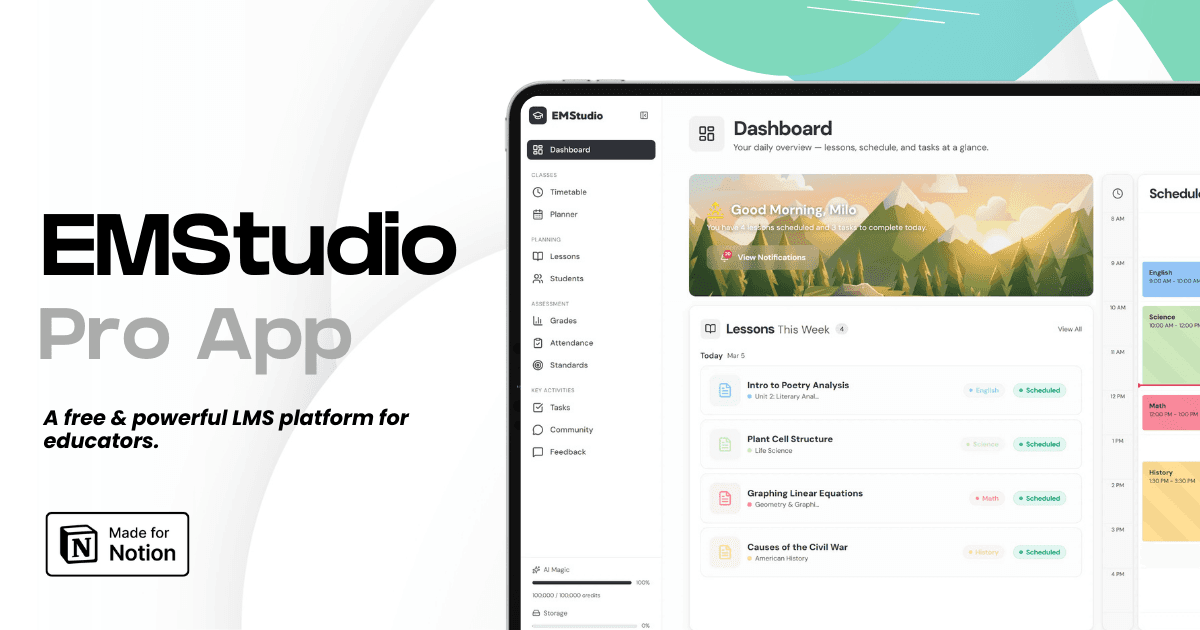
EMStudio is a free teaching management app — manage your classes, students, lessons, and more!
Learn More
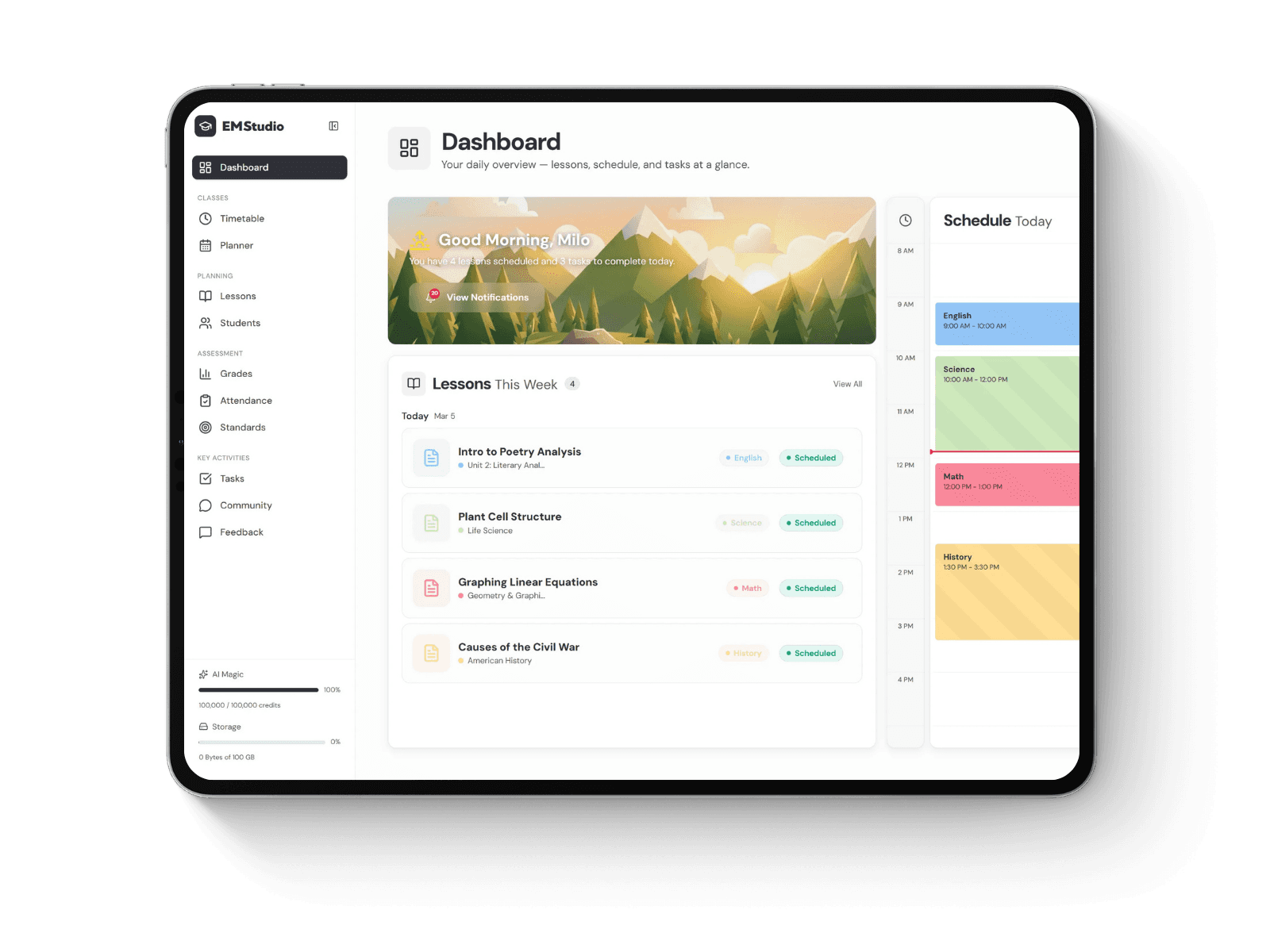
Still grading everything by hand?
EMStudio is a free teaching management app — manage your classes, students, lessons, and more!
Learn More
Table of Contents
Understanding How TTS APIs Work With Notion
Notion's TTS API converts written text into spoken audio for easy playback and use by teachers, students and busy professionals alike. Small automation tools enable you to send selected text directly to the API, then this system returns an audio file you can save, play back or use in routines - perfect for reviewing class notes quickly, reading lengthy checklists quickly.
Teachers, students and professionals can all utilize this solution to save time and energy; many use it when reviewing class notes quickly busy professionals on track through hectic days!
The best part is that you can personalize voices, speed, and even pronunciation. Some people use this to make morning briefings. Others use it to turn long reading sections into short audio clips. You can build the workflow around your habits. Some users rely on Falcon for large-scale voice applications to manage long scripts and heavy academic content because it produces stable results even with large text entries.
Why Add TTS to Your Notion Dashboard
Integrating TTS brings a layer of accessibility and comfort. You interact with your dashboard in a more natural way. Instead of reading everything, you listen while making breakfast, walking to class and preparing a lesson plan.
You save time by listening to tasks while doing something else.
You reduce screen fatigue when dealing with long notes.
You make daily routines more flexible and comfortable.
You keep your mind fresh during busy teaching days.
You use your dashboard in situations where reading is not possible.
Setting Up the Integration
The setup is simple once you complete a few steps. Most users follow a pattern that works for many TTS services.
Gather your tools : You need a Notion account, a TTS API key from your chosen provider, and an automation platform. Software like Zapier, Make, or small custom scripts can help.
Create a Notion database : A simple table with fields like Text, Audio URL, and Status works well. You drop text into your table, and the workflow handles the rest.
Build the automation : Your automation checks the table for new entries. When it finds text in the right field, it sends that text to the TTS API. The API returns an audio file. The automation then pastes the audio URL back into your Notion database.
Test the workflow : Use a short task to check that the audio comes back correctly. Make changes until you like the flow. Once done, you can start using it daily.
Using TTS Inside Daily Notion Tasks
Once TTS works with your dashboard, you can apply it across many small tasks. People often experiment for a week and then adjust the system to match their lifestyle.
Some practical ideas include:
Turning long class notes into a morning audio session to review while getting ready.
Converting daily task summaries into short clips before you start work.
Making personal study guides that you listen to before a test.
Preparing weekly lesson plans that play like audio stories for quick checks.
Teachers find the practice beneficial when working with students who prefer listening over reading. Some designers and creators who handle large content blocks use large-scale voice applications to improve clarity when dealing with complex instructions for project briefs.
Making TTS Feel Natural in Your Workflow
A smooth TTS workflow depends on simple habits. Try adding a small section in your dashboard for your daily audio tasks. Many users follow a simple pattern. At the start of the day, they add quick notes that the system will convert. Before lunch, they listen to these notes and in the evening, they prepare content for the next day.
Here are a few tips that make the experience better:
Keep each entry short so the audio feels easy to consume.
Use clear names for each audio clip so you recognize them quickly.
Make one dedicated section for audio items so your dashboard stays clean.
Listen during natural breaks to reduce pressure on your schedule.
Review your setup regularly in order to identify and delete unused content.
Real-Life Use Cases
A college student may record class summaries the night before and listen in the morning. A teacher planning a new semester may create voice notes for each subject to check while arranging materials. A busy parent may convert the weekly schedule into two, three audio clips to hear while heading out the door. Each person shapes the system around their needs.
Conclusion
Integrating TTS APIs with Notion dashboards gives your daily tasks greater flexibility and freedom from screens, so you can listen when and where you please, move freely without extra effort, stay organized without additional strain and remain productive effortlessly. After just a few days, this flow becomes part of your everyday habits.
FAQs
What do I need to connect a TTS API to Notion?
You need a Notion account, a TTS API provider, and an automation tool that links them.
Can I use more than one voice in my Notion audio setup?
Yes, most TTS APIs support multiple voices. You can switch depending on the type of content.
Is this setup good for students?
Yes. Students often turn notes, summaries, and reminders into audio to save time and reduce reading pressure.
Does TTS integration work on mobile?
Absolutely. As soon as the audio file has been stored in Notion's database, you can play it from any device.
What is the expected timeframe it will take to set up my workflow?
Most users can complete this step within one hour once their API key and automation tool have been ready.
Understanding How TTS APIs Work With Notion
Notion's TTS API converts written text into spoken audio for easy playback and use by teachers, students and busy professionals alike. Small automation tools enable you to send selected text directly to the API, then this system returns an audio file you can save, play back or use in routines - perfect for reviewing class notes quickly, reading lengthy checklists quickly.
Teachers, students and professionals can all utilize this solution to save time and energy; many use it when reviewing class notes quickly busy professionals on track through hectic days!
The best part is that you can personalize voices, speed, and even pronunciation. Some people use this to make morning briefings. Others use it to turn long reading sections into short audio clips. You can build the workflow around your habits. Some users rely on Falcon for large-scale voice applications to manage long scripts and heavy academic content because it produces stable results even with large text entries.
Why Add TTS to Your Notion Dashboard
Integrating TTS brings a layer of accessibility and comfort. You interact with your dashboard in a more natural way. Instead of reading everything, you listen while making breakfast, walking to class and preparing a lesson plan.
You save time by listening to tasks while doing something else.
You reduce screen fatigue when dealing with long notes.
You make daily routines more flexible and comfortable.
You keep your mind fresh during busy teaching days.
You use your dashboard in situations where reading is not possible.
Setting Up the Integration
The setup is simple once you complete a few steps. Most users follow a pattern that works for many TTS services.
Gather your tools : You need a Notion account, a TTS API key from your chosen provider, and an automation platform. Software like Zapier, Make, or small custom scripts can help.
Create a Notion database : A simple table with fields like Text, Audio URL, and Status works well. You drop text into your table, and the workflow handles the rest.
Build the automation : Your automation checks the table for new entries. When it finds text in the right field, it sends that text to the TTS API. The API returns an audio file. The automation then pastes the audio URL back into your Notion database.
Test the workflow : Use a short task to check that the audio comes back correctly. Make changes until you like the flow. Once done, you can start using it daily.
Using TTS Inside Daily Notion Tasks
Once TTS works with your dashboard, you can apply it across many small tasks. People often experiment for a week and then adjust the system to match their lifestyle.
Some practical ideas include:
Turning long class notes into a morning audio session to review while getting ready.
Converting daily task summaries into short clips before you start work.
Making personal study guides that you listen to before a test.
Preparing weekly lesson plans that play like audio stories for quick checks.
Teachers find the practice beneficial when working with students who prefer listening over reading. Some designers and creators who handle large content blocks use large-scale voice applications to improve clarity when dealing with complex instructions for project briefs.
Making TTS Feel Natural in Your Workflow
A smooth TTS workflow depends on simple habits. Try adding a small section in your dashboard for your daily audio tasks. Many users follow a simple pattern. At the start of the day, they add quick notes that the system will convert. Before lunch, they listen to these notes and in the evening, they prepare content for the next day.
Here are a few tips that make the experience better:
Keep each entry short so the audio feels easy to consume.
Use clear names for each audio clip so you recognize them quickly.
Make one dedicated section for audio items so your dashboard stays clean.
Listen during natural breaks to reduce pressure on your schedule.
Review your setup regularly in order to identify and delete unused content.
Real-Life Use Cases
A college student may record class summaries the night before and listen in the morning. A teacher planning a new semester may create voice notes for each subject to check while arranging materials. A busy parent may convert the weekly schedule into two, three audio clips to hear while heading out the door. Each person shapes the system around their needs.
Conclusion
Integrating TTS APIs with Notion dashboards gives your daily tasks greater flexibility and freedom from screens, so you can listen when and where you please, move freely without extra effort, stay organized without additional strain and remain productive effortlessly. After just a few days, this flow becomes part of your everyday habits.
FAQs
What do I need to connect a TTS API to Notion?
You need a Notion account, a TTS API provider, and an automation tool that links them.
Can I use more than one voice in my Notion audio setup?
Yes, most TTS APIs support multiple voices. You can switch depending on the type of content.
Is this setup good for students?
Yes. Students often turn notes, summaries, and reminders into audio to save time and reduce reading pressure.
Does TTS integration work on mobile?
Absolutely. As soon as the audio file has been stored in Notion's database, you can play it from any device.
What is the expected timeframe it will take to set up my workflow?
Most users can complete this step within one hour once their API key and automation tool have been ready.
Still grading everything by hand?
EMStudio is a free teaching management app — manage your classes, students, lessons, and more!
Learn More
Still grading everything by hand?
EMStudio is a free teaching management app — manage your classes, students, lessons, and more!
Learn More




Notion4Teachers
Notion templates to simplify administrative tasks and enhance your teaching experience.



2026 Notion4Teachers. All Rights Reserved.
Notion4Teachers
Notion templates to simplify administrative tasks and enhance your teaching experience.
2026 Notion4Teachers. All Rights Reserved.
Notion4Teachers
Notion templates to simplify administrative tasks and enhance your teaching experience.
2026 Notion4Teachers. All Rights Reserved.