
Classroom Management Plan Template for K-12 Educators
Classroom Management Plan Template for K-12 Educators

Article by
Milo
ESL Content Coordinator & Educator
ESL Content Coordinator & Educator
All Posts
It's mid-October. Your 7th graders are bouncing off the walls after lunch, and you're losing ten minutes every transition while that one procedure you assumed they'd "just get" collapses into chaos. I've been there. This is exactly when a solid classroom management plan stops being a binder on your shelf and becomes your survival guide.
This template walks you through auditing your current systems, drafting clear behavioral expectations with tiered consequences, and mapping out classroom procedures that actually stick. Whether you're building from scratch or fixing what's broken, these are the components that separate managed classrooms from the ones that run themselves.
Still grading everything by hand?
EMStudio is a free teaching management app — manage your classes, students, lessons, and more!
Learn More

Still grading everything by hand?
EMStudio is a free teaching management app — manage your classes, students, lessons, and more!
Learn More
Table of Contents
What This Template Covers
This classroom management plan template gives you a fillable framework to build an implementation-ready document. You will not get theory. You will get fields to type in, boxes to check, and scripts to read aloud. It is built for K-12 teachers who need something concrete they can hand to a substitute or post on their door on day one.
When you finish creating a classroom management plan with this tool, you will own six concrete artifacts. First is a vision statement that fits on a single slide. Next comes a rules matrix mapping your three to five non-negotiables to specific behavioral expectations for each activity. You will also draft a procedures checklist covering entry, exit, and transitions to protect your instructional time management. The fourth piece is a consequences ladder with tiered consequences that escalate logically. Finally, you get a communication log template for parent contact and a crisis protocol flowchart for when positive behavior interventions fail and safety becomes the priority.
You need three to four hours to complete every section. Do not attempt it in one sitting. Tackle classroom procedures and the rules matrix first. Those two pieces salvage your first week and establish your authority. Schedule the crisis protocol flowchart for completion within month one. You probably will not need it in September, but when a student melts down in October, you will reach for it immediately. The remaining components fill in as your classroom culture takes shape during the first quarter. Treat this like a unit plan you build in stages.
Last year with my seventh graders, I had the rules posted but no crisis protocol. When a chair flew across the room during a lab, I froze. I spent fifteen minutes winging it while the other thirty kids watched. That chaos taught me to prioritize the hard stuff before the first bell rings. Never again.
Which Core Components Must Every Classroom Management Plan Include?
Every effective classroom management plan requires six core components: a vision statement aligning with school values, 3-5 non-negotiable rules, detailed procedures for daily operations, tiered consequences with positive reinforcement, family communication protocols, and crisis de-escalation steps. These elements create predictable, safe learning environments when explicitly taught and consistently enforced.
Think of these six components as the infrastructure of your classroom behavior management plan. These are the core components of a classroom management plan that research shows reduce incidents more effectively than reactive approaches. Use them as a numbered checklist to audit your existing system.
These components align with Hattie's Visible Learning research on teacher clarity, which carries an effect size of 0.59, and Rosenshine's Principles of Instruction regarding guided practice. When students know exactly what success looks like, they meet expectations.
Classroom Vision and Mission Statement
Draft a 2-3 sentence vision statement using this template: "In [Teacher Name]'s classroom, we [action verb] to [academic goal] by [behavioral commitment]." For elementary, try: "We learn safely by respecting voices and spaces." For secondary: "We engage critically by preparing materials and honoring diverse perspectives."
Post this at the door. Reference it daily. When arguments erupt, point to the vision. The discussion shifts from personal attacks to shared goals. The language shapes your classroom culture.
Non-Negotiable Rules and Behavioral Expectations
Limit yourself to exactly 3-5 non-negotiables defining clear behavioral expectations using positive framing. State what students should do, not what they avoid. These rules and procedures that transform behavior must pass the litmus test: Can you see it? Can you enforce it consistently?
Vague rules like "Be respectful" fail both tests. Replace them with observable actions. If you cannot see it happening, rewrite it.
Procedures and Routines for Daily Operations
Document 8-10 essential classroom procedures: entering the room, bathroom requests, turning in work, sharpening pencils, group transitions, emergency drills, and early finisher activities. For each, specify the signal, the steps (maximum 3-4), and the practice schedule. Teach for ten minutes, then practice five minutes daily for the first week.
I learned this with a 4th grade class that took eight minutes to transition to math. We drilled the new signal for three days. By Wednesday, we hit 45 seconds. Explicit practice saves hours of instructional time management across the year.
Consequences and Reinforcement Systems
Design a 3-tier tiered consequences ladder. Tier 1 uses nonverbal cues or proximity. Tier 2 involves reflection sheets or parent notification. Tier 3 triggers office referral. Pair this with positive behavior interventions maintaining a 4:1 ratio of positive to corrective interactions. Use ClassDojo, ticket systems, or PBIS Rewards for grades 3-12.
Track your ratio for one day. If you correct more than you praise, the system breaks. Students need to know that good behavior gets recognized faster than misbehavior gets punished.
Communication Protocols with Students and Families
Create four communication templates. Write a positive phone call script keeping calls under two minutes. Draft a weekly newsletter section explaining current focus. Build a behavior concern email with specific incident documentation. Establish conference trigger criteria, such as three incidents in one week or academic concerns.
Send the positive calls first. I call home within the first two weeks for every student. When I later need to discuss a problem, parents already trust that I see their child's potential.
Crisis and De-escalation Procedures
Develop a crisis protocol including warning signs like escalating voice or closed body language. Prepare de-escalation language scripts such as "I see you're frustrated, let's take a break." Identify a safe space location in your room. Create an administration contact tree distinguishing immediate backup scenarios from documentation-only situations.
Practice the scripts until they feel natural. In moments of crisis, your brain defaults to preparation. Knowing exactly when to call for help protects both you and the student.
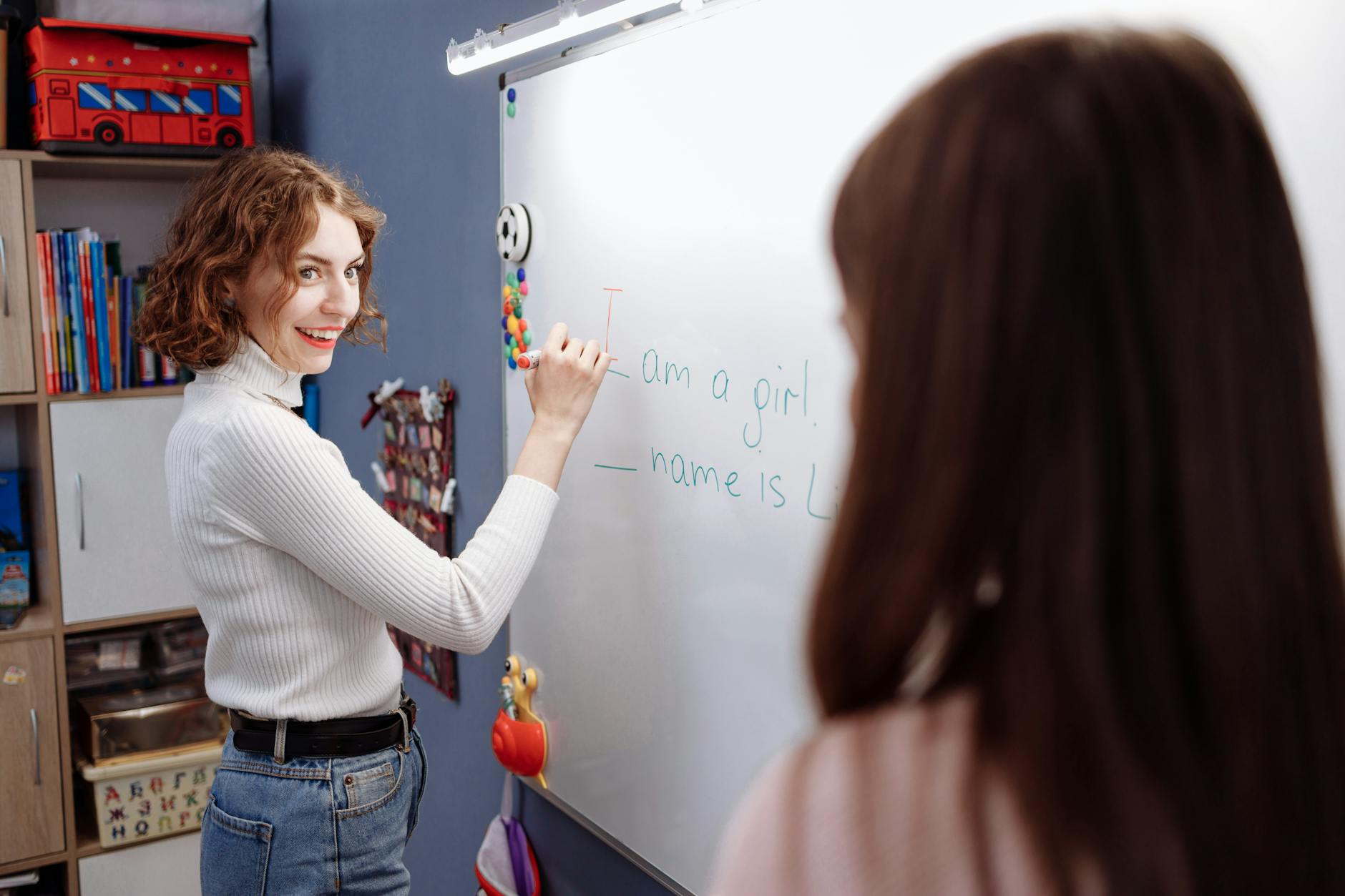
Step 1 — Audit Your Current Classroom Systems and Pain Points
Before you start creating classroom management plan elements, you need to know what's actually broken. Last year with my 7th graders, I thought my transitions were tight until I timed them with a stopwatch. Three minutes to get out notebooks doesn't sound bad until you multiply it by six periods and realize you've lost half a class period by Friday. That daily delay shaped my behavioral expectations more than any professional development session ever could.
Run through the Classroom Systems Audit Checklist right now. Ask yourself: Do my transitions take under two minutes? Do students know exactly what to do when they finish early without raising their hand? Can I distribute materials with zero verbal instructions? Do bathroom procedures run without stopping my lesson? Am I spending less than five percent of class time on behavior corrections? If you answered no to any of these, you've found your leak.
Now conduct the 3-Day Time Tracking Exercise. For three consecutive days, record every interruption on a sticky note or your phone. Timestamp each off-task behavior, material request, and transition delay. Note the specific student or hotspot if you see patterns. After day three, circle the top three time-wasters that repeat hourly. These patterns reveal whether your pain point is entry procedures, material distribution, or something specific to your classroom layout and instructional time management needs.
Fix the highest-frequency issue first. Usually that's entry and exit routines or material distribution. Nail one system before designing classroom management plan components for secondary issues. I build a behavior management plan in Notion to track these fixes and map tiered consequences, but paper works fine too. Solid classroom procedures here build classroom culture faster than positive behavior interventions you add later.
Step 2 — Draft Your Behavior Expectations and Logical Consequences
Stop writing classroom procedures you can't enforce. Logical consequences work only when they are Related to the behavior, Respectful to the student, and Reasonable in scope. A kid turns in sloppy work; you make them redo it during art class, not sit in detention for an hour. The consequence repairs the issue. It does not just punish. This approach builds your classroom behavior plan on repair, not resentment.
Use an If/Then template to keep consistent. If you arrive tardy, then you sign the log and check the absent work folder silently. If you forget materials, then you borrow from the loaner bin and leave collateral. If you interrupt small-group instruction, then you work at the side table until you show you can rejoin. Each line in your behavior management plan in the classroom should read like a contract clause, not a threat. I learned this with my 7th graders last fall. Vague warnings about "respect" led to arguments. Once I posted the If/Then chart, referrals dropped by half.
Grade-level differentiation shapes your behavioral expectations. Elementary students need immediate, concrete consequences, like losing five minutes of recess right after the infraction. Secondary students handle delayed, abstract consequences better, like a contract violation that affects project privileges next week. Both approaches are positive behavior interventions. They build classroom culture through positive behavior support strategies that protect instructional time management. Build these tiered consequences into your larger classroom management plan now, before the chaos starts.
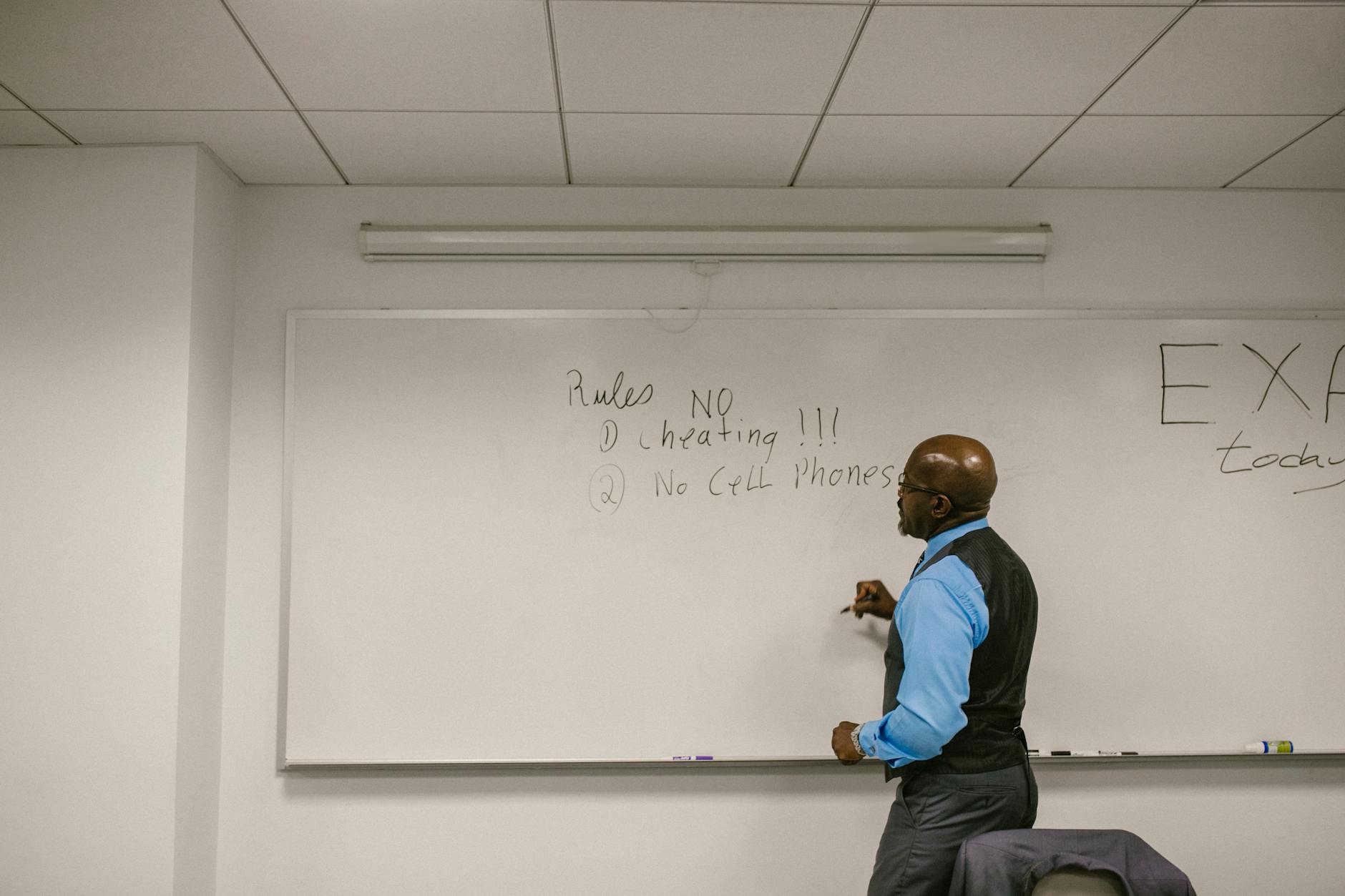
Step 3 — Map Your Procedures for Transitions, Materials, and Instructional Time
I learned this the hard way with my 7th graders last fall. I assumed they knew how to enter a room quietly. They spent fifteen minutes wandering and talking. A solid classroom management plan lives or dies by its classroom procedures, not its posted behavioral expectations or consequence charts.
Build a Procedures Mapping Matrix with three columns. First, list your Procedure Category: Transitions, Materials, or Instructional. Next, define the Specific Scenario: entry, pencil sharpening, or asking for help. Finally, script the Step-by-Step actions. Limit yourself to three physical steps maximum. "Stand, push in chair, walk to door" beats a paragraph of explanation. Keep it scannable. This clarity is central to designing effective classroom management.
Teach each procedure for ten minutes on Day One. Then practice for five minutes daily across the next four days. Spot-check weekly thereafter. Rosenshine's research suggests students need ten to fifteen successful repetitions before a behavior becomes automatic. This upfront instructional time management saves hours of correction later and anchors your classroom learning management plan for the entire year.
Plan for the cracks. When a procedure collapses mid-activity, stop everything. Re-teach immediately. When substitutes visit, leave a one-page cheat sheet of your three most critical procedures that eliminate daily chaos. After winter or spring break, run a Procedure Reset. Spend one day re-teaching every transition. Treat return days like August, not April. It works. This protects your classroom culture when momentum fades and supports positive behavior interventions without defaulting to tiered consequences every time.
How Do You Adapt This Template for Elementary vs. Secondary Classrooms?
Elementary classroom management plans require concrete rules, visual cues, and whole-class reward systems with frequent movement breaks, while secondary plans need abstract principles, student contracts, individual accountability, and cell phone management protocols. The core difference lies in developmental appropriateness: elementary focuses on external scaffolding, secondary on internal self-regulation.
Your classroom management plan must match your students' cognitive stage. I learned this the hard way when my 7th graders laughed at my "clip chart" attempt. What works for elementary education management needs crashes in secondary education classroom structures without serious revision.
Elementary classroom discipline plan elementary approaches use concrete directives like "Hands to yourself" while secondary favors abstract "Respect personal boundaries." Whole-class marble jars motivate 2nd graders; individual extra credit motivates 11th graders. You'll detail line basics for primary students but tardy slip procedures for high schoolers. Input comes through class meetings in lower grades versus syllabus contracts in upper grades. Parent contact shifts from daily folders to LMS messages or email templates.
If you teach K-2, build in visual cues and movement breaks. If you teach grades 9-12, prioritize cell phone caddies and self-advocacy protocols. These developmental markers determine whether your classroom discipline plan succeeds or collapses by October.
Elementary Classroom Modifications
Modify your template with visual rule posters featuring clip art that non-readers can decode. Add color-coded carpet seating expectations so students know exactly where to sit during read-alouds. Include a "Voice Level" chart showing the 0-4 scale—silent to outside voice—that you reference with simple hand signals. Bathroom hand signals prevent the "Can I go?" chorus that destroys your instructional time management. These positive behavior interventions create predictable classroom culture for young learners who need external scaffolding to navigate their day.
Build whole-class reinforcement through tools like a "Puzzle Piece" jar. When the container fills from collective good behavior, the class earns a 15-minute celebration. This fosters peer accountability better than individual sticker charts in primary grades. Your behavioral expectations should appear on every wall because five-year-olds need constant visual reminders of classroom procedures. Picture cues next to written directions save precious minutes during transitions and reduce teacher repetition.
Middle and High School Adaptations
Adapt your classroom management plan with syllabus-integrated behavior contracts that students and parents sign before day one. Establish phone caddy procedures immediately; these devices destroy focus faster than any other distraction in grades 9-12. Create "Start of Class" bell-ringer routines that begin without your direction, building student autonomy. Limit hall passes to two per semester to encourage self-regulation of bodily needs. Replace phone calls with email communication templates that document every interaction for your records.
Tiered consequences work differently here. Skip the clip charts. Issue a private warning, then a conversation, then a parent contact. High schoolers respond to logical consequences tied to their choices, not public shaming. Your classroom procedures should emphasize self-advocacy protocols. Teach students to email you about missing work. Ban hand-raising for logistical questions. This shift from external control to internal regulation defines effective secondary discipline.

What Are the Most Common Mistakes When Creating a Classroom Management Plan?
The most common mistakes include listing rules without teaching specific procedures, applying consequences inconsistently based on mood or student, failing to document and communicate the plan to families, and omitting crisis de-escalation protocols. These errors undermine teacher credibility and student trust, leading to increased behavioral challenges.
Think of these as failure modes. Do you have rules posted but chaos during transitions? You have missing procedures. Do students say you play favorites? You have inconsistent application. Fix these four gaps before you teach a single standard.
Creating Rules Without Teaching Procedures
Posting five rules on Day 1 without teaching the fifteen procedures needed to follow them is a recipe for frustration. I learned this with my 7th graders last fall. They could recite "be respectful" but had no idea how to enter the lab station without shoving.
Dedicate the first two weeks to classroom procedures only. Use the "I do, We do, You do" model. Do not begin academic content until transitions are automatic. This protects your instructional time management for the rest of the year.
Inconsistent Application of Consequences
Enforcing "no talking" for one student while allowing another to whisper destroys your classroom culture. Students detect unfairness faster than we detect Wi-Fi issues. This failure mode shows up when kids say you play favorites.
Use a physical tracking sheet. Keep a clipboard with student names and mark every violation. Every student receives the same Tier 1 consequence. This eliminates implicit bias and removes emotional decision-making from the moment.
Failing to Document and Communicate the Plan
Verbal explanations vanish by October. If you have no written classroom management plan shared with families, you cannot reference it later. This failure mode appears when parents claim they "never knew" about your late work policy.
Send home a one-page summary requiring parent signature within three days. Post the full plan on your LMS. Keep a copy in your substitute folder. Documentation turns your behavioral expectations into enforceable community standards.
Overlooking Crisis and De-escalation Protocols
Having no plan for student emotional crisis beyond "send to office" wastes administrative resources and escalates trauma. You need positive behavior interventions for the moment before the explosion.
Create a Calm Down Corner with a three-minute timer, emotion chart, and reflection sheet. Establish clear criteria for when students self-select versus when you direct use. These classroom control and management strategies that work preserve dignity while restoring order.
Your First Week Implementation Roadmap
Research suggests the first three weeks establish 80 percent of yearlong behavioral patterns. I treat week one as gradual release from teacher direction toward student independence. Day 1 runs 90 percent procedures and 10 percent icebreaker. By Day 3, we hit a 50-50 split between procedures and diagnostic content. Day 5 flips to 20 percent procedure review and 80 percent content, with behavioral expectations embedded throughout. This protects instructional time management while building classroom culture. See my first year teaching survival guide for more support.
Days 1–2: Introduce and Model Expectations
We open with T-charts for each rule. Students brainstorm what "Respect" looks like and sounds like. I model the wrong way first—exaggerated and silly. Then the right way. They practice for two minutes per rule while I circulate with specific praise. "I see Maria walked directly to her seat." We repeat until the procedure feels automatic. This creates behavioral expectations that anchor my classroom management plan example. See the responsive classroom implementation guide. By Day 2, my 7th graders could transition in under 30 seconds.
Days 3–4: Practice Procedures and Build Routines
Now we run the Procedure Scavenger Hunt to find supplies. We play the Transition Timing Challenge to beat the timer between subjects. I introduce "Ask Three Before Me" and we practice it. Academic content arrives in ten-minute chunks only. Between chunks, we return to procedure practice. This protects instructional time management and cements routines. The student centered management plan starts to breathe because kids know where things live and how to solve small problems. Positive behavior interventions work better once the structure is invisible.
Day 5: Review, Adjust, and Communicate with Families
We hold a class meeting to vote on two procedures needing refinement. I email my classroom management plan to families. Then I check in with three high-risk students to review personal goals. We finish with ten minutes of a preferred activity—extra recess, music, or a game. This celebrates the week and shows that following tiered consequences and classroom procedures leads to freedom. The crisis management plan for classroom emergencies stays in my drawer, but the culture we built makes me less likely to need it.

The Future of Classroom Management Plan in the Classroom
The classroom management plan is evolving from static rule posters to living documents. I see teachers moving away from rigid consequence ladders toward positive behavior interventions that address root causes. Data matters now. We track patterns, adjust classroom procedures weekly, and replace blanket punishments with support systems that actually change behavior. The clipboard stays, but what we write on it changes.
To stay ahead, audit your behavioral expectations every quarter. What's working? What died in week three? Build flexibility into your tiered consequences so you can pivot when a strategy flops. Watch for new stressors—phone addiction, post-pandemic social gaps—that demand fresh approaches. The best plans now include mental health check-ins and restorative circles alongside traditional rules.
The teachers who thrive aren't those with the perfect binder from August. They're the ones who treat their management plan as a draft that gets sharper with every class period, every fire drill, and every unexpected lockdown.
What This Template Covers
This classroom management plan template gives you a fillable framework to build an implementation-ready document. You will not get theory. You will get fields to type in, boxes to check, and scripts to read aloud. It is built for K-12 teachers who need something concrete they can hand to a substitute or post on their door on day one.
When you finish creating a classroom management plan with this tool, you will own six concrete artifacts. First is a vision statement that fits on a single slide. Next comes a rules matrix mapping your three to five non-negotiables to specific behavioral expectations for each activity. You will also draft a procedures checklist covering entry, exit, and transitions to protect your instructional time management. The fourth piece is a consequences ladder with tiered consequences that escalate logically. Finally, you get a communication log template for parent contact and a crisis protocol flowchart for when positive behavior interventions fail and safety becomes the priority.
You need three to four hours to complete every section. Do not attempt it in one sitting. Tackle classroom procedures and the rules matrix first. Those two pieces salvage your first week and establish your authority. Schedule the crisis protocol flowchart for completion within month one. You probably will not need it in September, but when a student melts down in October, you will reach for it immediately. The remaining components fill in as your classroom culture takes shape during the first quarter. Treat this like a unit plan you build in stages.
Last year with my seventh graders, I had the rules posted but no crisis protocol. When a chair flew across the room during a lab, I froze. I spent fifteen minutes winging it while the other thirty kids watched. That chaos taught me to prioritize the hard stuff before the first bell rings. Never again.
Which Core Components Must Every Classroom Management Plan Include?
Every effective classroom management plan requires six core components: a vision statement aligning with school values, 3-5 non-negotiable rules, detailed procedures for daily operations, tiered consequences with positive reinforcement, family communication protocols, and crisis de-escalation steps. These elements create predictable, safe learning environments when explicitly taught and consistently enforced.
Think of these six components as the infrastructure of your classroom behavior management plan. These are the core components of a classroom management plan that research shows reduce incidents more effectively than reactive approaches. Use them as a numbered checklist to audit your existing system.
These components align with Hattie's Visible Learning research on teacher clarity, which carries an effect size of 0.59, and Rosenshine's Principles of Instruction regarding guided practice. When students know exactly what success looks like, they meet expectations.
Classroom Vision and Mission Statement
Draft a 2-3 sentence vision statement using this template: "In [Teacher Name]'s classroom, we [action verb] to [academic goal] by [behavioral commitment]." For elementary, try: "We learn safely by respecting voices and spaces." For secondary: "We engage critically by preparing materials and honoring diverse perspectives."
Post this at the door. Reference it daily. When arguments erupt, point to the vision. The discussion shifts from personal attacks to shared goals. The language shapes your classroom culture.
Non-Negotiable Rules and Behavioral Expectations
Limit yourself to exactly 3-5 non-negotiables defining clear behavioral expectations using positive framing. State what students should do, not what they avoid. These rules and procedures that transform behavior must pass the litmus test: Can you see it? Can you enforce it consistently?
Vague rules like "Be respectful" fail both tests. Replace them with observable actions. If you cannot see it happening, rewrite it.
Procedures and Routines for Daily Operations
Document 8-10 essential classroom procedures: entering the room, bathroom requests, turning in work, sharpening pencils, group transitions, emergency drills, and early finisher activities. For each, specify the signal, the steps (maximum 3-4), and the practice schedule. Teach for ten minutes, then practice five minutes daily for the first week.
I learned this with a 4th grade class that took eight minutes to transition to math. We drilled the new signal for three days. By Wednesday, we hit 45 seconds. Explicit practice saves hours of instructional time management across the year.
Consequences and Reinforcement Systems
Design a 3-tier tiered consequences ladder. Tier 1 uses nonverbal cues or proximity. Tier 2 involves reflection sheets or parent notification. Tier 3 triggers office referral. Pair this with positive behavior interventions maintaining a 4:1 ratio of positive to corrective interactions. Use ClassDojo, ticket systems, or PBIS Rewards for grades 3-12.
Track your ratio for one day. If you correct more than you praise, the system breaks. Students need to know that good behavior gets recognized faster than misbehavior gets punished.
Communication Protocols with Students and Families
Create four communication templates. Write a positive phone call script keeping calls under two minutes. Draft a weekly newsletter section explaining current focus. Build a behavior concern email with specific incident documentation. Establish conference trigger criteria, such as three incidents in one week or academic concerns.
Send the positive calls first. I call home within the first two weeks for every student. When I later need to discuss a problem, parents already trust that I see their child's potential.
Crisis and De-escalation Procedures
Develop a crisis protocol including warning signs like escalating voice or closed body language. Prepare de-escalation language scripts such as "I see you're frustrated, let's take a break." Identify a safe space location in your room. Create an administration contact tree distinguishing immediate backup scenarios from documentation-only situations.
Practice the scripts until they feel natural. In moments of crisis, your brain defaults to preparation. Knowing exactly when to call for help protects both you and the student.
Step 1 — Audit Your Current Classroom Systems and Pain Points
Before you start creating classroom management plan elements, you need to know what's actually broken. Last year with my 7th graders, I thought my transitions were tight until I timed them with a stopwatch. Three minutes to get out notebooks doesn't sound bad until you multiply it by six periods and realize you've lost half a class period by Friday. That daily delay shaped my behavioral expectations more than any professional development session ever could.
Run through the Classroom Systems Audit Checklist right now. Ask yourself: Do my transitions take under two minutes? Do students know exactly what to do when they finish early without raising their hand? Can I distribute materials with zero verbal instructions? Do bathroom procedures run without stopping my lesson? Am I spending less than five percent of class time on behavior corrections? If you answered no to any of these, you've found your leak.
Now conduct the 3-Day Time Tracking Exercise. For three consecutive days, record every interruption on a sticky note or your phone. Timestamp each off-task behavior, material request, and transition delay. Note the specific student or hotspot if you see patterns. After day three, circle the top three time-wasters that repeat hourly. These patterns reveal whether your pain point is entry procedures, material distribution, or something specific to your classroom layout and instructional time management needs.
Fix the highest-frequency issue first. Usually that's entry and exit routines or material distribution. Nail one system before designing classroom management plan components for secondary issues. I build a behavior management plan in Notion to track these fixes and map tiered consequences, but paper works fine too. Solid classroom procedures here build classroom culture faster than positive behavior interventions you add later.
Step 2 — Draft Your Behavior Expectations and Logical Consequences
Stop writing classroom procedures you can't enforce. Logical consequences work only when they are Related to the behavior, Respectful to the student, and Reasonable in scope. A kid turns in sloppy work; you make them redo it during art class, not sit in detention for an hour. The consequence repairs the issue. It does not just punish. This approach builds your classroom behavior plan on repair, not resentment.
Use an If/Then template to keep consistent. If you arrive tardy, then you sign the log and check the absent work folder silently. If you forget materials, then you borrow from the loaner bin and leave collateral. If you interrupt small-group instruction, then you work at the side table until you show you can rejoin. Each line in your behavior management plan in the classroom should read like a contract clause, not a threat. I learned this with my 7th graders last fall. Vague warnings about "respect" led to arguments. Once I posted the If/Then chart, referrals dropped by half.
Grade-level differentiation shapes your behavioral expectations. Elementary students need immediate, concrete consequences, like losing five minutes of recess right after the infraction. Secondary students handle delayed, abstract consequences better, like a contract violation that affects project privileges next week. Both approaches are positive behavior interventions. They build classroom culture through positive behavior support strategies that protect instructional time management. Build these tiered consequences into your larger classroom management plan now, before the chaos starts.
Step 3 — Map Your Procedures for Transitions, Materials, and Instructional Time
I learned this the hard way with my 7th graders last fall. I assumed they knew how to enter a room quietly. They spent fifteen minutes wandering and talking. A solid classroom management plan lives or dies by its classroom procedures, not its posted behavioral expectations or consequence charts.
Build a Procedures Mapping Matrix with three columns. First, list your Procedure Category: Transitions, Materials, or Instructional. Next, define the Specific Scenario: entry, pencil sharpening, or asking for help. Finally, script the Step-by-Step actions. Limit yourself to three physical steps maximum. "Stand, push in chair, walk to door" beats a paragraph of explanation. Keep it scannable. This clarity is central to designing effective classroom management.
Teach each procedure for ten minutes on Day One. Then practice for five minutes daily across the next four days. Spot-check weekly thereafter. Rosenshine's research suggests students need ten to fifteen successful repetitions before a behavior becomes automatic. This upfront instructional time management saves hours of correction later and anchors your classroom learning management plan for the entire year.
Plan for the cracks. When a procedure collapses mid-activity, stop everything. Re-teach immediately. When substitutes visit, leave a one-page cheat sheet of your three most critical procedures that eliminate daily chaos. After winter or spring break, run a Procedure Reset. Spend one day re-teaching every transition. Treat return days like August, not April. It works. This protects your classroom culture when momentum fades and supports positive behavior interventions without defaulting to tiered consequences every time.
How Do You Adapt This Template for Elementary vs. Secondary Classrooms?
Elementary classroom management plans require concrete rules, visual cues, and whole-class reward systems with frequent movement breaks, while secondary plans need abstract principles, student contracts, individual accountability, and cell phone management protocols. The core difference lies in developmental appropriateness: elementary focuses on external scaffolding, secondary on internal self-regulation.
Your classroom management plan must match your students' cognitive stage. I learned this the hard way when my 7th graders laughed at my "clip chart" attempt. What works for elementary education management needs crashes in secondary education classroom structures without serious revision.
Elementary classroom discipline plan elementary approaches use concrete directives like "Hands to yourself" while secondary favors abstract "Respect personal boundaries." Whole-class marble jars motivate 2nd graders; individual extra credit motivates 11th graders. You'll detail line basics for primary students but tardy slip procedures for high schoolers. Input comes through class meetings in lower grades versus syllabus contracts in upper grades. Parent contact shifts from daily folders to LMS messages or email templates.
If you teach K-2, build in visual cues and movement breaks. If you teach grades 9-12, prioritize cell phone caddies and self-advocacy protocols. These developmental markers determine whether your classroom discipline plan succeeds or collapses by October.
Elementary Classroom Modifications
Modify your template with visual rule posters featuring clip art that non-readers can decode. Add color-coded carpet seating expectations so students know exactly where to sit during read-alouds. Include a "Voice Level" chart showing the 0-4 scale—silent to outside voice—that you reference with simple hand signals. Bathroom hand signals prevent the "Can I go?" chorus that destroys your instructional time management. These positive behavior interventions create predictable classroom culture for young learners who need external scaffolding to navigate their day.
Build whole-class reinforcement through tools like a "Puzzle Piece" jar. When the container fills from collective good behavior, the class earns a 15-minute celebration. This fosters peer accountability better than individual sticker charts in primary grades. Your behavioral expectations should appear on every wall because five-year-olds need constant visual reminders of classroom procedures. Picture cues next to written directions save precious minutes during transitions and reduce teacher repetition.
Middle and High School Adaptations
Adapt your classroom management plan with syllabus-integrated behavior contracts that students and parents sign before day one. Establish phone caddy procedures immediately; these devices destroy focus faster than any other distraction in grades 9-12. Create "Start of Class" bell-ringer routines that begin without your direction, building student autonomy. Limit hall passes to two per semester to encourage self-regulation of bodily needs. Replace phone calls with email communication templates that document every interaction for your records.
Tiered consequences work differently here. Skip the clip charts. Issue a private warning, then a conversation, then a parent contact. High schoolers respond to logical consequences tied to their choices, not public shaming. Your classroom procedures should emphasize self-advocacy protocols. Teach students to email you about missing work. Ban hand-raising for logistical questions. This shift from external control to internal regulation defines effective secondary discipline.
What Are the Most Common Mistakes When Creating a Classroom Management Plan?
The most common mistakes include listing rules without teaching specific procedures, applying consequences inconsistently based on mood or student, failing to document and communicate the plan to families, and omitting crisis de-escalation protocols. These errors undermine teacher credibility and student trust, leading to increased behavioral challenges.
Think of these as failure modes. Do you have rules posted but chaos during transitions? You have missing procedures. Do students say you play favorites? You have inconsistent application. Fix these four gaps before you teach a single standard.
Creating Rules Without Teaching Procedures
Posting five rules on Day 1 without teaching the fifteen procedures needed to follow them is a recipe for frustration. I learned this with my 7th graders last fall. They could recite "be respectful" but had no idea how to enter the lab station without shoving.
Dedicate the first two weeks to classroom procedures only. Use the "I do, We do, You do" model. Do not begin academic content until transitions are automatic. This protects your instructional time management for the rest of the year.
Inconsistent Application of Consequences
Enforcing "no talking" for one student while allowing another to whisper destroys your classroom culture. Students detect unfairness faster than we detect Wi-Fi issues. This failure mode shows up when kids say you play favorites.
Use a physical tracking sheet. Keep a clipboard with student names and mark every violation. Every student receives the same Tier 1 consequence. This eliminates implicit bias and removes emotional decision-making from the moment.
Failing to Document and Communicate the Plan
Verbal explanations vanish by October. If you have no written classroom management plan shared with families, you cannot reference it later. This failure mode appears when parents claim they "never knew" about your late work policy.
Send home a one-page summary requiring parent signature within three days. Post the full plan on your LMS. Keep a copy in your substitute folder. Documentation turns your behavioral expectations into enforceable community standards.
Overlooking Crisis and De-escalation Protocols
Having no plan for student emotional crisis beyond "send to office" wastes administrative resources and escalates trauma. You need positive behavior interventions for the moment before the explosion.
Create a Calm Down Corner with a three-minute timer, emotion chart, and reflection sheet. Establish clear criteria for when students self-select versus when you direct use. These classroom control and management strategies that work preserve dignity while restoring order.
Your First Week Implementation Roadmap
Research suggests the first three weeks establish 80 percent of yearlong behavioral patterns. I treat week one as gradual release from teacher direction toward student independence. Day 1 runs 90 percent procedures and 10 percent icebreaker. By Day 3, we hit a 50-50 split between procedures and diagnostic content. Day 5 flips to 20 percent procedure review and 80 percent content, with behavioral expectations embedded throughout. This protects instructional time management while building classroom culture. See my first year teaching survival guide for more support.
Days 1–2: Introduce and Model Expectations
We open with T-charts for each rule. Students brainstorm what "Respect" looks like and sounds like. I model the wrong way first—exaggerated and silly. Then the right way. They practice for two minutes per rule while I circulate with specific praise. "I see Maria walked directly to her seat." We repeat until the procedure feels automatic. This creates behavioral expectations that anchor my classroom management plan example. See the responsive classroom implementation guide. By Day 2, my 7th graders could transition in under 30 seconds.
Days 3–4: Practice Procedures and Build Routines
Now we run the Procedure Scavenger Hunt to find supplies. We play the Transition Timing Challenge to beat the timer between subjects. I introduce "Ask Three Before Me" and we practice it. Academic content arrives in ten-minute chunks only. Between chunks, we return to procedure practice. This protects instructional time management and cements routines. The student centered management plan starts to breathe because kids know where things live and how to solve small problems. Positive behavior interventions work better once the structure is invisible.
Day 5: Review, Adjust, and Communicate with Families
We hold a class meeting to vote on two procedures needing refinement. I email my classroom management plan to families. Then I check in with three high-risk students to review personal goals. We finish with ten minutes of a preferred activity—extra recess, music, or a game. This celebrates the week and shows that following tiered consequences and classroom procedures leads to freedom. The crisis management plan for classroom emergencies stays in my drawer, but the culture we built makes me less likely to need it.
The Future of Classroom Management Plan in the Classroom
The classroom management plan is evolving from static rule posters to living documents. I see teachers moving away from rigid consequence ladders toward positive behavior interventions that address root causes. Data matters now. We track patterns, adjust classroom procedures weekly, and replace blanket punishments with support systems that actually change behavior. The clipboard stays, but what we write on it changes.
To stay ahead, audit your behavioral expectations every quarter. What's working? What died in week three? Build flexibility into your tiered consequences so you can pivot when a strategy flops. Watch for new stressors—phone addiction, post-pandemic social gaps—that demand fresh approaches. The best plans now include mental health check-ins and restorative circles alongside traditional rules.
The teachers who thrive aren't those with the perfect binder from August. They're the ones who treat their management plan as a draft that gets sharper with every class period, every fire drill, and every unexpected lockdown.
Still grading everything by hand?
EMStudio is a free teaching management app — manage your classes, students, lessons, and more!
Learn More
Still grading everything by hand?
EMStudio is a free teaching management app — manage your classes, students, lessons, and more!
Learn More





Notion4Teachers
Notion templates to simplify administrative tasks and enhance your teaching experience.



2026 Notion4Teachers. All Rights Reserved.
Notion4Teachers
Notion templates to simplify administrative tasks and enhance your teaching experience.
2026 Notion4Teachers. All Rights Reserved.
Notion4Teachers
Notion templates to simplify administrative tasks and enhance your teaching experience.
2026 Notion4Teachers. All Rights Reserved.