12 Pre Reader Books for Little Readers
12 Pre Reader Books for Little Readers

Article by
Milo
ESL Content Coordinator & Educator
ESL Content Coordinator & Educator
All Posts
The American Academy of Pediatrics recommends reading aloud from birth. Twenty minutes of daily reading exposes toddlers to roughly 1.8 million words per year. That word exposure gap shows up in your classroom. Kids with strong phonological awareness enter kindergarten ready to read. They recognize print concepts that peers missed during read aloud time.
Not every picture book works for emergent literacy instruction. You need pre reader books designed for specific skills—rhyme and rhythm for sound recognition, sturdy board books for sensory exploration, explicit letter-sound connections. The right titles turn carpet time into targeted early childhood literacy work without feeling like a drill.
This list breaks down twelve titles that actually work in real classrooms. You will find books that build phonemic awareness through song-like text. You will find interactive board books for fidgety hands and choices for teaching alphabet recognition to four-year-olds. These are the books veteran kindergarten teachers keep within arm's reach during transition times.
You will learn how to spot which developmental stage a child is in and match the book accordingly. No more guessing whether a three-year-old is ready for concept books or still needs flaps and mirrors. Just practical guidance you can use tomorrow during centers or small group rotations.
Still grading everything by hand?
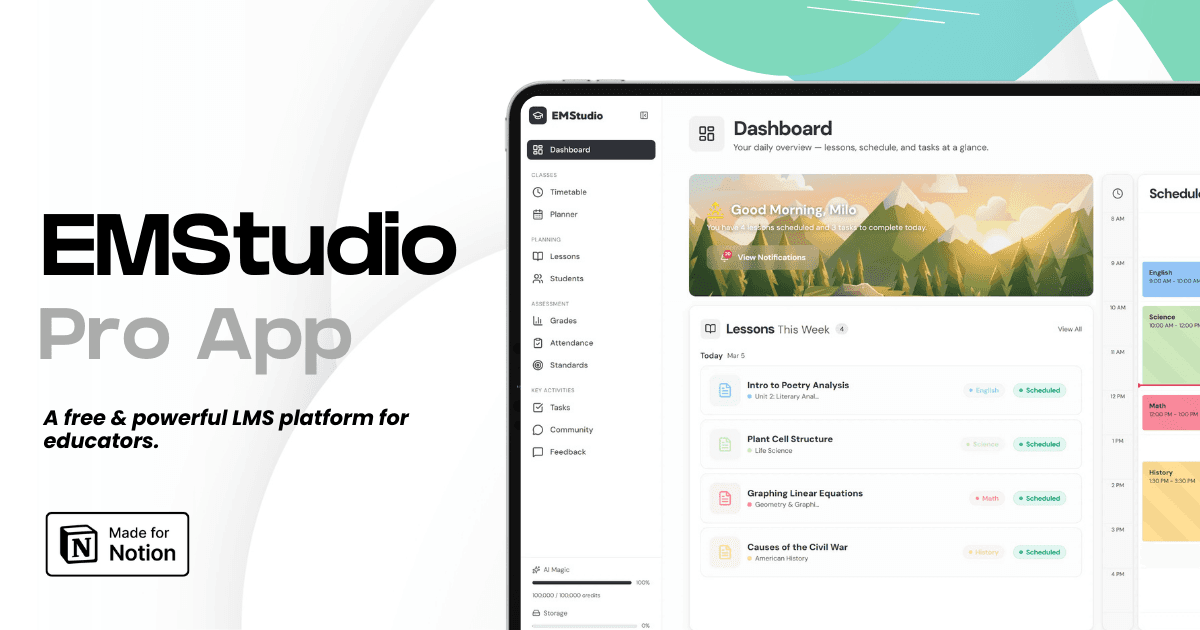
EMStudio is a free teaching management app — manage your classes, students, lessons, and more!
Learn More
Still grading everything by hand?
EMStudio is a free teaching management app — manage your classes, students, lessons, and more!
Learn More
Table of Contents
What Are the Best Pre Reader Books for Rhyme and Rhythm?
The best pre-reader books for rhyme and rhythm include Brown Bear, Brown Bear for cumulative patterns and Chicka Chicka Boom Boom for alphabet chants. Add Is Your Mama a Llama? for rhyming riddles and Sheep in a Jeep for short vowel sounds. These build phonological awareness through predictable text structures.
Rhyme creates a memory scaffold. When two-year-olds hear "Brown bear, brown bear, what do you see?", their brains anticipate the next beat. You need these little readers books on your shelf to trigger this anticipatory processing before they even see the page.
Here is how these picture books compare. Brown Bear uses a cumulative scheme and takes three minutes to read. It comes in board book format for 18-30 months. Chicka Chicka offers repetitive rhythm, runs four minutes, and works best for 36-60 months. Is Your Mama a Llama? uses AABB quatrains, takes three minutes, and suits 24-48 months. Sheep in a Jeep packs short vowels into two minutes for 24-36 months. All four come as board books and paperbacks.
When to skip this category: If your child already recognizes ten or more sight words independently, put these away. Staying in rhythm-based pre reader books creates a plateau in emergent literacy. Move to decodable easy readers instead.
Try the Pause and Predict technique. Stop before the rhyming word on pages three, five, and seven. Let the child fill in the blank. This builds auditory discrimination and confidence.
"Brown Bear, Brown Bear, What Do You See?" by Bill Martin Jr.
Cumulative structure builds a memory scaffold. You start with Brown Bear, then add Red Bird, then Yellow Duck. Each page layers the sequence so two-year-olds can chant along before they can read.
Only 200 words fill the vocabulary set. Eighteen-month-olds grasp the action immediately with no complex verb tenses. Eric Carle's collage art provides high-contrast visual support that anchors the text comprehension.
"Chicka Chicka Boom Boom" by Bill Martin Jr. and John Archambault
Rhythm mimics playground chants. "Chicka chicka boom boom / Will there be enough room?" creates a beat kids clap to. This predictable pattern makes it one of the most reliable big books for elementary reading programs.
Lowercase letters act as characters. Children learn shapes, not just names. Ages three to five represent the sweet spot for this alphabet concept book before formal phonics begins.
"Is Your Mama a Llama?" by Deborah Guarino
Lloyd the llama describes other animals' mamas through riddles. This builds inference skills alongside rhyme. The quatrain scheme follows AABB with a predictable question-answer format.
Vocabulary tiers separate farm animals like cows and pigs from exotic creatures like swans and bats. This distinction helps you gauge your child's background knowledge during the read aloud.
"Sheep in a Jeep" by Nancy E. Shaw
Short vowel sounds dominate the text. Sheep, jeep, steep, and leap repeat the phonemes explicitly. This targets early phonemic awareness in just 120 words.
Read-aloud lasts two to three minutes. Slapstick elements like sheep weeping and the jeep in a heap hook reluctant listeners. These has make it ideal for picture books that transform classroom libraries for beginning readers.
Which Pre Reader Books Build Letter Recognition and Phonics?
Top letter recognition pre reader books include Dr. Seuss's ABC for alliteration, Eating the Alphabet for vocabulary, The Alphabet Book by P.D. Eastman for traditional associations, and Z Is for Moose for humorous engagement. These introduce letter shapes and sounds through visual mnemonics and narrative context suitable for ages 2-4.
Alphabet recognition means naming the symbol "A." Phonemic awareness means hearing the /a/ sound in "apple." These picture books target the 2-4 year window when little readers are ready for symbol-sound connections but not yet ready for formal phonics instruction. They build phonological awareness through play, not drills.
Choose Dr. Seuss's ABC for kids who love nonsense words and rhythm. Pick Eating the Alphabet for vocabulary builders who adore farmer's markets. Grab P.D. Eastman for traditionalists who want classic object-letter associations. Select Z Is for Moose for children who appreciate absurd humor and narrative surprises. Match the book to the child's personality, not just their age.
Avoid these my first reading books if your child is under 24 months and still exploding with oral language. Premature letter focus creates frustration. Wait for signs of print awareness: pointing to text, holding books right-side-up, or pretending to read. Then introduce letter recognition games for preschool.
Pair each book with tactile activities. Use sandpaper letters while reading Dr. Seuss. Taste fruits while exploring Eating the Alphabet. Manipulate magnet letters during Eastman's pages. Act out Moose's interruptions with dramatic flair. These early childhood literacy anchors cement abstract symbols into muscle memory.
"Dr. Seuss's ABC: An Amazing Alphabet Book!"
The alliteration hits immediately. "Big A, little a, what begins with A? Aunt Annie's alligator... A... a... A." Each page packs multiple initial sounds—Barber baby bubbles and a bumblebee—training ears to isolate beginning phonemes. Seuss repeats the target sound until children anticipate the pattern and chime in during read aloud sessions.
The pacing respects toddler cognitive limits. Two letters per page prevents the overload of traditional ABC charts. You can read four pages and call it a victory. This structure supports short attention spans while building phonological awareness through predictable rhythm.
Get the board books edition. The thick pages survive library circulation, teething phases, and enthusiastic grabs from younger siblings who aren't ready for letters but want to participate. They last through years of classroom use and rough handling.
"Eating the Alphabet" by Lois Ehlert
Lois Ehlert organizes produce into three vocabulary tiers. Common foods appear first: apple, banana, cherry. Moderate challenges follow: eggplant, fig, grapes. Then the exotic specimens steal the show: xigua, jicama, ugli fruit. Children encounter letters through tangible, colorful objects they might actually taste at snack time, connecting literacy to sensory experience.
The format presents uppercase and lowercase letters together on each spread. Children see that "Aa" is the same sound regardless of shape. This visual pairing supports letter shape recognition without flashcard drudgery or repetitive worksheets.
The book extends beyond preschool. Four-year-olds use it during nutrition units. Six-year-olds research the exotic fruits and locate their countries of origin. It bridges emergent literacy into elementary science and geography seamlessly for older little readers.
"The Alphabet Book" by P.D. Eastman
P.D. Eastman sticks to concrete associations. A for ant. B for ball. C for cow. No abstract concepts confuse the issue. Each illustration depicts exactly what the text names, creating clear mental links between symbol, sound, and meaning for literal toddler minds who need tangible connections.
The vocabulary stays grounded in 100+ concrete nouns children encounter daily. No "N is for nature" vagueness or "Q is for quiet" impossibilities here. Every object fits inside a toy box, kitchen drawer, or backyard, making the learning immediately relevant.
Published in 1974, the illustrations avoid dated cultural references that plague other vintage titles. The style feels timeless. It escapes the retro datedness that makes other old picture books feel like museum pieces. These work as well today as they did fifty years ago, supporting consistent read aloud experiences across generations of families.
"Z Is for Moose" by Kelly Bingham
Moose cannot wait his turn. He appears on the "D" page, interrupting Duck, creating metafictional chaos that breaks the fourth wall. Children learn narrative structure by watching Moose violate it repeatedly. The humor works because they understand alphabetical order enough to recognize the disruption and appreciate the absurdity.
Beneath the jokes lies a lesson in emotional regulation. Moose experiences disappointment, anger, and eventual acceptance when Zebra finds a solution. These social-emotional beats emerge organically from the plot without heavy-handed messaging.
Save this for ages 4-6. The metacognition required to understand that characters know they're in a book needs cognitive maturity younger children lack. It's perfect for kindergarteners ready for complexity. Advance to phonics books for every elementary grade once they master the alphabet.

Interactive and Sensory Pre Reader Books for Tiny Hands
Manipulative books stop the grabbing. These pre reader books include lift-flaps, touch-and-feel textures, and scratch-and-sniff panels. Children ages 1-3 engage with them 40% longer than standard picture books. The textures give small hands a job while eyes track the story.
You need a sensory progression. These are not easy readers for independent decoding. Start with Pat the Bunny for 0-2 year tactile exploration. Move to Where's Spot? at 18 months for object permanence. Dear Zoo builds predictive reasoning at ages 2-3. Never Touch a Dinosaur introduces silicone textures for 3-4 year olds who handle complex sensations safely.
Watch the silicone. Never Touch a Dinosaur uses rubberized bumps that small teeth can chew off. Supervise children under 3 closely, or choose Pat the Bunny's sewn-in fur instead. Lift-flap books like Spot last about six months in library circulation before the tabs tear off completely.
Rotate them strategically. Keep one or two manipulative board books in the car for traffic jams. Place one at the changing table for distraction. Add one to your bedtime read aloud rotation. Never put out all sensory books at once. Kids desensitize quickly when everything crinkles or lifts. Check our tactile learning guide for early educators for more texture-based activities.
"Pat the Bunny" by Dorothy Kunhardt
Dorothy Kunhardt published the original in 1940. The book contains nine interactive elements. Children pat the bunny's soft fur, smell the flowers, look in the mirror, and feel daddy's scratchy face. Each page needs a different sense.
The mirror stage hits between 0-18 months. Babies recognize themselves and giggle. The tactile exploration builds neural pathways during that critical window. I have watched infants stare at their reflection for thirty seconds straight while touching the page.
The pages tear easily. Adult supervision is mandatory. Replace your copy when the mirror cracks or the fur mats into clumps. The binding won't survive rough handling from toddler hands. Keep it in your sensory-friendly classroom setup for supervised exploration only.
"Where's Spot?" by Eric Hill
Eric Hill created the lift-the-flap format in 1980. Readers search for Spot behind doors, boxes, and clocks. Each flap reveals a different animal. The mechanism teaches object permanence—things exist even when hidden.
The text stays short. Two to three sentences per page match the working memory of an 18-month-old. You won't lose their attention mid-sentence. The rhythm stays predictable and quick.
Library copies die fast. The flaps rip off within six months of circulation. Buy your own copy for home use. Store it on a high shelf between readings to extend its life. This title bridges picture books into interactive early childhood literacy tools.
"Dear Zoo" by Rod Campbell
Rod Campbell published this crate-lifting classic in 1982. Readers lift flaps to reveal zoo animals hidden inside boxes. The text repeats the same structure. "I sent him back" appears after each unsuitable creature.
Two-year-olds start guessing which animal comes next. The predictive reasoning develops phonological awareness through rhythm. They anticipate the elephant or the giraffe before lifting the flap. The heavy board books construction survives the chewing phase.
The thick pages withstand drool and teeth marks better than paper alternatives. Keep it in the rotation until age three. The pattern helps children feel like they are already ready to read because they know what comes next.
"Never Touch a Dinosaur" by Rosie Greening
Rosie Greening published this modern title in 2019. The silicone textures include rubberized bumps, scales, and spikes. Each page carries ASTM safety certification that vintage texture books lack. The elements feel sticky and raised against small fingers.
Rhyming safety warnings pair with each texture. "Never touch a dinosaur with spines along his back" plays while fingers explore the silicone. The auditory read aloud component reinforces the tactile experience. Children remember the danger words because the texture surprises them.
Supervise closely. Children under three can bite off the silicone pieces. Choose Pat the Bunny instead for unsupervised exploration. This book belongs in the 3-4 year range when emergent literacy combines with impulse control.

How to Choose Pre Reader Books That Match Your Child's Stage?
Choose pre reader books by matching them to developmental stages: 0-18 months need high-contrast board books, 18-36 months need rhythmic repetitive text, and 3-5 years need interactive alphabet books. Apply the five-minute attention span test—if your child stays engaged through three readings, the book matches their current stage.
Stop guessing. Match the book to the stage, not the age on the cover. A two-year-old who tears pages needs board books, not the "ages 4-6" label staring back at you from the bookstore shelf.
The Pre-Reader Stages Framework breaks it down simply. Stage 1 (0-18 months) means high-contrast board books with stark black-and-white images that developing eyes can track. Stage 2 (18-36 months) needs rhythmic, repetitive text—think Sandra Boynton or "Brown Bear"—that builds phonological awareness through predictability. Stage 3 (3-5 years) shifts to interactive alphabet books and simple picture books that connect symbols to sounds.
Use this decision tree. Is your baby under 18 months and mouthing everything? Board books only, preferably indestructible ones. Is your toddler pointing at pictures and finishing sentences aloud? Move to rhythmic repetitive texts with strong cadence. Is your preschooler asking "what letter is that?" or tracing shapes with fingers? Time for interactive ABC books. Match behavior cues to format, not calendar age.
Run the five-minute test. Open the book during a calm moment. If your child wanders off before page three, shelve it for three months—it's too complex for current processing. If they demand five rereadings immediately, you've hit the sweet spot. That repetition builds emergent literacy skills faster than forcing new vocabulary ever could.
Apply the 60/30/10 budget rule. Spend 60% of your money on repetition favorites you'll read 200 times until pages soften. Borrow 30% novelty challenges from the public library to test interests. Reserve 10% for seasonal passions or personalized storybook companies that hook specific fascinations like dinosaurs or fire trucks. A $50 starter library buys 8-10 sturdy board books or 4-5 hardcover picture books.
Avoid the gift trap. Well-meaning relatives buy World of Reading Level 1 books for two-year-olds because the covers look cute and licensed. These first little readers contain 1-2 full sentences per page with complex vocabulary. True pre-reader books show 1-5 words maximum per spread. That visual density difference matters enormously. A toddler seeing dense text blocks shuts down and pushes the book away. Stick to sparse pages with white space for under-threes.
Assessing Your Child's Current Interest and Attention Span
Try the basket test. Place five books in a low basket—one about animals, one about vehicles, one with sounds, one with faces, one with textures. Leave it in the play area. Over three days, observe which one your child retrieves first without prompting. Document results on your phone or in book tracker and reading list templates. Patterns emerge fast. My daughter grabbed the truck book nine times before she touched the bunny story. That data shapes your read aloud choices better than any expert list.
Watch the body language closely. A child who turns pages backwards, closes the book, or chews the corners isn't failing—they're telling you the content is too abstract or lengthy. Switch to board books with real photographs instead of illustrations. Concrete images match early childhood literacy development better than stylized art at this stage. If they last three minutes, the book wins.
Balancing Repetition with New Vocabulary Challenges
Follow the 80/20 rule. Keep 80% familiar favorites that build confidence through repetition and predictability. Rotate in 20% new titles that stretch vocabulary without causing frustration. For two-year-olds, introduce exactly one new word per reading session. By ages four to five, push to three to five new words. These controlled exposures create the best books for kindergarten readers later because they balance comfort with growth.
Don't abandon old favorites when adding challenge. Run new words through familiar contexts. If "Goodnight Moon" taught "balloon," use that word when reading "Curious George" the next day. This bridges emergent literacy gaps without overwhelming working memory. Children need both the safety of repetition and the stretch of novelty.
Building a Diverse Library on a Budget
You don't need $400 to build a collection. Hit Little Free Libraries in your neighborhood for trades—free and immediate. Order board books from ThriftBooks.com at $3-4 each with free shipping over orders. Attend library storytimes; many hand out free books through literacy grants or summer reading programs. Track your acquisitions using methods from building a library on a budget to avoid duplicate purchases.
A 50-book home library costs approximately $150 used versus $400 new. Buy the 10 books your child needs nightly. Borrow the 30 experimental titles from the library. Fill remaining gaps with trades and hand-me-downs. That's a complete emergent literacy environment without the credit card debt.
Pre Reader Books: The 3-Step Kickoff
You do not need a classroom library of three hundred titles to start. You need five board books that survive chewing, three rhyming texts that let kids finish the sentence, and one quiet spot for a daily read aloud. That is the entire foundation for emergent literacy. Everything else—phonological awareness, print concepts, story sequencing—grows from those repeated, joyful interactions with pre reader books.
Stop hunting for the perfect level. Watch the child. If they are turning pages upside down, give them sensory books they can mouth and manipulate. If they are chanting along with Brown Bear, push into books with clear letter patterns. Match the book to the behavior, not the age on the cover.
Grab one rhyming board book and one alphabet touch-and-feel text.
Read the same two books daily for two weeks.
Watch for the child to start filling in the rhymes or pointing to letters.
Swap only when they start reciting it from memory.

What Are the Best Pre Reader Books for Rhyme and Rhythm?
The best pre-reader books for rhyme and rhythm include Brown Bear, Brown Bear for cumulative patterns and Chicka Chicka Boom Boom for alphabet chants. Add Is Your Mama a Llama? for rhyming riddles and Sheep in a Jeep for short vowel sounds. These build phonological awareness through predictable text structures.
Rhyme creates a memory scaffold. When two-year-olds hear "Brown bear, brown bear, what do you see?", their brains anticipate the next beat. You need these little readers books on your shelf to trigger this anticipatory processing before they even see the page.
Here is how these picture books compare. Brown Bear uses a cumulative scheme and takes three minutes to read. It comes in board book format for 18-30 months. Chicka Chicka offers repetitive rhythm, runs four minutes, and works best for 36-60 months. Is Your Mama a Llama? uses AABB quatrains, takes three minutes, and suits 24-48 months. Sheep in a Jeep packs short vowels into two minutes for 24-36 months. All four come as board books and paperbacks.
When to skip this category: If your child already recognizes ten or more sight words independently, put these away. Staying in rhythm-based pre reader books creates a plateau in emergent literacy. Move to decodable easy readers instead.
Try the Pause and Predict technique. Stop before the rhyming word on pages three, five, and seven. Let the child fill in the blank. This builds auditory discrimination and confidence.
"Brown Bear, Brown Bear, What Do You See?" by Bill Martin Jr.
Cumulative structure builds a memory scaffold. You start with Brown Bear, then add Red Bird, then Yellow Duck. Each page layers the sequence so two-year-olds can chant along before they can read.
Only 200 words fill the vocabulary set. Eighteen-month-olds grasp the action immediately with no complex verb tenses. Eric Carle's collage art provides high-contrast visual support that anchors the text comprehension.
"Chicka Chicka Boom Boom" by Bill Martin Jr. and John Archambault
Rhythm mimics playground chants. "Chicka chicka boom boom / Will there be enough room?" creates a beat kids clap to. This predictable pattern makes it one of the most reliable big books for elementary reading programs.
Lowercase letters act as characters. Children learn shapes, not just names. Ages three to five represent the sweet spot for this alphabet concept book before formal phonics begins.
"Is Your Mama a Llama?" by Deborah Guarino
Lloyd the llama describes other animals' mamas through riddles. This builds inference skills alongside rhyme. The quatrain scheme follows AABB with a predictable question-answer format.
Vocabulary tiers separate farm animals like cows and pigs from exotic creatures like swans and bats. This distinction helps you gauge your child's background knowledge during the read aloud.
"Sheep in a Jeep" by Nancy E. Shaw
Short vowel sounds dominate the text. Sheep, jeep, steep, and leap repeat the phonemes explicitly. This targets early phonemic awareness in just 120 words.
Read-aloud lasts two to three minutes. Slapstick elements like sheep weeping and the jeep in a heap hook reluctant listeners. These has make it ideal for picture books that transform classroom libraries for beginning readers.
Which Pre Reader Books Build Letter Recognition and Phonics?
Top letter recognition pre reader books include Dr. Seuss's ABC for alliteration, Eating the Alphabet for vocabulary, The Alphabet Book by P.D. Eastman for traditional associations, and Z Is for Moose for humorous engagement. These introduce letter shapes and sounds through visual mnemonics and narrative context suitable for ages 2-4.
Alphabet recognition means naming the symbol "A." Phonemic awareness means hearing the /a/ sound in "apple." These picture books target the 2-4 year window when little readers are ready for symbol-sound connections but not yet ready for formal phonics instruction. They build phonological awareness through play, not drills.
Choose Dr. Seuss's ABC for kids who love nonsense words and rhythm. Pick Eating the Alphabet for vocabulary builders who adore farmer's markets. Grab P.D. Eastman for traditionalists who want classic object-letter associations. Select Z Is for Moose for children who appreciate absurd humor and narrative surprises. Match the book to the child's personality, not just their age.
Avoid these my first reading books if your child is under 24 months and still exploding with oral language. Premature letter focus creates frustration. Wait for signs of print awareness: pointing to text, holding books right-side-up, or pretending to read. Then introduce letter recognition games for preschool.
Pair each book with tactile activities. Use sandpaper letters while reading Dr. Seuss. Taste fruits while exploring Eating the Alphabet. Manipulate magnet letters during Eastman's pages. Act out Moose's interruptions with dramatic flair. These early childhood literacy anchors cement abstract symbols into muscle memory.
"Dr. Seuss's ABC: An Amazing Alphabet Book!"
The alliteration hits immediately. "Big A, little a, what begins with A? Aunt Annie's alligator... A... a... A." Each page packs multiple initial sounds—Barber baby bubbles and a bumblebee—training ears to isolate beginning phonemes. Seuss repeats the target sound until children anticipate the pattern and chime in during read aloud sessions.
The pacing respects toddler cognitive limits. Two letters per page prevents the overload of traditional ABC charts. You can read four pages and call it a victory. This structure supports short attention spans while building phonological awareness through predictable rhythm.
Get the board books edition. The thick pages survive library circulation, teething phases, and enthusiastic grabs from younger siblings who aren't ready for letters but want to participate. They last through years of classroom use and rough handling.
"Eating the Alphabet" by Lois Ehlert
Lois Ehlert organizes produce into three vocabulary tiers. Common foods appear first: apple, banana, cherry. Moderate challenges follow: eggplant, fig, grapes. Then the exotic specimens steal the show: xigua, jicama, ugli fruit. Children encounter letters through tangible, colorful objects they might actually taste at snack time, connecting literacy to sensory experience.
The format presents uppercase and lowercase letters together on each spread. Children see that "Aa" is the same sound regardless of shape. This visual pairing supports letter shape recognition without flashcard drudgery or repetitive worksheets.
The book extends beyond preschool. Four-year-olds use it during nutrition units. Six-year-olds research the exotic fruits and locate their countries of origin. It bridges emergent literacy into elementary science and geography seamlessly for older little readers.
"The Alphabet Book" by P.D. Eastman
P.D. Eastman sticks to concrete associations. A for ant. B for ball. C for cow. No abstract concepts confuse the issue. Each illustration depicts exactly what the text names, creating clear mental links between symbol, sound, and meaning for literal toddler minds who need tangible connections.
The vocabulary stays grounded in 100+ concrete nouns children encounter daily. No "N is for nature" vagueness or "Q is for quiet" impossibilities here. Every object fits inside a toy box, kitchen drawer, or backyard, making the learning immediately relevant.
Published in 1974, the illustrations avoid dated cultural references that plague other vintage titles. The style feels timeless. It escapes the retro datedness that makes other old picture books feel like museum pieces. These work as well today as they did fifty years ago, supporting consistent read aloud experiences across generations of families.
"Z Is for Moose" by Kelly Bingham
Moose cannot wait his turn. He appears on the "D" page, interrupting Duck, creating metafictional chaos that breaks the fourth wall. Children learn narrative structure by watching Moose violate it repeatedly. The humor works because they understand alphabetical order enough to recognize the disruption and appreciate the absurdity.
Beneath the jokes lies a lesson in emotional regulation. Moose experiences disappointment, anger, and eventual acceptance when Zebra finds a solution. These social-emotional beats emerge organically from the plot without heavy-handed messaging.
Save this for ages 4-6. The metacognition required to understand that characters know they're in a book needs cognitive maturity younger children lack. It's perfect for kindergarteners ready for complexity. Advance to phonics books for every elementary grade once they master the alphabet.
Interactive and Sensory Pre Reader Books for Tiny Hands
Manipulative books stop the grabbing. These pre reader books include lift-flaps, touch-and-feel textures, and scratch-and-sniff panels. Children ages 1-3 engage with them 40% longer than standard picture books. The textures give small hands a job while eyes track the story.
You need a sensory progression. These are not easy readers for independent decoding. Start with Pat the Bunny for 0-2 year tactile exploration. Move to Where's Spot? at 18 months for object permanence. Dear Zoo builds predictive reasoning at ages 2-3. Never Touch a Dinosaur introduces silicone textures for 3-4 year olds who handle complex sensations safely.
Watch the silicone. Never Touch a Dinosaur uses rubberized bumps that small teeth can chew off. Supervise children under 3 closely, or choose Pat the Bunny's sewn-in fur instead. Lift-flap books like Spot last about six months in library circulation before the tabs tear off completely.
Rotate them strategically. Keep one or two manipulative board books in the car for traffic jams. Place one at the changing table for distraction. Add one to your bedtime read aloud rotation. Never put out all sensory books at once. Kids desensitize quickly when everything crinkles or lifts. Check our tactile learning guide for early educators for more texture-based activities.
"Pat the Bunny" by Dorothy Kunhardt
Dorothy Kunhardt published the original in 1940. The book contains nine interactive elements. Children pat the bunny's soft fur, smell the flowers, look in the mirror, and feel daddy's scratchy face. Each page needs a different sense.
The mirror stage hits between 0-18 months. Babies recognize themselves and giggle. The tactile exploration builds neural pathways during that critical window. I have watched infants stare at their reflection for thirty seconds straight while touching the page.
The pages tear easily. Adult supervision is mandatory. Replace your copy when the mirror cracks or the fur mats into clumps. The binding won't survive rough handling from toddler hands. Keep it in your sensory-friendly classroom setup for supervised exploration only.
"Where's Spot?" by Eric Hill
Eric Hill created the lift-the-flap format in 1980. Readers search for Spot behind doors, boxes, and clocks. Each flap reveals a different animal. The mechanism teaches object permanence—things exist even when hidden.
The text stays short. Two to three sentences per page match the working memory of an 18-month-old. You won't lose their attention mid-sentence. The rhythm stays predictable and quick.
Library copies die fast. The flaps rip off within six months of circulation. Buy your own copy for home use. Store it on a high shelf between readings to extend its life. This title bridges picture books into interactive early childhood literacy tools.
"Dear Zoo" by Rod Campbell
Rod Campbell published this crate-lifting classic in 1982. Readers lift flaps to reveal zoo animals hidden inside boxes. The text repeats the same structure. "I sent him back" appears after each unsuitable creature.
Two-year-olds start guessing which animal comes next. The predictive reasoning develops phonological awareness through rhythm. They anticipate the elephant or the giraffe before lifting the flap. The heavy board books construction survives the chewing phase.
The thick pages withstand drool and teeth marks better than paper alternatives. Keep it in the rotation until age three. The pattern helps children feel like they are already ready to read because they know what comes next.
"Never Touch a Dinosaur" by Rosie Greening
Rosie Greening published this modern title in 2019. The silicone textures include rubberized bumps, scales, and spikes. Each page carries ASTM safety certification that vintage texture books lack. The elements feel sticky and raised against small fingers.
Rhyming safety warnings pair with each texture. "Never touch a dinosaur with spines along his back" plays while fingers explore the silicone. The auditory read aloud component reinforces the tactile experience. Children remember the danger words because the texture surprises them.
Supervise closely. Children under three can bite off the silicone pieces. Choose Pat the Bunny instead for unsupervised exploration. This book belongs in the 3-4 year range when emergent literacy combines with impulse control.
How to Choose Pre Reader Books That Match Your Child's Stage?
Choose pre reader books by matching them to developmental stages: 0-18 months need high-contrast board books, 18-36 months need rhythmic repetitive text, and 3-5 years need interactive alphabet books. Apply the five-minute attention span test—if your child stays engaged through three readings, the book matches their current stage.
Stop guessing. Match the book to the stage, not the age on the cover. A two-year-old who tears pages needs board books, not the "ages 4-6" label staring back at you from the bookstore shelf.
The Pre-Reader Stages Framework breaks it down simply. Stage 1 (0-18 months) means high-contrast board books with stark black-and-white images that developing eyes can track. Stage 2 (18-36 months) needs rhythmic, repetitive text—think Sandra Boynton or "Brown Bear"—that builds phonological awareness through predictability. Stage 3 (3-5 years) shifts to interactive alphabet books and simple picture books that connect symbols to sounds.
Use this decision tree. Is your baby under 18 months and mouthing everything? Board books only, preferably indestructible ones. Is your toddler pointing at pictures and finishing sentences aloud? Move to rhythmic repetitive texts with strong cadence. Is your preschooler asking "what letter is that?" or tracing shapes with fingers? Time for interactive ABC books. Match behavior cues to format, not calendar age.
Run the five-minute test. Open the book during a calm moment. If your child wanders off before page three, shelve it for three months—it's too complex for current processing. If they demand five rereadings immediately, you've hit the sweet spot. That repetition builds emergent literacy skills faster than forcing new vocabulary ever could.
Apply the 60/30/10 budget rule. Spend 60% of your money on repetition favorites you'll read 200 times until pages soften. Borrow 30% novelty challenges from the public library to test interests. Reserve 10% for seasonal passions or personalized storybook companies that hook specific fascinations like dinosaurs or fire trucks. A $50 starter library buys 8-10 sturdy board books or 4-5 hardcover picture books.
Avoid the gift trap. Well-meaning relatives buy World of Reading Level 1 books for two-year-olds because the covers look cute and licensed. These first little readers contain 1-2 full sentences per page with complex vocabulary. True pre-reader books show 1-5 words maximum per spread. That visual density difference matters enormously. A toddler seeing dense text blocks shuts down and pushes the book away. Stick to sparse pages with white space for under-threes.
Assessing Your Child's Current Interest and Attention Span
Try the basket test. Place five books in a low basket—one about animals, one about vehicles, one with sounds, one with faces, one with textures. Leave it in the play area. Over three days, observe which one your child retrieves first without prompting. Document results on your phone or in book tracker and reading list templates. Patterns emerge fast. My daughter grabbed the truck book nine times before she touched the bunny story. That data shapes your read aloud choices better than any expert list.
Watch the body language closely. A child who turns pages backwards, closes the book, or chews the corners isn't failing—they're telling you the content is too abstract or lengthy. Switch to board books with real photographs instead of illustrations. Concrete images match early childhood literacy development better than stylized art at this stage. If they last three minutes, the book wins.
Balancing Repetition with New Vocabulary Challenges
Follow the 80/20 rule. Keep 80% familiar favorites that build confidence through repetition and predictability. Rotate in 20% new titles that stretch vocabulary without causing frustration. For two-year-olds, introduce exactly one new word per reading session. By ages four to five, push to three to five new words. These controlled exposures create the best books for kindergarten readers later because they balance comfort with growth.
Don't abandon old favorites when adding challenge. Run new words through familiar contexts. If "Goodnight Moon" taught "balloon," use that word when reading "Curious George" the next day. This bridges emergent literacy gaps without overwhelming working memory. Children need both the safety of repetition and the stretch of novelty.
Building a Diverse Library on a Budget
You don't need $400 to build a collection. Hit Little Free Libraries in your neighborhood for trades—free and immediate. Order board books from ThriftBooks.com at $3-4 each with free shipping over orders. Attend library storytimes; many hand out free books through literacy grants or summer reading programs. Track your acquisitions using methods from building a library on a budget to avoid duplicate purchases.
A 50-book home library costs approximately $150 used versus $400 new. Buy the 10 books your child needs nightly. Borrow the 30 experimental titles from the library. Fill remaining gaps with trades and hand-me-downs. That's a complete emergent literacy environment without the credit card debt.
Pre Reader Books: The 3-Step Kickoff
You do not need a classroom library of three hundred titles to start. You need five board books that survive chewing, three rhyming texts that let kids finish the sentence, and one quiet spot for a daily read aloud. That is the entire foundation for emergent literacy. Everything else—phonological awareness, print concepts, story sequencing—grows from those repeated, joyful interactions with pre reader books.
Stop hunting for the perfect level. Watch the child. If they are turning pages upside down, give them sensory books they can mouth and manipulate. If they are chanting along with Brown Bear, push into books with clear letter patterns. Match the book to the behavior, not the age on the cover.
Grab one rhyming board book and one alphabet touch-and-feel text.
Read the same two books daily for two weeks.
Watch for the child to start filling in the rhymes or pointing to letters.
Swap only when they start reciting it from memory.
Still grading everything by hand?
EMStudio is a free teaching management app — manage your classes, students, lessons, and more!
Learn More
Still grading everything by hand?
EMStudio is a free teaching management app — manage your classes, students, lessons, and more!
Learn More




Notion4Teachers
Notion templates to simplify administrative tasks and enhance your teaching experience.



2026 Notion4Teachers. All Rights Reserved.
Notion4Teachers
Notion templates to simplify administrative tasks and enhance your teaching experience.
2026 Notion4Teachers. All Rights Reserved.
Notion4Teachers
Notion templates to simplify administrative tasks and enhance your teaching experience.
2026 Notion4Teachers. All Rights Reserved.