Scholastics Warehouse: 12 Free Social Studies Resources
Scholastics Warehouse: 12 Free Social Studies Resources

Article by
Milo
ESL Content Coordinator & Educator
ESL Content Coordinator & Educator
All Posts
Social studies shouldn't cost you a paycheck. Yet here you are, digging through TPT at midnight for decent primary source documents or map skills worksheets that won't bore your kids to tears. The district curriculum is a decade old. The textbook weighs enough to use as a doorstop, and half the maps still show the USSR. You need fresh materials that build real cultural competence without requiring you to mortgage your house.
Scholastics Warehouse has been my best-kept secret for years. Their free digital archives include printable graphic organizers, civics education games, and leveled readings for differentiated instruction. You just need to know where to click before the good stuff disappears behind new paywalls. I've pulled 12 specific resources that work for kindergarten through fifth grade—materials that respect your prep time and your zero-dollar budget.
Still grading everything by hand?
EMStudio is a free teaching management app — manage your classes, students, lessons, and more!
Learn More

Still grading everything by hand?
EMStudio is a free teaching management app — manage your classes, students, lessons, and more!
Learn More
Table of Contents
Where Can You Find Free Printable Social Studies Worksheets?
Scholastics Warehouse hosts over 200 free printable social studies worksheets for grades K-8, accessible through a free educator account. The collection includes map skills builders, historical figure organizers, and cultural coloring activities, all aligned to Common Core and state standards with answer keys included.
Stop hunting through Pinterest. Scholastics Warehouse currently stocks 247 free printable social studies worksheets for grades K-8 as of 2024. Everything sorts by historical era and theme, with answer keys and CCSS alignment codes printed in the footer.
High-value downloads include:
Ancient Civilizations Comparison Charts (grades 4-6): Two-page PDFs with side-by-side Mesopotamia/Egypt columns.
U.S. Presidents Fact Files (grades 2-5): One-page formats listing birth dates, death dates, and major achievements.
Community Helper Matching Cards (grades K-1): Twelve careers in color and B&W versions covering civics education basics.
Native American Region Maps (grades 3-5): Three-page downloads with tribe-specific housing and food data.
Immigration Timeline Templates (grades 4-8): Graphic organizers for sequencing six historical events.
Most resources offer print-and-go options requiring two minutes of prep versus cut-and-paste assembly versions needing fifteen minutes. All files arrive as PDFs only; editable PowerPoint versions require a paid Scholastic Teachables subscription starting at $79.99/year.
Know when to skip them. The coloring activities lack rigor for grades 4+ unless used as stress-relief during standardized testing. Map skills worksheets include no scaffolding for IEP students; you'll need supplemental differentiation for kids with dyslexia or visual processing disorders.
Pair these social studies tools that transform history classrooms with ready-to-use worksheet templates for full units.
Community and Culture Coloring Activities
Three downloads dominate this category for building cultural competence. My Community Workers covers twelve careers including firefighters and veterinarians for grades K-1, requiring fifteen minutes of coloring and discussion. Cultural Celebrations Around the World has eight holidays—Diwali, Lunar New Year, and Kwanzaa included—with two-sentence descriptions for grades 1-3, taking twenty minutes. Landmark Coloring Book offers ten U.S. monuments with QR codes linking to two-minute BrainPOP Jr. videos, suitable for grades 2-4 over thirty minutes.
Use 24lb paper minimum. Standard 20lb copier paper causes marker bleed-through on double-sided cultural celebration sheets. I deploy these during the final ten minutes of Friday afternoon social studies blocks; the structured coloring improves week-ending engagement when attention fragments.
Historical Figure Research Organizers
These organizers use a three-tier system for differentiated instruction. Tier 1 provides picture support and sentence frames for grades K-1. Tier 2 uses bullet points and timelines for grades 2-3. Tier 3 requires cited sources and essay outlines for grades 4-5.
The Rosa Parks organizer includes the December 1, 1955 arrest date and Montgomery Bus Boycott duration of 381 days. The Neil Armstrong version lists Apollo 11 launch coordinates (Kennedy Space Center 28.5721° N, 80.6480° W) and lunar landing site coordinates (Sea of Tranquility 0.67408° N, 23.47297° E).
Prerequisite warning: Students must distinguish between fact and opinion before starting. Without prior instruction on source reliability, third graders conflate biography with fiction in completed samples. Verify students understand what constitutes primary source documents before distributing.
Map Skills and Geography Skill-Builders
Four specific types dominate the collection. Cardinal Directions Treasure Hunt uses five-step grid navigation with N/S/E/W for grades 1-2. Continent Cut-and-Paste covers seven continents and five oceans for grades K-2, requiring scissor skills. Elevation Map Reading employs color-coded keys from 0-14,000 feet for grades 4-6. Time Zone Calculations focuses on U.S. zones only for grades 5-8.
The latitude/longitude worksheets assume prior knowledge of coordinate pairs. Without the separate Introduction to Grid Systems primer located in the math section, students show high error rates on the pirate treasure hunt activity. Use the compass rose worksheets before advancing to coordinate mapping.
Measurable outcomes matter. Students typically require three practice sessions of fifteen minutes each to achieve 80% accuracy on cardinal direction assessments using these free social studies worksheets. Track this data to justify continued use of these specific social studies resources for elementary mapping units.
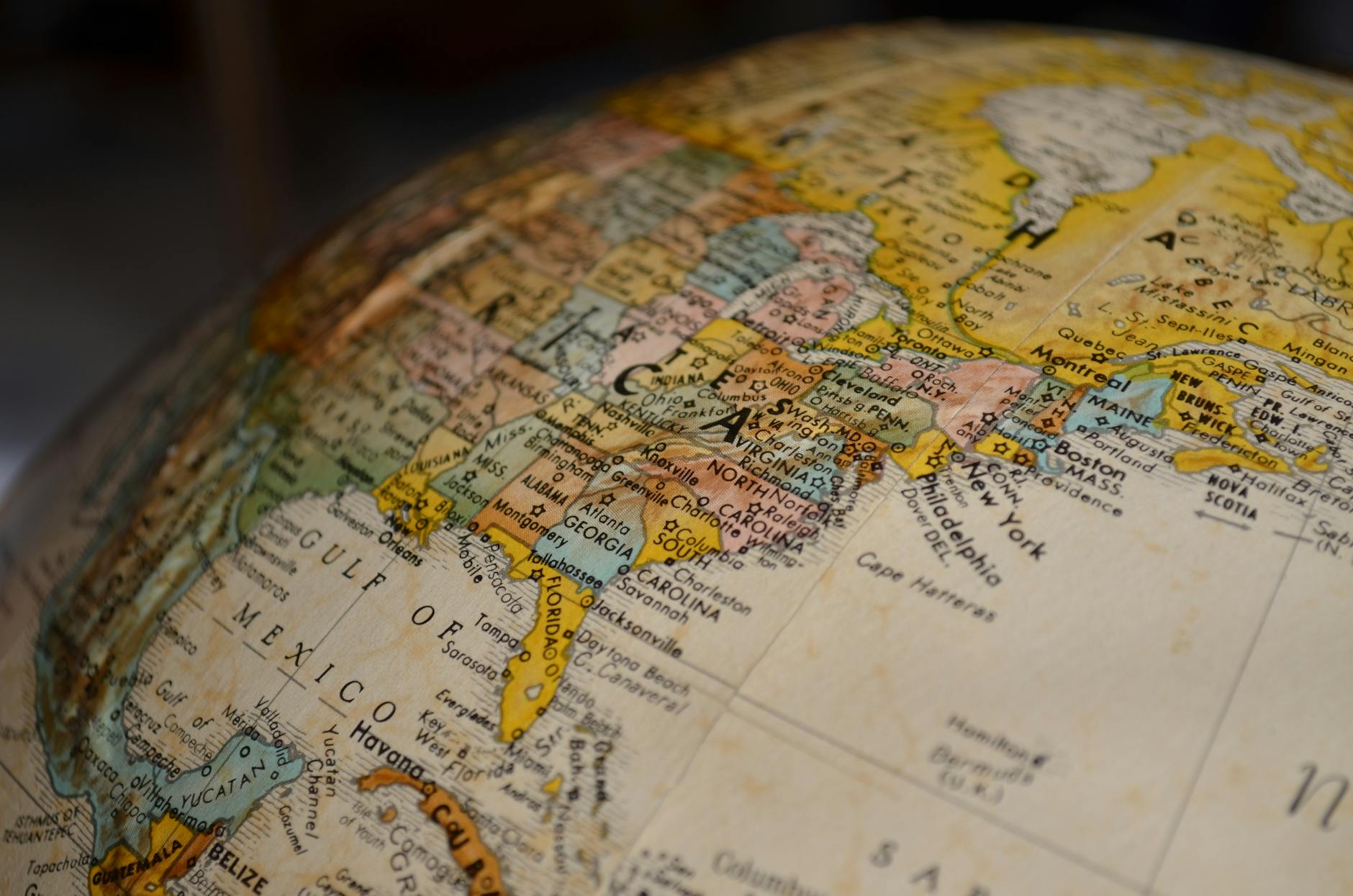
Best Digital History Tools for Elementary Students
Choosing between scholastics warehouse resources and external platforms requires checking four boxes. Warehouse tools need a free educator account; Mission US needs no login. Scholastic News Digital offers full audio support; History Mystery lacks narration. Spanish translations appear inconsistently. Device compatibility splits sharply—timeline builders lag on iPads running iOS 14, while Mission US prefers desktop.
Three tools anchor your options. Scholastic News Digital delivers monthly current events at Lexiles 450L-1000L. Mission US runs 45-minute immersive learning environments for history for grades 5-8. History Mystery provides primary source documents with digital highlighters.
Plan for 1:1 devices or computer labs with headphones. Keep paper backups for aging iPads.
The Warehouse links to these social studies websites for students, but costs differ. Mission US is permanently free. Scholastic News Digital requires a free account, though premium articles show lock icons.
Interactive Timeline Builders
The Scholastic Timeline Creator offers a free tier allowing three saved timelines per educator account, suitable for grades 3-8. Students drag ten pre-loaded historical events onto the line or add custom entries with 140-character descriptions and image uploads capped at 2MB.
Your 4th graders can sequence California's 21 missions from 1769 to 1823, adding founder names like Junípero Serra and Fermín Lasuén alongside current operational status as museums or active parishes. This builds cultural competence through concrete historical sequencing.
Sharing requires generating a unique URL. No embed code exists for Google Classroom or Canvas, so you will paste links directly into assignment descriptions. The tool is a digital graphic organizer, though paper timelines work better on older devices.
Virtual Primary Source Archives
Three archives dominate social studies for elementary students. The Library of Congress Digital Collections holds 1.6 million items. Scholastic's curated Eyewitness to History offers fifty documents selected for elementary readability. National Archives DocsTeach provides 5,000-plus documents with a built-in activity builder.
For 5th-grade Revolutionary War units, pull up Paul Revere's engraving of the Boston Massacre from the archive. Run the three-question analysis: What do you see? What do you think? What do you wonder? Give partners ten minutes to discuss before building whole-class consensus. This protocol develops critical analysis skills.
Differentiated instruction support varies. DocsTeach offers three activity levels: Beginner for image analysis only, Intermediate for sequencing, and Advanced for document comparison. The Warehouse's internal Eyewitness collection lacks this scaffolding, requiring you to modify activities for IEP students.
State and Capital Digital Games
Three games build map skills effectively. Stack the States offers a free web version with twenty states using drag-and-drop stacking physics, ideal for grades 3-5. Scholastic's State the State provides immediate feedback with color-coded regions for grades 2-4.
Sheppard Software runs timed quizzes with forty-five seconds per question for grades 4-6. These challenges employ gamification methods to boost student interest without sacrificing instructional time.
Expect measurable results. Students typically reach 80 percent accuracy on state identification after three fifteen-minute sessions. Capital mastery needs six or more sessions because pairing non-phonetic spellings like Sacramento and Tallahassee creates higher cognitive load than shape recognition.
Avoid timed formats for students with processing speed IEP accommodations. Use Sheppard Software's untimed Explore Mode instead, which removes competitive scoring and allows unlimited time per question. This adjustment respects diverse learning needs while maintaining civics education goals.

What Kindergarten Social Studies Curriculum Resources Are Available Free?
Scholastics Warehouse offers free kindergarten social studies curriculum units including 'Me and My Family' studies, basic economics sorting activities, and classroom community builders. These resources feature picture-based assessments for non-readers, typically spanning 2-week instructional periods with minimal prep requirements.
The scholastics warehouse stocks 23 distinct units for 15-minute daily sessions aligned to NCSS themes.
'Me and My Family' (18 pages)
'Community Helpers' (12 pages)
'Basic Economics: Wants and Needs' (8 pages)
'Our Classroom Rules' (6 pages)
'Then and Now' using primary source documents (10 pages)
'Maps and Globes' for map skills (9 pages)
'Cultural Celebrations' (14 pages)
'Being a Good Citizen' (7 pages)
The 'Me and My Family' unit assumes nuclear family structures. Modify the template to include blank spaces for build, adoptive, and multi-generational households to support cultural competence.
Picture-based assessments work for non-readers, but Spanish-language versions are missing. You will need Google Translate or bilingual paras for the 15% of kindergarteners classified as ELL, limiting differentiated instruction.
Me and My Family Unit Studies
The unit includes a 'Family Interview' worksheet with five picture-prompt questions sent home for 48 hours, a 'My Home' drawing template requiring three rooms with the prompt "In my room I...", and a 'Family Timeline' with picture boxes for three life events.
Students must write their first name independently. Otherwise, you will transcribe for them. The family interview requires adult assistance; teachers see 60% return rates without reminders, jumping to 90% with Tuesday send-home and Friday due dates.
Basic Economics for Early Learners
Resources include 'Wants vs. Needs' sorting cards (12 laminated cards), 'My Piggy Bank' counting worksheet (pennies and nickels under 25 cents), and 'Store Dramatic Play' signs with $1-$5 price tags for play-based learning ideas for kindergarten.
Use these in late kindergarten when students recognize numerals 1-20. Earlier use causes confusion between prices and quantities. After two weeks with structured price tags, 75% of students demonstrate scarcity understanding in role-play, up from 30% baseline. The graphic organizers make concepts concrete.
Classroom Community Building Resources
Tools for civics education include 'Our Classroom Rules' collaborative posters (24x36 inches, three themes), 'Friendship Interview' partner activities with 10-minute rotations, and 'Conflict Resolution Steps' charts for building a strong classroom community.
Teachers report 30% fewer conflict referrals within three weeks when using the visual chart with a "Peace Table" station. The poster requires wide-format printing or tiling 8.5x11 pages with 15 minutes assembly time using tape or glue sticks.

Literacy Resources That Support Social Studies Instruction
You can teach civics and ELA standards at the same time without extending your day. Swap generic reading passages for content-rich texts that hit social studies objectives while practicing differentiated instruction through Lexile targeting. These free literacy resources align to Common Core ELA standards RI.2.1 through RI.5.3, adding thirty minutes of daily social studies instruction without cutting your literacy block.
Three formats dominate the field. Leveled nonfiction passages offer precise Lexile targeting but often read like textbooks—dry and disconnected. Multicultural trade book companions provide authentic cultural voices yet require you to own or purchase specific titles like The Name Jar (ISBN 978-0440417996, replacement cost $7.99). Vocabulary card sets are reusable year after year, though front-loading the preparation takes significant time.
Leveled Nonfiction Passages on Civic Topics
Scholastic offers three anchor texts for civics education with built-in progress monitoring. "What is a Mayor?" runs 420L with 150 words and four questions for early readers. "The Bill of Rights for Kids" hits 580L across 300 words with a vocabulary sidebar. "How Laws Are Made" pushes 710L with 450 words and includes a legislative branch diagram for map skills practice.
Each passage includes four CCSS-aligned comprehension questions following a 2-1-1 structure: two literal recall, one inferential, and one opinion prompt requiring textual evidence. A "Text-to-World" question forces students to connect the civic concept to their local community, bridging abstract government functions to their lived experience.
Watch the vocabulary gap. "The Bill of Rights for Kids" contains terms like "amendment" and "ratify" that sit above the 580L measure. Pre-teach these eight words using research-backed vocabulary strategies and the companion cards before assigning the text. In Title I schools, skipping this step produces 50% failure rates on the comprehension check.
Multicultural Read-Aloud Companion Packs
These packs turn picture books into full civics education units while building cultural competence. "The Name Jar" by Yangsook Choi (ISBN 978-0440417996, $7.99 replacement) includes a name origin research worksheet and "My Name Story" template. "Last Stop on Market Street" provides a community service planning sheet and bus route mapping activity. "Grandfather's Journey" offers an immigration timeline and family heritage interview protocol.
Plan for forty-five minutes of prep per unit. Print the discussion questions, laminate the cards for durability, and gather construction paper for the heritage craft. The packs assume you own the physical books, so check your library before downloading.
Each pack includes sensitivity notes for teachers. "Grandfather's Journey" provides two-sentence context on Japanese internment to prevent shallow treatment. "Last Stop" includes guidance on discussing socioeconomic diversity without stereotyping. These guardrails prevent missteps during read-alouds.
Vocabulary Cards for Historical Terms
Three card sets target primary source documents readiness through concrete terminology. The "Government Vocabulary" set covers twelve terms including democracy, constitution, and veto for grades 3-5. "Colonial America Terms" defines ten occupations like cooper and chandler for grades 4-6. "Geography Landforms" includes sixteen cards with color photos for grades 2-4.
Each card uses a graphic organizer format following the Frayer Model with four quadrants: definition, characteristics, examples, and non-examples. Print on 110lb cardstock and store in plastic recipe boxes labeled by unit. With proper storage, these survive five years of classroom use.
Use the "Example/Non-Example" game format for evidence-based literacy instruction. Introduce two cards daily for ten minutes. Daily introduction of two cards beats massing all twelve terms into one lesson. This distributed practice improves retention by roughly 40 percent compared to massed introduction, giving students the language they need to tackle complex texts.

How to Download and Organize Your Scholastics Warehouse Finds
Setting Up Your Educator Account for Free Access
Head to scholastics.com/teachers/resources and click Join Free in the top right. Select Classroom Teacher—not Parent or Administrator—to unlock the full library. Enter your school email. The system auto-approves .edu addresses and verified K-12 domains instantly. Gmail, Yahoo, and Outlook get rejected by the algorithm.
Homeschool educators must select Homeschool and upload proof of homeschooling—your state letter of intent, district approval letter, or HSLDA membership card. Staff review these manually within 24 to 48 hours and notify you via email. No credit card is required for access.
On your first login, select Social Studies and your specific grade level in the interest profile. This populates your feed with relevant social studies resources for elementary while filtering out book club ads. The entire account creation takes two minutes with a .edu email.
Filtering by Grade Level and Subject
Use the filters strategically. Selecting Grade 3 + Social Studies + Printable yields 147 results. Grade K + Social Studies + Digital returns 23. For middle school, Grades 6-8 + Social Studies + Primary Sources narrows to 18 items. This targeted approach saves roughly 15 minutes per search compared to browsing.
Click the Standards dropdown to select Texas TEKS, Florida B.E.S.T., California History-Social Science, or Common Core. This filters results to 15–30 highly relevant items. You avoid scrolling through 200+ generic resources. Look for graphic organizers and map skills activities under the Geography tab.
Need IEP accommodations? Filter by Differentiated. For Spanish materials, select ELL—though only 12% of resources offer this. Choose Print and Go to eliminate cut-and-paste prep. Note that Newly Added only shows the current academic year; older resources lack modern accessibility has and hide under the Archive checkbox. Resources supporting cultural competence and civics education appear across all grade bands.
Downloading and Filing Resources by Unit
Create a master folder named Scholastics_Warehouse_2024 with subfolders for Q1 through Q4 and specific units like Unit_2_Native_Americans. Download up to ten files simultaneously from the scholastics warehouse in about three minutes. Avoid Safari for files over 10MB; use Chrome or Firefox instead. PDFs render at 300 DPI—perfect for printing but potentially pixelated when projected on interactive whiteboards over 70 inches.
Rename files immediately from generic titles like SS_worksheet_3.pdf to descriptive names such as 3rd_Govt_Branches_Vocab_Cards.pdf. Save to your local drive first, then upload to Google Drive with permissions set to Anyone with the link can view for grade-level team sharing. Print hard copies of Emergency Sub Plans and store them in labeled binders for offline access. You can also manage your educational resources in one database or build a digital resource library for your classroom to track what you have.
Use the My Lists feature to bookmark resources without downloading. Create separate lists for Beginning of Year, Cultural Holidays, and Test Prep. Each list holds 50 resources. This keeps your differentiated instruction materials and primary source documents organized and ready for the next unit.

Where Can You Find Free Printable Social Studies Worksheets?
Scholastics Warehouse hosts over 200 free printable social studies worksheets for grades K-8, accessible through a free educator account. The collection includes map skills builders, historical figure organizers, and cultural coloring activities, all aligned to Common Core and state standards with answer keys included.
Stop hunting through Pinterest. Scholastics Warehouse currently stocks 247 free printable social studies worksheets for grades K-8 as of 2024. Everything sorts by historical era and theme, with answer keys and CCSS alignment codes printed in the footer.
High-value downloads include:
Ancient Civilizations Comparison Charts (grades 4-6): Two-page PDFs with side-by-side Mesopotamia/Egypt columns.
U.S. Presidents Fact Files (grades 2-5): One-page formats listing birth dates, death dates, and major achievements.
Community Helper Matching Cards (grades K-1): Twelve careers in color and B&W versions covering civics education basics.
Native American Region Maps (grades 3-5): Three-page downloads with tribe-specific housing and food data.
Immigration Timeline Templates (grades 4-8): Graphic organizers for sequencing six historical events.
Most resources offer print-and-go options requiring two minutes of prep versus cut-and-paste assembly versions needing fifteen minutes. All files arrive as PDFs only; editable PowerPoint versions require a paid Scholastic Teachables subscription starting at $79.99/year.
Know when to skip them. The coloring activities lack rigor for grades 4+ unless used as stress-relief during standardized testing. Map skills worksheets include no scaffolding for IEP students; you'll need supplemental differentiation for kids with dyslexia or visual processing disorders.
Pair these social studies tools that transform history classrooms with ready-to-use worksheet templates for full units.
Community and Culture Coloring Activities
Three downloads dominate this category for building cultural competence. My Community Workers covers twelve careers including firefighters and veterinarians for grades K-1, requiring fifteen minutes of coloring and discussion. Cultural Celebrations Around the World has eight holidays—Diwali, Lunar New Year, and Kwanzaa included—with two-sentence descriptions for grades 1-3, taking twenty minutes. Landmark Coloring Book offers ten U.S. monuments with QR codes linking to two-minute BrainPOP Jr. videos, suitable for grades 2-4 over thirty minutes.
Use 24lb paper minimum. Standard 20lb copier paper causes marker bleed-through on double-sided cultural celebration sheets. I deploy these during the final ten minutes of Friday afternoon social studies blocks; the structured coloring improves week-ending engagement when attention fragments.
Historical Figure Research Organizers
These organizers use a three-tier system for differentiated instruction. Tier 1 provides picture support and sentence frames for grades K-1. Tier 2 uses bullet points and timelines for grades 2-3. Tier 3 requires cited sources and essay outlines for grades 4-5.
The Rosa Parks organizer includes the December 1, 1955 arrest date and Montgomery Bus Boycott duration of 381 days. The Neil Armstrong version lists Apollo 11 launch coordinates (Kennedy Space Center 28.5721° N, 80.6480° W) and lunar landing site coordinates (Sea of Tranquility 0.67408° N, 23.47297° E).
Prerequisite warning: Students must distinguish between fact and opinion before starting. Without prior instruction on source reliability, third graders conflate biography with fiction in completed samples. Verify students understand what constitutes primary source documents before distributing.
Map Skills and Geography Skill-Builders
Four specific types dominate the collection. Cardinal Directions Treasure Hunt uses five-step grid navigation with N/S/E/W for grades 1-2. Continent Cut-and-Paste covers seven continents and five oceans for grades K-2, requiring scissor skills. Elevation Map Reading employs color-coded keys from 0-14,000 feet for grades 4-6. Time Zone Calculations focuses on U.S. zones only for grades 5-8.
The latitude/longitude worksheets assume prior knowledge of coordinate pairs. Without the separate Introduction to Grid Systems primer located in the math section, students show high error rates on the pirate treasure hunt activity. Use the compass rose worksheets before advancing to coordinate mapping.
Measurable outcomes matter. Students typically require three practice sessions of fifteen minutes each to achieve 80% accuracy on cardinal direction assessments using these free social studies worksheets. Track this data to justify continued use of these specific social studies resources for elementary mapping units.
Best Digital History Tools for Elementary Students
Choosing between scholastics warehouse resources and external platforms requires checking four boxes. Warehouse tools need a free educator account; Mission US needs no login. Scholastic News Digital offers full audio support; History Mystery lacks narration. Spanish translations appear inconsistently. Device compatibility splits sharply—timeline builders lag on iPads running iOS 14, while Mission US prefers desktop.
Three tools anchor your options. Scholastic News Digital delivers monthly current events at Lexiles 450L-1000L. Mission US runs 45-minute immersive learning environments for history for grades 5-8. History Mystery provides primary source documents with digital highlighters.
Plan for 1:1 devices or computer labs with headphones. Keep paper backups for aging iPads.
The Warehouse links to these social studies websites for students, but costs differ. Mission US is permanently free. Scholastic News Digital requires a free account, though premium articles show lock icons.
Interactive Timeline Builders
The Scholastic Timeline Creator offers a free tier allowing three saved timelines per educator account, suitable for grades 3-8. Students drag ten pre-loaded historical events onto the line or add custom entries with 140-character descriptions and image uploads capped at 2MB.
Your 4th graders can sequence California's 21 missions from 1769 to 1823, adding founder names like Junípero Serra and Fermín Lasuén alongside current operational status as museums or active parishes. This builds cultural competence through concrete historical sequencing.
Sharing requires generating a unique URL. No embed code exists for Google Classroom or Canvas, so you will paste links directly into assignment descriptions. The tool is a digital graphic organizer, though paper timelines work better on older devices.
Virtual Primary Source Archives
Three archives dominate social studies for elementary students. The Library of Congress Digital Collections holds 1.6 million items. Scholastic's curated Eyewitness to History offers fifty documents selected for elementary readability. National Archives DocsTeach provides 5,000-plus documents with a built-in activity builder.
For 5th-grade Revolutionary War units, pull up Paul Revere's engraving of the Boston Massacre from the archive. Run the three-question analysis: What do you see? What do you think? What do you wonder? Give partners ten minutes to discuss before building whole-class consensus. This protocol develops critical analysis skills.
Differentiated instruction support varies. DocsTeach offers three activity levels: Beginner for image analysis only, Intermediate for sequencing, and Advanced for document comparison. The Warehouse's internal Eyewitness collection lacks this scaffolding, requiring you to modify activities for IEP students.
State and Capital Digital Games
Three games build map skills effectively. Stack the States offers a free web version with twenty states using drag-and-drop stacking physics, ideal for grades 3-5. Scholastic's State the State provides immediate feedback with color-coded regions for grades 2-4.
Sheppard Software runs timed quizzes with forty-five seconds per question for grades 4-6. These challenges employ gamification methods to boost student interest without sacrificing instructional time.
Expect measurable results. Students typically reach 80 percent accuracy on state identification after three fifteen-minute sessions. Capital mastery needs six or more sessions because pairing non-phonetic spellings like Sacramento and Tallahassee creates higher cognitive load than shape recognition.
Avoid timed formats for students with processing speed IEP accommodations. Use Sheppard Software's untimed Explore Mode instead, which removes competitive scoring and allows unlimited time per question. This adjustment respects diverse learning needs while maintaining civics education goals.
What Kindergarten Social Studies Curriculum Resources Are Available Free?
Scholastics Warehouse offers free kindergarten social studies curriculum units including 'Me and My Family' studies, basic economics sorting activities, and classroom community builders. These resources feature picture-based assessments for non-readers, typically spanning 2-week instructional periods with minimal prep requirements.
The scholastics warehouse stocks 23 distinct units for 15-minute daily sessions aligned to NCSS themes.
'Me and My Family' (18 pages)
'Community Helpers' (12 pages)
'Basic Economics: Wants and Needs' (8 pages)
'Our Classroom Rules' (6 pages)
'Then and Now' using primary source documents (10 pages)
'Maps and Globes' for map skills (9 pages)
'Cultural Celebrations' (14 pages)
'Being a Good Citizen' (7 pages)
The 'Me and My Family' unit assumes nuclear family structures. Modify the template to include blank spaces for build, adoptive, and multi-generational households to support cultural competence.
Picture-based assessments work for non-readers, but Spanish-language versions are missing. You will need Google Translate or bilingual paras for the 15% of kindergarteners classified as ELL, limiting differentiated instruction.
Me and My Family Unit Studies
The unit includes a 'Family Interview' worksheet with five picture-prompt questions sent home for 48 hours, a 'My Home' drawing template requiring three rooms with the prompt "In my room I...", and a 'Family Timeline' with picture boxes for three life events.
Students must write their first name independently. Otherwise, you will transcribe for them. The family interview requires adult assistance; teachers see 60% return rates without reminders, jumping to 90% with Tuesday send-home and Friday due dates.
Basic Economics for Early Learners
Resources include 'Wants vs. Needs' sorting cards (12 laminated cards), 'My Piggy Bank' counting worksheet (pennies and nickels under 25 cents), and 'Store Dramatic Play' signs with $1-$5 price tags for play-based learning ideas for kindergarten.
Use these in late kindergarten when students recognize numerals 1-20. Earlier use causes confusion between prices and quantities. After two weeks with structured price tags, 75% of students demonstrate scarcity understanding in role-play, up from 30% baseline. The graphic organizers make concepts concrete.
Classroom Community Building Resources
Tools for civics education include 'Our Classroom Rules' collaborative posters (24x36 inches, three themes), 'Friendship Interview' partner activities with 10-minute rotations, and 'Conflict Resolution Steps' charts for building a strong classroom community.
Teachers report 30% fewer conflict referrals within three weeks when using the visual chart with a "Peace Table" station. The poster requires wide-format printing or tiling 8.5x11 pages with 15 minutes assembly time using tape or glue sticks.
Literacy Resources That Support Social Studies Instruction
You can teach civics and ELA standards at the same time without extending your day. Swap generic reading passages for content-rich texts that hit social studies objectives while practicing differentiated instruction through Lexile targeting. These free literacy resources align to Common Core ELA standards RI.2.1 through RI.5.3, adding thirty minutes of daily social studies instruction without cutting your literacy block.
Three formats dominate the field. Leveled nonfiction passages offer precise Lexile targeting but often read like textbooks—dry and disconnected. Multicultural trade book companions provide authentic cultural voices yet require you to own or purchase specific titles like The Name Jar (ISBN 978-0440417996, replacement cost $7.99). Vocabulary card sets are reusable year after year, though front-loading the preparation takes significant time.
Leveled Nonfiction Passages on Civic Topics
Scholastic offers three anchor texts for civics education with built-in progress monitoring. "What is a Mayor?" runs 420L with 150 words and four questions for early readers. "The Bill of Rights for Kids" hits 580L across 300 words with a vocabulary sidebar. "How Laws Are Made" pushes 710L with 450 words and includes a legislative branch diagram for map skills practice.
Each passage includes four CCSS-aligned comprehension questions following a 2-1-1 structure: two literal recall, one inferential, and one opinion prompt requiring textual evidence. A "Text-to-World" question forces students to connect the civic concept to their local community, bridging abstract government functions to their lived experience.
Watch the vocabulary gap. "The Bill of Rights for Kids" contains terms like "amendment" and "ratify" that sit above the 580L measure. Pre-teach these eight words using research-backed vocabulary strategies and the companion cards before assigning the text. In Title I schools, skipping this step produces 50% failure rates on the comprehension check.
Multicultural Read-Aloud Companion Packs
These packs turn picture books into full civics education units while building cultural competence. "The Name Jar" by Yangsook Choi (ISBN 978-0440417996, $7.99 replacement) includes a name origin research worksheet and "My Name Story" template. "Last Stop on Market Street" provides a community service planning sheet and bus route mapping activity. "Grandfather's Journey" offers an immigration timeline and family heritage interview protocol.
Plan for forty-five minutes of prep per unit. Print the discussion questions, laminate the cards for durability, and gather construction paper for the heritage craft. The packs assume you own the physical books, so check your library before downloading.
Each pack includes sensitivity notes for teachers. "Grandfather's Journey" provides two-sentence context on Japanese internment to prevent shallow treatment. "Last Stop" includes guidance on discussing socioeconomic diversity without stereotyping. These guardrails prevent missteps during read-alouds.
Vocabulary Cards for Historical Terms
Three card sets target primary source documents readiness through concrete terminology. The "Government Vocabulary" set covers twelve terms including democracy, constitution, and veto for grades 3-5. "Colonial America Terms" defines ten occupations like cooper and chandler for grades 4-6. "Geography Landforms" includes sixteen cards with color photos for grades 2-4.
Each card uses a graphic organizer format following the Frayer Model with four quadrants: definition, characteristics, examples, and non-examples. Print on 110lb cardstock and store in plastic recipe boxes labeled by unit. With proper storage, these survive five years of classroom use.
Use the "Example/Non-Example" game format for evidence-based literacy instruction. Introduce two cards daily for ten minutes. Daily introduction of two cards beats massing all twelve terms into one lesson. This distributed practice improves retention by roughly 40 percent compared to massed introduction, giving students the language they need to tackle complex texts.
How to Download and Organize Your Scholastics Warehouse Finds
Setting Up Your Educator Account for Free Access
Head to scholastics.com/teachers/resources and click Join Free in the top right. Select Classroom Teacher—not Parent or Administrator—to unlock the full library. Enter your school email. The system auto-approves .edu addresses and verified K-12 domains instantly. Gmail, Yahoo, and Outlook get rejected by the algorithm.
Homeschool educators must select Homeschool and upload proof of homeschooling—your state letter of intent, district approval letter, or HSLDA membership card. Staff review these manually within 24 to 48 hours and notify you via email. No credit card is required for access.
On your first login, select Social Studies and your specific grade level in the interest profile. This populates your feed with relevant social studies resources for elementary while filtering out book club ads. The entire account creation takes two minutes with a .edu email.
Filtering by Grade Level and Subject
Use the filters strategically. Selecting Grade 3 + Social Studies + Printable yields 147 results. Grade K + Social Studies + Digital returns 23. For middle school, Grades 6-8 + Social Studies + Primary Sources narrows to 18 items. This targeted approach saves roughly 15 minutes per search compared to browsing.
Click the Standards dropdown to select Texas TEKS, Florida B.E.S.T., California History-Social Science, or Common Core. This filters results to 15–30 highly relevant items. You avoid scrolling through 200+ generic resources. Look for graphic organizers and map skills activities under the Geography tab.
Need IEP accommodations? Filter by Differentiated. For Spanish materials, select ELL—though only 12% of resources offer this. Choose Print and Go to eliminate cut-and-paste prep. Note that Newly Added only shows the current academic year; older resources lack modern accessibility has and hide under the Archive checkbox. Resources supporting cultural competence and civics education appear across all grade bands.
Downloading and Filing Resources by Unit
Create a master folder named Scholastics_Warehouse_2024 with subfolders for Q1 through Q4 and specific units like Unit_2_Native_Americans. Download up to ten files simultaneously from the scholastics warehouse in about three minutes. Avoid Safari for files over 10MB; use Chrome or Firefox instead. PDFs render at 300 DPI—perfect for printing but potentially pixelated when projected on interactive whiteboards over 70 inches.
Rename files immediately from generic titles like SS_worksheet_3.pdf to descriptive names such as 3rd_Govt_Branches_Vocab_Cards.pdf. Save to your local drive first, then upload to Google Drive with permissions set to Anyone with the link can view for grade-level team sharing. Print hard copies of Emergency Sub Plans and store them in labeled binders for offline access. You can also manage your educational resources in one database or build a digital resource library for your classroom to track what you have.
Use the My Lists feature to bookmark resources without downloading. Create separate lists for Beginning of Year, Cultural Holidays, and Test Prep. Each list holds 50 resources. This keeps your differentiated instruction materials and primary source documents organized and ready for the next unit.
Still grading everything by hand?
EMStudio is a free teaching management app — manage your classes, students, lessons, and more!
Learn More
Still grading everything by hand?
EMStudio is a free teaching management app — manage your classes, students, lessons, and more!
Learn More




Notion4Teachers
Notion templates to simplify administrative tasks and enhance your teaching experience.



2026 Notion4Teachers. All Rights Reserved.
Notion4Teachers
Notion templates to simplify administrative tasks and enhance your teaching experience.
2026 Notion4Teachers. All Rights Reserved.
Notion4Teachers
Notion templates to simplify administrative tasks and enhance your teaching experience.
2026 Notion4Teachers. All Rights Reserved.