
Micro Schooling: A Complete Guide for K-12 Educators
Micro Schooling: A Complete Guide for K-12 Educators

Article by
Milo
ESL Content Coordinator & Educator
ESL Content Coordinator & Educator
All Posts
The U.S. Census Bureau reported that homeschooling rates doubled between spring 2020 and fall 2020, climbing from 5.4% to 11.1% of households with school-age children. Buried in that surge was a quieter shift: parents weren't just keeping kids home—they were banding together to create micro schooling setups. These aren't homeschool co-ops or expensive private academies. They're small group learning environments, usually 5 to 15 students, often run by former teachers who left the system.
You might see these students next year. Or you might join one yourself. I've watched three colleagues leave district jobs to open micro schools in renovated church basements and living rooms. They trade 28-student classes for mixed-age classrooms of eight, swapping standardized pacing for mastery-based progression.
The model isn't regulated the same way in every state—some operate as homeschool hybrids, others as private schools—but the draw is consistent: a personalized learning environment without district bureaucracy. This guide breaks down what micro schooling actually looks like on the ground. We'll cover how these alternative education models function day-to-day, how they differ from distance education programs, and what a typical schedule looks like when you're teaching six grade levels at once. Whether you're curious about leaving the classroom or simply need to understand where your future students might be coming from, here's what you need to know.
Still grading everything by hand?
EMStudio is a free teaching management app — manage your classes, students, lessons, and more!
Learn More

Still grading everything by hand?
EMStudio is a free teaching management app — manage your classes, students, lessons, and more!
Learn More
Table of Contents
What Is Micro Schooling?
Micro schooling is a small-scale educational model serving 15-150 students with mixed-age classrooms, personalized learning paths, and hired professional teachers. Unlike traditional schools, micro schools emphasize mastery-based progression, flexible scheduling, and community-integrated learning in non-traditional facilities such as churches, homes, or commercial spaces.
Think of it as a small private school stripped of the bureaucracy. You get hired teachers, not parent volunteers, working with 15 to 150 students total. The building might be a converted church basement or a renovated storefront. Nothing like a traditional campus.
Student-teacher ratios typically run 8:1 to 15:1, far below the 25:1 you'll see in most public districts. Annual tuition ranges from $8,000 to $25,000 depending on your metro area and staffing model. Most facilities occupy 1,500 to 4,000 square feet, housing 30 to 50 students comfortably without endless hallways.
This is not a homeschool co-op. Micro schools operate four to five days per week with professional educators on payroll. Co-ops rely on parent rotation and meet one to three days weekly. You pay tuition here, not just split supply costs.
Defining Characteristics and Structure
These programs share five core traits that separate them from traditional classrooms.
Mixed-age classrooms group students across ages 5 to 12 in one space. Older kids solidify skills by mentoring younger ones, while younger students access advanced content naturally.
Mastery-based progression replaces grade levels. Teachers use diagnostic tools like NWEA MAP or Montessori teaching methods albums to track when a child truly grasps a concept before moving forward.
Place-based learning turns the local community into curriculum. Students might calculate using prices from the nearby farmers market or study biology at a local creek instead of reading about ecosystems in a textbook.
Non-traditional facilities with flexible seating replace rows of desks. You will see couches, standing tables, and rug areas scattered across open rooms in churches, commercial lofts, or renovated homes.
Socratic seminars and project-based assessment take priority over standardized testing. Students defend their work through presentations and discussions, not bubble sheets.
How Micro Schools Differ from Learning Co-Ops
The line between these models blurs sometimes, but four distinctions matter when you are choosing for your own child.
Micro schools hire W-2 or 1099 teachers with credentials or demonstrated expertise. Co-ops rotate parent volunteers who trade teaching duties for reduced fees.
Schedule separates them clearly. Micro schools run Monday through Friday or four-day weeks with consistent instruction. Co-ops meet one to three days, leaving parents responsible for the remaining academic load.
Cost structures diverge sharply. Expect to pay $10,000 to $20,000 annually for micro school tuition. Co-ops typically charge $500 to $2,000 to cover materials and facility rental.
Curriculum control differs too. Micro school directors design scope and sequence professionally. Co-ops vote democratically on topics, which can create disjointed learning when parent interests shift year to year.
Some hybrids exist. A learning co op might professionalize by hiring a lead teacher, extending to daily operations, and rebranding as a micro school. Watch for this evolution in your local alternative education groups.
Common Variations and Hybrid Models
Not all micro schools look alike. Three variations dominate the current field.
The homeschool hybrid model splits the week. Students attend the micro school Tuesday through Thursday, then complete assigned work at home Monday and Friday. This cuts tuition costs while preserving the small group learning environment.
Forest school micros operate almost entirely outdoors with tents or rented indoor space for severe weather. Students track wildlife, build shelters, and read under trees. This appeals to families seeking a personalized learning environment outside four walls.
Network-affiliated models like Acton Academy or Wildflower Schools license their curriculum and branding to individual owner-operators. You get decentralized local ownership with the backing of tested frameworks and mentor training.

Why Are Educators and Families Choosing Micro Schooling?
Families choose micro schooling for personalized learning with student-teacher ratios of 8:1 or lower, community-centered education that avoids homeschooling isolation, and schedule flexibility including four-day weeks and year-round calendars. The model particularly serves students needing alternative pacing, twice-exceptional learners, and families seeking stronger neighborhood learning communities.
The pandemic cracked open traditional school models. Parents saw behind the curtain. Many found their kids learned faster in pods of eight than in classrooms of thirty. Micro schooling filled the gap.
Research since 2020 shows permanent growth in alternative education models. Families seek individualized pacing and genuine community belonging. The demand curve shifted permanently.
John Hattie's Visible Learning research explains the appeal. Reciprocal teaching and feedback show effect sizes of 0.74 and 0.70. Traditional classrooms of thirty cannot deploy these daily. Micro schooling with 8:1 ratios makes immediate feedback possible.
The model breaks down in three scenarios. Families needing extensive special education services beyond mild learning differences find micro schools lack specialized staff and IEP legal protections. NCAA-track athletes miss verified coursework and recruiting infrastructure. Dual-income households without childcare flexibility struggle when schedules demand parent involvement.
Personalized Learning at Scale
Individualized learning plans drive every decision. Each Monday, teachers hold fifteen-minute goal-setting conferences with students. They review last week's targets and set new ones. Digital portfolios replace gradebooks, showing growth trajectories rather than percentages.
The diagnostic cycle runs tight:
Initial NWEA MAP or i-Ready assessments establish precise baselines in math and literacy.
Six-week progress reviews measure growth against individual benchmarks.
Mastery thresholds require 80% proficiency before advancement to new concepts.
A third grader might work through fifth-grade math on DreamBox while receiving second-grade reading support. No one waits for the class to catch up, and no one gets dragged forward unprepared.
Community-Centered Education
Socialization looks different here. A mixed-age classroom pairs 6-year-olds with 9-year-old mentors during morning meetings. Younger students learn behavior by watching older models. Older students solidify skills by teaching concepts they've mastered. This isn't artificial grade segregation.
This daily peer interaction solves the isolation problem plaguing some homeschool environments. Students see the same faces daily, building deep relationships, not rotating through enrichment classes at a co op learning center. The community-centered education framework keeps professional standards high. Parents might lead a monthly botany workshop based on their expertise but never serve as primary instructors. Certified teachers handle academics. Parents handle support.
Flexibility for Modern Schedules
Time bends in a personalized learning environment. Many micro schools run four-day academic weeks, reserving the fifth day for field studies. Others adopt year-round calendars with six-week terms and two-week breaks, eliminating summer learning loss and preventing the March burnout that hits traditional schools.
Travel school options let families sync with the curriculum during extended trips. A family visiting grandparents for three weeks doesn't fall behind. They log in, submit work remotely, and rejoin the small group learning community upon return. For families finding the perfect school for your child without sacrificing professional freedom, this flexibility matters. Alternative education respects adult schedules while prioritizing student needs.
How Does Micro Schooling Work in Practice?
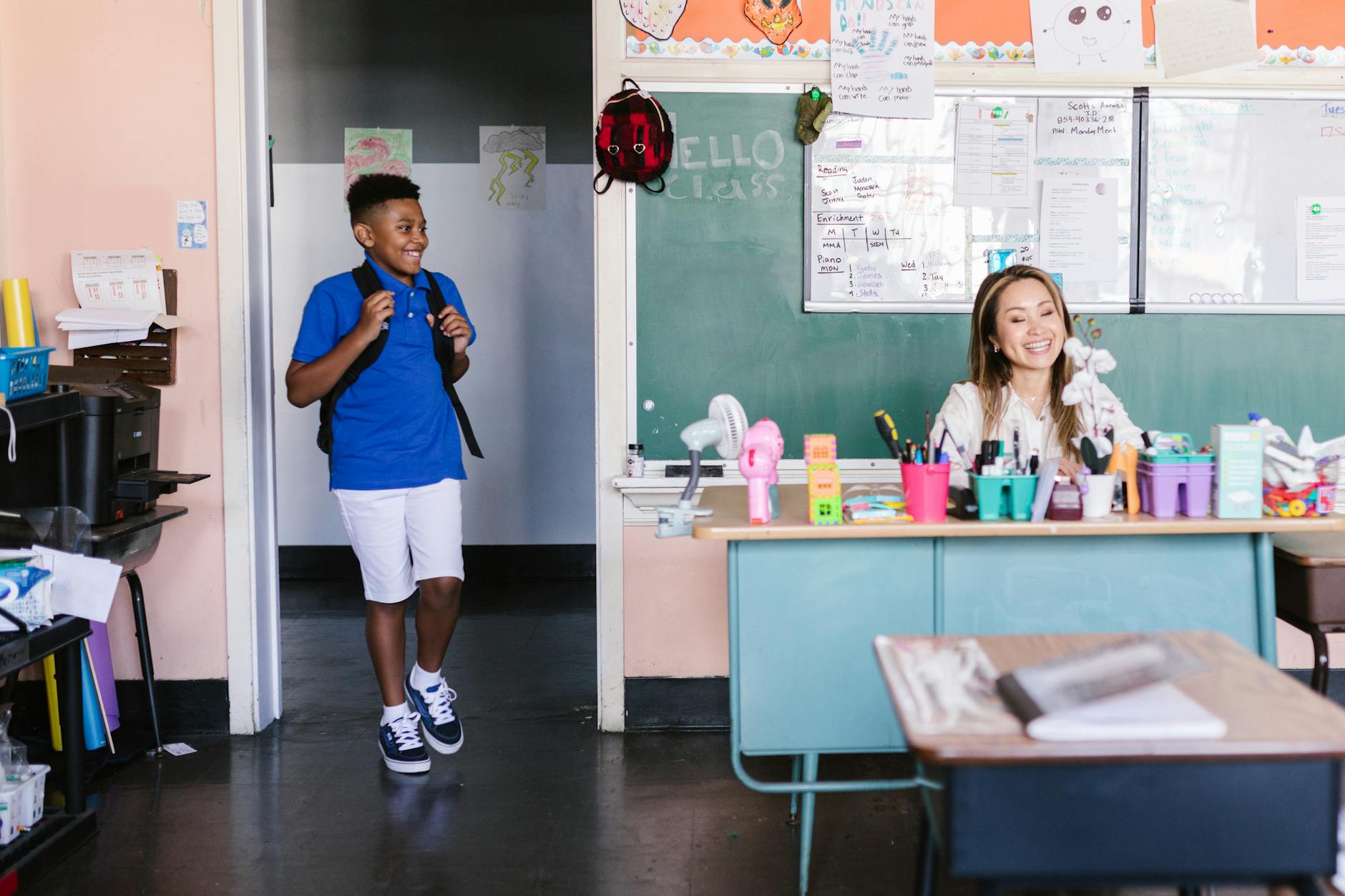
Micro schools operate with hired teachers (certification varies by state), eclectic curricula mixing Montessori and project-based learning, and non-traditional facilities. They typically blend in-person instruction with cooperative course in distance education for specialized subjects like advanced mathematics or foreign languages, while maintaining physical community spaces for collaboration.
Curriculum Design and Accreditation
Sixty percent of micro schools blend Montessori or Waldorf methods with project-based learning. Forty percent follow Classical or traditional scopes. You will not find a district-mandated textbook list. Teachers build units around student interests, local ecology, or civic questions. State standards serve as your floor, not your ceiling.
Only thirty-five percent pursue full accreditation initially. Most register as private schools through their state and operate for two to three years before seeking Cognia (formerly AdvancED) or regional recognition like WASC or MSA. When ready, you submit:
A mission statement aligned with actual practice.
Curriculum maps showing scope and sequence.
Assessment records demonstrating mastery-based progression.
Streamline your curriculum development framework early so you are not scrambling later. Unaccredited schools can still issue diplomas accepted by most colleges. Military enlistment and certain scholarships may require regional recognition.
When you cannot teach AP Calculus or Mandarin Chinese, you bring in co operative course in distance education. This hybrid approach typifies micro schooling. Students work with specialists while keeping the small group learning vibe intact. You keep control of the schedule and pacing. No vendor dictates your daily bell schedule.
Teacher Roles and Qualifications
Seventy percent of micro schools open with a founder-teacher who doubles as administrator, earning $35,000 to $55,000 in year one. This model defines early micro schooling. You teach mornings and handle billing during naptime. This keeps overhead low while maintaining the personalized learning environment families expect. You might handle five students in a mixed-age classroom ranging from 6 to 9 years old.
State rules vary wildly. Texas allows non-certified teachers in private micro schools. California requires CPR, First Aid, and background checks, but not state certification for private operations. New York needs substantial equivalency reporting to the district superintendent. Check your state private school statutes before you post job listings. The alternative education label does not exempt you from safety regulations.
Expect to teach multiple subjects. One educator often handles humanities across age groups while another manages STEM. For art, music, or advanced physics, you hire specialist contractors or use co operative course in distance education. Community experts—retired engineers, local artists—fill gaps without adding full-time salaries to your budget. This division of labor keeps your homeschool hybrid model financially viable.
Facilities and Learning Environments
You have three main options for space. Each needs different zoning approvals and insurance considerations.
Church basements run $800 to $1,500 monthly with built-in coverage but limited kitchen access.
Leased commercial strip space costs $2,000 to $4,000 and offers visibility but echoes.
Dedicated residential conversions range from $1,200 to $2,500 but may trigger neighbor complaints.
Visit three potential sites before you sign. Check parking for drop-off lines and outdoor space for recess.
Startup facility costs range from $15,000 to $75,000. You need flexible seating for mixed-age classroom configurations, liability insurance running $1,500 to $3,000 annually, and safety modifications like ADA-compliant bathrooms and fire suppression systems. Effective classroom design and learning zones matter more than square footage.
Natural light beats fancy furniture. Students need wall space for project displays and bookshelves accessible to all ages. Invest in sturdy tables you can rearrange quickly for group work.
A homeschool hybrid model might meet only three days weekly. This reduces your footprint and overhead significantly. You can share space with a church preschool that uses the rooms on alternate days. Splitting utilities keeps your venture solvent during the first fragile year.
Micro Schools vs. Learning Co-Ops and Distance Education Programs
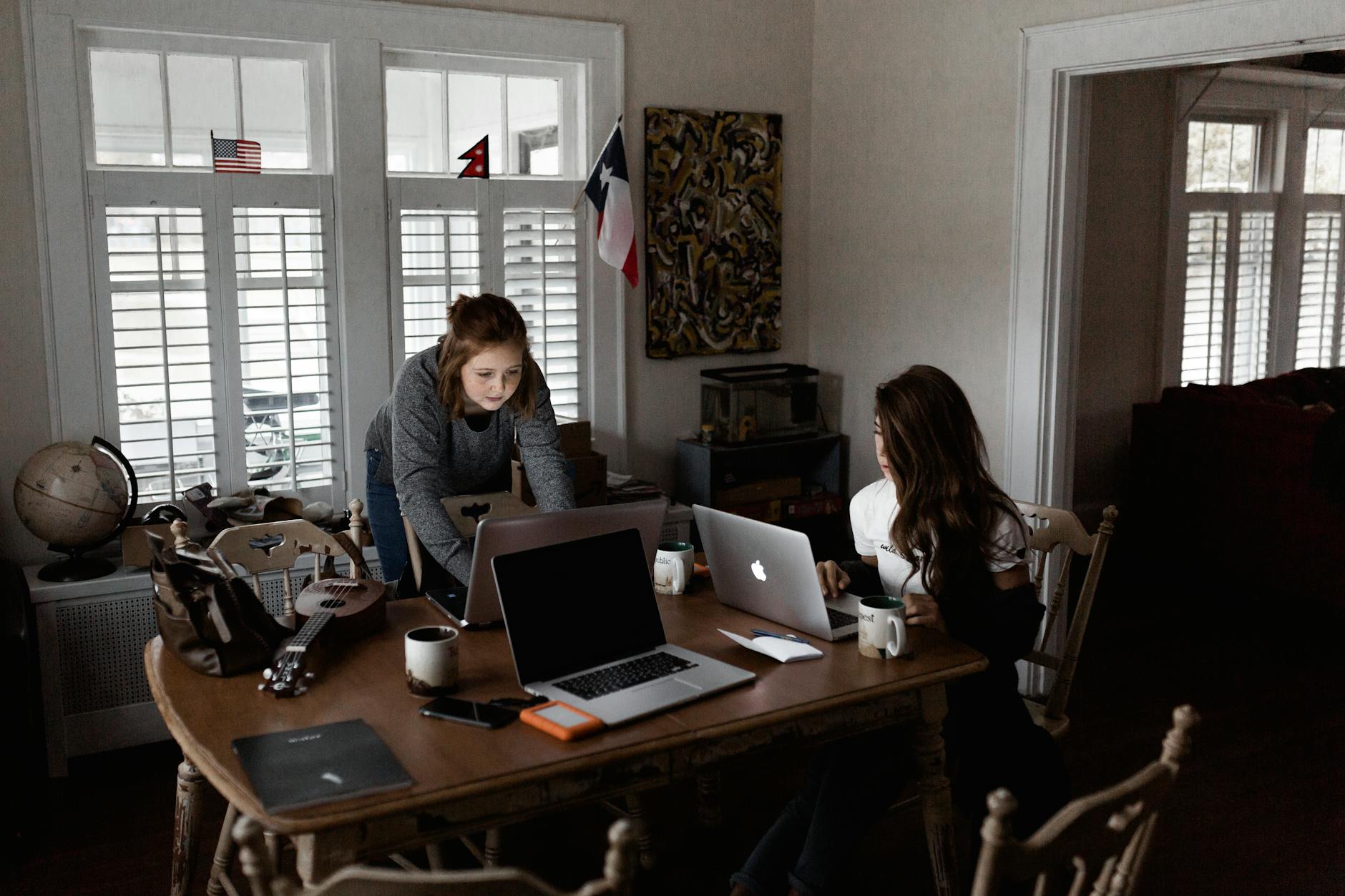
Parents often confuse these models. They all fall under alternative education, but the daily experience differs wildly. One relies on your chemistry knowledge. Another ships your child off to a Zoom room with a teacher three states away. Knowing the distinction saves you from signing up for parent-teaching duties you don't have time to fulfill.
Traditional Co-Op Learning Center | Cooperative Course in Distance Education | Independent Micro School | Network-Affiliated Micro School (Acton/Prenda) | |
|---|---|---|---|---|
Annual Cost | $500–$2,000 | $1,000–$3,000 | $8,000–$25,000 | $7,000–$12,000 |
Teacher Type | Parent rotation | Remote certified teacher | Hired local teacher | Trained guide |
Schedule | 1–3 days in-person | Asynchronous virtual | 4–5 days in-person | Flex hybrid |
Accreditation | Rare | School district dependent | Possible | Network-provided |
Traditional Co-Op Learning Centers
A traditional co-op learning center runs on parent sweat. You rent space at a church Tuesday and Thursday mornings. Moms and dads teach what they know. The engineer down the street handles physics. The journalist teaches composition. You might spend six hours prepping a lesson on Photosynthesis because your rotation comes up every third week. No one gets paid. Everyone sweeps the floors after class and brings snacks on a rotation.
The Columbus Learning Cooperative in Ohio embodies this model perfectly. Founded in 2014, they meet in donated church halls and community centers across Columbus. Parents facilitate seminars rather than lecture. They tap local museums, the Franklin Park Conservatory, and Ohio State University resources for biology labs. Students gather in mixed-age classrooms where a twelve-year-old and fifteen-year-old tackle the same personalized learning environment project together. The older kid mentors. The younger stretches up. No standardized tests dominate the day.
Governance happens through monthly parent meetings where everyone votes on calendar changes, discipline policies, and field trip budgets. This democratic structure differs sharply from micro schooling, where one founder or executive director makes the call without committee approval. Decisions take longer in co-ops. A parent protest can derail a new policy in minutes. You might spend three meetings debating start times. Co-ops save money—often under $1,000 per year—but cost you significant time, usually requiring 5-10 hours weekly of parent involvement. You can read more about traditional co-op learning models if this collaborative structure fits your family's availability.
Cooperative Courses in Distance Education
A cooperative course in distance education solves the "I can't teach Latin" problem without hiring a full-time classicist. Six micro schools in a region share one AP Calculus teacher via Zoom. Students log in from their respective small group learning spaces for live seminars twice weekly. The teacher lives in Boston. Your kids sit in Austin. Cameras stay on. Discussion happens in breakout rooms. Students submit handwritten proofs via document camera.
Platforms like Outschool and Marco Learning host these arrangements formally, handling payments, background checks, and learning management systems. Informally, three micro schools in rural Montana might split the $60,000 salary of a remote physics teacher who grades labs through Google Classroom and holds office hours on Discord. These setups work particularly well for high school electives, advanced math, or foreign languages where local expertise proves scarce. You get the specialist without the full-time salary burden or benefits package.
These courses run synchronously for seminars but often shift to asynchronous work for problem sets and essays. Students post proofs to Padlet or record presentations for Flipgrid. Accreditation depends entirely on your local school district or the umbrella organization overseeing the homeschool hybrid arrangement. The teacher holds state certification, but your micro school acts as the proctor for exams. Costs stay low—roughly $1,000–$3,000 per course annually—because you share the instructor across multiple sites. Quality varies based on the teacher's remote classroom management skills and your students' ability to focus without direct supervision.
Independent Micro School Networks
Stand-alone micro schools face lonely curriculum decisions. Networks provide guardrails and brand recognition. Acton Academy operates on a franchise model: you pay roughly $15,000 upfront, then follow their mastery-based progression framework where students earn badges instead of grades and progress at their own speed through Khan Academy-style playlists. No homework. Socratic discussions. Heavy emphasis on entrepreneurship and "hero's journey" narratives. You must follow their calendar and studio structure.
Prenda supplies software, learning guides, and back-office support rather than a rigid curriculum. They train "guides" rather than teachers—facilitators who ask questions instead of delivering lectures. Wildflower Schools focus on Montessori lab schools with equity commitments built into every charter, often locating in under-resourced neighborhoods with sliding-scale tuition and teacher-owners holding equity.
Affiliation costs 8–15% of your tuition revenue annually, sometimes plus per-student fees. You receive curriculum maps, assessment rubrics, startup consulting, marketing materials, and sometimes shared purchasing power for insurance. Independent micro schools charge $8,000–$25,000 with full control over hiring, firing, and daily scheduling. Network schools typically run $7,000–$12,000 with less flexibility but more built-in support systems during the startup phase. Both deliver that tight-knit community parents seek, but networks reduce the founder's isolation during those brutal first two years when enrollment numbers fluctuate.
What Does a Micro School Schedule Actually Look Like?
A micro school schedule typically runs 9:00 AM to 2:30 PM with multi-age morning circles, 90-minute project-based learning blocks, and afternoon community integration. Unlike traditional periods, time is organized by deep-learning blocks: math sprints, Socratic seminars, and place-based fieldwork, with older students mentoring younger ones throughout the day.
You won't hear bells. Students move when their work finishes, not when a buzzer sounds. This is the first thing that shocks traditional teachers visiting a micro schooling environment.
Most programs follow similar timeframes. Here are three typical days:
Primary Program (ages 5-8): 9:00 Morning Circle, 9:30 Math Sprints, 10:30 Nature Walk/Science, 12:00 Lunch, 12:30 Quiet Reading/Rest, 1:00 Project Time, 2:30 Dismissal.
Elementary (ages 9-12): 9:00 Socratic Seminar, 9:45 Writing Workshop, 11:00 Math Lab, 12:00 Lunch, 12:30 Spanish Immersion, 1:15 STEM Challenge, 2:30 Dismissal.
Adolescent (ages 13-14): 9:00 Current Events Discussion, 9:45 Independent Work Blocks, 11:30 Internship Prep or Apprenticeship, 12:30 Lunch, 1:00 Civics Project, 2:30 Dismissal.
These schedules share common DNA. Morning blocks focus on cognitive heavy lifting. Afternoons emphasize application and integration. Lunch happens together, often family-style, with older students setting tables and washing dishes alongside younger ones.
Notice the flow. No bells interrupt concentration. Teachers and student leaders manage transitions organically. The schedule also follows the '20% rule': one full day or 20% of afternoons weekly disappear into alternative education essentials—field studies, service projects, and mentorships in the real world.
Multi-Age Classroom Dynamics
The day opens with a 20-minute all-school gathering. Everyone sits in a circle. Older students pair with younger ones—fifth graders buddy with first graders to share personal news and preview the day's objectives. This isn't fluff. It builds the social glue that makes mixed-age classroom management possible.
Mindfulness practice starts the circle. Three minutes of breathing. Then students share celebrations or concerns. You get a real-time temperature check on who had a rough morning before academics begin. I've seen a fourth-grader calm a crying kindergartener during this window. That kind of empathy doesn't appear in traditional settings.
Studios replace traditional classrooms. These spaces group ages 5-12 or 9-14 together. Students work at their own pace through mastery-based progression while teachers pull small groups to "the rug" for targeted mini-lessons. You might see a ten-year-old tutoring a six-year-old on place value. It looks chaotic until you realize the personalized learning environment runs itself.
The rug is sacred space. Three to six kids sit with you for 15 minutes of direct instruction. Everyone else works independently on contracts or digital playlists. No whole-group lectures drone on for 45 minutes. You teach only what each small group needs when they need it.
Project-Based Learning Blocks
Academic work happens in 90-minute to three-hour blocks. Students don't switch rooms when a bell rings. They stay with 'Build a Business' for two hours straight, crunching profit margins, drafting marketing copy, and calculating supply costs. This is small group learning at its best—messy, urgent, and real.
These integrated inquiries combine subjects naturally. Math bleeds into writing. Economics meets art when students design logos. Every six to eight weeks, students present their work at public exhibitions. Parents, local experts, and other students show up. The accountability beats any standardized test.
Assessment looks different here. You won't find stacks of worksheets. Instead, you use Google Forms checklists during observations. Students score themselves on rubrics they helped design. Peers offer feedback using protocols like "I notice, I wonder." For details on structuring these sessions, see our guide on implementing project-based learning blocks.
The block structure supports deep focus. Kids learn to manage long-term projects. They fail, pivot, and try again within the same afternoon. That resilience doesn't develop in 45-minute increments.
Community Integration Activities
Afternoons often break the school walls. Twelve-year-olds head to veterinary clinics or tech startups for internships. They don't job-shadow; they work. I've watched a thirteen-year-old debug code for a local app developer while earning credit for computer science. This is the practical heart of a homeschool hybrid approach.
Service learning fills other afternoons. Students run food bank operations or read to seniors at care centers. These aren't field trips. They're ongoing partnerships where students bear real responsibility. The community becomes the curriculum. You might spend Tuesday afternoons unloading trucks at the pantry, then Wednesday morning calculating the food distribution data for math class.
'Expert afternoons' bring local adults into your space. A carpenter teaches joinery. A chef demonstrates knife skills. A programmer runs a coding sprint. You stop being the only teacher in the room. Instead, you coordinate a network of mentors who expose students to trades and professions you'd never master yourself. That diversity of voice matters.
These experiences don't fit neatly into subject boxes. A student might use trigonometry to help the carpenter calculate angles. Another might write reflection essays about the food bank experience. The learning sticks because it matters to someone outside the classroom.
How to Start or Join a Micro School: Implementation Essentials
You have the vision. You found the families. Now you need to file the paperwork without draining your savings. Legal and insurance requirements alone total $4,500-$8,000 before you buy a single desk.
Follow this sequence. Skip a step, and you will face the three killers that shut down micro schools within two years: operating without state registration (common in NY, PA, and VT), underestimating renovation costs by 40%, and burning out while teaching full-time and managing compliance.
Step 1: Legal Structure. Call your state education department. Ask if you need private school filing, homeschool hybrid status, or childcare licensing. Do not guess based on internet forums.
Step 2: Financial Model. Pick your tuition structure now. Options include sliding-scale tuition, employer partnerships, or VELA Education Fund microgrants.
Step 3: Facility Search. Start six to nine months early. Zoning compliance for alternative education takes longer than you think. Inspectors will visit.
Step 4: Recruitment. Lock in eight to twelve founding families before you sign a lease. Empty seats kill cash flow in a small group learning model.
Step 5: Curriculum Design. Select your scope and sequence. Build in mastery-based progression from day one. Avoid buying too many subscriptions.
Step 6: Launch Sequence. Open with one or two grades. Add a grade each year. This protects your personalized learning environment from chaos.
Facility surprises bankrupt new schools. That charming church basement needs $15,000 in ADA compliance upgrades. The old daycare center requires new fire suppression. Get three contractor bids before you commit, and add 40% to every estimate.
Budget for these hard costs: legal consultation runs $3,000-$5,000 for entity formation. General liability insurance costs $1,500-$3,000 annually. You will need QuickBooks or similar software for 501(c)(3) financial tracking. These are not optional line items.
Legal Compliance and State Regulations
Every state has its own handshake with the law. In California, you file a Private School Affidavit online. No approval needed, just notification. Texas requires a letter of intent sent to the state education agency.
New York needs an Individualized Home Instruction Plan if you run a homeschool hybrid, or you must meet substantial equivalency standards for private school status. Pennsylvania and Vermont require similar documentation. File in summer before you open.
Buy three insurance policies before you accept your first student. General liability covers $1 million per occurrence and $2 million aggregate. Property insurance protects your laptops and microscopes.
If you issue high school diplomas, add professional liability (E&O) coverage. One lawsuit wipes out an uninsured mixed-age classroom operation. Shop brokers who specialize in schools, not general business.
Financial Planning and Tuition Models
You have three ways to set tuition. Flat rate runs $10,000-$20,000 per year. Sliding scale requires 40% of families paying full freight to subsidize 60% at reduced rates.
Cooperative models ask families to contribute five hours weekly of volunteer time for a $2,000 discount. I have seen the cooperative model fail when parents stop showing up. Write attendance penalties into your contract from the start.
Look beyond tuition checks. The VELA Education Fund awards microgrants from $10,000 to $150,000. Local community foundations often fund alternative education pilots.
If you partner with a traditional district for specific services, you might access ESSER funds. Track everything in accounting software built for nonprofits. The IRS audits small schools that mix personal and business accounts, so open separate bank accounts immediately.
Building Your Learning Collective
Recruitment happens face-to-face. Host three interest evenings at a local library. Post in Facebook groups for homeschool hybrid families in your city. Require a trial week before anyone signs a contract. Families who skip the trial often leave by October, disrupting your small group learning dynamics.
Hiring teachers is your next hurdle. Choose W-2 employee status for anyone working more than twenty hours weekly. It costs 15% more in payroll taxes, but retention rates double.
Use 1099 contractors only for part-time specialists like art or coding instructors. Write contracts that specify non-compete clauses and who owns the curriculum. If your lead teacher quits and takes your mixed-age classroom lesson plans to a competitor, you will restart from scratch.
Starting your micro schooling journey requires these guardrails. Use starting your homeschooling or micro schooling journey to map your timeline, and study marketing strategies for a learning collective to fill your seats.
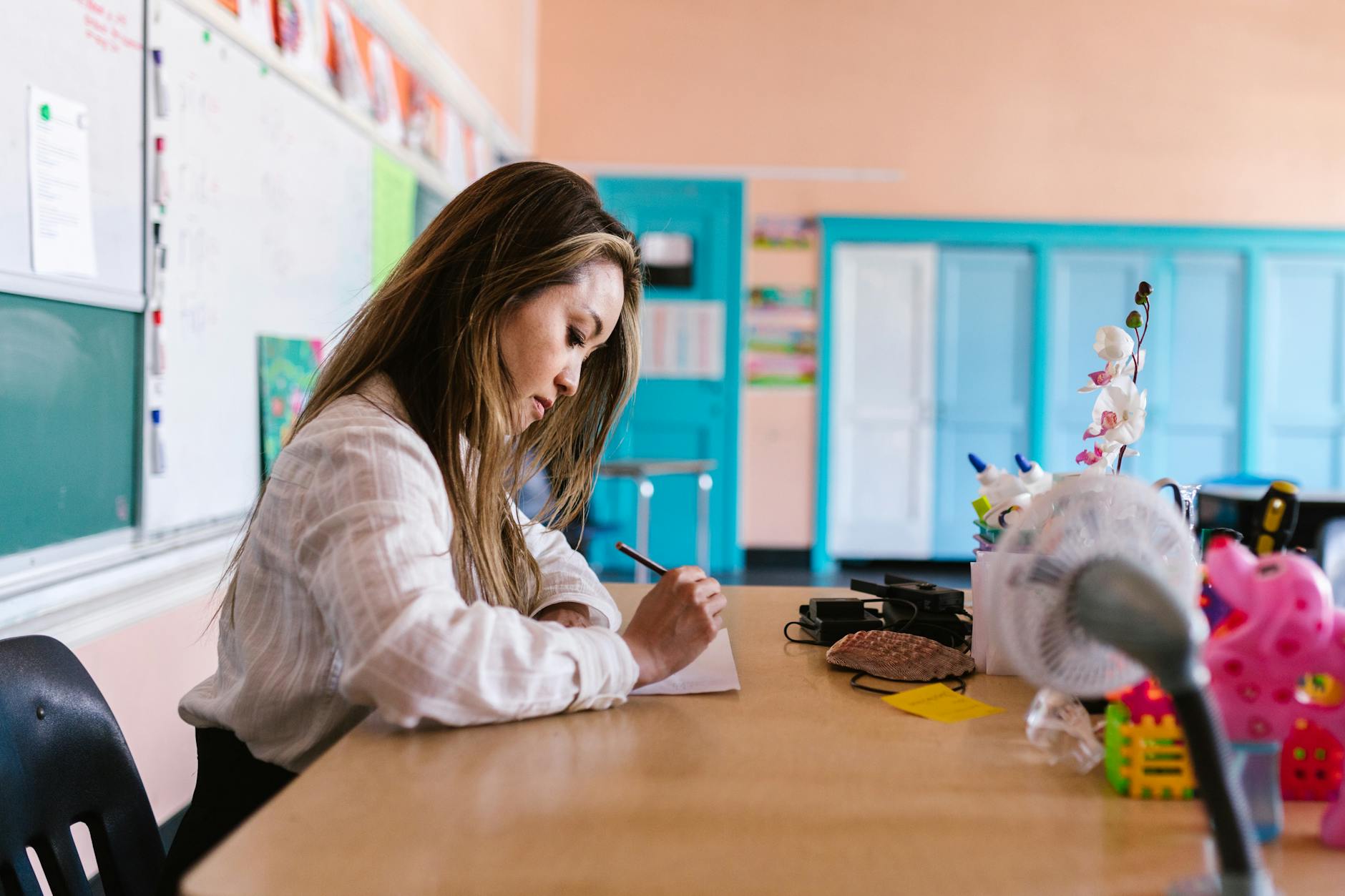
Getting Started with Micro Schooling
You have the roadmap now. Whether you are burning out in a traditional classroom or searching for something better for your own kids, micro schooling offers a real alternative education path. It is not an escape hatch. It is a different way to do the work that matters without the bureaucratic drag that kills your joy.
Stop researching and start visiting. Tour a mixed-age classroom in your area this week. Talk to the teacher running a homeschool hybrid three blocks away. You will know within twenty minutes if small group learning fits your style better than managing a thirty-kid roster and a pacing guide that moves too fast.
Observe one micro school session this month.
List three families who might split costs with you.
Sketch a weekly schedule using the models above.
File your state paperwork or send your first inquiry email.

What Is Micro Schooling?
Micro schooling is a small-scale educational model serving 15-150 students with mixed-age classrooms, personalized learning paths, and hired professional teachers. Unlike traditional schools, micro schools emphasize mastery-based progression, flexible scheduling, and community-integrated learning in non-traditional facilities such as churches, homes, or commercial spaces.
Think of it as a small private school stripped of the bureaucracy. You get hired teachers, not parent volunteers, working with 15 to 150 students total. The building might be a converted church basement or a renovated storefront. Nothing like a traditional campus.
Student-teacher ratios typically run 8:1 to 15:1, far below the 25:1 you'll see in most public districts. Annual tuition ranges from $8,000 to $25,000 depending on your metro area and staffing model. Most facilities occupy 1,500 to 4,000 square feet, housing 30 to 50 students comfortably without endless hallways.
This is not a homeschool co-op. Micro schools operate four to five days per week with professional educators on payroll. Co-ops rely on parent rotation and meet one to three days weekly. You pay tuition here, not just split supply costs.
Defining Characteristics and Structure
These programs share five core traits that separate them from traditional classrooms.
Mixed-age classrooms group students across ages 5 to 12 in one space. Older kids solidify skills by mentoring younger ones, while younger students access advanced content naturally.
Mastery-based progression replaces grade levels. Teachers use diagnostic tools like NWEA MAP or Montessori teaching methods albums to track when a child truly grasps a concept before moving forward.
Place-based learning turns the local community into curriculum. Students might calculate using prices from the nearby farmers market or study biology at a local creek instead of reading about ecosystems in a textbook.
Non-traditional facilities with flexible seating replace rows of desks. You will see couches, standing tables, and rug areas scattered across open rooms in churches, commercial lofts, or renovated homes.
Socratic seminars and project-based assessment take priority over standardized testing. Students defend their work through presentations and discussions, not bubble sheets.
How Micro Schools Differ from Learning Co-Ops
The line between these models blurs sometimes, but four distinctions matter when you are choosing for your own child.
Micro schools hire W-2 or 1099 teachers with credentials or demonstrated expertise. Co-ops rotate parent volunteers who trade teaching duties for reduced fees.
Schedule separates them clearly. Micro schools run Monday through Friday or four-day weeks with consistent instruction. Co-ops meet one to three days, leaving parents responsible for the remaining academic load.
Cost structures diverge sharply. Expect to pay $10,000 to $20,000 annually for micro school tuition. Co-ops typically charge $500 to $2,000 to cover materials and facility rental.
Curriculum control differs too. Micro school directors design scope and sequence professionally. Co-ops vote democratically on topics, which can create disjointed learning when parent interests shift year to year.
Some hybrids exist. A learning co op might professionalize by hiring a lead teacher, extending to daily operations, and rebranding as a micro school. Watch for this evolution in your local alternative education groups.
Common Variations and Hybrid Models
Not all micro schools look alike. Three variations dominate the current field.
The homeschool hybrid model splits the week. Students attend the micro school Tuesday through Thursday, then complete assigned work at home Monday and Friday. This cuts tuition costs while preserving the small group learning environment.
Forest school micros operate almost entirely outdoors with tents or rented indoor space for severe weather. Students track wildlife, build shelters, and read under trees. This appeals to families seeking a personalized learning environment outside four walls.
Network-affiliated models like Acton Academy or Wildflower Schools license their curriculum and branding to individual owner-operators. You get decentralized local ownership with the backing of tested frameworks and mentor training.
Why Are Educators and Families Choosing Micro Schooling?
Families choose micro schooling for personalized learning with student-teacher ratios of 8:1 or lower, community-centered education that avoids homeschooling isolation, and schedule flexibility including four-day weeks and year-round calendars. The model particularly serves students needing alternative pacing, twice-exceptional learners, and families seeking stronger neighborhood learning communities.
The pandemic cracked open traditional school models. Parents saw behind the curtain. Many found their kids learned faster in pods of eight than in classrooms of thirty. Micro schooling filled the gap.
Research since 2020 shows permanent growth in alternative education models. Families seek individualized pacing and genuine community belonging. The demand curve shifted permanently.
John Hattie's Visible Learning research explains the appeal. Reciprocal teaching and feedback show effect sizes of 0.74 and 0.70. Traditional classrooms of thirty cannot deploy these daily. Micro schooling with 8:1 ratios makes immediate feedback possible.
The model breaks down in three scenarios. Families needing extensive special education services beyond mild learning differences find micro schools lack specialized staff and IEP legal protections. NCAA-track athletes miss verified coursework and recruiting infrastructure. Dual-income households without childcare flexibility struggle when schedules demand parent involvement.
Personalized Learning at Scale
Individualized learning plans drive every decision. Each Monday, teachers hold fifteen-minute goal-setting conferences with students. They review last week's targets and set new ones. Digital portfolios replace gradebooks, showing growth trajectories rather than percentages.
The diagnostic cycle runs tight:
Initial NWEA MAP or i-Ready assessments establish precise baselines in math and literacy.
Six-week progress reviews measure growth against individual benchmarks.
Mastery thresholds require 80% proficiency before advancement to new concepts.
A third grader might work through fifth-grade math on DreamBox while receiving second-grade reading support. No one waits for the class to catch up, and no one gets dragged forward unprepared.
Community-Centered Education
Socialization looks different here. A mixed-age classroom pairs 6-year-olds with 9-year-old mentors during morning meetings. Younger students learn behavior by watching older models. Older students solidify skills by teaching concepts they've mastered. This isn't artificial grade segregation.
This daily peer interaction solves the isolation problem plaguing some homeschool environments. Students see the same faces daily, building deep relationships, not rotating through enrichment classes at a co op learning center. The community-centered education framework keeps professional standards high. Parents might lead a monthly botany workshop based on their expertise but never serve as primary instructors. Certified teachers handle academics. Parents handle support.
Flexibility for Modern Schedules
Time bends in a personalized learning environment. Many micro schools run four-day academic weeks, reserving the fifth day for field studies. Others adopt year-round calendars with six-week terms and two-week breaks, eliminating summer learning loss and preventing the March burnout that hits traditional schools.
Travel school options let families sync with the curriculum during extended trips. A family visiting grandparents for three weeks doesn't fall behind. They log in, submit work remotely, and rejoin the small group learning community upon return. For families finding the perfect school for your child without sacrificing professional freedom, this flexibility matters. Alternative education respects adult schedules while prioritizing student needs.
How Does Micro Schooling Work in Practice?
Micro schools operate with hired teachers (certification varies by state), eclectic curricula mixing Montessori and project-based learning, and non-traditional facilities. They typically blend in-person instruction with cooperative course in distance education for specialized subjects like advanced mathematics or foreign languages, while maintaining physical community spaces for collaboration.
Curriculum Design and Accreditation
Sixty percent of micro schools blend Montessori or Waldorf methods with project-based learning. Forty percent follow Classical or traditional scopes. You will not find a district-mandated textbook list. Teachers build units around student interests, local ecology, or civic questions. State standards serve as your floor, not your ceiling.
Only thirty-five percent pursue full accreditation initially. Most register as private schools through their state and operate for two to three years before seeking Cognia (formerly AdvancED) or regional recognition like WASC or MSA. When ready, you submit:
A mission statement aligned with actual practice.
Curriculum maps showing scope and sequence.
Assessment records demonstrating mastery-based progression.
Streamline your curriculum development framework early so you are not scrambling later. Unaccredited schools can still issue diplomas accepted by most colleges. Military enlistment and certain scholarships may require regional recognition.
When you cannot teach AP Calculus or Mandarin Chinese, you bring in co operative course in distance education. This hybrid approach typifies micro schooling. Students work with specialists while keeping the small group learning vibe intact. You keep control of the schedule and pacing. No vendor dictates your daily bell schedule.
Teacher Roles and Qualifications
Seventy percent of micro schools open with a founder-teacher who doubles as administrator, earning $35,000 to $55,000 in year one. This model defines early micro schooling. You teach mornings and handle billing during naptime. This keeps overhead low while maintaining the personalized learning environment families expect. You might handle five students in a mixed-age classroom ranging from 6 to 9 years old.
State rules vary wildly. Texas allows non-certified teachers in private micro schools. California requires CPR, First Aid, and background checks, but not state certification for private operations. New York needs substantial equivalency reporting to the district superintendent. Check your state private school statutes before you post job listings. The alternative education label does not exempt you from safety regulations.
Expect to teach multiple subjects. One educator often handles humanities across age groups while another manages STEM. For art, music, or advanced physics, you hire specialist contractors or use co operative course in distance education. Community experts—retired engineers, local artists—fill gaps without adding full-time salaries to your budget. This division of labor keeps your homeschool hybrid model financially viable.
Facilities and Learning Environments
You have three main options for space. Each needs different zoning approvals and insurance considerations.
Church basements run $800 to $1,500 monthly with built-in coverage but limited kitchen access.
Leased commercial strip space costs $2,000 to $4,000 and offers visibility but echoes.
Dedicated residential conversions range from $1,200 to $2,500 but may trigger neighbor complaints.
Visit three potential sites before you sign. Check parking for drop-off lines and outdoor space for recess.
Startup facility costs range from $15,000 to $75,000. You need flexible seating for mixed-age classroom configurations, liability insurance running $1,500 to $3,000 annually, and safety modifications like ADA-compliant bathrooms and fire suppression systems. Effective classroom design and learning zones matter more than square footage.
Natural light beats fancy furniture. Students need wall space for project displays and bookshelves accessible to all ages. Invest in sturdy tables you can rearrange quickly for group work.
A homeschool hybrid model might meet only three days weekly. This reduces your footprint and overhead significantly. You can share space with a church preschool that uses the rooms on alternate days. Splitting utilities keeps your venture solvent during the first fragile year.
Micro Schools vs. Learning Co-Ops and Distance Education Programs
Parents often confuse these models. They all fall under alternative education, but the daily experience differs wildly. One relies on your chemistry knowledge. Another ships your child off to a Zoom room with a teacher three states away. Knowing the distinction saves you from signing up for parent-teaching duties you don't have time to fulfill.
Traditional Co-Op Learning Center | Cooperative Course in Distance Education | Independent Micro School | Network-Affiliated Micro School (Acton/Prenda) | |
|---|---|---|---|---|
Annual Cost | $500–$2,000 | $1,000–$3,000 | $8,000–$25,000 | $7,000–$12,000 |
Teacher Type | Parent rotation | Remote certified teacher | Hired local teacher | Trained guide |
Schedule | 1–3 days in-person | Asynchronous virtual | 4–5 days in-person | Flex hybrid |
Accreditation | Rare | School district dependent | Possible | Network-provided |
Traditional Co-Op Learning Centers
A traditional co-op learning center runs on parent sweat. You rent space at a church Tuesday and Thursday mornings. Moms and dads teach what they know. The engineer down the street handles physics. The journalist teaches composition. You might spend six hours prepping a lesson on Photosynthesis because your rotation comes up every third week. No one gets paid. Everyone sweeps the floors after class and brings snacks on a rotation.
The Columbus Learning Cooperative in Ohio embodies this model perfectly. Founded in 2014, they meet in donated church halls and community centers across Columbus. Parents facilitate seminars rather than lecture. They tap local museums, the Franklin Park Conservatory, and Ohio State University resources for biology labs. Students gather in mixed-age classrooms where a twelve-year-old and fifteen-year-old tackle the same personalized learning environment project together. The older kid mentors. The younger stretches up. No standardized tests dominate the day.
Governance happens through monthly parent meetings where everyone votes on calendar changes, discipline policies, and field trip budgets. This democratic structure differs sharply from micro schooling, where one founder or executive director makes the call without committee approval. Decisions take longer in co-ops. A parent protest can derail a new policy in minutes. You might spend three meetings debating start times. Co-ops save money—often under $1,000 per year—but cost you significant time, usually requiring 5-10 hours weekly of parent involvement. You can read more about traditional co-op learning models if this collaborative structure fits your family's availability.
Cooperative Courses in Distance Education
A cooperative course in distance education solves the "I can't teach Latin" problem without hiring a full-time classicist. Six micro schools in a region share one AP Calculus teacher via Zoom. Students log in from their respective small group learning spaces for live seminars twice weekly. The teacher lives in Boston. Your kids sit in Austin. Cameras stay on. Discussion happens in breakout rooms. Students submit handwritten proofs via document camera.
Platforms like Outschool and Marco Learning host these arrangements formally, handling payments, background checks, and learning management systems. Informally, three micro schools in rural Montana might split the $60,000 salary of a remote physics teacher who grades labs through Google Classroom and holds office hours on Discord. These setups work particularly well for high school electives, advanced math, or foreign languages where local expertise proves scarce. You get the specialist without the full-time salary burden or benefits package.
These courses run synchronously for seminars but often shift to asynchronous work for problem sets and essays. Students post proofs to Padlet or record presentations for Flipgrid. Accreditation depends entirely on your local school district or the umbrella organization overseeing the homeschool hybrid arrangement. The teacher holds state certification, but your micro school acts as the proctor for exams. Costs stay low—roughly $1,000–$3,000 per course annually—because you share the instructor across multiple sites. Quality varies based on the teacher's remote classroom management skills and your students' ability to focus without direct supervision.
Independent Micro School Networks
Stand-alone micro schools face lonely curriculum decisions. Networks provide guardrails and brand recognition. Acton Academy operates on a franchise model: you pay roughly $15,000 upfront, then follow their mastery-based progression framework where students earn badges instead of grades and progress at their own speed through Khan Academy-style playlists. No homework. Socratic discussions. Heavy emphasis on entrepreneurship and "hero's journey" narratives. You must follow their calendar and studio structure.
Prenda supplies software, learning guides, and back-office support rather than a rigid curriculum. They train "guides" rather than teachers—facilitators who ask questions instead of delivering lectures. Wildflower Schools focus on Montessori lab schools with equity commitments built into every charter, often locating in under-resourced neighborhoods with sliding-scale tuition and teacher-owners holding equity.
Affiliation costs 8–15% of your tuition revenue annually, sometimes plus per-student fees. You receive curriculum maps, assessment rubrics, startup consulting, marketing materials, and sometimes shared purchasing power for insurance. Independent micro schools charge $8,000–$25,000 with full control over hiring, firing, and daily scheduling. Network schools typically run $7,000–$12,000 with less flexibility but more built-in support systems during the startup phase. Both deliver that tight-knit community parents seek, but networks reduce the founder's isolation during those brutal first two years when enrollment numbers fluctuate.
What Does a Micro School Schedule Actually Look Like?
A micro school schedule typically runs 9:00 AM to 2:30 PM with multi-age morning circles, 90-minute project-based learning blocks, and afternoon community integration. Unlike traditional periods, time is organized by deep-learning blocks: math sprints, Socratic seminars, and place-based fieldwork, with older students mentoring younger ones throughout the day.
You won't hear bells. Students move when their work finishes, not when a buzzer sounds. This is the first thing that shocks traditional teachers visiting a micro schooling environment.
Most programs follow similar timeframes. Here are three typical days:
Primary Program (ages 5-8): 9:00 Morning Circle, 9:30 Math Sprints, 10:30 Nature Walk/Science, 12:00 Lunch, 12:30 Quiet Reading/Rest, 1:00 Project Time, 2:30 Dismissal.
Elementary (ages 9-12): 9:00 Socratic Seminar, 9:45 Writing Workshop, 11:00 Math Lab, 12:00 Lunch, 12:30 Spanish Immersion, 1:15 STEM Challenge, 2:30 Dismissal.
Adolescent (ages 13-14): 9:00 Current Events Discussion, 9:45 Independent Work Blocks, 11:30 Internship Prep or Apprenticeship, 12:30 Lunch, 1:00 Civics Project, 2:30 Dismissal.
These schedules share common DNA. Morning blocks focus on cognitive heavy lifting. Afternoons emphasize application and integration. Lunch happens together, often family-style, with older students setting tables and washing dishes alongside younger ones.
Notice the flow. No bells interrupt concentration. Teachers and student leaders manage transitions organically. The schedule also follows the '20% rule': one full day or 20% of afternoons weekly disappear into alternative education essentials—field studies, service projects, and mentorships in the real world.
Multi-Age Classroom Dynamics
The day opens with a 20-minute all-school gathering. Everyone sits in a circle. Older students pair with younger ones—fifth graders buddy with first graders to share personal news and preview the day's objectives. This isn't fluff. It builds the social glue that makes mixed-age classroom management possible.
Mindfulness practice starts the circle. Three minutes of breathing. Then students share celebrations or concerns. You get a real-time temperature check on who had a rough morning before academics begin. I've seen a fourth-grader calm a crying kindergartener during this window. That kind of empathy doesn't appear in traditional settings.
Studios replace traditional classrooms. These spaces group ages 5-12 or 9-14 together. Students work at their own pace through mastery-based progression while teachers pull small groups to "the rug" for targeted mini-lessons. You might see a ten-year-old tutoring a six-year-old on place value. It looks chaotic until you realize the personalized learning environment runs itself.
The rug is sacred space. Three to six kids sit with you for 15 minutes of direct instruction. Everyone else works independently on contracts or digital playlists. No whole-group lectures drone on for 45 minutes. You teach only what each small group needs when they need it.
Project-Based Learning Blocks
Academic work happens in 90-minute to three-hour blocks. Students don't switch rooms when a bell rings. They stay with 'Build a Business' for two hours straight, crunching profit margins, drafting marketing copy, and calculating supply costs. This is small group learning at its best—messy, urgent, and real.
These integrated inquiries combine subjects naturally. Math bleeds into writing. Economics meets art when students design logos. Every six to eight weeks, students present their work at public exhibitions. Parents, local experts, and other students show up. The accountability beats any standardized test.
Assessment looks different here. You won't find stacks of worksheets. Instead, you use Google Forms checklists during observations. Students score themselves on rubrics they helped design. Peers offer feedback using protocols like "I notice, I wonder." For details on structuring these sessions, see our guide on implementing project-based learning blocks.
The block structure supports deep focus. Kids learn to manage long-term projects. They fail, pivot, and try again within the same afternoon. That resilience doesn't develop in 45-minute increments.
Community Integration Activities
Afternoons often break the school walls. Twelve-year-olds head to veterinary clinics or tech startups for internships. They don't job-shadow; they work. I've watched a thirteen-year-old debug code for a local app developer while earning credit for computer science. This is the practical heart of a homeschool hybrid approach.
Service learning fills other afternoons. Students run food bank operations or read to seniors at care centers. These aren't field trips. They're ongoing partnerships where students bear real responsibility. The community becomes the curriculum. You might spend Tuesday afternoons unloading trucks at the pantry, then Wednesday morning calculating the food distribution data for math class.
'Expert afternoons' bring local adults into your space. A carpenter teaches joinery. A chef demonstrates knife skills. A programmer runs a coding sprint. You stop being the only teacher in the room. Instead, you coordinate a network of mentors who expose students to trades and professions you'd never master yourself. That diversity of voice matters.
These experiences don't fit neatly into subject boxes. A student might use trigonometry to help the carpenter calculate angles. Another might write reflection essays about the food bank experience. The learning sticks because it matters to someone outside the classroom.
How to Start or Join a Micro School: Implementation Essentials
You have the vision. You found the families. Now you need to file the paperwork without draining your savings. Legal and insurance requirements alone total $4,500-$8,000 before you buy a single desk.
Follow this sequence. Skip a step, and you will face the three killers that shut down micro schools within two years: operating without state registration (common in NY, PA, and VT), underestimating renovation costs by 40%, and burning out while teaching full-time and managing compliance.
Step 1: Legal Structure. Call your state education department. Ask if you need private school filing, homeschool hybrid status, or childcare licensing. Do not guess based on internet forums.
Step 2: Financial Model. Pick your tuition structure now. Options include sliding-scale tuition, employer partnerships, or VELA Education Fund microgrants.
Step 3: Facility Search. Start six to nine months early. Zoning compliance for alternative education takes longer than you think. Inspectors will visit.
Step 4: Recruitment. Lock in eight to twelve founding families before you sign a lease. Empty seats kill cash flow in a small group learning model.
Step 5: Curriculum Design. Select your scope and sequence. Build in mastery-based progression from day one. Avoid buying too many subscriptions.
Step 6: Launch Sequence. Open with one or two grades. Add a grade each year. This protects your personalized learning environment from chaos.
Facility surprises bankrupt new schools. That charming church basement needs $15,000 in ADA compliance upgrades. The old daycare center requires new fire suppression. Get three contractor bids before you commit, and add 40% to every estimate.
Budget for these hard costs: legal consultation runs $3,000-$5,000 for entity formation. General liability insurance costs $1,500-$3,000 annually. You will need QuickBooks or similar software for 501(c)(3) financial tracking. These are not optional line items.
Legal Compliance and State Regulations
Every state has its own handshake with the law. In California, you file a Private School Affidavit online. No approval needed, just notification. Texas requires a letter of intent sent to the state education agency.
New York needs an Individualized Home Instruction Plan if you run a homeschool hybrid, or you must meet substantial equivalency standards for private school status. Pennsylvania and Vermont require similar documentation. File in summer before you open.
Buy three insurance policies before you accept your first student. General liability covers $1 million per occurrence and $2 million aggregate. Property insurance protects your laptops and microscopes.
If you issue high school diplomas, add professional liability (E&O) coverage. One lawsuit wipes out an uninsured mixed-age classroom operation. Shop brokers who specialize in schools, not general business.
Financial Planning and Tuition Models
You have three ways to set tuition. Flat rate runs $10,000-$20,000 per year. Sliding scale requires 40% of families paying full freight to subsidize 60% at reduced rates.
Cooperative models ask families to contribute five hours weekly of volunteer time for a $2,000 discount. I have seen the cooperative model fail when parents stop showing up. Write attendance penalties into your contract from the start.
Look beyond tuition checks. The VELA Education Fund awards microgrants from $10,000 to $150,000. Local community foundations often fund alternative education pilots.
If you partner with a traditional district for specific services, you might access ESSER funds. Track everything in accounting software built for nonprofits. The IRS audits small schools that mix personal and business accounts, so open separate bank accounts immediately.
Building Your Learning Collective
Recruitment happens face-to-face. Host three interest evenings at a local library. Post in Facebook groups for homeschool hybrid families in your city. Require a trial week before anyone signs a contract. Families who skip the trial often leave by October, disrupting your small group learning dynamics.
Hiring teachers is your next hurdle. Choose W-2 employee status for anyone working more than twenty hours weekly. It costs 15% more in payroll taxes, but retention rates double.
Use 1099 contractors only for part-time specialists like art or coding instructors. Write contracts that specify non-compete clauses and who owns the curriculum. If your lead teacher quits and takes your mixed-age classroom lesson plans to a competitor, you will restart from scratch.
Starting your micro schooling journey requires these guardrails. Use starting your homeschooling or micro schooling journey to map your timeline, and study marketing strategies for a learning collective to fill your seats.
Getting Started with Micro Schooling
You have the roadmap now. Whether you are burning out in a traditional classroom or searching for something better for your own kids, micro schooling offers a real alternative education path. It is not an escape hatch. It is a different way to do the work that matters without the bureaucratic drag that kills your joy.
Stop researching and start visiting. Tour a mixed-age classroom in your area this week. Talk to the teacher running a homeschool hybrid three blocks away. You will know within twenty minutes if small group learning fits your style better than managing a thirty-kid roster and a pacing guide that moves too fast.
Observe one micro school session this month.
List three families who might split costs with you.
Sketch a weekly schedule using the models above.
File your state paperwork or send your first inquiry email.
Still grading everything by hand?
EMStudio is a free teaching management app — manage your classes, students, lessons, and more!
Learn More
Still grading everything by hand?
EMStudio is a free teaching management app — manage your classes, students, lessons, and more!
Learn More




Notion4Teachers
Notion templates to simplify administrative tasks and enhance your teaching experience.



2026 Notion4Teachers. All Rights Reserved.
Notion4Teachers
Notion templates to simplify administrative tasks and enhance your teaching experience.
2026 Notion4Teachers. All Rights Reserved.
Notion4Teachers
Notion templates to simplify administrative tasks and enhance your teaching experience.
2026 Notion4Teachers. All Rights Reserved.