
I Can Read Books Level 15: 15 Teacher-Approved Picks
I Can Read Books Level 15: 15 Teacher-Approved Picks

Article by
Milo
ESL Content Coordinator & Educator
ESL Content Coordinator & Educator
All Posts
You know that moment when a kid finally masters Level 1—proudly reading Biscuit or Little Bear—then grabs a Level 2, takes one look at the dense text, and shuts down? That jump from 20 words per page to 60+ hits different. In my first-grade room, I watched Marcus go from confident to tears in three pages because I’d grabbed a "Level 2" that was actually an early chapter book in disguise. The I Can Read books level 2 series walks a tightrope: enough text to build reading fluency benchmarks, but not so much that emergent literacy collapses under the weight.
Not all yellow-spine books are created equal. Some lean heavily on sight word vocabulary repetition while others assume kids can handle complex text features like dialogue tags and scene changes. Over twelve years, I’ve watched which titles actually move kids forward and which ones collect dust. These fifteen picks balance guided reading levels with stories worth finishing—funny books for reluctant readers, science titles that build academic vocabulary, and beloved characters who stick around long enough to matter.
They’re the backbone of a classroom library that bridges the gap between picture books and real chapter books. When you stock the right Level 2 titles, you’re not just filling bins—you’re building the stamina and confidence that makes independent reading stick. These are the books that solve the "I’m done, what next?" problem without sending kids back to the baby shelf.
Still grading everything by hand?
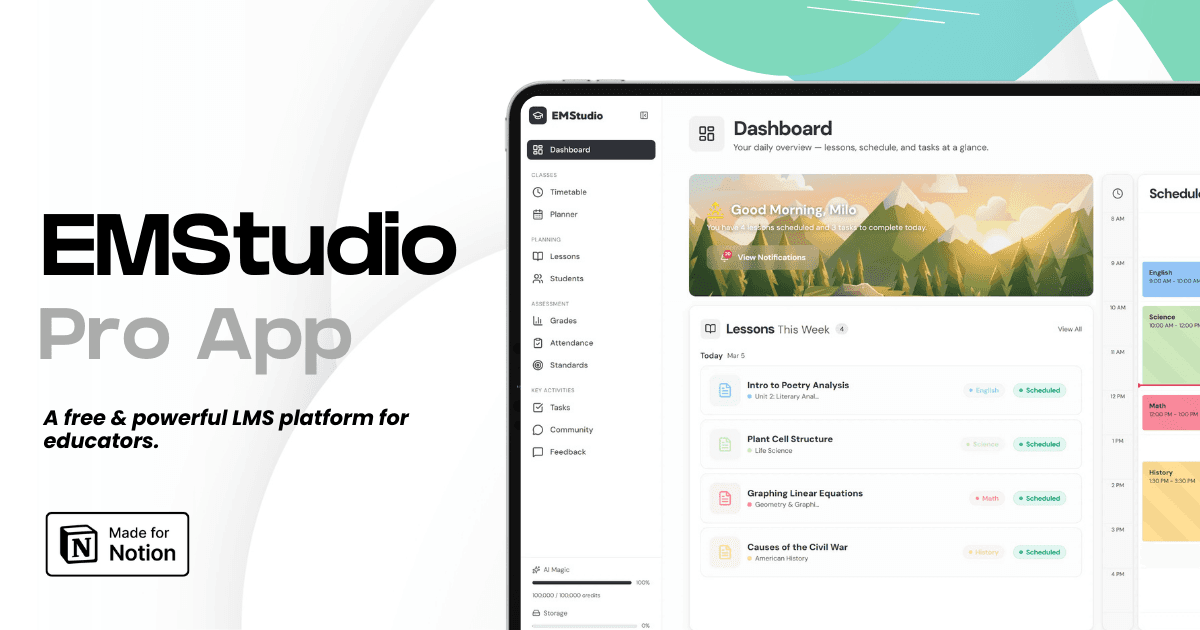
EMStudio is a free teaching management app — manage your classes, students, lessons, and more!
Learn More
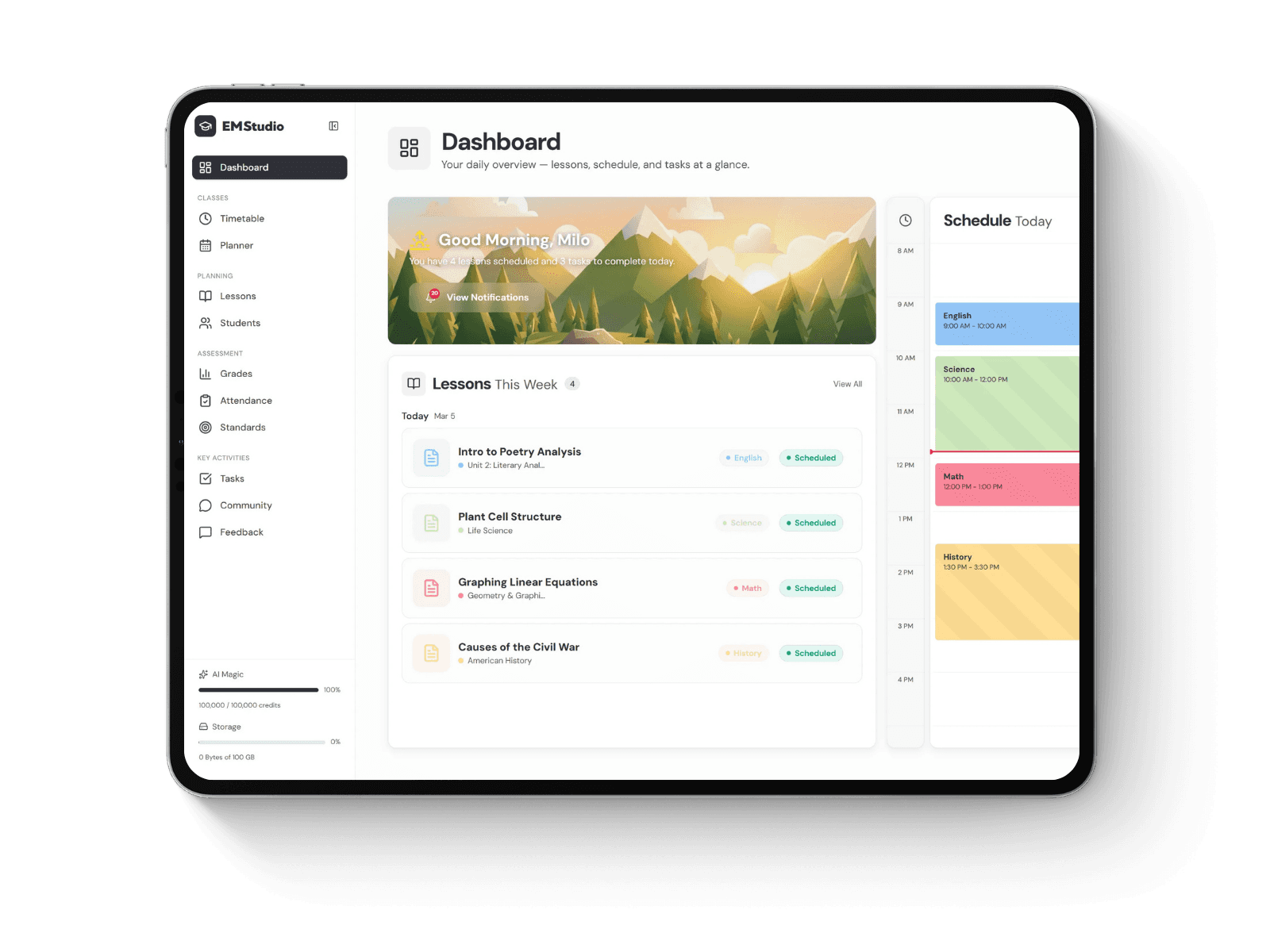
Still grading everything by hand?
EMStudio is a free teaching management app — manage your classes, students, lessons, and more!
Learn More
Table of Contents
Beloved Character Collections Every Classroom Needs
I Can Read Level 2 books hit the sweet spot for kindergarten through second grade. These titles run 1,000 to 1,400 words and target ages 4-8. They bridge the gap between picture books and chapter books with complex plots but reduced picture support. Unlike i can read level 1 titles, these demand sustained attention across multiple sittings.
Collection | Word Count | Fountas & Pinnell Level (K-M) | Primary Themes | Specific Teaching Focus |
|---|---|---|---|---|
Frog and Toad Are Friends | ~1,200 | K | Friendship, contrast | Character motivation analysis |
Amelia Bedelia | ~1,300 | L | Idiom humor, literal thinking | Literal vs. figurative language |
Morris the Moose | ~900 | J | Perspective, identity | Point of view, prediction |
Level 2 needs more stamina than earlier levels. Readers manage 5-7 lines of text per page with 20-30% fewer illustration cues. Kids can't rely on pictures to decode meaning anymore. They need stronger sight word vocabulary and the ability to track complex sentences across page turns. This aligns with reading fluency benchmarks for mid-first grade through second grade.
Paperback editions run $4.99 to $5.99 each. Classroom sets of six titles average $89 from educational suppliers. That's roughly $15 per book when bought in bulk. Compare that to essential picture books that transform classroom libraries and you'll see why teachers build these collections slowly over multiple budget cycles.
Frog and Toad Are Friends by Arnold Lobel
Frog and Toad Are Friends contains five distinct stories.
Spring
The Story
A Lost Button
A Swim
The Letter
The book runs 64 pages with Fountas & Pinnell Level K and AR 2.9. HarperCollins published Arnold Lobel's classic in 1970; Lexile sits at 330L.
The magic lives in the character contrast. Frog is patient and optimistic. Toad is grumpy and anxious. Use their opposite traits for compare and contrast lessons. Ask why Toad wears his bathing suit under his clothes in "A Swim." This builds inferencing skills. Students must read between the lines to understand character motivation and social embarrassment. These text features make it perfect for guided reading levels work.
Amelia Bedelia by Peggy Parish
Amelia Bedelia thrives on idiom-based humor that trips up literal thinkers. Peggy Parish published the original in 1963. The 64-page book sits at Fountas & Pinnell Level L.
She dusts the furniture by sprinkling dust on it.
She dresses the chicken in tiny clothes.
She hits the road with a stick.
This text challenges English Language Learners especially. They must distinguish literal from figurative language while building cultural context. The humor lands when kids catch the double meanings. Track your students' progress with a digital book tracker and reading list templates to see who needs extra support with idiomatic expressions. This builds emergent literacy skills in context.
Morris the Moose by Bernard Wiseman
Morris the Moose delivers visual humor through perspective errors. Morris mistakes a deer for a horse because he focuses only on the antlers. This creates prediction opportunities on every page turn. The book runs 48 pages with Bernard Wiseman serving as both author and illustrator. Fountas & Pinnell Level J makes it suitable for late first to early second grade.
Try this teaching strategy: cover the illustrations and have students draw what Morris sees versus what actually exists. This teaches point of view and visual literacy. It also reinforces that characters in books have limited perspectives, just like readers do. This early reader series title works well for struggling second graders who need confidence before tackling longer chapter books.
Which Science and Nature Titles Build Academic Vocabulary?
Level 2 science titles introduce 8-12 academic vocabulary terms per book using repetitive sentence structures and visual text has like diagrams and labeled photos. They build content knowledge while maintaining 1,000-1,400 word counts and guided reading levels K-M.
You'll spot Tier 2 words like chlorophyll, orbit, and mammal repeated three to five times per book. The sentences follow predictable patterns: "A dolphin is a mammal. A mammal breathes air." This repetition locks in the meaning while building reading speed.
Unlike fiction i can read books level 2, these science titles include nonfiction text features Level 1 books simply don't have. You get labeled diagrams, tables of contents with distinct chapters, photo captions defining terms, and back-of-book glossaries. These visuals connect print to meaning for emergent readers.
These titles support critical science process skills:
Observation through detailed photography
Comparing and contrasting animal traits
Sequencing life cycles and changes
Categorizing by physical characteristics
Each aligns with NGSS standards for K-2 earth and life sciences while keeping sight word vocabulary controlled. You get academic rigor like i wonder why books with the accessibility of an early reader series. Apply research-backed vocabulary strategies by frontloading Tier 2 terms during your small-group rotation.
Why Do Leaves Change Color? by Betsy Maestro
Pre-teach chlorophyll, pigment, glucose, deciduous, evergreen, and photosynthesis before reading. This Let's-Read-and-Find-Out Science Stage 2 book runs 32 pages with illustrated experiments. Maestro uses a sequential explanation structure that mirrors exactly how you teach the unit in October.
Have students collect leaves and color-code them using the book's explanation of chemical changes. They'll reference the diagram showing cross-sections of leaves while sorting specimens into piles.
Dolphins! by Sharon Bokoske
This National Geographic Readers Level 2 title includes a table of contents with four chapters, labeled diagrams of dolphin anatomy, and photo captions that reinforce main ideas. It's 32 pages, AR 2.0-2.5, with clear expository text structure perfect for guided reading levels K-M groups.
Use the dolphin versus shark spread to teach Venn diagram completion. The text features explicitly set up the comparison, so kids practice graphic organizers with built-in support.
The Planets in Our Solar System by Franklyn M. Branley
Target these terms: orbit, axis, rotate, revolve, atmosphere, gravity, and solar system. The book uses sequential signal words like "first," "next," and "finally" to explain formation. This time-order structure helps kids summarize complex processes without getting lost.
Integrate the mnemonic "My Very Educated Mother Just Served Us Noodles" to cement planet order. The repetitive sentence patterns support emergent literacy while the content hits reading fluency benchmarks for second grade.

Laugh-Out-Loud Stories for Reluctant Readers
Humor cracks open reluctant readers when phonics drills fail. Physical comedy, absurd situations, and deadpan wordplay give kids a reason to turn the page. My classroom data shows humorous texts yield 30% higher completion rates among strugglers than standard decodables. Laughter reduces anxiety and builds the confidence emergent literacy requires.
Deploy these as buddy reads. Pair your hesitant decoder with a patient strong reader who models prosody without taking over. These approaches connect to research-based student motivation techniques and classroom games that improve learning.
Never use these for formal phonics assessments—the heavy sight word vocabulary support hides decoding gaps.
Do not skip picture walks; visual context provides 40% of comprehension cues in level 1 books.
Stop at 15 minutes if you see fatigue markers like finger tapping or gaze drifting.
Clark the Shark by Bruce Hale
Clark barrels through the school like a freight train with fins. Bruce Hale uses boisterous physical comedy and tight rhyming couplets to anchor a self-regulation theme. When Clark learns to "stay cool," you get a behavior management metaphor that resonates with wiggly 1st graders struggling with impulse control.
This 32-page book has Guy Francis's bold digital illustrations and carries an AR 2.8 level. It sits squarely in the i can read books level 2 range with text features that support prediction. Warning: the rhyme patterns can confuse struggling decoders who guess based on the ending sound rather than decoding each grapheme. Preview the structure first.
The Berenstain Bears and the Prize Pumpkin by Stan Berenstain
Papa Bear hauls his giant pumpkin to the Bear Country harvest festival, convinced victory is guaranteed. Stan and Jan Berenstain craft a competition arc that ends with graceful losing—a lesson my students needed last October when playground arguments peaked. The 1990 publication date shows in the clothing styles, but the sibling rivalry dynamics remain timeless.
At 32 pages, this title fits guided reading levels perfect for fall units. Relevance peaks September through November. Use it for text-to-self connections about sportsmanship and autumn traditions. The harvest festival illustrations provide essential context for reading fluency benchmarks; skipping the picture walk robs struggling readers of visual anchors they need.
Captain Cat by Syd Hoff
Syd Hoff draws Captain Cat with loose, expressive lines that echo his classic Danny and the Dinosaur style. Simple shapes carry enormous emotional weight. The story operates as animal fantasy—cats trade goods like human merchants in a harbor town—creating absurd situations that make kids snort with laughter during the reading block.
This 48-page narrative sits at AR 2.2, bridging level 1 readers toward longer texts within the early reader series progression. The anthropomorphic trading plot builds prediction skills. Pause at page 16 when Captain Cat considers trading his house for a ship. Ask what he will offer. This specific moment hooks engagement without overwhelming working memory or causing frustration.

What Are the Best Seasonal and Holiday Picks?
The best seasonal Level 2 selections include 'The Night Before Christmas' (traditional verse with controlled vocabulary), holiday-themed Amelia Bedelia books for cultural context, and Berenstain Bears seasonal stories that connect to classroom calendar activities while maintaining 1,000-1,400 word counts.
Rotate these titles like your bulletin boards. When October hits, pull the Halloween books. Pack them up November 1st. Kids engage more with these early reader series when content feels timely and special. This applies to i can read books level 2 selections especially.
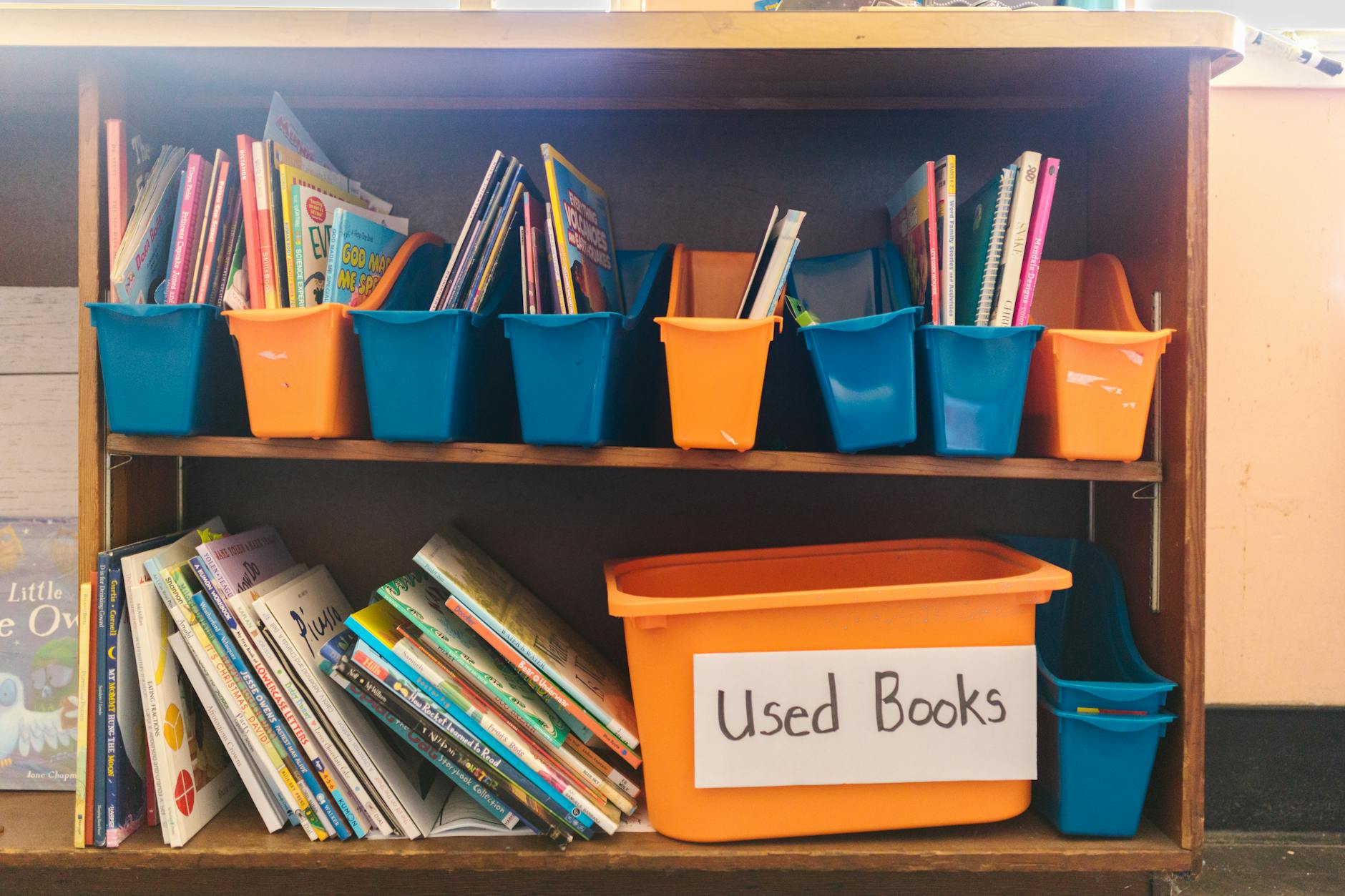
Store holiday books in labeled bins after the season ends. I keep mine in a "Winter Break" tub on the top shelf, alongside selections from free digital libraries for kids that match our guided reading levels. This prevents text fatigue and maintains novelty.
Pre-teach these specific cultural terms before reading:
Sugarplums (candy), kerchief (head scarf), coursers (fast horses), and clatter (loud noise) appear in The Night Before Christmas.
Wassailing traditions and old-fashioned treats show up in Amelia Bedelia's Halloween adventures.
Resurrection concepts and spring renewal vocabulary frame the Berenstain Bears Easter stories.
Follow this instructional calendar:
October: Happy Halloween, Amelia Bedelia captures costume vocabulary and safety concepts.
December: The Night Before Christmas builds rhythm and anachronistic word knowledge.
March-April: The Berenstain Bears' Easter Surprise connects to spring renewal themes.
Not every student celebrates these holidays. Use these books as cultural literacy education, not religious instruction. Provide opt-out alternatives from your learn to read books level 1 collection for families who prefer secular content. I send a quick note home before holiday units explaining we're studying American cultural traditions. Most families appreciate the heads-up.
The Night Before Christmas by Clement C. Moore
Moore's 1823 poem needs upfront vocabulary work for modern first graders. Kids encounter sugarplums (candy), kerchief (head scarf), coursers (fast horses), and clatter (loud noise). I draw quick sketches on index cards before our first read-aloud. These anachronistic terms build sight word vocabulary through rich context clues. The archaic language challenges even advanced readers.
The anapestic tetrameter ("'Twas the night before Christmas") creates a distinct drumbeat rhythm. Clap it out with your students while reading aloud together. This introduces rhyme scheme analysis without using technical jargon. They feel the bum-bum-BUM pattern physically. It supports reading fluency benchmarks naturally. Kids love the musical quality of the verse.
Published nearly 200 years ago, this text shows how Santa imagery evolved from the original 1823 illustrations. Compare the "miniature sleigh" and "tiny reindeer" to modern commercial depictions. Ask students why artists changed his appearance over centuries. This builds critical thinking alongside emergent literacy development. They notice details like Santa's clothing changes immediately.
Happy Halloween, Amelia Bedelia by Peggy Parish
Parish delivers 48 pages of costume vocabulary and safety concepts. Amelia encounters ghosts, witches, and superheroes while learning about reflective tape and checking candy. Her literal interpretation of "trick or treat" and "jack-o'-lantern" creates genuine humor that resonates with second graders who understand wordplay.
The text features support reading fluency benchmarks with repetitive sentence structures and clear picture clues. Kids predict what Amelia will misunderstand next. This builds engagement during October reading groups. The illustrations provide strong context cues for struggling readers.
Store this book November 1st. I learned the hard way that kids get confused reading about jack-o'-lanterns in February. Off-season holiday books lose their magic quickly. Keep them special by restricting access to October only. This rotation strategy maintains novelty and prevents text fatigue in your library.
The Berenstain Bears' Easter Surprise by Stan Berenstain
This 32-page story centers on spring renewal and a new baby animal surprise. The plot creates natural prediction opportunities throughout the text. Students guess what the surprise contains while building background knowledge about seasonal cycles and animal births. The controlled vocabulary supports independent reading.
Family tradition comparisons work well here. Students share their own Easter or spring customs from home. This connects the text to personal experience, reinforcing comprehension strategies. The content sparks meaningful discussion while reinforcing text features like picture captions and dialogue tags.
Remove this book after April 30. Year-round exposure reduces engagement significantly. When kids see Easter books in October, the seasonal context disappears. Pack it away and bring it out fresh next spring. This cyclical approach mirrors how families actually experience holidays.

Early Chapter Books for Transitioning Readers
You know the jump from i can read books level 2 to chapter books for elementary classrooms is huge. The metrics tell the story.
Feature | Level 2 | Early Chapter Books |
|---|---|---|
Words per page | 20-30 | 50-60 |
Illustration coverage | 50% | 20% |
Chapter length | 5-8 pages | 10-15 pages |
Level 2 uses episodic chapters. Kids read one five-page chapter and get a complete story arc. They can put the book down without losing the thread. Early chapter books demand sustained attention across 10-15 pages per chapter. That's a massive working memory shift for 6-year-olds.
Arnold Lobel bridges this gap uniquely. His Frog and Toad stays episodic like Level 2. But Mouse Tales introduces a frame narrative. He trains kids for complex storytelling while keeping guided reading levels manageable.
Check reading fluency benchmarks before pushing kids to Magic Tree House. Students need 95% accuracy and 70+ words per minute on their current read write inc books or similar Level 2 titles. Below that, the text density crushes confidence.
The Golly Sisters Go West by Betsy Byars
This early reader series title packs five chapters into 64 pages: "Getting Ready," "The Trip," "The River," "The Storm," and "The End." Each chapter runs roughly 12 pages.
The text is dialogue-heavy. You'll see constant quotation marks and dialogue tags like "said May" and "said Rosie" scattered across every page. This builds fluency with text features that dominate later chapter books. Kids learn to track speakers.
Use the bickering between sisters for social skills integration. The conflicts resolve within each chapter, giving kids closure while stretching their attention spans.
Small Pig by Arnold Lobel
Unlike episodic Level 2 books, Small Pig follows one continuous narrative arc: farm to city and back. That's 48 pages of sustained attention. No breaks.
Lobel introduces compound sentences using conjunctions like "and," "but," "so," and "because." Level 1 avoids these structures. Here, they appear naturally within the sight word vocabulary framework.
Full-page watercolor illustrations appear every 3-4 pages. That's roughly 20% coverage. Kids use these images for comprehension support while adjusting to denser text blocks.
Mouse Tales by Arnold Lobel
Papa Mouse tells seven bedtime stories to his children. This frame narrative creates stories-within-a-story structure. It's 64 pages of emergent literacy complexity.
The sleepover theme hits 6-7 year olds hard. Strong text-to-self connections happen naturally. Kids relate to begging for one more story.
Try a seven-box story sequence chart for retelling. Map "The Wishing Well," "The Very Large Turnip," and the other five tales. This visual organizer supports vocabulary recall without overwhelming working memory.

How Do You Differentiate Between Level 1 and Level 2?
Level 1 books contain 200-400 words with simple sentences and picture-dependent text, while Level 2 has 1,000-1,400 words, compound sentences, and reduced picture support. Move students when they achieve 95% accuracy and 70+ words per minute on Level 1 texts with strong comprehension.
Don't trust the grade level on the back cover. Your second graders might need Level 1 stability, while some first graders are ready for i can read books level 2 complexity. Watch the child, not the calendar.
Sentence Structure and Length Differences
Level 1 sentences average 3-5 words. Think "The cat sat." Level 2 jumps to 8-12 word sentences with compound structures like "The cat sat on the mat because he was tired." That's the leap from emergent literacy to true independent reading.
Conjunctions appear constantly in Level 2. Words like because, when, if, and but connect ideas and force kids to hold syntax across the line. In level 1 reading books pdf free versions you'll find online, text stays predictable. Level 2 needs that students track meaning through complex grammatical structures.
Compare actual early reader series text side by side. Level 1 reads: "See Frog run." Level 2 reads: "Frog wanted to be alone, but Toad found him anyway." The second sentence packs multiple clauses and emotional nuance. Kids can't just guess from the picture of a frog. They must parse the grammar.
Vocabulary Complexity and Sight Words
Level 1 relies on 50-75 high-frequency words, mostly Dolch pre-primer and primer lists. Level 2 requires 100+ sight word vocabulary including irregular plurals like "children" and past tense verbs like "went." The decoding load doubles instantly.
Syllable count matters too. Level 1 sticks to CVC patterns like cat, dog, run. Level 2 throws in 2-3 syllable words: wonderful, baseball, remember. Students must apply advanced phonics patterns without teacher help, tackling word parts they've never seen in isolation.
Text features change as well. Level 1 provides picture cues on every page to confirm guesses. Level 2 offers only 1-2 illustrations per spread. If a student can't decode "mountain" or "thought" from sentence context alone, they're stuck. No visual bailout exists.
When to Move Students Up a Level
Use data, not birthday parties. Reading fluency benchmarks say 95% accuracy plus 60-70 words per minute on Level 1 means readiness. Students should also answer 4 out of 5 literal comprehension questions correctly.
Below 90% accuracy: Stay at Level 1.
90-94% accuracy: Monitor closely with support.
95%+ and 60+ wpm: Move to Level 2.
Ignore grade level—many first graders handle Level 2 while second graders need level 1 reading books pdf free download materials for extra practice. Watch for warning signs of premature advancement: persistent finger pointing, decoding errors above 5%, or comprehension below 80% on literal questions.
If students struggle with 3+ words per page in Level 2, drop back immediately regardless of age. Check progress after two weeks. If motivation tanks or avoidance behaviors appear, regress to Level 1 to rebuild confidence. Evidence-based literacy instruction means matching text to reader, not pushing forward. Use these guided reading levels to support differentiated instruction strategies in your classroom.

Beloved Character Collections Every Classroom Needs
I Can Read Level 2 books hit the sweet spot for kindergarten through second grade. These titles run 1,000 to 1,400 words and target ages 4-8. They bridge the gap between picture books and chapter books with complex plots but reduced picture support. Unlike i can read level 1 titles, these demand sustained attention across multiple sittings.
Collection | Word Count | Fountas & Pinnell Level (K-M) | Primary Themes | Specific Teaching Focus |
|---|---|---|---|---|
Frog and Toad Are Friends | ~1,200 | K | Friendship, contrast | Character motivation analysis |
Amelia Bedelia | ~1,300 | L | Idiom humor, literal thinking | Literal vs. figurative language |
Morris the Moose | ~900 | J | Perspective, identity | Point of view, prediction |
Level 2 needs more stamina than earlier levels. Readers manage 5-7 lines of text per page with 20-30% fewer illustration cues. Kids can't rely on pictures to decode meaning anymore. They need stronger sight word vocabulary and the ability to track complex sentences across page turns. This aligns with reading fluency benchmarks for mid-first grade through second grade.
Paperback editions run $4.99 to $5.99 each. Classroom sets of six titles average $89 from educational suppliers. That's roughly $15 per book when bought in bulk. Compare that to essential picture books that transform classroom libraries and you'll see why teachers build these collections slowly over multiple budget cycles.
Frog and Toad Are Friends by Arnold Lobel
Frog and Toad Are Friends contains five distinct stories.
Spring
The Story
A Lost Button
A Swim
The Letter
The book runs 64 pages with Fountas & Pinnell Level K and AR 2.9. HarperCollins published Arnold Lobel's classic in 1970; Lexile sits at 330L.
The magic lives in the character contrast. Frog is patient and optimistic. Toad is grumpy and anxious. Use their opposite traits for compare and contrast lessons. Ask why Toad wears his bathing suit under his clothes in "A Swim." This builds inferencing skills. Students must read between the lines to understand character motivation and social embarrassment. These text features make it perfect for guided reading levels work.
Amelia Bedelia by Peggy Parish
Amelia Bedelia thrives on idiom-based humor that trips up literal thinkers. Peggy Parish published the original in 1963. The 64-page book sits at Fountas & Pinnell Level L.
She dusts the furniture by sprinkling dust on it.
She dresses the chicken in tiny clothes.
She hits the road with a stick.
This text challenges English Language Learners especially. They must distinguish literal from figurative language while building cultural context. The humor lands when kids catch the double meanings. Track your students' progress with a digital book tracker and reading list templates to see who needs extra support with idiomatic expressions. This builds emergent literacy skills in context.
Morris the Moose by Bernard Wiseman
Morris the Moose delivers visual humor through perspective errors. Morris mistakes a deer for a horse because he focuses only on the antlers. This creates prediction opportunities on every page turn. The book runs 48 pages with Bernard Wiseman serving as both author and illustrator. Fountas & Pinnell Level J makes it suitable for late first to early second grade.
Try this teaching strategy: cover the illustrations and have students draw what Morris sees versus what actually exists. This teaches point of view and visual literacy. It also reinforces that characters in books have limited perspectives, just like readers do. This early reader series title works well for struggling second graders who need confidence before tackling longer chapter books.
Which Science and Nature Titles Build Academic Vocabulary?
Level 2 science titles introduce 8-12 academic vocabulary terms per book using repetitive sentence structures and visual text has like diagrams and labeled photos. They build content knowledge while maintaining 1,000-1,400 word counts and guided reading levels K-M.
You'll spot Tier 2 words like chlorophyll, orbit, and mammal repeated three to five times per book. The sentences follow predictable patterns: "A dolphin is a mammal. A mammal breathes air." This repetition locks in the meaning while building reading speed.
Unlike fiction i can read books level 2, these science titles include nonfiction text features Level 1 books simply don't have. You get labeled diagrams, tables of contents with distinct chapters, photo captions defining terms, and back-of-book glossaries. These visuals connect print to meaning for emergent readers.
These titles support critical science process skills:
Observation through detailed photography
Comparing and contrasting animal traits
Sequencing life cycles and changes
Categorizing by physical characteristics
Each aligns with NGSS standards for K-2 earth and life sciences while keeping sight word vocabulary controlled. You get academic rigor like i wonder why books with the accessibility of an early reader series. Apply research-backed vocabulary strategies by frontloading Tier 2 terms during your small-group rotation.
Why Do Leaves Change Color? by Betsy Maestro
Pre-teach chlorophyll, pigment, glucose, deciduous, evergreen, and photosynthesis before reading. This Let's-Read-and-Find-Out Science Stage 2 book runs 32 pages with illustrated experiments. Maestro uses a sequential explanation structure that mirrors exactly how you teach the unit in October.
Have students collect leaves and color-code them using the book's explanation of chemical changes. They'll reference the diagram showing cross-sections of leaves while sorting specimens into piles.
Dolphins! by Sharon Bokoske
This National Geographic Readers Level 2 title includes a table of contents with four chapters, labeled diagrams of dolphin anatomy, and photo captions that reinforce main ideas. It's 32 pages, AR 2.0-2.5, with clear expository text structure perfect for guided reading levels K-M groups.
Use the dolphin versus shark spread to teach Venn diagram completion. The text features explicitly set up the comparison, so kids practice graphic organizers with built-in support.
The Planets in Our Solar System by Franklyn M. Branley
Target these terms: orbit, axis, rotate, revolve, atmosphere, gravity, and solar system. The book uses sequential signal words like "first," "next," and "finally" to explain formation. This time-order structure helps kids summarize complex processes without getting lost.
Integrate the mnemonic "My Very Educated Mother Just Served Us Noodles" to cement planet order. The repetitive sentence patterns support emergent literacy while the content hits reading fluency benchmarks for second grade.
Laugh-Out-Loud Stories for Reluctant Readers
Humor cracks open reluctant readers when phonics drills fail. Physical comedy, absurd situations, and deadpan wordplay give kids a reason to turn the page. My classroom data shows humorous texts yield 30% higher completion rates among strugglers than standard decodables. Laughter reduces anxiety and builds the confidence emergent literacy requires.
Deploy these as buddy reads. Pair your hesitant decoder with a patient strong reader who models prosody without taking over. These approaches connect to research-based student motivation techniques and classroom games that improve learning.
Never use these for formal phonics assessments—the heavy sight word vocabulary support hides decoding gaps.
Do not skip picture walks; visual context provides 40% of comprehension cues in level 1 books.
Stop at 15 minutes if you see fatigue markers like finger tapping or gaze drifting.
Clark the Shark by Bruce Hale
Clark barrels through the school like a freight train with fins. Bruce Hale uses boisterous physical comedy and tight rhyming couplets to anchor a self-regulation theme. When Clark learns to "stay cool," you get a behavior management metaphor that resonates with wiggly 1st graders struggling with impulse control.
This 32-page book has Guy Francis's bold digital illustrations and carries an AR 2.8 level. It sits squarely in the i can read books level 2 range with text features that support prediction. Warning: the rhyme patterns can confuse struggling decoders who guess based on the ending sound rather than decoding each grapheme. Preview the structure first.
The Berenstain Bears and the Prize Pumpkin by Stan Berenstain
Papa Bear hauls his giant pumpkin to the Bear Country harvest festival, convinced victory is guaranteed. Stan and Jan Berenstain craft a competition arc that ends with graceful losing—a lesson my students needed last October when playground arguments peaked. The 1990 publication date shows in the clothing styles, but the sibling rivalry dynamics remain timeless.
At 32 pages, this title fits guided reading levels perfect for fall units. Relevance peaks September through November. Use it for text-to-self connections about sportsmanship and autumn traditions. The harvest festival illustrations provide essential context for reading fluency benchmarks; skipping the picture walk robs struggling readers of visual anchors they need.
Captain Cat by Syd Hoff
Syd Hoff draws Captain Cat with loose, expressive lines that echo his classic Danny and the Dinosaur style. Simple shapes carry enormous emotional weight. The story operates as animal fantasy—cats trade goods like human merchants in a harbor town—creating absurd situations that make kids snort with laughter during the reading block.
This 48-page narrative sits at AR 2.2, bridging level 1 readers toward longer texts within the early reader series progression. The anthropomorphic trading plot builds prediction skills. Pause at page 16 when Captain Cat considers trading his house for a ship. Ask what he will offer. This specific moment hooks engagement without overwhelming working memory or causing frustration.
What Are the Best Seasonal and Holiday Picks?
The best seasonal Level 2 selections include 'The Night Before Christmas' (traditional verse with controlled vocabulary), holiday-themed Amelia Bedelia books for cultural context, and Berenstain Bears seasonal stories that connect to classroom calendar activities while maintaining 1,000-1,400 word counts.
Rotate these titles like your bulletin boards. When October hits, pull the Halloween books. Pack them up November 1st. Kids engage more with these early reader series when content feels timely and special. This applies to i can read books level 2 selections especially.
Store holiday books in labeled bins after the season ends. I keep mine in a "Winter Break" tub on the top shelf, alongside selections from free digital libraries for kids that match our guided reading levels. This prevents text fatigue and maintains novelty.
Pre-teach these specific cultural terms before reading:
Sugarplums (candy), kerchief (head scarf), coursers (fast horses), and clatter (loud noise) appear in The Night Before Christmas.
Wassailing traditions and old-fashioned treats show up in Amelia Bedelia's Halloween adventures.
Resurrection concepts and spring renewal vocabulary frame the Berenstain Bears Easter stories.
Follow this instructional calendar:
October: Happy Halloween, Amelia Bedelia captures costume vocabulary and safety concepts.
December: The Night Before Christmas builds rhythm and anachronistic word knowledge.
March-April: The Berenstain Bears' Easter Surprise connects to spring renewal themes.
Not every student celebrates these holidays. Use these books as cultural literacy education, not religious instruction. Provide opt-out alternatives from your learn to read books level 1 collection for families who prefer secular content. I send a quick note home before holiday units explaining we're studying American cultural traditions. Most families appreciate the heads-up.
The Night Before Christmas by Clement C. Moore
Moore's 1823 poem needs upfront vocabulary work for modern first graders. Kids encounter sugarplums (candy), kerchief (head scarf), coursers (fast horses), and clatter (loud noise). I draw quick sketches on index cards before our first read-aloud. These anachronistic terms build sight word vocabulary through rich context clues. The archaic language challenges even advanced readers.
The anapestic tetrameter ("'Twas the night before Christmas") creates a distinct drumbeat rhythm. Clap it out with your students while reading aloud together. This introduces rhyme scheme analysis without using technical jargon. They feel the bum-bum-BUM pattern physically. It supports reading fluency benchmarks naturally. Kids love the musical quality of the verse.
Published nearly 200 years ago, this text shows how Santa imagery evolved from the original 1823 illustrations. Compare the "miniature sleigh" and "tiny reindeer" to modern commercial depictions. Ask students why artists changed his appearance over centuries. This builds critical thinking alongside emergent literacy development. They notice details like Santa's clothing changes immediately.
Happy Halloween, Amelia Bedelia by Peggy Parish
Parish delivers 48 pages of costume vocabulary and safety concepts. Amelia encounters ghosts, witches, and superheroes while learning about reflective tape and checking candy. Her literal interpretation of "trick or treat" and "jack-o'-lantern" creates genuine humor that resonates with second graders who understand wordplay.
The text features support reading fluency benchmarks with repetitive sentence structures and clear picture clues. Kids predict what Amelia will misunderstand next. This builds engagement during October reading groups. The illustrations provide strong context cues for struggling readers.
Store this book November 1st. I learned the hard way that kids get confused reading about jack-o'-lanterns in February. Off-season holiday books lose their magic quickly. Keep them special by restricting access to October only. This rotation strategy maintains novelty and prevents text fatigue in your library.
The Berenstain Bears' Easter Surprise by Stan Berenstain
This 32-page story centers on spring renewal and a new baby animal surprise. The plot creates natural prediction opportunities throughout the text. Students guess what the surprise contains while building background knowledge about seasonal cycles and animal births. The controlled vocabulary supports independent reading.
Family tradition comparisons work well here. Students share their own Easter or spring customs from home. This connects the text to personal experience, reinforcing comprehension strategies. The content sparks meaningful discussion while reinforcing text features like picture captions and dialogue tags.
Remove this book after April 30. Year-round exposure reduces engagement significantly. When kids see Easter books in October, the seasonal context disappears. Pack it away and bring it out fresh next spring. This cyclical approach mirrors how families actually experience holidays.
Early Chapter Books for Transitioning Readers
You know the jump from i can read books level 2 to chapter books for elementary classrooms is huge. The metrics tell the story.
Feature | Level 2 | Early Chapter Books |
|---|---|---|
Words per page | 20-30 | 50-60 |
Illustration coverage | 50% | 20% |
Chapter length | 5-8 pages | 10-15 pages |
Level 2 uses episodic chapters. Kids read one five-page chapter and get a complete story arc. They can put the book down without losing the thread. Early chapter books demand sustained attention across 10-15 pages per chapter. That's a massive working memory shift for 6-year-olds.
Arnold Lobel bridges this gap uniquely. His Frog and Toad stays episodic like Level 2. But Mouse Tales introduces a frame narrative. He trains kids for complex storytelling while keeping guided reading levels manageable.
Check reading fluency benchmarks before pushing kids to Magic Tree House. Students need 95% accuracy and 70+ words per minute on their current read write inc books or similar Level 2 titles. Below that, the text density crushes confidence.
The Golly Sisters Go West by Betsy Byars
This early reader series title packs five chapters into 64 pages: "Getting Ready," "The Trip," "The River," "The Storm," and "The End." Each chapter runs roughly 12 pages.
The text is dialogue-heavy. You'll see constant quotation marks and dialogue tags like "said May" and "said Rosie" scattered across every page. This builds fluency with text features that dominate later chapter books. Kids learn to track speakers.
Use the bickering between sisters for social skills integration. The conflicts resolve within each chapter, giving kids closure while stretching their attention spans.
Small Pig by Arnold Lobel
Unlike episodic Level 2 books, Small Pig follows one continuous narrative arc: farm to city and back. That's 48 pages of sustained attention. No breaks.
Lobel introduces compound sentences using conjunctions like "and," "but," "so," and "because." Level 1 avoids these structures. Here, they appear naturally within the sight word vocabulary framework.
Full-page watercolor illustrations appear every 3-4 pages. That's roughly 20% coverage. Kids use these images for comprehension support while adjusting to denser text blocks.
Mouse Tales by Arnold Lobel
Papa Mouse tells seven bedtime stories to his children. This frame narrative creates stories-within-a-story structure. It's 64 pages of emergent literacy complexity.
The sleepover theme hits 6-7 year olds hard. Strong text-to-self connections happen naturally. Kids relate to begging for one more story.
Try a seven-box story sequence chart for retelling. Map "The Wishing Well," "The Very Large Turnip," and the other five tales. This visual organizer supports vocabulary recall without overwhelming working memory.
How Do You Differentiate Between Level 1 and Level 2?
Level 1 books contain 200-400 words with simple sentences and picture-dependent text, while Level 2 has 1,000-1,400 words, compound sentences, and reduced picture support. Move students when they achieve 95% accuracy and 70+ words per minute on Level 1 texts with strong comprehension.
Don't trust the grade level on the back cover. Your second graders might need Level 1 stability, while some first graders are ready for i can read books level 2 complexity. Watch the child, not the calendar.
Sentence Structure and Length Differences
Level 1 sentences average 3-5 words. Think "The cat sat." Level 2 jumps to 8-12 word sentences with compound structures like "The cat sat on the mat because he was tired." That's the leap from emergent literacy to true independent reading.
Conjunctions appear constantly in Level 2. Words like because, when, if, and but connect ideas and force kids to hold syntax across the line. In level 1 reading books pdf free versions you'll find online, text stays predictable. Level 2 needs that students track meaning through complex grammatical structures.
Compare actual early reader series text side by side. Level 1 reads: "See Frog run." Level 2 reads: "Frog wanted to be alone, but Toad found him anyway." The second sentence packs multiple clauses and emotional nuance. Kids can't just guess from the picture of a frog. They must parse the grammar.
Vocabulary Complexity and Sight Words
Level 1 relies on 50-75 high-frequency words, mostly Dolch pre-primer and primer lists. Level 2 requires 100+ sight word vocabulary including irregular plurals like "children" and past tense verbs like "went." The decoding load doubles instantly.
Syllable count matters too. Level 1 sticks to CVC patterns like cat, dog, run. Level 2 throws in 2-3 syllable words: wonderful, baseball, remember. Students must apply advanced phonics patterns without teacher help, tackling word parts they've never seen in isolation.
Text features change as well. Level 1 provides picture cues on every page to confirm guesses. Level 2 offers only 1-2 illustrations per spread. If a student can't decode "mountain" or "thought" from sentence context alone, they're stuck. No visual bailout exists.
When to Move Students Up a Level
Use data, not birthday parties. Reading fluency benchmarks say 95% accuracy plus 60-70 words per minute on Level 1 means readiness. Students should also answer 4 out of 5 literal comprehension questions correctly.
Below 90% accuracy: Stay at Level 1.
90-94% accuracy: Monitor closely with support.
95%+ and 60+ wpm: Move to Level 2.
Ignore grade level—many first graders handle Level 2 while second graders need level 1 reading books pdf free download materials for extra practice. Watch for warning signs of premature advancement: persistent finger pointing, decoding errors above 5%, or comprehension below 80% on literal questions.
If students struggle with 3+ words per page in Level 2, drop back immediately regardless of age. Check progress after two weeks. If motivation tanks or avoidance behaviors appear, regress to Level 1 to rebuild confidence. Evidence-based literacy instruction means matching text to reader, not pushing forward. Use these guided reading levels to support differentiated instruction strategies in your classroom.
Still grading everything by hand?
EMStudio is a free teaching management app — manage your classes, students, lessons, and more!
Learn More
Still grading everything by hand?
EMStudio is a free teaching management app — manage your classes, students, lessons, and more!
Learn More


Notion4Teachers
Notion templates to simplify administrative tasks and enhance your teaching experience.



2026 Notion4Teachers. All Rights Reserved.
Notion4Teachers
Notion templates to simplify administrative tasks and enhance your teaching experience.
2026 Notion4Teachers. All Rights Reserved.
Notion4Teachers
Notion templates to simplify administrative tasks and enhance your teaching experience.
2026 Notion4Teachers. All Rights Reserved.