
12 Education Academy Programs for K-12 Teachers
12 Education Academy Programs for K-12 Teachers

Article by
Milo
ESL Content Coordinator & Educator
ESL Content Coordinator & Educator
All Posts
You're staring at next year's PD calendar and already dreading another eight hours in the district cafeteria watching someone read slides about "best practices" you heard five years ago. You need continuing education for educators that actually changes how you teach, not just a certificate to file in your portfolio. Every August, I watch colleagues return from district-mandated training with that familiar glazed expression, clutching folders they'll never open. That's exactly why three summers back I started hunting for an education academy program worth my actual summer break and my own money.
I've sat through enough professional development workshops to know the difference between filler and transformation. The right curriculum development programs don't just hand you binders of worksheets. They send you to dig sites in Greece, coding labs at MIT, or rural classrooms in Kenya for pedagogical training. Last summer, my department chair returned from a STEM program with engineering challenges she'd tested herself. Whether you need teacher certification credits or want instructional strategies that stick, these twelve academies deliver. I know because I've attended them or debriefed teachers who changed. Energized and ready to rewrite their lesson plans for real.
Still grading everything by hand?
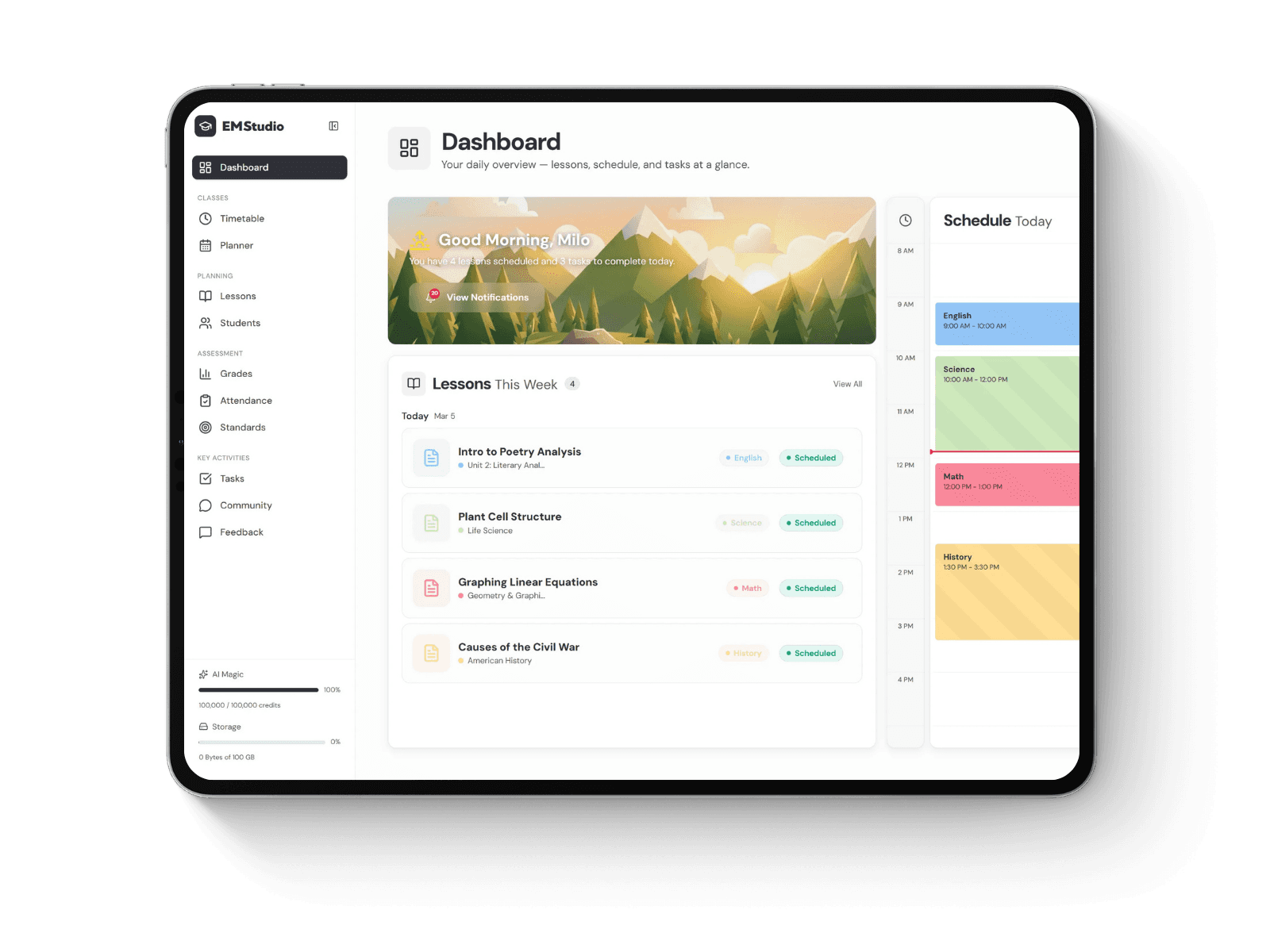
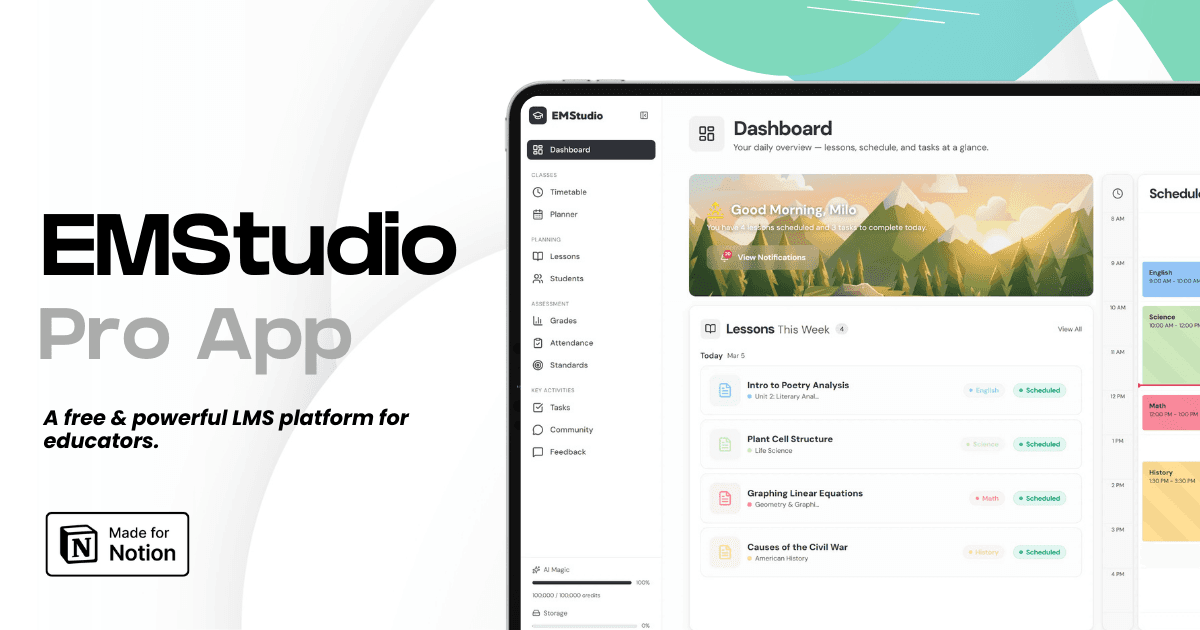
EMStudio is a free teaching management app — manage your classes, students, lessons, and more!
Learn More
Still grading everything by hand?
EMStudio is a free teaching management app — manage your classes, students, lessons, and more!
Learn More
Table of Contents
What Are the Best Summer Education Academies for Teachers?
The best summer education academies include the National Endowment for the Humanities Summer Seminars ($1,300-$3,450 stipends), Gilder Lehrman Teacher Symposiums at Yale/Oxford (fully funded), and Close Up Washington Civic Education Programs. These 1-4 week residential programs offer graduate credit, curriculum development time, and networking with master teachers across the country.
You want PD that actually changes your practice. Not another webinar you watch while grading papers. These three summer programs for teachers get you out of your classroom and into spaces where history and pedagogy collide.
Program | Duration | Stipend/Funding | Application Deadline |
|---|---|---|---|
NEH Summer Seminars | 2 weeks | $1,300-$3,450 | November-March 1 |
Gilder Lehrman Symposiums | 1 week | Fully funded + travel | December-February |
Close Up Washington | 6 days | $1,800-$2,200 cost | Rolling |
Common Application Mistakes
Submitting without a curriculum vitae. NEH rejects incomplete packets automatically. They will not email you for missing pages.
Missing March 1. That deadline is hard. Set a phone reminder for February 15.
Requesting district funding for programs that prohibit stipend stacking. Check your contract first.
These summer opportunities for teachers serve different needs. Choose NEH for deep humanities content and career development opportunities for educators. Pick Gilder Lehrman if you teach American history and want Ivy League resources. Go Close Up for immediate civic engagement strategies you can use Tuesday morning.
National Endowment for the Humanities Summer Seminars
I sat in "The Civil War in American Memory" at the University of Georgia last July. Two weeks of residential study. Morning seminars with published historians, afternoons digging through archives handling actual 1860s letters, evenings drinking sweet tea on the quad while arguing pedagogy with teachers from Montana and Miami. That's the NEH model.
You earn a taxable stipend between $1,300 and $3,450 depending on program length. Not retirement money. But they cover housing and most meals, so you actually keep the stipend.
The application process separates dreamers from doers. You need a 500-word essay explaining exactly how this specific seminar rebuilds your teaching practice. A 2-page CV showing you're serious about continuing education for educators. A lesson plan sample demonstrating your current craft. And a letter from your principal promising you won't accept the money then cancel to chaperone band camp. Everything uploads through the NEH Online Application Portal. Hit submit before March 1. Earlier is better.
I rewrote my essay four times. My principal wrote the support letter in January after I brought him coffee. Start gathering materials in October. These curriculum development programs fill fast because teachers talk.
Gilder Lehrman Teacher Symposiums
One week. Yale University or Oxford University. You sleep in undergrad dorms, eat dining hall food that beats your school cafeteria, and debate the Federalist Papers with history teachers from Tulsa, Tampa, and Toronto. The focus is American constitutional history, digging into founding documents you thought you knew.
This is fully funded. Free tuition, room, board, plus travel reimbursement up to $400 for domestic flights or $600 if you're coming from overseas. You pay for coffee and Oxford sweatshirts. That's it. No hidden fees.
They target middle and high school history teachers, grades 6-12. You need at least three years in the classroom. They want practitioners, not preservice teachers still figuring out photocopiers. The application requires a current American history lesson plan that proves you actually teach the content. I submitted my lesson on Reconstruction political cartoons analyzing Thomas Nast drawings.
The symposium rewired my approach to constitutional debates. Instead of lecturing about checks and balances, I now run simulations. Proven professional growth programs like this work because they respect your expertise while pushing you deeper. You can earn teacher certification credits through partner universities if you need the hours.
Close Up Washington Civic Education Programs
Six days in Washington DC. You stand in the Capitol Gallery at 8 AM watching the House come to order. Afternoons wandering the Supreme Court halls or digging into Smithsonian archives with your cohort. Evenings processing the day with teachers from rural Texas, urban Baltimore, and suburban Ohio who all share your civic education headaches.
This one costs real money. $1,800 to $2,200 depending on your housing choices. Most districts won't touch it with a ten-foot pole. Close Up gives you a fundraising toolkit because they know you're broke. I sold chocolate bars to my colleagues and wrote DonorsChoose grants titled "Democracy Needs Informed Teachers."
You don't just observe. You participate in mock hearings, meet with congressional staffers, and debate current bills. Then you leave with a civic action plan. Not a vague idea. A concrete project you implement during fall semester. Maybe it's a mock Congress addressing local water rights. Maybe student voter registration drives. Close Up follows up through their alumni network all year, checking on your implementation.
This education academy delivers professional development workshops through immersive experience. If you teach civics and feel stale reading the same textbook chapter on judicial review, this shakes the dust off. The pedagogical training and instructional strategies you collect work for AP Government seniors and 7th graders alike. It's expensive, but you return with lesson plans written, not just inspiration.

Which Travel Teaching Academies Offer Global Classroom Opportunities?
Top travel teaching academies include the fully-funded Fulbright Distinguished Awards (semester-long research abroad), National Geographic Grosvenor Fellowships (2-week Arctic/Antarctic expeditions), and GEEO programs (1-3 weeks in 12 countries). Most require 3+ years experience, administrator support, and deliverables like curriculum units upon completion.
Not all travel teaching programs pay you. Fulbright covers your salary and living costs. Grosvenor funds the expedition fully. GEEO comes out of your pocket but offers teacher certification credits. Know the difference before you apply.
If you have 5+ years experience and a master's degree, apply for Fulbright. If you teach geography or environmental science, target Grosvenor. If you need a short summer option, choose GEEO.
Teachers often assume their spouse can tag along for free. Most programs strictly prohibit guests or charge $1,500-$3,000 extra. I watched a colleague get blindsided by this during her Galapagos application. Check the fine print before you mention the trip to your family.
Fulbright Distinguished Awards in Teaching Program
This education academy sends you abroad for 3-4 months to research education practices. You embed in schools in Finland, Singapore, or the Netherlands, observing classes and interviewing teachers daily. I know a 4th grade teacher from Ohio who spent a semester studying play-based learning in Dutch schools. She returned with new instructional strategies for her science block that transformed her entire grade level.
You need 5+ years experience and a master's degree helps significantly. The application needs administrator support letters and a detailed research proposal outlining your inquiry questions. Start drafting in February for the October deadline. The process is rigorous and requires multiple revisions, but the payoff is a fully-funded semester away.
The funding model is unmatched by other travel teaching programs. You receive a living stipend of $3,000-$4,500 monthly depending on the host country's cost of living. Round-trip travel and health insurance are covered. Fulbright signs an agreement with your district to continue your full salary while you're gone. You don't lose income to travel.
Global Exploration for Educators Organization Travel Academies
GEEO runs 1-3 week summer trips to destinations like the Iceland Ring Road, Galapagos Islands, and Vietnam Cultural Sites. These are teacher-funded, running $2,500-$4,500 depending on location. You earn 45-90 contact hours for continuing education for educators through their university partnerships. I did the Iceland trip with 14 other teachers. We hiked glaciers during the day and planned curriculum at night in hostel common rooms.
Each cohort caps at 12-16 educators. You travel together, share hotel rooms, and collaborate constantly. The group becomes your professional learning community instantly. My roommate taught high school biology and helped me design a lesson on integrating global perspectives in your classroom using volcanic rock samples.
The catch? Within one semester of returning, you must design and teach a 3-lesson unit plan based on your field experiences. This isn't optional busywork. GEEO follows up with your administrator to verify you actually implemented the lessons. The accountability ensures these curriculum development programs actually change your teaching practice.
National Geographic Grosvenor Teacher Fellowships
This teacher academy offers the bucket-list expedition for geography teachers. Two weeks aboard Lindblad expedition ships to the Arctic, Antarctic, or Galapagos, traveling with naturalists and photographers. National Geographic selects roughly 50 fellows from over 6,000 applications annually. The competition is brutal. You need demonstrated commitment to geography education and a track record of innovative pedagogy that extends beyond your classroom walls.
Eligibility requires active K-12 teaching status and at least three years of experience. They want educators who will amplify the experience through public channels. I applied twice before getting finalist status. The application asks for evidence of how you'll share the journey with students and colleagues. They expect you to lead professional development workshops and create multimedia presentations upon your return.
If selected, you commit to two years of National Geographic education initiatives post-expedition. This means presenting at conferences, writing articles, or leading teacher training. Think of it as programs that include global internships—you're working while exploring remote wilderness. The pedagogical training transforms how you teach place-based education.

Subject-Specific Teacher Academies for STEM and Humanities
These teacher academies prioritize content knowledge over pedagogy. They suit educators seeking deep subject expertise. They do not help with classroom management strategies. If you struggle with rowdy 3rd graders, look elsewhere. If you want to master Mars data analysis or Shakespearean performance techniques, apply immediately.
NASA Space Grant: Grades 5-12, $500-$1,000 stipend, 5 days at space centers.
Folger Institute: Grades 9-12, $2,100 plus housing/meals, 4 weeks residential in DC.
NSTA Institutes: Grades K-12, $250-$400, 2 days at conferences with take-home kits.
Research indicates these subject-specific intensive programs improve teacher content knowledge measurably. However, they require twenty-plus hours of follow-up implementation to affect student achievement. Simply attending changes nothing. You must bring the activities back and teach them repeatedly. That gap separates effective continuing education for educators from wasted PD days.
NASA Space Grant Educator Institutes
The NASA Space Grant Educator Institutes run intensive five-day workshops at Johnson Space Center or Kennedy Space Center. You build actual ROVs and analyze real Mars surface data. State-dependent stipends range from $500 to $1,000, which help offset travel costs but rarely cover everything. My 7th graders still talk about the underwater exploration unit I brought back last October. You spend mornings in labs and afternoons analyzing data. The hands-on approach beats standard webinar-based professional development workshops.
Grade-specific tracks split into distinct cohorts. Grades 5-8 focus on foundational engineering and basic rocketry concepts. Grades 9-12 tackle advanced data analysis and authentic mission planning scenarios. Both groups must implement two NASA-themed lessons and submit detailed student work samples by December. This accountability piece ensures these curriculum development programs reach your students instead of gathering dust. The December deadline ensures you implement during the fall semester when student energy runs high.
You troubleshoot robot builds alongside actual aerospace engineers. That authenticity transfers directly to your classroom when students ask tough questions about propulsion systems. When you demonstrate the ROV you built personally, students invest more deeply in the engineering process. Check out essential STEM teacher resources and curriculum platforms to supplement these activities. This education academy treats you like a subject expert. The protocols mirror real NASA workflows.
Folger Shakespeare Library Teaching Shakespeare Institute
The Folger Shakespeare Library Teaching Shakespeare Institute offers a four-week residential program in Washington DC. You master the Folger Method through 4-line scene performance work. The $2,100 stipend plus housing and meals makes this accessible. Only high school English teachers grades 9-12 may apply. The application requires a lesson sample and principal recommendation. Located near the Supreme Court, the library provides access to rare folios and modern rehearsal spaces.
You study text complexity strategies using Folger Digital Texts. The focus stays on performance-based assessment techniques, not classroom management. I still use their casting exercise where students argue character blame for Romeo and Juliet. Unlike lecture-based Shakespeare instruction, this approach gets students on their feet arguing about text. Pair these methods with tools that transform history and humanities classrooms for impact.
The residential format builds lasting cohort relationships. You collaborate with teachers nationwide on lesson planning. These connections become your lifeline when you hit tough instructional challenges with Hamlet or Macbeth. This continuing education for educators focuses purely on content mastery. You read four plays deeply during the residency, not just the ones you teach. This pedagogical training assumes you already control your classroom. You leave with experience that changes how you approach complex texts.
National Science Teachers Association Professional Learning Institutes
National Science Teachers Association Professional Learning Institutes run two-day intensive workshops at conferences. They focus on 3D NGSS alignment through phenomenon-based inquiry. Costs run $250-$400 with member discounts. You receive take-home kits valued at $150-$300. I walked away with a complete density investigation kit. These professional development workshops pack significant value into a short timeframe. The kits include probes and materials for immediate classroom deployment.
Three distinct grade bands ensure content relevance. Elementary tracks explore phenomena like "Why do some things sink and others float?" using simple materials. Middle school tackles forces through engineering challenges. High school dives into molecular explanations. Each uses grade-appropriate instructional strategies while maintaining rigor. You can earn teacher certification credits through most state licensing boards. The elementary phenomena use water and balls, not expensive equipment.
The condensed Friday-Saturday format works for teachers who cannot abandon classrooms for weeks. However, remember that twenty-plus hour follow-up requirement. Without it, impact fades. Use the take-home kits immediately upon return to your classroom. Document student misconceptions and iterate on your lessons. Track your implementation hours to ensure you hit that twenty-plus hour threshold for real results. That is where these curriculum development programs show their worth.

Virtual and Hybrid Education Academy Options
Virtual formats trade convenience for accountability. I've watched three colleagues enroll in professional development workshops through an education academy online only to ghost the program by week four when report cards hit. Without the physical presence of a cohort or a professor walking the room, your self-regulation needs to be bulletproof. Completion rates for these online courses for teachers to advance your career often drop 30-40% compared to residential programs where missing a day means missing three labs.
Check your district's web filter before applying. If IT blocks YouTube or restricts Zoom to district accounts only, you'll miss synchronous sessions entirely. Also avoid these virtual options if you want genuine collaborative networking—virtual breakout rooms rarely create the bonds formed over shared meals at in-person intensives. The serendipitous conversations in hallways simply don't happen in Canvas discussion threads.
Program | Cost | Synchronous Hours | Graduate Credit | Platform |
|---|---|---|---|---|
Stanford Online | $450 | ~4 hours (2 sessions) | No | Canvas/Zoom |
Harvard HGSE | $2,995 | 12 hours (weekly 2hr) | No | Zoom |
PBS TeacherLine | $200-$400 | 0 (fully async) | Yes (optional 1-3) | Blackboard |
Stanford Online Learning Design and Tech Academies
Stanford runs 8-week asynchronous courses through Canvas LMS with just two live Zoom check-ins scattered across the term. You pay $450 per course and work through modules on computational thinking or NGSS engineering practices entirely on your own schedule. I took the Learning Design course last spring while teaching full-time; the flexibility worked because I could batch my work on Sunday afternoons when my own kids were napping.
Your final deliverable is a design thinking project portfolio showcasing pedagogical training applications, not a traditional research paper. You earn a certificate from Stanford GSE, though no graduate credits transfer toward a masters. If three teachers from your district enroll together, you unlock group discounts that drop the price significantly. The instructional strategies I learned there still anchor my lesson planning twelve months later.
The platform feels intuitive if you've used Canvas with students. Video lectures are pre-recorded by actual Stanford professors, not grad students reading slides. You post your weekly reflections to discussion boards, but peer interaction feels optional rather than mandatory, which suits introverts but isolates teachers seeking community.
Harvard Graduate School of Education Professional Learning Cycles
Harvard's 6-week virtual institutes cost $2,995 and meet weekly for rigid 2-hour synchronous Zoom sessions. Topics range from Culturally Responsive Teaching to Data-Wise Improvement. You're placed in a cohort of 25-30 global educators, which sounds massive but actually creates decent energy in the chat when someone joins from Dubai at 2 AM their time.
The workload is heavier than Stanford's. You complete an action research project with direct feedback from HGSE faculty members, not just TAs. This is serious continuing education for educators, but the price stings unless your district covers it. I found the weekly synchronous requirement tougher than expected; missing one session to attend a parent conference meant scrambling to catch up on recordings.
The action research component requires you to implement a change in your actual classroom and document results. My colleague studied vocabulary retention using new protocols with her 7th graders. The data collection added work to her plate, but having HGSE eyes on her methodology forced rigor she wouldn't have applied alone.
PBS TeacherLine Virtual Collaborative Cohorts
PBS runs 6-week facilitated courses through Blackboard Learn, costing $200-$400 with optional 1-3 teacher certification credits through university partners like Purdue. Each course needs 30-45 hours total. I appreciate that veteran educators—not automated algorithms—moderate the asynchronous discussion boards and actually respond to your specific classroom scenarios.
Weekly deadlines keep you on track, but you can pace your daily work flexibly within each week. This model works well if you need strategies for virtual education and support but cannot commit to live video meetings. The curriculum development programs here focus on practical instructional strategies you can use Monday morning, not theoretical frameworks.
Blackboard feels clunky compared to modern LMS options, but it works. The facilitators post voice-thread feedback on your assignments, which feels more personal than text comments. I completed a course on differentiated instruction last fall and earned two graduate credits that counted toward my lane change. The discussion boards stay active because facilitators grade participation explicitly rather than assuming it happens.

How to Choose and Apply to the Right Education Academy?
Match your district's professional growth goals and evaluation rubric first. Verify Title II-A funding for costs over $1,000, then build a portfolio with your CV and philosophy statement. Apply to 2-3 programs with staggered competitiveness levels, watching for common July scheduling conflicts that trip up too many teachers.
Picking the wrong academy wastes your summer and your stipend. I've watched colleagues fly across the country for professional development workshops that didn't count toward their evaluation goals. Do the homework first. Your district's PD plan isn't just paperwork—it's your roadmap to choosing an education academy that actually moves your practice forward.
Step 1: Audit Against Your Evaluation Rubric
I always start by pulling up my district's teacher evaluation rubric—usually Danielson or Marzano. Look at the domains where you scored "developing" or "needs improvement" last year. Then cross-check those against the academy's session descriptions. If you're weak on questioning techniques, find an academy heavy on instructional strategies and discussion protocols.
Don't apply to a STEM academy if your growth goal is literacy differentiation. That mismatch wastes everyone's time. I sat through three days of engineering design thinking when I needed help with small-group reading instruction. My evaluator didn't care about the certificate because it didn't address my growth plan.
Check Domain 3 (Instruction) if you struggle with engagement. Look for academies advertising "student-centered discourse" or "formative assessment loops." If Domain 2 (Classroom Environment) is your weakness, avoid lecture-heavy academies. You need hands-on modeling, not note-taking.
Step 2: Check the Budget Reality
Money matters. If the program costs more than $1,000, stop and verify Title II-A funding eligibility with your PD coordinator before you apply. Some districts require pre-approval numbers on the application itself.
Hidden costs kill budgets: airport parking, substitute teacher coverage for any pre-work, and that $45 daily resort fee they don't mention in the brochure. I learned this the hard way at a teacher academy in Denver where the "included" housing was forty minutes from campus. Uber ate my stipend.
Ask specifically about reimbursement versus direct billing. Some districts pay the provider directly; others make you float the cost for six weeks. That's a cash flow killer during summer when you're not getting paychecks.
Step 3: Build Your Portfolio
Competitive programs want evidence, not enthusiasm. Assemble a 2-page CV showing your curriculum development programs and leadership roles. Write a 500-word teaching philosophy that sounds like you, not a textbook.
Secure your administrator letter of support early—principals write these in batches during January, and last-minute requests get generic templates. Budget 4-6 hours per competitive application. The continuing education for educators that actually changes your career takes work to access. Start your personal statement draft over winter break when you have headspace.
Tailor each philosophy statement to the academy's focus. The Aspen Institute wants different language than your state math conference. Mention specific curriculum development programs you've led. Generic statements get skimmed; specific stories get remembered.
Step 4: Map the Calendar
Most summer academies deadline between January 15 and March 1. Fulbright Teacher Exchanges vary by country—usually August to October deadlines. Build a spreadsheet with decision dates.
Watch July. That's when 60% of residential programs overlap. I once got accepted to three pedagogical training programs in the same week. Had to decline two. Plan your tiers so you're not choosing between good options because of calendar conflicts. Mark your district's mandatory PD days first—they trump everything else.
Set calendar alerts two weeks before each deadline. Transcripts and recommendation letters disappear into administrative black holes. Follow up with your principal's secretary, not just your principal. They control the upload links.
Step 5: Apply Strategically
Don't put all your eggs in one basket. Use the 2-2-1 Strategy: apply to 2 reach programs (highly competitive, national reputation), 2 match programs (aligned with your current experience level), and 1 safety program (local university or less competitive).
This keeps you from sweating bullets if Harvard says no. Last year, my "safety" program ended up being the best fit for my teacher certification credits requirement. Sometimes the prestigious name isn't the practical choice. Apply broadly, then choose based on fit.
Safety programs often have rolling admissions. Apply to these first for confidence. Then tackle the reach programs with your best materials. If you get multiple acceptances, ask about deferment policies before declining. Some allow you to roll admission to next year.
Finding the right fit is about upping your game as an educator without burning out your bank account or your calendar. Strategic application planning separates teachers who collect certificates from those who actually transform their practice. For more on long-term planning, check out our teacher career advancement guide.

Is Education Academy Right for Your Students?
Your students don't care about the certificate you hang on the wall. They care whether you come back in September with better ways to explain fractions or more patience for their rough days. I've watched colleagues return from intensive professional development workshops completely transformed—suddenly they're using primary sources in history class or running science labs that actually work. That growth transfers directly to student engagement. If the academy changes how you teach on Tuesday morning, it's right for them.
But be honest about the cost. Summer programs pull you away from family, and virtual options eat your evenings. Ask hard questions before you commit. Will this continuing education for educators solve a specific problem you're facing? Does it offer ongoing support, or do they hand you a binder and wave goodbye? The best education academy experiences feel like collaborative lab spaces, not lecture halls. You want pedagogical training and curriculum development programs that stick around when the real teaching starts.
Look at your roster next period. Which kid needs you to be better next year than you were this year? What would you need to learn to finally reach them?
What Are the Best Summer Education Academies for Teachers?
The best summer education academies include the National Endowment for the Humanities Summer Seminars ($1,300-$3,450 stipends), Gilder Lehrman Teacher Symposiums at Yale/Oxford (fully funded), and Close Up Washington Civic Education Programs. These 1-4 week residential programs offer graduate credit, curriculum development time, and networking with master teachers across the country.
You want PD that actually changes your practice. Not another webinar you watch while grading papers. These three summer programs for teachers get you out of your classroom and into spaces where history and pedagogy collide.
Program | Duration | Stipend/Funding | Application Deadline |
|---|---|---|---|
NEH Summer Seminars | 2 weeks | $1,300-$3,450 | November-March 1 |
Gilder Lehrman Symposiums | 1 week | Fully funded + travel | December-February |
Close Up Washington | 6 days | $1,800-$2,200 cost | Rolling |
Common Application Mistakes
Submitting without a curriculum vitae. NEH rejects incomplete packets automatically. They will not email you for missing pages.
Missing March 1. That deadline is hard. Set a phone reminder for February 15.
Requesting district funding for programs that prohibit stipend stacking. Check your contract first.
These summer opportunities for teachers serve different needs. Choose NEH for deep humanities content and career development opportunities for educators. Pick Gilder Lehrman if you teach American history and want Ivy League resources. Go Close Up for immediate civic engagement strategies you can use Tuesday morning.
National Endowment for the Humanities Summer Seminars
I sat in "The Civil War in American Memory" at the University of Georgia last July. Two weeks of residential study. Morning seminars with published historians, afternoons digging through archives handling actual 1860s letters, evenings drinking sweet tea on the quad while arguing pedagogy with teachers from Montana and Miami. That's the NEH model.
You earn a taxable stipend between $1,300 and $3,450 depending on program length. Not retirement money. But they cover housing and most meals, so you actually keep the stipend.
The application process separates dreamers from doers. You need a 500-word essay explaining exactly how this specific seminar rebuilds your teaching practice. A 2-page CV showing you're serious about continuing education for educators. A lesson plan sample demonstrating your current craft. And a letter from your principal promising you won't accept the money then cancel to chaperone band camp. Everything uploads through the NEH Online Application Portal. Hit submit before March 1. Earlier is better.
I rewrote my essay four times. My principal wrote the support letter in January after I brought him coffee. Start gathering materials in October. These curriculum development programs fill fast because teachers talk.
Gilder Lehrman Teacher Symposiums
One week. Yale University or Oxford University. You sleep in undergrad dorms, eat dining hall food that beats your school cafeteria, and debate the Federalist Papers with history teachers from Tulsa, Tampa, and Toronto. The focus is American constitutional history, digging into founding documents you thought you knew.
This is fully funded. Free tuition, room, board, plus travel reimbursement up to $400 for domestic flights or $600 if you're coming from overseas. You pay for coffee and Oxford sweatshirts. That's it. No hidden fees.
They target middle and high school history teachers, grades 6-12. You need at least three years in the classroom. They want practitioners, not preservice teachers still figuring out photocopiers. The application requires a current American history lesson plan that proves you actually teach the content. I submitted my lesson on Reconstruction political cartoons analyzing Thomas Nast drawings.
The symposium rewired my approach to constitutional debates. Instead of lecturing about checks and balances, I now run simulations. Proven professional growth programs like this work because they respect your expertise while pushing you deeper. You can earn teacher certification credits through partner universities if you need the hours.
Close Up Washington Civic Education Programs
Six days in Washington DC. You stand in the Capitol Gallery at 8 AM watching the House come to order. Afternoons wandering the Supreme Court halls or digging into Smithsonian archives with your cohort. Evenings processing the day with teachers from rural Texas, urban Baltimore, and suburban Ohio who all share your civic education headaches.
This one costs real money. $1,800 to $2,200 depending on your housing choices. Most districts won't touch it with a ten-foot pole. Close Up gives you a fundraising toolkit because they know you're broke. I sold chocolate bars to my colleagues and wrote DonorsChoose grants titled "Democracy Needs Informed Teachers."
You don't just observe. You participate in mock hearings, meet with congressional staffers, and debate current bills. Then you leave with a civic action plan. Not a vague idea. A concrete project you implement during fall semester. Maybe it's a mock Congress addressing local water rights. Maybe student voter registration drives. Close Up follows up through their alumni network all year, checking on your implementation.
This education academy delivers professional development workshops through immersive experience. If you teach civics and feel stale reading the same textbook chapter on judicial review, this shakes the dust off. The pedagogical training and instructional strategies you collect work for AP Government seniors and 7th graders alike. It's expensive, but you return with lesson plans written, not just inspiration.
Which Travel Teaching Academies Offer Global Classroom Opportunities?
Top travel teaching academies include the fully-funded Fulbright Distinguished Awards (semester-long research abroad), National Geographic Grosvenor Fellowships (2-week Arctic/Antarctic expeditions), and GEEO programs (1-3 weeks in 12 countries). Most require 3+ years experience, administrator support, and deliverables like curriculum units upon completion.
Not all travel teaching programs pay you. Fulbright covers your salary and living costs. Grosvenor funds the expedition fully. GEEO comes out of your pocket but offers teacher certification credits. Know the difference before you apply.
If you have 5+ years experience and a master's degree, apply for Fulbright. If you teach geography or environmental science, target Grosvenor. If you need a short summer option, choose GEEO.
Teachers often assume their spouse can tag along for free. Most programs strictly prohibit guests or charge $1,500-$3,000 extra. I watched a colleague get blindsided by this during her Galapagos application. Check the fine print before you mention the trip to your family.
Fulbright Distinguished Awards in Teaching Program
This education academy sends you abroad for 3-4 months to research education practices. You embed in schools in Finland, Singapore, or the Netherlands, observing classes and interviewing teachers daily. I know a 4th grade teacher from Ohio who spent a semester studying play-based learning in Dutch schools. She returned with new instructional strategies for her science block that transformed her entire grade level.
You need 5+ years experience and a master's degree helps significantly. The application needs administrator support letters and a detailed research proposal outlining your inquiry questions. Start drafting in February for the October deadline. The process is rigorous and requires multiple revisions, but the payoff is a fully-funded semester away.
The funding model is unmatched by other travel teaching programs. You receive a living stipend of $3,000-$4,500 monthly depending on the host country's cost of living. Round-trip travel and health insurance are covered. Fulbright signs an agreement with your district to continue your full salary while you're gone. You don't lose income to travel.
Global Exploration for Educators Organization Travel Academies
GEEO runs 1-3 week summer trips to destinations like the Iceland Ring Road, Galapagos Islands, and Vietnam Cultural Sites. These are teacher-funded, running $2,500-$4,500 depending on location. You earn 45-90 contact hours for continuing education for educators through their university partnerships. I did the Iceland trip with 14 other teachers. We hiked glaciers during the day and planned curriculum at night in hostel common rooms.
Each cohort caps at 12-16 educators. You travel together, share hotel rooms, and collaborate constantly. The group becomes your professional learning community instantly. My roommate taught high school biology and helped me design a lesson on integrating global perspectives in your classroom using volcanic rock samples.
The catch? Within one semester of returning, you must design and teach a 3-lesson unit plan based on your field experiences. This isn't optional busywork. GEEO follows up with your administrator to verify you actually implemented the lessons. The accountability ensures these curriculum development programs actually change your teaching practice.
National Geographic Grosvenor Teacher Fellowships
This teacher academy offers the bucket-list expedition for geography teachers. Two weeks aboard Lindblad expedition ships to the Arctic, Antarctic, or Galapagos, traveling with naturalists and photographers. National Geographic selects roughly 50 fellows from over 6,000 applications annually. The competition is brutal. You need demonstrated commitment to geography education and a track record of innovative pedagogy that extends beyond your classroom walls.
Eligibility requires active K-12 teaching status and at least three years of experience. They want educators who will amplify the experience through public channels. I applied twice before getting finalist status. The application asks for evidence of how you'll share the journey with students and colleagues. They expect you to lead professional development workshops and create multimedia presentations upon your return.
If selected, you commit to two years of National Geographic education initiatives post-expedition. This means presenting at conferences, writing articles, or leading teacher training. Think of it as programs that include global internships—you're working while exploring remote wilderness. The pedagogical training transforms how you teach place-based education.
Subject-Specific Teacher Academies for STEM and Humanities
These teacher academies prioritize content knowledge over pedagogy. They suit educators seeking deep subject expertise. They do not help with classroom management strategies. If you struggle with rowdy 3rd graders, look elsewhere. If you want to master Mars data analysis or Shakespearean performance techniques, apply immediately.
NASA Space Grant: Grades 5-12, $500-$1,000 stipend, 5 days at space centers.
Folger Institute: Grades 9-12, $2,100 plus housing/meals, 4 weeks residential in DC.
NSTA Institutes: Grades K-12, $250-$400, 2 days at conferences with take-home kits.
Research indicates these subject-specific intensive programs improve teacher content knowledge measurably. However, they require twenty-plus hours of follow-up implementation to affect student achievement. Simply attending changes nothing. You must bring the activities back and teach them repeatedly. That gap separates effective continuing education for educators from wasted PD days.
NASA Space Grant Educator Institutes
The NASA Space Grant Educator Institutes run intensive five-day workshops at Johnson Space Center or Kennedy Space Center. You build actual ROVs and analyze real Mars surface data. State-dependent stipends range from $500 to $1,000, which help offset travel costs but rarely cover everything. My 7th graders still talk about the underwater exploration unit I brought back last October. You spend mornings in labs and afternoons analyzing data. The hands-on approach beats standard webinar-based professional development workshops.
Grade-specific tracks split into distinct cohorts. Grades 5-8 focus on foundational engineering and basic rocketry concepts. Grades 9-12 tackle advanced data analysis and authentic mission planning scenarios. Both groups must implement two NASA-themed lessons and submit detailed student work samples by December. This accountability piece ensures these curriculum development programs reach your students instead of gathering dust. The December deadline ensures you implement during the fall semester when student energy runs high.
You troubleshoot robot builds alongside actual aerospace engineers. That authenticity transfers directly to your classroom when students ask tough questions about propulsion systems. When you demonstrate the ROV you built personally, students invest more deeply in the engineering process. Check out essential STEM teacher resources and curriculum platforms to supplement these activities. This education academy treats you like a subject expert. The protocols mirror real NASA workflows.
Folger Shakespeare Library Teaching Shakespeare Institute
The Folger Shakespeare Library Teaching Shakespeare Institute offers a four-week residential program in Washington DC. You master the Folger Method through 4-line scene performance work. The $2,100 stipend plus housing and meals makes this accessible. Only high school English teachers grades 9-12 may apply. The application requires a lesson sample and principal recommendation. Located near the Supreme Court, the library provides access to rare folios and modern rehearsal spaces.
You study text complexity strategies using Folger Digital Texts. The focus stays on performance-based assessment techniques, not classroom management. I still use their casting exercise where students argue character blame for Romeo and Juliet. Unlike lecture-based Shakespeare instruction, this approach gets students on their feet arguing about text. Pair these methods with tools that transform history and humanities classrooms for impact.
The residential format builds lasting cohort relationships. You collaborate with teachers nationwide on lesson planning. These connections become your lifeline when you hit tough instructional challenges with Hamlet or Macbeth. This continuing education for educators focuses purely on content mastery. You read four plays deeply during the residency, not just the ones you teach. This pedagogical training assumes you already control your classroom. You leave with experience that changes how you approach complex texts.
National Science Teachers Association Professional Learning Institutes
National Science Teachers Association Professional Learning Institutes run two-day intensive workshops at conferences. They focus on 3D NGSS alignment through phenomenon-based inquiry. Costs run $250-$400 with member discounts. You receive take-home kits valued at $150-$300. I walked away with a complete density investigation kit. These professional development workshops pack significant value into a short timeframe. The kits include probes and materials for immediate classroom deployment.
Three distinct grade bands ensure content relevance. Elementary tracks explore phenomena like "Why do some things sink and others float?" using simple materials. Middle school tackles forces through engineering challenges. High school dives into molecular explanations. Each uses grade-appropriate instructional strategies while maintaining rigor. You can earn teacher certification credits through most state licensing boards. The elementary phenomena use water and balls, not expensive equipment.
The condensed Friday-Saturday format works for teachers who cannot abandon classrooms for weeks. However, remember that twenty-plus hour follow-up requirement. Without it, impact fades. Use the take-home kits immediately upon return to your classroom. Document student misconceptions and iterate on your lessons. Track your implementation hours to ensure you hit that twenty-plus hour threshold for real results. That is where these curriculum development programs show their worth.
Virtual and Hybrid Education Academy Options
Virtual formats trade convenience for accountability. I've watched three colleagues enroll in professional development workshops through an education academy online only to ghost the program by week four when report cards hit. Without the physical presence of a cohort or a professor walking the room, your self-regulation needs to be bulletproof. Completion rates for these online courses for teachers to advance your career often drop 30-40% compared to residential programs where missing a day means missing three labs.
Check your district's web filter before applying. If IT blocks YouTube or restricts Zoom to district accounts only, you'll miss synchronous sessions entirely. Also avoid these virtual options if you want genuine collaborative networking—virtual breakout rooms rarely create the bonds formed over shared meals at in-person intensives. The serendipitous conversations in hallways simply don't happen in Canvas discussion threads.
Program | Cost | Synchronous Hours | Graduate Credit | Platform |
|---|---|---|---|---|
Stanford Online | $450 | ~4 hours (2 sessions) | No | Canvas/Zoom |
Harvard HGSE | $2,995 | 12 hours (weekly 2hr) | No | Zoom |
PBS TeacherLine | $200-$400 | 0 (fully async) | Yes (optional 1-3) | Blackboard |
Stanford Online Learning Design and Tech Academies
Stanford runs 8-week asynchronous courses through Canvas LMS with just two live Zoom check-ins scattered across the term. You pay $450 per course and work through modules on computational thinking or NGSS engineering practices entirely on your own schedule. I took the Learning Design course last spring while teaching full-time; the flexibility worked because I could batch my work on Sunday afternoons when my own kids were napping.
Your final deliverable is a design thinking project portfolio showcasing pedagogical training applications, not a traditional research paper. You earn a certificate from Stanford GSE, though no graduate credits transfer toward a masters. If three teachers from your district enroll together, you unlock group discounts that drop the price significantly. The instructional strategies I learned there still anchor my lesson planning twelve months later.
The platform feels intuitive if you've used Canvas with students. Video lectures are pre-recorded by actual Stanford professors, not grad students reading slides. You post your weekly reflections to discussion boards, but peer interaction feels optional rather than mandatory, which suits introverts but isolates teachers seeking community.
Harvard Graduate School of Education Professional Learning Cycles
Harvard's 6-week virtual institutes cost $2,995 and meet weekly for rigid 2-hour synchronous Zoom sessions. Topics range from Culturally Responsive Teaching to Data-Wise Improvement. You're placed in a cohort of 25-30 global educators, which sounds massive but actually creates decent energy in the chat when someone joins from Dubai at 2 AM their time.
The workload is heavier than Stanford's. You complete an action research project with direct feedback from HGSE faculty members, not just TAs. This is serious continuing education for educators, but the price stings unless your district covers it. I found the weekly synchronous requirement tougher than expected; missing one session to attend a parent conference meant scrambling to catch up on recordings.
The action research component requires you to implement a change in your actual classroom and document results. My colleague studied vocabulary retention using new protocols with her 7th graders. The data collection added work to her plate, but having HGSE eyes on her methodology forced rigor she wouldn't have applied alone.
PBS TeacherLine Virtual Collaborative Cohorts
PBS runs 6-week facilitated courses through Blackboard Learn, costing $200-$400 with optional 1-3 teacher certification credits through university partners like Purdue. Each course needs 30-45 hours total. I appreciate that veteran educators—not automated algorithms—moderate the asynchronous discussion boards and actually respond to your specific classroom scenarios.
Weekly deadlines keep you on track, but you can pace your daily work flexibly within each week. This model works well if you need strategies for virtual education and support but cannot commit to live video meetings. The curriculum development programs here focus on practical instructional strategies you can use Monday morning, not theoretical frameworks.
Blackboard feels clunky compared to modern LMS options, but it works. The facilitators post voice-thread feedback on your assignments, which feels more personal than text comments. I completed a course on differentiated instruction last fall and earned two graduate credits that counted toward my lane change. The discussion boards stay active because facilitators grade participation explicitly rather than assuming it happens.
How to Choose and Apply to the Right Education Academy?
Match your district's professional growth goals and evaluation rubric first. Verify Title II-A funding for costs over $1,000, then build a portfolio with your CV and philosophy statement. Apply to 2-3 programs with staggered competitiveness levels, watching for common July scheduling conflicts that trip up too many teachers.
Picking the wrong academy wastes your summer and your stipend. I've watched colleagues fly across the country for professional development workshops that didn't count toward their evaluation goals. Do the homework first. Your district's PD plan isn't just paperwork—it's your roadmap to choosing an education academy that actually moves your practice forward.
Step 1: Audit Against Your Evaluation Rubric
I always start by pulling up my district's teacher evaluation rubric—usually Danielson or Marzano. Look at the domains where you scored "developing" or "needs improvement" last year. Then cross-check those against the academy's session descriptions. If you're weak on questioning techniques, find an academy heavy on instructional strategies and discussion protocols.
Don't apply to a STEM academy if your growth goal is literacy differentiation. That mismatch wastes everyone's time. I sat through three days of engineering design thinking when I needed help with small-group reading instruction. My evaluator didn't care about the certificate because it didn't address my growth plan.
Check Domain 3 (Instruction) if you struggle with engagement. Look for academies advertising "student-centered discourse" or "formative assessment loops." If Domain 2 (Classroom Environment) is your weakness, avoid lecture-heavy academies. You need hands-on modeling, not note-taking.
Step 2: Check the Budget Reality
Money matters. If the program costs more than $1,000, stop and verify Title II-A funding eligibility with your PD coordinator before you apply. Some districts require pre-approval numbers on the application itself.
Hidden costs kill budgets: airport parking, substitute teacher coverage for any pre-work, and that $45 daily resort fee they don't mention in the brochure. I learned this the hard way at a teacher academy in Denver where the "included" housing was forty minutes from campus. Uber ate my stipend.
Ask specifically about reimbursement versus direct billing. Some districts pay the provider directly; others make you float the cost for six weeks. That's a cash flow killer during summer when you're not getting paychecks.
Step 3: Build Your Portfolio
Competitive programs want evidence, not enthusiasm. Assemble a 2-page CV showing your curriculum development programs and leadership roles. Write a 500-word teaching philosophy that sounds like you, not a textbook.
Secure your administrator letter of support early—principals write these in batches during January, and last-minute requests get generic templates. Budget 4-6 hours per competitive application. The continuing education for educators that actually changes your career takes work to access. Start your personal statement draft over winter break when you have headspace.
Tailor each philosophy statement to the academy's focus. The Aspen Institute wants different language than your state math conference. Mention specific curriculum development programs you've led. Generic statements get skimmed; specific stories get remembered.
Step 4: Map the Calendar
Most summer academies deadline between January 15 and March 1. Fulbright Teacher Exchanges vary by country—usually August to October deadlines. Build a spreadsheet with decision dates.
Watch July. That's when 60% of residential programs overlap. I once got accepted to three pedagogical training programs in the same week. Had to decline two. Plan your tiers so you're not choosing between good options because of calendar conflicts. Mark your district's mandatory PD days first—they trump everything else.
Set calendar alerts two weeks before each deadline. Transcripts and recommendation letters disappear into administrative black holes. Follow up with your principal's secretary, not just your principal. They control the upload links.
Step 5: Apply Strategically
Don't put all your eggs in one basket. Use the 2-2-1 Strategy: apply to 2 reach programs (highly competitive, national reputation), 2 match programs (aligned with your current experience level), and 1 safety program (local university or less competitive).
This keeps you from sweating bullets if Harvard says no. Last year, my "safety" program ended up being the best fit for my teacher certification credits requirement. Sometimes the prestigious name isn't the practical choice. Apply broadly, then choose based on fit.
Safety programs often have rolling admissions. Apply to these first for confidence. Then tackle the reach programs with your best materials. If you get multiple acceptances, ask about deferment policies before declining. Some allow you to roll admission to next year.
Finding the right fit is about upping your game as an educator without burning out your bank account or your calendar. Strategic application planning separates teachers who collect certificates from those who actually transform their practice. For more on long-term planning, check out our teacher career advancement guide.
Is Education Academy Right for Your Students?
Your students don't care about the certificate you hang on the wall. They care whether you come back in September with better ways to explain fractions or more patience for their rough days. I've watched colleagues return from intensive professional development workshops completely transformed—suddenly they're using primary sources in history class or running science labs that actually work. That growth transfers directly to student engagement. If the academy changes how you teach on Tuesday morning, it's right for them.
But be honest about the cost. Summer programs pull you away from family, and virtual options eat your evenings. Ask hard questions before you commit. Will this continuing education for educators solve a specific problem you're facing? Does it offer ongoing support, or do they hand you a binder and wave goodbye? The best education academy experiences feel like collaborative lab spaces, not lecture halls. You want pedagogical training and curriculum development programs that stick around when the real teaching starts.
Look at your roster next period. Which kid needs you to be better next year than you were this year? What would you need to learn to finally reach them?
Still grading everything by hand?
EMStudio is a free teaching management app — manage your classes, students, lessons, and more!
Learn More
Still grading everything by hand?
EMStudio is a free teaching management app — manage your classes, students, lessons, and more!
Learn More


Notion4Teachers
Notion templates to simplify administrative tasks and enhance your teaching experience.



2026 Notion4Teachers. All Rights Reserved.
Notion4Teachers
Notion templates to simplify administrative tasks and enhance your teaching experience.
2026 Notion4Teachers. All Rights Reserved.
Notion4Teachers
Notion templates to simplify administrative tasks and enhance your teaching experience.
2026 Notion4Teachers. All Rights Reserved.