Collaborating Learning: Complete Guide for K-12 Classrooms
Collaborating Learning: Complete Guide for K-12 Classrooms

Article by
Milo
ESL Content Coordinator & Educator
ESL Content Coordinator & Educator
All Posts
Most group work in classrooms is a waste of time. I’ve watched too many teachers assign a poster project, watch one kid do the work while three others scroll on their phones, and call it collaborating learning. It isn’t. Real collaborating learning requires structured interdependence—where every student has a distinct role and the work literally cannot be done alone.
I learned this the hard way in my 8th-grade U.S. History class. My "group projects" were producing beautiful posters and empty understanding. When I switched to true collaborating learning strategies—jigsaw readings, peer editing protocols, and complex instruction tasks—the noise level went up, but so did the test scores. Students were actually talking about the content, not just divvying up the slides.
This guide cuts through the jargon to show you what actually works.
Still grading everything by hand?
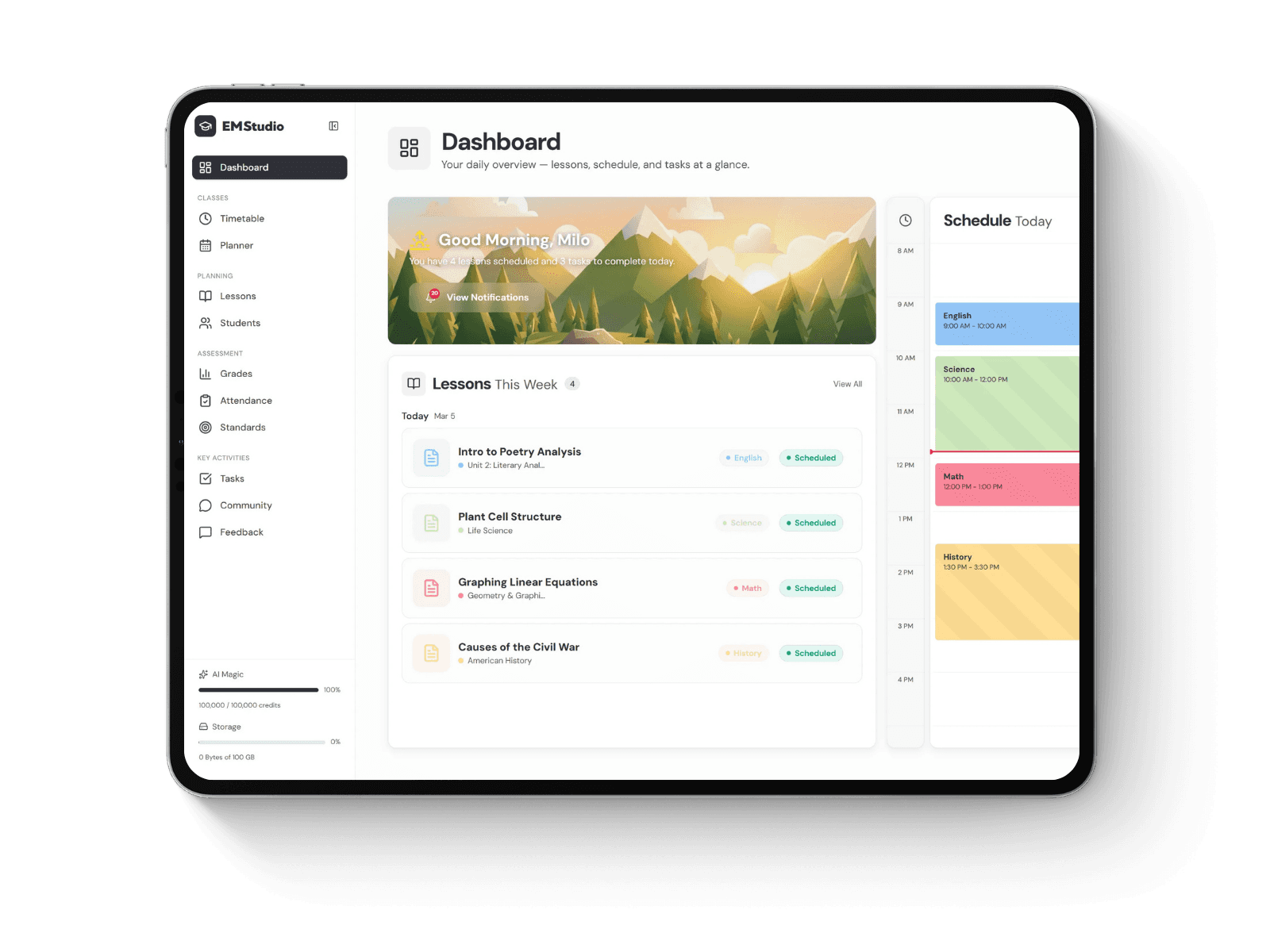
EMStudio is a free teaching management app — manage your classes, students, lessons, and more!
Learn More
Still grading everything by hand?
EMStudio is a free teaching management app — manage your classes, students, lessons, and more!
Learn More
Table of Contents
What Is Collaborating Learning?
Collaborating learning is an instructional approach where students work in small groups to create shared understanding through dialogue and joint problem-solving. Unlike simple group work, it requires positive interdependence, individual accountability, and face-to-face interaction. Students negotiate shared meaning together; they cannot simply divide tasks and still succeed.
Real collaboration isn't kids sitting at the same table doing separate worksheets. It's the intellectual wrestling that happens when students must reach consensus before moving forward.
In a 9th-grade biology class using the huddle protocol, students construct cell model explanations through 30-second structured discussions before reporting out. No one records answers until the group negotiates meaning. Hattie's research confirms these approaches yield effect sizes of 0.48-0.59 when properly implemented.
True collaboration requires negotiating shared meaning, not dividing labor. When one student writes while three watch, learning fails. Collaborative learning methods that drive results depend on interdependence—every brain wrestling with the concept until the group constructs new understanding together.
The Fundamental Definition and Core Process
Johnson and Johnson identified five elements that separate true collaboration from mere proximity. Positive interdependence means students sink or swim together. Face-to-face promotive interaction requires students to help and encourage each other directly. Individual accountability ensures each person is tested on the material. Social skills encompass communication and conflict resolution strategies. Group processing involves showing on how well the group worked together.
Their meta-analysis of 168 studies confirms cooperation produces higher achievement and more positive relationships than competitive or individualistic efforts. This isn't soft pedagogy. When students grapple with complex concepts through dialogue, they construct understanding that sticks.
Essential Elements That Distinguish True Collaboration
Pseudo-collaboration looks like students sitting together while working individually. True collaboration needs interdependence. Groups using the huddle protocol must physically lean in and speak for 30 seconds before anyone records answers. If they haven't negotiated meaning, they can't write. This prevents the "divide and conquer" approach where one student does the work.
Watch for overlapping speech as students co-construct ideas. Listen for phrases like "building on Maria's point" as they reference peers' contributions. Look for visible revision—crossing out individual answers to adopt better group solutions. These markers indicate authentic collaboration in education, not just cooperation on logistics.
The Teacher's Shifting Role From Lecturer to Facilitator
My role shifts from sage to guide. I use three specific moves. Pausing means counting to ten before rescuing stuck groups. Probing involves asking "why" and "how" questions, not checking for right answers. Process commenting means naming the behaviors I observe: "I notice this group asked clarifying questions before disagreeing."
Yesterday in 4th-grade math, I circulated with a clipboard noting group process. When I saw confusion, I didn't explain the fractions. I asked: "What question could you ask your partner to check for understanding?" They figured it out while I watched.
Why Does Collaborating Learning Matter for Student Success?
Collaborating learning improves student achievement through cognitive elaboration and peer scaffolding, with research showing moderate to high effect sizes on retention. It develops critical social-emotional competencies like communication and conflict resolution. it prepares students for modern workplaces where 80% of jobs require collaborative skills and cross-functional teamwork.
Academic Achievement and Higher-Order Thinking Gains
John Hattie’s Visible Learning meta-analysis puts cooperative learning at an effect size of 0.48 for achievement. That jumps to 0.59 when teachers combine it with direct instruction and implement it with fidelity. These aren’t marginal gains. They represent months of additional learning over a school year.
The mechanism is cognitive elaboration. When students explain concepts to peers rather than passively receiving information, they process more deeply. Webb’s research suggests this yields retention rates 10-15% higher than individual study. Students move beyond surface-level recall. They reorganize knowledge to teach it, exposing gaps in their own understanding.
This naturally pushes learners up Bloom’s Taxonomy. Collaboration forces application, analysis, and evaluation. In an 11th-grade history classroom, students evaluating primary sources through structured debate must justify interpretations to peers. They cannot hide behind multiple-choice selections. They construct arguments in real time, analyzing evidence to win over skeptical classmates.
Social-Emotional Development and Communication Skills
Last October, my 7th graders were two weeks into a biology lab on osmosis when the goggles disappeared. Two students started pointing fingers. Instead of solving it for them, I enforced our protocol: paraphrase before disagreeing. Maria repeated back what she heard Jamal say about the equipment checkout. The conflict dissolved in thirty seconds. They found the goggles together.
This is social-emotional learning in action. PISA research suggests students with positive peer relationships score significantly higher on collaborative problem-solving assessments. CASEL identifies specific competencies developed here: relationship skills and social awareness. Students learn to track speakers with active listening, use I-statements for assertive communication, and find common ground during conflicts.
These aren’t soft skills. They’re measurable behaviors. Students nod to show attention. They say “I need the beaker” rather than “You’re hogging everything.” When disagreements arise, they navigate toward solutions instead of escalating. This is where collaborating learning builds the relationship skills employers actually want.
Preparation for Modern Workplace Collaboration Demands
Google’s Project Aristotle research changed how we think about teams. They found psychological safety—the ability to take risks in front of peers—matters more than any other factor for team effectiveness. This mirrors exactly what we must build in classrooms. Students need to feel safe proposing wrong answers or challenging ideas without ridicule.
The Bureau of Labor Statistics shows 80% of jobs now require collaborative skills. Modern organizations use Agile methodologies with daily stand-ups and cross-functional project teams. Matrix management structures demand asynchronous digital collaboration across departments. K-12 group work isn’t just academic practice. It mirrors the leadership skills that translate to professional success in complex, interdependent workplaces.
When students navigate these structures in our classrooms, they’re rehearsing for their careers. They learn to manage shared documents, divide cognitive labor, and synthesize differing viewpoints. These aren’t add-ons to the curriculum. They are the curriculum for functioning in a world where individual expertise rarely solves complex problems alone.
How Does Collaborating Learning Differ From Cooperative Learning?
While cooperative learning relies on structured teacher-assigned roles and individual accountability within group tasks, collaborating learning emphasizes shared authority and emergent leadership among peers. Cooperative models work best for well-defined objectives with specific right answers, while collaborative approaches suit complex, ill-structured problems requiring genuine synthesis and creative solutions.
The difference between these models isn't academic hair-splitting. It determines who holds the power in your classroom. Cooperative learning keeps you as the taskmaster; collaborating learning makes you a consultant.
Feature | Cooperative Learning | Collaborative Learning |
|---|---|---|
Authority | Teacher-centered | Shared |
Role assignment | Structured/assigned | Emergent |
Task structure | Well-defined | Ill-structured |
Assessment | Individual + group | Process + product |
Ted Panitz captured this distinction precisely in his seminal work on classroom discourse. Cooperative learning focuses on learning subject matter content through prescribed interaction patterns and teacher-controlled structures. Collaborative learning focuses on student construction of knowledge through open dialogue, consensus building, and shared meaning-making.
Use cooperative strategies when your learning objective involves specific procedures or facts—multiplication algorithms, grammar rules, or vocabulary definitions where correctness is binary. Shift to collaborating learning when students must synthesize, interpret, or create—literary analysis, design challenges, or historical inquiry with multiple valid perspectives.
Many educators use cooperative learning and collaborative learning interchangeably during planning meetings, but the structural differences impact assessment validity and student autonomy significantly. Calling a rigid jigsaw activity "collaborative" when you've assigned specific text excerpts and reporting roles strips away the intellectual freedom that defines true collaboration.
Structural and Philosophical Distinctions Between Models
Johnson and Johnson's formal cooperative learning operates through base groups with assigned roles—recorder, materials manager, checker. These roles ensure every student has a specific function and individual accountability mechanism built into the group structure. Kenneth Bruffee's collaborating learning model instead uses consensus groups. Facilitation rotates naturally, and students share authority over which knowledge claims hold weight.
I learned this distinction the hard way with my 7th graders last fall. I called a debate preparation activity "collaborative," but I had assigned specific research roles and required each student to defend a pre-determined position. The students rebelled because they wanted to synthesize new positions together, not defend my script. These types of collaborative learning require specific conditions to thrive. Cooperative learning typically uses heterogeneous grouping by ability, pairing stronger students with struggling peers for built-in tutoring. Collaborative groups often form around shared interests or randomly to maximize perspective diversity.
The philosophical divide runs deep. Cooperative learning assumes that social interdependence increases individual achievement—students help each other because their own grade depends on group success. Collaborating learning assumes that knowledge is socially constructed and inherently collective—students work together because the problem itself is too complex for any single perspective to solve.
Assessment Methods and Accountability Mechanisms
Assessment in cooperative models remains firmly teacher-controlled and product-oriented. You'll administer individual tests on the content, then award group grades based on average improvement scores or common exam results. The numbered heads together technique keeps students alert because anyone could be randomly selected to answer for the entire group's grade. This ensures no one hides while others do the work.
Collaborative assessment looks entirely different and messier, focusing on the learning journey rather than just endpoints. Students maintain portfolios of their collective work, write process journals documenting their thinking evolution, and submit individual reflection papers analyzing group dynamics. Accountability emerges through detailed peer evaluation rubrics where students assess each other's intellectual contributions to the shared work, not just behavioral compliance.
This shift changes what you grade. In cooperative classrooms, you might assess how well a student explains a math procedure to their partner. In collaborative classrooms, you assess how thoughtfully they incorporated a peer's critique into their revised argument.
Selecting the Appropriate Approach for Specific Learning Objectives
Start your decision tree with one concrete question: Is there a single correct answer? If you're teaching vocabulary through a Jigsaw method or math facts via STAD (Student Teams Achievement Divisions), use cooperative learning structures. If you're guiding literature circles or inquiry projects with multiple valid interpretations, choose collaborative approaches where the process matters as much as the product.
Mastering both collaborative cooperative learning approaches gives you the flexibility to sequence instruction effectively. During the first four weeks of school or when introducing brand new content, cooperative structures provide the training wheels novices need to master basic facts. As social skills and content knowledge develop, gradually release responsibility toward collaborating learning models where students negotiate meaning without prescribed roles. This progression respects the structural differences between cooperative and collaborative models while building genuine student capacity for intellectual partnership.
This decision matrix prevents the common trap of assigning complex, interpretive tasks while keeping tight control over the process—a mismatch that creates student resistance and shallow thinking.
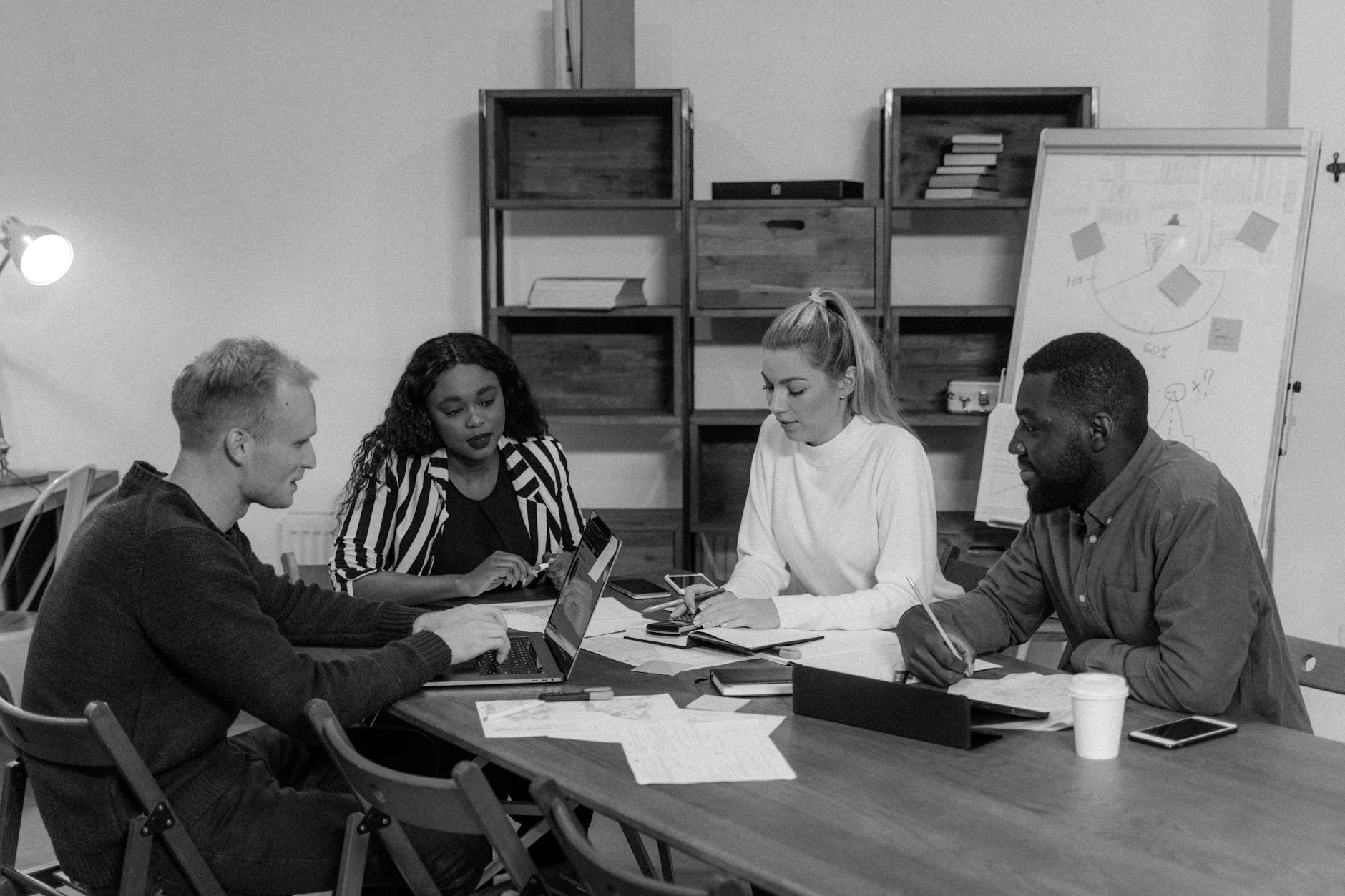
What Are the Core Theories Powering Collaborating Learning?
Collaborating learning draws primarily from Vygotsky's social constructivism, particularly the Zone of Proximal Development where peers scaffold learning. It incorporates social interdependence theory, distributed cognition where knowledge resides across the group, and reciprocal teaching models. These frameworks explain why peer interaction generates deeper processing than individual study.
These theories aren't academic abstractions. They explain why your students remember more after explaining concepts to each other than after listening to you lecture. The science is clear: social interaction physically reshapes neural pathways.
Social Constructivism and Vygotsky's Zone of Proximal Development
Vygotsky's Zone of Proximal Development defines the gap between what a learner can do alone versus with assistance. Picture a 3rd-grader reading independently at level L. Alone, she stalls on complex vocabulary and syntax. With a peer reading at level N, she accesses harder texts successfully. That distance between L and N is the ZPD. Peer collaboration accelerates development through this zone faster than solo practice.
The More Knowledgeable Other bridges this gap. Unlike teacher-centered models where the expert is fixed, collaborating learning rotates the MKO role based on task demands. One student brings science expertise. Another understands graphic design. Knowledge flows bidirectionally. Expertise shifts based on the problem at hand.
The rotation matters. Static ability grouping creates fixed hierarchies. Dynamic collaboration lets every student experience being the expert and the learner within the same hour.
Johnson and Johnson's meta-analysis of 168 studies confirms this dynamic. Positive interdependence—where students need each other's contributions to succeed—creates promotive interaction. Students encourage and facilitate each other's efforts. The result? Higher achievement and better psychological health than isolated work. This isn't group work where one kid does everything. It's structured interdependence built into brain-based education and social constructivism.
The 168 studies span decades and subjects. The effect sizes remain consistent across elementary, middle, and high school settings. Social interdependence isn't grade-specific.
When I taught 7th-grade social studies, I watched a struggling reader guide her group through primary source analysis. She couldn't decode the text independently, but she understood historical context better than her peers. She became the MKO for interpretation while they helped with reading mechanics. The group finished the task. No one would have managed alone.
Cognitive Elaboration and Distributed Cognition Principles
Cognitive Elaboration theory explains why explaining beats listening. When students teach peers, they organize information, make inferences, and connect to prior knowledge. Receiving explanations doesn't trigger the same neural processing. The act of verbalizing forces metacognitive monitoring.
Students must translate internal understanding into external speech. This translation reveals gaps in logic they didn't know existed.
Webb's research shows that giving explanations requires deeper processing than receiving them. Students must identify discrepancies, generate examples, and repair misunderstandings. This cognitive work builds durable memory traces.
Distributed Cognition, developed by Edwin Hutchins, argues that knowledge lives across the group and tools, not just in individual heads. Consider 10th-graders creating Civil War documentaries. The researcher holds factual knowledge. The scriptwriter understands narrative structure. The editor manages technical skills. Their collective intelligence exceeds any individual capability.
The tools matter too. Google Docs version history and shared Drive folders became external memory systems. The group didn't need to hold every detail in working memory. They offloaded cognitive load onto shared digital environments.
Tools extend cognition. Shared digital environments become group memory banks. Students access collective knowledge without individual recall burden.
This mirrors Hutchins' studies of 8th-grade engineering teams using CAD software. Design knowledge bounced between students and screens. One student manipulated the interface while others calculated measurements. The thinking was literally distributed across brains and machines. No single member held the complete solution. The CAD program stored spatial relationships while human memory handled design constraints. Together, they solved problems none could manage alone.
The CAD software remembers precise measurements. Human memory handles design constraints. Neither works without the other.
This distribution explains why groups outperform individuals on complex tasks. The cognitive load splits across multiple processors.
Reciprocal Teaching and Peer Learning Models
Reciprocal Teaching, developed by Palincsar and Brown, provides a concrete protocol for collaborative reading comprehension. Four distinct roles rotate every fifteen minutes. The Summarizer restates main points in their own words. The Questioner poses queries about confusing passages. The Clarifier addresses vocabulary or concept difficulties. The Predictor anticipates upcoming content based on textual cues.
This structure works across grade levels. I've used it with 4th-graders examining picture books and with seniors tackling AP Literature. The complexity shifts, not the framework. Fourth-graders predict what the elephant will do next. Twelfth-graders predict thematic developments based on symbolism.
Fourth-graders use simpler language but follow the same cognitive moves. They predict, question, clarify, and summarize just like older students. The thinking process remains identical.
The fifteen-minute rotation prevents dominance by high-achievers. Everyone practices every skill. The timer creates urgency and equity.
Fifteen minutes feels brief. That's the point. Rotation prevents skill stagnation and keeps engagement high.
These theories on collaborative learning share a common thread. They treat learning as inherently social and knowledge as constructed through interaction. Whether through Vygotsky's ZPD or Hutchins' distributed systems, the message is consistent: we think better together than alone.
When students rotate roles, they develop metacognitive awareness. The clarifier notices confusion they previously ignored. The questioner learns to probe deeper than surface facts. Each role builds specific comprehension strategies that transfer to independent reading. Over weeks, students internalize all four strategies.
The predict role builds anticipation. The question role targets confusion. Each strategy addresses specific comprehension failures. Together they create robust understanding.
What Types of Collaborating Learning Strategies Work Best?
Effective collaborating learning strategies include Think-Pair-Share for quick processing, Jigsaw for content interdependence, Structured Academic Controversy for perspective-taking, and Problem-Based Learning for authentic inquiry. Digital tools like Google Docs and Padlet extend these into asynchronous spaces. Each strategy requires specific protocols regarding group size, time allocation, and accountability mechanisms.
I learned these strategies for teaching collaboration in the classroom the hard way in my 7th grade classroom. Without timers and clear roles, group work becomes social hour. With them, magic happens.
These five types of collaborative learning strategies provide structure for different learning goals.
Think-Pair-Share: 2 minutes individual writing in silence, 3 minutes paired discussion where Partner A speaks and Partner B paraphrases, 5 minutes full-class sharing with teacher cold-calling using random selection.
Jigsaw: 6-member home groups split into expert groups by topic. Experts meet for 20 minutes, then return to teach home groups. Individual quiz follows on all topics.
Structured Academic Controversy: Four corners represent opinion spectrums. Students discuss with corner-mates for 5 minutes, then meet with opposite corners for 5 minutes to find common ground.
Problem-Based Learning: Maastricht 7-step process over multiple sessions. Groups clarify terms, define problems, brainstorm, systematize, formulate objectives, self-study, then synthesize.
Digital Synchronous: Google Docs allows real-time editing for grades 3-12, with students simultaneously building shared documents while teachers monitor version history.
These 20 collaborative learning tips and strategies for teachers organize into three phases.
Setup: Groups of 3-4 work best. Assign roles immediately. Arrange desks so students face each other.
Process: Use talking chips to balance voice. Post visible timers. Circulate with a clipboard to track participation.
Assessment: Administer individual exit tickets after group work. Grade personal contributions separately from group products.
Think-Pair-Share works K-12 because it requires minimal executive function. Jigsaw needs independent reading skills, making it best for 3rd grade and up. Problem-Based Learning requires sophisticated time management, so I reserve it for 6th through 12th graders who can handle the Maastricht model's self-directed phases.
Think-Pair-Share and Structured Academic Controversy
Think-Pair-Share fails when teachers skip the solo thinking phase. I enforce two minutes of absolute silence while students write responses in notebooks. This prevents the quick kids from dominating. Then partners face each other for three minutes using the A-speaks-B-paraphrases protocol. Partner A shares for ninety seconds while B listens. Then B says, "What I heard you say is..." and reflects back the main idea before switching roles. This builds active listening muscles, not just talking skills.
The full-class share lasts five minutes. I use random selection—popsicle sticks or a digital spinner—to cold-call. This keeps everyone accountable because they know silence is not an option. The pair phase prepares them, so the share produces substance, not "I don't know."
Structured Academic Controversy works differently. I label four corners Strongly Agree, Agree, Disagree, and Strongly Disagree. Students move based on their position on a debatable prompt. They discuss with corner-mates for five minutes, gathering evidence. Then I pair opposite corners for five minutes to find common ground. This teaches perspective-taking without personal attacks.
Jigsaw Methods for Interdependent Content Mastery
Aronson's Jigsaw creates positive interdependence because no one can succeed without teaching others. I start with six-member home groups, then split them into expert groups by topic. Experts meet for twenty minutes to master their segment using provided texts. They must prepare four items before returning: a visual aid drawn on chart paper, three key facts written in their own words, an analogy connecting the concept to daily life, and a check-for-understanding question to ask their home group.
This checklist prevents weak experts. Without it, a student returns saying, "We read about the tundra. It was cold." With the checklist, they bring a drawing of permafrost layers, facts about temperature ranges, an analogy to a freezer, and a question like "Why can't trees grow deep roots here?" implementing the Jigsaw method for interdependent mastery requires this level of preparation.
After experts return to home groups and teach for four minutes each, I administer an individual quiz covering all topics. This maintains accountability. If a student fails the desert section, I know which expert to reteach, not which home group member to blame.
Problem-Based Learning Groups and Case Study Teams
The Maastricht 7-step model structures authentic inquiry without chaos. Groups spend two hours on steps one through four: clarifying unknown terms, defining the core problem, brainstorming possible solutions, and systematizing those ideas into themes. Then they formulate learning objectives that drive a week of self-study. Finally, they synthesize findings in a one-hour session. This timeline prevents the rushed "figure it out by Friday" approach.
I assign specific roles to maintain focus. The Facilitator keeps discussion moving using questions. The Recorder types notes directly into a shared Google Doc visible to all. The Timekeeper alerts the group at ten-minute intervals. The Devil's Advocate challenges assumptions by asking "What evidence supports that?" The Reporter presents findings but rotates each session so the same student doesn't dominate.
This structure works for case studies like medical or environmental issues. The Devil's Advocate prevents groupthink by challenging weak reasoning. The week-long self-study builds research skills that lecture cannot replicate. Students return with sources and data, ready to defend their synthesis with evidence they found independently.
Digital Collaboration Tools for Synchronous and Asynchronous Learning
Digital tools extend collaborating learning beyond classroom walls. Google Workspace allows real-time editing in Docs and Slides for grades 3 through 12. I watch cursors move while students build presentations. Padlet works for K-12 brainstorming using its canvas layout—students drag images anywhere. Miro suits grades 6-12 with infinite zoom for complex concept mapping. Flipgrid enables asynchronous video responses for all ages.
Asynchronous protocols prevent "post and ghost." Students post initial responses by Wednesday. By Friday, they respond to two peers using the sentence frames "I noticed..." and "I wonder..." This produces substantive interaction, avoiding "great job" comments. I model this explicitly: "I noticed you connected photosynthesis to solar panels. I wonder how that changes in winter."
tech-enabled tools for synchronous and asynchronous group work require the same structure as face-to-face work. Clear deadlines and roles remain essential. The advantage is extended time for reflection that synchronous discussion cannot provide.
How Can Teachers Implement Collaborating Learning Without Losing Control?
Teachers maintain control by designing tasks requiring true interdependence, establishing explicit protocols before content instruction, using observation checklists during group work, and implementing individual accountability measures like random reporter checks. Success requires scaffolding collaboration skills explicitly over six weeks before expecting autonomous group function. You cannot simply tell eighth graders to "work together" and expect magic.
I learned this the hard way with my 8th graders last fall. I jumped straight to group projects and spent three weeks managing chaos instead of teaching content. Collaborative teaching and learning requires structure.
Do not use collaboration method of teaching for simple recall. If one student can finish the task alone, redesign it. Avoid group grades without individual checks. Never assign complex work before teaching social skills.
Step 1: Design authentic tasks using GRASP. Goal, Role, Audience, Situation, Product. Tasks must require multiple perspectives to complete.
Step 2: Establish norms using T-chart protocol. Create 'Sounds like/Looks like' charts with students before content.
Step 3: Scaffold skills via fishbowl demonstration. Inner circle collaborates while outer circle observes using checklists.
Step 4: Assess using process + product rubrics. Include individual accountability measures.
Designing Authentic Tasks That Require Interdependence
Use the GRASP model to force interdependence. Seventh graders tackling local pollution might serve as environmental engineers presenting to city council with a $50,000 budget. The product requires data analysis, persuasive writing, and visual design. No single student possesses all three skills independently.
If one student can complete the task alone, redesign it. Dividing a worksheet by rows is partition, not collaboration. True collaborating learning requires consensus or an integrated product demanding multiple perspectives. Check every task against this standard.
Require at least three distinct sub-skills per task. This prevents the divide and conquer shortcut that kills interdependence.
Establishing Clear Group Norms and Individual Accountability Systems
Before content, create T-charts with students. Label columns "Sounds like" and "Looks like." Fill them with phrases such as "I respectfully disagree because..." and behaviors like leaning in, nodding, taking notes. Post these as living documents.
Implement Clock Buddies for accountability. Students write partners at 12, 3, 6, and 9 o'clock on a graphic. When you call "meet with your six o'clock partner," everyone moves. This prevents hiding.
Manage with intention. Circulate every ninety seconds initially. Use noise levels: level two means table talk only. Establish a huddle signal—hand raised means silence in five seconds. These classroom management strategies that maintain order keep chaos at bay.
Scaffolding Social Skills and Collaboration Protocols Explicitly
Use the Fishbowl method. Four students collaborate in the center while the outer circle observes using checklists: Did they ask questions? Build on ideas? Invite quiet members? Debrief, then rotate.
This reciprocal learning requires six weeks of explicit scaffolding. Week one: active listening with eye contact. Week two: paraphrasing. Weeks three and four: questioning and respectful disagreement. Week five: synthesizing ideas. Week six: self-monitoring group process. Only then release to autonomous work.
Do not rush this timeline. Compressing skill building into two weeks creates surface cooperation, not deep collaboration. Skills need time to become habits.
Assessing Both Process and Product While Preventing Free-Riding
Prevent free-riding with the Random Reporter technique. Spin a wheel to select which group member answers. If they cannot explain the work, the team revises. This creates positive peer pressure.
Weight individual accountability heavily. Administer a three-question exit ticket immediately after group work worth sixty percent of the grade. If a student fails, they did not learn from the collaboration.
Use weekly Google Form peer evaluations with Likert scales on listening and task contribution. Grade both process and product separately using distinct rubrics. This supports building a peer-to-peer recognition culture while maintaining high academic standards.
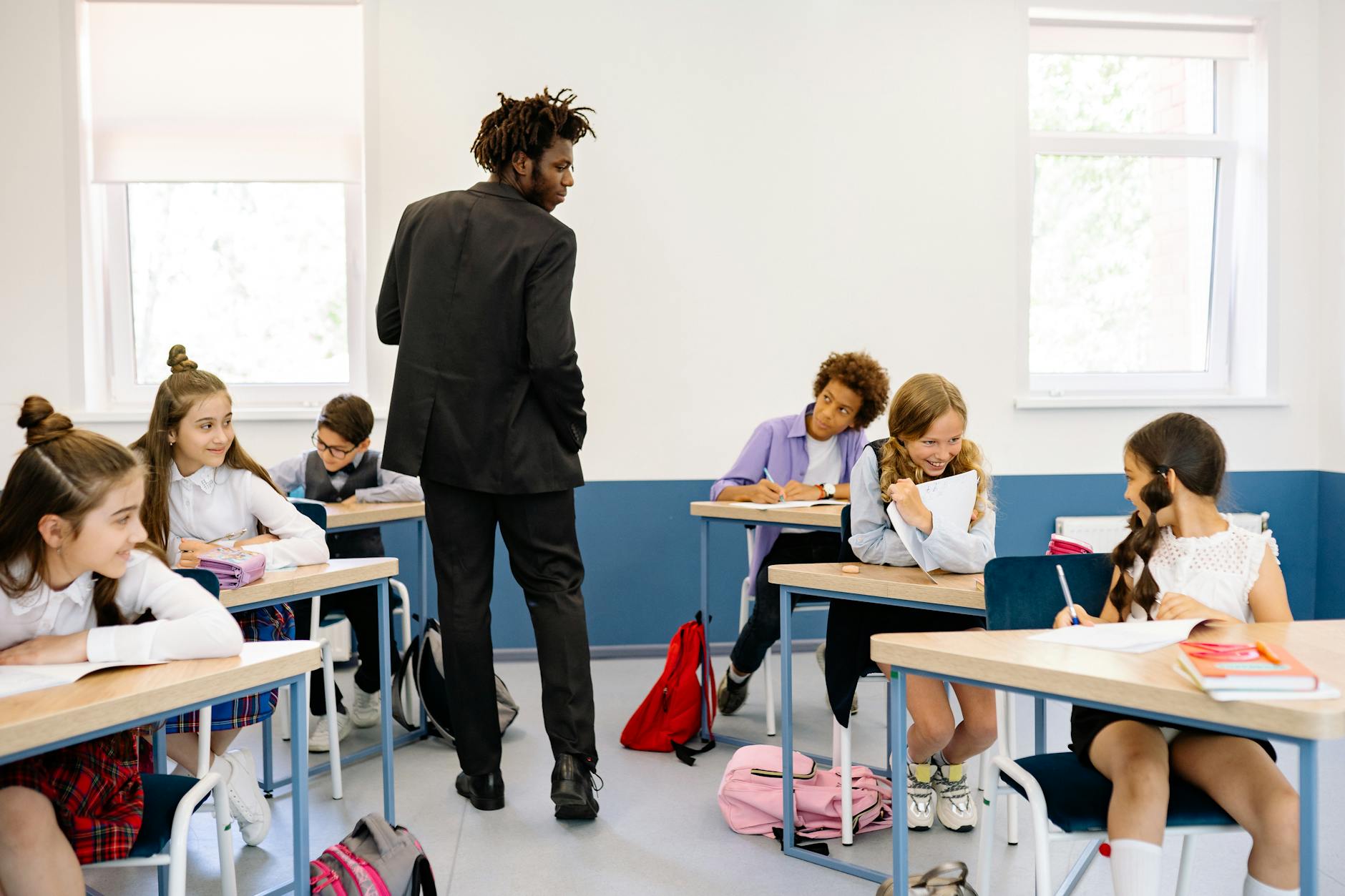
Should You Try Collaborating Learning?
Yes, but start small. I wasted my first year trying to turn every lesson into a group project. The noise got overwhelming, and the kids checked out. Now I run two structured collaborations per week—maybe a jigsaw on Tuesday and reciprocal teaching on Thursday. The other days we work independently. That balance keeps my 7th graders engaged without burning us all out. You don't need to rebuild your entire curriculum overnight.
Collaborating learning works when you build the rituals first. Teach them how to disagree respectfully before you ask them to solve problems together. Once those habits stick, the academic gains show up in the data. My students' discussion scores jumped twenty points after I stopped lecturing and started letting them teach each other the weekly vocabulary. The magic happens when they own the thinking, not just the worksheet.
So look at your next unit. Where could one student explain a concept to another? Where could they fail safely together? That gap is your starting point. What's stopping you from trying it on Monday?

What Is Collaborating Learning?
Collaborating learning is an instructional approach where students work in small groups to create shared understanding through dialogue and joint problem-solving. Unlike simple group work, it requires positive interdependence, individual accountability, and face-to-face interaction. Students negotiate shared meaning together; they cannot simply divide tasks and still succeed.
Real collaboration isn't kids sitting at the same table doing separate worksheets. It's the intellectual wrestling that happens when students must reach consensus before moving forward.
In a 9th-grade biology class using the huddle protocol, students construct cell model explanations through 30-second structured discussions before reporting out. No one records answers until the group negotiates meaning. Hattie's research confirms these approaches yield effect sizes of 0.48-0.59 when properly implemented.
True collaboration requires negotiating shared meaning, not dividing labor. When one student writes while three watch, learning fails. Collaborative learning methods that drive results depend on interdependence—every brain wrestling with the concept until the group constructs new understanding together.
The Fundamental Definition and Core Process
Johnson and Johnson identified five elements that separate true collaboration from mere proximity. Positive interdependence means students sink or swim together. Face-to-face promotive interaction requires students to help and encourage each other directly. Individual accountability ensures each person is tested on the material. Social skills encompass communication and conflict resolution strategies. Group processing involves showing on how well the group worked together.
Their meta-analysis of 168 studies confirms cooperation produces higher achievement and more positive relationships than competitive or individualistic efforts. This isn't soft pedagogy. When students grapple with complex concepts through dialogue, they construct understanding that sticks.
Essential Elements That Distinguish True Collaboration
Pseudo-collaboration looks like students sitting together while working individually. True collaboration needs interdependence. Groups using the huddle protocol must physically lean in and speak for 30 seconds before anyone records answers. If they haven't negotiated meaning, they can't write. This prevents the "divide and conquer" approach where one student does the work.
Watch for overlapping speech as students co-construct ideas. Listen for phrases like "building on Maria's point" as they reference peers' contributions. Look for visible revision—crossing out individual answers to adopt better group solutions. These markers indicate authentic collaboration in education, not just cooperation on logistics.
The Teacher's Shifting Role From Lecturer to Facilitator
My role shifts from sage to guide. I use three specific moves. Pausing means counting to ten before rescuing stuck groups. Probing involves asking "why" and "how" questions, not checking for right answers. Process commenting means naming the behaviors I observe: "I notice this group asked clarifying questions before disagreeing."
Yesterday in 4th-grade math, I circulated with a clipboard noting group process. When I saw confusion, I didn't explain the fractions. I asked: "What question could you ask your partner to check for understanding?" They figured it out while I watched.
Why Does Collaborating Learning Matter for Student Success?
Collaborating learning improves student achievement through cognitive elaboration and peer scaffolding, with research showing moderate to high effect sizes on retention. It develops critical social-emotional competencies like communication and conflict resolution. it prepares students for modern workplaces where 80% of jobs require collaborative skills and cross-functional teamwork.
Academic Achievement and Higher-Order Thinking Gains
John Hattie’s Visible Learning meta-analysis puts cooperative learning at an effect size of 0.48 for achievement. That jumps to 0.59 when teachers combine it with direct instruction and implement it with fidelity. These aren’t marginal gains. They represent months of additional learning over a school year.
The mechanism is cognitive elaboration. When students explain concepts to peers rather than passively receiving information, they process more deeply. Webb’s research suggests this yields retention rates 10-15% higher than individual study. Students move beyond surface-level recall. They reorganize knowledge to teach it, exposing gaps in their own understanding.
This naturally pushes learners up Bloom’s Taxonomy. Collaboration forces application, analysis, and evaluation. In an 11th-grade history classroom, students evaluating primary sources through structured debate must justify interpretations to peers. They cannot hide behind multiple-choice selections. They construct arguments in real time, analyzing evidence to win over skeptical classmates.
Social-Emotional Development and Communication Skills
Last October, my 7th graders were two weeks into a biology lab on osmosis when the goggles disappeared. Two students started pointing fingers. Instead of solving it for them, I enforced our protocol: paraphrase before disagreeing. Maria repeated back what she heard Jamal say about the equipment checkout. The conflict dissolved in thirty seconds. They found the goggles together.
This is social-emotional learning in action. PISA research suggests students with positive peer relationships score significantly higher on collaborative problem-solving assessments. CASEL identifies specific competencies developed here: relationship skills and social awareness. Students learn to track speakers with active listening, use I-statements for assertive communication, and find common ground during conflicts.
These aren’t soft skills. They’re measurable behaviors. Students nod to show attention. They say “I need the beaker” rather than “You’re hogging everything.” When disagreements arise, they navigate toward solutions instead of escalating. This is where collaborating learning builds the relationship skills employers actually want.
Preparation for Modern Workplace Collaboration Demands
Google’s Project Aristotle research changed how we think about teams. They found psychological safety—the ability to take risks in front of peers—matters more than any other factor for team effectiveness. This mirrors exactly what we must build in classrooms. Students need to feel safe proposing wrong answers or challenging ideas without ridicule.
The Bureau of Labor Statistics shows 80% of jobs now require collaborative skills. Modern organizations use Agile methodologies with daily stand-ups and cross-functional project teams. Matrix management structures demand asynchronous digital collaboration across departments. K-12 group work isn’t just academic practice. It mirrors the leadership skills that translate to professional success in complex, interdependent workplaces.
When students navigate these structures in our classrooms, they’re rehearsing for their careers. They learn to manage shared documents, divide cognitive labor, and synthesize differing viewpoints. These aren’t add-ons to the curriculum. They are the curriculum for functioning in a world where individual expertise rarely solves complex problems alone.
How Does Collaborating Learning Differ From Cooperative Learning?
While cooperative learning relies on structured teacher-assigned roles and individual accountability within group tasks, collaborating learning emphasizes shared authority and emergent leadership among peers. Cooperative models work best for well-defined objectives with specific right answers, while collaborative approaches suit complex, ill-structured problems requiring genuine synthesis and creative solutions.
The difference between these models isn't academic hair-splitting. It determines who holds the power in your classroom. Cooperative learning keeps you as the taskmaster; collaborating learning makes you a consultant.
Feature | Cooperative Learning | Collaborative Learning |
|---|---|---|
Authority | Teacher-centered | Shared |
Role assignment | Structured/assigned | Emergent |
Task structure | Well-defined | Ill-structured |
Assessment | Individual + group | Process + product |
Ted Panitz captured this distinction precisely in his seminal work on classroom discourse. Cooperative learning focuses on learning subject matter content through prescribed interaction patterns and teacher-controlled structures. Collaborative learning focuses on student construction of knowledge through open dialogue, consensus building, and shared meaning-making.
Use cooperative strategies when your learning objective involves specific procedures or facts—multiplication algorithms, grammar rules, or vocabulary definitions where correctness is binary. Shift to collaborating learning when students must synthesize, interpret, or create—literary analysis, design challenges, or historical inquiry with multiple valid perspectives.
Many educators use cooperative learning and collaborative learning interchangeably during planning meetings, but the structural differences impact assessment validity and student autonomy significantly. Calling a rigid jigsaw activity "collaborative" when you've assigned specific text excerpts and reporting roles strips away the intellectual freedom that defines true collaboration.
Structural and Philosophical Distinctions Between Models
Johnson and Johnson's formal cooperative learning operates through base groups with assigned roles—recorder, materials manager, checker. These roles ensure every student has a specific function and individual accountability mechanism built into the group structure. Kenneth Bruffee's collaborating learning model instead uses consensus groups. Facilitation rotates naturally, and students share authority over which knowledge claims hold weight.
I learned this distinction the hard way with my 7th graders last fall. I called a debate preparation activity "collaborative," but I had assigned specific research roles and required each student to defend a pre-determined position. The students rebelled because they wanted to synthesize new positions together, not defend my script. These types of collaborative learning require specific conditions to thrive. Cooperative learning typically uses heterogeneous grouping by ability, pairing stronger students with struggling peers for built-in tutoring. Collaborative groups often form around shared interests or randomly to maximize perspective diversity.
The philosophical divide runs deep. Cooperative learning assumes that social interdependence increases individual achievement—students help each other because their own grade depends on group success. Collaborating learning assumes that knowledge is socially constructed and inherently collective—students work together because the problem itself is too complex for any single perspective to solve.
Assessment Methods and Accountability Mechanisms
Assessment in cooperative models remains firmly teacher-controlled and product-oriented. You'll administer individual tests on the content, then award group grades based on average improvement scores or common exam results. The numbered heads together technique keeps students alert because anyone could be randomly selected to answer for the entire group's grade. This ensures no one hides while others do the work.
Collaborative assessment looks entirely different and messier, focusing on the learning journey rather than just endpoints. Students maintain portfolios of their collective work, write process journals documenting their thinking evolution, and submit individual reflection papers analyzing group dynamics. Accountability emerges through detailed peer evaluation rubrics where students assess each other's intellectual contributions to the shared work, not just behavioral compliance.
This shift changes what you grade. In cooperative classrooms, you might assess how well a student explains a math procedure to their partner. In collaborative classrooms, you assess how thoughtfully they incorporated a peer's critique into their revised argument.
Selecting the Appropriate Approach for Specific Learning Objectives
Start your decision tree with one concrete question: Is there a single correct answer? If you're teaching vocabulary through a Jigsaw method or math facts via STAD (Student Teams Achievement Divisions), use cooperative learning structures. If you're guiding literature circles or inquiry projects with multiple valid interpretations, choose collaborative approaches where the process matters as much as the product.
Mastering both collaborative cooperative learning approaches gives you the flexibility to sequence instruction effectively. During the first four weeks of school or when introducing brand new content, cooperative structures provide the training wheels novices need to master basic facts. As social skills and content knowledge develop, gradually release responsibility toward collaborating learning models where students negotiate meaning without prescribed roles. This progression respects the structural differences between cooperative and collaborative models while building genuine student capacity for intellectual partnership.
This decision matrix prevents the common trap of assigning complex, interpretive tasks while keeping tight control over the process—a mismatch that creates student resistance and shallow thinking.
What Are the Core Theories Powering Collaborating Learning?
Collaborating learning draws primarily from Vygotsky's social constructivism, particularly the Zone of Proximal Development where peers scaffold learning. It incorporates social interdependence theory, distributed cognition where knowledge resides across the group, and reciprocal teaching models. These frameworks explain why peer interaction generates deeper processing than individual study.
These theories aren't academic abstractions. They explain why your students remember more after explaining concepts to each other than after listening to you lecture. The science is clear: social interaction physically reshapes neural pathways.
Social Constructivism and Vygotsky's Zone of Proximal Development
Vygotsky's Zone of Proximal Development defines the gap between what a learner can do alone versus with assistance. Picture a 3rd-grader reading independently at level L. Alone, she stalls on complex vocabulary and syntax. With a peer reading at level N, she accesses harder texts successfully. That distance between L and N is the ZPD. Peer collaboration accelerates development through this zone faster than solo practice.
The More Knowledgeable Other bridges this gap. Unlike teacher-centered models where the expert is fixed, collaborating learning rotates the MKO role based on task demands. One student brings science expertise. Another understands graphic design. Knowledge flows bidirectionally. Expertise shifts based on the problem at hand.
The rotation matters. Static ability grouping creates fixed hierarchies. Dynamic collaboration lets every student experience being the expert and the learner within the same hour.
Johnson and Johnson's meta-analysis of 168 studies confirms this dynamic. Positive interdependence—where students need each other's contributions to succeed—creates promotive interaction. Students encourage and facilitate each other's efforts. The result? Higher achievement and better psychological health than isolated work. This isn't group work where one kid does everything. It's structured interdependence built into brain-based education and social constructivism.
The 168 studies span decades and subjects. The effect sizes remain consistent across elementary, middle, and high school settings. Social interdependence isn't grade-specific.
When I taught 7th-grade social studies, I watched a struggling reader guide her group through primary source analysis. She couldn't decode the text independently, but she understood historical context better than her peers. She became the MKO for interpretation while they helped with reading mechanics. The group finished the task. No one would have managed alone.
Cognitive Elaboration and Distributed Cognition Principles
Cognitive Elaboration theory explains why explaining beats listening. When students teach peers, they organize information, make inferences, and connect to prior knowledge. Receiving explanations doesn't trigger the same neural processing. The act of verbalizing forces metacognitive monitoring.
Students must translate internal understanding into external speech. This translation reveals gaps in logic they didn't know existed.
Webb's research shows that giving explanations requires deeper processing than receiving them. Students must identify discrepancies, generate examples, and repair misunderstandings. This cognitive work builds durable memory traces.
Distributed Cognition, developed by Edwin Hutchins, argues that knowledge lives across the group and tools, not just in individual heads. Consider 10th-graders creating Civil War documentaries. The researcher holds factual knowledge. The scriptwriter understands narrative structure. The editor manages technical skills. Their collective intelligence exceeds any individual capability.
The tools matter too. Google Docs version history and shared Drive folders became external memory systems. The group didn't need to hold every detail in working memory. They offloaded cognitive load onto shared digital environments.
Tools extend cognition. Shared digital environments become group memory banks. Students access collective knowledge without individual recall burden.
This mirrors Hutchins' studies of 8th-grade engineering teams using CAD software. Design knowledge bounced between students and screens. One student manipulated the interface while others calculated measurements. The thinking was literally distributed across brains and machines. No single member held the complete solution. The CAD program stored spatial relationships while human memory handled design constraints. Together, they solved problems none could manage alone.
The CAD software remembers precise measurements. Human memory handles design constraints. Neither works without the other.
This distribution explains why groups outperform individuals on complex tasks. The cognitive load splits across multiple processors.
Reciprocal Teaching and Peer Learning Models
Reciprocal Teaching, developed by Palincsar and Brown, provides a concrete protocol for collaborative reading comprehension. Four distinct roles rotate every fifteen minutes. The Summarizer restates main points in their own words. The Questioner poses queries about confusing passages. The Clarifier addresses vocabulary or concept difficulties. The Predictor anticipates upcoming content based on textual cues.
This structure works across grade levels. I've used it with 4th-graders examining picture books and with seniors tackling AP Literature. The complexity shifts, not the framework. Fourth-graders predict what the elephant will do next. Twelfth-graders predict thematic developments based on symbolism.
Fourth-graders use simpler language but follow the same cognitive moves. They predict, question, clarify, and summarize just like older students. The thinking process remains identical.
The fifteen-minute rotation prevents dominance by high-achievers. Everyone practices every skill. The timer creates urgency and equity.
Fifteen minutes feels brief. That's the point. Rotation prevents skill stagnation and keeps engagement high.
These theories on collaborative learning share a common thread. They treat learning as inherently social and knowledge as constructed through interaction. Whether through Vygotsky's ZPD or Hutchins' distributed systems, the message is consistent: we think better together than alone.
When students rotate roles, they develop metacognitive awareness. The clarifier notices confusion they previously ignored. The questioner learns to probe deeper than surface facts. Each role builds specific comprehension strategies that transfer to independent reading. Over weeks, students internalize all four strategies.
The predict role builds anticipation. The question role targets confusion. Each strategy addresses specific comprehension failures. Together they create robust understanding.
What Types of Collaborating Learning Strategies Work Best?
Effective collaborating learning strategies include Think-Pair-Share for quick processing, Jigsaw for content interdependence, Structured Academic Controversy for perspective-taking, and Problem-Based Learning for authentic inquiry. Digital tools like Google Docs and Padlet extend these into asynchronous spaces. Each strategy requires specific protocols regarding group size, time allocation, and accountability mechanisms.
I learned these strategies for teaching collaboration in the classroom the hard way in my 7th grade classroom. Without timers and clear roles, group work becomes social hour. With them, magic happens.
These five types of collaborative learning strategies provide structure for different learning goals.
Think-Pair-Share: 2 minutes individual writing in silence, 3 minutes paired discussion where Partner A speaks and Partner B paraphrases, 5 minutes full-class sharing with teacher cold-calling using random selection.
Jigsaw: 6-member home groups split into expert groups by topic. Experts meet for 20 minutes, then return to teach home groups. Individual quiz follows on all topics.
Structured Academic Controversy: Four corners represent opinion spectrums. Students discuss with corner-mates for 5 minutes, then meet with opposite corners for 5 minutes to find common ground.
Problem-Based Learning: Maastricht 7-step process over multiple sessions. Groups clarify terms, define problems, brainstorm, systematize, formulate objectives, self-study, then synthesize.
Digital Synchronous: Google Docs allows real-time editing for grades 3-12, with students simultaneously building shared documents while teachers monitor version history.
These 20 collaborative learning tips and strategies for teachers organize into three phases.
Setup: Groups of 3-4 work best. Assign roles immediately. Arrange desks so students face each other.
Process: Use talking chips to balance voice. Post visible timers. Circulate with a clipboard to track participation.
Assessment: Administer individual exit tickets after group work. Grade personal contributions separately from group products.
Think-Pair-Share works K-12 because it requires minimal executive function. Jigsaw needs independent reading skills, making it best for 3rd grade and up. Problem-Based Learning requires sophisticated time management, so I reserve it for 6th through 12th graders who can handle the Maastricht model's self-directed phases.
Think-Pair-Share and Structured Academic Controversy
Think-Pair-Share fails when teachers skip the solo thinking phase. I enforce two minutes of absolute silence while students write responses in notebooks. This prevents the quick kids from dominating. Then partners face each other for three minutes using the A-speaks-B-paraphrases protocol. Partner A shares for ninety seconds while B listens. Then B says, "What I heard you say is..." and reflects back the main idea before switching roles. This builds active listening muscles, not just talking skills.
The full-class share lasts five minutes. I use random selection—popsicle sticks or a digital spinner—to cold-call. This keeps everyone accountable because they know silence is not an option. The pair phase prepares them, so the share produces substance, not "I don't know."
Structured Academic Controversy works differently. I label four corners Strongly Agree, Agree, Disagree, and Strongly Disagree. Students move based on their position on a debatable prompt. They discuss with corner-mates for five minutes, gathering evidence. Then I pair opposite corners for five minutes to find common ground. This teaches perspective-taking without personal attacks.
Jigsaw Methods for Interdependent Content Mastery
Aronson's Jigsaw creates positive interdependence because no one can succeed without teaching others. I start with six-member home groups, then split them into expert groups by topic. Experts meet for twenty minutes to master their segment using provided texts. They must prepare four items before returning: a visual aid drawn on chart paper, three key facts written in their own words, an analogy connecting the concept to daily life, and a check-for-understanding question to ask their home group.
This checklist prevents weak experts. Without it, a student returns saying, "We read about the tundra. It was cold." With the checklist, they bring a drawing of permafrost layers, facts about temperature ranges, an analogy to a freezer, and a question like "Why can't trees grow deep roots here?" implementing the Jigsaw method for interdependent mastery requires this level of preparation.
After experts return to home groups and teach for four minutes each, I administer an individual quiz covering all topics. This maintains accountability. If a student fails the desert section, I know which expert to reteach, not which home group member to blame.
Problem-Based Learning Groups and Case Study Teams
The Maastricht 7-step model structures authentic inquiry without chaos. Groups spend two hours on steps one through four: clarifying unknown terms, defining the core problem, brainstorming possible solutions, and systematizing those ideas into themes. Then they formulate learning objectives that drive a week of self-study. Finally, they synthesize findings in a one-hour session. This timeline prevents the rushed "figure it out by Friday" approach.
I assign specific roles to maintain focus. The Facilitator keeps discussion moving using questions. The Recorder types notes directly into a shared Google Doc visible to all. The Timekeeper alerts the group at ten-minute intervals. The Devil's Advocate challenges assumptions by asking "What evidence supports that?" The Reporter presents findings but rotates each session so the same student doesn't dominate.
This structure works for case studies like medical or environmental issues. The Devil's Advocate prevents groupthink by challenging weak reasoning. The week-long self-study builds research skills that lecture cannot replicate. Students return with sources and data, ready to defend their synthesis with evidence they found independently.
Digital Collaboration Tools for Synchronous and Asynchronous Learning
Digital tools extend collaborating learning beyond classroom walls. Google Workspace allows real-time editing in Docs and Slides for grades 3 through 12. I watch cursors move while students build presentations. Padlet works for K-12 brainstorming using its canvas layout—students drag images anywhere. Miro suits grades 6-12 with infinite zoom for complex concept mapping. Flipgrid enables asynchronous video responses for all ages.
Asynchronous protocols prevent "post and ghost." Students post initial responses by Wednesday. By Friday, they respond to two peers using the sentence frames "I noticed..." and "I wonder..." This produces substantive interaction, avoiding "great job" comments. I model this explicitly: "I noticed you connected photosynthesis to solar panels. I wonder how that changes in winter."
tech-enabled tools for synchronous and asynchronous group work require the same structure as face-to-face work. Clear deadlines and roles remain essential. The advantage is extended time for reflection that synchronous discussion cannot provide.
How Can Teachers Implement Collaborating Learning Without Losing Control?
Teachers maintain control by designing tasks requiring true interdependence, establishing explicit protocols before content instruction, using observation checklists during group work, and implementing individual accountability measures like random reporter checks. Success requires scaffolding collaboration skills explicitly over six weeks before expecting autonomous group function. You cannot simply tell eighth graders to "work together" and expect magic.
I learned this the hard way with my 8th graders last fall. I jumped straight to group projects and spent three weeks managing chaos instead of teaching content. Collaborative teaching and learning requires structure.
Do not use collaboration method of teaching for simple recall. If one student can finish the task alone, redesign it. Avoid group grades without individual checks. Never assign complex work before teaching social skills.
Step 1: Design authentic tasks using GRASP. Goal, Role, Audience, Situation, Product. Tasks must require multiple perspectives to complete.
Step 2: Establish norms using T-chart protocol. Create 'Sounds like/Looks like' charts with students before content.
Step 3: Scaffold skills via fishbowl demonstration. Inner circle collaborates while outer circle observes using checklists.
Step 4: Assess using process + product rubrics. Include individual accountability measures.
Designing Authentic Tasks That Require Interdependence
Use the GRASP model to force interdependence. Seventh graders tackling local pollution might serve as environmental engineers presenting to city council with a $50,000 budget. The product requires data analysis, persuasive writing, and visual design. No single student possesses all three skills independently.
If one student can complete the task alone, redesign it. Dividing a worksheet by rows is partition, not collaboration. True collaborating learning requires consensus or an integrated product demanding multiple perspectives. Check every task against this standard.
Require at least three distinct sub-skills per task. This prevents the divide and conquer shortcut that kills interdependence.
Establishing Clear Group Norms and Individual Accountability Systems
Before content, create T-charts with students. Label columns "Sounds like" and "Looks like." Fill them with phrases such as "I respectfully disagree because..." and behaviors like leaning in, nodding, taking notes. Post these as living documents.
Implement Clock Buddies for accountability. Students write partners at 12, 3, 6, and 9 o'clock on a graphic. When you call "meet with your six o'clock partner," everyone moves. This prevents hiding.
Manage with intention. Circulate every ninety seconds initially. Use noise levels: level two means table talk only. Establish a huddle signal—hand raised means silence in five seconds. These classroom management strategies that maintain order keep chaos at bay.
Scaffolding Social Skills and Collaboration Protocols Explicitly
Use the Fishbowl method. Four students collaborate in the center while the outer circle observes using checklists: Did they ask questions? Build on ideas? Invite quiet members? Debrief, then rotate.
This reciprocal learning requires six weeks of explicit scaffolding. Week one: active listening with eye contact. Week two: paraphrasing. Weeks three and four: questioning and respectful disagreement. Week five: synthesizing ideas. Week six: self-monitoring group process. Only then release to autonomous work.
Do not rush this timeline. Compressing skill building into two weeks creates surface cooperation, not deep collaboration. Skills need time to become habits.
Assessing Both Process and Product While Preventing Free-Riding
Prevent free-riding with the Random Reporter technique. Spin a wheel to select which group member answers. If they cannot explain the work, the team revises. This creates positive peer pressure.
Weight individual accountability heavily. Administer a three-question exit ticket immediately after group work worth sixty percent of the grade. If a student fails, they did not learn from the collaboration.
Use weekly Google Form peer evaluations with Likert scales on listening and task contribution. Grade both process and product separately using distinct rubrics. This supports building a peer-to-peer recognition culture while maintaining high academic standards.
Should You Try Collaborating Learning?
Yes, but start small. I wasted my first year trying to turn every lesson into a group project. The noise got overwhelming, and the kids checked out. Now I run two structured collaborations per week—maybe a jigsaw on Tuesday and reciprocal teaching on Thursday. The other days we work independently. That balance keeps my 7th graders engaged without burning us all out. You don't need to rebuild your entire curriculum overnight.
Collaborating learning works when you build the rituals first. Teach them how to disagree respectfully before you ask them to solve problems together. Once those habits stick, the academic gains show up in the data. My students' discussion scores jumped twenty points after I stopped lecturing and started letting them teach each other the weekly vocabulary. The magic happens when they own the thinking, not just the worksheet.
So look at your next unit. Where could one student explain a concept to another? Where could they fail safely together? That gap is your starting point. What's stopping you from trying it on Monday?
Still grading everything by hand?
EMStudio is a free teaching management app — manage your classes, students, lessons, and more!
Learn More
Still grading everything by hand?
EMStudio is a free teaching management app — manage your classes, students, lessons, and more!
Learn More


Notion4Teachers
Notion templates to simplify administrative tasks and enhance your teaching experience.



2026 Notion4Teachers. All Rights Reserved.
Notion4Teachers
Notion templates to simplify administrative tasks and enhance your teaching experience.
2026 Notion4Teachers. All Rights Reserved.
Notion4Teachers
Notion templates to simplify administrative tasks and enhance your teaching experience.
2026 Notion4Teachers. All Rights Reserved.