
Nurturing Young Minds: The Value of Early Childhood Education
Nurturing Young Minds: The Value of Early Childhood Education

Article by
Milo
ESL Content Coordinator & Educator
ESL Content Coordinator & Educator
All Posts
Nurturing Young Minds: The Value of Early Childhood Education

Early childhood education shapes the way a child grows, learns, and connects with others. The years from birth to age 8 are a period of incredible change, as children’s minds soak up new experiences with remarkable curiosity. During this time, they are developing emotionally, physically, and mentally faster than at any other stage of life.
Still grading everything by hand?
EMStudio is a free teaching management app — manage your classes, students, lessons, and more!
Learn More

Still grading everything by hand?
EMStudio is a free teaching management app — manage your classes, students, lessons, and more!
Learn More
Table of Contents
High-quality ECE supports this growth by surrounding children with creative, supportive environments. The advantages reach far beyond the first classroom. From an emotional point of view, children learn to name and manage their feelings, which helps them handle challenges and get along with others. When playing and working together, they pick up life-long habits like sharing, cooperating, and understanding different perspectives.
As for academics, ECE gives children an early grasp of reading, numbers, and how to solve problems. These building blocks prepare them not just for starting school, but for facing all sorts of challenges later in life.
By valuing each child’s learning needs and including everyone, ECE gives children the chance to build confidence and meet their own potential. Simply put, a good start in early education sets the stage for learning and well-being for years to come.
Cognitive Development in Early Childhood Education
Well-structured early childhood education settings, such as those at Harrow International School, open up plenty of opportunities for children to boost their thinking skills. Daily routines and planned activities give kids chances to practise making choices, weighing up different ideas, and finding solutions, all of which are essential for becoming strong thinkers. A big part of this is problem-solving tasks that encourage children to use their reasoning skills and develop a habit of thinking things through.
Let’s not forget how much children learn from imaginative play. Whether it’s pretending to be doctors, shopkeepers, or superheroes, role-play gives their creativity a real workout and feeds their ability to dream up new ideas.
Playtime and exploration form the backbone of cognitive development. When children build with blocks or throw themselves into make-believe scenarios, they’re not just having fun—they’re also practising how to share, resolve disagreements, and work as a team, all while sharpening their problem-solving skills. Activities involving sensory play, creative arts, or simple science experiments keep little hands busy and help children grasp new concepts in a practical way.
Language-rich classrooms also play a vital part. By hearing and using a wide range of words through stories, reading sessions, and conversations, children pick up language skills that make learning to read and write so much smoother. Storytime isn’t just about books; it’s about listening, imagining, and building the kind of vocabulary that opens doors later on. Learning about other languages and traditions gives children a broader sense of the world, encouraging openness and understanding from the start.
Social and Emotional Growth through Early Education
Early childhood classrooms, including those at Harrow International School, are where children pick up some of life’s most important skills—learning to get along, showing kindness, and working things out when there’s a disagreement.
Simple activities like taking turns at the sandpit, building something together, or making up stories with friends let children practise empathy and cooperation without even realising it. Sharing a box of crayons or deciding whose turn it is to be the ‘shopkeeper’ gives kids the tools to handle real friendships and tricky moments later on.
Having a warm, trusting connection with their teachers is also key. When children feel supported by caring adults at school, they grow in confidence and feel safe expressing themselves. Teachers teach so much more than numbers and letters—they help children name their feelings, handle frustration, and learn how to bounce back when things don’t go to plan.
Group projects like drawing a mural or singing together make developing teamwork and communication skills part of the daily routine. These experiences gently teach children how to listen, respect others’ ideas, and share responsibility for what they create.
All these early lessons quietly build up a child’s sense of self-worth and help them join in, not just at school, but everywhere else. Social and emotional learning isn’t something extra in early education—it’s woven into every part of the day, helping children grow into happy, confident people.
The Importance of Early Childhood Experiences
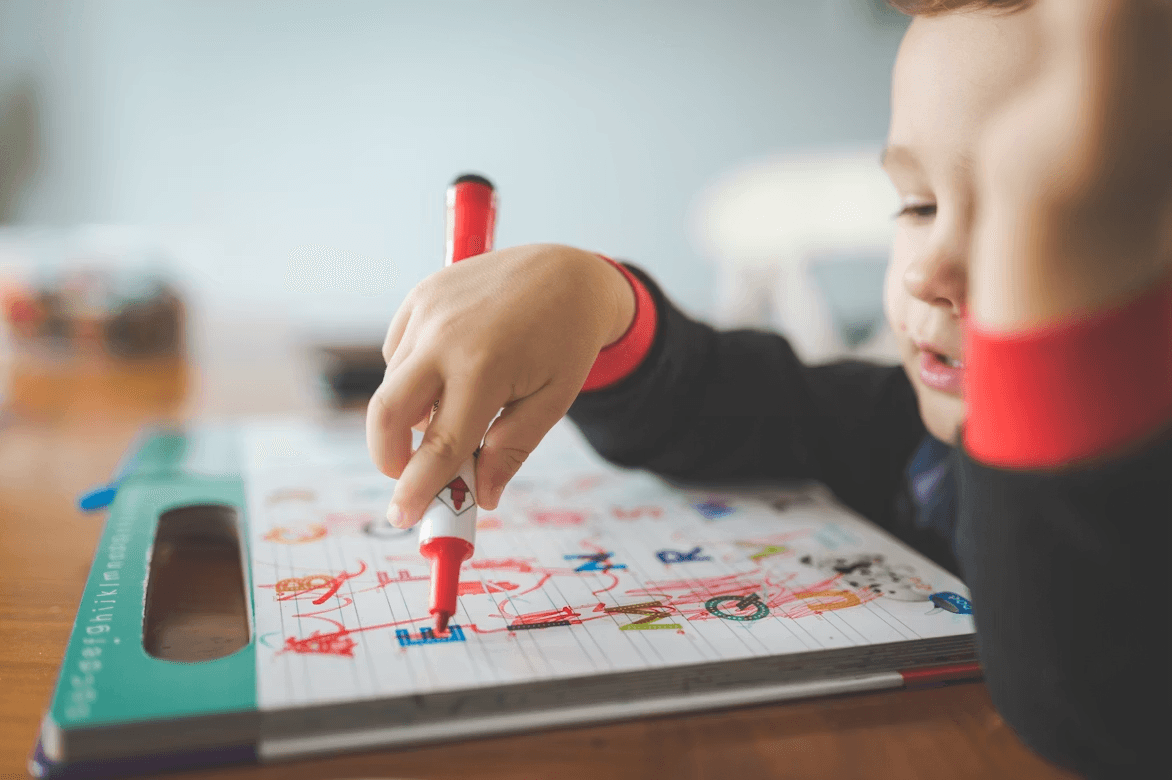
Early childhood shapes the brain in ways that influence everything from how a child learns to how they connect with others later in life. From birth through age 8, the brain is growing rapidly, forming billions of new connections as children absorb sights, sounds, and feelings. The period from birth to age 3 is especially busy—this is when vital foundations for thinking, behaving, and staying healthy are set.
What happens during these early years steers the brain’s wiring. Positive experiences and loving relationships help children process information, understand their emotions, and mix well with others. When young children are surrounded by warmth and safety, supported by consistent adults, their brains get the boost they need to hit huge milestones, from reading skills to finishing school to staying healthy into adulthood.
Supportive surroundings and open-hearted carers spark curiosity and build emotional balance, giving children the confidence and skills that lead to academic achievement and flexible thinking.
Sadly, negative experiences like trauma, ongoing stress, or being ignored can disrupt this growth. Such challenges early on raise the odds of learning troubles, health setbacks, or acting out later. Difficult starts can make children more susceptible to problems like mental health struggles or risky behaviour later on. All the more reason to pay close attention to early experiences—children need strong relationships and secure spaces to help them bounce back and thrive.
Diverse Learning Needs and Inclusive Practices
Children don’t all learn in the same way, and that’s something early childhood education takes seriously. Each child comes with their own set of quirks and ways of looking at things, so recognising and supporting these differences is key to helping every child flourish.
Teachers use different strategies to suit the many ways kids process information. Some children are hands-on, others prefer listening, and some need a bit of both. Setting up classroom activities that appeal to these preferences means no child is left behind, and each one gets a fair chance to grow in their own style.
Working at the pace that suits each child, rather than expecting everyone to be on the same page, boosts confidence and keeps frustration in check. It’s about finding the simplest way to help every child enjoy the learning journey and feel capable.
An inclusive classroom is a welcoming place, where differences aren’t just accepted but celebrated. This doesn’t stop at language or background; it includes learning styles and abilities too. In these classrooms, every child is encouraged to join in, whatever their starting point.
Being part of a group where each child feels noticed helps them build strong social skills and empathy. It also sets up a positive sense of self, giving children the support they need for a future filled with learning and belonging.
Long-Term Benefits of Quality Early Childhood Education
Children who take part in high quality early education don’t just do better in school—they enjoy the benefits well into adulthood. Many studies highlight how these children are more likely to excel at reading by third grade, which is a milestone for future learning. These early skills have a lasting impact, helping children to keep up and even get ahead throughout their school years.
Early education helps lower the risk of leaving high school without a diploma, too. Children who start strong are more likely to value learning, build important thinking skills, and aim for further studies. In fact, those with a solid grounding in early education often finish high school and go on to college or further training, opening doors to better jobs and broader choices in life.
The link between quality early education and future work prospects is also clear. Youngsters who enjoy this positive start are more likely to find steady jobs and earn more as adults. These outcomes stem from social and emotional strengths built up in those early years, making it easier to handle challenges at work and build positive relationships with others.
Quality early childhood education even plays a part in helping young people steer clear of substance misuse and crime, setting them up for a healthier, more secure future. The advantages go far beyond marks on a paper—they shape happier, more successful lives in the long run.
High-quality ECE supports this growth by surrounding children with creative, supportive environments. The advantages reach far beyond the first classroom. From an emotional point of view, children learn to name and manage their feelings, which helps them handle challenges and get along with others. When playing and working together, they pick up life-long habits like sharing, cooperating, and understanding different perspectives.
As for academics, ECE gives children an early grasp of reading, numbers, and how to solve problems. These building blocks prepare them not just for starting school, but for facing all sorts of challenges later in life.
By valuing each child’s learning needs and including everyone, ECE gives children the chance to build confidence and meet their own potential. Simply put, a good start in early education sets the stage for learning and well-being for years to come.
Cognitive Development in Early Childhood Education
Well-structured early childhood education settings, such as those at Harrow International School, open up plenty of opportunities for children to boost their thinking skills. Daily routines and planned activities give kids chances to practise making choices, weighing up different ideas, and finding solutions, all of which are essential for becoming strong thinkers. A big part of this is problem-solving tasks that encourage children to use their reasoning skills and develop a habit of thinking things through.
Let’s not forget how much children learn from imaginative play. Whether it’s pretending to be doctors, shopkeepers, or superheroes, role-play gives their creativity a real workout and feeds their ability to dream up new ideas.
Playtime and exploration form the backbone of cognitive development. When children build with blocks or throw themselves into make-believe scenarios, they’re not just having fun—they’re also practising how to share, resolve disagreements, and work as a team, all while sharpening their problem-solving skills. Activities involving sensory play, creative arts, or simple science experiments keep little hands busy and help children grasp new concepts in a practical way.
Language-rich classrooms also play a vital part. By hearing and using a wide range of words through stories, reading sessions, and conversations, children pick up language skills that make learning to read and write so much smoother. Storytime isn’t just about books; it’s about listening, imagining, and building the kind of vocabulary that opens doors later on. Learning about other languages and traditions gives children a broader sense of the world, encouraging openness and understanding from the start.
Social and Emotional Growth through Early Education
Early childhood classrooms, including those at Harrow International School, are where children pick up some of life’s most important skills—learning to get along, showing kindness, and working things out when there’s a disagreement.
Simple activities like taking turns at the sandpit, building something together, or making up stories with friends let children practise empathy and cooperation without even realising it. Sharing a box of crayons or deciding whose turn it is to be the ‘shopkeeper’ gives kids the tools to handle real friendships and tricky moments later on.
Having a warm, trusting connection with their teachers is also key. When children feel supported by caring adults at school, they grow in confidence and feel safe expressing themselves. Teachers teach so much more than numbers and letters—they help children name their feelings, handle frustration, and learn how to bounce back when things don’t go to plan.
Group projects like drawing a mural or singing together make developing teamwork and communication skills part of the daily routine. These experiences gently teach children how to listen, respect others’ ideas, and share responsibility for what they create.
All these early lessons quietly build up a child’s sense of self-worth and help them join in, not just at school, but everywhere else. Social and emotional learning isn’t something extra in early education—it’s woven into every part of the day, helping children grow into happy, confident people.
The Importance of Early Childhood Experiences
Early childhood shapes the brain in ways that influence everything from how a child learns to how they connect with others later in life. From birth through age 8, the brain is growing rapidly, forming billions of new connections as children absorb sights, sounds, and feelings. The period from birth to age 3 is especially busy—this is when vital foundations for thinking, behaving, and staying healthy are set.
What happens during these early years steers the brain’s wiring. Positive experiences and loving relationships help children process information, understand their emotions, and mix well with others. When young children are surrounded by warmth and safety, supported by consistent adults, their brains get the boost they need to hit huge milestones, from reading skills to finishing school to staying healthy into adulthood.
Supportive surroundings and open-hearted carers spark curiosity and build emotional balance, giving children the confidence and skills that lead to academic achievement and flexible thinking.
Sadly, negative experiences like trauma, ongoing stress, or being ignored can disrupt this growth. Such challenges early on raise the odds of learning troubles, health setbacks, or acting out later. Difficult starts can make children more susceptible to problems like mental health struggles or risky behaviour later on. All the more reason to pay close attention to early experiences—children need strong relationships and secure spaces to help them bounce back and thrive.
Diverse Learning Needs and Inclusive Practices
Children don’t all learn in the same way, and that’s something early childhood education takes seriously. Each child comes with their own set of quirks and ways of looking at things, so recognising and supporting these differences is key to helping every child flourish.
Teachers use different strategies to suit the many ways kids process information. Some children are hands-on, others prefer listening, and some need a bit of both. Setting up classroom activities that appeal to these preferences means no child is left behind, and each one gets a fair chance to grow in their own style.
Working at the pace that suits each child, rather than expecting everyone to be on the same page, boosts confidence and keeps frustration in check. It’s about finding the simplest way to help every child enjoy the learning journey and feel capable.
An inclusive classroom is a welcoming place, where differences aren’t just accepted but celebrated. This doesn’t stop at language or background; it includes learning styles and abilities too. In these classrooms, every child is encouraged to join in, whatever their starting point.
Being part of a group where each child feels noticed helps them build strong social skills and empathy. It also sets up a positive sense of self, giving children the support they need for a future filled with learning and belonging.
Long-Term Benefits of Quality Early Childhood Education
Children who take part in high quality early education don’t just do better in school—they enjoy the benefits well into adulthood. Many studies highlight how these children are more likely to excel at reading by third grade, which is a milestone for future learning. These early skills have a lasting impact, helping children to keep up and even get ahead throughout their school years.
Early education helps lower the risk of leaving high school without a diploma, too. Children who start strong are more likely to value learning, build important thinking skills, and aim for further studies. In fact, those with a solid grounding in early education often finish high school and go on to college or further training, opening doors to better jobs and broader choices in life.
The link between quality early education and future work prospects is also clear. Youngsters who enjoy this positive start are more likely to find steady jobs and earn more as adults. These outcomes stem from social and emotional strengths built up in those early years, making it easier to handle challenges at work and build positive relationships with others.
Quality early childhood education even plays a part in helping young people steer clear of substance misuse and crime, setting them up for a healthier, more secure future. The advantages go far beyond marks on a paper—they shape happier, more successful lives in the long run.
Still grading everything by hand?
EMStudio is a free teaching management app — manage your classes, students, lessons, and more!
Learn More
Still grading everything by hand?
EMStudio is a free teaching management app — manage your classes, students, lessons, and more!
Learn More





Notion4Teachers
Notion templates to simplify administrative tasks and enhance your teaching experience.



2026 Notion4Teachers. All Rights Reserved.
Notion4Teachers
Notion templates to simplify administrative tasks and enhance your teaching experience.
2026 Notion4Teachers. All Rights Reserved.
Notion4Teachers
Notion templates to simplify administrative tasks and enhance your teaching experience.
2026 Notion4Teachers. All Rights Reserved.