
Classroom Management Defined: The Complete Teacher's Guide
Classroom Management Defined: The Complete Teacher's Guide

Article by
Milo
ESL Content Coordinator & Educator
ESL Content Coordinator & Educator
All Posts
I watched a first-year teacher stop mid-sentence last October when a student threw a pencil across the room. She froze. The class froze. Thirty seconds of silence felt like thirty minutes. That moment—when instruction stops and chaos creeps in—is exactly why we need classroom management defined clearly before the first day of school. It is not about being the "fun police" or running a tight ship for its own sake. It is the set of systems that keeps your lessons moving so kids actually learn.
Poor management steals time. Every redirection, every pause to wait for quiet, every interrupted transition eats into the minutes students could be reading, writing, or solving problems. Strong teacher authority and clear behavioral expectations do not squash curiosity; they protect it. When students know the boundaries, they stop testing them and start trusting the learning environment.
This guide cuts through the jargon. You will learn what separates real classroom management from mere discipline, why it directly impacts student engagement and academic learning time, and which classroom procedures actually stick. We will look at four distinct approaches—from authoritative to permissive—and trace the theories that shaped modern positive behavior support. Whether you are refining your systems or rebuilding them mid-year, these are the practical moves that work in real rooms with real kids.
Still grading everything by hand?
EMStudio is a free teaching management app — manage your classes, students, lessons, and more!
Learn More

Still grading everything by hand?
EMStudio is a free teaching management app — manage your classes, students, lessons, and more!
Learn More
Table of Contents
What Is Classroom Management?
Classroom management is the deliberate orchestration of physical space, instructional practices, and social relationships to maximize academic engagement and minimize disruptions. It encompasses preventive systems, routines, and climate-building, distinct from reactive discipline which addresses behavioral violations after they occur.
It is not charisma. It is architecture. You build the machine, then you teach kids to run it.
Classroom management defined means intentionally designing your physical space, instruction, and social dynamics to protect academic learning time. John Hattie's Visible Learning meta-analysis puts the effect size at 0.52—roughly a year's additional growth when executed well. You're not born with this skill. You engineer it.
Management differs from discipline like dental hygiene differs from cavity drilling. Management builds the fence at the cliff's edge; discipline drives the ambulance at the bottom. One prevents the fall through daily habits; the other responds to the crash. Both matter, but only one keeps kids out of the ER every morning.
The system rests on three pillars. Organizational systems include your paper turn-in procedures, device storage protocols, and seating charts. Engaging instruction keeps momentum high and tasks achievable. Relationship infrastructure builds trust through greetings at the door and high expectations. Miss one pillar, and the roof leaks.
The Critical Difference Between Management and Discipline
Management happens during lesson design and the first week of school. You explicitly teach classroom procedures like device storage, bathroom sign-out, and hallway transitions. You model, practice, and reinforce until routines become automatic. Discipline happens during behavioral episodes—when a student throws a pencil or refuses to work and you respond. You teach management like a skill. You enforce discipline like a boundary.
Management | Discipline |
|---|---|
Teaching how the classroom operates through explicit instruction | Responding to violations of established norms |
Occurs during planning, room design, and first weeks | Occurs during interruptions and behavioral episodes |
Prevents 80% of problems through environmental design | Handles the remaining 20% through consequences and restoration |
Strong positive behavior support prevents roughly eighty percent of disruptions through environmental design and clear behavioral expectations. Discipline handles the remaining twenty percent through logical consequences. Listen for the difference. Management sounds like: "Here's how we line up quietly to respect our learning time." Discipline sounds like: "You talked during the quiz, so you finish in the hallway." One builds the culture. The other repairs it.
You cannot discipline your way out of poor management. If students chat during independent work because you never taught the quiet signal, moving clips is just noise. Fix the system first. Discipline is the safety net, not the tightrope.
The Three Pillars of the Definition
Each pillar has measurable components. Organizational systems mean 3-5 explicit rules posted visibly and 10-15 practiced procedures until muscle memory takes over. Engagement means maintaining Rosenshine's recommended 80% success rates on tasks and preserving lesson momentum without interruptions from management confusion. Relationships mean hitting a 3:1 or 4:1 positive-to-corrective interaction ratio, especially with your most challenging students. Hard data keeps you honest about your practice.
These pillars hold each other up. Strong organization supports student engagement by cutting transition time from five minutes to thirty seconds, preserving mental energy for actual learning rather than chaos navigation. Solid relationships make students receptive to your teacher authority when you enforce procedures. When kids trust that you care, they forgive your strict routines and high standards. You cannot separate the beams from the foundation without the house falling down.
New teachers often conflate these elements, attempting classroom management 101 through sheer force of personality. It fails by October. Review foundational classroom management strategies for new teachers before you draft your syllabus. Know the difference between your architectural blueprint and your fire extinguisher. Build the fence first. The ambulance stays parked.

Why Does Classroom Management Matter for Student Achievement?
Classroom management directly impacts student achievement by maximizing Academic Learning Time (ALT)—the minutes students spend successfully engaged with appropriately challenging content. Research consistently shows that orderly, predictable environments increase on-task behavior, reduce stress hormones that inhibit cognitive function, and correlate with higher standardized test scores across grade levels.
Impact on Academic Learning Time
Academic Learning Time is the minutes students actually spend successfully working on material at the right difficulty level—not just staying busy. It differs from allocated time (what's on the schedule) and engaged time (when they're merely participating). ALT equals Engaged Time multiplied by Success Rate.
Poor management steals 30 to 40 percent of ALT through slow transitions, hunting for materials, and off-task behavior. Carroll identified time-on-task as the strongest predictor of learning back in 1963. His research essentially offers classroom management defined through the lens of time conservation.
Effective managers hit 85 percent ALT or higher; struggling classrooms often sink below 60 percent. That 25-point gap costs roughly 100 minutes of instruction weekly. Over a 180-day year, you lose more than 30 hours of potential learning—equivalent to dropping nearly a full month of school.
Transitions eat the most time. A two-minute delay getting materials out, multiplied by five transitions daily, across 180 days, equals thirty hours of lost instruction.
Effects on Teacher Burnout and Retention
Chaos drains teachers faster than grading on Sundays. When expectations remain unclear, you end up nagging students ten to fifteen times per request. That friction creates an adversarial climate, which spikes all three dimensions of the Maslach Burnout Inventory: emotional exhaustion, depersonalization, and reduced personal accomplishment.
The cycle accelerates quickly. You nag, students resist, you nag louder, they shut down. By October, you're browsing real estate license requirements during lunch.
Strong classroom procedures automate your decisions. You stop negotiating every pencil sharpener trip. This freedom from constant micro-decisions preserves your capacity for actual teaching.
Districts pay roughly $20,000 to replace each teacher who quits. Reducing attrition through management support yields real budgetary savings. Focus on preventing teacher burnout through sustainable practices starts with systems that run themselves.
Social-Emotional Benefits for Students
Predictable routines lower cortisol levels, creating "felt safety" that allows the prefrontal cortex to engage in complex thinking. Students need this secure base—grounded in attachment theory—before they risk asking questions or attempting challenging work.
Well-managed rooms see specific behavioral shifts:
40 percent more on-task peer collaboration.
Higher rates of academic help-seeking.
Reduced energy spent scanning for threats.
The importance of classroom management extends to equity: objective, proactive systems replace subjective reactive discipline, narrowing the discipline gap for marginalized students.
Students from unstable home environments particularly benefit from this consistency. School becomes their predictable place. When behavioral expectations are transparent, kids finally exhale and learn.

How Does Classroom Management Work in Practice?
Classroom management operates through a three-tiered system: prevention (procedural teaching and environmental design), monitoring (active supervision and scanning), and intervention (consistent, graduated responses). Effective management is 80% proactive—establishing clear expectations and engaging instruction—and 20% reactive, addressing violations with pre-planned, equitable consequences.
The 80/20 principle determines whether you spend your day teaching or putting out fires. When you frontload classroom procedures—entry routines, material distribution, help signals—you build the architecture that prevents 80% of disruptions before they occur. This preserves academic learning time and keeps your cognitive load available for instruction rather than discipline.
Jacob Kounin's "withitness" separates effective teachers from overwhelmed ones. You demonstrate this through strategic positioning that allows constant scanning, even while writing on the board. Verbal acknowledgments like "I see Group A has their materials ready" while facing the whiteboard signal omnipresent awareness. Students modify behavior when they believe you see everything, even with your back turned.
Managing behaviour in the classroom follows a decision tree. Start with prevention: environmental design and explicit teaching of behavioral expectations. Progress to monitoring through active supervision and proximity. Finally, apply consistent, graduated responses. Skip prevention, and monitoring becomes exhausting while reactions grow inconsistent and unfair.
Proactive vs. Reactive Management Strategies
Proactive strategies frontload structure to create student engagement. You build systems that prevent problems rather than respond to them:
Explicit teaching of procedures using "I do, we do, you do" gradual release until execution is automatic.
Assigned seating that prevents off-task clustering before it starts.
Attention signals—whether a raised hand, chime, or call-response—practiced until 100% compliance happens in under five seconds.
Bell ringer activities and material distribution protocols eliminate the dead time where mischief breeds. These proactive behavior management techniques preserve mental bandwidth for teaching.
Reactive strategies include verbal redirection, logical consequences, and office referrals. These address violations after they occur. Relying on them exclusively creates adversarial relationships and consumes 40% more instructional time than proactive systems. You end up managing behavior instead of teaching content, and your teacher authority erodes into mere power struggles.
The Role of Classroom Climate and Culture
Climate is the felt sense of safety and belonging that greets students at your door. You measure it through specific indicators:
Ratio of affirmations to corrections at minimum 4:1.
Wait time of 3-5 seconds provided after questions.
Student voice included in rule creation.
Kounin's "ripple effect" means correcting one student visibly influences the behavior of others nearby. Your technique matters. "Desist with reason"—explaining the rule's purpose—builds understanding while simple commands breed resentment. This approach embodies classroom management defined not as control, but as creating conditions where positive behavior support thrives and academic risk-taking feels safe.

The Four Main Types of Classroom Management Approaches
When developmental psychologists adapted Diana Baumrind’s parenting research for schools, they gave us a framework that still holds up in 2024. Classroom management defined through this lens reveals four distinct teacher profiles. You’ll recognize them in colleagues down the hall—or in your own practice on tough days.
Type | Communication Style | Student Autonomy Level | Typical Teacher Statement | Academic Outcome | Student Affect |
|---|---|---|---|---|---|
Authoritative | Two-way dialogue | High | "I need you to return to your seat because walking around creates a safety issue for others. Let's practice the right way together." | High achievement | Positive self-concept |
Authoritarian | One-way commands | Low | "Because I said so. Do it now or lose recess." | Short-term compliance | Anxious, dependent |
Permissive | Inconsistent | Very high | "I know the rule is raised hands, but since you're excited, go ahead and share." | Reduced engagement | Insecure, testing limits |
Neglectful | Minimal | Unmonitored | "Just work on your packet." | Lowest outcomes | Disengaged, defiant |
Authoritative Management: High Control, High Warmth
This is the warm demander approach. Behavioral expectations are crystal clear, but you explain the logic behind them. Students participate in setting classroom procedures, which builds ownership without sacrificing your authority. You correct mistakes without humiliating the child.
Developing these habits requires authoritative leadership skills in the classroom. You listen to student input, then make firm decisions. You’re not their friend; you’re their ally with high standards.
Your statement sounds like: "I need you to return to your seat because walking around creates a safety issue for others. Let's practice the right way together." The result is maximized academic learning time and students who internalize self-discipline, not just perform for rewards.
Authoritarian Management: High Control, Low Warmth
Rigid rules and punitive consequences define this style. Teacher authority is absolute, centralized, and unquestioned. Communication flows one direction only. You make all decisions without student input.
Your go-to phrase: "Because I said so. Do it now or lose recess." This produces immediate compliance. Students sit still and follow directions when you’re watching.
But the failure mode is severe. While authoritarian tactics work for emergency situations, long-term use damages intrinsic motivation and creativity. Kids learn to avoid punishment. Anxiety replaces curiosity, and student engagement becomes purely performative.
Permissive Management: Low Control, High Warmth
Relationships and student happiness take priority over structure. The classroom feels friendly, but positive behavior support lacks consistency. Rules bend based on your mood or the student’s emotional state. The room runs on student preference, not shared standards.
You might say: "I know the rule is raised hands, but since you're excited, go ahead and share." This seems nurturing in the moment.
It backfires. Without predictable boundaries, students experience anxiety through lack of boundaries and unpredictability. They constantly test limits, searching for the guardrails you’re not providing. Academic learning time drops as chaos increases.
Neglectful Management: Low Control, Low Warmth
Disengagement is the hallmark here. Whether overwhelmed by paperwork or burned out from years in the system, you monitor minimally. Burnout shows in your body language. Students spend excessive time on independent worksheets while you sit at your desk.
This isn’t strategic types of classroom management; it’s absence of management. You respond to major disruptions but miss the quiet confusion. Students receive the message that their learning doesn’t matter to you.
The outcomes are predictable: highest rates of misbehavior and lowest academic achievement. When adults abdicate responsibility, children cannot thrive.
Which Theories Form the Foundation of Modern Classroom Management?
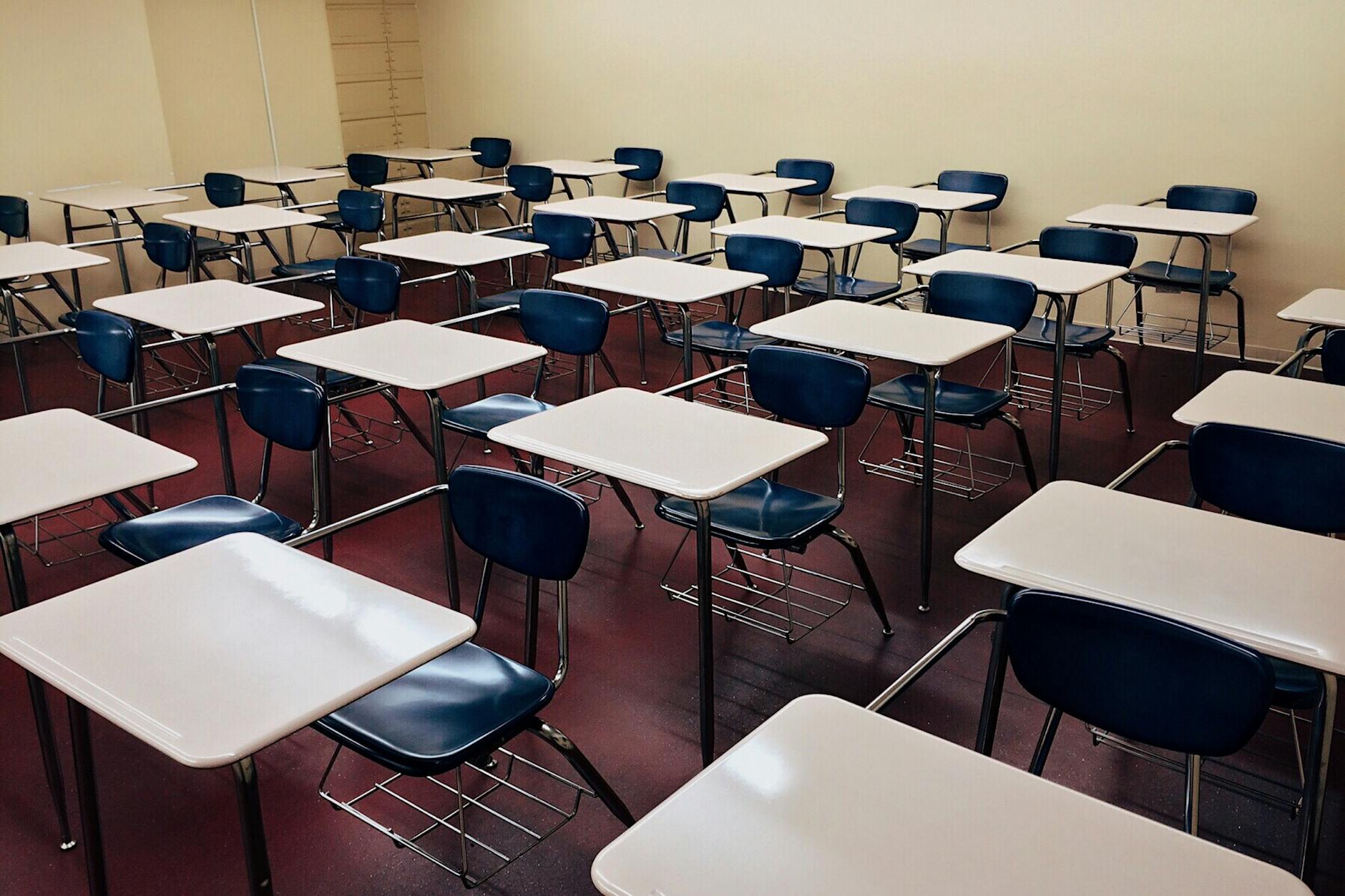
Modern classroom management rests on three theoretical pillars: Marzano's research-based instructional strategies emphasizing rules and procedures, Kounin's ecological concepts of 'withitness' and lesson momentum, and Glasser's Choice Theory emphasizing student autonomy and internal motivation. Together, these frameworks emphasize proactive environmental design, continuous monitoring, and meeting students' psychological needs for belonging and power.
You don't need to pick just one. Most effective teachers blend these evidence-based approaches into a personal style that fits their context. This eclectic approach recognizes that classroom management defined through multiple theoretical lenses captures the complexity of real teaching better than any single classroom management theory alone.
Marzano's Research-Based Strategies
Marzano classroom management centers on Domain 1: Classroom Strategies and Behaviors. His research identifies three critical elements: establishing clear classroom procedures, recognizing adherence specifically, and correcting non-adherence calmly.
Core Concept: Explicit instruction in routines prevents disruptions more effectively than consequences after the fact.
Key Strategy: The three-step teaching process—explain and model, practice with rehearsal, reteach immediately if errors occur.
Classroom Implementation: When teaching 7th graders your paper submission routine, don't just announce it. Demonstrate exactly how to pass papers left, then have them practice while you observe. If someone tosses a paper, stop and rehearse again until automaticity forms.
This systematic approach maximizes academic learning time by removing ambiguity. Marzano's work confirms that thorough upfront teaching of classroom procedures prevents most management issues before they develop.
Kounin's Withitness and Overlapping
Jacob Kounin's 1970 ecological psychology research revealed that prevention trumps reaction. He analyzed how master teachers maintain student engagement through environmental control and lesson design, not through disciplinary force after problems erupt.
Core Concept: Teachers prevent misbehavior through specific ecological behaviors: "withitness" (peripheral awareness), overlapping (handling multiple events simultaneously), momentum (steady pacing without digressions), and smoothness (fluid transitions without jarring stops).
Key Strategy: Use strategic eye contact and physical proximity to communicate awareness without verbal interruption.
Classroom Implementation: You're explaining photosynthesis while scanning the room peripherally. You make eye contact with an off-task student in the back corner, then move steadily toward them while finishing your sentence about chlorophyll. The class barely notices the intervention, and you never broke the lesson's rhythm.
That's teacher authority expressed through presence rather than punitive power.
Glasser's Choice Theory in the Classroom
William Glasser's Choice Theory argues all behavior is purposeful, driven by five genetic needs: survival, love/belonging, power, freedom, and fun. This connects to brain-based education and learning science showing autonomy reduces threat responses.
Core Concept: Students behave to satisfy psychological needs; coercion creates resistance while choice creates cooperation.
Key Strategy: Replace "Boss Management" (telling, coercing) with "Lead Management" (asking, offering choices within boundaries).
Classroom Implementation: Try this with a reluctant worker: "Would you prefer to work at your desk or the library table, as long as you meet the learning target by 10:30?" You offer genuine autonomy while holding firm on the academic standard. This satisfies the need for freedom without sacrificing behavioral expectations.
This is positive behavior support that respects student agency.

Essential Components of an Effective Classroom System
Effective classroom management defined means aligning your physical space, daily operations, and personal connections into a coherent system that maximizes academic learning time. Here is your implementation framework:
Physical Layout | U-shape for discussion with 36-inch traffic lanes | Zero interruptions during transitions.
Seating Chart | Posted before students arrive, arranged by objective | Students find seats without teacher direction.
Teacher Zone | 0-3 feet from whiteboard for instruction | All eyes forward during direct instruction.
Dead Zones | Back corners eliminated, high-need students in action zone | Reduced off-task behavior in hotspots.
Rules | 3-5 positively framed expectations posted visibly | Students quote expectations when reminded.
Procedures | 10-15 taught routines for entering, exiting, supplies | Automatic execution without teacher prompting.
Procedure Instruction | My turn/your turn scripting with physical modeling | 80% accuracy on first independent attempt.
2x10 Strategy | 2 minutes non-academic conversation for 10 consecutive days | Documented reduction in behavioral frequency data.
Entry Ritual | Greeting at door with name recognition or handshake | 20% fewer disruptions first 10 minutes.
Physical Environment and Traffic Flow
Your room layout dictates behavior. Post your seating chart before students arrive so they see structure immediately. Use rows for direct instruction and testing, clusters of four for project-based learning, and U-shapes for Socratic seminars (cap these at 24 students to maintain sightlines). Maintain 36-inch traffic lanes between desks to prevent bumping and off-task chat.
Eliminate dead zones. Back corners where you rarely stand become hot spots for off-task behavior. Place high-need students within the action zone—front and center, within 0-3 feet of your whiteboard. This proximity establishes teacher authority without you saying a word. See our guide on optimizing the physical environment and learning zones for layout diagrams.
Explicit Rules and Procedures
Distinguish between behavioral expectations and classroom procedures. Rules are non-negotiable principles that always apply—limit these to 3-5 positively framed statements like "Respect all people and property," not "Don't run." Post them visibly. Procedures are context-specific routines for entering, exiting, sharpening pencils, bathroom breaks, and emergencies.
Script your lessons using the "My turn, your turn" method: "I walk to the tray. I place the paper in the correct period slot. I return to my seat silently. Your turn." Have Sarah demonstrate. Ask the class, "Did she follow all three steps?" Teach 10-15 procedures until they become automatic. This creates positive behavior support through clarity, not punishment.
Building Genuine Teacher-Student Relationships
Systems fail without connection. Implement Raymond Wlodkowski's 2x10 strategy: Select one high-challenge student with whom you have a strained relationship. Engage in two minutes of non-academic conversation—sports, pets, video games—for ten consecutive school days. Document the relationship shift through behavioral frequency data. You will see call-outs and disruptions decrease as trust builds.
Pair this with entry rituals. Stand at your door and greet each student with a handshake, high-five, or simple name recognition. Research suggests this reduces disruptions by 20% during the first ten minutes of class. These intentional classroom practices build the trust necessary for authentic student engagement and sustained learning.
Real-World Examples: Management Across Grade Levels
Elementary School: Routines and Visual Cues
First grade. Twenty-four six-year-olds. Transitioning from carpet to desks takes eight minutes of wandering, chatting, and lost crayons. You need thirty seconds.
I used The Clean Desk Fairy—a stuffed wand I waved over tidy desks while kids were at recess. Winners got a sticker on their nametag. Immediate positive behavior support beats lecturing every time. I also assigned materials managers for each table group. One kid grabbed the supply bin; others followed like ducklings. No one asked where the scissors were because the manager had already counted them.
Visual cues made the difference:
The Time Timer 8-inch with its disappearing red disk.
Tape marks on the carpet for assigned spots.
Hand signals for bathroom requests to eliminate verbal interruptions.
My procedure was specific: "When I chime the bell, freeze, look at me, wait for the magic word, then walk silently to your seat." We practiced three times with feedback. First attempt took four minutes. Third took twenty-eight seconds. They beat the timer.
These management routines specifically for elementary educators build automaticity. You reclaim academic learning time lost to chaos. When classroom procedures become habit, you teach instead of beg.
Middle School: Autonomy and Engagement
Seventh grade. Thirty-two students. Phones buzz every ninety seconds during independent reading. You are managing students who are managing dopamine addictions.
I installed a Phone Hotel—a caddy with numbered slots matching student ID numbers—right by the door. Phones checked in at entry. Retrieved only during tech breaks every twenty minutes or at dismissal. This is classroom management defined as clear physical boundaries that remove temptation from view.
Some schools ban storage due to liability. Alternative protocol: face down, sound off, top right corner of desk. Violators visit Phone Jail—a small box on my desk until end of day. I acknowledged the withdrawal anxiety openly: "I know this feels weird. Your brain is used to the dopamine hit. We're practicing focus anyway." Positive behavior support includes naming the struggle while holding the line firm.
Result: student engagement during writing tasks tripled. Side benefit: fewer hallway incidents when devices stayed locked up during transitions. The caddy became a ritual that signaled work mode had begun.
The numbered slots eliminated arguments about who went first. Kids knew their number from day one. When the caddy filled, the room quieted within thirty seconds. That physical act of surrendering the phone became the threshold between social time and academic space.
High School: Respect and Academic Rigor
Eleventh grade AP History. Twenty-eight juniors. Chronic tardiness and side conversations during lectures. You need teacher authority without humiliation.
I implemented a Bell Ringer protocol. A question posted when the door opens. Collected within five minutes. Counts for ten percent of grade. Tardiness dropped by half in week one because missing it meant losing points they couldn't make up. It also served as my attendance check; empty desks were obvious without calling roll.
For persistent side conversations, we shifted to Socratic Seminar protocols. Talking sticks controlled airtime. Objective sheets required paraphrasing peers before adding new points. Off-topic questions went on a Parking Lot poster addressed after class or via email. The structure killed the social chatter because everyone was busy tracking who spoke last to prepare their paraphrase.
My opening day speech was direct: "We are preparing for college-level discourse. I will respect your time by starting immediately; you respect the class by being present and engaged." Clear behavioral expectations treat them as emerging adults, not inmates.
The shift was immediate. They policed each other. I stopped being the bad guy. The syllabus contract specified that three interruptions meant sitting out to write a reflection. They enforced it themselves. When academic learning time is protected by structures rather than scolding, rigor feels like respect.

How Do You Build Your Management Plan from Day One?
Build your classroom management plan before students arrive: create a seating chart, draft 3-5 positively framed rules, and script procedures for entering, exiting, and transitions. During the first week, teach procedures explicitly using gradual release (I do, we do, you do), practicing until automatic. When challenges arise, avoid changing rules mid-stream; instead, reteach procedures and address 'extinction burst' with consistent enforcement.
Designing Your System Before Students Arrive
Before the first bell rings, your classroom management defined starts with physical systems. Create your seating chart with IEP/504 needs and separation requirements in mind; post it with student names at the door. Draft 3-5 positively framed rules. Prepare a parent letter template explaining your essential classroom rules and procedures and how families can reinforce behavioral expectations at home.
Checklist for before day one: seating chart posted with names, classroom procedures list laminated (entering room, turning in work, bathroom, emergency drills, pencil sharpening), script for first day procedures using "I do, we do, you do," supply station clearly labeled to protect academic learning time, behavior tracking spreadsheet ready for documentation.
Physical preparation: arrange desks to eliminate dead zones that kill student engagement, post essential information (fire drill route, schedule, rules) on walls, prepare emergency folder with seating chart and medical alerts for substitutes to establish immediate teacher authority.
Laminate your procedure cards in bright colors. When students can see exactly where to turn in papers or grab a pencil, you eliminate the hesitation that breeds disruption.
Teaching Procedures Explicitly During the First Week
Execute classroom management 101 by teaching procedures before content. Use the gradual release model: "My turn to show you." Model perfectly. "Now let's try it together." Rehearse as a whole class. "Your turn to show me." Spot-check individuals. If the class misses the mark, stop and practice again. Do not touch the curriculum until routines are automatic.
Script for teaching any procedure: model perfectly using "I do," conduct whole class rehearsal with "we do," then spot-check individuals with "you do." Tell students explicitly, "If we don't get it right, we practice again." Practice each procedure 3-5 times before proceeding.
Prioritize these four first: entering the room, starting the Do Now or bell ringer, attention signal, and end-of-class dismissal. These account for eighty percent of transition time.
Follow the Wong & Wong First Days of School principle: "You can always loosen up, but you cannot tighten up later." Every minute invested in September returns ten in May.
Troubleshooting Common First-Month Challenges
When chaos hits mid-September, resist overhauling your comprehensive classroom management plan template. Changing rules mid-stream without explanation creates instability. Inconsistent enforcement—ignoring violations Monday while punishing Tuesday—creates unfairness perceptions and signals that teacher authority is negotiable. Avoid over-talking; nagging ten times instead of acting once trains students to ignore you.
Common first-month failures: changing rules without explanation, inconsistent enforcement, and over-talking (nagging 10 times instead of acting once).
Troubleshooting protocol: if chaos emerges, stop instruction. Say "We need to practice this procedure again." Reteach and rehearse immediately. This "go slow to go fast" approach costs one day but saves weeks.
Address the extinction burst. When you enforce a boundary consistently, the behavior may escalate temporarily before improving. Do not interpret this as "the system isn't working"—it is working, and consistency will resolve it in 3-5 days. Maintain positive behavior support and calm enforcement.

Key Takeaways for Classroom Management Defined
Classroom management defined is really about protecting academic learning time from the first bell to the last. You are not running a military unit or a birthday party for thirty kids. You are building a workspace where tight classroom procedures handle the logistics so you can teach content, not constantly put out behavioral fires. That is the whole point.
Your system matters more than your personality. You do not need to be a charismatic performer to keep 3rd graders engaged and focused on the actual lesson in your room. Consistent positive behavior support and clear routines do the heavy lifting. They work whether you teach with quiet structure or loud enthusiasm.
Start small. Focus on three non-negotiable procedures for week one. Master them cold before you add more layers or complex reward systems. A simple plan that survives until October beats an elaborate theory that collapses by Labor Day every single time.

What Is Classroom Management?
Classroom management is the deliberate orchestration of physical space, instructional practices, and social relationships to maximize academic engagement and minimize disruptions. It encompasses preventive systems, routines, and climate-building, distinct from reactive discipline which addresses behavioral violations after they occur.
It is not charisma. It is architecture. You build the machine, then you teach kids to run it.
Classroom management defined means intentionally designing your physical space, instruction, and social dynamics to protect academic learning time. John Hattie's Visible Learning meta-analysis puts the effect size at 0.52—roughly a year's additional growth when executed well. You're not born with this skill. You engineer it.
Management differs from discipline like dental hygiene differs from cavity drilling. Management builds the fence at the cliff's edge; discipline drives the ambulance at the bottom. One prevents the fall through daily habits; the other responds to the crash. Both matter, but only one keeps kids out of the ER every morning.
The system rests on three pillars. Organizational systems include your paper turn-in procedures, device storage protocols, and seating charts. Engaging instruction keeps momentum high and tasks achievable. Relationship infrastructure builds trust through greetings at the door and high expectations. Miss one pillar, and the roof leaks.
The Critical Difference Between Management and Discipline
Management happens during lesson design and the first week of school. You explicitly teach classroom procedures like device storage, bathroom sign-out, and hallway transitions. You model, practice, and reinforce until routines become automatic. Discipline happens during behavioral episodes—when a student throws a pencil or refuses to work and you respond. You teach management like a skill. You enforce discipline like a boundary.
Management | Discipline |
|---|---|
Teaching how the classroom operates through explicit instruction | Responding to violations of established norms |
Occurs during planning, room design, and first weeks | Occurs during interruptions and behavioral episodes |
Prevents 80% of problems through environmental design | Handles the remaining 20% through consequences and restoration |
Strong positive behavior support prevents roughly eighty percent of disruptions through environmental design and clear behavioral expectations. Discipline handles the remaining twenty percent through logical consequences. Listen for the difference. Management sounds like: "Here's how we line up quietly to respect our learning time." Discipline sounds like: "You talked during the quiz, so you finish in the hallway." One builds the culture. The other repairs it.
You cannot discipline your way out of poor management. If students chat during independent work because you never taught the quiet signal, moving clips is just noise. Fix the system first. Discipline is the safety net, not the tightrope.
The Three Pillars of the Definition
Each pillar has measurable components. Organizational systems mean 3-5 explicit rules posted visibly and 10-15 practiced procedures until muscle memory takes over. Engagement means maintaining Rosenshine's recommended 80% success rates on tasks and preserving lesson momentum without interruptions from management confusion. Relationships mean hitting a 3:1 or 4:1 positive-to-corrective interaction ratio, especially with your most challenging students. Hard data keeps you honest about your practice.
These pillars hold each other up. Strong organization supports student engagement by cutting transition time from five minutes to thirty seconds, preserving mental energy for actual learning rather than chaos navigation. Solid relationships make students receptive to your teacher authority when you enforce procedures. When kids trust that you care, they forgive your strict routines and high standards. You cannot separate the beams from the foundation without the house falling down.
New teachers often conflate these elements, attempting classroom management 101 through sheer force of personality. It fails by October. Review foundational classroom management strategies for new teachers before you draft your syllabus. Know the difference between your architectural blueprint and your fire extinguisher. Build the fence first. The ambulance stays parked.
Why Does Classroom Management Matter for Student Achievement?
Classroom management directly impacts student achievement by maximizing Academic Learning Time (ALT)—the minutes students spend successfully engaged with appropriately challenging content. Research consistently shows that orderly, predictable environments increase on-task behavior, reduce stress hormones that inhibit cognitive function, and correlate with higher standardized test scores across grade levels.
Impact on Academic Learning Time
Academic Learning Time is the minutes students actually spend successfully working on material at the right difficulty level—not just staying busy. It differs from allocated time (what's on the schedule) and engaged time (when they're merely participating). ALT equals Engaged Time multiplied by Success Rate.
Poor management steals 30 to 40 percent of ALT through slow transitions, hunting for materials, and off-task behavior. Carroll identified time-on-task as the strongest predictor of learning back in 1963. His research essentially offers classroom management defined through the lens of time conservation.
Effective managers hit 85 percent ALT or higher; struggling classrooms often sink below 60 percent. That 25-point gap costs roughly 100 minutes of instruction weekly. Over a 180-day year, you lose more than 30 hours of potential learning—equivalent to dropping nearly a full month of school.
Transitions eat the most time. A two-minute delay getting materials out, multiplied by five transitions daily, across 180 days, equals thirty hours of lost instruction.
Effects on Teacher Burnout and Retention
Chaos drains teachers faster than grading on Sundays. When expectations remain unclear, you end up nagging students ten to fifteen times per request. That friction creates an adversarial climate, which spikes all three dimensions of the Maslach Burnout Inventory: emotional exhaustion, depersonalization, and reduced personal accomplishment.
The cycle accelerates quickly. You nag, students resist, you nag louder, they shut down. By October, you're browsing real estate license requirements during lunch.
Strong classroom procedures automate your decisions. You stop negotiating every pencil sharpener trip. This freedom from constant micro-decisions preserves your capacity for actual teaching.
Districts pay roughly $20,000 to replace each teacher who quits. Reducing attrition through management support yields real budgetary savings. Focus on preventing teacher burnout through sustainable practices starts with systems that run themselves.
Social-Emotional Benefits for Students
Predictable routines lower cortisol levels, creating "felt safety" that allows the prefrontal cortex to engage in complex thinking. Students need this secure base—grounded in attachment theory—before they risk asking questions or attempting challenging work.
Well-managed rooms see specific behavioral shifts:
40 percent more on-task peer collaboration.
Higher rates of academic help-seeking.
Reduced energy spent scanning for threats.
The importance of classroom management extends to equity: objective, proactive systems replace subjective reactive discipline, narrowing the discipline gap for marginalized students.
Students from unstable home environments particularly benefit from this consistency. School becomes their predictable place. When behavioral expectations are transparent, kids finally exhale and learn.
How Does Classroom Management Work in Practice?
Classroom management operates through a three-tiered system: prevention (procedural teaching and environmental design), monitoring (active supervision and scanning), and intervention (consistent, graduated responses). Effective management is 80% proactive—establishing clear expectations and engaging instruction—and 20% reactive, addressing violations with pre-planned, equitable consequences.
The 80/20 principle determines whether you spend your day teaching or putting out fires. When you frontload classroom procedures—entry routines, material distribution, help signals—you build the architecture that prevents 80% of disruptions before they occur. This preserves academic learning time and keeps your cognitive load available for instruction rather than discipline.
Jacob Kounin's "withitness" separates effective teachers from overwhelmed ones. You demonstrate this through strategic positioning that allows constant scanning, even while writing on the board. Verbal acknowledgments like "I see Group A has their materials ready" while facing the whiteboard signal omnipresent awareness. Students modify behavior when they believe you see everything, even with your back turned.
Managing behaviour in the classroom follows a decision tree. Start with prevention: environmental design and explicit teaching of behavioral expectations. Progress to monitoring through active supervision and proximity. Finally, apply consistent, graduated responses. Skip prevention, and monitoring becomes exhausting while reactions grow inconsistent and unfair.
Proactive vs. Reactive Management Strategies
Proactive strategies frontload structure to create student engagement. You build systems that prevent problems rather than respond to them:
Explicit teaching of procedures using "I do, we do, you do" gradual release until execution is automatic.
Assigned seating that prevents off-task clustering before it starts.
Attention signals—whether a raised hand, chime, or call-response—practiced until 100% compliance happens in under five seconds.
Bell ringer activities and material distribution protocols eliminate the dead time where mischief breeds. These proactive behavior management techniques preserve mental bandwidth for teaching.
Reactive strategies include verbal redirection, logical consequences, and office referrals. These address violations after they occur. Relying on them exclusively creates adversarial relationships and consumes 40% more instructional time than proactive systems. You end up managing behavior instead of teaching content, and your teacher authority erodes into mere power struggles.
The Role of Classroom Climate and Culture
Climate is the felt sense of safety and belonging that greets students at your door. You measure it through specific indicators:
Ratio of affirmations to corrections at minimum 4:1.
Wait time of 3-5 seconds provided after questions.
Student voice included in rule creation.
Kounin's "ripple effect" means correcting one student visibly influences the behavior of others nearby. Your technique matters. "Desist with reason"—explaining the rule's purpose—builds understanding while simple commands breed resentment. This approach embodies classroom management defined not as control, but as creating conditions where positive behavior support thrives and academic risk-taking feels safe.
The Four Main Types of Classroom Management Approaches
When developmental psychologists adapted Diana Baumrind’s parenting research for schools, they gave us a framework that still holds up in 2024. Classroom management defined through this lens reveals four distinct teacher profiles. You’ll recognize them in colleagues down the hall—or in your own practice on tough days.
Type | Communication Style | Student Autonomy Level | Typical Teacher Statement | Academic Outcome | Student Affect |
|---|---|---|---|---|---|
Authoritative | Two-way dialogue | High | "I need you to return to your seat because walking around creates a safety issue for others. Let's practice the right way together." | High achievement | Positive self-concept |
Authoritarian | One-way commands | Low | "Because I said so. Do it now or lose recess." | Short-term compliance | Anxious, dependent |
Permissive | Inconsistent | Very high | "I know the rule is raised hands, but since you're excited, go ahead and share." | Reduced engagement | Insecure, testing limits |
Neglectful | Minimal | Unmonitored | "Just work on your packet." | Lowest outcomes | Disengaged, defiant |
Authoritative Management: High Control, High Warmth
This is the warm demander approach. Behavioral expectations are crystal clear, but you explain the logic behind them. Students participate in setting classroom procedures, which builds ownership without sacrificing your authority. You correct mistakes without humiliating the child.
Developing these habits requires authoritative leadership skills in the classroom. You listen to student input, then make firm decisions. You’re not their friend; you’re their ally with high standards.
Your statement sounds like: "I need you to return to your seat because walking around creates a safety issue for others. Let's practice the right way together." The result is maximized academic learning time and students who internalize self-discipline, not just perform for rewards.
Authoritarian Management: High Control, Low Warmth
Rigid rules and punitive consequences define this style. Teacher authority is absolute, centralized, and unquestioned. Communication flows one direction only. You make all decisions without student input.
Your go-to phrase: "Because I said so. Do it now or lose recess." This produces immediate compliance. Students sit still and follow directions when you’re watching.
But the failure mode is severe. While authoritarian tactics work for emergency situations, long-term use damages intrinsic motivation and creativity. Kids learn to avoid punishment. Anxiety replaces curiosity, and student engagement becomes purely performative.
Permissive Management: Low Control, High Warmth
Relationships and student happiness take priority over structure. The classroom feels friendly, but positive behavior support lacks consistency. Rules bend based on your mood or the student’s emotional state. The room runs on student preference, not shared standards.
You might say: "I know the rule is raised hands, but since you're excited, go ahead and share." This seems nurturing in the moment.
It backfires. Without predictable boundaries, students experience anxiety through lack of boundaries and unpredictability. They constantly test limits, searching for the guardrails you’re not providing. Academic learning time drops as chaos increases.
Neglectful Management: Low Control, Low Warmth
Disengagement is the hallmark here. Whether overwhelmed by paperwork or burned out from years in the system, you monitor minimally. Burnout shows in your body language. Students spend excessive time on independent worksheets while you sit at your desk.
This isn’t strategic types of classroom management; it’s absence of management. You respond to major disruptions but miss the quiet confusion. Students receive the message that their learning doesn’t matter to you.
The outcomes are predictable: highest rates of misbehavior and lowest academic achievement. When adults abdicate responsibility, children cannot thrive.
Which Theories Form the Foundation of Modern Classroom Management?
Modern classroom management rests on three theoretical pillars: Marzano's research-based instructional strategies emphasizing rules and procedures, Kounin's ecological concepts of 'withitness' and lesson momentum, and Glasser's Choice Theory emphasizing student autonomy and internal motivation. Together, these frameworks emphasize proactive environmental design, continuous monitoring, and meeting students' psychological needs for belonging and power.
You don't need to pick just one. Most effective teachers blend these evidence-based approaches into a personal style that fits their context. This eclectic approach recognizes that classroom management defined through multiple theoretical lenses captures the complexity of real teaching better than any single classroom management theory alone.
Marzano's Research-Based Strategies
Marzano classroom management centers on Domain 1: Classroom Strategies and Behaviors. His research identifies three critical elements: establishing clear classroom procedures, recognizing adherence specifically, and correcting non-adherence calmly.
Core Concept: Explicit instruction in routines prevents disruptions more effectively than consequences after the fact.
Key Strategy: The three-step teaching process—explain and model, practice with rehearsal, reteach immediately if errors occur.
Classroom Implementation: When teaching 7th graders your paper submission routine, don't just announce it. Demonstrate exactly how to pass papers left, then have them practice while you observe. If someone tosses a paper, stop and rehearse again until automaticity forms.
This systematic approach maximizes academic learning time by removing ambiguity. Marzano's work confirms that thorough upfront teaching of classroom procedures prevents most management issues before they develop.
Kounin's Withitness and Overlapping
Jacob Kounin's 1970 ecological psychology research revealed that prevention trumps reaction. He analyzed how master teachers maintain student engagement through environmental control and lesson design, not through disciplinary force after problems erupt.
Core Concept: Teachers prevent misbehavior through specific ecological behaviors: "withitness" (peripheral awareness), overlapping (handling multiple events simultaneously), momentum (steady pacing without digressions), and smoothness (fluid transitions without jarring stops).
Key Strategy: Use strategic eye contact and physical proximity to communicate awareness without verbal interruption.
Classroom Implementation: You're explaining photosynthesis while scanning the room peripherally. You make eye contact with an off-task student in the back corner, then move steadily toward them while finishing your sentence about chlorophyll. The class barely notices the intervention, and you never broke the lesson's rhythm.
That's teacher authority expressed through presence rather than punitive power.
Glasser's Choice Theory in the Classroom
William Glasser's Choice Theory argues all behavior is purposeful, driven by five genetic needs: survival, love/belonging, power, freedom, and fun. This connects to brain-based education and learning science showing autonomy reduces threat responses.
Core Concept: Students behave to satisfy psychological needs; coercion creates resistance while choice creates cooperation.
Key Strategy: Replace "Boss Management" (telling, coercing) with "Lead Management" (asking, offering choices within boundaries).
Classroom Implementation: Try this with a reluctant worker: "Would you prefer to work at your desk or the library table, as long as you meet the learning target by 10:30?" You offer genuine autonomy while holding firm on the academic standard. This satisfies the need for freedom without sacrificing behavioral expectations.
This is positive behavior support that respects student agency.
Essential Components of an Effective Classroom System
Effective classroom management defined means aligning your physical space, daily operations, and personal connections into a coherent system that maximizes academic learning time. Here is your implementation framework:
Physical Layout | U-shape for discussion with 36-inch traffic lanes | Zero interruptions during transitions.
Seating Chart | Posted before students arrive, arranged by objective | Students find seats without teacher direction.
Teacher Zone | 0-3 feet from whiteboard for instruction | All eyes forward during direct instruction.
Dead Zones | Back corners eliminated, high-need students in action zone | Reduced off-task behavior in hotspots.
Rules | 3-5 positively framed expectations posted visibly | Students quote expectations when reminded.
Procedures | 10-15 taught routines for entering, exiting, supplies | Automatic execution without teacher prompting.
Procedure Instruction | My turn/your turn scripting with physical modeling | 80% accuracy on first independent attempt.
2x10 Strategy | 2 minutes non-academic conversation for 10 consecutive days | Documented reduction in behavioral frequency data.
Entry Ritual | Greeting at door with name recognition or handshake | 20% fewer disruptions first 10 minutes.
Physical Environment and Traffic Flow
Your room layout dictates behavior. Post your seating chart before students arrive so they see structure immediately. Use rows for direct instruction and testing, clusters of four for project-based learning, and U-shapes for Socratic seminars (cap these at 24 students to maintain sightlines). Maintain 36-inch traffic lanes between desks to prevent bumping and off-task chat.
Eliminate dead zones. Back corners where you rarely stand become hot spots for off-task behavior. Place high-need students within the action zone—front and center, within 0-3 feet of your whiteboard. This proximity establishes teacher authority without you saying a word. See our guide on optimizing the physical environment and learning zones for layout diagrams.
Explicit Rules and Procedures
Distinguish between behavioral expectations and classroom procedures. Rules are non-negotiable principles that always apply—limit these to 3-5 positively framed statements like "Respect all people and property," not "Don't run." Post them visibly. Procedures are context-specific routines for entering, exiting, sharpening pencils, bathroom breaks, and emergencies.
Script your lessons using the "My turn, your turn" method: "I walk to the tray. I place the paper in the correct period slot. I return to my seat silently. Your turn." Have Sarah demonstrate. Ask the class, "Did she follow all three steps?" Teach 10-15 procedures until they become automatic. This creates positive behavior support through clarity, not punishment.
Building Genuine Teacher-Student Relationships
Systems fail without connection. Implement Raymond Wlodkowski's 2x10 strategy: Select one high-challenge student with whom you have a strained relationship. Engage in two minutes of non-academic conversation—sports, pets, video games—for ten consecutive school days. Document the relationship shift through behavioral frequency data. You will see call-outs and disruptions decrease as trust builds.
Pair this with entry rituals. Stand at your door and greet each student with a handshake, high-five, or simple name recognition. Research suggests this reduces disruptions by 20% during the first ten minutes of class. These intentional classroom practices build the trust necessary for authentic student engagement and sustained learning.
Real-World Examples: Management Across Grade Levels
Elementary School: Routines and Visual Cues
First grade. Twenty-four six-year-olds. Transitioning from carpet to desks takes eight minutes of wandering, chatting, and lost crayons. You need thirty seconds.
I used The Clean Desk Fairy—a stuffed wand I waved over tidy desks while kids were at recess. Winners got a sticker on their nametag. Immediate positive behavior support beats lecturing every time. I also assigned materials managers for each table group. One kid grabbed the supply bin; others followed like ducklings. No one asked where the scissors were because the manager had already counted them.
Visual cues made the difference:
The Time Timer 8-inch with its disappearing red disk.
Tape marks on the carpet for assigned spots.
Hand signals for bathroom requests to eliminate verbal interruptions.
My procedure was specific: "When I chime the bell, freeze, look at me, wait for the magic word, then walk silently to your seat." We practiced three times with feedback. First attempt took four minutes. Third took twenty-eight seconds. They beat the timer.
These management routines specifically for elementary educators build automaticity. You reclaim academic learning time lost to chaos. When classroom procedures become habit, you teach instead of beg.
Middle School: Autonomy and Engagement
Seventh grade. Thirty-two students. Phones buzz every ninety seconds during independent reading. You are managing students who are managing dopamine addictions.
I installed a Phone Hotel—a caddy with numbered slots matching student ID numbers—right by the door. Phones checked in at entry. Retrieved only during tech breaks every twenty minutes or at dismissal. This is classroom management defined as clear physical boundaries that remove temptation from view.
Some schools ban storage due to liability. Alternative protocol: face down, sound off, top right corner of desk. Violators visit Phone Jail—a small box on my desk until end of day. I acknowledged the withdrawal anxiety openly: "I know this feels weird. Your brain is used to the dopamine hit. We're practicing focus anyway." Positive behavior support includes naming the struggle while holding the line firm.
Result: student engagement during writing tasks tripled. Side benefit: fewer hallway incidents when devices stayed locked up during transitions. The caddy became a ritual that signaled work mode had begun.
The numbered slots eliminated arguments about who went first. Kids knew their number from day one. When the caddy filled, the room quieted within thirty seconds. That physical act of surrendering the phone became the threshold between social time and academic space.
High School: Respect and Academic Rigor
Eleventh grade AP History. Twenty-eight juniors. Chronic tardiness and side conversations during lectures. You need teacher authority without humiliation.
I implemented a Bell Ringer protocol. A question posted when the door opens. Collected within five minutes. Counts for ten percent of grade. Tardiness dropped by half in week one because missing it meant losing points they couldn't make up. It also served as my attendance check; empty desks were obvious without calling roll.
For persistent side conversations, we shifted to Socratic Seminar protocols. Talking sticks controlled airtime. Objective sheets required paraphrasing peers before adding new points. Off-topic questions went on a Parking Lot poster addressed after class or via email. The structure killed the social chatter because everyone was busy tracking who spoke last to prepare their paraphrase.
My opening day speech was direct: "We are preparing for college-level discourse. I will respect your time by starting immediately; you respect the class by being present and engaged." Clear behavioral expectations treat them as emerging adults, not inmates.
The shift was immediate. They policed each other. I stopped being the bad guy. The syllabus contract specified that three interruptions meant sitting out to write a reflection. They enforced it themselves. When academic learning time is protected by structures rather than scolding, rigor feels like respect.
How Do You Build Your Management Plan from Day One?
Build your classroom management plan before students arrive: create a seating chart, draft 3-5 positively framed rules, and script procedures for entering, exiting, and transitions. During the first week, teach procedures explicitly using gradual release (I do, we do, you do), practicing until automatic. When challenges arise, avoid changing rules mid-stream; instead, reteach procedures and address 'extinction burst' with consistent enforcement.
Designing Your System Before Students Arrive
Before the first bell rings, your classroom management defined starts with physical systems. Create your seating chart with IEP/504 needs and separation requirements in mind; post it with student names at the door. Draft 3-5 positively framed rules. Prepare a parent letter template explaining your essential classroom rules and procedures and how families can reinforce behavioral expectations at home.
Checklist for before day one: seating chart posted with names, classroom procedures list laminated (entering room, turning in work, bathroom, emergency drills, pencil sharpening), script for first day procedures using "I do, we do, you do," supply station clearly labeled to protect academic learning time, behavior tracking spreadsheet ready for documentation.
Physical preparation: arrange desks to eliminate dead zones that kill student engagement, post essential information (fire drill route, schedule, rules) on walls, prepare emergency folder with seating chart and medical alerts for substitutes to establish immediate teacher authority.
Laminate your procedure cards in bright colors. When students can see exactly where to turn in papers or grab a pencil, you eliminate the hesitation that breeds disruption.
Teaching Procedures Explicitly During the First Week
Execute classroom management 101 by teaching procedures before content. Use the gradual release model: "My turn to show you." Model perfectly. "Now let's try it together." Rehearse as a whole class. "Your turn to show me." Spot-check individuals. If the class misses the mark, stop and practice again. Do not touch the curriculum until routines are automatic.
Script for teaching any procedure: model perfectly using "I do," conduct whole class rehearsal with "we do," then spot-check individuals with "you do." Tell students explicitly, "If we don't get it right, we practice again." Practice each procedure 3-5 times before proceeding.
Prioritize these four first: entering the room, starting the Do Now or bell ringer, attention signal, and end-of-class dismissal. These account for eighty percent of transition time.
Follow the Wong & Wong First Days of School principle: "You can always loosen up, but you cannot tighten up later." Every minute invested in September returns ten in May.
Troubleshooting Common First-Month Challenges
When chaos hits mid-September, resist overhauling your comprehensive classroom management plan template. Changing rules mid-stream without explanation creates instability. Inconsistent enforcement—ignoring violations Monday while punishing Tuesday—creates unfairness perceptions and signals that teacher authority is negotiable. Avoid over-talking; nagging ten times instead of acting once trains students to ignore you.
Common first-month failures: changing rules without explanation, inconsistent enforcement, and over-talking (nagging 10 times instead of acting once).
Troubleshooting protocol: if chaos emerges, stop instruction. Say "We need to practice this procedure again." Reteach and rehearse immediately. This "go slow to go fast" approach costs one day but saves weeks.
Address the extinction burst. When you enforce a boundary consistently, the behavior may escalate temporarily before improving. Do not interpret this as "the system isn't working"—it is working, and consistency will resolve it in 3-5 days. Maintain positive behavior support and calm enforcement.
Key Takeaways for Classroom Management Defined
Classroom management defined is really about protecting academic learning time from the first bell to the last. You are not running a military unit or a birthday party for thirty kids. You are building a workspace where tight classroom procedures handle the logistics so you can teach content, not constantly put out behavioral fires. That is the whole point.
Your system matters more than your personality. You do not need to be a charismatic performer to keep 3rd graders engaged and focused on the actual lesson in your room. Consistent positive behavior support and clear routines do the heavy lifting. They work whether you teach with quiet structure or loud enthusiasm.
Start small. Focus on three non-negotiable procedures for week one. Master them cold before you add more layers or complex reward systems. A simple plan that survives until October beats an elaborate theory that collapses by Labor Day every single time.
Still grading everything by hand?
EMStudio is a free teaching management app — manage your classes, students, lessons, and more!
Learn More
Still grading everything by hand?
EMStudio is a free teaching management app — manage your classes, students, lessons, and more!
Learn More





Notion4Teachers
Notion templates to simplify administrative tasks and enhance your teaching experience.



2026 Notion4Teachers. All Rights Reserved.
Notion4Teachers
Notion templates to simplify administrative tasks and enhance your teaching experience.
2026 Notion4Teachers. All Rights Reserved.
Notion4Teachers
Notion templates to simplify administrative tasks and enhance your teaching experience.
2026 Notion4Teachers. All Rights Reserved.