Categories of Learning Styles: A Complete Guide
Categories of Learning Styles: A Complete Guide

Article by
Milo
ESL Content Coordinator & Educator
ESL Content Coordinator & Educator
All Posts
You taught the lesson once. Half the class nodded along while you drew the diagram on the board. The other half stared blankly until you explained it out loud. Now you're wondering if you need to label your kids as visual or auditory learners, or if that's outdated pseudoscience. The truth sits somewhere in the middle. While the rigid categories of learning styles popularized in the 90s have been largely debunked as fixed traits, the underlying preferences students show for how they take in information are real—and they change based on the content.
This guide cuts through the noise. We'll look at the VARK model and what it gets right (and wrong), explore cognitive load theory to understand why some formats work better for specific tasks, and check other frameworks like experiential learning and Universal Design for Learning. You won't find quizzes to pigeonhole kids here. Instead, you'll get practical ways to plan differentiated instruction that respects how different brains process information without extra paperwork.
Still grading everything by hand?
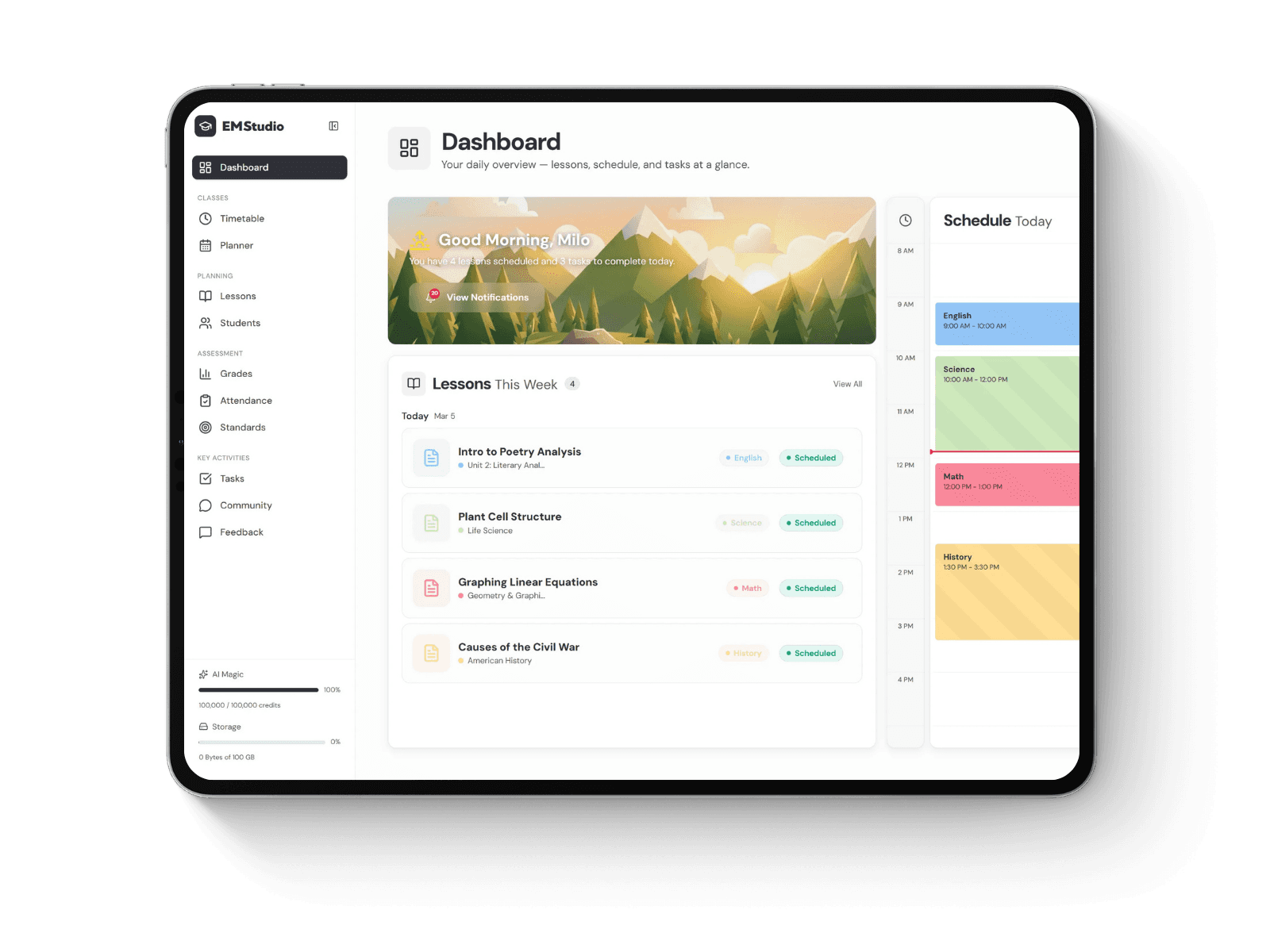
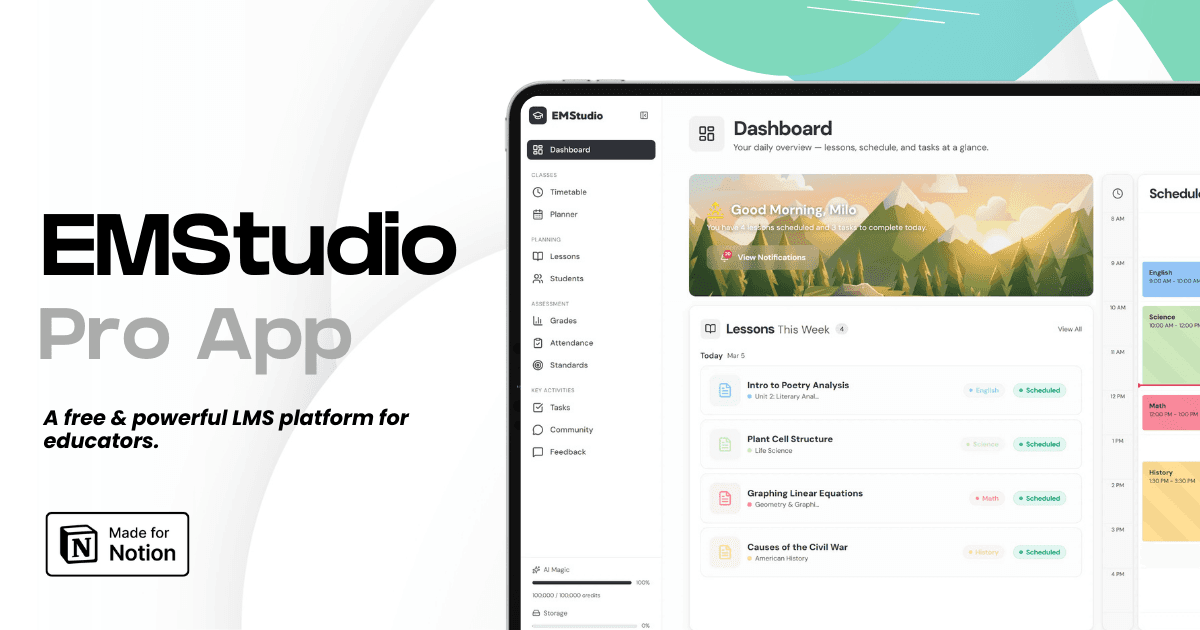
EMStudio is a free teaching management app — manage your classes, students, lessons, and more!
Learn More
Still grading everything by hand?
EMStudio is a free teaching management app — manage your classes, students, lessons, and more!
Learn More
Table of Contents
What Are the Main Categories of Learning Styles?
The main categories of learning styles include Visual, Auditory, Reading/Writing, and Kinesthetic (VARK), along with models like Kolb's Experiential Learning and Gardner's Multiple Intelligences. These frameworks describe preferred information processing modes, not fixed neurological traits, helping teachers design multimodal instruction rather than rigid student labels.
The VARK model breaks down how students intake information. Visual learners process spatial and graphic information—maps, charts, color-coding. Auditory learners retain information through listening and discussion. Reading/Writing learners prefer text-based input and note-taking. Kinesthetic learners need tactile engagement and movement to anchor concepts. These are modalities, not destiny. A student might prefer graphs for math but need discussion for social studies.
Modern understanding treats these categories of learning styles as flexible preferences rather than rigid boxes. The field moved away from Dunn & Dunn's 1975 model—which treated learning styles as stable traits influenced by 21 environmental and emotional factors—toward cognitive flexibility research showing students adapt based on context. Your 4th grader isn't permanently "visual"; they're temporarily overwhelmed by auditory input during a fire drill.
The meshing hypothesis—matching instruction to a student's preferred style—crumbles under scrutiny. Hattie's Visible Learning meta-analysis shows this approach yields an effect size of just 0.17, barely visible in classroom data. However, matching modality to content type works. Teach geography with maps (visual), phonemic awareness with listening games (auditory), research papers with text analysis (reading/writing), and fractions with manipulatives (kinesthetic).
Visual: 7th-grade map skills, diagramming sentences, infographic analysis
Auditory: 3rd-grade phonemic awareness, class discussions, podcast creation
Reading/Writing: High school research papers, Cornell notes, written reflection
Kinesthetic: Elementary math manipulatives, science labs, gallery walks
Defining Learning Style Categories vs. Learning Preferences
"Learning styles" implies stable neurological wiring—something you diagnose and accommodate forever. "Learning preferences" acknowledges situational choice and student agency. When you treat different learning styles as preferences, you avoid the trap of neurological determinism. A kid labeled "kinesthetic" in 2nd grade might discover they love dense historical texts by 8th grade. Preferences shift. Rigid labels stick.
Categories like VARK describe input modalities—how information enters working memory. Frameworks like Gardner's Multiple Intelligences describe cognitive capacities—how minds process and create meaning. Conflating these constructs causes classroom confusion. VARK helps you decide whether to show a video or pass out a reading. Gardner helps you recognize that a student struggling with essays might compose brilliant music. Both inform differentiated instruction, but they solve different problems.
The Origins and Evolution of Learning Style Theory in Education
The lineage runs deep. Rita and Kenneth Dunn built the first comprehensive model in 1975, identifying 21 elements including lighting preferences, sound levels, and sociological needs. David Kolb followed in 1984 with experiential learning theory, mapping how students cycle through concrete experience, observation, conceptualization, and experimentation. Neil Fleming's VARK questionnaire arrived in 1987 and now reaches educators in 60+ countries. These frameworks shaped decades of Universal Design for Learning thinking.
Current consensus sits somewhere between enthusiasm and skepticism. Randomized controlled trials haven't supported style-specific instruction as a magic bullet. However, multimodal learning—presenting key concepts through multiple channels—shows measurable benefits for working memory and retention. The win isn't teaching to a student's "type." It's reducing cognitive load theory by offering redundant channels for complex material. Check out evidence-based best practices for learning styles to move beyond the myths.
Why Do Learning Style Categories Matter for Modern Classrooms?
Learning style categories matter because they provide a framework for Universal Design for Learning and differentiated instruction, ensuring content reaches students through multiple modalities. Rather than labeling students, these categories help teachers avoid single-mode instruction traps and create accessible entry points for diverse neurological processing patterns.
Think of categories of learning styles as a diagnostic tool for your teaching, not a cage for your kids. When you audit your last unit plan, did you rely on text-heavy readings? Did you talk for twenty minutes straight? Mapping your instruction against the VARK model exposes gaps where you're creating unnecessary barriers. If you only deliver content through lecture, you block students with auditory processing disorder from accessing the material. If you skip hands-on activities, you lose kids who need experiential learning to anchor abstract concepts. The categories force you to diversify before you lose students to cognitive overload.
But here is where teachers trip: the meshing hypothesis. This is the idea that you should match every lesson to each student's preferred style—visual learners get pictures, auditory learners get podcasts, kinesthetic learners get blocks. Don't do it. Research shows this approach wastes planning time without improving achievement. It creates a fixed mindset in students and actually reduces cognitive flexibility. Kids need to develop skills in all modalities, not just their comfort zone. Instead, use learners learning styles to expand your repertoire, not narrow it. Teach the concept through multiple channels so every student gets repetition through different neural pathways, which supports retention better than single-channel input that spikes cognitive load theory limits.
This multimodal approach isn't just good pedagogy—it's legal protection. IEP and 504 plans for students with dyslexia, ADHD, or auditory processing issues require accommodations that align with these categories. When you design lessons that include visual organizers, audio supports, and movement breaks, you meet ADA standards without scrambling to retrofit assignments later. You're not coddling; you're removing barriers.
Consider the trade-offs:
Benefits: Engagement variety keeps attention cycles fresh. Accessibility compliance prevents due process headaches. Teaching students about how students process information builds metacognition so they advocate for their own needs.
Risks: Stereotyping ("You're a visual learner so you can't handle this audiobook"). Fixed mindset labels that limit stretch. Tracking students into style-based groups that reduce exposure to challenge. Cognitive rigidity when kids refuse text because they've been told they're "hands-on."
Use learning and learning styles as a checklist for lesson design, not a sorting hat for your roster.

How Visual, Auditory, Reading/Writing, and Kinesthetic Learners Process Information
Students gravitate toward specific sensory channels. But preference doesn't equal performance. You match modality to content complexity, not just student preference. John Hattie's research puts multiple representations at an effect size of 0.58—solid evidence that showing concepts in varied formats boosts understanding. The VARK model identifies these four learning style categories, but this isn't about labeling kids as "visual" or "kinesthetic" forever. It's about recognizing how these 4 learning styles process information so you can reduce cognitive load and build bridges between abstract ideas and student understanding. Using multiple modalities creates multimodal learning opportunities that align with Universal Design for Learning principles.
If a student learns best by studying diagrams and color-coding notes, they likely fit the visual category. You'll see them thrive when you assign an 8th-grader a flowchart to trace the water cycle rather than a paragraph description.
If they listen to explanations and talk through problems, they lean auditory. A 10th-grader analyzing Shakespeare through oral reading and discussion will outperform the same student reading silently.
If they take detailed notes and write summaries, they show reading/writing strengths. Watch a 6th-grader master experimental design by writing procedural hypotheses before touching lab materials.
If they build models and move during instruction, they need kinesthetic input. A 4th-grader understanding place value by walking a human number line grasps concepts faster than through lecture alone.
Budget reality check: outfitting a class of 30 with algebra tiles runs approximately $3-5 per student. That's real money from a limited supply budget. But you aren't stuck. PhET simulations offer free digital alternatives for underfunded classrooms, letting students manipulate virtual gears or circuit components without the physical cost. Balance expensive hands-on tools with these digital options to reach kinesthetic learners without breaking the bank.
Visual Learners: Processing Through Images, Charts, and Spatial Relationships
Visual learners process through images, charts, and spatial relationships. They need to see the structure of ideas. Strategies for visual learners work best when you move beyond "make a poster" toward specific cognitive tools that organize information spatially.
Graphic organizers (Venn diagrams for compare/contrast tasks in history)
Color-coded highlighting systems (green for main ideas, yellow for supporting evidence)
Concept mapping software (Coggle or Lucidchart for collaborative brainstorming)
Anchor charts with icons rather than dense text blocks
Spatial note-taking (sketchnoting protocols for middle school science)
Last semester, I watched an 8th-grader finally understand the water cycle by building a flowchart showing evaporation arrows feeding cloud formation. She couldn't follow the textbook paragraph describing transpiration, but the spatial organizer showed the relationship between soil moisture and atmospheric water. Classrooms using these spatial organizers see improved retention for conceptual relationships—students remember the image of the cycle better than the sentence describing it.
Auditory Learners: Retaining Knowledge Through Listening and Verbal Discussion
Auditory learners retain knowledge through listening and verbal discussion. They need to hear the rhythm of language and talk through confusion. Auditory learning techniques integrate technology without requiring expensive equipment—often just headphones and free apps.
Think-Pair-Share protocols with strict time limits for processing
Podcast creation assignments using Anchor.fm for 3-minute history summaries
Rhythmic mnemonics (PEMDAS songs or cellular process chants)
Audiobook access through Learning Ally for struggling readers tackling grade-level text
Socratic seminars with printed discussion stems to guide verbal analysis
I saw this work in a 10th-grade English class analyzing Shakespeare. Students who struggled with silent reading of Macbeth came alive during oral reading and discussion. Hearing the iambic pentameter, arguing about character motivation out loud, and listening to peer interpretations built comprehension that silent annotation missed. The auditory processing supported complex text comprehension by reducing the cognitive load of decoding written Early Modern English while focusing on meaning.
Reading/Writing Learners: Engaging Deeply With Text-Based Information
Reading/writing learners engage deeply with text-based information. They need words on paper—either reading them or producing them. This modality often gets dismissed as "traditional" teaching, but for these students, text is their primary access point to understanding across the different types of learners.
Cornell note-taking system for high school lecture retention
Vocabulary journals with Frayer models (definition, characteristics, examples, non-examples)
Written reflection protocols (3-2-1 format: 3 facts, 2 questions, 1 connection)
Text annotation systems (marginalia with specific symbols for "important" versus "confusing")
Essay-based concept explanations before hands-on labs to cement sequence understanding
In a 6th-grade science classroom, students wrote procedural hypotheses before performing experiments on plant growth. The act of sequencing "if...then" statements on paper cemented their understanding of variables before they touched soil or seeds. These reading/writing learners processed the abstract concept of experimental design through text-based processing, then transferred that understanding to the physical manipulation of plants.
Kinesthetic Learners: Learning Through Movement, Touch, and Hands-On Experience
Kinesthetic learners require movement, touch, and hands-on experience. See our tactile and kinesthetic learning guide for expanded strategies. This modality demands safety considerations and budget awareness, but the engagement payoff supports experiential learning and differentiated instruction for the 4 learning types.
Tactile manipulatives (algebra tiles for solving equations in middle school)
Standing desks or wobble cushions ($50-80 per unit—purchase two for a rotation station)
Role-play simulations (Mock Congress for civics with physical "voting" movement)
Interactive notebooks with foldables for physical organization of concepts
Brain breaks every 20 minutes using GoNoodle or similar to reset attention through movement
I watched a 4th-grade teacher use "human number lines" for math concepts. Students physically moved right or left on a taped floor line to represent place value changes. When adding 10, they jumped forward physically. This kinesthetic embodiment of abstract numeracy helped struggling students feel the magnitude of number shifts rather than just seeing digits change. The physical movement created muscle memory for mathematical operations.
Beyond VARK: Other Learning Style Models Teachers Should Know
VARK gives you four categories of learning styles, but it's not the only lens. Some models track how your brain moves from doing to understanding. Others map personality traits onto classroom behavior. A few describe raw cognitive capacity—what you're capable of, not just how you prefer to receive information.
John Hattie's Visible Learning meta-analysis puts this in perspective. Matching your teaching to a student's preferred style? Effect size of 0.17—barely a blip. But offering multiple ways to access the same content? That hits 0.58. Nearly three times the impact. This isn't about labeling kids as "visual" and teaching only with pictures. It's about multimodal learning—cycling through modalities so everyone gets multiple entry points while managing cognitive load theory by not overwhelming working memory.
These other learning styles fit different contexts better than the VARK model alone:
K-5 elementary: Gardner's framework works well for centers and talent spotting among different types of learning styles.
High school project-based learning: Honey and Mumford shines when students self-direct, regardless of the three learning styles they might prefer.
STEM labs: Kolb's cycle structures reflection into hands-on work, supporting experiential learning.
Professional development: Honey and Mumford dominates corporate training for a reason—it predicts how adults approach new skills.
UDL planning: Combining models gives you the widest menu for Universal Design for Learning and differentiated instruction.
Kolb's Experiential Learning Cycle: Concrete Experience to Abstract Conceptualization
David Kolb mapped how experience becomes knowledge. His cycle has four stops:
Concrete Experience (CE): Students conduct the hands-on lab.
Reflective Observation (RO): They write lab reports analyzing what happened.
Abstract Conceptualization (AC): You lecture on the pH theory behind their results.
Active Experimentation (AE): They design new experiments to test variables.
Some students want to stay in the doing/watching quadrants (AE/RO). Others prefer thinking and feeling (AC/CE). Don't let them camp there. Effective units force everyone through all four stages. That's how implementing experiential education actually works—you're not matching the 3 type of learners to instruction, you're ensuring the experience is whole.
Honey and Mumford's Four Styles: Activist, Reflector, Theorist, and Pragmatist
Peter Honey and Alan Mumford adapted Kolb's work for corporate training, but it translates perfectly to high school projects. They identified four types:
Activists dive in and learn by trial and error.
Reflectors stand back, gather data, and think before acting.
Theorists build mental models and love systems.
Pragmatists want practical application and techniques they can use immediately.
You can spot these during group work. The Activist grabs the materials before reading directions. The Reflector asks for five more minutes to review the rubric. Adjust your pacing accordingly. Heavy Reflector classes need structured "review and reflect" pauses every 15 minutes. Let them digest before pushing forward. Activist-heavy groups? Start with a problem to solve, then lecture. This model explains why some adults resist professional development while others thrive—it predicts approach, not ability. For your VARK assessment guide for educators comparisons, think of Honey and Mumford as describing attitude, not sensory channel.
Gardner's Multiple Intelligences: Eight Distinct Categories of Learning Strengths
Howard Gardner proposed eight distinct intelligences—cognitive capacities, not preferences:
Linguistic learners shine in debate and wordplay.
Logical-Mathematical minds code and calculate naturally.
Spatial thinkers design architecture in their heads.
Musical learners hear rhythm patterns in poetry.
Bodily-Kinesthetic intelligence shows up in drama and sports.
Interpersonal capacity means reading the room and leading groups.
Intrapersonal intelligence drives deep journaling and self-knowledge.
Naturalist learners classify ecosystems and spot patterns in nature.
Here's the critical distinction. VARK and Honey and Mumford describe styles—how you prefer to process information. Gardner describes intelligence—what you're capable of learning. Use styles for differentiation (giving choices in how to access content). Use intelligences for talent development (finding where a student might excel). Don't confuse the two. A student with strong Naturalist intelligence might still prefer reading about plants (VARK reading/writing) rather than hiking for them (kinesthetic). The categories overlap, but they aren't the same.

How Can Teachers Identify Different Learning Styles Without Formal Assessments?
Teachers can identify learning styles through systematic observation of student choices during free work time, tracking engagement levels across different activity types, and using quick VARK questionnaires. Look for behavioral cues: visual learners often doodle concept maps, auditory learners talk through problems, reading/writing learners take extensive notes, and kinesthetic learners manipulate objects or move frequently. You don't need a psychology degree—just a clipboard and the willingness to watch your kids work.
Observable Behavioral Cues and Work Patterns in Classroom Settings
Start with a two-week observation window. Create a simple tracking sheet and watch who gravitates toward anchor charts versus discussion corners versus manipulatives bins during station rotation. Look for these specific behaviors:
Visual learners organize materials by color and doodle concept maps in margins.
Auditory learners mouth words while reading or talk through problems with neighbors.
Reading/Writing learners rewrite notes three times for retention.
Kinesthetic learners tap pencils, rock in chairs, or request movement breaks during sedentary work.
Use a tally sheet during 20-minute independent work blocks. Every five minutes, mark what five or six target students are doing: drawing, reading, chatting, or building. Rotate your sample daily. Observation fatigue is real, and you can't track 32 kids simultaneously. By Friday, you'll see patterns. One October, I noticed my 3rd graders who struggled with math worksheets suddenly focused when using base-ten blocks. That kinesthetic preference explained the disconnect.
For quick confirmation, use the free VARK questionnaire at vark-learn.com or the Dunn & Dunn Learning Style Inventory for elementary. Or try an entry ticket: ask students to show prior knowledge about photosynthesis by either drawing a diagram, writing a paragraph, or explaining to a neighbor. Their choice tells you plenty. This informal data helps you manage individual learning plans without standardized testing. Experiential learning theory supports this—watching what kids actually do beats asking what they think they prefer.
Student Engagement Levels Across Different Instructional Modalities
Track participation across formats to spot gaps. After direct instruction, video, reading, and lab activities, rate student participation on a 1-5 scale. Look for differences of two or more points between modalities. If Maria scores lectures a 2 but group discussions a 5, you've found her zone. This beats guessing among the various types of learners in your room.
Use exit tickets to confirm. Have students rate cognitive load and interest from 1 to 10 after three different lesson formats. Compare the numbers. This applies principles of cognitive load theory practically—you're checking which formats overload working memory and which allow flow. Patterns emerge quickly. Students who need differentiated instruction often show consistent spikes in specific categories.
Watch for red flags. Kids who rate everything below 4 aren't showing a preference between different learning styles—they're showing distress. These students need referral to your Student Study Team or counselor, not a multimodal tweak. I learned this with a 7th grader I kept trying to reach through different categories of learning styles. He needed glasses and was afraid to say so.
Avoid the permanent label trap. Preferences shift by subject and developmental stage. A child might need kinesthetic approaches for fractions but visual supports for grammar. Reassess quarterly. Never tell a student "you're a kinesthetic learner" like it's fixed. Say "you focus better when building." Keep it temporary and task-specific. This flexibility aligns with Universal Design for Learning—offering options without boxing kids in.
Implementing Multimodal Strategies That Honor All Learning Categories
Universal Design for Learning Principles for Mixed Classrooms
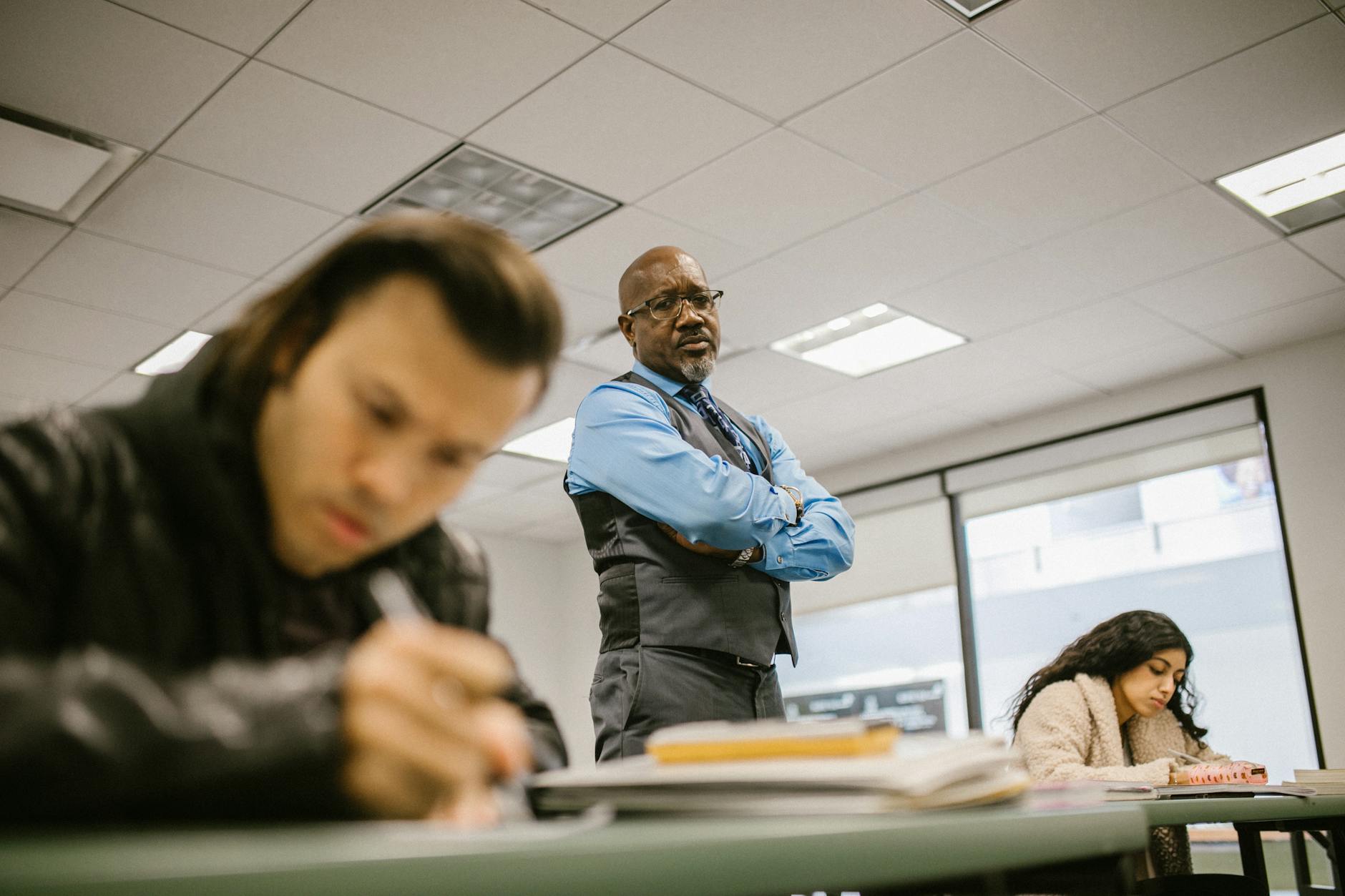
Universal Design for Learning (UDL) isn't a checklist. It's a mindset shift from "How do I teach this?" to "How do I show this three different ways without creating three different lesson plans?"
Start with Multiple Means of Representation. I use Edpuzzle to layer questions over documentary clips. Students watch the video (visual/auditory) and read embedded text prompts. In my World War II unit, I post primary source documents alongside propaganda poster analysis on Padlet. The reading kids get their text; the visual kids get the graphics; nobody gets left out.
For Multiple Means of Action and Expression, let them choose the output. Flipgrid for the speakers. Book Creator for the writers. Makey Makey stations for the builders who need to touch copper tape to explain circuits. For Multiple Means of Engagement, I build choice boards with three curated paths targeting different categories of learning styles: one through a Treaty of Versailles role-play (kinesthetic/interpersonal), one through a podcast script (auditory), one through a graphic novel panel (visual). Don't offer everything at once. Cognitive load theory applies to teachers too.
Differentiated Instruction Techniques for Diverse Learning Groups
I stopped assigning the same essay to everyone. Now I use RAFT (Role, Audience, Format, Topic). The format varies: letter, podcast script, diagram, TikTok storyboard. The content standard stays locked. A student strong in visual processing might diagram the water cycle; the auditory learner records a radio broadcast; the kinesthetic kid builds a physical model. All prove mastery of the same concept. This is the core of mastering differentiated instruction.
Grouping strategy matters. I arrange desks in quads with one Visual, one Auditory, one Reading/Writing, and one Kinesthetic learner per group during jigsaw activities. The visual kid sketches the concept map while the kinesthetic member acts out the process. They teach each other across different learning modes, forcing peer explanation that solidifies understanding.
Assessment flexibility doesn't mean chaos. Let them choose their output for the unit assessment, but ensure they practice all four VARK modalities throughout the semester. This builds cognitive flexibility. Using digital tools to support differentiated instruction makes tracking these choices manageable in your workspace.
Creating Flexible Learning Environments That Support Every Learner
The room itself teaches. I stole the language from David Thornburg: create campfire (lecture area), cave (individual quiet carrels), watering hole (collaboration tables), and mountain top (presentation space). Students rotate based on task, not ability. The cave isn't punishment; it's where auditory processors go to record voice memos without chatter, or where readers escape to focus.
Station rotation works better than whole-group instruction for multimodal learning. I run a weekly cycle: 15 minutes at Listening Center (auditory), Writing Lab (reading/writing), Art/Visualization Station (visual), and Maker Space (kinesthetic). Everyone hits every station. No one stays in their comfort zone all hour.
You don't need a grant. Pillow corners for reading/writing caves. Cardboard boxes for carrels. Standing desk options made from old textbooks for kinesthetic kids who need to sway. Headphones for the auditory station. Natural light near the visual workspace. Here is my planning shortcut:
If teaching conceptual knowledge → start with visual anchor
If procedural → include kinesthetic practice
If declarative facts → offer reading and auditory options
If skill-based → cycle through all four modalities
What to Remember About Categories Of Learning Styles
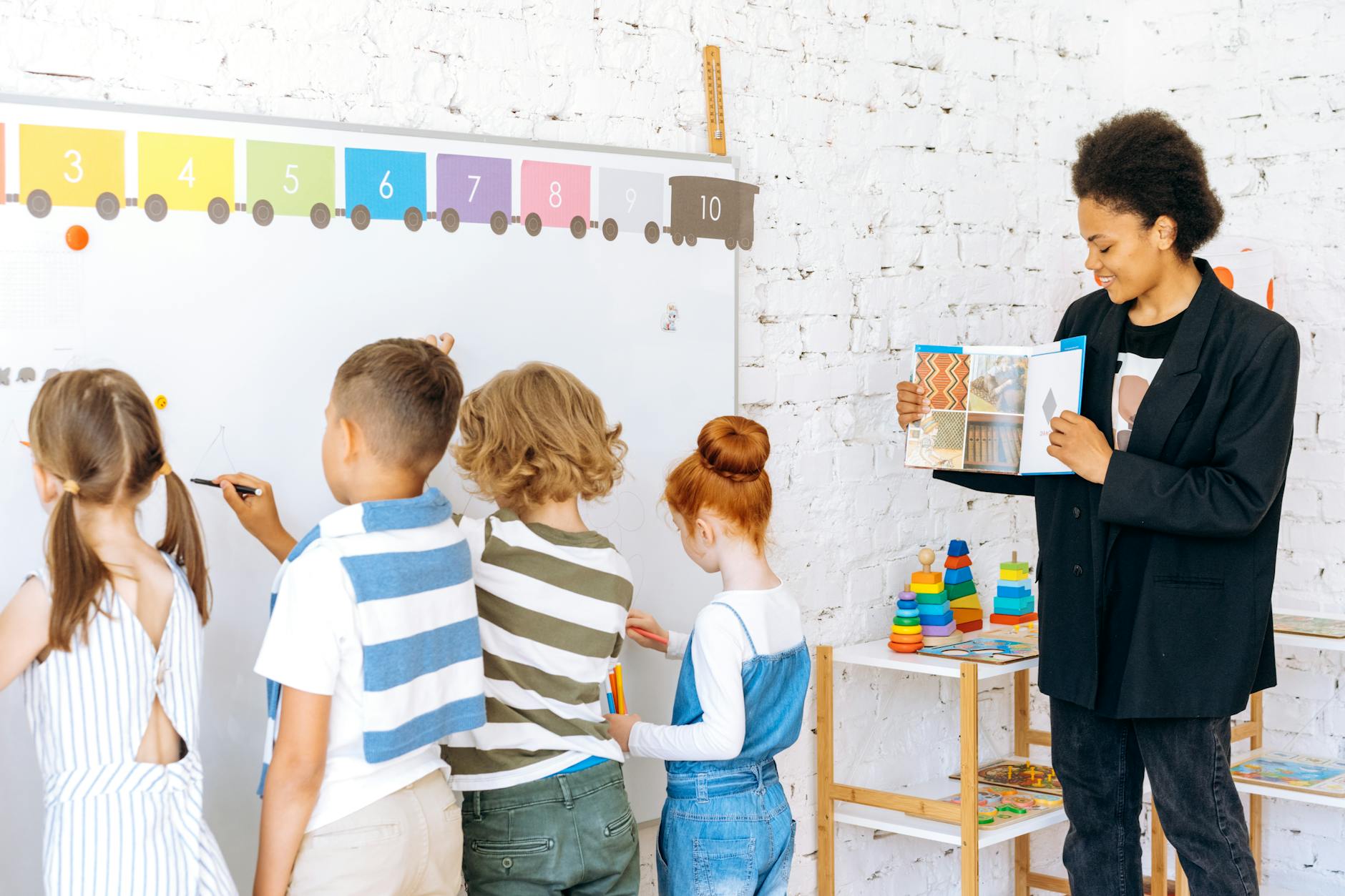
You don't need to label every student in your gradebook. Planning for the categories of learning styles isn't about creating twenty-five different lesson plans—it's about building in options so kids can process information without burning through their working memory. When you offer a visual alongside your verbal explanation, you aren't just helping the "visual learners." You're following cognitive load theory and giving everyone a second pathway to the concept.
Pick one lesson you're teaching next week. If you're lecturing, add a quick sketch or diagram. If you're handing out a reading, add a brief partner talk. That's it. One small shift toward multimodal learning beats a perfect differentiated instruction plan that never gets off the ground. Start there.

What Are the Main Categories of Learning Styles?
The main categories of learning styles include Visual, Auditory, Reading/Writing, and Kinesthetic (VARK), along with models like Kolb's Experiential Learning and Gardner's Multiple Intelligences. These frameworks describe preferred information processing modes, not fixed neurological traits, helping teachers design multimodal instruction rather than rigid student labels.
The VARK model breaks down how students intake information. Visual learners process spatial and graphic information—maps, charts, color-coding. Auditory learners retain information through listening and discussion. Reading/Writing learners prefer text-based input and note-taking. Kinesthetic learners need tactile engagement and movement to anchor concepts. These are modalities, not destiny. A student might prefer graphs for math but need discussion for social studies.
Modern understanding treats these categories of learning styles as flexible preferences rather than rigid boxes. The field moved away from Dunn & Dunn's 1975 model—which treated learning styles as stable traits influenced by 21 environmental and emotional factors—toward cognitive flexibility research showing students adapt based on context. Your 4th grader isn't permanently "visual"; they're temporarily overwhelmed by auditory input during a fire drill.
The meshing hypothesis—matching instruction to a student's preferred style—crumbles under scrutiny. Hattie's Visible Learning meta-analysis shows this approach yields an effect size of just 0.17, barely visible in classroom data. However, matching modality to content type works. Teach geography with maps (visual), phonemic awareness with listening games (auditory), research papers with text analysis (reading/writing), and fractions with manipulatives (kinesthetic).
Visual: 7th-grade map skills, diagramming sentences, infographic analysis
Auditory: 3rd-grade phonemic awareness, class discussions, podcast creation
Reading/Writing: High school research papers, Cornell notes, written reflection
Kinesthetic: Elementary math manipulatives, science labs, gallery walks
Defining Learning Style Categories vs. Learning Preferences
"Learning styles" implies stable neurological wiring—something you diagnose and accommodate forever. "Learning preferences" acknowledges situational choice and student agency. When you treat different learning styles as preferences, you avoid the trap of neurological determinism. A kid labeled "kinesthetic" in 2nd grade might discover they love dense historical texts by 8th grade. Preferences shift. Rigid labels stick.
Categories like VARK describe input modalities—how information enters working memory. Frameworks like Gardner's Multiple Intelligences describe cognitive capacities—how minds process and create meaning. Conflating these constructs causes classroom confusion. VARK helps you decide whether to show a video or pass out a reading. Gardner helps you recognize that a student struggling with essays might compose brilliant music. Both inform differentiated instruction, but they solve different problems.
The Origins and Evolution of Learning Style Theory in Education
The lineage runs deep. Rita and Kenneth Dunn built the first comprehensive model in 1975, identifying 21 elements including lighting preferences, sound levels, and sociological needs. David Kolb followed in 1984 with experiential learning theory, mapping how students cycle through concrete experience, observation, conceptualization, and experimentation. Neil Fleming's VARK questionnaire arrived in 1987 and now reaches educators in 60+ countries. These frameworks shaped decades of Universal Design for Learning thinking.
Current consensus sits somewhere between enthusiasm and skepticism. Randomized controlled trials haven't supported style-specific instruction as a magic bullet. However, multimodal learning—presenting key concepts through multiple channels—shows measurable benefits for working memory and retention. The win isn't teaching to a student's "type." It's reducing cognitive load theory by offering redundant channels for complex material. Check out evidence-based best practices for learning styles to move beyond the myths.
Why Do Learning Style Categories Matter for Modern Classrooms?
Learning style categories matter because they provide a framework for Universal Design for Learning and differentiated instruction, ensuring content reaches students through multiple modalities. Rather than labeling students, these categories help teachers avoid single-mode instruction traps and create accessible entry points for diverse neurological processing patterns.
Think of categories of learning styles as a diagnostic tool for your teaching, not a cage for your kids. When you audit your last unit plan, did you rely on text-heavy readings? Did you talk for twenty minutes straight? Mapping your instruction against the VARK model exposes gaps where you're creating unnecessary barriers. If you only deliver content through lecture, you block students with auditory processing disorder from accessing the material. If you skip hands-on activities, you lose kids who need experiential learning to anchor abstract concepts. The categories force you to diversify before you lose students to cognitive overload.
But here is where teachers trip: the meshing hypothesis. This is the idea that you should match every lesson to each student's preferred style—visual learners get pictures, auditory learners get podcasts, kinesthetic learners get blocks. Don't do it. Research shows this approach wastes planning time without improving achievement. It creates a fixed mindset in students and actually reduces cognitive flexibility. Kids need to develop skills in all modalities, not just their comfort zone. Instead, use learners learning styles to expand your repertoire, not narrow it. Teach the concept through multiple channels so every student gets repetition through different neural pathways, which supports retention better than single-channel input that spikes cognitive load theory limits.
This multimodal approach isn't just good pedagogy—it's legal protection. IEP and 504 plans for students with dyslexia, ADHD, or auditory processing issues require accommodations that align with these categories. When you design lessons that include visual organizers, audio supports, and movement breaks, you meet ADA standards without scrambling to retrofit assignments later. You're not coddling; you're removing barriers.
Consider the trade-offs:
Benefits: Engagement variety keeps attention cycles fresh. Accessibility compliance prevents due process headaches. Teaching students about how students process information builds metacognition so they advocate for their own needs.
Risks: Stereotyping ("You're a visual learner so you can't handle this audiobook"). Fixed mindset labels that limit stretch. Tracking students into style-based groups that reduce exposure to challenge. Cognitive rigidity when kids refuse text because they've been told they're "hands-on."
Use learning and learning styles as a checklist for lesson design, not a sorting hat for your roster.
How Visual, Auditory, Reading/Writing, and Kinesthetic Learners Process Information
Students gravitate toward specific sensory channels. But preference doesn't equal performance. You match modality to content complexity, not just student preference. John Hattie's research puts multiple representations at an effect size of 0.58—solid evidence that showing concepts in varied formats boosts understanding. The VARK model identifies these four learning style categories, but this isn't about labeling kids as "visual" or "kinesthetic" forever. It's about recognizing how these 4 learning styles process information so you can reduce cognitive load and build bridges between abstract ideas and student understanding. Using multiple modalities creates multimodal learning opportunities that align with Universal Design for Learning principles.
If a student learns best by studying diagrams and color-coding notes, they likely fit the visual category. You'll see them thrive when you assign an 8th-grader a flowchart to trace the water cycle rather than a paragraph description.
If they listen to explanations and talk through problems, they lean auditory. A 10th-grader analyzing Shakespeare through oral reading and discussion will outperform the same student reading silently.
If they take detailed notes and write summaries, they show reading/writing strengths. Watch a 6th-grader master experimental design by writing procedural hypotheses before touching lab materials.
If they build models and move during instruction, they need kinesthetic input. A 4th-grader understanding place value by walking a human number line grasps concepts faster than through lecture alone.
Budget reality check: outfitting a class of 30 with algebra tiles runs approximately $3-5 per student. That's real money from a limited supply budget. But you aren't stuck. PhET simulations offer free digital alternatives for underfunded classrooms, letting students manipulate virtual gears or circuit components without the physical cost. Balance expensive hands-on tools with these digital options to reach kinesthetic learners without breaking the bank.
Visual Learners: Processing Through Images, Charts, and Spatial Relationships
Visual learners process through images, charts, and spatial relationships. They need to see the structure of ideas. Strategies for visual learners work best when you move beyond "make a poster" toward specific cognitive tools that organize information spatially.
Graphic organizers (Venn diagrams for compare/contrast tasks in history)
Color-coded highlighting systems (green for main ideas, yellow for supporting evidence)
Concept mapping software (Coggle or Lucidchart for collaborative brainstorming)
Anchor charts with icons rather than dense text blocks
Spatial note-taking (sketchnoting protocols for middle school science)
Last semester, I watched an 8th-grader finally understand the water cycle by building a flowchart showing evaporation arrows feeding cloud formation. She couldn't follow the textbook paragraph describing transpiration, but the spatial organizer showed the relationship between soil moisture and atmospheric water. Classrooms using these spatial organizers see improved retention for conceptual relationships—students remember the image of the cycle better than the sentence describing it.
Auditory Learners: Retaining Knowledge Through Listening and Verbal Discussion
Auditory learners retain knowledge through listening and verbal discussion. They need to hear the rhythm of language and talk through confusion. Auditory learning techniques integrate technology without requiring expensive equipment—often just headphones and free apps.
Think-Pair-Share protocols with strict time limits for processing
Podcast creation assignments using Anchor.fm for 3-minute history summaries
Rhythmic mnemonics (PEMDAS songs or cellular process chants)
Audiobook access through Learning Ally for struggling readers tackling grade-level text
Socratic seminars with printed discussion stems to guide verbal analysis
I saw this work in a 10th-grade English class analyzing Shakespeare. Students who struggled with silent reading of Macbeth came alive during oral reading and discussion. Hearing the iambic pentameter, arguing about character motivation out loud, and listening to peer interpretations built comprehension that silent annotation missed. The auditory processing supported complex text comprehension by reducing the cognitive load of decoding written Early Modern English while focusing on meaning.
Reading/Writing Learners: Engaging Deeply With Text-Based Information
Reading/writing learners engage deeply with text-based information. They need words on paper—either reading them or producing them. This modality often gets dismissed as "traditional" teaching, but for these students, text is their primary access point to understanding across the different types of learners.
Cornell note-taking system for high school lecture retention
Vocabulary journals with Frayer models (definition, characteristics, examples, non-examples)
Written reflection protocols (3-2-1 format: 3 facts, 2 questions, 1 connection)
Text annotation systems (marginalia with specific symbols for "important" versus "confusing")
Essay-based concept explanations before hands-on labs to cement sequence understanding
In a 6th-grade science classroom, students wrote procedural hypotheses before performing experiments on plant growth. The act of sequencing "if...then" statements on paper cemented their understanding of variables before they touched soil or seeds. These reading/writing learners processed the abstract concept of experimental design through text-based processing, then transferred that understanding to the physical manipulation of plants.
Kinesthetic Learners: Learning Through Movement, Touch, and Hands-On Experience
Kinesthetic learners require movement, touch, and hands-on experience. See our tactile and kinesthetic learning guide for expanded strategies. This modality demands safety considerations and budget awareness, but the engagement payoff supports experiential learning and differentiated instruction for the 4 learning types.
Tactile manipulatives (algebra tiles for solving equations in middle school)
Standing desks or wobble cushions ($50-80 per unit—purchase two for a rotation station)
Role-play simulations (Mock Congress for civics with physical "voting" movement)
Interactive notebooks with foldables for physical organization of concepts
Brain breaks every 20 minutes using GoNoodle or similar to reset attention through movement
I watched a 4th-grade teacher use "human number lines" for math concepts. Students physically moved right or left on a taped floor line to represent place value changes. When adding 10, they jumped forward physically. This kinesthetic embodiment of abstract numeracy helped struggling students feel the magnitude of number shifts rather than just seeing digits change. The physical movement created muscle memory for mathematical operations.
Beyond VARK: Other Learning Style Models Teachers Should Know
VARK gives you four categories of learning styles, but it's not the only lens. Some models track how your brain moves from doing to understanding. Others map personality traits onto classroom behavior. A few describe raw cognitive capacity—what you're capable of, not just how you prefer to receive information.
John Hattie's Visible Learning meta-analysis puts this in perspective. Matching your teaching to a student's preferred style? Effect size of 0.17—barely a blip. But offering multiple ways to access the same content? That hits 0.58. Nearly three times the impact. This isn't about labeling kids as "visual" and teaching only with pictures. It's about multimodal learning—cycling through modalities so everyone gets multiple entry points while managing cognitive load theory by not overwhelming working memory.
These other learning styles fit different contexts better than the VARK model alone:
K-5 elementary: Gardner's framework works well for centers and talent spotting among different types of learning styles.
High school project-based learning: Honey and Mumford shines when students self-direct, regardless of the three learning styles they might prefer.
STEM labs: Kolb's cycle structures reflection into hands-on work, supporting experiential learning.
Professional development: Honey and Mumford dominates corporate training for a reason—it predicts how adults approach new skills.
UDL planning: Combining models gives you the widest menu for Universal Design for Learning and differentiated instruction.
Kolb's Experiential Learning Cycle: Concrete Experience to Abstract Conceptualization
David Kolb mapped how experience becomes knowledge. His cycle has four stops:
Concrete Experience (CE): Students conduct the hands-on lab.
Reflective Observation (RO): They write lab reports analyzing what happened.
Abstract Conceptualization (AC): You lecture on the pH theory behind their results.
Active Experimentation (AE): They design new experiments to test variables.
Some students want to stay in the doing/watching quadrants (AE/RO). Others prefer thinking and feeling (AC/CE). Don't let them camp there. Effective units force everyone through all four stages. That's how implementing experiential education actually works—you're not matching the 3 type of learners to instruction, you're ensuring the experience is whole.
Honey and Mumford's Four Styles: Activist, Reflector, Theorist, and Pragmatist
Peter Honey and Alan Mumford adapted Kolb's work for corporate training, but it translates perfectly to high school projects. They identified four types:
Activists dive in and learn by trial and error.
Reflectors stand back, gather data, and think before acting.
Theorists build mental models and love systems.
Pragmatists want practical application and techniques they can use immediately.
You can spot these during group work. The Activist grabs the materials before reading directions. The Reflector asks for five more minutes to review the rubric. Adjust your pacing accordingly. Heavy Reflector classes need structured "review and reflect" pauses every 15 minutes. Let them digest before pushing forward. Activist-heavy groups? Start with a problem to solve, then lecture. This model explains why some adults resist professional development while others thrive—it predicts approach, not ability. For your VARK assessment guide for educators comparisons, think of Honey and Mumford as describing attitude, not sensory channel.
Gardner's Multiple Intelligences: Eight Distinct Categories of Learning Strengths
Howard Gardner proposed eight distinct intelligences—cognitive capacities, not preferences:
Linguistic learners shine in debate and wordplay.
Logical-Mathematical minds code and calculate naturally.
Spatial thinkers design architecture in their heads.
Musical learners hear rhythm patterns in poetry.
Bodily-Kinesthetic intelligence shows up in drama and sports.
Interpersonal capacity means reading the room and leading groups.
Intrapersonal intelligence drives deep journaling and self-knowledge.
Naturalist learners classify ecosystems and spot patterns in nature.
Here's the critical distinction. VARK and Honey and Mumford describe styles—how you prefer to process information. Gardner describes intelligence—what you're capable of learning. Use styles for differentiation (giving choices in how to access content). Use intelligences for talent development (finding where a student might excel). Don't confuse the two. A student with strong Naturalist intelligence might still prefer reading about plants (VARK reading/writing) rather than hiking for them (kinesthetic). The categories overlap, but they aren't the same.
How Can Teachers Identify Different Learning Styles Without Formal Assessments?
Teachers can identify learning styles through systematic observation of student choices during free work time, tracking engagement levels across different activity types, and using quick VARK questionnaires. Look for behavioral cues: visual learners often doodle concept maps, auditory learners talk through problems, reading/writing learners take extensive notes, and kinesthetic learners manipulate objects or move frequently. You don't need a psychology degree—just a clipboard and the willingness to watch your kids work.
Observable Behavioral Cues and Work Patterns in Classroom Settings
Start with a two-week observation window. Create a simple tracking sheet and watch who gravitates toward anchor charts versus discussion corners versus manipulatives bins during station rotation. Look for these specific behaviors:
Visual learners organize materials by color and doodle concept maps in margins.
Auditory learners mouth words while reading or talk through problems with neighbors.
Reading/Writing learners rewrite notes three times for retention.
Kinesthetic learners tap pencils, rock in chairs, or request movement breaks during sedentary work.
Use a tally sheet during 20-minute independent work blocks. Every five minutes, mark what five or six target students are doing: drawing, reading, chatting, or building. Rotate your sample daily. Observation fatigue is real, and you can't track 32 kids simultaneously. By Friday, you'll see patterns. One October, I noticed my 3rd graders who struggled with math worksheets suddenly focused when using base-ten blocks. That kinesthetic preference explained the disconnect.
For quick confirmation, use the free VARK questionnaire at vark-learn.com or the Dunn & Dunn Learning Style Inventory for elementary. Or try an entry ticket: ask students to show prior knowledge about photosynthesis by either drawing a diagram, writing a paragraph, or explaining to a neighbor. Their choice tells you plenty. This informal data helps you manage individual learning plans without standardized testing. Experiential learning theory supports this—watching what kids actually do beats asking what they think they prefer.
Student Engagement Levels Across Different Instructional Modalities
Track participation across formats to spot gaps. After direct instruction, video, reading, and lab activities, rate student participation on a 1-5 scale. Look for differences of two or more points between modalities. If Maria scores lectures a 2 but group discussions a 5, you've found her zone. This beats guessing among the various types of learners in your room.
Use exit tickets to confirm. Have students rate cognitive load and interest from 1 to 10 after three different lesson formats. Compare the numbers. This applies principles of cognitive load theory practically—you're checking which formats overload working memory and which allow flow. Patterns emerge quickly. Students who need differentiated instruction often show consistent spikes in specific categories.
Watch for red flags. Kids who rate everything below 4 aren't showing a preference between different learning styles—they're showing distress. These students need referral to your Student Study Team or counselor, not a multimodal tweak. I learned this with a 7th grader I kept trying to reach through different categories of learning styles. He needed glasses and was afraid to say so.
Avoid the permanent label trap. Preferences shift by subject and developmental stage. A child might need kinesthetic approaches for fractions but visual supports for grammar. Reassess quarterly. Never tell a student "you're a kinesthetic learner" like it's fixed. Say "you focus better when building." Keep it temporary and task-specific. This flexibility aligns with Universal Design for Learning—offering options without boxing kids in.
Implementing Multimodal Strategies That Honor All Learning Categories
Universal Design for Learning Principles for Mixed Classrooms
Universal Design for Learning (UDL) isn't a checklist. It's a mindset shift from "How do I teach this?" to "How do I show this three different ways without creating three different lesson plans?"
Start with Multiple Means of Representation. I use Edpuzzle to layer questions over documentary clips. Students watch the video (visual/auditory) and read embedded text prompts. In my World War II unit, I post primary source documents alongside propaganda poster analysis on Padlet. The reading kids get their text; the visual kids get the graphics; nobody gets left out.
For Multiple Means of Action and Expression, let them choose the output. Flipgrid for the speakers. Book Creator for the writers. Makey Makey stations for the builders who need to touch copper tape to explain circuits. For Multiple Means of Engagement, I build choice boards with three curated paths targeting different categories of learning styles: one through a Treaty of Versailles role-play (kinesthetic/interpersonal), one through a podcast script (auditory), one through a graphic novel panel (visual). Don't offer everything at once. Cognitive load theory applies to teachers too.
Differentiated Instruction Techniques for Diverse Learning Groups
I stopped assigning the same essay to everyone. Now I use RAFT (Role, Audience, Format, Topic). The format varies: letter, podcast script, diagram, TikTok storyboard. The content standard stays locked. A student strong in visual processing might diagram the water cycle; the auditory learner records a radio broadcast; the kinesthetic kid builds a physical model. All prove mastery of the same concept. This is the core of mastering differentiated instruction.
Grouping strategy matters. I arrange desks in quads with one Visual, one Auditory, one Reading/Writing, and one Kinesthetic learner per group during jigsaw activities. The visual kid sketches the concept map while the kinesthetic member acts out the process. They teach each other across different learning modes, forcing peer explanation that solidifies understanding.
Assessment flexibility doesn't mean chaos. Let them choose their output for the unit assessment, but ensure they practice all four VARK modalities throughout the semester. This builds cognitive flexibility. Using digital tools to support differentiated instruction makes tracking these choices manageable in your workspace.
Creating Flexible Learning Environments That Support Every Learner
The room itself teaches. I stole the language from David Thornburg: create campfire (lecture area), cave (individual quiet carrels), watering hole (collaboration tables), and mountain top (presentation space). Students rotate based on task, not ability. The cave isn't punishment; it's where auditory processors go to record voice memos without chatter, or where readers escape to focus.
Station rotation works better than whole-group instruction for multimodal learning. I run a weekly cycle: 15 minutes at Listening Center (auditory), Writing Lab (reading/writing), Art/Visualization Station (visual), and Maker Space (kinesthetic). Everyone hits every station. No one stays in their comfort zone all hour.
You don't need a grant. Pillow corners for reading/writing caves. Cardboard boxes for carrels. Standing desk options made from old textbooks for kinesthetic kids who need to sway. Headphones for the auditory station. Natural light near the visual workspace. Here is my planning shortcut:
If teaching conceptual knowledge → start with visual anchor
If procedural → include kinesthetic practice
If declarative facts → offer reading and auditory options
If skill-based → cycle through all four modalities
What to Remember About Categories Of Learning Styles
You don't need to label every student in your gradebook. Planning for the categories of learning styles isn't about creating twenty-five different lesson plans—it's about building in options so kids can process information without burning through their working memory. When you offer a visual alongside your verbal explanation, you aren't just helping the "visual learners." You're following cognitive load theory and giving everyone a second pathway to the concept.
Pick one lesson you're teaching next week. If you're lecturing, add a quick sketch or diagram. If you're handing out a reading, add a brief partner talk. That's it. One small shift toward multimodal learning beats a perfect differentiated instruction plan that never gets off the ground. Start there.
Still grading everything by hand?
EMStudio is a free teaching management app — manage your classes, students, lessons, and more!
Learn More
Still grading everything by hand?
EMStudio is a free teaching management app — manage your classes, students, lessons, and more!
Learn More



Notion4Teachers
Notion templates to simplify administrative tasks and enhance your teaching experience.



2026 Notion4Teachers. All Rights Reserved.
Notion4Teachers
Notion templates to simplify administrative tasks and enhance your teaching experience.
2026 Notion4Teachers. All Rights Reserved.
Notion4Teachers
Notion templates to simplify administrative tasks and enhance your teaching experience.
2026 Notion4Teachers. All Rights Reserved.