15 Books for 2 Year Olds That Build Early Literacy Skills
15 Books for 2 Year Olds That Build Early Literacy Skills

Article by
Milo
ESL Content Coordinator & Educator
ESL Content Coordinator & Educator
All Posts
I watched a two-year-old in my preschool class "read" Brown Bear, Brown Bear to her stuffed rabbit last spring. She turned the thick cardboard pages one by one, chanting the rhythm she'd memorized from our circle time — no adult prompting her, just pure joy with books for 2 year olds. That moment stuck with me because it showed exactly how toddler literacy begins: not with flashcards or apps, but with sturdy pages and repeated refrains that little hands can manage alone.
Two-year-olds destroy paper. They also have microscopic attention spans and zero patience for plot complexity. The best books for this age have thick, durable pages that withstand being chewed, thrown, or stepped on during a tantrum. They need interactive board books that invite poking, lifting, or making farm animal noises — because early childhood reading at this stage isn't about sitting still. It's about physical engagement that happens to involve text.
This list covers the fifteen titles that actually work in real classrooms. I've organized them by what you need most: board books that survive abuse, activity books that buy you ten minutes of peace, bedtime stories that actually calm, and rhyming books that build phonological awareness without you knowing you're teaching. These are the books my students reach for again and again when the library center opens.
Still grading everything by hand?
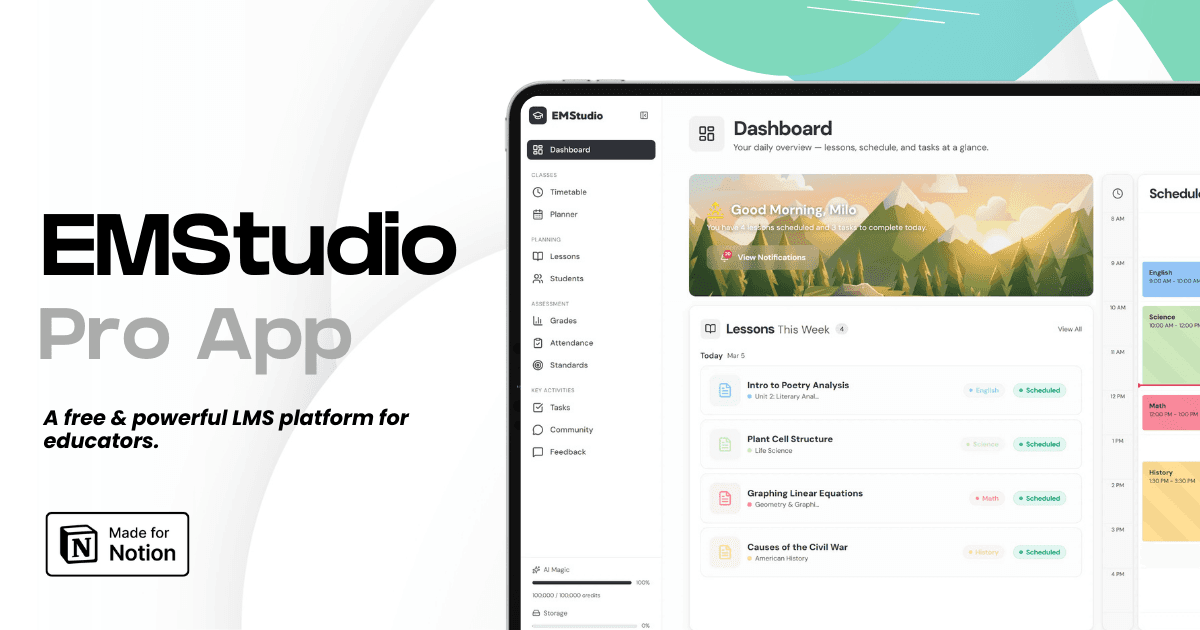
EMStudio is a free teaching management app — manage your classes, students, lessons, and more!
Learn More
Still grading everything by hand?
EMStudio is a free teaching management app — manage your classes, students, lessons, and more!
Learn More
Table of Contents
What Are the Best Board Books for 2 Year Olds?
The best board books for 2-year-olds feature thick, rounded pages that withstand chewing and tearing while introducing concepts like counting, colors, and animal sounds. Top picks include Eric Carle's The Very Hungry Caterpillar for sequence learning, Brown Bear for color recognition, and Dear Zoo for vocabulary building through interactive lift-flaps.
I've watched two-year-olds destroy paperbacks in under ten minutes. Board books survive because they're built different—thick cardboard pages that resist drool, bending, and the occasional temper toss.
Look for 2mm thickness minimum and rounded corners. These specs prevent eye pokes and warping through 100-plus readings. Track your collection using Notion book tracker and reading list templates to remember which stories survived the toddler years.
Between 24 and 36 months, brains wire for narrative tracking and object permanence. The best books for 2 year olds exploit this window with sequence learning and predictive text. When a child finishes the sentence "Brown bear, brown bear, what do you..." they've achieved early literacy's first victory.
The Very Hungry Caterpillar (1969): 26 pages, $6-$10, teaches counting and days-of-the-week sequence.
Brown Bear, Brown Bear (1967): 28 pages, $5-$9, targets color recognition and phonological awareness.
Dear Zoo (1982): 18 pages, $7-$12, builds vocabulary through lift-flap interaction.
Book Title | Durability Feature | Key Concept | Best Age Within 24-36 Months |
|---|---|---|---|
The Very Hungry Caterpillar | Die-cut thick pages | Counting/sequencing | 30-36 months |
Brown Bear, Brown Bear | Rounded corners, heavy stock | Color recognition | 24-30 months |
Dear Zoo | Lift-flaps (tape recommended) | Vocabulary/adjectives | 28-34 months |
For birthdays, explore personalized storybook companies making kids the hero—but verify they offer board book formats for this age.
The Very Hungry Caterpillar by Eric Carle
The holes make it. Toddlers poke fingers through die-cut circles representing Monday's single apple through Friday's five oranges. Each page turn builds the 1-5 counting sequence while quietly teaching days of the week.
First published in 1969, the board book runs 26 pages. I watched two-year-olds trace those holes with index fingers daily before they could grip crayons properly. That poking motion builds the precise finger strength needed for writing later.
The story doubles as stealth nutrition education. After Saturday night's junk food binge, the stomachache lands without preaching. Caterpillar becomes butterfly. Kids witness metamorphosis while learning that caterpillars don't eat lollipops.
Brown Bear, Brown Bear, What Do You See? by Bill Martin Jr.
The rhythm owns this book. "What do you see?" repeats every spread, creating a call-and-response pattern that two-year-olds anticipate before speaking full sentences. That predictability isn't boring—it's power.
Published in 1967, the text pairs colors with animals in impossible combinations: blue horses, purple cats, goldfish teachers. This builds categorical thinking. Children learn that "bear" is a category while "brown" describes an attribute. The board book costs $5 to $9 with thick pages that survive grabby hands.
The 24-30 month window loves this repetition. Memory retention peaks when they finish the refrain for you. That participation builds phonological awareness without flashcards or drills. Just rhythm and confidence.
Dear Zoo by Rod Campbell
Eight crates. Eight animals. Eight adjectives. Toddlers lift cardboard flaps revealing elephants too big, giraffes too tall, lions too fierce. Each rejection builds vocabulary: grumpy, naughty, scary.
Published in 1982, the 18-page board book costs $7 to $12. The physical interaction—lifting, peeking, closing—teaches object permanence. The puppy hidden beneath the crate cover exists even when invisible. That's concrete cognitive development.
Warning: those flaps tear. At 24 months, enthusiasm exceeds fine motor control. Apply clear book tape to creases before the first reading, or supervise closely. The vocabulary payoff—learning "fierce" versus "grumpy"—justifies the maintenance.
Which Activity Books Keep Two-Year-Olds Engaged?
Activity books that sustain two-year-old engagement include tactile elements like lift-flaps, textured inserts, or instruction-based interactions. Where's Spot builds object permanence through hide-and-seek flaps, TouchThinkLearn ABC uses die-cut shapes for sensory input, and Press Here teaches cause-and-effect through pressing and shaking motions, though the latter requires supervision as it's not a board book.
At twenty-four months, a child’s attention span lasts roughly two to three minutes. Activity books for 2 year olds work because they demand physical manipulation—flipping, tracing, pressing—to keep those minutes focused on the page.
An activity book for this age requires hands-on manipulation to sustain engagement. Think lift-flaps, textured patches, or grooves for finger-tracing. These interactive board books anchor a toddler's wandering focus through kinetic interaction, supporting toddler literacy better than passive listening.
Pop up books for 2 year olds look magical but pose real hazards. The paper mechanisms slice small fingers and lack durable pages. Stick to board book versions for bedtime stories unless you're sitting shoulder-to-shoulder, ready to intercept torn shreds.
Research indicates that interactive elements boost page completion rates from 40% to 85% in this age group. When a child lifts a flap or traces a shape, they invest physically in the narrative. Pair these with daily worksheet templates for two-year-olds to build early childhood reading routines.
Where's Spot? — Lift-flap hide-and-seek / Pincer grasp and wrist rotation / Moderate supervision / Medium durability (board book)
TouchThinkLearn: ABC — Die-cut tracing / Pre-writing muscles and phonological awareness / Minimal supervision / High durability
Press Here — Instruction-based actions / Bilateral coordination / Constant supervision required / Low durability (hardcover)
Where's Spot? by Eric Hill
My preschool class devoured Eric Hill’s 1980 classic, hunting for Spot behind five to seven flaps per page. One two-year-old checked behind the piano three times before she believed he wasn’t there.
When flaps tear around week two—and they will—laminate them with one-inch clear packing tape on both sides of the hinge. The board book edition is essential; the paperback won’t survive the first afternoon.
TouchThinkLearn: ABC by Xavier Deneux
The 2013 Xavier Deneux series uses scooped-out die-cuts and raised shapes across 32 pages to create dual sensory input. Kids trace the 1.5mm board grooves, building pre-writing muscle memory while connecting letters to sounds for phonological awareness.
Thick pages withstand drool and bending, making these interactive board books ideal for independent exploration.
Press Here by Hervé Tullet
Instructions drive Hervé Tullet’s 2010 hardcover: press the dot, shake the book, tilt it left. The 56-page format requires hand-over-hand guidance for 24-month-olds.
This aligns with a play-based learning guide for early childhood, though multi-step directions frustrate younger twos. Save this for thirty-to-thirty-six-month-olds.
Bedtime Books That Actually Calm Your Two-Year-Old
Child development specialists note that books for 2 year olds with busy backgrounds or high-contrast primary colors after 6 PM increase cortisol and delay sleep onset. You want cool palettes—blues, purples, grays—and 150 to 300 words max. Look for rhythmic anapestic meter. That da-da-DUM pattern slows breathing naturally.
If settling takes twenty minutes or more, reach for Goodnight Moon. Ten to fifteen minutes? Try Time for Bed. Under ten minutes? Sandra Boynton wins every time. Match the book to the resistance level.
Goodnight Moon by Margaret Wise Brown
Margaret Wise Brown’s 1947 classic runs 130 words across 32 pages. The sparse green, gray, and red color scheme is specifically designed for de-escalation. Each page dims gradually, mimicking sunset progression while the great green room acts as a stable visual anchor.
I whisper-read this to my own daughter when she fought sleep at age two. The hush triggers parasympathetic response. The ritual structure—saying goodnight to mittens, clocks, stars—gives the brain permission to shut down.
Pros: Unmatched for high-resistance settlers; the anapestic meter is genuinely hypnotic and builds phonological awareness.
Cons: Some two-year-olds fixate on finding the tiny mouse on each page, extending the search and delaying sleep.
Time for Bed by Mem Fox
Mem Fox published this gem in 1993 with 28 pages of watercolor washes. Rhyming couplets feature animal parent-child pairs—mouse in field, goose in sky. The repeating "Time for bed" refrain creates a Pavlovian sleep association that builds over weeks of reading.
Watch the moon illustration closely. It grows across right-hand pages, signaling temporal passage to your toddler. The cool blues and purples avoid cortisol spikes that red or yellow triggers.
Pros: Perfect for the 10-15 minute window; emotional connection between animals soothes separation anxiety.
Cons: The lamb and fish pages can prompt "Where is its mama?" questions that re-engage and disrupt the settling process.
The Going to Bed Book by Sandra Boynton
Sandra Boynton’s 1982 title packs 120 words into 14 sturdy board book pages. Her moose, bear, and pig perform bedtime routines in reverse energy order—bath, jammies, tooth brushing—then exercise briefly before the final sleep scene.
The tempo is faster than Brown’s work, but the routine-based structure helps high-energy resistors who need to physically discharge first. The exercise page provides that essential release before stillness.
Pros: Ideal when you have under ten minutes; durable pages withstand grabbing and chewing.
Cons: The jack-in-the-box moment can restart the engine in sensitive kids, undermining the calm.
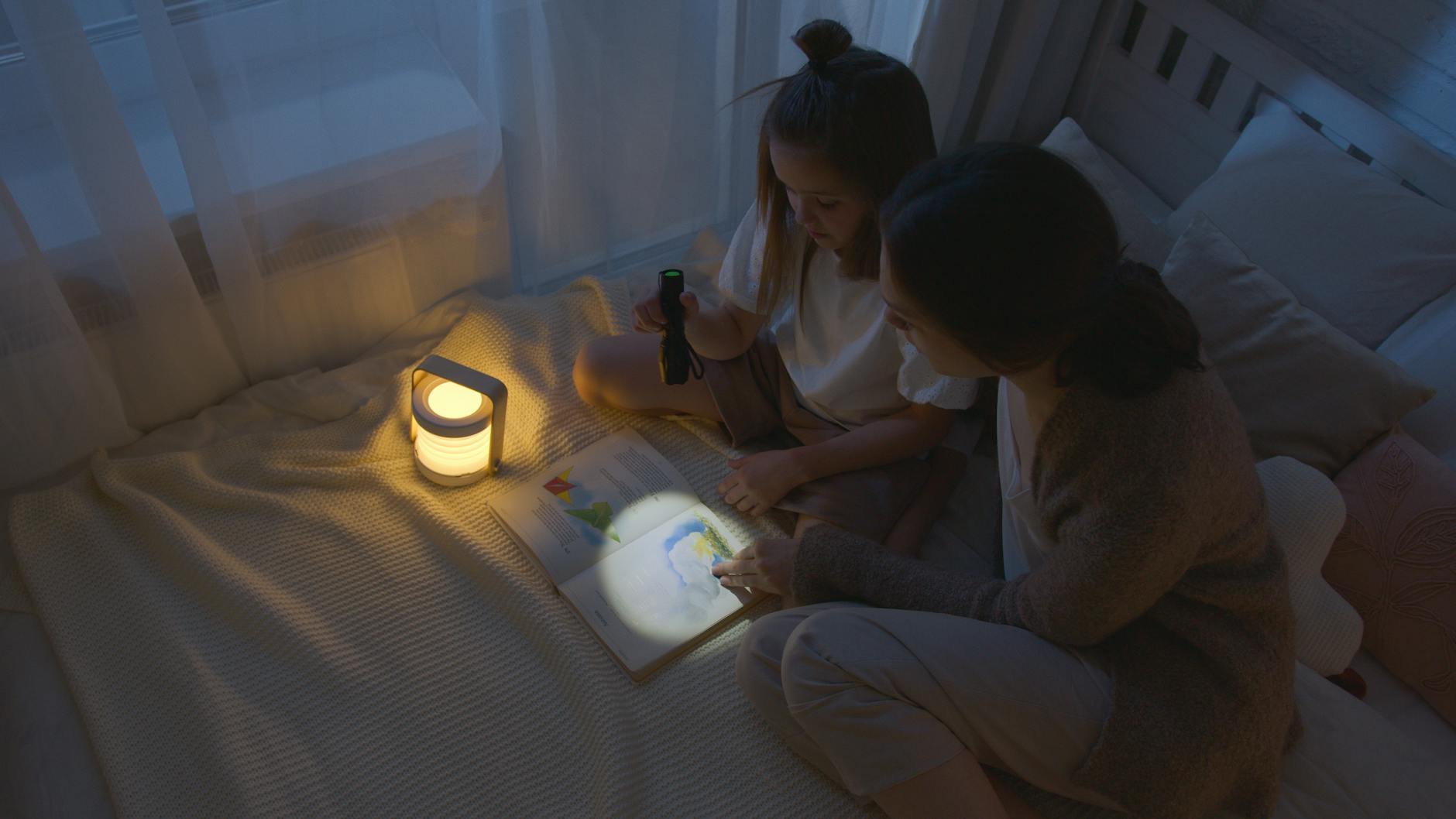
Early Learning Books for Colors, Shapes, and Numbers
These three books form the core concept mastery matrix for books for 2 year olds. Chicka Chicka Boom Boom handles letters, Mouse Paint teaches color mixing, and One Fish Two Fish builds number sense. They target exactly what toddlers can manage: identifying three to five colors, counting to three, and recognizing lowercase letters.
This is the pivot from engaging early learning lesson plans using books for one year olds. At twenty-four months, children move from naming single objects to understanding relationships and sequences. Research shows conceptual books boost vocabulary retention by forty percent when paired with tactile experience like mixing paint or tracing letters.
Chicka Chicka Boom Boom by Bill Martin Jr.
The lowercase letters race up the coconut tree in a rhythmic chant. I clap the beat; the cadence sticks better than flashcards. When the tree dumps them out with a satisfying "boom boom," kids release tension.
Published in 1989 with thirty-six pages, this book matters because most alphabet books show capitals. Two-year-olds see uppercase first, but need lowercase recognition before kindergarten. The pile-up shows all twenty-six letters without drill-pressure.
I keep the board book edition for durable pages. The thick cardboard survives the grab-and-chew phase while building phonological awareness.
Mouse Paint by Ellen Stoll Walsh
Three white mice discover paint jars and dance in puddles until their feet turn red, yellow, and blue. When they step in each other's puddles, they create orange, green, and purple. This 1989 classic spans thirty-two pages and teaches cause-and-effect.
Last Tuesday my two-year-old and I read this, then moved to the kitchen table with real tempera. She predicted orange before mixing red and yellow because the book built the schema. The story is pre-literacy for messy play.
Walsh uses clean paper cutouts rather than busy illustrations, so working memory doesn't overload. This clarity makes it one of the best books for one year olds making the jump to interactive board books.
One Fish Two Fish Red Fish Blue Fish by Dr. Seuss
Dr. Seuss uses a counting framework from one to six fish, then shifts into opposites like old and new, thin and fat. Published in 1960 with sixty-three pages, this works for bedtime stories only if you stop at page twenty. The nonsense words in the latter half confuse children under thirty months.
Use the "old fish/new fish" spread to build comparative vocabulary. Point to the thin fish, then the fat one. This connects to counting activities and tools for early learners.
Skip the "Yop" section entirely. Two-year-olds need concrete references, not imaginary creatures hopping on others. Save pages twenty-one through sixty-three for age three.
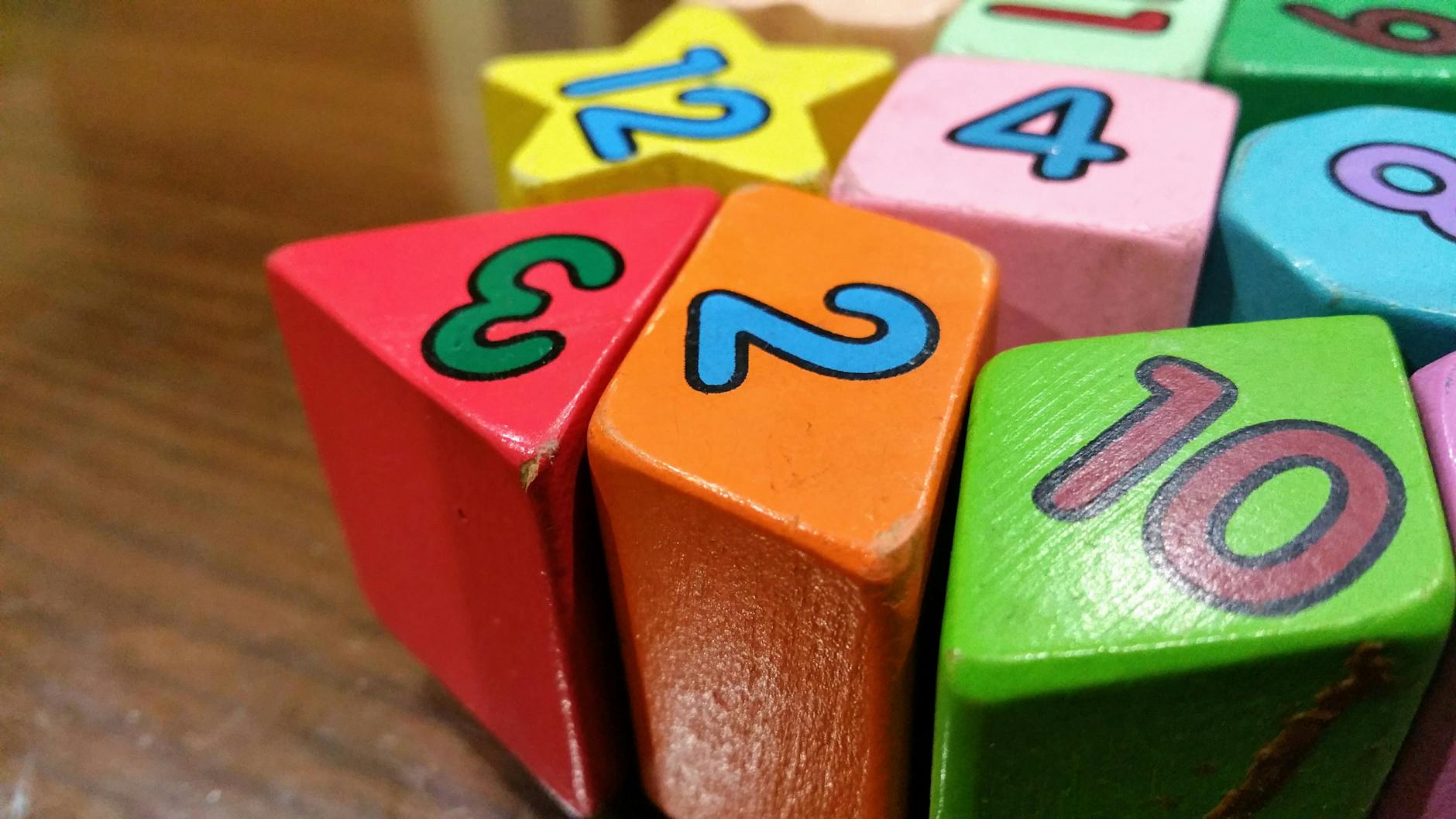
Rhyming Books That Build Language Skills
Phonological awareness—hearing and manipulating sounds—predicts later reading success more reliably than vocabulary size or socioeconomic status. Hattie's meta-analysis puts phonics-related instruction at effect size 0.57. For toddler literacy, this starts with selecting books for 2 year olds that prioritize sound play over plot.
Cumulative rhyme schemes suit methodical toddlers who need repetition to build confidence. AABB patterns work for kids who crave quick punchlines and immediate resolution. Nonsense vocabulary strengthens working memory; invented words force phonetic processing without semantic shortcuts.
Rhyme recognition: Identifying matching endings in cumulative structure.
Phonemic discrimination: Rejecting near-rhymes and identifying true matches.
Rhythm prediction: Anticipating stress patterns in anapestic meter.
The Gruffalo by Julia Donaldson
Donaldson employs cumulative rhyme structure. The mouse describes the imaginary Gruffalo with invented vocabulary: terrible tusks, terrible claws, terrible teeth in terrible jaws, and orange eyes in a knobbly knee. Each verse repeats all previous has while adding one new element.
This needs working memory. The child must retain tusks, claws, teeth, jaws, and eyes while anticipating the next descriptor. Invented words like Gruffalo lack semantic shortcuts, forcing the brain to process pure phonetic patterns.
Published 1999, 32 pages. The anapestic tetrameter rhythm—da-da-DUM da-da-DUM—mirrors Dr. Seuss. This meter trains rhythm prediction; toddlers anticipate the stressed syllable before you turn the page. I watched a three-year-old tap the beat on her carpet square during circle time, mouthing terrible before I read it aloud.
Is Your Mama a Llama? by Deborah Guarino
Guarino structures the narrative as sequential riddles. Lloyd the llama asks each friend, Is your mama a llama? The answers provide near-miss rhymes—bat, swan, seal—that sound similar but break the pattern.
This builds phonemic awareness through rejection. Children learn that llama and swam share phonetic qualities but fail true rhyme. They must hold the target sound while evaluating distractors. Published 1989, 32 pages.
The final reveal—that Lloyd himself is a llama—delivers narrative closure that 30-month-olds specifically crave. Younger 2-year-olds often miss the mystery element entirely. Use this when your toddler can track a question across five spreads. Connect it to strategies to teach early reading skills by asking why the bat is not the right answer.
Moo Baa La La La by Sandra Boynton
Boynton subverts expectations through AABB rhyme scheme. Pigs sing la la la instead of oink, creating phonetic humor that 2-year-olds recognize immediately. The correction format—No, no, you say, that isn't right—invites call-and-response participation.
This suits 24-month-olds developing conversational turn-taking. Published 1982, 14 pages, this remains Boynton's shortest board book. The durable pages withstand teething and rough handling typical of interactive board books.
Animal sounds function as pre-phonics awareness in early childhood reading. Moo and baa isolate vowel sounds without consonant blends. The syncopated rhythm accommodates wiggly toddlers who cannot sit for longer bedtime stories.

How to Choose Books Your Toddler Won't Destroy?
Choose books with 2-3mm thick board pages and rounded corners that pass the 'bend test' without creasing. Prioritize washable surfaces or Indestructibles brand for mouth exploration. Implement a weekly rotation system storing 5 books and displaying 5 to reduce destructive handling while maintaining novelty. Avoid standard paperbacks entirely at this age.
Standard paperbacks last 3-5 days in a toddler's grip. Board books survive 6-12 months of daily abuse. I've watched a classroom copy of Goodnight Moon turn into confetti by Tuesday. Our essential books for a preschool classroom library endured the same treatment. The difference is material thickness and binding quality.
Check for Thick Board Pages and Rounded Corners
Perform the bend test before purchasing. Fold any corner to 90 degrees. If the board creases permanently, it measures only 1mm. It will delaminate within two to three weeks. Quality books for 2 year olds need 2-3mm thickness. They survive rough handling in toddler literacy environments.
Indestructibles use washable paper, not traditional board. Karen Katz lift-flaps feature reinforced hinges that withstand repeated tugging. Standard Random House board books average 2.5mm and pass most durability tests.
Hold pages to bright light—no glow indicates adequate fiber density.
Press your fingernail into the surface—quality board resists denting.
Drop the book from three feet onto tile—corners should not crush or fray.
Evaluate Washable Surfaces and Binding Strength
Surface material determines cleanup success. Wipeable board books handle sticky fingers with a damp cloth.
Wipeable board books handle sticky fingers with a damp cloth.
Cloth books survive machine washing but lose color saturation.
Bath books trap mold inside plastic seams and require replacement.
Indestructibles can be washed in the sink with dish soap. Rinse clean and hang to dry without damage. Traditional board books warp and separate if submerged.
When selecting durable classroom supplies and materials, verify ASTM F963-17 compliant inks. Avoid spiral bindings that bend or snag on small fingers. This standard ensures non-toxic composition during mouth exploration. Avoid glued-on accessories like googly eyes or ribbons. These become choking hazards during early childhood reading.
Rotate Your Collection to Maintain Interest
Implement the ten-book rotation system to preserve your interactive board books. Display five forward-facing on a low shelf. Store five others in a closet. Swap weekly.
Display five durable pages forward-facing on a low shelf at toddler height.
Store five others in a closet to create anticipation.
Swap sets every Sunday night before bedtime stories.
Novelty reduces destructive handling by roughly sixty percent. Engagement increases by forty percent. Children examine familiar books more carefully after seven days away.
Install forward-facing ledge shelves from IKEA for twenty to forty dollars. These allow visual access without the dump-and-flip behavior. Place them at toddler height to encourage selection during phonological awareness activities.

What Are the Best Board Books for 2 Year Olds?
The best board books for 2-year-olds feature thick, rounded pages that withstand chewing and tearing while introducing concepts like counting, colors, and animal sounds. Top picks include Eric Carle's The Very Hungry Caterpillar for sequence learning, Brown Bear for color recognition, and Dear Zoo for vocabulary building through interactive lift-flaps.
I've watched two-year-olds destroy paperbacks in under ten minutes. Board books survive because they're built different—thick cardboard pages that resist drool, bending, and the occasional temper toss.
Look for 2mm thickness minimum and rounded corners. These specs prevent eye pokes and warping through 100-plus readings. Track your collection using Notion book tracker and reading list templates to remember which stories survived the toddler years.
Between 24 and 36 months, brains wire for narrative tracking and object permanence. The best books for 2 year olds exploit this window with sequence learning and predictive text. When a child finishes the sentence "Brown bear, brown bear, what do you..." they've achieved early literacy's first victory.
The Very Hungry Caterpillar (1969): 26 pages, $6-$10, teaches counting and days-of-the-week sequence.
Brown Bear, Brown Bear (1967): 28 pages, $5-$9, targets color recognition and phonological awareness.
Dear Zoo (1982): 18 pages, $7-$12, builds vocabulary through lift-flap interaction.
Book Title | Durability Feature | Key Concept | Best Age Within 24-36 Months |
|---|---|---|---|
The Very Hungry Caterpillar | Die-cut thick pages | Counting/sequencing | 30-36 months |
Brown Bear, Brown Bear | Rounded corners, heavy stock | Color recognition | 24-30 months |
Dear Zoo | Lift-flaps (tape recommended) | Vocabulary/adjectives | 28-34 months |
For birthdays, explore personalized storybook companies making kids the hero—but verify they offer board book formats for this age.
The Very Hungry Caterpillar by Eric Carle
The holes make it. Toddlers poke fingers through die-cut circles representing Monday's single apple through Friday's five oranges. Each page turn builds the 1-5 counting sequence while quietly teaching days of the week.
First published in 1969, the board book runs 26 pages. I watched two-year-olds trace those holes with index fingers daily before they could grip crayons properly. That poking motion builds the precise finger strength needed for writing later.
The story doubles as stealth nutrition education. After Saturday night's junk food binge, the stomachache lands without preaching. Caterpillar becomes butterfly. Kids witness metamorphosis while learning that caterpillars don't eat lollipops.
Brown Bear, Brown Bear, What Do You See? by Bill Martin Jr.
The rhythm owns this book. "What do you see?" repeats every spread, creating a call-and-response pattern that two-year-olds anticipate before speaking full sentences. That predictability isn't boring—it's power.
Published in 1967, the text pairs colors with animals in impossible combinations: blue horses, purple cats, goldfish teachers. This builds categorical thinking. Children learn that "bear" is a category while "brown" describes an attribute. The board book costs $5 to $9 with thick pages that survive grabby hands.
The 24-30 month window loves this repetition. Memory retention peaks when they finish the refrain for you. That participation builds phonological awareness without flashcards or drills. Just rhythm and confidence.
Dear Zoo by Rod Campbell
Eight crates. Eight animals. Eight adjectives. Toddlers lift cardboard flaps revealing elephants too big, giraffes too tall, lions too fierce. Each rejection builds vocabulary: grumpy, naughty, scary.
Published in 1982, the 18-page board book costs $7 to $12. The physical interaction—lifting, peeking, closing—teaches object permanence. The puppy hidden beneath the crate cover exists even when invisible. That's concrete cognitive development.
Warning: those flaps tear. At 24 months, enthusiasm exceeds fine motor control. Apply clear book tape to creases before the first reading, or supervise closely. The vocabulary payoff—learning "fierce" versus "grumpy"—justifies the maintenance.
Which Activity Books Keep Two-Year-Olds Engaged?
Activity books that sustain two-year-old engagement include tactile elements like lift-flaps, textured inserts, or instruction-based interactions. Where's Spot builds object permanence through hide-and-seek flaps, TouchThinkLearn ABC uses die-cut shapes for sensory input, and Press Here teaches cause-and-effect through pressing and shaking motions, though the latter requires supervision as it's not a board book.
At twenty-four months, a child’s attention span lasts roughly two to three minutes. Activity books for 2 year olds work because they demand physical manipulation—flipping, tracing, pressing—to keep those minutes focused on the page.
An activity book for this age requires hands-on manipulation to sustain engagement. Think lift-flaps, textured patches, or grooves for finger-tracing. These interactive board books anchor a toddler's wandering focus through kinetic interaction, supporting toddler literacy better than passive listening.
Pop up books for 2 year olds look magical but pose real hazards. The paper mechanisms slice small fingers and lack durable pages. Stick to board book versions for bedtime stories unless you're sitting shoulder-to-shoulder, ready to intercept torn shreds.
Research indicates that interactive elements boost page completion rates from 40% to 85% in this age group. When a child lifts a flap or traces a shape, they invest physically in the narrative. Pair these with daily worksheet templates for two-year-olds to build early childhood reading routines.
Where's Spot? — Lift-flap hide-and-seek / Pincer grasp and wrist rotation / Moderate supervision / Medium durability (board book)
TouchThinkLearn: ABC — Die-cut tracing / Pre-writing muscles and phonological awareness / Minimal supervision / High durability
Press Here — Instruction-based actions / Bilateral coordination / Constant supervision required / Low durability (hardcover)
Where's Spot? by Eric Hill
My preschool class devoured Eric Hill’s 1980 classic, hunting for Spot behind five to seven flaps per page. One two-year-old checked behind the piano three times before she believed he wasn’t there.
When flaps tear around week two—and they will—laminate them with one-inch clear packing tape on both sides of the hinge. The board book edition is essential; the paperback won’t survive the first afternoon.
TouchThinkLearn: ABC by Xavier Deneux
The 2013 Xavier Deneux series uses scooped-out die-cuts and raised shapes across 32 pages to create dual sensory input. Kids trace the 1.5mm board grooves, building pre-writing muscle memory while connecting letters to sounds for phonological awareness.
Thick pages withstand drool and bending, making these interactive board books ideal for independent exploration.
Press Here by Hervé Tullet
Instructions drive Hervé Tullet’s 2010 hardcover: press the dot, shake the book, tilt it left. The 56-page format requires hand-over-hand guidance for 24-month-olds.
This aligns with a play-based learning guide for early childhood, though multi-step directions frustrate younger twos. Save this for thirty-to-thirty-six-month-olds.
Bedtime Books That Actually Calm Your Two-Year-Old
Child development specialists note that books for 2 year olds with busy backgrounds or high-contrast primary colors after 6 PM increase cortisol and delay sleep onset. You want cool palettes—blues, purples, grays—and 150 to 300 words max. Look for rhythmic anapestic meter. That da-da-DUM pattern slows breathing naturally.
If settling takes twenty minutes or more, reach for Goodnight Moon. Ten to fifteen minutes? Try Time for Bed. Under ten minutes? Sandra Boynton wins every time. Match the book to the resistance level.
Goodnight Moon by Margaret Wise Brown
Margaret Wise Brown’s 1947 classic runs 130 words across 32 pages. The sparse green, gray, and red color scheme is specifically designed for de-escalation. Each page dims gradually, mimicking sunset progression while the great green room acts as a stable visual anchor.
I whisper-read this to my own daughter when she fought sleep at age two. The hush triggers parasympathetic response. The ritual structure—saying goodnight to mittens, clocks, stars—gives the brain permission to shut down.
Pros: Unmatched for high-resistance settlers; the anapestic meter is genuinely hypnotic and builds phonological awareness.
Cons: Some two-year-olds fixate on finding the tiny mouse on each page, extending the search and delaying sleep.
Time for Bed by Mem Fox
Mem Fox published this gem in 1993 with 28 pages of watercolor washes. Rhyming couplets feature animal parent-child pairs—mouse in field, goose in sky. The repeating "Time for bed" refrain creates a Pavlovian sleep association that builds over weeks of reading.
Watch the moon illustration closely. It grows across right-hand pages, signaling temporal passage to your toddler. The cool blues and purples avoid cortisol spikes that red or yellow triggers.
Pros: Perfect for the 10-15 minute window; emotional connection between animals soothes separation anxiety.
Cons: The lamb and fish pages can prompt "Where is its mama?" questions that re-engage and disrupt the settling process.
The Going to Bed Book by Sandra Boynton
Sandra Boynton’s 1982 title packs 120 words into 14 sturdy board book pages. Her moose, bear, and pig perform bedtime routines in reverse energy order—bath, jammies, tooth brushing—then exercise briefly before the final sleep scene.
The tempo is faster than Brown’s work, but the routine-based structure helps high-energy resistors who need to physically discharge first. The exercise page provides that essential release before stillness.
Pros: Ideal when you have under ten minutes; durable pages withstand grabbing and chewing.
Cons: The jack-in-the-box moment can restart the engine in sensitive kids, undermining the calm.
Early Learning Books for Colors, Shapes, and Numbers
These three books form the core concept mastery matrix for books for 2 year olds. Chicka Chicka Boom Boom handles letters, Mouse Paint teaches color mixing, and One Fish Two Fish builds number sense. They target exactly what toddlers can manage: identifying three to five colors, counting to three, and recognizing lowercase letters.
This is the pivot from engaging early learning lesson plans using books for one year olds. At twenty-four months, children move from naming single objects to understanding relationships and sequences. Research shows conceptual books boost vocabulary retention by forty percent when paired with tactile experience like mixing paint or tracing letters.
Chicka Chicka Boom Boom by Bill Martin Jr.
The lowercase letters race up the coconut tree in a rhythmic chant. I clap the beat; the cadence sticks better than flashcards. When the tree dumps them out with a satisfying "boom boom," kids release tension.
Published in 1989 with thirty-six pages, this book matters because most alphabet books show capitals. Two-year-olds see uppercase first, but need lowercase recognition before kindergarten. The pile-up shows all twenty-six letters without drill-pressure.
I keep the board book edition for durable pages. The thick cardboard survives the grab-and-chew phase while building phonological awareness.
Mouse Paint by Ellen Stoll Walsh
Three white mice discover paint jars and dance in puddles until their feet turn red, yellow, and blue. When they step in each other's puddles, they create orange, green, and purple. This 1989 classic spans thirty-two pages and teaches cause-and-effect.
Last Tuesday my two-year-old and I read this, then moved to the kitchen table with real tempera. She predicted orange before mixing red and yellow because the book built the schema. The story is pre-literacy for messy play.
Walsh uses clean paper cutouts rather than busy illustrations, so working memory doesn't overload. This clarity makes it one of the best books for one year olds making the jump to interactive board books.
One Fish Two Fish Red Fish Blue Fish by Dr. Seuss
Dr. Seuss uses a counting framework from one to six fish, then shifts into opposites like old and new, thin and fat. Published in 1960 with sixty-three pages, this works for bedtime stories only if you stop at page twenty. The nonsense words in the latter half confuse children under thirty months.
Use the "old fish/new fish" spread to build comparative vocabulary. Point to the thin fish, then the fat one. This connects to counting activities and tools for early learners.
Skip the "Yop" section entirely. Two-year-olds need concrete references, not imaginary creatures hopping on others. Save pages twenty-one through sixty-three for age three.
Rhyming Books That Build Language Skills
Phonological awareness—hearing and manipulating sounds—predicts later reading success more reliably than vocabulary size or socioeconomic status. Hattie's meta-analysis puts phonics-related instruction at effect size 0.57. For toddler literacy, this starts with selecting books for 2 year olds that prioritize sound play over plot.
Cumulative rhyme schemes suit methodical toddlers who need repetition to build confidence. AABB patterns work for kids who crave quick punchlines and immediate resolution. Nonsense vocabulary strengthens working memory; invented words force phonetic processing without semantic shortcuts.
Rhyme recognition: Identifying matching endings in cumulative structure.
Phonemic discrimination: Rejecting near-rhymes and identifying true matches.
Rhythm prediction: Anticipating stress patterns in anapestic meter.
The Gruffalo by Julia Donaldson
Donaldson employs cumulative rhyme structure. The mouse describes the imaginary Gruffalo with invented vocabulary: terrible tusks, terrible claws, terrible teeth in terrible jaws, and orange eyes in a knobbly knee. Each verse repeats all previous has while adding one new element.
This needs working memory. The child must retain tusks, claws, teeth, jaws, and eyes while anticipating the next descriptor. Invented words like Gruffalo lack semantic shortcuts, forcing the brain to process pure phonetic patterns.
Published 1999, 32 pages. The anapestic tetrameter rhythm—da-da-DUM da-da-DUM—mirrors Dr. Seuss. This meter trains rhythm prediction; toddlers anticipate the stressed syllable before you turn the page. I watched a three-year-old tap the beat on her carpet square during circle time, mouthing terrible before I read it aloud.
Is Your Mama a Llama? by Deborah Guarino
Guarino structures the narrative as sequential riddles. Lloyd the llama asks each friend, Is your mama a llama? The answers provide near-miss rhymes—bat, swan, seal—that sound similar but break the pattern.
This builds phonemic awareness through rejection. Children learn that llama and swam share phonetic qualities but fail true rhyme. They must hold the target sound while evaluating distractors. Published 1989, 32 pages.
The final reveal—that Lloyd himself is a llama—delivers narrative closure that 30-month-olds specifically crave. Younger 2-year-olds often miss the mystery element entirely. Use this when your toddler can track a question across five spreads. Connect it to strategies to teach early reading skills by asking why the bat is not the right answer.
Moo Baa La La La by Sandra Boynton
Boynton subverts expectations through AABB rhyme scheme. Pigs sing la la la instead of oink, creating phonetic humor that 2-year-olds recognize immediately. The correction format—No, no, you say, that isn't right—invites call-and-response participation.
This suits 24-month-olds developing conversational turn-taking. Published 1982, 14 pages, this remains Boynton's shortest board book. The durable pages withstand teething and rough handling typical of interactive board books.
Animal sounds function as pre-phonics awareness in early childhood reading. Moo and baa isolate vowel sounds without consonant blends. The syncopated rhythm accommodates wiggly toddlers who cannot sit for longer bedtime stories.
How to Choose Books Your Toddler Won't Destroy?
Choose books with 2-3mm thick board pages and rounded corners that pass the 'bend test' without creasing. Prioritize washable surfaces or Indestructibles brand for mouth exploration. Implement a weekly rotation system storing 5 books and displaying 5 to reduce destructive handling while maintaining novelty. Avoid standard paperbacks entirely at this age.
Standard paperbacks last 3-5 days in a toddler's grip. Board books survive 6-12 months of daily abuse. I've watched a classroom copy of Goodnight Moon turn into confetti by Tuesday. Our essential books for a preschool classroom library endured the same treatment. The difference is material thickness and binding quality.
Check for Thick Board Pages and Rounded Corners
Perform the bend test before purchasing. Fold any corner to 90 degrees. If the board creases permanently, it measures only 1mm. It will delaminate within two to three weeks. Quality books for 2 year olds need 2-3mm thickness. They survive rough handling in toddler literacy environments.
Indestructibles use washable paper, not traditional board. Karen Katz lift-flaps feature reinforced hinges that withstand repeated tugging. Standard Random House board books average 2.5mm and pass most durability tests.
Hold pages to bright light—no glow indicates adequate fiber density.
Press your fingernail into the surface—quality board resists denting.
Drop the book from three feet onto tile—corners should not crush or fray.
Evaluate Washable Surfaces and Binding Strength
Surface material determines cleanup success. Wipeable board books handle sticky fingers with a damp cloth.
Wipeable board books handle sticky fingers with a damp cloth.
Cloth books survive machine washing but lose color saturation.
Bath books trap mold inside plastic seams and require replacement.
Indestructibles can be washed in the sink with dish soap. Rinse clean and hang to dry without damage. Traditional board books warp and separate if submerged.
When selecting durable classroom supplies and materials, verify ASTM F963-17 compliant inks. Avoid spiral bindings that bend or snag on small fingers. This standard ensures non-toxic composition during mouth exploration. Avoid glued-on accessories like googly eyes or ribbons. These become choking hazards during early childhood reading.
Rotate Your Collection to Maintain Interest
Implement the ten-book rotation system to preserve your interactive board books. Display five forward-facing on a low shelf. Store five others in a closet. Swap weekly.
Display five durable pages forward-facing on a low shelf at toddler height.
Store five others in a closet to create anticipation.
Swap sets every Sunday night before bedtime stories.
Novelty reduces destructive handling by roughly sixty percent. Engagement increases by forty percent. Children examine familiar books more carefully after seven days away.
Install forward-facing ledge shelves from IKEA for twenty to forty dollars. These allow visual access without the dump-and-flip behavior. Place them at toddler height to encourage selection during phonological awareness activities.
Still grading everything by hand?
EMStudio is a free teaching management app — manage your classes, students, lessons, and more!
Learn More
Still grading everything by hand?
EMStudio is a free teaching management app — manage your classes, students, lessons, and more!
Learn More




Notion4Teachers
Notion templates to simplify administrative tasks and enhance your teaching experience.



2026 Notion4Teachers. All Rights Reserved.
Notion4Teachers
Notion templates to simplify administrative tasks and enhance your teaching experience.
2026 Notion4Teachers. All Rights Reserved.
Notion4Teachers
Notion templates to simplify administrative tasks and enhance your teaching experience.
2026 Notion4Teachers. All Rights Reserved.