
18 Education Nonprofits That Support Teachers and Students
18 Education Nonprofits That Support Teachers and Students

Article by
Milo
ESL Content Coordinator & Educator
ESL Content Coordinator & Educator
All Posts
It's October, and your 7th graders are staring at the district-issued laptops that won't load the simulation you need for tomorrow's lesson while you're calculating whether your paycheck can cover the $200 in lab supplies you just put on your personal credit card. These are the moments when education nonprofits stop being background noise and start looking like lifelines.
This post isn't a directory of every 501(c)(3) education group with a mission statement. These are the charitable education organizations that actually show up in your inbox with classroom crowdfunding campaigns, free STEM kits, and literacy intervention programs that work. I've either used their resources or watched colleagues get certified through their teacher certification programs.
You'll find groups fighting for educational equity initiatives at the policy level alongside those quietly shipping Chromebooks to rural districts. Some help you pay for supplies. Others train you to teach computer science when your admin adds it to your schedule with zero prep time. All of them matter when district budgets fall short.
Still grading everything by hand?
EMStudio is a free teaching management app — manage your classes, students, lessons, and more!
Learn More

Still grading everything by hand?
EMStudio is a free teaching management app — manage your classes, students, lessons, and more!
Learn More
Table of Contents
What Are the Leading National Education Nonprofits?
Leading national education nonprofits include Teach For America (recruiting top graduates for high-need schools), Success For All Foundation (research-based cooperative learning literacy programs), and DonorsChoose (crowdfunding platform connecting donors directly to classroom projects). These organizations reach millions of students annually through distinct models of teacher placement, curriculum support, and direct resource funding.
These three charitable education organizations represent distinct intervention models. Teach For America builds the teacher pipeline. Success For All drives whole-school reform. DonorsChoose provides direct classroom resources.
Teach For America: Best for staffing high-need schools. Time to impact: Immediate. Grades: K-12.
Success For All: Best for whole-school literacy transformation. Time to impact: 1 year. Grades: K-5.
DonorsChoose: Best for individual classroom supplies. Time to impact: Ongoing. Grades: PreK-12.
Teach For America
Founded in 1989, this ngo in usa for education recruits recent graduates for two-year commitments in high-need urban and rural schools. The organization serves thousands of schools nationwide through a teacher certification program that places corps members directly into classrooms.
Partner districts pay $1,000-$4,000 per corps member annually for salary supplements and training. Teach For America covers recruitment and summer institute costs. You get teachers immediately, though they arrive with just five weeks of pre-service training before managing their own students.
The alumni network exceeds 62,000. Eighty percent remain in education or related fields. These 501(c)(3) education groups fill critical shortages in math, science, and special education, bringing energy but requiring significant mentoring from your veteran staff during year one.
Success For All Foundation
Founded in 1987 by Robert Slavin at Johns Hopkins, this charitable education organization serves over 1,000 high-poverty elementary schools. It operates as a whole-school reform model requiring building-wide adoption of its cooperative learning structure.
This literacy intervention program costs approximately $100 per student annually for curriculum licensing plus initial training fees. Research shows significant positive effects on reading achievement, particularly for kindergarten through second grade students in high-poverty settings.
You cannot purchase single grades. The model requires structured 90-minute reading blocks, daily student tutoring, and family support teams. It is labor-intensive for principals but produces measurable gains for struggling readers.
DonorsChoose
Founded in 2000, this classroom crowdfunding platform connects 5 million donors directly to educators. It has funded 2 million projects and delivered $1.6 billion in resources to classrooms across all fifty states, serving PreK through high school.
Teachers create project requests averaging $500. Donors fund them. The organization purchases materials and ships directly to your school. You never handle cash. A 15-20% fulfillment fee supports operations, and materials belong to your classroom permanently, even if you transfer.
Unlike other educational equity initiatives, this model puts you in control. You request specific books, flexible seating, or technology from organizations transforming K-12 classrooms.

Which Organizations Focus on STEM Education?
Code.org provides free K-12 computer science curriculum reaching 80+ million students globally. The National Math and Science Initiative focuses on AP program expansion and military-connected schools, showing measurable increases in qualifying scores. Project Lead The Way offers comprehensive fee-based STEM pathways in engineering and biomedical sciences for 14,000+ schools.
These education nonprofits attack the STEM teacher shortage from three angles. Code.org gives away digital curriculum. NMSI jacks up AP scores in high schools. PLTW builds K-12 pathways that cost real money but stick. Pick one lane. Running multiple programs burns cash and burns out teachers.
Organization | Cost to Schools | Grade Range | Teacher Training Requirements | Measurable Outcomes |
|---|---|---|---|---|
Code.org | Free | K-12 | Free workshops to $2,500 | 80M+ student accounts |
NMSI | Grant-funded | 9-12 | Summer institutes | 68% AP score increase |
PLTW | $2,500-$4,000/year | K-12 | $1,200-$2,400/course | 14,000+ schools |
Avoid adopting multiple competing STEM curricula simultaneously. Switching costs include teacher retraining running $2,000-$5,000 per teacher and lost instructional time during transition periods. Your math teachers will revolt if you ask them to learn a new platform every August.
Code.org
Code.org runs on a zero-cost model that actually delivers. Eighty million student accounts exist. Their Hour of Code campaign has reached one in ten students worldwide. You get full K-12 computer science curriculum without spending a district dime.
Training scales with complexity. CS Fundamentals offers free one-day workshops perfect for elementary teachers dipping toes in coding. CS Discoveries and CS Principles require deeper investment at $1,500-$2,500 per teacher, though high-need schools often grab subsidies covering most costs.
The platform works best when you commit to the full sequence. Jumping between their courses and other STEM teacher resources and curriculum platforms confuses kids who need consistency in syntax and structure.
National Math and Science Initiative
NMSI targets high schools that serve military-connected families and underserved communities. Their College Readiness Program partners with over 250 schools to crank up both AP enrollment and passing scores in math and science.
The numbers back the hype. Schools in the program average a 68% jump in qualifying AP scores within three years. That means more students earning 3 or higher on Calculus AB and Biology exams, which translates directly to college credit and saved tuition.
They train your existing teachers rather than pushing new curriculum. Summer institutes focus on AP instructional strategies and content knowledge. If your school already runs AP programs but struggles with pass rates, this integrative STEM education strategy plugs the gaps without ripping out your current scope and sequence.
Project Lead The Way
PLTW offers comprehensive pathways in Engineering, Biomedical Science, and Computer Science reaching 14,000 schools nationwide. Unlike free options, this is a serious financial commitment with serious structure.
Annual school fees run $2,500-$4,000 based on how many programs you run. Required teacher training costs $1,200-$2,400 per course. The kicker: you must sign a three-year minimum commitment. They want schools invested for the long haul, not dabbling for one semester.
The payoff shows in student portfolios. Kids complete actual engineering design challenges and biomedical experiments. No worksheets. If your district can stomach the five-figure startup costs and the multi-year contract, PLTW provides the most cohesive integrative STEM education strategy available.

Top Literacy and Reading Nonprofits
These three education nonprofits take different approaches to getting books into hands. One gives directly to kids. One sells cheaply to teachers. One helps adults who never learned to read. Pick the partner that matches your students' ages and your program type.
Organization | Income Requirements | Format | Cost |
|---|---|---|---|
RIF | None for community events | Physical + digital (Skybrary) | Free |
First Book | 70%+ free/reduced lunch | Physical books | 50-90% below retail |
ProLiteracy | Adult education program affiliation | Physical books + tutor resources | Free to members |
Reading Is Fundamental
RIF has handed out over 400 million books since 1966. They focus on digital libraries and book programs for kids that let children choose and keep 3-5 books annually. This isn't a classroom set that stays in the room. Kids take them home and build personal libraries.
The catch? You must host reading motivation events to qualify for physical book distributions. Your school needs to hold at least two events per year where kids celebrate reading and select their books. Think book fairs without the fundraising pressure.
RIF also runs Skybrary, a digital platform with hundreds of ebooks for schools that want evidence-based literacy instruction support alongside physical copies. It works well for hybrid classrooms or summer reading programs.
First Book
First Book operates like a nonprofit Amazon for educators in low-income communities. They have distributed over 575 million books at 50-90% below retail prices. You browse their marketplace, order what you need, and pay deeply discounted prices.
Eligibility is strict. Your school or program must serve populations where 70% or more of children receive free or reduced lunch. Title I schools, Head Start programs, and military base child development centers automatically qualify. You upload proof of your status during registration.
Beyond books, their educational equity initiatives include:
Winter coats and cold weather gear for students.
Hygiene kits with soap, toothpaste, and shampoo.
Basic classroom supplies like crayons and notebooks.
ProLiteracy
ProLiteracy serves the adults that other charitable education organizations often miss. They support over 1,000 member programs teaching reading, writing, math, and English language skills to adults who fell through the cracks. These are not school-based literacy intervention programs for children.
Their New Readers Press publishing arm creates materials specifically for adult learners. They also train roughly 70,000 volunteer tutors annually through:
Online certification courses for new volunteers.
Workshop materials for program coordinators.
Assessment tools to track adult learner progress.
You cannot access these materials as an individual teacher. Your program must affiliate with their network of adult education providers. If you teach adult ESL or GED prep through a community college or nonprofit, this is likely your best source for age-appropriate curriculum.

Advocacy and Policy-Focused Groups
These education nonprofits don't stock your classroom library. They lobby state legislatures, file amicus briefs, and publish research that shifts funding formulas. You won't get a box of pencils, but you might get a new evaluation system.
That is the risk. Advocacy groups often push mandates your district cannot afford. They lobby for testing requirements without funding the proctors. Before you join, check their policy positions against your local reality.
Watch for red flags:
Does membership drain your paycheck without delivering classroom support?
Do they lobby for unfunded mandates your district cannot implement?
Do their research briefs ignore teacher workload constraints?
If the answer is yes, keep your money and your time.
The Education Trust
The Education Trust publishes Education Watch, an annual data dump tracking achievement gaps by race and income across all 50 states. They push hard for equitable K-12 funding and college access for low-income students.
Their primary audience is state agencies and federal policymakers, not individual teachers. You can cite their research briefs when arguing for resources at a board meeting, but don't expect classroom toolkits. This is teacher advocacy in educational policy at the macro level.
Stand for Children
Stand for Children runs aggressive state-level campaigns in 11 states. They focus on early literacy laws and graduation requirements, often mobilizing thousands of parents to testify at school board meetings and state capitols.
Their parent engagement strategy trains families to pressure legislators on funding formulas and school choice policies. If you teach in one of their target states, you have likely seen their flyers or emails. Always check whether their legislative wins come with implementation dollars attached.
Educators for Excellence
Educators for Excellence claims 30,000 members organized into Teacher Policy Teams in major cities. These teams draft specific recommendations on evaluation systems, compensation structures, and alternative teacher certification programs.
Membership is free but costs your time. They require active participation in surveys and focus groups that feed white papers sent directly to district leaders. Join if you want to shape policy, but expect evening Zoom calls and lengthy surveys, not free posters or grant money.

Technology and Digital Access Organizations
15 to 16 million kids head home to houses without reliable internet. That's the federal estimate for the homework gap, and you see it every Monday when three students admit they couldn't finish the research project. These education nonprofits and charitable education organizations attack the problem from different angles—some broker cheap broadband, others train families, some just hand out devices.
The breakdown:
EveryoneOn | Free referral service |
PowerMyLearning | Freemium platform ($0–$8,000) |
Digital Promise | Free federal initiatives with competitive grants |
EveryoneOn
EveryoneOn acts as a referral broker, not a direct internet provider. They partner with AT&T, Comcast, and Cox to negotiate internet plans running $10 to $20 monthly for eligible families. You don't pay EveryoneOn a dime; they simply verify eligibility through their website and hand families a code to use at signup.
The hardware deals matter just as much for closing the gap. Families can buy refurbished laptops and tablets for under $150 through these partnerships. Since 2012, they've connected over one million people, focusing specifically on families who qualify for free school lunch or Medicaid enrollment. I had a student last year who finally stopped doing homework on his mom's cracked phone because of this referral.
The speed isn't gigabit, but it handles Google Classroom and research fine. Families keep the rate for as long as they remain eligible, not just for one school year.
PowerMyLearning
PowerMyLearning takes a different route than the hardware handouts. This education nonprofit strengthens the home learning relationship without dumping devices on families and hoping for the best. Teachers get free basic access to the platform, but full school partnerships run $3,000 to $8,000 annually depending on your student count.
The platform gives families specific activities to do together—math games, literacy exercises—that actually align with your week's lessons. Research from partner districts suggests students gain 10 points in math proficiency when families use the platform three or more times weekly. That's not magic; it's just structured time with engaged adults who now understand exactly what you're teaching.
The price jumps based on how many students you serve, but the freemium tier lets you test family engagement strategies before asking your principal for budget.
Digital Promise
Digital Promise operates as a federal 501(c)(3) education group created by Congress in 2011. Their Verizon Innovative Learning Schools program targets middle schools specifically, providing free iPads or Chromebooks plus 4G data plans to every student in select buildings. You apply as a school, not as individual teachers, and the commitment lasts three years with full technical support.
They also run a free micro-credentialing system for educators. You can earn badges in digital literacy and computational thinking through their digital literacy skills framework. These stack toward professional development hours in most states. The competitive grants require paperwork and patience, but the devices and data plans come with dedicated support staff who actually answer emails.
Your odds improve if you serve rural communities or high-poverty urban districts where the digital divide cuts deepest.

Teacher Support and Professional Development Nonprofits
You need clarity on what these education nonprofits actually cost you in time and money. National Board certification runs $1,975 and takes 1-3 years of intense portfolio work. TNTP costs nothing upfront but needs 6-8 weeks of intensive summer training plus a 2-3 year teaching commitment in partner districts. ASCD membership ranges from $49-$189 annually with no fixed timeline or exit requirement. Only National Board certification typically triggers salary bumps—32 states offer $5,000-$10,000 annual stipends for completing it. These charitable education organizations serve different career stages and goals.
National Board for Professional Teaching Standards
National Board Certification is the gold standard for veteran teachers ready to prove their practice. Over 130,000 educators hold this credential across 25 certificate areas spanning every grade level and subject. You pay $1,900 in assessment fees plus a $75 application fee. The process needs 1-3 years of portfolio building, video submissions, and written reflection on your actual classroom work. Most candidates complete it while teaching full-time.
The financial upside is real and lasting. Thirty-two states offer salary incentives ranging from $5,000-$10,000 annually or percentage-based increases added to your base pay. Some districts cover your application fees entirely or provide release time for portfolio work. This credential moves you up the pay scale permanently, not just for one year. You also join a network of accomplished teachers who mentor others across educational foundation networks.
The New Teacher Project
TNTP runs Teaching Fellows programs for career-changers entering high-need classrooms fast. You complete 6-8 weeks of intensive summer training before standing in front of students on day one. The focus targets shortage areas like math, science, and special education in urban districts desperate for teachers. You pay nothing for certification but face rigorous selection—only 8% of applicants gain acceptance. You commit to teaching 2-3 years in the partner district regardless of how difficult the placement becomes.
The model carries significant risk for new educators. You enter high-poverty schools with minimal preparation compared to traditional programs. Success depends entirely on the mentorship your district provides. Many teacher certification programs in this space promise support that vanishes once September starts. Without a strong instructional coach in your building, you sink fast. Ask specific questions about who coaches you daily before signing any agreement.
Association for Supervision and Curriculum Development
ASCD differs from certifying bodies. This professional association charges $49-$189 annually for membership depending on your selected tier. You receive Educational Leadership magazine monthly and access to free webinars on pressing instructional topics. They run paid institutes for deeper dives into curriculum design and assessment strategies. The resources serve you continuously rather than culminating in a single credential or license.
The audience extends beyond classroom teachers. Principals and curriculum directors use ASCD resources to shape school-wide practice and policy. For proven professional growth programs for teachers and career development opportunities for educators, ASCD offers breadth without the certification pressure. You consume what you need, when you need it. This fits instructional coaches and department heads looking to build systemic change rather than prove individual practice.

How Do You Choose the Right Partner for Your Classroom?
Choose education nonprofits by first assessing your specific classroom needs—immediate resources, curriculum systems, or professional development. Verify eligibility requirements, calculate total costs including hidden fees, ensure mission alignment with your school culture, and confirm implementation timelines match your academic calendar before committing to any partnerships.
You have limited time. Picking the wrong partner wastes months. Treat this like finding the perfect educational partner: know what you need before signing anything. Your instincts about fit matter more than their marketing materials.
Run a Five-Step Check
Start with brutal honesty. Do you lack materials, skills, or systems? A materials gap needs classroom crowdfunding for immediate relief. A skill gap needs literacy intervention programs for specific student struggles. Systemic change requires restructuring your entire instructional approach. Pick one priority. You cannot fix everything at once, and trying spreads you thin.
Check the fine print carefully. Most 501(c)(3) education groups restrict aid by income thresholds or geography. Some literacy intervention programs only serve Title I schools or specific grade bands. Others require particular subject assignments or administrator signatures. Verify you qualify before falling in love with the mission. Rejection stings after hours of paperwork and hope.
Calculate the true costs completely. Charitable education organizations often hide fees in shipping, printing, or required supplemental materials. Success for All requires expensive initial training and ongoing coaching hours. Plan for year two when startup grants disappear. Factor in your time. Ten hours of training equals ten hours of grading you cannot complete.
Audit the mission alignment carefully. Educational equity initiatives should respect your teaching style and existing curriculum. Some education non profit organizations demand exclusive adoption of their methods, preventing mixed approaches. Others require extensive student data without clear FERPA compliance documentation. Read the privacy policy thoroughly. If the language is vague or evasive, walk away immediately.
Check the calendar realistically. Application deadlines often fall in February for fall implementation. Onboarding complexity varies wildly between programs. Some teacher certification programs lock you into two-year minimum commitments. Never schedule professional development during state testing windows. Your students need you fully present during those weeks, not distracted by learning new software platforms.
Watch for Red Flags
Watch for specific dealbreakers. Avoid organizations requiring exclusive curriculum adoption. You need freedom to mix pedagogical approaches that fit your kids. Question "free" materials costing $500 in hidden shipping fees. Never share extensive student data without verified FERPA compliance documentation. Skip professional development scheduled during your state testing windows. Protect your instructional time fiercely.
Quick Decision Matrix
Use this shortcut when urgency strikes and you cannot conduct a full search. Match your biggest pain point to the right solution.
Immediate supplies → DonorsChoose/First Book for classroom crowdfunding of specific items.
Curriculum systems → Success for All/Project Lead The Way for structured literacy and STEM programs.
Career advancement → NBPTS/TNTP for teacher certification programs and leadership development tracks.
Connectivity → EveryoneOn/Digital Promise for devices and home internet access solutions.
The best relationships feel collaborative from day one. If you sense pressure instead of support during initial conversations, trust that feeling. Good partners answer your emails promptly and respect your planning period time.
The right partner helps you educate together with families and community. They fit your academic calendar, respect your limited budget, and support your specific students without creating administrative burdens. Trust your instincts. If the application process feels disrespectful of your time, the partnership probably will too. Keep looking until you find the match.
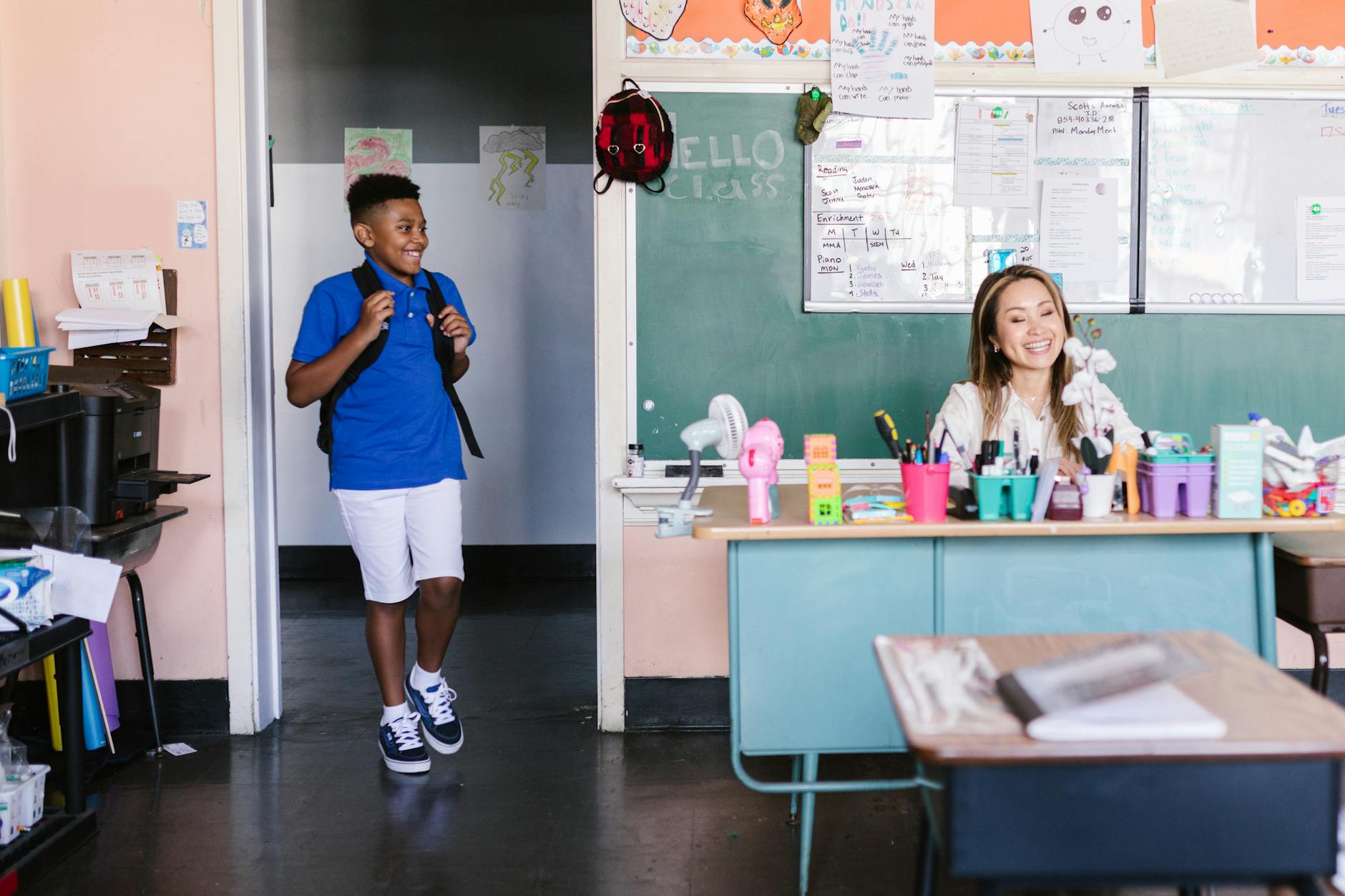
Where Does Education Nonprofits Fit in Your Practice?
These charitable education organizations are not Band-Aids for broken budgets. They are force multipliers. Whether you need lab kits from a STEM nonprofit, diverse classroom libraries from literacy groups, or hotspots through technology access programs, these 501(c)(3) education groups extend your reach without adding to your tab. They turn "we can't afford that" into "the box arrives Thursday." You stop shopping with your own credit card.
You do not need to apply to everything. Pick one gap that keeps you awake at 2:00 AM. Maybe it is teacher certification programs for your para who wants to lead her own class next fall, or classroom crowdfunding for a sensory corner, or advocacy help to fight the new retention policy. File one application this week. Send one email. The worst they can say is no, and you are already used to that from your district office.
Which single gap in your room would close first if you had an outside partner tomorrow?

What Are the Leading National Education Nonprofits?
Leading national education nonprofits include Teach For America (recruiting top graduates for high-need schools), Success For All Foundation (research-based cooperative learning literacy programs), and DonorsChoose (crowdfunding platform connecting donors directly to classroom projects). These organizations reach millions of students annually through distinct models of teacher placement, curriculum support, and direct resource funding.
These three charitable education organizations represent distinct intervention models. Teach For America builds the teacher pipeline. Success For All drives whole-school reform. DonorsChoose provides direct classroom resources.
Teach For America: Best for staffing high-need schools. Time to impact: Immediate. Grades: K-12.
Success For All: Best for whole-school literacy transformation. Time to impact: 1 year. Grades: K-5.
DonorsChoose: Best for individual classroom supplies. Time to impact: Ongoing. Grades: PreK-12.
Teach For America
Founded in 1989, this ngo in usa for education recruits recent graduates for two-year commitments in high-need urban and rural schools. The organization serves thousands of schools nationwide through a teacher certification program that places corps members directly into classrooms.
Partner districts pay $1,000-$4,000 per corps member annually for salary supplements and training. Teach For America covers recruitment and summer institute costs. You get teachers immediately, though they arrive with just five weeks of pre-service training before managing their own students.
The alumni network exceeds 62,000. Eighty percent remain in education or related fields. These 501(c)(3) education groups fill critical shortages in math, science, and special education, bringing energy but requiring significant mentoring from your veteran staff during year one.
Success For All Foundation
Founded in 1987 by Robert Slavin at Johns Hopkins, this charitable education organization serves over 1,000 high-poverty elementary schools. It operates as a whole-school reform model requiring building-wide adoption of its cooperative learning structure.
This literacy intervention program costs approximately $100 per student annually for curriculum licensing plus initial training fees. Research shows significant positive effects on reading achievement, particularly for kindergarten through second grade students in high-poverty settings.
You cannot purchase single grades. The model requires structured 90-minute reading blocks, daily student tutoring, and family support teams. It is labor-intensive for principals but produces measurable gains for struggling readers.
DonorsChoose
Founded in 2000, this classroom crowdfunding platform connects 5 million donors directly to educators. It has funded 2 million projects and delivered $1.6 billion in resources to classrooms across all fifty states, serving PreK through high school.
Teachers create project requests averaging $500. Donors fund them. The organization purchases materials and ships directly to your school. You never handle cash. A 15-20% fulfillment fee supports operations, and materials belong to your classroom permanently, even if you transfer.
Unlike other educational equity initiatives, this model puts you in control. You request specific books, flexible seating, or technology from organizations transforming K-12 classrooms.
Which Organizations Focus on STEM Education?
Code.org provides free K-12 computer science curriculum reaching 80+ million students globally. The National Math and Science Initiative focuses on AP program expansion and military-connected schools, showing measurable increases in qualifying scores. Project Lead The Way offers comprehensive fee-based STEM pathways in engineering and biomedical sciences for 14,000+ schools.
These education nonprofits attack the STEM teacher shortage from three angles. Code.org gives away digital curriculum. NMSI jacks up AP scores in high schools. PLTW builds K-12 pathways that cost real money but stick. Pick one lane. Running multiple programs burns cash and burns out teachers.
Organization | Cost to Schools | Grade Range | Teacher Training Requirements | Measurable Outcomes |
|---|---|---|---|---|
Code.org | Free | K-12 | Free workshops to $2,500 | 80M+ student accounts |
NMSI | Grant-funded | 9-12 | Summer institutes | 68% AP score increase |
PLTW | $2,500-$4,000/year | K-12 | $1,200-$2,400/course | 14,000+ schools |
Avoid adopting multiple competing STEM curricula simultaneously. Switching costs include teacher retraining running $2,000-$5,000 per teacher and lost instructional time during transition periods. Your math teachers will revolt if you ask them to learn a new platform every August.
Code.org
Code.org runs on a zero-cost model that actually delivers. Eighty million student accounts exist. Their Hour of Code campaign has reached one in ten students worldwide. You get full K-12 computer science curriculum without spending a district dime.
Training scales with complexity. CS Fundamentals offers free one-day workshops perfect for elementary teachers dipping toes in coding. CS Discoveries and CS Principles require deeper investment at $1,500-$2,500 per teacher, though high-need schools often grab subsidies covering most costs.
The platform works best when you commit to the full sequence. Jumping between their courses and other STEM teacher resources and curriculum platforms confuses kids who need consistency in syntax and structure.
National Math and Science Initiative
NMSI targets high schools that serve military-connected families and underserved communities. Their College Readiness Program partners with over 250 schools to crank up both AP enrollment and passing scores in math and science.
The numbers back the hype. Schools in the program average a 68% jump in qualifying AP scores within three years. That means more students earning 3 or higher on Calculus AB and Biology exams, which translates directly to college credit and saved tuition.
They train your existing teachers rather than pushing new curriculum. Summer institutes focus on AP instructional strategies and content knowledge. If your school already runs AP programs but struggles with pass rates, this integrative STEM education strategy plugs the gaps without ripping out your current scope and sequence.
Project Lead The Way
PLTW offers comprehensive pathways in Engineering, Biomedical Science, and Computer Science reaching 14,000 schools nationwide. Unlike free options, this is a serious financial commitment with serious structure.
Annual school fees run $2,500-$4,000 based on how many programs you run. Required teacher training costs $1,200-$2,400 per course. The kicker: you must sign a three-year minimum commitment. They want schools invested for the long haul, not dabbling for one semester.
The payoff shows in student portfolios. Kids complete actual engineering design challenges and biomedical experiments. No worksheets. If your district can stomach the five-figure startup costs and the multi-year contract, PLTW provides the most cohesive integrative STEM education strategy available.
Top Literacy and Reading Nonprofits
These three education nonprofits take different approaches to getting books into hands. One gives directly to kids. One sells cheaply to teachers. One helps adults who never learned to read. Pick the partner that matches your students' ages and your program type.
Organization | Income Requirements | Format | Cost |
|---|---|---|---|
RIF | None for community events | Physical + digital (Skybrary) | Free |
First Book | 70%+ free/reduced lunch | Physical books | 50-90% below retail |
ProLiteracy | Adult education program affiliation | Physical books + tutor resources | Free to members |
Reading Is Fundamental
RIF has handed out over 400 million books since 1966. They focus on digital libraries and book programs for kids that let children choose and keep 3-5 books annually. This isn't a classroom set that stays in the room. Kids take them home and build personal libraries.
The catch? You must host reading motivation events to qualify for physical book distributions. Your school needs to hold at least two events per year where kids celebrate reading and select their books. Think book fairs without the fundraising pressure.
RIF also runs Skybrary, a digital platform with hundreds of ebooks for schools that want evidence-based literacy instruction support alongside physical copies. It works well for hybrid classrooms or summer reading programs.
First Book
First Book operates like a nonprofit Amazon for educators in low-income communities. They have distributed over 575 million books at 50-90% below retail prices. You browse their marketplace, order what you need, and pay deeply discounted prices.
Eligibility is strict. Your school or program must serve populations where 70% or more of children receive free or reduced lunch. Title I schools, Head Start programs, and military base child development centers automatically qualify. You upload proof of your status during registration.
Beyond books, their educational equity initiatives include:
Winter coats and cold weather gear for students.
Hygiene kits with soap, toothpaste, and shampoo.
Basic classroom supplies like crayons and notebooks.
ProLiteracy
ProLiteracy serves the adults that other charitable education organizations often miss. They support over 1,000 member programs teaching reading, writing, math, and English language skills to adults who fell through the cracks. These are not school-based literacy intervention programs for children.
Their New Readers Press publishing arm creates materials specifically for adult learners. They also train roughly 70,000 volunteer tutors annually through:
Online certification courses for new volunteers.
Workshop materials for program coordinators.
Assessment tools to track adult learner progress.
You cannot access these materials as an individual teacher. Your program must affiliate with their network of adult education providers. If you teach adult ESL or GED prep through a community college or nonprofit, this is likely your best source for age-appropriate curriculum.
Advocacy and Policy-Focused Groups
These education nonprofits don't stock your classroom library. They lobby state legislatures, file amicus briefs, and publish research that shifts funding formulas. You won't get a box of pencils, but you might get a new evaluation system.
That is the risk. Advocacy groups often push mandates your district cannot afford. They lobby for testing requirements without funding the proctors. Before you join, check their policy positions against your local reality.
Watch for red flags:
Does membership drain your paycheck without delivering classroom support?
Do they lobby for unfunded mandates your district cannot implement?
Do their research briefs ignore teacher workload constraints?
If the answer is yes, keep your money and your time.
The Education Trust
The Education Trust publishes Education Watch, an annual data dump tracking achievement gaps by race and income across all 50 states. They push hard for equitable K-12 funding and college access for low-income students.
Their primary audience is state agencies and federal policymakers, not individual teachers. You can cite their research briefs when arguing for resources at a board meeting, but don't expect classroom toolkits. This is teacher advocacy in educational policy at the macro level.
Stand for Children
Stand for Children runs aggressive state-level campaigns in 11 states. They focus on early literacy laws and graduation requirements, often mobilizing thousands of parents to testify at school board meetings and state capitols.
Their parent engagement strategy trains families to pressure legislators on funding formulas and school choice policies. If you teach in one of their target states, you have likely seen their flyers or emails. Always check whether their legislative wins come with implementation dollars attached.
Educators for Excellence
Educators for Excellence claims 30,000 members organized into Teacher Policy Teams in major cities. These teams draft specific recommendations on evaluation systems, compensation structures, and alternative teacher certification programs.
Membership is free but costs your time. They require active participation in surveys and focus groups that feed white papers sent directly to district leaders. Join if you want to shape policy, but expect evening Zoom calls and lengthy surveys, not free posters or grant money.
Technology and Digital Access Organizations
15 to 16 million kids head home to houses without reliable internet. That's the federal estimate for the homework gap, and you see it every Monday when three students admit they couldn't finish the research project. These education nonprofits and charitable education organizations attack the problem from different angles—some broker cheap broadband, others train families, some just hand out devices.
The breakdown:
EveryoneOn | Free referral service |
PowerMyLearning | Freemium platform ($0–$8,000) |
Digital Promise | Free federal initiatives with competitive grants |
EveryoneOn
EveryoneOn acts as a referral broker, not a direct internet provider. They partner with AT&T, Comcast, and Cox to negotiate internet plans running $10 to $20 monthly for eligible families. You don't pay EveryoneOn a dime; they simply verify eligibility through their website and hand families a code to use at signup.
The hardware deals matter just as much for closing the gap. Families can buy refurbished laptops and tablets for under $150 through these partnerships. Since 2012, they've connected over one million people, focusing specifically on families who qualify for free school lunch or Medicaid enrollment. I had a student last year who finally stopped doing homework on his mom's cracked phone because of this referral.
The speed isn't gigabit, but it handles Google Classroom and research fine. Families keep the rate for as long as they remain eligible, not just for one school year.
PowerMyLearning
PowerMyLearning takes a different route than the hardware handouts. This education nonprofit strengthens the home learning relationship without dumping devices on families and hoping for the best. Teachers get free basic access to the platform, but full school partnerships run $3,000 to $8,000 annually depending on your student count.
The platform gives families specific activities to do together—math games, literacy exercises—that actually align with your week's lessons. Research from partner districts suggests students gain 10 points in math proficiency when families use the platform three or more times weekly. That's not magic; it's just structured time with engaged adults who now understand exactly what you're teaching.
The price jumps based on how many students you serve, but the freemium tier lets you test family engagement strategies before asking your principal for budget.
Digital Promise
Digital Promise operates as a federal 501(c)(3) education group created by Congress in 2011. Their Verizon Innovative Learning Schools program targets middle schools specifically, providing free iPads or Chromebooks plus 4G data plans to every student in select buildings. You apply as a school, not as individual teachers, and the commitment lasts three years with full technical support.
They also run a free micro-credentialing system for educators. You can earn badges in digital literacy and computational thinking through their digital literacy skills framework. These stack toward professional development hours in most states. The competitive grants require paperwork and patience, but the devices and data plans come with dedicated support staff who actually answer emails.
Your odds improve if you serve rural communities or high-poverty urban districts where the digital divide cuts deepest.
Teacher Support and Professional Development Nonprofits
You need clarity on what these education nonprofits actually cost you in time and money. National Board certification runs $1,975 and takes 1-3 years of intense portfolio work. TNTP costs nothing upfront but needs 6-8 weeks of intensive summer training plus a 2-3 year teaching commitment in partner districts. ASCD membership ranges from $49-$189 annually with no fixed timeline or exit requirement. Only National Board certification typically triggers salary bumps—32 states offer $5,000-$10,000 annual stipends for completing it. These charitable education organizations serve different career stages and goals.
National Board for Professional Teaching Standards
National Board Certification is the gold standard for veteran teachers ready to prove their practice. Over 130,000 educators hold this credential across 25 certificate areas spanning every grade level and subject. You pay $1,900 in assessment fees plus a $75 application fee. The process needs 1-3 years of portfolio building, video submissions, and written reflection on your actual classroom work. Most candidates complete it while teaching full-time.
The financial upside is real and lasting. Thirty-two states offer salary incentives ranging from $5,000-$10,000 annually or percentage-based increases added to your base pay. Some districts cover your application fees entirely or provide release time for portfolio work. This credential moves you up the pay scale permanently, not just for one year. You also join a network of accomplished teachers who mentor others across educational foundation networks.
The New Teacher Project
TNTP runs Teaching Fellows programs for career-changers entering high-need classrooms fast. You complete 6-8 weeks of intensive summer training before standing in front of students on day one. The focus targets shortage areas like math, science, and special education in urban districts desperate for teachers. You pay nothing for certification but face rigorous selection—only 8% of applicants gain acceptance. You commit to teaching 2-3 years in the partner district regardless of how difficult the placement becomes.
The model carries significant risk for new educators. You enter high-poverty schools with minimal preparation compared to traditional programs. Success depends entirely on the mentorship your district provides. Many teacher certification programs in this space promise support that vanishes once September starts. Without a strong instructional coach in your building, you sink fast. Ask specific questions about who coaches you daily before signing any agreement.
Association for Supervision and Curriculum Development
ASCD differs from certifying bodies. This professional association charges $49-$189 annually for membership depending on your selected tier. You receive Educational Leadership magazine monthly and access to free webinars on pressing instructional topics. They run paid institutes for deeper dives into curriculum design and assessment strategies. The resources serve you continuously rather than culminating in a single credential or license.
The audience extends beyond classroom teachers. Principals and curriculum directors use ASCD resources to shape school-wide practice and policy. For proven professional growth programs for teachers and career development opportunities for educators, ASCD offers breadth without the certification pressure. You consume what you need, when you need it. This fits instructional coaches and department heads looking to build systemic change rather than prove individual practice.
How Do You Choose the Right Partner for Your Classroom?
Choose education nonprofits by first assessing your specific classroom needs—immediate resources, curriculum systems, or professional development. Verify eligibility requirements, calculate total costs including hidden fees, ensure mission alignment with your school culture, and confirm implementation timelines match your academic calendar before committing to any partnerships.
You have limited time. Picking the wrong partner wastes months. Treat this like finding the perfect educational partner: know what you need before signing anything. Your instincts about fit matter more than their marketing materials.
Run a Five-Step Check
Start with brutal honesty. Do you lack materials, skills, or systems? A materials gap needs classroom crowdfunding for immediate relief. A skill gap needs literacy intervention programs for specific student struggles. Systemic change requires restructuring your entire instructional approach. Pick one priority. You cannot fix everything at once, and trying spreads you thin.
Check the fine print carefully. Most 501(c)(3) education groups restrict aid by income thresholds or geography. Some literacy intervention programs only serve Title I schools or specific grade bands. Others require particular subject assignments or administrator signatures. Verify you qualify before falling in love with the mission. Rejection stings after hours of paperwork and hope.
Calculate the true costs completely. Charitable education organizations often hide fees in shipping, printing, or required supplemental materials. Success for All requires expensive initial training and ongoing coaching hours. Plan for year two when startup grants disappear. Factor in your time. Ten hours of training equals ten hours of grading you cannot complete.
Audit the mission alignment carefully. Educational equity initiatives should respect your teaching style and existing curriculum. Some education non profit organizations demand exclusive adoption of their methods, preventing mixed approaches. Others require extensive student data without clear FERPA compliance documentation. Read the privacy policy thoroughly. If the language is vague or evasive, walk away immediately.
Check the calendar realistically. Application deadlines often fall in February for fall implementation. Onboarding complexity varies wildly between programs. Some teacher certification programs lock you into two-year minimum commitments. Never schedule professional development during state testing windows. Your students need you fully present during those weeks, not distracted by learning new software platforms.
Watch for Red Flags
Watch for specific dealbreakers. Avoid organizations requiring exclusive curriculum adoption. You need freedom to mix pedagogical approaches that fit your kids. Question "free" materials costing $500 in hidden shipping fees. Never share extensive student data without verified FERPA compliance documentation. Skip professional development scheduled during your state testing windows. Protect your instructional time fiercely.
Quick Decision Matrix
Use this shortcut when urgency strikes and you cannot conduct a full search. Match your biggest pain point to the right solution.
Immediate supplies → DonorsChoose/First Book for classroom crowdfunding of specific items.
Curriculum systems → Success for All/Project Lead The Way for structured literacy and STEM programs.
Career advancement → NBPTS/TNTP for teacher certification programs and leadership development tracks.
Connectivity → EveryoneOn/Digital Promise for devices and home internet access solutions.
The best relationships feel collaborative from day one. If you sense pressure instead of support during initial conversations, trust that feeling. Good partners answer your emails promptly and respect your planning period time.
The right partner helps you educate together with families and community. They fit your academic calendar, respect your limited budget, and support your specific students without creating administrative burdens. Trust your instincts. If the application process feels disrespectful of your time, the partnership probably will too. Keep looking until you find the match.
Where Does Education Nonprofits Fit in Your Practice?
These charitable education organizations are not Band-Aids for broken budgets. They are force multipliers. Whether you need lab kits from a STEM nonprofit, diverse classroom libraries from literacy groups, or hotspots through technology access programs, these 501(c)(3) education groups extend your reach without adding to your tab. They turn "we can't afford that" into "the box arrives Thursday." You stop shopping with your own credit card.
You do not need to apply to everything. Pick one gap that keeps you awake at 2:00 AM. Maybe it is teacher certification programs for your para who wants to lead her own class next fall, or classroom crowdfunding for a sensory corner, or advocacy help to fight the new retention policy. File one application this week. Send one email. The worst they can say is no, and you are already used to that from your district office.
Which single gap in your room would close first if you had an outside partner tomorrow?
Still grading everything by hand?
EMStudio is a free teaching management app — manage your classes, students, lessons, and more!
Learn More
Still grading everything by hand?
EMStudio is a free teaching management app — manage your classes, students, lessons, and more!
Learn More





Notion4Teachers
Notion templates to simplify administrative tasks and enhance your teaching experience.



2026 Notion4Teachers. All Rights Reserved.
Notion4Teachers
Notion templates to simplify administrative tasks and enhance your teaching experience.
2026 Notion4Teachers. All Rights Reserved.
Notion4Teachers
Notion templates to simplify administrative tasks and enhance your teaching experience.
2026 Notion4Teachers. All Rights Reserved.