15 PE Lesson Plans for Every Grade and Activity Type
15 PE Lesson Plans for Every Grade and Activity Type

Article by
Milo
ESL Content Coordinator & Educator
ESL Content Coordinator & Educator
All Posts
What are you supposed to do with 35 fifth graders in the gym when it's raining and half forgot their sneakers? You need pe lesson plans that actually work—not Pinterest boards full of games that fall apart after three minutes. After fifteen years of teaching K-12, I've learned that great lessons build fundamental movement skills. They keep every kid moving, not standing in line.
This guide gives you fifteen ready-to-use units spanning every grade level. You'll find cooperative games for elementary that teach locomotor skills without chaos. Middle school fitness challenges build real cardiovascular endurance. High school team sport progressions develop tactical thinking. I've included no-equipment indoor backups for canceled practices and outdoor adventure lessons that use your schoolyard or nearby trails.
Each plan includes differentiated instruction options for diverse abilities and simple fitness assessment checkpoints you can track without tablets. No expensive gear. No app subscriptions. Just activities that respect your prep time and keep students engaged through kinesthetic learning.
Still grading everything by hand?
EMStudio is a free teaching management app — manage your classes, students, lessons, and more!
Learn More
Still grading everything by hand?
EMStudio is a free teaching management app — manage your classes, students, lessons, and more!
Learn More
Table of Contents
What Are the Best Cooperative Games for Elementary PE?
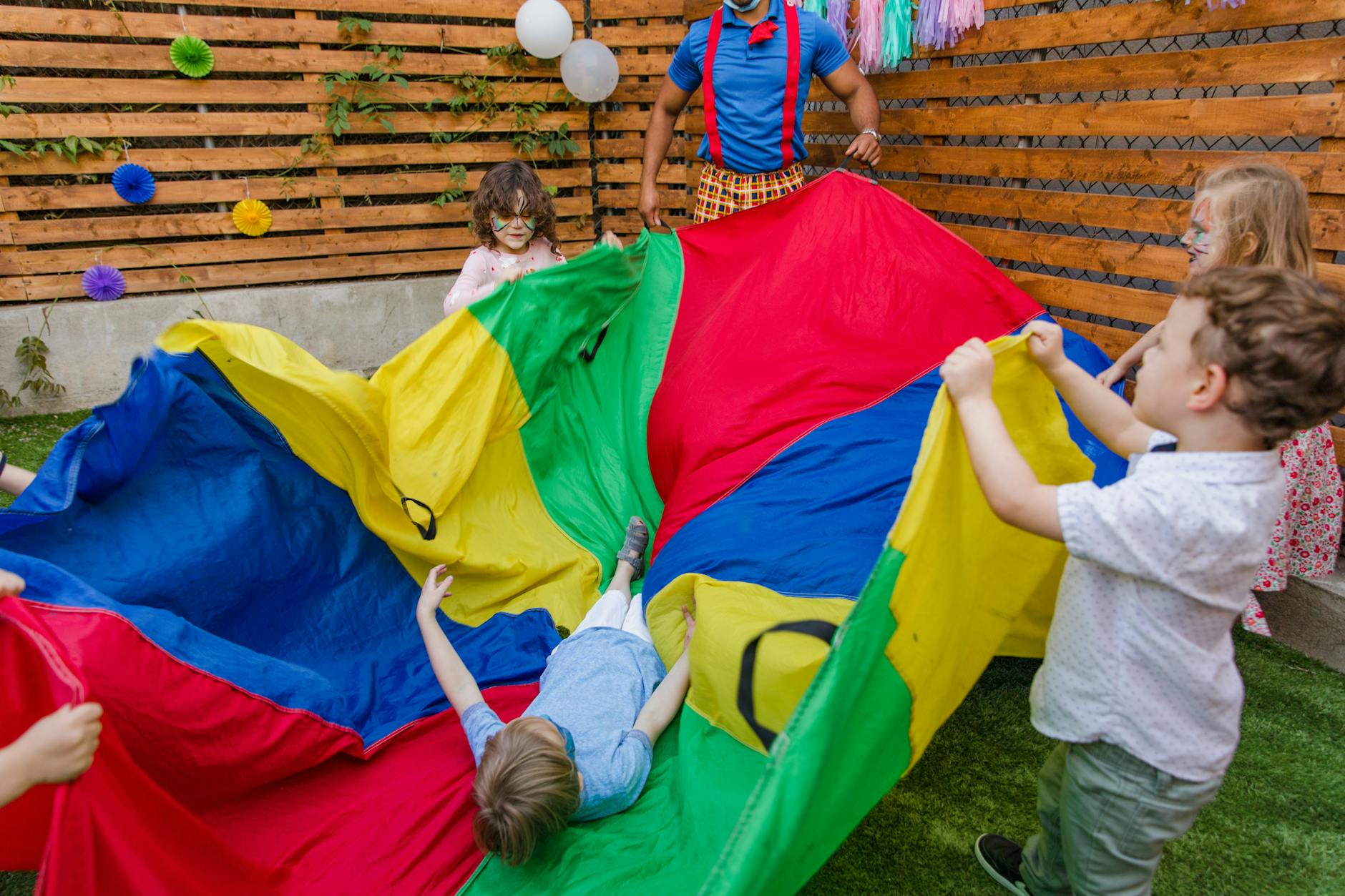
The best cooperative games for elementary PE include three standouts. Parachute Popcorn works for K-2 teamwork using 24-foot parachutes. Human Knot variations suit grades 3-5 problem-solving in groups of 8-10. River Crossing challenges use poly spots for mixed ages. These activities accommodate 25-30 students, require no winners or losers, and build communication skills during 45-minute periods.
Stop running elimination games. Half your class sits out by minute five, and the shy kids disappear first. Cooperative games keep everyone moving for the full 45 minutes.
John Hattie's research puts cooperative learning at a 0.40 effect size—solid evidence that these strategies actually work. Zero-elimination games matter even more in elementary PE. When you remove the fear of getting out, you get full participation from kids who normally hide in the back. I learned this the hard way with a 3rd grade class last October.
We played a traditional tag game, and by the end, four kids had never been tagged once. They just stood near the wall. The next week, we switched to cooperative games pe approaches, and those same kids led the group during Parachute Popcorn. No one sits out. Everyone belongs.
You can run these three activities with standard class sizes of 25-30 students. Parachute Popcorn works best for K-2 while building fundamental movement skills. Human Knot suits grades 3-5 and develops problem-solving. River Crossing challenges fit across elementary levels with simple adjustments. Each game fits into your existing pe lesson plans without buying expensive pe resources. They require zero elimination, so you spend time teaching instead of managing hurt feelings. If you need help designing and facilitating cooperative learning activities, these three work immediately.
Before you unroll that parachute, run through this checklist.
Verify your 24-foot parachute integrity by checking for tears in the mesh and handles.
Inspect rope fringes on the edges for fraying that could snap under tension.
For Human Knot, scan for jewelry that catches—watches and bracelets cause most injuries.
Clear floor space for River Crossing by removing scooters and mats.
Check that your poly spots aren't warped or slippery before students step on them.
Parachute Popcorn Challenge
You need a 24-foot Gopher Sport parachute and 12-15 Gator Skin foam balls—eight-inch size works best. This setup handles class sizes of 28-30 students standing around the perimeter. The goal is simple: flick every ball off the canopy without letting the parachute touch the ground. I set the success metric at clearing all balls in 45 seconds. This builds cardiovascular endurance through constant movement.
The progression ladder keeps kids challenged.
Start with ten balls. Once they succeed, add balls until you reach twenty.
Try the underhand-only throwing constraint to force different movement patterns.
Require alphabetical name-calling before each flick to add cognitive load.
These modifications offer differentiated instruction for mixed ability groups and extend kinesthetic learning into cognitive territory. Watch for the common failure mode. Kids will try to lift the parachute over their heads and shake violently. This violates the safety rule. Teach them to use wrist flicks from waist height only. This protects shoulders and keeps the game fair.
Human Knot Variations
Group size matters here. Stick strictly to 8-10 students per circle. Larger groups create frustration; smaller ones finish too fast. The safety mandate is wrist-to-wrist grip only. Never allow hand-holding. Fingers get bent and nails get torn when kids panic and pull. I demonstrate the grip myself—thumb around the wrist bone, loose enough to slide but secure enough to hold.
Run three variations.
Standard allows talking and verbal coordination throughout the untangling.
Silent requires non-verbal communication only—kids must use eye contact and gestures.
Observer puts one blindfolded member in the group guided by teammates.
This last version builds empathy fast. The blindfolded student feels vulnerable, and the group learns to give precise directions. Always debrief with Rose, Thorn, Bud. Ask what worked (rose), what was hard (thorn), and what to try next (bud). Keep this to three minutes. I write the prompts on my whiteboard before class starts. This reflection turns physical activity into social-emotional learning without extra pe resources.
River Crossing Team Builder
Each team of six needs two poly spots—nine-inch diameter—and one ten-foot jump rope. The rope is a bridge; the spots are stepping stones. Create a 30-foot toxic river using gym floor tape. The constraint is strict: only the spots and rope may touch the floor. If a person touches the river, the entire group takes a 30-second freeze penalty.
This challenge develops locomotor skills and strategic thinking under pressure. Students must manage their fitness assessment of distance versus balance. The 30-foot span forces them to pass equipment forward. This requires cooperation that you can assess for fitness assessment standards in communication.
Watch for the failure mode. If groups exceed the ten-minute limit, pause the clock. Do not let them drag seated teammates across the floor. This creates a safety hazard for fingers and clothing. Instead, discuss strategy reset. Ask what they have tried and what they haven't. Then restart the timer. Most groups solve it in the second attempt once they stop rushing.
Middle School Fitness Challenges That Build Endurance
Sixth graders hit a wall around November. They stop running laps without complaint and start asking "how many more?" every forty seconds. Cardiovascular endurance matters for this age, but traditional mile runs kill motivation.
I switched to AMRAP (As Many Rounds as Possible) and Tabata protocols two years ago. Research backs both methods for improving adolescent aerobic capacity. You can run these pe lesson plans with a full equipment budget of $350-500 or strip down to $50 using bodyweight movements only.
AMRAP Circuit Training Stations
Set four stations around your gym perimeter. Students work for two minutes at each. They rotate on your whistle. Total work time hits 16 minutes.
Dumbbell squat presses at 10-15 pounds.
12-inch box step-ups.
30-second battle rope slams.
Plank shoulder taps.
Each kid carries a small whiteboard marker. They record completed rounds on a board near the exit. My 7th graders turn this into a silent competition. They barely notice their heart rates climbing because they're chasing the kid in the next station. The locomotor skills embedded in the transitions keep the intensity up.
Target heart rates should sit between 140-160 BPM. That hits 65-75% max HR for ages 11-14. If you lack monitors, teach RPE 7-8 out of 10. Students self-monitor using the talk test. If they can recite the pledge of allegiance easily, they need to move faster. Modify by dropping weight or switching to 6-inch step-ups.
This setup costs roughly $350 if you buy battle ropes, dumbbells, and plyo boxes. Swap ropes for jumping jacks and dumbbells for water jugs and you're at $50. effective instruction for physical education teachers means adjusting the load without killing the pace.
Fitness Bingo Card Activities
Create a 5x5 grid with exercises in each square. Use a standard bingo template. Include 15 burpees, 30-second wall sits, 20 mountain climbers, 10 push-ups, and one lap around the gym. Students complete any single line horizontal, vertical, or diagonal. They must get a peer signature for verification. First to complete two lines wins.
The free space equals a rest break. Build differentiated instruction directly into the card. IEP modifications include reducing rep counts by 50% or substituting jumping jacks for burpees. Students choose their path across the board based on their current capacity. No one stands in line waiting for a turn.
This format works when your budget sits at that $50 bodyweight-only mark. You need paper and pencils. The kinesthetic learning happens through self-paced movement rather than teacher-directed drills. Students track their own progress across the grid.
These cards fit perfectly into broader physical education lesson plans when you need stations but lack equipment. The peer verification adds accountability without you chasing down every finished set. It also builds social skills alongside fundamental movement skills. Use the completed cards as informal fitness assessment data to track completion times over the semester.
Tabata Interval Workouts
Run 20 seconds of work followed by 10 seconds of rest. Repeat for 8 rounds to equal 4 minutes per exercise. Select four movements. Total workout time hits 16 minutes. The protocol needs all-out effort during those 20-second windows.
Jump squats.
Push-ups.
High knees.
Sit-ups.
Do not use this protocol with students who have exercise-induced asthma without an inhaler present. The short recovery triggers attacks. Extend rest to 20 seconds for those students. Require RPE self-monitoring. safety protocols and CPR certification for PE staff become non-negotiable when running high-intensity intervals.
Students track their lowest rep count per exercise across all 8 rounds. The goal is maintaining within 2 reps of their round 1 count by round 8. If they drop 5 reps, they started too fast. This teaches pacing while building cardiovascular endurance.
Watch for students who turn gray or struggle to speak during rest periods. Those are your red flags. Stop them immediately and move them to a modified station. Better to pull one kid out than risk a medical emergency in the name of toughness.
The minimal setup requires no equipment. Use the $50 bodyweight budget. Mark start and stop times clearly visible to all students. Precision timing matters more than equipment quality for Tabata success.
High School Team Sports Units for Skill Development
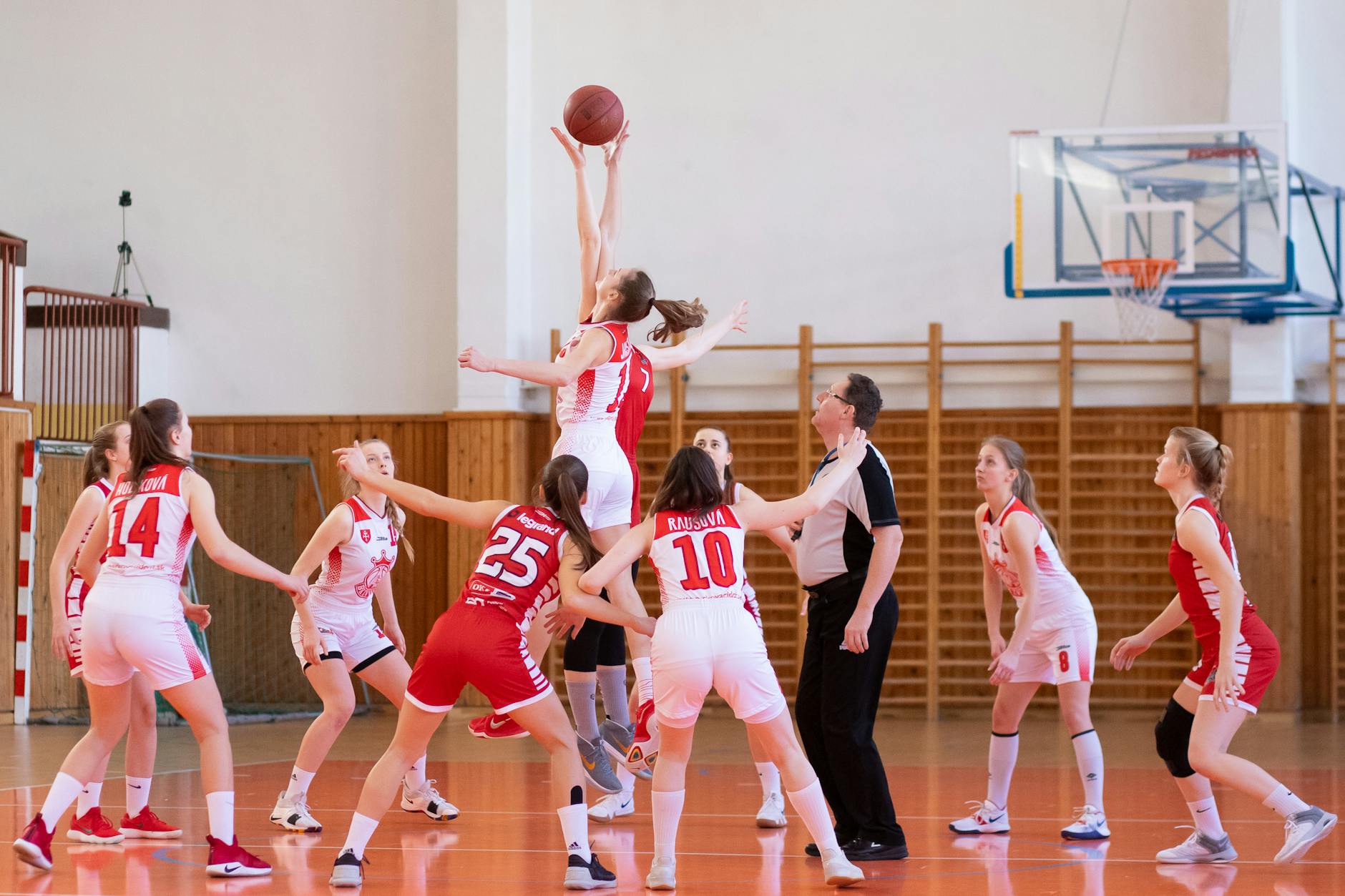
Structure your pe lesson plans around a three-week arc. Week one isolates skills. Week two adds small-sided pressure. Week three runs a tournament with modified rules. This builds transferable tactics—like how Ultimate Frisbee spatial awareness translates directly to soccer positioning.
Ultimate Frisbee Strategy Module
You need Discraft Ultra-Star 175g discs and cones for a 70x40 yard field with 20-yard end zones. I learned this the hard way with 11th graders last October—when the wind hits 15mph, regulation discs sail into the parking lot. Keep sponge discs ready as backup pe resources for gusty days.
Week one isolates throwing mechanics: backhand grip with three fingers under the rim, flick releases with wrist snap. Week two adds force defense—markers use straight arms to channel handlers toward the sideline trap. Week three builds the vertical stack offense, teaching spatial awareness that transfers directly to soccer runs.
Assessment relies on the Hudl Technique app. Film students attempting three consecutive passes against live marker pressure. Success means hitting that 70% completion rate while maintaining proper fundamental movement skills form. This connects to principles of psychomotor learning through immediate video feedback. The constant cutting and sprinting builds cardiovascular endurance without students noticing they're running intervals.
Small-Sided Soccer Tournaments
Run 3v3 on 25x20 yard grids using Pugg 6-foot goals. Games last four minutes with one-minute rotations. This small-sided games format maximizes touches and keeps heart rates elevated for genuine fitness training. You eliminate the hide-and-seek behavior of full-sided games where one kid dominates the ball.
Structure the unit as a World Cup format. Teams earn points for wins, ties, and sportsmanship markers. Every squad plays six games across the three weeks.
Week 1: Unlimited touches to establish possession rhythm.
Week 2: Three-touch maximum to force quicker decisions.
Week 3: Two-touch mandatory before any shot on goal.
These limits force rapid decision-making that transfers directly to 11v11 positioning while building locomotor skills under pressure. You can run differentiated instruction by adjusting grid sizes for skill levels. Assess using rubrics that track 70% pass completion rates and proper defensive stance during the tournament matches. This beats running laps for fitness assessment because the data comes from authentic game play.
Basketball Offensive Plays Workshop
Teach the 5-out motion offense using cones to mark the elbows, wings, corners, and top key. You will see the lightbulb moments when the weak-side corner realizes why they are standing there. This spacing teaches court geometry through kinesthetic learning better than any whiteboard diagram.
Start with 5-on-0 walkthroughs. Three consecutive passes with proper basket cuts earns one point. Groups must hit 80% execution rate before advancing to 3v3 live play. Use fitness assessment data to group students by work rate, not just skill. For differentiated instruction, let advanced players run Read and React layers while developing players use a simplified pass-and-screen-away version.
The footwork—pivoting, v-cuts, backdoor steps—transfers directly to volleyball approach mechanics and soccer cuts. These fundamental movement skills stick because you drilled them under game pressure. Your assessments here measure process, not just points scored. Track the three consecutive motion offense executions as your success criteria. Film the final tournaments to document growth for student portfolios.
What No-Equipment Games Work for Indoor PE?
The best no-equipment indoor PE games include Silent Ball for focus and throwing accuracy using foam balls in tight spaces, Four Corners Fitness for cardio intervals using bodyweight exercises, and Mirror Me for coordination training. These activities require only 6x6 feet of space per student and work in classrooms or gyms during inclement weather.
Rainy days destroy your outdoor unit. You cram 32 kids into a classroom with desks shoved aside, or split them with another teacher in half a gym. Zero budget means no new equipment. You need pe lesson plans that fit in a 6x6 foot footprint per kid.
In a classroom, push desks to the perimeter. Students work in the center aisle. In the gym, use floor tape to mark 6x6 grids. Either way, you need active learning games for indoor settings that build fundamental movement skills without breaking bones or budgets.
Silent Ball Concentration Game
You need one Gator Skin 8-inch foam ball and a seated circle. Students sit cross-legged with three feet between neighbors. Zero talking once the ball enters play. Legs crossed prevents kneeling up to cheat.
Throws must be underhand and catchable—within arm's reach of the target. Drop the ball, talk, or uncatch your legs and you're out. Winner becomes referee for the next round and enforces the rules. I once ran this with 7th graders during a tornado watch in a windowless hallway. They sat in two rows facing each other, five feet apart. The silence was eerie. The focus was real.
All throws stay below shoulder height. If space is tight, use thumb ball: students touch the ball with thumbs only, passing hand-to-hand with no throwing. This eliminates wild tosses near fluorescent lights. Thumb ball works in 4x4 foot spaces and still builds hand-eye coordination.
The game builds focus under pressure. Students track the ball with eyes only. No calling for the ball. No warning throws. The Gator Skin ball is soft enough that getting hit doesn't hurt. Perfect for testing week when kids need quiet movement.
Four Corners Fitness Challenge
Place four cones in corners labeled A through D. Assign each an exercise:
A: Jumping jacks
B: Air squats
C: Burpees
D: Plank hold
You need six feet of clearance from walls. The cones don't need to be regulation. Water bottles work in a pinch.
Play music. Students locomotor around the perimeter—skipping, galloping, high knees. Stop the music. Everyone picks a corner. You roll a die or use a random number app. I use a giant foam die so they can see the result. The selected corner does 15 reps. Everyone else does 5. Four rounds total.
This hits cardiovascular endurance hard. The locomotor warm-up keeps heart rates elevated between intervals. The random selection means students can't game the system by hiding in the easiest corner. They have to be ready for any exercise.
Scale it for differentiated instruction. Advanced students do 20 reps plus 10 push-ups at the selected corner. For adaptive needs, students may choose a neighboring corner if an exercise contraindicates their IEP goals or physical limitations. No one sits out. The unpredictability mimics real game situations.
Mirror Me Coordination Activity
You stand on a milk crate or small platform at the front. Students face you, each with 6x6 feet of space and 8-foot ceiling clearance. They mirror your movements exactly. Slow tempo to 50% speed for maximum control.
Switch between locomotor skills—march, skip, grapevine—and stability challenges like tree pose, airplane, or warrior stance. Keep arms below shoulder height unless you have verified ceiling clearance. Use a metronome app to keep the tempo honest. Students will speed up if you let them. Rotate leaders every 45 seconds.
For grades 6-8, add non-dominant side challenges. Right-handed students lead with left arm forward. This builds bilateral coordination and reveals imbalances in body control that don't show up in standard fitness assessment.
This builds kinesthetic learning and body awareness. Students think they're playing Simon Says without the elimination. You assess coordination in real time. The slow tempo forces them to feel the movement. No equipment means you can run this in a classroom during a lockdown drill if you need to keep them calm. It fits any physical education lesson plans pdf as a warm-up.
Outdoor Adventure and Nature-Based Lesson Plans
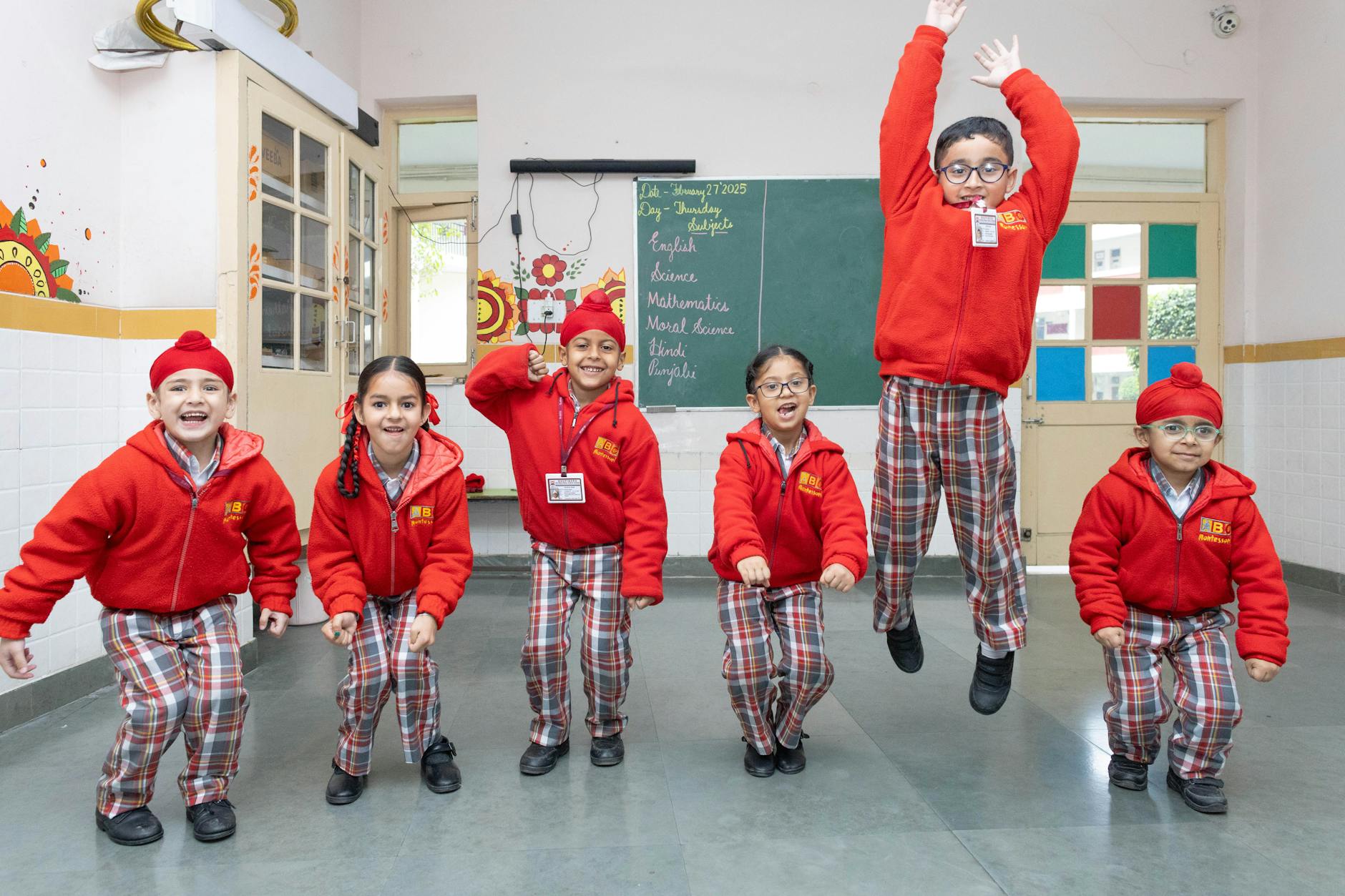
The best pe lesson plans get kids dirty and tired while teaching them to trust each other. These outdoor physical education lesson plans target SHAPE America Standard 4 (responsible behavior) and Standard 5 (valuing physical activity) through real adventure. Budget $200-500 for gear, enforce the buddy system without exceptions, and always have a weather contingency plan ready.
Orienteering Scavenger Hunts
Buy Silva Starter 1-2-3 compasses at $15 per unit and print laminated 1:1000 school maps. Place punches or QR codes at ten checkpoints around campus. You can teach locomotor skills and map reading in one block.
Linear courses: Follow the numbered sequence strictly. Best for beginners learning fundamental movement skills and basic map reading.
Score courses: Grades 9-12 choose any five of ten checkpoints to maximize points. This builds strategy and cardiovascular endurance through varied terrain.
Teach pace counting as your math component: 100 meters equals roughly 60 double steps for the average teen. Enforce the buddy system with pairs only and mandatory whistle check-ins every ten minutes. If visibility drops below 100 meters, postpone immediately. This protects against the "lost student" scenario every outdoor teacher fears.
Trail Running Progression Plans
Use an eight-week buildup to protect joints and build aerobic capacity. Weeks 1-2: run one minute, walk two minutes, times six. By week 4, run three minutes, walk one minute, times four. Week 8: a twenty-minute continuous time trial.
Choose grass or chip trails to reduce impact force by roughly sixty percent compared to concrete. Mandate the buddy system—absolutely no solo running permitted. I once had a sixth grader turn an ankle a half-mile out; because she had a partner, they signaled for help while I was teaching another group.
Track progress using Strava or printable logs for your fitness assessment data. Check the air quality index daily. If AQI exceeds 150, pivot to indoor alternatives immediately.
Outdoor Cooperative Challenge Course
Build teamwork with low elements that require kinesthetic learning and communication. These challenges allow for natural differentiated instruction as students choose physical or cognitive roles.
Whale Watch: Eight-by-eight wooden platform where the team must balance for ten seconds without touching the ground.
Spider Web: Rope web between trees where students pass through openings without touching the strands.
Require spotters for any element exceeding two feet high. Belay systems are not required for low courses, but you need current first aid and CPR certification. Budget $200-500 for portable props or $5,000-15,000 for permanent installation.
Run the "What? So What? Now What?" debrief for ten minutes after each challenge. This reflection hits SHAPE America Standard 4 and 5 by connecting physical effort to personal growth. For more on sequencing these experiences, see our guide on experiential education and outdoor learning.
How to Customize These Plans for Mixed Ability Groups?
Customize PE lesson plans for mixed ability groups by first assessing baseline fitness using FITNESSGRAM PACER data or effort scales, then tiering equipment such as using beach balls for beginners versus regulation balls for advanced students, and implementing Challenge by Choice boards where students self-select difficulty levels while participating in the same activity.
Stop separating kids into ability groups that do different activities. That approach kills motivation and violates privacy. Instead, keep everyone together working on the same fundamental movement skills and locomotor skills, but adjust the constraints so each student hits their growth zone.
Assessing Student Baseline Fitness Levels
Last year I administered the PACER test to my 5th graders. I watched one boy refuse to run after hearing classmates announce lap counts. That afternoon I deleted the public chart. Now I record cardiovascular endurance scores in a private Google Sheet with view-only access restricted to me and the school nurse. Kids know I track growth, but they never see percentile ranks.
Use fitness assessment data to sort students into three tiers for differentiated instruction. Below the 20th percentile on FITNESSGRAM lands in Tier 1. The 20th to 80th range gets Tier 2 standard activities. Above 80th receives Tier 3 extensions with added constraints. I run the full battery—PACER for cardio, push-ups and curl-ups for muscular strength, sit-and-reach for flexibility—during the first two weeks of school.
I sort students into Red, Yellow, and Green groups based on these percentiles. Red indicates developing fitness, Yellow proficient, Green advanced. I re-test every nine weeks and shift kids quietly during my prep period. For students with IEPs, I ignore the raw performance data entirely. I use a 1-5 subjective effort scale that they report privately. This protects dignity, complies with FERPA, and aligns with teaching strategies for mixed-ability classrooms while keeping everyone engaged.
Modifying Equipment and Rules
Equipment modifications remove barriers without removing the challenge. I keep a progression of tools at each station so students can work side by side on the same kinesthetic learning activities at different difficulty levels. A struggling student volleys a balloon while an advanced peer uses a regulation volleyball. Both practice striking.
Advanced (Green) | Standard (Yellow) | Modified (Red) |
Basketball | Playground ball (8.5") | Foam ball / Balloon |
Regulation bat | Tee-ball bat | Hand striking only |
Size 5 soccer ball | Size 3 youth ball | Soft foam ball |
Rule modifications keep everyone in the same cooperative games pe activity. For soccer, Tier 1 students get three steps before they must dribble while Tier 3 must dribble continuously with no carries. In Ultimate Frisbee, Tier 1 can self-pass to reset possession, but Tier 3 plays with strict pivot foot rules. The boundaries and goals stay identical.
Temporal modifications prevent stigma. I reduce work time to 30 seconds for Red tier while Green works for 60 seconds. Everyone rests together for 90 seconds. Nobody finishes early or looks different to classmates. I store equipment in color-coded bins—green, yellow, red—so students grab their tier without asking permission. All students build cardiovascular endurance simultaneously using these pe lesson plans.
Creating Tiered Challenge Options
Avoid the trap of "separate but equal" activities where struggling kids play a different game in the corner while advanced students scrimmage. That isolation breeds resentment and kills motivation. Instead, use Challenge by Choice within the same activity. Everyone belongs on the same field working together.
At each station, I lay out three colored cards. Green means modified rules, Yellow is standard play, and Red adds constraints like using only the non-dominant hand or playing with eyes closed for balance challenges. Students self-select their tier, though I reserve veto power if someone consistently picks Green to coast. I monitor effort and provide the override privately with no public announcements.
The hard rule is no peer questioning. If Marcus picks the balloon while Tasha grabs the basketball, nobody comments. We practice this culture explicitly. All tiers work toward the same learning objective—say, "demonstrate an accurate pass"—but the success criteria differ. A Green-tier student succeeds by passing the balloon three feet to a partner. Red-tier must hit a target from ten yards using their weak hand. Both demonstrate the fundamental movement skill. Both get credit toward the same standard.

What Are the Best Cooperative Games for Elementary PE?
The best cooperative games for elementary PE include three standouts. Parachute Popcorn works for K-2 teamwork using 24-foot parachutes. Human Knot variations suit grades 3-5 problem-solving in groups of 8-10. River Crossing challenges use poly spots for mixed ages. These activities accommodate 25-30 students, require no winners or losers, and build communication skills during 45-minute periods.
Stop running elimination games. Half your class sits out by minute five, and the shy kids disappear first. Cooperative games keep everyone moving for the full 45 minutes.
John Hattie's research puts cooperative learning at a 0.40 effect size—solid evidence that these strategies actually work. Zero-elimination games matter even more in elementary PE. When you remove the fear of getting out, you get full participation from kids who normally hide in the back. I learned this the hard way with a 3rd grade class last October.
We played a traditional tag game, and by the end, four kids had never been tagged once. They just stood near the wall. The next week, we switched to cooperative games pe approaches, and those same kids led the group during Parachute Popcorn. No one sits out. Everyone belongs.
You can run these three activities with standard class sizes of 25-30 students. Parachute Popcorn works best for K-2 while building fundamental movement skills. Human Knot suits grades 3-5 and develops problem-solving. River Crossing challenges fit across elementary levels with simple adjustments. Each game fits into your existing pe lesson plans without buying expensive pe resources. They require zero elimination, so you spend time teaching instead of managing hurt feelings. If you need help designing and facilitating cooperative learning activities, these three work immediately.
Before you unroll that parachute, run through this checklist.
Verify your 24-foot parachute integrity by checking for tears in the mesh and handles.
Inspect rope fringes on the edges for fraying that could snap under tension.
For Human Knot, scan for jewelry that catches—watches and bracelets cause most injuries.
Clear floor space for River Crossing by removing scooters and mats.
Check that your poly spots aren't warped or slippery before students step on them.
Parachute Popcorn Challenge
You need a 24-foot Gopher Sport parachute and 12-15 Gator Skin foam balls—eight-inch size works best. This setup handles class sizes of 28-30 students standing around the perimeter. The goal is simple: flick every ball off the canopy without letting the parachute touch the ground. I set the success metric at clearing all balls in 45 seconds. This builds cardiovascular endurance through constant movement.
The progression ladder keeps kids challenged.
Start with ten balls. Once they succeed, add balls until you reach twenty.
Try the underhand-only throwing constraint to force different movement patterns.
Require alphabetical name-calling before each flick to add cognitive load.
These modifications offer differentiated instruction for mixed ability groups and extend kinesthetic learning into cognitive territory. Watch for the common failure mode. Kids will try to lift the parachute over their heads and shake violently. This violates the safety rule. Teach them to use wrist flicks from waist height only. This protects shoulders and keeps the game fair.
Human Knot Variations
Group size matters here. Stick strictly to 8-10 students per circle. Larger groups create frustration; smaller ones finish too fast. The safety mandate is wrist-to-wrist grip only. Never allow hand-holding. Fingers get bent and nails get torn when kids panic and pull. I demonstrate the grip myself—thumb around the wrist bone, loose enough to slide but secure enough to hold.
Run three variations.
Standard allows talking and verbal coordination throughout the untangling.
Silent requires non-verbal communication only—kids must use eye contact and gestures.
Observer puts one blindfolded member in the group guided by teammates.
This last version builds empathy fast. The blindfolded student feels vulnerable, and the group learns to give precise directions. Always debrief with Rose, Thorn, Bud. Ask what worked (rose), what was hard (thorn), and what to try next (bud). Keep this to three minutes. I write the prompts on my whiteboard before class starts. This reflection turns physical activity into social-emotional learning without extra pe resources.
River Crossing Team Builder
Each team of six needs two poly spots—nine-inch diameter—and one ten-foot jump rope. The rope is a bridge; the spots are stepping stones. Create a 30-foot toxic river using gym floor tape. The constraint is strict: only the spots and rope may touch the floor. If a person touches the river, the entire group takes a 30-second freeze penalty.
This challenge develops locomotor skills and strategic thinking under pressure. Students must manage their fitness assessment of distance versus balance. The 30-foot span forces them to pass equipment forward. This requires cooperation that you can assess for fitness assessment standards in communication.
Watch for the failure mode. If groups exceed the ten-minute limit, pause the clock. Do not let them drag seated teammates across the floor. This creates a safety hazard for fingers and clothing. Instead, discuss strategy reset. Ask what they have tried and what they haven't. Then restart the timer. Most groups solve it in the second attempt once they stop rushing.
Middle School Fitness Challenges That Build Endurance
Sixth graders hit a wall around November. They stop running laps without complaint and start asking "how many more?" every forty seconds. Cardiovascular endurance matters for this age, but traditional mile runs kill motivation.
I switched to AMRAP (As Many Rounds as Possible) and Tabata protocols two years ago. Research backs both methods for improving adolescent aerobic capacity. You can run these pe lesson plans with a full equipment budget of $350-500 or strip down to $50 using bodyweight movements only.
AMRAP Circuit Training Stations
Set four stations around your gym perimeter. Students work for two minutes at each. They rotate on your whistle. Total work time hits 16 minutes.
Dumbbell squat presses at 10-15 pounds.
12-inch box step-ups.
30-second battle rope slams.
Plank shoulder taps.
Each kid carries a small whiteboard marker. They record completed rounds on a board near the exit. My 7th graders turn this into a silent competition. They barely notice their heart rates climbing because they're chasing the kid in the next station. The locomotor skills embedded in the transitions keep the intensity up.
Target heart rates should sit between 140-160 BPM. That hits 65-75% max HR for ages 11-14. If you lack monitors, teach RPE 7-8 out of 10. Students self-monitor using the talk test. If they can recite the pledge of allegiance easily, they need to move faster. Modify by dropping weight or switching to 6-inch step-ups.
This setup costs roughly $350 if you buy battle ropes, dumbbells, and plyo boxes. Swap ropes for jumping jacks and dumbbells for water jugs and you're at $50. effective instruction for physical education teachers means adjusting the load without killing the pace.
Fitness Bingo Card Activities
Create a 5x5 grid with exercises in each square. Use a standard bingo template. Include 15 burpees, 30-second wall sits, 20 mountain climbers, 10 push-ups, and one lap around the gym. Students complete any single line horizontal, vertical, or diagonal. They must get a peer signature for verification. First to complete two lines wins.
The free space equals a rest break. Build differentiated instruction directly into the card. IEP modifications include reducing rep counts by 50% or substituting jumping jacks for burpees. Students choose their path across the board based on their current capacity. No one stands in line waiting for a turn.
This format works when your budget sits at that $50 bodyweight-only mark. You need paper and pencils. The kinesthetic learning happens through self-paced movement rather than teacher-directed drills. Students track their own progress across the grid.
These cards fit perfectly into broader physical education lesson plans when you need stations but lack equipment. The peer verification adds accountability without you chasing down every finished set. It also builds social skills alongside fundamental movement skills. Use the completed cards as informal fitness assessment data to track completion times over the semester.
Tabata Interval Workouts
Run 20 seconds of work followed by 10 seconds of rest. Repeat for 8 rounds to equal 4 minutes per exercise. Select four movements. Total workout time hits 16 minutes. The protocol needs all-out effort during those 20-second windows.
Jump squats.
Push-ups.
High knees.
Sit-ups.
Do not use this protocol with students who have exercise-induced asthma without an inhaler present. The short recovery triggers attacks. Extend rest to 20 seconds for those students. Require RPE self-monitoring. safety protocols and CPR certification for PE staff become non-negotiable when running high-intensity intervals.
Students track their lowest rep count per exercise across all 8 rounds. The goal is maintaining within 2 reps of their round 1 count by round 8. If they drop 5 reps, they started too fast. This teaches pacing while building cardiovascular endurance.
Watch for students who turn gray or struggle to speak during rest periods. Those are your red flags. Stop them immediately and move them to a modified station. Better to pull one kid out than risk a medical emergency in the name of toughness.
The minimal setup requires no equipment. Use the $50 bodyweight budget. Mark start and stop times clearly visible to all students. Precision timing matters more than equipment quality for Tabata success.
High School Team Sports Units for Skill Development
Structure your pe lesson plans around a three-week arc. Week one isolates skills. Week two adds small-sided pressure. Week three runs a tournament with modified rules. This builds transferable tactics—like how Ultimate Frisbee spatial awareness translates directly to soccer positioning.
Ultimate Frisbee Strategy Module
You need Discraft Ultra-Star 175g discs and cones for a 70x40 yard field with 20-yard end zones. I learned this the hard way with 11th graders last October—when the wind hits 15mph, regulation discs sail into the parking lot. Keep sponge discs ready as backup pe resources for gusty days.
Week one isolates throwing mechanics: backhand grip with three fingers under the rim, flick releases with wrist snap. Week two adds force defense—markers use straight arms to channel handlers toward the sideline trap. Week three builds the vertical stack offense, teaching spatial awareness that transfers directly to soccer runs.
Assessment relies on the Hudl Technique app. Film students attempting three consecutive passes against live marker pressure. Success means hitting that 70% completion rate while maintaining proper fundamental movement skills form. This connects to principles of psychomotor learning through immediate video feedback. The constant cutting and sprinting builds cardiovascular endurance without students noticing they're running intervals.
Small-Sided Soccer Tournaments
Run 3v3 on 25x20 yard grids using Pugg 6-foot goals. Games last four minutes with one-minute rotations. This small-sided games format maximizes touches and keeps heart rates elevated for genuine fitness training. You eliminate the hide-and-seek behavior of full-sided games where one kid dominates the ball.
Structure the unit as a World Cup format. Teams earn points for wins, ties, and sportsmanship markers. Every squad plays six games across the three weeks.
Week 1: Unlimited touches to establish possession rhythm.
Week 2: Three-touch maximum to force quicker decisions.
Week 3: Two-touch mandatory before any shot on goal.
These limits force rapid decision-making that transfers directly to 11v11 positioning while building locomotor skills under pressure. You can run differentiated instruction by adjusting grid sizes for skill levels. Assess using rubrics that track 70% pass completion rates and proper defensive stance during the tournament matches. This beats running laps for fitness assessment because the data comes from authentic game play.
Basketball Offensive Plays Workshop
Teach the 5-out motion offense using cones to mark the elbows, wings, corners, and top key. You will see the lightbulb moments when the weak-side corner realizes why they are standing there. This spacing teaches court geometry through kinesthetic learning better than any whiteboard diagram.
Start with 5-on-0 walkthroughs. Three consecutive passes with proper basket cuts earns one point. Groups must hit 80% execution rate before advancing to 3v3 live play. Use fitness assessment data to group students by work rate, not just skill. For differentiated instruction, let advanced players run Read and React layers while developing players use a simplified pass-and-screen-away version.
The footwork—pivoting, v-cuts, backdoor steps—transfers directly to volleyball approach mechanics and soccer cuts. These fundamental movement skills stick because you drilled them under game pressure. Your assessments here measure process, not just points scored. Track the three consecutive motion offense executions as your success criteria. Film the final tournaments to document growth for student portfolios.
What No-Equipment Games Work for Indoor PE?
The best no-equipment indoor PE games include Silent Ball for focus and throwing accuracy using foam balls in tight spaces, Four Corners Fitness for cardio intervals using bodyweight exercises, and Mirror Me for coordination training. These activities require only 6x6 feet of space per student and work in classrooms or gyms during inclement weather.
Rainy days destroy your outdoor unit. You cram 32 kids into a classroom with desks shoved aside, or split them with another teacher in half a gym. Zero budget means no new equipment. You need pe lesson plans that fit in a 6x6 foot footprint per kid.
In a classroom, push desks to the perimeter. Students work in the center aisle. In the gym, use floor tape to mark 6x6 grids. Either way, you need active learning games for indoor settings that build fundamental movement skills without breaking bones or budgets.
Silent Ball Concentration Game
You need one Gator Skin 8-inch foam ball and a seated circle. Students sit cross-legged with three feet between neighbors. Zero talking once the ball enters play. Legs crossed prevents kneeling up to cheat.
Throws must be underhand and catchable—within arm's reach of the target. Drop the ball, talk, or uncatch your legs and you're out. Winner becomes referee for the next round and enforces the rules. I once ran this with 7th graders during a tornado watch in a windowless hallway. They sat in two rows facing each other, five feet apart. The silence was eerie. The focus was real.
All throws stay below shoulder height. If space is tight, use thumb ball: students touch the ball with thumbs only, passing hand-to-hand with no throwing. This eliminates wild tosses near fluorescent lights. Thumb ball works in 4x4 foot spaces and still builds hand-eye coordination.
The game builds focus under pressure. Students track the ball with eyes only. No calling for the ball. No warning throws. The Gator Skin ball is soft enough that getting hit doesn't hurt. Perfect for testing week when kids need quiet movement.
Four Corners Fitness Challenge
Place four cones in corners labeled A through D. Assign each an exercise:
A: Jumping jacks
B: Air squats
C: Burpees
D: Plank hold
You need six feet of clearance from walls. The cones don't need to be regulation. Water bottles work in a pinch.
Play music. Students locomotor around the perimeter—skipping, galloping, high knees. Stop the music. Everyone picks a corner. You roll a die or use a random number app. I use a giant foam die so they can see the result. The selected corner does 15 reps. Everyone else does 5. Four rounds total.
This hits cardiovascular endurance hard. The locomotor warm-up keeps heart rates elevated between intervals. The random selection means students can't game the system by hiding in the easiest corner. They have to be ready for any exercise.
Scale it for differentiated instruction. Advanced students do 20 reps plus 10 push-ups at the selected corner. For adaptive needs, students may choose a neighboring corner if an exercise contraindicates their IEP goals or physical limitations. No one sits out. The unpredictability mimics real game situations.
Mirror Me Coordination Activity
You stand on a milk crate or small platform at the front. Students face you, each with 6x6 feet of space and 8-foot ceiling clearance. They mirror your movements exactly. Slow tempo to 50% speed for maximum control.
Switch between locomotor skills—march, skip, grapevine—and stability challenges like tree pose, airplane, or warrior stance. Keep arms below shoulder height unless you have verified ceiling clearance. Use a metronome app to keep the tempo honest. Students will speed up if you let them. Rotate leaders every 45 seconds.
For grades 6-8, add non-dominant side challenges. Right-handed students lead with left arm forward. This builds bilateral coordination and reveals imbalances in body control that don't show up in standard fitness assessment.
This builds kinesthetic learning and body awareness. Students think they're playing Simon Says without the elimination. You assess coordination in real time. The slow tempo forces them to feel the movement. No equipment means you can run this in a classroom during a lockdown drill if you need to keep them calm. It fits any physical education lesson plans pdf as a warm-up.
Outdoor Adventure and Nature-Based Lesson Plans
The best pe lesson plans get kids dirty and tired while teaching them to trust each other. These outdoor physical education lesson plans target SHAPE America Standard 4 (responsible behavior) and Standard 5 (valuing physical activity) through real adventure. Budget $200-500 for gear, enforce the buddy system without exceptions, and always have a weather contingency plan ready.
Orienteering Scavenger Hunts
Buy Silva Starter 1-2-3 compasses at $15 per unit and print laminated 1:1000 school maps. Place punches or QR codes at ten checkpoints around campus. You can teach locomotor skills and map reading in one block.
Linear courses: Follow the numbered sequence strictly. Best for beginners learning fundamental movement skills and basic map reading.
Score courses: Grades 9-12 choose any five of ten checkpoints to maximize points. This builds strategy and cardiovascular endurance through varied terrain.
Teach pace counting as your math component: 100 meters equals roughly 60 double steps for the average teen. Enforce the buddy system with pairs only and mandatory whistle check-ins every ten minutes. If visibility drops below 100 meters, postpone immediately. This protects against the "lost student" scenario every outdoor teacher fears.
Trail Running Progression Plans
Use an eight-week buildup to protect joints and build aerobic capacity. Weeks 1-2: run one minute, walk two minutes, times six. By week 4, run three minutes, walk one minute, times four. Week 8: a twenty-minute continuous time trial.
Choose grass or chip trails to reduce impact force by roughly sixty percent compared to concrete. Mandate the buddy system—absolutely no solo running permitted. I once had a sixth grader turn an ankle a half-mile out; because she had a partner, they signaled for help while I was teaching another group.
Track progress using Strava or printable logs for your fitness assessment data. Check the air quality index daily. If AQI exceeds 150, pivot to indoor alternatives immediately.
Outdoor Cooperative Challenge Course
Build teamwork with low elements that require kinesthetic learning and communication. These challenges allow for natural differentiated instruction as students choose physical or cognitive roles.
Whale Watch: Eight-by-eight wooden platform where the team must balance for ten seconds without touching the ground.
Spider Web: Rope web between trees where students pass through openings without touching the strands.
Require spotters for any element exceeding two feet high. Belay systems are not required for low courses, but you need current first aid and CPR certification. Budget $200-500 for portable props or $5,000-15,000 for permanent installation.
Run the "What? So What? Now What?" debrief for ten minutes after each challenge. This reflection hits SHAPE America Standard 4 and 5 by connecting physical effort to personal growth. For more on sequencing these experiences, see our guide on experiential education and outdoor learning.
How to Customize These Plans for Mixed Ability Groups?
Customize PE lesson plans for mixed ability groups by first assessing baseline fitness using FITNESSGRAM PACER data or effort scales, then tiering equipment such as using beach balls for beginners versus regulation balls for advanced students, and implementing Challenge by Choice boards where students self-select difficulty levels while participating in the same activity.
Stop separating kids into ability groups that do different activities. That approach kills motivation and violates privacy. Instead, keep everyone together working on the same fundamental movement skills and locomotor skills, but adjust the constraints so each student hits their growth zone.
Assessing Student Baseline Fitness Levels
Last year I administered the PACER test to my 5th graders. I watched one boy refuse to run after hearing classmates announce lap counts. That afternoon I deleted the public chart. Now I record cardiovascular endurance scores in a private Google Sheet with view-only access restricted to me and the school nurse. Kids know I track growth, but they never see percentile ranks.
Use fitness assessment data to sort students into three tiers for differentiated instruction. Below the 20th percentile on FITNESSGRAM lands in Tier 1. The 20th to 80th range gets Tier 2 standard activities. Above 80th receives Tier 3 extensions with added constraints. I run the full battery—PACER for cardio, push-ups and curl-ups for muscular strength, sit-and-reach for flexibility—during the first two weeks of school.
I sort students into Red, Yellow, and Green groups based on these percentiles. Red indicates developing fitness, Yellow proficient, Green advanced. I re-test every nine weeks and shift kids quietly during my prep period. For students with IEPs, I ignore the raw performance data entirely. I use a 1-5 subjective effort scale that they report privately. This protects dignity, complies with FERPA, and aligns with teaching strategies for mixed-ability classrooms while keeping everyone engaged.
Modifying Equipment and Rules
Equipment modifications remove barriers without removing the challenge. I keep a progression of tools at each station so students can work side by side on the same kinesthetic learning activities at different difficulty levels. A struggling student volleys a balloon while an advanced peer uses a regulation volleyball. Both practice striking.
Advanced (Green) | Standard (Yellow) | Modified (Red) |
Basketball | Playground ball (8.5") | Foam ball / Balloon |
Regulation bat | Tee-ball bat | Hand striking only |
Size 5 soccer ball | Size 3 youth ball | Soft foam ball |
Rule modifications keep everyone in the same cooperative games pe activity. For soccer, Tier 1 students get three steps before they must dribble while Tier 3 must dribble continuously with no carries. In Ultimate Frisbee, Tier 1 can self-pass to reset possession, but Tier 3 plays with strict pivot foot rules. The boundaries and goals stay identical.
Temporal modifications prevent stigma. I reduce work time to 30 seconds for Red tier while Green works for 60 seconds. Everyone rests together for 90 seconds. Nobody finishes early or looks different to classmates. I store equipment in color-coded bins—green, yellow, red—so students grab their tier without asking permission. All students build cardiovascular endurance simultaneously using these pe lesson plans.
Creating Tiered Challenge Options
Avoid the trap of "separate but equal" activities where struggling kids play a different game in the corner while advanced students scrimmage. That isolation breeds resentment and kills motivation. Instead, use Challenge by Choice within the same activity. Everyone belongs on the same field working together.
At each station, I lay out three colored cards. Green means modified rules, Yellow is standard play, and Red adds constraints like using only the non-dominant hand or playing with eyes closed for balance challenges. Students self-select their tier, though I reserve veto power if someone consistently picks Green to coast. I monitor effort and provide the override privately with no public announcements.
The hard rule is no peer questioning. If Marcus picks the balloon while Tasha grabs the basketball, nobody comments. We practice this culture explicitly. All tiers work toward the same learning objective—say, "demonstrate an accurate pass"—but the success criteria differ. A Green-tier student succeeds by passing the balloon three feet to a partner. Red-tier must hit a target from ten yards using their weak hand. Both demonstrate the fundamental movement skill. Both get credit toward the same standard.
Still grading everything by hand?
EMStudio is a free teaching management app — manage your classes, students, lessons, and more!
Learn More
Still grading everything by hand?
EMStudio is a free teaching management app — manage your classes, students, lessons, and more!
Learn More



Notion4Teachers
Notion templates to simplify administrative tasks and enhance your teaching experience.



2026 Notion4Teachers. All Rights Reserved.
Notion4Teachers
Notion templates to simplify administrative tasks and enhance your teaching experience.
2026 Notion4Teachers. All Rights Reserved.
Notion4Teachers
Notion templates to simplify administrative tasks and enhance your teaching experience.
2026 Notion4Teachers. All Rights Reserved.