15 Morning Work Activities That Actually Engage Students
15 Morning Work Activities That Actually Engage Students

Article by
Milo
ESL Content Coordinator & Educator
ESL Content Coordinator & Educator
All Posts
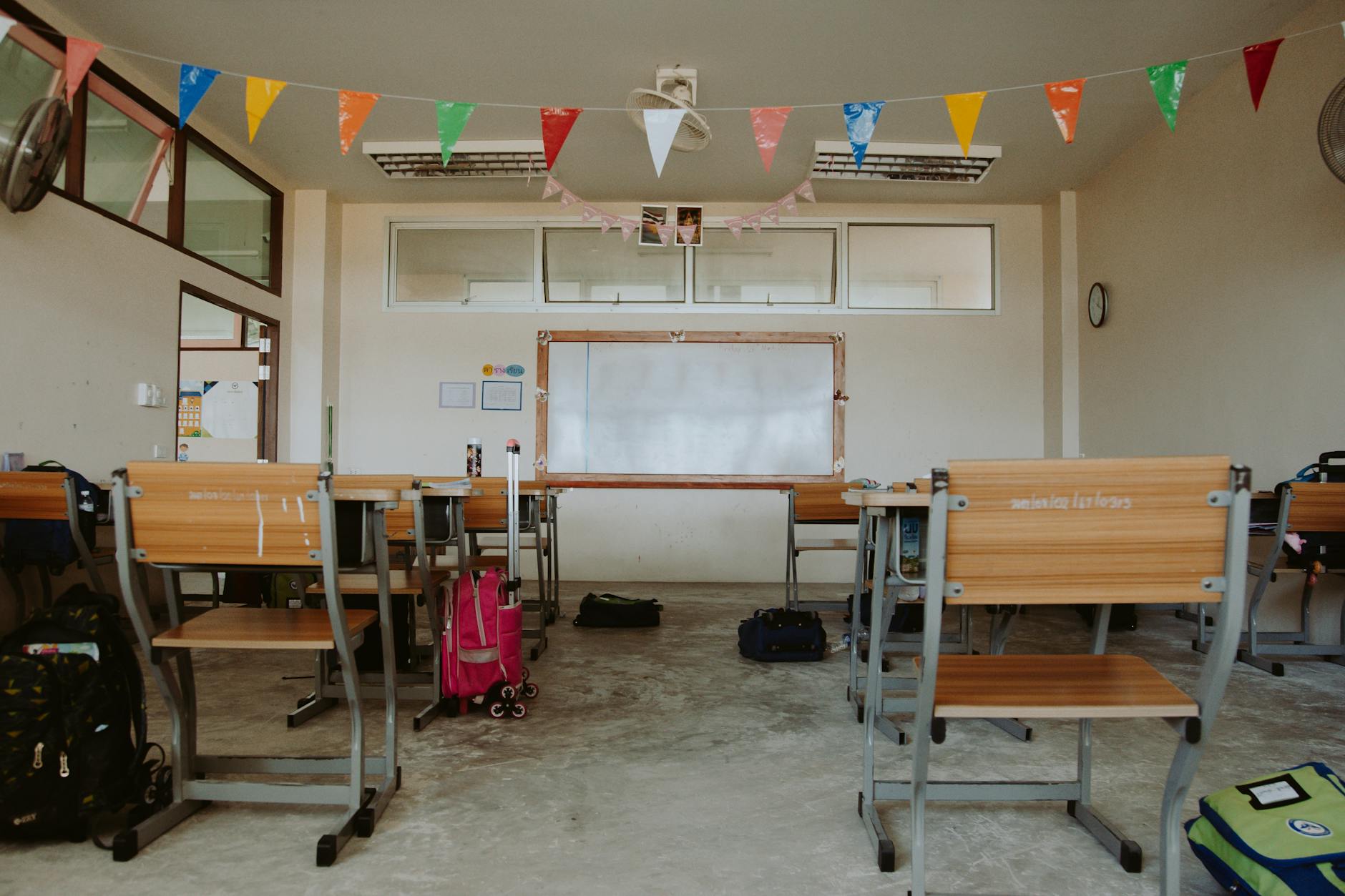
I watched a 4th grader slump into his chair at 8:05 AM last October, stare at the "bell work" worksheet on his desk, and immediately put his head down. Three other kids followed suit before I'd even finished taking attendance. The room was silent, but nobody was learning.
That's when I stopped pretending that busywork counts as morning work. Real entry tasks should wake up their brains without draining them, giving you time to handle lunch counts and parent emails while they settle in. The best soft start activities hook them immediately, build actual skills, and leave them ready for the day—not dreading the next worksheet. You need something that runs itself for those first fifteen minutes.
This isn't a list of print-and-forget packets. These are the specific fluency practice routines, spiral review games, and fine motor development stations that have worked in my classroom and others. Fifteen options that respect your prep time and their attention spans. Some take two minutes to set up. Others use materials you already have. All of them beat the head-on-desk routine.
Still grading everything by hand?
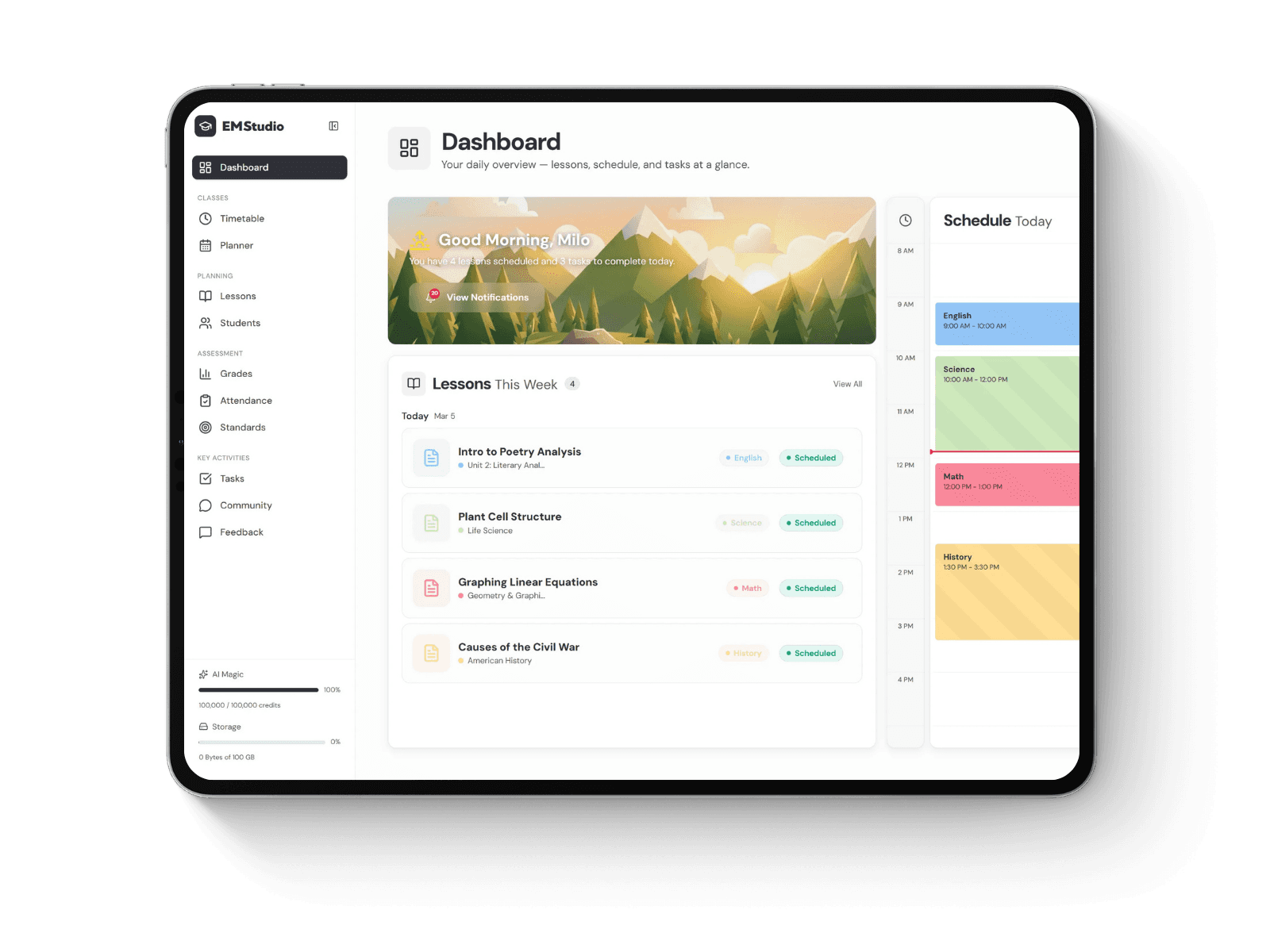
EMStudio is a free teaching management app — manage your classes, students, lessons, and more!
Learn More
Still grading everything by hand?
EMStudio is a free teaching management app — manage your classes, students, lessons, and more!
Learn More
Table of Contents
What Are the Best Low-Prep Morning Work Options?
The best low-prep morning work options include silent reading with choice boards (5-minute weekly setup), mindful coloring with hidden academic challenges (print-and-go), and daily spiral review journals (pre-made templates). These require minimal copying, use existing classroom materials, and engage students immediately upon arrival without demanding daily teacher preparation.
You need entry tasks that run themselves. The best ones feel like a soft start but actually build skills. You shouldn't be scrambling to make copies while students are walking in the door.
Option | Prep Time | Materials Cost | Grade Fit |
|---|---|---|---|
Silent Reading | 5 minutes weekly | Free | 2-5 |
Mindful Coloring | 2 minutes daily | $3-5 per student | K-2 |
Spiral Review | 10 minutes weekly | $2 per student | 1-5 |
Select activities requiring zero daily teacher assessment. I learned this after spending thirty minutes each morning grading bell work that students could check themselves. Use self-checking answer keys or completion-based tracking to prevent the daily grading burden that causes burnout. Your mornings belong to you, not to red pens.
Predictable entry tasks reduce transition time by up to 50%, maximizing instructional minutes and reducing off-task behavior during morning arrival. Students know exactly what to do when they hit the door. No questions. No chaos.
Avoid the Daily Worksheet Trap. Photocopying new pages every morning increases prep time by 300%. Use dry-erase sleeves or dedicated composition notebooks for year-long reuse. I switched to composition notebooks three years ago and never looked back.
Silent Reading with Choice Boards and Graphic Organizers
Organize your classroom library by Fountas & Pinnell or Lexile levels. Create 9-square choice boards featuring three genres per row: Realistic Fiction, Mystery, Biography, Graphic Novels, Science Fiction, and Poetry. Students select their own texts and mark choices with a dry-erase marker on a laminated board kept in their book bins.
Provide two graphic organizer options. Use a Story Elements Map for character, setting, problem, and solution. Or use Text-to-Self Connection with three prompts: What happened? How did I feel? Why? Keep these organizers in an accessible bin near the library so students grab them independently.
Set concrete parameters:
Read independently for 15-20 minutes
Keep maximum 3 books at student desks
Check for Just Right Books using the five-finger rule
This builds fluency practice without your direct oversight and works for 2nd through 5th graders. Last year, my 3rd graders stopped wandering aimlessly once these boards were in place.
Mindful Coloring Pages with Hidden Academic Challenges Editable Color by Sight Word or Color by Number templates from Teachers Pay Teachers for $3-5 offer ready-made activities, but you can also use a coloring page generator to create customized activities that match your students' current learning objectives.
Select Editable Color by Sight Word or Color by Number templates from Teachers Pay Teachers for $3-5. Hide academic content in coloring sections. Students solve 3+4, then color that section blue. This works as entry tasks for kindergarten through second grade who need visual-motor integration practice.
Focus on fine motor development. Use crayons rather than markers for resistance training. The wax creates drag that strengthens hand muscles. Limit sessions to 10-12 minutes to prevent fatigue and restlessness. I set a visual timer and play soft instrumental music during this window.
Research indicates that structured coloring reduces cortisol levels and improves focus for subsequent academic tasks. This creates a true soft start while secretly reviewing math facts or sight words. Connect this approach to effective learning stations that work by using similar self-directed formats.
Daily Spiral Review Journals for Math and Literacy
Implement Evan-Moor Daily Math Practice or similar spiral review curriculum. Assign 4 problems reviewing standards from exactly 3 weeks prior. This ensures retention without reteaching current material. The spacing effect helps cement learning better than massed practice.
Students complete work in dedicated morning work composition notebooks costing $2 each. These last all year. Check notebooks only on Fridays using a completion rubric and skip accuracy grading. A quick checkmark system works fine.
Track measurable outcomes:
Maintain 80% mastery on previously taught standards
Measure with monthly cumulative assessments
Protect instructional time later in the day
This serves grades 1 through 5 effectively. The predictability makes it perfect for mixed-grade classrooms or special education settings.
Literacy-Focused Morning Work That Builds Fluency
Focus on K-3 where fluency builds fast. Below-level readers need picture supports at Fountas & Pinnell A-C. Above-level at N+ need extension questions.
Run a predictable weekly rotation: Monday sorts, Tuesday prompts, Wednesday tickets, Thursday free choice, Friday conferences. This soft start prevents monotony while maintaining consistency.
John Hattie's research shows feedback has an effect size of 0.70. Build immediate feedback into at least one station through peer checking or your conferencing during the morning block.
Phonics Pattern Sorts and Word Family Hunts
Pull from Words Their Way word sorts or free printable word family houses. Prep 10 words per phonics pattern in individual baggies or pocket chart strips.
Students sort into three categories: "Matches Pattern" (like -at words), "Does Not Match," and "Create New Word" using letter tiles. The hands-on piece keeps them engaged while building fine motor development.
Grade range hits Kindergarten through 2nd grade. It also works as intervention for 3rd-4th graders reading below grade level on DIBELS or Acadience assessments.
I keep a set of these phonics books for elementary grades nearby for quick reference when kids get stuck on a pattern. For your below-level readers, add picture supports to the word cards. Your N+ readers can sort and then write sentences using the pattern words in a short paragraph.
Visual Writing Prompts with Sentence Starters
Project National Geographic Kids "Image of the Day" or similar high-interest photographs. Provide sentence starters: "I observe...", "I wonder...", "This reminds me of..."
Set length targets by grade. First graders write 3 complete sentences. Second graders write 5 sentences. Third graders write one paragraph with a topic sentence and details.
Run it like this:
10 minutes silent writing.
2 minutes shoulder partner sharing using "Turn and Talk" protocol.
3 volunteers share with the class during morning meeting.
These tools to support creative writers help kids who get stuck staring at the image. For your advanced readers at level N+, ask them to write from a different perspective. This entry task builds fluency practice through daily low-stakes writing.
Independent Reading Response Tickets
Create exit-ticket style slips with four question types:
Literal: Recall specific details.
Inferential: Read between the lines.
Critical: Evaluate character choices.
Creative: Write an alternative ending.
Students complete one ticket daily after independent reading and staple into a Reading Passport booklet. Track completion rate goal of 90% by month-end.
You check weekly, not daily. Provide feedback on one specific ticket per student to maintain sustainability. This hits Hattie's feedback target without drowning you in grading.
For morning work, this station runs itself while you conference with Friday's group. Kids reading at Fountas & Pinnell A-C get picture-supported tickets with sentence frames. Your N+ readers get the open-ended questions on the back of the same slip.
The immediate feedback comes from peer checking on Wednesday before they staple the ticket in. Partners trade papers and check using an answer key you post. It takes two minutes and keeps the spiral review honest.

Quick Math Warm-Ups That Preview Daily Standards
Math morning work works best with the 60/40 Rule: sixty percent spiral review to maintain skills, forty percent preview of today's objective. Grades K-2 need concrete tools. Grades 3-5 need abstract thinking. Balance both approaches:
Mental Math Strategies: Doubles, making ten, compensation, counting on. Paper-free and fast for upper grades.
Concrete Manipulatives: Base ten blocks and pattern blocks. Hands-on exploration for primary students.
Number of the Day Explorations and Place Value Practice
Print an 8.5x11 template divided into six sections: Standard Form, Expanded Form, Word Form, Base Ten Blocks Sketch, 10 More/10 Less, and Number Line Position. I use the school day count as our daily number—Day 47 means we work with 47. This creates automatic differentiation.
Kindergarten stays within 1-100. First grade stretches to 500. Second grade hits 1,000, and third grade climbs to 10,000. Laminate the templates for dry-erase markers or print monthly packets. Students finish in 10-12 minutes and record work in math journals.
The routine builds number sense without reinventing the wheel daily. Store templates in math bins for easy access.
Mental Math Challenge Cards and Number Talks
Create rings of twenty challenge cards coded by difficulty. Green covers single-digit operations. Yellow handles double-digit without regrouping. Red tackles double-digit with regrouping or early multiplication. Kids pick their level and solve mentally.
They use strategies from our anchor charts—doubles, making ten, compensation—then check answers with partners using keys in labeled envelopes. This takes five to seven minutes. Research shows regular mental math practice improves computational fluency. See the benefits of daily practice and review.
The peer check catches errors immediately and sparks math conversations. No worksheets to collect.
Pattern Block Puzzles and Geometry Quick Draws
Stock ETA hand2mind or Lakeshore pattern blocks. Give students silhouette cards where they must fill the shape using exactly six blocks. The constraint forces problem solving and builds fine motor development. Keep blocks in shallow trays for easy access.
For a faster option, try Geometry Quick Draw. Call out attributes—"Draw a shape with four vertices and two sets of parallel lines"—and students sketch on whiteboards. Kindergarten and first grade focus on geometry standards. Second grade uses the same blocks to identify halves, thirds, and fourths.
Seeing three triangles cover half the hexagon makes fractions tangible instead of abstract.
Sensory and Fine Motor Stations for Primary Grades
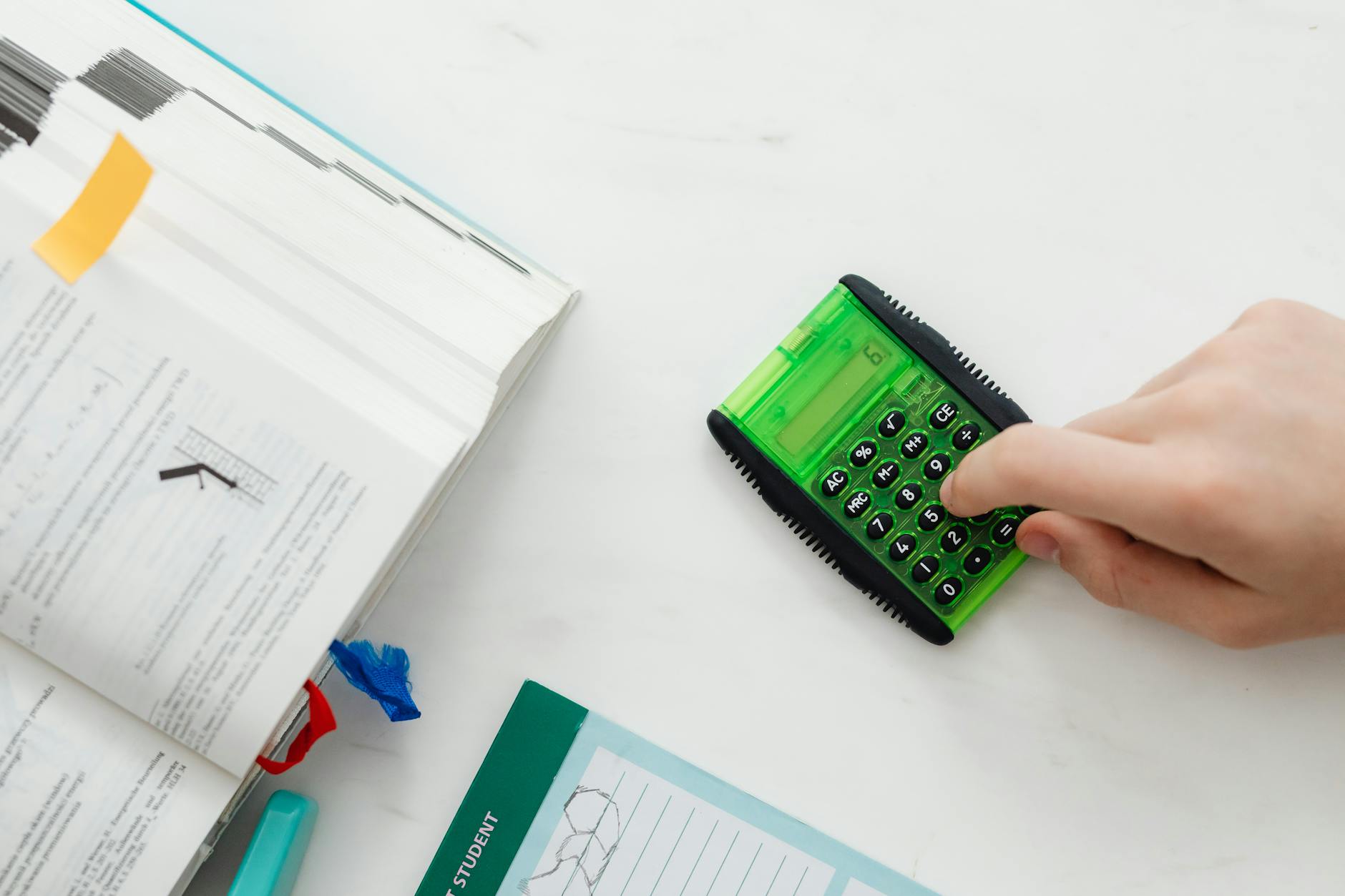
Kindergarteners lose focus fast during morning work. You have fifteen minutes, maybe twenty, before the wiggles take over. That is why these sensory stations run on kitchen timers, not teacher intuition. Four students maximum. Five minutes per rotation. When the bell dings, they switch. No exceptions.
Safety comes first. Kids under six explore with their mouths. Use jumbo tweezers and beads wider than one inch to block choking hazards. Keep gluten-free playdough on hand for students with celiac disease. One batch of wheat-based dough can ruin a morning for a child with allergies.
Occupational therapists have tracked this for decades. Children who develop strong fine motor skills early write longer and think clearer later. These stations build the tripod grip now so pencils do not exhaust them in third grade. The correlation is direct.
Playdough Letter Formation and Sight Word Stamping
Roll it into snakes. That is how my first graders form letters using Fundations or Wilson stroke order. Sky line, plane line, grass line, worm line. They verbalize each stroke while building the letter in three dimensions. The tactile feedback cements the shape better than any flat worksheet.
Next, they flatten the dough and use magnetic alphabet stamps to spell this week’s five Dolch sight words. The routine is simple. Read the word card aloud. Stamp the letters firmly. Write the word on a dry-erase strip. This hits sight word recognition, fine motor development, and spelling in one five-minute rotation.
Cost matters when you have twenty-four students. Homemade playdough costs fifty cents per batch. Flour, salt, oil, cream of tartar. It lasts two months if you store it in airtight containers. Commercial playdough runs two dollars per student but survives the whole year. I make my own. The savings buy extra laminating film for other tactile learning strategies for K-12.
Fine Motor Skill Building with Tweezers and Beads
Learning Resources Jumbo Tweezers force the tripod grip naturally. Students sort colored pom-poms into ice cube trays by pattern. AB, ABB, rainbow order. The resistance is just right for small hands still building muscle memory. Ice cube trays work better than open bowls because the compartments define the task.
September: Jumbo tweezers for easy squeezing and confidence.
November: Clothespins for medium resistance and finger strength.
February: Standard pencil grip demonstrations and enforcement.
I watch their hands during writing workshop. The kids who spent September squeezing tweezers hold pencils correctly without reminders. They also count the pom-poms and record totals on clipboards. One-to-one correspondence practice disguised as morning work. The clipboard itself builds wrist strength when positioned vertically against a cabinet. See our sensory-friendly classroom setup guide for station placement tips.
Sensory Bin Literacy and Math Hunts
Fill a plastic bin with ten pounds of rice, dried beans, or kinetic sand. Hide magnetic letters, sight word cards, or math fact cards inside. Students use scoops or paintbrushes to excavate the items. They check off findings on laminated lists with dry-erase markers. Brushes work better than fingers for kids with tactile sensitivity.
September: Plastic apples and acorns for fall sorting.
January: Cotton snow and blue glass ice for winter.
April: Blue gems for rain and dirt-brown beans for earth.
Management is non-negotiable. Four students max at the bin. Visual sand timers only. When the red sand empties, they rotate immediately. This targets sensory regulation and academic fluency practice simultaneously during the soft start. Connect these bins to your broader tactile learning strategies for K-12 rotation.

Which Morning Work Activities Set Up Successful Morning Meetings?
Activities that bridge morning work to morning meetings include feelings check-ins using the Mood Meter, partner discussions sparked by a daily question, and prediction games that tease the day's lessons. These create natural conversation starters while keeping academic momentum alive from the first bell.
Unlike silent spiral review worksheets that focus on fine motor development and get shoved in desks, these entry tasks generate the actual content for your circle time. You stop managing chaos and start listening to kids teach each other.
Your morning work should feed your morning meeting. When 1st graders debate whether a hot dog is a sandwich during entry tasks, they arrive at the carpet ready to talk. Display the Mood Meter or Zones of Regulation charts for feelings check-ins, and use SEL lessons that build emotional intelligence that start during morning work and continue into circle time. Differentiation happens naturally when you provide sentence stems for some and open prompts for others.
Feelings Check-In Journals and Emotion Charts
Post the Mood Meter or Zones of Regulation chart at eye level. The Mood Meter uses four color quadrants—yellow for high-energy positive, blue for low-energy negative—while Zones uses Blue, Green, Yellow, and Red to label alertness levels.
Students mark their zone during your soft start. During morning meeting, two kids complete the frame: "When I feel [emotion], my body feels [sensation] and I can [strategy]." You'll hear "When I'm in the Red Zone my hands squeeze and I can take three dinosaur breaths."
This works for PreK through 2nd grade because it connects abstract feelings to concrete colors. By November, students suggest strategies for classmates: "You look Blue Zone—try the calm-down corner."
Collaborative Question of the Day for Circle Time
Write your Question of the Day on the board before students arrive. Try "Would you rather have a pet dinosaur or dragon?" or "What causes thunder?" before a weather lesson.
During morning work, students discuss with their shoulder partner using September norms:
Look at the speaker while they talk.
Take turns—partner A speaks first.
Agree or disagree respectfully.
This builds oral language fluency practice during what used to be silent bell work. During morning meeting activities for kindergarten, chart responses with tally marks while kids defend choices.
Provide sentence stems for ELL students: "I think ____ because ____." Advanced speakers get: "Convince the class to switch sides."
Prediction and Preview Games for Upcoming Lessons
Cover a mystery object with a bandana on your front table. It might be a pinecone for habitats or a book for read-aloud. During morning work, students write three predictions about what hides underneath and why they think so.
This turns entry tasks into inquiry. In morning meeting, dramatically reveal the object and sort predictions into "close" and "not close" piles. Connect it to the scientific method—"You formed a hypothesis"—or reading strategies.
Adapt across K-5. Kindergarteners draw guesses with beginning sounds. Fifth graders write detailed hypotheses using unit vocabulary. Everyone arrives at the carpet curious.
How Do You Rotate Morning Work Without Burning Out?
Rotate morning work by mapping weekly themes to specific skill gaps using a 4-week cycle (phonics, math, writing, choice), creating self-checking systems like answer keys in envelopes or digital QR codes to eliminate daily grading, and building seasonal refresh points every 9 weeks (August, November, January, April). This prevents teacher burnout while maintaining student engagement through predictable variety.
Stop changing activities daily. That approach increases your prep time by 300% and destroys the independence bell work should build. Run each activity type for at least two weeks minimum.
Mapping Weekly Themes to Specific Skill Gaps
Week 1 hits phonics and word work. Week 2 drills math fluency. Week 3 opens journals for writing practice. Week 4 gives student choice. This 4-week cycle creates predictable variety without daily prep.
Analyze your DIBELS or Fountas & Pinnell data first. If 60% of your class struggles with short vowels, dedicate Week 1 to intensive phonics review. Build a simple planning matrix: standards down the left, weeks across the top.
If engagement sits above 80%, continue current activities.
If engagement hits 50-80%, modify difficulty level.
If engagement drops below 50%, change modality from paper to hands-on or solo to partner.
If mastery falls below 70% on weekly assessments, extend that rotation another week.
Creating Self-Checking Systems for Student Independence
Place answer keys inside labeled manila envelopes at each station. Students check their own work immediately. Implement the "Check with a Buddy Before Teacher" protocol to stop the line at your desk.
Record short video explanations or link to Khan Academy and BrainPOP, then turn them into QR codes students scan with tablets. These time-saving classroom hacks cut your grading time from 30 minutes to 5 minutes.
Simply spot-check five random papers daily for accountability. The goal is zero questions directed at you during morning work time. Self-checking builds the independence that makes soft start sustainable.
Building Seasonal Refresh Points into Your Planning Calendar
Schedule major morning work refreshes for the weeks following winter break, spring break, and at the beginning of each quarter. Use those vacation days to prep new materials.
Conduct student engagement surveys quarterly using a simple thumbs up, sideways, or down system. If engagement drops below 70% positive responses, introduce one new activity modality.
Set a hard sustainability benchmark: your prep time stays under 10 minutes daily. If you exceed that threshold, simplify materials or extend your rotation length. Teachers using these systematic rotation systems report significantly lower burnout rates than colleagues creating new daily work from scratch.

Creating a Morning Routine That Lasts All Year
August is not for content. Spend the first three weeks teaching the morning work procedure itself. Practice the entry routine five times with laser-specific feedback—"You hung your backpack but forgot the silent reading step"—using John Hattie's direct instruction principles. That 0.59 effect size only kicks in when students see the gap between what they did and what they should have done.
Students need to know where bell work materials live, how to submit them, and what "done" looks like. Don't assume. Show them. Then have a student demonstrate while the class watches. Then have everyone try. Repetition beats explanation.
By January, everything looks tired. Expo markers dry out. Soft start books lose covers. Run a reset protocol: replace worn materials, add three fresh titles to choice libraries, and sharpen every pencil. Then reteach expectations using the "Do It Again" strategy. When the volume hits level four, stop the room. Have them re-enter and restart the entry tasks until they meet the standard. They can do it. They just forgot what right looks like.
Track what actually matters. Your prep time must stay under ten minutes daily. Student on-task behavior needs to hit eighty-five percent, measured by three random momentary time samples during the first ten minutes. And zero papers go home for grading. If you're assessing fluency practice or spiral review sheets during lunch, the system is broken. This is planning habits of highly effective educators in action.
Prep time under 10 minutes.
On-task behavior above 85%.
Zero papers taken home.
Gradual release prevents September chaos. Start rigid, then loosen the reins slowly.
September means teacher-assigned seats and specific tasks—maybe fine motor development tracing for primary or math facts for upper grades. October introduces limited choice: pick between two morning meeting activities for kindergarten partners or independent reading. By November through June, students manage full choice boards with self-selected learning targets. You circulate and confer, checking soft start journals or listening to reading fluency.
This mirrors classroom procedures that eliminate daily chaos. Build the skeleton first. Then let it breathe.
The best routines run without you. Build that independence from day one, and you'll still have energy for actual teaching in May.
Quick-Start Guide for Morning Work
Stop fighting the morning chaos. The best morning work isn't busywork disguised as learning—it's the soft start that lets kids settle while you take attendance. Whether you choose spiral review math sheets, literacy centers, or sensory bins, the goal stays the same: students arrive knowing exactly what to do without you repeating instructions fifteen times.
I learned this the hard way last October when my third graders walked in buzzing about a playground conflict. I pointed to the entry tasks on the board. They grabbed their journals. By the time I finished the lunch count, the room had shifted from crisis mode to calm. That’s the power of a routine that runs itself. Your bell work should buy you breathing room, not create more grading.
Pick one low-prep option from the list above. Test it tomorrow.
Set a rotation schedule so you're not scrambling for fresh ideas every Sunday night.
Watch which activities actually calm your room versus those that hype kids up. Keep the winners.
Build in one buffer day per week for catch-up or morning meetings.
What Are the Best Low-Prep Morning Work Options?
The best low-prep morning work options include silent reading with choice boards (5-minute weekly setup), mindful coloring with hidden academic challenges (print-and-go), and daily spiral review journals (pre-made templates). These require minimal copying, use existing classroom materials, and engage students immediately upon arrival without demanding daily teacher preparation.
You need entry tasks that run themselves. The best ones feel like a soft start but actually build skills. You shouldn't be scrambling to make copies while students are walking in the door.
Option | Prep Time | Materials Cost | Grade Fit |
|---|---|---|---|
Silent Reading | 5 minutes weekly | Free | 2-5 |
Mindful Coloring | 2 minutes daily | $3-5 per student | K-2 |
Spiral Review | 10 minutes weekly | $2 per student | 1-5 |
Select activities requiring zero daily teacher assessment. I learned this after spending thirty minutes each morning grading bell work that students could check themselves. Use self-checking answer keys or completion-based tracking to prevent the daily grading burden that causes burnout. Your mornings belong to you, not to red pens.
Predictable entry tasks reduce transition time by up to 50%, maximizing instructional minutes and reducing off-task behavior during morning arrival. Students know exactly what to do when they hit the door. No questions. No chaos.
Avoid the Daily Worksheet Trap. Photocopying new pages every morning increases prep time by 300%. Use dry-erase sleeves or dedicated composition notebooks for year-long reuse. I switched to composition notebooks three years ago and never looked back.
Silent Reading with Choice Boards and Graphic Organizers
Organize your classroom library by Fountas & Pinnell or Lexile levels. Create 9-square choice boards featuring three genres per row: Realistic Fiction, Mystery, Biography, Graphic Novels, Science Fiction, and Poetry. Students select their own texts and mark choices with a dry-erase marker on a laminated board kept in their book bins.
Provide two graphic organizer options. Use a Story Elements Map for character, setting, problem, and solution. Or use Text-to-Self Connection with three prompts: What happened? How did I feel? Why? Keep these organizers in an accessible bin near the library so students grab them independently.
Set concrete parameters:
Read independently for 15-20 minutes
Keep maximum 3 books at student desks
Check for Just Right Books using the five-finger rule
This builds fluency practice without your direct oversight and works for 2nd through 5th graders. Last year, my 3rd graders stopped wandering aimlessly once these boards were in place.
Mindful Coloring Pages with Hidden Academic Challenges Editable Color by Sight Word or Color by Number templates from Teachers Pay Teachers for $3-5 offer ready-made activities, but you can also use a coloring page generator to create customized activities that match your students' current learning objectives.
Select Editable Color by Sight Word or Color by Number templates from Teachers Pay Teachers for $3-5. Hide academic content in coloring sections. Students solve 3+4, then color that section blue. This works as entry tasks for kindergarten through second grade who need visual-motor integration practice.
Focus on fine motor development. Use crayons rather than markers for resistance training. The wax creates drag that strengthens hand muscles. Limit sessions to 10-12 minutes to prevent fatigue and restlessness. I set a visual timer and play soft instrumental music during this window.
Research indicates that structured coloring reduces cortisol levels and improves focus for subsequent academic tasks. This creates a true soft start while secretly reviewing math facts or sight words. Connect this approach to effective learning stations that work by using similar self-directed formats.
Daily Spiral Review Journals for Math and Literacy
Implement Evan-Moor Daily Math Practice or similar spiral review curriculum. Assign 4 problems reviewing standards from exactly 3 weeks prior. This ensures retention without reteaching current material. The spacing effect helps cement learning better than massed practice.
Students complete work in dedicated morning work composition notebooks costing $2 each. These last all year. Check notebooks only on Fridays using a completion rubric and skip accuracy grading. A quick checkmark system works fine.
Track measurable outcomes:
Maintain 80% mastery on previously taught standards
Measure with monthly cumulative assessments
Protect instructional time later in the day
This serves grades 1 through 5 effectively. The predictability makes it perfect for mixed-grade classrooms or special education settings.
Literacy-Focused Morning Work That Builds Fluency
Focus on K-3 where fluency builds fast. Below-level readers need picture supports at Fountas & Pinnell A-C. Above-level at N+ need extension questions.
Run a predictable weekly rotation: Monday sorts, Tuesday prompts, Wednesday tickets, Thursday free choice, Friday conferences. This soft start prevents monotony while maintaining consistency.
John Hattie's research shows feedback has an effect size of 0.70. Build immediate feedback into at least one station through peer checking or your conferencing during the morning block.
Phonics Pattern Sorts and Word Family Hunts
Pull from Words Their Way word sorts or free printable word family houses. Prep 10 words per phonics pattern in individual baggies or pocket chart strips.
Students sort into three categories: "Matches Pattern" (like -at words), "Does Not Match," and "Create New Word" using letter tiles. The hands-on piece keeps them engaged while building fine motor development.
Grade range hits Kindergarten through 2nd grade. It also works as intervention for 3rd-4th graders reading below grade level on DIBELS or Acadience assessments.
I keep a set of these phonics books for elementary grades nearby for quick reference when kids get stuck on a pattern. For your below-level readers, add picture supports to the word cards. Your N+ readers can sort and then write sentences using the pattern words in a short paragraph.
Visual Writing Prompts with Sentence Starters
Project National Geographic Kids "Image of the Day" or similar high-interest photographs. Provide sentence starters: "I observe...", "I wonder...", "This reminds me of..."
Set length targets by grade. First graders write 3 complete sentences. Second graders write 5 sentences. Third graders write one paragraph with a topic sentence and details.
Run it like this:
10 minutes silent writing.
2 minutes shoulder partner sharing using "Turn and Talk" protocol.
3 volunteers share with the class during morning meeting.
These tools to support creative writers help kids who get stuck staring at the image. For your advanced readers at level N+, ask them to write from a different perspective. This entry task builds fluency practice through daily low-stakes writing.
Independent Reading Response Tickets
Create exit-ticket style slips with four question types:
Literal: Recall specific details.
Inferential: Read between the lines.
Critical: Evaluate character choices.
Creative: Write an alternative ending.
Students complete one ticket daily after independent reading and staple into a Reading Passport booklet. Track completion rate goal of 90% by month-end.
You check weekly, not daily. Provide feedback on one specific ticket per student to maintain sustainability. This hits Hattie's feedback target without drowning you in grading.
For morning work, this station runs itself while you conference with Friday's group. Kids reading at Fountas & Pinnell A-C get picture-supported tickets with sentence frames. Your N+ readers get the open-ended questions on the back of the same slip.
The immediate feedback comes from peer checking on Wednesday before they staple the ticket in. Partners trade papers and check using an answer key you post. It takes two minutes and keeps the spiral review honest.
Quick Math Warm-Ups That Preview Daily Standards
Math morning work works best with the 60/40 Rule: sixty percent spiral review to maintain skills, forty percent preview of today's objective. Grades K-2 need concrete tools. Grades 3-5 need abstract thinking. Balance both approaches:
Mental Math Strategies: Doubles, making ten, compensation, counting on. Paper-free and fast for upper grades.
Concrete Manipulatives: Base ten blocks and pattern blocks. Hands-on exploration for primary students.
Number of the Day Explorations and Place Value Practice
Print an 8.5x11 template divided into six sections: Standard Form, Expanded Form, Word Form, Base Ten Blocks Sketch, 10 More/10 Less, and Number Line Position. I use the school day count as our daily number—Day 47 means we work with 47. This creates automatic differentiation.
Kindergarten stays within 1-100. First grade stretches to 500. Second grade hits 1,000, and third grade climbs to 10,000. Laminate the templates for dry-erase markers or print monthly packets. Students finish in 10-12 minutes and record work in math journals.
The routine builds number sense without reinventing the wheel daily. Store templates in math bins for easy access.
Mental Math Challenge Cards and Number Talks
Create rings of twenty challenge cards coded by difficulty. Green covers single-digit operations. Yellow handles double-digit without regrouping. Red tackles double-digit with regrouping or early multiplication. Kids pick their level and solve mentally.
They use strategies from our anchor charts—doubles, making ten, compensation—then check answers with partners using keys in labeled envelopes. This takes five to seven minutes. Research shows regular mental math practice improves computational fluency. See the benefits of daily practice and review.
The peer check catches errors immediately and sparks math conversations. No worksheets to collect.
Pattern Block Puzzles and Geometry Quick Draws
Stock ETA hand2mind or Lakeshore pattern blocks. Give students silhouette cards where they must fill the shape using exactly six blocks. The constraint forces problem solving and builds fine motor development. Keep blocks in shallow trays for easy access.
For a faster option, try Geometry Quick Draw. Call out attributes—"Draw a shape with four vertices and two sets of parallel lines"—and students sketch on whiteboards. Kindergarten and first grade focus on geometry standards. Second grade uses the same blocks to identify halves, thirds, and fourths.
Seeing three triangles cover half the hexagon makes fractions tangible instead of abstract.
Sensory and Fine Motor Stations for Primary Grades
Kindergarteners lose focus fast during morning work. You have fifteen minutes, maybe twenty, before the wiggles take over. That is why these sensory stations run on kitchen timers, not teacher intuition. Four students maximum. Five minutes per rotation. When the bell dings, they switch. No exceptions.
Safety comes first. Kids under six explore with their mouths. Use jumbo tweezers and beads wider than one inch to block choking hazards. Keep gluten-free playdough on hand for students with celiac disease. One batch of wheat-based dough can ruin a morning for a child with allergies.
Occupational therapists have tracked this for decades. Children who develop strong fine motor skills early write longer and think clearer later. These stations build the tripod grip now so pencils do not exhaust them in third grade. The correlation is direct.
Playdough Letter Formation and Sight Word Stamping
Roll it into snakes. That is how my first graders form letters using Fundations or Wilson stroke order. Sky line, plane line, grass line, worm line. They verbalize each stroke while building the letter in three dimensions. The tactile feedback cements the shape better than any flat worksheet.
Next, they flatten the dough and use magnetic alphabet stamps to spell this week’s five Dolch sight words. The routine is simple. Read the word card aloud. Stamp the letters firmly. Write the word on a dry-erase strip. This hits sight word recognition, fine motor development, and spelling in one five-minute rotation.
Cost matters when you have twenty-four students. Homemade playdough costs fifty cents per batch. Flour, salt, oil, cream of tartar. It lasts two months if you store it in airtight containers. Commercial playdough runs two dollars per student but survives the whole year. I make my own. The savings buy extra laminating film for other tactile learning strategies for K-12.
Fine Motor Skill Building with Tweezers and Beads
Learning Resources Jumbo Tweezers force the tripod grip naturally. Students sort colored pom-poms into ice cube trays by pattern. AB, ABB, rainbow order. The resistance is just right for small hands still building muscle memory. Ice cube trays work better than open bowls because the compartments define the task.
September: Jumbo tweezers for easy squeezing and confidence.
November: Clothespins for medium resistance and finger strength.
February: Standard pencil grip demonstrations and enforcement.
I watch their hands during writing workshop. The kids who spent September squeezing tweezers hold pencils correctly without reminders. They also count the pom-poms and record totals on clipboards. One-to-one correspondence practice disguised as morning work. The clipboard itself builds wrist strength when positioned vertically against a cabinet. See our sensory-friendly classroom setup guide for station placement tips.
Sensory Bin Literacy and Math Hunts
Fill a plastic bin with ten pounds of rice, dried beans, or kinetic sand. Hide magnetic letters, sight word cards, or math fact cards inside. Students use scoops or paintbrushes to excavate the items. They check off findings on laminated lists with dry-erase markers. Brushes work better than fingers for kids with tactile sensitivity.
September: Plastic apples and acorns for fall sorting.
January: Cotton snow and blue glass ice for winter.
April: Blue gems for rain and dirt-brown beans for earth.
Management is non-negotiable. Four students max at the bin. Visual sand timers only. When the red sand empties, they rotate immediately. This targets sensory regulation and academic fluency practice simultaneously during the soft start. Connect these bins to your broader tactile learning strategies for K-12 rotation.
Which Morning Work Activities Set Up Successful Morning Meetings?
Activities that bridge morning work to morning meetings include feelings check-ins using the Mood Meter, partner discussions sparked by a daily question, and prediction games that tease the day's lessons. These create natural conversation starters while keeping academic momentum alive from the first bell.
Unlike silent spiral review worksheets that focus on fine motor development and get shoved in desks, these entry tasks generate the actual content for your circle time. You stop managing chaos and start listening to kids teach each other.
Your morning work should feed your morning meeting. When 1st graders debate whether a hot dog is a sandwich during entry tasks, they arrive at the carpet ready to talk. Display the Mood Meter or Zones of Regulation charts for feelings check-ins, and use SEL lessons that build emotional intelligence that start during morning work and continue into circle time. Differentiation happens naturally when you provide sentence stems for some and open prompts for others.
Feelings Check-In Journals and Emotion Charts
Post the Mood Meter or Zones of Regulation chart at eye level. The Mood Meter uses four color quadrants—yellow for high-energy positive, blue for low-energy negative—while Zones uses Blue, Green, Yellow, and Red to label alertness levels.
Students mark their zone during your soft start. During morning meeting, two kids complete the frame: "When I feel [emotion], my body feels [sensation] and I can [strategy]." You'll hear "When I'm in the Red Zone my hands squeeze and I can take three dinosaur breaths."
This works for PreK through 2nd grade because it connects abstract feelings to concrete colors. By November, students suggest strategies for classmates: "You look Blue Zone—try the calm-down corner."
Collaborative Question of the Day for Circle Time
Write your Question of the Day on the board before students arrive. Try "Would you rather have a pet dinosaur or dragon?" or "What causes thunder?" before a weather lesson.
During morning work, students discuss with their shoulder partner using September norms:
Look at the speaker while they talk.
Take turns—partner A speaks first.
Agree or disagree respectfully.
This builds oral language fluency practice during what used to be silent bell work. During morning meeting activities for kindergarten, chart responses with tally marks while kids defend choices.
Provide sentence stems for ELL students: "I think ____ because ____." Advanced speakers get: "Convince the class to switch sides."
Prediction and Preview Games for Upcoming Lessons
Cover a mystery object with a bandana on your front table. It might be a pinecone for habitats or a book for read-aloud. During morning work, students write three predictions about what hides underneath and why they think so.
This turns entry tasks into inquiry. In morning meeting, dramatically reveal the object and sort predictions into "close" and "not close" piles. Connect it to the scientific method—"You formed a hypothesis"—or reading strategies.
Adapt across K-5. Kindergarteners draw guesses with beginning sounds. Fifth graders write detailed hypotheses using unit vocabulary. Everyone arrives at the carpet curious.
How Do You Rotate Morning Work Without Burning Out?
Rotate morning work by mapping weekly themes to specific skill gaps using a 4-week cycle (phonics, math, writing, choice), creating self-checking systems like answer keys in envelopes or digital QR codes to eliminate daily grading, and building seasonal refresh points every 9 weeks (August, November, January, April). This prevents teacher burnout while maintaining student engagement through predictable variety.
Stop changing activities daily. That approach increases your prep time by 300% and destroys the independence bell work should build. Run each activity type for at least two weeks minimum.
Mapping Weekly Themes to Specific Skill Gaps
Week 1 hits phonics and word work. Week 2 drills math fluency. Week 3 opens journals for writing practice. Week 4 gives student choice. This 4-week cycle creates predictable variety without daily prep.
Analyze your DIBELS or Fountas & Pinnell data first. If 60% of your class struggles with short vowels, dedicate Week 1 to intensive phonics review. Build a simple planning matrix: standards down the left, weeks across the top.
If engagement sits above 80%, continue current activities.
If engagement hits 50-80%, modify difficulty level.
If engagement drops below 50%, change modality from paper to hands-on or solo to partner.
If mastery falls below 70% on weekly assessments, extend that rotation another week.
Creating Self-Checking Systems for Student Independence
Place answer keys inside labeled manila envelopes at each station. Students check their own work immediately. Implement the "Check with a Buddy Before Teacher" protocol to stop the line at your desk.
Record short video explanations or link to Khan Academy and BrainPOP, then turn them into QR codes students scan with tablets. These time-saving classroom hacks cut your grading time from 30 minutes to 5 minutes.
Simply spot-check five random papers daily for accountability. The goal is zero questions directed at you during morning work time. Self-checking builds the independence that makes soft start sustainable.
Building Seasonal Refresh Points into Your Planning Calendar
Schedule major morning work refreshes for the weeks following winter break, spring break, and at the beginning of each quarter. Use those vacation days to prep new materials.
Conduct student engagement surveys quarterly using a simple thumbs up, sideways, or down system. If engagement drops below 70% positive responses, introduce one new activity modality.
Set a hard sustainability benchmark: your prep time stays under 10 minutes daily. If you exceed that threshold, simplify materials or extend your rotation length. Teachers using these systematic rotation systems report significantly lower burnout rates than colleagues creating new daily work from scratch.
Creating a Morning Routine That Lasts All Year
August is not for content. Spend the first three weeks teaching the morning work procedure itself. Practice the entry routine five times with laser-specific feedback—"You hung your backpack but forgot the silent reading step"—using John Hattie's direct instruction principles. That 0.59 effect size only kicks in when students see the gap between what they did and what they should have done.
Students need to know where bell work materials live, how to submit them, and what "done" looks like. Don't assume. Show them. Then have a student demonstrate while the class watches. Then have everyone try. Repetition beats explanation.
By January, everything looks tired. Expo markers dry out. Soft start books lose covers. Run a reset protocol: replace worn materials, add three fresh titles to choice libraries, and sharpen every pencil. Then reteach expectations using the "Do It Again" strategy. When the volume hits level four, stop the room. Have them re-enter and restart the entry tasks until they meet the standard. They can do it. They just forgot what right looks like.
Track what actually matters. Your prep time must stay under ten minutes daily. Student on-task behavior needs to hit eighty-five percent, measured by three random momentary time samples during the first ten minutes. And zero papers go home for grading. If you're assessing fluency practice or spiral review sheets during lunch, the system is broken. This is planning habits of highly effective educators in action.
Prep time under 10 minutes.
On-task behavior above 85%.
Zero papers taken home.
Gradual release prevents September chaos. Start rigid, then loosen the reins slowly.
September means teacher-assigned seats and specific tasks—maybe fine motor development tracing for primary or math facts for upper grades. October introduces limited choice: pick between two morning meeting activities for kindergarten partners or independent reading. By November through June, students manage full choice boards with self-selected learning targets. You circulate and confer, checking soft start journals or listening to reading fluency.
This mirrors classroom procedures that eliminate daily chaos. Build the skeleton first. Then let it breathe.
The best routines run without you. Build that independence from day one, and you'll still have energy for actual teaching in May.
Quick-Start Guide for Morning Work
Stop fighting the morning chaos. The best morning work isn't busywork disguised as learning—it's the soft start that lets kids settle while you take attendance. Whether you choose spiral review math sheets, literacy centers, or sensory bins, the goal stays the same: students arrive knowing exactly what to do without you repeating instructions fifteen times.
I learned this the hard way last October when my third graders walked in buzzing about a playground conflict. I pointed to the entry tasks on the board. They grabbed their journals. By the time I finished the lunch count, the room had shifted from crisis mode to calm. That’s the power of a routine that runs itself. Your bell work should buy you breathing room, not create more grading.
Pick one low-prep option from the list above. Test it tomorrow.
Set a rotation schedule so you're not scrambling for fresh ideas every Sunday night.
Watch which activities actually calm your room versus those that hype kids up. Keep the winners.
Build in one buffer day per week for catch-up or morning meetings.
Still grading everything by hand?
EMStudio is a free teaching management app — manage your classes, students, lessons, and more!
Learn More
Still grading everything by hand?
EMStudio is a free teaching management app — manage your classes, students, lessons, and more!
Learn More





Notion4Teachers
Notion templates to simplify administrative tasks and enhance your teaching experience.



2026 Notion4Teachers. All Rights Reserved.
Notion4Teachers
Notion templates to simplify administrative tasks and enhance your teaching experience.
2026 Notion4Teachers. All Rights Reserved.
Notion4Teachers
Notion templates to simplify administrative tasks and enhance your teaching experience.
2026 Notion4Teachers. All Rights Reserved.