12 Science Lessons for Immediate Classroom Use
12 Science Lessons for Immediate Classroom Use

Article by
Milo
ESL Content Coordinator & Educator
ESL Content Coordinator & Educator
All Posts
According to the 2018 National Survey of Science and Mathematics Education, elementary students receive less than 20 minutes of science instruction daily. That is not enough time to set up elaborate lab stations or troubleshoot experiments that flop. You need science lessons that work the first time, use materials you already have, and fit into a cramped schedule. These twelve lessons respect your planning period. Each one aligns with NGSS standards and uses the 5E model without requiring three hours of prep. You can print the handout and teach tomorrow.
This list covers what actually works. You will find elementary activities built for inquiry-based learning with real lab equipment, not just worksheets. I have included middle school lessons that hook reluctant learners without sacrificing rigor. Every activity includes lab safety protocols and notes on differentiated instruction so you can adjust for the kid who finishes early and the one who needs extra support. Some use free household materials. Others work in hybrid classrooms where half your students are home on Chromebooks.
Pick one that matches your disciplinary core ideas and teach it next period. You do not need to rewrite curriculum or buy kits overnight. These are the lessons I have used after lunch when the kids are rowdy and the budget is zero. They work in real classrooms with real messes. Print the handout, gather the supplies, and start teaching science instead of managing chaos.
Still grading everything by hand?
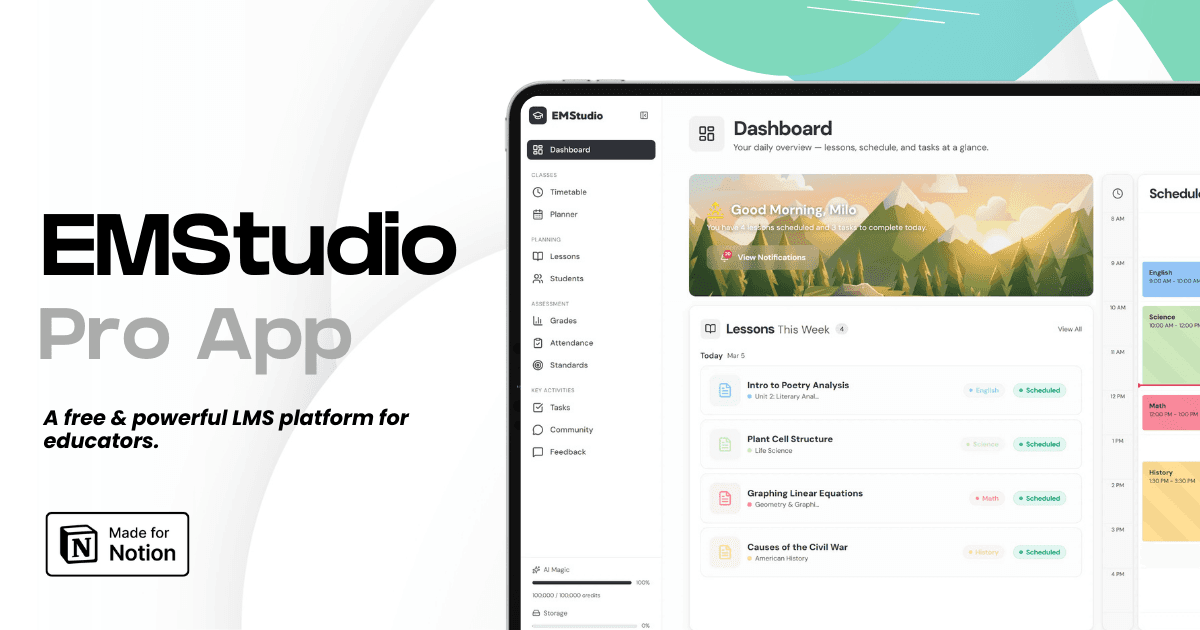
EMStudio is a free teaching management app — manage your classes, students, lessons, and more!
Learn More
Still grading everything by hand?
EMStudio is a free teaching management app — manage your classes, students, lessons, and more!
Learn More
Table of Contents
What Are the Best Elementary Science Lessons for Hands-On Learning?
The best elementary science lessons use the 5E model with household materials: ice cream labs for phase changes, seed journals for life cycles, and scavenger hunts for physical science. Each requires under 20 minutes prep, costs less than $15 for 30 students, and aligns with specific NGSS performance expectations for grades K-5.
You do not need a grant to teach real science. These three elementary science lessons run on grocery store supplies and the 5E model—Engage, Explore, Explain, Elaborate, Evaluate. I have taught them in Title I classrooms and suburban districts alike.
Hattie's Visible Learning puts the effect size for combining direct instruction with inquiry-based learning at 0.59. These activities hit that sweet spot using consumables under $15 for 30 students and prep under 20 minutes while aligning with NGSS standards.
Ice Cream Lab: K-1 observes sensory changes; 2-3 tracks time; 4-5 graphs temperature data.
Seed Journals: K-1 draws sprouts; 2-3 measures height; 4-5 calculates growth rates.
Machine Hunt: K-1 identifies types; 2-3 documents locations; 4-5 calculates mechanical advantage.
Materials Checklist for 30 students:
Ice cream: 1 pint heavy cream, 1 cup rock salt, ice, sugar, vanilla, 30 oven mitts
Seeds: 30 lima beans (soaked overnight), 30 clear 5x7 sandwich bags, paper towels
Hunt: iPads with Seesaw or Google Classroom access
Watch two failure modes. Sugar substitutes will not freeze in the ice cream lab—use real sugar. For seeds, leave bags slightly open; airtight seals breed mold within 48 hours.
States of Matter Ice Cream Lab
Pour 1 pint heavy cream, sugar, and vanilla into a quart Ziploc bag. Seal it inside a gallon bag filled with ice and 1 cup rock salt. Students shake vigorously for 10 minutes wearing oven mitts to meet basic lab safety protocols against hypothermia. The slush changes consistency around minute seven.
For 4th and 5th graders, measure brine temperature every 2 minutes and graph the curve. This hits NGSS 2-PS1-4 and disciplinary core ideas about reversible change. The edible reward guarantees engagement better than any worksheet.
Seed Germination Observation Journals
Soak half your lima beans overnight; leave the other half dry. Place wet paper towels and one bean in clear 5x7 sandwich bags, then tape to south-facing windows—not sealed airtight, or mold grows. Clear plastic lets students observe root hairs without disturbance.
Establish a 2:00 PM photo protocol with rulers for scale. After 7 days, calculate growth rate in centimeters per day to meet NGSS 2-LS2-1. hands-on learning strategies for K-12 classrooms build these measurement habits early.
Simple Machines Scavenger Hunt
Send teams of three into the building for 45 minutes with iPads. They document six machine types using Seesaw: lever, pulley, wheel-and-axle, inclined plane, wedge, screw. This is inquiry-based learning that gets kids reading the built environment.
Differentiate by readiness. General classes identify and classify; GT students calculate mechanical advantage ratios using force meters. This differentiated instruction saves prep time. See elementary education best practices for managing multi-level groups.
Which Middle School Science Lessons Engage Reluctant Learners?
Middle school science lessons that engage reluctant learners use mystery narratives (forensic CSI), competitive engineering (roller coaster physics), and analogical creativity (cell city projects). These approaches tap into adolescent social dynamics and reduce anxiety through structured group roles, not individual worksheets.
Your middle schoolers shut down when exposed. Use inquiry-based learning structures that mask individual risk behind team accountability. Assign specific roles—Lead Investigator, Evidence Tech, Data Analyst, Presenter—so every student contributes without solo pressure.
Research shows embedding disciplinary core ideas within problem-solving scenarios increases task persistence. Mystery narratives hook students who tune out lectures. Competitive builds channel energy. Analogical projects connect abstract concepts to concrete experiences.
Structure your 50-minute periods around the 5E model with differentiated instruction through choice:
Forensic Science for reading-heavy engagement and logical reasoning.
Roller Coaster Physics for kinesthetic learners and math integration.
Cell Analogies for artistic learners who thrive on metaphor.
These science lesson plans align with NGSS standards and lab safety protocols. They pair well with STEM classroom games and activities and active learning strategies to engage students.
Forensic Science Crime Scene Investigation
This three-day unit turns your classroom into a crime lab. Day one, students dust for fingerprints using cocoa powder and makeup brushes on glass slides.
Day two uses coffee filters for chromatography. Day three brings borrowed microscopes for hair analysis. Groups assign roles: Lead Investigator directs inquiry, Evidence Tech handles materials, Data Analyst records findings, Presenter prepares the accusation.
The unit culminates in a "whodunit" defense using claim-evidence-reasoning. Students present biological proof to support accusations, practicing argumentation without realizing they're writing essays.
Roller Coaster Physics Challenges
Channel middle school energy into physics using six-foot foam pipe insulation cut lengthwise—four dollars per tube at hardware stores—and marbles.
Groups build a coaster with one loop and one hill that keeps the marble rolling ten seconds minimum. They calculate potential energy (PE = mgh) at the start versus kinetic energy at the bottom using meter sticks and stopwatches.
Run three competitions: longest duration, most creative element, and best math documentation. The structure drives engagement. Students forget they hate math when their design is on the line.
Cell Organelle Analogies Project
Abstract cell biology clicks when students map organelles to city infrastructure. The nucleus becomes City Hall, mitochondria transform into the Power Plant, ribosomes operate as Factories, lysosomes serve as the Recycling Center.
Students create a 3D model or poster mapping ten organelles. The rubric splits forty percent biological accuracy, thirty percent creativity, and thirty percent presentation quality. This rewards accurate science without punishing artistic expression.
Allocate three class periods. Day one researches functions and drafts analogies. Day two covers construction. Day three has gallery walks where students explain their city systems, reinforcing disciplinary core ideas through teaching.
Free Science Lesson Plans for Budget-Conscious Classrooms
You do not need a grant to run high-quality inquiry-based learning. These free science lesson plans follow the 5E model and align with NGSS standards using only materials found in school supply closets, student kitchens, or free digital resources. Cost per student is exactly zero.
See how they compare to boxed kits:
Feature | Free Activities | Commercial Kits |
|---|---|---|
Cost per Student | $0 | $8-12 |
Teacher Prep Time | 15 minutes | 60 minutes |
Customization Flexibility | High | Locked procedure |
For additional zero-cost materials, explore our guide to essential STEM teacher resources and curriculum platforms.
Common Failure Modes
Waxed paper for airplanes adds too much weight for proper lift.
Boiling red cabbage with chlorinated tap water destroys the anthocyanin pH indicator.
Tracking weather during active storm systems creates data anomalies that skew long-term trends.
Paper Airplane Aerodynamics Unit
Use standard 8.5x11 copy paper only. Avoid fancy stocks. I once watched a teacher grab construction paper from the art room, but it is too heavy to generate useful lift data for these science lessons.
Test three designs: the Basic Dart for maximum distance, the Nakamura Lock for time aloft, and the Glider for accuracy to a target. Run five trials per design. Measure distance with measuring tapes and time with phone stopwatches. Chart the raw data before calculating class averages to spot outliers.
Control your variables strictly. Mark a release height of exactly four feet on the gymnasium wall. Use the same thrower for every trial to eliminate arm-strength differences. Download the NASA Beginner's Guide to Aeronautics PDF for background reading on principles of lift and drag.
Kitchen Chemistry Acids and Bases
Chop one-quarter of a red cabbage and boil it in two cups of distilled water for ten minutes. Strain the purple liquid into mason jars or clear cups. This anthocyanin indicator works across the full pH spectrum without buying expensive test strips.
Test lemon juice (pH 2), white vinegar (pH 3), distilled water (pH 7), and baking soda solution (pH 9). Follow strict lab safety protocols: goggles on, no tasting even though the materials came from a kitchen. Spills happen; keep paper towels handy.
Students record colors on a chart: red or pink for acid, purple for neutral, blue or green for base, yellow for strong base. This activity nails the disciplinary core ideas about chemical reactions and properties of matter.
Weather Data Collection and Graphing
Pull live data from NOAA.gov or Weather Underground free APIs. Have students collect five consecutive days of highs, lows, barometric pressure, humidity, and precipitation. This allows for differentiated instruction; struggling students track just temperature while advanced students correlate pressure drops with storm fronts.
Graph the results in Google Sheets using dual-axis line charts. Ask them to correlate barometric pressure drops with precipitation events twenty-four hours later. Look for patterns in the data, not just numbers.
For extension, calculate the percentage accuracy of local TV forecasts versus your actual collected data. Browse our free resource collections for teachers for ready-made spreadsheet templates and printable data sheets.
Digital Science Lessons That Work in Hybrid Classrooms
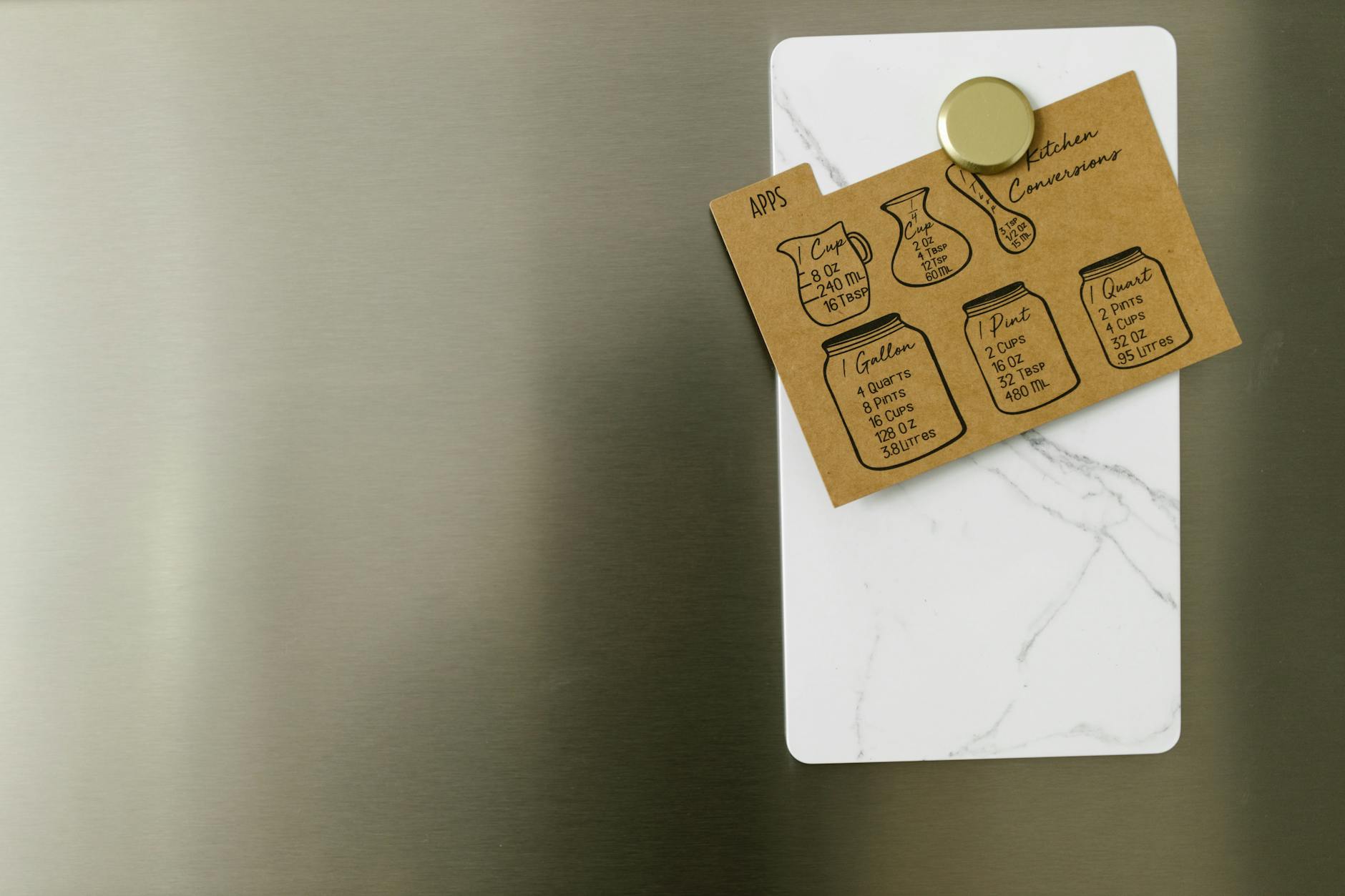
Hybrid teaching means half your class might be home on Tuesday while the other half watches you demonstrate from a Chromebook. Your science lessons need to run in a browser tab, not require software installs or physical lab kits shipped to apartments.
Pick your platform based on grade level and bandwidth:
PhET simulations (free, offline capable, K-12): Best for physics and chemistry concepts with low bandwidth needs.
BioDigital (freemium, 3D anatomy, grades 7-12): Rotates through health units without cadaver costs.
En-ROADS (free, systems thinking, grades 9-12): Climate policy simulator for environmental science.
Stellarium Web (free, browser-based, all ages): Astronomy tool that works on any device without app store approvals.
Know when to shut the laptop. Digital labs fail when students need tactile proprioception—feeling the weight of a graduated cylinder, judging viscosity by pour rate, or smelling chemical reactions. If the standard requires sensory data collection, wait for in-person days.
Virtual Dissection Labs
Physical frog dissections drain budgets fast. Each specimen costs $25 to $30, plus you need a $200 tool set and biohazard disposal contracts. Virtual alternatives like Froguts run $300 annually for unlimited classes, or use the free Dissection 101 YouTube series for basic identification.
Virtual labs suit oversized classes where safety monitoring 35 kids with scalpels is impossible. They work for students with ethical objections or schools that banned formaldehyde. You lose lab safety protocols concerns but gain accessibility.
The trade-off is tactile data. Students cannot assess tissue texture or the three-dimensional spatial relationships between organs. If your disciplinary core ideas require understanding structural integrity or physical manipulation, save the wet lab for in-person days. Digital versions work best for identification and system labeling, not physical inquiry-based learning.
Climate Change Simulation Models
MIT’s En-ROADS simulator turns climate policy into a negotiation game. Students manipulate sliders for coal, oil, nuclear, renewables, and afforestation to keep global warming under 2°C by 2100. The interface updates instantly, showing temperature curves shift as they debate extraction rates.
Structure the lesson as a United Nations simulation. Assign roles—fossil fuel lobbyist, climate activist, agricultural minister, developing nation representative—and give them thirty minutes to negotiate policy packages. Run the simulation after each proposal.
Debrief by comparing student outcomes against IPCC scenarios. This inquiry-based learning approach hits NGSS standards for systems thinking and fits the 5E model without sending lab kits home. For more on immersive learning environments using VR and AR, consider pairing this with virtual reality field trips to melting glaciers.
Astronomy Apps for Star Mapping
Astronomy works better on phones than in textbooks. Have students download Star Walk 2 or SkyView Free, then assign a Star Journal. They go outside at 8 PM, use the AR overlay to identify five constellations, and screenshot with the date stamp visible. Each entry requires researching one mythological story behind the pattern.
Urban schools battling light pollution or cloudy winters can pivot to Stellarium Web. The browser-based tool lets students time-lapse celestial motion across months, visualizing ecliptic paths and planetary retrograde without freezing. It runs on Chromebooks that block app stores.
This flexibility is key when launching your virtual classroom. Browser tools ensure your science lesson plans work whether students are on district devices or personal tablets. Differentiated instruction happens naturally—advanced students trace ecliptic paths while others master basic constellation identification.

How Do You Adapt Science Lessons for Different Grade Levels?
Adapt science lessons by analyzing core concepts through Bloom's Taxonomy: elementary focuses on identification and description using structured inquiry, middle school on comparison and application using guided inquiry, and high school on evaluation and design using open inquiry. Adjust vocabulary density using the Academic Word List and modify safety protocols for developmental readiness.
Vertical alignment requires more than shrinking content. You match the cognitive demand to the grade level using NGSS standards and inquiry-based learning progressions. This prevents the frustration of asking 4th graders to evaluate abstract bonding models they cannot yet visualize.
Follow this three-step decision tree to vertically align your science lesson plans from grades 3-12:
Complexity Level | Vocabulary Strategy | Investigation Type |
|---|---|---|
Identify (Grades 3-5) | Picture cards & TPR gestures | Structured inquiry |
Explain (Grades 6-8) | Latin/Greek root analysis | Guided inquiry |
Predict (Grades 9-12) | Academic Word List | Open inquiry |
Analyze the Core Concept for Complexity
Identify the disciplinary core idea from your NGSS standards. Then run it through Webb's Depth of Knowledge. Third graders identify states of matter by sorting pictures. Eighth graders explain molecular behavior using models. Twelfth graders predict properties by analyzing electron configurations.
Elementary targets Remember and Understand—labeling flower parts or observing weather. Middle school hits Apply and Analyze—comparing photosynthesis rates under different colors. High school needs Evaluate and Create—designing original respiration experiments. Use cognitive development strategies by grade level to avoid asking 5th graders to critique experimental design.
Adjust the Vocabulary and Reading Load
Elementary working memory hits overload fast. Limit each science lesson to eight new terms maximum. Use picture cards and Total Physical Response—mime "evaporation" with upward fingers. Build visual word walls for the 5E model exploration phase.
Middle schoolers unlock fifteen terms using Latin and Greek roots. When they know hydro means water and -ology means study of, they decode hydrology and hydrophobic independently.
High school manages twenty-plus terms from the Coxhead Academic Word List. Provide ELL glossaries with cognates. See our guide on mastering differentiated instruction for more vocabulary strategies.
Modify the Hands-On Investigation Component
Match the inquiry level to the grade. Structured inquiry works for K-5: you provide the question, procedure, and materials. Students follow steps one-two-three. Use plastic serrated knives and pictorial safety contracts signed with drawings.
Guided inquiry fits grades 6-8. You give the question and materials; they design the procedure. Safety upgrades to single-edge razor blades with cut-resistant gloves and written scenario quizzes.
Open inquiry belongs in high school. Students generate questions, design methods, and select materials. This requires direct supervision and college-level lab safety protocols before they handle scalpels or acids.
What Are the Best Elementary Science Lessons for Hands-On Learning?
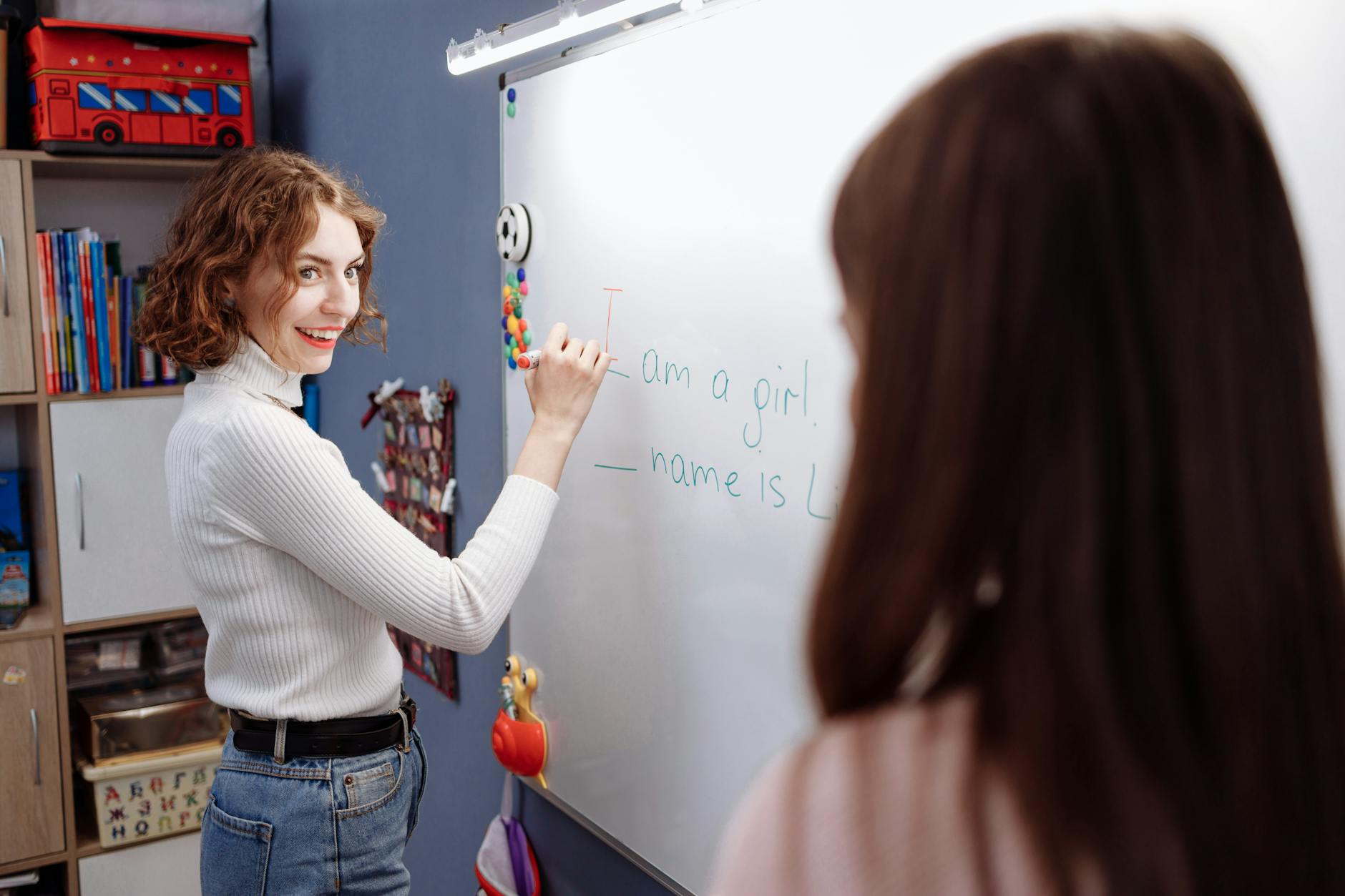
The best elementary science lessons use the 5E model with household materials: ice cream labs for phase changes, seed journals for life cycles, and scavenger hunts for physical science. Each requires under 20 minutes prep, costs less than $15 for 30 students, and aligns with specific NGSS performance expectations for grades K-5.
You do not need a grant to teach real science. These three elementary science lessons run on grocery store supplies and the 5E model—Engage, Explore, Explain, Elaborate, Evaluate. I have taught them in Title I classrooms and suburban districts alike.
Hattie's Visible Learning puts the effect size for combining direct instruction with inquiry-based learning at 0.59. These activities hit that sweet spot using consumables under $15 for 30 students and prep under 20 minutes while aligning with NGSS standards.
Ice Cream Lab: K-1 observes sensory changes; 2-3 tracks time; 4-5 graphs temperature data.
Seed Journals: K-1 draws sprouts; 2-3 measures height; 4-5 calculates growth rates.
Machine Hunt: K-1 identifies types; 2-3 documents locations; 4-5 calculates mechanical advantage.
Materials Checklist for 30 students:
Ice cream: 1 pint heavy cream, 1 cup rock salt, ice, sugar, vanilla, 30 oven mitts
Seeds: 30 lima beans (soaked overnight), 30 clear 5x7 sandwich bags, paper towels
Hunt: iPads with Seesaw or Google Classroom access
Watch two failure modes. Sugar substitutes will not freeze in the ice cream lab—use real sugar. For seeds, leave bags slightly open; airtight seals breed mold within 48 hours.
States of Matter Ice Cream Lab
Pour 1 pint heavy cream, sugar, and vanilla into a quart Ziploc bag. Seal it inside a gallon bag filled with ice and 1 cup rock salt. Students shake vigorously for 10 minutes wearing oven mitts to meet basic lab safety protocols against hypothermia. The slush changes consistency around minute seven.
For 4th and 5th graders, measure brine temperature every 2 minutes and graph the curve. This hits NGSS 2-PS1-4 and disciplinary core ideas about reversible change. The edible reward guarantees engagement better than any worksheet.
Seed Germination Observation Journals
Soak half your lima beans overnight; leave the other half dry. Place wet paper towels and one bean in clear 5x7 sandwich bags, then tape to south-facing windows—not sealed airtight, or mold grows. Clear plastic lets students observe root hairs without disturbance.
Establish a 2:00 PM photo protocol with rulers for scale. After 7 days, calculate growth rate in centimeters per day to meet NGSS 2-LS2-1. hands-on learning strategies for K-12 classrooms build these measurement habits early.
Simple Machines Scavenger Hunt
Send teams of three into the building for 45 minutes with iPads. They document six machine types using Seesaw: lever, pulley, wheel-and-axle, inclined plane, wedge, screw. This is inquiry-based learning that gets kids reading the built environment.
Differentiate by readiness. General classes identify and classify; GT students calculate mechanical advantage ratios using force meters. This differentiated instruction saves prep time. See elementary education best practices for managing multi-level groups.
Which Middle School Science Lessons Engage Reluctant Learners?
Middle school science lessons that engage reluctant learners use mystery narratives (forensic CSI), competitive engineering (roller coaster physics), and analogical creativity (cell city projects). These approaches tap into adolescent social dynamics and reduce anxiety through structured group roles, not individual worksheets.
Your middle schoolers shut down when exposed. Use inquiry-based learning structures that mask individual risk behind team accountability. Assign specific roles—Lead Investigator, Evidence Tech, Data Analyst, Presenter—so every student contributes without solo pressure.
Research shows embedding disciplinary core ideas within problem-solving scenarios increases task persistence. Mystery narratives hook students who tune out lectures. Competitive builds channel energy. Analogical projects connect abstract concepts to concrete experiences.
Structure your 50-minute periods around the 5E model with differentiated instruction through choice:
Forensic Science for reading-heavy engagement and logical reasoning.
Roller Coaster Physics for kinesthetic learners and math integration.
Cell Analogies for artistic learners who thrive on metaphor.
These science lesson plans align with NGSS standards and lab safety protocols. They pair well with STEM classroom games and activities and active learning strategies to engage students.
Forensic Science Crime Scene Investigation
This three-day unit turns your classroom into a crime lab. Day one, students dust for fingerprints using cocoa powder and makeup brushes on glass slides.
Day two uses coffee filters for chromatography. Day three brings borrowed microscopes for hair analysis. Groups assign roles: Lead Investigator directs inquiry, Evidence Tech handles materials, Data Analyst records findings, Presenter prepares the accusation.
The unit culminates in a "whodunit" defense using claim-evidence-reasoning. Students present biological proof to support accusations, practicing argumentation without realizing they're writing essays.
Roller Coaster Physics Challenges
Channel middle school energy into physics using six-foot foam pipe insulation cut lengthwise—four dollars per tube at hardware stores—and marbles.
Groups build a coaster with one loop and one hill that keeps the marble rolling ten seconds minimum. They calculate potential energy (PE = mgh) at the start versus kinetic energy at the bottom using meter sticks and stopwatches.
Run three competitions: longest duration, most creative element, and best math documentation. The structure drives engagement. Students forget they hate math when their design is on the line.
Cell Organelle Analogies Project
Abstract cell biology clicks when students map organelles to city infrastructure. The nucleus becomes City Hall, mitochondria transform into the Power Plant, ribosomes operate as Factories, lysosomes serve as the Recycling Center.
Students create a 3D model or poster mapping ten organelles. The rubric splits forty percent biological accuracy, thirty percent creativity, and thirty percent presentation quality. This rewards accurate science without punishing artistic expression.
Allocate three class periods. Day one researches functions and drafts analogies. Day two covers construction. Day three has gallery walks where students explain their city systems, reinforcing disciplinary core ideas through teaching.
Free Science Lesson Plans for Budget-Conscious Classrooms
You do not need a grant to run high-quality inquiry-based learning. These free science lesson plans follow the 5E model and align with NGSS standards using only materials found in school supply closets, student kitchens, or free digital resources. Cost per student is exactly zero.
See how they compare to boxed kits:
Feature | Free Activities | Commercial Kits |
|---|---|---|
Cost per Student | $0 | $8-12 |
Teacher Prep Time | 15 minutes | 60 minutes |
Customization Flexibility | High | Locked procedure |
For additional zero-cost materials, explore our guide to essential STEM teacher resources and curriculum platforms.
Common Failure Modes
Waxed paper for airplanes adds too much weight for proper lift.
Boiling red cabbage with chlorinated tap water destroys the anthocyanin pH indicator.
Tracking weather during active storm systems creates data anomalies that skew long-term trends.
Paper Airplane Aerodynamics Unit
Use standard 8.5x11 copy paper only. Avoid fancy stocks. I once watched a teacher grab construction paper from the art room, but it is too heavy to generate useful lift data for these science lessons.
Test three designs: the Basic Dart for maximum distance, the Nakamura Lock for time aloft, and the Glider for accuracy to a target. Run five trials per design. Measure distance with measuring tapes and time with phone stopwatches. Chart the raw data before calculating class averages to spot outliers.
Control your variables strictly. Mark a release height of exactly four feet on the gymnasium wall. Use the same thrower for every trial to eliminate arm-strength differences. Download the NASA Beginner's Guide to Aeronautics PDF for background reading on principles of lift and drag.
Kitchen Chemistry Acids and Bases
Chop one-quarter of a red cabbage and boil it in two cups of distilled water for ten minutes. Strain the purple liquid into mason jars or clear cups. This anthocyanin indicator works across the full pH spectrum without buying expensive test strips.
Test lemon juice (pH 2), white vinegar (pH 3), distilled water (pH 7), and baking soda solution (pH 9). Follow strict lab safety protocols: goggles on, no tasting even though the materials came from a kitchen. Spills happen; keep paper towels handy.
Students record colors on a chart: red or pink for acid, purple for neutral, blue or green for base, yellow for strong base. This activity nails the disciplinary core ideas about chemical reactions and properties of matter.
Weather Data Collection and Graphing
Pull live data from NOAA.gov or Weather Underground free APIs. Have students collect five consecutive days of highs, lows, barometric pressure, humidity, and precipitation. This allows for differentiated instruction; struggling students track just temperature while advanced students correlate pressure drops with storm fronts.
Graph the results in Google Sheets using dual-axis line charts. Ask them to correlate barometric pressure drops with precipitation events twenty-four hours later. Look for patterns in the data, not just numbers.
For extension, calculate the percentage accuracy of local TV forecasts versus your actual collected data. Browse our free resource collections for teachers for ready-made spreadsheet templates and printable data sheets.
Digital Science Lessons That Work in Hybrid Classrooms
Hybrid teaching means half your class might be home on Tuesday while the other half watches you demonstrate from a Chromebook. Your science lessons need to run in a browser tab, not require software installs or physical lab kits shipped to apartments.
Pick your platform based on grade level and bandwidth:
PhET simulations (free, offline capable, K-12): Best for physics and chemistry concepts with low bandwidth needs.
BioDigital (freemium, 3D anatomy, grades 7-12): Rotates through health units without cadaver costs.
En-ROADS (free, systems thinking, grades 9-12): Climate policy simulator for environmental science.
Stellarium Web (free, browser-based, all ages): Astronomy tool that works on any device without app store approvals.
Know when to shut the laptop. Digital labs fail when students need tactile proprioception—feeling the weight of a graduated cylinder, judging viscosity by pour rate, or smelling chemical reactions. If the standard requires sensory data collection, wait for in-person days.
Virtual Dissection Labs
Physical frog dissections drain budgets fast. Each specimen costs $25 to $30, plus you need a $200 tool set and biohazard disposal contracts. Virtual alternatives like Froguts run $300 annually for unlimited classes, or use the free Dissection 101 YouTube series for basic identification.
Virtual labs suit oversized classes where safety monitoring 35 kids with scalpels is impossible. They work for students with ethical objections or schools that banned formaldehyde. You lose lab safety protocols concerns but gain accessibility.
The trade-off is tactile data. Students cannot assess tissue texture or the three-dimensional spatial relationships between organs. If your disciplinary core ideas require understanding structural integrity or physical manipulation, save the wet lab for in-person days. Digital versions work best for identification and system labeling, not physical inquiry-based learning.
Climate Change Simulation Models
MIT’s En-ROADS simulator turns climate policy into a negotiation game. Students manipulate sliders for coal, oil, nuclear, renewables, and afforestation to keep global warming under 2°C by 2100. The interface updates instantly, showing temperature curves shift as they debate extraction rates.
Structure the lesson as a United Nations simulation. Assign roles—fossil fuel lobbyist, climate activist, agricultural minister, developing nation representative—and give them thirty minutes to negotiate policy packages. Run the simulation after each proposal.
Debrief by comparing student outcomes against IPCC scenarios. This inquiry-based learning approach hits NGSS standards for systems thinking and fits the 5E model without sending lab kits home. For more on immersive learning environments using VR and AR, consider pairing this with virtual reality field trips to melting glaciers.
Astronomy Apps for Star Mapping
Astronomy works better on phones than in textbooks. Have students download Star Walk 2 or SkyView Free, then assign a Star Journal. They go outside at 8 PM, use the AR overlay to identify five constellations, and screenshot with the date stamp visible. Each entry requires researching one mythological story behind the pattern.
Urban schools battling light pollution or cloudy winters can pivot to Stellarium Web. The browser-based tool lets students time-lapse celestial motion across months, visualizing ecliptic paths and planetary retrograde without freezing. It runs on Chromebooks that block app stores.
This flexibility is key when launching your virtual classroom. Browser tools ensure your science lesson plans work whether students are on district devices or personal tablets. Differentiated instruction happens naturally—advanced students trace ecliptic paths while others master basic constellation identification.
How Do You Adapt Science Lessons for Different Grade Levels?
Adapt science lessons by analyzing core concepts through Bloom's Taxonomy: elementary focuses on identification and description using structured inquiry, middle school on comparison and application using guided inquiry, and high school on evaluation and design using open inquiry. Adjust vocabulary density using the Academic Word List and modify safety protocols for developmental readiness.
Vertical alignment requires more than shrinking content. You match the cognitive demand to the grade level using NGSS standards and inquiry-based learning progressions. This prevents the frustration of asking 4th graders to evaluate abstract bonding models they cannot yet visualize.
Follow this three-step decision tree to vertically align your science lesson plans from grades 3-12:
Complexity Level | Vocabulary Strategy | Investigation Type |
|---|---|---|
Identify (Grades 3-5) | Picture cards & TPR gestures | Structured inquiry |
Explain (Grades 6-8) | Latin/Greek root analysis | Guided inquiry |
Predict (Grades 9-12) | Academic Word List | Open inquiry |
Analyze the Core Concept for Complexity
Identify the disciplinary core idea from your NGSS standards. Then run it through Webb's Depth of Knowledge. Third graders identify states of matter by sorting pictures. Eighth graders explain molecular behavior using models. Twelfth graders predict properties by analyzing electron configurations.
Elementary targets Remember and Understand—labeling flower parts or observing weather. Middle school hits Apply and Analyze—comparing photosynthesis rates under different colors. High school needs Evaluate and Create—designing original respiration experiments. Use cognitive development strategies by grade level to avoid asking 5th graders to critique experimental design.
Adjust the Vocabulary and Reading Load
Elementary working memory hits overload fast. Limit each science lesson to eight new terms maximum. Use picture cards and Total Physical Response—mime "evaporation" with upward fingers. Build visual word walls for the 5E model exploration phase.
Middle schoolers unlock fifteen terms using Latin and Greek roots. When they know hydro means water and -ology means study of, they decode hydrology and hydrophobic independently.
High school manages twenty-plus terms from the Coxhead Academic Word List. Provide ELL glossaries with cognates. See our guide on mastering differentiated instruction for more vocabulary strategies.
Modify the Hands-On Investigation Component
Match the inquiry level to the grade. Structured inquiry works for K-5: you provide the question, procedure, and materials. Students follow steps one-two-three. Use plastic serrated knives and pictorial safety contracts signed with drawings.
Guided inquiry fits grades 6-8. You give the question and materials; they design the procedure. Safety upgrades to single-edge razor blades with cut-resistant gloves and written scenario quizzes.
Open inquiry belongs in high school. Students generate questions, design methods, and select materials. This requires direct supervision and college-level lab safety protocols before they handle scalpels or acids.
Still grading everything by hand?
EMStudio is a free teaching management app — manage your classes, students, lessons, and more!
Learn More
Still grading everything by hand?
EMStudio is a free teaching management app — manage your classes, students, lessons, and more!
Learn More


Notion4Teachers
Notion templates to simplify administrative tasks and enhance your teaching experience.



2026 Notion4Teachers. All Rights Reserved.
Notion4Teachers
Notion templates to simplify administrative tasks and enhance your teaching experience.
2026 Notion4Teachers. All Rights Reserved.
Notion4Teachers
Notion templates to simplify administrative tasks and enhance your teaching experience.
2026 Notion4Teachers. All Rights Reserved.