
Teaching Lab Setup: 5 Steps to Build a Co-Teaching Powerhouse
Teaching Lab Setup: 5 Steps to Build a Co-Teaching Powerhouse

Article by
Milo
ESL Content Coordinator & Educator
ESL Content Coordinator & Educator
All Posts
Most professional development is a waste of time. We sit through PowerPoints about "best practices" delivered by someone who hasn't taught since flip phones were cool, then return to our siloed classrooms and teach exactly the same way. A teaching lab breaks that cycle. It's not another conference room with bagels and a projector. It's a living classroom where teachers actually teach in front of colleagues, get real feedback, and iterate in real time.
I've watched co-teaching partnerships transform from awkward tag-team wrestling into smooth collaboration after just three lab sessions. The difference? They weren't talking about teaching. They were doing it together while others watched, using instructional rounds and honest peer observation. No theory. Just practice, reflection, and immediate application.
Building this kind of space takes more than clearing out a storage closet and buying some video cameras. You need clear roles, solid protocols, and teachers who trust each other enough to risk looking human in front of colleagues. You build a co-teaching powerhouse that actually changes instruction by getting five things right. Step one is finding your people.
Still grading everything by hand?
EMStudio is a free teaching management app — manage your classes, students, lessons, and more!
Learn More

Still grading everything by hand?
EMStudio is a free teaching management app — manage your classes, students, lessons, and more!
Learn More
Table of Contents
What Is a Teaching Lab and Why Does Your School Need One?
A teaching lab is a dedicated space where teacher pairs engage in sustained co-teaching cycles with structured observation and non-evaluative feedback, distinct from traditional PD. Schools need them because they develop collective teacher efficacy (Hattie effect size 1.57), reduce teacher isolation, and provide job-embedded learning that impacts practice, not theory.
Think of it as a gym for your instruction. Teachers pair up, share real students, and practice together for four weeks straight. No administrators taking notes for evals. No slideshows about theory. Just peers watching peers, tweaking lessons on the fly, and talking shop.
A teaching lab runs on sustained cycles. Six to twelve teacher pairs commit to four weeks of co-teaching with shared rosters. They use structured peer observation with protocols that keep feedback developmental, not judgmental. This isn’t a one-off workshop you forget by Monday. It’s job-embedded learning that happens in your room, with your actual kids.
The space matters less than the structure. It might be your classroom, a converted resource room, or even a virtual hub for hybrid teacher collaboration. What counts is the calendar protection. Everyone clears four weeks to focus on one partnership, one lesson sequence, and honest conversation about what landed and what flopped.
The Pathways Strategic Teaching Center model sends individual teachers to watch master educators demonstrate lessons. It’s valuable, but it’s passive consumption. A teaching lab puts you in the driver’s seat with a partner. You’re not watching a show; you’re building reflective practice together through repeated attempts, failures, and adjustments.
John Hattie’s Visible Learning research pins collective teacher efficacy at an effect size of 1.57. That’s nearly quadruple the impact of class size reduction. Teaching labs build this belief by proving your colleagues can help you solve hard problems. You don’t just hear about strategies. You see them work in real time, in your own context.
Three things make this stick. First, assigned co-teaching partnerships with shared students—no random pairings that fizzle out after a week. Second, protected time for observation using non-evaluative protocols; the door closes, phones go away, and nobody’s writing up ratings for your file. Third, the cycle lasts at least four weeks so you can iterate and actually improve.
We’re hemorrhaging teachers. Professional learning communities and instructional rounds help, but they don’t cure the isolation that drives burnout. Teaching labs function as retention infrastructure, not just instructional improvement. When you build a true teaching alliance—someone who knows your kids and has your back—you’re less likely to quit. It’s that simple.
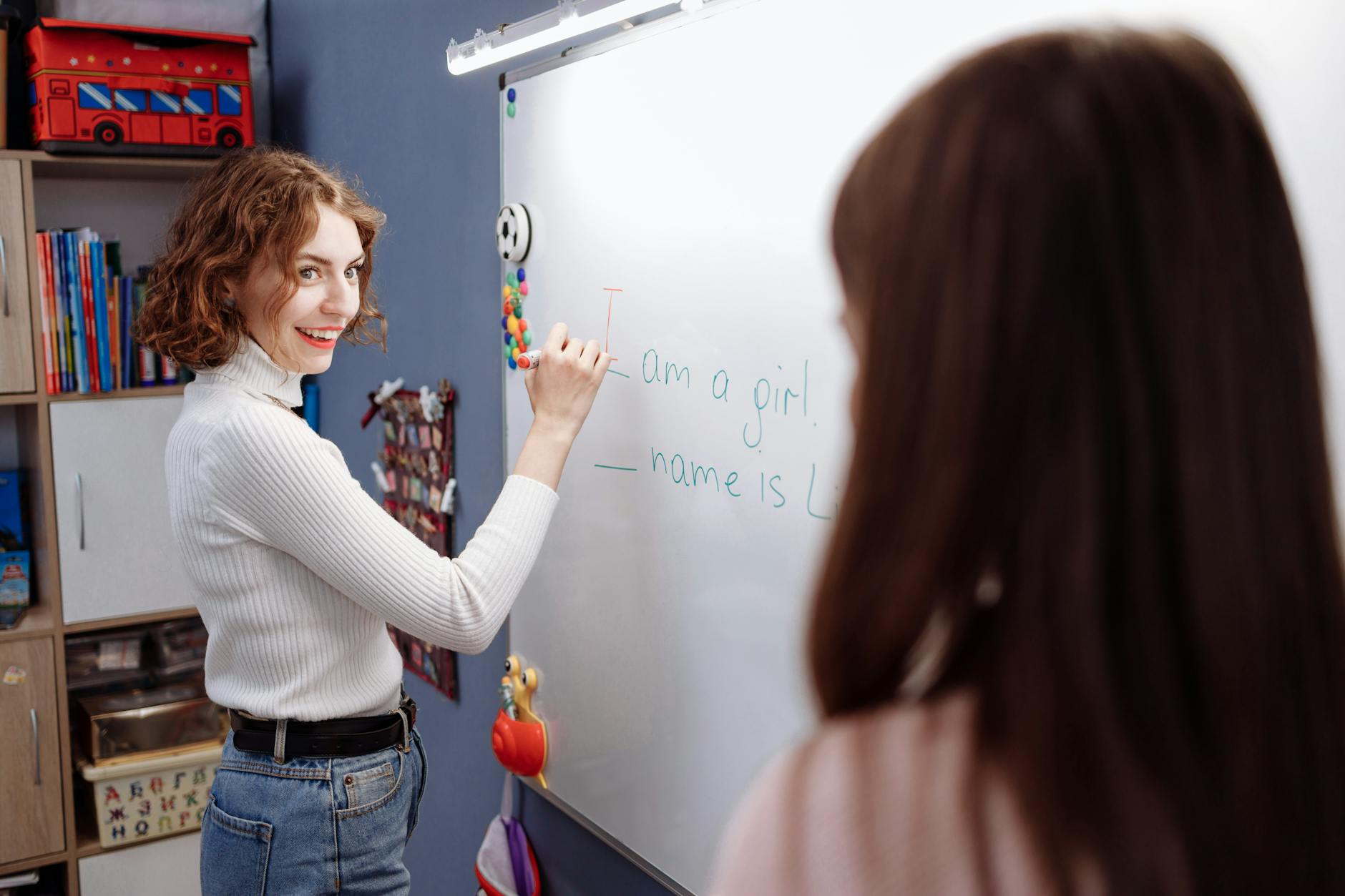
Step 1 — Assemble Your Teaching Alliance and Define Co-Teaching Roles
Pick your models first. One Teach/One Assist works for quick check-ins—limit it to 10-15 minutes or the "assistant" becomes a glorified clipboard holder. Station Teaching shines when groups stay at 8-10 kids max. Bigger than that, you're doing crowd control. Parallel Teaching splits the class in half—same lesson, two spaces, immediate noise reduction.
Alternative Teaching pulls 4-6 students for targeted intervention while your partner runs the main show with the larger group. Team Teaching requires both of you actively instructing simultaneously—think tag-team explaining, not one person talking while the other nods along. One Teach/One Observe means exactly that: collecting data on specific behaviors like hand-raising patterns, not helping kids with their worksheets.
Recruit 6-12 teachers for your inaugural teaching lab cohort—that's 3-6 pairs. Mix veterans carrying 6+ years alongside novices still in their first three. Check that their schedules overlap for at least 60% of shared instructional time. Content alignment matters here; a chemistry teacher and a Spanish teacher make awkward lab partners despite both being experts.
Draft a Teaching Alliance contract before day one. Split planning time 60/40 based on who designs the bulk of the unit. The expert does less prep but brings the pedagogical depth. Handle grading 50/50, or divide cleanly by assessment type—one partner handles essays, the other manages labs and projects. Alternate parent communication weekly so no one gets stuck with the angry emails. Include a 48-hour cooling-off rule for conflicts; sleep on it before you explode over photocopying privileges.
Build in a 2-week trial with an explicit exit clause. Call it the "no-fault divorce." Study effective co-teaching techniques together during this window. If your Teaching Alliance Survey compatibility score drops below 70%, reassign immediately. No penalties, no guilt trips, no forced marriages.
Protect the time commitment: 40 hours annually per teacher dedicated to this teaching lab work. That covers your 3-hour initial workshop. Add 2-hour monthly sessions on collaborative teaching models for K-12 teams, plus those sacred 30-minute weekly co-planning blocks. Get administration to literally block those 30 minutes on the master schedule. If it's not protected by a vice principal with a spreadsheet, it won't happen. Your lab becomes another failed initiative gathering dust.

Step 2 — Design Your Co-Teaching Training Curriculum and Protocols
Kick off with 12 hours of initial co teaching training before school opens. I spread this across two days so teachers don't glaze over by hour six. Assign Marilyn Friend’s The Power of 2 chapters 3-5 on communication protocols, and Anne Beninghof’s sections on station management from Co-Teaching That Works. These aren’t optional—they’re your co teaching book spine. Then schedule 2-hour monthly teaching labs throughout the year for job-embedded learning. The labs focus on one model at a time. October might be all about station rotation while November tackles alternative teaching.
Build a decision flowchart for picking models. Measure class size (under 20, 20-30, or 30+) against content complexity (procedural skills, conceptual understanding, or inquiry-based). Small groups doing inquiry? Try station teaching. Large classes learning procedures? One teach, one assist works better. Thirty kids exploring concepts? Parallel teaching splits the noise. Under twenty doing inquiry? Alternative teaching lets you pull groups. Post this chart in every professional learning communities folder so pairs stop guessing. Remove the decision fatigue.
Design a three-part peer observation protocol. Pre-conference takes 20 minutes using What-How-Why format. Observation runs 45 minutes with a scripted seating chart tracking student proximity and participation. Mark where the special educator sits versus the content teacher. Debrief closes with 20 minutes of Glow-Grow-Goal structure. This mirrors effective coaching techniques for educators and keeps reflective practice concrete. Script everything or you lose the details.
Choose your delivery format carefully. An Intensive Summer Institute (three consecutive days) builds momentum but teachers forget 40% by October without follow-up. The Distributed Model (monthly 2-hour sessions) maintains year-long traction but lacks that initial bonding jolt. The Hybrid approach—summer kickoff plus monthly follow-up—balances retention and implementation fidelity better than either extreme. Most districts I’ve worked with pick Hybrid after burning out on pure summer intensity. It respects both the calendar and the brain. You need both the fire and the maintenance.
Set up digital documentation immediately. Create a shared Google Drive or Teams folder using the naming convention Date_TeacherNames_ModelUsed. Try 2024-10-15_Smith-Jones_Parallel. Each subfolder contains lesson plans, observation notes, and reflection logs. This archive transforms individual instructional rounds into collective teacher collaboration memory. When Sarah leaves for maternity leave, her replacement sees exactly how she and Maria split the cognitive load in November. No more starting from scratch.

Step 3 — Build the Physical Infrastructure and Digital Observation Systems
You can spend fifteen grand or eight hundred bucks. Both work.
I’ve seen districts blow their budget on one-way glass while others rig a teaching lab with a robot camera. Choose based on actual use, not Pinterest.
Setup Type | Cost | Best For |
|---|---|---|
Fully Equipped Observation Room | $12,000–$18,000 | Dedicated spaces with one-way glass, permanent installation for frequent instructional rounds |
Portable Video Lab | $800–$2,000 | Swivl C Series robot, iPad, and wireless mic; rolls between rooms for peer observation |
Hybrid Model | Under $500 | Existing classroom with minimal retrofit; good for professional learning communities starting small |
Permanent rooms scream commitment to peer observation, but portable rigs let teachers trial without feeling like lab rats. Start hybrid, prove it, then build.
If you go video, specs matter. Minimum 4K resolution—ceiling-mounted Panasonic runs $1,200, but the Mevo Start at $299 handles most classrooms. You need dual wireless lapel mics: Shure BLX14/CVL at $299 each picks up whispers, or grab Fifine units at $45 if budget’s tight. Test your audio pickup range; twenty feet is the max before you lose student voices in reflective practice reviews. Bad audio kills instructional rounds faster than bad pedagogy. Ceiling mics pick up pencil drops. Lapel mics pick up teacher explanations. You need both for quality reflective practice.
Now the software. Edthena charges $15 per user monthly and shines for timestamped commenting during co teaching professional development. IRIS Connect uses custom district pricing and offers a video library your teacher collaboration teams can actually search. Or go DIY: Zoom recordings saved to password-protected cloud storage with a shared annotation document. It’s clunky, but it’s free. Just don’t lose the password.
Here’s where principals get fired. Do not install one-way mirrors or recording devices without signed teacher consent forms and union agreement. FERPA applies, and most state observation laws require advance notification. I’ve seen job-embedded learning programs crash before launch because someone skipped this step. Get it in writing. Unions have long memories. Violate trust here and your job-embedded learning initiative dies.
Building physical? Aim for 800–1,000 square feet with acoustic dampening rated STC 50 or higher. Install dimmable lighting from 0–100% for video clarity regardless of time of day. Fit eight to ten visitors comfortably with theater-style seating. Most forgotten detail: separate HVAC. You don’t want observers hearing the furnace kick on during a critical effective classroom design and learning zones demonstration. Sound travels through vents. Double walls help. So do solid doors.

Step 4 — How Do You Facilitate Your First Co-Teaching Workshop?
Facilitate your first workshop by limiting attendance to 16 teachers (8 pairs) and opening with the safety norm: ‘This is laboratory practice, not performance evaluation.’ Structure 3 hours around three phases: completing Teaching Alliance compatibility surveys, practicing 15-minute micro-teaching slices with peer observation, and collaboratively planning your first co-taught unit using Understanding by Design templates.
Keep the room small. Sixteen teachers means I can actually watch both micro-teaching rounds and catch specific coaching moments.
Start with this script: “Welcome to laboratory practice. Unlike evaluation observations, today’s goal is experimentation and feedback, not scoring. What happens in the lab stays in the lab unless it improves student learning.” This framing transforms the teaching lab from threat to sandbox. Teachers need to know instructional rounds here carry zero evaluative weight.
Run the 180-minute agenda with military precision. Minutes 0-20 establish safety norms and repeat the “practice, not evaluation” mantra. Minutes 20-60 have pairs complete the Teaching Alliance Compatibility Inventory, a 25-item survey that surfaces who prefers direct instruction versus inquiry. Minutes 60-120 deliver the core work: two 15-minute micro-teaching slices per pair with peer observation using non-evaluative forms. Minutes 120-180 shift to collaborative unit planning with Understanding by Design templates.
Gather specific materials. You need a physical or digital timer visible to all, Wipebook or chart paper for anchor charts, non-evaluative observation forms that explicitly exclude district evaluation rubrics, and lesson plan templates with co-teaching model selection checkboxes.
Cap attendance strictly at 16 teachers (8 pairs) for the inaugural workshop. Place overflow on a waiting list for the next cohort. This ensures I can observe all micro-teaching rounds and provide individual feedback during facilitation of cooperative learning activities.
Close each micro-teaching round with the Critical Friends Protocol. The presenter shares intention for 2 minutes. Observers ask clarifying questions for 3 minutes. Observers discuss while the presenter listens for 5 minutes. The presenter reflects for 3 minutes. The whole group brainstorms for 7 minutes. This structure builds reflective practice and teacher collaboration without the toxicity of judgment.
These co teaching workshops function as job-embedded learning. You are not lecturing about co-teaching; you are hosting professional learning communities where peer observation happens in real time.

Step 5 — Measure the Benefits of Co-Teaching for Teachers and Students
You can't improve what you don't track. We learned this the hard way after our first semester running a teaching lab—pairs swore they loved the work, but our retention data told a different story. Now we collect hard numbers on the benefits of co teaching for teachers and student outcomes from day one.
Metric | Tool | Frequency |
|---|---|---|
Teacher Self-Efficacy | TSES Short Form 8-item scale | Baseline, 8 weeks, 16 weeks, annually |
Instructional Variety | Strategy Usage Log | Baseline, 8 weeks, 16 weeks, annually |
Student Engagement | Student Engagement Instrument | Baseline, 8 weeks, 16 weeks, annually |
The Strategy Usage Log tracks specific moves—like wait time or partner talk—that teachers deploy. The TSES captures confidence shifts. Together they show whether job-embedded learning actually changes practice or just makes people feel good.
The financial case is stark for any administrator watching the budget. Retaining just one teacher saves $15,000-$20,000 in replacement costs and training. When our lab hit 85% teacher satisfaction consistently, we saw first-year turnover drop by 20-30%. That's real money back in the district's pocket and stability for your students.
Beyond retention, teachers feel the difference immediately in their daily workload. ELA partners report a 50% reduction in essay grading loads when they split the stack fairly. They share the emotional labor of managing behavior—no more going home alone with the stress of third period. Most add 3-5 new strategies to their repertoire each semester through sheer proximity to another adult's bag of tricks.
Students win too, especially those on the margins. We track growth on local benchmarks comparing co-taught sections against solo-taught ones in the same building. Research shows the strongest gains for kids with IEPs and English learners—but only when pairs implement with fidelity. Sloppy co-teaching yields sloppy results, so we monitor performance metrics in education closely.
Six weeks in, pairs complete a Partnership Health Check. They rate communication clarity, workload balance, and professional respect on 10-point Likert scales. Any composite score below 70 triggers an immediate instructional coach intervention before resentment hardens into withdrawal. This early warning system keeps teacher collaboration healthy and partnerships intact.
We also weave in instructional rounds and peer observation to normalize reflective practice. These aren't gotcha moments. They're structured job-embedded learning opportunities that feed directly into professional learning communities. For more on tracking these gains, see our complete guide on measuring educational impact.

Sustaining Your Teaching Lab Through Ongoing Co-Teaching Professional Development
Think of your teaching lab as a startup that needs to become a utility. Year one, bring in an external facilitator and limit it to twelve pairs—small enough to troubleshoot, big enough to build culture. Year two, shift to hybrid facilitation where teacher leaders run half the sessions; you’re training the trainers. By year three, teacher teams handle eighty percent of the work while you (or a coordinator) just manage calendars and cut checks.
Labs die when principals leave or subs vanish. Lock your co teaching professional development into the School Improvement Plan and board policy so it survives regime changes. When subs dry up—and they will—switch to early release schedules or asynchronous video observations with debriefs over lunch. Cap participation at two-year cycles with opt-in renewals; this beats initiative fatigue and keeps the work fresh.
Money talks. Tap Title II Part A for three to five thousand dollars per teacher annually, or raid your district’s professional development line item if ESSER funds dry up. A forty-five thousand dollar budget covers twelve teachers comfortably—split it between stipends, tablets for recording, and coffee for those early morning debriefs. That’s cheaper than most off-site conferences and the learning actually sticks.
Build a ladder people want to climb. The Co-Teaching Novice badge takes twenty hours—one workshop plus three lab cycles focused on reflective practice. Move up to Co-Teaching Mentor at forty hours by leading two workshops and taking peer coach training. The Lab Facilitator credential needs sixty hours of curriculum design and facilitation certification. It gives veterans a reason to stay and newcomers a map to follow.
I stole this from the Pathways Strategic Teaching Center: rotate host sites every three years so institutional knowledge spreads instead of hoarding. Create inter-school visitation networks where teachers do instructional rounds across buildings. Partner with a local university for graduate credit—it turns your job-embedded learning into transcript-worthy work that counts toward lane changes.
Don’t let graduates become orphans. Launch a Teaching Lab Alumni Network with quarterly Reunion Labs—half-day refreshers where past participants trade new tricks. Keep a Slack channel humming for resource sharing that feeds professional learning communities across grade levels. This sustains teacher collaboration long after formal peer observation cycles end. Connect these ideas to broader professional growth programs for teachers and use our instructional coaching framework to train your mentors.
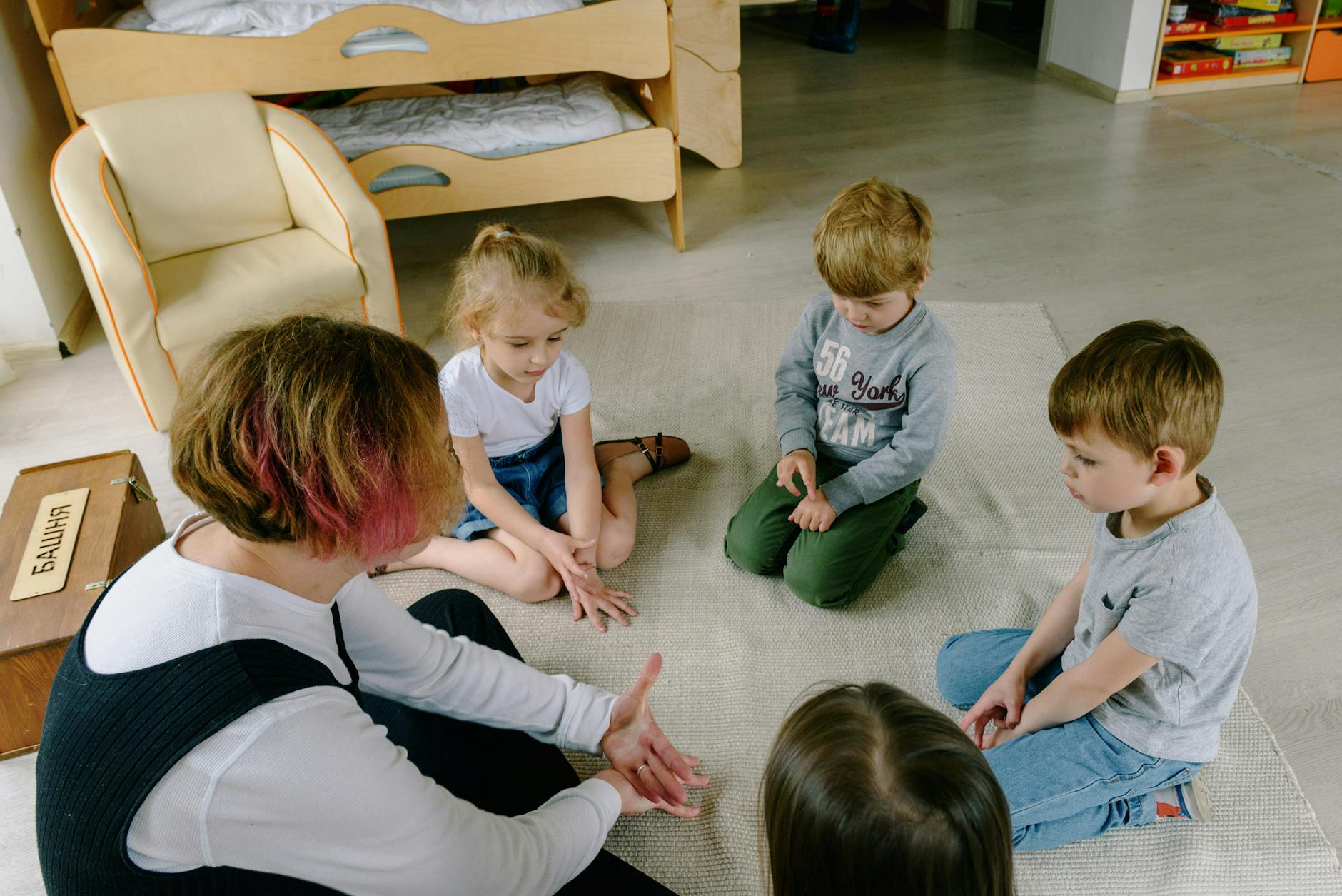
Where Does Teaching Lab Fit in Your Practice?
A teaching lab isn't a luxury add-on or another district initiative to survive. It's the engine that makes co-teaching actually work instead of just sounding good on paper. You already have the teachers, the classrooms, and the need. Now you have the steps to stop talking about teacher collaboration and start building it into your weekly schedule.
I've seen these labs turn isolation into instructional rounds that teachers actually look forward to. The first workshop feels awkward. The third one changes how your team plans lessons. Start with one classroom, one protocol, one afternoon. Build the habits slowly and let the data on student engagement do the convincing for you.
Look at your calendar for next month. Where could you fit one peer observation that doesn't feel like an evaluation? That's your entry point. What's stopping you from blocking that time right now?

What Is a Teaching Lab and Why Does Your School Need One?
A teaching lab is a dedicated space where teacher pairs engage in sustained co-teaching cycles with structured observation and non-evaluative feedback, distinct from traditional PD. Schools need them because they develop collective teacher efficacy (Hattie effect size 1.57), reduce teacher isolation, and provide job-embedded learning that impacts practice, not theory.
Think of it as a gym for your instruction. Teachers pair up, share real students, and practice together for four weeks straight. No administrators taking notes for evals. No slideshows about theory. Just peers watching peers, tweaking lessons on the fly, and talking shop.
A teaching lab runs on sustained cycles. Six to twelve teacher pairs commit to four weeks of co-teaching with shared rosters. They use structured peer observation with protocols that keep feedback developmental, not judgmental. This isn’t a one-off workshop you forget by Monday. It’s job-embedded learning that happens in your room, with your actual kids.
The space matters less than the structure. It might be your classroom, a converted resource room, or even a virtual hub for hybrid teacher collaboration. What counts is the calendar protection. Everyone clears four weeks to focus on one partnership, one lesson sequence, and honest conversation about what landed and what flopped.
The Pathways Strategic Teaching Center model sends individual teachers to watch master educators demonstrate lessons. It’s valuable, but it’s passive consumption. A teaching lab puts you in the driver’s seat with a partner. You’re not watching a show; you’re building reflective practice together through repeated attempts, failures, and adjustments.
John Hattie’s Visible Learning research pins collective teacher efficacy at an effect size of 1.57. That’s nearly quadruple the impact of class size reduction. Teaching labs build this belief by proving your colleagues can help you solve hard problems. You don’t just hear about strategies. You see them work in real time, in your own context.
Three things make this stick. First, assigned co-teaching partnerships with shared students—no random pairings that fizzle out after a week. Second, protected time for observation using non-evaluative protocols; the door closes, phones go away, and nobody’s writing up ratings for your file. Third, the cycle lasts at least four weeks so you can iterate and actually improve.
We’re hemorrhaging teachers. Professional learning communities and instructional rounds help, but they don’t cure the isolation that drives burnout. Teaching labs function as retention infrastructure, not just instructional improvement. When you build a true teaching alliance—someone who knows your kids and has your back—you’re less likely to quit. It’s that simple.
Step 1 — Assemble Your Teaching Alliance and Define Co-Teaching Roles
Pick your models first. One Teach/One Assist works for quick check-ins—limit it to 10-15 minutes or the "assistant" becomes a glorified clipboard holder. Station Teaching shines when groups stay at 8-10 kids max. Bigger than that, you're doing crowd control. Parallel Teaching splits the class in half—same lesson, two spaces, immediate noise reduction.
Alternative Teaching pulls 4-6 students for targeted intervention while your partner runs the main show with the larger group. Team Teaching requires both of you actively instructing simultaneously—think tag-team explaining, not one person talking while the other nods along. One Teach/One Observe means exactly that: collecting data on specific behaviors like hand-raising patterns, not helping kids with their worksheets.
Recruit 6-12 teachers for your inaugural teaching lab cohort—that's 3-6 pairs. Mix veterans carrying 6+ years alongside novices still in their first three. Check that their schedules overlap for at least 60% of shared instructional time. Content alignment matters here; a chemistry teacher and a Spanish teacher make awkward lab partners despite both being experts.
Draft a Teaching Alliance contract before day one. Split planning time 60/40 based on who designs the bulk of the unit. The expert does less prep but brings the pedagogical depth. Handle grading 50/50, or divide cleanly by assessment type—one partner handles essays, the other manages labs and projects. Alternate parent communication weekly so no one gets stuck with the angry emails. Include a 48-hour cooling-off rule for conflicts; sleep on it before you explode over photocopying privileges.
Build in a 2-week trial with an explicit exit clause. Call it the "no-fault divorce." Study effective co-teaching techniques together during this window. If your Teaching Alliance Survey compatibility score drops below 70%, reassign immediately. No penalties, no guilt trips, no forced marriages.
Protect the time commitment: 40 hours annually per teacher dedicated to this teaching lab work. That covers your 3-hour initial workshop. Add 2-hour monthly sessions on collaborative teaching models for K-12 teams, plus those sacred 30-minute weekly co-planning blocks. Get administration to literally block those 30 minutes on the master schedule. If it's not protected by a vice principal with a spreadsheet, it won't happen. Your lab becomes another failed initiative gathering dust.
Step 2 — Design Your Co-Teaching Training Curriculum and Protocols
Kick off with 12 hours of initial co teaching training before school opens. I spread this across two days so teachers don't glaze over by hour six. Assign Marilyn Friend’s The Power of 2 chapters 3-5 on communication protocols, and Anne Beninghof’s sections on station management from Co-Teaching That Works. These aren’t optional—they’re your co teaching book spine. Then schedule 2-hour monthly teaching labs throughout the year for job-embedded learning. The labs focus on one model at a time. October might be all about station rotation while November tackles alternative teaching.
Build a decision flowchart for picking models. Measure class size (under 20, 20-30, or 30+) against content complexity (procedural skills, conceptual understanding, or inquiry-based). Small groups doing inquiry? Try station teaching. Large classes learning procedures? One teach, one assist works better. Thirty kids exploring concepts? Parallel teaching splits the noise. Under twenty doing inquiry? Alternative teaching lets you pull groups. Post this chart in every professional learning communities folder so pairs stop guessing. Remove the decision fatigue.
Design a three-part peer observation protocol. Pre-conference takes 20 minutes using What-How-Why format. Observation runs 45 minutes with a scripted seating chart tracking student proximity and participation. Mark where the special educator sits versus the content teacher. Debrief closes with 20 minutes of Glow-Grow-Goal structure. This mirrors effective coaching techniques for educators and keeps reflective practice concrete. Script everything or you lose the details.
Choose your delivery format carefully. An Intensive Summer Institute (three consecutive days) builds momentum but teachers forget 40% by October without follow-up. The Distributed Model (monthly 2-hour sessions) maintains year-long traction but lacks that initial bonding jolt. The Hybrid approach—summer kickoff plus monthly follow-up—balances retention and implementation fidelity better than either extreme. Most districts I’ve worked with pick Hybrid after burning out on pure summer intensity. It respects both the calendar and the brain. You need both the fire and the maintenance.
Set up digital documentation immediately. Create a shared Google Drive or Teams folder using the naming convention Date_TeacherNames_ModelUsed. Try 2024-10-15_Smith-Jones_Parallel. Each subfolder contains lesson plans, observation notes, and reflection logs. This archive transforms individual instructional rounds into collective teacher collaboration memory. When Sarah leaves for maternity leave, her replacement sees exactly how she and Maria split the cognitive load in November. No more starting from scratch.
Step 3 — Build the Physical Infrastructure and Digital Observation Systems
You can spend fifteen grand or eight hundred bucks. Both work.
I’ve seen districts blow their budget on one-way glass while others rig a teaching lab with a robot camera. Choose based on actual use, not Pinterest.
Setup Type | Cost | Best For |
|---|---|---|
Fully Equipped Observation Room | $12,000–$18,000 | Dedicated spaces with one-way glass, permanent installation for frequent instructional rounds |
Portable Video Lab | $800–$2,000 | Swivl C Series robot, iPad, and wireless mic; rolls between rooms for peer observation |
Hybrid Model | Under $500 | Existing classroom with minimal retrofit; good for professional learning communities starting small |
Permanent rooms scream commitment to peer observation, but portable rigs let teachers trial without feeling like lab rats. Start hybrid, prove it, then build.
If you go video, specs matter. Minimum 4K resolution—ceiling-mounted Panasonic runs $1,200, but the Mevo Start at $299 handles most classrooms. You need dual wireless lapel mics: Shure BLX14/CVL at $299 each picks up whispers, or grab Fifine units at $45 if budget’s tight. Test your audio pickup range; twenty feet is the max before you lose student voices in reflective practice reviews. Bad audio kills instructional rounds faster than bad pedagogy. Ceiling mics pick up pencil drops. Lapel mics pick up teacher explanations. You need both for quality reflective practice.
Now the software. Edthena charges $15 per user monthly and shines for timestamped commenting during co teaching professional development. IRIS Connect uses custom district pricing and offers a video library your teacher collaboration teams can actually search. Or go DIY: Zoom recordings saved to password-protected cloud storage with a shared annotation document. It’s clunky, but it’s free. Just don’t lose the password.
Here’s where principals get fired. Do not install one-way mirrors or recording devices without signed teacher consent forms and union agreement. FERPA applies, and most state observation laws require advance notification. I’ve seen job-embedded learning programs crash before launch because someone skipped this step. Get it in writing. Unions have long memories. Violate trust here and your job-embedded learning initiative dies.
Building physical? Aim for 800–1,000 square feet with acoustic dampening rated STC 50 or higher. Install dimmable lighting from 0–100% for video clarity regardless of time of day. Fit eight to ten visitors comfortably with theater-style seating. Most forgotten detail: separate HVAC. You don’t want observers hearing the furnace kick on during a critical effective classroom design and learning zones demonstration. Sound travels through vents. Double walls help. So do solid doors.
Step 4 — How Do You Facilitate Your First Co-Teaching Workshop?
Facilitate your first workshop by limiting attendance to 16 teachers (8 pairs) and opening with the safety norm: ‘This is laboratory practice, not performance evaluation.’ Structure 3 hours around three phases: completing Teaching Alliance compatibility surveys, practicing 15-minute micro-teaching slices with peer observation, and collaboratively planning your first co-taught unit using Understanding by Design templates.
Keep the room small. Sixteen teachers means I can actually watch both micro-teaching rounds and catch specific coaching moments.
Start with this script: “Welcome to laboratory practice. Unlike evaluation observations, today’s goal is experimentation and feedback, not scoring. What happens in the lab stays in the lab unless it improves student learning.” This framing transforms the teaching lab from threat to sandbox. Teachers need to know instructional rounds here carry zero evaluative weight.
Run the 180-minute agenda with military precision. Minutes 0-20 establish safety norms and repeat the “practice, not evaluation” mantra. Minutes 20-60 have pairs complete the Teaching Alliance Compatibility Inventory, a 25-item survey that surfaces who prefers direct instruction versus inquiry. Minutes 60-120 deliver the core work: two 15-minute micro-teaching slices per pair with peer observation using non-evaluative forms. Minutes 120-180 shift to collaborative unit planning with Understanding by Design templates.
Gather specific materials. You need a physical or digital timer visible to all, Wipebook or chart paper for anchor charts, non-evaluative observation forms that explicitly exclude district evaluation rubrics, and lesson plan templates with co-teaching model selection checkboxes.
Cap attendance strictly at 16 teachers (8 pairs) for the inaugural workshop. Place overflow on a waiting list for the next cohort. This ensures I can observe all micro-teaching rounds and provide individual feedback during facilitation of cooperative learning activities.
Close each micro-teaching round with the Critical Friends Protocol. The presenter shares intention for 2 minutes. Observers ask clarifying questions for 3 minutes. Observers discuss while the presenter listens for 5 minutes. The presenter reflects for 3 minutes. The whole group brainstorms for 7 minutes. This structure builds reflective practice and teacher collaboration without the toxicity of judgment.
These co teaching workshops function as job-embedded learning. You are not lecturing about co-teaching; you are hosting professional learning communities where peer observation happens in real time.
Step 5 — Measure the Benefits of Co-Teaching for Teachers and Students
You can't improve what you don't track. We learned this the hard way after our first semester running a teaching lab—pairs swore they loved the work, but our retention data told a different story. Now we collect hard numbers on the benefits of co teaching for teachers and student outcomes from day one.
Metric | Tool | Frequency |
|---|---|---|
Teacher Self-Efficacy | TSES Short Form 8-item scale | Baseline, 8 weeks, 16 weeks, annually |
Instructional Variety | Strategy Usage Log | Baseline, 8 weeks, 16 weeks, annually |
Student Engagement | Student Engagement Instrument | Baseline, 8 weeks, 16 weeks, annually |
The Strategy Usage Log tracks specific moves—like wait time or partner talk—that teachers deploy. The TSES captures confidence shifts. Together they show whether job-embedded learning actually changes practice or just makes people feel good.
The financial case is stark for any administrator watching the budget. Retaining just one teacher saves $15,000-$20,000 in replacement costs and training. When our lab hit 85% teacher satisfaction consistently, we saw first-year turnover drop by 20-30%. That's real money back in the district's pocket and stability for your students.
Beyond retention, teachers feel the difference immediately in their daily workload. ELA partners report a 50% reduction in essay grading loads when they split the stack fairly. They share the emotional labor of managing behavior—no more going home alone with the stress of third period. Most add 3-5 new strategies to their repertoire each semester through sheer proximity to another adult's bag of tricks.
Students win too, especially those on the margins. We track growth on local benchmarks comparing co-taught sections against solo-taught ones in the same building. Research shows the strongest gains for kids with IEPs and English learners—but only when pairs implement with fidelity. Sloppy co-teaching yields sloppy results, so we monitor performance metrics in education closely.
Six weeks in, pairs complete a Partnership Health Check. They rate communication clarity, workload balance, and professional respect on 10-point Likert scales. Any composite score below 70 triggers an immediate instructional coach intervention before resentment hardens into withdrawal. This early warning system keeps teacher collaboration healthy and partnerships intact.
We also weave in instructional rounds and peer observation to normalize reflective practice. These aren't gotcha moments. They're structured job-embedded learning opportunities that feed directly into professional learning communities. For more on tracking these gains, see our complete guide on measuring educational impact.
Sustaining Your Teaching Lab Through Ongoing Co-Teaching Professional Development
Think of your teaching lab as a startup that needs to become a utility. Year one, bring in an external facilitator and limit it to twelve pairs—small enough to troubleshoot, big enough to build culture. Year two, shift to hybrid facilitation where teacher leaders run half the sessions; you’re training the trainers. By year three, teacher teams handle eighty percent of the work while you (or a coordinator) just manage calendars and cut checks.
Labs die when principals leave or subs vanish. Lock your co teaching professional development into the School Improvement Plan and board policy so it survives regime changes. When subs dry up—and they will—switch to early release schedules or asynchronous video observations with debriefs over lunch. Cap participation at two-year cycles with opt-in renewals; this beats initiative fatigue and keeps the work fresh.
Money talks. Tap Title II Part A for three to five thousand dollars per teacher annually, or raid your district’s professional development line item if ESSER funds dry up. A forty-five thousand dollar budget covers twelve teachers comfortably—split it between stipends, tablets for recording, and coffee for those early morning debriefs. That’s cheaper than most off-site conferences and the learning actually sticks.
Build a ladder people want to climb. The Co-Teaching Novice badge takes twenty hours—one workshop plus three lab cycles focused on reflective practice. Move up to Co-Teaching Mentor at forty hours by leading two workshops and taking peer coach training. The Lab Facilitator credential needs sixty hours of curriculum design and facilitation certification. It gives veterans a reason to stay and newcomers a map to follow.
I stole this from the Pathways Strategic Teaching Center: rotate host sites every three years so institutional knowledge spreads instead of hoarding. Create inter-school visitation networks where teachers do instructional rounds across buildings. Partner with a local university for graduate credit—it turns your job-embedded learning into transcript-worthy work that counts toward lane changes.
Don’t let graduates become orphans. Launch a Teaching Lab Alumni Network with quarterly Reunion Labs—half-day refreshers where past participants trade new tricks. Keep a Slack channel humming for resource sharing that feeds professional learning communities across grade levels. This sustains teacher collaboration long after formal peer observation cycles end. Connect these ideas to broader professional growth programs for teachers and use our instructional coaching framework to train your mentors.
Where Does Teaching Lab Fit in Your Practice?
A teaching lab isn't a luxury add-on or another district initiative to survive. It's the engine that makes co-teaching actually work instead of just sounding good on paper. You already have the teachers, the classrooms, and the need. Now you have the steps to stop talking about teacher collaboration and start building it into your weekly schedule.
I've seen these labs turn isolation into instructional rounds that teachers actually look forward to. The first workshop feels awkward. The third one changes how your team plans lessons. Start with one classroom, one protocol, one afternoon. Build the habits slowly and let the data on student engagement do the convincing for you.
Look at your calendar for next month. Where could you fit one peer observation that doesn't feel like an evaluation? That's your entry point. What's stopping you from blocking that time right now?
Still grading everything by hand?
EMStudio is a free teaching management app — manage your classes, students, lessons, and more!
Learn More
Still grading everything by hand?
EMStudio is a free teaching management app — manage your classes, students, lessons, and more!
Learn More




Notion4Teachers
Notion templates to simplify administrative tasks and enhance your teaching experience.



2026 Notion4Teachers. All Rights Reserved.
Notion4Teachers
Notion templates to simplify administrative tasks and enhance your teaching experience.
2026 Notion4Teachers. All Rights Reserved.
Notion4Teachers
Notion templates to simplify administrative tasks and enhance your teaching experience.
2026 Notion4Teachers. All Rights Reserved.