
A Teacher's Guide to Preserving and Displaying Your Diploma
A Teacher's Guide to Preserving and Displaying Your Diploma

Article by
Milo
ESL Content Coordinator & Educator
ESL Content Coordinator & Educator
All Posts

Your diploma may sit in a drawer, safe but unseen, or hang on a wall where daily light can gradually fade it. You can display your achievement while keeping the original protected, especially if you use a copy.
Before shopping for a frame, check the paper's condition and decide where the display will go. Those choices help determine which version to hang and how to frame it.
Still grading everything by hand?
EMStudio is a free teaching management app — manage your classes, students, lessons, and more!
Learn More
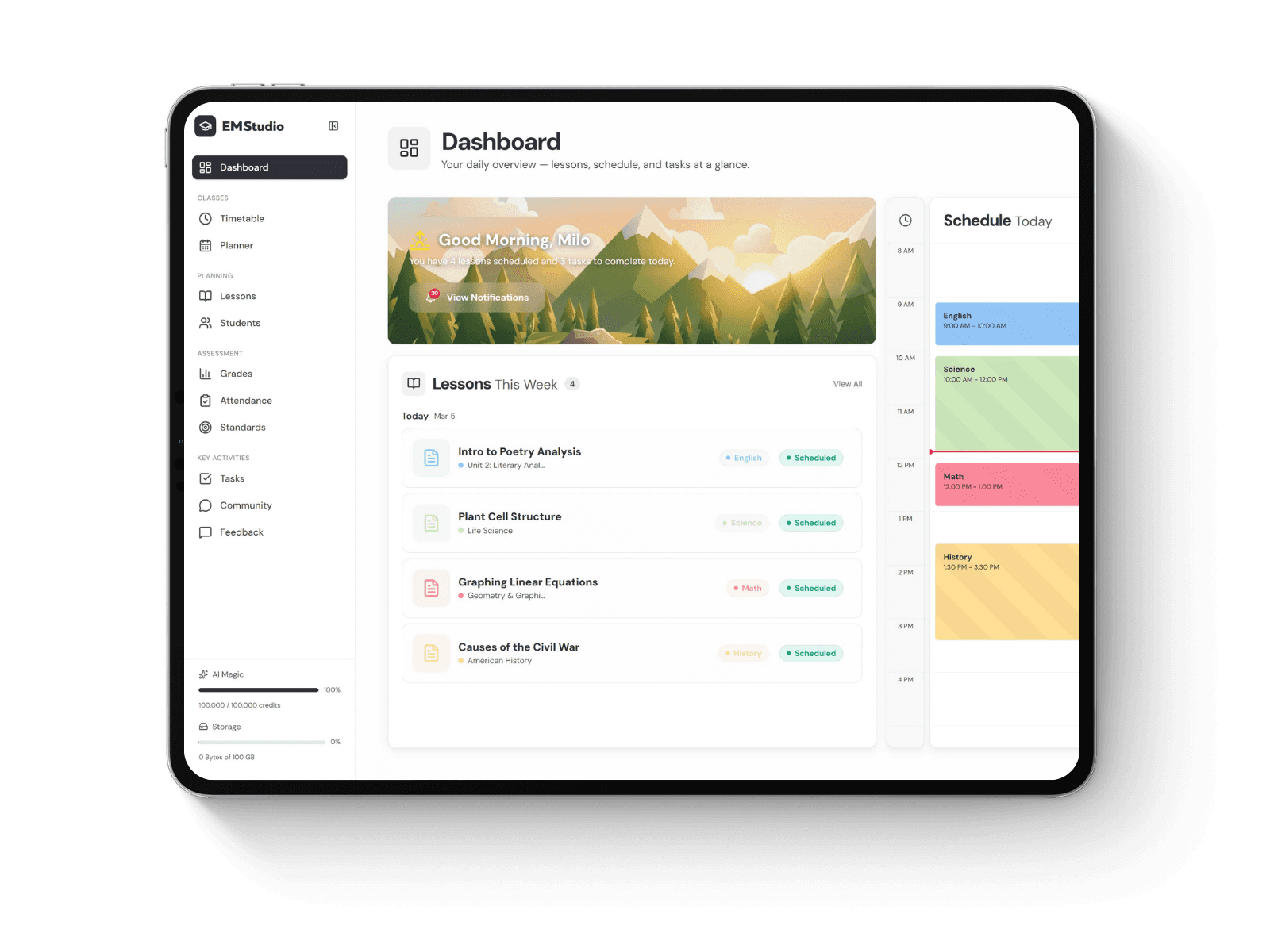
Still grading everything by hand?
EMStudio is a free teaching management app — manage your classes, students, lessons, and more!
Learn More
Table of Contents
Key takeaways
Protect the original first. Clean hands, a careful copy, and safe storage come before frame shopping.
Choose the location before the frame. Light and classroom traffic help determine whether to display a copy.
Keep display copies and official records separate. A printed scan or personalized keepsake can represent your achievement on a wall. Your institution handles official records.
Protect the original before you decorate
Start with handling and storage, particularly if the diploma has been rolled up or tucked away for years.
Start with clean hands. Wash your hands before touching the sheet and skip the lotion, which the National Archives warns can stain paper. Clear a flat table, keep drinks away, and hold the diploma by its edges. Avoid rubber bands, self-adhesive tape, and glue, even for a quick fix. The Library of Congress advises keeping these materials away from paper collections.
Make a usable copy. If the sheet lies flat safely, use a flatbed scanner or photograph it in even light. Never run a valuable original through an automatic document feeder; the National Archives warns that papers can jam and tear. Give the file a descriptive name and store another copy elsewhere, such as cloud storage. The image is useful for display and personal reference, but it cannot replace the original or serve as an official record.
Give the original a safe home. The University of Illinois suggests an acid-free folder inside an acid-free box. Choose a box big enough for the sheet to lie flat. Keep it indoors, away from leaks, heaters, and sunny windows. National Archives household-storage guidance recommends temperatures below 75 degrees Fahrenheit and relative humidity below 65% to reduce mold and insect risks. These are care guidelines, not a guarantee of preservation or an ideal climate for every document.
Leave repairs to a specialist. Do not laminate the diploma. The University of Illinois Library's preservation guidance warns that lamination can damage a document through heat and pressure, and the process cannot be reversed. If the sheet is brittle, stuck to something, badly curled, torn, or showing mold, stop handling it. The National Archives recommends contacting a conservator when safe storage and handling cannot solve the problem.
Choose a display that fits your teaching space

Consider the whole room, then choose one spot for your diploma. A simple, uncluttered background keeps attention on you and the lesson. One frame can mark your achievement without crowding the teaching space. The same planning applies to your virtual classroom setup, where the wall behind you becomes part of every lesson.
Check the light before settling on a location. The Library of Congress notes that light damage accumulates, so even modest exposure over years matters. Look at the intended wall or shelf at the brightest time of day. If sun reaches that spot for part of the day, choose another wall or plan to display a copy instead of the original.
A simple wall frame. A side wall or the space above your desk lets you see the diploma between tasks. Avoid direct sun and strong nearby lamps. Ask your school about mounting rules before drilling, and use hardware suitable for the frame's weight. Hang it at a height where you can dust and check it without moving furniture.
A stable shelf display. A frame on a bookshelf or filing cabinet needs no wall mounting and moves easily at the end of the year. Keep it away from doorways and student walkways, where bumps and spills are more likely. Choose a stable position behind your desk or on a shelf students don't need to reach. If the shelf also holds books or supplies, give the frame its own end so it isn't knocked when items are pulled out.
A tidy video background. For online classes, one frame behind you can mark your achievement without crowding the background. Check how it looks on camera before mounting it. Keep it level and off to one side so your head doesn't obscure it. Look for glare as well; a window or lamp reflecting off the frame's glass can distract students more than the diploma itself.
A small graduation shadowbox. A box frame holding a tassel, a program, and a photo can celebrate graduation alongside the diploma. Use a printed copy in the box. Pins, tape, and loose objects should not touch the original, which can stay protected in its folder. A scan or photocopy can be sufficient for a display. College diploma display copies from Hey Congrats are another option if you prefer a separate personalized keepsake; they are non-official and made for display only.
Build a display you can look after
Once you know the location, measure the diploma and choose the framing materials.
Measure before buying. Diplomas come in different sizes, so write down your sheet's height and width before shopping for a frame or mat. Choose a frame that accommodates the full sheet. Never trim an original to make it fit.
Ask what touches the paper. The National Archives recommends a window mat or spacers to keep glass or acrylic from touching the sheet. The Canadian Conservation Institute recommends archival mat board for works on paper. Ask the framer for suitable archival matting and a gap between the paper and glazing, meaning the frame's glass or acrylic. The Library of Congress advises using chemically stable materials throughout the frame, so ask about the backing board too. UV-filtering glazing reduces ultraviolet exposure, but visible light still damages paper. A protected frame still needs a location away from bright light.
Decide which version to display. For a busy classroom, a print of your scan is replaceable if a water bottle tips over, while the original stays protected. A stock-style keepsake is a general display piece personalized with graduate details, while a match-style keepsake uses a reference you are authorized to share to guide the layout and details. These keepsakes are not school-issued replacements or proof of a degree. Use only details of the degree you earned, and contact your registrar for official records.
FAQs
Should I laminate the original?
No. The University of Illinois Library's preservation guidance warns that lamination can damage a document through heat and pressure, and the process cannot be reversed. If you want a laminated display, use a copy and keep the original in its folder.
Will UV-filtering glass stop all fading?
No. The Library of Congress notes that visible light still damages paper even when ultraviolet light is removed. Use protective glazing alongside careful placement away from sun and bright lamps.
What if the paper is curled or torn?
Do not force it flat, iron it, or tape it. The National Archives recommends a conservator for rolled items that cannot be unrolled without tearing, and specialist advice for records torn into separate pieces. Avoid further handling while arranging help.
Where do I request an official replacement?
Contact the registrar or records office of the institution that issued your degree. Policies differ: UCLA replaces lost or destroyed originals and can reissue a diploma after a legal name change, while Stanford replaces only diplomas that are permanently lost or destroyed and will not issue a duplicate otherwise. Check your institution's procedure before assuming another official copy is available. A display keepsake or a printed scan cannot serve as an official replacement.
Key takeaways
Protect the original first. Clean hands, a careful copy, and safe storage come before frame shopping.
Choose the location before the frame. Light and classroom traffic help determine whether to display a copy.
Keep display copies and official records separate. A printed scan or personalized keepsake can represent your achievement on a wall. Your institution handles official records.
Protect the original before you decorate
Start with handling and storage, particularly if the diploma has been rolled up or tucked away for years.
Start with clean hands. Wash your hands before touching the sheet and skip the lotion, which the National Archives warns can stain paper. Clear a flat table, keep drinks away, and hold the diploma by its edges. Avoid rubber bands, self-adhesive tape, and glue, even for a quick fix. The Library of Congress advises keeping these materials away from paper collections.
Make a usable copy. If the sheet lies flat safely, use a flatbed scanner or photograph it in even light. Never run a valuable original through an automatic document feeder; the National Archives warns that papers can jam and tear. Give the file a descriptive name and store another copy elsewhere, such as cloud storage. The image is useful for display and personal reference, but it cannot replace the original or serve as an official record.
Give the original a safe home. The University of Illinois suggests an acid-free folder inside an acid-free box. Choose a box big enough for the sheet to lie flat. Keep it indoors, away from leaks, heaters, and sunny windows. National Archives household-storage guidance recommends temperatures below 75 degrees Fahrenheit and relative humidity below 65% to reduce mold and insect risks. These are care guidelines, not a guarantee of preservation or an ideal climate for every document.
Leave repairs to a specialist. Do not laminate the diploma. The University of Illinois Library's preservation guidance warns that lamination can damage a document through heat and pressure, and the process cannot be reversed. If the sheet is brittle, stuck to something, badly curled, torn, or showing mold, stop handling it. The National Archives recommends contacting a conservator when safe storage and handling cannot solve the problem.
Choose a display that fits your teaching space
Consider the whole room, then choose one spot for your diploma. A simple, uncluttered background keeps attention on you and the lesson. One frame can mark your achievement without crowding the teaching space. The same planning applies to your virtual classroom setup, where the wall behind you becomes part of every lesson.
Check the light before settling on a location. The Library of Congress notes that light damage accumulates, so even modest exposure over years matters. Look at the intended wall or shelf at the brightest time of day. If sun reaches that spot for part of the day, choose another wall or plan to display a copy instead of the original.
A simple wall frame. A side wall or the space above your desk lets you see the diploma between tasks. Avoid direct sun and strong nearby lamps. Ask your school about mounting rules before drilling, and use hardware suitable for the frame's weight. Hang it at a height where you can dust and check it without moving furniture.
A stable shelf display. A frame on a bookshelf or filing cabinet needs no wall mounting and moves easily at the end of the year. Keep it away from doorways and student walkways, where bumps and spills are more likely. Choose a stable position behind your desk or on a shelf students don't need to reach. If the shelf also holds books or supplies, give the frame its own end so it isn't knocked when items are pulled out.
A tidy video background. For online classes, one frame behind you can mark your achievement without crowding the background. Check how it looks on camera before mounting it. Keep it level and off to one side so your head doesn't obscure it. Look for glare as well; a window or lamp reflecting off the frame's glass can distract students more than the diploma itself.
A small graduation shadowbox. A box frame holding a tassel, a program, and a photo can celebrate graduation alongside the diploma. Use a printed copy in the box. Pins, tape, and loose objects should not touch the original, which can stay protected in its folder. A scan or photocopy can be sufficient for a display. College diploma display copies from Hey Congrats are another option if you prefer a separate personalized keepsake; they are non-official and made for display only.
Build a display you can look after
Once you know the location, measure the diploma and choose the framing materials.
Measure before buying. Diplomas come in different sizes, so write down your sheet's height and width before shopping for a frame or mat. Choose a frame that accommodates the full sheet. Never trim an original to make it fit.
Ask what touches the paper. The National Archives recommends a window mat or spacers to keep glass or acrylic from touching the sheet. The Canadian Conservation Institute recommends archival mat board for works on paper. Ask the framer for suitable archival matting and a gap between the paper and glazing, meaning the frame's glass or acrylic. The Library of Congress advises using chemically stable materials throughout the frame, so ask about the backing board too. UV-filtering glazing reduces ultraviolet exposure, but visible light still damages paper. A protected frame still needs a location away from bright light.
Decide which version to display. For a busy classroom, a print of your scan is replaceable if a water bottle tips over, while the original stays protected. A stock-style keepsake is a general display piece personalized with graduate details, while a match-style keepsake uses a reference you are authorized to share to guide the layout and details. These keepsakes are not school-issued replacements or proof of a degree. Use only details of the degree you earned, and contact your registrar for official records.
FAQs
Should I laminate the original?
No. The University of Illinois Library's preservation guidance warns that lamination can damage a document through heat and pressure, and the process cannot be reversed. If you want a laminated display, use a copy and keep the original in its folder.
Will UV-filtering glass stop all fading?
No. The Library of Congress notes that visible light still damages paper even when ultraviolet light is removed. Use protective glazing alongside careful placement away from sun and bright lamps.
What if the paper is curled or torn?
Do not force it flat, iron it, or tape it. The National Archives recommends a conservator for rolled items that cannot be unrolled without tearing, and specialist advice for records torn into separate pieces. Avoid further handling while arranging help.
Where do I request an official replacement?
Contact the registrar or records office of the institution that issued your degree. Policies differ: UCLA replaces lost or destroyed originals and can reissue a diploma after a legal name change, while Stanford replaces only diplomas that are permanently lost or destroyed and will not issue a duplicate otherwise. Check your institution's procedure before assuming another official copy is available. A display keepsake or a printed scan cannot serve as an official replacement.
Still grading everything by hand?
EMStudio is a free teaching management app — manage your classes, students, lessons, and more!
Learn More
Still grading everything by hand?
EMStudio is a free teaching management app — manage your classes, students, lessons, and more!
Learn More



Notion4Teachers
Notion templates to simplify administrative tasks and enhance your teaching experience.


2026 Notion4Teachers. All Rights Reserved.
Notion4Teachers
Notion templates to simplify administrative tasks and enhance your teaching experience.
2026 Notion4Teachers. All Rights Reserved.
Notion4Teachers
Notion templates to simplify administrative tasks and enhance your teaching experience.
2026 Notion4Teachers. All Rights Reserved.