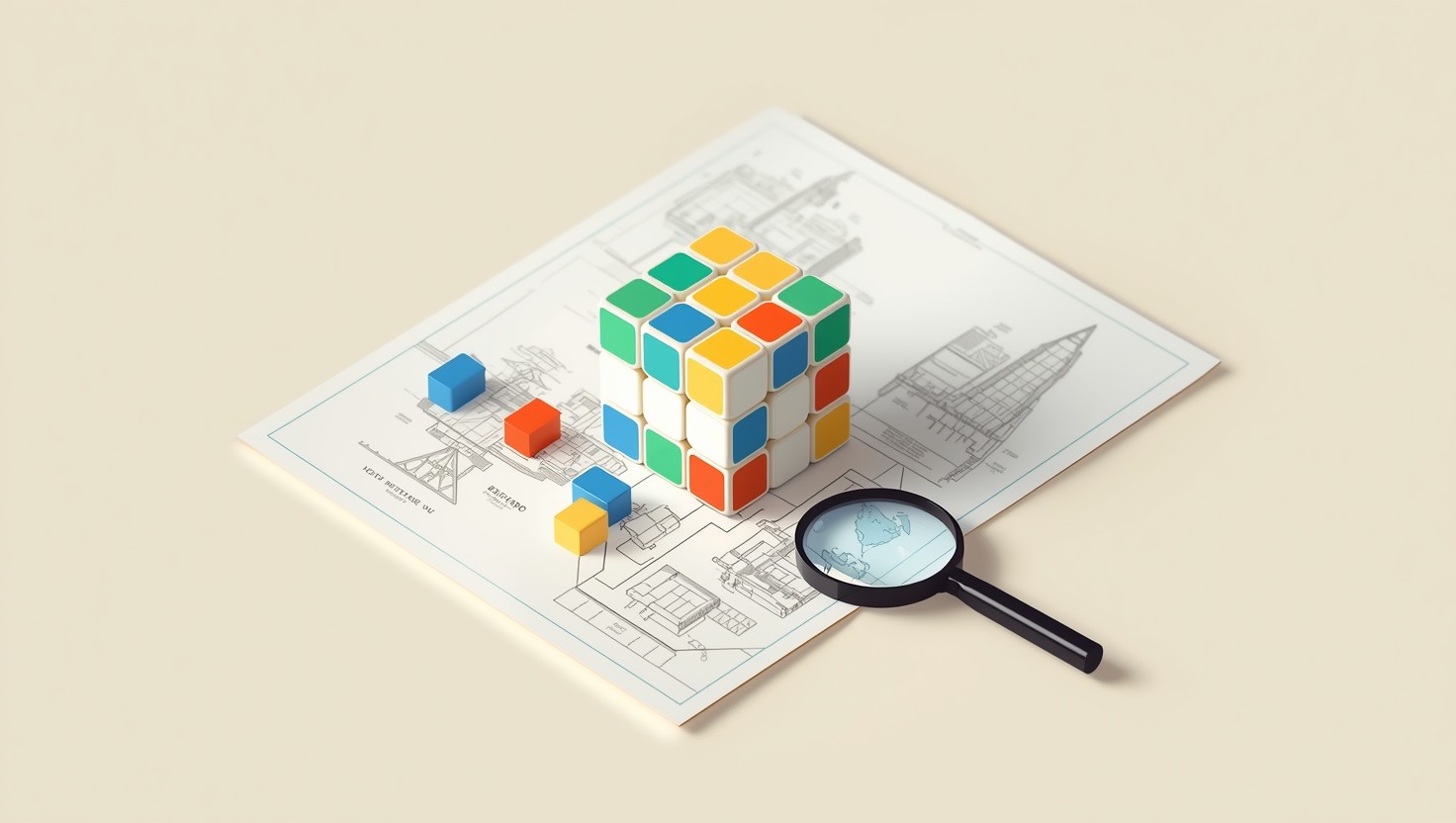
Spatial Learner: Complete Guide for K-12 Educators
Spatial Learner: Complete Guide for K-12 Educators

Article by
Milo
ESL Content Coordinator & Educator
ESL Content Coordinator & Educator
All Posts
Research from Vanderbilt University found that spatial ability predicts success in STEM fields better than math or verbal scores alone. That student who doodles maps in the margins and builds elaborate structures during indoor recess? They're not distracted. They're a spatial learner—someone who thinks in pictures, patterns, and 3D models rather than words or numbers. These kids process the world through visual spatial intelligence, and they make up roughly a fifth of your classroom.
Yet most K-12 instruction favors auditory and sequential learners. Lectures, linear worksheets, and heavy text can shut spatial learners down before lunch. The parietal cortex—the brain's GPS center—lights up when these students manipulate objects, sketch diagrams, or rotate shapes mentally. When you ignore that wiring, you miss their potential. When you tap into it, you reach kids who've been labeled "slow" simply because they don't learn in straight lines.
This guide shows you how to identify spatial learners without formal testing. You'll get specific strategies across math, reading, and science that use graphic organizers, manipulatives, and mental rotation activities. No fluff. Just what works.
Still grading everything by hand?
EMStudio is a free teaching management app — manage your classes, students, lessons, and more!
Learn More

Still grading everything by hand?
EMStudio is a free teaching management app — manage your classes, students, lessons, and more!
Learn More
Table of Contents
What Is a Spatial Learner?
A spatial learner processes information through mental imagery, visual relationships, and 3D manipulation rather than verbal or sequential methods. These students excel at reading maps, understanding diagrams, and visualizing abstract concepts, typically showing strong parietal cortex activation during spatial reasoning tasks.
These kids think in pictures. They see the math problem before they solve it. Give them a diagram, and they get it instantly; give them a paragraph of directions, and they get lost.
Researchers identify these students using tools like the Purdue Spatial Visualization Test (PSVT), which measures how well someone can rotate 3D objects in their mind. High scorers can look at a flattened box template and instantly know what it looks like assembled. This isn't just a party trick—it's a distinct cognitive pathway that shapes how they access every subject in your curriculum.
Contrast this with your auditory-verbal learners. While those students thrive on step-by-step oral directions and discussion, spatial learners get stuck when you say "first do this, then do this." They need to see the whole map before navigating the route. They excel at mental rotation tasks, pattern recognition, and reading charts, but they may stare blankly when you rattle off a five-step procedure without a visual anchor.
The parietal cortex drives this processing. Neuroimaging shows this region lighting up when strong spatial thinkers manipulate mental images. John Hattie's Visible Learning research puts spatial reasoning's effect size at 0.63 when explicitly taught—well above the 0.40 hinge point. Teaching to this strength isn't fluff; it moves achievement significantly.
Look for these four markers in your classroom:
Mental rotation ability: They can turn objects in their mind's eye to see hidden sides or solve geometry problems without physical manipulatives.
Preference for diagrams over text: Given a choice between a paragraph explaining photosynthesis and a diagram, they gravitate toward the visual representation every time.
Holistic pattern recognition: They spot the big picture instantly—seeing how the history unit connects, recognizing the geometric pattern—before noticing individual details.
Difficulty with sequential verbal instructions: They lose track during multi-step oral directions unless you provide a written list or graphic organizers to anchor the sequence.
Defining the Spatial Visual Learner Profile
The spatial visual learner builds understanding through mental architecture. They construct 3D models in working memory, rotating concepts to examine relationships from multiple angles. This isn't merely preferring pictures over text; it's a fundamental difference in how working memory organizes information—through spatial arrays rather than linear strings.
Watch a fifth-grader with strong visual spatial intelligence attack a fraction problem. While classmates count on fingers or follow algorithmic steps, this student visualizes a number line, sees the distance between zero and one-half, and intuits the comparison. They don't calculate the answer so much as perceive it spatially. The numbers have location and weight in their mind's eye.
By ninth grade, these learners reveal themselves in social studies. Ask them to take notes on causes of World War I, and the linear outline feels like prison. Give them permission to draw, and they create concept maps showing the web of alliances as actual webs, with distance representing political tension. The visual learning style isn't just about decoration—it's their primary information processing system.
These students often get mislabeled as distracted or slow processors. They're not. They're building complex mental models while you're still speaking sentence two. Their pause isn't confusion; it's construction. When you see a student staring at the ceiling during your explanation, then suddenly blurting the correct answer, you've likely witnessed spatial processing in action.
Unlike kinesthetic learning, which needs physical movement, spatial learning happens internally. The body may sit still while the mind manipulates objects. However, these students often benefit from manipulatives because holding the physical object anchors their mental rotation practice.
Check their notebooks. You'll find doodles in the margins that actually represent the concept—arrows showing migration patterns, boxes connecting character relationships, 3D cubes illustrating volume formulas. These aren't distractions. They're the external evidence of internal spatial processing that makes learning stick for these kids.
Recognize them early. They're the preschoolers who build complex block structures while peers line toys in rows. They're the ones who give directions using landmarks rather than street names.
How Spatial Thinking Differs From Verbal Sequential Processing
Your verbal-sequential processors run on language and logic. They follow written directions step-by-step, excel at spelling bees, and organize notes in neat outlines. This pathway leans heavily on left-hemisphere networks, processing information like a train on tracks—one car following another in fixed sequence.
Spatial processing spreads across distributed networks, recruiting the parietal cortex and occipital regions simultaneously. Think parallel processing instead of serial processing. Where verbal learners see "first, next, then," spatial learners see the completed puzzle before finding the edge pieces. They grasp the gestalt instantly while others build understanding brick by brick.
Picture arranging furniture in a classroom. The verbal-sequential teacher reads the room dimensions, follows the written layout instructions step-by-step, places the desk, then the chair, then the bookshelf. The spatial teacher stands in the doorway, sees the whole room as a 3D grid, and intuitively knows the couch fits best against the north wall because she can see it there mentally. Both get the job done. The route differs completely.
This explains why your kinesthetic learning centers often overlap with spatial strengths. Both require manipulating objects in space—whether physically with manipulatives or mentally with imagery. The student who needs to "see it to get it" isn't being difficult; they're accessing a different neural highway. When you provide graphic organizers, you bridge the gap, giving spatial processors a visual scaffold for linear content.
The clash happens during oral-only instruction. Verbal-sequential students track beautifully as you list five homework steps. Spatial learners need you to write those steps on the board, preferably with icons or spatial grouping. Without that visual anchor, they must translate your words into mental images first—a cognitive tax that slows retrieval.
Test it yourself. Give half your class written directions for a paper airplane. Give the other class a finished model to examine. Your spatial learners flock to the model group, reverse-engineering the folds through mental rotation before touching the paper. They need the endpoint visible to understand the journey.
The Neuroscience Behind Visual Spatial Learning Style
Neuroimaging reveals the biological hardware. When strong spatial thinkers solve problems, their dorsal visual stream—the "where" pathway running from visual cortex to parietal cortex—shows hyperactivity. This network tracks location, movement, and spatial relations, explaining why these students feel physical discomfort when forced to process purely through verbal channels.
Here's the hope: spatial skills aren't fixed traits written in genetic stone. David Uttal's meta-analysis of spatial training studies confirms these abilities are highly malleable. Targeted training—using mental rotation exercises, block building, or spatial language instruction—produces significant gains that transfer to STEM achievement. You can literally grow these neural pathways.
This means your struggling spatial learner isn't stuck with weak skills. Explicit instruction in spatial reasoning, combined with graphic organizers and visual anchors, actually builds brain structure. The plasticity remains active through adolescence. Teach the skill rather than labeling the kid, and watch that 0.63 effect size from Hattie's research show up in your gradebook.
The dorsal stream works closely with the frontal lobes during complex problem-solving. When a student manipulates a molecule model in chemistry class, both regions fire together, creating stronger memory encoding than text reading alone. This neural cooperation explains why manipulatives boost retention for spatial students specifically.
Gender gaps in spatial performance aren't biological destiny; they're practice gaps. Uttal's research shows training eliminates most differences. Your intervention matters. Provide spatial puzzles, block play for older students, and explicit coaching on mental rotation strategies. The brain responds.
Monitor progress using the Purdue Spatial Visualization Test or simple classroom tasks. Watch for improved speed in mental rotation activities. The neuroscience confirms what classroom teachers observe: when you teach to spatial strengths, the parietal cortex strengthens, and academic performance follows.
Why Do Spatial Learning Styles Matter in Modern Classrooms?
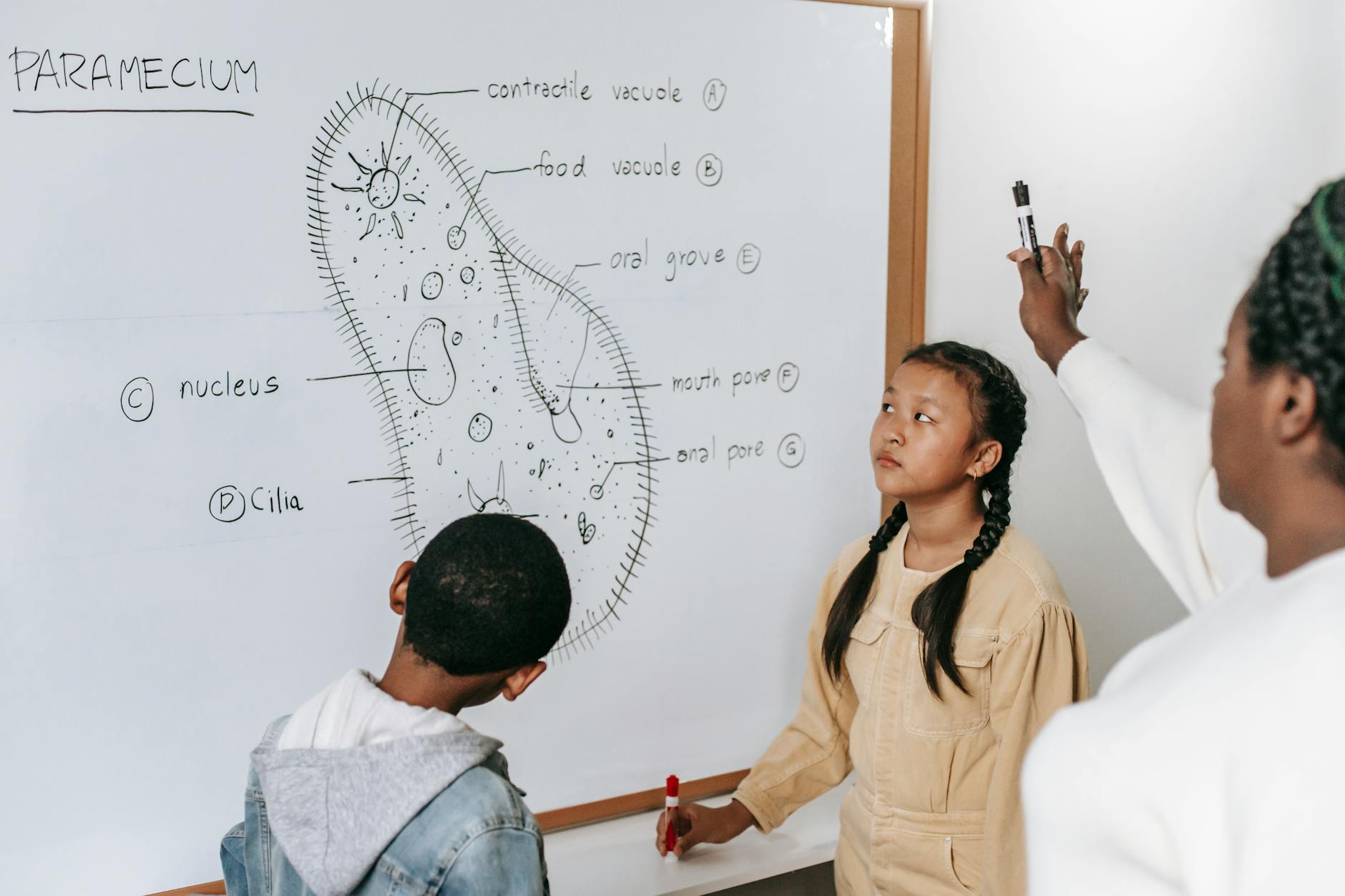
Spatial learning styles matter because traditional classrooms rely heavily on verbal-sequential instruction (lectures, textbooks), creating a neurological mismatch for 30-40% of students who process information through mental imagery. This mismatch leads to underachievement, disengagement, and overlooked career potential in high-earning STEM and design fields.
Most classrooms talk at kids. They sit in rows, face forward, and listen. But a spatial learner needs to see it, rotate it, build it. When you only lecture, you teach to the wrong half of the brain.
The Mismatch Between Traditional Instruction and Spatial Minds
Traditional classrooms run on verbal-sequential delivery. Lectures, textbooks, and essays dominate despite the fact that 30-40% of students possess visual spatial learning style dominance.
Instructional delivery: Traditional relies on lectures. Spatial-optimized uses diagrams, models, and graphic organizers.
Assessment format: Traditional needs essays. Spatial-optimized accepts visual proofs and models.
Seating arrangement: Traditional uses rows facing the speaker. Spatial-optimized clusters desks for viewing demonstrations and manipulatives.
Note-taking: Traditional requires linear outlines. Spatial-optimized accepts mind maps and sketches.
Time constraints: Traditional moves at lecture pace. Spatial-optimized builds in mental rotation time.
The translation cost burns these kids. When you say "imagine a rotating cube," their parietal cortex works to build that image. By the time they construct it, you've moved on. They're not slow. They're converting your words into pictures, draining working memory that should go toward content mastery.
You hand out a text-heavy worksheet on fractions. The spatial learner needs fraction bars or physical pie pieces. Without manipulatives, they spend ten minutes building the mental image of the fraction relationship that the verbal learner grasped in ten seconds. They finish last, reinforcing the myth that they're slower.
You see the frustration in 3rd grade October. You explain the water cycle verbally. The spatial kids draw clouds and arrows while you talk, missing your next three sentences. They failed to "listen" because they were building the visual model you never showed them.
Academic Consequences of Overlooked Spatial Strengths
When schools ignore visual spatial intelligence, the damage shows up immediately.
False negatives on assessments. A student masters physics concepts but fails the verbal explanation. You mark them below grade level despite their understanding.
STEM avoidance. They drop advanced math not because they can't handle vectors, but because the presentation requires verbal reasoning. They choose English instead.
Learned helplessness in language arts. Years of forced linear writing convinces them they're "bad at words," when they simply process narrative through scene-building.
These students appear disorganized or distracted. They stare out windows during lectures. Teachers misread this as attention deficit. The kid isn't distracted—they're translating incompatible modalities.
The misdiagnosis hurts. You send them to reading intervention when they need kinesthetic learning tools. You assign extra homework on the same verbal task that caused the initial failure.
Longitudinal research confirms the stakes. Studies tracking spatial ability at age 13 predict advanced educational credentials and STEM persistence decades later better than verbal scores. The block-rotation ace who struggles with book reports possesses the neural wiring for surgical robotics or renewable engineering. We train them to doubt it.
By high school, they've developed avoidance strategies. They never sign up for engineering electives because the prerequisites—rote memorization science classes—bored them to tears. They don't know that the actual career involves the mental rotation they love.
Career Pathways Where Spatial Reasoning Dominates
The Bureau of Labor Statistics tracks the wage gap. Architecture, engineering, and design fields show median salaries 23-34% higher than verbal-dominant careers like journalism or administrative support. Yet K-12 systems spend thirteen years training verbal skills while ignoring the spatial prerequisites for these high-earning fields.
Explore career pathways where spatial reasoning dominates to see how these fields organize complex visual information.
Their brains are already built for these roles. The same parietal cortex activity that made them doodle during your lecture powers the CAD software they'll use.
Map three tiered pathways for spatial students:
Technical/Trade: Requires high school geometry, physics, and shop classes. Leads to electrician, HVAC, or CNC machining roles.
Design/Architecture: Needs art classes, CAD exposure, and calculus. Targets architecture, industrial design, or urban planning.
STEM Research: needs advanced math, computer science, and lab sciences. Prepares for engineering, geosciences, or biomedical research.
Each pathway requires specific spatial preparation. Yet most high schools default to college-prep tracks that assume verbal dominance. You're the gatekeeper who can redirect them toward environments that match their neural wiring—and their earning potential.

How Can You Identify a Spatial Learner in Your Classroom?
Identify spatial learners by observing students who gesture while thinking, prefer diagram-based instructions, excel at puzzles and map-reading, but struggle with sequential oral directions. Unlike general visual learners, they mentally manipulate 3D objects and organize information through spatial relationships rather than lists or outlines.
Look for the kid who rotates their paper to solve a math problem while everyone else keeps theirs straight. They're showing you their brain works in 3D.
Observable Behaviors and Learning Preferences
Watch for students who physically manipulate objects while thinking or sketch constantly during lectures. They use directional language like "over here" or "next to that" rather than "first" or "then." You'll see strong geometry performance but algebra struggles, plus organizational systems that look chaotic yet function perfectly for them.
Elementary students build with blocks during lessons; secondary students sketch concept maps during discussions. Both rotate worksheets to view problems from different angles and prefer seats with full room visibility. They gesture extensively when explaining concepts and excel at puzzles but freeze during oral multi-step directions.
These behaviors indicate active kinesthetic learning tied to spatial processing. When a student handles manipulatives while you lecture, they're not fidgeting—they're converting your words into 3D models. This visual spatial intelligence shows up strongest when verbal needs decrease and spatial freedom increases.
Rotates worksheets to view from different angles.
Prefers sitting where they can see the whole room.
Uses hands extensively when explaining ideas.
Excels at puzzles but struggles with oral directions.
Draws while listening to verbal instructions.
Organizes materials in unconventional spatial arrangements.
Navigates using cognitive maps rather than landmarks.
Prefers diagram-based instructions over numbered lists.
Strong at geometry, weaker at sequential algebra.
Manipulates objects while problem-solving.
Common Frustrations in Traditional Verbal-Heavy Settings
Spatial learners hit walls in classrooms prioritizing verbal articulation. Oral-only directions without visual anchors leave them stranded. Timed tests requiring verbal explanations trigger anxiety. Seating arrangements that block sightlines to visual aids cripple their processing speed and accuracy.
The blank page paralysis hits hard when essay prompts arrive without graphic organizers. They need to see the structure before filling it with words. Girls and multilingual learners often mask these spatial strengths due to socialization or language barriers, requiring deliberate observation during hands-on tasks where verbal needs drop away.
Traditional note-taking prioritizing linear text over spatial organization forces these students to translate their natural 3D thinking into 2D sequences. This translation tax exhausts them before the learning even begins.
Differentiating Spatial Learners From General Visual Learners
Not every "im a visual learner" claim indicates spatial ability. General visual learners prefer pictures over text but process sequentially. True spatial learners engage in mental rotation of 3D objects and organize via spatial relationships.
Trait | General Visual Learner | Spatial Visual Learner |
Information Storage | Pictures | 3D models |
Navigation | Landmarks | Cognitive maps |
Problem Solving | Step-by-step diagrams | Holistic mental manipulation |
Use this diagnostic flowchart: Does the student prefer diagrams? If yes, can they mentally rotate objects? If yes, do they struggle with sequential listening? Spatial learner confirmed.
Research links advanced spatial ability to the parietal cortex. While general visual learners score well on picture-based tests, true spatial learners need manipulation tasks like block design or paper folding. When differentiating spatial learners from general visual learners, look for 3D mental modeling versus simple picture preference.
Visual Learning Style Examples Across Subject Areas
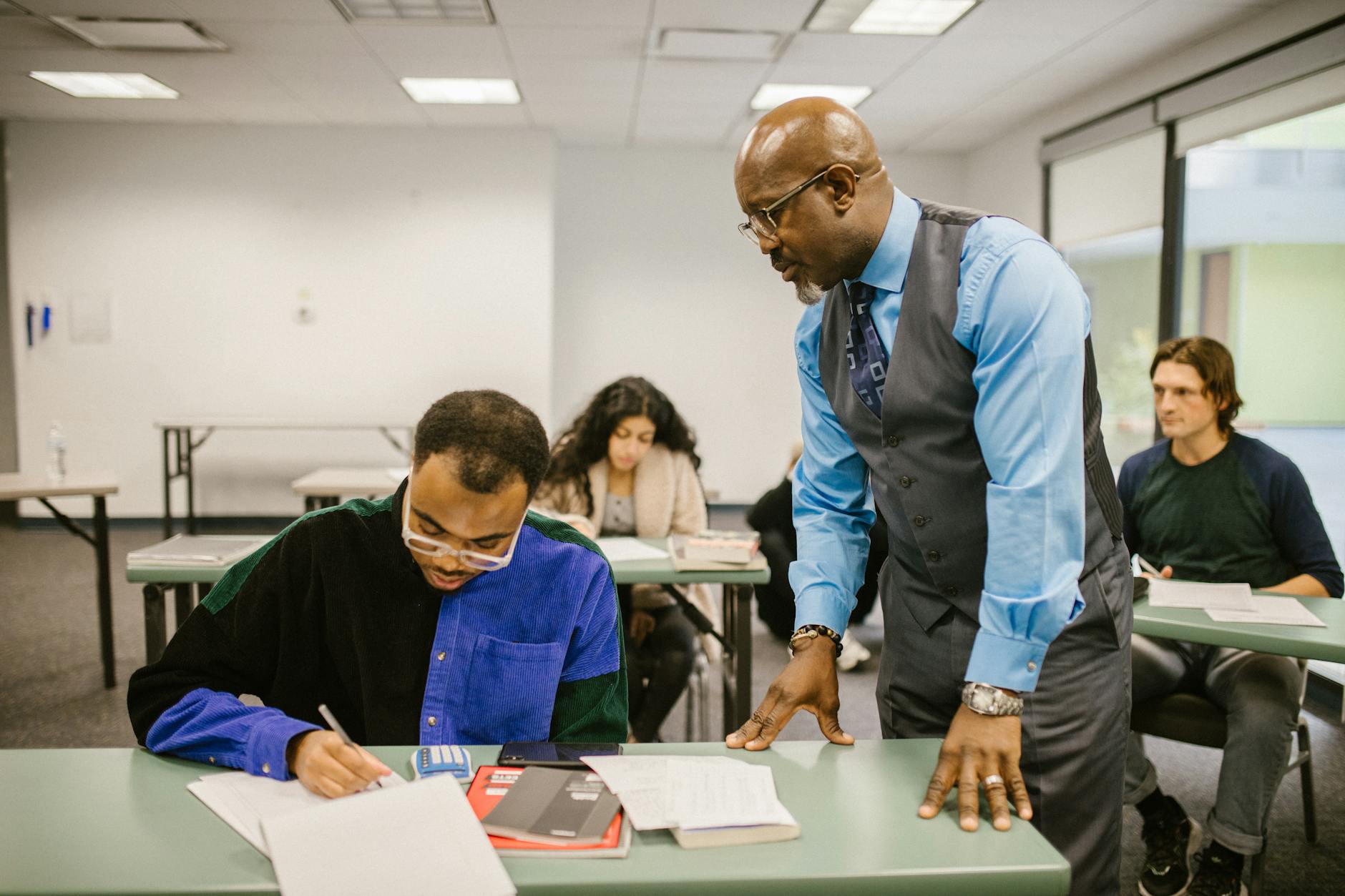
Spatial learners don't just "like pictures"—they think in dimensions. These visual learning style examples show how to move beyond worksheets into physical, manipulable space. Whether you're teaching atomic structure or narrative arc, the strategy stays consistent: start with the hands, move to the eyes, end with the abstract. Each example below includes specific grade levels and manipulatives you can use tomorrow. No special software required for most of these activities.
Mathematics and Geometry Applications
Start kindergarteners with Cuisenaire rods—actual wooden blocks they can touch and rearrange. This concrete stage builds the mental rotation skills that activate the parietal cortex. Have them build trains of ten, physically feeling how a brown eight and a red two fill the same space as an orange ten.
Move to representational by third grade. Students sketch rods on graph paper, drawing the relationships before writing equations. By fourth grade, introduce the area model for multiplication. Students draw a 23 × 15 rectangle on grid paper, decomposing it into 20×10, 20×5, 3×10, and 3×5 sections. They see partial products spatially.
By eighth grade, use algebra tiles for factoring quadratics. Students physically arrange the tiles into rectangles to see how x² + 5x + 6 becomes (x+2)(x+3). Eleventh graders manipulating Desmos 3D graphs for calculus complete the progression—pure abstraction built on solid visual spatial intelligence.
Reading Comprehension Through Story Mapping
Fifth graders mapping The Giver need floor space. Create a physical story map using yarn and index cards. Students place character cards in spatial relationships showing intimacy or conflict, not just chronological order. Jonas stands physically close to the Giver but meters away from his biological family. The spatial distance is emotional truth. Physical distance makes the abstract relationship concrete.
For digital options, sixth graders use Popplet or Lucidchart. These graphic organizers let them drag nodes to show causal relationships, not just sequence. The screen becomes a spatial workspace. Color-coding different plot elements adds another visual layer for analysis.
The Story Grammar method uses 11×17 paper divided into quadrants: Setting, Characters, Problem, Solution. Students sketch the narrative architecture before writing summaries. This gives spatial learners a concrete reference point. When they can see the story's structure, they retell it accurately.
Science Concepts and Spatial Reasoning Tasks
Before showing 2D diagrams of molecules, have seventh graders build them. Use gumdrops and toothpicks to model methane or water. Let them feel the tetrahedral angles. Count the toothpicks to verify bond numbers. Then move to PhET interactive simulations where they manipulate digital models. The kinesthetic learning of the physical build supports the digital manipulation.
Try the Atomic Hotel activity for electron configuration. Students arrange themselves as electrons in specific "rooms" representing orbitals. They physically occupy s, p, and d blocks on the classroom floor. This spatial reasoning task makes the Aufbau principle intuitive before they ever see a diagram.
For earth science, eighth graders use Google Earth Pro to import elevation data. They visualize watershed concepts by rotating the terrain, seeing how water flows downhill. The mental rotation required here develops the same neural pathways used in abstract physics.
Historical Timelines and Geographic Visualization
Ninth graders often confuse chronology with causation. Build a conceptual timeline on your bulletin board. Students place events like the printing press, Reformation, and Scientific Revolution as nodes. Then they connect them with string, showing how one event spatially "touches" multiple others. The web visualizes historical interdependence better than a straight line.
For geographic visualization and historical timelines, use the overlay method. Students stack transparencies showing population density, resources, and trade routes. They see patterns emerge in the overlap that linear text descriptions hide.
Tenth graders create "living timelines" by physically positioning themselves in the classroom. Standing closer to the door is stronger causal influence. Distance shows weaker connections. Any spatial learner in your room will immediately grasp these relationships. This example of visual learning style makes abstract historical forces tangible and memorable.
Evidence-Based Strategies to Support Spatial Learners
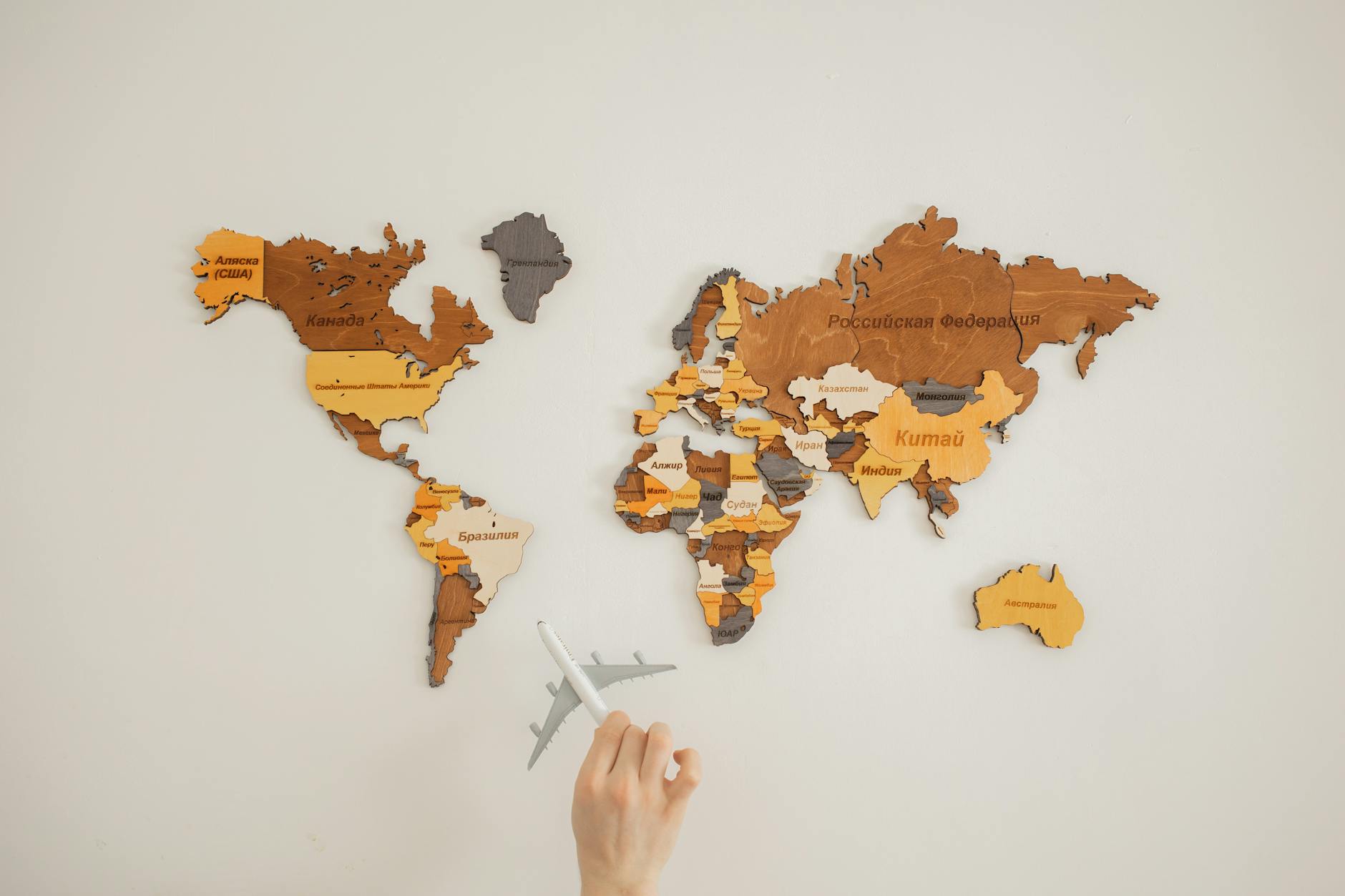
Think of support as a three-tiered intervention framework. Tier 1 provides universal spatial supports like visual anchors for every student. Tier 2 targets struggling learners with specific graphic organizers. Tier 3 brings assistive technology for 3D manipulation to those with significant needs. Never introduce digital 3D modeling before students master physical manipulatives. Jumping to software too early creates tool overload that masks content gaps.
The research is clear: spatial training programs yield 0.4-0.6 standard deviation improvements only when embedded in content instruction, not taught as isolated skills. Use this decision matrix: choose physical manipulatives for abstract concepts like molecules, 2D diagrams for scale like the solar system, and 3D simulation for dynamic systems like engine function. Match the tool to the cognitive demand.
Manipulatives and Physical Models for Abstract Concepts
First, use the concrete before touching any screen. Three tool sets anchor abstract thinking through tactile exploration:
Algebra tiles ($3-8 per student) make variables tangible and negative numbers reversible.
Molecular model kits ($12-15 per Molymod set) let students build 3D bond structures.
Fraction towers give elementary students physical proof that one-half equals two-fourths.
Follow the concrete-representational-abstract sequence with minimum three days at each stage. Use explicit bridging language when transitioning: "When you flipped that red tile, you were making negative one." This engages the parietal cortex and supports mental rotation. It separates genuine visual spatial intelligence from casual "i am a visual learner" declarations that mask content gaps.
Graphic Organizers and Visual Note-Taking Systems
When students move to paper, structure their thinking with specific graphic organizers that match how the parietal cortex processes information:
Frayer Model: Place the vocabulary term in the center with examples and non-examples in the four surrounding quadrants.
Concept Maps: Draw nodes connected by linking phrases that force students to articulate relationships between ideas.
Sketch-to-Stretch: Have students draw their interpretation of a reading selection before any oral discussion begins.
Modify Cornell Notes explicitly for the spatial learner. Allow the notes column for drawings, not linear sentences. The summary section becomes a concept map showing connections. This honors mental rotation while building academic discipline. These visual note-taking systems externalize the internal visualization that spatial thinkers already do naturally.
Spatial Metaphors for Language and Logic Instruction
Abstract concepts need spatial anchors that translate verbal logic into visual structure. Use these three metaphors consistently:
Argument as architecture: Foundation is evidence, walls are claims, roof is conclusion.
Grammar as traffic flow: Periods are stop signs, commas are yield signs, semicolons are flashing caution lights.
Historical causation as domino chains: Spatial proximity between events indicates influence strength.
Match metaphor complexity to developmental stage. Seventh graders understand fractions through pizza slicing they can manipulate. Tenth graders tackling calculus need number line "jumps" and slope as steepness metaphors requiring abstract mental rotation. The kinesthetic learning component matters—have students physically build argument structures with blocks or arrange timeline dominoes. These bridges help students with strong visual spatial intelligence access verbal content.
Technology Tools for 3D Visualization and Creation
Reserve digital tools for when physical understanding is secure. Free options support 3D creation without budget strain:
Tinkercad: Free 3D design for education with simple interface.
GeoGebra 3D Calculator: Mathematical visualization and dynamic graphing.
Google SketchUp for Schools: Architectural and geometric modeling.
PhET simulations: Interactive science models for physics and chemistry.
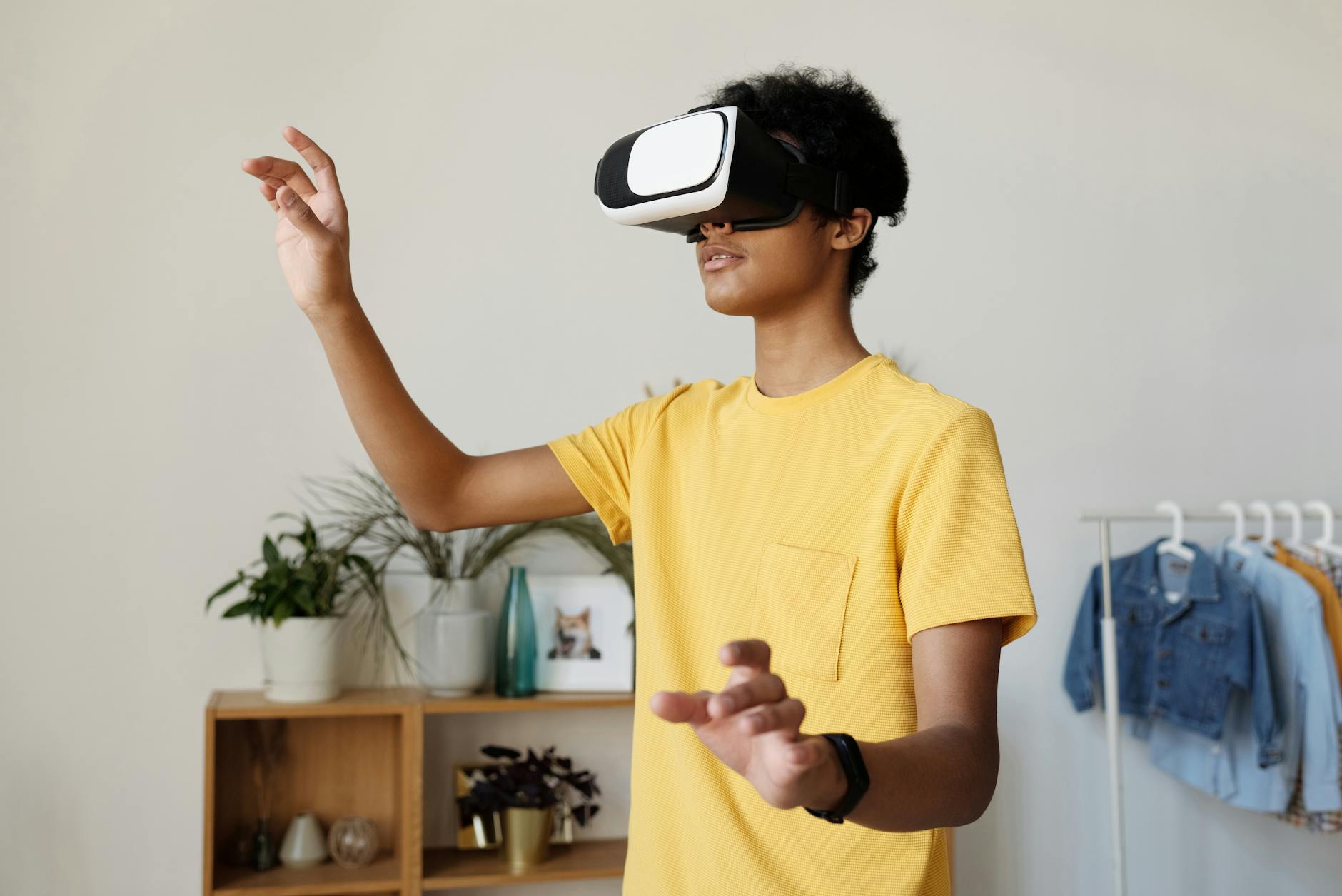
CoSpaces Edu: VR creation for student projects.
Hardware matters more than software choice. Thirty non-touch Chromebooks frustrate spatial learners who need to rotate objects with their fingers. Instead, equip five or six touchscreen devices and use a station rotation model. Groups of five manipulate 3D models through touch, developing fluency, then return to desks to synthesize learning. These technology tools for 3D visualization should enhance, not replace, concrete manipulation.

How to Create a Spatial-Friendly Classroom Environment?
Create a spatial-friendly classroom by making sure clear sightlines to visual demonstrations, offering flexible seating for movement, and offering assessment alternatives like model-building or concept mapping. Explicitly teach spatial vocabulary to bridge visual thinking with verbal communication requirements. Balance accommodation with skill-building.
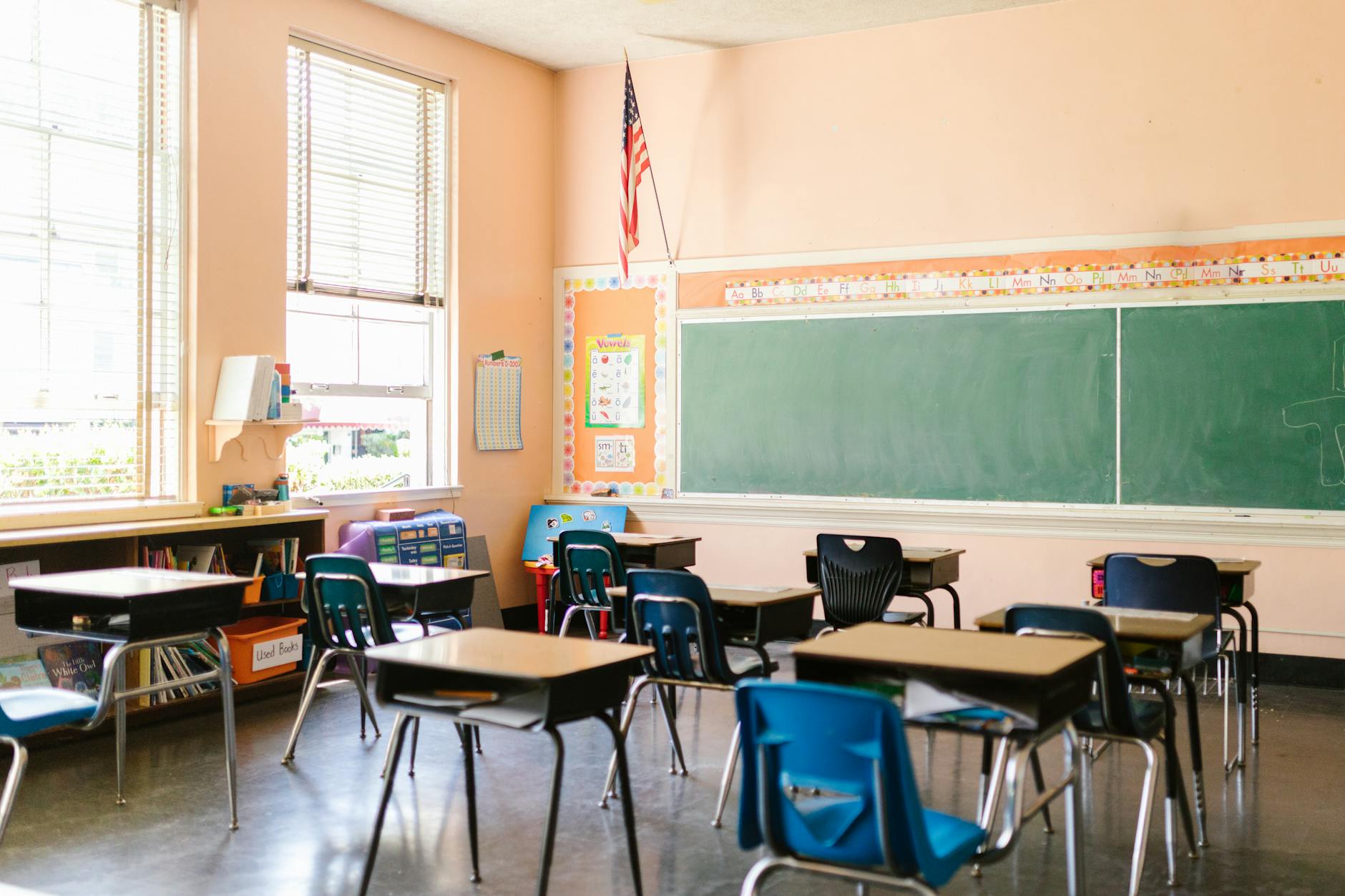
Your room either helps spatial learners think or fights them. Audit your space like you'd check the fire extinguisher—methodically and regularly. Small shifts in layout unlock big cognitive gains.
Room Design and Visual Accessibility Considerations
Stop teaching with your back to half the class. Arrange desks in U-shaped or cluster formations with demonstration zones at multiple compass points. When I switched from rows to clusters last year, participation from my spatial visual learners jumped immediately—they could finally see the manipulatives I was using.
Run a spatial accessibility audit. Check these elements:
Eighty percent of students must have clear sightlines to demonstration areas without twisting their necks.
Reserve forty percent of wall space for student-generated diagrams and graphic organizers.
Keep text chunks under seven words per visual anchor.
Allow flexible seating so students can move while thinking with their bodies.
The room design and visual accessibility matters because blocked sightlines shut down the parietal cortex's processing power. Position demonstration tables at the room's north and east walls so no student sits more than fifteen feet from the action. Kinesthetic learning and visual spatial intelligence work together when bodies can mirror the mental rotation happening in their heads.
Assessment Alternatives Beyond Verbal and Written Output
Not every assessment needs to be an essay. Offer a menu that channels visual spatial intelligence through different channels:
Physical model creation: Students build concepts using manipulatives, then defend their work orally.
Sketch-to-stretch protocols: Drawings are scored for conceptual accuracy, not artistic quality.
Digital portfolios: 3D screenshots from Tinkercad showing design thinking and iterative changes.
A spatial learner understanding the water cycle can build it with clay and explain evaporation by pointing to their reservoir. The assessment alternatives beyond verbal and written output require new rubrics. Replace "organization" with "clarity of spatial relationships" and "effective use of visual hierarchy." Graphic organizers can serve as assessments themselves. Ask students to build a concept map using manipulatives, then photograph their work. You're testing the mental connections, not the handwriting. All these options assess the same standards. They just let students show what they know through their strengths.
Building Spatial Vocabulary and Communication Skills
Spatial learners see it clearly. They struggle to say it. Teach the bridge vocabulary explicitly: adjacent, orthogonal, hierarchical, concentric, peripheral. These words give shape to their mental images and bridge the gap to academic writing.
Model the translation process daily. Use think-alouds with phrases like "I see this concept as layers positioned relative to each other." Show them how to convert mental pictures into words. When a student explains their diagram, press for specificity. "The mitochondria is next to the nucleus" becomes "The mitochondria sits adjacent to the nucleus, in the peripheral cytoplasm." Build their academic language muscle through revision. Practice this translation skill weekly. Ask students to describe their mental images to a partner who can't see their work.
But don't accommodate forever. Standardized testing requires verbal skills. The real world needs written communication. Your job is dual-coding practice, not replacement of verbal development. Teach them to hold the image and the words simultaneously. Use graphic organizers that require both drawing and captioning. The visual comes first, then the verbal label. This strengthens the parietal cortex's connection to language centers without losing the spatial advantage they need to succeed in high school and beyond.
The Future of Spatial Learner in the Classroom
Spatial skills predict success in STEM fields better than verbal scores do. As coding and design thinking move into elementary curricula, the spatial learner moves from the art room margins to the center of your instruction. These students aren't just good at puzzles. They solve problems in three dimensions while peers read about them in two. The modern workplace needs this ability. Engineers, surgeons, and UX designers all rely on mental rotation and spatial reasoning daily. You cannot afford to miss these kids anymore.
Stay ahead by auditing how you assign work. Swap some written reflections for sketch-to-stretch activities. Let students build physical models before they draft essays. Your parietal cortex specialists need room to move and manipulate. Give them vertical whiteboards, geometric blocks, and permission to stand while they think. The future belongs to visual problem-solvers. Prepare them by making your classroom a place where thinking in pictures carries equal weight to thinking in words.
What Is a Spatial Learner?
A spatial learner processes information through mental imagery, visual relationships, and 3D manipulation rather than verbal or sequential methods. These students excel at reading maps, understanding diagrams, and visualizing abstract concepts, typically showing strong parietal cortex activation during spatial reasoning tasks.
These kids think in pictures. They see the math problem before they solve it. Give them a diagram, and they get it instantly; give them a paragraph of directions, and they get lost.
Researchers identify these students using tools like the Purdue Spatial Visualization Test (PSVT), which measures how well someone can rotate 3D objects in their mind. High scorers can look at a flattened box template and instantly know what it looks like assembled. This isn't just a party trick—it's a distinct cognitive pathway that shapes how they access every subject in your curriculum.
Contrast this with your auditory-verbal learners. While those students thrive on step-by-step oral directions and discussion, spatial learners get stuck when you say "first do this, then do this." They need to see the whole map before navigating the route. They excel at mental rotation tasks, pattern recognition, and reading charts, but they may stare blankly when you rattle off a five-step procedure without a visual anchor.
The parietal cortex drives this processing. Neuroimaging shows this region lighting up when strong spatial thinkers manipulate mental images. John Hattie's Visible Learning research puts spatial reasoning's effect size at 0.63 when explicitly taught—well above the 0.40 hinge point. Teaching to this strength isn't fluff; it moves achievement significantly.
Look for these four markers in your classroom:
Mental rotation ability: They can turn objects in their mind's eye to see hidden sides or solve geometry problems without physical manipulatives.
Preference for diagrams over text: Given a choice between a paragraph explaining photosynthesis and a diagram, they gravitate toward the visual representation every time.
Holistic pattern recognition: They spot the big picture instantly—seeing how the history unit connects, recognizing the geometric pattern—before noticing individual details.
Difficulty with sequential verbal instructions: They lose track during multi-step oral directions unless you provide a written list or graphic organizers to anchor the sequence.
Defining the Spatial Visual Learner Profile
The spatial visual learner builds understanding through mental architecture. They construct 3D models in working memory, rotating concepts to examine relationships from multiple angles. This isn't merely preferring pictures over text; it's a fundamental difference in how working memory organizes information—through spatial arrays rather than linear strings.
Watch a fifth-grader with strong visual spatial intelligence attack a fraction problem. While classmates count on fingers or follow algorithmic steps, this student visualizes a number line, sees the distance between zero and one-half, and intuits the comparison. They don't calculate the answer so much as perceive it spatially. The numbers have location and weight in their mind's eye.
By ninth grade, these learners reveal themselves in social studies. Ask them to take notes on causes of World War I, and the linear outline feels like prison. Give them permission to draw, and they create concept maps showing the web of alliances as actual webs, with distance representing political tension. The visual learning style isn't just about decoration—it's their primary information processing system.
These students often get mislabeled as distracted or slow processors. They're not. They're building complex mental models while you're still speaking sentence two. Their pause isn't confusion; it's construction. When you see a student staring at the ceiling during your explanation, then suddenly blurting the correct answer, you've likely witnessed spatial processing in action.
Unlike kinesthetic learning, which needs physical movement, spatial learning happens internally. The body may sit still while the mind manipulates objects. However, these students often benefit from manipulatives because holding the physical object anchors their mental rotation practice.
Check their notebooks. You'll find doodles in the margins that actually represent the concept—arrows showing migration patterns, boxes connecting character relationships, 3D cubes illustrating volume formulas. These aren't distractions. They're the external evidence of internal spatial processing that makes learning stick for these kids.
Recognize them early. They're the preschoolers who build complex block structures while peers line toys in rows. They're the ones who give directions using landmarks rather than street names.
How Spatial Thinking Differs From Verbal Sequential Processing
Your verbal-sequential processors run on language and logic. They follow written directions step-by-step, excel at spelling bees, and organize notes in neat outlines. This pathway leans heavily on left-hemisphere networks, processing information like a train on tracks—one car following another in fixed sequence.
Spatial processing spreads across distributed networks, recruiting the parietal cortex and occipital regions simultaneously. Think parallel processing instead of serial processing. Where verbal learners see "first, next, then," spatial learners see the completed puzzle before finding the edge pieces. They grasp the gestalt instantly while others build understanding brick by brick.
Picture arranging furniture in a classroom. The verbal-sequential teacher reads the room dimensions, follows the written layout instructions step-by-step, places the desk, then the chair, then the bookshelf. The spatial teacher stands in the doorway, sees the whole room as a 3D grid, and intuitively knows the couch fits best against the north wall because she can see it there mentally. Both get the job done. The route differs completely.
This explains why your kinesthetic learning centers often overlap with spatial strengths. Both require manipulating objects in space—whether physically with manipulatives or mentally with imagery. The student who needs to "see it to get it" isn't being difficult; they're accessing a different neural highway. When you provide graphic organizers, you bridge the gap, giving spatial processors a visual scaffold for linear content.
The clash happens during oral-only instruction. Verbal-sequential students track beautifully as you list five homework steps. Spatial learners need you to write those steps on the board, preferably with icons or spatial grouping. Without that visual anchor, they must translate your words into mental images first—a cognitive tax that slows retrieval.
Test it yourself. Give half your class written directions for a paper airplane. Give the other class a finished model to examine. Your spatial learners flock to the model group, reverse-engineering the folds through mental rotation before touching the paper. They need the endpoint visible to understand the journey.
The Neuroscience Behind Visual Spatial Learning Style
Neuroimaging reveals the biological hardware. When strong spatial thinkers solve problems, their dorsal visual stream—the "where" pathway running from visual cortex to parietal cortex—shows hyperactivity. This network tracks location, movement, and spatial relations, explaining why these students feel physical discomfort when forced to process purely through verbal channels.
Here's the hope: spatial skills aren't fixed traits written in genetic stone. David Uttal's meta-analysis of spatial training studies confirms these abilities are highly malleable. Targeted training—using mental rotation exercises, block building, or spatial language instruction—produces significant gains that transfer to STEM achievement. You can literally grow these neural pathways.
This means your struggling spatial learner isn't stuck with weak skills. Explicit instruction in spatial reasoning, combined with graphic organizers and visual anchors, actually builds brain structure. The plasticity remains active through adolescence. Teach the skill rather than labeling the kid, and watch that 0.63 effect size from Hattie's research show up in your gradebook.
The dorsal stream works closely with the frontal lobes during complex problem-solving. When a student manipulates a molecule model in chemistry class, both regions fire together, creating stronger memory encoding than text reading alone. This neural cooperation explains why manipulatives boost retention for spatial students specifically.
Gender gaps in spatial performance aren't biological destiny; they're practice gaps. Uttal's research shows training eliminates most differences. Your intervention matters. Provide spatial puzzles, block play for older students, and explicit coaching on mental rotation strategies. The brain responds.
Monitor progress using the Purdue Spatial Visualization Test or simple classroom tasks. Watch for improved speed in mental rotation activities. The neuroscience confirms what classroom teachers observe: when you teach to spatial strengths, the parietal cortex strengthens, and academic performance follows.
Why Do Spatial Learning Styles Matter in Modern Classrooms?
Spatial learning styles matter because traditional classrooms rely heavily on verbal-sequential instruction (lectures, textbooks), creating a neurological mismatch for 30-40% of students who process information through mental imagery. This mismatch leads to underachievement, disengagement, and overlooked career potential in high-earning STEM and design fields.
Most classrooms talk at kids. They sit in rows, face forward, and listen. But a spatial learner needs to see it, rotate it, build it. When you only lecture, you teach to the wrong half of the brain.
The Mismatch Between Traditional Instruction and Spatial Minds
Traditional classrooms run on verbal-sequential delivery. Lectures, textbooks, and essays dominate despite the fact that 30-40% of students possess visual spatial learning style dominance.
Instructional delivery: Traditional relies on lectures. Spatial-optimized uses diagrams, models, and graphic organizers.
Assessment format: Traditional needs essays. Spatial-optimized accepts visual proofs and models.
Seating arrangement: Traditional uses rows facing the speaker. Spatial-optimized clusters desks for viewing demonstrations and manipulatives.
Note-taking: Traditional requires linear outlines. Spatial-optimized accepts mind maps and sketches.
Time constraints: Traditional moves at lecture pace. Spatial-optimized builds in mental rotation time.
The translation cost burns these kids. When you say "imagine a rotating cube," their parietal cortex works to build that image. By the time they construct it, you've moved on. They're not slow. They're converting your words into pictures, draining working memory that should go toward content mastery.
You hand out a text-heavy worksheet on fractions. The spatial learner needs fraction bars or physical pie pieces. Without manipulatives, they spend ten minutes building the mental image of the fraction relationship that the verbal learner grasped in ten seconds. They finish last, reinforcing the myth that they're slower.
You see the frustration in 3rd grade October. You explain the water cycle verbally. The spatial kids draw clouds and arrows while you talk, missing your next three sentences. They failed to "listen" because they were building the visual model you never showed them.
Academic Consequences of Overlooked Spatial Strengths
When schools ignore visual spatial intelligence, the damage shows up immediately.
False negatives on assessments. A student masters physics concepts but fails the verbal explanation. You mark them below grade level despite their understanding.
STEM avoidance. They drop advanced math not because they can't handle vectors, but because the presentation requires verbal reasoning. They choose English instead.
Learned helplessness in language arts. Years of forced linear writing convinces them they're "bad at words," when they simply process narrative through scene-building.
These students appear disorganized or distracted. They stare out windows during lectures. Teachers misread this as attention deficit. The kid isn't distracted—they're translating incompatible modalities.
The misdiagnosis hurts. You send them to reading intervention when they need kinesthetic learning tools. You assign extra homework on the same verbal task that caused the initial failure.
Longitudinal research confirms the stakes. Studies tracking spatial ability at age 13 predict advanced educational credentials and STEM persistence decades later better than verbal scores. The block-rotation ace who struggles with book reports possesses the neural wiring for surgical robotics or renewable engineering. We train them to doubt it.
By high school, they've developed avoidance strategies. They never sign up for engineering electives because the prerequisites—rote memorization science classes—bored them to tears. They don't know that the actual career involves the mental rotation they love.
Career Pathways Where Spatial Reasoning Dominates
The Bureau of Labor Statistics tracks the wage gap. Architecture, engineering, and design fields show median salaries 23-34% higher than verbal-dominant careers like journalism or administrative support. Yet K-12 systems spend thirteen years training verbal skills while ignoring the spatial prerequisites for these high-earning fields.
Explore career pathways where spatial reasoning dominates to see how these fields organize complex visual information.
Their brains are already built for these roles. The same parietal cortex activity that made them doodle during your lecture powers the CAD software they'll use.
Map three tiered pathways for spatial students:
Technical/Trade: Requires high school geometry, physics, and shop classes. Leads to electrician, HVAC, or CNC machining roles.
Design/Architecture: Needs art classes, CAD exposure, and calculus. Targets architecture, industrial design, or urban planning.
STEM Research: needs advanced math, computer science, and lab sciences. Prepares for engineering, geosciences, or biomedical research.
Each pathway requires specific spatial preparation. Yet most high schools default to college-prep tracks that assume verbal dominance. You're the gatekeeper who can redirect them toward environments that match their neural wiring—and their earning potential.
How Can You Identify a Spatial Learner in Your Classroom?
Identify spatial learners by observing students who gesture while thinking, prefer diagram-based instructions, excel at puzzles and map-reading, but struggle with sequential oral directions. Unlike general visual learners, they mentally manipulate 3D objects and organize information through spatial relationships rather than lists or outlines.
Look for the kid who rotates their paper to solve a math problem while everyone else keeps theirs straight. They're showing you their brain works in 3D.
Observable Behaviors and Learning Preferences
Watch for students who physically manipulate objects while thinking or sketch constantly during lectures. They use directional language like "over here" or "next to that" rather than "first" or "then." You'll see strong geometry performance but algebra struggles, plus organizational systems that look chaotic yet function perfectly for them.
Elementary students build with blocks during lessons; secondary students sketch concept maps during discussions. Both rotate worksheets to view problems from different angles and prefer seats with full room visibility. They gesture extensively when explaining concepts and excel at puzzles but freeze during oral multi-step directions.
These behaviors indicate active kinesthetic learning tied to spatial processing. When a student handles manipulatives while you lecture, they're not fidgeting—they're converting your words into 3D models. This visual spatial intelligence shows up strongest when verbal needs decrease and spatial freedom increases.
Rotates worksheets to view from different angles.
Prefers sitting where they can see the whole room.
Uses hands extensively when explaining ideas.
Excels at puzzles but struggles with oral directions.
Draws while listening to verbal instructions.
Organizes materials in unconventional spatial arrangements.
Navigates using cognitive maps rather than landmarks.
Prefers diagram-based instructions over numbered lists.
Strong at geometry, weaker at sequential algebra.
Manipulates objects while problem-solving.
Common Frustrations in Traditional Verbal-Heavy Settings
Spatial learners hit walls in classrooms prioritizing verbal articulation. Oral-only directions without visual anchors leave them stranded. Timed tests requiring verbal explanations trigger anxiety. Seating arrangements that block sightlines to visual aids cripple their processing speed and accuracy.
The blank page paralysis hits hard when essay prompts arrive without graphic organizers. They need to see the structure before filling it with words. Girls and multilingual learners often mask these spatial strengths due to socialization or language barriers, requiring deliberate observation during hands-on tasks where verbal needs drop away.
Traditional note-taking prioritizing linear text over spatial organization forces these students to translate their natural 3D thinking into 2D sequences. This translation tax exhausts them before the learning even begins.
Differentiating Spatial Learners From General Visual Learners
Not every "im a visual learner" claim indicates spatial ability. General visual learners prefer pictures over text but process sequentially. True spatial learners engage in mental rotation of 3D objects and organize via spatial relationships.
Trait | General Visual Learner | Spatial Visual Learner |
Information Storage | Pictures | 3D models |
Navigation | Landmarks | Cognitive maps |
Problem Solving | Step-by-step diagrams | Holistic mental manipulation |
Use this diagnostic flowchart: Does the student prefer diagrams? If yes, can they mentally rotate objects? If yes, do they struggle with sequential listening? Spatial learner confirmed.
Research links advanced spatial ability to the parietal cortex. While general visual learners score well on picture-based tests, true spatial learners need manipulation tasks like block design or paper folding. When differentiating spatial learners from general visual learners, look for 3D mental modeling versus simple picture preference.
Visual Learning Style Examples Across Subject Areas
Spatial learners don't just "like pictures"—they think in dimensions. These visual learning style examples show how to move beyond worksheets into physical, manipulable space. Whether you're teaching atomic structure or narrative arc, the strategy stays consistent: start with the hands, move to the eyes, end with the abstract. Each example below includes specific grade levels and manipulatives you can use tomorrow. No special software required for most of these activities.
Mathematics and Geometry Applications
Start kindergarteners with Cuisenaire rods—actual wooden blocks they can touch and rearrange. This concrete stage builds the mental rotation skills that activate the parietal cortex. Have them build trains of ten, physically feeling how a brown eight and a red two fill the same space as an orange ten.
Move to representational by third grade. Students sketch rods on graph paper, drawing the relationships before writing equations. By fourth grade, introduce the area model for multiplication. Students draw a 23 × 15 rectangle on grid paper, decomposing it into 20×10, 20×5, 3×10, and 3×5 sections. They see partial products spatially.
By eighth grade, use algebra tiles for factoring quadratics. Students physically arrange the tiles into rectangles to see how x² + 5x + 6 becomes (x+2)(x+3). Eleventh graders manipulating Desmos 3D graphs for calculus complete the progression—pure abstraction built on solid visual spatial intelligence.
Reading Comprehension Through Story Mapping
Fifth graders mapping The Giver need floor space. Create a physical story map using yarn and index cards. Students place character cards in spatial relationships showing intimacy or conflict, not just chronological order. Jonas stands physically close to the Giver but meters away from his biological family. The spatial distance is emotional truth. Physical distance makes the abstract relationship concrete.
For digital options, sixth graders use Popplet or Lucidchart. These graphic organizers let them drag nodes to show causal relationships, not just sequence. The screen becomes a spatial workspace. Color-coding different plot elements adds another visual layer for analysis.
The Story Grammar method uses 11×17 paper divided into quadrants: Setting, Characters, Problem, Solution. Students sketch the narrative architecture before writing summaries. This gives spatial learners a concrete reference point. When they can see the story's structure, they retell it accurately.
Science Concepts and Spatial Reasoning Tasks
Before showing 2D diagrams of molecules, have seventh graders build them. Use gumdrops and toothpicks to model methane or water. Let them feel the tetrahedral angles. Count the toothpicks to verify bond numbers. Then move to PhET interactive simulations where they manipulate digital models. The kinesthetic learning of the physical build supports the digital manipulation.
Try the Atomic Hotel activity for electron configuration. Students arrange themselves as electrons in specific "rooms" representing orbitals. They physically occupy s, p, and d blocks on the classroom floor. This spatial reasoning task makes the Aufbau principle intuitive before they ever see a diagram.
For earth science, eighth graders use Google Earth Pro to import elevation data. They visualize watershed concepts by rotating the terrain, seeing how water flows downhill. The mental rotation required here develops the same neural pathways used in abstract physics.
Historical Timelines and Geographic Visualization
Ninth graders often confuse chronology with causation. Build a conceptual timeline on your bulletin board. Students place events like the printing press, Reformation, and Scientific Revolution as nodes. Then they connect them with string, showing how one event spatially "touches" multiple others. The web visualizes historical interdependence better than a straight line.
For geographic visualization and historical timelines, use the overlay method. Students stack transparencies showing population density, resources, and trade routes. They see patterns emerge in the overlap that linear text descriptions hide.
Tenth graders create "living timelines" by physically positioning themselves in the classroom. Standing closer to the door is stronger causal influence. Distance shows weaker connections. Any spatial learner in your room will immediately grasp these relationships. This example of visual learning style makes abstract historical forces tangible and memorable.
Evidence-Based Strategies to Support Spatial Learners
Think of support as a three-tiered intervention framework. Tier 1 provides universal spatial supports like visual anchors for every student. Tier 2 targets struggling learners with specific graphic organizers. Tier 3 brings assistive technology for 3D manipulation to those with significant needs. Never introduce digital 3D modeling before students master physical manipulatives. Jumping to software too early creates tool overload that masks content gaps.
The research is clear: spatial training programs yield 0.4-0.6 standard deviation improvements only when embedded in content instruction, not taught as isolated skills. Use this decision matrix: choose physical manipulatives for abstract concepts like molecules, 2D diagrams for scale like the solar system, and 3D simulation for dynamic systems like engine function. Match the tool to the cognitive demand.
Manipulatives and Physical Models for Abstract Concepts
First, use the concrete before touching any screen. Three tool sets anchor abstract thinking through tactile exploration:
Algebra tiles ($3-8 per student) make variables tangible and negative numbers reversible.
Molecular model kits ($12-15 per Molymod set) let students build 3D bond structures.
Fraction towers give elementary students physical proof that one-half equals two-fourths.
Follow the concrete-representational-abstract sequence with minimum three days at each stage. Use explicit bridging language when transitioning: "When you flipped that red tile, you were making negative one." This engages the parietal cortex and supports mental rotation. It separates genuine visual spatial intelligence from casual "i am a visual learner" declarations that mask content gaps.
Graphic Organizers and Visual Note-Taking Systems
When students move to paper, structure their thinking with specific graphic organizers that match how the parietal cortex processes information:
Frayer Model: Place the vocabulary term in the center with examples and non-examples in the four surrounding quadrants.
Concept Maps: Draw nodes connected by linking phrases that force students to articulate relationships between ideas.
Sketch-to-Stretch: Have students draw their interpretation of a reading selection before any oral discussion begins.
Modify Cornell Notes explicitly for the spatial learner. Allow the notes column for drawings, not linear sentences. The summary section becomes a concept map showing connections. This honors mental rotation while building academic discipline. These visual note-taking systems externalize the internal visualization that spatial thinkers already do naturally.
Spatial Metaphors for Language and Logic Instruction
Abstract concepts need spatial anchors that translate verbal logic into visual structure. Use these three metaphors consistently:
Argument as architecture: Foundation is evidence, walls are claims, roof is conclusion.
Grammar as traffic flow: Periods are stop signs, commas are yield signs, semicolons are flashing caution lights.
Historical causation as domino chains: Spatial proximity between events indicates influence strength.
Match metaphor complexity to developmental stage. Seventh graders understand fractions through pizza slicing they can manipulate. Tenth graders tackling calculus need number line "jumps" and slope as steepness metaphors requiring abstract mental rotation. The kinesthetic learning component matters—have students physically build argument structures with blocks or arrange timeline dominoes. These bridges help students with strong visual spatial intelligence access verbal content.
Technology Tools for 3D Visualization and Creation
Reserve digital tools for when physical understanding is secure. Free options support 3D creation without budget strain:
Tinkercad: Free 3D design for education with simple interface.
GeoGebra 3D Calculator: Mathematical visualization and dynamic graphing.
Google SketchUp for Schools: Architectural and geometric modeling.
PhET simulations: Interactive science models for physics and chemistry.
CoSpaces Edu: VR creation for student projects.
Hardware matters more than software choice. Thirty non-touch Chromebooks frustrate spatial learners who need to rotate objects with their fingers. Instead, equip five or six touchscreen devices and use a station rotation model. Groups of five manipulate 3D models through touch, developing fluency, then return to desks to synthesize learning. These technology tools for 3D visualization should enhance, not replace, concrete manipulation.
How to Create a Spatial-Friendly Classroom Environment?
Create a spatial-friendly classroom by making sure clear sightlines to visual demonstrations, offering flexible seating for movement, and offering assessment alternatives like model-building or concept mapping. Explicitly teach spatial vocabulary to bridge visual thinking with verbal communication requirements. Balance accommodation with skill-building.
Your room either helps spatial learners think or fights them. Audit your space like you'd check the fire extinguisher—methodically and regularly. Small shifts in layout unlock big cognitive gains.
Room Design and Visual Accessibility Considerations
Stop teaching with your back to half the class. Arrange desks in U-shaped or cluster formations with demonstration zones at multiple compass points. When I switched from rows to clusters last year, participation from my spatial visual learners jumped immediately—they could finally see the manipulatives I was using.
Run a spatial accessibility audit. Check these elements:
Eighty percent of students must have clear sightlines to demonstration areas without twisting their necks.
Reserve forty percent of wall space for student-generated diagrams and graphic organizers.
Keep text chunks under seven words per visual anchor.
Allow flexible seating so students can move while thinking with their bodies.
The room design and visual accessibility matters because blocked sightlines shut down the parietal cortex's processing power. Position demonstration tables at the room's north and east walls so no student sits more than fifteen feet from the action. Kinesthetic learning and visual spatial intelligence work together when bodies can mirror the mental rotation happening in their heads.
Assessment Alternatives Beyond Verbal and Written Output
Not every assessment needs to be an essay. Offer a menu that channels visual spatial intelligence through different channels:
Physical model creation: Students build concepts using manipulatives, then defend their work orally.
Sketch-to-stretch protocols: Drawings are scored for conceptual accuracy, not artistic quality.
Digital portfolios: 3D screenshots from Tinkercad showing design thinking and iterative changes.
A spatial learner understanding the water cycle can build it with clay and explain evaporation by pointing to their reservoir. The assessment alternatives beyond verbal and written output require new rubrics. Replace "organization" with "clarity of spatial relationships" and "effective use of visual hierarchy." Graphic organizers can serve as assessments themselves. Ask students to build a concept map using manipulatives, then photograph their work. You're testing the mental connections, not the handwriting. All these options assess the same standards. They just let students show what they know through their strengths.
Building Spatial Vocabulary and Communication Skills
Spatial learners see it clearly. They struggle to say it. Teach the bridge vocabulary explicitly: adjacent, orthogonal, hierarchical, concentric, peripheral. These words give shape to their mental images and bridge the gap to academic writing.
Model the translation process daily. Use think-alouds with phrases like "I see this concept as layers positioned relative to each other." Show them how to convert mental pictures into words. When a student explains their diagram, press for specificity. "The mitochondria is next to the nucleus" becomes "The mitochondria sits adjacent to the nucleus, in the peripheral cytoplasm." Build their academic language muscle through revision. Practice this translation skill weekly. Ask students to describe their mental images to a partner who can't see their work.
But don't accommodate forever. Standardized testing requires verbal skills. The real world needs written communication. Your job is dual-coding practice, not replacement of verbal development. Teach them to hold the image and the words simultaneously. Use graphic organizers that require both drawing and captioning. The visual comes first, then the verbal label. This strengthens the parietal cortex's connection to language centers without losing the spatial advantage they need to succeed in high school and beyond.
The Future of Spatial Learner in the Classroom
Spatial skills predict success in STEM fields better than verbal scores do. As coding and design thinking move into elementary curricula, the spatial learner moves from the art room margins to the center of your instruction. These students aren't just good at puzzles. They solve problems in three dimensions while peers read about them in two. The modern workplace needs this ability. Engineers, surgeons, and UX designers all rely on mental rotation and spatial reasoning daily. You cannot afford to miss these kids anymore.
Stay ahead by auditing how you assign work. Swap some written reflections for sketch-to-stretch activities. Let students build physical models before they draft essays. Your parietal cortex specialists need room to move and manipulate. Give them vertical whiteboards, geometric blocks, and permission to stand while they think. The future belongs to visual problem-solvers. Prepare them by making your classroom a place where thinking in pictures carries equal weight to thinking in words.
Still grading everything by hand?
EMStudio is a free teaching management app — manage your classes, students, lessons, and more!
Learn More
Still grading everything by hand?
EMStudio is a free teaching management app — manage your classes, students, lessons, and more!
Learn More



Notion4Teachers
Notion templates to simplify administrative tasks and enhance your teaching experience.



2026 Notion4Teachers. All Rights Reserved.
Notion4Teachers
Notion templates to simplify administrative tasks and enhance your teaching experience.
2026 Notion4Teachers. All Rights Reserved.
Notion4Teachers
Notion templates to simplify administrative tasks and enhance your teaching experience.
2026 Notion4Teachers. All Rights Reserved.