
Positive Behaviour for Learning: A 5-Step Guide
Positive Behaviour for Learning: A 5-Step Guide

Article by
Milo
ESL Content Coordinator & Educator
ESL Content Coordinator & Educator
All Posts
Australia's Positive Behaviour for Learning framework now runs in over 1,500 public schools, with data showing sustained drops in suspension rates within the first two years of implementation. That translates to fewer interruptions and more teaching time in your classroom.
Positive behaviour for learning is not about sticker charts or empty praise. It is a systematic approach that prevents problems before they start through clear expectations, consistent reinforcement, and teaching emotional regulation explicitly.
This guide walks you through five concrete steps to build that system, whether you are starting fresh or tightening up existing practices.
Still grading everything by hand?
EMStudio is a free teaching management app — manage your classes, students, lessons, and more!
Learn More

Still grading everything by hand?
EMStudio is a free teaching management app — manage your classes, students, lessons, and more!
Learn More
Table of Contents
What Should You Establish Before Implementing Positive Behaviour for Learning?
Before implementing positive behaviour for learning, establish baseline data through 2-week frequency counts of target behaviors, secure at least 80% staff buy-in using Team Implementation Checklists, and conduct environmental scans to identify sensory triggers and traffic flow issues. These prerequisites prevent system failure and provide measurable benchmarks for progress monitoring. You wouldn't start a diet without weighing yourself first. Same principle here.
Start with a two-week baseline audit. Pick three specific behaviors that drain your instructional time—maybe call-outs, out-of-seat movement, or non-compliance. Carry a clipboard and tally frequencies during three set periods daily. Don't guess. One school I worked with thought they had a "major disruption" problem; the data showed it was actually three students leaving their seats an average of twelve times per hour. That changes your intervention entirely. Frequency counts give you pre-intervention data points that make progress measurable six months down the road. Without them, you're shooting blind and calling it intuition.
Next, secure your School Leadership Team commitment using the Team Implementation Checklist from PBIS.org. You need 80% staff buy-in before launching whole-school systems within the PBIS framework. Not 60%. Not "most people are on board." Eighty percent. Anything less and your MTSS Tier 1 foundations crumble when three resistant teachers undermine the token economy system in the lunchroom. The TIC walks you through critical components: do you have a coaching plan? Is your discipline data system operational? Are you ready to phase out punitive measures as you introduce restorative justice circles? Check every box. Staff need to see that administration isn't just throwing another initiative at the wall.
Complete an environmental scan before you teach a single new expectation. Map your classroom traffic patterns. Watch where students bottleneck during transitions. Identify sensory triggers—the hum of fluorescent lights in the hallway, echo-prone stairwells where voices amplify, or that blind spot behind the bookshelf where you can't see who's throwing paper. Arrange seating to eliminate these dead zones. If you're implementing trauma-informed practice, you cannot ignore the kid who flinches every time the PA system crackles because it sounds like his dad's shouting. That trigger hijacks emotional regulation before the lesson even starts. Fix the environment first. These behavior management strategies in the classroom work better when the physical space isn't working against you.
These steps create the infrastructure for sustainable change. When you combine solid data, staff alignment, and environmental adjustments, you build behavior management solutions that last beyond the first month. For more on classroom-level tactics, see our guide to effective behaviour management strategies. Once you've locked down these prerequisites, you're ready to define what those clear behavioral expectations actually look like in daily practice.
Step 1 — Define Clear Behavioural Expectations and Boundaries
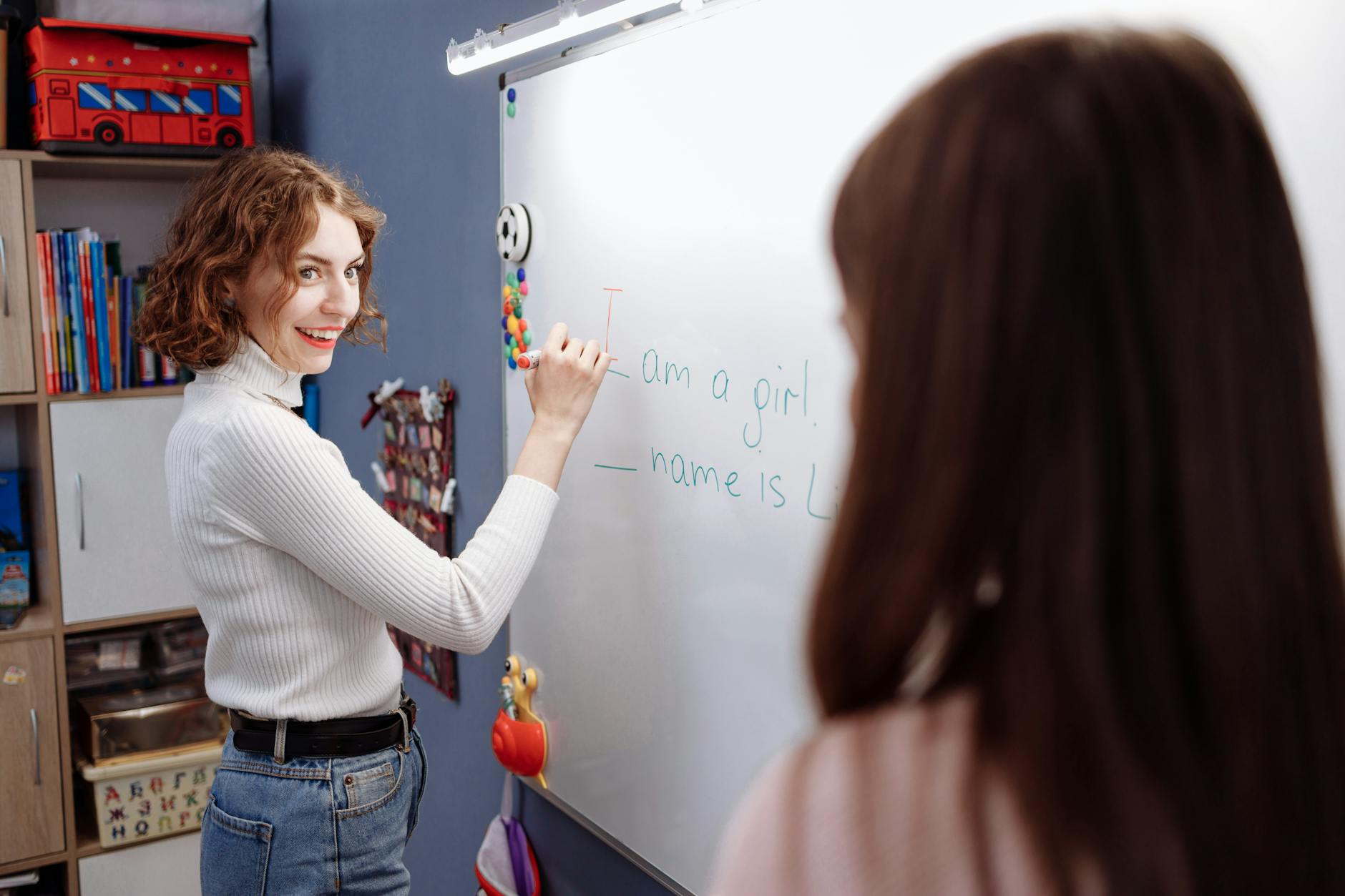
You can't build positive behaviour for learning on fog. Kids need to see exactly what you want, not guess what "good" looks like today. I've watched 3rd graders freeze when told to "be good." Another teacher's class moves smoothly because they know "voice level 0 means whisper only." The difference isn't the children. It's the clarity of the behavioral map.
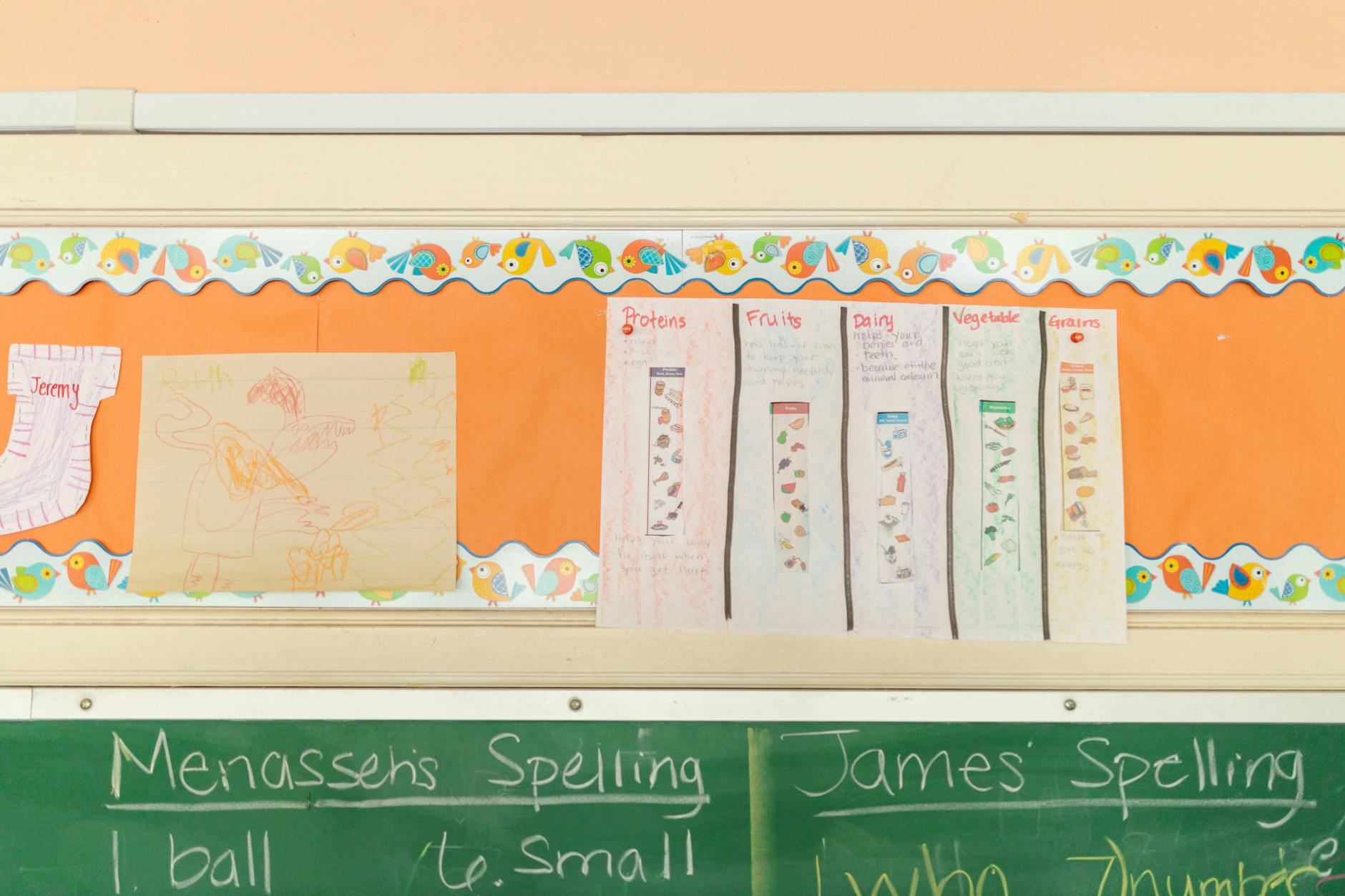
Create a Behavior Matrix with three to five positively stated expectations. Think "Be Responsible," "Be Respectful," and "Be Safe." Keep the list short so kids can hold it in working memory. Post it at kid-eye level by the door and the whiteboard. Refer to it daily, not just during the first week of September.
Now translate each heading into specific observable behaviors for four distinct settings. In the classroom, "Be Respectful" means eyes on the speaker and hands raised before talking. Voices stay off during directions. In the hallway, it shifts to single-file lines and zero voices. The cafeteria version requires facing forward and raising a hand for help. On the playground, it means including others in games and keeping hands to yourself during conflicts.
Operationalize these using the 3Rs framework: Right time, Right place, Right way. Don't say "work quietly." Say "Voice level 0 during independent work, level 2 during group work." Track it with a visible noise meter. Right time means bathroom breaks happen during transitions, not during the mini-lesson. Right place keeps soccer balls on the blacktop and math manipulatives on desks. Right way shows them exactly how to hold scissors with blades down.
Success in establishing clear classroom rules and procedures requires this surgical precision. You stop repeating yourself. Students self-correct because they can see the target clearly. You save your breath for teaching instead of managing interruptions.
Vague language creates traffic jams throughout your day. Compare what actually happens when you use fluffy words versus surgical precision. The difference shows up in your referral data and your voice by 2 PM.
Vague Expectations | Operationalized Expectations |
|---|---|
"Be good" | "Keep hands and feet to yourself" |
"Use your time wisely" | "Complete all five problems before asking to check" |
"Respect the materials" | "Click lids until you hear the snap, place trays in the blue bin" |
"Be responsible" | "Line up when I call your table, not before" |
These behaviour strategies in the classroom work across kindergarten through high school. They function as universal supports within any MTSS Tier 1 system. They fit cleanly into a PBIS framework without requiring you to launch a complex token economy or schedule immediate restorative justice circles for every minor issue. You don't need to wait for perfect conditions.
When expectations are this concrete, your positive behaviour management strategies stop being things you say. They become things students do automatically. That's the necessary foundation for emotional regulation work and trauma-informed practice. Both approaches require this bedrock of predictability to function. Get specific. Get observable. Then teach it again tomorrow until they can recite it in their sleep.
Step 2 — Build Positive Teacher-Student Relationships
Stand at your door every period. Offer a high-five, handshake, fist bump, or wave. Let them pick. It takes ninety seconds total. You’ve now established connection before instruction starts, which cuts transition time disruptions significantly. This simple act anchors positive behaviour for learning in something human rather than punitive, and it costs nothing.
Run the 2x10 strategy with your two or three target students who drain your energy. Spend two minutes per day for ten consecutive days discussing non-academic interests—sports, hobbies, family, weekend plans. Document it on a simple tracking sheet taped to your desk so you don’t skip a day when things get busy. The return on investment beats any token economy for shifting behavior management strategies for teachers toward the positive.
Use the Student-Teacher Relationship Scale short form to audit your connections quarterly. Track your daily ratio with counter clickers in your pocket: aim for four or more positive interactions per corrective interaction per student. This 4:1 ratio sits at the heart of the PBIS framework and trauma-informed practice at the MTSS Tier 1 level. Without this foundation, even the best restorative justice circles will fall flat. It is the engine behind building strong teacher-student connections that actually change behavior and support emotional regulation.

Step 3 — How Do You Implement Consistent Positive Reinforcement Systems?
You maintain a 4:1 ratio of positive to corrective interactions, tracked with tally counters in your pocket. Use token economies for elementary students and behavior-specific praise for secondary. Deliver recognition within three seconds of the desired behavior to strengthen the neural pathway and cement habit formation before the moment evaporates.
Start with the ratio. Keep two steel tally counters in your right pocket—one for positives, one for corrections. Click the positive counter every time you acknowledge a student meeting expectations, from "I see you have your notebook open" to "That citation is perfect." Click the corrective counter when you redirect, remind, or consequence. At lunch, check your numbers. If you have eight positives and two corrections, you are hitting the research-backed threshold that maximizes on-task behavior and reduces disruptive incidents. If you have four positives and four corrections, you are burning relational capital and need to recalibrate immediately. I have worn these counters during difficult observations; the tactile feedback keeps you honest when you are tempted to nag about pencil sharpening instead of noticing the twenty kids who already started.
For kindergarten through fifth grade, build a token economy that feeds intrinsic motivation rather than candy cravings. Print "Caught Being Good" tickets on yellow cardstock. Hand them out immediately when you spot a student helping a peer, transitioning quietly, or using a calming strategy. Students redeem five tickets for five minutes of choice time—drawing at the back table, extra reading in the library corner, or serving as the line leader. Skip the candy and plastic toys. Extrinsic rewards saturate quickly and create entitlement that crashes when the sugar runs out. Choice time transfers ownership to the student and builds academic momentum. This approach aligns with trauma-informed practice because it focuses on observable actions rather than vague character judgments, building safety through predictable positive reinforcement classroom management strategies that respect the child's nervous system.
Know when to stop handing out tickets. Tangible rewards backfire in specific scenarios that require a quick decision tree:
Secondary students who already read for pleasure or solve math problems for the satisfaction of it. You will kill that intrinsic drive and replace it with transactional compliance that evaporates when the reward stops.
Crisis escalation moments. A student throwing chairs or screaming does not need a sticker; they need co-regulation, emotional regulation strategies, and possibly restorative justice circles once they are physiologically calm.
Continuous bribery mode. If you are handing out tokens to stop talking every three minutes, you are not teaching self-regulation. MTSS Tier 1 requires teaching the skill, not purchasing the silence.
For grades six through twelve, abandon the tickets entirely. Switch to behavior-specific praise delivered privately or semi-privately within that three-second window. Instead of "great job," say "I noticed you used the signal word during the debate instead of interrupting" or "You checked your source before you answered." Name the exact behavior and the context. This creates the dopamine hit without the infantilizing plastic trinkets. It fits the PBIS framework and positive behaviour strategies in the classroom without turning your high schoolers into trained pigeons pecking for pellets. The specificity helps them replicate the success tomorrow.
Track your 4:1 ratio for two weeks until the habit hardens. Then layer in engaging classroom management games that reinforce these behavior management methods. The games work because they are immediate, social, and novel—not because they are bribes. Positive behaviour for learning sticks when students believe the recognition is genuine and tied to real growth, not just compliance you purchased with pizza parties.

Step 4 — Teach Self-Regulation and Emotional Literacy Skills
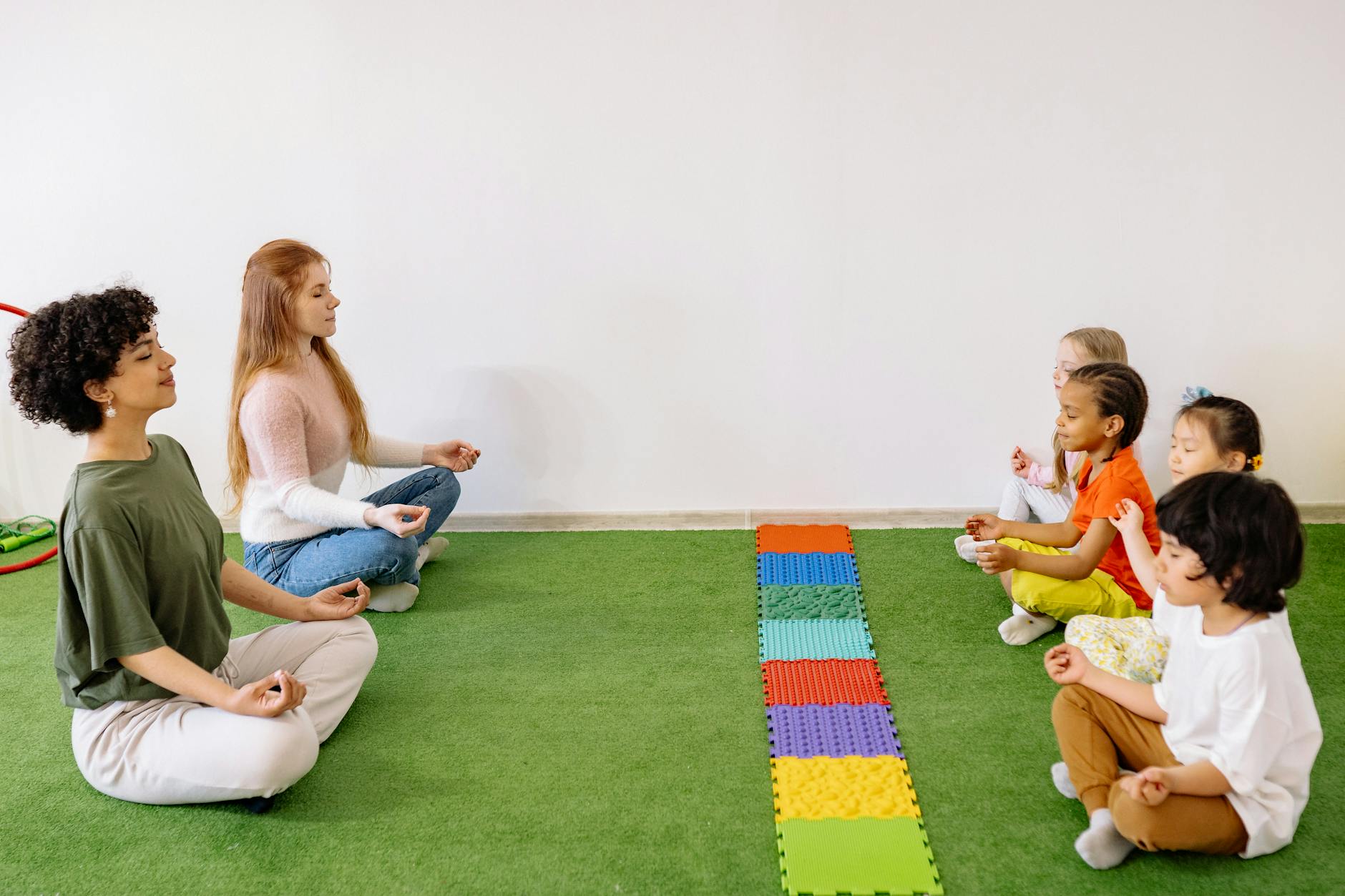
Start with the Zones of Regulation framework. Blue means slow and low—tired, sick, or withdrawn. Green means ready to learn and good to go. Yellow signals caution—frustrated, worried, or excited. Red means stop—overwhelmed, angry, or terrified. Students learn to identify which zone their body is in without judgment. Teach specific toolbox strategies for each zone. For Yellow zone moments, use 4-7-8 breathing: inhale for four counts, hold for seven, exhale for eight. Practice these social emotional learning activities during morning meetings until the muscle memory kicks in. Explicitly teaching emotional regulation this way prevents afternoon meltdowns that derail instruction.
Set up zone board behaviour management near your classroom door. During morning check-in and after every transition, students place their name cards on the color matching their engine speed. Lunch, recess, specials—all of them. You need a private signal too. When you notice a kid struggling, touch your hand to your heart. That cues them to move their card and select a strategy. No public announcement needed. Unlike old-style color charts, this builds positive behaviour for learning by removing shame while keeping expectations visible and clear.
Create laminated break cards for managing feelings and behaviour activities. When a student requests a break, they get three minutes with sensory tools. Think stress balls, noise-canceling headphones, or textured strips. The visual timer starts immediately. When it rings, they complete a mandatory check-in. They point to an emotion thermometer scale from one to five before returning to work. No exceptions, even if they want to argue. The check-in is non-negotiable. It closes the loop on the behavior management cycle and teaches self-monitoring. Developing these habits supports your trauma-informed practice and strengthens the MTSS Tier 1 foundation within your PBIS framework. Mastering emotional intelligence skills yourself helps you model these techniques. You will hit your own Yellow zone during a tough afternoon.
Step 5 — Apply Restorative Practices for Long-Term Behaviour Change
Real behaviour change happens when students understand impact rather than just serving time. This final step shifts your approach from punitive to restorative, embedding positive behaviour for learning into your daily operations. Implementing restorative practices means trading isolation for structured conversation.
For serious harm, conduct a full restorative circle. Push all desks to the walls. Arrange eight to ten chairs in a tight circle with no table in the center—physical barriers block emotional honesty. Place a talking piece in the middle, something soft like a beanbag or squishy ball. Only the person holding it may speak. Work through the affective questions in sequence:
What happened?
Who was affected and how?
What were you thinking at the time?
What needs to happen to make things right?
This protocol takes longer than scribbling a detention slip. But the investment yields different results entirely.
Traditional Detention | Restorative Conference |
|---|---|
15 minutes of silent sitting | 45 minutes of guided dialogue |
No relationship repair | High relationship repair |
Skill teaching absent | Skill teaching present |
High repeat offenses | Reduced recidivism |
For minor incidents that do not require a full circle, use a restorative chat. Pull the student to the side, away from the audience. Keep your voice low and steady. Use this exact script: I noticed [specific behavior]. Can you tell me what was happening? How did that impact others? What would you do differently next time? What can I do to support you? Listen to the answers. This five-minute exchange builds emotional regulation and prevents the behavior from escalating to the office. It aligns with trauma-informed practice and supports your MTSS Tier 1 work within the PBIS framework.
This approach to behaviour management works whether you run a behavior management class or teach across multiple behavior management classes in different periods. Unlike a token economy that only manages surface symptoms, restorative justice addresses the underlying conflict. When you are navigating classroom conflicts daily, these behaviour management strategies for teachers save hours over the semester. You spend more time upfront, but you gain it back through reduced disruptions and students who learn to repair harm instead of repeating it.

What Should You Establish Before Implementing Positive Behaviour for Learning?
Before implementing positive behaviour for learning, establish baseline data through 2-week frequency counts of target behaviors, secure at least 80% staff buy-in using Team Implementation Checklists, and conduct environmental scans to identify sensory triggers and traffic flow issues. These prerequisites prevent system failure and provide measurable benchmarks for progress monitoring. You wouldn't start a diet without weighing yourself first. Same principle here.
Start with a two-week baseline audit. Pick three specific behaviors that drain your instructional time—maybe call-outs, out-of-seat movement, or non-compliance. Carry a clipboard and tally frequencies during three set periods daily. Don't guess. One school I worked with thought they had a "major disruption" problem; the data showed it was actually three students leaving their seats an average of twelve times per hour. That changes your intervention entirely. Frequency counts give you pre-intervention data points that make progress measurable six months down the road. Without them, you're shooting blind and calling it intuition.
Next, secure your School Leadership Team commitment using the Team Implementation Checklist from PBIS.org. You need 80% staff buy-in before launching whole-school systems within the PBIS framework. Not 60%. Not "most people are on board." Eighty percent. Anything less and your MTSS Tier 1 foundations crumble when three resistant teachers undermine the token economy system in the lunchroom. The TIC walks you through critical components: do you have a coaching plan? Is your discipline data system operational? Are you ready to phase out punitive measures as you introduce restorative justice circles? Check every box. Staff need to see that administration isn't just throwing another initiative at the wall.
Complete an environmental scan before you teach a single new expectation. Map your classroom traffic patterns. Watch where students bottleneck during transitions. Identify sensory triggers—the hum of fluorescent lights in the hallway, echo-prone stairwells where voices amplify, or that blind spot behind the bookshelf where you can't see who's throwing paper. Arrange seating to eliminate these dead zones. If you're implementing trauma-informed practice, you cannot ignore the kid who flinches every time the PA system crackles because it sounds like his dad's shouting. That trigger hijacks emotional regulation before the lesson even starts. Fix the environment first. These behavior management strategies in the classroom work better when the physical space isn't working against you.
These steps create the infrastructure for sustainable change. When you combine solid data, staff alignment, and environmental adjustments, you build behavior management solutions that last beyond the first month. For more on classroom-level tactics, see our guide to effective behaviour management strategies. Once you've locked down these prerequisites, you're ready to define what those clear behavioral expectations actually look like in daily practice.
Step 1 — Define Clear Behavioural Expectations and Boundaries
You can't build positive behaviour for learning on fog. Kids need to see exactly what you want, not guess what "good" looks like today. I've watched 3rd graders freeze when told to "be good." Another teacher's class moves smoothly because they know "voice level 0 means whisper only." The difference isn't the children. It's the clarity of the behavioral map.
Create a Behavior Matrix with three to five positively stated expectations. Think "Be Responsible," "Be Respectful," and "Be Safe." Keep the list short so kids can hold it in working memory. Post it at kid-eye level by the door and the whiteboard. Refer to it daily, not just during the first week of September.
Now translate each heading into specific observable behaviors for four distinct settings. In the classroom, "Be Respectful" means eyes on the speaker and hands raised before talking. Voices stay off during directions. In the hallway, it shifts to single-file lines and zero voices. The cafeteria version requires facing forward and raising a hand for help. On the playground, it means including others in games and keeping hands to yourself during conflicts.
Operationalize these using the 3Rs framework: Right time, Right place, Right way. Don't say "work quietly." Say "Voice level 0 during independent work, level 2 during group work." Track it with a visible noise meter. Right time means bathroom breaks happen during transitions, not during the mini-lesson. Right place keeps soccer balls on the blacktop and math manipulatives on desks. Right way shows them exactly how to hold scissors with blades down.
Success in establishing clear classroom rules and procedures requires this surgical precision. You stop repeating yourself. Students self-correct because they can see the target clearly. You save your breath for teaching instead of managing interruptions.
Vague language creates traffic jams throughout your day. Compare what actually happens when you use fluffy words versus surgical precision. The difference shows up in your referral data and your voice by 2 PM.
Vague Expectations | Operationalized Expectations |
|---|---|
"Be good" | "Keep hands and feet to yourself" |
"Use your time wisely" | "Complete all five problems before asking to check" |
"Respect the materials" | "Click lids until you hear the snap, place trays in the blue bin" |
"Be responsible" | "Line up when I call your table, not before" |
These behaviour strategies in the classroom work across kindergarten through high school. They function as universal supports within any MTSS Tier 1 system. They fit cleanly into a PBIS framework without requiring you to launch a complex token economy or schedule immediate restorative justice circles for every minor issue. You don't need to wait for perfect conditions.
When expectations are this concrete, your positive behaviour management strategies stop being things you say. They become things students do automatically. That's the necessary foundation for emotional regulation work and trauma-informed practice. Both approaches require this bedrock of predictability to function. Get specific. Get observable. Then teach it again tomorrow until they can recite it in their sleep.
Step 2 — Build Positive Teacher-Student Relationships
Stand at your door every period. Offer a high-five, handshake, fist bump, or wave. Let them pick. It takes ninety seconds total. You’ve now established connection before instruction starts, which cuts transition time disruptions significantly. This simple act anchors positive behaviour for learning in something human rather than punitive, and it costs nothing.
Run the 2x10 strategy with your two or three target students who drain your energy. Spend two minutes per day for ten consecutive days discussing non-academic interests—sports, hobbies, family, weekend plans. Document it on a simple tracking sheet taped to your desk so you don’t skip a day when things get busy. The return on investment beats any token economy for shifting behavior management strategies for teachers toward the positive.
Use the Student-Teacher Relationship Scale short form to audit your connections quarterly. Track your daily ratio with counter clickers in your pocket: aim for four or more positive interactions per corrective interaction per student. This 4:1 ratio sits at the heart of the PBIS framework and trauma-informed practice at the MTSS Tier 1 level. Without this foundation, even the best restorative justice circles will fall flat. It is the engine behind building strong teacher-student connections that actually change behavior and support emotional regulation.
Step 3 — How Do You Implement Consistent Positive Reinforcement Systems?
You maintain a 4:1 ratio of positive to corrective interactions, tracked with tally counters in your pocket. Use token economies for elementary students and behavior-specific praise for secondary. Deliver recognition within three seconds of the desired behavior to strengthen the neural pathway and cement habit formation before the moment evaporates.
Start with the ratio. Keep two steel tally counters in your right pocket—one for positives, one for corrections. Click the positive counter every time you acknowledge a student meeting expectations, from "I see you have your notebook open" to "That citation is perfect." Click the corrective counter when you redirect, remind, or consequence. At lunch, check your numbers. If you have eight positives and two corrections, you are hitting the research-backed threshold that maximizes on-task behavior and reduces disruptive incidents. If you have four positives and four corrections, you are burning relational capital and need to recalibrate immediately. I have worn these counters during difficult observations; the tactile feedback keeps you honest when you are tempted to nag about pencil sharpening instead of noticing the twenty kids who already started.
For kindergarten through fifth grade, build a token economy that feeds intrinsic motivation rather than candy cravings. Print "Caught Being Good" tickets on yellow cardstock. Hand them out immediately when you spot a student helping a peer, transitioning quietly, or using a calming strategy. Students redeem five tickets for five minutes of choice time—drawing at the back table, extra reading in the library corner, or serving as the line leader. Skip the candy and plastic toys. Extrinsic rewards saturate quickly and create entitlement that crashes when the sugar runs out. Choice time transfers ownership to the student and builds academic momentum. This approach aligns with trauma-informed practice because it focuses on observable actions rather than vague character judgments, building safety through predictable positive reinforcement classroom management strategies that respect the child's nervous system.
Know when to stop handing out tickets. Tangible rewards backfire in specific scenarios that require a quick decision tree:
Secondary students who already read for pleasure or solve math problems for the satisfaction of it. You will kill that intrinsic drive and replace it with transactional compliance that evaporates when the reward stops.
Crisis escalation moments. A student throwing chairs or screaming does not need a sticker; they need co-regulation, emotional regulation strategies, and possibly restorative justice circles once they are physiologically calm.
Continuous bribery mode. If you are handing out tokens to stop talking every three minutes, you are not teaching self-regulation. MTSS Tier 1 requires teaching the skill, not purchasing the silence.
For grades six through twelve, abandon the tickets entirely. Switch to behavior-specific praise delivered privately or semi-privately within that three-second window. Instead of "great job," say "I noticed you used the signal word during the debate instead of interrupting" or "You checked your source before you answered." Name the exact behavior and the context. This creates the dopamine hit without the infantilizing plastic trinkets. It fits the PBIS framework and positive behaviour strategies in the classroom without turning your high schoolers into trained pigeons pecking for pellets. The specificity helps them replicate the success tomorrow.
Track your 4:1 ratio for two weeks until the habit hardens. Then layer in engaging classroom management games that reinforce these behavior management methods. The games work because they are immediate, social, and novel—not because they are bribes. Positive behaviour for learning sticks when students believe the recognition is genuine and tied to real growth, not just compliance you purchased with pizza parties.
Step 4 — Teach Self-Regulation and Emotional Literacy Skills
Start with the Zones of Regulation framework. Blue means slow and low—tired, sick, or withdrawn. Green means ready to learn and good to go. Yellow signals caution—frustrated, worried, or excited. Red means stop—overwhelmed, angry, or terrified. Students learn to identify which zone their body is in without judgment. Teach specific toolbox strategies for each zone. For Yellow zone moments, use 4-7-8 breathing: inhale for four counts, hold for seven, exhale for eight. Practice these social emotional learning activities during morning meetings until the muscle memory kicks in. Explicitly teaching emotional regulation this way prevents afternoon meltdowns that derail instruction.
Set up zone board behaviour management near your classroom door. During morning check-in and after every transition, students place their name cards on the color matching their engine speed. Lunch, recess, specials—all of them. You need a private signal too. When you notice a kid struggling, touch your hand to your heart. That cues them to move their card and select a strategy. No public announcement needed. Unlike old-style color charts, this builds positive behaviour for learning by removing shame while keeping expectations visible and clear.
Create laminated break cards for managing feelings and behaviour activities. When a student requests a break, they get three minutes with sensory tools. Think stress balls, noise-canceling headphones, or textured strips. The visual timer starts immediately. When it rings, they complete a mandatory check-in. They point to an emotion thermometer scale from one to five before returning to work. No exceptions, even if they want to argue. The check-in is non-negotiable. It closes the loop on the behavior management cycle and teaches self-monitoring. Developing these habits supports your trauma-informed practice and strengthens the MTSS Tier 1 foundation within your PBIS framework. Mastering emotional intelligence skills yourself helps you model these techniques. You will hit your own Yellow zone during a tough afternoon.
Step 5 — Apply Restorative Practices for Long-Term Behaviour Change
Real behaviour change happens when students understand impact rather than just serving time. This final step shifts your approach from punitive to restorative, embedding positive behaviour for learning into your daily operations. Implementing restorative practices means trading isolation for structured conversation.
For serious harm, conduct a full restorative circle. Push all desks to the walls. Arrange eight to ten chairs in a tight circle with no table in the center—physical barriers block emotional honesty. Place a talking piece in the middle, something soft like a beanbag or squishy ball. Only the person holding it may speak. Work through the affective questions in sequence:
What happened?
Who was affected and how?
What were you thinking at the time?
What needs to happen to make things right?
This protocol takes longer than scribbling a detention slip. But the investment yields different results entirely.
Traditional Detention | Restorative Conference |
|---|---|
15 minutes of silent sitting | 45 minutes of guided dialogue |
No relationship repair | High relationship repair |
Skill teaching absent | Skill teaching present |
High repeat offenses | Reduced recidivism |
For minor incidents that do not require a full circle, use a restorative chat. Pull the student to the side, away from the audience. Keep your voice low and steady. Use this exact script: I noticed [specific behavior]. Can you tell me what was happening? How did that impact others? What would you do differently next time? What can I do to support you? Listen to the answers. This five-minute exchange builds emotional regulation and prevents the behavior from escalating to the office. It aligns with trauma-informed practice and supports your MTSS Tier 1 work within the PBIS framework.
This approach to behaviour management works whether you run a behavior management class or teach across multiple behavior management classes in different periods. Unlike a token economy that only manages surface symptoms, restorative justice addresses the underlying conflict. When you are navigating classroom conflicts daily, these behaviour management strategies for teachers save hours over the semester. You spend more time upfront, but you gain it back through reduced disruptions and students who learn to repair harm instead of repeating it.
Still grading everything by hand?
EMStudio is a free teaching management app — manage your classes, students, lessons, and more!
Learn More
Still grading everything by hand?
EMStudio is a free teaching management app — manage your classes, students, lessons, and more!
Learn More





Notion4Teachers
Notion templates to simplify administrative tasks and enhance your teaching experience.



2026 Notion4Teachers. All Rights Reserved.
Notion4Teachers
Notion templates to simplify administrative tasks and enhance your teaching experience.
2026 Notion4Teachers. All Rights Reserved.
Notion4Teachers
Notion templates to simplify administrative tasks and enhance your teaching experience.
2026 Notion4Teachers. All Rights Reserved.