
Independent Studies: A Complete Guide for K-12 Educators
Independent Studies: A Complete Guide for K-12 Educators

Article by
Milo
ESL Content Coordinator & Educator
ESL Content Coordinator & Educator
All Posts
It's mid-March in your 7th grade classroom. The state tests are finished, half your class has already checked out for spring break, and you're staring at six weeks of calendar that feel like academic purgatory. Independent studies are your exit ramp from the textbook cycle — structured projects where students pick the topic, set the pace, and do the deep work without you hovering at every step. Think of it as sanctioned curiosity with guardrails. The best part? You finally get to work with the kids who need you instead of managing the whole room like a traffic cop.
This isn't free-for-all time or glorified study hall. Real independent work blends self-directed learning with clear benchmarks — whether that's a genius hour in 3rd grade, an inquiry-based learning lab in middle school, or capstone projects seniors actually care about. You build the framework and the checkpoints, they supply the student agency and self-regulated learning. This guide covers what independent studies look like from kindergarten through 12th grade, how to run them without losing your mind, and exactly what to do when that one kid picks "ancient memes" as a research topic.
Still grading everything by hand?
EMStudio is a free teaching management app — manage your classes, students, lessons, and more!
Learn More

Still grading everything by hand?
EMStudio is a free teaching management app — manage your classes, students, lessons, and more!
Learn More
Table of Contents
What Are Independent Studies?
Independent studies are self-directed learning experiences where K-12 students design original inquiries, select research methodologies, and demonstrate mastery through portfolios or exhibitions, not standardized tests. These contract-based programs typically span 4-12 weeks, allowing students to pursue deep dives into niche topics beyond standard curriculum constraints while developing executive function skills.
Think of it as the difference between following a recipe and experimenting in the kitchen. Independent studies hand students the pantry keys. They choose what to cook, how to cook it, and how to prove it tastes good.
The Difference Between Independent Studies and Traditional Projects
Traditional projects let students decorate the box. Independent studies let them decide whether they need a box at all.
The autonomy gap is stark. In a traditional project, you assign the topic, the resources, and the due date. Students choose only the font color or whether to use Canva or PowerPoint. That is decoration, not direction. In independent studies, the student drafts the contract. They propose the driving question, defend their research methodology, and negotiate what counts as evidence of mastery. You become the consultant, not the foreman.
Feature | Traditional Project | Independent Study |
|---|---|---|
Topic Selection | Teacher assigns "Creating a Solar System Poster" | Student designs "Investigating Exoplanet Habitability Using NASA Data Sets" |
Timeline Management | 2-week duration, teacher-set checkpoints | 6-10 weeks, student-proposed milestones |
Assessment Type | Standardized rubric, teacher-scored | Negotiated criteria with student input, portfolio defense |
Last year, my 7th graders showed me the difference. One group made a poster about Mars rovers. Nice, clean, forgettable. Another group spent eight weeks building an Arduino-based soil moisture sensor to test which classroom plants could survive Martian regolith simulations. Guess which kids remembered the content in June?
The poster kids worked for two weeks and checked off a standard. The Mars soil kids failed three times, recalibrated their hypothesis, and taught themselves enough chemistry to explain oxidation rates. That is the shift from inquiry-based learning to true student agency.
Key Characteristics of Student-Driven Inquiry
Real self-directed learning stands on four pillars drawn from Self-Determination Theory.
Topic choice creates relatedness—students connect personally to the work.
Method choice grants autonomy—they decide whether to interview experts, run experiments, or analyze primary sources.
Pace flexibility with firm checkpoint deadlines builds competence—they manage their own calendar but hit agreed milestones.
Presentation format selection lets them match the product to the learning—documentary, white paper, or working prototype.
The litmus test is the "Googleable vs. Non-Googleable" question. If a student can answer their driving question with a single search, they need to dig deeper. "What is photosynthesis?" fails immediately. "How does light wavelength affect photosynthesis rates in native ferns under urban canopy shade?" passes. It forces them to synthesize botany, urban ecology, and experimental design. They cannot copy-paste the answer from Wikipedia. They must build it.
I learned this the hard way with a high school junior who wanted to study "video games." Vague. Unworkable. We spent a week refining until he landed on "How do indie developers use procedural generation to create narrative cohesion?" That question required him to learn coding, film theory, and market analysis. That is self-regulated learning in action.
Scope and Time Commitment Expectations
Time commitments vary wildly by grade band and model. In elementary, genius hour typically means twenty to thirty minutes daily for four to six weeks. Think of it as structured curiosity time. Middle schoolers can handle independent learning blocks of forty-five minutes daily across eight to ten weeks, often during flex mod schedules. High school shifts to variable scheduling—some districts allow semester-long capstone projects for credit, requiring minimum seat time of sixty hours to meet A-G requirements in California or equivalent state standards.
You must clarify the stakes upfront. Enrichment independent studies are optional and grade-free. Kids take risks without GPA penalty. Credit-bearing versions go on the transcript and factor into the GPA. Those require alignment to state standards, regular check-ins, and documented evidence of mastery. Do not promise transcript credit unless your district has a policy for student-driven inquiry models already in writing.
The schedule dictates the depth. A weekly genius hour produces broad exploration. Daily blocks allow for laboratory protocols or sustained field work. Match the calendar to the complexity of the question, not the other way around.

Why Do Independent Studies Matter for K-12 Students?
Hattie's Visible Learning research shows metacognition strategies yield an effect size of 0.55 on student achievement, while self-reported grades show 1.44, proving self-directed learning works in your classroom. Independent studies build these skills while developing executive function critical for college. They serve as authentic inquiry opportunities that improve long-term retention far beyond traditional instruction.
Students don't retain your worksheets. They retain ownership.
Building Self-Regulation and Time Management Skills
Your students won't learn self-regulation from your syllabus rules. Last year, my 11th grader Marcus kept missing deadlines for his climate change podcast until we started using self-regulation and time management skills built around Zimmerman's Self-Regulated Learning (SRL) cycle. He used three specific tools to stay on track.
Gantt charts in Google Sheets with hard milestone dates for each production phase.
Pomodoro technique for 25-minute focused recording blocks, followed by 5-minute breaks.
Plus/Delta logs every Friday to capture what worked and what needed changing.
Zimmerman's cycle needs three phases. During Forethought, Marcus predicted obstacles—"I'll procrastinate on editing"—and wrote solutions in advance. During Performance, he tracked daily progress against his timeline, not just the final due date. During Self-Reflection, he compared his final episode to his initial goals, noting where his questions had evolved. These aren't soft skills. They're the mechanics of adult work.
Deepening Subject Matter Expertise Beyond the Curriculum
Surface learning dies after the test. Deep learning changes how students see the world. You've watched a sophomore move from memorizing the periodic table for a chemistry unit to shadowing a materials engineer for 40 hours investigating stress factors in aircraft aluminum alloys. She interviewed technicians, analyzed failure reports, and presented findings to the engineering team. That's the difference between Level 1 recall and Level 4 Extended Thinking on Webb's DOK.
Inquiry-based learning at this level requires your students to synthesize information from multiple sources and create original solutions to complex problems. They don't just report on climate change; they design passive cooling systems for local senior centers using physics principles and community interviews. This is where genius hour becomes serious scholarship that college admissions officers actually remember.
Preparing Students for College and Career Autonomy
College isn't high school with bigger hallways. When your students arrive, they'll face undergraduate research fellowships, senior theses, and independent research courses that assume they can manage 15-week projects without daily check-ins. The Association of American Colleges and Universities consistently ranks self-directed learning and intellectual independence among top desired graduate competencies. Employers don't want compliance. They want student agency and problem solvers who initiate.
Formal capstone projects and programs already scaffold this transition. AP Capstone Research needs a year-long independent study culminating in a 4,000-word academic paper. The IB Extended Essay requires similar scope and disciplinary rigor. Dual enrollment independent study options at community colleges let juniors test-drive college expectations while still in K-12. Success here means preparing students for college-level autonomy before they arrive on campus.

How Independent Studies Work in Practice
Independent studies follow a predictable workflow. Students start with curiosity and end with proof. The path between those points keeps everyone sane.
Here is the road map. It works for 8-week cycles or semester-long projects.
The Proposal and Approval Process
Everything starts with an initial inquiry. A student walks in asking, "Can I study something about sustainable architecture?" You hand them the proposal template. They have one week to return with a driving question that passes the "So What?" test. If they cannot explain why the answer matters to someone outside this classroom, they rewrite.
The annotated bibliography comes next. They find 3-5 sources, summarize each in three sentences, and note how it shapes their thinking. Then they draft their methodology. Will they interview experts? Build prototypes? Shadow professionals? Last year, my 10th grader researching local water quality brought me a bibliography with an EPA report, a hydrologist's email, and a 1972 newspaper article. That mix showed she understood depth before she wrote her methods section.
The proposal includes five mandatory components:
The driving question with real stakes.
Learning objectives aligned to at least two content standards—perhaps Common Core ELA W.9-10.7 for research or NGSS HS-ETS1-2 for engineering design.
A resource list with at least one human expert interview scheduled, not just "I hope to contact."
A timeline showing three specific milestones.
A success criteria rubric in single-point format.
Then you negotiate the contract. You co-create the rubric together. Finally, three signatures: student, parent, you. You approve proposals that meet three criteria. Feasibility: Can they actually access these resources? Scope: Can they finish in eight weeks? Rigor: Does the work require analysis, or just summary? If it checks all three, you sign off.
Checkpoints and Milestone Meeting Structures
Structure prevents disasters. You check in at four specific points. Resource Audit at Week 2 verifies they have accessible materials. They bring screenshots of library databases or confirmation emails from interview subjects. Methodology Review at Week 4 checks that their approach actually works. They demonstrate one technique or show one sample data collection. Draft Feedback at Week 6 tackles the messy middle. They bring a rough section, not polished prose. Presentation Prep at Week 8 polishes the public face. Mark these on your calendar before independent studies begin.
Each checkpoint follows a 15-minute protocol. The student presents current progress for three minutes. No apologies, just facts. You ask probing questions using Costa's Levels of Inquiry for three minutes. Level one asks for facts: "What did you find?" Level two probes process: "How do you know?" Level three needs implications: "Why does this matter for your argument?"
Then you spend five minutes solving one specific obstacle together. No more than one. If they have five problems, you pick the biggest and table the rest. The last four minutes go to documentation. You both type next steps into a shared Google Doc while sitting there. No one leaves until the doc shows the plan.
Keep records in a shared digital folder with three subfolders: Research, Drafts, and Reflections. Use milestone meeting structures and project tracking to manage the workflow. Leave voice comments on weekly logs using Mote or similar. Hearing your voice cuts through text fatigue better than red ink ever did. Students save these audio notes and replay them when they get stuck at home.
Assessment Rubrics and Final Presentation Formats
Grade the process heavier than the product. Use this weighted matrix: Process Documentation at 40 percent (research logs, revision history, conference notes), Final Product at 30 percent (paper, artifact, or prototype), and Presentation/Defense at 30 percent (exhibition, TED-style talk, or portfolio review). The split forces students to document their mess, not just polish the ending. They cannot cram this work in the final weekend.
Use a single-point rubric with three criteria. Research Quality: distinguishes between primary and secondary sources. Argumentation Structure: uses Claim-Evidence-Reasoning framework. Process Integrity: shows revision history and responds to feedback. One column describes proficient work. You mark above for advanced, below for developing. This format keeps you from counting commas and focuses feedback on substance. See assessment rubrics for independent work to calibrate your standards across different formats.
Students choose their final format:
A 2,000-3,000 word research paper with proper citations.
A 10-12 minute TED-style presentation with visual aids.
A 5-7 minute documentary film with original footage.
A physical prototype with engineering notebook.
A digital portfolio with annotated artifacts.
Let them pick the form that best proves their learning. The product should match the question.
Independent Learning Examples by Grade Level
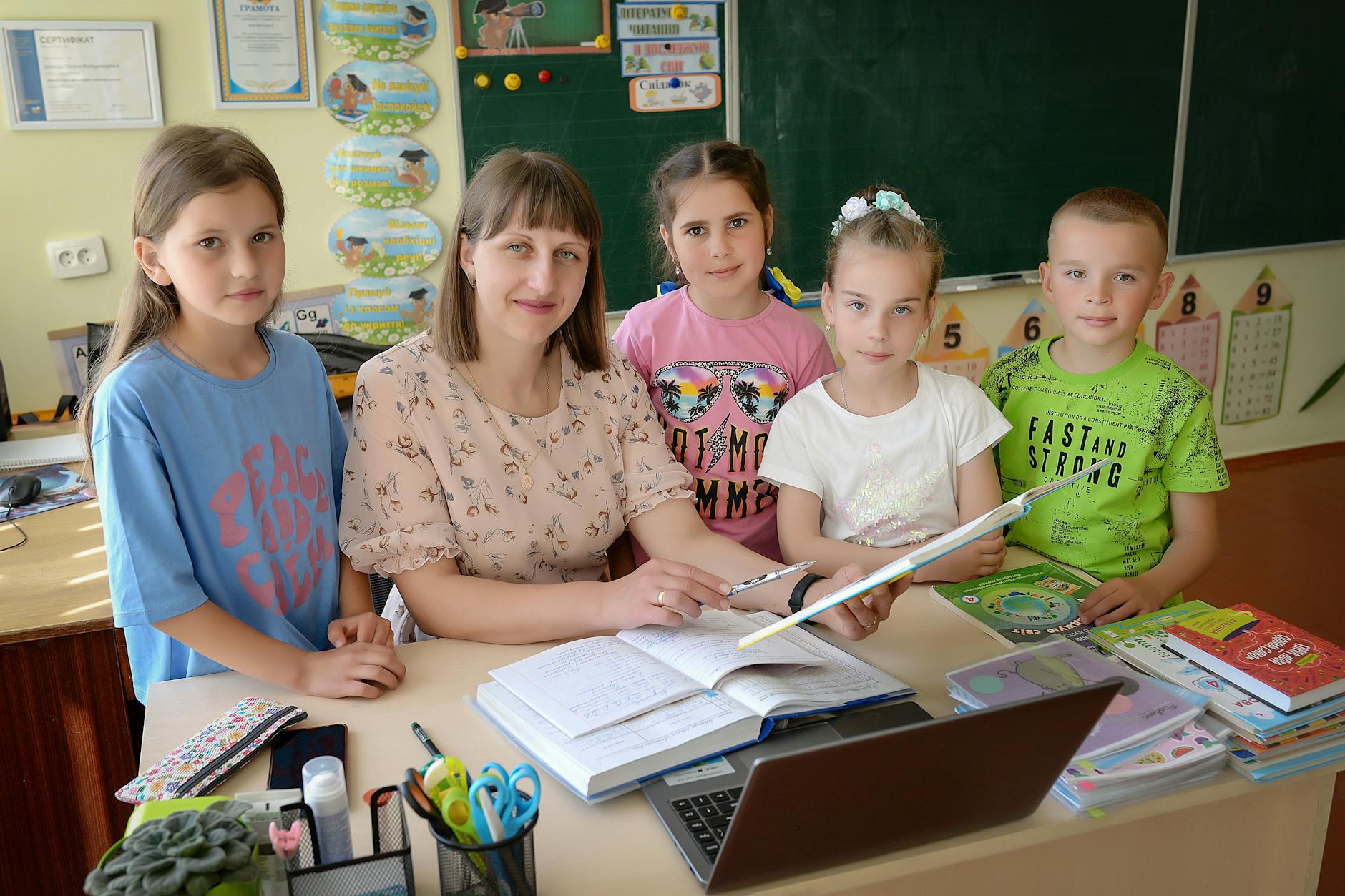
Independent studies work best as a developmental scaffold. Elementary students need exploratory inquiry with heavy teacher structure and visual documentation tools. Middle schoolers manage methodological investigation through cross-curricular teams and citation software. High schoolers function in professional apprenticeship modes with university mentors. Each stage needs specific literacy foundations, preparation timelines, and strict 15:1 student-to-teacher ratios maximum. The progression builds student agency gradually.
Elementary: Passion Projects and Genius Hour Models
Young learners need basic reading fluency and sentence writing before tackling inquiry-based learning. You provide the guardrails. Genius Hour follows the 20% Time model: one hour weekly for six to eight weeks. Students pitch projects using the "3-Minute Wow" format. They state the hook, identify the need, and explain their approach in three minutes flat.
You document everything via Seesaw or Book Creator digital portfolios. Teacher preparation requires four to six hours upfront to build the launch sequence, rubrics, and mentor contact lists. Maintain a 10:1 or 12:1 student-to-teacher ratio maximum. Key platforms include Seesaw, Book Creator, and Epic for research access. The iSearch framework helps students generate questions from personal interest.
I watched a second grader investigate why polar bears don't eat penguins. She conducted virtual interviews with zookeepers via Zoom. She created scientific illustrations and bound a picture book. She presented her findings to the kindergarten class using a big book easel. That single project taught more informational writing conventions than six weeks of standard worksheets.
Prerequisite literacy skills include generating questions from pictures, distinguishing fact from opinion, and basic keyboard navigation. You cannot run Genius Hour with students still learning letter sounds. Wait until mid-year of second grade at earliest.
Middle School: Research Seminars and Design Challenges
Seventh graders need structured methodology, not just curiosity. Middle school design challenges like Future City Competition or National History Day require cross-curricular teams. Students use NoodleTools or EasyBib for citation management. Each project team needs at least one community expert mentor accessible via video call or in-person visit.
Prerequisite skills include paraphrasing to avoid plagiarism, Cornell note-taking, and professional email etiquette. Budget six to eight hours of prep time to coordinate with science and math colleagues and vet community mentors. Cap sections at 15:1 student-to-teacher ratio maximum. Key platforms include NoodleTools, Google Workspace, and Zoom for virtual mentor meetings. Students must demonstrate self-regulated learning by meeting interim deadlines without constant reminders.
One concrete middle school design challenges example involved sustainable aquaponics systems for the cafeteria. Seventh graders designed prototypes and measured nitrate levels weekly using chemical test kits. They tracked growth data in spreadsheets. They presented findings with cost-benefit analyses to the actual cafeteria committee. Real stakes drive self-regulated learning better than hypothetical scenarios.
This is where inquiry-based learning shifts from guided to shared ownership. You provide the research methods mini-lessons. Students choose the application. They learn to schedule their own check-ins and deadline reminders.
The best projects connect to existing competitions like Future City Competition or National History Day. These frameworks provide rubrics and deadlines while leaving room for student agency in topic selection.
High School: Capstone Projects and Mentorship Programs
High schoolers need professional apprenticeship experiences. Capstone projects and Senior Exit Projects require forty hours of field work minimum. Students partner with mentors from community organizations or universities. They compile formal literature reviews citing ten-plus peer-reviewed academic sources. They defend their work publicly before faculty panels or mount exhibitions for community stakeholders.
Prerequisite literacy includes academic database navigation, APA or MLA formatting, and professional email correspondence. Teacher prep shifts from content delivery to matchmaking and milestone monitoring. Maintain strict 15:1 maximum ratios for quality feedback cycles. Key platforms include SPSS or R for statistical analysis, Zotero for citation management, and professional presentation software.
One senior worked with our District Attorney's office analyzing juvenile recidivism data. She cleaned datasets and ran regression analyses using SPSS. She presented policy recommendations to the county board of supervisors. These high school mentorship programs bridge classroom theory and immediate civic impact.
AP Capstone provides a ready framework for schools building these programs. The two-year sequence teaches exactly the methodological investigation skills students need.
By this stage, student agency means students contact their own mentors and schedule site visits. You check safety protocols and read drafts. They drive the timeline.

Common Challenges and Solutions for Teachers
Managing Multiple Projects Simultaneously Without Burnout
You cannot grade fifteen capstone projects during finals week. Hard cap your independent studies load at twelve to fifteen students per semester. First-timers should use choice boards to limit topic options. When you take over a student's project at the deadline—the Rescued failure mode—you signal that self-directed learning is optional. You teach dependency, not agency.
Run a Kanban board with columns: Proposing, Researching, Drafting, Revising, Presenting. Limit work-in-progress. Commit to reviewing only three students in the Drafting column per week. This prevents the grading backlog that triggers rescue missions. I use managing individual learning plans to track these stages.
Batch your feedback. Dedicate Tuesdays and Thursdays solely to independent study conferences. Keep Mondays, Wednesdays, and Fridays for regular instruction. Never schedule checkpoints during midterms or finals. Last year I ignored this rule with my 9th graders. I rescued three projects during April. Those students learned nothing about self-regulated learning except that I panic-saved them.
Keeping Students Accountable Without Micromanaging
The Ghost misses two check-ins and goes silent. The Topic Hopper changes driving questions weekly, chasing novelty while abandoning work. Both erode inquiry-based learning. Both need structure without surveillance.
Hold weekly five-minute Stand-Up meetings. Students answer three questions: What did you complete? What is your next step? What obstacles block you? This agile methodology builds student agency without hovering. It catches the Topic Hopper before they pivot again.
Set safety nets:
Assign learning partners as peer accountability buddies.
Send automated Google Calendar invites for checkpoint dates.
Require weekly proof-of-progress photos or screenshots uploaded to a shared folder.
If a student ghosts past two check-ins, initiate your intervention protocol: return them to the group project option. No exceptions. For the chronic Topic Hopper, use a contract amendment process. They must defend the shift to a new topic using evidence. If they cannot show the current line is truly exhausted, they continue.
making sure Academic Rigor and Standards Alignment
Genius hour turns into nap hour without safeguards. Require minimum two primary sources for grades six through twelve. Use SOLO Taxonomy to push past surface learning. Students must reach multistructural or relational thinking levels, not just unistructural lists of facts.
Map every driving question to specific standards. Use Common Core ELA research standards W.7-12.7 or NGSS Science and Engineering Practices. Require students to highlight exactly where these standards appear in their final product. If you cannot see the alignment, the rigor is missing.
This approach beats micromanagement. You are not policing creativity. You are verifying that self-directed learning meets academic thresholds. Quality independent learning needs evidence, not just enthusiasm. Hold the line on standards even when students beg for open exploration without constraints.
Rigor protects student agency. When learners know the bar is high, they invest seriously. When the bar is low, they disengage. Your consistency determines the quality of their inquiry.
Getting Started: Your First Independent Study Implementation
Start Small with a Pilot Group or Single Unit
Choose one eighth-grade class period for your first independent studies pilot. Select students reading at or above grade level—Lexile 1000-plus—and cap your cohort at eight to twelve kids. Start with electives or gifted clusters, not core remediation. Limit topics to three pre-approved broad categories like Environmental Science or Local History.
Enforce a strict six-week deadline with zero extensions except documented emergencies. Last year, I watched a student switch from "Quantum Physics" to "Local Water Quality" using my rescue topic list when her original proposal collapsed. Unlike open-ended genius hour, these inquiry-based learning cycles need guardrails to prevent lost time.
Creating Student Contracts and Realistic Timelines
Map the six weeks: Week one covers proposals, weeks two and three focus on annotated bibliographies, week four needs first drafts, week five brings revision, week six ends with presentations and reflection. Your contract needs SMART goals, hard checkpoint dates, Turnitin requirements, and bi-weekly parent updates.
Require signatures acknowledging no extensions for poor time management. List office hours like Tuesdays and Thursdays from 3:00 to 4:00pm. Verify home technology access and rubric weights for process versus product. Have students submit Gantt charts showing weekly deliverables with two slack days. These capstone projects build self-regulated learning through immovable deadlines.
Setting Up Peer Collaboration and Feedback Structures
Run Critical Friends protocols every Friday for twenty minutes using warm, cool, and hard feedback rounds. Host gallery walks with sticky notes formatted "I Like, I Wonder, Next Steps." Assign peer editing roles: fact-checker, clarity editor, citation checker. These peer collaboration and feedback structures build student agency.
Create shared Google Drive folders for each inquiry. Set up asynchronous discussion threads in Canvas or Schoology for support outside class. Use Flipgrid for video check-ins between face-to-face meetings. Self-directed learning doesn't mean working alone. Independent learning still requires community.

The Bottom Line on Independent Studies
Independent studies aren't another item on your overflowing plate. They're a swap — trading some control for genuine student agency. When you let kids chase questions that actually matter to them, you stop being the only engine in the room. You become the guide who checks in, nudges thinking, and celebrates the messy middle of real inquiry-based learning.
Start with one afternoon. One unit. Pick one genius hour block. The only rule? Students must build or discover something new. Watch what happens when a 4th grader researches local watersheds or a 10th grader codes a physics simulation. That spark of ownership is exactly why we do this work. The magic lives in the struggle, not the slideshow.
You don't need a perfect plan. You need a start date and the courage to step back when kids hit walls. The best self-directed learning happens when teachers trust the process more than the pacing guide. Pick Monday. Open the door. See who walks through.

What Are Independent Studies?
Independent studies are self-directed learning experiences where K-12 students design original inquiries, select research methodologies, and demonstrate mastery through portfolios or exhibitions, not standardized tests. These contract-based programs typically span 4-12 weeks, allowing students to pursue deep dives into niche topics beyond standard curriculum constraints while developing executive function skills.
Think of it as the difference between following a recipe and experimenting in the kitchen. Independent studies hand students the pantry keys. They choose what to cook, how to cook it, and how to prove it tastes good.
The Difference Between Independent Studies and Traditional Projects
Traditional projects let students decorate the box. Independent studies let them decide whether they need a box at all.
The autonomy gap is stark. In a traditional project, you assign the topic, the resources, and the due date. Students choose only the font color or whether to use Canva or PowerPoint. That is decoration, not direction. In independent studies, the student drafts the contract. They propose the driving question, defend their research methodology, and negotiate what counts as evidence of mastery. You become the consultant, not the foreman.
Feature | Traditional Project | Independent Study |
|---|---|---|
Topic Selection | Teacher assigns "Creating a Solar System Poster" | Student designs "Investigating Exoplanet Habitability Using NASA Data Sets" |
Timeline Management | 2-week duration, teacher-set checkpoints | 6-10 weeks, student-proposed milestones |
Assessment Type | Standardized rubric, teacher-scored | Negotiated criteria with student input, portfolio defense |
Last year, my 7th graders showed me the difference. One group made a poster about Mars rovers. Nice, clean, forgettable. Another group spent eight weeks building an Arduino-based soil moisture sensor to test which classroom plants could survive Martian regolith simulations. Guess which kids remembered the content in June?
The poster kids worked for two weeks and checked off a standard. The Mars soil kids failed three times, recalibrated their hypothesis, and taught themselves enough chemistry to explain oxidation rates. That is the shift from inquiry-based learning to true student agency.
Key Characteristics of Student-Driven Inquiry
Real self-directed learning stands on four pillars drawn from Self-Determination Theory.
Topic choice creates relatedness—students connect personally to the work.
Method choice grants autonomy—they decide whether to interview experts, run experiments, or analyze primary sources.
Pace flexibility with firm checkpoint deadlines builds competence—they manage their own calendar but hit agreed milestones.
Presentation format selection lets them match the product to the learning—documentary, white paper, or working prototype.
The litmus test is the "Googleable vs. Non-Googleable" question. If a student can answer their driving question with a single search, they need to dig deeper. "What is photosynthesis?" fails immediately. "How does light wavelength affect photosynthesis rates in native ferns under urban canopy shade?" passes. It forces them to synthesize botany, urban ecology, and experimental design. They cannot copy-paste the answer from Wikipedia. They must build it.
I learned this the hard way with a high school junior who wanted to study "video games." Vague. Unworkable. We spent a week refining until he landed on "How do indie developers use procedural generation to create narrative cohesion?" That question required him to learn coding, film theory, and market analysis. That is self-regulated learning in action.
Scope and Time Commitment Expectations
Time commitments vary wildly by grade band and model. In elementary, genius hour typically means twenty to thirty minutes daily for four to six weeks. Think of it as structured curiosity time. Middle schoolers can handle independent learning blocks of forty-five minutes daily across eight to ten weeks, often during flex mod schedules. High school shifts to variable scheduling—some districts allow semester-long capstone projects for credit, requiring minimum seat time of sixty hours to meet A-G requirements in California or equivalent state standards.
You must clarify the stakes upfront. Enrichment independent studies are optional and grade-free. Kids take risks without GPA penalty. Credit-bearing versions go on the transcript and factor into the GPA. Those require alignment to state standards, regular check-ins, and documented evidence of mastery. Do not promise transcript credit unless your district has a policy for student-driven inquiry models already in writing.
The schedule dictates the depth. A weekly genius hour produces broad exploration. Daily blocks allow for laboratory protocols or sustained field work. Match the calendar to the complexity of the question, not the other way around.
Why Do Independent Studies Matter for K-12 Students?
Hattie's Visible Learning research shows metacognition strategies yield an effect size of 0.55 on student achievement, while self-reported grades show 1.44, proving self-directed learning works in your classroom. Independent studies build these skills while developing executive function critical for college. They serve as authentic inquiry opportunities that improve long-term retention far beyond traditional instruction.
Students don't retain your worksheets. They retain ownership.
Building Self-Regulation and Time Management Skills
Your students won't learn self-regulation from your syllabus rules. Last year, my 11th grader Marcus kept missing deadlines for his climate change podcast until we started using self-regulation and time management skills built around Zimmerman's Self-Regulated Learning (SRL) cycle. He used three specific tools to stay on track.
Gantt charts in Google Sheets with hard milestone dates for each production phase.
Pomodoro technique for 25-minute focused recording blocks, followed by 5-minute breaks.
Plus/Delta logs every Friday to capture what worked and what needed changing.
Zimmerman's cycle needs three phases. During Forethought, Marcus predicted obstacles—"I'll procrastinate on editing"—and wrote solutions in advance. During Performance, he tracked daily progress against his timeline, not just the final due date. During Self-Reflection, he compared his final episode to his initial goals, noting where his questions had evolved. These aren't soft skills. They're the mechanics of adult work.
Deepening Subject Matter Expertise Beyond the Curriculum
Surface learning dies after the test. Deep learning changes how students see the world. You've watched a sophomore move from memorizing the periodic table for a chemistry unit to shadowing a materials engineer for 40 hours investigating stress factors in aircraft aluminum alloys. She interviewed technicians, analyzed failure reports, and presented findings to the engineering team. That's the difference between Level 1 recall and Level 4 Extended Thinking on Webb's DOK.
Inquiry-based learning at this level requires your students to synthesize information from multiple sources and create original solutions to complex problems. They don't just report on climate change; they design passive cooling systems for local senior centers using physics principles and community interviews. This is where genius hour becomes serious scholarship that college admissions officers actually remember.
Preparing Students for College and Career Autonomy
College isn't high school with bigger hallways. When your students arrive, they'll face undergraduate research fellowships, senior theses, and independent research courses that assume they can manage 15-week projects without daily check-ins. The Association of American Colleges and Universities consistently ranks self-directed learning and intellectual independence among top desired graduate competencies. Employers don't want compliance. They want student agency and problem solvers who initiate.
Formal capstone projects and programs already scaffold this transition. AP Capstone Research needs a year-long independent study culminating in a 4,000-word academic paper. The IB Extended Essay requires similar scope and disciplinary rigor. Dual enrollment independent study options at community colleges let juniors test-drive college expectations while still in K-12. Success here means preparing students for college-level autonomy before they arrive on campus.
How Independent Studies Work in Practice
Independent studies follow a predictable workflow. Students start with curiosity and end with proof. The path between those points keeps everyone sane.
Here is the road map. It works for 8-week cycles or semester-long projects.
The Proposal and Approval Process
Everything starts with an initial inquiry. A student walks in asking, "Can I study something about sustainable architecture?" You hand them the proposal template. They have one week to return with a driving question that passes the "So What?" test. If they cannot explain why the answer matters to someone outside this classroom, they rewrite.
The annotated bibliography comes next. They find 3-5 sources, summarize each in three sentences, and note how it shapes their thinking. Then they draft their methodology. Will they interview experts? Build prototypes? Shadow professionals? Last year, my 10th grader researching local water quality brought me a bibliography with an EPA report, a hydrologist's email, and a 1972 newspaper article. That mix showed she understood depth before she wrote her methods section.
The proposal includes five mandatory components:
The driving question with real stakes.
Learning objectives aligned to at least two content standards—perhaps Common Core ELA W.9-10.7 for research or NGSS HS-ETS1-2 for engineering design.
A resource list with at least one human expert interview scheduled, not just "I hope to contact."
A timeline showing three specific milestones.
A success criteria rubric in single-point format.
Then you negotiate the contract. You co-create the rubric together. Finally, three signatures: student, parent, you. You approve proposals that meet three criteria. Feasibility: Can they actually access these resources? Scope: Can they finish in eight weeks? Rigor: Does the work require analysis, or just summary? If it checks all three, you sign off.
Checkpoints and Milestone Meeting Structures
Structure prevents disasters. You check in at four specific points. Resource Audit at Week 2 verifies they have accessible materials. They bring screenshots of library databases or confirmation emails from interview subjects. Methodology Review at Week 4 checks that their approach actually works. They demonstrate one technique or show one sample data collection. Draft Feedback at Week 6 tackles the messy middle. They bring a rough section, not polished prose. Presentation Prep at Week 8 polishes the public face. Mark these on your calendar before independent studies begin.
Each checkpoint follows a 15-minute protocol. The student presents current progress for three minutes. No apologies, just facts. You ask probing questions using Costa's Levels of Inquiry for three minutes. Level one asks for facts: "What did you find?" Level two probes process: "How do you know?" Level three needs implications: "Why does this matter for your argument?"
Then you spend five minutes solving one specific obstacle together. No more than one. If they have five problems, you pick the biggest and table the rest. The last four minutes go to documentation. You both type next steps into a shared Google Doc while sitting there. No one leaves until the doc shows the plan.
Keep records in a shared digital folder with three subfolders: Research, Drafts, and Reflections. Use milestone meeting structures and project tracking to manage the workflow. Leave voice comments on weekly logs using Mote or similar. Hearing your voice cuts through text fatigue better than red ink ever did. Students save these audio notes and replay them when they get stuck at home.
Assessment Rubrics and Final Presentation Formats
Grade the process heavier than the product. Use this weighted matrix: Process Documentation at 40 percent (research logs, revision history, conference notes), Final Product at 30 percent (paper, artifact, or prototype), and Presentation/Defense at 30 percent (exhibition, TED-style talk, or portfolio review). The split forces students to document their mess, not just polish the ending. They cannot cram this work in the final weekend.
Use a single-point rubric with three criteria. Research Quality: distinguishes between primary and secondary sources. Argumentation Structure: uses Claim-Evidence-Reasoning framework. Process Integrity: shows revision history and responds to feedback. One column describes proficient work. You mark above for advanced, below for developing. This format keeps you from counting commas and focuses feedback on substance. See assessment rubrics for independent work to calibrate your standards across different formats.
Students choose their final format:
A 2,000-3,000 word research paper with proper citations.
A 10-12 minute TED-style presentation with visual aids.
A 5-7 minute documentary film with original footage.
A physical prototype with engineering notebook.
A digital portfolio with annotated artifacts.
Let them pick the form that best proves their learning. The product should match the question.
Independent Learning Examples by Grade Level
Independent studies work best as a developmental scaffold. Elementary students need exploratory inquiry with heavy teacher structure and visual documentation tools. Middle schoolers manage methodological investigation through cross-curricular teams and citation software. High schoolers function in professional apprenticeship modes with university mentors. Each stage needs specific literacy foundations, preparation timelines, and strict 15:1 student-to-teacher ratios maximum. The progression builds student agency gradually.
Elementary: Passion Projects and Genius Hour Models
Young learners need basic reading fluency and sentence writing before tackling inquiry-based learning. You provide the guardrails. Genius Hour follows the 20% Time model: one hour weekly for six to eight weeks. Students pitch projects using the "3-Minute Wow" format. They state the hook, identify the need, and explain their approach in three minutes flat.
You document everything via Seesaw or Book Creator digital portfolios. Teacher preparation requires four to six hours upfront to build the launch sequence, rubrics, and mentor contact lists. Maintain a 10:1 or 12:1 student-to-teacher ratio maximum. Key platforms include Seesaw, Book Creator, and Epic for research access. The iSearch framework helps students generate questions from personal interest.
I watched a second grader investigate why polar bears don't eat penguins. She conducted virtual interviews with zookeepers via Zoom. She created scientific illustrations and bound a picture book. She presented her findings to the kindergarten class using a big book easel. That single project taught more informational writing conventions than six weeks of standard worksheets.
Prerequisite literacy skills include generating questions from pictures, distinguishing fact from opinion, and basic keyboard navigation. You cannot run Genius Hour with students still learning letter sounds. Wait until mid-year of second grade at earliest.
Middle School: Research Seminars and Design Challenges
Seventh graders need structured methodology, not just curiosity. Middle school design challenges like Future City Competition or National History Day require cross-curricular teams. Students use NoodleTools or EasyBib for citation management. Each project team needs at least one community expert mentor accessible via video call or in-person visit.
Prerequisite skills include paraphrasing to avoid plagiarism, Cornell note-taking, and professional email etiquette. Budget six to eight hours of prep time to coordinate with science and math colleagues and vet community mentors. Cap sections at 15:1 student-to-teacher ratio maximum. Key platforms include NoodleTools, Google Workspace, and Zoom for virtual mentor meetings. Students must demonstrate self-regulated learning by meeting interim deadlines without constant reminders.
One concrete middle school design challenges example involved sustainable aquaponics systems for the cafeteria. Seventh graders designed prototypes and measured nitrate levels weekly using chemical test kits. They tracked growth data in spreadsheets. They presented findings with cost-benefit analyses to the actual cafeteria committee. Real stakes drive self-regulated learning better than hypothetical scenarios.
This is where inquiry-based learning shifts from guided to shared ownership. You provide the research methods mini-lessons. Students choose the application. They learn to schedule their own check-ins and deadline reminders.
The best projects connect to existing competitions like Future City Competition or National History Day. These frameworks provide rubrics and deadlines while leaving room for student agency in topic selection.
High School: Capstone Projects and Mentorship Programs
High schoolers need professional apprenticeship experiences. Capstone projects and Senior Exit Projects require forty hours of field work minimum. Students partner with mentors from community organizations or universities. They compile formal literature reviews citing ten-plus peer-reviewed academic sources. They defend their work publicly before faculty panels or mount exhibitions for community stakeholders.
Prerequisite literacy includes academic database navigation, APA or MLA formatting, and professional email correspondence. Teacher prep shifts from content delivery to matchmaking and milestone monitoring. Maintain strict 15:1 maximum ratios for quality feedback cycles. Key platforms include SPSS or R for statistical analysis, Zotero for citation management, and professional presentation software.
One senior worked with our District Attorney's office analyzing juvenile recidivism data. She cleaned datasets and ran regression analyses using SPSS. She presented policy recommendations to the county board of supervisors. These high school mentorship programs bridge classroom theory and immediate civic impact.
AP Capstone provides a ready framework for schools building these programs. The two-year sequence teaches exactly the methodological investigation skills students need.
By this stage, student agency means students contact their own mentors and schedule site visits. You check safety protocols and read drafts. They drive the timeline.
Common Challenges and Solutions for Teachers
Managing Multiple Projects Simultaneously Without Burnout
You cannot grade fifteen capstone projects during finals week. Hard cap your independent studies load at twelve to fifteen students per semester. First-timers should use choice boards to limit topic options. When you take over a student's project at the deadline—the Rescued failure mode—you signal that self-directed learning is optional. You teach dependency, not agency.
Run a Kanban board with columns: Proposing, Researching, Drafting, Revising, Presenting. Limit work-in-progress. Commit to reviewing only three students in the Drafting column per week. This prevents the grading backlog that triggers rescue missions. I use managing individual learning plans to track these stages.
Batch your feedback. Dedicate Tuesdays and Thursdays solely to independent study conferences. Keep Mondays, Wednesdays, and Fridays for regular instruction. Never schedule checkpoints during midterms or finals. Last year I ignored this rule with my 9th graders. I rescued three projects during April. Those students learned nothing about self-regulated learning except that I panic-saved them.
Keeping Students Accountable Without Micromanaging
The Ghost misses two check-ins and goes silent. The Topic Hopper changes driving questions weekly, chasing novelty while abandoning work. Both erode inquiry-based learning. Both need structure without surveillance.
Hold weekly five-minute Stand-Up meetings. Students answer three questions: What did you complete? What is your next step? What obstacles block you? This agile methodology builds student agency without hovering. It catches the Topic Hopper before they pivot again.
Set safety nets:
Assign learning partners as peer accountability buddies.
Send automated Google Calendar invites for checkpoint dates.
Require weekly proof-of-progress photos or screenshots uploaded to a shared folder.
If a student ghosts past two check-ins, initiate your intervention protocol: return them to the group project option. No exceptions. For the chronic Topic Hopper, use a contract amendment process. They must defend the shift to a new topic using evidence. If they cannot show the current line is truly exhausted, they continue.
making sure Academic Rigor and Standards Alignment
Genius hour turns into nap hour without safeguards. Require minimum two primary sources for grades six through twelve. Use SOLO Taxonomy to push past surface learning. Students must reach multistructural or relational thinking levels, not just unistructural lists of facts.
Map every driving question to specific standards. Use Common Core ELA research standards W.7-12.7 or NGSS Science and Engineering Practices. Require students to highlight exactly where these standards appear in their final product. If you cannot see the alignment, the rigor is missing.
This approach beats micromanagement. You are not policing creativity. You are verifying that self-directed learning meets academic thresholds. Quality independent learning needs evidence, not just enthusiasm. Hold the line on standards even when students beg for open exploration without constraints.
Rigor protects student agency. When learners know the bar is high, they invest seriously. When the bar is low, they disengage. Your consistency determines the quality of their inquiry.
Getting Started: Your First Independent Study Implementation
Start Small with a Pilot Group or Single Unit
Choose one eighth-grade class period for your first independent studies pilot. Select students reading at or above grade level—Lexile 1000-plus—and cap your cohort at eight to twelve kids. Start with electives or gifted clusters, not core remediation. Limit topics to three pre-approved broad categories like Environmental Science or Local History.
Enforce a strict six-week deadline with zero extensions except documented emergencies. Last year, I watched a student switch from "Quantum Physics" to "Local Water Quality" using my rescue topic list when her original proposal collapsed. Unlike open-ended genius hour, these inquiry-based learning cycles need guardrails to prevent lost time.
Creating Student Contracts and Realistic Timelines
Map the six weeks: Week one covers proposals, weeks two and three focus on annotated bibliographies, week four needs first drafts, week five brings revision, week six ends with presentations and reflection. Your contract needs SMART goals, hard checkpoint dates, Turnitin requirements, and bi-weekly parent updates.
Require signatures acknowledging no extensions for poor time management. List office hours like Tuesdays and Thursdays from 3:00 to 4:00pm. Verify home technology access and rubric weights for process versus product. Have students submit Gantt charts showing weekly deliverables with two slack days. These capstone projects build self-regulated learning through immovable deadlines.
Setting Up Peer Collaboration and Feedback Structures
Run Critical Friends protocols every Friday for twenty minutes using warm, cool, and hard feedback rounds. Host gallery walks with sticky notes formatted "I Like, I Wonder, Next Steps." Assign peer editing roles: fact-checker, clarity editor, citation checker. These peer collaboration and feedback structures build student agency.
Create shared Google Drive folders for each inquiry. Set up asynchronous discussion threads in Canvas or Schoology for support outside class. Use Flipgrid for video check-ins between face-to-face meetings. Self-directed learning doesn't mean working alone. Independent learning still requires community.
The Bottom Line on Independent Studies
Independent studies aren't another item on your overflowing plate. They're a swap — trading some control for genuine student agency. When you let kids chase questions that actually matter to them, you stop being the only engine in the room. You become the guide who checks in, nudges thinking, and celebrates the messy middle of real inquiry-based learning.
Start with one afternoon. One unit. Pick one genius hour block. The only rule? Students must build or discover something new. Watch what happens when a 4th grader researches local watersheds or a 10th grader codes a physics simulation. That spark of ownership is exactly why we do this work. The magic lives in the struggle, not the slideshow.
You don't need a perfect plan. You need a start date and the courage to step back when kids hit walls. The best self-directed learning happens when teachers trust the process more than the pacing guide. Pick Monday. Open the door. See who walks through.
Still grading everything by hand?
EMStudio is a free teaching management app — manage your classes, students, lessons, and more!
Learn More
Still grading everything by hand?
EMStudio is a free teaching management app — manage your classes, students, lessons, and more!
Learn More





Notion4Teachers
Notion templates to simplify administrative tasks and enhance your teaching experience.



2026 Notion4Teachers. All Rights Reserved.
Notion4Teachers
Notion templates to simplify administrative tasks and enhance your teaching experience.
2026 Notion4Teachers. All Rights Reserved.
Notion4Teachers
Notion templates to simplify administrative tasks and enhance your teaching experience.
2026 Notion4Teachers. All Rights Reserved.