
How to Pick Students Fairly Without Playing Favorites
How to Pick Students Fairly Without Playing Favorites

Article by
Milo
ESL Content Coordinator & Educator
ESL Content Coordinator & Educator
All Posts
Ultimate Teacher Planner
The ultimate all-in-one education management system in Notion.
Learn More
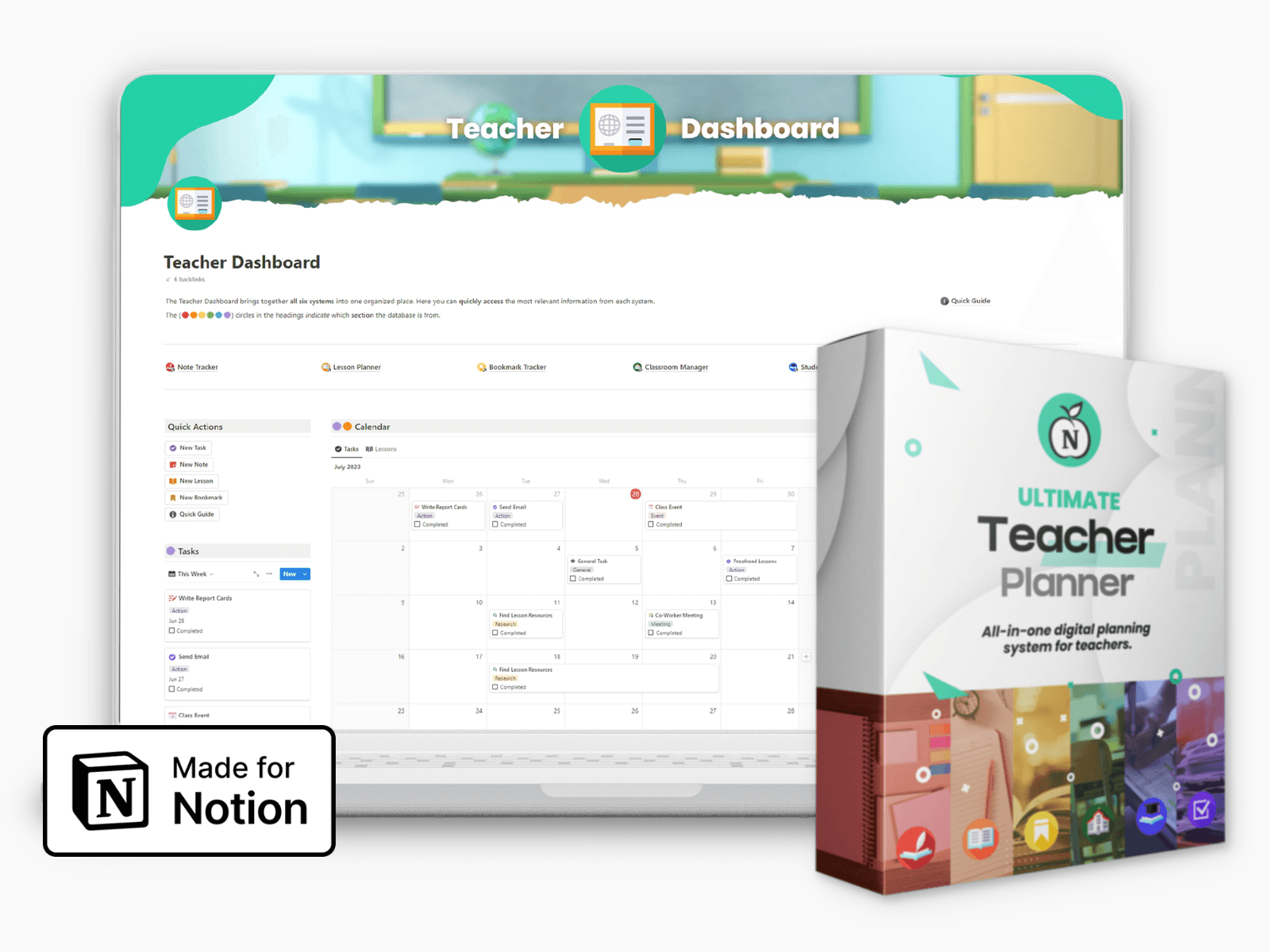
Ultimate Teacher Planner
The ultimate all-in-one education management system in Notion.
Learn More
Table of Contents
Fair classroom participation fails in a predictable way. You ask a question. Five hands go up. You call on the same three students because they are ready, loud, and easy to see from the projector. Everyone else learns that waiting works.
A random name picker does not fix teaching. It fixes the selection habit. Students see that the next name is not a mood, a grudge, or a favorite. That is why popsicle sticks, equity cards, and digital spinners show up in so many classroom-management guides.
Why random beats volunteers
Volunteers are useful when you want a model answer. They are a poor default for cold-call, classroom jobs, presentation order, or who shares after think-pair-share. The same voices dominate. Quiet students opt out. You start defending yourself at parent conferences.
Random selection is a protocol, not a gimmick:
Ask the question first, with 10 to 20 seconds of silent think time.
Then spin or draw a name.
Give a sentence stem so the pick is support, not a trap.
Log who was called so you are not guessing by Friday.
If a student truly cannot answer, park it: "I'll come back after you check with your partner." Random does not mean public humiliation.
Sticks, slides, or a wheel on the board
Physical sticks still work in elementary rooms. They also get lost, chewed, and quietly put back in the cup.
Digital pickers help when you project for the whole class. The class can see the list. That matters more than animation. If names disappear into a private phone app, students will still argue that the draw was rigged.
Look for four classroom basics:
Paste or type a roster once, then reuse it.
Works in a browser on the projector or a teacher laptop. No app install during passing period.
Optional "remove after pick" so you do not call the same child twice in one block.
Fast enough that the spin does not eat the think time you just protected.
A visible wheel is optional. Some teachers prefer a simple name list. Others want the spin because younger students treat it like a game, which lowers the social threat of being called.
A 30-second routine you can keep
Do not introduce a new tool every week. Pick one method and run it for a month.
Monday: load this week's roster. If you already keep students in Notion, copy names from your class database into the picker so you are not maintaining two lists by hand.
During the lesson: question, wait, pick, respond, move on. Cap share-outs at three or four names or pacing dies.
Friday: glance at your log. If three students were never called, start next week with them in a smaller warm-up, still random inside that group, so equity is real and not a slogan.
Track who got called in Notion
This is where a planner and a picker should work together. The spinner chooses. Notion remembers.
A light setup:
A Participation table with Student, Date, Period, and Notes.
After each spin, add a row or check a box on that student. Thirty seconds, not a new grading system.
Once a week, filter for students with the fewest checks.
You do not need a complex dashboard. You need proof you are not favoring row one. If you already use a student tracker template, add one property: Last called. Update it when the wheel lands.
Tools that work on a projector
Teachers already use Flippity, ClassroomScreen, and well-known name wheels. Those are fine. The bar is whether the class can see a fair draw without a login wall when the bell is about to ring.
If you want a free browser wheel you can open without creating an account first, SpinWheelPlus is built for that job: paste the class list on the homepage wheel, spin on a phone or board, and keep the moment visible. Use an account later if you want to save a class wheel. For a one-off cold-call list, skip signup.
Keep the wheel boring on purpose. No sound on full volume. No twelve widgets around it. One picker, one timer if you need wait time, then back to the lesson.
Do not turn the wheel into a punishment
Students notice when random only appears for hard questions or for "who left the glue out." Use the same picker for jobs, line order, who picks the brain-break, and who shares a success. Fairness is a climate, not a gotcha.
Reset the "already picked" list on a schedule you can explain. Monday is enough for most secondary classes. Post a short history if elementary students will otherwise ask "when is my turn" through the whole morning meeting.
If the tool fails because Wi-Fi drops, keep a paper backup. Equity sticks in a cup still beat an awkward silence while you refresh the tab.
Random name picking will not replace relationships. It will stop the quiet deal where the same five students do the talking. Pair it with wait time, sentence stems, and a simple Notion log, and the spinner earns its place on the board.
Fair classroom participation fails in a predictable way. You ask a question. Five hands go up. You call on the same three students because they are ready, loud, and easy to see from the projector. Everyone else learns that waiting works.
A random name picker does not fix teaching. It fixes the selection habit. Students see that the next name is not a mood, a grudge, or a favorite. That is why popsicle sticks, equity cards, and digital spinners show up in so many classroom-management guides.
Why random beats volunteers
Volunteers are useful when you want a model answer. They are a poor default for cold-call, classroom jobs, presentation order, or who shares after think-pair-share. The same voices dominate. Quiet students opt out. You start defending yourself at parent conferences.
Random selection is a protocol, not a gimmick:
Ask the question first, with 10 to 20 seconds of silent think time.
Then spin or draw a name.
Give a sentence stem so the pick is support, not a trap.
Log who was called so you are not guessing by Friday.
If a student truly cannot answer, park it: "I'll come back after you check with your partner." Random does not mean public humiliation.
Sticks, slides, or a wheel on the board
Physical sticks still work in elementary rooms. They also get lost, chewed, and quietly put back in the cup.
Digital pickers help when you project for the whole class. The class can see the list. That matters more than animation. If names disappear into a private phone app, students will still argue that the draw was rigged.
Look for four classroom basics:
Paste or type a roster once, then reuse it.
Works in a browser on the projector or a teacher laptop. No app install during passing period.
Optional "remove after pick" so you do not call the same child twice in one block.
Fast enough that the spin does not eat the think time you just protected.
A visible wheel is optional. Some teachers prefer a simple name list. Others want the spin because younger students treat it like a game, which lowers the social threat of being called.
A 30-second routine you can keep
Do not introduce a new tool every week. Pick one method and run it for a month.
Monday: load this week's roster. If you already keep students in Notion, copy names from your class database into the picker so you are not maintaining two lists by hand.
During the lesson: question, wait, pick, respond, move on. Cap share-outs at three or four names or pacing dies.
Friday: glance at your log. If three students were never called, start next week with them in a smaller warm-up, still random inside that group, so equity is real and not a slogan.
Track who got called in Notion
This is where a planner and a picker should work together. The spinner chooses. Notion remembers.
A light setup:
A Participation table with Student, Date, Period, and Notes.
After each spin, add a row or check a box on that student. Thirty seconds, not a new grading system.
Once a week, filter for students with the fewest checks.
You do not need a complex dashboard. You need proof you are not favoring row one. If you already use a student tracker template, add one property: Last called. Update it when the wheel lands.
Tools that work on a projector
Teachers already use Flippity, ClassroomScreen, and well-known name wheels. Those are fine. The bar is whether the class can see a fair draw without a login wall when the bell is about to ring.
If you want a free browser wheel you can open without creating an account first, SpinWheelPlus is built for that job: paste the class list on the homepage wheel, spin on a phone or board, and keep the moment visible. Use an account later if you want to save a class wheel. For a one-off cold-call list, skip signup.
Keep the wheel boring on purpose. No sound on full volume. No twelve widgets around it. One picker, one timer if you need wait time, then back to the lesson.
Do not turn the wheel into a punishment
Students notice when random only appears for hard questions or for "who left the glue out." Use the same picker for jobs, line order, who picks the brain-break, and who shares a success. Fairness is a climate, not a gotcha.
Reset the "already picked" list on a schedule you can explain. Monday is enough for most secondary classes. Post a short history if elementary students will otherwise ask "when is my turn" through the whole morning meeting.
If the tool fails because Wi-Fi drops, keep a paper backup. Equity sticks in a cup still beat an awkward silence while you refresh the tab.
Random name picking will not replace relationships. It will stop the quiet deal where the same five students do the talking. Pair it with wait time, sentence stems, and a simple Notion log, and the spinner earns its place on the board.
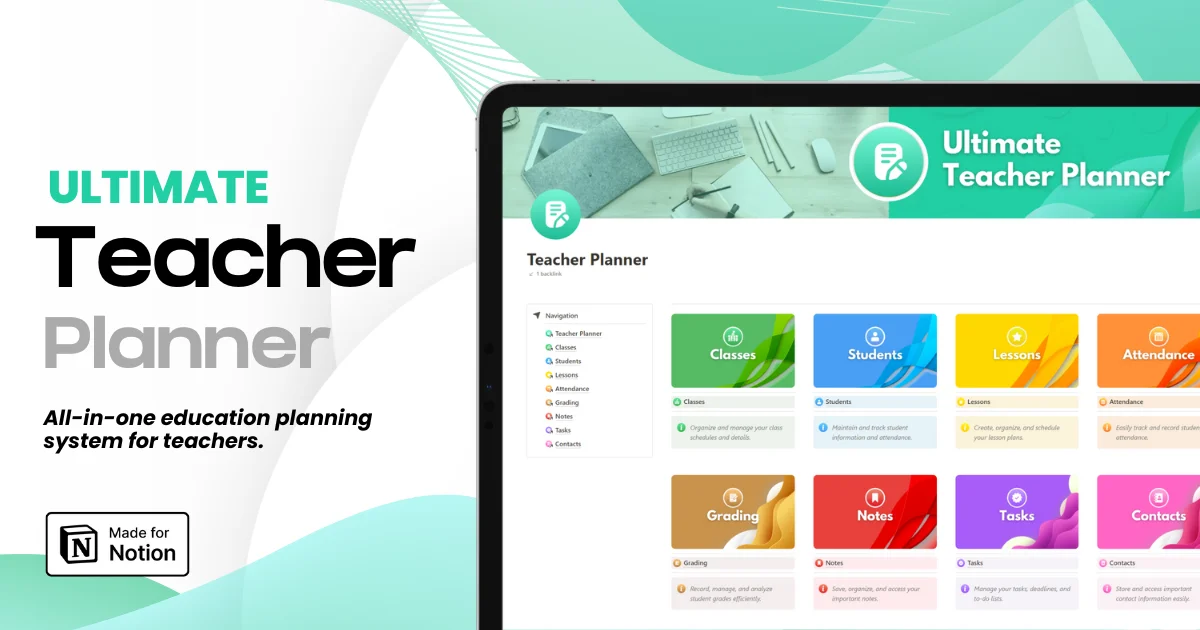
Ultimate Teacher Planner
The ultimate all-in-one education management system in Notion.
Learn More
Ultimate Teacher Planner
The ultimate all-in-one education management system in Notion.
Learn More


Notion4Teachers
Notion templates to simplify administrative tasks and enhance your teaching experience.



2026 Notion4Teachers. All Rights Reserved.
Notion4Teachers
Notion templates to simplify administrative tasks and enhance your teaching experience.
2026 Notion4Teachers. All Rights Reserved.
Notion4Teachers
Notion templates to simplify administrative tasks and enhance your teaching experience.
2026 Notion4Teachers. All Rights Reserved.