
Why Choose ICF-Accredited Training for Australian Coaches?
Why Choose ICF-Accredited Training for Australian Coaches?

Article by
Milo
ESL Content Coordinator & Educator
ESL Content Coordinator & Educator
All Posts
Is ICF-Accredited Training for Australian Coaches the Best Path to a Professional Coaching Career?
Yes. ICF-accredited training for Australian coaches is one of the clearest paths for aspiring coaches who want recognized coach education, practical coaching skills, and a trusted credential. It gives students a structured way to learn coaching, practice coaching conversations, and prepare for work with real coaching clients.
Is ICF-Accredited Training for Australian Coaches the Best Path to a Professional Coaching Career?
Yes. ICF-accredited training for Australian coaches is one of the clearest paths for aspiring coaches who want recognized coach education, practical coaching skills, and a trusted credential. It gives students a structured way to learn coaching, practice coaching conversations, and prepare for work with real coaching clients.
Still grading everything by hand?
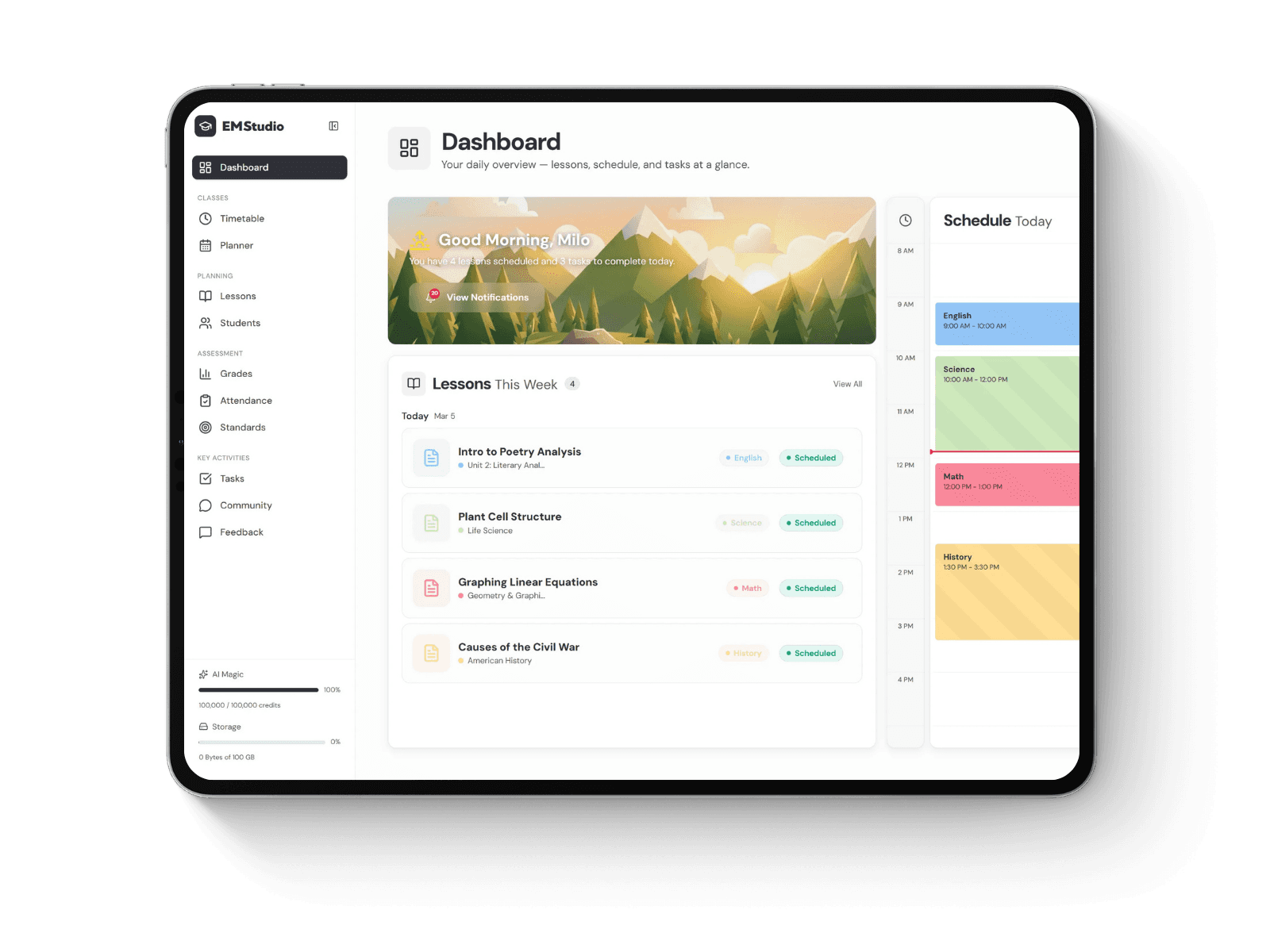
EMStudio is a free teaching management app — manage your classes, students, lessons, and more!
Learn More
Still grading everything by hand?
EMStudio is a free teaching management app — manage your classes, students, lessons, and more!
Learn More
Table of Contents
The coaching industry has grown fast in Australia and around the world. More people now expect a professional coach to have formal training, ethical standards, and coaching credentials from a respected body like the International Coaching Federation.
If you’re a coach in Australia, the best starting point is a program that connects practical learning with ICF accreditation. A strong choice is ICF-accredited training for Australian coaches, because the training is conducted online. It supports students at their own pace. And it offers a direct pathway to an ACC or PCC credential.
International Coaching Academy is one of the largest online coaching academies. It's part of the global coach community. Its programs are designed for coaching professionals seeking flexible learning, live feedback, mentor coaching, and a clear connection to ICF credentialing requirements.
What Does ICF Accreditation Mean?
ICF accreditation means a coaching program has been reviewed against standards set by the International Coaching Federation ICF. These standards include:
Coach education
Mentoring
Performance evaluation
Coaching hours
Ethics
The ICF core competencies
An ICF-accredited coach training program helps you build the skills needed to become an ICF-certified coach. It also helps you understand the difference between an associate certified coach, a professional certified coach, and an MCC credential.
Why Australian Coaches Should Choose Accredited Coach Training?
You must choose accredited coach training because it gives you credibility in a competitive market. Clients, employers, and organizations want to know that you have structured training and understand ethical coaching practice.
Coaching is not only about giving advice. It is about listening, asking better questions, noticing behavioral and communication patterns, and helping people create sustainable change.
Key benefits of accredited coaching:
Stronger confidence when working with coaching clients
Clear coaching models that support different client needs
Mentoring and group mentoring for deeper learning
Live feedback on coaching practice
Recognition through an ICF credential
For example, a business coach may use coaching skills to help leaders make better decisions. A life coaching practitioner may help clients improve their emotional intelligence, sense of direction, and confidence. A team coaching professional may support leadership, communication patterns, and team trust.
What Will You Learn in Coach Training?
As a student in coach training, you’ll learn how to guide effective coaching conversations. You also learn how to apply ICF core competencies, advanced coaching models, and ethical practice in different client situations.
A good coaching certification program should include more than theory. You need practice, feedback, mentoring, and examples they can use with real clients.
Important learning areas include:
Coaching skills: listening, presence, questioning, and reflection
Advanced coaching psychology: motivation, identity, and behavior change
Organization individual change models: frameworks for personal and workplace change
Transformational model design: building a coaching model that fits the coach and client
Team coaching: supporting groups, leaders, and workplace teams
These areas help you work with clients in a grounded way. It also helps you move from learning concepts to building real coaching experience.
What Makes ICF Accredited Coaching Programs Different?
ICF-accredited coaching programs differ because they adhere to external standards.
The International Coaching Federation sets expectations for training, ethics, mentoring, and performance evaluation. This gives students and clients more trust in the certification.
Here’s a simple comparison:
Non-accredited course
May teach useful ideas
May not meet ICF credentialing requirements
May not include mentor coaching
May not support an ICF credential
ICF-accredited program
Follows ICF accreditation standards
Teaches ICF core competencies
Includes structured coaching practice
Can support ACC or PCC level pathways
Helps students become an ICF-accredited coach or an ICF-certified coach over time
What Questions Should You Ask Before Choosing a Program?
Ask clear questions before choosing a coaching certification program. The right answers can protect your time, money, and future credential pathway.
Use this checklist:
Is the program ICF-accredited?
Does it include mentor coaching?
Does it teach the ICF core competencies?
Does it support an ACC credential, a PCC credential, or both?
Is the training conducted online or in person?
Can students learn at their own pace?
Does the program include live feedback?
Does it prepare students for performance evaluation?
Does it support life coaching, business coaching, team coaching, and leadership coaching?
These questions help you compare coaching programs with more confidence.
FAQs
Is ICF accreditation required to become a coach in Australia?
No, but it can improve trust, confidence, and professional recognition in the coaching industry.
What is the difference between ICF certified and ICF accredited?
A program can be ICF-accredited. A person can become ICF-certified after meeting the training, coaching hours, mentoring, and performance evaluation requirements for an ICF credential.
Can online coaching courses lead to an ICF credential?
Yes. Online coaching courses can support an ICF credential if they are part of an ICF-accredited coach training pathway. Students should confirm the exact credential pathway before enrolling.
Is mentor coaching important?
Yes. Mentor coaching helps students receive feedback on real coaching practice. It also supports deeper learning of core competencies and coaching conversations.
Can coach training help with leadership?
Yes. Coach training can improve leadership by teaching listening, emotional intelligence, communication patterns, and more effective ways to support change.
Final Word
ICF-accredited coaching is a strong choice for Australian coaches who want structure, credibility, and a recognized path into professional coaching. It helps you build coaching skills and understand client change. It also prepares for coaching credentials with more confidence.
The best program is the one that gives you strong education, mentoring, practice, feedback, and a clear pathway into the world of professional coaching.
The coaching industry has grown fast in Australia and around the world. More people now expect a professional coach to have formal training, ethical standards, and coaching credentials from a respected body like the International Coaching Federation.
If you’re a coach in Australia, the best starting point is a program that connects practical learning with ICF accreditation. A strong choice is ICF-accredited training for Australian coaches, because the training is conducted online. It supports students at their own pace. And it offers a direct pathway to an ACC or PCC credential.
International Coaching Academy is one of the largest online coaching academies. It's part of the global coach community. Its programs are designed for coaching professionals seeking flexible learning, live feedback, mentor coaching, and a clear connection to ICF credentialing requirements.
What Does ICF Accreditation Mean?
ICF accreditation means a coaching program has been reviewed against standards set by the International Coaching Federation ICF. These standards include:
Coach education
Mentoring
Performance evaluation
Coaching hours
Ethics
The ICF core competencies
An ICF-accredited coach training program helps you build the skills needed to become an ICF-certified coach. It also helps you understand the difference between an associate certified coach, a professional certified coach, and an MCC credential.
Why Australian Coaches Should Choose Accredited Coach Training?
You must choose accredited coach training because it gives you credibility in a competitive market. Clients, employers, and organizations want to know that you have structured training and understand ethical coaching practice.
Coaching is not only about giving advice. It is about listening, asking better questions, noticing behavioral and communication patterns, and helping people create sustainable change.
Key benefits of accredited coaching:
Stronger confidence when working with coaching clients
Clear coaching models that support different client needs
Mentoring and group mentoring for deeper learning
Live feedback on coaching practice
Recognition through an ICF credential
For example, a business coach may use coaching skills to help leaders make better decisions. A life coaching practitioner may help clients improve their emotional intelligence, sense of direction, and confidence. A team coaching professional may support leadership, communication patterns, and team trust.
What Will You Learn in Coach Training?
As a student in coach training, you’ll learn how to guide effective coaching conversations. You also learn how to apply ICF core competencies, advanced coaching models, and ethical practice in different client situations.
A good coaching certification program should include more than theory. You need practice, feedback, mentoring, and examples they can use with real clients.
Important learning areas include:
Coaching skills: listening, presence, questioning, and reflection
Advanced coaching psychology: motivation, identity, and behavior change
Organization individual change models: frameworks for personal and workplace change
Transformational model design: building a coaching model that fits the coach and client
Team coaching: supporting groups, leaders, and workplace teams
These areas help you work with clients in a grounded way. It also helps you move from learning concepts to building real coaching experience.
What Makes ICF Accredited Coaching Programs Different?
ICF-accredited coaching programs differ because they adhere to external standards.
The International Coaching Federation sets expectations for training, ethics, mentoring, and performance evaluation. This gives students and clients more trust in the certification.
Here’s a simple comparison:
Non-accredited course
May teach useful ideas
May not meet ICF credentialing requirements
May not include mentor coaching
May not support an ICF credential
ICF-accredited program
Follows ICF accreditation standards
Teaches ICF core competencies
Includes structured coaching practice
Can support ACC or PCC level pathways
Helps students become an ICF-accredited coach or an ICF-certified coach over time
What Questions Should You Ask Before Choosing a Program?
Ask clear questions before choosing a coaching certification program. The right answers can protect your time, money, and future credential pathway.
Use this checklist:
Is the program ICF-accredited?
Does it include mentor coaching?
Does it teach the ICF core competencies?
Does it support an ACC credential, a PCC credential, or both?
Is the training conducted online or in person?
Can students learn at their own pace?
Does the program include live feedback?
Does it prepare students for performance evaluation?
Does it support life coaching, business coaching, team coaching, and leadership coaching?
These questions help you compare coaching programs with more confidence.
FAQs
Is ICF accreditation required to become a coach in Australia?
No, but it can improve trust, confidence, and professional recognition in the coaching industry.
What is the difference between ICF certified and ICF accredited?
A program can be ICF-accredited. A person can become ICF-certified after meeting the training, coaching hours, mentoring, and performance evaluation requirements for an ICF credential.
Can online coaching courses lead to an ICF credential?
Yes. Online coaching courses can support an ICF credential if they are part of an ICF-accredited coach training pathway. Students should confirm the exact credential pathway before enrolling.
Is mentor coaching important?
Yes. Mentor coaching helps students receive feedback on real coaching practice. It also supports deeper learning of core competencies and coaching conversations.
Can coach training help with leadership?
Yes. Coach training can improve leadership by teaching listening, emotional intelligence, communication patterns, and more effective ways to support change.
Final Word
ICF-accredited coaching is a strong choice for Australian coaches who want structure, credibility, and a recognized path into professional coaching. It helps you build coaching skills and understand client change. It also prepares for coaching credentials with more confidence.
The best program is the one that gives you strong education, mentoring, practice, feedback, and a clear pathway into the world of professional coaching.
Still grading everything by hand?
EMStudio is a free teaching management app — manage your classes, students, lessons, and more!
Learn More
Still grading everything by hand?
EMStudio is a free teaching management app — manage your classes, students, lessons, and more!
Learn More




Notion4Teachers
Notion templates to simplify administrative tasks and enhance your teaching experience.



2026 Notion4Teachers. All Rights Reserved.
Notion4Teachers
Notion templates to simplify administrative tasks and enhance your teaching experience.
2026 Notion4Teachers. All Rights Reserved.
Notion4Teachers
Notion templates to simplify administrative tasks and enhance your teaching experience.
2026 Notion4Teachers. All Rights Reserved.