
18 History Lesson Plans for Engaging Social Studies
18 History Lesson Plans for Engaging Social Studies

Article by
Milo
ESL Content Coordinator & Educator
ESL Content Coordinator & Educator
All Posts
Most history lesson plans are dead on arrival. They’re packets of fill-in-the-blank worksheets masquerading as “engagement,” and we both know how that ends: glazed eyes, empty desks, and the sound of copy machines drowning out any actual curiosity about the past. I’ve thrown out more district-provided curriculum guides than I’ve kept. If I’m being honest, the best history lesson I’ve taught this year wasn’t in the textbook at all.
Last October, my 8th graders were supposed to “analyze” a sanitized textbook passage about the New Deal. Instead, they analyzed the clock. So I scrapped it during my prep period. I handed them FDR’s actual fireside chat transcripts, pulled up a crackly recording from 1933 on my laptop, and asked one question: “Would this actually work?” The room flipped. Kids who never spoke were arguing about banking policy and wheat prices. That’s when I realized the gap between covering content and teaching students to think historically.
This post isn’t another list of worksheets dressed up with clip art. I’ve gathered 18 history lesson plans that actually work in real classrooms — ones built on primary source analysis, document based questions, and inquiry-based learning. Some use tech. Some use paper. All of them force students to wrestle with evidence, not hunt for bolded vocabulary words.
You’ll find interactive digital tools for hybrid classrooms, project-based US history units that build real inquiry skills, and strategies for connecting current events to historical patterns. I’ve used these with 7th graders who hate reading and AP students who think they know everything. They work.
Still grading everything by hand?
EMStudio is a free teaching management app — manage your classes, students, lessons, and more!
Learn More

Still grading everything by hand?
EMStudio is a free teaching management app — manage your classes, students, lessons, and more!
Learn More
Table of Contents
What Are the Most Engaging Primary Source History Lessons?
The most engaging primary source history lessons use the DBQ method with the Constitution's Federalist Papers, Library of Congress civil rights photography analysis using the OBSERVE-REFLECT-QUESTION protocol, and Ellis Island immigrant narratives from National Park Service oral history archives. These approaches combine tactile document handling with structured inquiry protocols, typically requiring 3-5 class periods for full implementation.
Textbooks tell kids what happened. Primary sources force them to figure it out. That difference changes everything.
The Library of Congress OBSERVE-REFLECT-QUESTION protocol anchors abstract concepts in concrete evidence. When 8th graders look at unmodified photographs, they practice real primary source analysis. They notice details the editor left out.
Research shows students who regularly analyze original documents develop stronger sourcing and contextualization skills. They stop accepting facts at face value. This builds the historical thinking skills that define solid teaching american history.
Here are three distinct lesson archetypes:
Constitutional Debates (Grades 11-12): Document Based Questions using Federalist No. 10 and Brutus No. 1. Three 45-minute periods required.
Civil Rights Photography (Grades 8-12): Image analysis of Elizabeth Eckford, Birmingham fire hoses, and Selma march photos. One 90-minute gallery walk.
Ellis Island Narratives (Grades 6-9): Oral history transcripts paired with ship manifests. Two class periods plus homework.
Effective Constitution DBQs need structure. These history lesson plans require three 45-minute periods: Day 1 for document familiarization, Day 2 for analysis using the APPARTS framework (Audience, Purpose, Place, Author, Reason, The Main Idea, Significance), and Day 3 for evidence-based argumentation. Don't rush the process.
Document-Based Questions on the Constitution
I use Federalist No. 10 and Brutus No. 1 with my 11th graders every October. They struggle with Madison's dense prose at first. That's exactly the point.
Students need prior knowledge of federalism, republic, and enumerated powers. I provide the APPARTS graphic organizer to slow their analysis. Without it, they skim and miss the arguments.
The payoff arrives day three. Students write a 500-word essay citing two Federalist and two Anti-Federalist documents. This history lesson requires genuine civic education using 18th-century evidence. The social studies tools that transform history classrooms structure this complexity for historical inquiry.
Analyzing Civil Rights Era Photography
I hang three images around my room: Elizabeth Eckford entering Central High in 1957, Birmingham fire hoses in 1963, and the Selma march in 1965. Students carry sticky notes through a 90-minute gallery walk.
The Library of Congress Primary Source Analysis Tool provides the OBSERVE-REFLECT-QUESTION columns. Kids write what they see and wonder. For ELL students, I provide sentence frames like "I notice... This makes me think..."
This works for grades 8-12 because the images speak louder than text. Students practice inquiry-based learning without realizing they're doing academic work. The emotional connection drives the analysis.
Immigrant Narratives from Ellis Island Archives
National Park Service oral history transcripts from 1892-1954 provide voices textbooks omit. I pair these with ship manifests from FamilySearch.org—free with educator accounts.
Students adopt immigrant identities and write 200-word arrival narratives using manifest data: country of origin, occupation, literacy level. My 7th graders love finding their "person" in the database.
The extension surprises them. They calculate statistics in Google Sheets—percentage literate, average age. This fits grades 6-9 perfectly. The narrative makes document based questions feel like storytelling, not busywork. Kids remember their immigrant's name in June.
Interactive Digital History Lessons for Modern Classrooms
Teaching history lessons digitally means choosing tools that match your prep time and budget. When you teach history online, you trade textbooks for screens, but not all screens are equal. I have tested three formats that actually stick: VR tours, interactive timelines, and student podcasts.
Here is the honest breakdown of what you are signing up for.
Format | Setup Time | Cost Per Student | Tech Curve | Best Era |
|---|---|---|---|---|
VR Tours | 15-30 min | $0-$299 | Medium | Ancient civs |
Digital Timelines | 5-15 min | $0 | Low | Any sequential unit |
Podcast Creation | 10-20 min | $0 | Low-Medium | 20th-21st century |
Before you buy headsets, know this: immersive VR/AR learning environments trigger motion sickness in roughly 10-20% of users. I learned this the hard way when two students handed back the Quest 2 mid-lesson.
I always queue up 360° YouTube videos as a 2D fallback. No kid should miss the content because their stomach disagrees with the tech. Keep ginger candies in your desk drawer too.
Virtual Reality Tours of Ancient Civilizations
Google Arts & Culture offers free VR tours of the Colosseum, Pompeii streets, and deep Egyptian tombs. Students pan around using only phones or tablets.
I used this with 7th graders last October while studying Roman architecture. One kid gasped when he "entered" the Pantheon and saw the oculus. That moment made the prep worth it.
If your budget allows, grab Google Cardboard viewers ($10/unit) and the Unimersiv app ($2.99). The cardboard folds flat in my desk drawer. I bought ten units three years ago and they still work.
Structure matters: 15 minutes for exploration, then 10 minutes for written reflection. Grades 6-12 handle this well.
The failure mode is passive sightseeing. I require students to identify three specific artifacts and explain their purpose. Otherwise, they just stare at pixels and learn nothing.
Digital Timeline Tools for Sequencing Events
Sutori (free tier) gives you unlimited student views and a drag-and-drop interface. TimelineJS is open source but forces you to wrestle with Google Sheets. For busy teachers, Sutori wins every time.
I assign specific parameters for Civil Rights or Cold War units:
Ten events total with clear dates
One embedded primary source per entry
Fifty-word annotations showing primary source analysis
This hits document based questions without the worksheet monotony. Plan two class periods.
Students can export PDFs for grading or share links for digital portfolios. Last spring, my sophomores built timelines on the Cold War. The visual sequencing reinforced historical thinking skills and historical inquiry better than a lecture could.
Historical Podcast Creation Projects
Anchor by Spotify records in the browser—free, no installation. Audacity works offline if your school Wi-Fi sputters. Both fit social studies lesson plans that need student voice.
Format: 3-5 minute NPR-style episodes. My juniors loved "reporting" from the Berlin Wall in November 1989. They used old news clips for ambient sound. Scripts require three elements:
Two eyewitness quotes from primary sources
One paragraph of historical context
Conclusion on modern significance
I grade on historical accuracy (40%), audio clarity (30%), and historical voice (30%). This pushes civic education and inquiry-based learning through storytelling. Best for grades 9-12.
One tip: have students write scripts before touching the mic. It cuts editing time in half and improves the final product dramatically.
How Can You Teach Current Events Through Historical Lenses?
Teach current events through historical lenses by using structured comparison frameworks that pair modern phenomena with historical precedents, such as comparing 1800s political campaigns with modern social media elections, or tracing immigration policy from the 1882 Chinese Exclusion Act to contemporary debates. This approach uses the C3 Framework's temporal thinking dimension to build analytical distance while maintaining relevance.
I use a "Then vs. Now" protocol that forces students to identify continuity, change, and historical antecedents before forming opinions. This keeps the analysis structural rather than partisan.
The Then vs. Now framework asks three questions: What stayed the same? What changed? What earlier event set the stage? I project these on the board while students examine paired documents. Last month, my 11th graders compared 1968 and 2024 protest footage. They noticed both eras used music and youth organizing, but distribution methods shifted from underground newspapers to TikTok.
Research on historical perspective-taking backs this approach. Studies show students who analyze current issues through historical analogies demonstrate more nuanced reasoning on civics assessments than those who study current events in isolation. They catch echoes others miss.
Think of it as a decision tree:
If you're teaching the 2024 election, pair it with 1800, 1960, and 2008.
If you're examining climate protests, use 1970 Earth Day.
For immigration debates, trace back to 1882.
These current events lesson plans become us history lessons that actually stick.
Comparing Historical and Modern Election Campaigns
I run a 90-minute history lesson comparing four distinct eras: 1800 (newspaper wars where candidates stayed home), 1960 (the Kennedy-Nixon TV debate that changed everything), 2008 (the first true social media campaign), and 2024. Students analyze three campaign ads using the same rhetorical rubric measuring ethos, pathos, and logos. They spot what persists—attack ads, emotional appeals, accusations of corruption—and what technology fundamentally altered. The shift from print to broadcast to digital becomes visceral when you hold them side by side. I pull the ads from C-SPAN Classroom (free) and run this with grades 9-12.
The key is using identical analytical lenses for different time periods. When students apply the same ethos-pathos-logos checklist to a 1800 newspaper cartoon and a 2024 Instagram story, they stop reacting and start analyzing. Last fall, my juniors realized that "fake news" accusations appeared in the 1796 election between Adams and Jefferson. The vocabulary changed, but the mechanism—questioning an opponent's sources—remained constant. This is temporal thinking in action.
The document based questions practically write themselves: Which candidate would have won in 1800 using 2024 tactics? How would Lincoln have handled a TikTok scandal? This builds historical inquiry skills while keeping kids from drowning in modern noise. They learn that Twitter didn't invent political hostility; it just accelerated the spread.
Environmental History Through Earth Day Lesson Plans
Pair the first Earth Day in 1970—when Gaylord Nelson mobilized 20 million Americans through local teach-ins—with modern climate activism. I show my 8th graders 1970 Life Magazine photos alongside recent climate strike footage. We examine organizing tactics: teach-ins required physical presence and mimeographed handouts, while digital strikes use hashtags and viral videos. But youth leadership and local action remain strikingly constant. I add the 1988 Hansen testimony to Congress as a key turning point document, showing when climate change entered federal consciousness.
Students trace how inquiry-based learning about environmental history reveals that urgency looks different across decades, but the grassroots energy feels identical. They note that 1970 organizers faced "job killer" accusations just like modern activists do. This works grades 8-11. It pairs naturally with integrating global perspectives into your curriculum when you compare US Earth Day origins with global climate justice movements.
The primary source analysis of 1970 protest signs versus 2024 placards shows which arguments evolved and which stayed frozen in time. The comparison helps students see themselves as part of a longer tradition of youth activism. They realize the 1970 college students weren't so different from them—just with worse hair and better music.
Immigration Policy Debates Across Centuries
Trace the legislative thread from the 1882 Chinese Exclusion Act through the 1924 National Origins Act, the 1965 Hart-Celler Act, and into 2020s policy changes. I use C-SPAN video clips of Congressional debates paired with one-to-two page excerpts of actual bill text. Students build a legislative timeline with cause-effect arrows connecting economic conditions to policy shifts. They see how recession-era politics repeatedly produce restrictionist rhetoric, regardless of century.
This primary source analysis builds civic education by showing policy as evolutionary, not revolutionary. When my 10th graders read the 1882 debate about "coolie labor" and then watch 2024 hearings on H-1B visas, they recognize similar economic anxieties dressed in different vocabulary. The activity avoids partisan advocacy by focusing on structural patterns: who gets excluded when unemployment rises? How do definitions of "skilled" labor shift with industry needs? I use this for grades 10-12 when I want rigorous social studies lessons that resist easy answers.
Students begin to understand that immigration policy swings like a pendulum. It's driven by economic fear, not abstract principle. The historical thinking skills they develop here transfer directly to analyzing any current events lesson plans you bring to the table. Once they see the pattern once, they start spotting historical echoes everywhere.
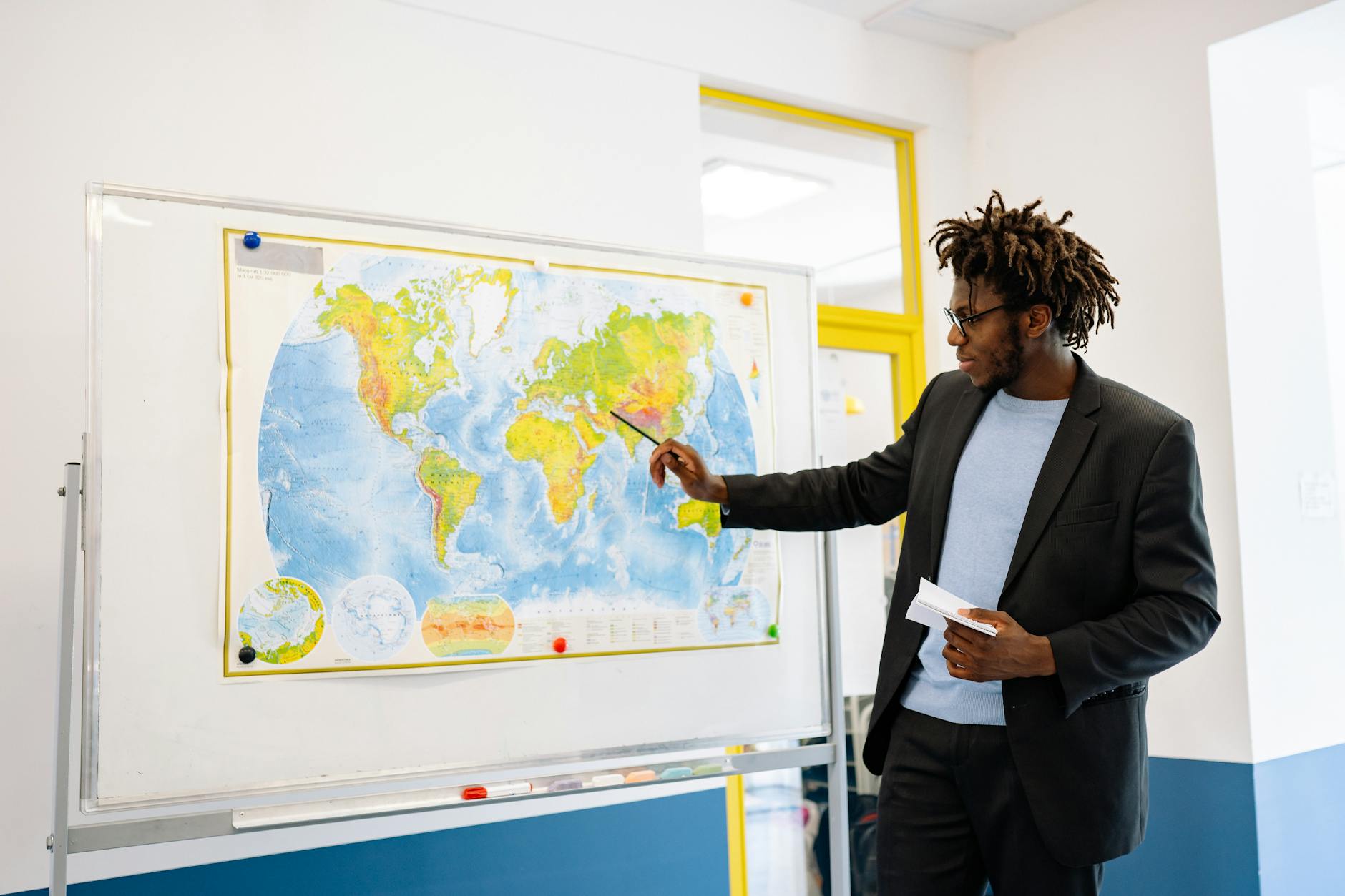
Project-Based US History Lessons That Build Inquiry Skills
Stop letting students Google a topic and paste the first three hits into a slideshow. Real historical inquiry needs question formulation, evidence gathering, and argumentation. I require three primary sources minimum per student—no exceptions. This forces them to read the actual documents, not SparkNotes summaries. For differentiation, I offer the same excerpt at 800L, 1000L, and 1200L Lexiles. ELL students get sentence frames like "The evidence suggests..." to build inquiry skills. These projects function like extended document based questions without the timed pressure.
Local Community History Research Projects
Partner with your local historical society. Last October, my 11th graders worked with ours to dig into 1940 census records versus 2020 data from FamilySearch.org. The free educator accounts make this possible without budget requests.
Students analyze demographic changes in their specific neighborhood blocks. I give them a data collection sheet to track occupation shifts or immigration patterns. One kid found out his street used to be farmland; another discovered three generations of seamstresses lived in her house.
The final product is a five-minute documentary using WeVideo's free tier or iMovie. Each student must interview one local senior citizen using a ten-question protocol I provide. This keeps them from just reading Wikipedia entries about "the old days."
Timeline runs three weeks for grades 9-12. The measurable outcome matters: they must identify three specific changes in occupation or immigration patterns backed by census data. This history lesson connects national trends to their front porch. Grab my inquiry-based learning guide for teachers and project-based learning projects for real-world impact for templates.
Mock Constitutional Convention Debates
This is my favorite us history lesson for teaching compromise. Assign delegates based on state population categories: Virginia Plan reps for large states, New Jersey Plan for small states, and border states arguing the 3/5 Compromise. I give each group index cards with their delegate's actual arguments pulled from primary sources.
Structure matters here. Day one covers opening proposals. Day two forces negotiated compromises while they stay in character. Day three brings final voting.
They must use direct quotes from Madison's Notes or delegate letters. I walk around with a checklist marking every time a student cites primary source evidence. If someone says "that's unfair," I ask them to quote Randolph or Paterson responding to that exact concern.
Grades 11-12 only. Prerequisites are non-negotiable: they must complete the Madison's Notes excerpts first. Otherwise you get modern political rants, not historical reasoning. This builds civic education and historical thinking skills through actual deliberation.
Living History Museum Presentations
Here's where us history lesson plans often go sideways. Without guardrails, this becomes a costume contest with poster board. I fix that with rigor.
Students research one figure from 1750-1900. They write a two-minute first-person monologue and create a tri-fold display featuring five primary source images with captions. The annotated bibliography carries 20% of the grade and requires five sources minimum.
I use Socratic questioning during presentations—"How does your character reconcile owning slaves with writing about liberty?"—to probe historical depth. No scripted Q&A with parents. Real questions about context and motivation separate the researchers from the actors.
Pre-approval stops the disaster of 15 Harriet Tubmans and no available primary sources. Students must verify three primary sources exist before locking in their figure. This primary source analysis requirement prevents the pop culture biography report. Assessment splits 50% historical accuracy, 30% delivery, 20% bibliography.
Free Social Studies Lesson Plans from National Archives
Forget the textbook supplements. These three sources give you unfiltered primary sources and inquiry arcs that actually build historical thinking skills. Everything here is free, though a couple require quick email registration. All carry C3 Framework and NCSS alignment badges, so you’re covered on standards.
Library of Congress Primary Source Sets
Head to loc.gov/teachers for the good stuff. I grabbed The Constitution set last fall for my 8th graders—20 primary sources including Madison’s notes and ratification debates, plus a 10-page Teacher’s Guide in PDF format. Everything is free, but you’ll need a free Library of Congress account to download classroom sets of 30+ items.
Other heavy hitters include Civil War Photographs, Immigration, and Jim Crow South. Each box comes with 15-20 artifacts and analysis tool templates. Look for the C3 Framework and NCSS alignment badges on the download page—they’ve already done the standards matching.
The killer feature is Chronicling America integration. After students analyze the curated set, they jump into the newspaper database for extension research. My kids found our town’s 1918 paper ran the same anti-immigration cartoons we’d studied. That’s historical inquiry that sticks.
National Archives Document Analysis Activities
Use DocsTeach.org when you want ready-made document based questions that don’t bore kids to death. The National Archives built this tool specifically for teaching american history with unfiltered primary sources. The platform runs three main activity types that force students to wrestle with evidence. Everything is free—no account required.
Making Connections challenges students to link documents to big ideas and themes.
Mapping History pairs sources with geographic analysis and spatial thinking.
Seeing the Big Picture uses visual literacy to build evidence-based arguments.
I ran the Zimmerman Telegram activity with my sophomores during our WWI history lesson last spring. They analyzed the actual decrypted telegram, answered 5 focus questions, then completed a sequencing task tracing the message from Berlin to Mexico City. NARA includes their Document Analysis Worksheets and answer keys with every activity. Grades 6-12.
Look for C3 Framework and NCSS alignment badges on each lesson. These hit the full range of historical thinking skills—sourcing, contextualization, and corroboration—without you building scaffolding from scratch. It’s inquiry-based learning with built-in civic education goals.
Open Educational Resources for World History
Stanford’s History Education Group (shestanford.edu) runs the famous “Reading Like a Historian” curriculum for grades 6-12. You’ll need to register with an email, but then you get 150+ free lessons complete with PowerPoints, student handouts, and ELL modifications.
Each lesson follows the inquiry-based learning model—pose a compelling question, provide conflicting evidence, let students wrestle with interpretation. Look for the C3 Framework alignment badges on every unit.
For world history teachers, World History For Us All (UCLA) takes a Big History approach with era summaries and performance tasks spanning from prehistory to globalization. I use their “Panorama” units to set up semester-long themes. Also grades 6-12.
Then there’s open educational resources for K-12 educators on OER Commons, where you can search by specific standards like CCSS or your state framework. You’ll find curated collections in PDF, Google Doc, and interactive formats. Everything carries Creative Commons licenses.
All three sources display C3 Framework and NCSS alignment badges. SHEG’s lessons specifically target historical inquiry and primary source analysis skills. Whether you need a single history lesson plan or a full semester arc, these databases deliver serious content without the textbook price tag.
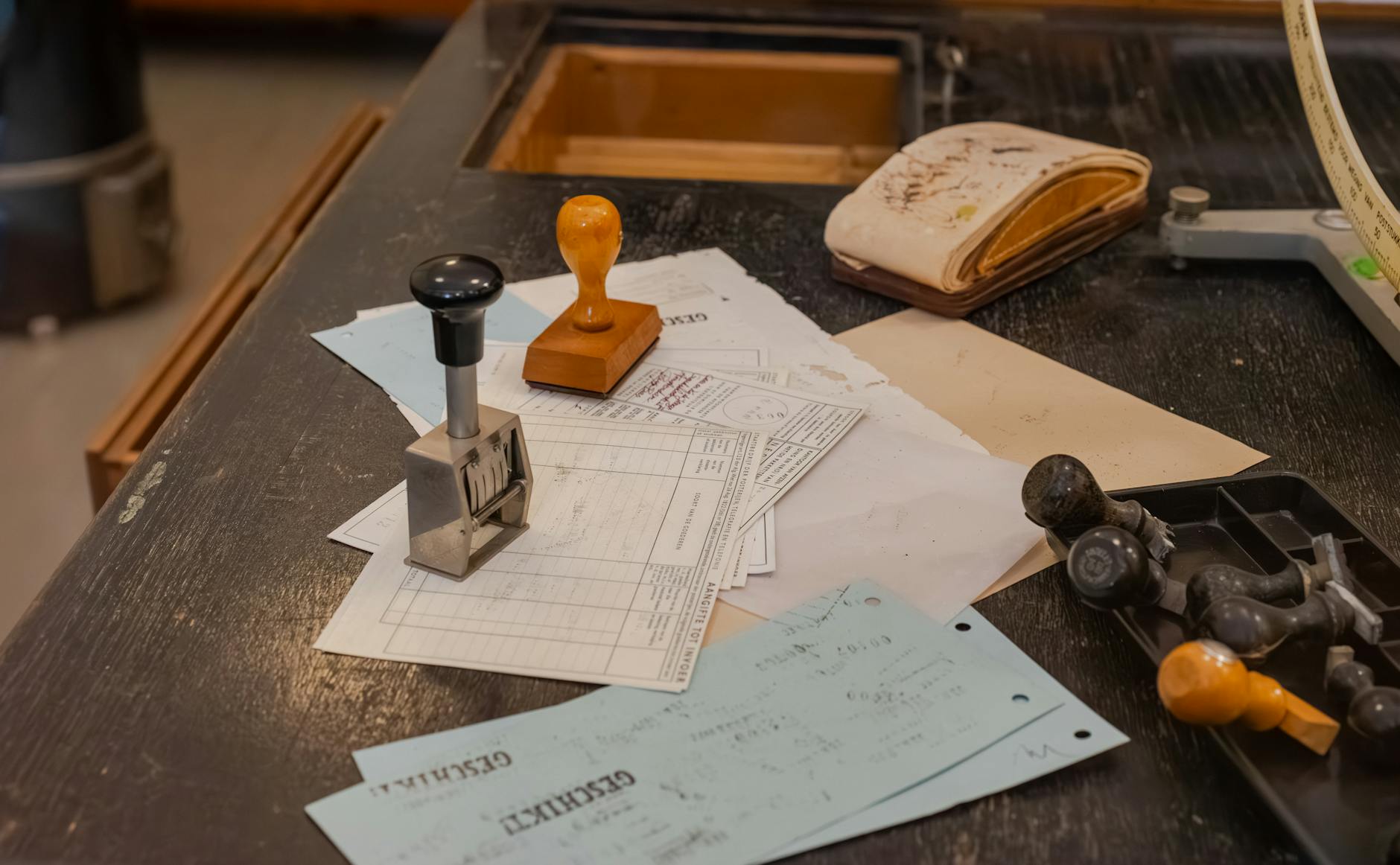
Earth Day Lesson Plans with Historical Context
The History of Conservation Movements
Environmentalism wasn't always a bipartisan buzzword. In the Progressive Era, Gifford Pinchot and John Muir fought bitterly over the purpose of wild land. Pinchot pushed "wise use"—managing forests for timber and water power—while Muir argued wilderness had intrinsic value beyond human utility. This tension still shapes our national parks policy and logging regulations today.
The 1913 Hetch Hetchy Valley controversy brings this clash alive for 11th graders. I have students read Pinchot's Congressional letters defending the dam against Muir's anguished excerpts from The Yosemite. One sees conservation as resource management for the greatest good; the other sees sacred ground being flooded for city water.
This history lesson works best as structured academic controversy. Assign half your class Pinchot's utilitarian position, half Muir's preservationist stance. Give them two days to prep using primary source analysis techniques from our sustainability and environmental education guide, then debate whether San Francisco really needed that reservoir. The historical thinking skills they build here transfer directly to modern land-use debates.
Climate Change Evidence Through Historical Data
Numbers tell stories when you know where to look. The Keeling Curve from Mauna Loa Observatory tracks atmospheric CO2 from 1958 to today—showing the sawtooth rise my students can calculate themselves. I print the raw NOAA data and have them plot the seasonal fluctuations. Pair it with Vostok ice core data stretching back 400,000 years for perspective that silences the "but climate always changes" chorus.
Have kids graph temperature anomalies from 1880 to 2024 using the same NOAA datasets. The spike after 1988 jumps off the page—that's when James Hansen testified to Congress about global warming. For policy context, I bring in Clean Air Act legislative markup documents and EPA Superfund site histories to show how data drives environmental law.
For math integration, have students calculate ppm increase rates by decade. The 1960s averaged 0.8 ppm per year; recent years hit 2.5 ppm. Those decimals hit harder than any documentary, and this environmental history approach builds quantitative civic education skills that prepare seniors for college-level climate policy debates without resorting to doomsday rhetoric.
Earth Day Lesson Plans from 1970 to Present
The first Earth Day mobilized 20 million Americans—roughly 10% of the population—in 1970. I show my classes the Environmental Action newspaper archives and Gaylord Nelson's planning letters. Then we watch 2020's Earth Day Live footage. The contrast sparks real historical inquiry about how movements sustain momentum across generations.
1970 organizing relied on teach-ins, local rallies, and bipartisan coalitions. 2020 went digital with global strikes and Instagram campaigns. Both worked, but the tactics reveal how civic engagement evolves with technology while keeping the same core goal: pressure policymakers through mass mobilization.
Assessment is straightforward: students build Venn diagrams comparing movement strategies across 50 years. This inquiry-based learning approach avoids doomsday pedagogy for younger students while giving high schoolers the document based questions they need for AP-style rigor. These earth day lesson plans work best when you treat them as us history lessons first, environmental activism second. The historical context keeps the conversation grounded in evidence rather than anxiety.
How to Choose the Right History Lesson for Your Standards?
Audit your standards for historical thinking skills first—not just content coverage. Match social studies lesson plans to the C3 Framework's four dimensions, prioritizing inquiry-based learning arcs that assess multiple standards simultaneously. Verify alignment with literacy standards like RH.9-10.1 through actual textual evidence work.
Stop hunting for the perfect history lesson. Pull out your standards document and a highlighter. I learned this the hard way after spending three days on a beautiful Civil War unit that didn't actually require students to evaluate—only identify.
Build a decision matrix before you download anything. Draw a 3x3 grid. Label the columns: content knowledge, disciplinary skills, and literacy integration. Label the rows: primary source analysis, PBL scenarios, and digital interactives. Now fill the boxes honestly.
A document based questions lesson typically hits disciplinary skills and literacy integration, but only if students write claims, not just highlight.
Digital interactives often stop at content knowledge unless you add a synthesis prompt at the end.
PBL scenarios usually cover all three, but eat three weeks of your calendar.
When I plan a new history lesson now, I check the grid first. If I need literacy integration and I only have a content-heavy video, I know to add a written exit ticket requiring evidence from the video. The grid exposes gaps before you teach.
Teaching APUSH changed how I view standards alignment. The course framework explicitly pairs content with historical thinking skills. Every topic lists the specific reasoning process—comparison, causation, continuity and change. I mirror this approach in my other preps now, listing the skill next to the content on my unit plan.
Teaching APUSH? Prioritize DBQs weekly—College Board practically tells you to. State civic education requirements? Schedule Constitutional simulations and mock trials. For CCSS alignment, verify every lesson addresses specific RH standards. RH.9-10.1 needs textual evidence. RH.6-8.2 requires central idea analysis. Check the number; don't assume the lesson covers it.
Map your 180-day calendar against standards density. I circle the "power standards" that combine multiple concepts. Reconstruction covers federalism, citizenship, and economic change simultaneously. Spend two weeks there.
Isolate standards that stand alone. Give them a single day or integrate them into bell ringers. I use a simple color-code system: green for packed standards, yellow for light touches.
I started aligning standards with digital curriculum tools last year to track this visually. Now I tag every resource with the specific skill verb it assesses. No more guessing if my historical inquiry lesson actually hits standards alignment targets.
Reject any lesson that misses the skill verb. If your standard says "evaluate causes of WWI" and the activity asks students to "list causes," you've got coverage without alignment. I caught this mid-year during an observation—my kids could identify everything but couldn't evaluate their way out of a paper bag. The verb is the standard. Everything else is just trivia.
What History Lesson Really Comes Down To
It’s not about covering every standard or finding the perfect primary source. A strong history lesson puts kids in the historian’s seat—analyzing a letter from 1776, debating a current event through a Depression-era lens, or building that absurdly detailed Civil War trench model that spills into the hallway. Whether you’re using document based questions from the Archives or a digital inquiry tool, the magic happens when students wrestle with evidence themselves.
Stop trying to choose between historical inquiry and your state test. The lessons above prove you don’t have to. Primary source analysis checks the standards box while actually engaging kids—yes, even that 8th period class. Civic education isn’t an add-on; it’s what happens when students connect Reconstruction to today’s voting rights discussions.
Pick one lesson. Just one. Swap your lecture notes for a single document or try that project-based unit on industrialization. You don’t need 18 new plans tomorrow. You need one that works, that you’ll actually use, and that reminds you why you teach this subject.
What Are the Most Engaging Primary Source History Lessons?
The most engaging primary source history lessons use the DBQ method with the Constitution's Federalist Papers, Library of Congress civil rights photography analysis using the OBSERVE-REFLECT-QUESTION protocol, and Ellis Island immigrant narratives from National Park Service oral history archives. These approaches combine tactile document handling with structured inquiry protocols, typically requiring 3-5 class periods for full implementation.
Textbooks tell kids what happened. Primary sources force them to figure it out. That difference changes everything.
The Library of Congress OBSERVE-REFLECT-QUESTION protocol anchors abstract concepts in concrete evidence. When 8th graders look at unmodified photographs, they practice real primary source analysis. They notice details the editor left out.
Research shows students who regularly analyze original documents develop stronger sourcing and contextualization skills. They stop accepting facts at face value. This builds the historical thinking skills that define solid teaching american history.
Here are three distinct lesson archetypes:
Constitutional Debates (Grades 11-12): Document Based Questions using Federalist No. 10 and Brutus No. 1. Three 45-minute periods required.
Civil Rights Photography (Grades 8-12): Image analysis of Elizabeth Eckford, Birmingham fire hoses, and Selma march photos. One 90-minute gallery walk.
Ellis Island Narratives (Grades 6-9): Oral history transcripts paired with ship manifests. Two class periods plus homework.
Effective Constitution DBQs need structure. These history lesson plans require three 45-minute periods: Day 1 for document familiarization, Day 2 for analysis using the APPARTS framework (Audience, Purpose, Place, Author, Reason, The Main Idea, Significance), and Day 3 for evidence-based argumentation. Don't rush the process.
Document-Based Questions on the Constitution
I use Federalist No. 10 and Brutus No. 1 with my 11th graders every October. They struggle with Madison's dense prose at first. That's exactly the point.
Students need prior knowledge of federalism, republic, and enumerated powers. I provide the APPARTS graphic organizer to slow their analysis. Without it, they skim and miss the arguments.
The payoff arrives day three. Students write a 500-word essay citing two Federalist and two Anti-Federalist documents. This history lesson requires genuine civic education using 18th-century evidence. The social studies tools that transform history classrooms structure this complexity for historical inquiry.
Analyzing Civil Rights Era Photography
I hang three images around my room: Elizabeth Eckford entering Central High in 1957, Birmingham fire hoses in 1963, and the Selma march in 1965. Students carry sticky notes through a 90-minute gallery walk.
The Library of Congress Primary Source Analysis Tool provides the OBSERVE-REFLECT-QUESTION columns. Kids write what they see and wonder. For ELL students, I provide sentence frames like "I notice... This makes me think..."
This works for grades 8-12 because the images speak louder than text. Students practice inquiry-based learning without realizing they're doing academic work. The emotional connection drives the analysis.
Immigrant Narratives from Ellis Island Archives
National Park Service oral history transcripts from 1892-1954 provide voices textbooks omit. I pair these with ship manifests from FamilySearch.org—free with educator accounts.
Students adopt immigrant identities and write 200-word arrival narratives using manifest data: country of origin, occupation, literacy level. My 7th graders love finding their "person" in the database.
The extension surprises them. They calculate statistics in Google Sheets—percentage literate, average age. This fits grades 6-9 perfectly. The narrative makes document based questions feel like storytelling, not busywork. Kids remember their immigrant's name in June.
Interactive Digital History Lessons for Modern Classrooms
Teaching history lessons digitally means choosing tools that match your prep time and budget. When you teach history online, you trade textbooks for screens, but not all screens are equal. I have tested three formats that actually stick: VR tours, interactive timelines, and student podcasts.
Here is the honest breakdown of what you are signing up for.
Format | Setup Time | Cost Per Student | Tech Curve | Best Era |
|---|---|---|---|---|
VR Tours | 15-30 min | $0-$299 | Medium | Ancient civs |
Digital Timelines | 5-15 min | $0 | Low | Any sequential unit |
Podcast Creation | 10-20 min | $0 | Low-Medium | 20th-21st century |
Before you buy headsets, know this: immersive VR/AR learning environments trigger motion sickness in roughly 10-20% of users. I learned this the hard way when two students handed back the Quest 2 mid-lesson.
I always queue up 360° YouTube videos as a 2D fallback. No kid should miss the content because their stomach disagrees with the tech. Keep ginger candies in your desk drawer too.
Virtual Reality Tours of Ancient Civilizations
Google Arts & Culture offers free VR tours of the Colosseum, Pompeii streets, and deep Egyptian tombs. Students pan around using only phones or tablets.
I used this with 7th graders last October while studying Roman architecture. One kid gasped when he "entered" the Pantheon and saw the oculus. That moment made the prep worth it.
If your budget allows, grab Google Cardboard viewers ($10/unit) and the Unimersiv app ($2.99). The cardboard folds flat in my desk drawer. I bought ten units three years ago and they still work.
Structure matters: 15 minutes for exploration, then 10 minutes for written reflection. Grades 6-12 handle this well.
The failure mode is passive sightseeing. I require students to identify three specific artifacts and explain their purpose. Otherwise, they just stare at pixels and learn nothing.
Digital Timeline Tools for Sequencing Events
Sutori (free tier) gives you unlimited student views and a drag-and-drop interface. TimelineJS is open source but forces you to wrestle with Google Sheets. For busy teachers, Sutori wins every time.
I assign specific parameters for Civil Rights or Cold War units:
Ten events total with clear dates
One embedded primary source per entry
Fifty-word annotations showing primary source analysis
This hits document based questions without the worksheet monotony. Plan two class periods.
Students can export PDFs for grading or share links for digital portfolios. Last spring, my sophomores built timelines on the Cold War. The visual sequencing reinforced historical thinking skills and historical inquiry better than a lecture could.
Historical Podcast Creation Projects
Anchor by Spotify records in the browser—free, no installation. Audacity works offline if your school Wi-Fi sputters. Both fit social studies lesson plans that need student voice.
Format: 3-5 minute NPR-style episodes. My juniors loved "reporting" from the Berlin Wall in November 1989. They used old news clips for ambient sound. Scripts require three elements:
Two eyewitness quotes from primary sources
One paragraph of historical context
Conclusion on modern significance
I grade on historical accuracy (40%), audio clarity (30%), and historical voice (30%). This pushes civic education and inquiry-based learning through storytelling. Best for grades 9-12.
One tip: have students write scripts before touching the mic. It cuts editing time in half and improves the final product dramatically.
How Can You Teach Current Events Through Historical Lenses?
Teach current events through historical lenses by using structured comparison frameworks that pair modern phenomena with historical precedents, such as comparing 1800s political campaigns with modern social media elections, or tracing immigration policy from the 1882 Chinese Exclusion Act to contemporary debates. This approach uses the C3 Framework's temporal thinking dimension to build analytical distance while maintaining relevance.
I use a "Then vs. Now" protocol that forces students to identify continuity, change, and historical antecedents before forming opinions. This keeps the analysis structural rather than partisan.
The Then vs. Now framework asks three questions: What stayed the same? What changed? What earlier event set the stage? I project these on the board while students examine paired documents. Last month, my 11th graders compared 1968 and 2024 protest footage. They noticed both eras used music and youth organizing, but distribution methods shifted from underground newspapers to TikTok.
Research on historical perspective-taking backs this approach. Studies show students who analyze current issues through historical analogies demonstrate more nuanced reasoning on civics assessments than those who study current events in isolation. They catch echoes others miss.
Think of it as a decision tree:
If you're teaching the 2024 election, pair it with 1800, 1960, and 2008.
If you're examining climate protests, use 1970 Earth Day.
For immigration debates, trace back to 1882.
These current events lesson plans become us history lessons that actually stick.
Comparing Historical and Modern Election Campaigns
I run a 90-minute history lesson comparing four distinct eras: 1800 (newspaper wars where candidates stayed home), 1960 (the Kennedy-Nixon TV debate that changed everything), 2008 (the first true social media campaign), and 2024. Students analyze three campaign ads using the same rhetorical rubric measuring ethos, pathos, and logos. They spot what persists—attack ads, emotional appeals, accusations of corruption—and what technology fundamentally altered. The shift from print to broadcast to digital becomes visceral when you hold them side by side. I pull the ads from C-SPAN Classroom (free) and run this with grades 9-12.
The key is using identical analytical lenses for different time periods. When students apply the same ethos-pathos-logos checklist to a 1800 newspaper cartoon and a 2024 Instagram story, they stop reacting and start analyzing. Last fall, my juniors realized that "fake news" accusations appeared in the 1796 election between Adams and Jefferson. The vocabulary changed, but the mechanism—questioning an opponent's sources—remained constant. This is temporal thinking in action.
The document based questions practically write themselves: Which candidate would have won in 1800 using 2024 tactics? How would Lincoln have handled a TikTok scandal? This builds historical inquiry skills while keeping kids from drowning in modern noise. They learn that Twitter didn't invent political hostility; it just accelerated the spread.
Environmental History Through Earth Day Lesson Plans
Pair the first Earth Day in 1970—when Gaylord Nelson mobilized 20 million Americans through local teach-ins—with modern climate activism. I show my 8th graders 1970 Life Magazine photos alongside recent climate strike footage. We examine organizing tactics: teach-ins required physical presence and mimeographed handouts, while digital strikes use hashtags and viral videos. But youth leadership and local action remain strikingly constant. I add the 1988 Hansen testimony to Congress as a key turning point document, showing when climate change entered federal consciousness.
Students trace how inquiry-based learning about environmental history reveals that urgency looks different across decades, but the grassroots energy feels identical. They note that 1970 organizers faced "job killer" accusations just like modern activists do. This works grades 8-11. It pairs naturally with integrating global perspectives into your curriculum when you compare US Earth Day origins with global climate justice movements.
The primary source analysis of 1970 protest signs versus 2024 placards shows which arguments evolved and which stayed frozen in time. The comparison helps students see themselves as part of a longer tradition of youth activism. They realize the 1970 college students weren't so different from them—just with worse hair and better music.
Immigration Policy Debates Across Centuries
Trace the legislative thread from the 1882 Chinese Exclusion Act through the 1924 National Origins Act, the 1965 Hart-Celler Act, and into 2020s policy changes. I use C-SPAN video clips of Congressional debates paired with one-to-two page excerpts of actual bill text. Students build a legislative timeline with cause-effect arrows connecting economic conditions to policy shifts. They see how recession-era politics repeatedly produce restrictionist rhetoric, regardless of century.
This primary source analysis builds civic education by showing policy as evolutionary, not revolutionary. When my 10th graders read the 1882 debate about "coolie labor" and then watch 2024 hearings on H-1B visas, they recognize similar economic anxieties dressed in different vocabulary. The activity avoids partisan advocacy by focusing on structural patterns: who gets excluded when unemployment rises? How do definitions of "skilled" labor shift with industry needs? I use this for grades 10-12 when I want rigorous social studies lessons that resist easy answers.
Students begin to understand that immigration policy swings like a pendulum. It's driven by economic fear, not abstract principle. The historical thinking skills they develop here transfer directly to analyzing any current events lesson plans you bring to the table. Once they see the pattern once, they start spotting historical echoes everywhere.
Project-Based US History Lessons That Build Inquiry Skills
Stop letting students Google a topic and paste the first three hits into a slideshow. Real historical inquiry needs question formulation, evidence gathering, and argumentation. I require three primary sources minimum per student—no exceptions. This forces them to read the actual documents, not SparkNotes summaries. For differentiation, I offer the same excerpt at 800L, 1000L, and 1200L Lexiles. ELL students get sentence frames like "The evidence suggests..." to build inquiry skills. These projects function like extended document based questions without the timed pressure.
Local Community History Research Projects
Partner with your local historical society. Last October, my 11th graders worked with ours to dig into 1940 census records versus 2020 data from FamilySearch.org. The free educator accounts make this possible without budget requests.
Students analyze demographic changes in their specific neighborhood blocks. I give them a data collection sheet to track occupation shifts or immigration patterns. One kid found out his street used to be farmland; another discovered three generations of seamstresses lived in her house.
The final product is a five-minute documentary using WeVideo's free tier or iMovie. Each student must interview one local senior citizen using a ten-question protocol I provide. This keeps them from just reading Wikipedia entries about "the old days."
Timeline runs three weeks for grades 9-12. The measurable outcome matters: they must identify three specific changes in occupation or immigration patterns backed by census data. This history lesson connects national trends to their front porch. Grab my inquiry-based learning guide for teachers and project-based learning projects for real-world impact for templates.
Mock Constitutional Convention Debates
This is my favorite us history lesson for teaching compromise. Assign delegates based on state population categories: Virginia Plan reps for large states, New Jersey Plan for small states, and border states arguing the 3/5 Compromise. I give each group index cards with their delegate's actual arguments pulled from primary sources.
Structure matters here. Day one covers opening proposals. Day two forces negotiated compromises while they stay in character. Day three brings final voting.
They must use direct quotes from Madison's Notes or delegate letters. I walk around with a checklist marking every time a student cites primary source evidence. If someone says "that's unfair," I ask them to quote Randolph or Paterson responding to that exact concern.
Grades 11-12 only. Prerequisites are non-negotiable: they must complete the Madison's Notes excerpts first. Otherwise you get modern political rants, not historical reasoning. This builds civic education and historical thinking skills through actual deliberation.
Living History Museum Presentations
Here's where us history lesson plans often go sideways. Without guardrails, this becomes a costume contest with poster board. I fix that with rigor.
Students research one figure from 1750-1900. They write a two-minute first-person monologue and create a tri-fold display featuring five primary source images with captions. The annotated bibliography carries 20% of the grade and requires five sources minimum.
I use Socratic questioning during presentations—"How does your character reconcile owning slaves with writing about liberty?"—to probe historical depth. No scripted Q&A with parents. Real questions about context and motivation separate the researchers from the actors.
Pre-approval stops the disaster of 15 Harriet Tubmans and no available primary sources. Students must verify three primary sources exist before locking in their figure. This primary source analysis requirement prevents the pop culture biography report. Assessment splits 50% historical accuracy, 30% delivery, 20% bibliography.
Free Social Studies Lesson Plans from National Archives
Forget the textbook supplements. These three sources give you unfiltered primary sources and inquiry arcs that actually build historical thinking skills. Everything here is free, though a couple require quick email registration. All carry C3 Framework and NCSS alignment badges, so you’re covered on standards.
Library of Congress Primary Source Sets
Head to loc.gov/teachers for the good stuff. I grabbed The Constitution set last fall for my 8th graders—20 primary sources including Madison’s notes and ratification debates, plus a 10-page Teacher’s Guide in PDF format. Everything is free, but you’ll need a free Library of Congress account to download classroom sets of 30+ items.
Other heavy hitters include Civil War Photographs, Immigration, and Jim Crow South. Each box comes with 15-20 artifacts and analysis tool templates. Look for the C3 Framework and NCSS alignment badges on the download page—they’ve already done the standards matching.
The killer feature is Chronicling America integration. After students analyze the curated set, they jump into the newspaper database for extension research. My kids found our town’s 1918 paper ran the same anti-immigration cartoons we’d studied. That’s historical inquiry that sticks.
National Archives Document Analysis Activities
Use DocsTeach.org when you want ready-made document based questions that don’t bore kids to death. The National Archives built this tool specifically for teaching american history with unfiltered primary sources. The platform runs three main activity types that force students to wrestle with evidence. Everything is free—no account required.
Making Connections challenges students to link documents to big ideas and themes.
Mapping History pairs sources with geographic analysis and spatial thinking.
Seeing the Big Picture uses visual literacy to build evidence-based arguments.
I ran the Zimmerman Telegram activity with my sophomores during our WWI history lesson last spring. They analyzed the actual decrypted telegram, answered 5 focus questions, then completed a sequencing task tracing the message from Berlin to Mexico City. NARA includes their Document Analysis Worksheets and answer keys with every activity. Grades 6-12.
Look for C3 Framework and NCSS alignment badges on each lesson. These hit the full range of historical thinking skills—sourcing, contextualization, and corroboration—without you building scaffolding from scratch. It’s inquiry-based learning with built-in civic education goals.
Open Educational Resources for World History
Stanford’s History Education Group (shestanford.edu) runs the famous “Reading Like a Historian” curriculum for grades 6-12. You’ll need to register with an email, but then you get 150+ free lessons complete with PowerPoints, student handouts, and ELL modifications.
Each lesson follows the inquiry-based learning model—pose a compelling question, provide conflicting evidence, let students wrestle with interpretation. Look for the C3 Framework alignment badges on every unit.
For world history teachers, World History For Us All (UCLA) takes a Big History approach with era summaries and performance tasks spanning from prehistory to globalization. I use their “Panorama” units to set up semester-long themes. Also grades 6-12.
Then there’s open educational resources for K-12 educators on OER Commons, where you can search by specific standards like CCSS or your state framework. You’ll find curated collections in PDF, Google Doc, and interactive formats. Everything carries Creative Commons licenses.
All three sources display C3 Framework and NCSS alignment badges. SHEG’s lessons specifically target historical inquiry and primary source analysis skills. Whether you need a single history lesson plan or a full semester arc, these databases deliver serious content without the textbook price tag.
Earth Day Lesson Plans with Historical Context
The History of Conservation Movements
Environmentalism wasn't always a bipartisan buzzword. In the Progressive Era, Gifford Pinchot and John Muir fought bitterly over the purpose of wild land. Pinchot pushed "wise use"—managing forests for timber and water power—while Muir argued wilderness had intrinsic value beyond human utility. This tension still shapes our national parks policy and logging regulations today.
The 1913 Hetch Hetchy Valley controversy brings this clash alive for 11th graders. I have students read Pinchot's Congressional letters defending the dam against Muir's anguished excerpts from The Yosemite. One sees conservation as resource management for the greatest good; the other sees sacred ground being flooded for city water.
This history lesson works best as structured academic controversy. Assign half your class Pinchot's utilitarian position, half Muir's preservationist stance. Give them two days to prep using primary source analysis techniques from our sustainability and environmental education guide, then debate whether San Francisco really needed that reservoir. The historical thinking skills they build here transfer directly to modern land-use debates.
Climate Change Evidence Through Historical Data
Numbers tell stories when you know where to look. The Keeling Curve from Mauna Loa Observatory tracks atmospheric CO2 from 1958 to today—showing the sawtooth rise my students can calculate themselves. I print the raw NOAA data and have them plot the seasonal fluctuations. Pair it with Vostok ice core data stretching back 400,000 years for perspective that silences the "but climate always changes" chorus.
Have kids graph temperature anomalies from 1880 to 2024 using the same NOAA datasets. The spike after 1988 jumps off the page—that's when James Hansen testified to Congress about global warming. For policy context, I bring in Clean Air Act legislative markup documents and EPA Superfund site histories to show how data drives environmental law.
For math integration, have students calculate ppm increase rates by decade. The 1960s averaged 0.8 ppm per year; recent years hit 2.5 ppm. Those decimals hit harder than any documentary, and this environmental history approach builds quantitative civic education skills that prepare seniors for college-level climate policy debates without resorting to doomsday rhetoric.
Earth Day Lesson Plans from 1970 to Present
The first Earth Day mobilized 20 million Americans—roughly 10% of the population—in 1970. I show my classes the Environmental Action newspaper archives and Gaylord Nelson's planning letters. Then we watch 2020's Earth Day Live footage. The contrast sparks real historical inquiry about how movements sustain momentum across generations.
1970 organizing relied on teach-ins, local rallies, and bipartisan coalitions. 2020 went digital with global strikes and Instagram campaigns. Both worked, but the tactics reveal how civic engagement evolves with technology while keeping the same core goal: pressure policymakers through mass mobilization.
Assessment is straightforward: students build Venn diagrams comparing movement strategies across 50 years. This inquiry-based learning approach avoids doomsday pedagogy for younger students while giving high schoolers the document based questions they need for AP-style rigor. These earth day lesson plans work best when you treat them as us history lessons first, environmental activism second. The historical context keeps the conversation grounded in evidence rather than anxiety.
How to Choose the Right History Lesson for Your Standards?
Audit your standards for historical thinking skills first—not just content coverage. Match social studies lesson plans to the C3 Framework's four dimensions, prioritizing inquiry-based learning arcs that assess multiple standards simultaneously. Verify alignment with literacy standards like RH.9-10.1 through actual textual evidence work.
Stop hunting for the perfect history lesson. Pull out your standards document and a highlighter. I learned this the hard way after spending three days on a beautiful Civil War unit that didn't actually require students to evaluate—only identify.
Build a decision matrix before you download anything. Draw a 3x3 grid. Label the columns: content knowledge, disciplinary skills, and literacy integration. Label the rows: primary source analysis, PBL scenarios, and digital interactives. Now fill the boxes honestly.
A document based questions lesson typically hits disciplinary skills and literacy integration, but only if students write claims, not just highlight.
Digital interactives often stop at content knowledge unless you add a synthesis prompt at the end.
PBL scenarios usually cover all three, but eat three weeks of your calendar.
When I plan a new history lesson now, I check the grid first. If I need literacy integration and I only have a content-heavy video, I know to add a written exit ticket requiring evidence from the video. The grid exposes gaps before you teach.
Teaching APUSH changed how I view standards alignment. The course framework explicitly pairs content with historical thinking skills. Every topic lists the specific reasoning process—comparison, causation, continuity and change. I mirror this approach in my other preps now, listing the skill next to the content on my unit plan.
Teaching APUSH? Prioritize DBQs weekly—College Board practically tells you to. State civic education requirements? Schedule Constitutional simulations and mock trials. For CCSS alignment, verify every lesson addresses specific RH standards. RH.9-10.1 needs textual evidence. RH.6-8.2 requires central idea analysis. Check the number; don't assume the lesson covers it.
Map your 180-day calendar against standards density. I circle the "power standards" that combine multiple concepts. Reconstruction covers federalism, citizenship, and economic change simultaneously. Spend two weeks there.
Isolate standards that stand alone. Give them a single day or integrate them into bell ringers. I use a simple color-code system: green for packed standards, yellow for light touches.
I started aligning standards with digital curriculum tools last year to track this visually. Now I tag every resource with the specific skill verb it assesses. No more guessing if my historical inquiry lesson actually hits standards alignment targets.
Reject any lesson that misses the skill verb. If your standard says "evaluate causes of WWI" and the activity asks students to "list causes," you've got coverage without alignment. I caught this mid-year during an observation—my kids could identify everything but couldn't evaluate their way out of a paper bag. The verb is the standard. Everything else is just trivia.
What History Lesson Really Comes Down To
It’s not about covering every standard or finding the perfect primary source. A strong history lesson puts kids in the historian’s seat—analyzing a letter from 1776, debating a current event through a Depression-era lens, or building that absurdly detailed Civil War trench model that spills into the hallway. Whether you’re using document based questions from the Archives or a digital inquiry tool, the magic happens when students wrestle with evidence themselves.
Stop trying to choose between historical inquiry and your state test. The lessons above prove you don’t have to. Primary source analysis checks the standards box while actually engaging kids—yes, even that 8th period class. Civic education isn’t an add-on; it’s what happens when students connect Reconstruction to today’s voting rights discussions.
Pick one lesson. Just one. Swap your lecture notes for a single document or try that project-based unit on industrialization. You don’t need 18 new plans tomorrow. You need one that works, that you’ll actually use, and that reminds you why you teach this subject.
Still grading everything by hand?
EMStudio is a free teaching management app — manage your classes, students, lessons, and more!
Learn More
Still grading everything by hand?
EMStudio is a free teaching management app — manage your classes, students, lessons, and more!
Learn More





Notion4Teachers
Notion templates to simplify administrative tasks and enhance your teaching experience.



2026 Notion4Teachers. All Rights Reserved.
Notion4Teachers
Notion templates to simplify administrative tasks and enhance your teaching experience.
2026 Notion4Teachers. All Rights Reserved.
Notion4Teachers
Notion templates to simplify administrative tasks and enhance your teaching experience.
2026 Notion4Teachers. All Rights Reserved.