
Expeditionary Learning: A Complete Guide for K-12 Educators
Expeditionary Learning: A Complete Guide for K-12 Educators

Article by
Milo
ESL Content Coordinator & Educator
ESL Content Coordinator & Educator
All Posts
Expeditionary learning is an experiential education model combining rigorous academics with character development through long-term interdisciplinary projects called "expeditions." Unlike traditional lecture-based instruction, it emphasizes student-driven inquiry, fieldwork, public presentations of learning, and service to authentic audiences, originating from Outward Bound principles in the 1991 partnership between Harvard School of Education and Outward Bound USA.
I remember walking into my first EL classroom. Fifth graders were huddled over water quality data from the creek behind school. No one looked up when I entered. They were too busy arguing about phosphate levels.
The EL Education network—formerly Expeditionary Learning Schools—emerged in 1991 when Harvard School of Education partnered with Outward Bound USA. They wanted to bring outdoor adventure principles into daily academics. The result is a structured learning approach that refuses to separate "soft skills" from content mastery. Students tackle learning expeditions lasting 6-12 weeks, combining multiple subjects around compelling topics.
Still grading everything by hand?
EMStudio is a free teaching management app — manage your classes, students, lessons, and more!
Learn More
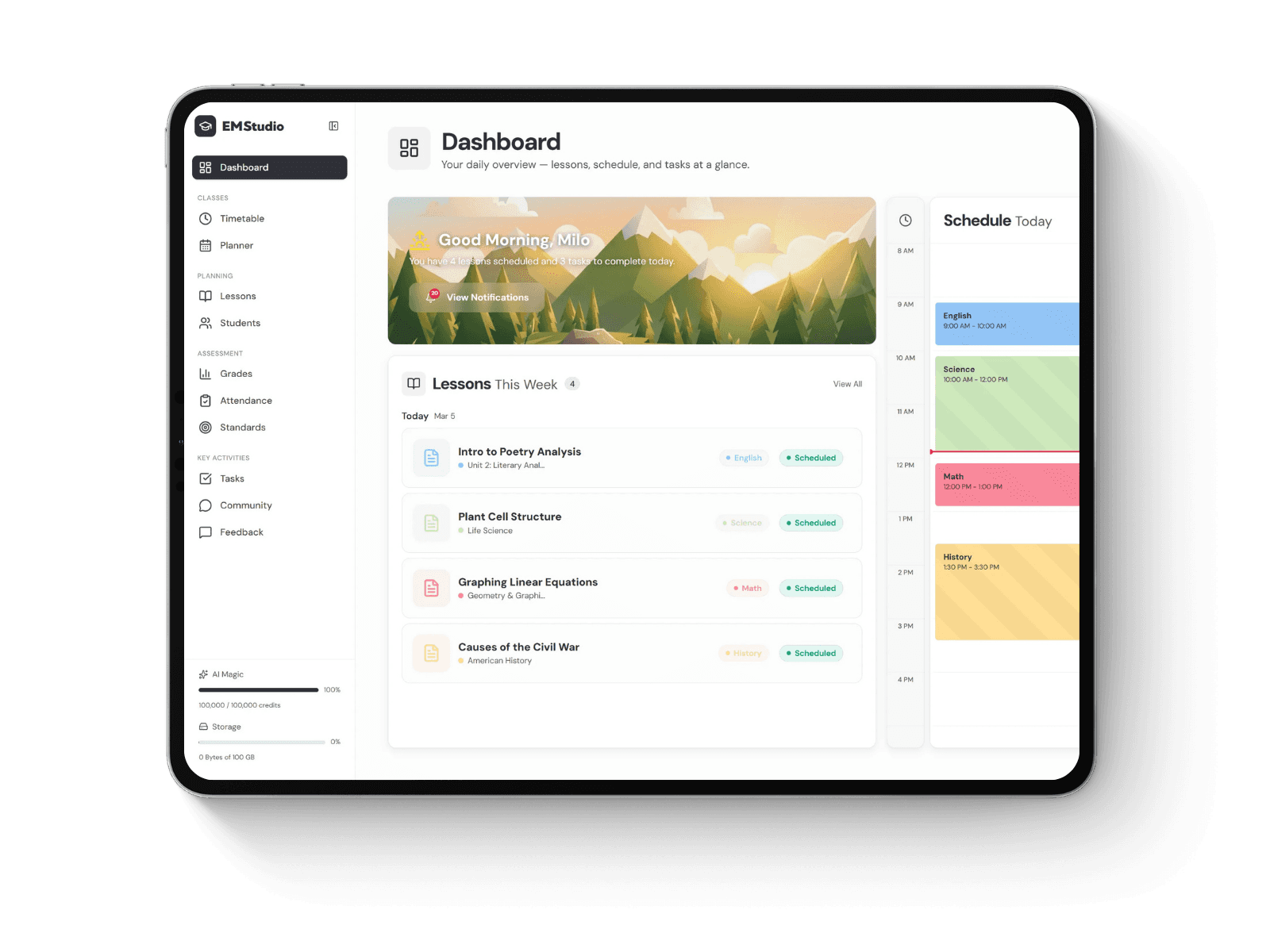
Still grading everything by hand?
EMStudio is a free teaching management app — manage your classes, students, lessons, and more!
Learn More
Table of Contents
What Is Expeditionary Learning and How Does It Differ From Traditional Models?
These expeditions aren't fancy projects tacked onto Friday afternoons. They are the curriculum. During a ten-week investigation of food deserts, students blend statistics, biology, and persuasive writing. This is experiential education at its core—students learn by doing real work for real audiences, not completing worksheets for the teacher's eyes only.
The differences run deeper than decoration. When I shifted my room from rows to flexible stations, the power dynamics shifted too. Here's how expeditionary learning breaks from conventional practice across four key dimensions:
Dimension | Expeditionary Learning | Traditional Model |
|---|---|---|
Teacher Role | Guide and co-learner | Lecturer and knowledge keeper |
Assessment Type | Authentic assessment and public products | Standardized tests and quizzes |
Classroom Layout | Flexible stations and collaboration zones | Rows of individual desks |
Primary Text | Real-world case studies and primary sources | Textbook and teacher notes |
Notice what's missing? The textbook isn't the anchor anymore. In EL, students might analyze actual city council transcripts or soil samples instead of reading about them in Chapter 7. This shift demands different student learning strategies—kids must synthesize messy, ambiguous information rather than regurgitate curated facts.
The EL Education model rests on ten design principles that shape daily decisions. I keep them posted near my desk because they answer the question: "But what do I actually do differently?"
The Primacy of Self-Discovery: Learning happens when students wrestle with challenges and recognize their own growth through reflection.
The Having of Wonderful Ideas: Teachers create space for curiosity and original thinking rather than rushing to the "right" answer.
The Responsibility for Learning: Students track their own progress and set goals instead of waiting for teacher direction.
Empathy and Caring: Daily structures build compassion and community through peer support and collaborative work.
Success and Failure: Both outcomes are treated as data; mistakes become public opportunities to revise and improve.
Collaboration and Competition: Crew culture emphasizes mutual support while maintaining high standards for individual contribution.
Diversity and Inclusion: Multiple perspectives are actively sought and valued as assets to collective understanding.
The Natural World: Direct experience with outdoor environments grounds abstract concepts in tangible reality.
Solitude and Reflection: Built-in quiet time allows students to process experiences and connect ideas personally.
Service and Compassion: Work culminates in genuine contribution to community needs beyond classroom walls.
If you're considering this shift, start with the experiential education implementation guide. It covers logistics I wish I'd known—like how to schedule fieldwork based learning without losing instructional minutes.
The model demands an interdisciplinary curriculum, which requires coordination. But the engagement is undeniable. For more on shifting authority to students, see student centered learning models.
Why Expeditionary Learning Is an Effective Structured Learning Strategy
Expeditionary learning works because it is structured, not messy. Teachers map every lesson backwards from the final product. You start with the standards, design the authentic assessment first, then build the daily targets. Nothing is accidental.
This is not discovery learning where kids wander. The backwards planning process takes 40-plus hours per learning expedition. You unpack state standards into daily objectives. Students know exactly what skill they are practicing and why. Last year my 7th graders could quote their target for the day: "I can analyze primary sources to determine bias." That specificity keeps the fieldwork based learning anchored to rigorous outcomes rather than tourism.
Compare this to activity-based busywork. In traditional projects, students might build a volcano and call it science. In EL, that volcano builds only after students master the rock cycle standards and can explain plate tectonics using evidence. The interdisciplinary curriculum connects reading, writing, and content standards with tight alignment. Every active learning strategy serves a mapped objective. You see the difference in the final products. Kids produce museum-quality work because the scaffolding was systematic, not sporadic.
But EL fails in specific conditions. Do not use this model during crisis intervention periods when students need immediate behavioral stabilization. The cognitive load of authentic assessment and open-ended inquiry overwhelms kids who are dysregulated or experiencing acute trauma. They need predictability and containment, not complex driving questions.
Similarly, foundational skill deficits require direct instruction intensity. If your students cannot decode multisyllabic words or recall multiplication facts under automaticity, the expedition will stall while you reteach basics that should be automatic. The inquiry cannot proceed without the toolbox.
Classroom composition matters too:
Groups exceeding 28 students without co-teaching support struggle with the conferencing and feedback loops EL requires.
Single teachers managing 32 kids cannot facilitate the daily crew culture meetings or monitor safety during off-site fieldwork based learning.
Without that adult coverage, the structured learning framework collapses into management chaos rather than intellectual inquiry.
Research on experiential education consistently shows higher retention rates for procedural knowledge compared to passive instruction. Students remember what they do. A synthesis of experiential models found retention rates 15 to 20 percent higher for skills learned through applied practice versus lecture. The emotional context of fieldwork based learning creates stronger neural pathways. When students interview actual city planners instead of reading about them, the vocabulary sticks. The experience provides the hook for the concept.
The investment is significant. Budget $200 to $800 per expedition for transportation, expert consultations, and materials. That 40-hour planning commitment is front-loaded and unpaid. You are not just planning lessons; you are coordinating community partners, aligning interdisciplinary curriculum, and building rubrics that measure complex thinking. You will spend evenings emailing museums and weekends sourcing materials. The structure looks organic to students only because you architected every minute.
Yet for the right context—stable classroom culture, foundational skills in place, adequate staffing—these learning strategies for students produce work you cannot replicate with worksheets. The structure makes the freedom possible. Kids learn more because you planned more.

How Does Expeditionary Learning Engage the Whole Brain and Activist Learning Styles?
Expeditionary learning engages the whole brain by combining concrete fieldwork experiences with abstract analysis, satisfying activist learners' need for variety and hands-on experimentation. The model leverages Kolb's experiential cycle, creating episodic memories through authentic problem-solving that activates both hemispheres during multidisciplinary investigations.
I watched my 4th graders measure wetland salinity one morning and sketch waterfowl adaptations that afternoon. Their brains weren't just absorbing facts—they were building episodic memories through fieldwork based learning that engaged both hemispheres simultaneously.
Learning expeditions follow Kolb's cycle naturally. Students begin with Concrete Experience—knee-deep in a creek collecting macroinvertebrates while documenting sensory details like the smell of decaying leaves and the cold shock of water. They move to Reflective Observation through field journals, sketching what they noticed while mud still dries on their boots. Next comes Abstract Conceptualization—graphing water quality data, researching pollution sources, and connecting local findings to global patterns. Finally, Active Experimentation—designing and presenting watershed protection plans to the actual city council rather than just the teacher.
This isn't a straight line; it loops. A student might return to the creek with new questions after analyzing data, restarting the cycle at a deeper level.
Activist learning style learners dominate my classroom, and they thrive in expeditionary learning environments. Honey and Mumford identified these students as the ones who visibly wilt during lectures and perk up during fieldwork. They crave variety, immediate problem-solving, and collaborative crew culture. They hate routine and want to tackle new challenges daily. Traditional classrooms frustrate them because they need to dive in and experiment before studying abstract theory. For strategies on balancing these needs, see my guide to evidence-based learning styles.
But I've got theorists and pragmatists too. Theorists want to understand the conceptual framework and underlying systems before touching the equipment. Pragmatists need to know the practical application and specific outcomes before investing energy. I scaffold for theorists by providing data analysis templates and research questions before fieldwork, so they see the structure ahead. I give pragmatists specific, tangible roles during group work—"you're in charge of the GPS coordinates and navigation"—so they know exactly what success looks like from minute one.
The whole brain learning integration is what makes knowledge stick. During our Biome Studies expedition, we specifically targeted both hemispheres:
Right hemisphere: Building artistic habitat dioramas with found materials and writing creative stories from the perspective of endangered marsh birds.
Left hemisphere: Precise measurement of soil pH, taxonomic classification of flora using dichotomous keys, and technical report writing with proper citations.
When students present through authentic assessment—defending their diorama choices using scientific vocabulary and data—they integrate both hemispheres under pressure. The emotional narrative they crafted creates a hook for the analytical content. For more on this neural integration, read my brain-based teaching guide.
The magic happens during synthesis. When a student explains that their diorama shows "hydric soils at 4.5 pH" while pointing to the clay sculpture they molded, they're forcing cross-hemisphere communication. The concrete experience learning style demands this tactile connection to abstract data.
This creates episodic memory anchors that last. Three months after our wetland study concluded, my 4th graders could still describe the exact pH levels we recorded because they associated those numbers with the moment Carlos accidentally splashed everyone while reaching for a sample. The laughter and surprise cemented the data point. That's experiential education combined with interdisciplinary curriculum working at the neurological level.
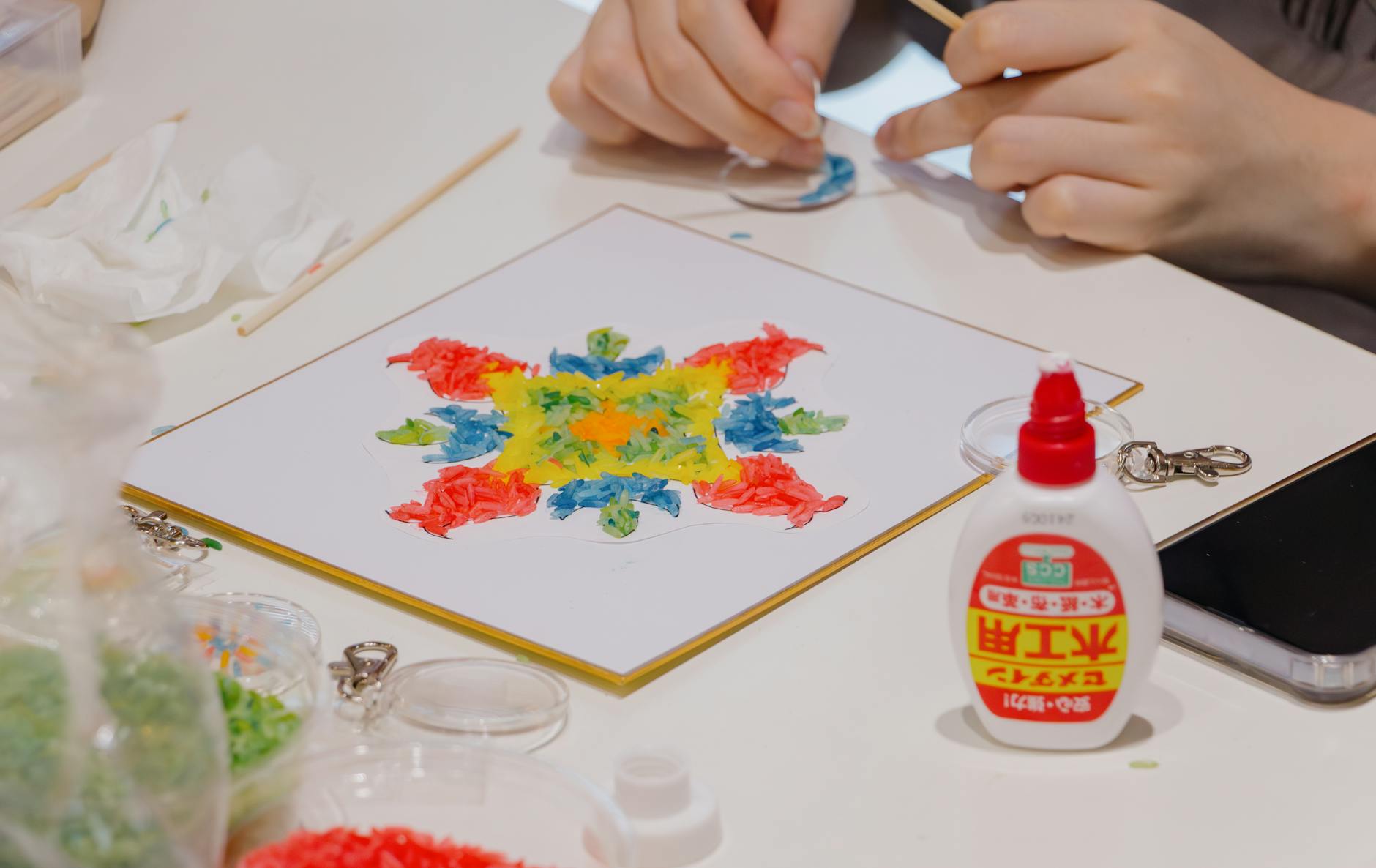
Practical Applications: From Concrete Experience to Project-Based Expeditions
Theory means nothing until you try it with real kids holding real clipboards. I learned this running a Mapping Our Community unit with 2nd graders last October. We walked the perimeter of our school block, and that's when expeditionary learning clicked for me. It lives or dies by the specific questions students ask when they're standing on actual soil, not carpet.
Mapping Our Community (2nd grade): Students measure block lengths with yardsticks for math standards, interview seniors at the retirement center about local history, and write illustrated neighborhood guides. Concrete experience learning style meets interdisciplinary curriculum in the parking lot.
The measuring sticks came out on day three. I watched a seven-year-old realize her grandmother's house was exactly fifty sidewalk squares from school. She sprinted back to document it in her field journal, drawing arrows and numbers. That connection between numerals and footsteps sticks harder than any worksheet about comparing lengths. The writing component mattered because the seniors actually read the finished books. One cried.
Water Quality Crisis (7th grade): Crews collect creek samples for chemical testing in science, analyze data trends and create scatter plots in math, and present findings to city council members. Authentic assessment happens when officials ask questions you didn't rehearse.
The crew culture shows up here. One student handles the pH strips while another tracks the spreadsheet. They argue about outliers that skew their averages. That friction is the learning. When the city engineer asked why their phosphorus readings differed from the municipal data, they had to defend their methodology on the spot. No rubric prepares you for that moment. You either know your stuff or you don't.
Macbeth and Modern Justice (10th grade): Students compare Shakespeare's trials to local court cases, volunteer with legal aid clinics, and produce a podcast series. Twelve weeks of fieldwork based learning connects iambic pentameter to eviction notices.
These learning expeditions match the complexity described in project based learning literature—real problems, sustained inquiry, and public products. The Shakespeare connection works because betrayal and ambition still play out in misdemeanor court. Students conduct authentic assessments by interviewing public defenders about plea bargains versus trials. The Macbeth students recorded their podcast in the actual courthouse hallway, catching the echo of footsteps. That ambient noise became part of the storytelling.
Sixth graders studying urban ecology behind their gym discovered a red-tailed hawk nesting in the fire escape. The teacher pivoted hard. For three weeks, the class studied ornithology, researched conservation law, and called the wildlife service.
This incidental learning example taught more about adaptation than the original lesson plan ever could. The bird didn't care about the scope and sequence. Students documented hunting patterns, calculated wingspan ratios for math, and discovered the Migratory Bird Treaty Act. They wrote to the principal requesting a protected zone. She granted it. That kind of responsive teaching defines experiential education. You can find more frameworks for adapting to the unexpected in these project based learning projects for real-world impact.
Expeditions grow with your kids. Here's how the structure evolves across grade bands:
Elementary: Four to six weeks, teacher-guided, two subjects woven together. Heavy scaffolding, frequent check-ins, sensory-rich activities. The teacher holds the map and sets the pace.
Middle School: Eight to ten weeks, collaborative groups driving the research, three or more subjects integrated. Students lead the fieldwork based learning while you facilitate the process. The map is shared.
High School: Twelve-plus weeks, student-driven inquiry with independent research components. You become the advisor, not the director. Products serve actual community needs. Students draw the map and choose the destination.
The time differences matter. A four-week elementary expedition feels epic to an eight-year-old. By tenth grade, students need twelve weeks to grapple with complexity and revise their work based on real feedback. Rushing the process destroys the depth.
Elementary teachers often worry about the time commitment. Four weeks feels massive when you're managing bathroom breaks and loose teeth. But the depth replaces breadth. You cover fewer standards, but the ones you hit get mastered because the context creates memory anchors. The progression mirrors brain development. Younger students need the tactile learning guide approach—touching, mapping, moving through space. Older students handle abstract systems and long timelines. Both need high stakes and real audiences to maintain rigor.
Start small. Pick one standard that begs for context. Find a local expert who will answer emails. Check your yardstick supply. Call the retirement center first to ask permission. The best expeditions feel slightly too big—that's how you know the kids will grow into them rather than sleepwalk through another poster project.
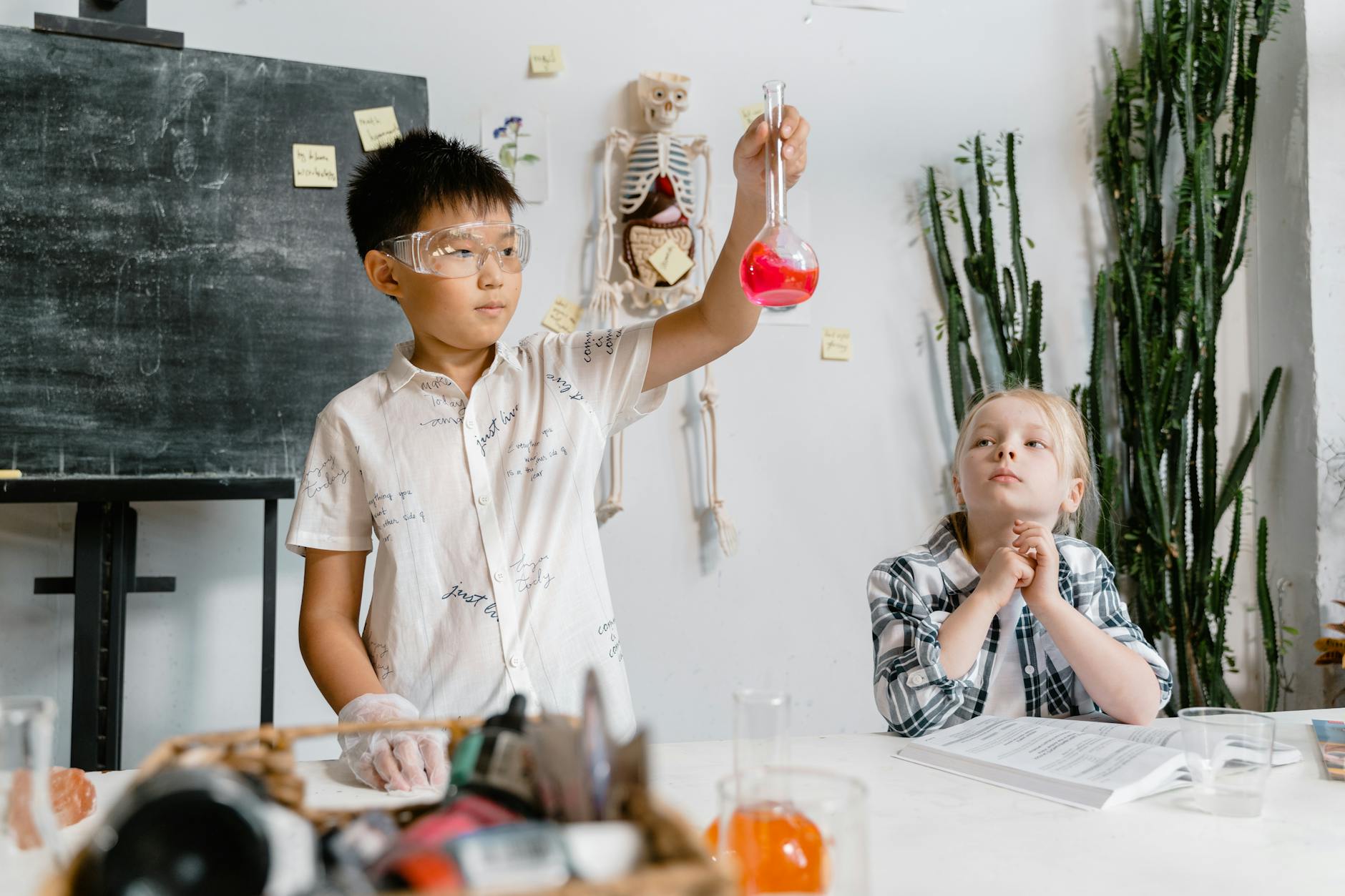
How Do You Implement Expeditionary Learning Strategies in Your Classroom?
Implement expeditionary learning by first selecting interdisciplinary standards and a compelling driving question, then securing community partners for authentic fieldwork. Launch with an engaging hook, maintain daily crew meetings for social-emotional support, and assess through public presentations of learning rather than traditional tests. Plan 4-6 weeks ahead for resource gathering.
Start six weeks out before the kickoff date. I pull standards across three subjects—usually ELA, social studies, and science—and hunt for natural overlaps. Colonial trade routes hit math coordinates, primary source reading, and persuasive writing. That overlap becomes your interdisciplinary curriculum. Map every standard to the final product so nothing feels tacked on for coverage sake.
Mark your calendar backwards from launch. Week six is standards mapping. Week four is partner confirmation. Week two is material prep. This buffer saves you when the copier breaks or the museum cancels. Rushing the planning destroys the quality of the expedition. Give yourself the gift of margin.
Write a driving question that forces grade-level literacy and math. "How did economics force revolution?" demands evidence analysis and cost calculations. "What did colonists wear?" asks for Google images. The question should scare you slightly. If you can answer it yourself in five minutes, rewrite it. Good questions take weeks to answer fully and should connect to real community issues.
Bring your colleagues coffee and spread the standards on a table together. Look for the math hidden in science data or the argument writing hidden in history. The best interdisciplinary plans emerge from these messy sessions, not from forced template boxes. Respect each subject's rigor while hunting for natural connections that excite you.
Call three to five local partners. Museums, watershed alliances, family businesses—anyone with real problems to solve. I budget $200 to $800 for buses and entry fees. This is experiential education, not a field trip. Ask partners what they actually need, not what they offer tourists. Real experts have backlogs and constraints worth studying.
Lock in transportation dates early; spring slots vanish by February. If money is tight, virtual fieldwork based learning works beautifully. A zookeeper on Zoom answering student questions beats a worksheet every time. Send home permission slips three weeks ahead. Have a rain date and a backup indoor plan ready. Nothing kills expedition momentum like a cancelled bus on launch morning.
Prep students for fieldwork behavior explicitly. We practice "expert voice" levels and question-asking protocols the day before. They need to know that experiential education requires different norms than a movie theater. Send home the learning objectives so parents can debrief at dinner. Transparency builds investment.
Design a mystery that drops them into the case. I once placed "archaeological artifacts" on desks before my 5th graders entered—reproduction pottery shards and yellowed letters. QR codes linked to our inquiry-based learning framework. They spent twenty minutes debating origins before I spoke. That confusion demands the learning strategies for students to analyze evidence rather than receive facts passively.
Launch day should feel chaotic but controlled. Let them touch materials before explaining. I wait until the energy peaks, then offer the driving question as the key to solving the mystery. That moment—when they realize schoolwork resembles detective work—is when buy-in locks. Don't rush it.
Build crew culture with ten-minute morning meetings. We follow the EL Education model: greeting, sharing, reading or activity. Everyone stands in a circle. Tuesday might be a quick "rose and thorn" check-in; Thursday could involve a team-building challenge with ropes or puzzles. Never skip it, even when behind schedule. These rituals create the safety needed for academic risk-taking later.
These meetings aren't wasted time. Kids who feel seen work harder. I schedule goal-setting conferences during this block, meeting with two students about their personalized learning targets while others journal or read independently. The social-emotional support prevents the meltdowns that derail expeditions later. I track goals on a visible chart so students monitor their own progress daily.
When crew conflicts erupt, use the meeting to name it. "I notice we are struggling to listen during shares." Let them propose solutions. This builds the conflict resolution skills that transfer to group work later. Don't fix it for them. Facilitate the fix and step back.
Ditch the participation grade. Use rubrics that name specific behaviors. "Initiates equitable collaboration" means calling on quiet teammates. "Uses evidence from fieldwork" cites the museum visit. I assess both process—draft cycles, peer feedback—and product—scientific accuracy, presentation clarity. Specificity prevents arguments about subjective scoring later. Students should be able to self-assess using the same language you use.
Build in at least two revision cycles. First drafts are always terrible; celebrate that. I require students to annotate their own rubrics before submission, highlighting where they believe they landed. This metacognition improves the work more than my red pen ever did. They see their own growth.
This is authentic assessment. Public exhibitions replace tests. Parents and partners ask questions while students defend their work. To support differentiated instruction strategies, offer choice in final format: documentary, essay, or prototype. Avoid vague descriptors like "worked well with others." Name what you see. Grade the thinking, not just the polish.
These innovative teaching methods turn classrooms into learning expeditions. The payoff is ownership. When kids connect work to real places and people, they stop asking why the lesson matters. They already know. That is the difference between schooling and education.
Getting Started with Expeditionary Learning
You don't need to rebuild your entire year overnight. I started with one expedition—a six-week unit on local waterways that replaced our standard science textbook chapters. The shift felt messy at first. There were permission slips and rain days. But watching students interview actual marine biologists instead of reading secondhand accounts sold me on fieldwork based learning. The engagement was undeniable.
Pick something small. Look at your existing curriculum and find one standard that screams for real-world context. That’s your entry point. You can build the interdisciplinary curriculum connections once you see how the first fieldwork feels.
Audit next month’s lessons. Identify one topic that connects to your community.
Contact one local expert. Email takes two minutes.
Replace one worksheet with observation. Send them outside with a specific question.
Reflect with students. Ask what surprised them.
What Is Expeditionary Learning and How Does It Differ From Traditional Models?
These expeditions aren't fancy projects tacked onto Friday afternoons. They are the curriculum. During a ten-week investigation of food deserts, students blend statistics, biology, and persuasive writing. This is experiential education at its core—students learn by doing real work for real audiences, not completing worksheets for the teacher's eyes only.
The differences run deeper than decoration. When I shifted my room from rows to flexible stations, the power dynamics shifted too. Here's how expeditionary learning breaks from conventional practice across four key dimensions:
Dimension | Expeditionary Learning | Traditional Model |
|---|---|---|
Teacher Role | Guide and co-learner | Lecturer and knowledge keeper |
Assessment Type | Authentic assessment and public products | Standardized tests and quizzes |
Classroom Layout | Flexible stations and collaboration zones | Rows of individual desks |
Primary Text | Real-world case studies and primary sources | Textbook and teacher notes |
Notice what's missing? The textbook isn't the anchor anymore. In EL, students might analyze actual city council transcripts or soil samples instead of reading about them in Chapter 7. This shift demands different student learning strategies—kids must synthesize messy, ambiguous information rather than regurgitate curated facts.
The EL Education model rests on ten design principles that shape daily decisions. I keep them posted near my desk because they answer the question: "But what do I actually do differently?"
The Primacy of Self-Discovery: Learning happens when students wrestle with challenges and recognize their own growth through reflection.
The Having of Wonderful Ideas: Teachers create space for curiosity and original thinking rather than rushing to the "right" answer.
The Responsibility for Learning: Students track their own progress and set goals instead of waiting for teacher direction.
Empathy and Caring: Daily structures build compassion and community through peer support and collaborative work.
Success and Failure: Both outcomes are treated as data; mistakes become public opportunities to revise and improve.
Collaboration and Competition: Crew culture emphasizes mutual support while maintaining high standards for individual contribution.
Diversity and Inclusion: Multiple perspectives are actively sought and valued as assets to collective understanding.
The Natural World: Direct experience with outdoor environments grounds abstract concepts in tangible reality.
Solitude and Reflection: Built-in quiet time allows students to process experiences and connect ideas personally.
Service and Compassion: Work culminates in genuine contribution to community needs beyond classroom walls.
If you're considering this shift, start with the experiential education implementation guide. It covers logistics I wish I'd known—like how to schedule fieldwork based learning without losing instructional minutes.
The model demands an interdisciplinary curriculum, which requires coordination. But the engagement is undeniable. For more on shifting authority to students, see student centered learning models.
Why Expeditionary Learning Is an Effective Structured Learning Strategy
Expeditionary learning works because it is structured, not messy. Teachers map every lesson backwards from the final product. You start with the standards, design the authentic assessment first, then build the daily targets. Nothing is accidental.
This is not discovery learning where kids wander. The backwards planning process takes 40-plus hours per learning expedition. You unpack state standards into daily objectives. Students know exactly what skill they are practicing and why. Last year my 7th graders could quote their target for the day: "I can analyze primary sources to determine bias." That specificity keeps the fieldwork based learning anchored to rigorous outcomes rather than tourism.
Compare this to activity-based busywork. In traditional projects, students might build a volcano and call it science. In EL, that volcano builds only after students master the rock cycle standards and can explain plate tectonics using evidence. The interdisciplinary curriculum connects reading, writing, and content standards with tight alignment. Every active learning strategy serves a mapped objective. You see the difference in the final products. Kids produce museum-quality work because the scaffolding was systematic, not sporadic.
But EL fails in specific conditions. Do not use this model during crisis intervention periods when students need immediate behavioral stabilization. The cognitive load of authentic assessment and open-ended inquiry overwhelms kids who are dysregulated or experiencing acute trauma. They need predictability and containment, not complex driving questions.
Similarly, foundational skill deficits require direct instruction intensity. If your students cannot decode multisyllabic words or recall multiplication facts under automaticity, the expedition will stall while you reteach basics that should be automatic. The inquiry cannot proceed without the toolbox.
Classroom composition matters too:
Groups exceeding 28 students without co-teaching support struggle with the conferencing and feedback loops EL requires.
Single teachers managing 32 kids cannot facilitate the daily crew culture meetings or monitor safety during off-site fieldwork based learning.
Without that adult coverage, the structured learning framework collapses into management chaos rather than intellectual inquiry.
Research on experiential education consistently shows higher retention rates for procedural knowledge compared to passive instruction. Students remember what they do. A synthesis of experiential models found retention rates 15 to 20 percent higher for skills learned through applied practice versus lecture. The emotional context of fieldwork based learning creates stronger neural pathways. When students interview actual city planners instead of reading about them, the vocabulary sticks. The experience provides the hook for the concept.
The investment is significant. Budget $200 to $800 per expedition for transportation, expert consultations, and materials. That 40-hour planning commitment is front-loaded and unpaid. You are not just planning lessons; you are coordinating community partners, aligning interdisciplinary curriculum, and building rubrics that measure complex thinking. You will spend evenings emailing museums and weekends sourcing materials. The structure looks organic to students only because you architected every minute.
Yet for the right context—stable classroom culture, foundational skills in place, adequate staffing—these learning strategies for students produce work you cannot replicate with worksheets. The structure makes the freedom possible. Kids learn more because you planned more.
How Does Expeditionary Learning Engage the Whole Brain and Activist Learning Styles?
Expeditionary learning engages the whole brain by combining concrete fieldwork experiences with abstract analysis, satisfying activist learners' need for variety and hands-on experimentation. The model leverages Kolb's experiential cycle, creating episodic memories through authentic problem-solving that activates both hemispheres during multidisciplinary investigations.
I watched my 4th graders measure wetland salinity one morning and sketch waterfowl adaptations that afternoon. Their brains weren't just absorbing facts—they were building episodic memories through fieldwork based learning that engaged both hemispheres simultaneously.
Learning expeditions follow Kolb's cycle naturally. Students begin with Concrete Experience—knee-deep in a creek collecting macroinvertebrates while documenting sensory details like the smell of decaying leaves and the cold shock of water. They move to Reflective Observation through field journals, sketching what they noticed while mud still dries on their boots. Next comes Abstract Conceptualization—graphing water quality data, researching pollution sources, and connecting local findings to global patterns. Finally, Active Experimentation—designing and presenting watershed protection plans to the actual city council rather than just the teacher.
This isn't a straight line; it loops. A student might return to the creek with new questions after analyzing data, restarting the cycle at a deeper level.
Activist learning style learners dominate my classroom, and they thrive in expeditionary learning environments. Honey and Mumford identified these students as the ones who visibly wilt during lectures and perk up during fieldwork. They crave variety, immediate problem-solving, and collaborative crew culture. They hate routine and want to tackle new challenges daily. Traditional classrooms frustrate them because they need to dive in and experiment before studying abstract theory. For strategies on balancing these needs, see my guide to evidence-based learning styles.
But I've got theorists and pragmatists too. Theorists want to understand the conceptual framework and underlying systems before touching the equipment. Pragmatists need to know the practical application and specific outcomes before investing energy. I scaffold for theorists by providing data analysis templates and research questions before fieldwork, so they see the structure ahead. I give pragmatists specific, tangible roles during group work—"you're in charge of the GPS coordinates and navigation"—so they know exactly what success looks like from minute one.
The whole brain learning integration is what makes knowledge stick. During our Biome Studies expedition, we specifically targeted both hemispheres:
Right hemisphere: Building artistic habitat dioramas with found materials and writing creative stories from the perspective of endangered marsh birds.
Left hemisphere: Precise measurement of soil pH, taxonomic classification of flora using dichotomous keys, and technical report writing with proper citations.
When students present through authentic assessment—defending their diorama choices using scientific vocabulary and data—they integrate both hemispheres under pressure. The emotional narrative they crafted creates a hook for the analytical content. For more on this neural integration, read my brain-based teaching guide.
The magic happens during synthesis. When a student explains that their diorama shows "hydric soils at 4.5 pH" while pointing to the clay sculpture they molded, they're forcing cross-hemisphere communication. The concrete experience learning style demands this tactile connection to abstract data.
This creates episodic memory anchors that last. Three months after our wetland study concluded, my 4th graders could still describe the exact pH levels we recorded because they associated those numbers with the moment Carlos accidentally splashed everyone while reaching for a sample. The laughter and surprise cemented the data point. That's experiential education combined with interdisciplinary curriculum working at the neurological level.
Practical Applications: From Concrete Experience to Project-Based Expeditions
Theory means nothing until you try it with real kids holding real clipboards. I learned this running a Mapping Our Community unit with 2nd graders last October. We walked the perimeter of our school block, and that's when expeditionary learning clicked for me. It lives or dies by the specific questions students ask when they're standing on actual soil, not carpet.
Mapping Our Community (2nd grade): Students measure block lengths with yardsticks for math standards, interview seniors at the retirement center about local history, and write illustrated neighborhood guides. Concrete experience learning style meets interdisciplinary curriculum in the parking lot.
The measuring sticks came out on day three. I watched a seven-year-old realize her grandmother's house was exactly fifty sidewalk squares from school. She sprinted back to document it in her field journal, drawing arrows and numbers. That connection between numerals and footsteps sticks harder than any worksheet about comparing lengths. The writing component mattered because the seniors actually read the finished books. One cried.
Water Quality Crisis (7th grade): Crews collect creek samples for chemical testing in science, analyze data trends and create scatter plots in math, and present findings to city council members. Authentic assessment happens when officials ask questions you didn't rehearse.
The crew culture shows up here. One student handles the pH strips while another tracks the spreadsheet. They argue about outliers that skew their averages. That friction is the learning. When the city engineer asked why their phosphorus readings differed from the municipal data, they had to defend their methodology on the spot. No rubric prepares you for that moment. You either know your stuff or you don't.
Macbeth and Modern Justice (10th grade): Students compare Shakespeare's trials to local court cases, volunteer with legal aid clinics, and produce a podcast series. Twelve weeks of fieldwork based learning connects iambic pentameter to eviction notices.
These learning expeditions match the complexity described in project based learning literature—real problems, sustained inquiry, and public products. The Shakespeare connection works because betrayal and ambition still play out in misdemeanor court. Students conduct authentic assessments by interviewing public defenders about plea bargains versus trials. The Macbeth students recorded their podcast in the actual courthouse hallway, catching the echo of footsteps. That ambient noise became part of the storytelling.
Sixth graders studying urban ecology behind their gym discovered a red-tailed hawk nesting in the fire escape. The teacher pivoted hard. For three weeks, the class studied ornithology, researched conservation law, and called the wildlife service.
This incidental learning example taught more about adaptation than the original lesson plan ever could. The bird didn't care about the scope and sequence. Students documented hunting patterns, calculated wingspan ratios for math, and discovered the Migratory Bird Treaty Act. They wrote to the principal requesting a protected zone. She granted it. That kind of responsive teaching defines experiential education. You can find more frameworks for adapting to the unexpected in these project based learning projects for real-world impact.
Expeditions grow with your kids. Here's how the structure evolves across grade bands:
Elementary: Four to six weeks, teacher-guided, two subjects woven together. Heavy scaffolding, frequent check-ins, sensory-rich activities. The teacher holds the map and sets the pace.
Middle School: Eight to ten weeks, collaborative groups driving the research, three or more subjects integrated. Students lead the fieldwork based learning while you facilitate the process. The map is shared.
High School: Twelve-plus weeks, student-driven inquiry with independent research components. You become the advisor, not the director. Products serve actual community needs. Students draw the map and choose the destination.
The time differences matter. A four-week elementary expedition feels epic to an eight-year-old. By tenth grade, students need twelve weeks to grapple with complexity and revise their work based on real feedback. Rushing the process destroys the depth.
Elementary teachers often worry about the time commitment. Four weeks feels massive when you're managing bathroom breaks and loose teeth. But the depth replaces breadth. You cover fewer standards, but the ones you hit get mastered because the context creates memory anchors. The progression mirrors brain development. Younger students need the tactile learning guide approach—touching, mapping, moving through space. Older students handle abstract systems and long timelines. Both need high stakes and real audiences to maintain rigor.
Start small. Pick one standard that begs for context. Find a local expert who will answer emails. Check your yardstick supply. Call the retirement center first to ask permission. The best expeditions feel slightly too big—that's how you know the kids will grow into them rather than sleepwalk through another poster project.
How Do You Implement Expeditionary Learning Strategies in Your Classroom?
Implement expeditionary learning by first selecting interdisciplinary standards and a compelling driving question, then securing community partners for authentic fieldwork. Launch with an engaging hook, maintain daily crew meetings for social-emotional support, and assess through public presentations of learning rather than traditional tests. Plan 4-6 weeks ahead for resource gathering.
Start six weeks out before the kickoff date. I pull standards across three subjects—usually ELA, social studies, and science—and hunt for natural overlaps. Colonial trade routes hit math coordinates, primary source reading, and persuasive writing. That overlap becomes your interdisciplinary curriculum. Map every standard to the final product so nothing feels tacked on for coverage sake.
Mark your calendar backwards from launch. Week six is standards mapping. Week four is partner confirmation. Week two is material prep. This buffer saves you when the copier breaks or the museum cancels. Rushing the planning destroys the quality of the expedition. Give yourself the gift of margin.
Write a driving question that forces grade-level literacy and math. "How did economics force revolution?" demands evidence analysis and cost calculations. "What did colonists wear?" asks for Google images. The question should scare you slightly. If you can answer it yourself in five minutes, rewrite it. Good questions take weeks to answer fully and should connect to real community issues.
Bring your colleagues coffee and spread the standards on a table together. Look for the math hidden in science data or the argument writing hidden in history. The best interdisciplinary plans emerge from these messy sessions, not from forced template boxes. Respect each subject's rigor while hunting for natural connections that excite you.
Call three to five local partners. Museums, watershed alliances, family businesses—anyone with real problems to solve. I budget $200 to $800 for buses and entry fees. This is experiential education, not a field trip. Ask partners what they actually need, not what they offer tourists. Real experts have backlogs and constraints worth studying.
Lock in transportation dates early; spring slots vanish by February. If money is tight, virtual fieldwork based learning works beautifully. A zookeeper on Zoom answering student questions beats a worksheet every time. Send home permission slips three weeks ahead. Have a rain date and a backup indoor plan ready. Nothing kills expedition momentum like a cancelled bus on launch morning.
Prep students for fieldwork behavior explicitly. We practice "expert voice" levels and question-asking protocols the day before. They need to know that experiential education requires different norms than a movie theater. Send home the learning objectives so parents can debrief at dinner. Transparency builds investment.
Design a mystery that drops them into the case. I once placed "archaeological artifacts" on desks before my 5th graders entered—reproduction pottery shards and yellowed letters. QR codes linked to our inquiry-based learning framework. They spent twenty minutes debating origins before I spoke. That confusion demands the learning strategies for students to analyze evidence rather than receive facts passively.
Launch day should feel chaotic but controlled. Let them touch materials before explaining. I wait until the energy peaks, then offer the driving question as the key to solving the mystery. That moment—when they realize schoolwork resembles detective work—is when buy-in locks. Don't rush it.
Build crew culture with ten-minute morning meetings. We follow the EL Education model: greeting, sharing, reading or activity. Everyone stands in a circle. Tuesday might be a quick "rose and thorn" check-in; Thursday could involve a team-building challenge with ropes or puzzles. Never skip it, even when behind schedule. These rituals create the safety needed for academic risk-taking later.
These meetings aren't wasted time. Kids who feel seen work harder. I schedule goal-setting conferences during this block, meeting with two students about their personalized learning targets while others journal or read independently. The social-emotional support prevents the meltdowns that derail expeditions later. I track goals on a visible chart so students monitor their own progress daily.
When crew conflicts erupt, use the meeting to name it. "I notice we are struggling to listen during shares." Let them propose solutions. This builds the conflict resolution skills that transfer to group work later. Don't fix it for them. Facilitate the fix and step back.
Ditch the participation grade. Use rubrics that name specific behaviors. "Initiates equitable collaboration" means calling on quiet teammates. "Uses evidence from fieldwork" cites the museum visit. I assess both process—draft cycles, peer feedback—and product—scientific accuracy, presentation clarity. Specificity prevents arguments about subjective scoring later. Students should be able to self-assess using the same language you use.
Build in at least two revision cycles. First drafts are always terrible; celebrate that. I require students to annotate their own rubrics before submission, highlighting where they believe they landed. This metacognition improves the work more than my red pen ever did. They see their own growth.
This is authentic assessment. Public exhibitions replace tests. Parents and partners ask questions while students defend their work. To support differentiated instruction strategies, offer choice in final format: documentary, essay, or prototype. Avoid vague descriptors like "worked well with others." Name what you see. Grade the thinking, not just the polish.
These innovative teaching methods turn classrooms into learning expeditions. The payoff is ownership. When kids connect work to real places and people, they stop asking why the lesson matters. They already know. That is the difference between schooling and education.
Getting Started with Expeditionary Learning
You don't need to rebuild your entire year overnight. I started with one expedition—a six-week unit on local waterways that replaced our standard science textbook chapters. The shift felt messy at first. There were permission slips and rain days. But watching students interview actual marine biologists instead of reading secondhand accounts sold me on fieldwork based learning. The engagement was undeniable.
Pick something small. Look at your existing curriculum and find one standard that screams for real-world context. That’s your entry point. You can build the interdisciplinary curriculum connections once you see how the first fieldwork feels.
Audit next month’s lessons. Identify one topic that connects to your community.
Contact one local expert. Email takes two minutes.
Replace one worksheet with observation. Send them outside with a specific question.
Reflect with students. Ask what surprised them.
Still grading everything by hand?
EMStudio is a free teaching management app — manage your classes, students, lessons, and more!
Learn More
Still grading everything by hand?
EMStudio is a free teaching management app — manage your classes, students, lessons, and more!
Learn More



Notion4Teachers
Notion templates to simplify administrative tasks and enhance your teaching experience.



2026 Notion4Teachers. All Rights Reserved.
Notion4Teachers
Notion templates to simplify administrative tasks and enhance your teaching experience.
2026 Notion4Teachers. All Rights Reserved.
Notion4Teachers
Notion templates to simplify administrative tasks and enhance your teaching experience.
2026 Notion4Teachers. All Rights Reserved.