Empowering Kids: Education for Communication Challenges
Empowering Kids: Education for Communication Challenges

Article by
Milo
ESL Content Coordinator & Educator
ESL Content Coordinator & Educator
All Posts
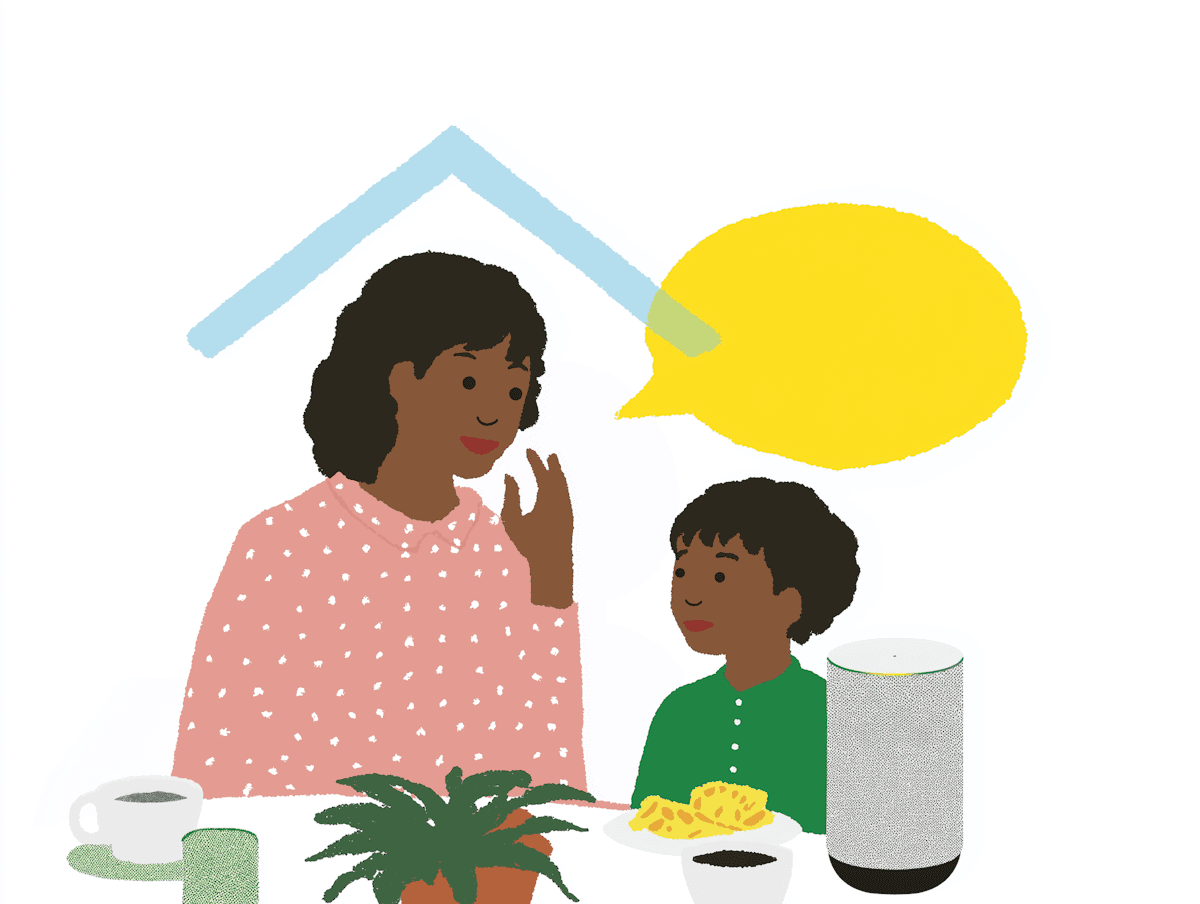
Communication is the key to effective educational experiences but it is also one of the most common challenges teachers, parents, and kids have to battle in modern learning settings! The academic performance, socialisation, and emotional stability of a child all rely significantly on how effectively they can pass information, accept instructions, express their needs, and execute effective communication. Teachers and parents need to navigate these interwoven barriers to communication (detailed below) and assume specific strategies to overcome them in creating inclusive, hospitable learning environments in which each child has every chance to flourish...
Still grading everything by hand?
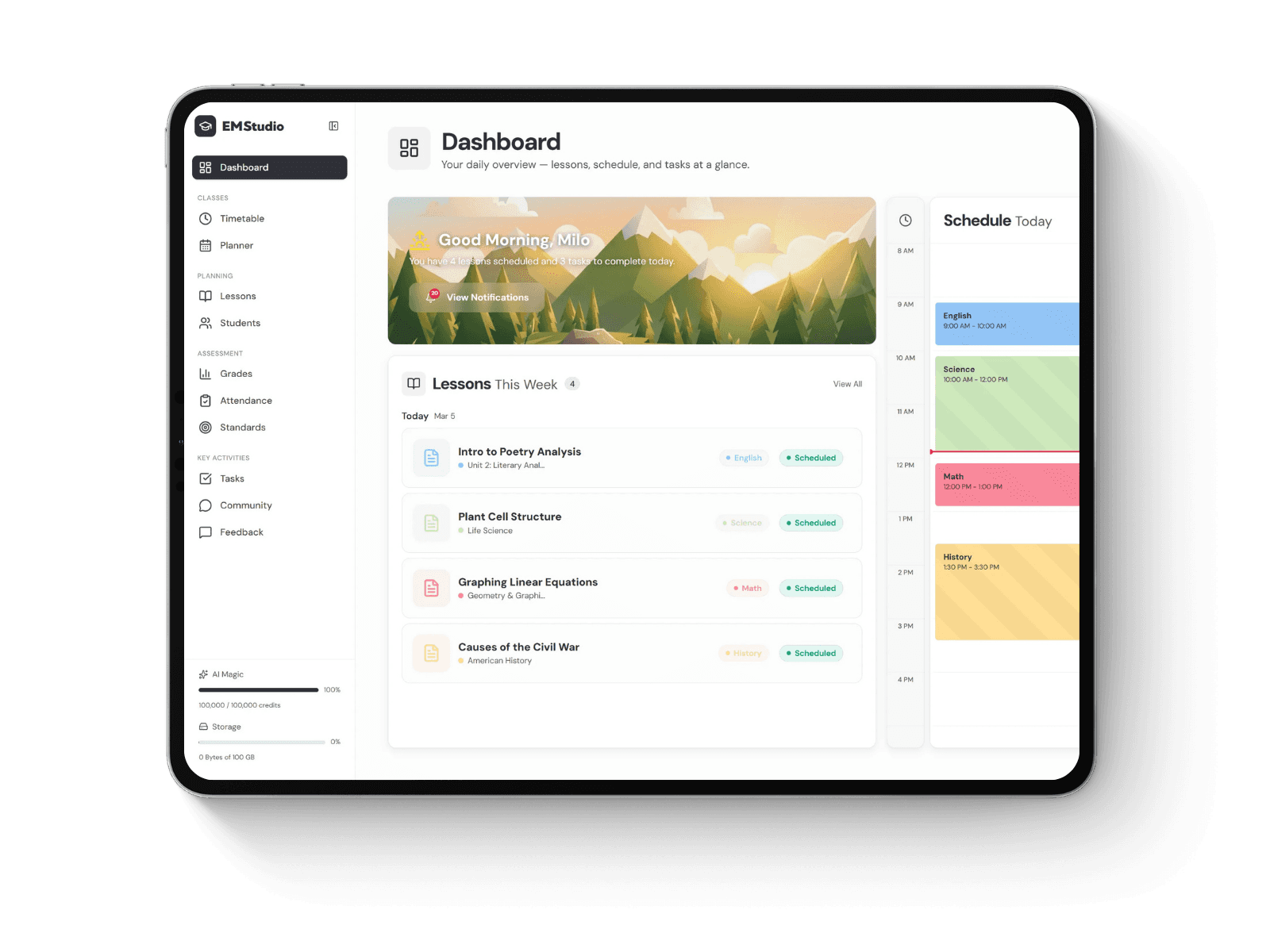
EMStudio is a free teaching management app — manage your classes, students, lessons, and more!
Learn More
Still grading everything by hand?
EMStudio is a free teaching management app — manage your classes, students, lessons, and more!
Learn More
Table of Contents
Home-School Disconnection
Maybe the most chronic issue in school communication is home-school disconnection. Parents are disconnected from their child's daily learning experience and only receive information in the form of infrequent report cards or parent-teacher conferences. This creates misconceptions about academic performance, classroom behaviour, and learning objectives. At the same time, teachers might lack information on home situations that affect student performance, such as home stress, illness, or cultural factors affecting learning. To compensate for this, schools must establish frequent, informal lines of communication other than just crisis mode. Electronic reports daily or weekly through messaging software or learning management systems can inform parents about classroom learning, pending work, and the achievements of their child. Creating a culture where communication comes as easily as speaking to a neighbour, with parents not having to wait until formal meetings to report on observations and concerns, aids in the collaboration necessary for academic achievement.
Language and Linguistic Barriers
The most primitive challenge to the teaching of communication is likely disparity in language and level of linguistic development. Bilingual children can lose understanding when they are taught in only their second or third language, with accumulating deficits in comprehension as a consequence. Children at varying stages of the process of learning words also learn highly variable amounts of information; hence, standardised methods of communication do not work. To overcome such challenges, educators should embrace multilingual resources and visual aids that are translatable across languages. Picture cards, flowcharts, and demonstration with hands enable the exchange of ideas regardless of linguistic barriers. The use of peer support models where children who are bilingual assist other children ensures bonding while overcoming language barriers. Tutors also master basic words of vocabulary of their students' indigenous languages in order to establish rapport and show respect for cultures and hence get children heard and feel valued.
Developmental and Cognitive Differences
All children learn to communicate at different rates, depending on neurological maturation, learning mode, and exposure to the environment. Some children just talk more readily, while others take a little time to grow before responding. Neurodevelopmental differences such as attention deficit disorders, autism spectrum disorders, or other neurodevelopmental differences in children may lead them to misinterpret communication cues or struggle to interpret abstract speech, which results in misinterpretation and frustration. These barriers can be easily broken by segmenting of difficult instructions into a series of step-by-step directions helping students with information-processing disabilities. The use of both auditory and written directions accommodates learning styles and allows students to come back and refer at their own rate. Teachers should allow adequate wait time after asking to facilitate all students in getting ready to respond.without having to rush. Picture schedules or diaries showing daily routines provide the promise of predictability to those children who need this, reduce stress, and simplify understanding.
Technology and Digital Literacy
Technology, as it creates new channels of communication, also creates new issues. With the number of computer messages from school, key information gets misplaced in a cluttered mailbox. Not all families are internet-accessible or computer-savvy and new level of exclusion is the result. Parents are rushed into swift response to messages and make matters more confusing in home and school life. Schools should also simplify digital communication, using a single portal rather than multiple channels and setting utmost priority messages, plus retaining the ability to source messages in hard copy modes of communication guarantees inclusion of the families without constant access to the internet or digital proficiency.
Self-Awareness
The students themselves also have communication difficulties that immediately impact learning. Some are unable to say they are confused, ask for help, or plead for help in class. Shyness, fear of being judged, or negative experiences can prevent students from admitting confusion or a need for additional help when they do not know something or need additional input. Creating classroom settings in which questioning is accepted and uncertainty is the norm enables learners to feel comfortable enough to be able to express their learning needs. Giving a child the skills to be able to communication clearly, such as open questioning and understanding how to recognise the point at which they reached their limit, enables each child to become an active learner rather than just a passive recipient in each and every academic conversation.
Moving Forward
The most effective strategy for overcoming educational communication challenges involves building authentic relationships characterised by trust, respect, and shared commitment to children's wellbeing. This requires time, consistency, and genuine effort from all parties. Schools should create multiple opportunities for informal interaction that allow relationships to develop naturally beyond formal meetings. Teachers who demonstrate cultural understanding, who actively listen without judgment, and who follow through on commitments earn the trust essential for difficult conversations. When parents, teachers, and students view each other as partners working toward common goals rather than adversaries with competing interests, communication flows more freely and misunderstandings resolve more easily. Ultimately, improving communication in children's education demands systemic changes that prioritise relationship-building, accessibility, and mutual understanding as foundations for all educational interactions.
If we hear children and respect them, learning soon becomes something that is unavoidable. By caring about communication impediments that abound and making deliberate efforts to eliminate them, we can all provide learning environments and school settings where every single child is able to contribute his or her best, communicate with confidence, and grow academically and personally.
Home-School Disconnection
Maybe the most chronic issue in school communication is home-school disconnection. Parents are disconnected from their child's daily learning experience and only receive information in the form of infrequent report cards or parent-teacher conferences. This creates misconceptions about academic performance, classroom behaviour, and learning objectives. At the same time, teachers might lack information on home situations that affect student performance, such as home stress, illness, or cultural factors affecting learning. To compensate for this, schools must establish frequent, informal lines of communication other than just crisis mode. Electronic reports daily or weekly through messaging software or learning management systems can inform parents about classroom learning, pending work, and the achievements of their child. Creating a culture where communication comes as easily as speaking to a neighbour, with parents not having to wait until formal meetings to report on observations and concerns, aids in the collaboration necessary for academic achievement.
Language and Linguistic Barriers
The most primitive challenge to the teaching of communication is likely disparity in language and level of linguistic development. Bilingual children can lose understanding when they are taught in only their second or third language, with accumulating deficits in comprehension as a consequence. Children at varying stages of the process of learning words also learn highly variable amounts of information; hence, standardised methods of communication do not work. To overcome such challenges, educators should embrace multilingual resources and visual aids that are translatable across languages. Picture cards, flowcharts, and demonstration with hands enable the exchange of ideas regardless of linguistic barriers. The use of peer support models where children who are bilingual assist other children ensures bonding while overcoming language barriers. Tutors also master basic words of vocabulary of their students' indigenous languages in order to establish rapport and show respect for cultures and hence get children heard and feel valued.
Developmental and Cognitive Differences
All children learn to communicate at different rates, depending on neurological maturation, learning mode, and exposure to the environment. Some children just talk more readily, while others take a little time to grow before responding. Neurodevelopmental differences such as attention deficit disorders, autism spectrum disorders, or other neurodevelopmental differences in children may lead them to misinterpret communication cues or struggle to interpret abstract speech, which results in misinterpretation and frustration. These barriers can be easily broken by segmenting of difficult instructions into a series of step-by-step directions helping students with information-processing disabilities. The use of both auditory and written directions accommodates learning styles and allows students to come back and refer at their own rate. Teachers should allow adequate wait time after asking to facilitate all students in getting ready to respond.without having to rush. Picture schedules or diaries showing daily routines provide the promise of predictability to those children who need this, reduce stress, and simplify understanding.
Technology and Digital Literacy
Technology, as it creates new channels of communication, also creates new issues. With the number of computer messages from school, key information gets misplaced in a cluttered mailbox. Not all families are internet-accessible or computer-savvy and new level of exclusion is the result. Parents are rushed into swift response to messages and make matters more confusing in home and school life. Schools should also simplify digital communication, using a single portal rather than multiple channels and setting utmost priority messages, plus retaining the ability to source messages in hard copy modes of communication guarantees inclusion of the families without constant access to the internet or digital proficiency.
Self-Awareness
The students themselves also have communication difficulties that immediately impact learning. Some are unable to say they are confused, ask for help, or plead for help in class. Shyness, fear of being judged, or negative experiences can prevent students from admitting confusion or a need for additional help when they do not know something or need additional input. Creating classroom settings in which questioning is accepted and uncertainty is the norm enables learners to feel comfortable enough to be able to express their learning needs. Giving a child the skills to be able to communication clearly, such as open questioning and understanding how to recognise the point at which they reached their limit, enables each child to become an active learner rather than just a passive recipient in each and every academic conversation.
Moving Forward
The most effective strategy for overcoming educational communication challenges involves building authentic relationships characterised by trust, respect, and shared commitment to children's wellbeing. This requires time, consistency, and genuine effort from all parties. Schools should create multiple opportunities for informal interaction that allow relationships to develop naturally beyond formal meetings. Teachers who demonstrate cultural understanding, who actively listen without judgment, and who follow through on commitments earn the trust essential for difficult conversations. When parents, teachers, and students view each other as partners working toward common goals rather than adversaries with competing interests, communication flows more freely and misunderstandings resolve more easily. Ultimately, improving communication in children's education demands systemic changes that prioritise relationship-building, accessibility, and mutual understanding as foundations for all educational interactions.
If we hear children and respect them, learning soon becomes something that is unavoidable. By caring about communication impediments that abound and making deliberate efforts to eliminate them, we can all provide learning environments and school settings where every single child is able to contribute his or her best, communicate with confidence, and grow academically and personally.
Still grading everything by hand?
EMStudio is a free teaching management app — manage your classes, students, lessons, and more!
Learn More
Still grading everything by hand?
EMStudio is a free teaching management app — manage your classes, students, lessons, and more!
Learn More




Notion4Teachers
Notion templates to simplify administrative tasks and enhance your teaching experience.



2026 Notion4Teachers. All Rights Reserved.
Notion4Teachers
Notion templates to simplify administrative tasks and enhance your teaching experience.
2026 Notion4Teachers. All Rights Reserved.
Notion4Teachers
Notion templates to simplify administrative tasks and enhance your teaching experience.
2026 Notion4Teachers. All Rights Reserved.