
15 Education Academy Programs for K-12 Professional Development
15 Education Academy Programs for K-12 Professional Development

Article by
Milo
ESL Content Coordinator & Educator
ESL Content Coordinator & Educator
All Posts
Most district-mandated professional development treats you like a student who forgot your pencil. You sit in a cafeteria for six hours while someone reads slides about compliance updates. You leave with a certificate and zero new ideas for Monday. The best education academy programs flip that script. They put you in rooms with teachers who solved real problems. These are the educators who figured out how to teach writing to reluctant 7th graders or manage labs with 35 kids and six Bunsen burners. You walk out with lesson plans you can copy, paste, and tweak—not just a binder that collects dust.
This list cuts through the noise. I spent fifteen years sitting through PD that treated pedagogy like a PowerPoint animation. The fifteen programs here actually deliver teacher training you can use Tuesday morning. Some offer graduate credits you can cash in for a lane change. Others pack curriculum development and instructional strategies into summer intensives that respect your time.
You will find workshops that build pedagogical skills for high school chemistry teachers and travel stipends to study Civil War sites in Virginia. These continuing education options prove that the right education academy turns your summer break into a genuine investment in your craft and your paycheck.
Still grading everything by hand?
EMStudio is a free teaching management app — manage your classes, students, lessons, and more!
Learn More

Still grading everything by hand?
EMStudio is a free teaching management app — manage your classes, students, lessons, and more!
Learn More
Table of Contents
What Are the Best Travel Teaching Academies?
The best travel teaching academies include the National Geographic Grosvenor Teacher Fellowship for Arctic expeditions, the Fulbright Distinguished Awards for semester-long international exchanges, and Earthwatch Institute for field research. These programs cover travel costs, provide stipends, and require implementation of global learning projects in home classrooms within six months of return.
Each education academy offers a different balance of adventure, compensation, and classroom application. You need to match your summer availability and curriculum goals to the right opportunity.
Program | Duration | Funding Model | Destinations | Deadline |
|---|---|---|---|---|
National Geographic Grosvenor | 2 weeks | All-expenses-paid plus $500 fee | Arctic, Galapagos, Antarctica | September |
Fulbright Distinguished Awards | 3-6 months | $3,000-$5,000 monthly stipend | Host country placement | August |
Earthwatch Teach Earth | 1-2 weeks | Grant-funded; $500-$1,000 contribution | Ecological field sites | Rolling |
National Geographic Grosvenor Teacher Fellowship
You spend two weeks aboard expedition ships visiting Antarctica, the Galapagos, or Arctic Svalbard. All meals, lodging, and airfare from your home city are covered.
The application requires specific qualifications:
Three years of classroom experience in any subject.
A three-minute video explaining your teaching philosophy.
A draft lesson plan idea using expedition content.
If selected, you attend a mandatory pre-expedition workshop in Washington DC the spring before departure. You pay the $500 program fee after acceptance, which covers administrative costs and workshop materials.
Within six months of returning, you must create two standards-aligned lesson plans based on your expedition experiences. These resources enter the National Geographic education database for other teachers to use.
You travel with 25-50 teachers from across North America. Many fellows continue collaborating on curriculum development projects years after returning.
Applications open in late August and close in September. Notifications arrive in December, giving you six months to prepare for summer travel.
Fulbright Distinguished Awards in Teaching Program
This program sends you abroad for three to six months. You live in countries like Finland, Singapore, or Australia while studying at host universities and observing local schools.
You receive $3,000-$5,000 monthly depending on the host country's cost of living. This covers housing and meals. You must remain employed and hold US citizenship with three years of experience.
While abroad, you complete an inquiry project investigating the host country's educational system. You can enroll in university courses for graduate credit, though transfer fees may apply toward your continuing education requirements.
You design your inquiry project before departure. Recent projects compared inclusion models or STEM assessment methods. You present findings to local educators and publish a report for the Fulbright Commission.
Graduate credit varies by institution. Some charge $200-$400 per credit for transcripts. Verify with your HR department that credits apply toward lane changes before enrolling.
Housing differs by country. Some provide allowances; others offer dormitories or match you with local teachers for homestays.
Earthwatch Institute Teach Earth Fellowships
Earthwatch places you on research expeditions lasting seven to fourteen days. You might measure carbon in Costa Rican forests or track marine mammals in Nova Scotia.
You contribute $500-$1,000; Earthwatch helps fundraise the remainder. Meals and field accommodation are included.
Expeditions run March through October. Choose dates aligning with your calendar. Most teachers select summer, but spring break options exist.
Data collection varies by site. You might use GPS units, collect water samples, or catalog artifacts. Scientists train you during the first two days.
Implement an inquiry-based science unit during fall semester using your collected data. Students analyze datasets while integrating global perspectives in your classroom. Share findings with Earthwatch scientists for peer-reviewed studies.
Submit a brief implementation report by January documenting student engagement. This completes your obligations.

Which Summer Programs for Teachers Offer Graduate Credits?
Top summer programs offering graduate credits include the Smithsonian Teacher Summer Institutes (3 credits through George Mason), the James Madison Fellowship (6-12 credits for constitutional studies), and the Hemera Foundation Fellowship (3 credits in contemplative education). Costs range from fully funded to $600 tuition, with most providing housing or stipends.
The Smithsonian offers open topics but charges $600 tuition plus expensive DC housing. James Madison pays you $24,000 over two summers but locks you into constitutional studies and a five-year teaching commitment. Hemera covers everything including vegetarian meals and travel stipends, though credits focus strictly on contemplative education.
These summer programs for teachers convert your break into degree progress. Earning graduate credits for career advancement moves you up the pay scale while building instructional strategies. Each program functions as a specialized education academy, delivering intensive professional development in compressed timeframes.
Teacher Summer Institutes at the Smithsonian
The five-day residential institute runs at Smithsonian museums in Washington DC. You earn three graduate credits through George Mason University while working directly with museum collections. The hands-on focus builds curriculum development and pedagogical skills using primary sources.
Tuition runs $600 for the week. Housing costs approximately $150 per night near the National Mall. Some districts reimburse these expenses, but many teachers pay out-of-pocket for the continuing education credits.
Topics rotate annually. Recent sessions covered "Teaching with Museum Objects" and "Climate Change Education." You handle actual specimens, then design lesson plans integrating these resources into your classroom practice.
Transcripts come directly from GMU and transfer to most MA programs. Verify acceptance with your university registrar before enrolling. The intensive schedule includes evening cohort meetings with teachers nationwide.
Unlike standard teacher training, you work alongside curators. This access justifies the cost, though budget-conscious educators often split hotel rooms to manage the $750 total housing expense.
Credit value: 3 graduate credits through George Mason University partnership.
Cost structure: $600 tuition plus approximately $150 per night for Washington DC housing.
Subject focus: Rotating themes including museum-based learning and climate education.
James Madison Fellowship Summer Graduate Program
This fellowship delivers the highest credit load. You receive $24,000 over two summers to complete coursework toward an MA in constitutional studies, history, or government.
The award covers full tuition at partner universities like Ashland or Syracuse. You earn 6-12 credits depending on your selected institution's summer course load. This accelerates degree completion while paying you to study.
Requirements are strict. You must teach US History or Government full-time currently, then commit to teaching the Constitution for five additional years after completing the fellowship. The four-week summer institute at Georgetown University is mandatory.
Missing that commitment triggers repayment. The curriculum focuses exclusively on constitutional studies, limiting appeal if you teach other subjects. For history teachers, this concentration deepens content knowledge significantly.
The application needs essays and recommendations. Competition is fierce, but the financial package beats paying for your own master's degree. You essentially get paid for professional development that advances your career.
Award amount: $24,000 total over two summers.
Credit load: 6-12 credits depending on university partner.
Commitment: Five-year teaching obligation in US History or Government post-fellowship.
Location: Four-week summer institute at Georgetown University.
Hemera Foundation Teacher Fellowship
The Hemera Fellowship offers a different approach to teacher training. You spend five days at a Colorado retreat center focused on contemplative education, mindfulness, and trauma-informed practices.
This program covers all costs. You receive three graduate credits through Naropa University with zero tuition charges. The fellowship includes shared accommodation and vegetarian meals.
A $500 travel stipend offsets your flight or driving costs. The setting itself is pedagogical—you practice the mindfulness techniques you will later teach students. Credits focus specifically on social-emotional learning, not content knowledge.
The retreat model emphasizes reflection over information delivery. You engage in meditation, nature walks, and collaborative planning with like-minded educators. This education academy approach restores burnout teachers while building instructional strategies for classroom wellness.
Credit transfer from Naropa works smoothly with most progressive education MA programs. Traditional universities sometimes question the contemplative focus, so verify transfer policies before applying if you are working toward a specific degree.
Credit value: 3 graduate credits through Naropa University.
Cost: Fully funded including tuition, shared housing, and vegetarian meals.
Location: Colorado retreat center with residential programming.
Stipend: $500 available for travel expenses.

Subject-Specific Education Academies for Specialized Skills
Most teacher training spreads thin across every subject. These academies go deep. They pay you to master your content area and bring that expertise back to your classroom. You specialize in one discipline and build expertise that transfers directly to your lesson plans. The money matters, but so does the community—you're working with teachers who geek out on the same topics you do.
Math for America Master Teacher Fellowship
Math for America runs the gold-standard education academy for secondary math teachers. You earn a $15,000 stipend each year for four years. That totals $60,000—real money that recognizes your expertise while you keep teaching full-time. The program currently operates in four specific cities:
New York City
Los Angeles
Washington DC
San Diego
That sustained financial support shows clear results in teacher retention. Math for America reports 85% of fellows remain in the classroom over four years, compared to the 50% national average for math teachers.
The commitment matches the pay. You complete 80 hours of professional development annually, working through specialized math teacher resources with a tight-knit cohort. Monthly meetings focus on advanced mathematics and student thinking. You analyze student work samples and discuss common misconceptions. You also mentor early-career teachers in your building, observing their classes and modeling lessons. The goal isn't moving you into administration. You stay in the classroom teaching math to students.
To qualify, you need:
Two years of classroom experience
Demonstrated math content knowledge through coursework or assessments
A current secondary mathematics teaching position
They want teachers who can handle rigorous content discussions about abstract algebra or number theory and share instructional strategies that actually work with 16-year-olds.
The Writing Project Summer Institutes
The National Writing Project runs 200+ local sites at universities nationwide, from rural state colleges to flagship research institutions. Their four-week summer institute packs 120 hours of continuing education into an intensive schedule. You leave with Teacher-Consultant certification, qualifying you to lead district professional development workshops and coach colleagues on literacy instruction.
The daily schedule includes:
Demonstration lessons where veteran teachers model writing instruction with real student work
Writing workshops where you draft original poetry, personal essays, and research narratives
Research presentations on literacy pedagogy and instructional strategies
You write alongside other teachers and test tools to support creative writers with actual students before the summer ends.
Compensation varies by site. Most offer $500 to $1,000, or equivalent graduate credit hours. The certification lasts for life. You join a national network of Teacher-Consultants who share resources across state lines. You also earn additional stipends for leading future district writing workshops, often $50 to $100 per hour for after-school sessions. You become your building's resident writing expert, the teacher other departments call when they need help with argumentative essays or creative writing units.
National Endowment for the Humanities Summer Seminars
NEH Summer Seminars offer three to four weeks of residential study at university sites—Oxford, Berlin, or domestic campuses like Amherst or Berkeley. Each seminar caps at 16 participants. The small group means you cannot hide in the back row. Morning sessions often feature guest lecturers or primary source workshops. You discuss texts directly with scholars, visit local archives, and develop curriculum development projects tailored to your specific classes.
The compensation package covers your costs completely:
A $1,300 stipend for personal expenses and meals not provided
Complete room and board coverage at the university or nearby facilities
Travel reimbursement up to $1,200 for international sites
You study specialized humanities topics like "Shakespeare in Performance," "Civil Rights History," or "Ancient Roman Architecture" while keeping your regular summer salary.
You must currently teach humanities subjects—English, history, art history, music, or foreign language. The competitive application requires a clear plan for bringing seminar content back to your students. Seminars meet five days per week with evenings reserved for reading. You live alongside fifteen other teachers who care deeply about the humanities. They select teachers who will turn that Oxford library week or Berlin museum visit into better pedagogical skills and concrete lesson plans for September.

Local and Regional Teacher Academy Networks
Local academies keep you close to home. They cost less and connect you with nearby districts facing similar challenges. But know what you're signing up for.
Skip these if you need graduate credit from an accredited university. Most local academies award state professional development hours only. Also avoid them if you need specialized equipment training — your regional academy won't have an electron microscope if the university doesn't.
Local networks understand your context better than national programs. They know your state test and your funding challenges. That specificity is their strength.
State-Sponsored Teacher Academies
The Texas Teacher Academy runs two weeks every July. It's free, online or in-person, and earns you state PD credit. You won't get university transcript hours, but you will network with Texas educators using the same TEKS standards.
Virginia Teachers Institute packs Mount Vernon history into one intensive week. They pay you $500 to attend. Access these through your state education department portal; they prioritize high-need districts and Title I schools.
You'll find these listed on your state education department website. They update annually in March. Apply early — seats fill fast, especially for the free options.
State academies align tightly to local standards. That's helpful for curriculum development, but less transferable if you move to another state. Check if hours count toward your district's continuing education requirements before you apply.
These programs offer teacher training without the tuition bill. Perfect for renewing your license on a budget. Just don't expect the same rigor as university-based education academy coursework.
Regional STEM Consortium Summer Academies
The Great Lakes Bioenergy Research Center offers one of the best summer opportunities for teachers in Wisconsin, Michigan, and Illinois. You get a $1,000 stipend for one week learning bioenergy labs. The catch? You must implement their curriculum kit in fall and attend a Saturday follow-up.
These partnerships rely on local biotech and agriculture companies. You get real industry context, but you're locked into specific STEM teacher resources and curriculum platforms they provide. You can't swap in your own lessons.
The curriculum kits come with materials you can't buy elsewhere. That's valuable. But you're committed to teaching their unit exactly as written. No modifications allowed.
Regional STEM academies build pedagogical skills through place-based learning. Great for environmental science teachers. Not so great if you teach AP Physics and need equipment your region doesn't have.
Most restrict admission to specific states. The Bayer Science Teacher Academy serves only the St. Louis region. Check geographic eligibility before you spend time on the application.
Stipends get taxed as income. That $1,000 becomes roughly $750 in your pocket. Still worth it, but plan for the smaller check.
District Partnership Teacher Leadership Academies
Your district might run its own teacher academy to grow internal leaders. These cohorts meet monthly during the school year, plus a summer intensive. They often pay for your administrative certification or master's credits.
You typically need three years in the district to qualify. They want teachers who know the community and can mentor new hires. It's a grow-your-own model with strings attached.
Read the fine print. Most require you to stay 2+ years or repay the tuition. I watched a colleague get hit with a $3,000 bill when she transferred mid-program. The contract is binding.
Monthly meetings usually happen after school. You get release time for the summer intensive, but those Tuesday afternoon sessions eat into your planning time. Budget accordingly.
These programs fit the teacher leadership development framework your district already uses. You build instructional strategies that work specifically with your student population. Just verify credit transferability with other districts before you sign.

University Partnership Teacher Academy Programs
University programs carry prestige, but prestige costs money. Some deliver graduate credits you can transfer anywhere. Others offer pedagogical skills without the transcript line. Choose based on whether you need the credential for career advancement or just the intensive summer training for your own practice.
Stanford d.school Summer Teacher Academy
The Discover Design Thinking intensive runs three days on Stanford's California campus. You pay $1,500. No graduate credit follows—just a certificate and a folder full of Post-it notes that eventually clutter your desk drawer back home.
You learn human-centered design through rapid prototyping and empathy interviews. Teams tackle a school-specific problem they bring from their own building. You build low-fi models in hours, not weeks. The pace forces you to ship imperfect solutions fast.
Bring colleagues. Groups of two or three teachers from the same school receive discounts off the individual rate. Solo attendees pay full freight. If your district wants design thinking embedded across multiple grade levels, send a team. One teacher returns inspired; three return with shared language and institutional momentum.
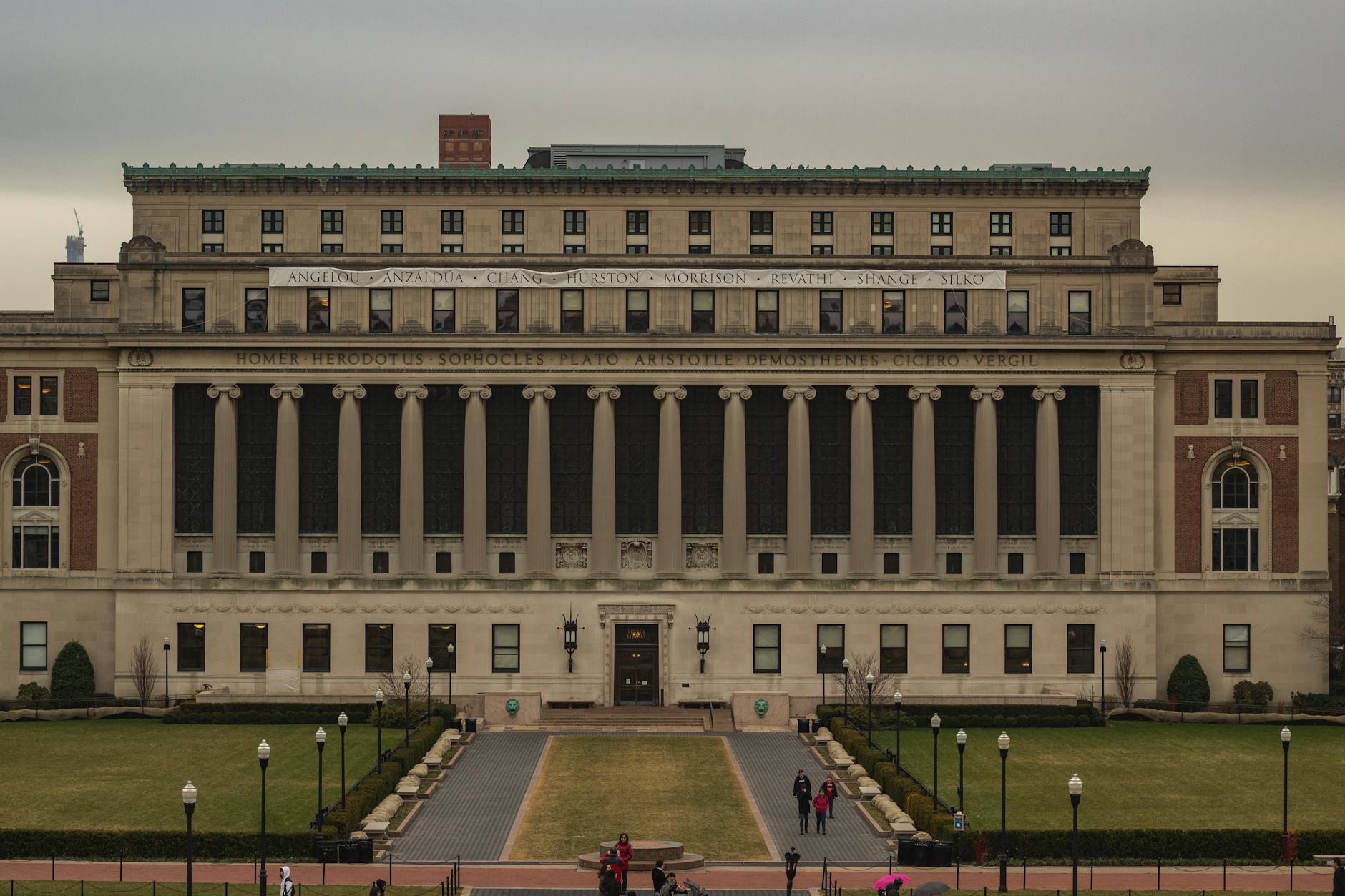
Columbia Teachers College Summer Program
Columbia Teachers College runs two-week institutes like the Reading and Writing Project or Math Coaching intensive. Each earns you three graduate credits on an official Teachers College transcript. Tuition hits $2,400 per institute, which exceeds many district professional development stipends.
Housing adds sticker shock. The Teachers College residence halls cost $1,200 for two weeks in New York City. You walk to morning sessions, but you pay Manhattan prices for the convenience. Budget for subway fares and overpriced deli sandwiches. Some teachers sublet apartments instead, but summer sublets in Morningside Heights disappear fast.
The credits transfer widely. Most external MA programs accept them toward degree completion. If you are chipping away at a master's degree, this education academy offers legitimate graduate work with a prestigious letterhead that follows you to future doctoral applications or administrative pathways.
MIT Media Lab Teacher Learning Program
MIT Media Lab runs a one-week constructionist learning immersion in Cambridge, Massachusetts. You code in Scratch, build physical prototypes, and explore maker education pedagogy through hands-on building. The $800 fee is reasonable by university standards, especially compared to Ivy League competitors down the street in Boston.
Scholarships exist specifically for high-need districts. Title I schools can apply for full fee coverage through their partnership office. Do not pay out of pocket until you check your eligibility. Last year, three teachers from my high-need district attended for free while colleagues in wealthy suburbs paid the full $800.
No formal credit arrives, but you receive a Media Lab certificate for your portfolio. More importantly, you gain access to loanable technology kits. Take the sensors, microcontrollers, and robotics components back to your classroom. This distinguishes MIT from other university-led educational technology programs—you leave with hardware, not just paper credentials.
How to Choose and Apply to the Right Education Academy?
Choose an education academy by first aligning program outcomes with your district's evaluation rubric and professional growth plan. Match funding availability to total costs including lost income. Apply 12-18 months ahead for competitive programs. Secure administrative support in writing and verify graduate credit transferability before committing.
Research shows teachers need 50+ hours of professional development to shift practice meaningfully. Skip the single-day workshops. Intensive teacher training academies provide the sustained immersion required for real change.
Start your application timeline 12-18 months out. Months 1-2: research and compare programs. Months 3-4: secure your administrator's support letter. Months 5-6: draft essays and gather transcripts. Remember, Fulbright and NEH deadlines hit 9-12 months before the program starts.
Calculate true costs before falling in love with a program. Lost summer income alone can run 2-6 weeks of pay. Add airfare, substitute coverage for pre-trip meetings, and transcript fees. Compare this against planning for education costs and financial support options available through your district.
Aligning Academy Goals with Professional Growth Plans
Map academy learning objectives directly to your district rubric. Pull your last observation report—whether Danielson, Marzano, or a local model—and circle indicators marked "Developing" or "Basic." If "questioning techniques" flagged red, avoid content-heavy history institutes and target pedagogy-focused options like the Stanford d.school.
Create a simple decision matrix. List your three weakest rubric indicators down the left side. Across the top, list potential academies. Check where they intersect. If you're "Basic" in content knowledge, prioritize subject-specific NEH seminars or Math for America. If "Developing" in student engagement, choose design thinking or PBL institutes.
Document this alignment in your application essays. Principals favor teachers who connect aligning with a professional growth strategy to classroom outcomes. Show them exactly which instructional strategies you'll bring back.
Navigating Funding and Scholarship Applications
Build a hidden costs checklist before accepting any offer. Calculate lost summer income based on your last paycheck stub—typically 2-6 weeks of work you won't be earning. Add domestic airfare or mileage reimbursement, substitute teacher coverage for mandatory pre-trip meetings, and university transcript fees for graduate credit. Some programs hide $500 in miscellaneous fees in the fine print.
Rank opportunities by funding tier:
Fully-funded first: Fulbright, James Madison Memorial Fellowships, or federally supported teacher academies cover tuition, travel, and stipends.
Stipend-based second: Math for America and similar programs offset costs with fixed payments.
District funds last: Seek PD budgets or DonorsChoose only after exhausting free options.
Secure funding before accepting offers. Nothing burns professional bridges like declining a competitive fellowship because you can't afford the plane ticket. Explore planning for education costs and financial support early in your search to avoid last-minute surprises.
Maximizing Your Academy Experience and Follow-Through
Secure your safety net before departure. Get that administrator support letter committing to schedule flexibility when you implement new instructional strategies. Verify they'll cover substitute costs for any follow-up sessions or observations. Without this written commitment, your curriculum development ideas die in the parking lot.
Pre-select your tribe. Identify three colleagues—preferably across grade levels or departments—who will receive your training upon return. Teaching them forces you to organize materials and ensures the academy's impact spreads beyond your classroom. These relationships cement your continuing education into school culture and build your reputation as a leader.
Execute a 30-60-90 day implementation plan. Days 1-30: organize materials and modify for your context. Days 31-60: deliver the first lesson and document student outcomes. Days 61-90: present findings at your PLC using career development opportunities for educators as a model. Document everything for your next teacher training application.

Your Next Move with Education Academy
Stop browsing and start deciding. The best education academy isn't the one with the slickest brochure—it's the one that solves a specific problem in your classroom next September. Whether you need graduate credits for a lane change or fresh strategies for teaching writing to reluctant readers, pick the path that serves your actual students, not just your resume.
Your district likely has PD funds sitting unused right now. Check your contract or email your union rep today to see what's available before you spend your own money. Many competitive summer programs fill by March, and waiting means another year of the same stale worksheets while your colleagues move up the pay scale.
Open your calendar right now and block 20 minutes this afternoon. Use that time to compare two specific programs side by side: one subject-specific academy and one local university partnership. Check their course descriptions against your curriculum map. Apply to the one that closes the gaps you noticed when you were grading essays last week.

What Are the Best Travel Teaching Academies?
The best travel teaching academies include the National Geographic Grosvenor Teacher Fellowship for Arctic expeditions, the Fulbright Distinguished Awards for semester-long international exchanges, and Earthwatch Institute for field research. These programs cover travel costs, provide stipends, and require implementation of global learning projects in home classrooms within six months of return.
Each education academy offers a different balance of adventure, compensation, and classroom application. You need to match your summer availability and curriculum goals to the right opportunity.
Program | Duration | Funding Model | Destinations | Deadline |
|---|---|---|---|---|
National Geographic Grosvenor | 2 weeks | All-expenses-paid plus $500 fee | Arctic, Galapagos, Antarctica | September |
Fulbright Distinguished Awards | 3-6 months | $3,000-$5,000 monthly stipend | Host country placement | August |
Earthwatch Teach Earth | 1-2 weeks | Grant-funded; $500-$1,000 contribution | Ecological field sites | Rolling |
National Geographic Grosvenor Teacher Fellowship
You spend two weeks aboard expedition ships visiting Antarctica, the Galapagos, or Arctic Svalbard. All meals, lodging, and airfare from your home city are covered.
The application requires specific qualifications:
Three years of classroom experience in any subject.
A three-minute video explaining your teaching philosophy.
A draft lesson plan idea using expedition content.
If selected, you attend a mandatory pre-expedition workshop in Washington DC the spring before departure. You pay the $500 program fee after acceptance, which covers administrative costs and workshop materials.
Within six months of returning, you must create two standards-aligned lesson plans based on your expedition experiences. These resources enter the National Geographic education database for other teachers to use.
You travel with 25-50 teachers from across North America. Many fellows continue collaborating on curriculum development projects years after returning.
Applications open in late August and close in September. Notifications arrive in December, giving you six months to prepare for summer travel.
Fulbright Distinguished Awards in Teaching Program
This program sends you abroad for three to six months. You live in countries like Finland, Singapore, or Australia while studying at host universities and observing local schools.
You receive $3,000-$5,000 monthly depending on the host country's cost of living. This covers housing and meals. You must remain employed and hold US citizenship with three years of experience.
While abroad, you complete an inquiry project investigating the host country's educational system. You can enroll in university courses for graduate credit, though transfer fees may apply toward your continuing education requirements.
You design your inquiry project before departure. Recent projects compared inclusion models or STEM assessment methods. You present findings to local educators and publish a report for the Fulbright Commission.
Graduate credit varies by institution. Some charge $200-$400 per credit for transcripts. Verify with your HR department that credits apply toward lane changes before enrolling.
Housing differs by country. Some provide allowances; others offer dormitories or match you with local teachers for homestays.
Earthwatch Institute Teach Earth Fellowships
Earthwatch places you on research expeditions lasting seven to fourteen days. You might measure carbon in Costa Rican forests or track marine mammals in Nova Scotia.
You contribute $500-$1,000; Earthwatch helps fundraise the remainder. Meals and field accommodation are included.
Expeditions run March through October. Choose dates aligning with your calendar. Most teachers select summer, but spring break options exist.
Data collection varies by site. You might use GPS units, collect water samples, or catalog artifacts. Scientists train you during the first two days.
Implement an inquiry-based science unit during fall semester using your collected data. Students analyze datasets while integrating global perspectives in your classroom. Share findings with Earthwatch scientists for peer-reviewed studies.
Submit a brief implementation report by January documenting student engagement. This completes your obligations.
Which Summer Programs for Teachers Offer Graduate Credits?
Top summer programs offering graduate credits include the Smithsonian Teacher Summer Institutes (3 credits through George Mason), the James Madison Fellowship (6-12 credits for constitutional studies), and the Hemera Foundation Fellowship (3 credits in contemplative education). Costs range from fully funded to $600 tuition, with most providing housing or stipends.
The Smithsonian offers open topics but charges $600 tuition plus expensive DC housing. James Madison pays you $24,000 over two summers but locks you into constitutional studies and a five-year teaching commitment. Hemera covers everything including vegetarian meals and travel stipends, though credits focus strictly on contemplative education.
These summer programs for teachers convert your break into degree progress. Earning graduate credits for career advancement moves you up the pay scale while building instructional strategies. Each program functions as a specialized education academy, delivering intensive professional development in compressed timeframes.
Teacher Summer Institutes at the Smithsonian
The five-day residential institute runs at Smithsonian museums in Washington DC. You earn three graduate credits through George Mason University while working directly with museum collections. The hands-on focus builds curriculum development and pedagogical skills using primary sources.
Tuition runs $600 for the week. Housing costs approximately $150 per night near the National Mall. Some districts reimburse these expenses, but many teachers pay out-of-pocket for the continuing education credits.
Topics rotate annually. Recent sessions covered "Teaching with Museum Objects" and "Climate Change Education." You handle actual specimens, then design lesson plans integrating these resources into your classroom practice.
Transcripts come directly from GMU and transfer to most MA programs. Verify acceptance with your university registrar before enrolling. The intensive schedule includes evening cohort meetings with teachers nationwide.
Unlike standard teacher training, you work alongside curators. This access justifies the cost, though budget-conscious educators often split hotel rooms to manage the $750 total housing expense.
Credit value: 3 graduate credits through George Mason University partnership.
Cost structure: $600 tuition plus approximately $150 per night for Washington DC housing.
Subject focus: Rotating themes including museum-based learning and climate education.
James Madison Fellowship Summer Graduate Program
This fellowship delivers the highest credit load. You receive $24,000 over two summers to complete coursework toward an MA in constitutional studies, history, or government.
The award covers full tuition at partner universities like Ashland or Syracuse. You earn 6-12 credits depending on your selected institution's summer course load. This accelerates degree completion while paying you to study.
Requirements are strict. You must teach US History or Government full-time currently, then commit to teaching the Constitution for five additional years after completing the fellowship. The four-week summer institute at Georgetown University is mandatory.
Missing that commitment triggers repayment. The curriculum focuses exclusively on constitutional studies, limiting appeal if you teach other subjects. For history teachers, this concentration deepens content knowledge significantly.
The application needs essays and recommendations. Competition is fierce, but the financial package beats paying for your own master's degree. You essentially get paid for professional development that advances your career.
Award amount: $24,000 total over two summers.
Credit load: 6-12 credits depending on university partner.
Commitment: Five-year teaching obligation in US History or Government post-fellowship.
Location: Four-week summer institute at Georgetown University.
Hemera Foundation Teacher Fellowship
The Hemera Fellowship offers a different approach to teacher training. You spend five days at a Colorado retreat center focused on contemplative education, mindfulness, and trauma-informed practices.
This program covers all costs. You receive three graduate credits through Naropa University with zero tuition charges. The fellowship includes shared accommodation and vegetarian meals.
A $500 travel stipend offsets your flight or driving costs. The setting itself is pedagogical—you practice the mindfulness techniques you will later teach students. Credits focus specifically on social-emotional learning, not content knowledge.
The retreat model emphasizes reflection over information delivery. You engage in meditation, nature walks, and collaborative planning with like-minded educators. This education academy approach restores burnout teachers while building instructional strategies for classroom wellness.
Credit transfer from Naropa works smoothly with most progressive education MA programs. Traditional universities sometimes question the contemplative focus, so verify transfer policies before applying if you are working toward a specific degree.
Credit value: 3 graduate credits through Naropa University.
Cost: Fully funded including tuition, shared housing, and vegetarian meals.
Location: Colorado retreat center with residential programming.
Stipend: $500 available for travel expenses.
Subject-Specific Education Academies for Specialized Skills
Most teacher training spreads thin across every subject. These academies go deep. They pay you to master your content area and bring that expertise back to your classroom. You specialize in one discipline and build expertise that transfers directly to your lesson plans. The money matters, but so does the community—you're working with teachers who geek out on the same topics you do.
Math for America Master Teacher Fellowship
Math for America runs the gold-standard education academy for secondary math teachers. You earn a $15,000 stipend each year for four years. That totals $60,000—real money that recognizes your expertise while you keep teaching full-time. The program currently operates in four specific cities:
New York City
Los Angeles
Washington DC
San Diego
That sustained financial support shows clear results in teacher retention. Math for America reports 85% of fellows remain in the classroom over four years, compared to the 50% national average for math teachers.
The commitment matches the pay. You complete 80 hours of professional development annually, working through specialized math teacher resources with a tight-knit cohort. Monthly meetings focus on advanced mathematics and student thinking. You analyze student work samples and discuss common misconceptions. You also mentor early-career teachers in your building, observing their classes and modeling lessons. The goal isn't moving you into administration. You stay in the classroom teaching math to students.
To qualify, you need:
Two years of classroom experience
Demonstrated math content knowledge through coursework or assessments
A current secondary mathematics teaching position
They want teachers who can handle rigorous content discussions about abstract algebra or number theory and share instructional strategies that actually work with 16-year-olds.
The Writing Project Summer Institutes
The National Writing Project runs 200+ local sites at universities nationwide, from rural state colleges to flagship research institutions. Their four-week summer institute packs 120 hours of continuing education into an intensive schedule. You leave with Teacher-Consultant certification, qualifying you to lead district professional development workshops and coach colleagues on literacy instruction.
The daily schedule includes:
Demonstration lessons where veteran teachers model writing instruction with real student work
Writing workshops where you draft original poetry, personal essays, and research narratives
Research presentations on literacy pedagogy and instructional strategies
You write alongside other teachers and test tools to support creative writers with actual students before the summer ends.
Compensation varies by site. Most offer $500 to $1,000, or equivalent graduate credit hours. The certification lasts for life. You join a national network of Teacher-Consultants who share resources across state lines. You also earn additional stipends for leading future district writing workshops, often $50 to $100 per hour for after-school sessions. You become your building's resident writing expert, the teacher other departments call when they need help with argumentative essays or creative writing units.
National Endowment for the Humanities Summer Seminars
NEH Summer Seminars offer three to four weeks of residential study at university sites—Oxford, Berlin, or domestic campuses like Amherst or Berkeley. Each seminar caps at 16 participants. The small group means you cannot hide in the back row. Morning sessions often feature guest lecturers or primary source workshops. You discuss texts directly with scholars, visit local archives, and develop curriculum development projects tailored to your specific classes.
The compensation package covers your costs completely:
A $1,300 stipend for personal expenses and meals not provided
Complete room and board coverage at the university or nearby facilities
Travel reimbursement up to $1,200 for international sites
You study specialized humanities topics like "Shakespeare in Performance," "Civil Rights History," or "Ancient Roman Architecture" while keeping your regular summer salary.
You must currently teach humanities subjects—English, history, art history, music, or foreign language. The competitive application requires a clear plan for bringing seminar content back to your students. Seminars meet five days per week with evenings reserved for reading. You live alongside fifteen other teachers who care deeply about the humanities. They select teachers who will turn that Oxford library week or Berlin museum visit into better pedagogical skills and concrete lesson plans for September.
Local and Regional Teacher Academy Networks
Local academies keep you close to home. They cost less and connect you with nearby districts facing similar challenges. But know what you're signing up for.
Skip these if you need graduate credit from an accredited university. Most local academies award state professional development hours only. Also avoid them if you need specialized equipment training — your regional academy won't have an electron microscope if the university doesn't.
Local networks understand your context better than national programs. They know your state test and your funding challenges. That specificity is their strength.
State-Sponsored Teacher Academies
The Texas Teacher Academy runs two weeks every July. It's free, online or in-person, and earns you state PD credit. You won't get university transcript hours, but you will network with Texas educators using the same TEKS standards.
Virginia Teachers Institute packs Mount Vernon history into one intensive week. They pay you $500 to attend. Access these through your state education department portal; they prioritize high-need districts and Title I schools.
You'll find these listed on your state education department website. They update annually in March. Apply early — seats fill fast, especially for the free options.
State academies align tightly to local standards. That's helpful for curriculum development, but less transferable if you move to another state. Check if hours count toward your district's continuing education requirements before you apply.
These programs offer teacher training without the tuition bill. Perfect for renewing your license on a budget. Just don't expect the same rigor as university-based education academy coursework.
Regional STEM Consortium Summer Academies
The Great Lakes Bioenergy Research Center offers one of the best summer opportunities for teachers in Wisconsin, Michigan, and Illinois. You get a $1,000 stipend for one week learning bioenergy labs. The catch? You must implement their curriculum kit in fall and attend a Saturday follow-up.
These partnerships rely on local biotech and agriculture companies. You get real industry context, but you're locked into specific STEM teacher resources and curriculum platforms they provide. You can't swap in your own lessons.
The curriculum kits come with materials you can't buy elsewhere. That's valuable. But you're committed to teaching their unit exactly as written. No modifications allowed.
Regional STEM academies build pedagogical skills through place-based learning. Great for environmental science teachers. Not so great if you teach AP Physics and need equipment your region doesn't have.
Most restrict admission to specific states. The Bayer Science Teacher Academy serves only the St. Louis region. Check geographic eligibility before you spend time on the application.
Stipends get taxed as income. That $1,000 becomes roughly $750 in your pocket. Still worth it, but plan for the smaller check.
District Partnership Teacher Leadership Academies
Your district might run its own teacher academy to grow internal leaders. These cohorts meet monthly during the school year, plus a summer intensive. They often pay for your administrative certification or master's credits.
You typically need three years in the district to qualify. They want teachers who know the community and can mentor new hires. It's a grow-your-own model with strings attached.
Read the fine print. Most require you to stay 2+ years or repay the tuition. I watched a colleague get hit with a $3,000 bill when she transferred mid-program. The contract is binding.
Monthly meetings usually happen after school. You get release time for the summer intensive, but those Tuesday afternoon sessions eat into your planning time. Budget accordingly.
These programs fit the teacher leadership development framework your district already uses. You build instructional strategies that work specifically with your student population. Just verify credit transferability with other districts before you sign.
University Partnership Teacher Academy Programs
University programs carry prestige, but prestige costs money. Some deliver graduate credits you can transfer anywhere. Others offer pedagogical skills without the transcript line. Choose based on whether you need the credential for career advancement or just the intensive summer training for your own practice.
Stanford d.school Summer Teacher Academy
The Discover Design Thinking intensive runs three days on Stanford's California campus. You pay $1,500. No graduate credit follows—just a certificate and a folder full of Post-it notes that eventually clutter your desk drawer back home.
You learn human-centered design through rapid prototyping and empathy interviews. Teams tackle a school-specific problem they bring from their own building. You build low-fi models in hours, not weeks. The pace forces you to ship imperfect solutions fast.
Bring colleagues. Groups of two or three teachers from the same school receive discounts off the individual rate. Solo attendees pay full freight. If your district wants design thinking embedded across multiple grade levels, send a team. One teacher returns inspired; three return with shared language and institutional momentum.
Columbia Teachers College Summer Program
Columbia Teachers College runs two-week institutes like the Reading and Writing Project or Math Coaching intensive. Each earns you three graduate credits on an official Teachers College transcript. Tuition hits $2,400 per institute, which exceeds many district professional development stipends.
Housing adds sticker shock. The Teachers College residence halls cost $1,200 for two weeks in New York City. You walk to morning sessions, but you pay Manhattan prices for the convenience. Budget for subway fares and overpriced deli sandwiches. Some teachers sublet apartments instead, but summer sublets in Morningside Heights disappear fast.
The credits transfer widely. Most external MA programs accept them toward degree completion. If you are chipping away at a master's degree, this education academy offers legitimate graduate work with a prestigious letterhead that follows you to future doctoral applications or administrative pathways.
MIT Media Lab Teacher Learning Program
MIT Media Lab runs a one-week constructionist learning immersion in Cambridge, Massachusetts. You code in Scratch, build physical prototypes, and explore maker education pedagogy through hands-on building. The $800 fee is reasonable by university standards, especially compared to Ivy League competitors down the street in Boston.
Scholarships exist specifically for high-need districts. Title I schools can apply for full fee coverage through their partnership office. Do not pay out of pocket until you check your eligibility. Last year, three teachers from my high-need district attended for free while colleagues in wealthy suburbs paid the full $800.
No formal credit arrives, but you receive a Media Lab certificate for your portfolio. More importantly, you gain access to loanable technology kits. Take the sensors, microcontrollers, and robotics components back to your classroom. This distinguishes MIT from other university-led educational technology programs—you leave with hardware, not just paper credentials.
How to Choose and Apply to the Right Education Academy?
Choose an education academy by first aligning program outcomes with your district's evaluation rubric and professional growth plan. Match funding availability to total costs including lost income. Apply 12-18 months ahead for competitive programs. Secure administrative support in writing and verify graduate credit transferability before committing.
Research shows teachers need 50+ hours of professional development to shift practice meaningfully. Skip the single-day workshops. Intensive teacher training academies provide the sustained immersion required for real change.
Start your application timeline 12-18 months out. Months 1-2: research and compare programs. Months 3-4: secure your administrator's support letter. Months 5-6: draft essays and gather transcripts. Remember, Fulbright and NEH deadlines hit 9-12 months before the program starts.
Calculate true costs before falling in love with a program. Lost summer income alone can run 2-6 weeks of pay. Add airfare, substitute coverage for pre-trip meetings, and transcript fees. Compare this against planning for education costs and financial support options available through your district.
Aligning Academy Goals with Professional Growth Plans
Map academy learning objectives directly to your district rubric. Pull your last observation report—whether Danielson, Marzano, or a local model—and circle indicators marked "Developing" or "Basic." If "questioning techniques" flagged red, avoid content-heavy history institutes and target pedagogy-focused options like the Stanford d.school.
Create a simple decision matrix. List your three weakest rubric indicators down the left side. Across the top, list potential academies. Check where they intersect. If you're "Basic" in content knowledge, prioritize subject-specific NEH seminars or Math for America. If "Developing" in student engagement, choose design thinking or PBL institutes.
Document this alignment in your application essays. Principals favor teachers who connect aligning with a professional growth strategy to classroom outcomes. Show them exactly which instructional strategies you'll bring back.
Navigating Funding and Scholarship Applications
Build a hidden costs checklist before accepting any offer. Calculate lost summer income based on your last paycheck stub—typically 2-6 weeks of work you won't be earning. Add domestic airfare or mileage reimbursement, substitute teacher coverage for mandatory pre-trip meetings, and university transcript fees for graduate credit. Some programs hide $500 in miscellaneous fees in the fine print.
Rank opportunities by funding tier:
Fully-funded first: Fulbright, James Madison Memorial Fellowships, or federally supported teacher academies cover tuition, travel, and stipends.
Stipend-based second: Math for America and similar programs offset costs with fixed payments.
District funds last: Seek PD budgets or DonorsChoose only after exhausting free options.
Secure funding before accepting offers. Nothing burns professional bridges like declining a competitive fellowship because you can't afford the plane ticket. Explore planning for education costs and financial support early in your search to avoid last-minute surprises.
Maximizing Your Academy Experience and Follow-Through
Secure your safety net before departure. Get that administrator support letter committing to schedule flexibility when you implement new instructional strategies. Verify they'll cover substitute costs for any follow-up sessions or observations. Without this written commitment, your curriculum development ideas die in the parking lot.
Pre-select your tribe. Identify three colleagues—preferably across grade levels or departments—who will receive your training upon return. Teaching them forces you to organize materials and ensures the academy's impact spreads beyond your classroom. These relationships cement your continuing education into school culture and build your reputation as a leader.
Execute a 30-60-90 day implementation plan. Days 1-30: organize materials and modify for your context. Days 31-60: deliver the first lesson and document student outcomes. Days 61-90: present findings at your PLC using career development opportunities for educators as a model. Document everything for your next teacher training application.
Your Next Move with Education Academy
Stop browsing and start deciding. The best education academy isn't the one with the slickest brochure—it's the one that solves a specific problem in your classroom next September. Whether you need graduate credits for a lane change or fresh strategies for teaching writing to reluctant readers, pick the path that serves your actual students, not just your resume.
Your district likely has PD funds sitting unused right now. Check your contract or email your union rep today to see what's available before you spend your own money. Many competitive summer programs fill by March, and waiting means another year of the same stale worksheets while your colleagues move up the pay scale.
Open your calendar right now and block 20 minutes this afternoon. Use that time to compare two specific programs side by side: one subject-specific academy and one local university partnership. Check their course descriptions against your curriculum map. Apply to the one that closes the gaps you noticed when you were grading essays last week.
Still grading everything by hand?
EMStudio is a free teaching management app — manage your classes, students, lessons, and more!
Learn More
Still grading everything by hand?
EMStudio is a free teaching management app — manage your classes, students, lessons, and more!
Learn More



Notion4Teachers
Notion templates to simplify administrative tasks and enhance your teaching experience.



2026 Notion4Teachers. All Rights Reserved.
Notion4Teachers
Notion templates to simplify administrative tasks and enhance your teaching experience.
2026 Notion4Teachers. All Rights Reserved.
Notion4Teachers
Notion templates to simplify administrative tasks and enhance your teaching experience.
2026 Notion4Teachers. All Rights Reserved.