
Classroom Culture: 5 Steps to Build Community
Classroom Culture: 5 Steps to Build Community

Article by
Milo
ESL Content Coordinator & Educator
ESL Content Coordinator & Educator
All Posts
You’ve got the rules posted. You’ve practiced the hallway procedure three times. Still, something feels off. Your students comply, but they don’t connect. They walk in silent, heads down, waiting for the bell. That hollow silence when you ask for volunteers? That’s not respect. That’s a missing classroom culture.
You don’t fix this with another anchor chart or a firmer voice. You fix it by building a classroom community where kids feel seen. I’ve watched rooms transform when teachers stop managing behavior and start cultivating belonging. It’s not fluffy. It’s the actual structure that makes your academic instruction stick.
This post breaks down five concrete steps I use every August. You’ll define your non-negotiables, build rituals that signal student belonging, and handle conflicts using restorative practices. No theory. Just what has worked in my room and what I’ve coached others to build when the vibes need fixing.
Still grading everything by hand?
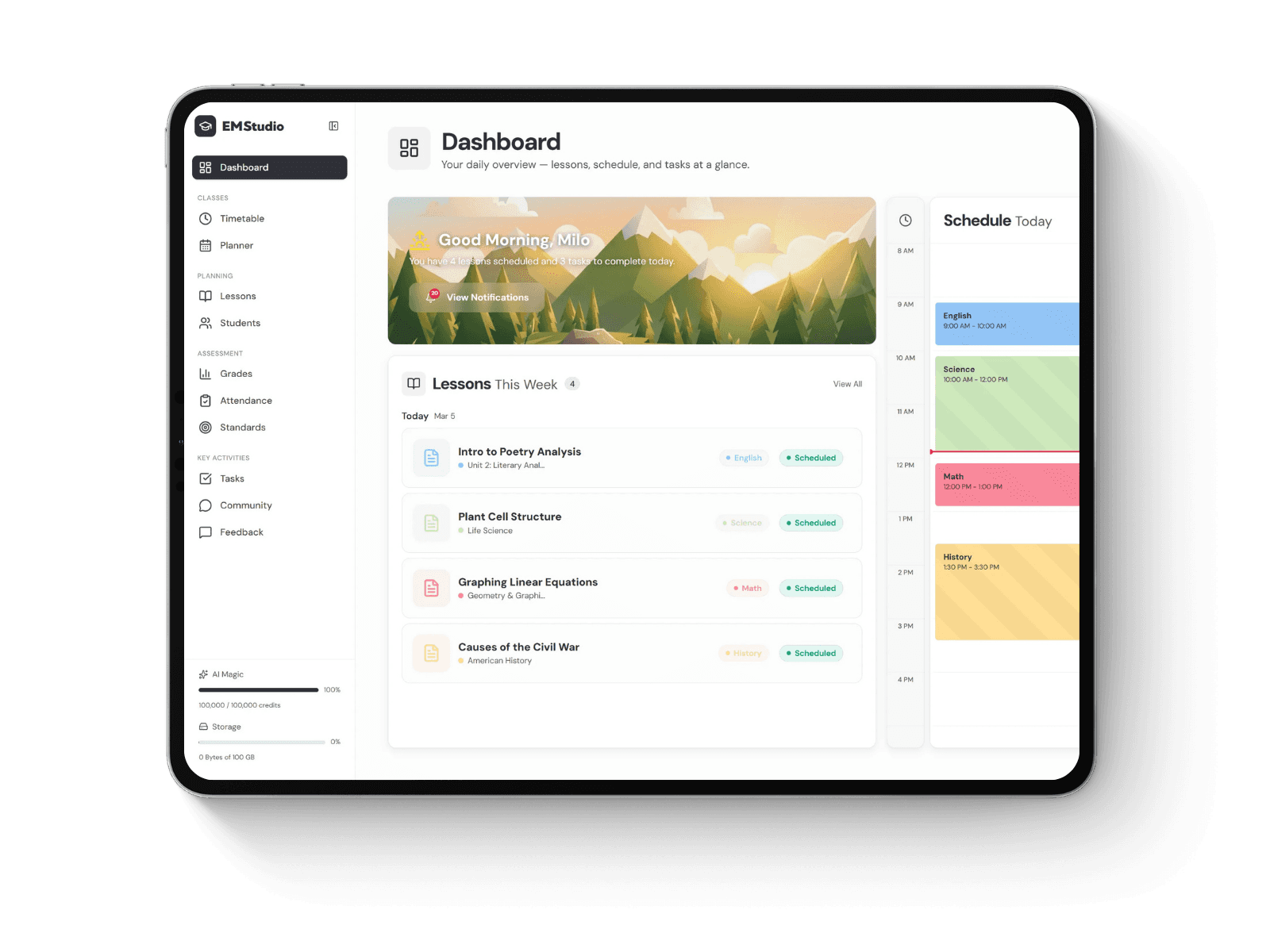
EMStudio is a free teaching management app — manage your classes, students, lessons, and more!
Learn More
Still grading everything by hand?
EMStudio is a free teaching management app — manage your classes, students, lessons, and more!
Learn More
Table of Contents
What Systems Should You Establish Before Day One?
Establish three core systems before students arrive: physical environment zones optimized for traffic flow, data collection from previous students on what supported their learning in your classroom, and alignment charts connecting school-wide policies to specific classroom rules. This preparation requires approximately 4-5 hours initially but prevents 60+ hours of reactive management issues later.
Get these structures right, and your classroom culture builds itself. Skip them, and you'll spend September chasing problems, not delivering lessons.
Audit Your Current Classroom Environment
Run through this five-item checklist before hanging a single poster. Budget two hours for layout and 30 minutes for protocol documentation:
Physical layout zones: Position your reading corner, supplies station, and instruction area for 25-30 students.
Traffic flow patterns: Map routes so no one bumps chairs reaching the pencil sharpener.
Noise level protocols: Define "library voice" versus "table talk" with hand signals.
Technology storage rules: Label Chromebook slots so devices sleep within 10 seconds.
Emergency procedure visuals: Post fire drill routes at 48-inch eye level.
Then apply the Zone Method. Divide the room into four quadrants: instruction, collaboration, independent work, and supplies. Rate each zone's accessibility for students 48-52 inches tall. Photograph every corner for a reset reference after messy Fridays. This builds collective efficacy; students trust the environment won't shift, so they focus on the learning classroom, not territorial disputes.
Gather Input from Last Year's Students
Last year's kids know your room better than you do. Collect data three ways: an anonymous Google Form for honest digital feedback, exit interview slips during the final week, or a parent email survey. Ask specifically: "What routine helped you learn best?" and "What would you change about our room?" Target an 80% response rate—anything less won't reveal clear patterns.
Deploy the Two-Question Postcard method simultaneously. Students write on index cards: "Which classroom job made you feel most responsible?" and "What noise level actually helped you focus?" Compile themes in a T-chart labeled "Keep" versus "Adjust." This shapes your procedures before students arrive and demonstrates you value their voice, feeding restorative practices when conflicts arise later.
Align Expectations with School-Wide Policies
Create a cross-reference chart matching school-wide PBIS expectations to your classroom norms. When the district says "Be Respectful," your translation reads "One voice at a time" and "Supplies shared within table pods." This creates student belonging through consistent hallway-to-classroom expectations.
Build a Policy Translation Table with three columns: District Rule, Grade-Level Language (e.g., "Keep hands to yourself"), and Consequence Sequence (warning, reflection, parent call). Ensure 100% handbook alignment. This supports aligning expectations with school-wide policies and backs your methods when parents question your approach.
Post this chart near your desk. Your classroom community stays strong when everyone plays by these transparent rules backed by positive behavior support.
Step 1 — Define Your Core Values and Non-Negotiables
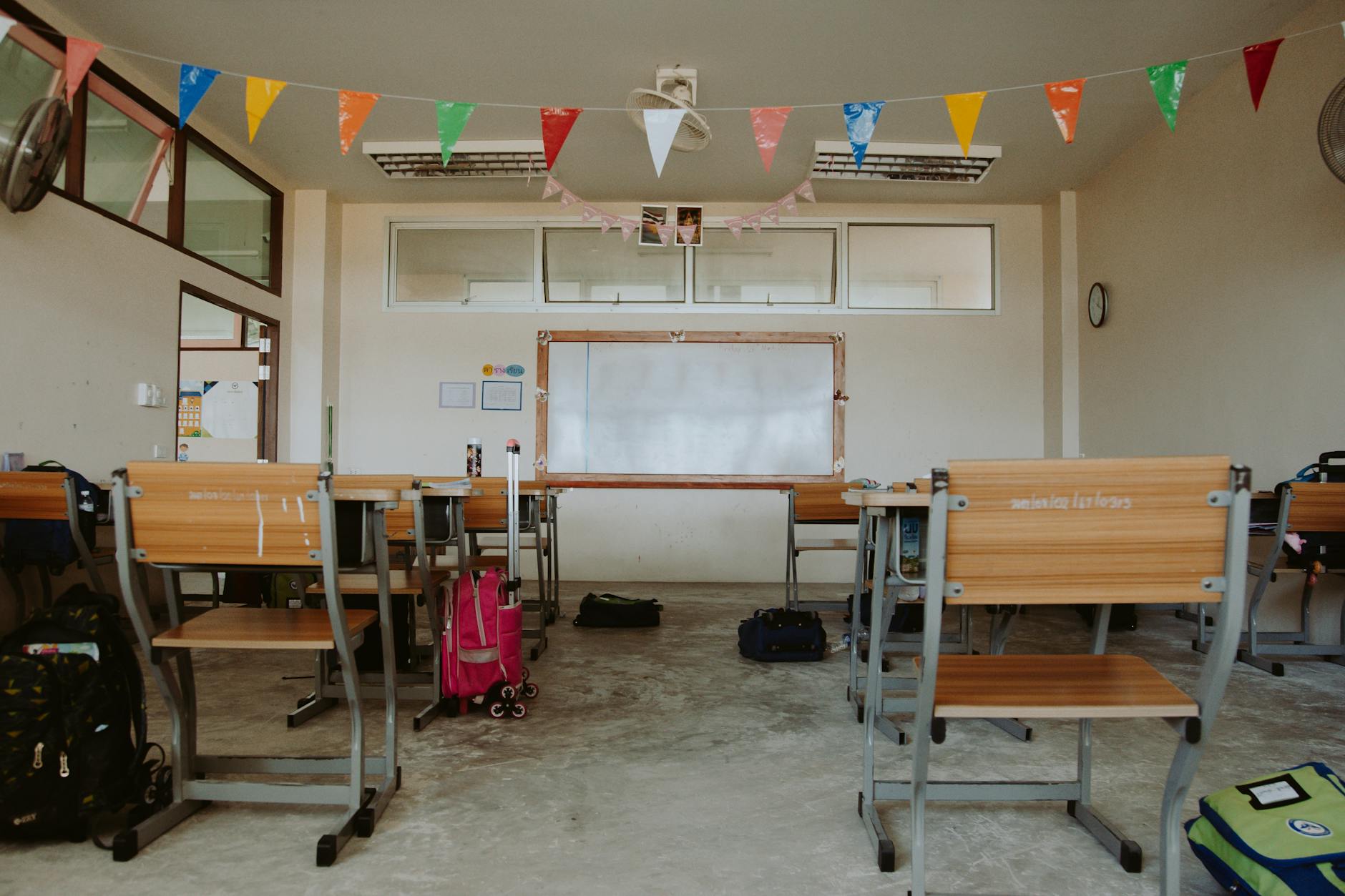
Stop trying to teach twenty rules. Pick three things that matter. I use the 3-Pillar Framework: Safety (physical and emotional), Agency (student voice), and Mastery (growth mindset). Fourth graders can't remember a poster with ten bullet points. They can remember three.
Now, who picks them? You could spend ten minutes and choose yourself. Fast. Aligns with your standards. But here's the trade-off: research indicates collective efficacy and ownership spike when kids co-construct classroom norms. They actually follow rules they wrote. Downside? It takes 45-60 minutes longer, and someone will suggest "no homework ever." You'll redirect a few times.
Before you vote, lock in your Non-Negotiable Shortlist. These are safety and inclusion absolutes. No voting. No debate. Mine are: "No name-calling" (verbal safety), "Everyone participates in group work" (academic safety), and "Hands stay to yourself" (physical safety). Exactly three. Post these before the lesson starts. Everything else is negotiable.
Co-Create Classroom Agreements with Students
Run the Graffiti Wall protocol. Tape four sheets of chart paper to the wall. Write "Our Classroom Should Feel Like..." across the top. Hand out sticky notes. Give students ten minutes to add ideas. No wrong answers.
Next, affinity map. Read each note aloud and group them into themes. "Safe," "fun," and "fair" usually emerge. Then vote. Give each student three dot stickers. They place dots on the themes that matter most. Count dots. Your top three values win.
That's it. Forty-five minutes total. You've built student belonging before you've taught a single lesson. The classroom community now owns the culture, not just you.
Translate Values into Observable Behaviors
"Be respectful" means nothing to a second grader. Convert each value into If/Then statements. If we value kindness, then we listen with eyes on the speaker and hands still.
Build a three-level rubric. Present it as a checklist:
Exceeds: Student helps others practice the norm.
Meets: Student follows the norm independently.
Needs Practice: Teacher gives a quick reminder.
Post this near your positive behavior support corner. Kids need to see what success looks like. Observable behaviors create clarity for your creative classroom.
Design Visual Reminders for Daily Reference
Make a poster they can see from the back row. Minimum size: 24x36 inches for visibility from 20 feet. Anything smaller becomes wallpaper.
Use icons. A hand symbol for Respect. Puzzle pieces for Collaboration. Add photos of your actual students demonstrating each behavior. Kids look for their friends. Canva for Education is free and takes one to two class periods to design. Print at your local office store.
Hang it at eye level. Reference it during restorative practices circles. When conflict happens, point to the chart. "Does this match what we agreed?" The visual anchors your classroom culture when words fail.
Step 2 — Build Rituals That Signal Belonging
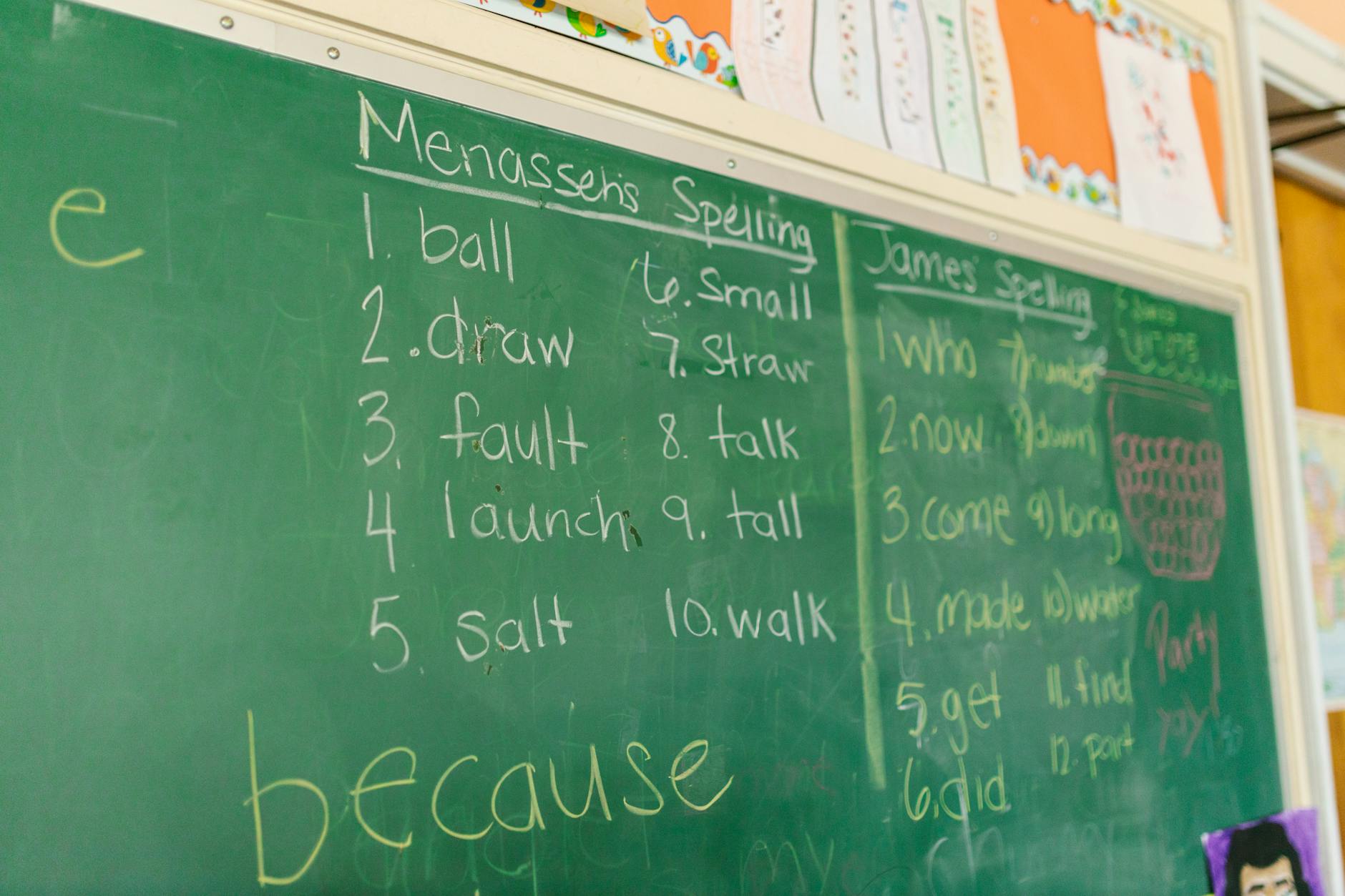
Rituals anchor your classroom community. I use the Bookend Method: fifteen minutes to connect in the morning, ten to close the day, and twenty minutes once a week for collective celebration. Skip a day and you break the spell. Consistency beats duration every time. Solid classroom norms form when kids know you'll show up.
Morning Meeting Structures That Connect
The Responsive Classroom framework breaks down cleanly: two minutes for greeting with eye contact, three for sharing, five for an activity, five for the morning message. I run "Just Like Me" during activity time—students stand if the statement fits them. They see connections instantly. Sit in a circle. Use a chime for transitions. morning meeting structures that connect require physical safety first.
For learning for first graders, cap this at twelve minutes. Six-year-olds need kinesthetic greetings—offer handshake, high-five, or silent wave choices. Let them bring concrete objects from home on assigned days. A rock from their driveway holds more meaning than "what did you do this weekend."
Prep matters. Move desks before kids arrive. Nothing kills momentum like waiting for someone to drag a chair across the room while the rest fidget.
End-of-Day Reflection Protocols
I close with Rose, Thorn, Bud. This builds restorative practices into the daily rhythm without calling it that. Kids learn to name emotions fast.
Rose: A win from the day.
Thorn: Something that pricked them—frustration or failure.
Bud: Tomorrow's anticipation.
Format shifts by age. Third through fifth graders write exit tickets. Slip them in a basket by the door. Read them after school. Kindergarten through second grade do verbal turn-and-talk with partners sitting knee-to-knee, then two volunteers share out loud. Keep it to five minutes before dismissal or you'll miss buses and ruin the calm.
The magic happens when you remember their thorns the next morning. "You said the math worksheet was your thorn—how'd it go today?" That follow-up proves you listen. It transforms the ritual from routine to relationship.
Celebration Systems for Collective Wins
Once a week, run a Group Gains Gallery. Track collective goals on a 10x10 grid—total books read, kindness notes written, days with perfect attendance. Visual progress builds collective efficacy. When you hit 100 squares, the reward is social: extra recess, pajama day. Never individual prizes. This reinforces positive behavior support for everyone.
I've seen celebration systems for collective wins fail when they create losers. Never use elimination games like musical chairs. Kids remember who sat down first. It destroys student belonging. Use collaborative challenges instead—group puzzles where everyone contributes.
The grid stays visible all week. Let kids color in squares when they hit micro-goals. I hang ours by the door so they see it daily. Ownership matters.

Step 3 — How Do You Reinforce Positive Behaviors Consistently?
Consistently reinforce positive behaviors using a 5:1 ratio of specific affirmations to corrections, delivering recognition within 30 seconds using the behavior-process-impact formula. Implement private recognition systems like weekly postcards home and facilitate peer-to-peer acknowledgment through shout-out chains to create multiple validation sources.
Seven-year-olds lose the connection after half a minute. Catch it fast.
Research on positive behavior support shows a 5:1 ratio of affirmations to corrections builds lasting student belonging. Track your morning with a tally sheet. Mark affirmations on the left, redirects on the right. Most of us start at 1:1. Awareness fixes the imbalance.
Use Specific Affirmation Language
Create Affirmation Cards—laminated sentence starters on a ring. "I saw you push through frustration when..." or "Your strategy of..." keep you specific. Target 15 affirmations daily.
For learning for second graders, pair words with visual tokens. Stickers, stamps, or tallies make the abstract concrete. Deliver within 30 seconds while the neural pathway is hot. By spring, fade the visuals. They're ready for delayed recognition.
Ditch "Good job." Use behavior-process-impact. "You organized the supply shelf [behavior] without being asked [process], so the next group found scissors immediately [impact]." Try these stems:
I noticed you...
Your strategy of...
I saw you push through frustration when...
Your teamwork showed when...
You solved that by...
The specificity teaches classroom norms better than any poster.
Keep a sticky on your desk: Behavior. Process. Impact. It feels like sports commentary at first. That's fine. Kids need the play-by-play to build their internal narration.
When you name the process—"without being asked"—you highlight the self-regulation. That's the goal. Not just the clean shelf, but the initiative. This shifts your classroom community toward collective responsibility.
Implement Private Recognition Systems
Send Positive Postcards home weekly. Five per week, pre-stamped and ready. The key is equity—track who hasn't received one in three weeks and prioritize them. Cost runs about $0.55 per card including printing and postage.
Teachers who want to make private recognition feel more memorable can use personalized classroom letters to celebrate a student's effort, kindness, or persistence. A printed note gives the student something tangible to keep and can also open a positive conversation at home.
Write them during lunch or planning. Keep it specific: "Maya helped a classmate find the right page during transition." Drop them in the mail Friday. The return on investment is huge—parents become allies, kids feel seen, and your classroom culture strengthens without another bulletin board.
Avoid the "perfect student" trap where only the high achievers get recognized. Check your list. If the same three kids get cards every month, you're missing the quiet growth happening in the back row. Scan for effort, improvement, and kindness. That's where the belonging lives.
Facilitate Peer-to-Peer Acknowledgment
Start a Shout-Out Chain. Students write specific praise on paper strips using the frame: "I want to shout out [name] for [specific action] because [impact on me/class]." They read it aloud, then link it to the growing chain.
When the chain touches the floor, the class earns a collective reward. This builds collective efficacy—they're working toward a shared goal by lifting each other up. Time it: three minutes at day's end. That's it.
Facilitate peer-to-peer acknowledgment deliberately at first. Model the language. "I want to shout out Diego for sharing his markers because I could finish my map." Soon they mirror the specificity you've been modeling. The validation comes from friends, not just authority. That's when restorative practices become student-owned.
Watch for the surprise on kids' faces when a peer notices them. It's different from teacher praise. Less expected, more powerful. The chain visualizes your classroom community literally growing stronger link by link.
Step 4 — Address Conflicts to Repair Relationships
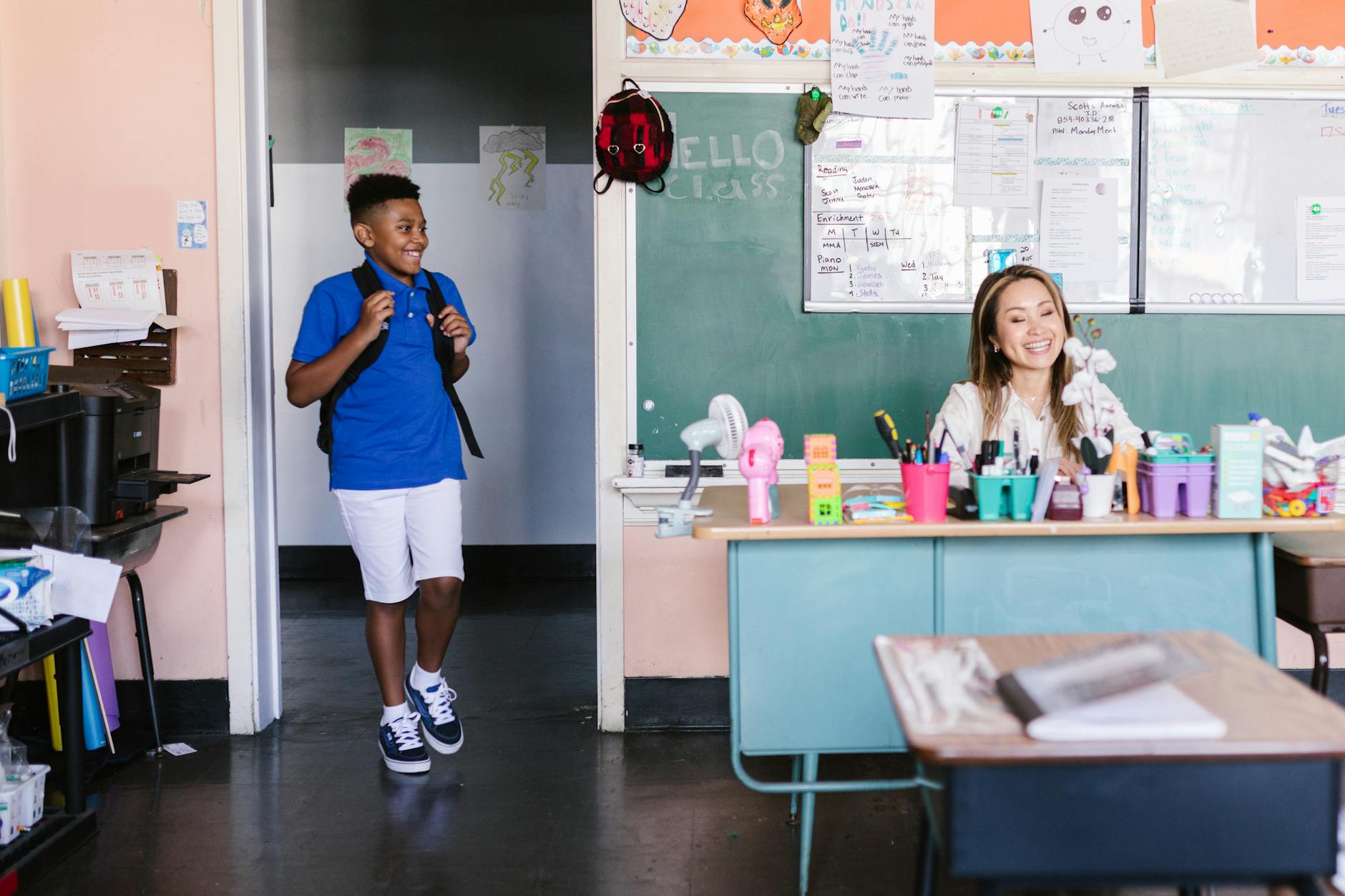
You face a binary choice when conflict erupts. Was safety compromised? If yes, separate immediately and call the office. If no, move to a restorative conversation. Check next: first offense or pattern? Patterns need families involved immediately.
Watch for the Rush to Resolution. Forcing apologies in two minutes fails. Use a Cool-Down Corridor with a five-minute timer instead. The amygdala needs three to five minutes minimum to recover. Restorative work takes eight to twelve minutes per incident versus two for traditional consequences, but you pay once, not weekly. Research shows reduced recidivism and improved collective efficacy.
The Pause-and-Breathe Protocol
When the stress response fires, language centers shut down. You cannot reason with a brain in survival mode. Enter the 3-3-3 Protocol to reboot the nervous system before any conversation happens.
The student identifies three colors visible in the room, takes three deep breaths, and names three emotions they're currently feeling. You stand nearby—proximity without commentary. Your physical presence regulates their nervous system; your words would only escalate the situation right now.
Keep a laminated card with these steps at your designated Reset Spot. Mine sits on a stool by the window with a five-minute sand timer. When a kid arrives, they flip the timer and begin the sequence. No talking until the sand runs out. The visual anchor keeps you both honest.
This isn't timeout. It's neurological reset. You're teaching self-regulation, not isolation. Last October, Marcus used to explode daily over pencil sharpening. After two weeks of 3-3-3, he started recognizing his own escalation. "I need the stool," he'd say. That's positive behavior support working in real time. The classroom norms shift from teacher-controlled calm to student-owned regulation, which is the only kind that lasts beyond your presence.
Restorative Conversation Scripts
After the cool-down, you need words that repair rather than shame. Use the Affect Statement structure. Print it on a desk card so you don't wing it when emotions run high and your own amygdala wants to lecture.
The script goes: "When you [action], I feel [emotion], because [impact on community]. What were you thinking at the time? Who else was affected? What needs to happen to make it right?" Stick to the formula. It keeps you honest and the kid safe from your frustration.
This isn't interrogation. It's curiosity. Last month, when Zoe ripped up Maya's drawing during centers, I used the script. Zoe admitted she felt invisible during group work. We solved the actual problem—her need for attention—instead of just punishing the symptom. You can find more restorative conversation scripts online, but keep the card in your top desk drawer. Consistency matters more than perfection.
These conversations rebuild student belonging. When kids explain their impact on others, they develop genuine empathy. When they propose solutions, they invest in the classroom community rather than merely complying with teacher demands.
Follow-Up Procedures That Prevent Recurrence
The conversation ends, but the work continues. You need a 24-Hour Check-In. Touch base the next day during independent work: "How are you feeling about yesterday? Have you used any strategies?" This signals that yesterday's conflict didn't disappear into the void. It matters enough to revisit.
If the behavior repeats, escalate to a Repair Plan with family. This is a written agreement listing three specific behavior changes and the exact supports you'll provide. No vague promises. "I will use my words instead of my hands during group work. Mrs. Chen will check in with me at 10 AM daily. I can use the Reset Spot anytime."
Last year, I had to address conflicts to repair relationships with a student who kept shutting down during math group work. The Repair Plan included a signal card and a designated partner. We reviewed it weekly with his mom. By month end, the pattern broke because we addressed the anxiety, not just the withdrawal.
Document everything. Patterns reveal unmet needs. Single incidents reveal missing skills. Knowing the difference protects your classroom culture long-term and keeps your restorative practices targeted and effective.
Step 5 — Maintaining Culture During Transitions and Setbacks
Your classroom culture is a living thing. It gets fragile when you’re out sick or when students return from break stretched thin and forget how to be together. Plan for the cracks before they form. The best teachers I know treat maintenance as deliberately as they do the initial build. They keep the rituals alive even when the schedule falls apart.
Substitute Teacher Briefing Systems
Build a Sub Tub that protects your classroom community when you’re gone. Mine is a three-page brief tucked in a bright yellow folder. The “Classroom Culture Quick Guide” lists our three core values with specific examples—not just “be respectful” but “wait three seconds after someone speaks before raising your hand.” It names two high-trust student helpers who know the tech and the routines, and it details our must-do rituals.
Those non-negotiables are greeting at the door and closing circle. Skip the academics if needed, but don’t skip those. The final page is the “Avoid” list. Subs don’t run competitive games or change seating charts in my room. Ever.
Prep takes two hours upfront, then ten minutes monthly to update helper names. For daily subs, I shrink this to a single laminated sheet: “Our Top 3 Values,” an optional “Morning Meeting Script,” two helper names, and our de-escalation phrase: “Take a break and return when ready.”
Post-Break Re-Entry Plans
Treat the first week back as “Re-Entry Week.” Shorten academic blocks by fifteen minutes and re-teach one ritual per day. Research on habit formation shows it takes two to five days to re-establish automatic behaviors after a seven-day interruption. Your students aren’t being defiant when they forget hallway procedures. Their brains are literally still in vacation mode. Start with the greeting at the door ritual on Monday.
Day one starts with the Welcome Back Circle. Twenty minutes only. Everyone shares one highlight from break. You re-read classroom norms aloud while students hold their copies. Then you co-create one new collective goal for the semester. It’s not wasted time. You’re rebuilding student belonging and resetting nervous systems before diving back into content. Think of it as positive behavior support for the whole group.
When to Reset Expectations Mid-Year
Sometimes you need to reset expectations mid-year. Use this criteria: more than forty percent of students are off-task during independent work, referrals jump fifty percent above baseline for two consecutive weeks, or your classroom culture assessment drops below three-point-zero on a five-point scale. When two of those three trigger, act immediately. Waiting only cements the new bad habits.
When you hit the threshold, launch the Stop and Rethink protocol. Tell your class, “We’ve drifted from our values. Let’s audit.” Students complete anonymous Keep/Stop/Start charts. You compile the data overnight and present revised agreements during two days of thirty-minute community circles. This is restorative practices in action—repairing collective efficacy by admitting the drift and fixing it together, not imposing top-down punishment.
What Classroom Culture Really Comes Down To
Classroom culture isn't built by the poster you hang on the first day. It's built by the hundred small decisions you make before October hits. When your classroom norms are clear, your rituals are automatic, and you follow through on consequences with care, kids relax. They stop testing boundaries and start learning. That's when trust forms.
Those five steps aren't a checklist you finish in August. You define values, then live them when a kid throws a pencil across the room. You build belonging through morning circles, then protect it during a fire drill that wrecks your schedule. Positive behavior support isn't a program you buy; it's the look you give a struggling kid that says "I see you, and you're still part of this classroom community."
Start with one thing tomorrow. Pick a single ritual or one non-negotiable and nail it. Student belonging doesn't come from perfect systems. It comes from your consistency when the projector breaks and the lesson tanks. Show up the same way regardless, and they will too.
What Systems Should You Establish Before Day One?
Establish three core systems before students arrive: physical environment zones optimized for traffic flow, data collection from previous students on what supported their learning in your classroom, and alignment charts connecting school-wide policies to specific classroom rules. This preparation requires approximately 4-5 hours initially but prevents 60+ hours of reactive management issues later.
Get these structures right, and your classroom culture builds itself. Skip them, and you'll spend September chasing problems, not delivering lessons.
Audit Your Current Classroom Environment
Run through this five-item checklist before hanging a single poster. Budget two hours for layout and 30 minutes for protocol documentation:
Physical layout zones: Position your reading corner, supplies station, and instruction area for 25-30 students.
Traffic flow patterns: Map routes so no one bumps chairs reaching the pencil sharpener.
Noise level protocols: Define "library voice" versus "table talk" with hand signals.
Technology storage rules: Label Chromebook slots so devices sleep within 10 seconds.
Emergency procedure visuals: Post fire drill routes at 48-inch eye level.
Then apply the Zone Method. Divide the room into four quadrants: instruction, collaboration, independent work, and supplies. Rate each zone's accessibility for students 48-52 inches tall. Photograph every corner for a reset reference after messy Fridays. This builds collective efficacy; students trust the environment won't shift, so they focus on the learning classroom, not territorial disputes.
Gather Input from Last Year's Students
Last year's kids know your room better than you do. Collect data three ways: an anonymous Google Form for honest digital feedback, exit interview slips during the final week, or a parent email survey. Ask specifically: "What routine helped you learn best?" and "What would you change about our room?" Target an 80% response rate—anything less won't reveal clear patterns.
Deploy the Two-Question Postcard method simultaneously. Students write on index cards: "Which classroom job made you feel most responsible?" and "What noise level actually helped you focus?" Compile themes in a T-chart labeled "Keep" versus "Adjust." This shapes your procedures before students arrive and demonstrates you value their voice, feeding restorative practices when conflicts arise later.
Align Expectations with School-Wide Policies
Create a cross-reference chart matching school-wide PBIS expectations to your classroom norms. When the district says "Be Respectful," your translation reads "One voice at a time" and "Supplies shared within table pods." This creates student belonging through consistent hallway-to-classroom expectations.
Build a Policy Translation Table with three columns: District Rule, Grade-Level Language (e.g., "Keep hands to yourself"), and Consequence Sequence (warning, reflection, parent call). Ensure 100% handbook alignment. This supports aligning expectations with school-wide policies and backs your methods when parents question your approach.
Post this chart near your desk. Your classroom community stays strong when everyone plays by these transparent rules backed by positive behavior support.
Step 1 — Define Your Core Values and Non-Negotiables
Stop trying to teach twenty rules. Pick three things that matter. I use the 3-Pillar Framework: Safety (physical and emotional), Agency (student voice), and Mastery (growth mindset). Fourth graders can't remember a poster with ten bullet points. They can remember three.
Now, who picks them? You could spend ten minutes and choose yourself. Fast. Aligns with your standards. But here's the trade-off: research indicates collective efficacy and ownership spike when kids co-construct classroom norms. They actually follow rules they wrote. Downside? It takes 45-60 minutes longer, and someone will suggest "no homework ever." You'll redirect a few times.
Before you vote, lock in your Non-Negotiable Shortlist. These are safety and inclusion absolutes. No voting. No debate. Mine are: "No name-calling" (verbal safety), "Everyone participates in group work" (academic safety), and "Hands stay to yourself" (physical safety). Exactly three. Post these before the lesson starts. Everything else is negotiable.
Co-Create Classroom Agreements with Students
Run the Graffiti Wall protocol. Tape four sheets of chart paper to the wall. Write "Our Classroom Should Feel Like..." across the top. Hand out sticky notes. Give students ten minutes to add ideas. No wrong answers.
Next, affinity map. Read each note aloud and group them into themes. "Safe," "fun," and "fair" usually emerge. Then vote. Give each student three dot stickers. They place dots on the themes that matter most. Count dots. Your top three values win.
That's it. Forty-five minutes total. You've built student belonging before you've taught a single lesson. The classroom community now owns the culture, not just you.
Translate Values into Observable Behaviors
"Be respectful" means nothing to a second grader. Convert each value into If/Then statements. If we value kindness, then we listen with eyes on the speaker and hands still.
Build a three-level rubric. Present it as a checklist:
Exceeds: Student helps others practice the norm.
Meets: Student follows the norm independently.
Needs Practice: Teacher gives a quick reminder.
Post this near your positive behavior support corner. Kids need to see what success looks like. Observable behaviors create clarity for your creative classroom.
Design Visual Reminders for Daily Reference
Make a poster they can see from the back row. Minimum size: 24x36 inches for visibility from 20 feet. Anything smaller becomes wallpaper.
Use icons. A hand symbol for Respect. Puzzle pieces for Collaboration. Add photos of your actual students demonstrating each behavior. Kids look for their friends. Canva for Education is free and takes one to two class periods to design. Print at your local office store.
Hang it at eye level. Reference it during restorative practices circles. When conflict happens, point to the chart. "Does this match what we agreed?" The visual anchors your classroom culture when words fail.
Step 2 — Build Rituals That Signal Belonging
Rituals anchor your classroom community. I use the Bookend Method: fifteen minutes to connect in the morning, ten to close the day, and twenty minutes once a week for collective celebration. Skip a day and you break the spell. Consistency beats duration every time. Solid classroom norms form when kids know you'll show up.
Morning Meeting Structures That Connect
The Responsive Classroom framework breaks down cleanly: two minutes for greeting with eye contact, three for sharing, five for an activity, five for the morning message. I run "Just Like Me" during activity time—students stand if the statement fits them. They see connections instantly. Sit in a circle. Use a chime for transitions. morning meeting structures that connect require physical safety first.
For learning for first graders, cap this at twelve minutes. Six-year-olds need kinesthetic greetings—offer handshake, high-five, or silent wave choices. Let them bring concrete objects from home on assigned days. A rock from their driveway holds more meaning than "what did you do this weekend."
Prep matters. Move desks before kids arrive. Nothing kills momentum like waiting for someone to drag a chair across the room while the rest fidget.
End-of-Day Reflection Protocols
I close with Rose, Thorn, Bud. This builds restorative practices into the daily rhythm without calling it that. Kids learn to name emotions fast.
Rose: A win from the day.
Thorn: Something that pricked them—frustration or failure.
Bud: Tomorrow's anticipation.
Format shifts by age. Third through fifth graders write exit tickets. Slip them in a basket by the door. Read them after school. Kindergarten through second grade do verbal turn-and-talk with partners sitting knee-to-knee, then two volunteers share out loud. Keep it to five minutes before dismissal or you'll miss buses and ruin the calm.
The magic happens when you remember their thorns the next morning. "You said the math worksheet was your thorn—how'd it go today?" That follow-up proves you listen. It transforms the ritual from routine to relationship.
Celebration Systems for Collective Wins
Once a week, run a Group Gains Gallery. Track collective goals on a 10x10 grid—total books read, kindness notes written, days with perfect attendance. Visual progress builds collective efficacy. When you hit 100 squares, the reward is social: extra recess, pajama day. Never individual prizes. This reinforces positive behavior support for everyone.
I've seen celebration systems for collective wins fail when they create losers. Never use elimination games like musical chairs. Kids remember who sat down first. It destroys student belonging. Use collaborative challenges instead—group puzzles where everyone contributes.
The grid stays visible all week. Let kids color in squares when they hit micro-goals. I hang ours by the door so they see it daily. Ownership matters.
Step 3 — How Do You Reinforce Positive Behaviors Consistently?
Consistently reinforce positive behaviors using a 5:1 ratio of specific affirmations to corrections, delivering recognition within 30 seconds using the behavior-process-impact formula. Implement private recognition systems like weekly postcards home and facilitate peer-to-peer acknowledgment through shout-out chains to create multiple validation sources.
Seven-year-olds lose the connection after half a minute. Catch it fast.
Research on positive behavior support shows a 5:1 ratio of affirmations to corrections builds lasting student belonging. Track your morning with a tally sheet. Mark affirmations on the left, redirects on the right. Most of us start at 1:1. Awareness fixes the imbalance.
Use Specific Affirmation Language
Create Affirmation Cards—laminated sentence starters on a ring. "I saw you push through frustration when..." or "Your strategy of..." keep you specific. Target 15 affirmations daily.
For learning for second graders, pair words with visual tokens. Stickers, stamps, or tallies make the abstract concrete. Deliver within 30 seconds while the neural pathway is hot. By spring, fade the visuals. They're ready for delayed recognition.
Ditch "Good job." Use behavior-process-impact. "You organized the supply shelf [behavior] without being asked [process], so the next group found scissors immediately [impact]." Try these stems:
I noticed you...
Your strategy of...
I saw you push through frustration when...
Your teamwork showed when...
You solved that by...
The specificity teaches classroom norms better than any poster.
Keep a sticky on your desk: Behavior. Process. Impact. It feels like sports commentary at first. That's fine. Kids need the play-by-play to build their internal narration.
When you name the process—"without being asked"—you highlight the self-regulation. That's the goal. Not just the clean shelf, but the initiative. This shifts your classroom community toward collective responsibility.
Implement Private Recognition Systems
Send Positive Postcards home weekly. Five per week, pre-stamped and ready. The key is equity—track who hasn't received one in three weeks and prioritize them. Cost runs about $0.55 per card including printing and postage.
Teachers who want to make private recognition feel more memorable can use personalized classroom letters to celebrate a student's effort, kindness, or persistence. A printed note gives the student something tangible to keep and can also open a positive conversation at home.
Write them during lunch or planning. Keep it specific: "Maya helped a classmate find the right page during transition." Drop them in the mail Friday. The return on investment is huge—parents become allies, kids feel seen, and your classroom culture strengthens without another bulletin board.
Avoid the "perfect student" trap where only the high achievers get recognized. Check your list. If the same three kids get cards every month, you're missing the quiet growth happening in the back row. Scan for effort, improvement, and kindness. That's where the belonging lives.
Facilitate Peer-to-Peer Acknowledgment
Start a Shout-Out Chain. Students write specific praise on paper strips using the frame: "I want to shout out [name] for [specific action] because [impact on me/class]." They read it aloud, then link it to the growing chain.
When the chain touches the floor, the class earns a collective reward. This builds collective efficacy—they're working toward a shared goal by lifting each other up. Time it: three minutes at day's end. That's it.
Facilitate peer-to-peer acknowledgment deliberately at first. Model the language. "I want to shout out Diego for sharing his markers because I could finish my map." Soon they mirror the specificity you've been modeling. The validation comes from friends, not just authority. That's when restorative practices become student-owned.
Watch for the surprise on kids' faces when a peer notices them. It's different from teacher praise. Less expected, more powerful. The chain visualizes your classroom community literally growing stronger link by link.
Step 4 — Address Conflicts to Repair Relationships
You face a binary choice when conflict erupts. Was safety compromised? If yes, separate immediately and call the office. If no, move to a restorative conversation. Check next: first offense or pattern? Patterns need families involved immediately.
Watch for the Rush to Resolution. Forcing apologies in two minutes fails. Use a Cool-Down Corridor with a five-minute timer instead. The amygdala needs three to five minutes minimum to recover. Restorative work takes eight to twelve minutes per incident versus two for traditional consequences, but you pay once, not weekly. Research shows reduced recidivism and improved collective efficacy.
The Pause-and-Breathe Protocol
When the stress response fires, language centers shut down. You cannot reason with a brain in survival mode. Enter the 3-3-3 Protocol to reboot the nervous system before any conversation happens.
The student identifies three colors visible in the room, takes three deep breaths, and names three emotions they're currently feeling. You stand nearby—proximity without commentary. Your physical presence regulates their nervous system; your words would only escalate the situation right now.
Keep a laminated card with these steps at your designated Reset Spot. Mine sits on a stool by the window with a five-minute sand timer. When a kid arrives, they flip the timer and begin the sequence. No talking until the sand runs out. The visual anchor keeps you both honest.
This isn't timeout. It's neurological reset. You're teaching self-regulation, not isolation. Last October, Marcus used to explode daily over pencil sharpening. After two weeks of 3-3-3, he started recognizing his own escalation. "I need the stool," he'd say. That's positive behavior support working in real time. The classroom norms shift from teacher-controlled calm to student-owned regulation, which is the only kind that lasts beyond your presence.
Restorative Conversation Scripts
After the cool-down, you need words that repair rather than shame. Use the Affect Statement structure. Print it on a desk card so you don't wing it when emotions run high and your own amygdala wants to lecture.
The script goes: "When you [action], I feel [emotion], because [impact on community]. What were you thinking at the time? Who else was affected? What needs to happen to make it right?" Stick to the formula. It keeps you honest and the kid safe from your frustration.
This isn't interrogation. It's curiosity. Last month, when Zoe ripped up Maya's drawing during centers, I used the script. Zoe admitted she felt invisible during group work. We solved the actual problem—her need for attention—instead of just punishing the symptom. You can find more restorative conversation scripts online, but keep the card in your top desk drawer. Consistency matters more than perfection.
These conversations rebuild student belonging. When kids explain their impact on others, they develop genuine empathy. When they propose solutions, they invest in the classroom community rather than merely complying with teacher demands.
Follow-Up Procedures That Prevent Recurrence
The conversation ends, but the work continues. You need a 24-Hour Check-In. Touch base the next day during independent work: "How are you feeling about yesterday? Have you used any strategies?" This signals that yesterday's conflict didn't disappear into the void. It matters enough to revisit.
If the behavior repeats, escalate to a Repair Plan with family. This is a written agreement listing three specific behavior changes and the exact supports you'll provide. No vague promises. "I will use my words instead of my hands during group work. Mrs. Chen will check in with me at 10 AM daily. I can use the Reset Spot anytime."
Last year, I had to address conflicts to repair relationships with a student who kept shutting down during math group work. The Repair Plan included a signal card and a designated partner. We reviewed it weekly with his mom. By month end, the pattern broke because we addressed the anxiety, not just the withdrawal.
Document everything. Patterns reveal unmet needs. Single incidents reveal missing skills. Knowing the difference protects your classroom culture long-term and keeps your restorative practices targeted and effective.
Step 5 — Maintaining Culture During Transitions and Setbacks
Your classroom culture is a living thing. It gets fragile when you’re out sick or when students return from break stretched thin and forget how to be together. Plan for the cracks before they form. The best teachers I know treat maintenance as deliberately as they do the initial build. They keep the rituals alive even when the schedule falls apart.
Substitute Teacher Briefing Systems
Build a Sub Tub that protects your classroom community when you’re gone. Mine is a three-page brief tucked in a bright yellow folder. The “Classroom Culture Quick Guide” lists our three core values with specific examples—not just “be respectful” but “wait three seconds after someone speaks before raising your hand.” It names two high-trust student helpers who know the tech and the routines, and it details our must-do rituals.
Those non-negotiables are greeting at the door and closing circle. Skip the academics if needed, but don’t skip those. The final page is the “Avoid” list. Subs don’t run competitive games or change seating charts in my room. Ever.
Prep takes two hours upfront, then ten minutes monthly to update helper names. For daily subs, I shrink this to a single laminated sheet: “Our Top 3 Values,” an optional “Morning Meeting Script,” two helper names, and our de-escalation phrase: “Take a break and return when ready.”
Post-Break Re-Entry Plans
Treat the first week back as “Re-Entry Week.” Shorten academic blocks by fifteen minutes and re-teach one ritual per day. Research on habit formation shows it takes two to five days to re-establish automatic behaviors after a seven-day interruption. Your students aren’t being defiant when they forget hallway procedures. Their brains are literally still in vacation mode. Start with the greeting at the door ritual on Monday.
Day one starts with the Welcome Back Circle. Twenty minutes only. Everyone shares one highlight from break. You re-read classroom norms aloud while students hold their copies. Then you co-create one new collective goal for the semester. It’s not wasted time. You’re rebuilding student belonging and resetting nervous systems before diving back into content. Think of it as positive behavior support for the whole group.
When to Reset Expectations Mid-Year
Sometimes you need to reset expectations mid-year. Use this criteria: more than forty percent of students are off-task during independent work, referrals jump fifty percent above baseline for two consecutive weeks, or your classroom culture assessment drops below three-point-zero on a five-point scale. When two of those three trigger, act immediately. Waiting only cements the new bad habits.
When you hit the threshold, launch the Stop and Rethink protocol. Tell your class, “We’ve drifted from our values. Let’s audit.” Students complete anonymous Keep/Stop/Start charts. You compile the data overnight and present revised agreements during two days of thirty-minute community circles. This is restorative practices in action—repairing collective efficacy by admitting the drift and fixing it together, not imposing top-down punishment.
What Classroom Culture Really Comes Down To
Classroom culture isn't built by the poster you hang on the first day. It's built by the hundred small decisions you make before October hits. When your classroom norms are clear, your rituals are automatic, and you follow through on consequences with care, kids relax. They stop testing boundaries and start learning. That's when trust forms.
Those five steps aren't a checklist you finish in August. You define values, then live them when a kid throws a pencil across the room. You build belonging through morning circles, then protect it during a fire drill that wrecks your schedule. Positive behavior support isn't a program you buy; it's the look you give a struggling kid that says "I see you, and you're still part of this classroom community."
Start with one thing tomorrow. Pick a single ritual or one non-negotiable and nail it. Student belonging doesn't come from perfect systems. It comes from your consistency when the projector breaks and the lesson tanks. Show up the same way regardless, and they will too.
Still grading everything by hand?
EMStudio is a free teaching management app — manage your classes, students, lessons, and more!
Learn More
Still grading everything by hand?
EMStudio is a free teaching management app — manage your classes, students, lessons, and more!
Learn More



Notion4Teachers
Notion templates to simplify administrative tasks and enhance your teaching experience.



2026 Notion4Teachers. All Rights Reserved.
Notion4Teachers
Notion templates to simplify administrative tasks and enhance your teaching experience.
2026 Notion4Teachers. All Rights Reserved.
Notion4Teachers
Notion templates to simplify administrative tasks and enhance your teaching experience.
2026 Notion4Teachers. All Rights Reserved.