
How Teachers Can Use Custom Enamel Pins to Mark Learning Milestones
How Teachers Can Use Custom Enamel Pins to Mark Learning Milestones

Article by
Milo
ESL Content Coordinator & Educator
ESL Content Coordinator & Educator
All Posts
How Teachers Can Use Custom Enamel Pins to Mark Learning Milestones
Tracking student progress is a key part of effective teaching. Teachers often rely on grades, assessments, or digital tools to monitor learning, but these methods sometimes feel abstract to students. Students may understand that they are “moving forward,” but the steps along the way are not always visible.
One practical solution is to use custom enamel pins, such as those designed by providers like nextpins, as a visual representation of learning milestones. Unlike awards or prizes, pins can help students see tangible markers of progress, understand which skills they have mastered, and track their development over time. This approach emphasizes learning as a process, making abstract concepts concrete and helping teachers organize classroom workflows in a simple way.
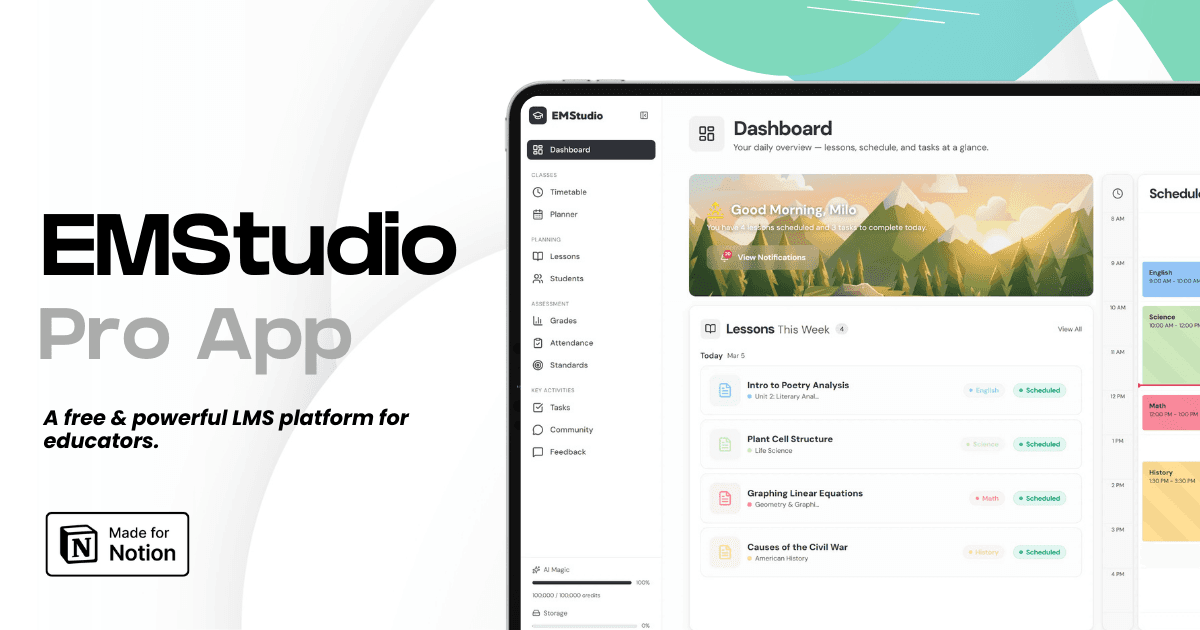
Still grading everything by hand?
EMStudio is a free teaching management app — manage your classes, students, lessons, and more!
Learn More
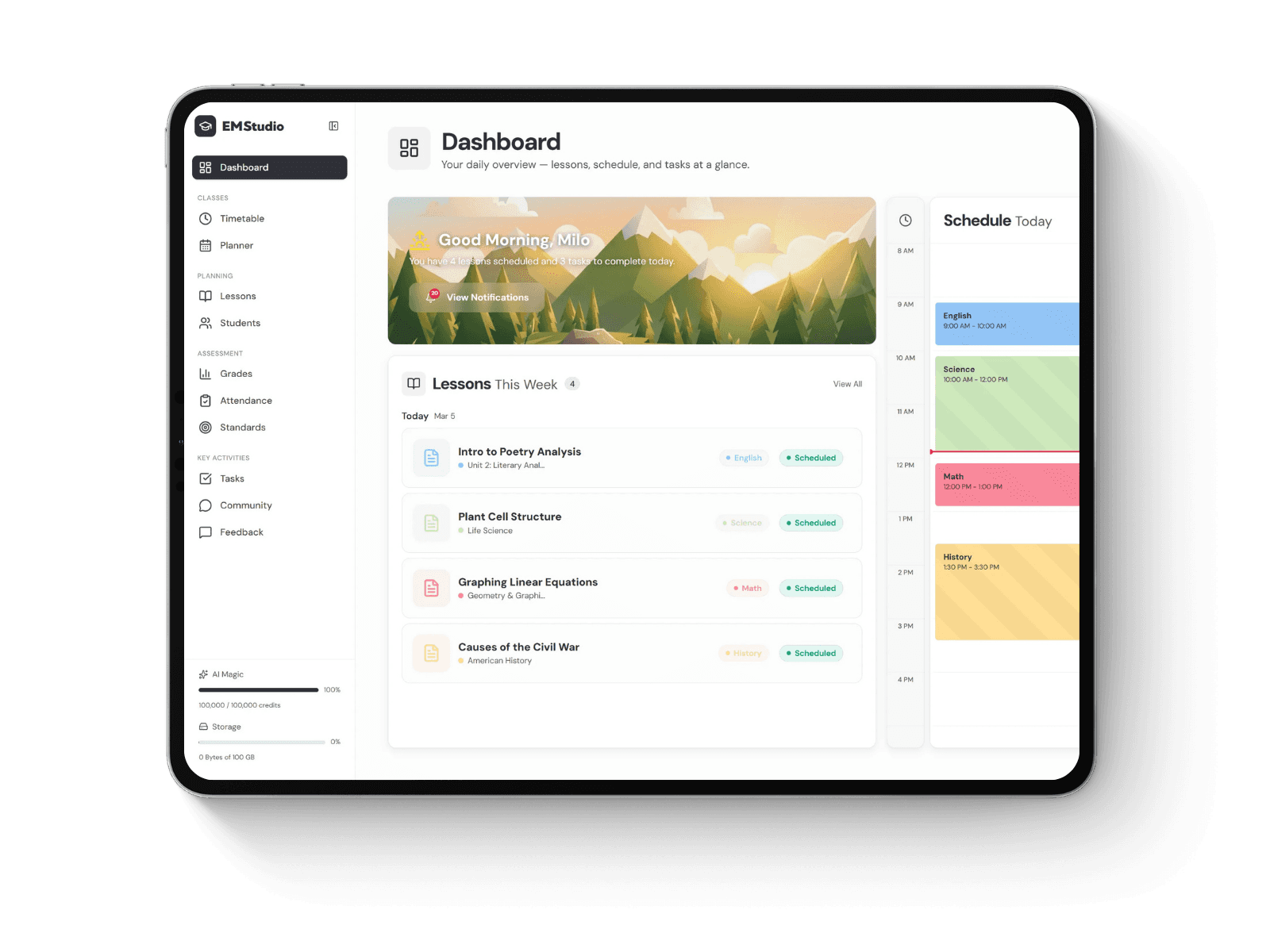
Still grading everything by hand?
EMStudio is a free teaching management app — manage your classes, students, lessons, and more!
Learn More
Table of Contents
Why Marking Learning Milestones Matters
Learning milestones give structure to the educational journey. They break down complex skills into smaller, achievable steps. When students can see each milestone, it:
Clarifies expectations for learning
Helps students plan next steps
Encourages reflection on what has been learned
From a teacher’s perspective, marking milestones provides a consistent way to visualize class progress. When milestones are represented physically, students gain a concrete sense of accomplishment and can better understand their personal learning path.
What Are Custom Enamel Pins in the Classroom
Custom enamel pins are small, durable symbols that can be designed to represent specific learning targets or skills. In a classroom setting, pins can:
Represent mastery of a skill
Mark completion of a project
Show progression through a learning sequence
Pins are reusable, long-lasting, and visually engaging. They can be displayed on a personal board, notebook, or classroom tracking chart. Unlike digital charts alone, pins provide a tactile and visual reference that helps students internalize their progress.
Practical Ways to Use Custom Enamel Pins
Visualize Skill Mastery
Teachers can create a set of custom enamel pins corresponding to particular skills or competencies. For example:
Reading comprehension levels
Math operations or problem-solving milestones
Science experiments completed
When a student reaches a milestone, they can receive the corresponding pin. Over time, these pins create a visual map of each student’s skill development.
Track Project or Assignment Completion
Pins can indicate progress through major projects or learning units without serving as awards. Examples include:
Completing a research assignment
Finishing a group activity
Submitting a science lab report
Using pins in this way provides students with a clear visual cue of what they have completed and what still remains in their learning sequence.
Integrate Custom Enamel Pins with Daily Classroom Systems
Custom enamel pins can complement existing classroom routines. Teachers might:
Maintain a visual progress board for the class
Pair pins with digital trackers to reinforce milestones
Use pins to mark steps in multi-day activities
This combination of physical and digital tracking helps students understand how their daily actions contribute to larger learning goals.
Represent Abstract Learning Goals
Some learning objectives, such as critical thinking or collaboration, can feel intangible to students. Pins can make these abstract goals more concrete. For instance:
A “teamwork” pin for group projects
A “critical thinking” pin for problem-solving activities
A “research skills” pin for completing information-gathering tasks
By giving students physical representations of these goals, teachers help learners better visualize what they are achieving and reinforce the learning process.
Tips for Implementing Pins Efficiently
Keep the system simple: focus on key milestones rather than every small task.
Explain the meaning of each pin clearly to students.
Display pins in a consistent location, such as a class board or personal tracker.
Update or rotate pins to reflect new learning targets.
Teachers can easily order classroom-ready pins from providers like nextpins, which allows for custom designs that match any set of milestones. The goal is clarity and consistency, not decoration.
Combining Custom Enamel Pins with Reflection Activities
Teachers can enhance the impact of enamel pins by pairing them with short reflection exercises. After earning a pin, students can briefly record what they learned, which step helped them reach the milestone, or what they plan to tackle next. This encourages metacognition and helps students internalize their progress. Reflection can be done in journals, on sticky notes, or digitally. By connecting pins to reflection, students not only see their achievements visually but also understand the learning process behind each milestone. This small addition strengthens comprehension and promotes independent learning habits.
Final Thoughts
Custom enamel pins offer teachers a practical way to make learning milestones visible and tangible. They help students understand progress, see the steps in their learning journey, and organize classroom activities more clearly. By integrating pins with daily routines, reflection exercises, and digital tools, teachers can create a system that supports skill development and learning organization.
When used thoughtfully, pins become more than decorations — they are tools that help students visualize progress, understand learning sequences, and develop a clearer sense of their educational path.
Why Marking Learning Milestones Matters
Learning milestones give structure to the educational journey. They break down complex skills into smaller, achievable steps. When students can see each milestone, it:
Clarifies expectations for learning
Helps students plan next steps
Encourages reflection on what has been learned
From a teacher’s perspective, marking milestones provides a consistent way to visualize class progress. When milestones are represented physically, students gain a concrete sense of accomplishment and can better understand their personal learning path.
What Are Custom Enamel Pins in the Classroom
Custom enamel pins are small, durable symbols that can be designed to represent specific learning targets or skills. In a classroom setting, pins can:
Represent mastery of a skill
Mark completion of a project
Show progression through a learning sequence
Pins are reusable, long-lasting, and visually engaging. They can be displayed on a personal board, notebook, or classroom tracking chart. Unlike digital charts alone, pins provide a tactile and visual reference that helps students internalize their progress.
Practical Ways to Use Custom Enamel Pins
Visualize Skill Mastery
Teachers can create a set of custom enamel pins corresponding to particular skills or competencies. For example:
Reading comprehension levels
Math operations or problem-solving milestones
Science experiments completed
When a student reaches a milestone, they can receive the corresponding pin. Over time, these pins create a visual map of each student’s skill development.
Track Project or Assignment Completion
Pins can indicate progress through major projects or learning units without serving as awards. Examples include:
Completing a research assignment
Finishing a group activity
Submitting a science lab report
Using pins in this way provides students with a clear visual cue of what they have completed and what still remains in their learning sequence.
Integrate Custom Enamel Pins with Daily Classroom Systems
Custom enamel pins can complement existing classroom routines. Teachers might:
Maintain a visual progress board for the class
Pair pins with digital trackers to reinforce milestones
Use pins to mark steps in multi-day activities
This combination of physical and digital tracking helps students understand how their daily actions contribute to larger learning goals.
Represent Abstract Learning Goals
Some learning objectives, such as critical thinking or collaboration, can feel intangible to students. Pins can make these abstract goals more concrete. For instance:
A “teamwork” pin for group projects
A “critical thinking” pin for problem-solving activities
A “research skills” pin for completing information-gathering tasks
By giving students physical representations of these goals, teachers help learners better visualize what they are achieving and reinforce the learning process.
Tips for Implementing Pins Efficiently
Keep the system simple: focus on key milestones rather than every small task.
Explain the meaning of each pin clearly to students.
Display pins in a consistent location, such as a class board or personal tracker.
Update or rotate pins to reflect new learning targets.
Teachers can easily order classroom-ready pins from providers like nextpins, which allows for custom designs that match any set of milestones. The goal is clarity and consistency, not decoration.
Combining Custom Enamel Pins with Reflection Activities
Teachers can enhance the impact of enamel pins by pairing them with short reflection exercises. After earning a pin, students can briefly record what they learned, which step helped them reach the milestone, or what they plan to tackle next. This encourages metacognition and helps students internalize their progress. Reflection can be done in journals, on sticky notes, or digitally. By connecting pins to reflection, students not only see their achievements visually but also understand the learning process behind each milestone. This small addition strengthens comprehension and promotes independent learning habits.
Final Thoughts
Custom enamel pins offer teachers a practical way to make learning milestones visible and tangible. They help students understand progress, see the steps in their learning journey, and organize classroom activities more clearly. By integrating pins with daily routines, reflection exercises, and digital tools, teachers can create a system that supports skill development and learning organization.
When used thoughtfully, pins become more than decorations — they are tools that help students visualize progress, understand learning sequences, and develop a clearer sense of their educational path.
Still grading everything by hand?
EMStudio is a free teaching management app — manage your classes, students, lessons, and more!
Learn More
Still grading everything by hand?
EMStudio is a free teaching management app — manage your classes, students, lessons, and more!
Learn More



Notion4Teachers
Notion templates to simplify administrative tasks and enhance your teaching experience.



2026 Notion4Teachers. All Rights Reserved.
Notion4Teachers
Notion templates to simplify administrative tasks and enhance your teaching experience.
2026 Notion4Teachers. All Rights Reserved.
Notion4Teachers
Notion templates to simplify administrative tasks and enhance your teaching experience.
2026 Notion4Teachers. All Rights Reserved.