
12 Best Brain Learning Center Programs for Every Grade
12 Best Brain Learning Center Programs for Every Grade

Article by
Milo
ESL Content Coordinator & Educator
ESL Content Coordinator & Educator
All Posts
The best brain learning centers for early elementary combine play-based discovery with structured phonics and number sense instruction, maintaining 1:6 teacher ratios for grades K-2. Top programs integrate multi-sensory tools like Handwriting Without Tears and Orton-Gillingham methods, costing $180-$350 monthly with 2-4 sessions per week.
You need more than computer games. Real cognitive growth for five-year-olds happens with hands-on manipulatives and trained teachers who understand developing brains.
Watch out for centers pushing "brain training" software as a primary intervention. Programs focusing solely on computerized cognitive games without integrated phonics or number sense instruction show minimal transfer to classroom reading and math performance. Students get faster at the games, not smarter in class.
Still grading everything by hand?
EMStudio is a free teaching management app — manage your classes, students, lessons, and more!
Learn More

Still grading everything by hand?
EMStudio is a free teaching management app — manage your classes, students, lessons, and more!
Learn More
Table of Contents
What Are the Best Brain Learning Centers for Early Elementary?
Center Name | Methodology | Class Size | Cost/Month | Best For |
|---|---|---|---|---|
Junior World Learning & Activity Centre | Play-Based Foundations | 1:6 (12 max) | $180-$280 | Ages 5-7, school readiness |
Lexicon Reading Center | Orton-Gillingham | 1:6 (6 max) | $200-$350 | Ages 5-8, dyslexia support |
Sensory Integration Studio | Multi-Sensory Cognitive | 1:4 (4 max) | $300-$480 | Ages 5-9, sensory needs |
Lindamood-Bell | Seeing Stars | 1:1 to 1:3 | $1,520-$2,400 | Ages 5-8, intensive remediation |
Junior World Learning & Activity Centre: Play-Based Foundations
Junior World runs a 45-minute rotational model that moves kids through sensory play, guided discovery, and reflection circles. Class caps at twelve students with two teachers, hitting that sweet 1:6 ratio that lets you actually notice when a kid's struggling with letter formation.
They use phonics books for early literacy alongside Handwriting Without Tears workbooks and Reggio Emilia-inspired exploration stations. The Sandpaper Letters offer tactile phonics practice that connects sounds to finger movements. Just know your child needs to be fully toilet-trained and comfortable separating from you for the full session. I've seen parents have to pull kids mid-year because they weren't ready for that independence.
Phonics and Number Sense Intensive Programs
These education learning centers use Orton-Gillingham methods like Wilson Reading System or Spalding Method for grades K-3. They pair this with Singapore Math Dimensions or Math-U-See for concrete number sense mastery. Expect to pay $200-$350 monthly for twice-weekly sessions that run 60-90 minutes.
The structure is rigid by design. Every sound gets mapped, every math concept builds on the last. This is academic remediation, not enrichment tutoring. Fair warning: if your child has severe ADHD, these high-structure programs require a 1:1 behavioral aide. Without that support, the intensive format overwhelms them. I watched a kindergartner get removed after three sessions because he couldn't sit through the multisensory drills without disrupting the small group.
Multi-Sensory Cognitive Development Studios
These studios look like occupational therapy gyms. They use specialized equipment for sensory integration work. Sessions run 50 minutes at a 1:4 ratio for ages five to nine, costing $75-$120 per session.
Bal-A-Vis-X balls for rhythm and coordination training.
Interactive Metronome stations to improve timing and focus.
Suspended equipment like platform swings for deep pressure input.
The work targets sensory processing through physical movement. Kids bounce, catch, and swing while practicing effective classroom learning stations skills. But be careful. Brain Balance Achievement Centers offer similar cognitive enrichment programs but charge $12,000-plus for three-month packages. The peer-reviewed research supporting their specific outcomes remains limited. I've talked to parents who saw zero reading improvement after that investment.
Early Literacy Achievement Centers
Lindamood-Bell Seeing Stars and Fast ForWord implementations provide intensive learning disability support for dyslexic learners. These supplemental education services require a four-times-weekly minimum commitment. Sessions last 60-90 minutes at $95-$150 per hour.
Research shows typical gains of one to two grade levels in decoding skills after twelve weeks of consistent attendance. However, you must complete a comprehensive reading evaluation using Woodcock-Johnson or similar assessments before placement. That testing costs $150-$300 upfront. This is the best brain learning center option for students with diagnosed dyslexia who need systematic, daily intervention and not the typical after-school academic programs that meet less frequently.

Top Middle School Brain Learning Centers for Advanced Curriculum
Middle school brains change fast. Around sixth grade, students shift from concrete to abstract thinking. Executive function suddenly matters more than raw smarts. Organization and planning become the difference between success and failure. The best brain learning center options for this age run intensive advanced tracks costing $250 to $500 monthly. Private cognitive enrichment programs at this level typically hit $75 to $125 per hour. That is steep for most families.
But a warning: these programs assume grade-level competency. If your student carries skill gaps exceeding 1.5 grade levels, acceleration becomes academic torture. Academic remediation must happen first. I have seen kids crumble when placed in advanced Algebra prep while still struggling with fraction operations. The centers will not slow down for lags in prerequisite skills.
Pre-High School Prep: Algebra I and thesis writing focus, Honors/AP placement, $320-$400/month
STEM Mastery: Singapore Math and phenomenon-based science, Advanced STEM tracks, $275-$350/month
Debate Institutes: Logic and evidence evaluation, AP Seminar prep, $200-$400/month
Writing Labs: Research papers and portfolio development, AP English prep, $240-$300/month
Achievers Learning Centre: Pre-High School Preparation Tracks
Achievers Learning Centre runs an 8th-grade bridge program that actually gets kids ready for high school rigor. They focus on Algebra I prep, thesis writing fundamentals, and time management coaching. The tutoring curriculum here assumes students can handle independent work without hand-holding.
You can choose 90-minute blocks twice weekly in small groups with a 6:1 ratio for $320 monthly. Private enrichment tutoring runs $85 per hour. Most students place into Honors or AP courses freshman year. However, this cognitive enrichment program screens heavily. If your child reads below a 5th-grade level, they will drown. I watched a struggling reader get bumped down after three weeks because he could not parse the text-heavy science packets.
Success Tutorial Centre: Mathematics and Science Mastery
Success Tutorial Centre builds mathematical reasoning using the Singapore Math Method paired with phenomenon-based science inquiry. This is not worksheet drilling. Students investigate real problems using actual scientific equipment and data analysis software.
The supplemental education services include mandatory three-hour Saturday science labs featuring Vernier sensors and microscopes. That hands-on time is included in the $275 monthly tuition. Class sizes cap at eight students per instructor. They require either Grade 6 math placement or a successful placement test. Skip the test, and your kid ends up frustrated. I have seen sixth graders with shaky arithmetic try to jump into ratio problems and shut down completely within twenty minutes.
Critical Thinking and Debate Institutes
These after-school academic programs teach logic through competition. Students choose Public Forum debate for grades 6-8 or Lincoln-Douglas for grades 8 and up. They learn evidence evaluation, logical fallacy identification, and impromptu speaking under pressure.
The student-coach ratio sits at 10:1, which allows for real feedback on argumentation. Expect a 5-10 hour weekly commitment including weekend tournaments. Costs range from $200 to $400 monthly plus travel expenses. This format builds strategies for teaching critical thinking better than any worksheet. Last spring, I watched a team miss quarterfinals because they skipped three practices. The program showed no mercy.
Advanced Writing and Composition Laboratories
Advanced writing labs use the Writer's Workshop model with structured peer review protocols and 6-trait rubric assessment. Students master the five-paragraph essay, complete an 8-10 page research paper with proper citations, and build a creative portfolio over the semester.
They use digital tools for advanced writing including Google Workspace for Education, Grammarly Edu licenses, and EasyBib. The cost runs $240 monthly for 90-minute weekly sessions. This works beautifully for organized students. For kids requiring learning disability support or with executive function deficits, the output expectations crush them. I require my own students to demonstrate sustained focus for 45 minutes before I recommend this track.

Which Brain Learning Centers Offer the Best STEM Integration?
The best STEM-integrated brain learning centers combine robotics platforms like VEX IQ with coding academies teaching Python and Java, plus biotechnology labs featuring PCR machines and gel electrophoresis. Top programs cost $350-$450 monthly and include competition tracks or real-world data analytics projects using professional tools like Tableau.
Real STEM integration means students aren't just playing with Legos. They're debugging Python scripts that control sensors or analyzing gel electrophoresis results from DNA they extracted. The best brain learning center options treat science and math as tools for solving problems, not separate subjects.
Platform | Grade Range | Equipment Cost Included | Competition Track |
|---|---|---|---|
VEX IQ | 4-8 | Full kit | VEX Robotics Competition |
FIRST Tech Challenge | 7-12 | Partial | FIRST Championship |
Biotech Lab | 9-12 | Full lab access | BioGENEius Challenge |
Data Science | 8-12 | Software only | Portfolio-based |
True integration follows an integrative STEM education framework. Look for cross-disciplinary projects lasting 6-8 weeks where students use industry-standard tools to solve real problems. If they're using toy software instead of professional platforms, you're paying for expensive babysitting with circuit boards.
Expect $300-$600 monthly for genuine supplemental education services. That covers equipment maintenance, software licensing, and consumables like 3D printer filament or lab reagents. Centers charging less usually lack the hardware for meaningful hands-on work. Cognitive enrichment programs at this level require serious infrastructure investment.
Lab work needs strict protocols. Students need safety goggles, nitrile gloves, and closed-toe shoes. Centers must provide biosafety cabinets for bacterial work and eyewash stations. Ask about chemical storage before signing any contract for after-school academic programs involving wet labs.
Academy Learning: Robotics and Coding Academies
Academy Learning runs a rigorous robotics track. Their progression starts with VEX IQ for grades 4-8, moves to FIRST Tech Challenge for grades 7-12, and layers in Python and Java. This isn't standard enrichment tutoring with prefab kits. Students build competition robots from aluminum and write autonomous code themselves.
LEGO Spike Prime kits for beginners.
Arduino starter sets for intermediate electronics projects.
Prusa i3 MK3S+ 3D printer access for custom parts.
I watched a 6th grader design a gear housing that actually worked in their bot. That's teaching coding and robotics skills with tangible outcomes instead of theoretical exercises.
The program costs $350 monthly plus $200 annual competition fees. Sessions run two hours weekly with optional Saturday build days. Academic remediation isn't the focus here. Students leave knowing how to solder, debug, and present technical designs to judges.
Engineering and Design Thinking Workshop Centers
These centers use the Stanford d.school framework, cycling through Empathize-Define-Ideate-Prototype-Test over eight weeks. Real engineering education learning center work looks like human-centered problem solving. I've seen 10-year-olds redesign library layouts after interviewing actual users.
Projects include sustainable city challenges, cardboard arcade builds, and app prototyping with Figma. The method forces kids to fail publicly and iterate. That's hard for perfectionist students needing learning disability support to manage frustration.
Materials budgets run $50 per student per semester, included in the $280 monthly fee. Ages 8-14 work in mixed-age teams. The cognitive enrichment comes from ambiguity—teachers don't provide step-by-step instructions. Students get constraints and deadlines. Some parents hate the mess. Kids develop genuine creative confidence.
Data Science and Analytics Programs for Teens
High schoolers need marketable skills, not toy spreadsheets. These programs teach professional tools using real datasets from city open data portals. Unlike academic remediation focused on grade-level catch-up, this pushes into professional territory with actual stakes.
Tableau Public for data visualization.
Python Pandas libraries for data manipulation.
Jupyter Notebooks for documentation and analysis.
Google Colab environments for team collaboration.
Recent projects analyzed local traffic patterns for municipal planning, modeled sports statistics for fantasy optimization, and visualized climate data from NOAA. The work requires Algebra I completion as a prerequisite—no exceptions.
Classes run 90 minutes twice weekly with a strict 1:5 instructor ratio. At $400 monthly, you're paying for specialized expertise. One student I know built a dashboard tracking her school's energy usage that convinced administration to adjust HVAC schedules. These cognitive enrichment programs suit analytical teens who find traditional enrichment tutoring too abstract.
Biotechnology and Laboratory Science Facilities
Real biotech labs separate serious supplemental education services from science-themed playtime. Students handle equipment found in university labs, not plastic toys that break after one use.
miniPCR machines for DNA amplification.
Gel electrophoresis kits for separation analysis.
Compound microscopes with 40x-1000x magnification.
Certified biosafety cabinets for bacterial work.
Curriculum covers bacterial transformation labs where students insert plasmids into E. coli, DNA extraction protocols from fruit or cheek cells, and serious CRISPR ethics discussions. The science is real. When you see a 16-year-old explaining gel results to a visiting professor, you know the cognitive enrichment is working.
Critical warning: These labs are not suitable for students with severe latex allergies or immunocompromised status. Bacterial cultures and chemical reagents pose genuine health risks. Monthly cost runs $450 plus a $150 lab fee for consumables. For motivated students considering pre-med or research careers, this after-school academic program provides irreplaceable hands-on experience that college admissions committees notice immediately.

How to Choose the Right Brain Learning Center for Your Child?
Choose a brain learning center by first conducting a gap analysis between grade level and performance level, then matching your child's learning style to the center's methodology—Direct Instruction for remediation, Inquiry-Based for enrichment. Evaluate tutoring curriculum transparency, teacher credentials, and total cost including hidden fees, making sure the location is within 20 minutes to maintain consistent attendance.
Think of it as a flowchart. Start with academic gap analysis, then assess learning style, then check your budget and schedule. Only then visit centers. I've watched parents do this backwards—they fall for shiny marketing before checking if the identifying your child's learning style actually fits their kid.
Before you tour any education learning center, download a checklist of 15 questions covering curriculum transparency, instructor qualifications, and progress monitoring. Ask how often they report data. The best brain learning center will hand you a scope-and-sequence document without hesitation.
Costs vary wildly. Group classes run $25-$50 per hour, small groups $40-$75, and 1:1 hits $60-$150. Watch for hidden fees: registration ($50-$100), materials ($25-$75 per semester), and assessments ($100-$200). These add up fast.
Run if a center won't show you their tutoring curriculum or if teacher turnover exceeds 50% annually. High turnover destroys trust. Kids need consistent instructors for cognitive enrichment programs to actually work.
Assessing Your Child's Learning Style and Academic Needs
Request specific diagnostic tools before enrolling. These reveal the real gap between grade level and performance level, not just vague "learning delays":
Woodcock-Johnson IV Tests of Achievement
Gray Oral Reading Test-5
Fountas & Pinnell Benchmark Assessment
Use the VARK model to capture how your child processes information. Are they Visual, Aural, Read/Write, or Kinesthetic? Most supplemental education services ignore this and use one-size-fits-all worksheets.
Here's the decision rule I use. If the skill gap exceeds 1.5 years, choose an academic remediation center using Direct Instruction. If the gap is under one year, look for enrichment tutoring or acceleration programs. Don't mix these up.
Evaluating Tutoring Curriculum and Teaching Methodologies
Check accreditation before signing anything. For reading programs, look for IMSLEC certification. Math should align with NCTM standards. Dyslexia instruction requires IDA accreditation. These aren't fancy stickers—they guarantee the methods actually work.
Demand sample lesson plans and scope-and-sequence documents upfront. I always ask to see week six of the program. If they hesitate or claim it's "proprietary," walk away. You can't trust learning disability support programs that hide their content.
Watch out for flashy "brain training" software without peer-reviewed research. If they can't show you independent studies proving efficacy, it's probably just expensive screen time. Real cognitive enrichment programs have data backing them up.
Comparing Costs Schedule Flexibility and Location
Calculate the true cost, not just the hourly rate. Watch for these hidden fees that inflate your bill:
Registration fees ($50-$100)
Materials and books ($25-$75 per semester)
Initial assessments ($100-$200)
Competition or trip fees (varies)
Match the schedule to your reality. Most after-school academic programs offer 3:30-7:00 PM slots on weekdays. Weekend intensives work for busy families. Summer immersion programs can jumpstart skills but require daily attendance.
Keep the commute under 20 minutes. Research shows longer drives correlate with 40% higher dropout rates after six months. When I chose a center for my own kid, proximity mattered more than prestige.
Questions to Ask During Center Visits and Trials
Insist on 1-2 complimentary trial lessons with a parent observation window. Watch how instructors interact with kids. Do they adapt on the fly? You can learn more in 20 minutes of observation than in a glossy brochure.
Ask direct questions. What's your instructor turnover rate? Red flag if it's over 30% annually. How often is progress formally reported? Demand monthly updates minimum. Check tips for finding the perfect educational environment for more vetting strategies.
Verify safety protocols. Confirm background check policies for all staff. Ask about surveillance camera coverage and emergency action plans for medical situations. Your child spends hours here—safety isn't negotiable.
Getting Started: Enrollment and Assessment Processes
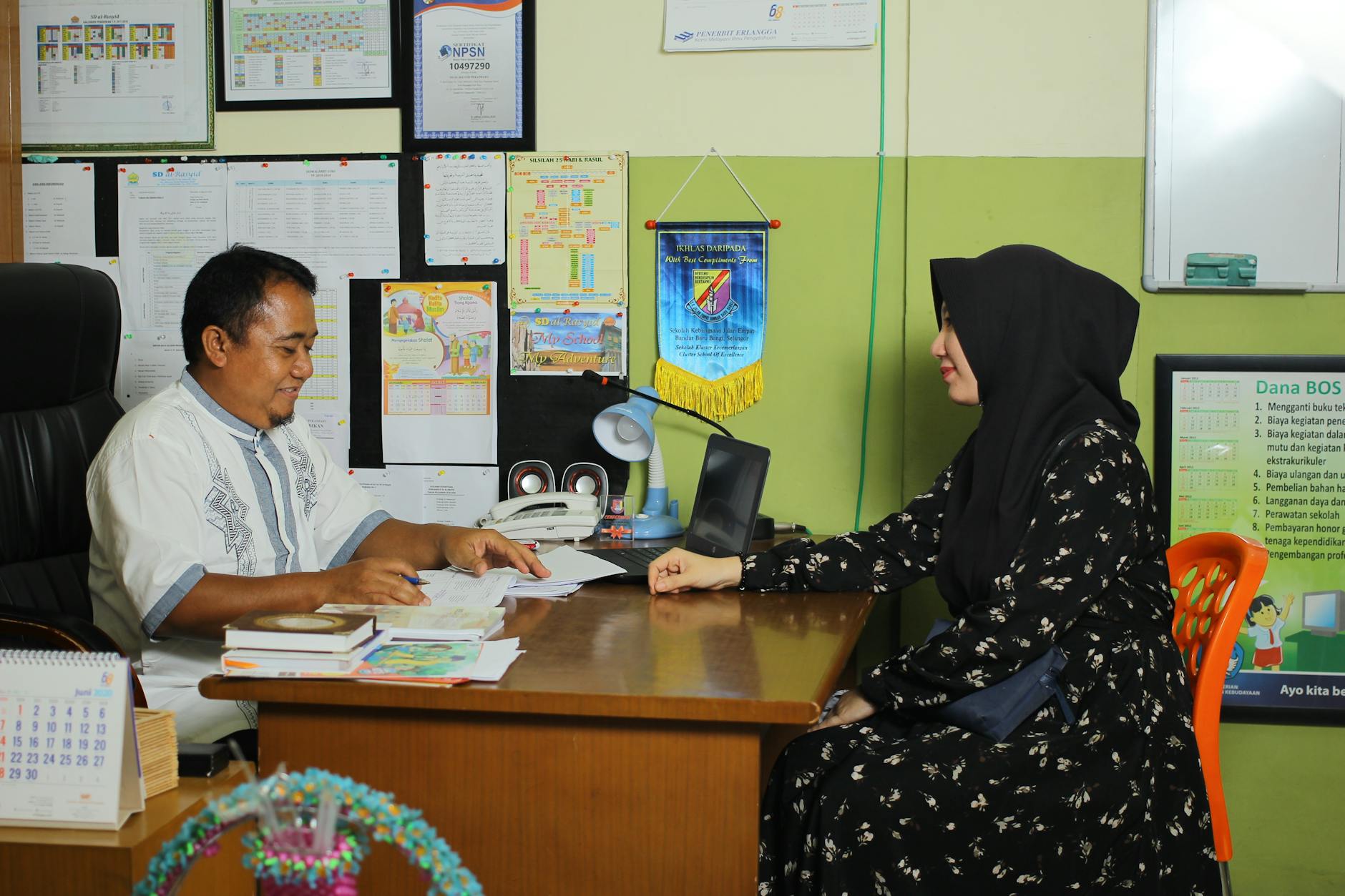
You finally picked up the phone. Or filled out the web form at 11 PM while worrying about tomorrow's math test. Maybe you emailed after a parent-teacher conference that went sideways. Either way, the clock starts now. Most families wait six months too long to start cognitive enrichment programs, so knowing the actual timeline keeps you from panicking during the gap between inquiry and first session.
The Enrollment Timeline
Day one is your initial inquiry. You'll describe your kid's struggles with reading fluency or that wall they hit with multi-step math. The director listens and explains their supplemental education services. By days three to five, they schedule the assessment. Don't be shocked if there's a two-week wait. The best brain learning center in your area books up fast, especially in August and January.
Days seven to ten bring the program placement meeting. This isn't a sales pitch. They show you the assessment data and recommend either academic remediation or enrichment tutoring based on specific gaps they found. You sign the contract or you don't. First session lands between days fourteen and twenty-one. Two weeks feels like forever when your child is struggling, but rushing the intake wastes money and goodwill. Use that waiting period to observe your child during homework time and note specific breakdown points.
What the Assessment Actually Looks Like
Ninety to one hundred twenty minutes total. They split it across one or two sessions depending on your child's stamina and attention span. My daughter did hers in one shot because she was motivated by the promise of a smoothie after. Other kids need the break between sessions to avoid decision fatigue.
They test reading comprehension, math problem-solving, and cognitive processing skills. Think working memory, processing speed, visual-motor integration, and auditory discrimination. It's not like the standardized tests the district gives. It's diagnostic. They need to know if your child needs learning disability support or just targeted after-school academic programs to fill specific holes.
What to Bring
Gather the paperwork now. Don't wait until the night before and tear your house apart at midnight.
Recent report cards with teacher comments attached.
Standardized test scores from the last two years.
Current IEP or 504 plans with all accommodation pages.
A complete list of medications and behavioral supports that actually work at home.
I sat in a placement meeting last spring where the mom forgot the IEP. We spent twenty minutes guessing about extended time accommodations while her daughter fidgeted with a fidget spinner. Bring the file. It matters more than you think.
The First 30 Days
Month one is baseline establishment. They aren't fixing everything yet. They're learning how your kid learns when they're tired, frustrated, or confused. You'll see lots of relationship building and not much homework. That's normal.
If the tutor can't get your kid to laugh or at least relax by week two, that's a red flag. You should receive an initial progress report around day thirty with concrete adjustment recommendations. Maybe they need to back up on phonics or push harder on executive function strategies. This mirrors academic assessment and progress monitoring that effective teachers use in classrooms daily. If they can't show you specific data points, they're guessing, and you're paying for professional intuition rather than science. Ask to see the error rate graphs.
When to Walk Away
Not every center works for every kid. Know your exit signs before you sign the contract.
No measurable progress after twelve weeks? Leave. That's three full months of cognitive enrichment programs with zero academic improvement measured against that initial baseline. Persistent anxiety or session avoidance means the fit is wrong, not your child. Trust the gut feeling when your kid starts faking stomach aches every Tuesday afternoon.
And be brutally honest about money. If tuition creeps past fifteen percent of your household income, the financial stress outweighs any educational benefit. I've watched families skip mortgage payments for academic remediation that wasn't delivering results. Your housing stability matters more than perfect spelling scores. School districts offer free evaluations and interventions that can fill gaps without putting your family at financial risk.
The process feels heavy because it is. But clear steps keep you from drowning in options. Make the call. Show up with the paperwork. Watch those first thirty days like a hawk, and don't be afraid to pull the plug if the data doesn't show growth.

The Bigger Picture on Best Brain Learning Center
These centers work best when you see them as targeted support, not replacement schools. I watched a 4th grader go from hiding his math paper to raising his hand after six weeks at a local center. But I've also seen parents burn cash on enrichment tutoring that clashed with their kid's actual needs. The best brain learning center for your child fills the specific gaps your school can't address — whether that's academic remediation for foundational skills or cognitive enrichment programs that stretch a bored middle schooler.
Stop looking for the "best" center in your city. Start looking for the right fit for your specific kid this specific year. That might mean supplemental education services after school twice a week, or a summer intensive that pre-teaches next year's content. Match the program to the child, not the marketing hype to your anxiety.
Call three centers this week. Ask about assessment processes and how they handle a kid who shuts down when frustrated. Then trust your gut when you walk in the door. You know your child better than any brochure does.
What Are the Best Brain Learning Centers for Early Elementary?
Center Name | Methodology | Class Size | Cost/Month | Best For |
|---|---|---|---|---|
Junior World Learning & Activity Centre | Play-Based Foundations | 1:6 (12 max) | $180-$280 | Ages 5-7, school readiness |
Lexicon Reading Center | Orton-Gillingham | 1:6 (6 max) | $200-$350 | Ages 5-8, dyslexia support |
Sensory Integration Studio | Multi-Sensory Cognitive | 1:4 (4 max) | $300-$480 | Ages 5-9, sensory needs |
Lindamood-Bell | Seeing Stars | 1:1 to 1:3 | $1,520-$2,400 | Ages 5-8, intensive remediation |
Junior World Learning & Activity Centre: Play-Based Foundations
Junior World runs a 45-minute rotational model that moves kids through sensory play, guided discovery, and reflection circles. Class caps at twelve students with two teachers, hitting that sweet 1:6 ratio that lets you actually notice when a kid's struggling with letter formation.
They use phonics books for early literacy alongside Handwriting Without Tears workbooks and Reggio Emilia-inspired exploration stations. The Sandpaper Letters offer tactile phonics practice that connects sounds to finger movements. Just know your child needs to be fully toilet-trained and comfortable separating from you for the full session. I've seen parents have to pull kids mid-year because they weren't ready for that independence.
Phonics and Number Sense Intensive Programs
These education learning centers use Orton-Gillingham methods like Wilson Reading System or Spalding Method for grades K-3. They pair this with Singapore Math Dimensions or Math-U-See for concrete number sense mastery. Expect to pay $200-$350 monthly for twice-weekly sessions that run 60-90 minutes.
The structure is rigid by design. Every sound gets mapped, every math concept builds on the last. This is academic remediation, not enrichment tutoring. Fair warning: if your child has severe ADHD, these high-structure programs require a 1:1 behavioral aide. Without that support, the intensive format overwhelms them. I watched a kindergartner get removed after three sessions because he couldn't sit through the multisensory drills without disrupting the small group.
Multi-Sensory Cognitive Development Studios
These studios look like occupational therapy gyms. They use specialized equipment for sensory integration work. Sessions run 50 minutes at a 1:4 ratio for ages five to nine, costing $75-$120 per session.
Bal-A-Vis-X balls for rhythm and coordination training.
Interactive Metronome stations to improve timing and focus.
Suspended equipment like platform swings for deep pressure input.
The work targets sensory processing through physical movement. Kids bounce, catch, and swing while practicing effective classroom learning stations skills. But be careful. Brain Balance Achievement Centers offer similar cognitive enrichment programs but charge $12,000-plus for three-month packages. The peer-reviewed research supporting their specific outcomes remains limited. I've talked to parents who saw zero reading improvement after that investment.
Early Literacy Achievement Centers
Lindamood-Bell Seeing Stars and Fast ForWord implementations provide intensive learning disability support for dyslexic learners. These supplemental education services require a four-times-weekly minimum commitment. Sessions last 60-90 minutes at $95-$150 per hour.
Research shows typical gains of one to two grade levels in decoding skills after twelve weeks of consistent attendance. However, you must complete a comprehensive reading evaluation using Woodcock-Johnson or similar assessments before placement. That testing costs $150-$300 upfront. This is the best brain learning center option for students with diagnosed dyslexia who need systematic, daily intervention and not the typical after-school academic programs that meet less frequently.
Top Middle School Brain Learning Centers for Advanced Curriculum
Middle school brains change fast. Around sixth grade, students shift from concrete to abstract thinking. Executive function suddenly matters more than raw smarts. Organization and planning become the difference between success and failure. The best brain learning center options for this age run intensive advanced tracks costing $250 to $500 monthly. Private cognitive enrichment programs at this level typically hit $75 to $125 per hour. That is steep for most families.
But a warning: these programs assume grade-level competency. If your student carries skill gaps exceeding 1.5 grade levels, acceleration becomes academic torture. Academic remediation must happen first. I have seen kids crumble when placed in advanced Algebra prep while still struggling with fraction operations. The centers will not slow down for lags in prerequisite skills.
Pre-High School Prep: Algebra I and thesis writing focus, Honors/AP placement, $320-$400/month
STEM Mastery: Singapore Math and phenomenon-based science, Advanced STEM tracks, $275-$350/month
Debate Institutes: Logic and evidence evaluation, AP Seminar prep, $200-$400/month
Writing Labs: Research papers and portfolio development, AP English prep, $240-$300/month
Achievers Learning Centre: Pre-High School Preparation Tracks
Achievers Learning Centre runs an 8th-grade bridge program that actually gets kids ready for high school rigor. They focus on Algebra I prep, thesis writing fundamentals, and time management coaching. The tutoring curriculum here assumes students can handle independent work without hand-holding.
You can choose 90-minute blocks twice weekly in small groups with a 6:1 ratio for $320 monthly. Private enrichment tutoring runs $85 per hour. Most students place into Honors or AP courses freshman year. However, this cognitive enrichment program screens heavily. If your child reads below a 5th-grade level, they will drown. I watched a struggling reader get bumped down after three weeks because he could not parse the text-heavy science packets.
Success Tutorial Centre: Mathematics and Science Mastery
Success Tutorial Centre builds mathematical reasoning using the Singapore Math Method paired with phenomenon-based science inquiry. This is not worksheet drilling. Students investigate real problems using actual scientific equipment and data analysis software.
The supplemental education services include mandatory three-hour Saturday science labs featuring Vernier sensors and microscopes. That hands-on time is included in the $275 monthly tuition. Class sizes cap at eight students per instructor. They require either Grade 6 math placement or a successful placement test. Skip the test, and your kid ends up frustrated. I have seen sixth graders with shaky arithmetic try to jump into ratio problems and shut down completely within twenty minutes.
Critical Thinking and Debate Institutes
These after-school academic programs teach logic through competition. Students choose Public Forum debate for grades 6-8 or Lincoln-Douglas for grades 8 and up. They learn evidence evaluation, logical fallacy identification, and impromptu speaking under pressure.
The student-coach ratio sits at 10:1, which allows for real feedback on argumentation. Expect a 5-10 hour weekly commitment including weekend tournaments. Costs range from $200 to $400 monthly plus travel expenses. This format builds strategies for teaching critical thinking better than any worksheet. Last spring, I watched a team miss quarterfinals because they skipped three practices. The program showed no mercy.
Advanced Writing and Composition Laboratories
Advanced writing labs use the Writer's Workshop model with structured peer review protocols and 6-trait rubric assessment. Students master the five-paragraph essay, complete an 8-10 page research paper with proper citations, and build a creative portfolio over the semester.
They use digital tools for advanced writing including Google Workspace for Education, Grammarly Edu licenses, and EasyBib. The cost runs $240 monthly for 90-minute weekly sessions. This works beautifully for organized students. For kids requiring learning disability support or with executive function deficits, the output expectations crush them. I require my own students to demonstrate sustained focus for 45 minutes before I recommend this track.
Which Brain Learning Centers Offer the Best STEM Integration?
The best STEM-integrated brain learning centers combine robotics platforms like VEX IQ with coding academies teaching Python and Java, plus biotechnology labs featuring PCR machines and gel electrophoresis. Top programs cost $350-$450 monthly and include competition tracks or real-world data analytics projects using professional tools like Tableau.
Real STEM integration means students aren't just playing with Legos. They're debugging Python scripts that control sensors or analyzing gel electrophoresis results from DNA they extracted. The best brain learning center options treat science and math as tools for solving problems, not separate subjects.
Platform | Grade Range | Equipment Cost Included | Competition Track |
|---|---|---|---|
VEX IQ | 4-8 | Full kit | VEX Robotics Competition |
FIRST Tech Challenge | 7-12 | Partial | FIRST Championship |
Biotech Lab | 9-12 | Full lab access | BioGENEius Challenge |
Data Science | 8-12 | Software only | Portfolio-based |
True integration follows an integrative STEM education framework. Look for cross-disciplinary projects lasting 6-8 weeks where students use industry-standard tools to solve real problems. If they're using toy software instead of professional platforms, you're paying for expensive babysitting with circuit boards.
Expect $300-$600 monthly for genuine supplemental education services. That covers equipment maintenance, software licensing, and consumables like 3D printer filament or lab reagents. Centers charging less usually lack the hardware for meaningful hands-on work. Cognitive enrichment programs at this level require serious infrastructure investment.
Lab work needs strict protocols. Students need safety goggles, nitrile gloves, and closed-toe shoes. Centers must provide biosafety cabinets for bacterial work and eyewash stations. Ask about chemical storage before signing any contract for after-school academic programs involving wet labs.
Academy Learning: Robotics and Coding Academies
Academy Learning runs a rigorous robotics track. Their progression starts with VEX IQ for grades 4-8, moves to FIRST Tech Challenge for grades 7-12, and layers in Python and Java. This isn't standard enrichment tutoring with prefab kits. Students build competition robots from aluminum and write autonomous code themselves.
LEGO Spike Prime kits for beginners.
Arduino starter sets for intermediate electronics projects.
Prusa i3 MK3S+ 3D printer access for custom parts.
I watched a 6th grader design a gear housing that actually worked in their bot. That's teaching coding and robotics skills with tangible outcomes instead of theoretical exercises.
The program costs $350 monthly plus $200 annual competition fees. Sessions run two hours weekly with optional Saturday build days. Academic remediation isn't the focus here. Students leave knowing how to solder, debug, and present technical designs to judges.
Engineering and Design Thinking Workshop Centers
These centers use the Stanford d.school framework, cycling through Empathize-Define-Ideate-Prototype-Test over eight weeks. Real engineering education learning center work looks like human-centered problem solving. I've seen 10-year-olds redesign library layouts after interviewing actual users.
Projects include sustainable city challenges, cardboard arcade builds, and app prototyping with Figma. The method forces kids to fail publicly and iterate. That's hard for perfectionist students needing learning disability support to manage frustration.
Materials budgets run $50 per student per semester, included in the $280 monthly fee. Ages 8-14 work in mixed-age teams. The cognitive enrichment comes from ambiguity—teachers don't provide step-by-step instructions. Students get constraints and deadlines. Some parents hate the mess. Kids develop genuine creative confidence.
Data Science and Analytics Programs for Teens
High schoolers need marketable skills, not toy spreadsheets. These programs teach professional tools using real datasets from city open data portals. Unlike academic remediation focused on grade-level catch-up, this pushes into professional territory with actual stakes.
Tableau Public for data visualization.
Python Pandas libraries for data manipulation.
Jupyter Notebooks for documentation and analysis.
Google Colab environments for team collaboration.
Recent projects analyzed local traffic patterns for municipal planning, modeled sports statistics for fantasy optimization, and visualized climate data from NOAA. The work requires Algebra I completion as a prerequisite—no exceptions.
Classes run 90 minutes twice weekly with a strict 1:5 instructor ratio. At $400 monthly, you're paying for specialized expertise. One student I know built a dashboard tracking her school's energy usage that convinced administration to adjust HVAC schedules. These cognitive enrichment programs suit analytical teens who find traditional enrichment tutoring too abstract.
Biotechnology and Laboratory Science Facilities
Real biotech labs separate serious supplemental education services from science-themed playtime. Students handle equipment found in university labs, not plastic toys that break after one use.
miniPCR machines for DNA amplification.
Gel electrophoresis kits for separation analysis.
Compound microscopes with 40x-1000x magnification.
Certified biosafety cabinets for bacterial work.
Curriculum covers bacterial transformation labs where students insert plasmids into E. coli, DNA extraction protocols from fruit or cheek cells, and serious CRISPR ethics discussions. The science is real. When you see a 16-year-old explaining gel results to a visiting professor, you know the cognitive enrichment is working.
Critical warning: These labs are not suitable for students with severe latex allergies or immunocompromised status. Bacterial cultures and chemical reagents pose genuine health risks. Monthly cost runs $450 plus a $150 lab fee for consumables. For motivated students considering pre-med or research careers, this after-school academic program provides irreplaceable hands-on experience that college admissions committees notice immediately.
How to Choose the Right Brain Learning Center for Your Child?
Choose a brain learning center by first conducting a gap analysis between grade level and performance level, then matching your child's learning style to the center's methodology—Direct Instruction for remediation, Inquiry-Based for enrichment. Evaluate tutoring curriculum transparency, teacher credentials, and total cost including hidden fees, making sure the location is within 20 minutes to maintain consistent attendance.
Think of it as a flowchart. Start with academic gap analysis, then assess learning style, then check your budget and schedule. Only then visit centers. I've watched parents do this backwards—they fall for shiny marketing before checking if the identifying your child's learning style actually fits their kid.
Before you tour any education learning center, download a checklist of 15 questions covering curriculum transparency, instructor qualifications, and progress monitoring. Ask how often they report data. The best brain learning center will hand you a scope-and-sequence document without hesitation.
Costs vary wildly. Group classes run $25-$50 per hour, small groups $40-$75, and 1:1 hits $60-$150. Watch for hidden fees: registration ($50-$100), materials ($25-$75 per semester), and assessments ($100-$200). These add up fast.
Run if a center won't show you their tutoring curriculum or if teacher turnover exceeds 50% annually. High turnover destroys trust. Kids need consistent instructors for cognitive enrichment programs to actually work.
Assessing Your Child's Learning Style and Academic Needs
Request specific diagnostic tools before enrolling. These reveal the real gap between grade level and performance level, not just vague "learning delays":
Woodcock-Johnson IV Tests of Achievement
Gray Oral Reading Test-5
Fountas & Pinnell Benchmark Assessment
Use the VARK model to capture how your child processes information. Are they Visual, Aural, Read/Write, or Kinesthetic? Most supplemental education services ignore this and use one-size-fits-all worksheets.
Here's the decision rule I use. If the skill gap exceeds 1.5 years, choose an academic remediation center using Direct Instruction. If the gap is under one year, look for enrichment tutoring or acceleration programs. Don't mix these up.
Evaluating Tutoring Curriculum and Teaching Methodologies
Check accreditation before signing anything. For reading programs, look for IMSLEC certification. Math should align with NCTM standards. Dyslexia instruction requires IDA accreditation. These aren't fancy stickers—they guarantee the methods actually work.
Demand sample lesson plans and scope-and-sequence documents upfront. I always ask to see week six of the program. If they hesitate or claim it's "proprietary," walk away. You can't trust learning disability support programs that hide their content.
Watch out for flashy "brain training" software without peer-reviewed research. If they can't show you independent studies proving efficacy, it's probably just expensive screen time. Real cognitive enrichment programs have data backing them up.
Comparing Costs Schedule Flexibility and Location
Calculate the true cost, not just the hourly rate. Watch for these hidden fees that inflate your bill:
Registration fees ($50-$100)
Materials and books ($25-$75 per semester)
Initial assessments ($100-$200)
Competition or trip fees (varies)
Match the schedule to your reality. Most after-school academic programs offer 3:30-7:00 PM slots on weekdays. Weekend intensives work for busy families. Summer immersion programs can jumpstart skills but require daily attendance.
Keep the commute under 20 minutes. Research shows longer drives correlate with 40% higher dropout rates after six months. When I chose a center for my own kid, proximity mattered more than prestige.
Questions to Ask During Center Visits and Trials
Insist on 1-2 complimentary trial lessons with a parent observation window. Watch how instructors interact with kids. Do they adapt on the fly? You can learn more in 20 minutes of observation than in a glossy brochure.
Ask direct questions. What's your instructor turnover rate? Red flag if it's over 30% annually. How often is progress formally reported? Demand monthly updates minimum. Check tips for finding the perfect educational environment for more vetting strategies.
Verify safety protocols. Confirm background check policies for all staff. Ask about surveillance camera coverage and emergency action plans for medical situations. Your child spends hours here—safety isn't negotiable.
Getting Started: Enrollment and Assessment Processes
You finally picked up the phone. Or filled out the web form at 11 PM while worrying about tomorrow's math test. Maybe you emailed after a parent-teacher conference that went sideways. Either way, the clock starts now. Most families wait six months too long to start cognitive enrichment programs, so knowing the actual timeline keeps you from panicking during the gap between inquiry and first session.
The Enrollment Timeline
Day one is your initial inquiry. You'll describe your kid's struggles with reading fluency or that wall they hit with multi-step math. The director listens and explains their supplemental education services. By days three to five, they schedule the assessment. Don't be shocked if there's a two-week wait. The best brain learning center in your area books up fast, especially in August and January.
Days seven to ten bring the program placement meeting. This isn't a sales pitch. They show you the assessment data and recommend either academic remediation or enrichment tutoring based on specific gaps they found. You sign the contract or you don't. First session lands between days fourteen and twenty-one. Two weeks feels like forever when your child is struggling, but rushing the intake wastes money and goodwill. Use that waiting period to observe your child during homework time and note specific breakdown points.
What the Assessment Actually Looks Like
Ninety to one hundred twenty minutes total. They split it across one or two sessions depending on your child's stamina and attention span. My daughter did hers in one shot because she was motivated by the promise of a smoothie after. Other kids need the break between sessions to avoid decision fatigue.
They test reading comprehension, math problem-solving, and cognitive processing skills. Think working memory, processing speed, visual-motor integration, and auditory discrimination. It's not like the standardized tests the district gives. It's diagnostic. They need to know if your child needs learning disability support or just targeted after-school academic programs to fill specific holes.
What to Bring
Gather the paperwork now. Don't wait until the night before and tear your house apart at midnight.
Recent report cards with teacher comments attached.
Standardized test scores from the last two years.
Current IEP or 504 plans with all accommodation pages.
A complete list of medications and behavioral supports that actually work at home.
I sat in a placement meeting last spring where the mom forgot the IEP. We spent twenty minutes guessing about extended time accommodations while her daughter fidgeted with a fidget spinner. Bring the file. It matters more than you think.
The First 30 Days
Month one is baseline establishment. They aren't fixing everything yet. They're learning how your kid learns when they're tired, frustrated, or confused. You'll see lots of relationship building and not much homework. That's normal.
If the tutor can't get your kid to laugh or at least relax by week two, that's a red flag. You should receive an initial progress report around day thirty with concrete adjustment recommendations. Maybe they need to back up on phonics or push harder on executive function strategies. This mirrors academic assessment and progress monitoring that effective teachers use in classrooms daily. If they can't show you specific data points, they're guessing, and you're paying for professional intuition rather than science. Ask to see the error rate graphs.
When to Walk Away
Not every center works for every kid. Know your exit signs before you sign the contract.
No measurable progress after twelve weeks? Leave. That's three full months of cognitive enrichment programs with zero academic improvement measured against that initial baseline. Persistent anxiety or session avoidance means the fit is wrong, not your child. Trust the gut feeling when your kid starts faking stomach aches every Tuesday afternoon.
And be brutally honest about money. If tuition creeps past fifteen percent of your household income, the financial stress outweighs any educational benefit. I've watched families skip mortgage payments for academic remediation that wasn't delivering results. Your housing stability matters more than perfect spelling scores. School districts offer free evaluations and interventions that can fill gaps without putting your family at financial risk.
The process feels heavy because it is. But clear steps keep you from drowning in options. Make the call. Show up with the paperwork. Watch those first thirty days like a hawk, and don't be afraid to pull the plug if the data doesn't show growth.
The Bigger Picture on Best Brain Learning Center
These centers work best when you see them as targeted support, not replacement schools. I watched a 4th grader go from hiding his math paper to raising his hand after six weeks at a local center. But I've also seen parents burn cash on enrichment tutoring that clashed with their kid's actual needs. The best brain learning center for your child fills the specific gaps your school can't address — whether that's academic remediation for foundational skills or cognitive enrichment programs that stretch a bored middle schooler.
Stop looking for the "best" center in your city. Start looking for the right fit for your specific kid this specific year. That might mean supplemental education services after school twice a week, or a summer intensive that pre-teaches next year's content. Match the program to the child, not the marketing hype to your anxiety.
Call three centers this week. Ask about assessment processes and how they handle a kid who shuts down when frustrated. Then trust your gut when you walk in the door. You know your child better than any brochure does.
Still grading everything by hand?
EMStudio is a free teaching management app — manage your classes, students, lessons, and more!
Learn More
Still grading everything by hand?
EMStudio is a free teaching management app — manage your classes, students, lessons, and more!
Learn More






Notion4Teachers
Notion templates to simplify administrative tasks and enhance your teaching experience.



2026 Notion4Teachers. All Rights Reserved.
Notion4Teachers
Notion templates to simplify administrative tasks and enhance your teaching experience.
2026 Notion4Teachers. All Rights Reserved.
Notion4Teachers
Notion templates to simplify administrative tasks and enhance your teaching experience.
2026 Notion4Teachers. All Rights Reserved.