
12 Education Nonprofits Teachers Should Know
12 Education Nonprofits Teachers Should Know

Article by
Milo
ESL Content Coordinator & Educator
ESL Content Coordinator & Educator
All Posts
According to the National Center for Education Statistics, 94% of public school teachers spent their own money on classroom supplies in 2021-22. The average teacher shelled out $560. That gap between district budgets and actual classroom needs is exactly where education nonprofits step in.
I have funded robotics kits, classroom libraries, and even flexible seating through charitable education organizations that exist solely to bridge that $560 divide. These groups range from massive NGOs funding STEM labs in Title I schools to teacher grant programs cutting $500 checks for art supplies. The right nonprofit partnership can mean the difference between showing a video about butterflies and actually hatching them in your classroom.
Still grading everything by hand?
EMStudio is a free teaching management app — manage your classes, students, lessons, and more!
Learn More

Still grading everything by hand?
EMStudio is a free teaching management app — manage your classes, students, lessons, and more!
Learn More
Table of Contents
Which National Education Nonprofits Provide Direct Classroom Support?
National education nonprofits providing direct classroom support include Success For All Foundation, Teach For America, and National Center for Learning Disabilities. These charitable education organizations deliver evidence-based curriculum, trained personnel, and diagnostic resources directly to K-12 classrooms rather than working through indirect advocacy channels alone.
They show up with materials and people, not just policy papers.
Success For All brings cooperative learning structures and 90-minute literacy blocks. Teach For America places recent graduates in high-need schools for two-year commitments. The National Center for Learning Disabilities offers free RTI screening tools that help teachers distinguish learning disabilities from language acquisition issues. These charitable education organizations function as school support organizations with measurable classroom impact.
John Hattie's Visible Learning research ranks school-wide reform programs like Success For All with an effect size of 0.51 for literacy gains. That places these interventions in the desirable zone for educational philanthropy investments.
Success For All: $45-$75 per student annually; grades K-8; effect size 0.51; requires 90-minute uninterrupted literacy block and Title I status preferred.
Teach For America: $2,000-$4,000 placement fee plus salary; grades K-12; mixed evidence with strong principal satisfaction; requires 70%+ free/reduced lunch rate.
NCLD: Free resources; grades Pre-K-12; evidence-based RTI tools; requires commitment to tiered intervention model.
Success For All Foundation
The program runs on heterogeneous teams of four students working through 90-minute cooperative learning blocks. I watched third graders in October shuffle their desks into clusters to begin a Roots module assessment. Weekly two-minute reading fluency checks track progress with brutal efficiency. The structure needs constant verbal interaction between peers while teachers monitor.
The curriculum spans K-8 with distinct modules: Roots for kindergarten and first grade, Wings for grades two through six. Each builds phonemic awareness through structured peer tutoring. Students work in pairs within those four-person teams, correcting errors immediately using specific protocols. The materials include signal cards and celebration chants that feel silly but keep energy high, abandoning silent worksheets.
Districts pay $45 to $75 per student annually for materials plus $2,000 to $3,000 per teacher for initial training. Schools must commit to that uninterrupted daily literacy block and maintain Title I status for optimal results. Hattie's meta-analysis shows particularly strong results for English Language Learners and high-poverty schools using this model.
Teach For America
Corps members sign up for 24-month commitments in regions where 70 percent or more students qualify for free or reduced lunch. Half identify as BIPOC, and all carry minimum 3.0 GPAs from competitive universities. They arrive in July for intensive pre-service training before entering classrooms in August.
Districts pay $2,000 to $4,000 per placement fee on top of standard teacher salaries and benefits. In exchange, schools receive TFA-provided instructional coaching and a five-week summer institute covering classroom management and content pedagogy. The nonprofit professional development continues through monthly cohort meetings and online learning modules.
The scale is massive: over 42,000 alumni and 10,000 current corps members nationwide. Eighty-five percent of principals report these teachers perform comparably to traditionally prepared colleagues by year two. These teacher grant programs essentially provide subsidized staffing pipeline support to understaffed departments, particularly in math and science.
National Center for Learning Disabilities
The RTI Action Network hosts free implementation tools including screening ladders and progress monitoring templates for all three tiers. Schools download intervention protocols without paying licensing fees. The resources work best when administrators commit to the tiered intervention model.
The organization provides specific rubrics distinguishing learning disabilities from typical language acquisition delays. Their Get Ready to Read! screening tool targets Pre-K students with predictive validity. Check their strategies to help students with learning disabilities for classroom applications. These diagnostic instruments help teachers avoid over-referral to special education.
Physical support comes through 100+ Parent Center locations offering free IEP consultation. They publish the annual State of Learning Disabilities report analyzing state-by-state policy variations. This classroom resources funding model focuses on diagnostic precision, shifting away from direct curriculum delivery.

Educational Foundations Focused on Literacy and Reading Achievement
Reading Is Fundamental
RIF targets book ownership directly. Their Skybrary digital library offers 900+ e-books with read-aloud functions, free for Title I schools where 40% or more students qualify for free or reduced lunch. Non-Title I schools pay $99 annually. This bridges the gap between digital libraries and free book programs and costly retail purchases.
Their Books for Ownership program gives each child 12 age-appropriate books yearly. Kids choose from curated grade-level lists with retail values between $4.99 and $12.99. Do the math: twelve books at retail runs $60-$156 per student. RIF delivers this free to qualifying schools. That compares to First Book's roughly $2.50 per book or the $10+ you'd spend at a Scholastic book fair. For a class of 25, that's $2,500 in retail value versus zero cost.
Implementation requires a designated school coordinator to organize two or three distribution events annually. You also run family engagement components like reading logs and parent workshops. I coordinated this for my 2nd graders last spring. Watching them select their own books mattered more than any text I assigned.
Barbara Bush Foundation for Family Literacy
This charitable education organization takes a different angle than simple book distribution. Their Teen Trendsetters initiative pairs high school tutors in grades 9-12 with struggling 1st-3rd graders for structured 45-minute weekly sessions throughout the school year. High schoolers follow prepared lesson plans while earning service hours. Your struggling readers get consistent, one-on-one support without you losing instructional time to train volunteers.
Their grants range from $25,000 to $75,000 for comprehensive family literacy programs. Sixty percent of their funding specifically targets rural communities under 50,000 population. They prioritize intergenerational models where parents and children learn together simultaneously. The application cycle opens in January and closes in March. You must prove partnership between your school district and a community organization, plus secure 20% matching funds from other local sources.
This educational foundation doesn't fund classroom libraries. It is serious educational philanthropy, not quick classroom fixes. It builds infrastructure for evidence-based literacy instruction that bridges school and home. The scale is bigger than mini-grants, but so is the commitment.
The Education Foundation
When teachers mention "The Education Foundation," they usually mean their local education foundation, not a specific national education nonprofit. These school support organizations operate in most counties, offering classroom mini-grants typically between $250 and $1,000. Unlike big national players, these funds stay strictly within specific district boundaries and often prioritize innovative approaches over basic supplies.
Applications demand a tight 500-word narrative explaining your innovative project and measurable learning outcomes. You submit itemized budgets with actual vendor quotes and your principal's signature. Winners must commit to a one-page impact report with photo documentation within sixty days of project completion. Fall deadlines typically fund spring implementation, aligning neatly with semester schedules. Geographic eligibility restricts these funds to specific district boundaries only.
Teachers typically request $250 to $1,000 for specific classroom projects like decodable readers or math manipulatives. The paperwork takes about two planning periods to complete properly. Compare that investment to the $75,000 Barbara Bush grants or RIF's free books. These teacher grant programs fill the niche for immediate classroom resources funding without complex matching requirements or multi-organization partnership agreements.

What Are the Best STEM-Focused Education Non Profit Organizations?
The best STEM-focused education nonprofits are Code.org (free K-12 computer science curriculum and Hour of Code), Project Lead The Way (paid engineering and biomedical pathways), and National Math and Science Initiative (AP exam preparation). Each serves distinct grade bands with specific implementation costs ranging from free to $50,000 annually depending on school size and program depth.
Pick the wrong program and you will waste a year. I have seen teachers burn out forcing PLTW into 45-minute electives.
Code.org builds introductory computer science literacy through game-based tutorials. Project Lead The Way operates as a full career-and-technical pathway requiring dedicated labs and certified instructors. The National Math and Science Initiative targets equity in advanced placement, specifically increasing qualifying scores among underrepresented groups in high-needs high schools. These education nonprofits serve different gaps in STEM access.
Grade bands: Code.org spans K-12 with tiered platforms. PLTW segments by Launch (K-5), Gateway (6-8), and high school pathways. NMSI targets exclusively 9-12 AP programs.
Cost structures: Code.org curriculum is free; district partnerships run $10,000 minimum. PLTW costs $2,500-$3,500 annually plus $3,000-$10,000 lab equipment. NMSI runs $30,000-$50,000 per school yearly.
Professional development: Code.org charges $1,500 per teacher for year-long training. PLTW requires two-week intensive certification per course at $1,200-$2,500. NMSI embeds training within the three-year contract.
Equipment needs: Code.org runs on standard Chromebooks. PLTW requires vendor-locked kits and dedicated lab space. NMSI needs standard classrooms with AP-approved calculators.
Choose Code.org when you need immediate implementation with existing devices and minimal budget. Select PLTW for dedicated STEM academies with proper facilities and career-focused cohorts. Adopt NMSI when your high school needs to close AP equity gaps and can commit to schedule overhauls. Match the tool to your actual constraints.
Code.org
Code.org structures its curriculum in three clear tiers. CS Fundamentals introduces block-based coding to K-5 students through puzzles featuring Minecraft and Frozen characters. CS Discoveries moves middle schoolers into web development and app creation using JavaScript. CS Principles prepares high schoolers for the AP Computer Science exam with a focus on computing concepts over syntax.
The professional learning model costs $1,500 per teacher. This includes a five-day summer workshop plus four quarterly Saturday sessions throughout the school year. District partnerships require a minimum commitment of five teachers and $10,000, which covers training and ongoing support. I watched my 4th graders debug their first loops using the Angry Birds tutorial during Hour of Code. The platform tracks progress automatically, showing exactly which students struggle with conditionals.
The scale is massive. Over 80 million student accounts exist on the platform. The Hour of Code campaign has reached over 1 billion students globally through one-hour themed tutorials. Schools receive automatic rostering through Clever or Google Classroom integration. For teachers exploring teaching coding skills to students, this platform removes curriculum development burdens entirely. It remains the entry point for most charitable education organizations working in computer science.
Project Lead The Way
PLTW operates as a full career pathway system, not a loose collection of activities. Launch serves K-5 with 24 modules costing $750 per unit. Gateway covers grades 6-8 with ten units. The high school Engineering and Biomedical Science pathways require four-year commitments with sequential courses.
The financial investment is significant. Schools pay an annual fee between $2,500 and $3,500. Each teacher must complete two-week intensive training costing $1,200 to $2,500 per course. Initial STEM lab setup needs $3,000 to $10,000 in vendor-locked equipment kits. You cannot run PLTW without dedicated lab space and 45-minute daily blocks.
Implementation requires certified PLTW teachers and specific scheduling. This differs from other school support organizations offering flexible drop-in curricula. The payoff comes through career-ready portfolios and potential college credit. Many districts treat PLTW as the anchor for their integrative STEM education magnet programs.
National Math and Science Initiative
NMSI focuses exclusively on AP exam success through its College Readiness Program. The three-year contract targets math, science, and English AP courses. Schools receive Saturday study sessions, exam fee subsidies for low-income students, and embedded teacher mentoring. This addresses the equity gap in advanced placement access.
The results are measurable. Participating schools average a 67% increase in qualifying AP scores of 3 or higher within three years. The investment runs $30,000 to $50,000 per school annually. Districts must commit to schedule changes allowing double-period AP courses and dedicated teacher training time. It is not a curriculum but a systems-change intervention.
This model suits high schools with existing AP programs serving underrepresented populations. Unlike teacher grant programs funding individual classrooms, NMSI requires administrative buy-in for master scheduling overhauls. The organization functions as one of the specialized education non profit organizations targeting high-need secondary schools through intensive nonprofit professional development and sustained classroom resources funding through focused educational philanthropy.
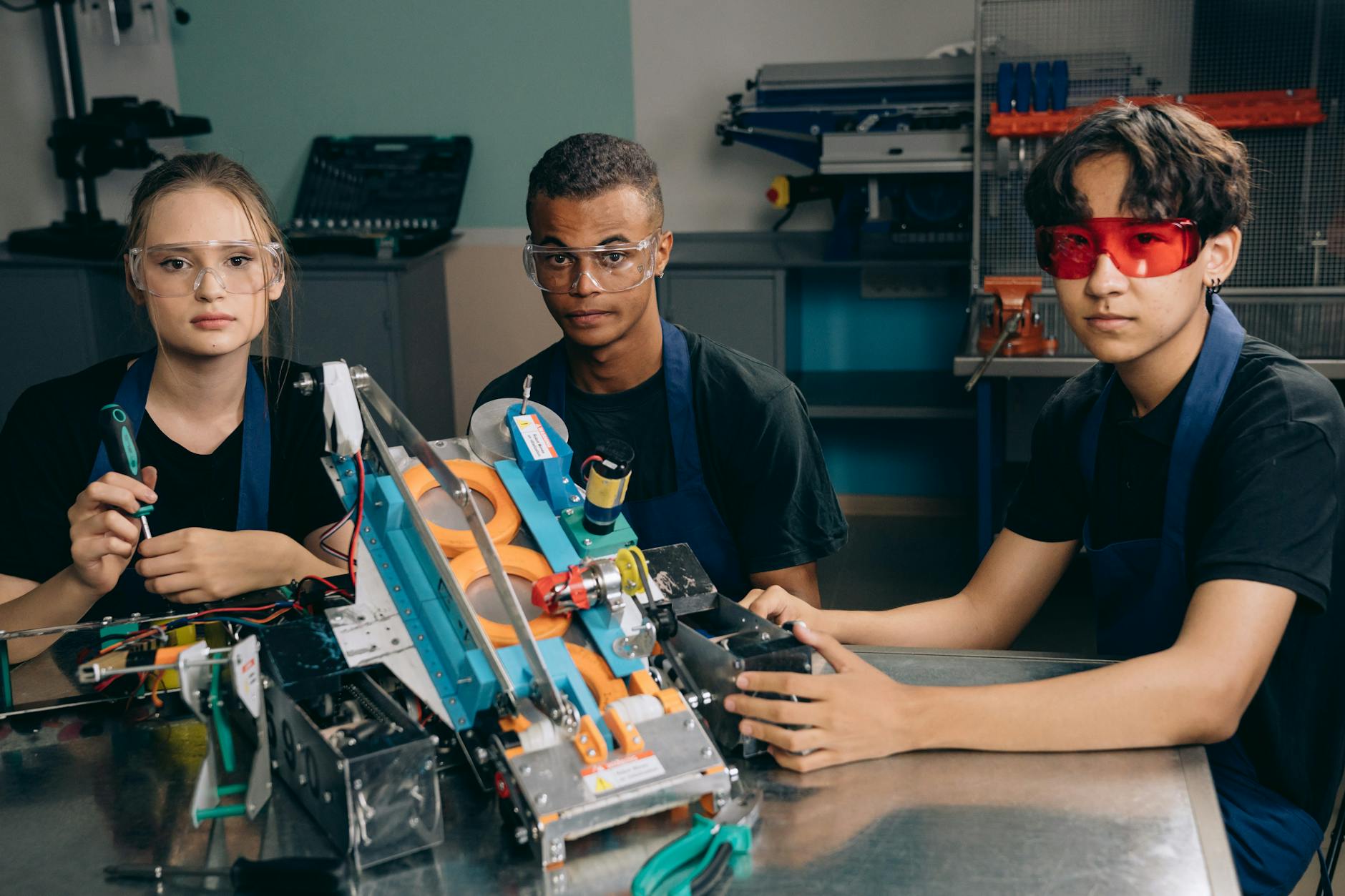
NGOs in USA for Education Supporting High-Needs Schools
High-needs schools require targeted support from education nonprofits that understand urgency. Three organizations dominate this space, distinct from nonprofit professional development providers, each offering ways to link education resources with classroom reality.
Speed vs. Eligibility Comparison
DonorsChoose: Open to all public school teachers; projects under $600 fund in about 3 weeks, but larger requests take 2+ months. Hidden limit: 4-month expiration if not fully funded.
First Book: Requires 70% low-income student population; immediate access once verified, but bulk shipping costs ($35-$50 per box) and random title assortments create unpredictability. See strategies for equitable education in diverse settings.
Communities In Schools: Requires district-level MOU and 3-year commitment; slowest implementation (6+ months) but delivers full support through embedded coordinators. Unlike teacher grant programs, this addresses systemic gaps.
These charitable education organizations serve different functions. Choose based on whether you need classroom resources funding tomorrow or long-term school support organizations partnered with your district.
DonorsChoose
You post specific vendor lists from Amazon Business or Best Buy Education. Funding mixes crowdfunding with educational philanthropy partners like Ripple. I once funded a class set of novels in 18 days using a Ripple match.
Every project carries a 15% fulfillment fee covering procurement. Small asks under $600 close in roughly three weeks. Projects exceeding $1,000 linger for two months or more.
Know the restrictions before you post. Prohibited items include furniture, teacher salaries, gift cards, and religious materials. Projects expire after four months unfunded. You cannot price-shop outside their exclusive vendor relationships.
First Book
Eligibility requires proving 70% or more low-income students through free/reduced lunch data or CEP status. You need an organizational EIN; individual teacher accounts do not exist.
Pricing cuts retail by 50-90%. The Very Hungry Caterpillar costs $2.50 versus $10.99 retail. Diary of a Wimpy Kid runs $3.50 instead of $14.99.
The National Book Bank ships random assortments for $35-$50 per 100-book box. You cannot select single titles. Minimum order quantities apply, making this impractical for specific curriculum needs.
Communities In Schools
This NGO in USA for education embeds full-time site coordinators at a 1:250 student ratio. They deliver tiered interventions: attendance monitoring, behavior coaching, and basic needs provision. See community school models for K-12 educators for implementation details.
Cost runs $200-$400 per student annually. Independent research shows these programs produce 5-10 percentage point increases in graduation rates and 20% reductions in chronic absenteeism in high-poverty schools.
Do not pursue this for one-time classroom resources funding. You need a district-level MOU and principal commitment. Individual teachers cannot initiate programs. The model requires a minimum three-year commitment to show results.
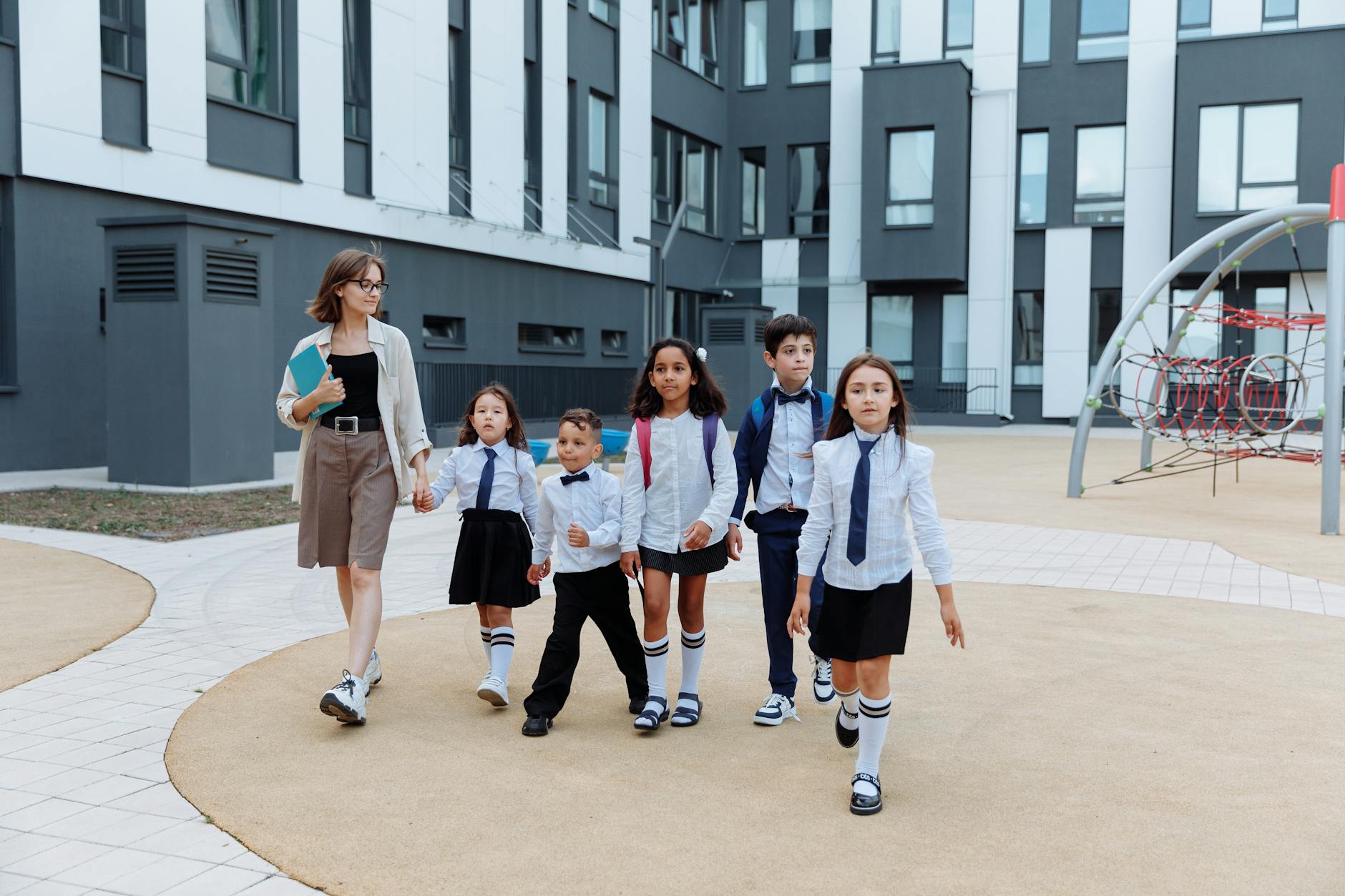
How Can Teachers Partner With Education Nonprofits Effectively?
Teachers partner effectively by auditing classroom gaps against nonprofit mission statements, preparing required documentation including W-9 forms and enrollment data six to nine months before needs arise, and establishing quarterly communication rhythms. Sustainable partnerships require aligned outcome metrics, data sharing protocols, and transition planning when funding cycles conclude.
Stop treating grants like emergency bailouts. Last October I watched a 4th grade teacher lose $3,000 in STEM funding because she applied three weeks before school started. Planning wins.
Assess Your Classroom Needs and Match to Mission
Step one: Audit. Inventory current curriculum materials against state standards. Identify per-student resource deficits. Categorize needs precisely as consumables, capital equipment, or nonprofit professional development. I once tracked my 4th graders' book access and discovered we had 0.3 books per child. That number drove every funding request I wrote. Document everything. Photograph broken textbooks. Count missing manipulatives. Record how many students lack home internet. Specific evidence strengthens your narrative.
Step two: Match. Use a mission alignment matrix. Connect literacy gaps to Reading Is Fundamental or the Barbara Bush Foundation. Address STEM shortages through Code.org or Project Lead The Way. For comprehensive support, partner with Communities In Schools.
Watch for red flags. Avoid organizations requiring exclusive curriculum adoption. They limit pedagogical flexibility. Reject any group charging hidden consultation fees exceeding $500 annually or lacking peer-reviewed efficacy studies. Legitimate educational philanthropy never restricts your teaching methods.
Navigate the Application and Vetting Process
Step three: Apply and vet. Gather documentation six to nine months before you need materials. Competitive federal and state grants operate on six to nine month cycles with September and October deadlines. Mark January as your start date for fall classroom resources funding.
Current W-9 and free and reduced lunch percentage verification
Principal letter of support and itemized vendor quotes
Sustainability plan describing continued funding after the grant ends
Incomplete budgets top the list of rejection reasons. Ineligible categories come second. Prepare for rejection. Most competitive grants fund fewer than twenty percent of applicants. Keep templates ready. Reapply immediately with revised budgets or clarified outcomes. Persistence separates funded classrooms from empty ones.
Vet rigorously. Verify 501(c)(3) status through the IRS Tax Exempt Organization Search. Demand Charity Navigator three-star ratings minimum or Guidestar Platinum Seals. Request annual audit reports. Check references. Call teachers who received previous grants. Ask about hidden costs and actual delivery timelines. If a nonprofit avoids transparency, cross them off your list immediately. Never share student directory information during applications. FERPA compliance requires signed parental consent for any photos or academic records shared with external charitable education organizations.
Build Sustainable Long-Term Relationships
Step four: Sustain. Treat partnerships like mastering stakeholder involvement in schools. Establish quarterly communication rhythms. Send impact reports with FERPA-compliant photos, aggregate student outcome data, and testimonial quotes. Host annual site visits for major funders. Convert single-year wins into multi-year school partnerships by demonstrating measurable outcomes.
Share data safely. Use only de-identified aggregate data. Report specific metrics like students improving reading fluency by twenty or more words per minute. Never transmit individual names or ID numbers. These protocols protect privacy while building trust with school support organizations. Create an alumni network. Former students can advocate for continued support. Their success stories provide powerful evidence for renewal applications and district matching funds.
Plan your exit. Develop a twelve-month wind-down strategy before funding ends. Identify alternative funding sources. Create curriculum migration plans. Develop professional growth strategies for educators that outlast the checks. Smart teachers educate together with alumni networks, maintaining relationships with program officers even when specific teacher grant programs close. Build internal capacity. Train colleagues on grant writing. Share contact lists. When one teacher leaves, the partnership survives because the school owns the relationship, not the individual.
The Bigger Picture on Education Nonprofits
These twelve organizations are not just names on a list. They represent actual money, books, lab equipment, and training that can reach your classroom next month. Whether you need classroom resources funding for a new set of novels or nonprofit professional development to better teach fractions, these groups exist to fill the gaps your district budget cannot cover.
I have watched teachers transform their instruction after securing a single grant or attending a weekend workshop. The best charitable education organizations do not make you jump through impossible hoops. They respect your time and expertise while putting materials directly into student hands.
Start with one. Pick the organization that matches your immediate need — literacy support, STEM kits, or general teacher grant programs — and submit that first application this week. These partnerships work when you treat them as tools in your regular planning, not emergency bailouts. Your students benefit when you expand your resources beyond the four walls of your building.
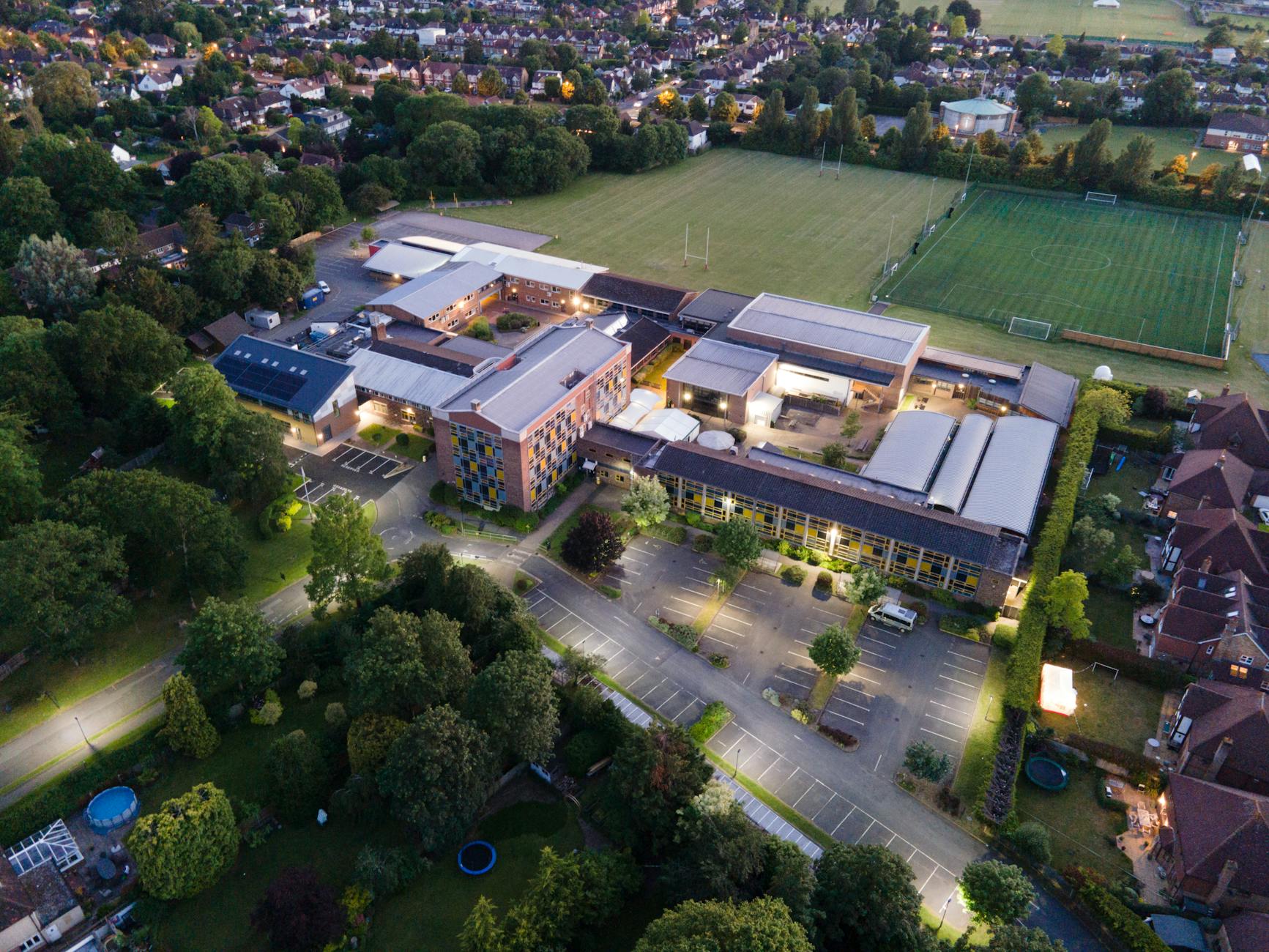
Which National Education Nonprofits Provide Direct Classroom Support?
National education nonprofits providing direct classroom support include Success For All Foundation, Teach For America, and National Center for Learning Disabilities. These charitable education organizations deliver evidence-based curriculum, trained personnel, and diagnostic resources directly to K-12 classrooms rather than working through indirect advocacy channels alone.
They show up with materials and people, not just policy papers.
Success For All brings cooperative learning structures and 90-minute literacy blocks. Teach For America places recent graduates in high-need schools for two-year commitments. The National Center for Learning Disabilities offers free RTI screening tools that help teachers distinguish learning disabilities from language acquisition issues. These charitable education organizations function as school support organizations with measurable classroom impact.
John Hattie's Visible Learning research ranks school-wide reform programs like Success For All with an effect size of 0.51 for literacy gains. That places these interventions in the desirable zone for educational philanthropy investments.
Success For All: $45-$75 per student annually; grades K-8; effect size 0.51; requires 90-minute uninterrupted literacy block and Title I status preferred.
Teach For America: $2,000-$4,000 placement fee plus salary; grades K-12; mixed evidence with strong principal satisfaction; requires 70%+ free/reduced lunch rate.
NCLD: Free resources; grades Pre-K-12; evidence-based RTI tools; requires commitment to tiered intervention model.
Success For All Foundation
The program runs on heterogeneous teams of four students working through 90-minute cooperative learning blocks. I watched third graders in October shuffle their desks into clusters to begin a Roots module assessment. Weekly two-minute reading fluency checks track progress with brutal efficiency. The structure needs constant verbal interaction between peers while teachers monitor.
The curriculum spans K-8 with distinct modules: Roots for kindergarten and first grade, Wings for grades two through six. Each builds phonemic awareness through structured peer tutoring. Students work in pairs within those four-person teams, correcting errors immediately using specific protocols. The materials include signal cards and celebration chants that feel silly but keep energy high, abandoning silent worksheets.
Districts pay $45 to $75 per student annually for materials plus $2,000 to $3,000 per teacher for initial training. Schools must commit to that uninterrupted daily literacy block and maintain Title I status for optimal results. Hattie's meta-analysis shows particularly strong results for English Language Learners and high-poverty schools using this model.
Teach For America
Corps members sign up for 24-month commitments in regions where 70 percent or more students qualify for free or reduced lunch. Half identify as BIPOC, and all carry minimum 3.0 GPAs from competitive universities. They arrive in July for intensive pre-service training before entering classrooms in August.
Districts pay $2,000 to $4,000 per placement fee on top of standard teacher salaries and benefits. In exchange, schools receive TFA-provided instructional coaching and a five-week summer institute covering classroom management and content pedagogy. The nonprofit professional development continues through monthly cohort meetings and online learning modules.
The scale is massive: over 42,000 alumni and 10,000 current corps members nationwide. Eighty-five percent of principals report these teachers perform comparably to traditionally prepared colleagues by year two. These teacher grant programs essentially provide subsidized staffing pipeline support to understaffed departments, particularly in math and science.
National Center for Learning Disabilities
The RTI Action Network hosts free implementation tools including screening ladders and progress monitoring templates for all three tiers. Schools download intervention protocols without paying licensing fees. The resources work best when administrators commit to the tiered intervention model.
The organization provides specific rubrics distinguishing learning disabilities from typical language acquisition delays. Their Get Ready to Read! screening tool targets Pre-K students with predictive validity. Check their strategies to help students with learning disabilities for classroom applications. These diagnostic instruments help teachers avoid over-referral to special education.
Physical support comes through 100+ Parent Center locations offering free IEP consultation. They publish the annual State of Learning Disabilities report analyzing state-by-state policy variations. This classroom resources funding model focuses on diagnostic precision, shifting away from direct curriculum delivery.
Educational Foundations Focused on Literacy and Reading Achievement
Reading Is Fundamental
RIF targets book ownership directly. Their Skybrary digital library offers 900+ e-books with read-aloud functions, free for Title I schools where 40% or more students qualify for free or reduced lunch. Non-Title I schools pay $99 annually. This bridges the gap between digital libraries and free book programs and costly retail purchases.
Their Books for Ownership program gives each child 12 age-appropriate books yearly. Kids choose from curated grade-level lists with retail values between $4.99 and $12.99. Do the math: twelve books at retail runs $60-$156 per student. RIF delivers this free to qualifying schools. That compares to First Book's roughly $2.50 per book or the $10+ you'd spend at a Scholastic book fair. For a class of 25, that's $2,500 in retail value versus zero cost.
Implementation requires a designated school coordinator to organize two or three distribution events annually. You also run family engagement components like reading logs and parent workshops. I coordinated this for my 2nd graders last spring. Watching them select their own books mattered more than any text I assigned.
Barbara Bush Foundation for Family Literacy
This charitable education organization takes a different angle than simple book distribution. Their Teen Trendsetters initiative pairs high school tutors in grades 9-12 with struggling 1st-3rd graders for structured 45-minute weekly sessions throughout the school year. High schoolers follow prepared lesson plans while earning service hours. Your struggling readers get consistent, one-on-one support without you losing instructional time to train volunteers.
Their grants range from $25,000 to $75,000 for comprehensive family literacy programs. Sixty percent of their funding specifically targets rural communities under 50,000 population. They prioritize intergenerational models where parents and children learn together simultaneously. The application cycle opens in January and closes in March. You must prove partnership between your school district and a community organization, plus secure 20% matching funds from other local sources.
This educational foundation doesn't fund classroom libraries. It is serious educational philanthropy, not quick classroom fixes. It builds infrastructure for evidence-based literacy instruction that bridges school and home. The scale is bigger than mini-grants, but so is the commitment.
The Education Foundation
When teachers mention "The Education Foundation," they usually mean their local education foundation, not a specific national education nonprofit. These school support organizations operate in most counties, offering classroom mini-grants typically between $250 and $1,000. Unlike big national players, these funds stay strictly within specific district boundaries and often prioritize innovative approaches over basic supplies.
Applications demand a tight 500-word narrative explaining your innovative project and measurable learning outcomes. You submit itemized budgets with actual vendor quotes and your principal's signature. Winners must commit to a one-page impact report with photo documentation within sixty days of project completion. Fall deadlines typically fund spring implementation, aligning neatly with semester schedules. Geographic eligibility restricts these funds to specific district boundaries only.
Teachers typically request $250 to $1,000 for specific classroom projects like decodable readers or math manipulatives. The paperwork takes about two planning periods to complete properly. Compare that investment to the $75,000 Barbara Bush grants or RIF's free books. These teacher grant programs fill the niche for immediate classroom resources funding without complex matching requirements or multi-organization partnership agreements.
What Are the Best STEM-Focused Education Non Profit Organizations?
The best STEM-focused education nonprofits are Code.org (free K-12 computer science curriculum and Hour of Code), Project Lead The Way (paid engineering and biomedical pathways), and National Math and Science Initiative (AP exam preparation). Each serves distinct grade bands with specific implementation costs ranging from free to $50,000 annually depending on school size and program depth.
Pick the wrong program and you will waste a year. I have seen teachers burn out forcing PLTW into 45-minute electives.
Code.org builds introductory computer science literacy through game-based tutorials. Project Lead The Way operates as a full career-and-technical pathway requiring dedicated labs and certified instructors. The National Math and Science Initiative targets equity in advanced placement, specifically increasing qualifying scores among underrepresented groups in high-needs high schools. These education nonprofits serve different gaps in STEM access.
Grade bands: Code.org spans K-12 with tiered platforms. PLTW segments by Launch (K-5), Gateway (6-8), and high school pathways. NMSI targets exclusively 9-12 AP programs.
Cost structures: Code.org curriculum is free; district partnerships run $10,000 minimum. PLTW costs $2,500-$3,500 annually plus $3,000-$10,000 lab equipment. NMSI runs $30,000-$50,000 per school yearly.
Professional development: Code.org charges $1,500 per teacher for year-long training. PLTW requires two-week intensive certification per course at $1,200-$2,500. NMSI embeds training within the three-year contract.
Equipment needs: Code.org runs on standard Chromebooks. PLTW requires vendor-locked kits and dedicated lab space. NMSI needs standard classrooms with AP-approved calculators.
Choose Code.org when you need immediate implementation with existing devices and minimal budget. Select PLTW for dedicated STEM academies with proper facilities and career-focused cohorts. Adopt NMSI when your high school needs to close AP equity gaps and can commit to schedule overhauls. Match the tool to your actual constraints.
Code.org
Code.org structures its curriculum in three clear tiers. CS Fundamentals introduces block-based coding to K-5 students through puzzles featuring Minecraft and Frozen characters. CS Discoveries moves middle schoolers into web development and app creation using JavaScript. CS Principles prepares high schoolers for the AP Computer Science exam with a focus on computing concepts over syntax.
The professional learning model costs $1,500 per teacher. This includes a five-day summer workshop plus four quarterly Saturday sessions throughout the school year. District partnerships require a minimum commitment of five teachers and $10,000, which covers training and ongoing support. I watched my 4th graders debug their first loops using the Angry Birds tutorial during Hour of Code. The platform tracks progress automatically, showing exactly which students struggle with conditionals.
The scale is massive. Over 80 million student accounts exist on the platform. The Hour of Code campaign has reached over 1 billion students globally through one-hour themed tutorials. Schools receive automatic rostering through Clever or Google Classroom integration. For teachers exploring teaching coding skills to students, this platform removes curriculum development burdens entirely. It remains the entry point for most charitable education organizations working in computer science.
Project Lead The Way
PLTW operates as a full career pathway system, not a loose collection of activities. Launch serves K-5 with 24 modules costing $750 per unit. Gateway covers grades 6-8 with ten units. The high school Engineering and Biomedical Science pathways require four-year commitments with sequential courses.
The financial investment is significant. Schools pay an annual fee between $2,500 and $3,500. Each teacher must complete two-week intensive training costing $1,200 to $2,500 per course. Initial STEM lab setup needs $3,000 to $10,000 in vendor-locked equipment kits. You cannot run PLTW without dedicated lab space and 45-minute daily blocks.
Implementation requires certified PLTW teachers and specific scheduling. This differs from other school support organizations offering flexible drop-in curricula. The payoff comes through career-ready portfolios and potential college credit. Many districts treat PLTW as the anchor for their integrative STEM education magnet programs.
National Math and Science Initiative
NMSI focuses exclusively on AP exam success through its College Readiness Program. The three-year contract targets math, science, and English AP courses. Schools receive Saturday study sessions, exam fee subsidies for low-income students, and embedded teacher mentoring. This addresses the equity gap in advanced placement access.
The results are measurable. Participating schools average a 67% increase in qualifying AP scores of 3 or higher within three years. The investment runs $30,000 to $50,000 per school annually. Districts must commit to schedule changes allowing double-period AP courses and dedicated teacher training time. It is not a curriculum but a systems-change intervention.
This model suits high schools with existing AP programs serving underrepresented populations. Unlike teacher grant programs funding individual classrooms, NMSI requires administrative buy-in for master scheduling overhauls. The organization functions as one of the specialized education non profit organizations targeting high-need secondary schools through intensive nonprofit professional development and sustained classroom resources funding through focused educational philanthropy.
NGOs in USA for Education Supporting High-Needs Schools
High-needs schools require targeted support from education nonprofits that understand urgency. Three organizations dominate this space, distinct from nonprofit professional development providers, each offering ways to link education resources with classroom reality.
Speed vs. Eligibility Comparison
DonorsChoose: Open to all public school teachers; projects under $600 fund in about 3 weeks, but larger requests take 2+ months. Hidden limit: 4-month expiration if not fully funded.
First Book: Requires 70% low-income student population; immediate access once verified, but bulk shipping costs ($35-$50 per box) and random title assortments create unpredictability. See strategies for equitable education in diverse settings.
Communities In Schools: Requires district-level MOU and 3-year commitment; slowest implementation (6+ months) but delivers full support through embedded coordinators. Unlike teacher grant programs, this addresses systemic gaps.
These charitable education organizations serve different functions. Choose based on whether you need classroom resources funding tomorrow or long-term school support organizations partnered with your district.
DonorsChoose
You post specific vendor lists from Amazon Business or Best Buy Education. Funding mixes crowdfunding with educational philanthropy partners like Ripple. I once funded a class set of novels in 18 days using a Ripple match.
Every project carries a 15% fulfillment fee covering procurement. Small asks under $600 close in roughly three weeks. Projects exceeding $1,000 linger for two months or more.
Know the restrictions before you post. Prohibited items include furniture, teacher salaries, gift cards, and religious materials. Projects expire after four months unfunded. You cannot price-shop outside their exclusive vendor relationships.
First Book
Eligibility requires proving 70% or more low-income students through free/reduced lunch data or CEP status. You need an organizational EIN; individual teacher accounts do not exist.
Pricing cuts retail by 50-90%. The Very Hungry Caterpillar costs $2.50 versus $10.99 retail. Diary of a Wimpy Kid runs $3.50 instead of $14.99.
The National Book Bank ships random assortments for $35-$50 per 100-book box. You cannot select single titles. Minimum order quantities apply, making this impractical for specific curriculum needs.
Communities In Schools
This NGO in USA for education embeds full-time site coordinators at a 1:250 student ratio. They deliver tiered interventions: attendance monitoring, behavior coaching, and basic needs provision. See community school models for K-12 educators for implementation details.
Cost runs $200-$400 per student annually. Independent research shows these programs produce 5-10 percentage point increases in graduation rates and 20% reductions in chronic absenteeism in high-poverty schools.
Do not pursue this for one-time classroom resources funding. You need a district-level MOU and principal commitment. Individual teachers cannot initiate programs. The model requires a minimum three-year commitment to show results.
How Can Teachers Partner With Education Nonprofits Effectively?
Teachers partner effectively by auditing classroom gaps against nonprofit mission statements, preparing required documentation including W-9 forms and enrollment data six to nine months before needs arise, and establishing quarterly communication rhythms. Sustainable partnerships require aligned outcome metrics, data sharing protocols, and transition planning when funding cycles conclude.
Stop treating grants like emergency bailouts. Last October I watched a 4th grade teacher lose $3,000 in STEM funding because she applied three weeks before school started. Planning wins.
Assess Your Classroom Needs and Match to Mission
Step one: Audit. Inventory current curriculum materials against state standards. Identify per-student resource deficits. Categorize needs precisely as consumables, capital equipment, or nonprofit professional development. I once tracked my 4th graders' book access and discovered we had 0.3 books per child. That number drove every funding request I wrote. Document everything. Photograph broken textbooks. Count missing manipulatives. Record how many students lack home internet. Specific evidence strengthens your narrative.
Step two: Match. Use a mission alignment matrix. Connect literacy gaps to Reading Is Fundamental or the Barbara Bush Foundation. Address STEM shortages through Code.org or Project Lead The Way. For comprehensive support, partner with Communities In Schools.
Watch for red flags. Avoid organizations requiring exclusive curriculum adoption. They limit pedagogical flexibility. Reject any group charging hidden consultation fees exceeding $500 annually or lacking peer-reviewed efficacy studies. Legitimate educational philanthropy never restricts your teaching methods.
Navigate the Application and Vetting Process
Step three: Apply and vet. Gather documentation six to nine months before you need materials. Competitive federal and state grants operate on six to nine month cycles with September and October deadlines. Mark January as your start date for fall classroom resources funding.
Current W-9 and free and reduced lunch percentage verification
Principal letter of support and itemized vendor quotes
Sustainability plan describing continued funding after the grant ends
Incomplete budgets top the list of rejection reasons. Ineligible categories come second. Prepare for rejection. Most competitive grants fund fewer than twenty percent of applicants. Keep templates ready. Reapply immediately with revised budgets or clarified outcomes. Persistence separates funded classrooms from empty ones.
Vet rigorously. Verify 501(c)(3) status through the IRS Tax Exempt Organization Search. Demand Charity Navigator three-star ratings minimum or Guidestar Platinum Seals. Request annual audit reports. Check references. Call teachers who received previous grants. Ask about hidden costs and actual delivery timelines. If a nonprofit avoids transparency, cross them off your list immediately. Never share student directory information during applications. FERPA compliance requires signed parental consent for any photos or academic records shared with external charitable education organizations.
Build Sustainable Long-Term Relationships
Step four: Sustain. Treat partnerships like mastering stakeholder involvement in schools. Establish quarterly communication rhythms. Send impact reports with FERPA-compliant photos, aggregate student outcome data, and testimonial quotes. Host annual site visits for major funders. Convert single-year wins into multi-year school partnerships by demonstrating measurable outcomes.
Share data safely. Use only de-identified aggregate data. Report specific metrics like students improving reading fluency by twenty or more words per minute. Never transmit individual names or ID numbers. These protocols protect privacy while building trust with school support organizations. Create an alumni network. Former students can advocate for continued support. Their success stories provide powerful evidence for renewal applications and district matching funds.
Plan your exit. Develop a twelve-month wind-down strategy before funding ends. Identify alternative funding sources. Create curriculum migration plans. Develop professional growth strategies for educators that outlast the checks. Smart teachers educate together with alumni networks, maintaining relationships with program officers even when specific teacher grant programs close. Build internal capacity. Train colleagues on grant writing. Share contact lists. When one teacher leaves, the partnership survives because the school owns the relationship, not the individual.
The Bigger Picture on Education Nonprofits
These twelve organizations are not just names on a list. They represent actual money, books, lab equipment, and training that can reach your classroom next month. Whether you need classroom resources funding for a new set of novels or nonprofit professional development to better teach fractions, these groups exist to fill the gaps your district budget cannot cover.
I have watched teachers transform their instruction after securing a single grant or attending a weekend workshop. The best charitable education organizations do not make you jump through impossible hoops. They respect your time and expertise while putting materials directly into student hands.
Start with one. Pick the organization that matches your immediate need — literacy support, STEM kits, or general teacher grant programs — and submit that first application this week. These partnerships work when you treat them as tools in your regular planning, not emergency bailouts. Your students benefit when you expand your resources beyond the four walls of your building.
Still grading everything by hand?
EMStudio is a free teaching management app — manage your classes, students, lessons, and more!
Learn More
Still grading everything by hand?
EMStudio is a free teaching management app — manage your classes, students, lessons, and more!
Learn More





Notion4Teachers
Notion templates to simplify administrative tasks and enhance your teaching experience.



2026 Notion4Teachers. All Rights Reserved.
Notion4Teachers
Notion templates to simplify administrative tasks and enhance your teaching experience.
2026 Notion4Teachers. All Rights Reserved.
Notion4Teachers
Notion templates to simplify administrative tasks and enhance your teaching experience.
2026 Notion4Teachers. All Rights Reserved.