Community Schools: A Complete Guide for K-12 Educators
Community Schools: A Complete Guide for K-12 Educators

Article by
Milo
ESL Content Coordinator & Educator
ESL Content Coordinator & Educator
All Posts
Community schools are public schools that partner with local organizations to provide integrated student supports, expanded learning opportunities, family engagement, and collaborative leadership. Operating as neighborhood hubs, they address non-academic barriers like health and housing while maintaining standard public education curriculum, effectively extending the school day and services without selective admissions or tuition costs.
Community schools operate as neighborhood hubs. They keep the same teachers and curriculum as your typical public school. The difference is what happens before 8am and after 3pm.
The Coalition for Community Schools defines them as centers partnering with local resources to create integrated supports. They don't replace public education. They expand it. The 2022 Bipartisan Safer Communities Act poured federal funding into the Full-Service Community Schools program, signaling a major investment away from isolated traditional schooling options.
Still grading everything by hand?
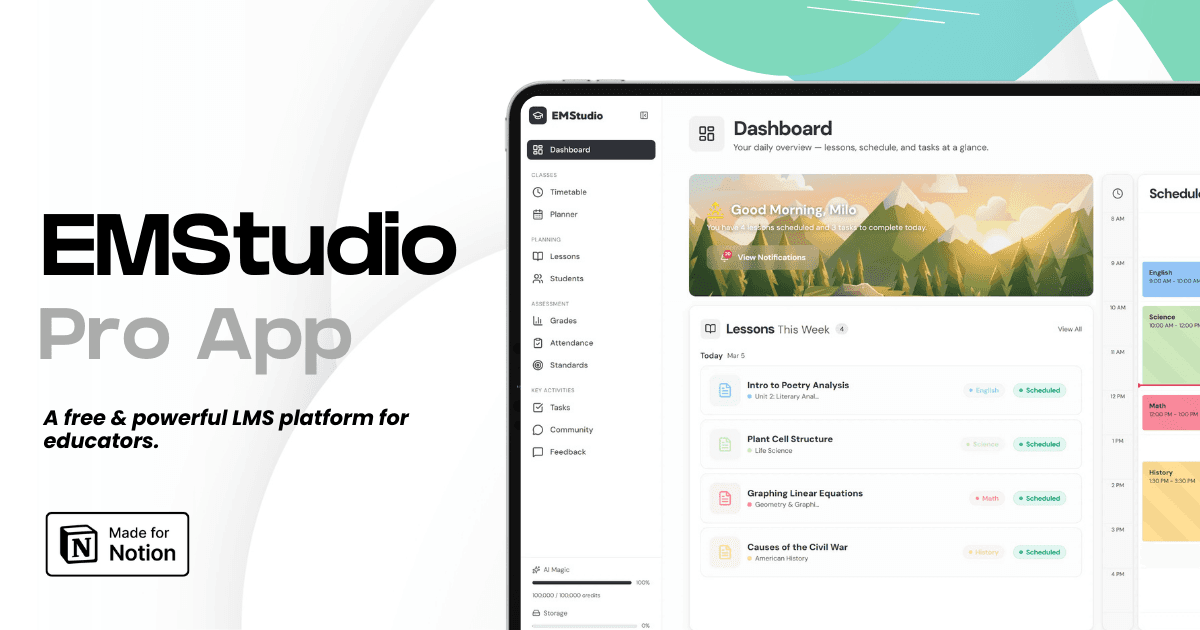
EMStudio is a free teaching management app — manage your classes, students, lessons, and more!
Learn More
Still grading everything by hand?
EMStudio is a free teaching management app — manage your classes, students, lessons, and more!
Learn More
Table of Contents
What Are Community Schools and How Do They Fit Into Public Education?
Traditional models run 8am to 3pm in isolation. Community schools stay open evenings and weekends. Unlike magnet or charter schooling options, they use open enrollment and union teachers.
Feature | Traditional Schools | Community Schools | Magnet/Charter Options |
|---|---|---|---|
Hours | 8am–3pm, weekdays | 7am–7pm, year-round | Varies by program |
Staffing | Teachers + admin | Teachers + site coordinators + partners | Teachers + specialized staff |
Partnerships | Limited PTA | 15–25 active MOUs | Selective contracts |
Admissions | Zoned enrollment | Open enrollment, zoned priority | Lottery or selective |
Defining the Full-Service Community School Model
Federal guidelines mandate four pillars for full-service schools: integrated student supports, expanded learning time, family engagement, and collaborative leadership. These wraparound services mean health clinics and housing assistance happen alongside academics.
The site coordinator makes this sustainable. This is a full-time position, not a teacher with extra duties. They manage 15 to 25 active partnerships, from dental clinics to martial arts programs. I watched our coordinator at the middle school match fifty families with housing support during the 2022 freeze. She had an office near the front door. Parents knew her name.
The Evolution From Traditional Schooling Options
This model echoes Jane Addams and Hull House from the 1890s. Settlement houses embedded schools in immigrant neighborhoods to fight poverty through shared resources.
New York's Beacons schools in the 1990s modernized the approach. They turned public buildings into community centers after hours. Today's 21st Century Community Learning Centers carry that legacy forward. The philosophy shifted from "fixing broken kids" to building on neighborhood assets and existing strengths.
Key Characteristics That Differentiate Community Schools
Certain traits separate authentic community schools from schools with a few after-school clubs. These five elements are non-negotiable.
Dedicated site coordinator with separate office space.
Steering committee with 30% community representation.
Annual needs assessments using Coalition for Community Schools Standards.
Shared facility use agreements keeping buildings open evenings and weekends.
Data-sharing MOUs with partner agencies compliant with FERPA and HIPAA.
Why Do Community Schools Matter for Student Success and Equity?
Community schools improve equity by removing systemic barriers to learning. Research indicates that addressing health, housing, and food insecurity can significantly improve attendance and academic outcomes. By locating services inside schools, they ensure all students—regardless of income—access dental care, mental health support, stable housing assistance, and enrichment opportunities typically available only to affluent families.
You cannot teach a child who is hungry, homeless, or hurting. Community schools recognize that poverty is not a learning disability, but a barrier that requires adult intervention to remove.
John Hattie's Visible Learning research shows teacher-student relationships carry an effect size of 0.59 and feedback 0.72. Community schools extend these high-impact practices through mentorship and wraparound services. When site coordinators connect families with housing assistance or asthma treatment, they address non-academic factors that research shows account for the majority of variance in student outcomes.
These full-service schools coordinate with Title I funding to eliminate pay-for-service barriers. Targeted outreach ensures students in the bottom 20% of socioeconomic status receive intensive supports first. Unlike private models relying on tuition barriers, community schools provide equitable access to resources and support through integrated student supports requiring no copays.
The collective impact framework (Kania & Kramer) drives change through shared measurement systems and mutually reinforcing activities. This builds civic capacity without creating dependency. Family engagement shifts from volunteer hours to policy decision-making, while expanded learning time provides enrichment that neighborhood organizations co-design with educators.
Addressing Non-Academic Barriers to Learning
I taught 7th grade where three students missed twenty days due to untreated asthma and no ride to the clinic. Community schools target these barriers through systematic screening.
Chronic absenteeism from untreated asthma or transportation gaps.
Toxic stress from housing instability that impairs working memory.
Unfilled prescriptions for glasses or ADHD medication blocking learning.
Site coordinators use the Pediatric Symptom Checklist for rapid needs assessment. They flag students showing signs of trauma before these issues derail learning. Catching a vision problem in September salvages months of instructional time.
Creating Equitable Access to Resources and Support
On-site school-based health centers (SBHCs) eliminate appointment barriers that disproportionately affect working families. Co-location matters because the average off-campus medical appointment consumes three hours of instructional time. SBHCs cut that to twenty minutes.
This differs from traditional social work. Integrated student supports mean the math teacher, nurse, and counselor share real-time information. No one falls through cracks created by siloed departments.
Building Long-Term Community Resilience and Ownership
Sustainable change requires moving from counting outputs to measuring outcomes. The Results-Based Accountability framework (Mark Friedman) asks not "how many did we serve?" but "how much did we change community indicators?" like teen pregnancy or juvenile justice rates.
Family engagement transforms when parents join advisory councils allocating resources. Residents identify priorities—whether expanded learning time for STEM or evening ESL classes—avoiding top-down programming. This ensures community schools persist beyond grant cycles.

How Do Community Schools Operate? Understanding the Four Pillars?
Community schools operate through four research-backed pillars: integrated student supports (health, dental, mental health), expanded learning time (before/after school and summer), active family engagement (home visits, parent education), and collaborative leadership (shared governance with community partners). These pillars create a comprehensive support system surrounding the academic instructional core.
Think of these pillars as the foundation of a full-service school. You don't bolt them on overnight. Each pillar addresses a specific student outcome. Together they transform the building from a place kids visit into a community hub that wraps around their lives.
The four pillars function as an operational blueprint targeting specific outcomes. Integrated student supports reduce chronic absenteeism by connecting families to health resources. Expanded learning time provides 540 additional annual hours—ninety school days—to boost achievement. Family engagement drives socio-emotional growth, while collaborative leadership ensures long-term sustainability through shared governance.
This decision matrix keeps you focused. When a 4th grader misses twenty days due to tooth pain, you need health supports, not tutoring. When parents cannot help with homework, you need training, not just a committee meeting.
Sequence matters. Never launch expanded learning before addressing basic safety and health needs. Hungry children cannot focus on robotics clubs. This violates Maslow's hierarchy and burns out staff. Spread implementation across three years: health supports first, programming second, governance refinement third.
Integrated Student Supports
This pillar uses a systematic referral pipeline. When teachers identify needs, site coordinators conduct intake using the Columbia Impairment Scale. They perform warm handoffs to community partners within 48 hours. Follow-up happens within 72 hours to ensure families actually connect with services.
Common services include Spot Vision Screener exams, school-based dental sealants, and CBT or DBT therapy. I watched a 2nd grader's attendance transform after receiving glasses through our integrated student supports program. These wraparound services remove barriers that academic interventions alone cannot address. Site coordinators manage these logistics so teachers can teach.
Expanded Learning Time and Opportunities
This pillar extends learning through the "6 to 6" model or intensive summer bridge academies. Academic support requires 1:15 staffing ratios; enrichment can run 1:20. The 21st Century Community Learning Centers (21st CCLC) fund these programs, requiring 60 hours minimum annually.
High-impact community schools aim for 540 additional hours—ninety school days of enrichment. Sustainable expanded learning time requires paid staff, not volunteers. I've seen districts rely on unpaid help, which collapses by November when people burn out. Quality suffers when you staff after-school programs with rotating volunteers who lack training in youth development.
Active Family and Community Engagement
Real family engagement moves beyond pizza nights to "academic parenting." Parents learn to ask high-order questions using Bloom's Taxonomy levels four through six. They prompt analysis and synthesis, not worksheet checks.
Home visits follow the Parent Teacher Home Visit Project model. Visits are voluntary and compensated $25 to $40 per hour. They remain explicitly relational, not transactional. This active family and community engagement respects parent expertise. When parents understand cognitive rigor, they demand it from schools.
Collaborative Leadership and Practices
Sustainability requires shared governance, not charismatic principals. The steering committee comprises 40 percent school staff, 30 percent parents, and 30 percent partners. Decisions require consensus—everyone must live with the outcome.
Quarterly data reviews follow the Plan-Do-Study-Act cycle. Shared leadership takes longer initially but prevents burnout in full-service schools. When budget cuts come, programs with broad community investment survive while principal-pet projects fade. Consensus sounds inefficient until you've watched a principal leave and the community school survive because parents and partners co-own the mission.
Community Schools vs. Private Education and International Models
Governance and Funding Structures
Community schools answer to locally elected school boards bound by strict open meeting laws. Every budget line and disciplinary policy gets debated in public sessions where parents can testify. Private education operates through self-perpetuating boards that answer to trustees and tuition-paying families behind closed doors. Many international schools function under corporate franchise agreements or embassy partnerships with governance structures completely opaque to local parents.
Cost structures reveal the stark divide. Community schools charge zero tuition. Districts typically absorb an extra $200 to $500 per pupil annually to fund wraparound services and integrated student supports like on-site dental vans or food pantries. Private education demands $15,000 to $50,000 in annual tuition before adding fees for trips and uniforms. International schools range from $10,000 to $40,000 depending on the host country's economy and currency strength.
The myth of selectivity collapses here. Community schools accept every child in their attendance zone or lottery pool without screening. They must enroll students with IEPs and 504 plans by federal mandate. No interviews, no entrance exams, no legacy preferences. Just universal access and the public mandate to serve all comers regardless of ability or behavior.
Curriculum Flexibility and Accountability Measures
Community schools follow state standards with tight public accountability. They face scrutiny through standardized testing and elected board oversight that happens in open meetings. Teachers still teach to the test, but site coordinators weave in expanded learning time through after-school robotics or literacy clubs. These enrichment programs don't appear on state exams but keep kids engaged until 6pm without extra fees.
Private education picks any accredited framework that matches its marketing and philosophy. Montessori, Reggio Emilia, Classical, or unscripted progressive models fly under the radar of state mandates and standardized testing requirements. These schools answer to small accrediting bodies and wealthy parent expectations rather than district benchmarks or annual public report cards showing detailed subgroup performance data.
International schools follow rigid international models like the IB Diploma or Cambridge IGCSE frameworks. These programs demand mandatory foreign language proficiency starting in primary grades and extensive global citizenship portfolios. Students track service hours across continents while their peers in local community schools focus on mastering state capitals and community-specific civics standards.
Community Ownership vs. Institutional Control
Community schools function as genuine public assets owned by local taxpayers. Through shared-use agreements, these buildings stay open until 9pm for adult ESL classes, weekend vaccination clinics, and summer meal programs. The facility serves the entire zip code, not just the enrolled students. When the school gets a new gym, the community gets a new gym.
Private and international schools operate as gated institutional properties with strict access controls. Security checkpoints verify enrollment status before allowing entry to any building. After hours, facilities lock down completely. Only tuition-paying families may access the soccer fields, theaters, or STEM labs, creating physical and social boundaries.
I saw this contrast crystallize last October at my neighborhood full-service school. At 7pm on a Tuesday, the cafeteria hummed with immigrant parents learning conversational English while their 4th graders finished homework nearby.
The school-based health clinic saw walk-in patients in the old art room. That same evening, the private academy across town hosted a black-tie gala for major donors behind locked gates. Real family engagement happens when you remove financial barriers and keep the doors open to everyone.

What Does Implementation Look Like Across Different Grade Levels?
Implementation varies by developmental stage: Elementary focuses on early literacy support and health screenings with heavy parent involvement; Middle emphasizes mentorship and identity development through advisory systems; High School prioritizes career pathways, dual enrollment, and college persistence supports like FAFSA completion and internship placements.
One size never fits all. A kindergarten parent needs different support than a junior researching apprenticeships. Your community schools strategy must shift as students grow. Match wraparound services to developmental stages. Never bolt identical programs onto every grade band.
Elementary School Family Engagement and Early Support Models
Start with the basics. In my 3rd grade classroom, I watched a grandmother learn to teach phonics during a Heggerty curriculum workshop. She practiced the hand motions at home with her grandson. That is family engagement done right—not stuffing envelopes, but building academic confidence together.
Failure mode alert: Elementary program schools collapse when they treat parents as free labor for copying worksheets. They succeed when site coordinators treat caregivers as co-teachers. Set up parent centers with computers for job searches and ESL classes. Run vision screenings using Spot Vision Screener technology.
Target 90% on-time attendance through early intervention. The Reading Buddies model pairs retirees with 1st graders for 20 minutes daily. It builds literacy and community bonds simultaneously. These integrated student supports catch reading delays before they become failures.
Middle School Expanded Learning and Mentorship Programs
Middle schoolers need autonomy, not babysitting. The Advisory Model matches every student with one adult mentor for all three years. That teacher knows the student’s name, story, and triggers. It creates continuity during chaotic developmental years when students often feel invisible.
Failure mode alert: Middle school full-service schools fail when they ignore the developmental drive for independence. Avoid mandatory study halls that feel like elementary punishment. Instead, offer after-school STEM clubs using FIRST Robotics or VEX IQ competitions. Let students choose their expanded learning time activities.
Implement restorative justice circles using the International Institute for Restorative Practices model. Track a 40% reduction in office discipline referrals within eighteen months. This approach respects adolescent needs for voice while maintaining high expectations.
High School Career Pathways and College Preparation Initiatives
High school is launch time. Career pathways must connect to real regional economies, not vague "college prep" dreams. A Linked Learning healthcare academy partners with local hospitals for CNA certification. Students graduate with marketable credentials and clinical experience.
Failure mode alert: College preparation initiatives crash when they ignore labor market data. Do not push manufacturing pathways in a tech hub, or nursing tracks where hospitals are closing. Align P-TECH models offering free associate degrees with actual hiring needs through dual enrollment coordination.
Use CCAP agreements requiring formal MOUs with community colleges. Target 90% FAFSA completion and 85% college enrollment or credential attainment. Site coordinators should track students through summer melt, ensuring the diploma leads to a paycheck or degree, not just a ceremony.

From Theory to Practice: Building Partnerships and Infrastructure
Community schools don't appear overnight. The shift to full-service schools requires a disciplined 12-month runway that prioritizes governance over rapid program deployment. Months 1-3 focus on asset mapping and comprehensive needs assessment. Months 4-6 lock in partnerships through legally reviewed MOUs with clear exit clauses. Months 7-9 pilot exactly one service—not five—allowing you to test systems. Months 10-12 demand brutal evaluation and adjustment. Rush to service provision before establishing governance structures, and implementation fails. I learned this launching tutoring before securing our steering committee—three months later we had confused volunteers, no liability coverage, and damaged partner trust.
Red Flags and Failure Modes
Watch for three warning signs that predict partnership collapse.
Single-source funding exceeding 50% of budget creates existential risk—when that grant ends, so do your wraparound services.
Volunteer-dependent programs without paid staff backups vanish during flu season or economic downturns, leaving students stranded.
Mission drift toward gentrification destroys community trust permanently when advisory boards prioritize property values over homework help.
Sustainable community schools serve current residents, not future homebuyers.
Step 1 — Conducting a Comprehensive Needs Assessment
Start with the Coalition for Community Schools Standards self-assessment tool. It audits current family engagement practices against national benchmarks, not local assumptions.
Survey 100% of families in your top three home languages—typically Spanish, Mandarin, and Arabic. Paper copies go home with backpacks; digital forms follow via text. Last year, my 4th-grade colleague translated our survey into Arabic and response rates jumped 40% in one week.
Analyze three years of discipline and attendance data. Identify hot spots by grade level and time of day. If 7th graders vanish at 2:00 PM on Fridays while 6th graders stay, your expanded learning time programming should target that specific 7th-grade gap with relevant activities, not generic after-school babysitting.
Step 2 — Mapping Community Assets and Potential Partners
Draw a two-mile radius around your building—roughly a 30-minute walk for middle schoolers. Catalog every faith-based organization, Federally Qualified Health Center, YMCA or Boys & Girls Club, and public library within that boundary. These institutions form your infrastructure backbone, not just your donor list.
Use the ABCD approach—Asset-Based Community Development. Inventory resident skills like bilingualism, electrical trades, or textile arts rather than cataloging deficits. Your families possess assets; treat them as experts, not clients.
When mapping community assets and potential partners, look beyond institutions. The retired carpenter three blocks away can mentor students. The church basement becomes your food distribution hub. Proximity builds sustainability faster than distant grant announcements. These relationships provide integrated student supports that extend learning beyond the school bell.
Step 3 — Developing Shared Governance Structures
Draft MOU templates with 12-month review clauses and clear termination protocols. Partnerships end; plan for exits gracefully to protect student relationships.
Establish a steering committee with distributed voting rights. Parents must hold minimum 30% of seats with actual voting power, not advisory opinions. I've sat on committees where parents spoke but couldn't vote—the resentment poisoned every subsequent decision.
Create data-sharing agreements compliant with FERPA and HIPAA before health partners arrive. Use standard templates from the National Center for Youth Law. Your site coordinators need legal clarity on student health data before the first Medicaid-billed clinic opens.
Step 4 — Securing Sustainable Funding and Resources
Braid diverse revenue streams from day one. Target the federal Full-Service Community Schools grant ($2.5 million over five years), state TANF funds, and Medicaid administrative claiming. Add local county mental health allocations and city parks department partnerships for operational stability.
Diversify aggressively. Cap reliance on any single funding stream at 30%. Blend 21st Century Community Learning Centers federal funds, Medicaid billing for School-Based Health Center services (averaging $150-300 per visit reimbursement), Title I set-asides (minimum 1% required), and targeted corporate CSR partnerships.
Build your sustainability plan immediately. Show exactly how you'll transition from grant funding to operational budget within five years through local tax levies or ongoing Medicaid billing. Treat grants as seed money, not permanent soil.

How Can School Leaders Transition to a Community School Model?
School leaders transition by first assessing organizational readiness (staff buy-in, facility space, leadership stability), then phasing in services starting with one high-impact program like after-school care or dental clinics. Success requires hiring site coordinators, training staff on referral protocols, and establishing data systems to track attendance and engagement metrics.
Assessing Organizational Readiness and Staff Capacity
You need a score of seven out of ten on the readiness rubric before launching community schools initiatives. Audit union support, principal tenure of at least three years, and existing family engagement infrastructure. Verify you have 200 square feet for a site coordinator office and baseline data systems tracking attendance.
Use Bryk and Schneider’s Trust Survey to measure staff collaboration norms. assessing organizational readiness early prevents mid-year collapse when partners arrive and space runs out.
Phasing in Services: Starting With High-Impact Programs
Never launch all four pillars in year one. That path leads to teacher burnout and program failure. Start with one visible win: a one-day dental sealant event serving fifty students, or expanded learning time using existing staff at thirty-five to fifty dollars hourly.
These wraparound services build trust before you add complex mental health counseling in year two. Wait until referral protocols are tested and FERPA compliance is verified with legal counsel before expanding to Phase 3 integrated student supports.
Training Staff for Expanded Roles and Collaboration
Teachers fear becoming social workers. Clarify boundaries using a RACI matrix: teachers own academics, site coordinators own referrals. Train staff on the thirty-minute "warm handoff." Walk the student to the coordinator’s office instead of sending an email.
Last October, I watched a 7th-grade teacher escort a hungry student to our pantry coordinator. The boy ate while the teacher returned to teach math. That five-minute walk prevented compassion fatigue and got him fed.
Measuring Outcomes and Iterating on Your Model
Track leading indicators monthly—attendance rates, chronic absence reduction, and family engagement logs—using Plan-Do-Study-Act cycles. Review lagging indicators like test scores annually.
Set sunset clauses: terminate programs that show no improvement in two semesters or exceed cost-per-outcome benchmarks. transition to a community school model successfully by pruning dead programs fast so resources flow to what actually works for kids.
Is Community Schools Right for Your Students?
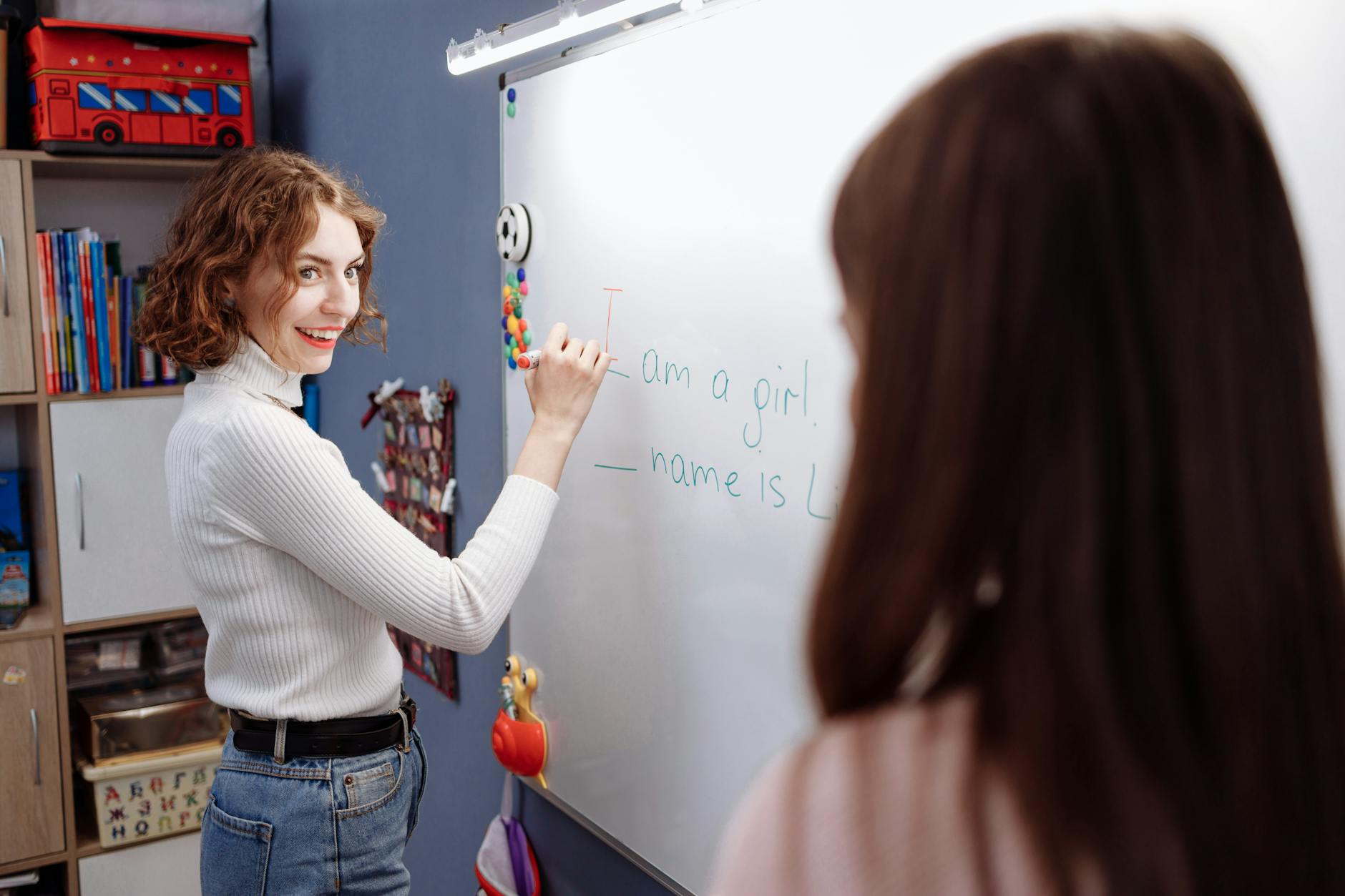
Moving to a community school model is not a magic wand. It is early mornings negotiating with the food bank and late nights calling families about health clinic hours. You will need a site coordinator who can cut through red tape without drowning in it, plus teachers willing to step outside their classroom walls. I have seen it work when the principal treats family engagement as actual partnership, not just another meeting to schedule. I have also seen it flop when districts treat the model as a checklist.
Start small. Pick one wraparound service your families actually asked for, not what you think they need. Maybe it is dental screenings. Maybe it is English classes in the library basement. Build from there. The schools that fail try to become full-service schools overnight and burn everyone out before Thanksgiving.
Look at your roster. Which students keep falling through the cracks because their needs extend past 3:00 PM? If you cannot answer that question, you are not ready. If you can name three kids right now, what is stopping you from making the first call?

What Are Community Schools and How Do They Fit Into Public Education?
Traditional models run 8am to 3pm in isolation. Community schools stay open evenings and weekends. Unlike magnet or charter schooling options, they use open enrollment and union teachers.
Feature | Traditional Schools | Community Schools | Magnet/Charter Options |
|---|---|---|---|
Hours | 8am–3pm, weekdays | 7am–7pm, year-round | Varies by program |
Staffing | Teachers + admin | Teachers + site coordinators + partners | Teachers + specialized staff |
Partnerships | Limited PTA | 15–25 active MOUs | Selective contracts |
Admissions | Zoned enrollment | Open enrollment, zoned priority | Lottery or selective |
Defining the Full-Service Community School Model
Federal guidelines mandate four pillars for full-service schools: integrated student supports, expanded learning time, family engagement, and collaborative leadership. These wraparound services mean health clinics and housing assistance happen alongside academics.
The site coordinator makes this sustainable. This is a full-time position, not a teacher with extra duties. They manage 15 to 25 active partnerships, from dental clinics to martial arts programs. I watched our coordinator at the middle school match fifty families with housing support during the 2022 freeze. She had an office near the front door. Parents knew her name.
The Evolution From Traditional Schooling Options
This model echoes Jane Addams and Hull House from the 1890s. Settlement houses embedded schools in immigrant neighborhoods to fight poverty through shared resources.
New York's Beacons schools in the 1990s modernized the approach. They turned public buildings into community centers after hours. Today's 21st Century Community Learning Centers carry that legacy forward. The philosophy shifted from "fixing broken kids" to building on neighborhood assets and existing strengths.
Key Characteristics That Differentiate Community Schools
Certain traits separate authentic community schools from schools with a few after-school clubs. These five elements are non-negotiable.
Dedicated site coordinator with separate office space.
Steering committee with 30% community representation.
Annual needs assessments using Coalition for Community Schools Standards.
Shared facility use agreements keeping buildings open evenings and weekends.
Data-sharing MOUs with partner agencies compliant with FERPA and HIPAA.
Why Do Community Schools Matter for Student Success and Equity?
Community schools improve equity by removing systemic barriers to learning. Research indicates that addressing health, housing, and food insecurity can significantly improve attendance and academic outcomes. By locating services inside schools, they ensure all students—regardless of income—access dental care, mental health support, stable housing assistance, and enrichment opportunities typically available only to affluent families.
You cannot teach a child who is hungry, homeless, or hurting. Community schools recognize that poverty is not a learning disability, but a barrier that requires adult intervention to remove.
John Hattie's Visible Learning research shows teacher-student relationships carry an effect size of 0.59 and feedback 0.72. Community schools extend these high-impact practices through mentorship and wraparound services. When site coordinators connect families with housing assistance or asthma treatment, they address non-academic factors that research shows account for the majority of variance in student outcomes.
These full-service schools coordinate with Title I funding to eliminate pay-for-service barriers. Targeted outreach ensures students in the bottom 20% of socioeconomic status receive intensive supports first. Unlike private models relying on tuition barriers, community schools provide equitable access to resources and support through integrated student supports requiring no copays.
The collective impact framework (Kania & Kramer) drives change through shared measurement systems and mutually reinforcing activities. This builds civic capacity without creating dependency. Family engagement shifts from volunteer hours to policy decision-making, while expanded learning time provides enrichment that neighborhood organizations co-design with educators.
Addressing Non-Academic Barriers to Learning
I taught 7th grade where three students missed twenty days due to untreated asthma and no ride to the clinic. Community schools target these barriers through systematic screening.
Chronic absenteeism from untreated asthma or transportation gaps.
Toxic stress from housing instability that impairs working memory.
Unfilled prescriptions for glasses or ADHD medication blocking learning.
Site coordinators use the Pediatric Symptom Checklist for rapid needs assessment. They flag students showing signs of trauma before these issues derail learning. Catching a vision problem in September salvages months of instructional time.
Creating Equitable Access to Resources and Support
On-site school-based health centers (SBHCs) eliminate appointment barriers that disproportionately affect working families. Co-location matters because the average off-campus medical appointment consumes three hours of instructional time. SBHCs cut that to twenty minutes.
This differs from traditional social work. Integrated student supports mean the math teacher, nurse, and counselor share real-time information. No one falls through cracks created by siloed departments.
Building Long-Term Community Resilience and Ownership
Sustainable change requires moving from counting outputs to measuring outcomes. The Results-Based Accountability framework (Mark Friedman) asks not "how many did we serve?" but "how much did we change community indicators?" like teen pregnancy or juvenile justice rates.
Family engagement transforms when parents join advisory councils allocating resources. Residents identify priorities—whether expanded learning time for STEM or evening ESL classes—avoiding top-down programming. This ensures community schools persist beyond grant cycles.
How Do Community Schools Operate? Understanding the Four Pillars?
Community schools operate through four research-backed pillars: integrated student supports (health, dental, mental health), expanded learning time (before/after school and summer), active family engagement (home visits, parent education), and collaborative leadership (shared governance with community partners). These pillars create a comprehensive support system surrounding the academic instructional core.
Think of these pillars as the foundation of a full-service school. You don't bolt them on overnight. Each pillar addresses a specific student outcome. Together they transform the building from a place kids visit into a community hub that wraps around their lives.
The four pillars function as an operational blueprint targeting specific outcomes. Integrated student supports reduce chronic absenteeism by connecting families to health resources. Expanded learning time provides 540 additional annual hours—ninety school days—to boost achievement. Family engagement drives socio-emotional growth, while collaborative leadership ensures long-term sustainability through shared governance.
This decision matrix keeps you focused. When a 4th grader misses twenty days due to tooth pain, you need health supports, not tutoring. When parents cannot help with homework, you need training, not just a committee meeting.
Sequence matters. Never launch expanded learning before addressing basic safety and health needs. Hungry children cannot focus on robotics clubs. This violates Maslow's hierarchy and burns out staff. Spread implementation across three years: health supports first, programming second, governance refinement third.
Integrated Student Supports
This pillar uses a systematic referral pipeline. When teachers identify needs, site coordinators conduct intake using the Columbia Impairment Scale. They perform warm handoffs to community partners within 48 hours. Follow-up happens within 72 hours to ensure families actually connect with services.
Common services include Spot Vision Screener exams, school-based dental sealants, and CBT or DBT therapy. I watched a 2nd grader's attendance transform after receiving glasses through our integrated student supports program. These wraparound services remove barriers that academic interventions alone cannot address. Site coordinators manage these logistics so teachers can teach.
Expanded Learning Time and Opportunities
This pillar extends learning through the "6 to 6" model or intensive summer bridge academies. Academic support requires 1:15 staffing ratios; enrichment can run 1:20. The 21st Century Community Learning Centers (21st CCLC) fund these programs, requiring 60 hours minimum annually.
High-impact community schools aim for 540 additional hours—ninety school days of enrichment. Sustainable expanded learning time requires paid staff, not volunteers. I've seen districts rely on unpaid help, which collapses by November when people burn out. Quality suffers when you staff after-school programs with rotating volunteers who lack training in youth development.
Active Family and Community Engagement
Real family engagement moves beyond pizza nights to "academic parenting." Parents learn to ask high-order questions using Bloom's Taxonomy levels four through six. They prompt analysis and synthesis, not worksheet checks.
Home visits follow the Parent Teacher Home Visit Project model. Visits are voluntary and compensated $25 to $40 per hour. They remain explicitly relational, not transactional. This active family and community engagement respects parent expertise. When parents understand cognitive rigor, they demand it from schools.
Collaborative Leadership and Practices
Sustainability requires shared governance, not charismatic principals. The steering committee comprises 40 percent school staff, 30 percent parents, and 30 percent partners. Decisions require consensus—everyone must live with the outcome.
Quarterly data reviews follow the Plan-Do-Study-Act cycle. Shared leadership takes longer initially but prevents burnout in full-service schools. When budget cuts come, programs with broad community investment survive while principal-pet projects fade. Consensus sounds inefficient until you've watched a principal leave and the community school survive because parents and partners co-own the mission.
Community Schools vs. Private Education and International Models
Governance and Funding Structures
Community schools answer to locally elected school boards bound by strict open meeting laws. Every budget line and disciplinary policy gets debated in public sessions where parents can testify. Private education operates through self-perpetuating boards that answer to trustees and tuition-paying families behind closed doors. Many international schools function under corporate franchise agreements or embassy partnerships with governance structures completely opaque to local parents.
Cost structures reveal the stark divide. Community schools charge zero tuition. Districts typically absorb an extra $200 to $500 per pupil annually to fund wraparound services and integrated student supports like on-site dental vans or food pantries. Private education demands $15,000 to $50,000 in annual tuition before adding fees for trips and uniforms. International schools range from $10,000 to $40,000 depending on the host country's economy and currency strength.
The myth of selectivity collapses here. Community schools accept every child in their attendance zone or lottery pool without screening. They must enroll students with IEPs and 504 plans by federal mandate. No interviews, no entrance exams, no legacy preferences. Just universal access and the public mandate to serve all comers regardless of ability or behavior.
Curriculum Flexibility and Accountability Measures
Community schools follow state standards with tight public accountability. They face scrutiny through standardized testing and elected board oversight that happens in open meetings. Teachers still teach to the test, but site coordinators weave in expanded learning time through after-school robotics or literacy clubs. These enrichment programs don't appear on state exams but keep kids engaged until 6pm without extra fees.
Private education picks any accredited framework that matches its marketing and philosophy. Montessori, Reggio Emilia, Classical, or unscripted progressive models fly under the radar of state mandates and standardized testing requirements. These schools answer to small accrediting bodies and wealthy parent expectations rather than district benchmarks or annual public report cards showing detailed subgroup performance data.
International schools follow rigid international models like the IB Diploma or Cambridge IGCSE frameworks. These programs demand mandatory foreign language proficiency starting in primary grades and extensive global citizenship portfolios. Students track service hours across continents while their peers in local community schools focus on mastering state capitals and community-specific civics standards.
Community Ownership vs. Institutional Control
Community schools function as genuine public assets owned by local taxpayers. Through shared-use agreements, these buildings stay open until 9pm for adult ESL classes, weekend vaccination clinics, and summer meal programs. The facility serves the entire zip code, not just the enrolled students. When the school gets a new gym, the community gets a new gym.
Private and international schools operate as gated institutional properties with strict access controls. Security checkpoints verify enrollment status before allowing entry to any building. After hours, facilities lock down completely. Only tuition-paying families may access the soccer fields, theaters, or STEM labs, creating physical and social boundaries.
I saw this contrast crystallize last October at my neighborhood full-service school. At 7pm on a Tuesday, the cafeteria hummed with immigrant parents learning conversational English while their 4th graders finished homework nearby.
The school-based health clinic saw walk-in patients in the old art room. That same evening, the private academy across town hosted a black-tie gala for major donors behind locked gates. Real family engagement happens when you remove financial barriers and keep the doors open to everyone.
What Does Implementation Look Like Across Different Grade Levels?
Implementation varies by developmental stage: Elementary focuses on early literacy support and health screenings with heavy parent involvement; Middle emphasizes mentorship and identity development through advisory systems; High School prioritizes career pathways, dual enrollment, and college persistence supports like FAFSA completion and internship placements.
One size never fits all. A kindergarten parent needs different support than a junior researching apprenticeships. Your community schools strategy must shift as students grow. Match wraparound services to developmental stages. Never bolt identical programs onto every grade band.
Elementary School Family Engagement and Early Support Models
Start with the basics. In my 3rd grade classroom, I watched a grandmother learn to teach phonics during a Heggerty curriculum workshop. She practiced the hand motions at home with her grandson. That is family engagement done right—not stuffing envelopes, but building academic confidence together.
Failure mode alert: Elementary program schools collapse when they treat parents as free labor for copying worksheets. They succeed when site coordinators treat caregivers as co-teachers. Set up parent centers with computers for job searches and ESL classes. Run vision screenings using Spot Vision Screener technology.
Target 90% on-time attendance through early intervention. The Reading Buddies model pairs retirees with 1st graders for 20 minutes daily. It builds literacy and community bonds simultaneously. These integrated student supports catch reading delays before they become failures.
Middle School Expanded Learning and Mentorship Programs
Middle schoolers need autonomy, not babysitting. The Advisory Model matches every student with one adult mentor for all three years. That teacher knows the student’s name, story, and triggers. It creates continuity during chaotic developmental years when students often feel invisible.
Failure mode alert: Middle school full-service schools fail when they ignore the developmental drive for independence. Avoid mandatory study halls that feel like elementary punishment. Instead, offer after-school STEM clubs using FIRST Robotics or VEX IQ competitions. Let students choose their expanded learning time activities.
Implement restorative justice circles using the International Institute for Restorative Practices model. Track a 40% reduction in office discipline referrals within eighteen months. This approach respects adolescent needs for voice while maintaining high expectations.
High School Career Pathways and College Preparation Initiatives
High school is launch time. Career pathways must connect to real regional economies, not vague "college prep" dreams. A Linked Learning healthcare academy partners with local hospitals for CNA certification. Students graduate with marketable credentials and clinical experience.
Failure mode alert: College preparation initiatives crash when they ignore labor market data. Do not push manufacturing pathways in a tech hub, or nursing tracks where hospitals are closing. Align P-TECH models offering free associate degrees with actual hiring needs through dual enrollment coordination.
Use CCAP agreements requiring formal MOUs with community colleges. Target 90% FAFSA completion and 85% college enrollment or credential attainment. Site coordinators should track students through summer melt, ensuring the diploma leads to a paycheck or degree, not just a ceremony.
From Theory to Practice: Building Partnerships and Infrastructure
Community schools don't appear overnight. The shift to full-service schools requires a disciplined 12-month runway that prioritizes governance over rapid program deployment. Months 1-3 focus on asset mapping and comprehensive needs assessment. Months 4-6 lock in partnerships through legally reviewed MOUs with clear exit clauses. Months 7-9 pilot exactly one service—not five—allowing you to test systems. Months 10-12 demand brutal evaluation and adjustment. Rush to service provision before establishing governance structures, and implementation fails. I learned this launching tutoring before securing our steering committee—three months later we had confused volunteers, no liability coverage, and damaged partner trust.
Red Flags and Failure Modes
Watch for three warning signs that predict partnership collapse.
Single-source funding exceeding 50% of budget creates existential risk—when that grant ends, so do your wraparound services.
Volunteer-dependent programs without paid staff backups vanish during flu season or economic downturns, leaving students stranded.
Mission drift toward gentrification destroys community trust permanently when advisory boards prioritize property values over homework help.
Sustainable community schools serve current residents, not future homebuyers.
Step 1 — Conducting a Comprehensive Needs Assessment
Start with the Coalition for Community Schools Standards self-assessment tool. It audits current family engagement practices against national benchmarks, not local assumptions.
Survey 100% of families in your top three home languages—typically Spanish, Mandarin, and Arabic. Paper copies go home with backpacks; digital forms follow via text. Last year, my 4th-grade colleague translated our survey into Arabic and response rates jumped 40% in one week.
Analyze three years of discipline and attendance data. Identify hot spots by grade level and time of day. If 7th graders vanish at 2:00 PM on Fridays while 6th graders stay, your expanded learning time programming should target that specific 7th-grade gap with relevant activities, not generic after-school babysitting.
Step 2 — Mapping Community Assets and Potential Partners
Draw a two-mile radius around your building—roughly a 30-minute walk for middle schoolers. Catalog every faith-based organization, Federally Qualified Health Center, YMCA or Boys & Girls Club, and public library within that boundary. These institutions form your infrastructure backbone, not just your donor list.
Use the ABCD approach—Asset-Based Community Development. Inventory resident skills like bilingualism, electrical trades, or textile arts rather than cataloging deficits. Your families possess assets; treat them as experts, not clients.
When mapping community assets and potential partners, look beyond institutions. The retired carpenter three blocks away can mentor students. The church basement becomes your food distribution hub. Proximity builds sustainability faster than distant grant announcements. These relationships provide integrated student supports that extend learning beyond the school bell.
Step 3 — Developing Shared Governance Structures
Draft MOU templates with 12-month review clauses and clear termination protocols. Partnerships end; plan for exits gracefully to protect student relationships.
Establish a steering committee with distributed voting rights. Parents must hold minimum 30% of seats with actual voting power, not advisory opinions. I've sat on committees where parents spoke but couldn't vote—the resentment poisoned every subsequent decision.
Create data-sharing agreements compliant with FERPA and HIPAA before health partners arrive. Use standard templates from the National Center for Youth Law. Your site coordinators need legal clarity on student health data before the first Medicaid-billed clinic opens.
Step 4 — Securing Sustainable Funding and Resources
Braid diverse revenue streams from day one. Target the federal Full-Service Community Schools grant ($2.5 million over five years), state TANF funds, and Medicaid administrative claiming. Add local county mental health allocations and city parks department partnerships for operational stability.
Diversify aggressively. Cap reliance on any single funding stream at 30%. Blend 21st Century Community Learning Centers federal funds, Medicaid billing for School-Based Health Center services (averaging $150-300 per visit reimbursement), Title I set-asides (minimum 1% required), and targeted corporate CSR partnerships.
Build your sustainability plan immediately. Show exactly how you'll transition from grant funding to operational budget within five years through local tax levies or ongoing Medicaid billing. Treat grants as seed money, not permanent soil.
How Can School Leaders Transition to a Community School Model?
School leaders transition by first assessing organizational readiness (staff buy-in, facility space, leadership stability), then phasing in services starting with one high-impact program like after-school care or dental clinics. Success requires hiring site coordinators, training staff on referral protocols, and establishing data systems to track attendance and engagement metrics.
Assessing Organizational Readiness and Staff Capacity
You need a score of seven out of ten on the readiness rubric before launching community schools initiatives. Audit union support, principal tenure of at least three years, and existing family engagement infrastructure. Verify you have 200 square feet for a site coordinator office and baseline data systems tracking attendance.
Use Bryk and Schneider’s Trust Survey to measure staff collaboration norms. assessing organizational readiness early prevents mid-year collapse when partners arrive and space runs out.
Phasing in Services: Starting With High-Impact Programs
Never launch all four pillars in year one. That path leads to teacher burnout and program failure. Start with one visible win: a one-day dental sealant event serving fifty students, or expanded learning time using existing staff at thirty-five to fifty dollars hourly.
These wraparound services build trust before you add complex mental health counseling in year two. Wait until referral protocols are tested and FERPA compliance is verified with legal counsel before expanding to Phase 3 integrated student supports.
Training Staff for Expanded Roles and Collaboration
Teachers fear becoming social workers. Clarify boundaries using a RACI matrix: teachers own academics, site coordinators own referrals. Train staff on the thirty-minute "warm handoff." Walk the student to the coordinator’s office instead of sending an email.
Last October, I watched a 7th-grade teacher escort a hungry student to our pantry coordinator. The boy ate while the teacher returned to teach math. That five-minute walk prevented compassion fatigue and got him fed.
Measuring Outcomes and Iterating on Your Model
Track leading indicators monthly—attendance rates, chronic absence reduction, and family engagement logs—using Plan-Do-Study-Act cycles. Review lagging indicators like test scores annually.
Set sunset clauses: terminate programs that show no improvement in two semesters or exceed cost-per-outcome benchmarks. transition to a community school model successfully by pruning dead programs fast so resources flow to what actually works for kids.
Is Community Schools Right for Your Students?
Moving to a community school model is not a magic wand. It is early mornings negotiating with the food bank and late nights calling families about health clinic hours. You will need a site coordinator who can cut through red tape without drowning in it, plus teachers willing to step outside their classroom walls. I have seen it work when the principal treats family engagement as actual partnership, not just another meeting to schedule. I have also seen it flop when districts treat the model as a checklist.
Start small. Pick one wraparound service your families actually asked for, not what you think they need. Maybe it is dental screenings. Maybe it is English classes in the library basement. Build from there. The schools that fail try to become full-service schools overnight and burn everyone out before Thanksgiving.
Look at your roster. Which students keep falling through the cracks because their needs extend past 3:00 PM? If you cannot answer that question, you are not ready. If you can name three kids right now, what is stopping you from making the first call?
Still grading everything by hand?
EMStudio is a free teaching management app — manage your classes, students, lessons, and more!
Learn More
Still grading everything by hand?
EMStudio is a free teaching management app — manage your classes, students, lessons, and more!
Learn More



Notion4Teachers
Notion templates to simplify administrative tasks and enhance your teaching experience.



2026 Notion4Teachers. All Rights Reserved.
Notion4Teachers
Notion templates to simplify administrative tasks and enhance your teaching experience.
2026 Notion4Teachers. All Rights Reserved.
Notion4Teachers
Notion templates to simplify administrative tasks and enhance your teaching experience.
2026 Notion4Teachers. All Rights Reserved.